In all the spirituality and religion I’ve studied along my way, there’s always beensomething that rubs me wrong:the suburban, comfort-version of enlightenment. The float-above-it-all vibe.
The spiritual shopping—collecting practices like status symbols—so long as no onechips a manicure or witnesses real pressure.
Plenty of people romance the idea of “sexual energy” and the path of desire, right up until it meansbringing women’s real lives and bodies into the room.
When it’s time to climb out of the dream and into the mud—boo hoo, too harsh. Everyone wants the benefits of the practice;almost no one wants to shovel.Prison has pressure.
Encoded in that pressure is a right response.Light pressure? You reach. Heavy pressure?
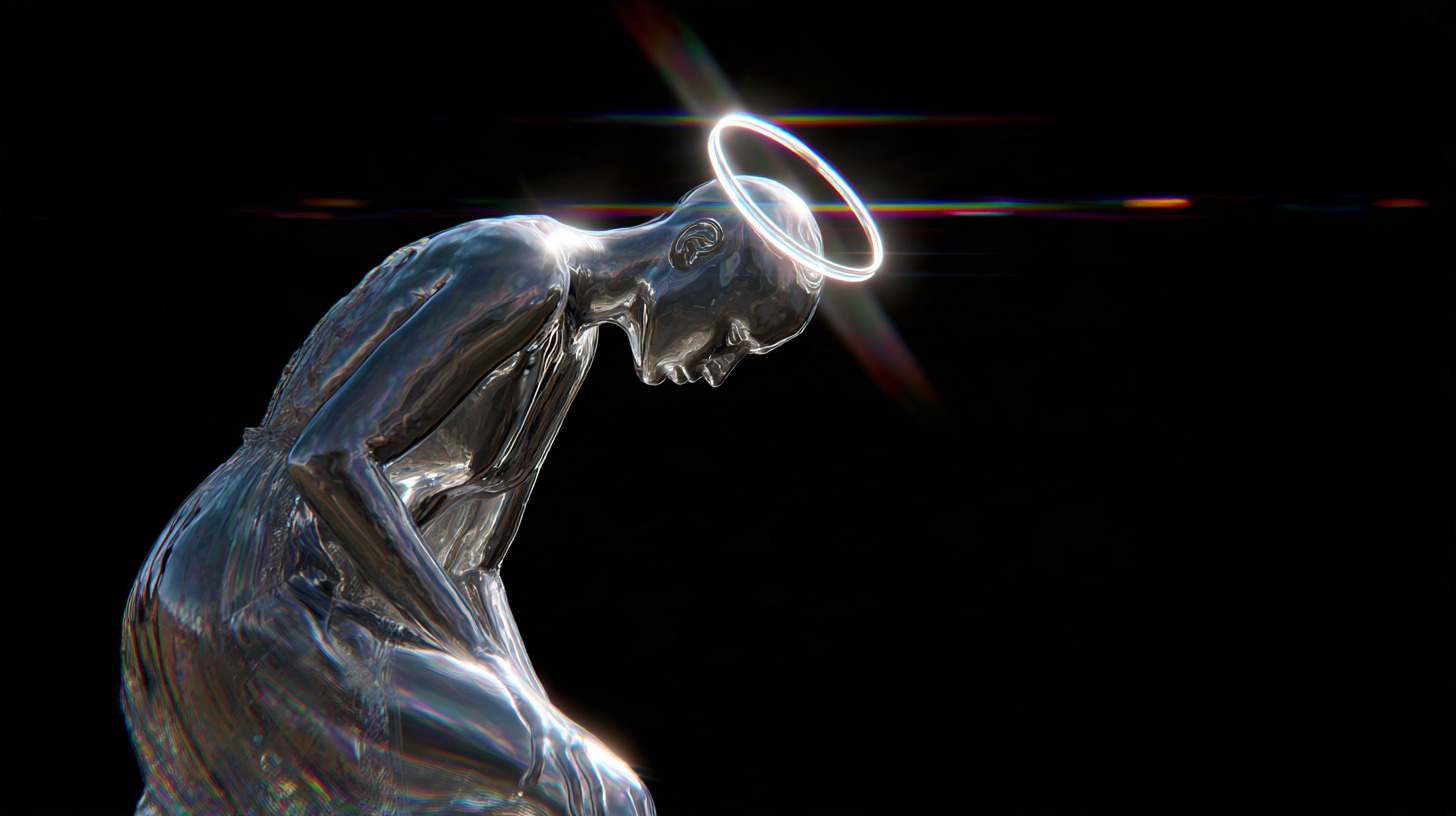
You open. It isn’t about bowing to anyone’s barking. It’s the opposite: knowing who you are so fully that you can offer people what they think they need—respect, a yes-sir, a nod—without losing your center.
I remember a nun once explaining that she couldbow to a roomful of men and still keep her feminism intact.“Because they need that,” she said. Exactly. I know who I am.
My dignity isn’t for sale. I can still offer courtesy. That’s the move in the face of inhumanity:You supply the humanity, even in tiny doses.Talk to people in the language they understand.
Give thema way to feel decent in a jobthat often makes them feel the opposite.
Cruelty doesn’t feel good, no matter which way it’s pointed. Someone has to be the place where dominance isn’t required—where aggression has nowhere to land.
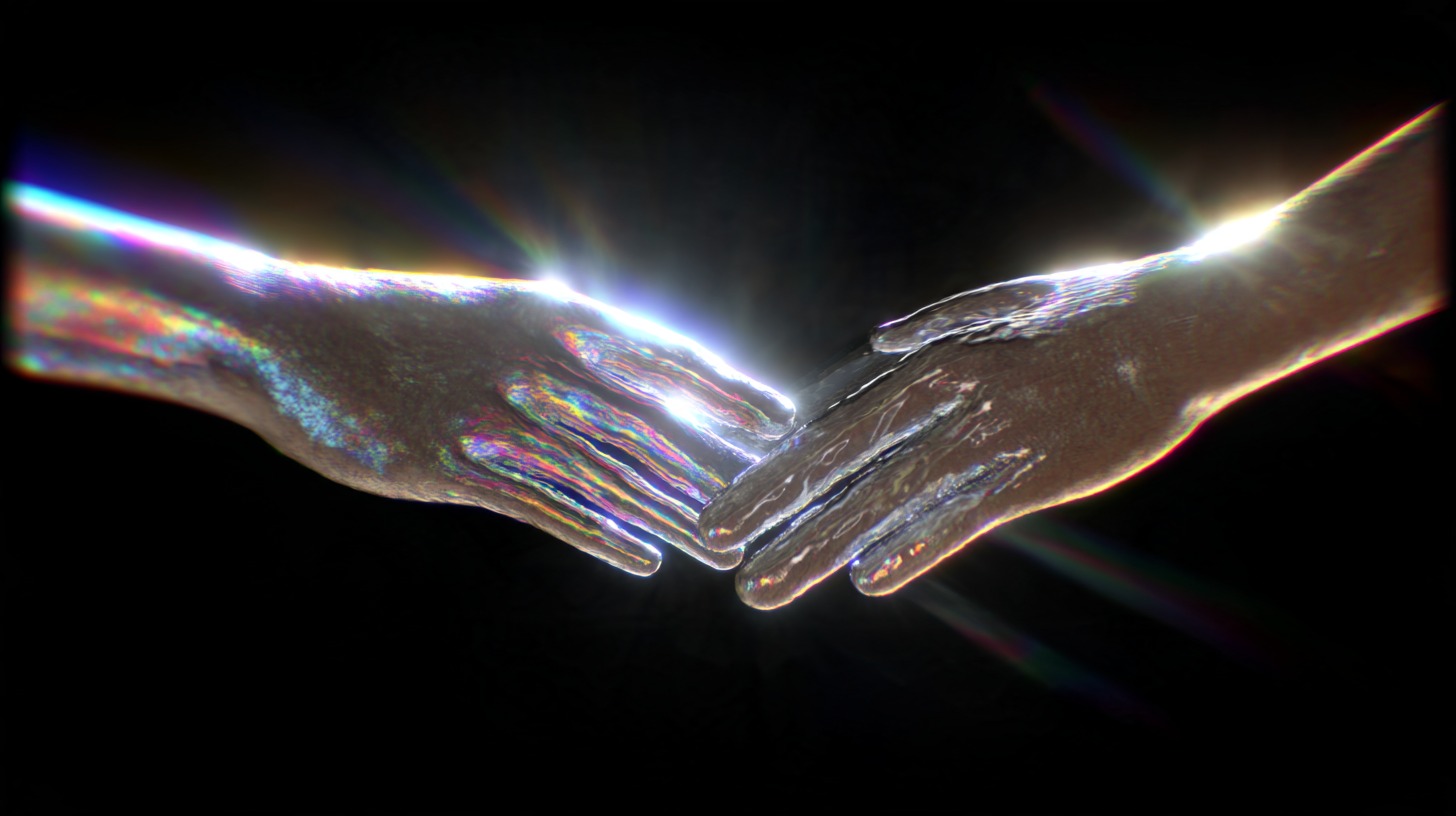
The only way I know to do that isto be like water.There’s an old exercise: Two people press their hands together. One is told to push. The other gets no instruction.
Almost every time,the second person pushes back, and they lock up.Rarely does the second person think to simply give. But when they do, it ends quickly. So what, exactly, is there to assert?
What is there to protect? What do any of us “win”? For me, the answer is simple:I protect inexhaustible peace.I can add kindness where it’s scarce.
That’s the infinite game—the one where the point is tokeep the goodness flowing, not rack up trophies.In the finite game, the company I founded got taken down and I landed in prison. Dramatic.
But in the bigger game, it’s just one scene. If you can’t feel that wider frame, things will hurt for a long time. There is no “them.” There’s onlythe clumsy momentum of ignorance.
If you fight ignorance on its terms, you become it. The most subversive thing I can do isrefuse to become what’s ugly in front of me.
As Martin Luther King, Jr. taught:Darkness cannot drive out darkness; only light can do that.And I don’t dismiss Malcolm X, either. He drove rage into strategy.
He turned fire into clarity—discipline, dignity, purpose. That’s the road I intend to walk: Take the raw surge of energy and send it where it can do clean work.
My instinct has always been to build the whole ecology so there’s no enemy position to push against.Turn toward what’s been rejected instead of away from it.That’s where the real power lies.
When you stop flinching, healing begins.From there, contribution follows. Underneath all my big visions, I still worry for my friends and community outside these walls.
My being remanded wasa sudden altitude change for all of us.
So I ask them what I ask myself: Can you use this—not despite it, but because of it—asthe wall you push off from?
Can you get smarter, stronger, more precise, more determined to bewhat the world is missing?It’s the same question inside and out.
The most radical act I can take is to show that I can, and do,take pleasure in doing the work, even here.
To bea small pocket of ease and refugefor whoever crosses my path. To not take it personally, because none of this is personal.
The success of my work won’t be whether anyone knows my name, my résumé, or my rates.Success will look like this place hurting less because I was here.
I want people to know who I am by how they feel around me, not by my titles. That’s why I chosestigmatized, controversial work over a safe set of robes.
People who rely on uniforms to command respectare negotiating with fear. I want the message to be carried by who I am in any room.
During my trial, the expectation was for me to eitherfall into shame and exile or defiance and attitude.
I chose a different option, the only option that would work for who I am:warm dignity that would not be moved by projection.Here, it’s different. Here, being “no one” is the default.
The system tries to strip identity and make you reactive—either defeated or combative. My job is tostay human and step outside that trap.No one has to know my kindness is deliberate.
They can think it’s automatic or weak.That’s fine.
I will know. Personal agendas blind us. You can miss what’s available here—the sophistication it takes to navigate an endless slalomof shifting rules, man-made laws, and moving targets.
The art is to live in a fear-built system without operating from fear.Now that is gangster.