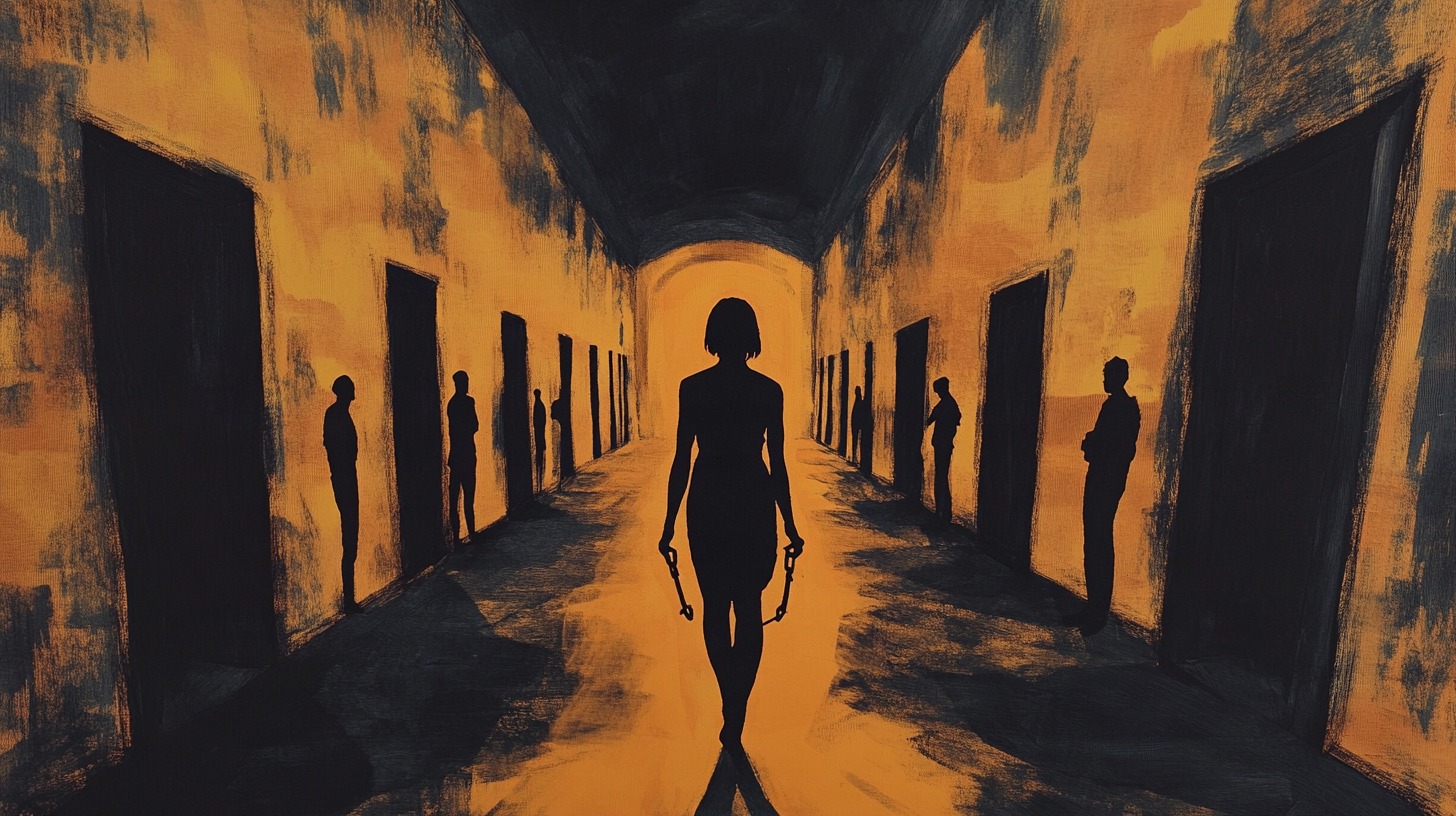
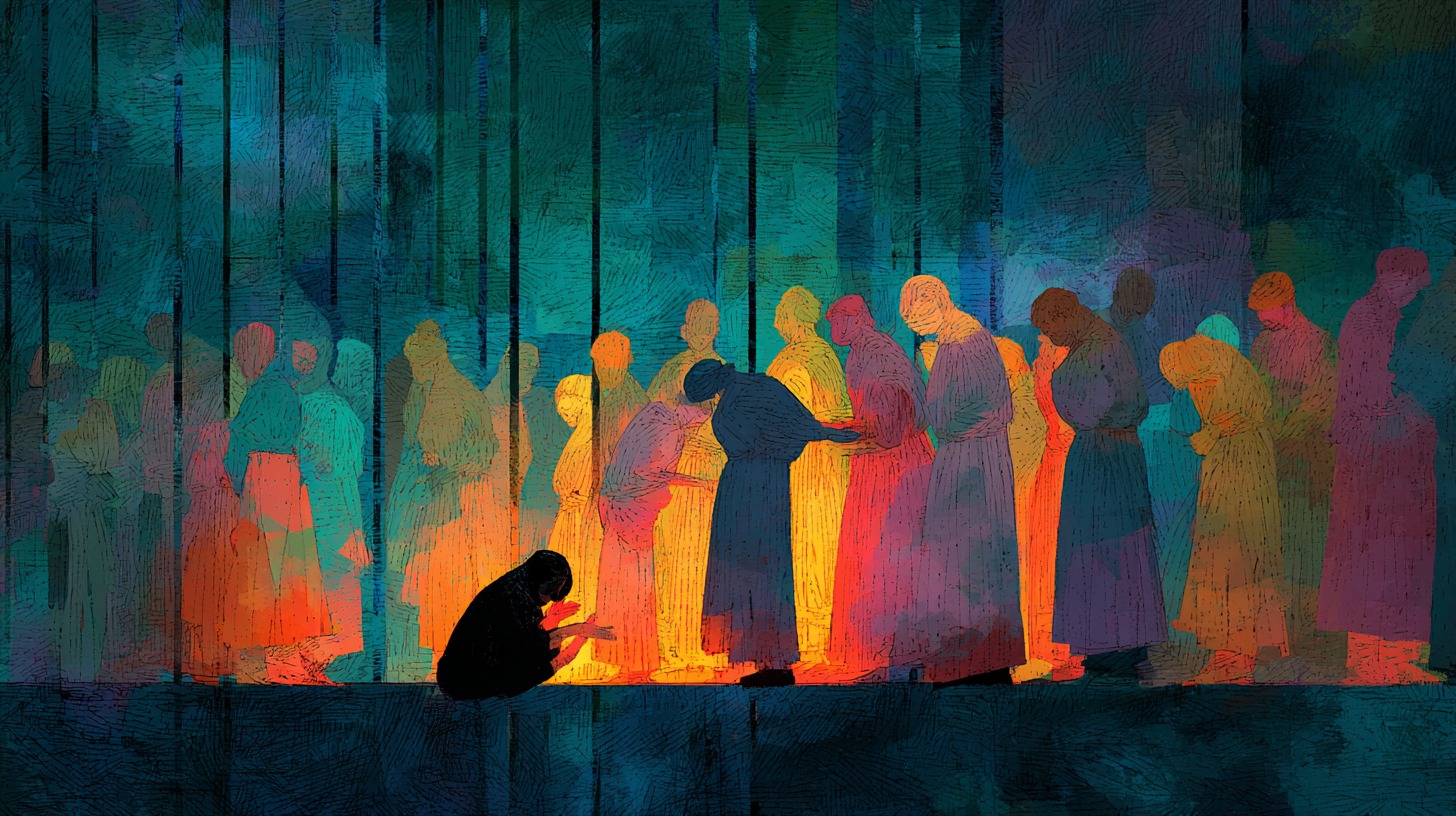
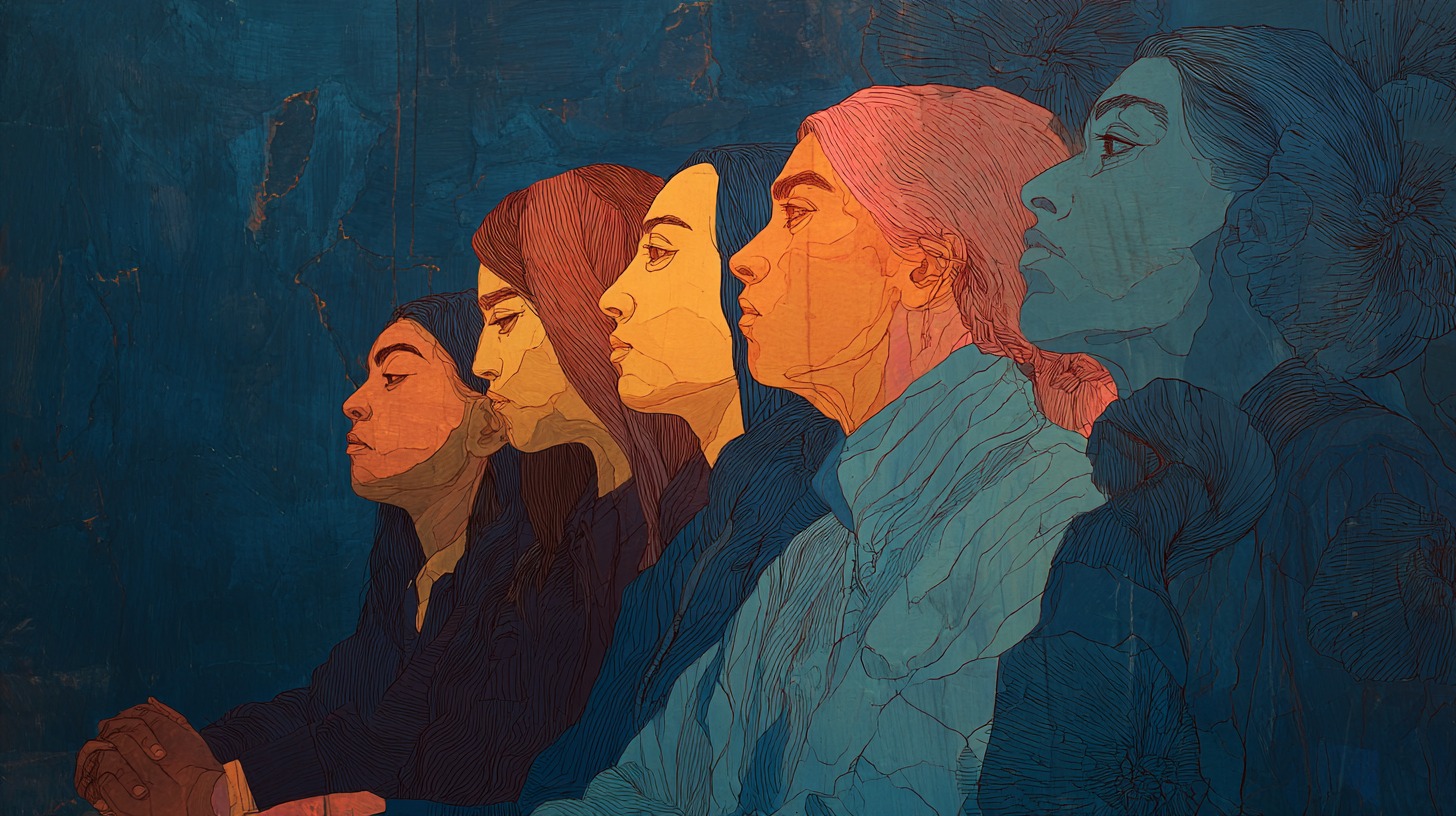
One woman was being transported to her “destination” this morning, which always results in some upheaval. Not bad, exactly—just the kind that opens the floor. In here,every woman becomes her for a moment.
Hackles go up on some, othersshrink like rescues being tugged from a cage,and a few of us stand at the edges, sending her off.
The abyss of uncertainty yawns wide.Shackles. New guards with new rhythms. You don’t know when you’ll eat or where you’ll land.
All you have aresketches in your imagination of what the next placemight be.
It takes a minute for the heart to catch up.First there’s the clench, the braced breath, the hardness.Then warmth returns.
On both sides. You hope the people receiving her can see what she is—a living creature, not a threat.Later, I’m swapping cockroach stories with Royal.
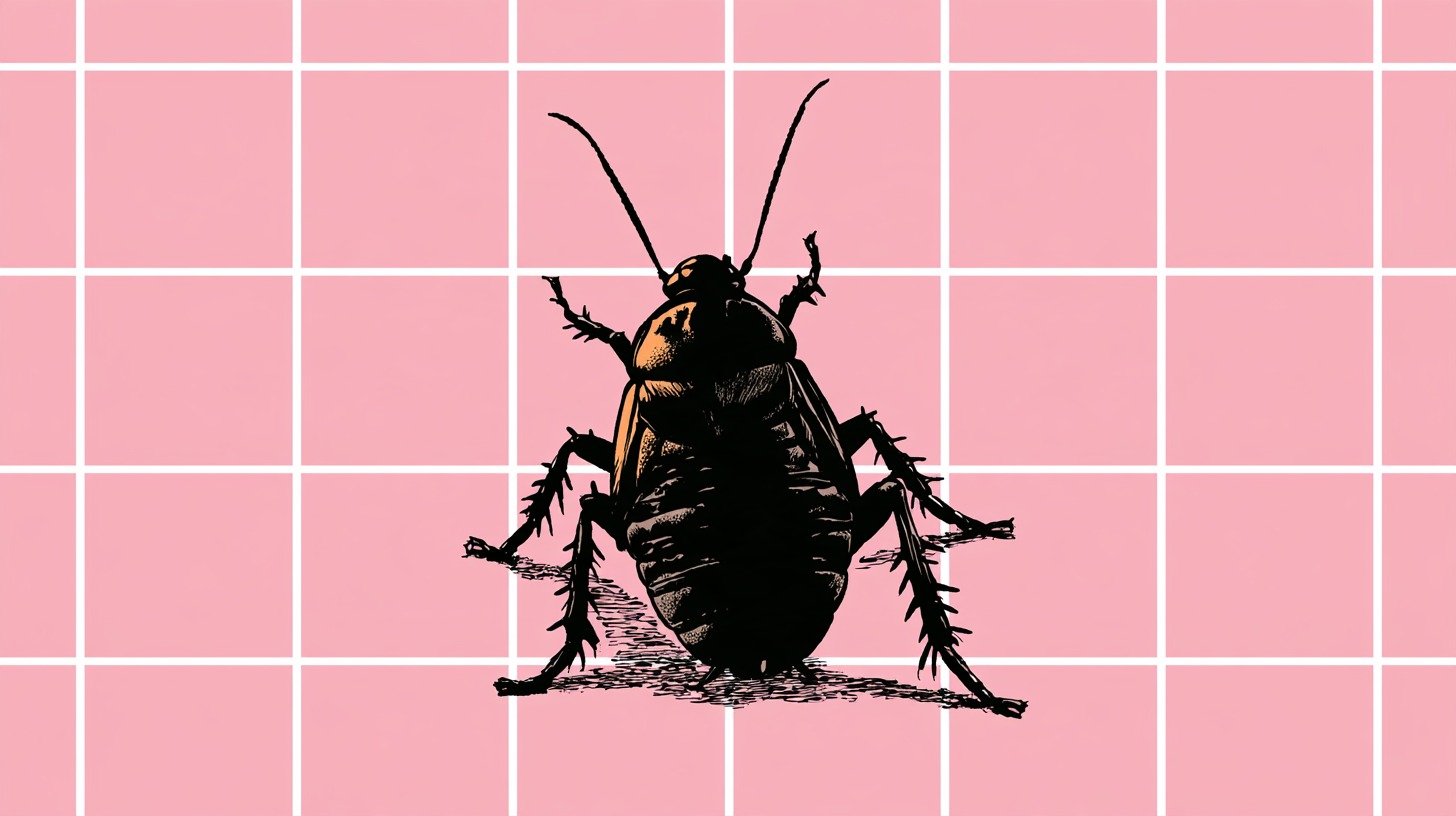
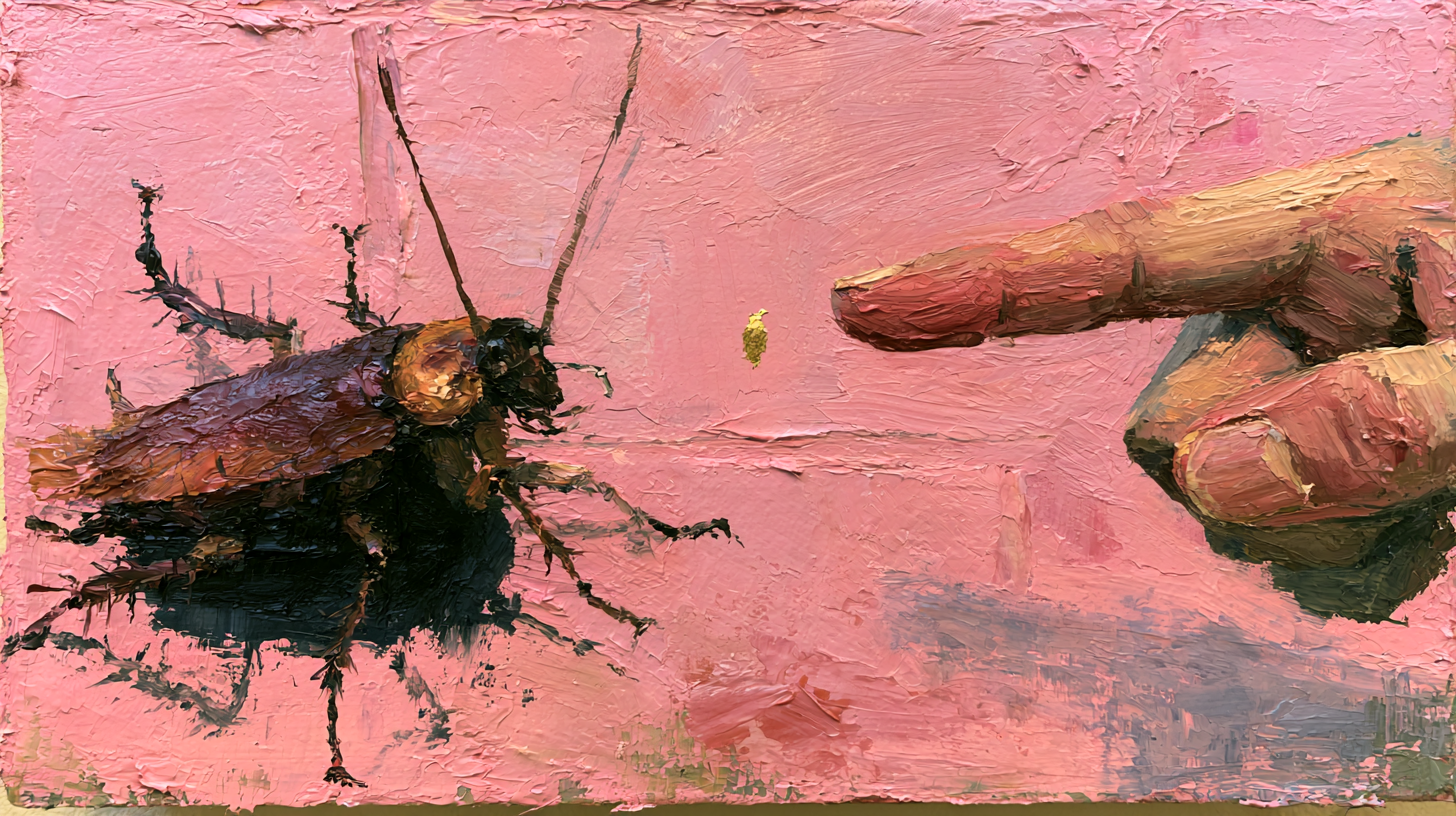
The women act tough until a roach appears, then they run shrieking through the dorm. Yesterday I opened the shower anda water bug, as big as my forefinger, stared me down.
I tapped it toward a crack in the wall. Someone overheard and asked why I didn’t kill it.“Because there are a million more behind that wall,”I said.
“Killing one just props up the illusion.” I like to imagineit sent me a tiny blessing on the way home.Maybe that’s naïve.
Or maybesimple mercy is a kind of insurance for my own soul.
Threat is everywhere here, butI’ve never believed the world was otherwise.Now I’m on the side of the wall where the roaches live, and I’m not surprised.
This is the underbelly doing what underbellies do—some people performing “big bad,” some rebelling on cue, some hiding.We are united by circumstance even while we pretend we aren’t.
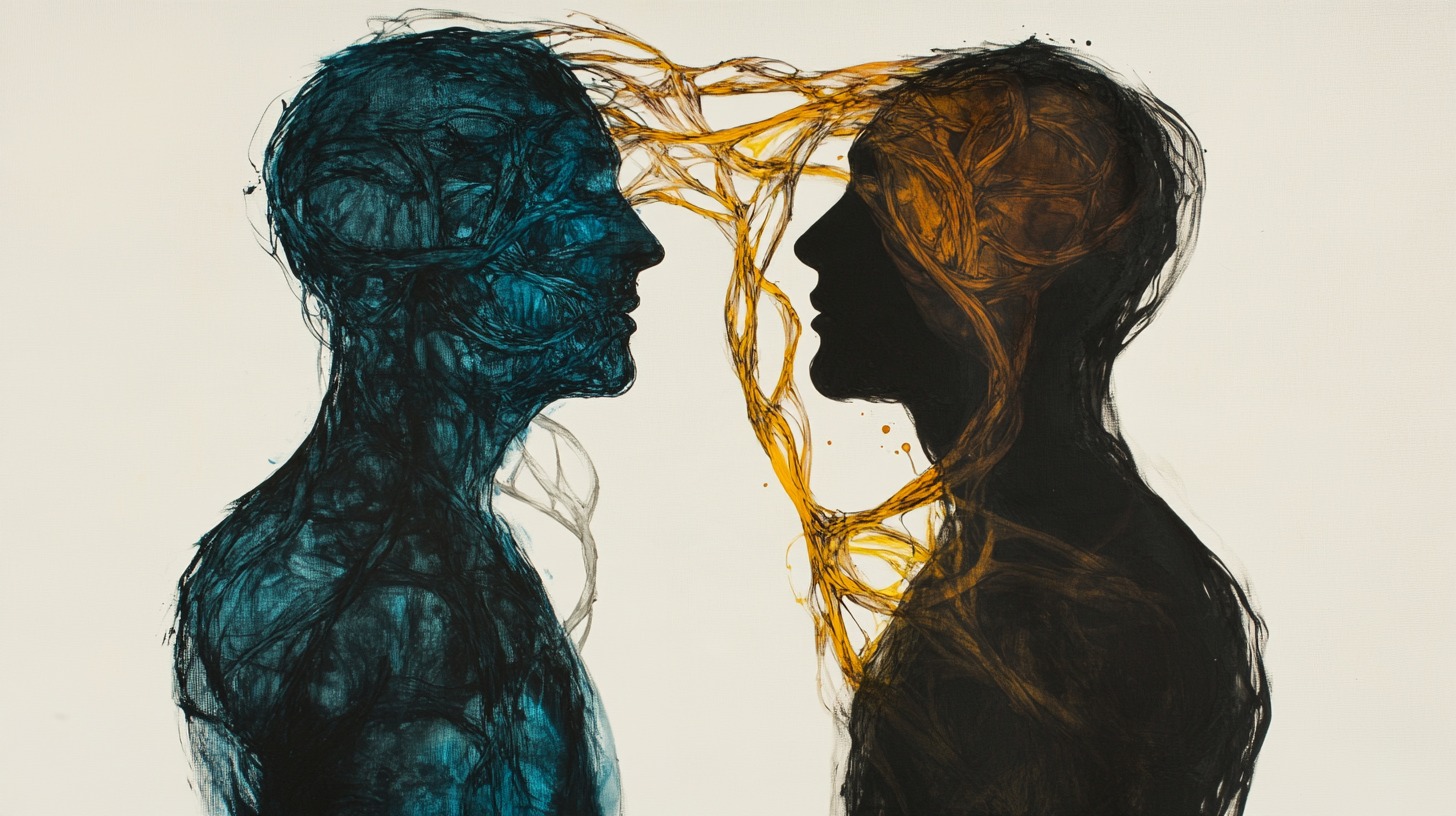
I tell the women often, “There is no them.”We love to fight, to stand in opposition, but most of the battle is in my mind: my projections, my stories.
It makes me laugh how many women are sure those women are beneath them—“skanks,” “rats”—as ifhierarchy can’t help but sprout even at the bottom of the heap.
Down here, there’s still a contest for “best of the dung heap.”“Look at me, flowers are growing on my part!”
I’ve been warned off nearly everyone by someone. “Don’t talk to her.” “Protect your energy.”A nice woman like me should stay away.
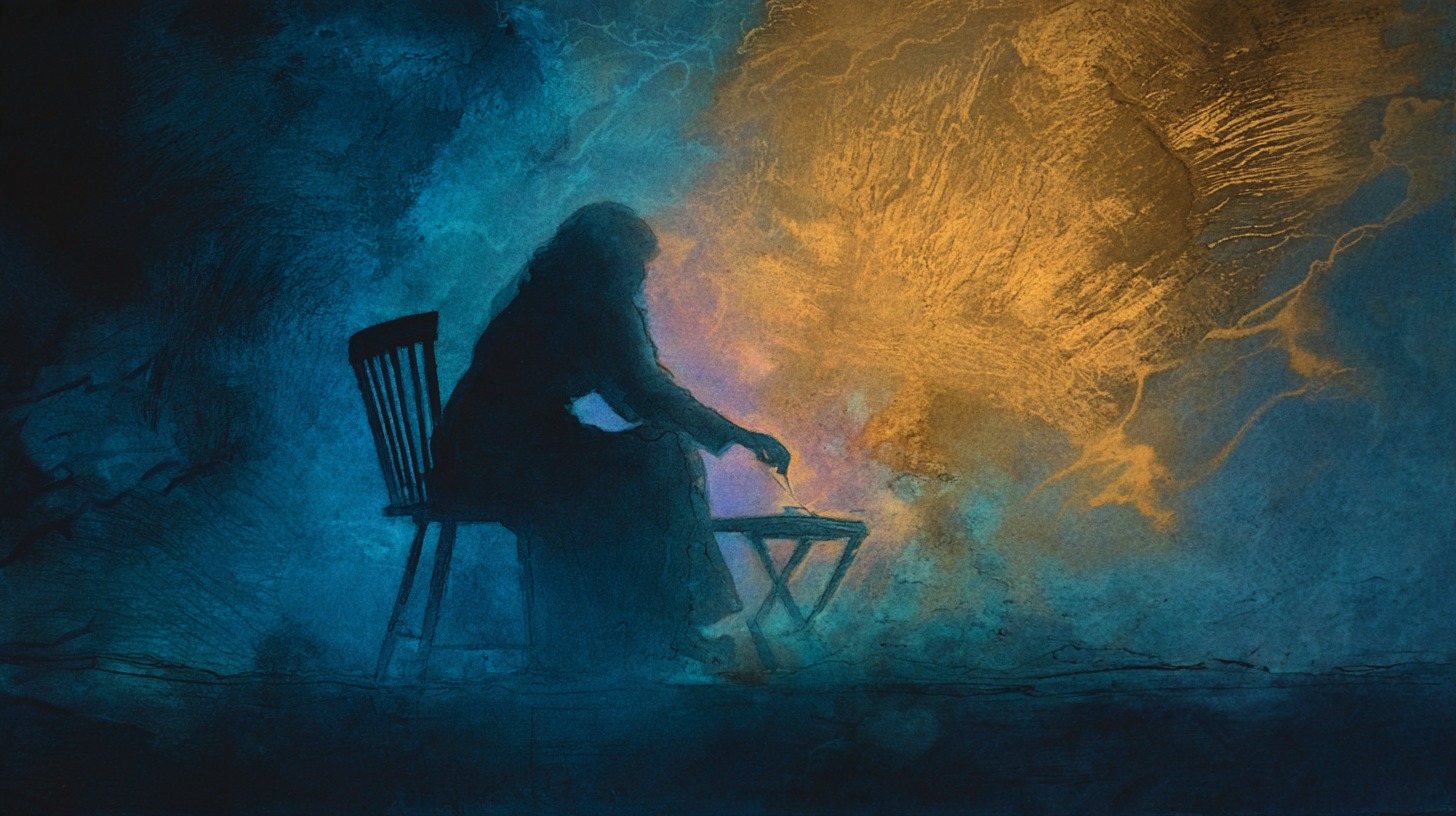
What helps is remembering my center. “Unbreakable dignity”—that bedrock sense of worth no one can give or take.I practice sitting there, right in the hub of it all.
If I can return to that seat, I rememberwhat I’m here to do: offer.
Location is irrelevant. Noise, doubt, even the arrows that seem to fly past your head after the lunch tray—none of that has to move you.
The only way to lose your seat is to get up.
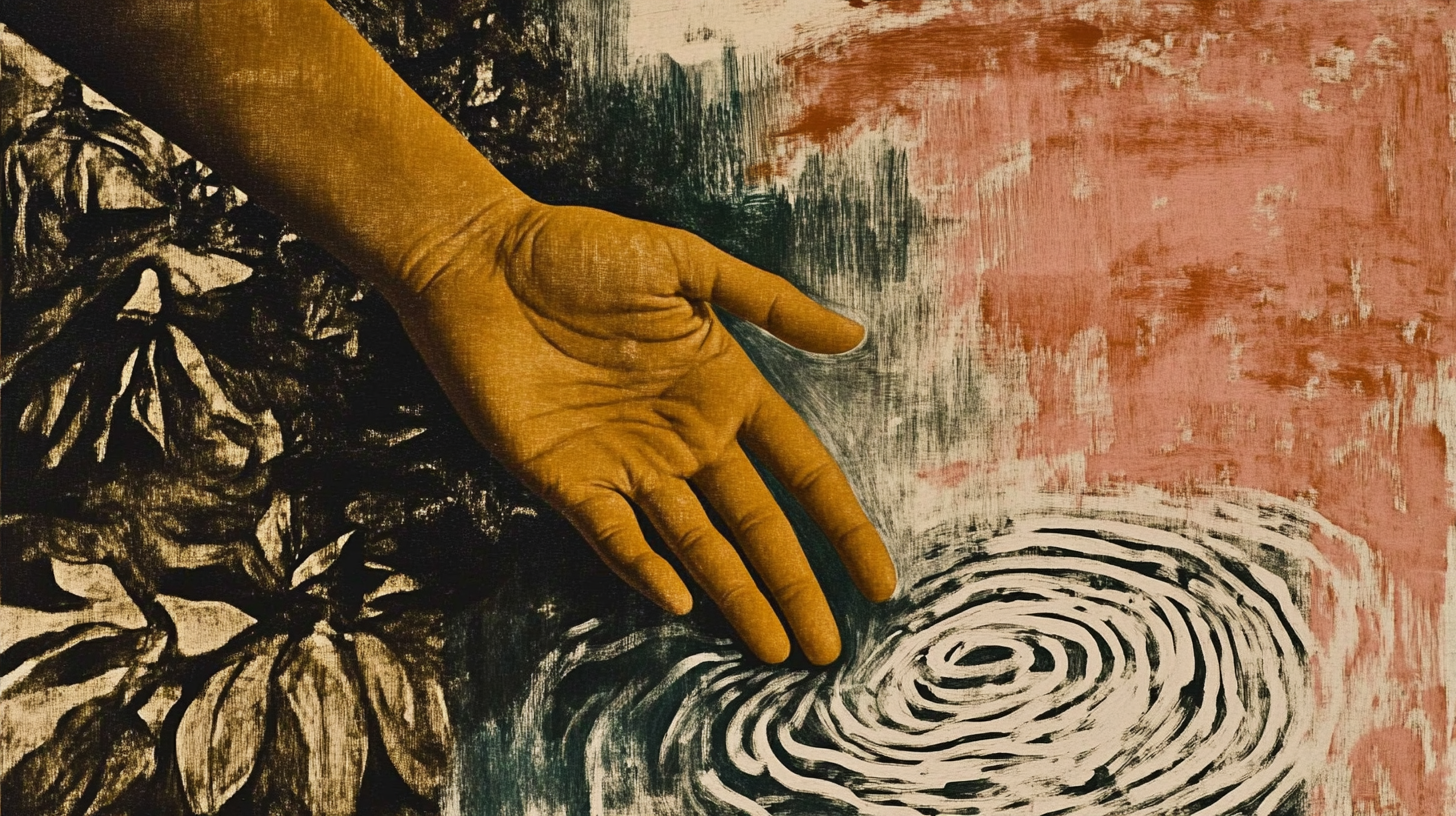
Several times a day, in my mind,I press my palm to the ground and ask the Earth to be my witness.
It’s a quiet gesture of faith:The world is here, and so am I.If I’m building any muscle, it’s faith—faith in what I’ve already seen with my own eyes.
Miracles that would sound like exaggerations if I wrote them down. Kindnesses that arrive precisely when I’ve forgotten how to ask. Evidence thatsomething in all this is for me, not against me.
When that faith opens,it feels like returning to a room I once knew well.
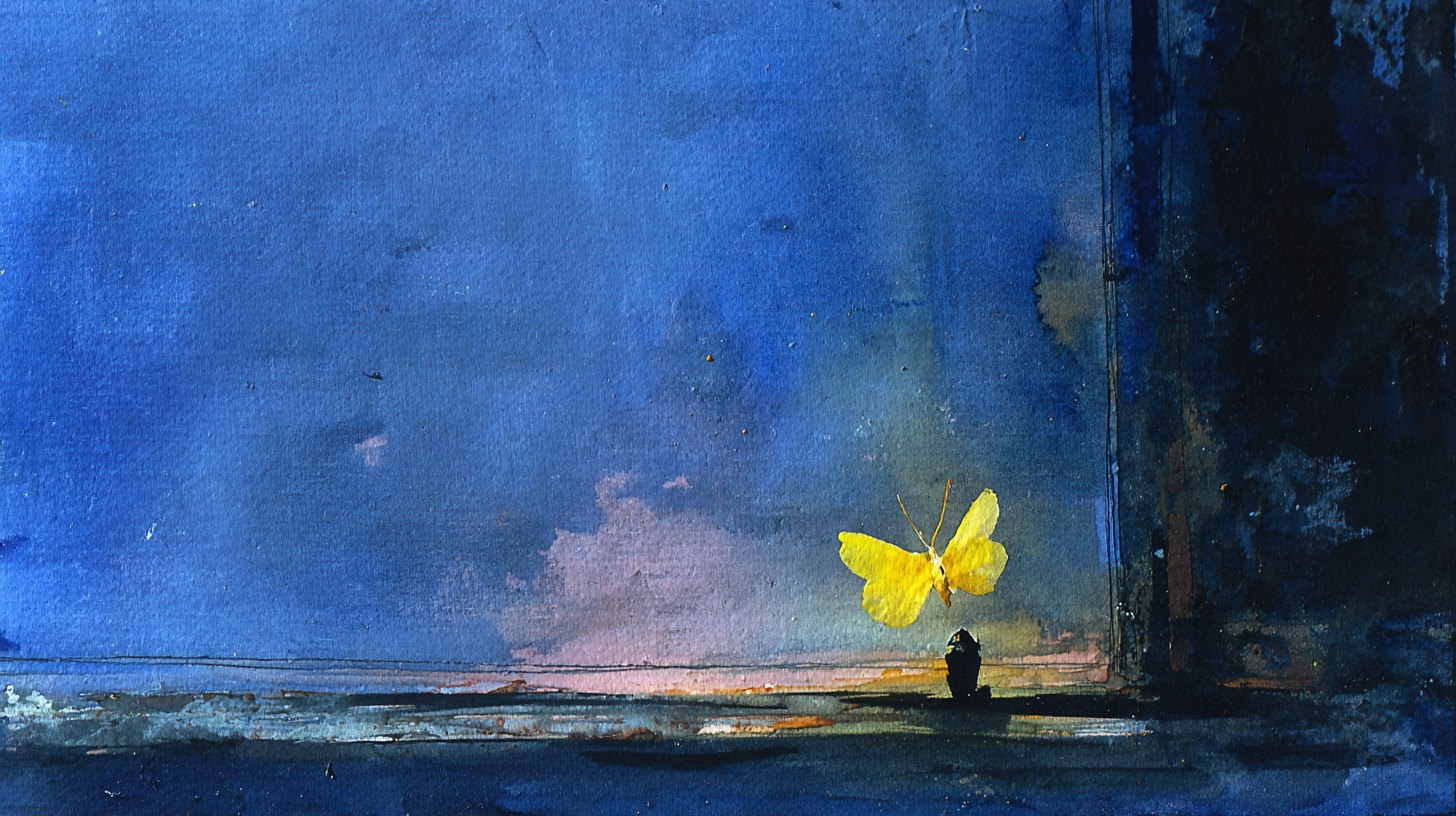
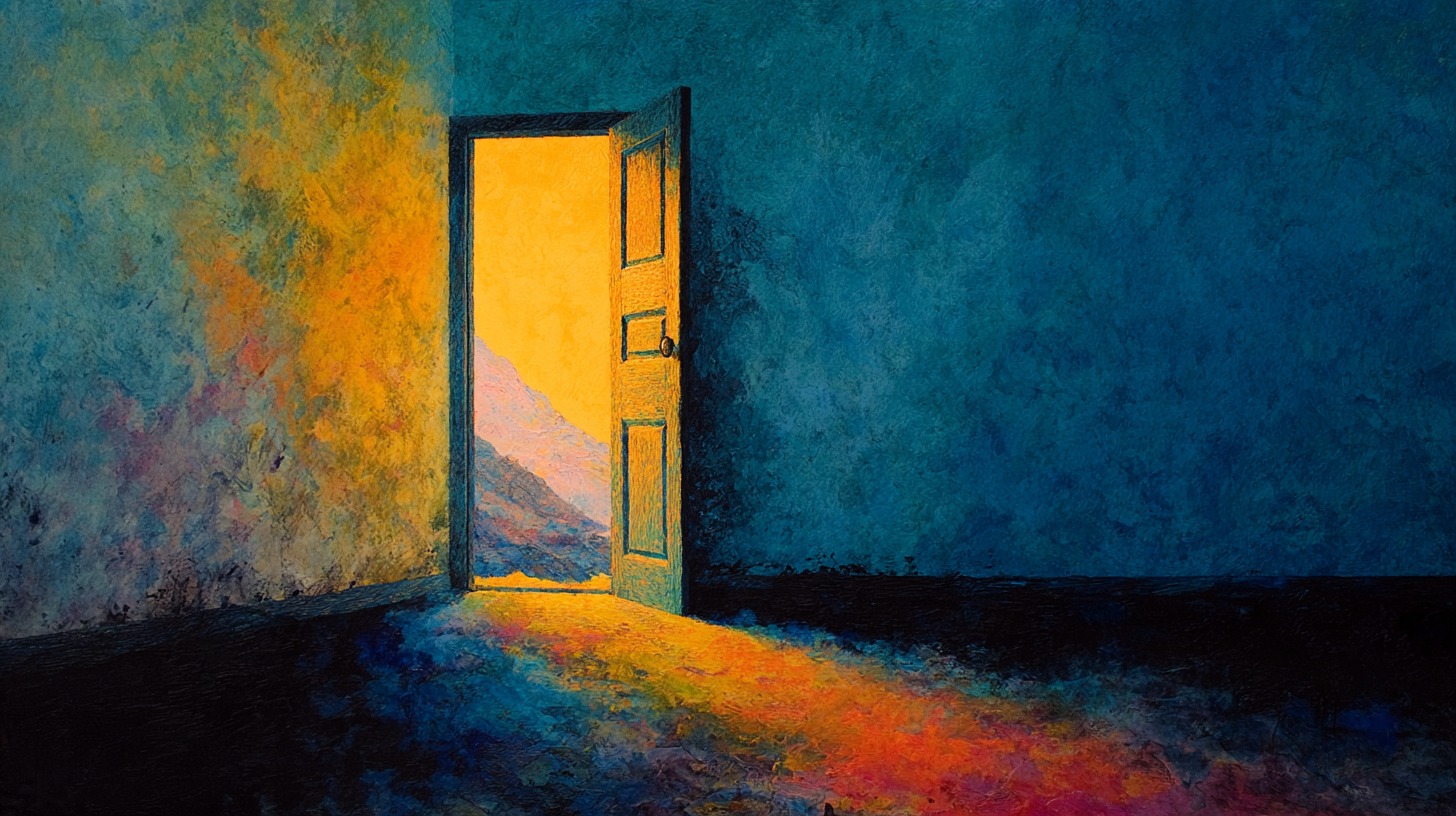
Years ago, I stumbled into a place beyond words—a bright, motionless ease. I called it the Eternal Room.
Years later, describing it to my Lama, he invited me to explore the idea of the mind as a mountain, to seelife as light moving through form.
I understood only enough to want to understand more. This morning, I called on those merging memories andwalked back toward that place.
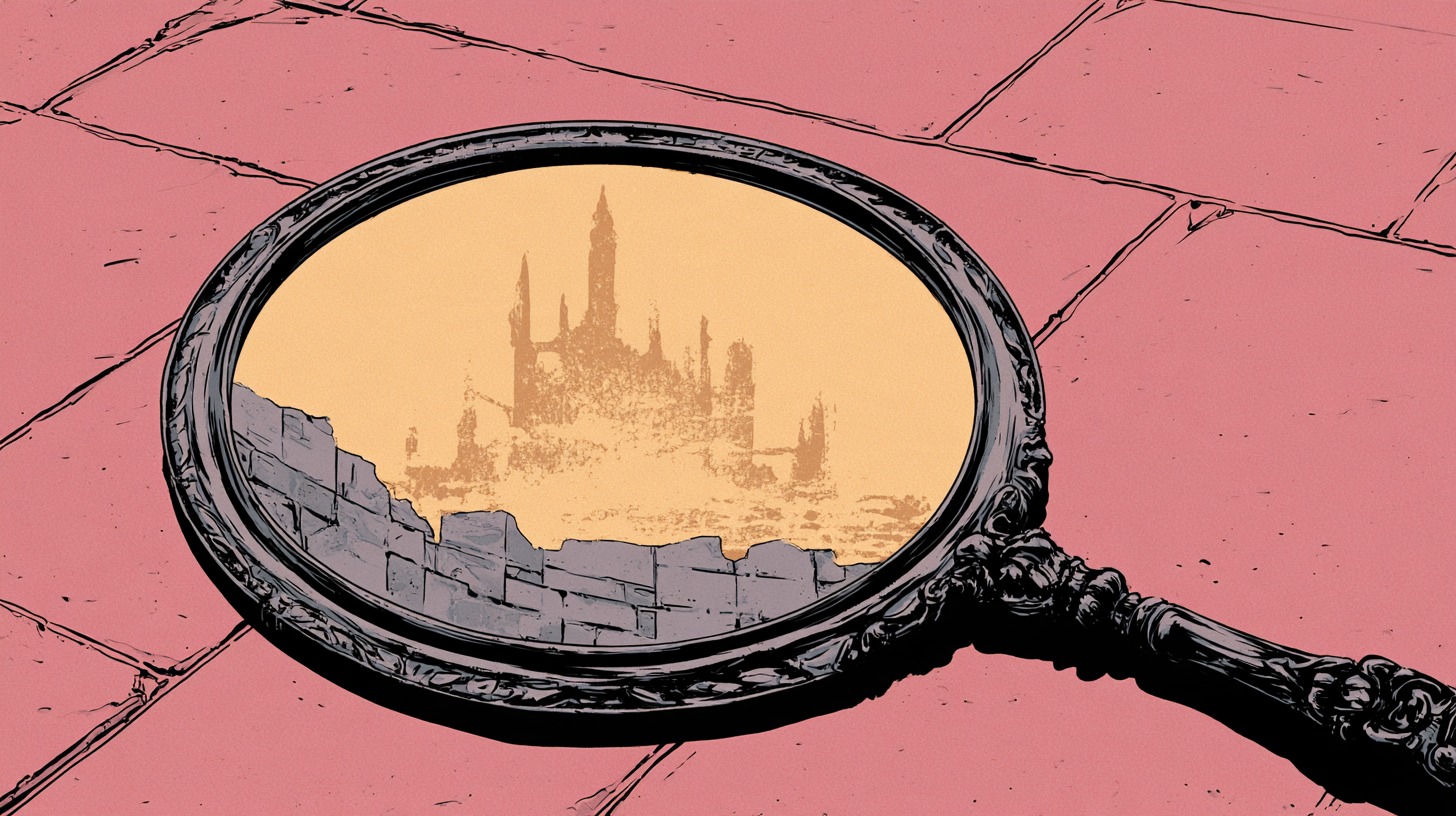
I could feel the layers that had grown over it—doubt calcified like mineral on a pipe.
The work is the same as always: stay, breathe, soften, stay. Let the clench drain off until the warmth returns.Let the light notice itself again.
That’s all I want, really. To keep choosing the seat in the center. To keepseeing past the categories to the creature inside them.
To practice that unbreakable dignity until the room opens andthe light, finally, returns to itself.