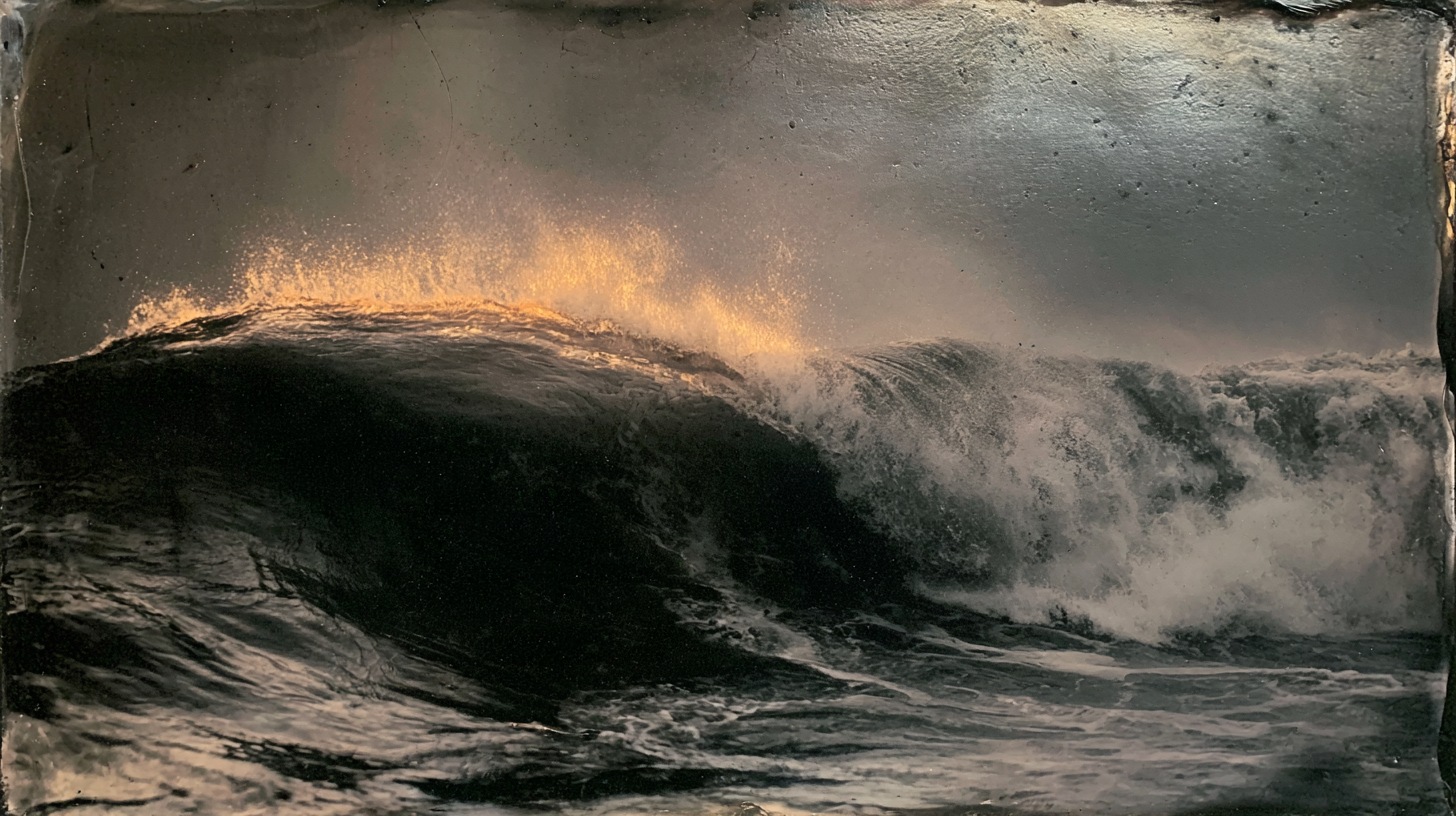
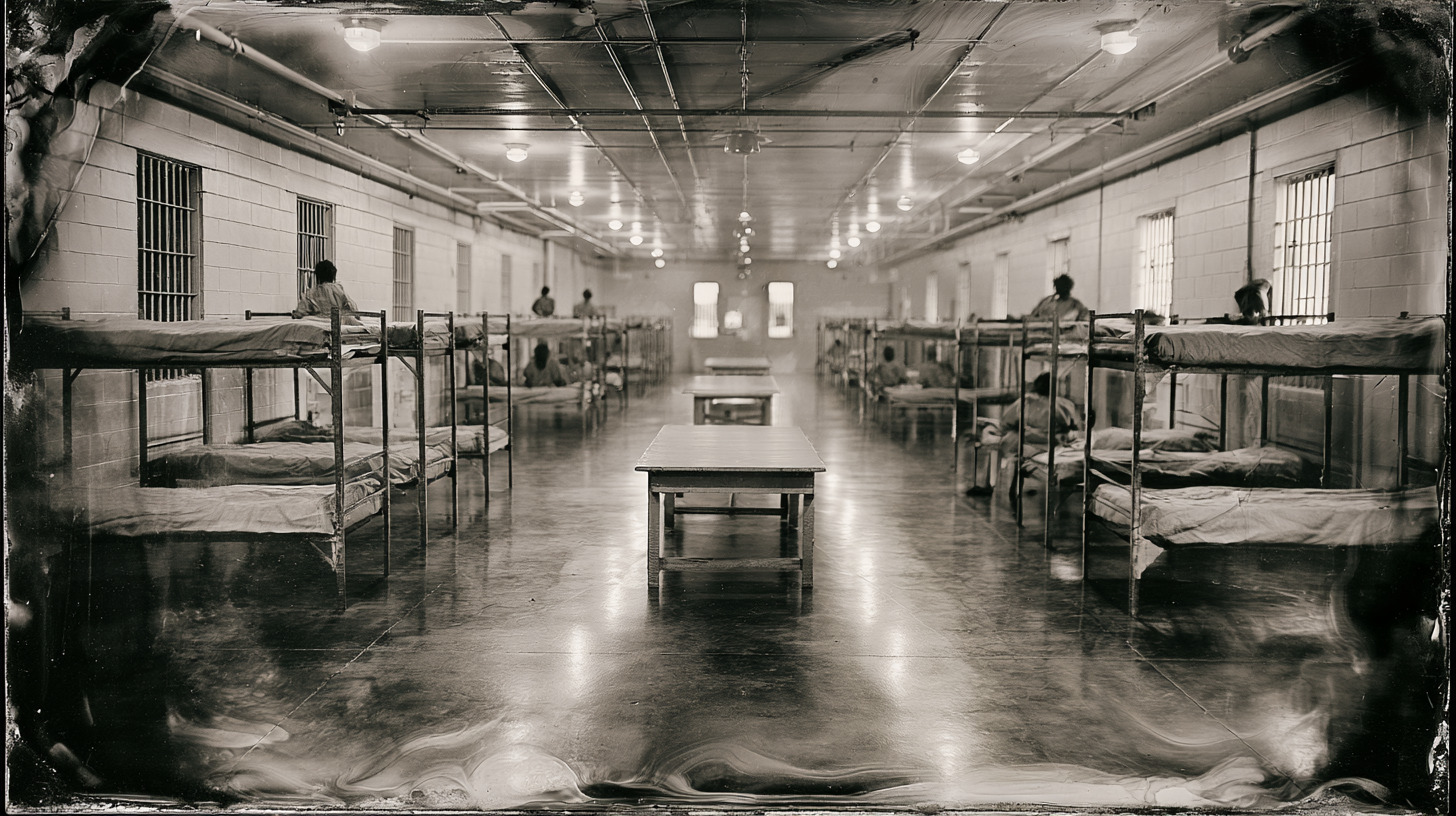
I woke up to my best Thursday yet. I’m learning the waves here—how to ride them, how to not be dragged under.The week moves like tides. Wednesday is high tide.
By Tuesday night, I can feel the pull, and on Wednesday morningI wake with tears at the back of my eyes.Everyone’s bracing: seeing family, not seeing family, being seen like this.
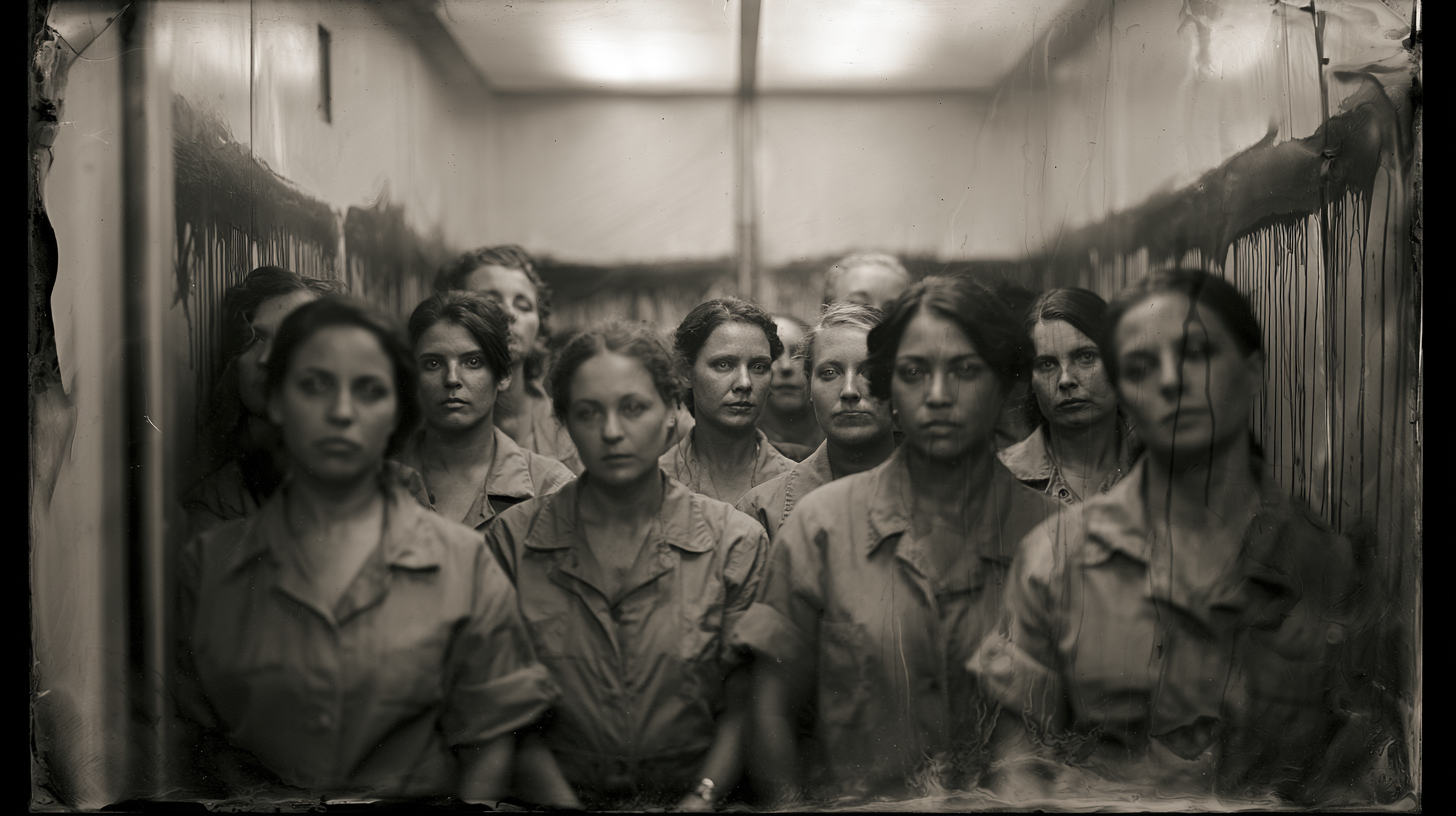
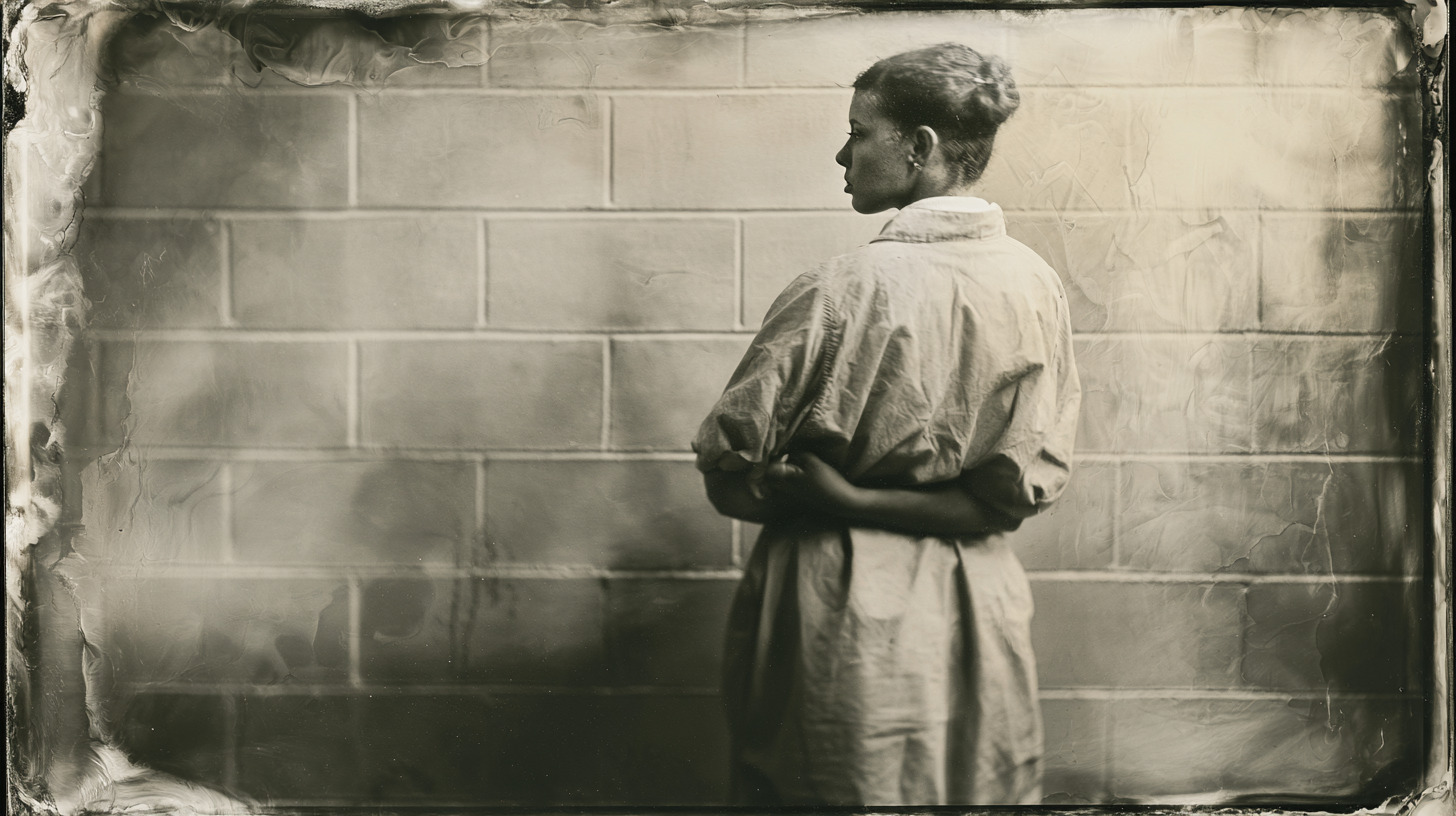
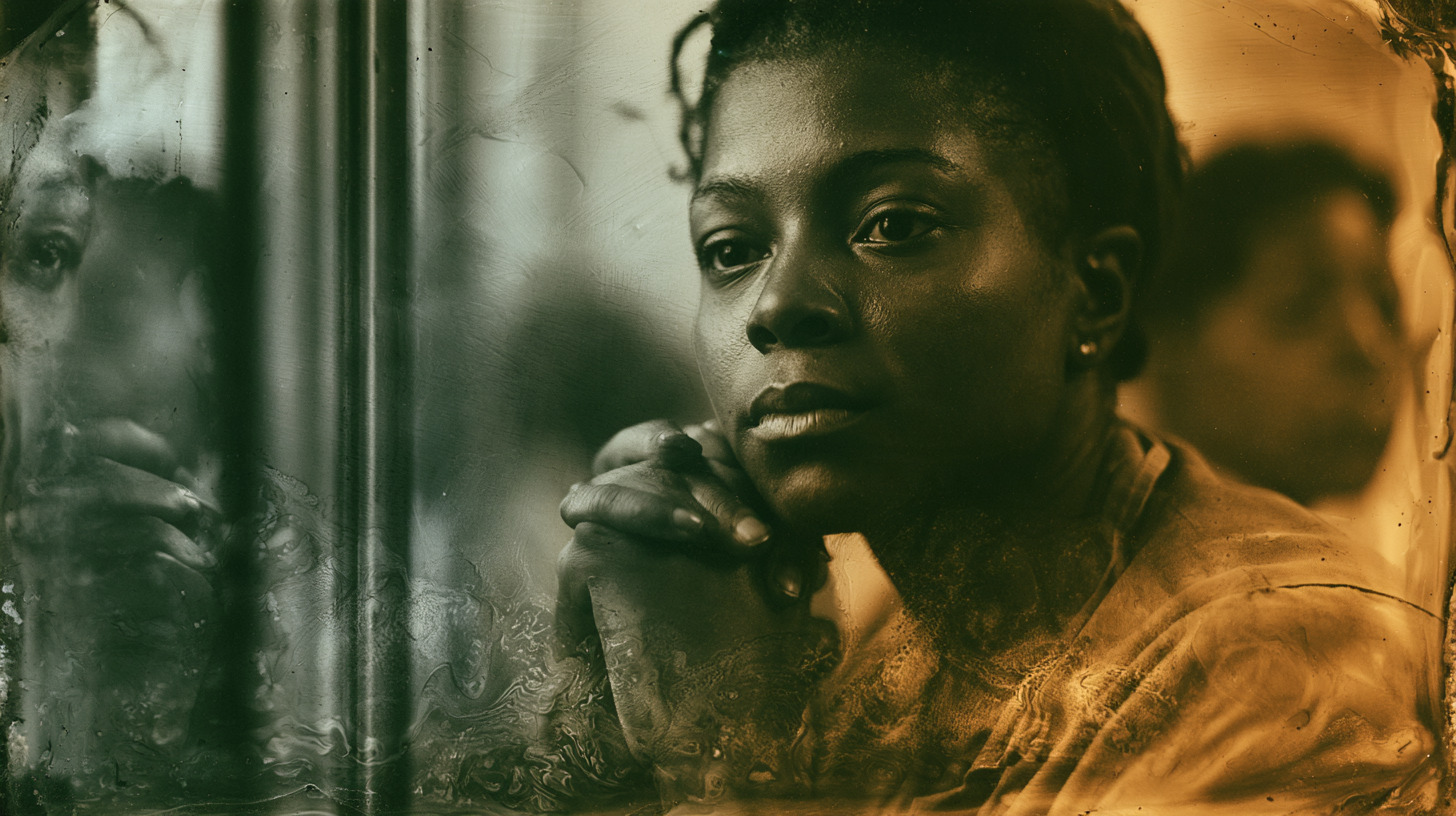
In the elevator after visiting hours, women stare forward, trying not to wipe their cheeks.The meanest woman in the dorm is often the softest woman in that elevator.
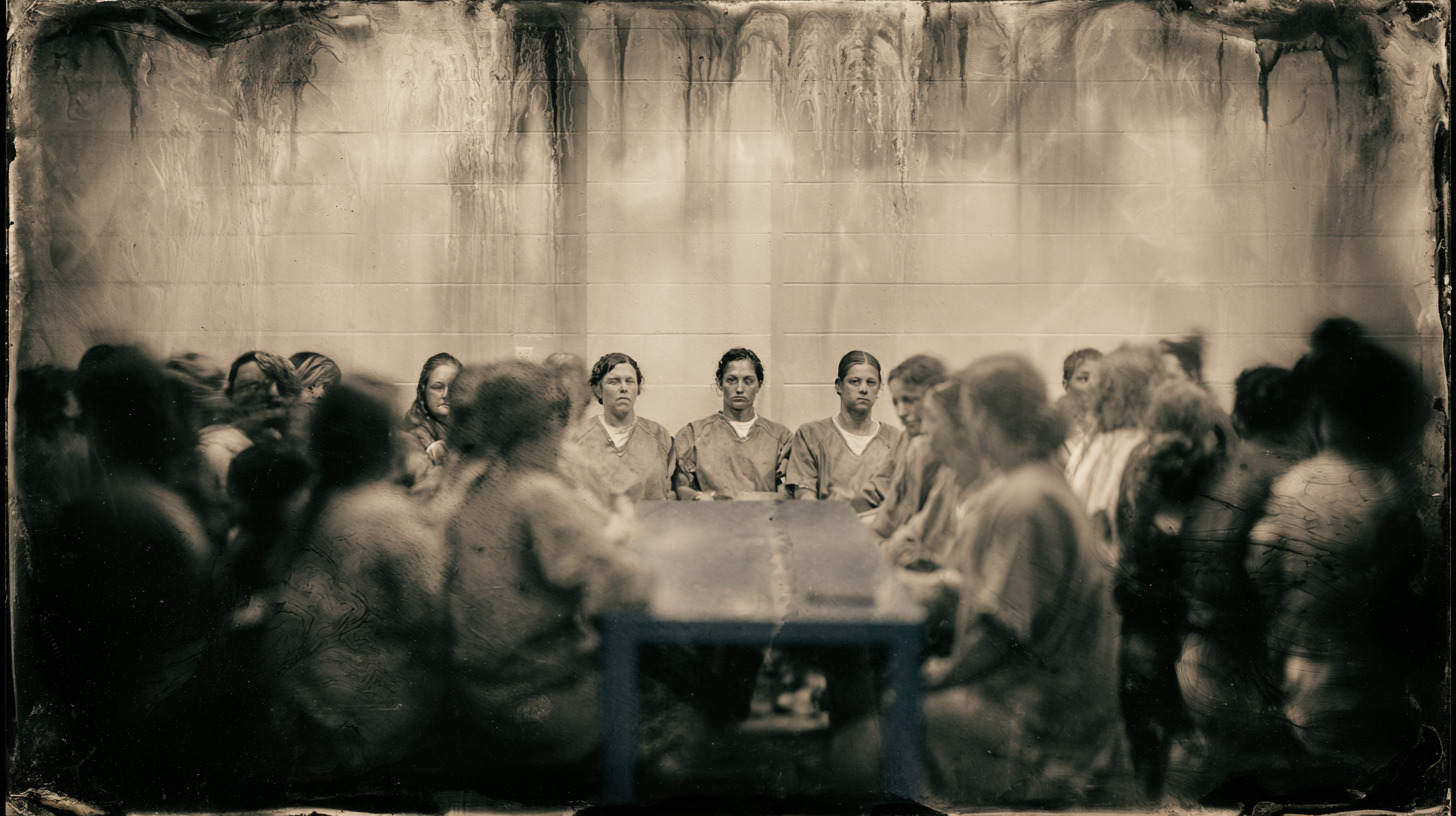
You’ve just watched her at the blue table,family circled around her with the same question in their eyes:How did this happen?
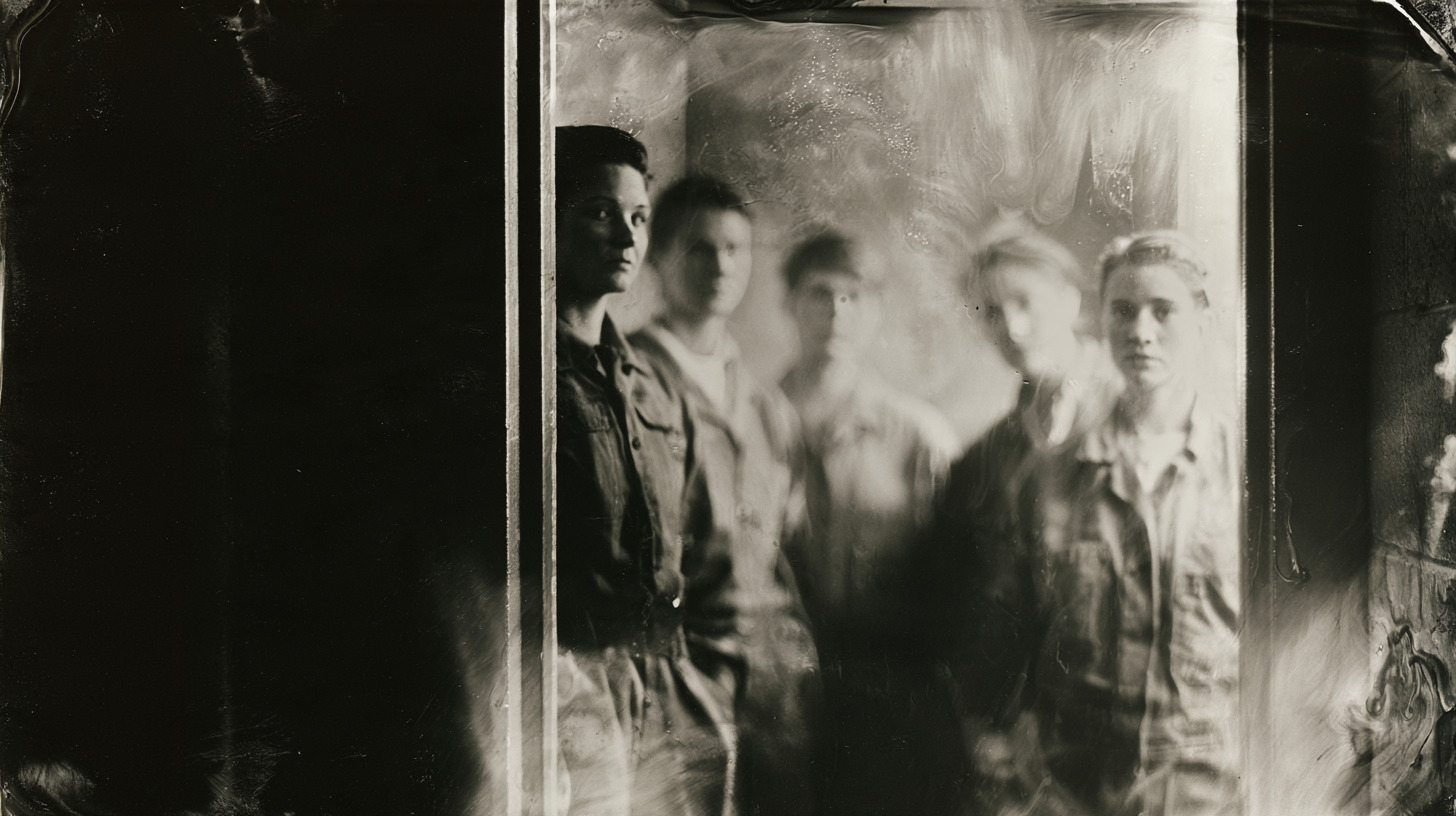
You see the faces of those who crossed a border for hope andmet the particular hopelessness America reserves for immigrants.
The hardest part is the karmic stream—no neat causes, no tidy fixes.I want to point at easy villains, but that’s ignorance.
If pain had a body, it would be Dakina’s.If confusion wanted a case study, it would be her life.
She seems profoundly autistic, maybe has Tourette’s or some profound trauma in her past. Occasionally her howls take on words:“Make it end. Make him stop hurting me.”
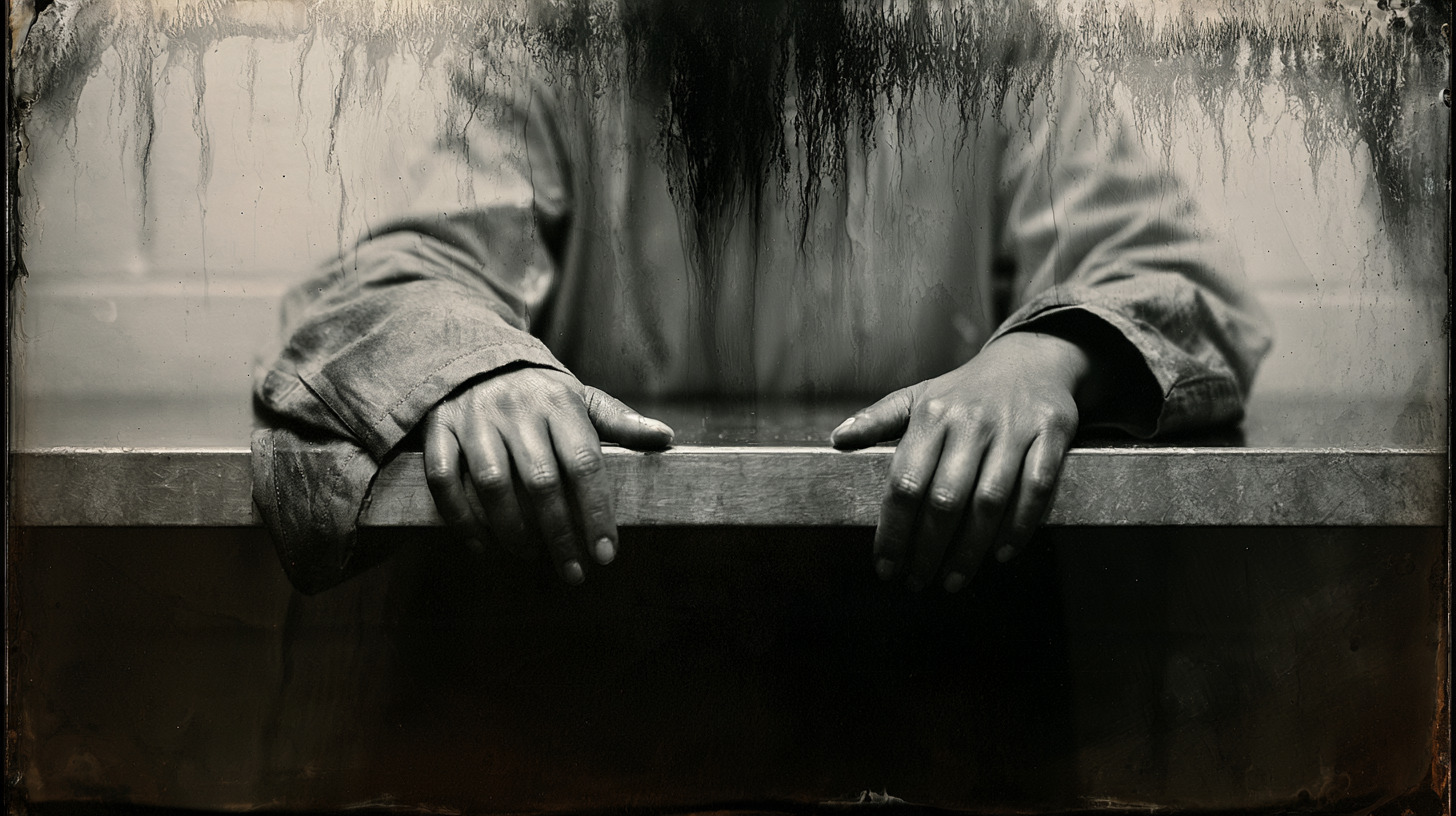
Her head trembles like late-stage Parkinson’s.She smears feces on the dorm walls. She screams from the shower.
And she’s here among women drowning in their own pain, some of them yelling for her to shut up, some mocking anyone who tries to be kind.It’s unimaginable until you see it.
Claire—the youngest—survives by cutting off feeling.She’s the coldest about Dakina. “She shouldn’t even exist,” she says. Useless. That’s what pain says to pain.
The officers and inmates stand helpless before Dakina, and in them I see our larger bewilderment:We don’t know how to be with suffering.
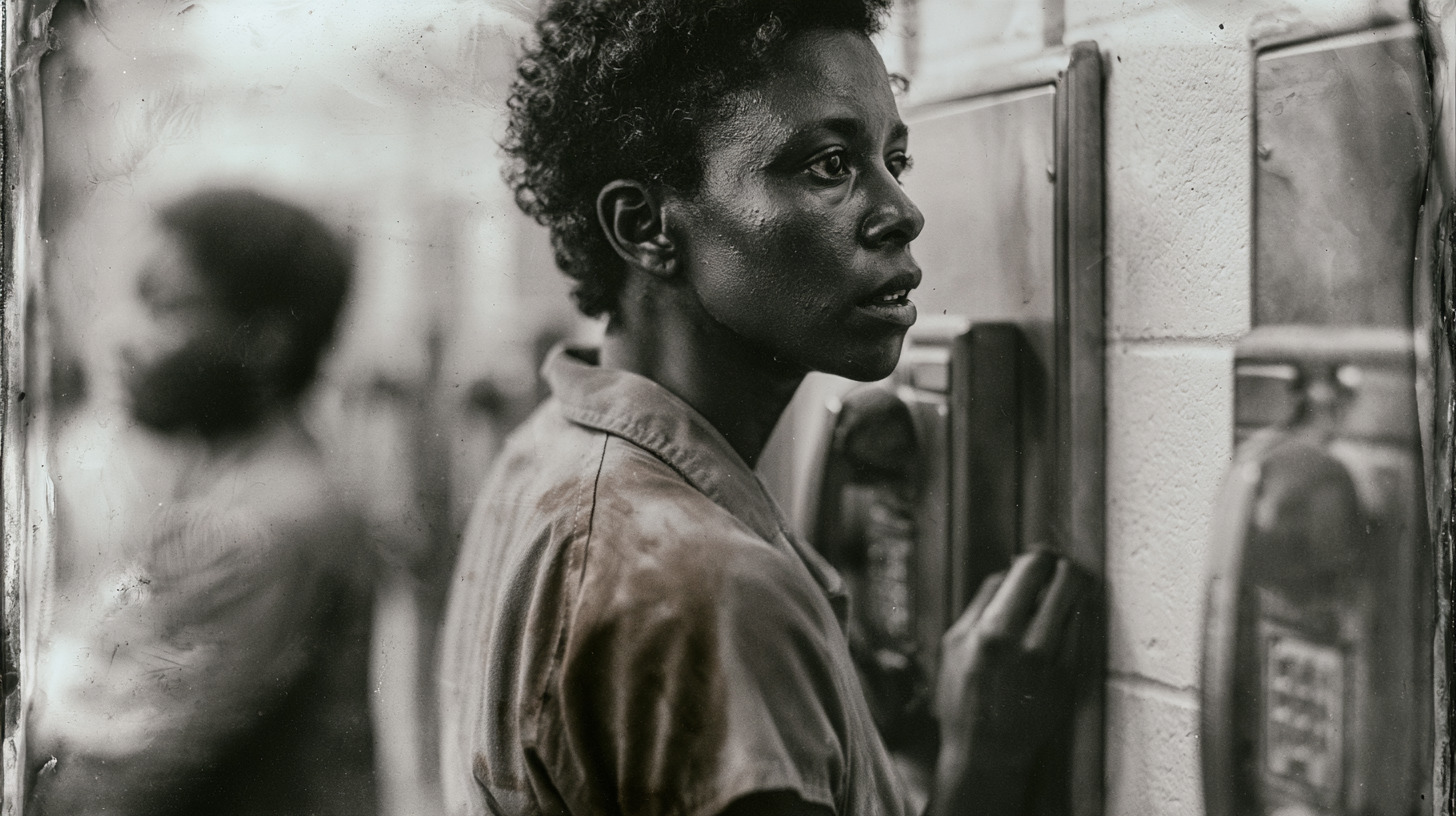
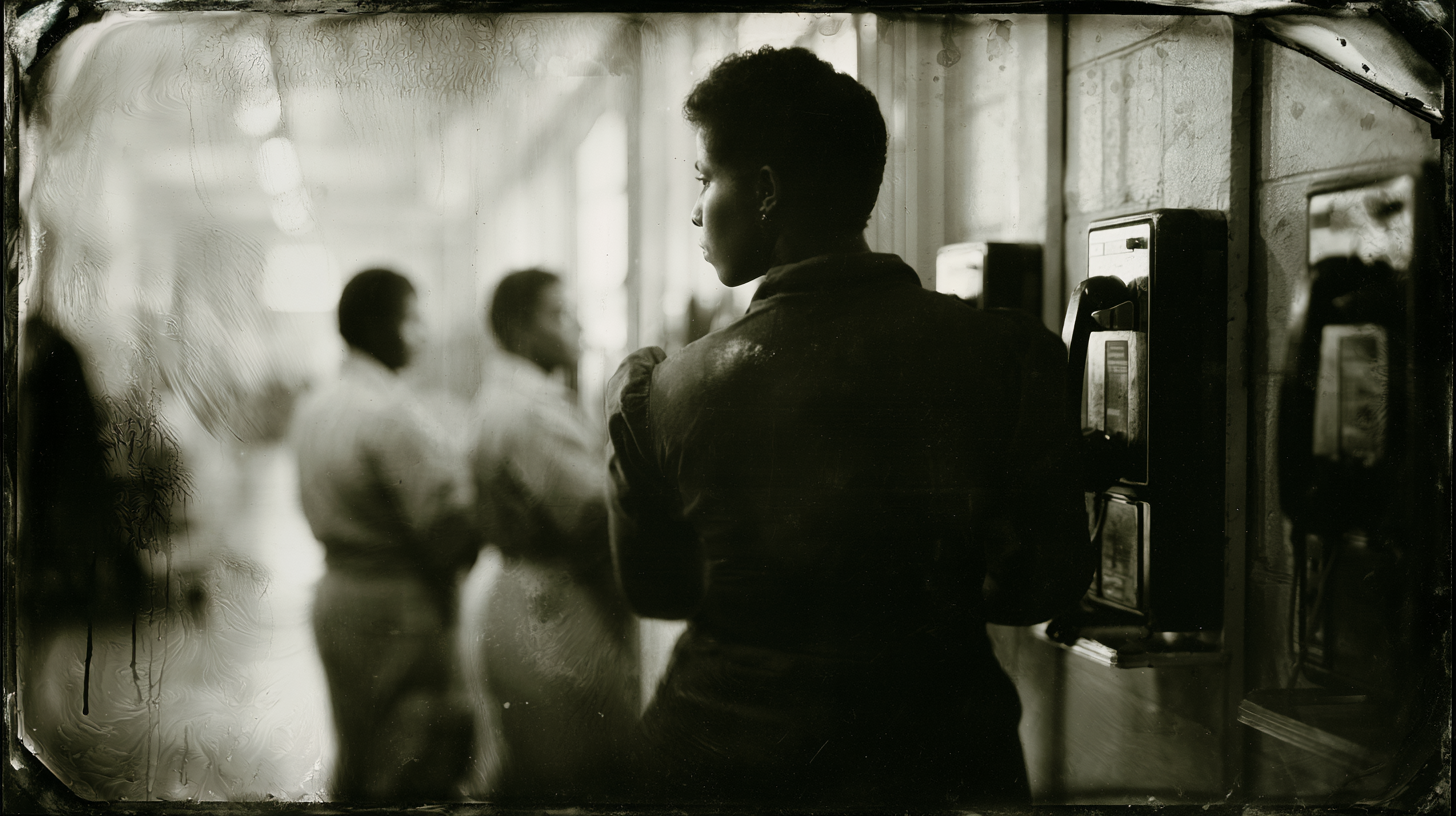
Then there’s Miriam, by the phones, scolding someone: “That woman has profound mental challenges.You’re not making fun of her on my watch.”
Miriam has been to hell,met her own challenges there, and knows the way through.
I keep saying it: Dakina is our collective pain. Those are the cries we don’t cry, the screams we swallow.The only medicine is warmth.
Warmth toward Dakina is warmth toward ourselves.I don’t want to hear the jokes.
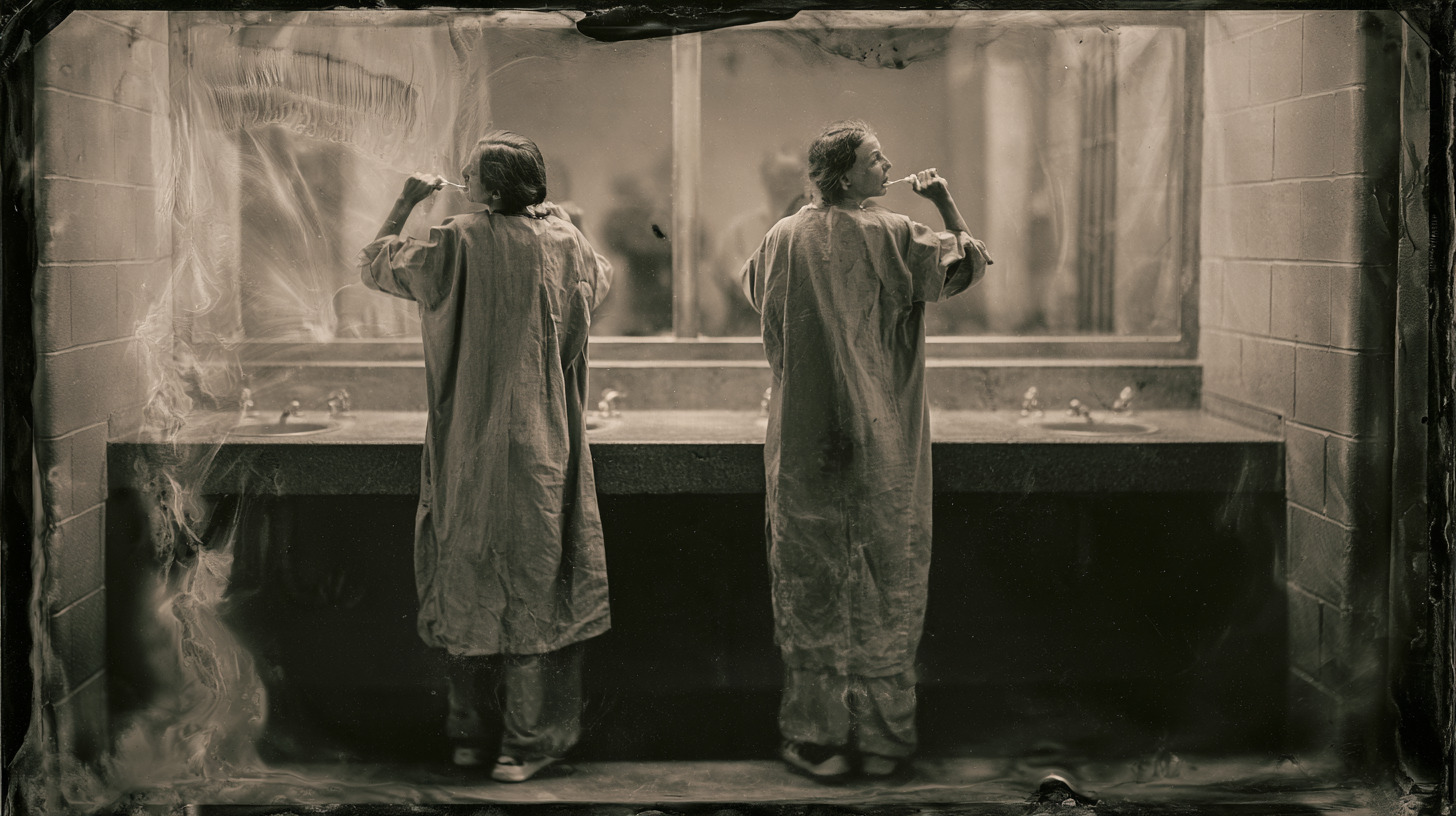
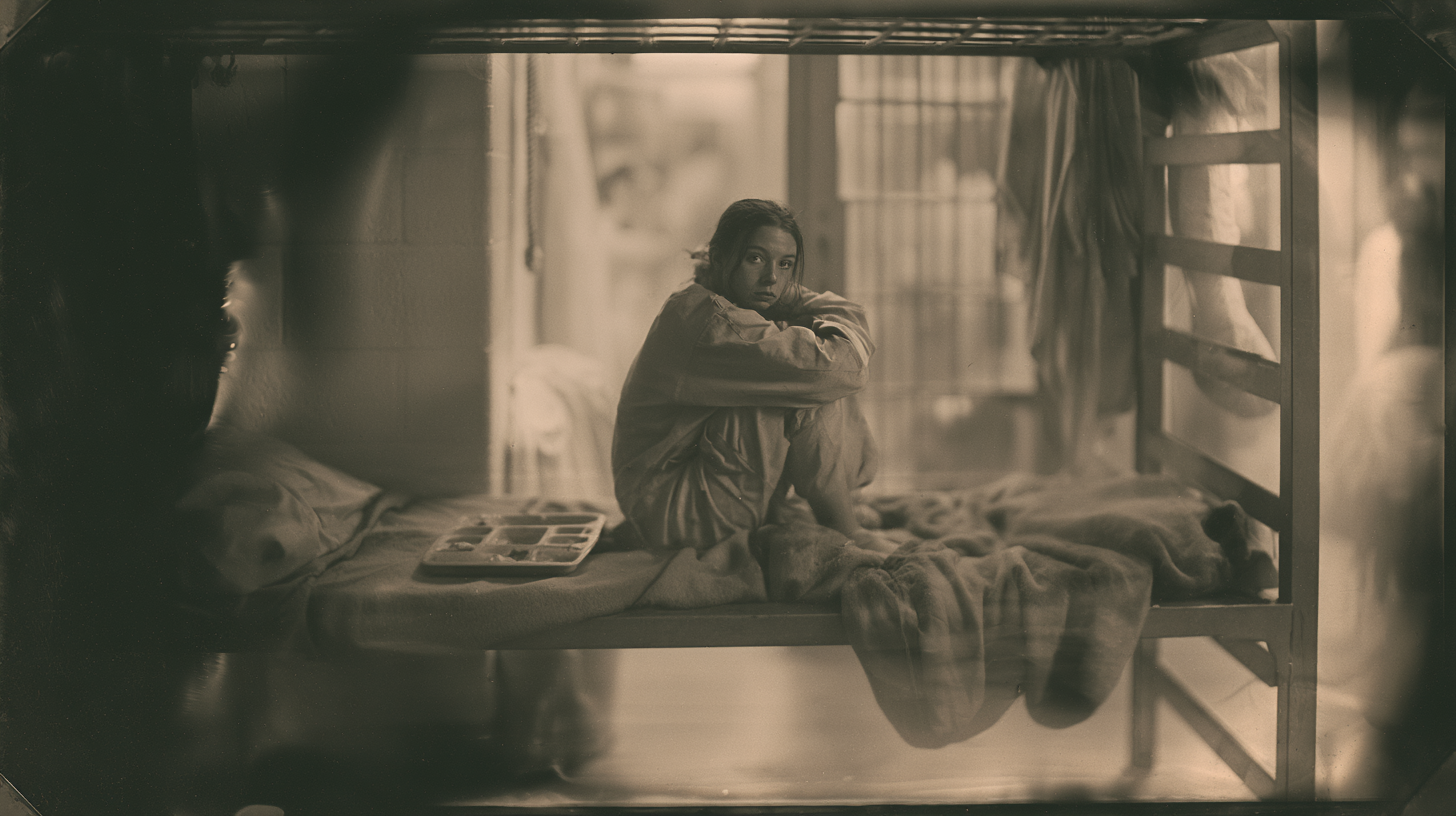
Claire rolls her eyes. I’m still “Grandma”: in bed at 8 p.m., rising when Claire is just going down. We pass each other with toothbrushes,same ritual, opposite reasons.
I told Claire, gently, that she’d lost weight. She wasalready 107 pounds, and had gone down to 100after she stopped hanging out with Luciana who often cooked for her.
She’s afraid of the main line— “hormones in the food,” she says. I told her, “We cook every day.You don’t have to talk to us, but you do have to eat.Politics or no politics.”
She mumbled, “I miss Luciana,” and an hour later sidled back to our row. I teased her like a daughter returning from a bad semester:messy, but home.
I gave them space. “Night-owl time for me,” I joked. “Eight fifteen—too late for me. Do what you need; I’m going to sleep.”I fell asleep to Luciana’s voice:“Okay, go get some cheese.”
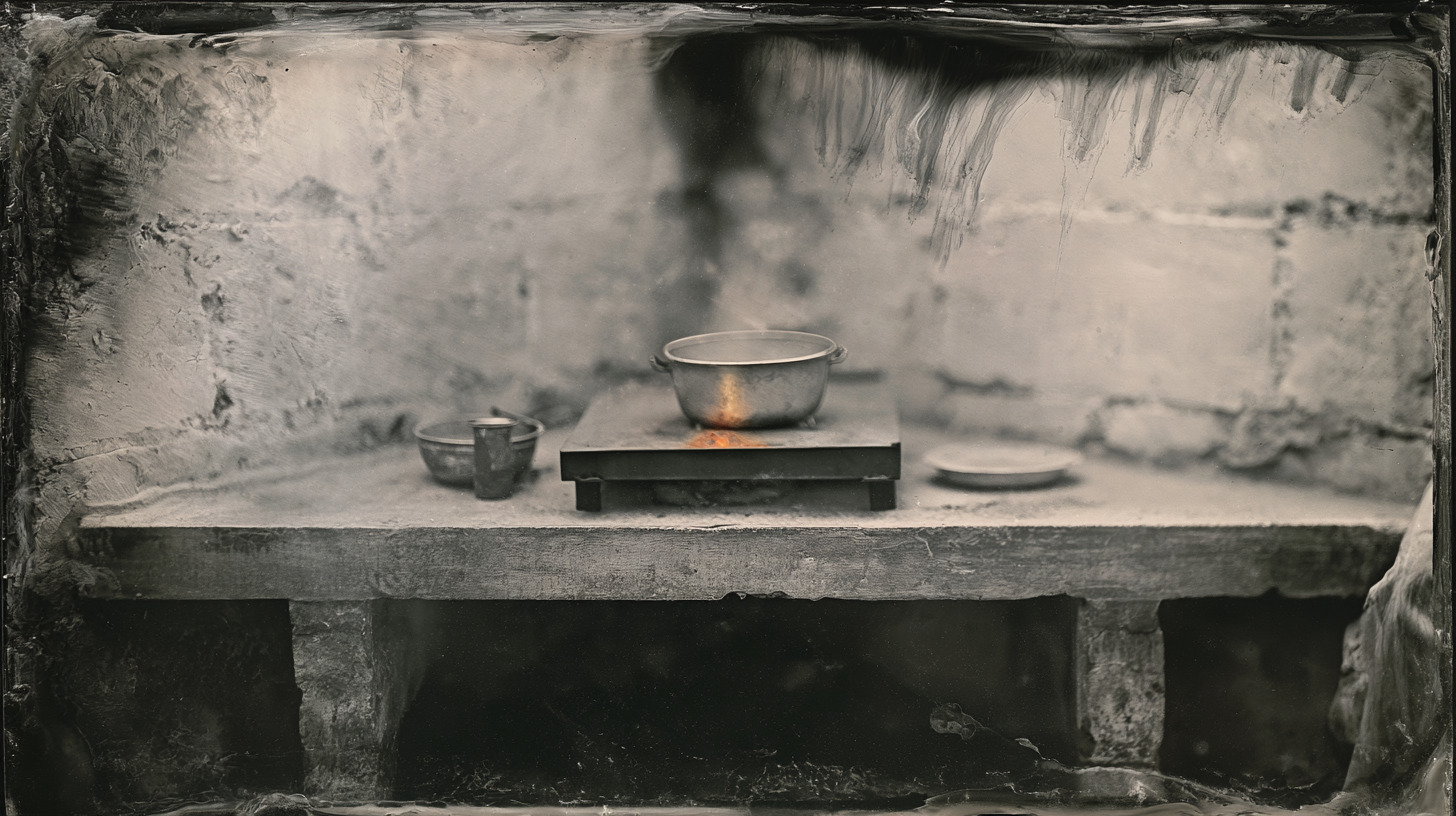
She’d agreed to make Claire’s favorite—Shabang Nachos, a Claire invention: vinegar, BBQ, Spicy Doritos.A culinary crime scene, yes, but the sweetness of itwith Claire bringing the cheese, tacitly admitting she needed care.
She couldn’t offer it yet—to herself or anyone—but she could receive it.Tonight, that was enough.