Two signs tell me I’m adapting a little too well to prison.The first is a “you’d have to know me” thing, but if you do, you’d say I’ve transformed in here.
My whole life has been tuned for call and response.Out there, I always knew the right note to hit.
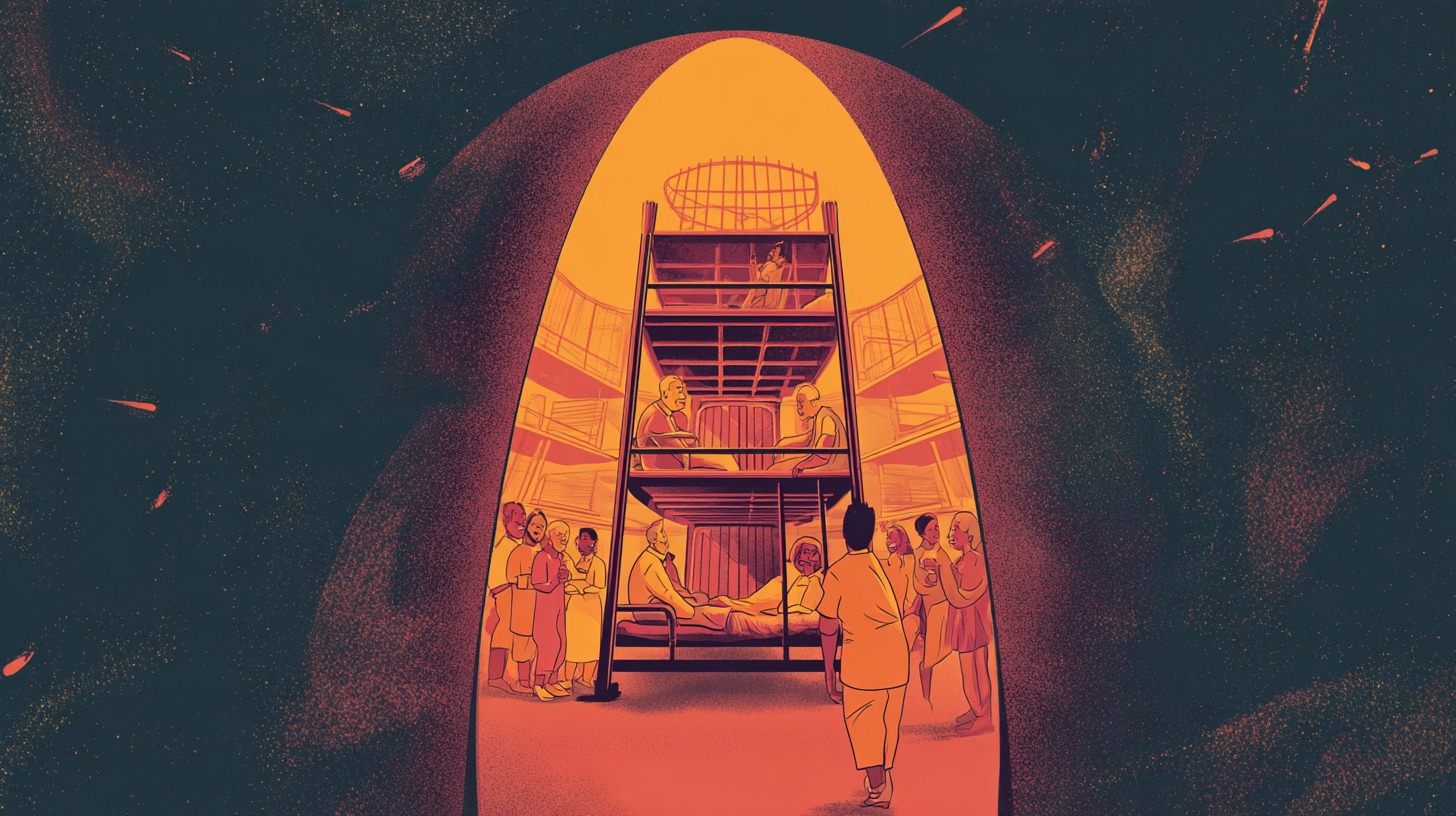
In here, officers issue the call and I deliverthe precise, calming reply that gets us all to the visiting room— or through the dorm—without friction.
I’m a thoroughbred learning to play jazz,not just the clean classical line but the notes between.
I have attorney visits more often than most, andthe trek to the visiting room feels like navigating a field of tripwires.
Once, I opened the door to hug Rachel’s attorney, unaware that it wasas grave an offense as opening mail from the Unabomber.“Get down!” the officer bellowed.
I hit the floor like a scolded dog.The same duo escorts me once or twice a week: a sweet Latino officer and a woman whose face reads, Try me.
I don’t. Though, apparently, my mere existence does.I put on my invisibility cloak and aim for neutral-to-pleasant.I like the grumbly ones. Each visit she asks, “Do you have your card?” I nod.
Then comes her mystery follow-up: “You aren’ttrying to bring any lip gloss down, are you?”For the record, I do not wear lip gloss to the visiting room.
Or anywhere. Is this a common contraband?Does she think white women are lip-gloss obsessed?I drop my gaze and say no. What else is there to say?
Still, it eats at me. It’s so odd.Then one day, I was ready.“Do you have your card?” “Yes,” I said.
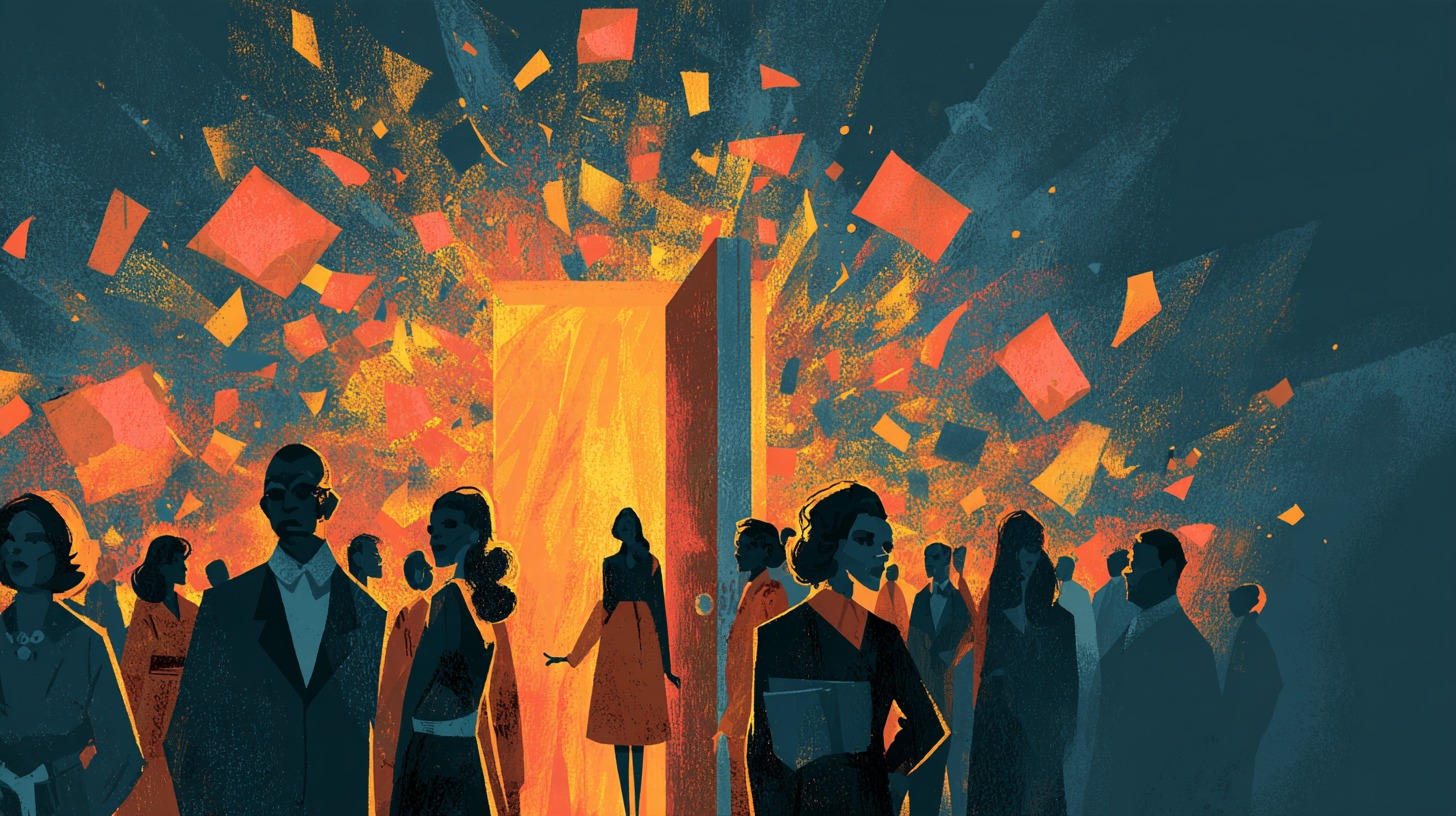
“And I don’t have any lip gloss either.” We stood in front of the elevator, all of us equally stunned.I had disrupted the pattern, played in a way I hadn’t before.
They say the longest distance is from zero to one.In that moment, I covered ground.
The night before, when I wasn’t sure I could go get ice during recall,Miriam told me, “Fear don’t get paid.”
I suspected that meant, “go get ice.”I got paid the next day at the elevator.
We’re all a little better for it. They don’t have toride down with Casper the Friendly Ghost,and I don’t have to keep answering that question.
That’s sign number one. Number two might make my mother worry about my new friends—though she’d probably be as charmed as I am.They’re definitely rubbing off on me.
I can’t help but smile when I hear Royal’s booming, “Hey, baby,”the kind that makes you want to be that babybecause it means you’re that loved.
And then Nevaeh:slow, authoritative, with a wild streak.If she gives the invisible thumbs-up, you’re in good company.
She vets hard and since we passed, she’s offeredthe kind of protection that can only be earned.Most often, my inner Magic 8-Ball lands on yes.
When it does, I offer whatever support I can to help someonestep into their greatness, whatever their lane.
I don’t care if you’re Christian, liberal, pro-Trump, anti-Trump, Jewish, Black, Asian, feminist, vegan (the last two can be a challenge).I care if you’re here to heal the world.
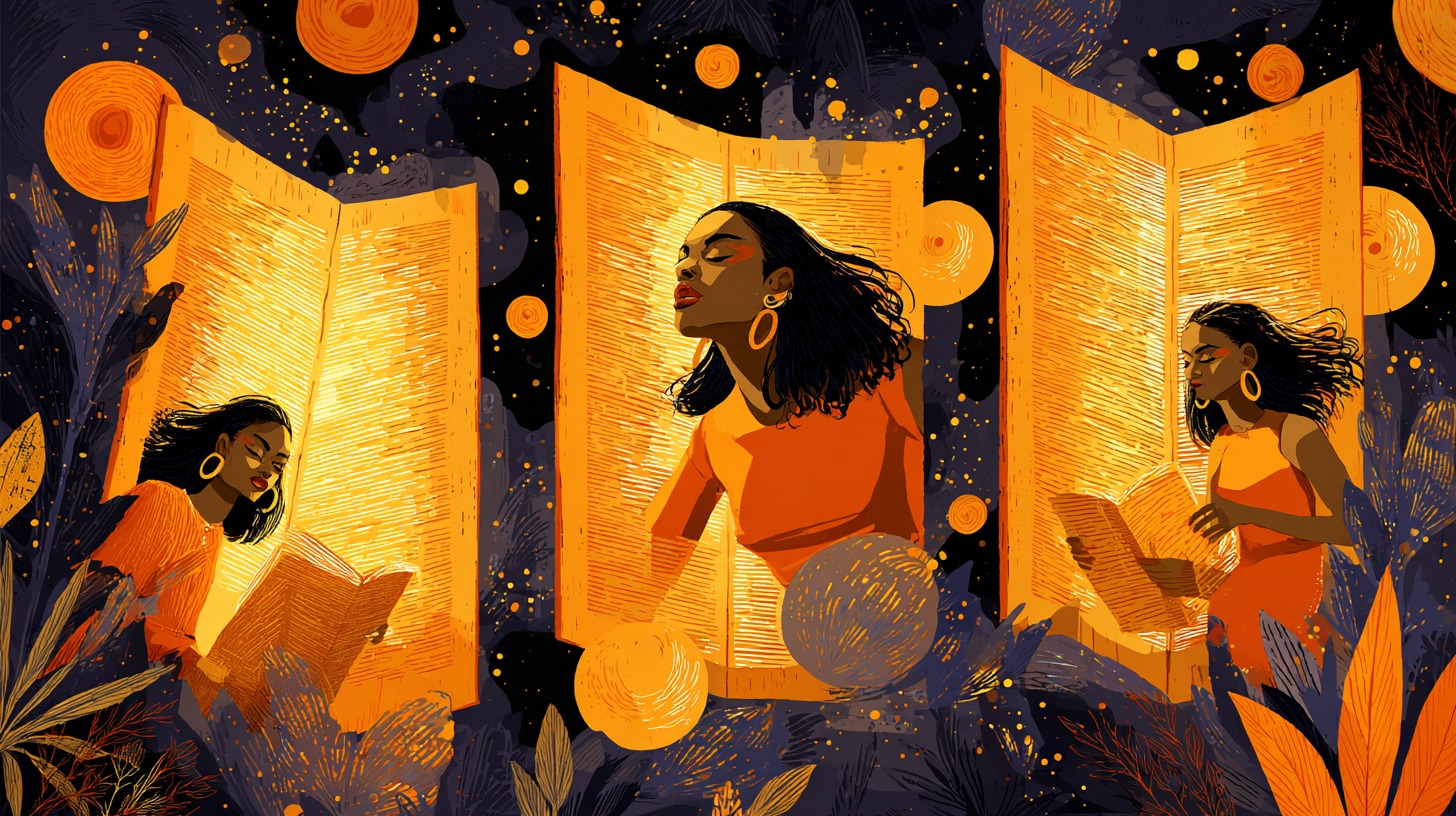
If that’s true, we’ll figure out the rest. Nevaeh reads the books I give her with a pen in hand,filling the margins with notes and questions.I’m moved and honored.
And then, as often happens here,she delivers the tat for the tit.Nevaeh’s not doing all the spiritual reading if we don’t do our part. Hood books.
A whole genre I hadn’t known existed before prison.I’d overheard many a conversation in the dorm about them.
Royal reads them nonstop and often barrels over to Nevaeh’s bunk— two down from mine—like a field reporter talking over explosions.
Sometimes even in the middle of the night. “I can’t believe it, baby! I was pissed till the last chapter when she said, ‘Now what you gonna do?
Huh? Huh, motherf—, now what you gonna do!’ Andthat little girl finally stood up to him.Nevaeh!” “I know, Royal, I know,” Nevaeh said, more composed, pulling the blanket over her head.
It was 3 a.m., and while she loved Kiss Kiss Bang Bang,she was not up for a debrief.We each get a book.
Rach gets Kiss Kiss Bang Bang and I get Diary of a Street Diva, from Nevaeh’s private library. My first hood book.Fifteen pages in I was hooked.
Cease is in court. Remy, the only woman his thug heart ever loved, andher unborn baby are dead.
Cease is being accused by his ex. And he finds the memoir Remy left behind. Cease and I read it together, discovering that Remy’s hard pastmakes her even more ride-or-die.
There are those flashes, the sudden moment that changes your directionlike a lightning bolt of purposethat sets you on a path you can’t turn from.
I’m not sure what the hood-book equivalent of that lightning bolt is, but when I told Royal,“I started the book and…”
she gave me the same look my old teachers used to give me,the “yep, been there” look.
On visitation day, I told Emmett all about my new book. He informed methe genre is called “urban” on Amazon.I laughed.
Urban sounds clean—skyscrapers and sleek lobbies—unless you tack on jungle. “Hood” tells the truth about where you’re headed.When I finished it, I was gutted.
Nevaeh and Royal warned me— “Just wait till the end”—butnothing could have prepared me.
The story toggles between Cease reading her journal, the courtroom where he’s on trial for her murder, andhis thoughts in the margins of that love.God, Remy.
You can’t help but love her. She’s beencarved by pain and still chooses the Code.In theology they call it unio mystica—a felt union with the divine.
In hood books, the equivalent is ride or die. Remy does both.Fierce heart in equal parts.Hood books read fast—like hood life, I suppose.
Between my practice and our marathon walks in the gym,I only have an hour or so a day to read.I still finished in three.
For those three days,Cease walked on one side of me and Remy on the other.“I love those characters more than some people I’ve lived with,” I tell Royal when I return the book.
“I know,” she says, already holding the next one.“Makes you fuckin’ cry.
Sometimes I read and I just fuckin’ cry.” “It felt like they werestill walking around with me after I closed the book.”I move closer so she can see my eyes. “I know, baby.
Gets you outta here for a while, don’t it?Those books are addictive,”she says, leaning on the last syllable the way only Royal can.
I’m happy to share anything with her. There’s something about recognizing a common purpose in another. There’s no need for chitchat. You can be naked there.The conversation starts at the marrow.
Royal tells me that back home she liked to get high and read. A friend once asked,“Who gets high and reads?”She shrugged.
“I do.” Junkies recognize who else is as hardcore as they are—whether it’s for truth, drugs, sex, or prayer. Who’s under the table early and thenwho’s still awake at sunrise.
For better or worse,I’m a sunrise girl.So is Royal. Maybe that’s why we love Remy: the three of us love hard, each in our own way.
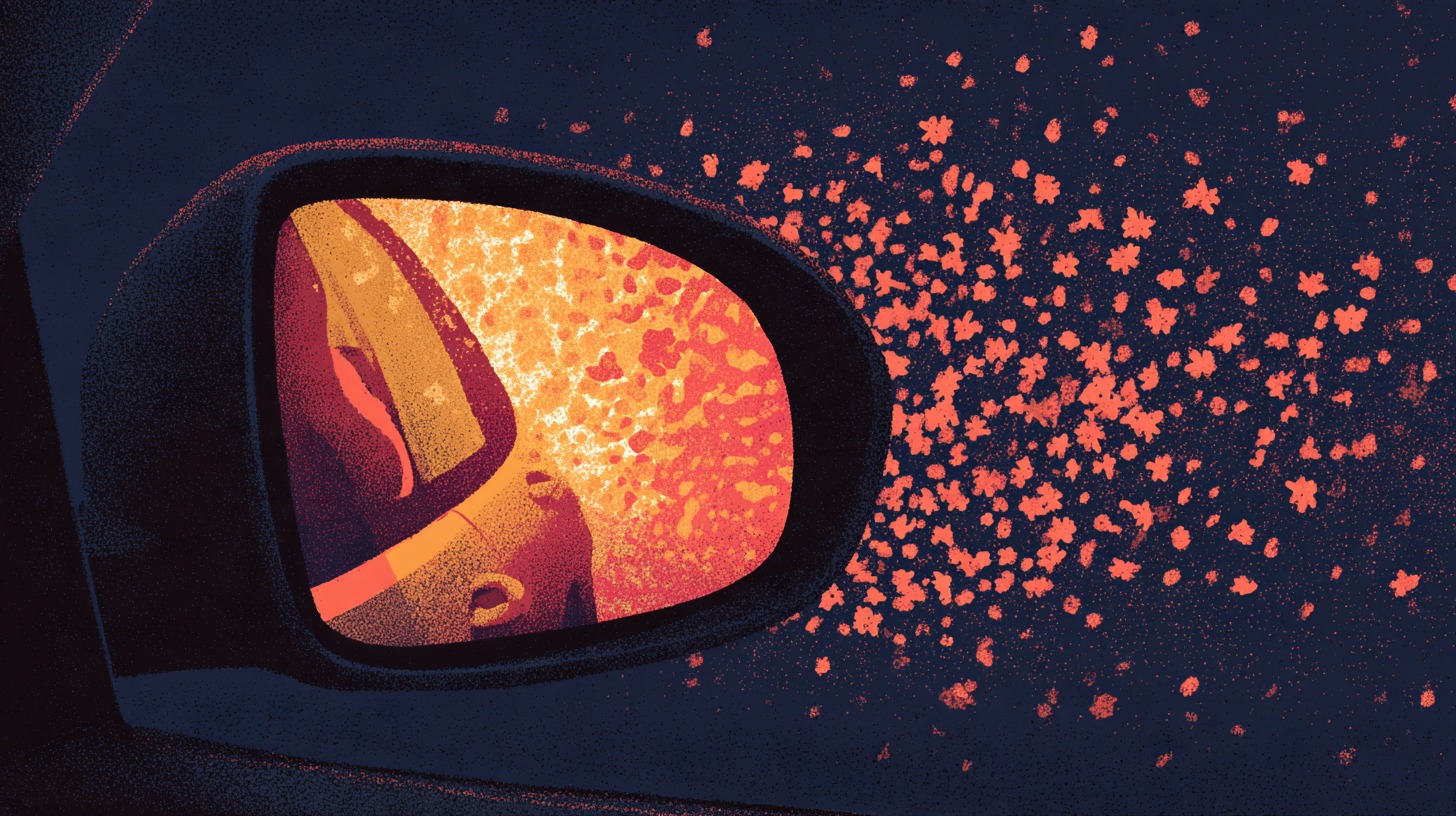
There’s a kind of love that leavesromance and sex looking like dots in a rearview mirror.
That’s how I love Royal.The way you love the moon.
You don’t need to possess it; you want to be moved by it like the tide pull,the quiet authority that makes wolves howland women go a little luna-touched.
I don’t love her in spite of her history;I love her with it.When her mother left when she was a girl, she asked her father when Mama was coming back.
He didn’t lie. “She’s not, Royal. It’s you and me now.” Thenhe told her he loved her to infinity.
Years later, when Royal got a dog she adored—“so fuckin’ beautiful I love that dog so fuckin’ much”—she named her Infinity.