Chapter 7
Prison Women
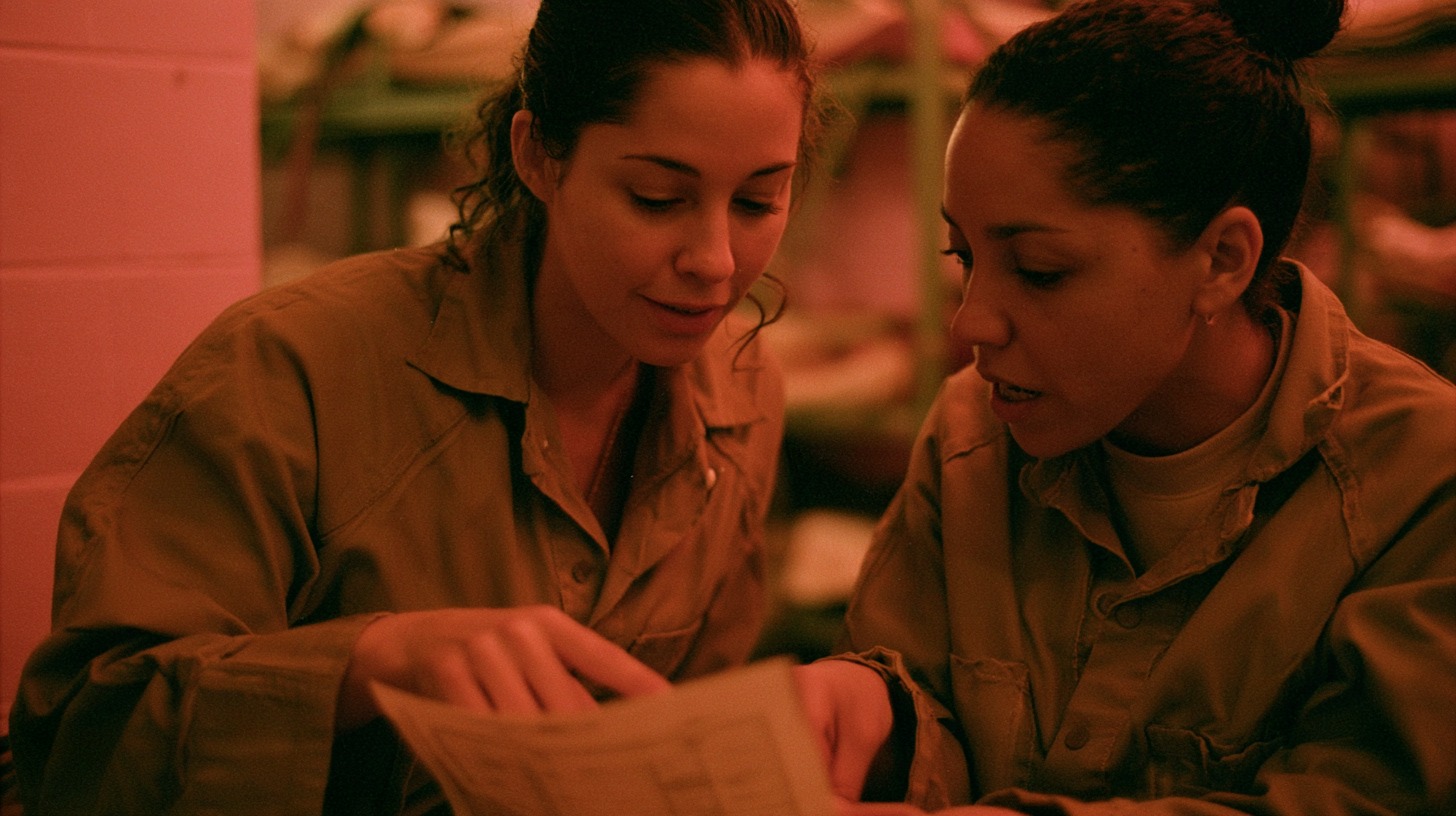
I don’t know that anyone, least of all these women, needs “help.” Maybe they do. But I can tell you this: The women in here are more capable than many of the women I knew on the outside. They’re alive, hilarious, tuned-in, fast. On Sunday a minister came to preach for the dorm—a charismatic evangelical, the real kind. Genuine, powerfully faithful, perfectly attuned to the room. She said prisons are her favorite place to preach because people actually receive the message. “Not plastic Christianity,” she said. I knew exactly what she meant. We got a survey for the First Step Act—a new federal law that lets people earn earlier release if they complete certain “rehabilitation” programs. With the possibility of home confinement in the balance, everyone rushed to fill it out, huddling over “agree” and “disagree” like it was the LSAT.

One question asked something like: “Do you like criminals more than everyday civilians?” As if the risk is we’ll fall in with a “bad crowd” and go shoot things up. I picked “no response.” What I wanted to say was, Have you ever been to the Upper East Side? West L.A.? Marin County? In here, every woman has a story—rich, textured, outrageous, devastating—and the way they tell it is art. It’s like the difference between American tomatoes and Italian ones: minerals and sun so vivid you can feel the food humming in your cells. That’s what the women in here are like—nutrient-dense. For years I called myself an introvert. I think I was just bored. I was listening to the same muzak loop: breakups, calories, a thousand beige complaints.
The air in those rooms felt recirculated—no wind, no weather. Then the trends turned to a wave of Instagram diagnoses, the pharmaceuticals to handle them, and a gospel of perpetual trauma. But these women have punched through the membrane into the wilds. Their lives have real stakes—actual harm, actual consequence, to self and others. What’s missing is the drone of self-pity. Instead: humility, humor, and genuine curiosity about how cause and effect actually works in a life. How do you circle that on a survey? I love these women. One of my closest friends, Topeka, is a pardoned formerly incarcerated woman. Nuance doesn’t fit multiple choice. Honesty gets you in trouble. It registers first like a pressure change in the room: the tiniest lift under the heaviness, a sense of air where there shouldn’t be any.
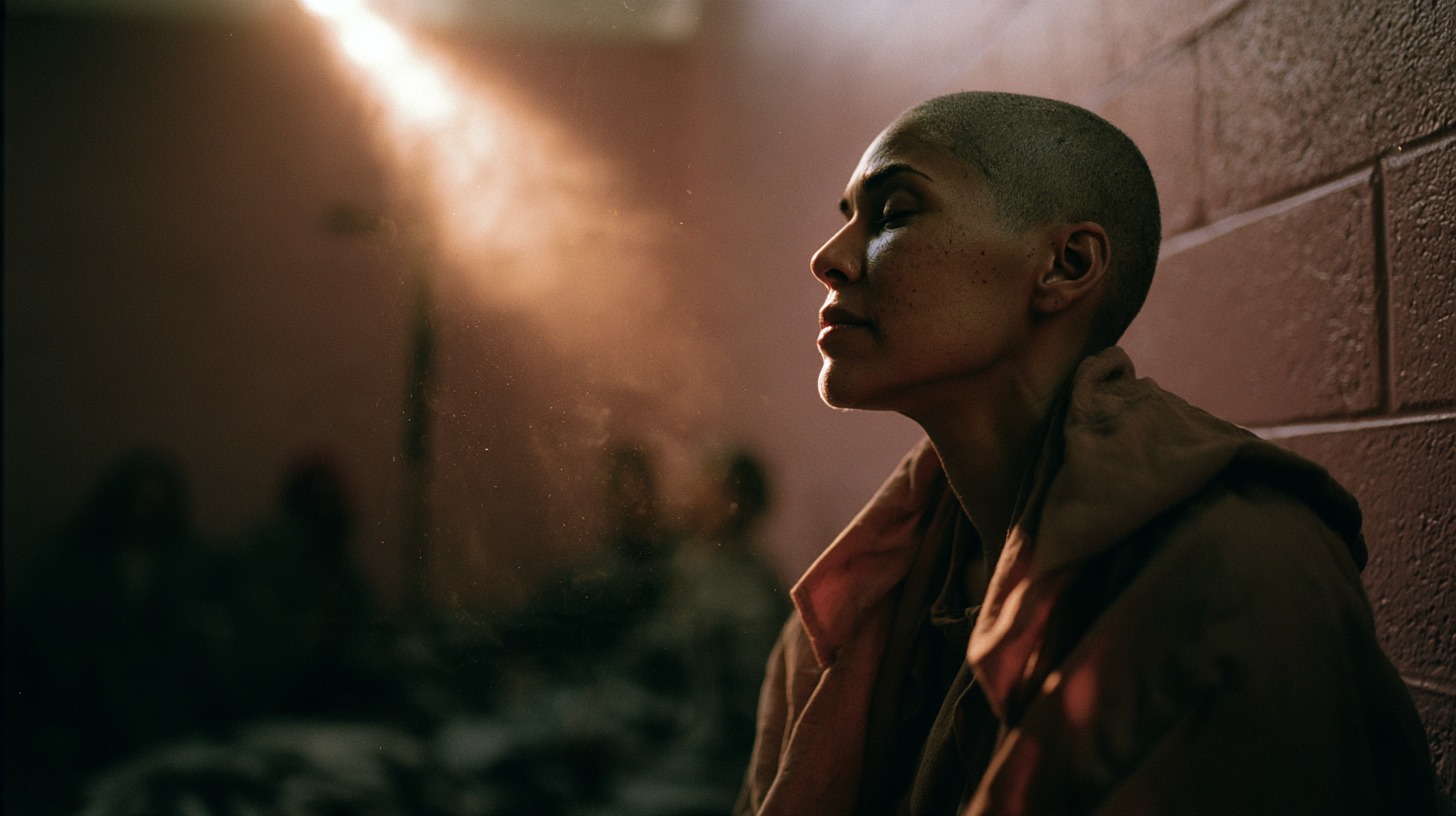
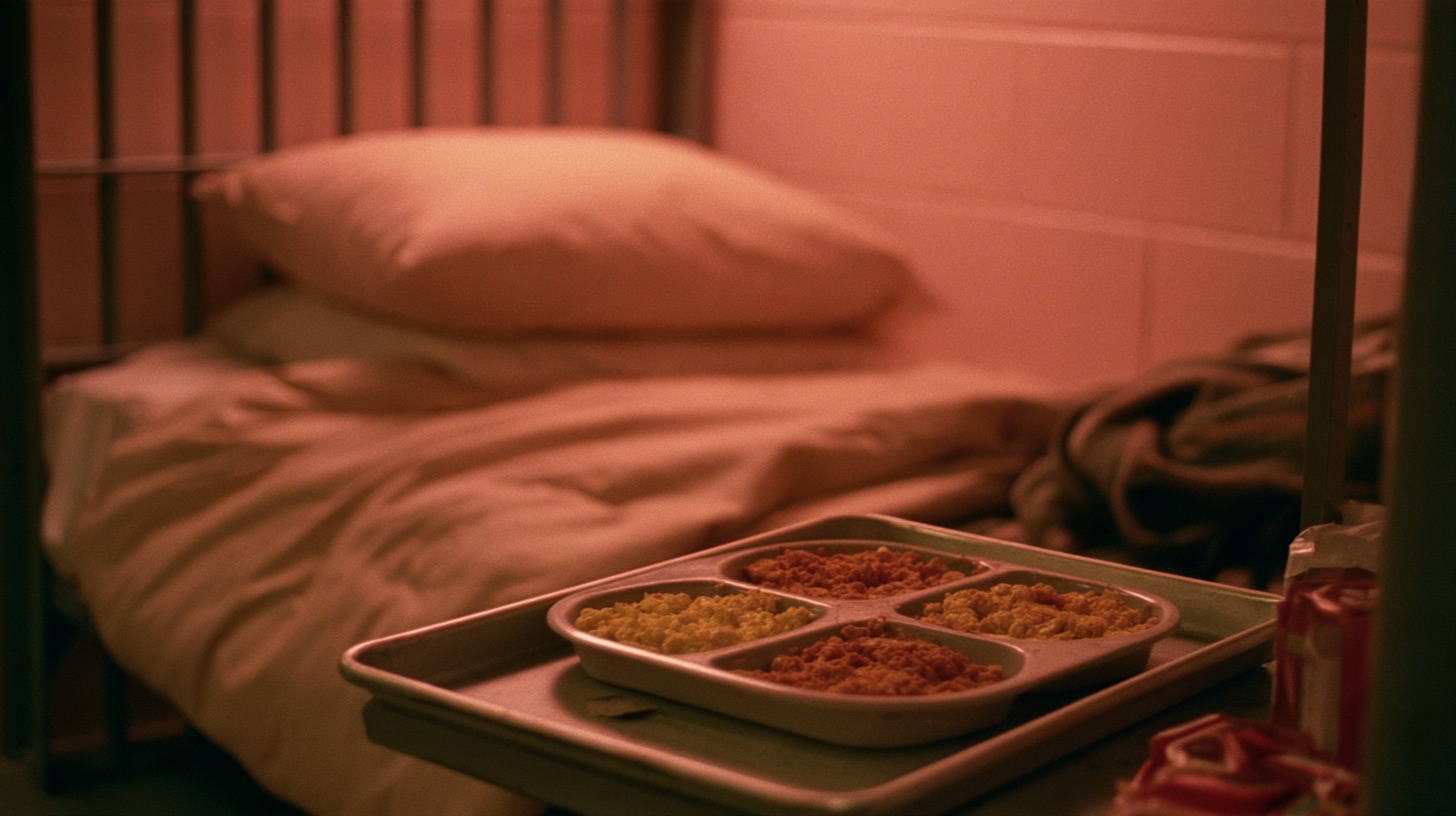
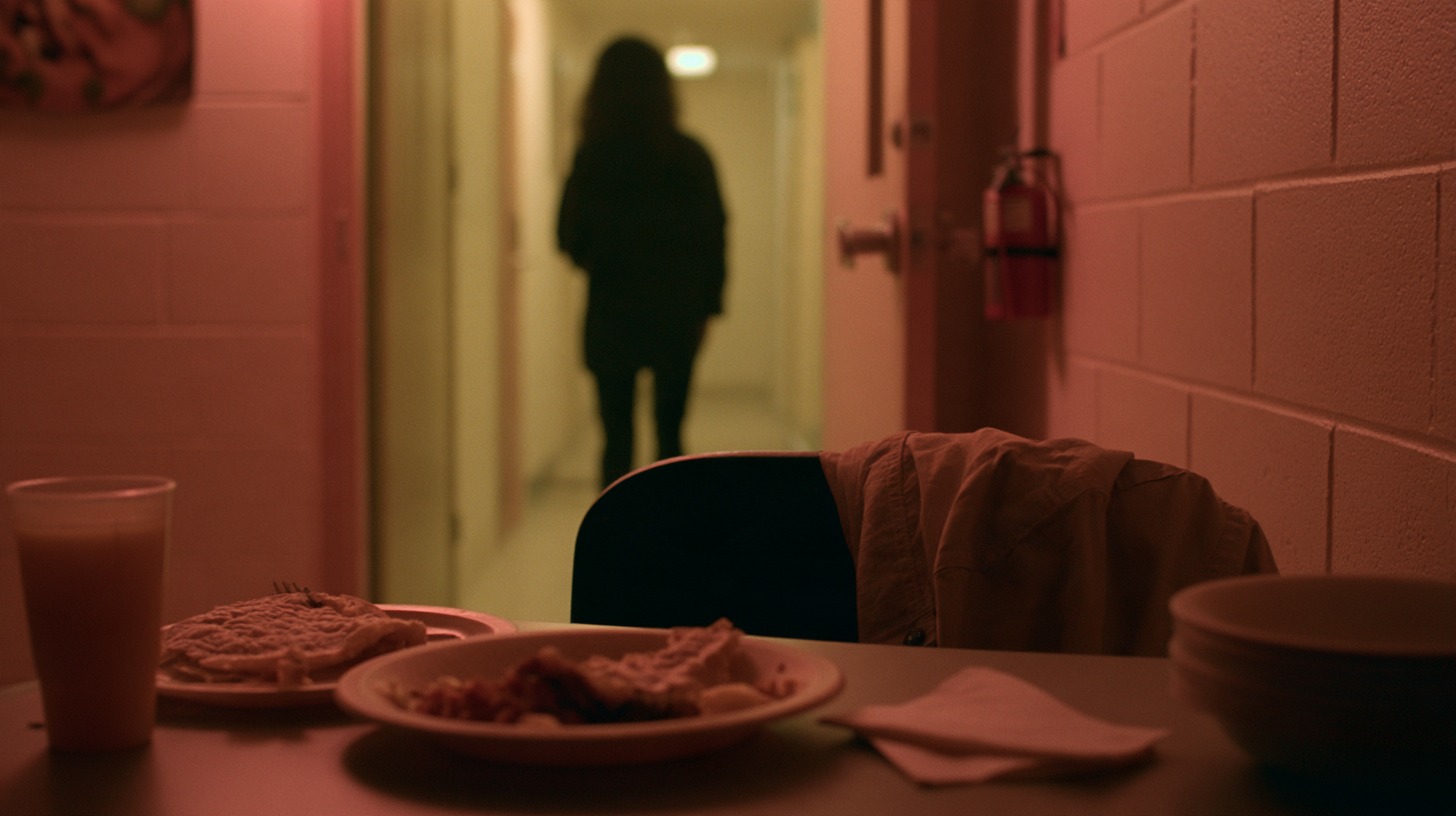
The dakini never really lands—she takes flight. Not escape; BOP owns the fences and the keys. Flight is what happens when the story you’ve wrapped around yourself loosens its grip and you stop insisting life match your picture before you agree to be here. Same bunk, same case, same powdered eggs—but something inside sits up, looks around, and says, “Okay. I’m still alive. Now what can I make with this?” It’s a controversial kind of freedom, especially when you’re talking about women in prison. We’re supposed to be broken, remorseful on cue, grateful for every scrap. But the flight I see here isn’t denial of harm or consequence; it’s the refusal to live as only the harm and the consequence.
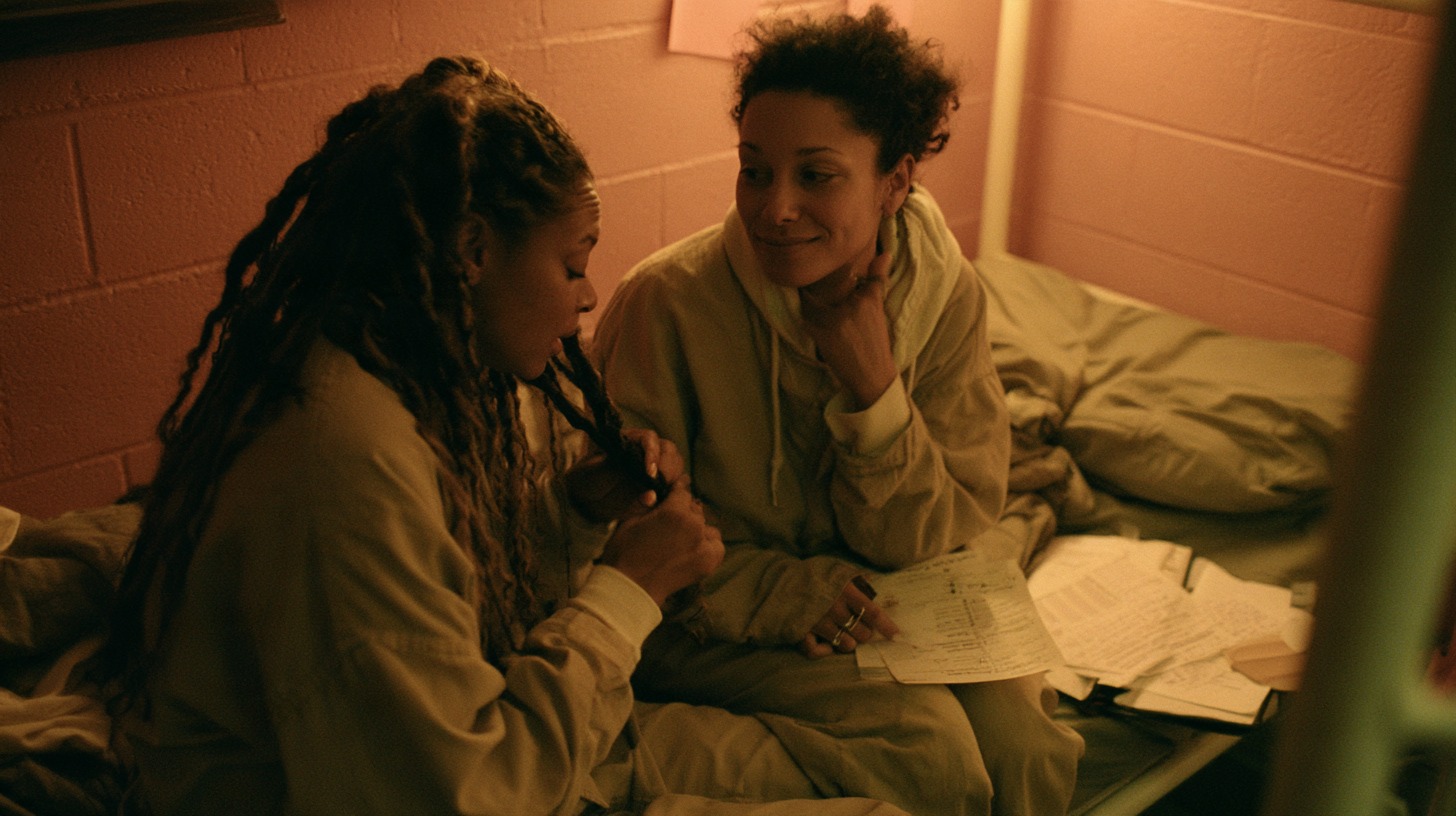
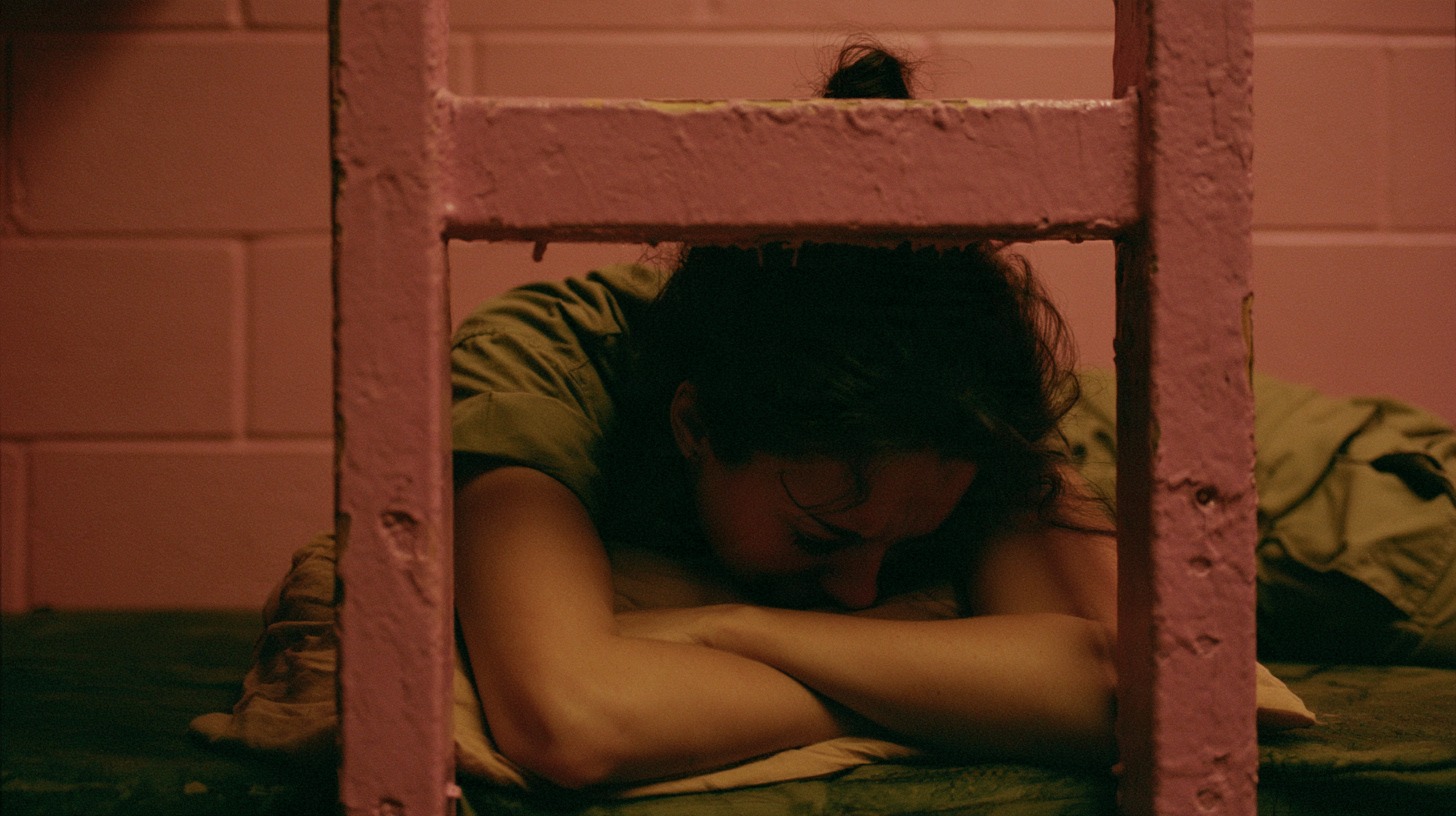
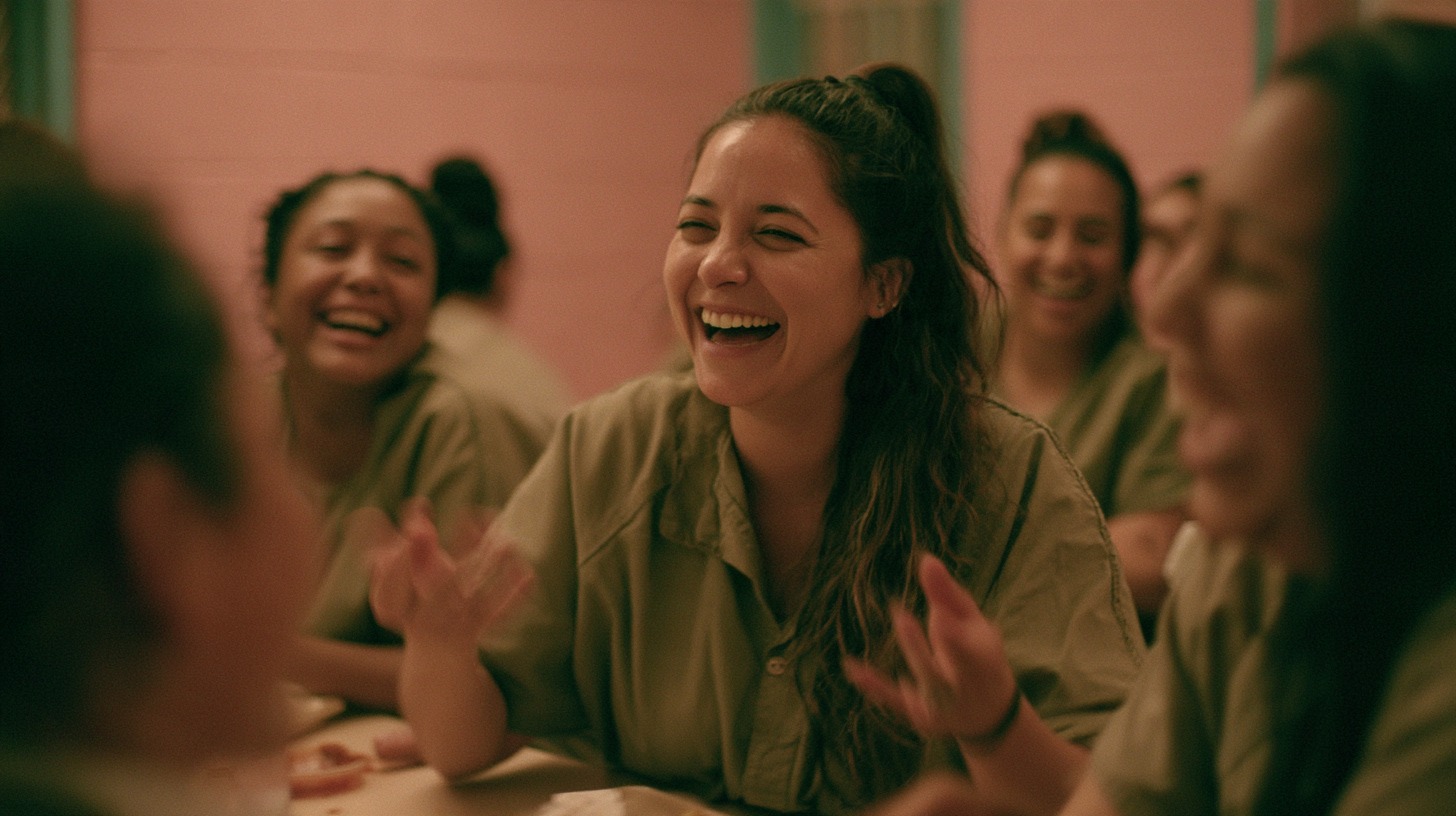
A woman comes back from a bad day at court and somehow she’s the one making everybody else laugh over ramen that night. Another gets denied bail and spends the evening braiding hair, plotting someone’s reentry plan like it’s a group science project. They’re not pretending it’s okay. They’re just not waiting for the outside to change before they let their insides move. These are the hearts I wish the world could see behind the headlines and indictments that try to proclaim who these women are. I don’t mean these women float above the pain. They cry, pace the floor, rage into their pillows like anyone would. But over and over I watch them choose movement over collapse: one more joke, one more favor, one more tiny act of generosity that keeps the air flowing.
Their charges are fixed on paper; they are not. Maybe that’s the deepest form of flight—when the world has you nailed to a story and you quietly, stubbornly refuse to stay pinned. The conditions here would take out a lot of people. I manage not because this is my natural habitat (for some women, it is), but because I’ve lived in similar ways: communal housing, little privacy, few possessions, navigating personalities and power structures, going invisible when needed. What we all share is iron will. At first they didn’t know what to make of me and Rach. We were tested. Officers sniffed our perimeter. Inmates tested us too. I have found the key is to walk in a quiet sanctuary: You can’t move me.
My body will comply with the rules, but my center won’t budge. Then it got better. The women christened us The Real Housewives of MDC—as in the TV franchise. There was real affection in how they told us. “Actually,” one woman said, “it’s more like Real Housewives of Atlanta—not as bougie as Beverly Hills.” High compliment. The unit counselor was surprised we weren’t getting “worked” more intensely. MDC is different from most prisons. In the federal system, once you’re sentenced you get shipped to the place you’ll actually do your time. Before that—while court dates are still rolling and your case is in motion—the Bureau of Prisons parks you in places like MDC, close to the courthouses and lawyers.
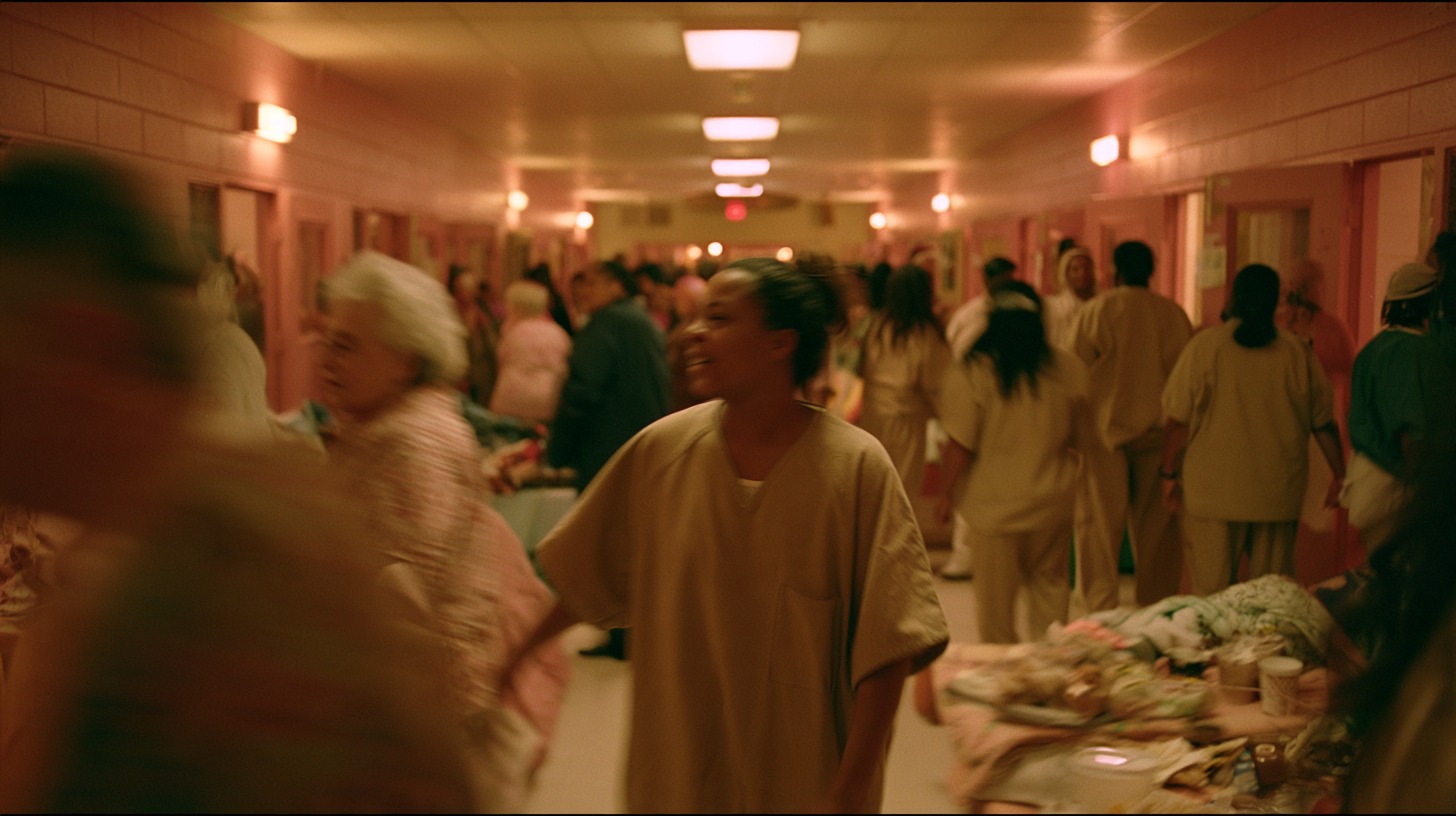
Women sometimes wind up at MDC at the end of their sentence, released through the same courts they came in through. So the dorm holds a constantly shifting mix: women newly indicted who couldn’t make bail, women already convicted and waiting to be sentenced, women who’ve been parked a few weeks while a prosecutor leans on them for names, and women on their way out, with only parole hearings between them and home. At any given time there are maybe thirty-five to forty-five of us in the women’s dorm. The other fifteen hundred bodies in this place are men, scattered across two buildings and various security levels. In our room, the severity of the charges all get tossed in one pot.
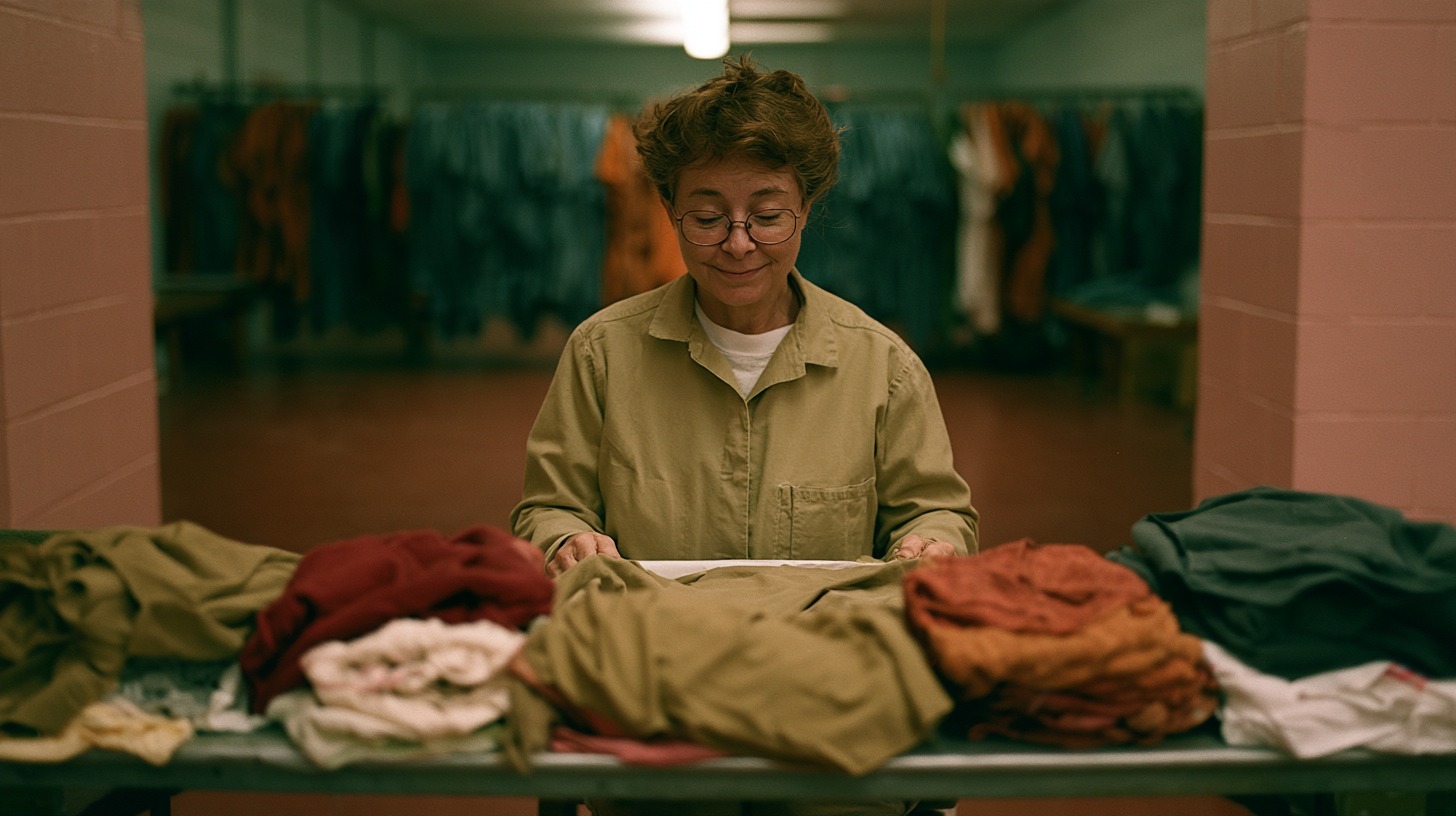
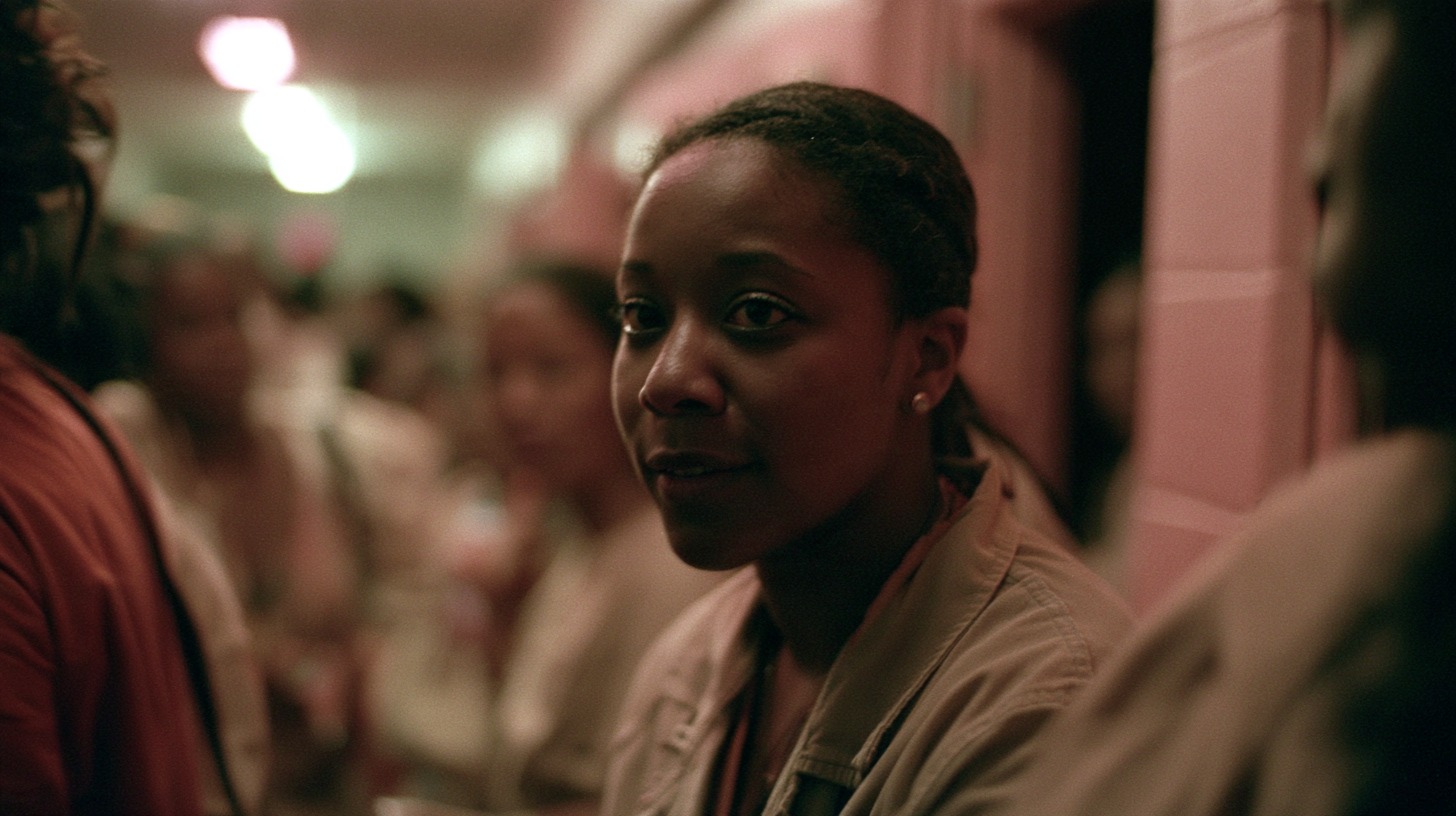
Faces appear and disappear—off to court, to meetings with lawyers, or to the prison where they’ll serve their bid; sometimes home. Unlike many prisons, there are almost no jobs here, beyond the chores that keep the dorm as clean as we’re able. There aren’t many programs or classes either. It’s an odd mix of transience and stagnation, waiting for whatever’s next. And in this purgatory space we share, the women take care of each other. Past the circling-and-handout stage, there’s a moment they invite you in. You get a seat at the feast: spicy crab cakes made from commissary cans, Doritos for breadcrumbs, Velveeta-jalapeño drizzle. The other women start including Rachel and me in their circle as part of the “we”—the inmates of the MDC women’s dorm.
It feels like a blessing. What still amazes me is the lack of complaint in the face of steady instability. You never know which way the wind will blow. What’s fine for one officer is forbidden with another. You learn to lower your head without shrinking your spine. Honestly, the years of being canceled were a gift. They burned out my old reflex to manage other people’s opinions—that compulsive “be nice, be smaller” training that would get you eaten alive here. Now it’s muscle memory: You don’t like me? Okay. I don’t have to fix you or fight you. I go on, grateful the commissary had cocoa butter, grateful it’s Chicken Thursday—the best meal of the week. Here’s the paradox I didn’t expect: Prison is a hidden shrine to free will.
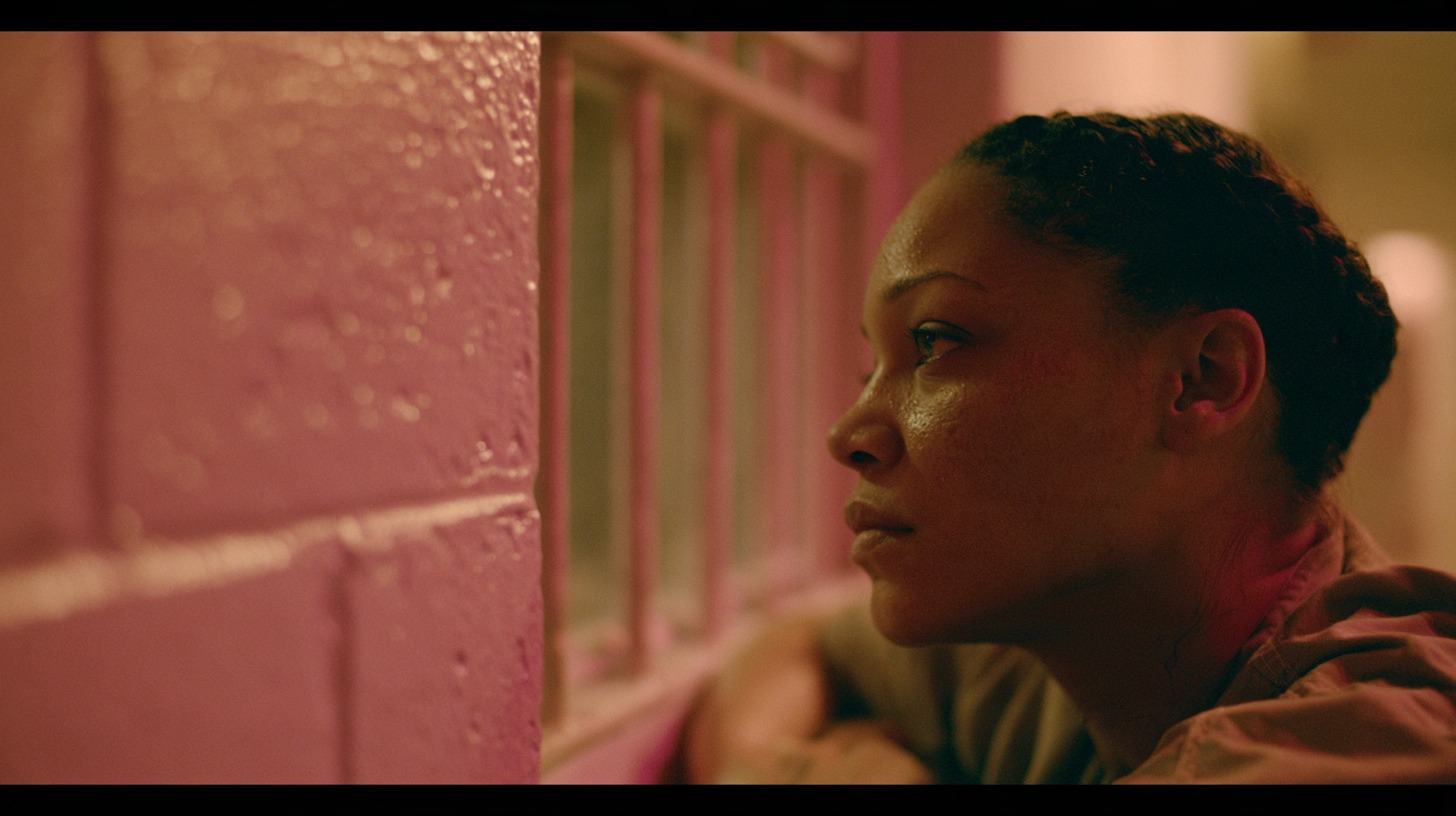
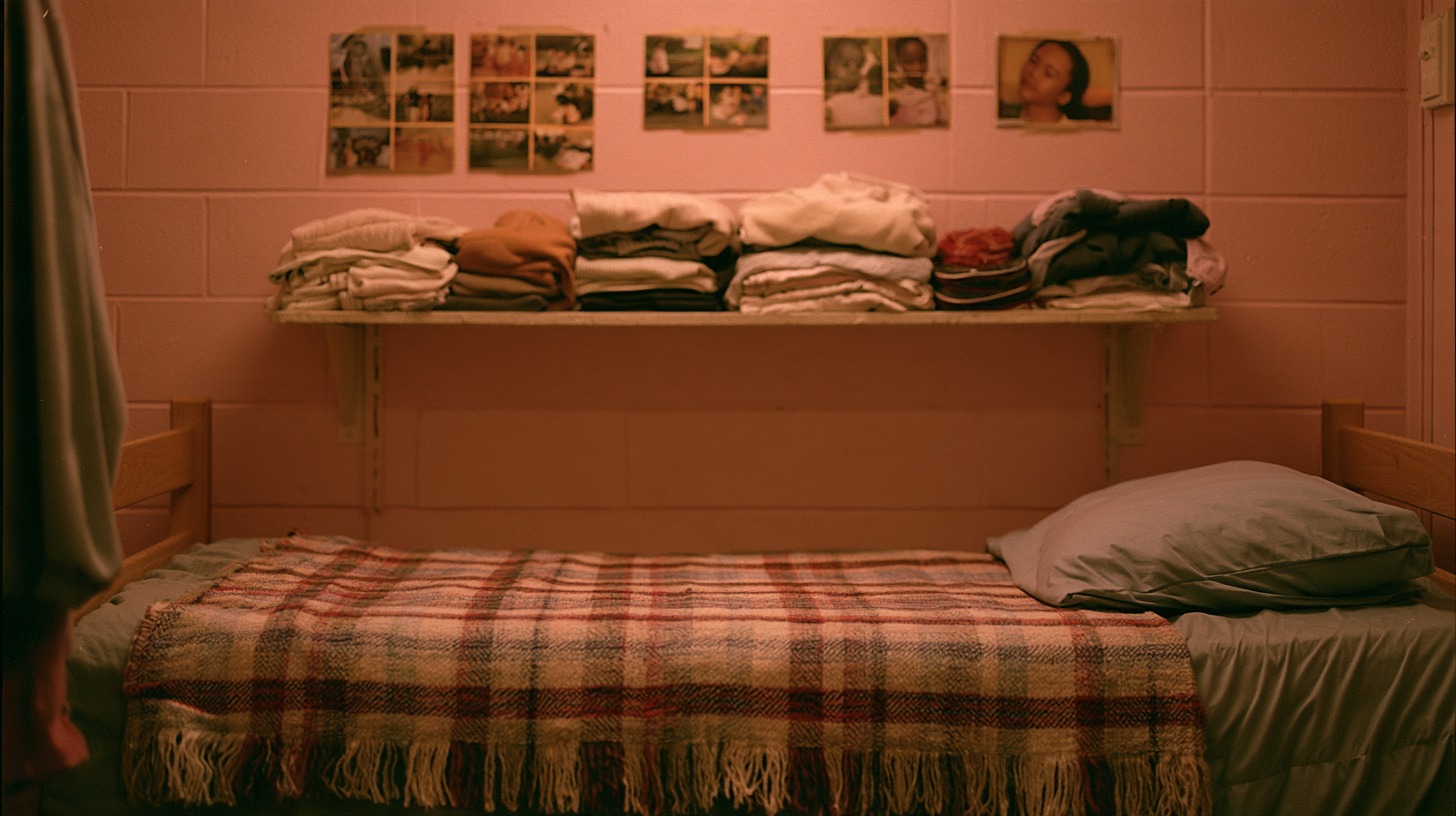
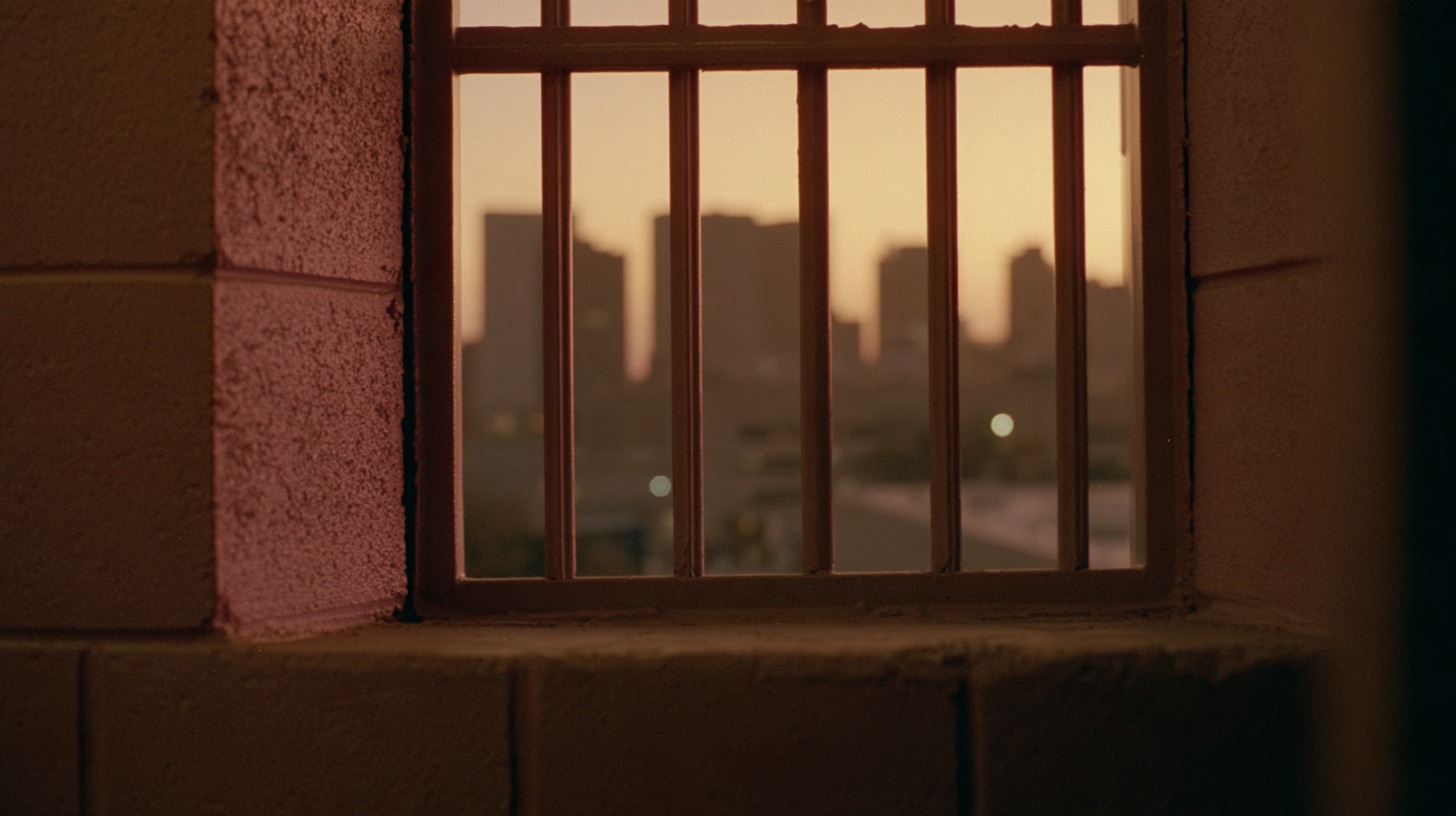
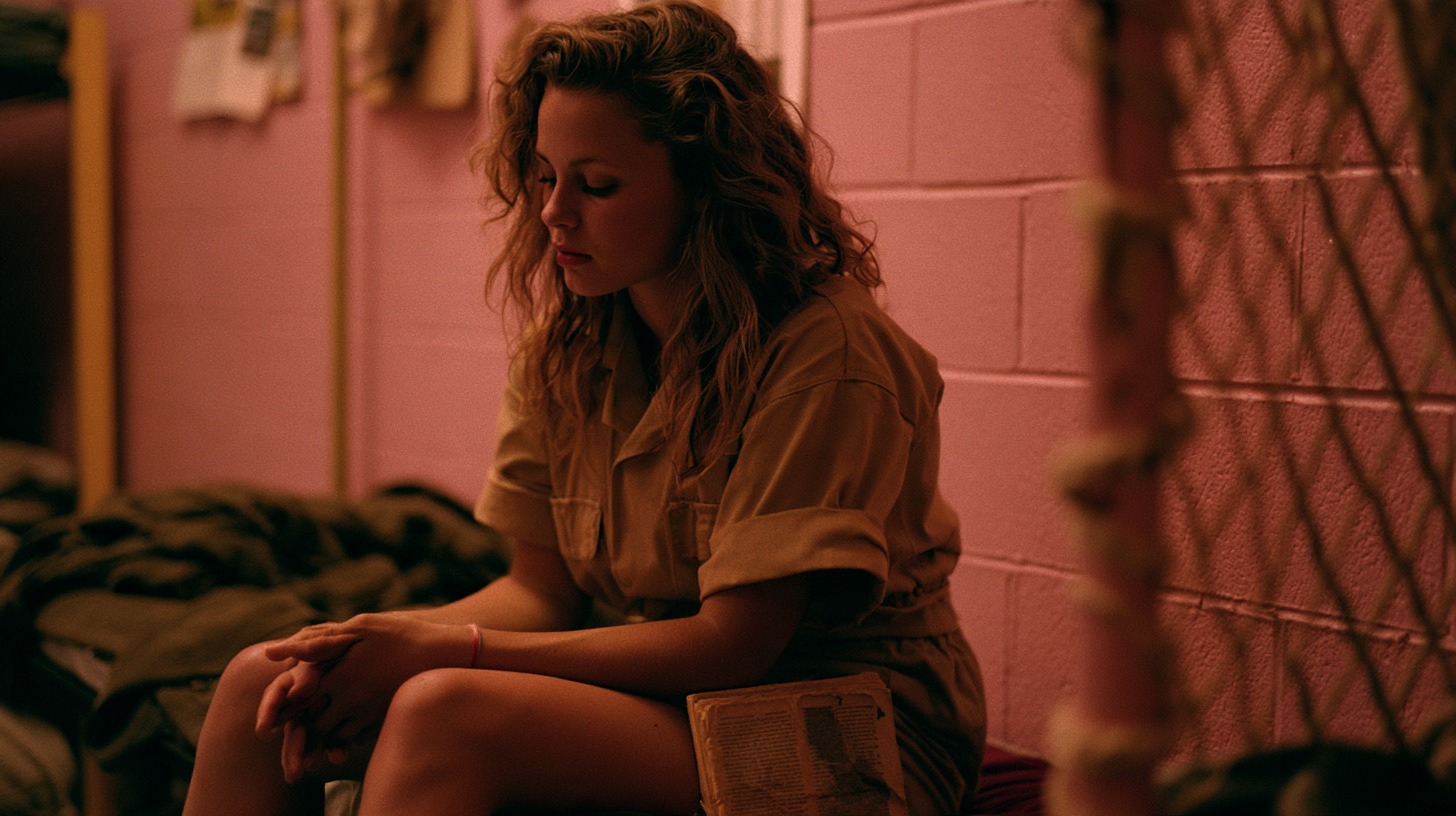
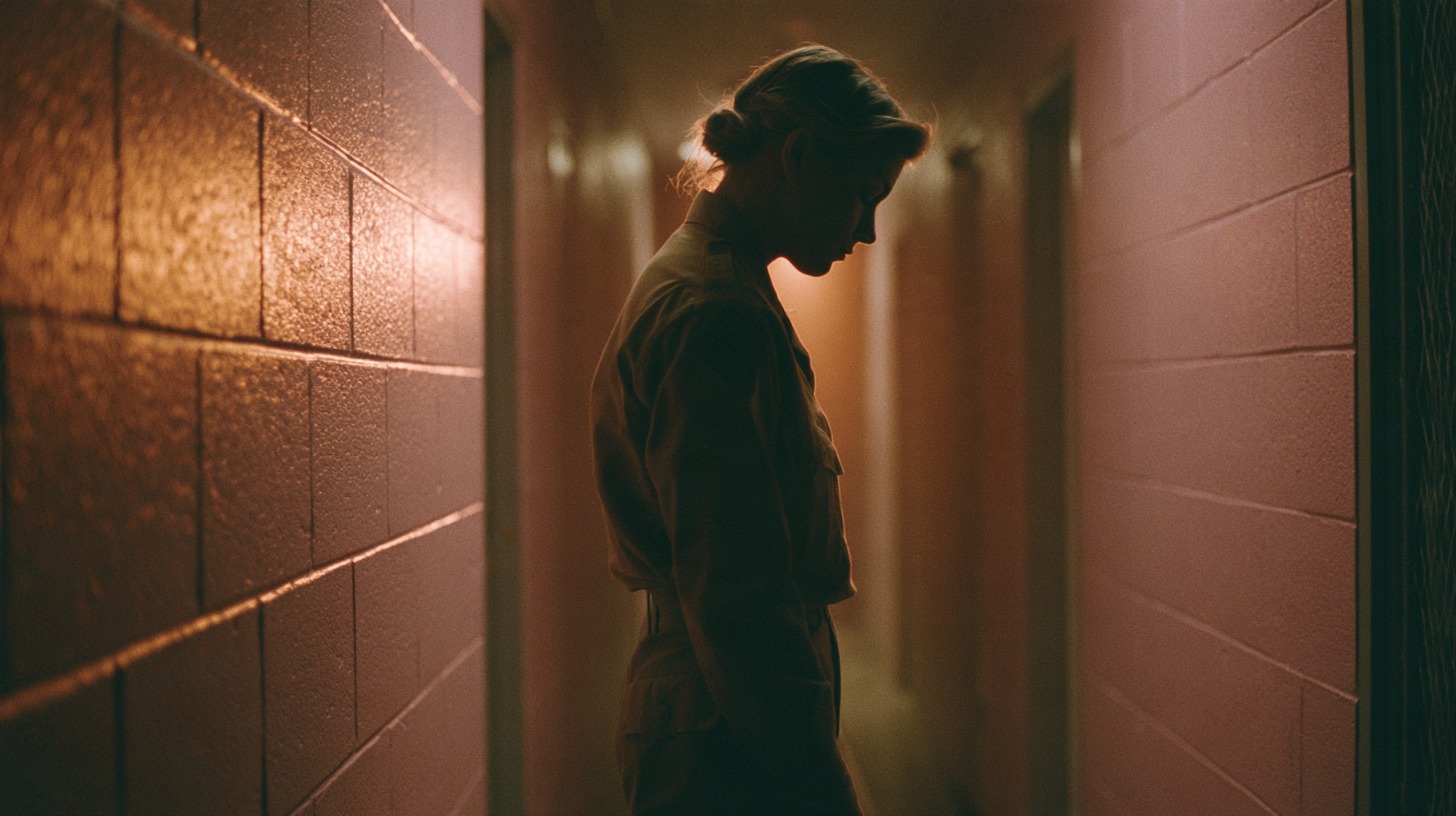
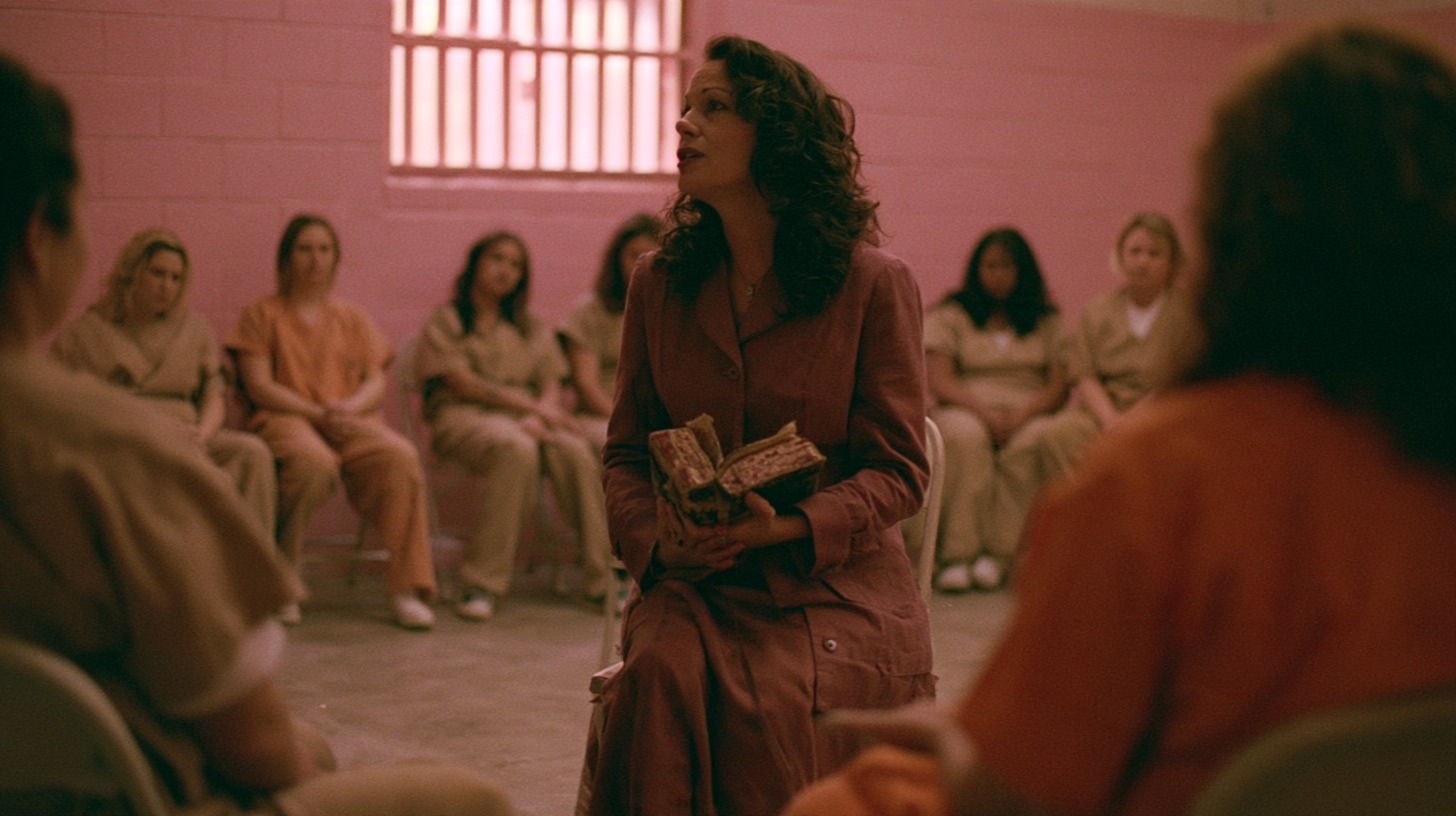
People who insisted on exercising it, wisely or not, end up here. The body language that works is spacious. Move through the dorm with an air that lets people take their own readings, make up their own minds. Don’t sell yourself. Don’t grovel for belonging. Play your role without becoming it. That’s another form of freedom. When you’re free inside, the caricatures of prison start to fall apart: color of uniform, rank of crime, guard vs. inmate. The real logic is simpler. We’re all in the same pink cinderblock room with cockroaches and windows that barely open and air that is either swamp hot or meat-locker cold. That includes you too, Officer. Different jobs, same human weather. Since we’re all here together—in this intense little theater of being human—we might as well make the best of it.
I’m an extreme-sports person when it comes to life, so my version is: We might as well have a rocking good time. And honestly? Most days it’s a street party in here. We just don’t say it out loud; it breaks character. The last question on the survey was the easiest and somehow the trickiest: “Do people who commit crimes deserve to be treated like everyone else?” It seems they want you to answer no. But the answer is yes. Equal dignity isn’t a reward for good behavior, it’s the ground floor of being human. If you need a source for that, you don’t have to crack open some obscure mystical or philosophical text. Just open the Bible to the Sermon on the Mount.
Jesus says the quiet part out loud: Treat people with mercy, turn toward them instead of away, love your enemies, do unto others as you’d want done unto you. The entire sermon is a blueprint for baseline dignity—especially for those the world says don’t deserve it.