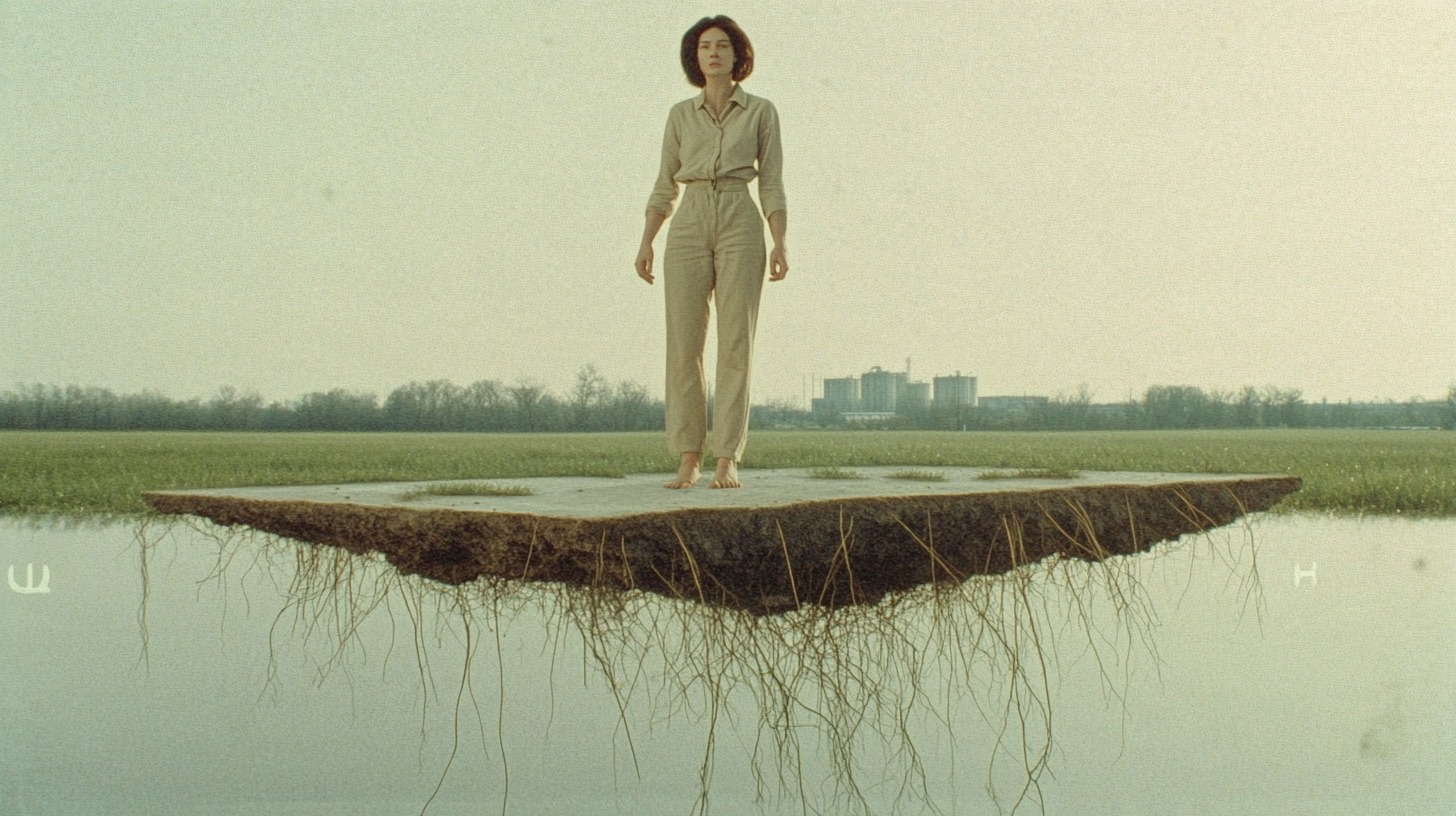
Dear America, I challenge you to live up to your promise—where it matters most, in the belly of the beast: our justice and carceral systems.When the roots are poisoned, the fruit will be too.
From inside the “worst of the worst”—MDC Brooklyn—I can tell youwe treat prisons like toxic waste sites.We pretend there’s an “over there” where we can dump people without consequence.
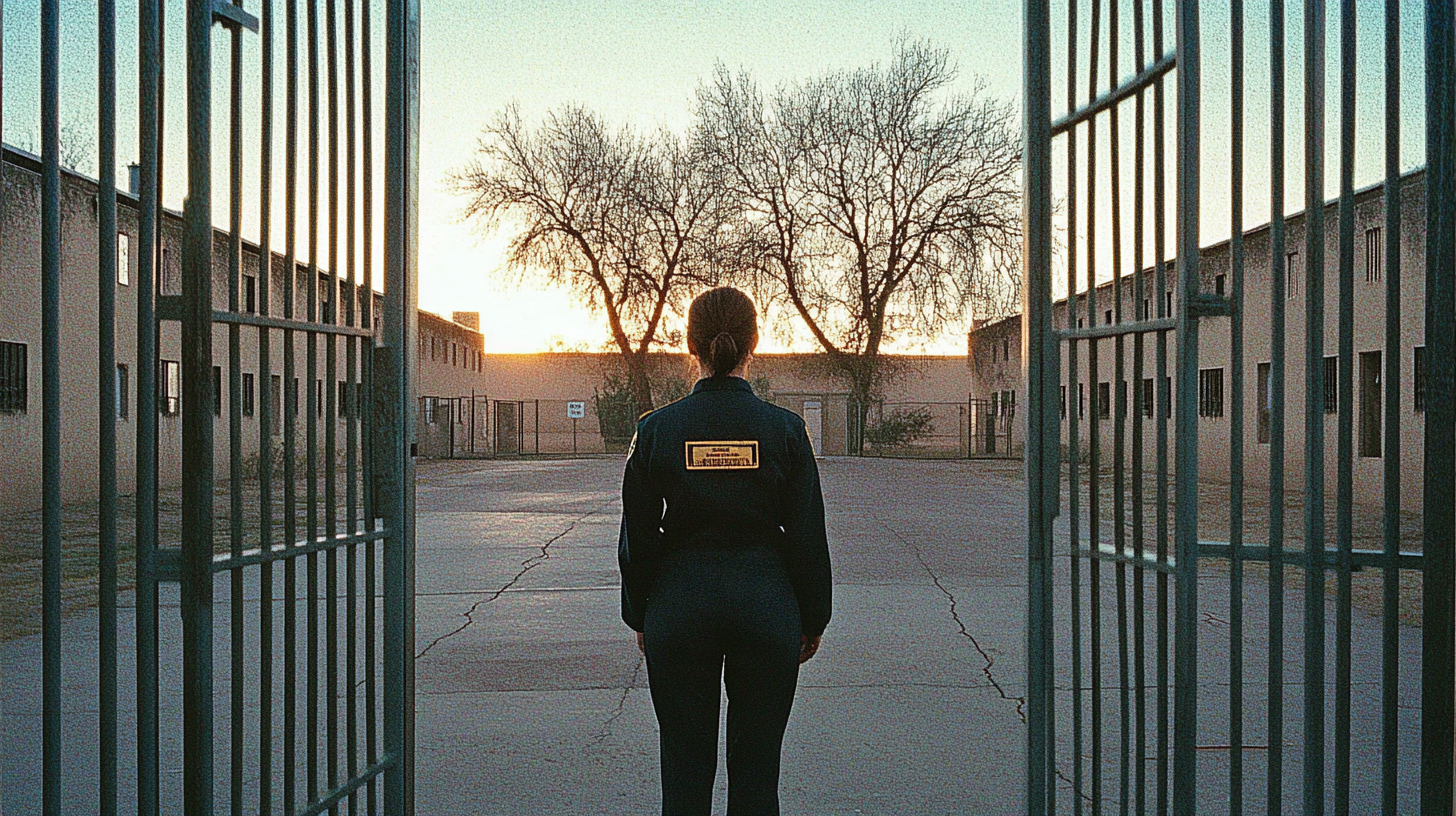
I believe thatanyone who signs up to serve as an officerin this institution was called.
And yet they live under constant threat—more than the human nervous system can bear and still functionin a way that can offer simple human dignity to those around them.
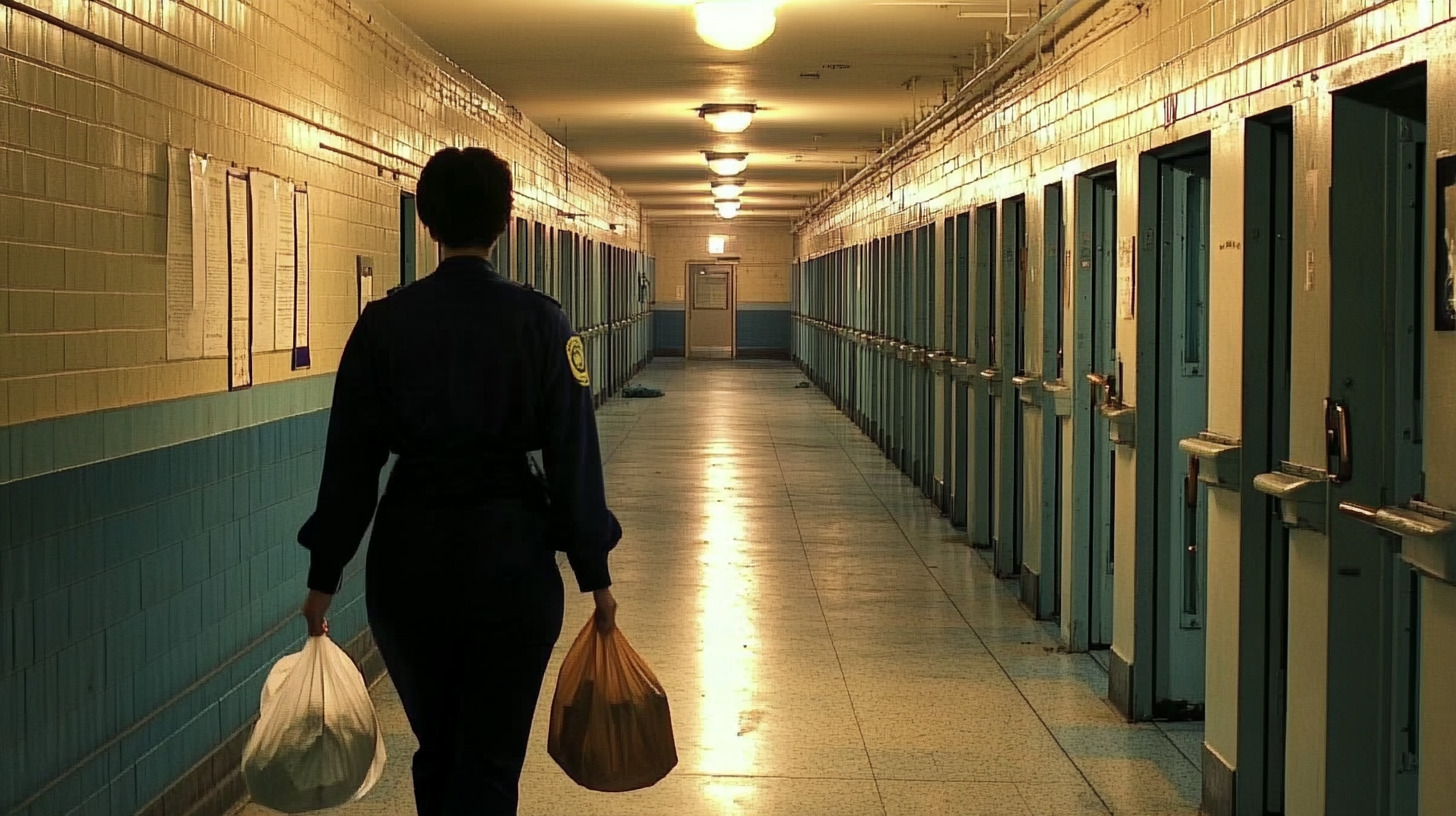
I have served alongside these officers, in different capacities of course, and I havewatched them overcome unnecessary difficulties day after day.
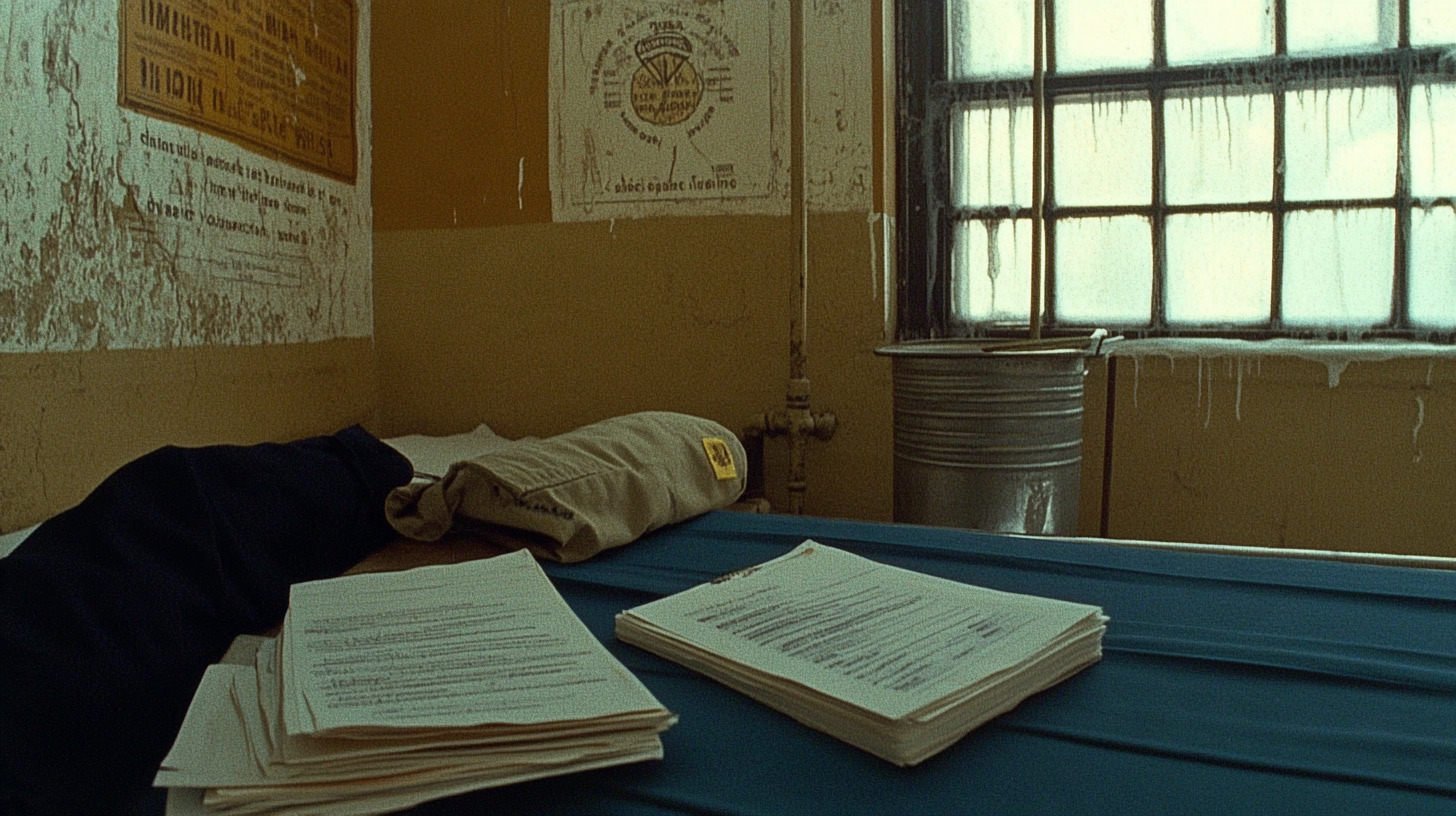
The system neglects all of us equally:the officers standing in the same freezing dorms,dealing with the same neglected plumbing, navigating the same impossible bureaucracy.
Their uniform in no way inoculates them from what we endure.
Most of the time, they don’t have real authority to do what is right and humane at the most basic level. If someone isprofoundly mentally ill and having a breakdown,
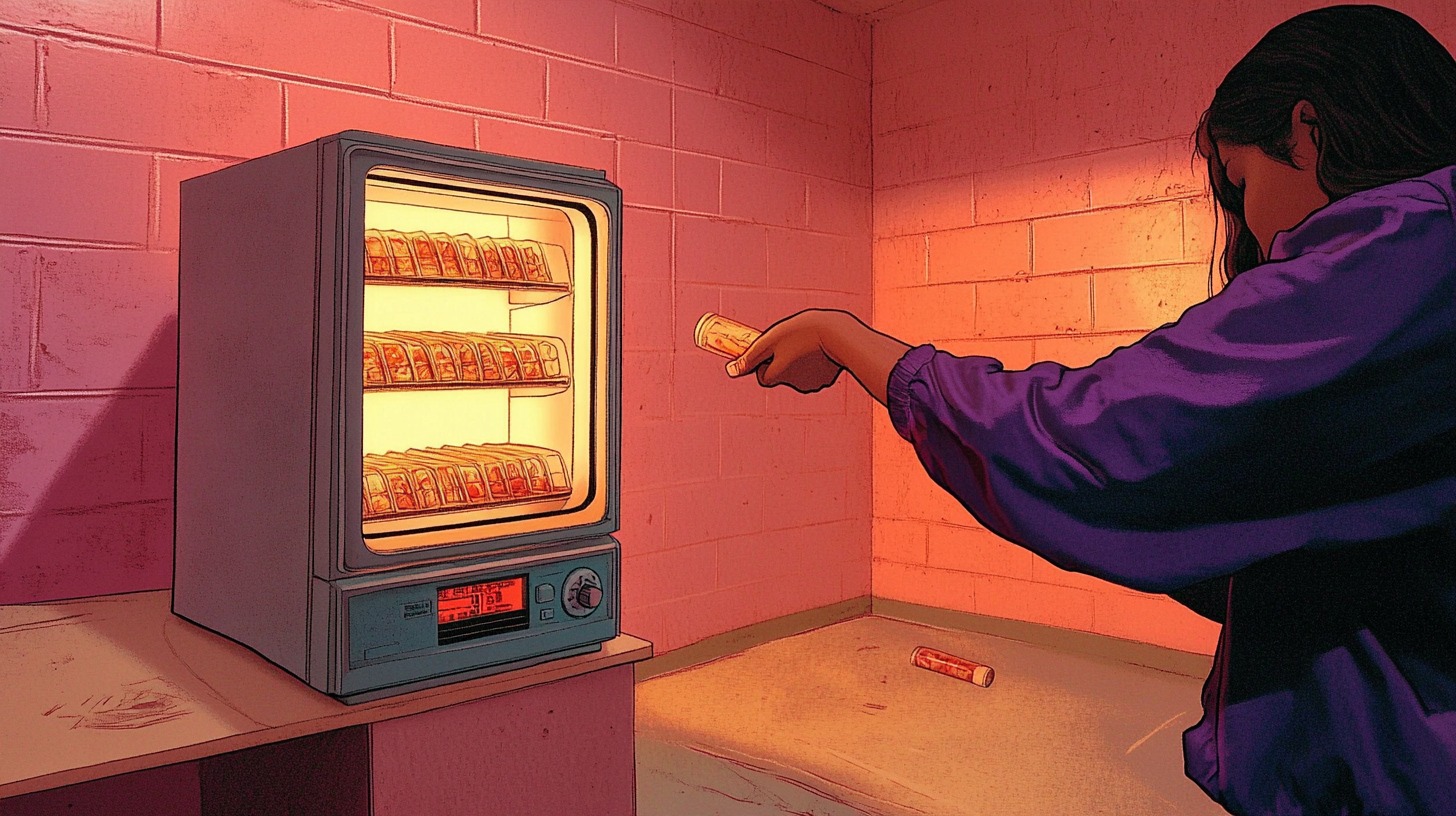
if someone is going through withdrawals andcan’t stop vomiting and the whole dormis “going through it with them,”
if the place is flooded and we arewalking through sewage to get to the legal room,
the officers on the ground still don’t have the power to carry outthe calling of stewardship and guardianship of this precious resource:
women who, if they had the means, have the power to change the world.
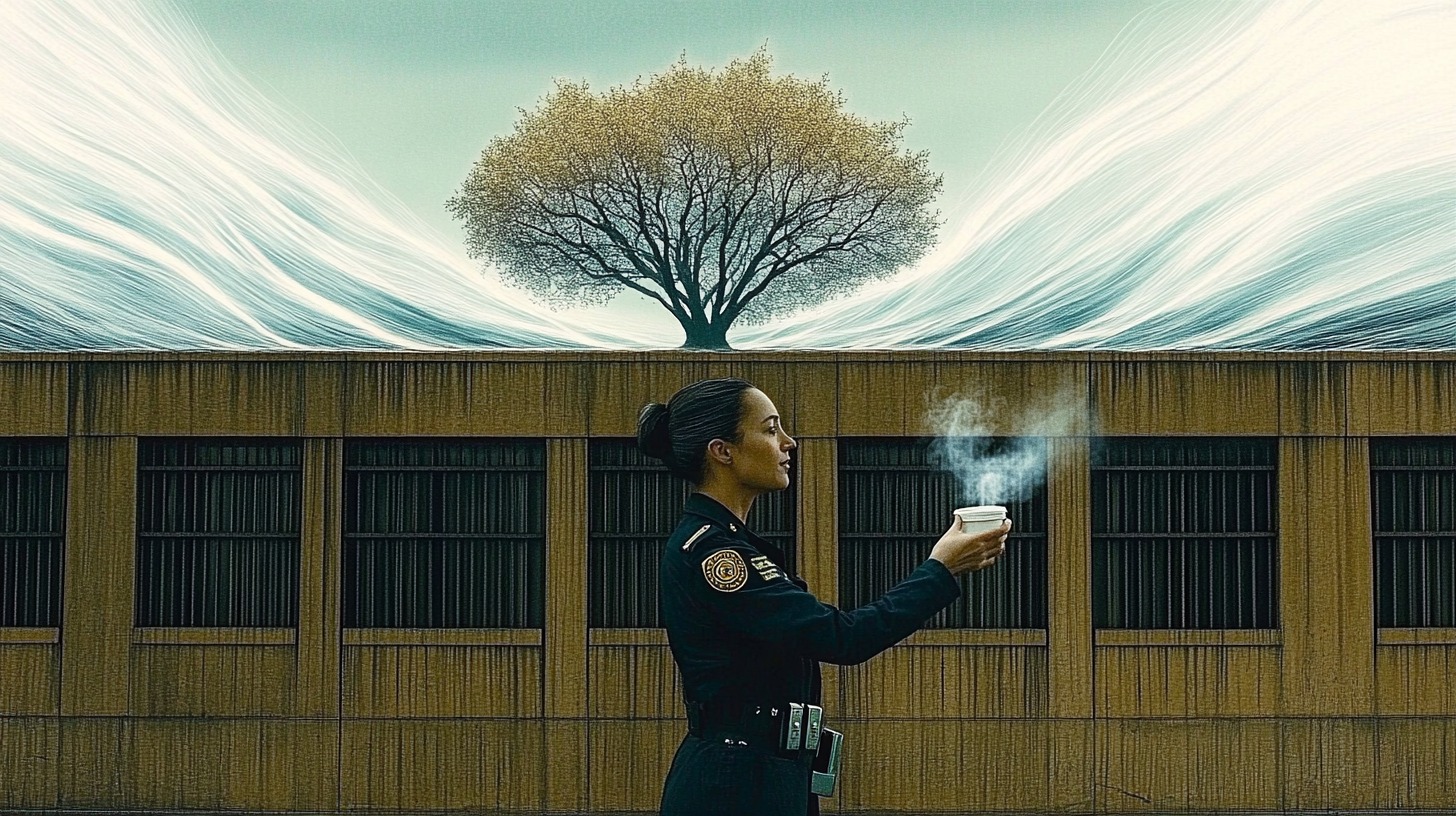
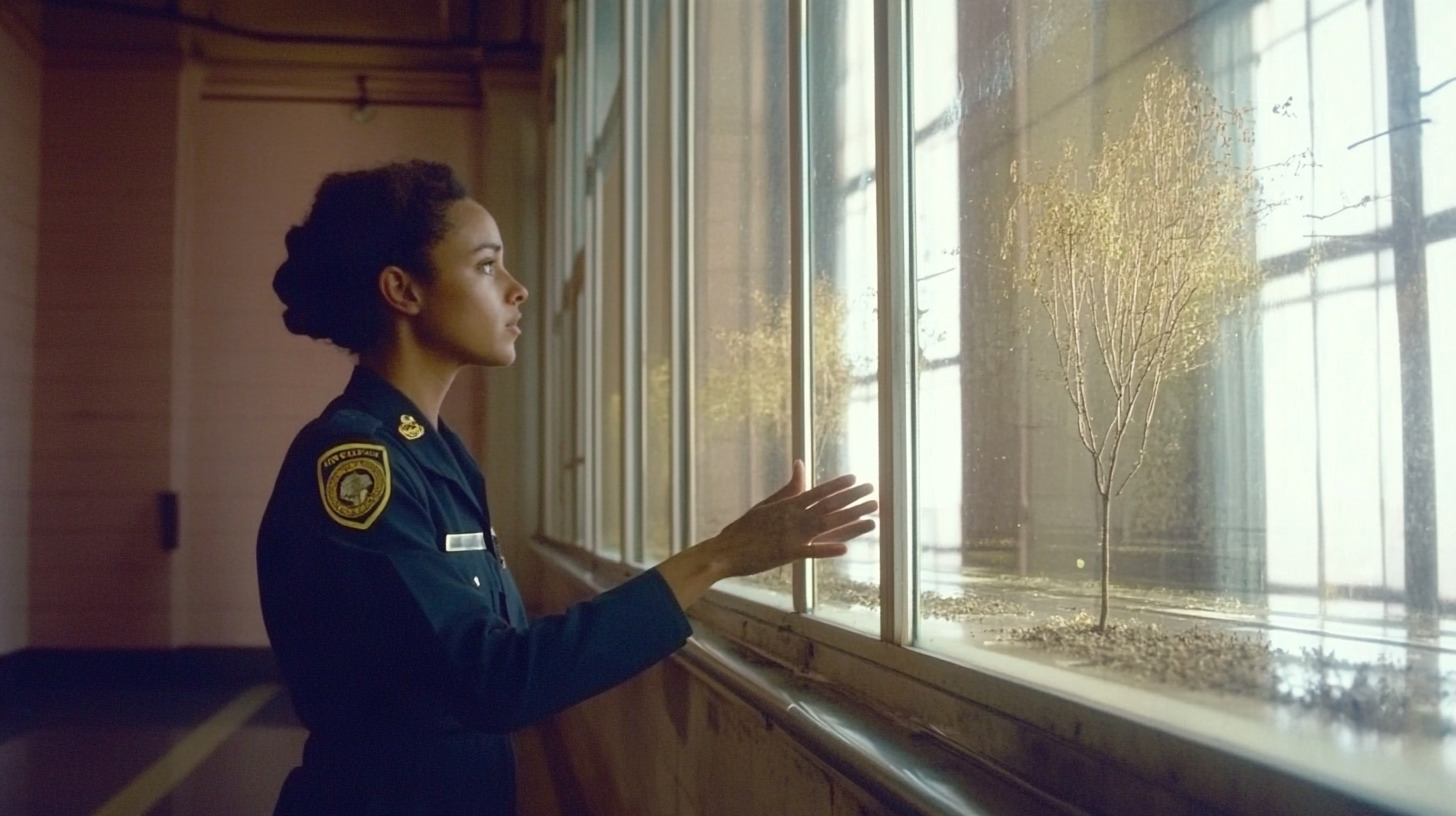
These officers can andshould be heroes of our society—and many are—but they live and work against the odds, because we don’t supply them with what they need.
To be clear:There are officers who use their own paycheck to buy cleaning suppliesbecause the dorm reeks,
orpuzzles and art materials so women can engage their attentionin something other than watching true crime on TV.
These stories are greater than the stories of the officers who, under untold duress,buckle and fall to a lower common denominator of humanityby violating ethics or being cruel.
Inside, the only tools widely on offer—for officers and incarcerated women alike—are the ones that make things worse:sugar and junk food for numbing, endless TV and sleep for escape.
Crochet class substitutes for meaningful skills. Communication breaks down. Hope is scarce.And where hope dies, aggression thrives.In this form, prison is a dehumanizing machine. Responsibility— the engine of real freedom—is stripped out.
Yet the potential here is enormous:Train people in ethical responsibility, train officers in noble stewardship, and train government to pursue truth and justice for all.
We are wasting human power by walling it off.People are reduced to a conviction,as if that were the sum total of their lives.
With no shared purpose,the days collapse into gossip and survival.The system funds compliance, not growth. This isn’t a small corner of America.
We cage hundreds of thousands and supervise close to a million more.
We spendtens of billions to maintain the machinery,while families absorb hundreds of billions more in lost income and cascading costs.
Every dollar poured into warehousing is a dollar stolen from healing,education, and community repair.
This is your report card, America. First, face the truth:The incarcerated are human—those wrongfully convicted and those rightfully sentenced alike.
In the program I built,we aim at real rehabilitation:tools to make use of time, to uncover purpose, to contribute.
We’ve all heard “the meek shall inherit the earth.” The original Greek word, praus, described abattle-trained horse—still wild at heart, now directed.
That’s how I see the women here:untamable in spirit, generous with little, waiting for a worthy rider—truth—to guide that power.
Without it, they buck against the narrow lanes of “acceptable” life.Ignore their strength and we all lose.There are encouraging signs. The First Step Act is one.
People here whisper about it like a weather change—the giant is learning to walk, not just stomp.The mentality of warehousing is cracking. A different future feels possible.
Let’s go further.Responsibility is the ground of freedom.In our dorm, it’s common wisdom that if a woman blames her crime on a man or her childhood, she’ll get a lighter sentence.
But that training breeds dependency, not liberation. Rather than rehearsing blame, what if we trained women to recognize their power—tochannel care into contribution instead of numbing itwith romance, food, or intoxication?
When a woman claims her inner freedom,others around her begin to unshackle, too.Here’s my vision: Take two of our most underused resources— women and prisons—and build centers for inner liberation.
Keep the buildings; change the purpose.Gut the aimlessness and install structure: quiet, focus, healthful food, real education, and the hardest curriculum of all—human dignity and responsibility.
Partner with universities to teachcutting-edge skills, from environmental repair to AI literacy,alongside the essential technology of a free life: integrity, attention, service.
I believe, as the Dalai Lama has said, that Western women will transform the world. And I see how.Our prison system is America’s weakest link.
Strengthen it, and we strengthen the chain. It is not that we want too much whenwe dream of a mere lack of recidivism;it is that we do not want enough.
My aim is to do for women at the root whatMalcolm X did for people of colorat the root: Break mental slavery.
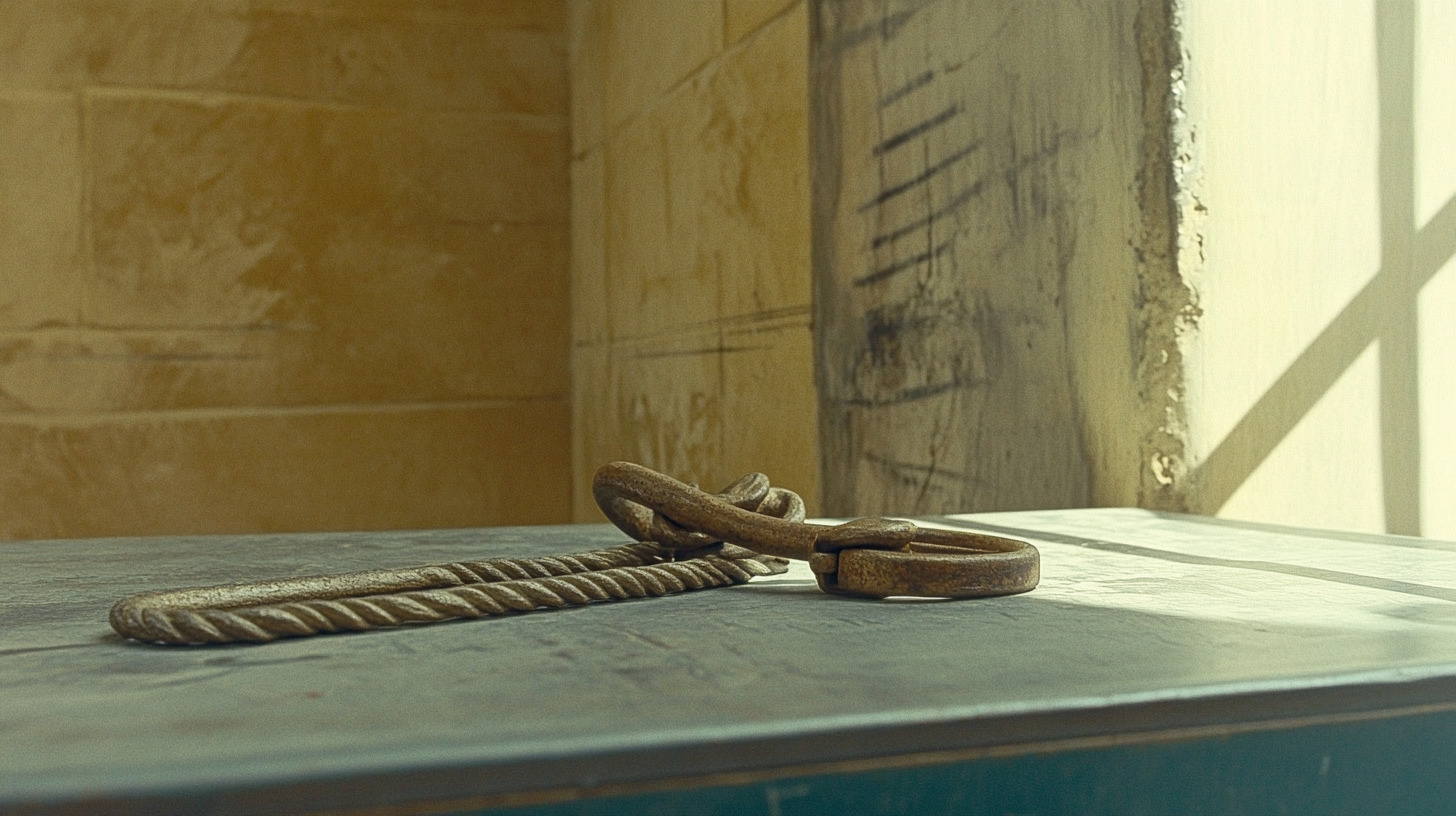
I write this after a day in shackles; I don’t say this lightly.No woman is free until all are free.Physical release is not enough. Train inner freedom, and recidivism falls on its own.
To start, we must endthe trilogy of hopelessness, helplessness, and powerlessness.The key is human dignity. Punishment alone is shortsighted. It breeds a cycle of compliance without change.
If we cultivate people at the roots—those inside, those guarding, those prosecuting—we restore what’s been lost: shared values, shared humanity, shared future.
I ask you to set our systems of incarcerationup for success and watch the miracle happen.
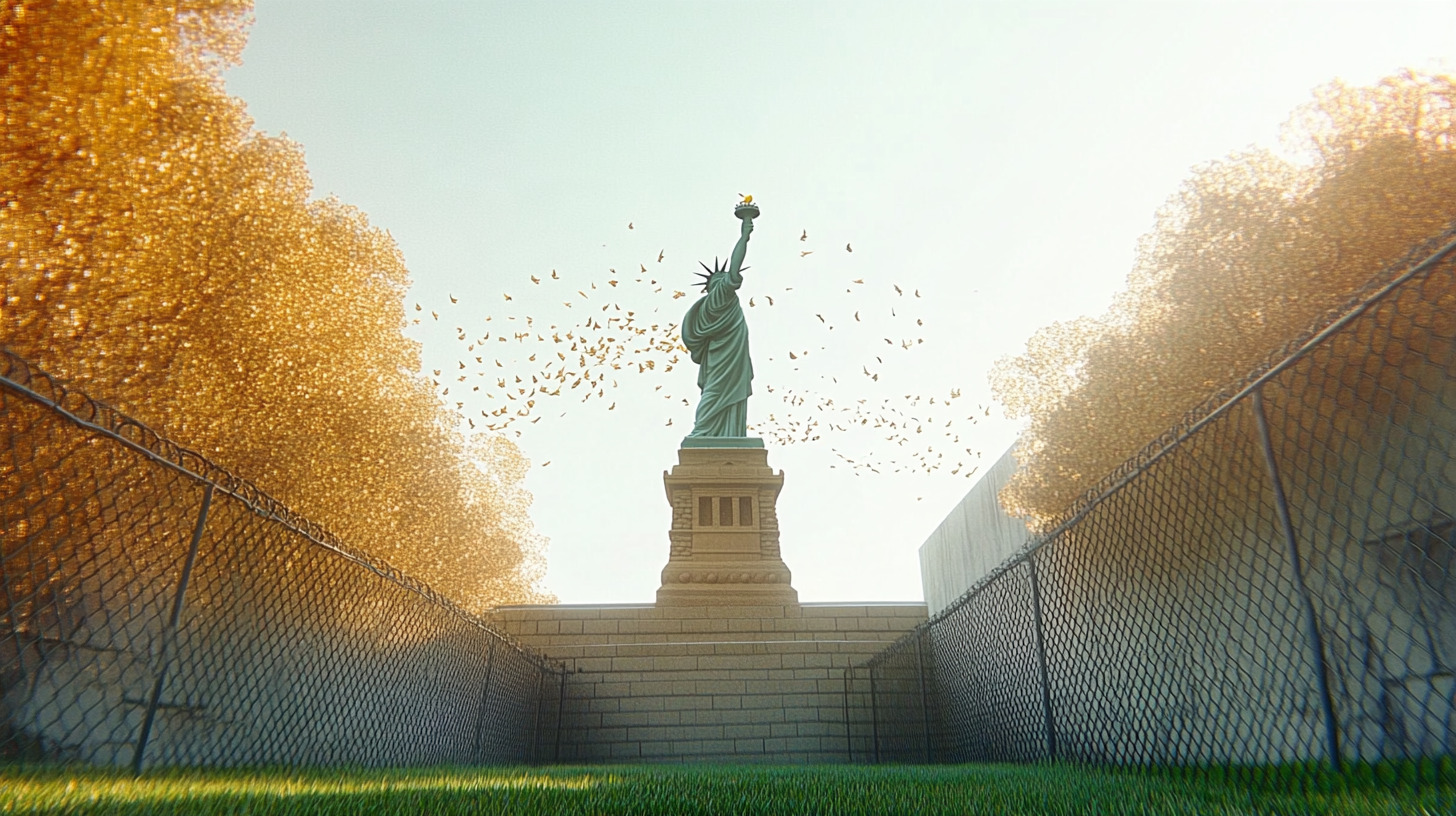
Dear America, let us become great here at home, deep in our roots. May we take the poor,huddled masses in our own backyardand transform them into a national treasure.
Andlet us dare to be great in the domain where few dare to tread.