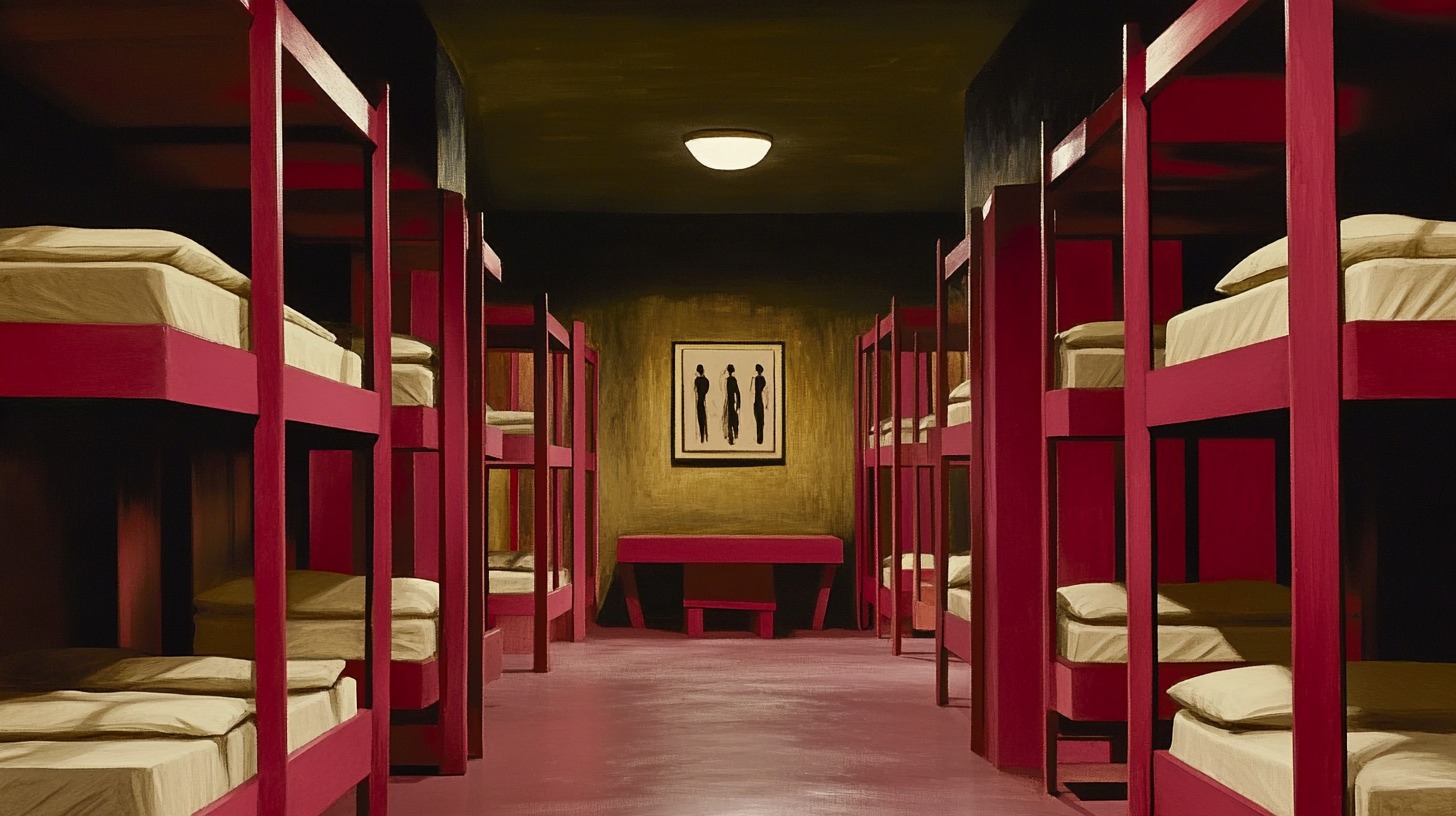
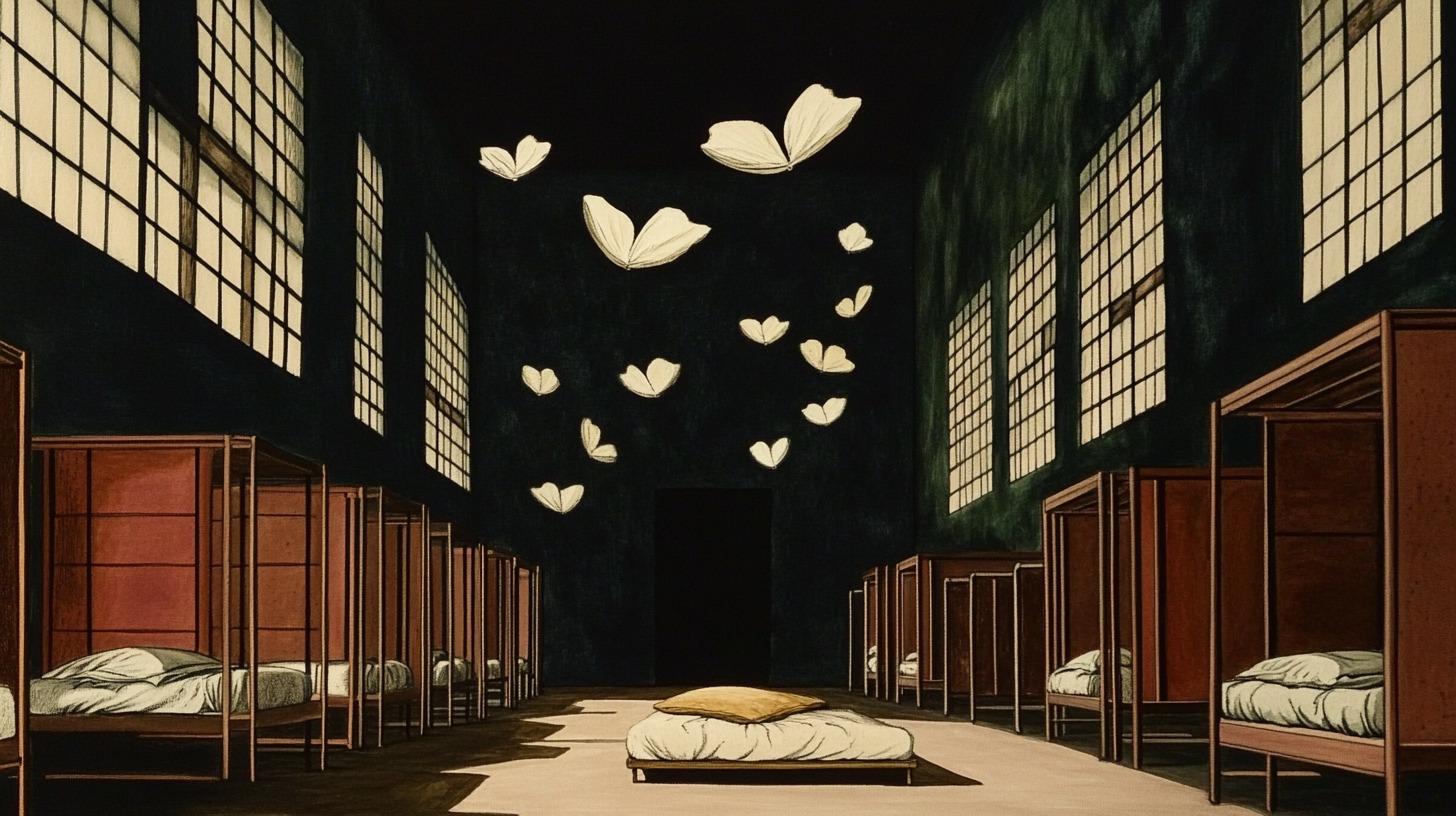
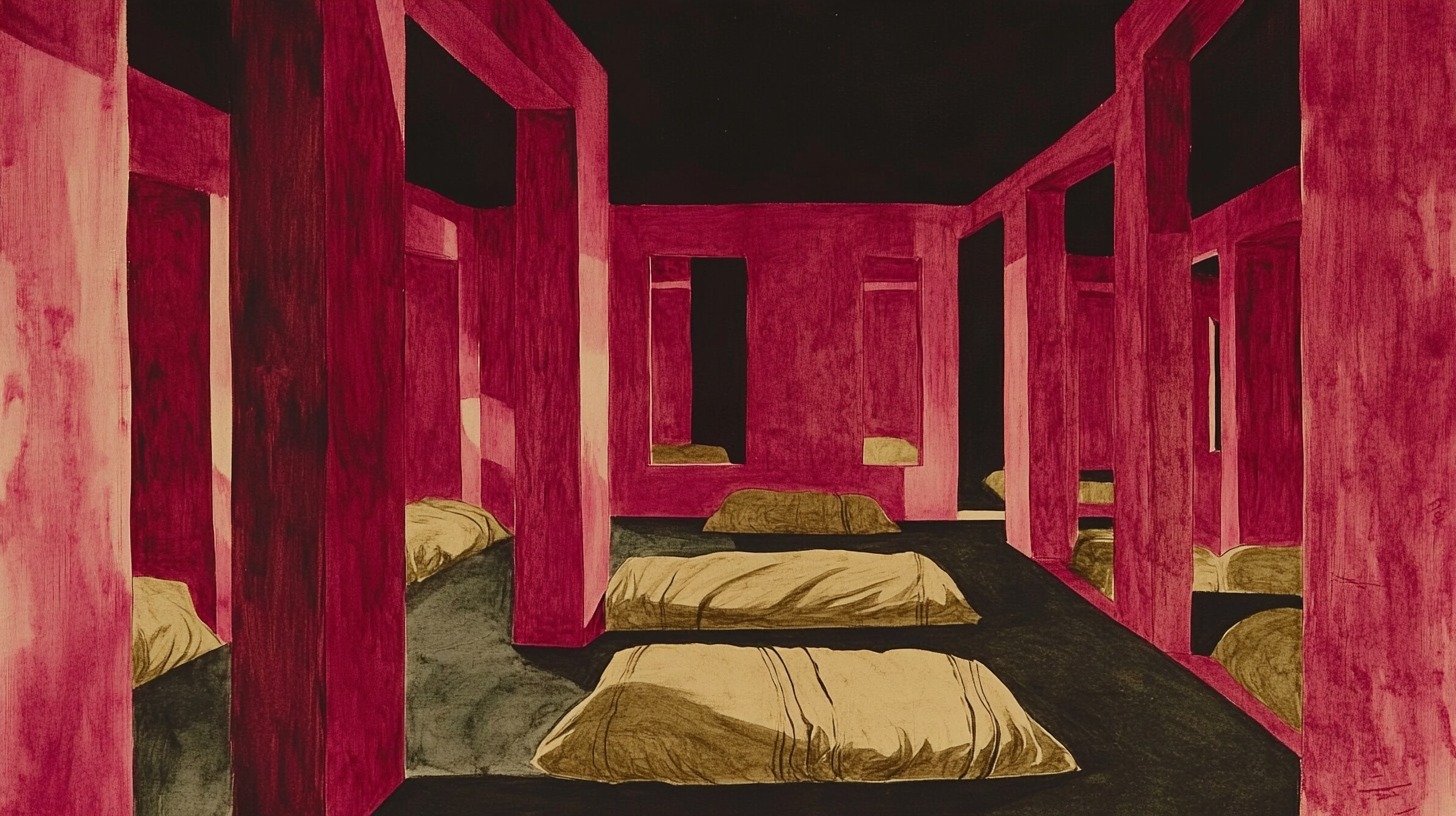
Nights got quieter as the mending process continued.Not silent—prison never is—but the air didn’t bite as hardas those first days after the pages of writing were discovered, after the confrontation in the gym.
The collective hope and concern for Lyric’s baby and her upcoming sentencing occupied many prayers while bright moments like Royal’s legal win glowed too, a reminder thatprayers do sometimes come to pass.
Even so, I could feel the tug: something unfinished, like I’d written my thesis and hadn’t stood to defend it.The bond was repaired enough to walk on, but not enough to carry weight.
In time, memory of the rupture could start tofade into the mottled history of the dorm.
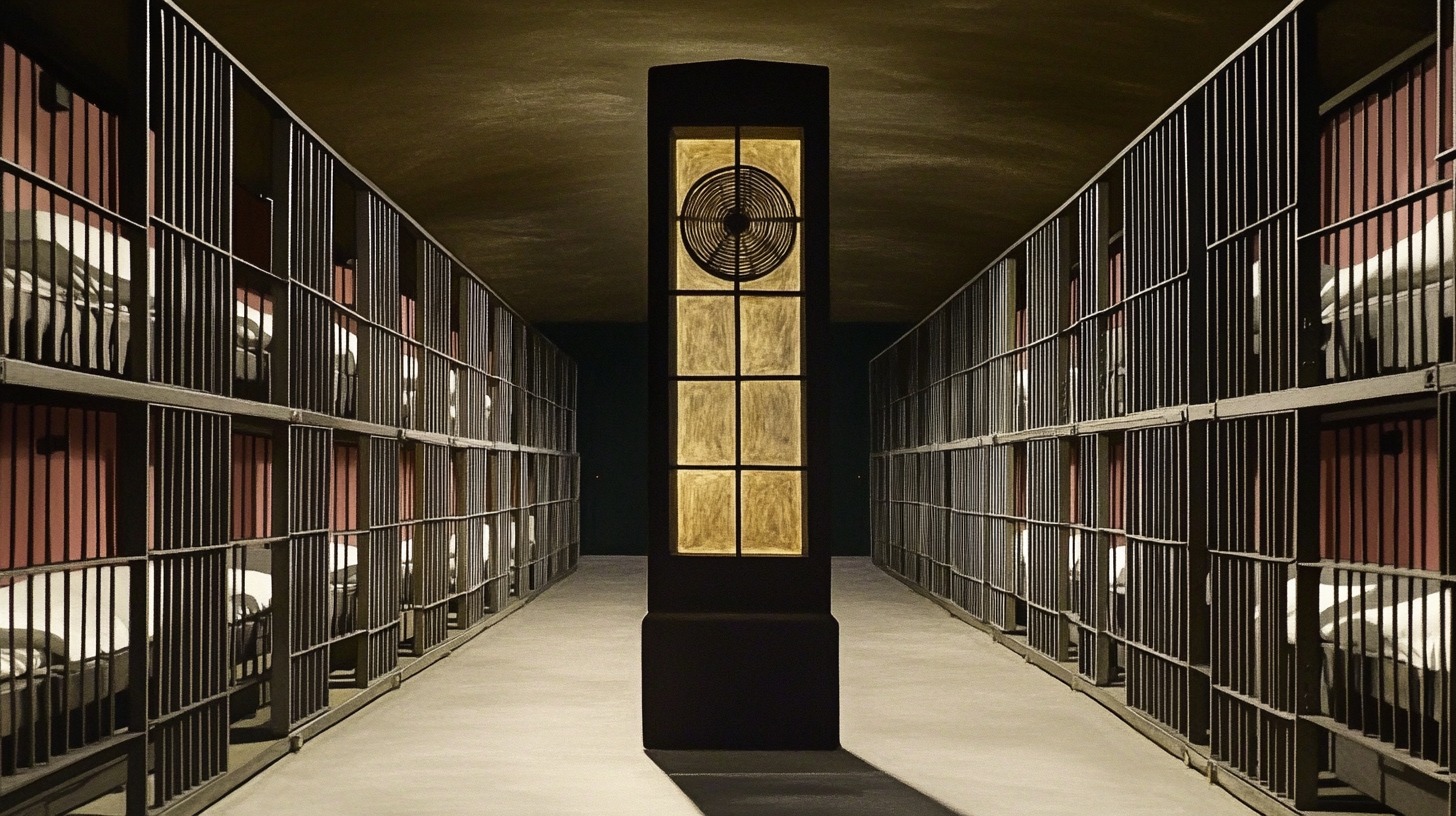
But fading away wasn’t the point. I lay on my bunk andlet the room’s low thunder roll—the never-ending gossipingof the women, the shouts across the room, the TVs droning, the industrial fans blowing.
I thought about howthese women survive on each other’s shared good news:somebody’s daughter turning three next month, somebody’s appeal hearing set for spring, somebody’s first clean night of sleep in weeks.
I thought about my first day here, the vow I made to the quiet part of myself:See them as they are—wild, brilliant, misnamed.And how I wanted them to see it too, until the world couldn’t look away.
The idea I’d had percolating on my walk with Miriam remained half formed, lingering at the edges of my awareness, the creativity that wants to burst open,like a seed ready to sprout.
I felt it asa pressure behind my sternum, asking for release.The kind of pressure that promises an explosion and then…doesn’t.
I’ve heard the universe began as an infinitely dense point—a singularity where all potential compressed until, in a flash, it expanded outward, birthing stars and space in a cosmic boom. It felt like that: The potential and pressure were here;we were just waiting for the spark.
When it finally arrived, it was plain. Not bells or visions. Just a clear sentence, like a paper slid under a door:Put her on a stage.
Not just Royal, not just Miriam. All of them. Let them tell the world who they are.The picture clicked into focus so hard I sat up.
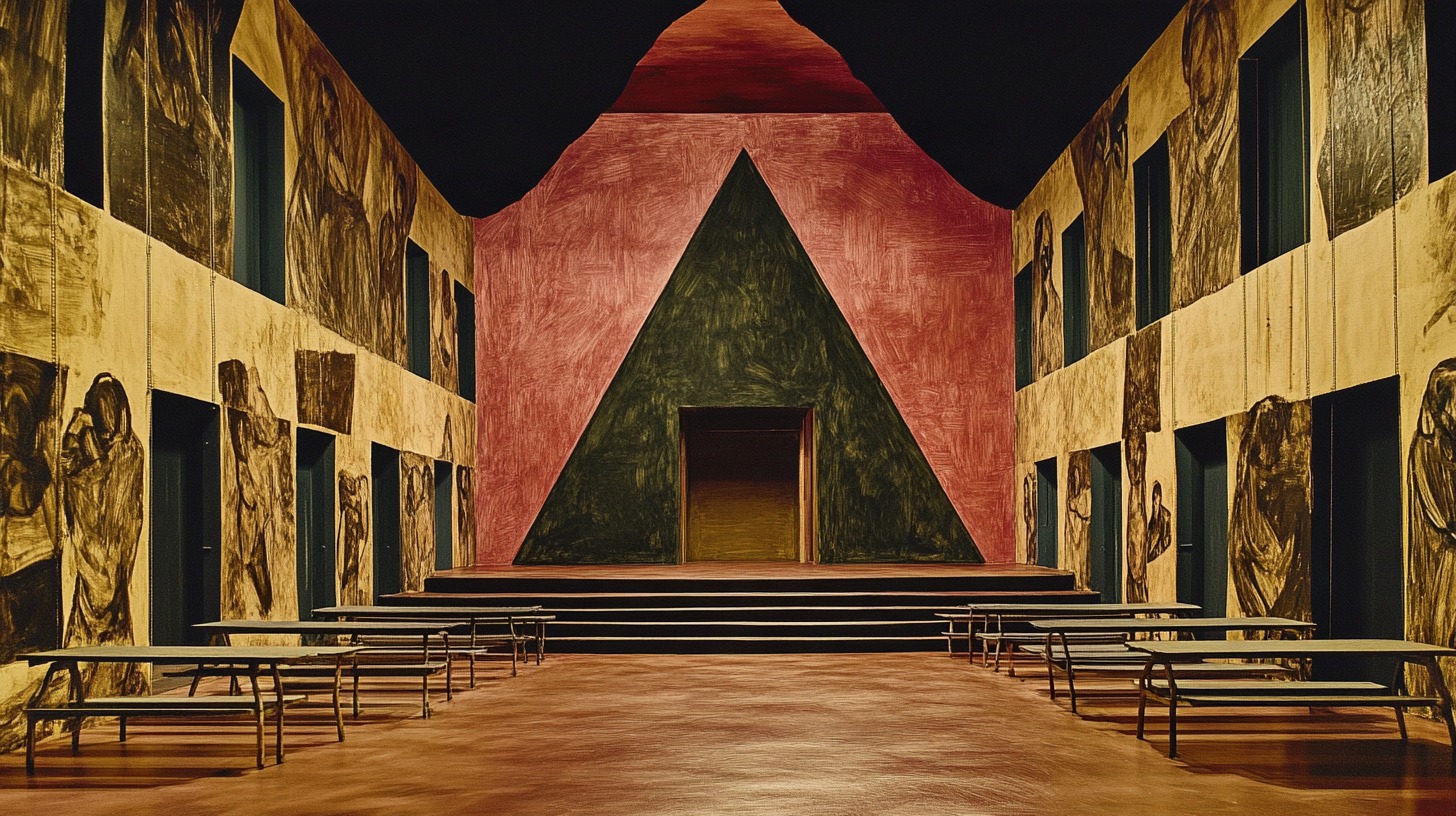
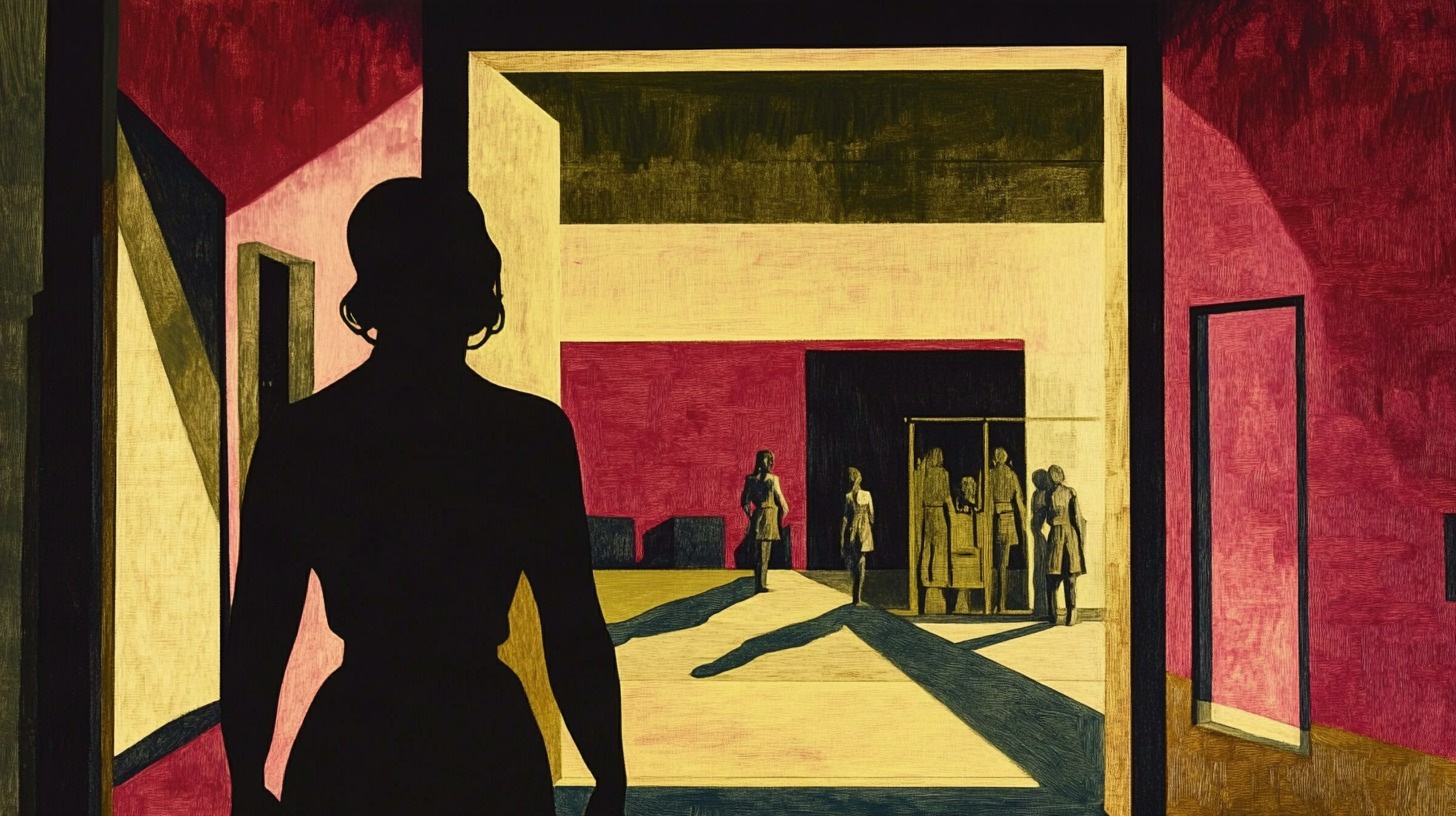
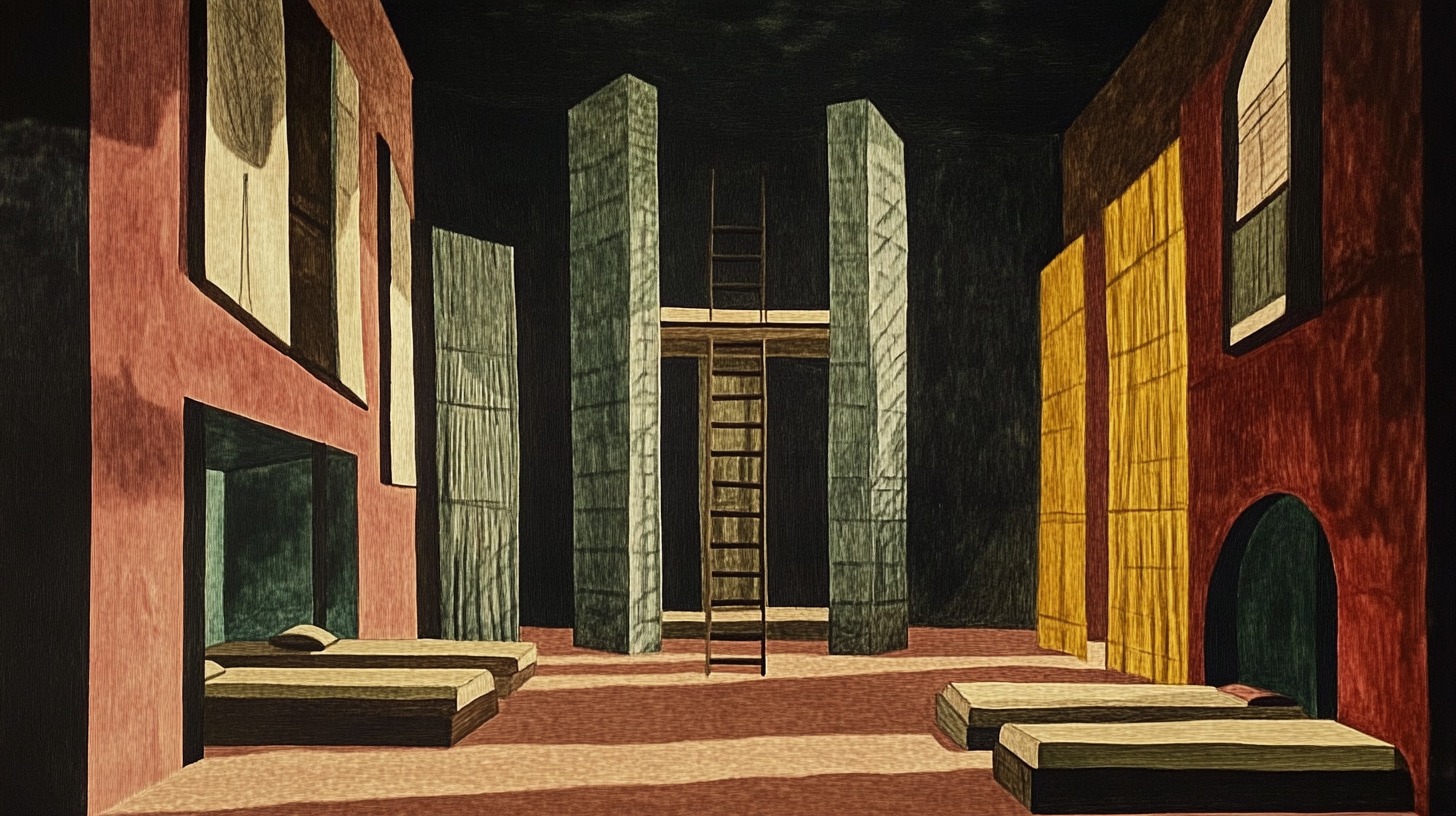
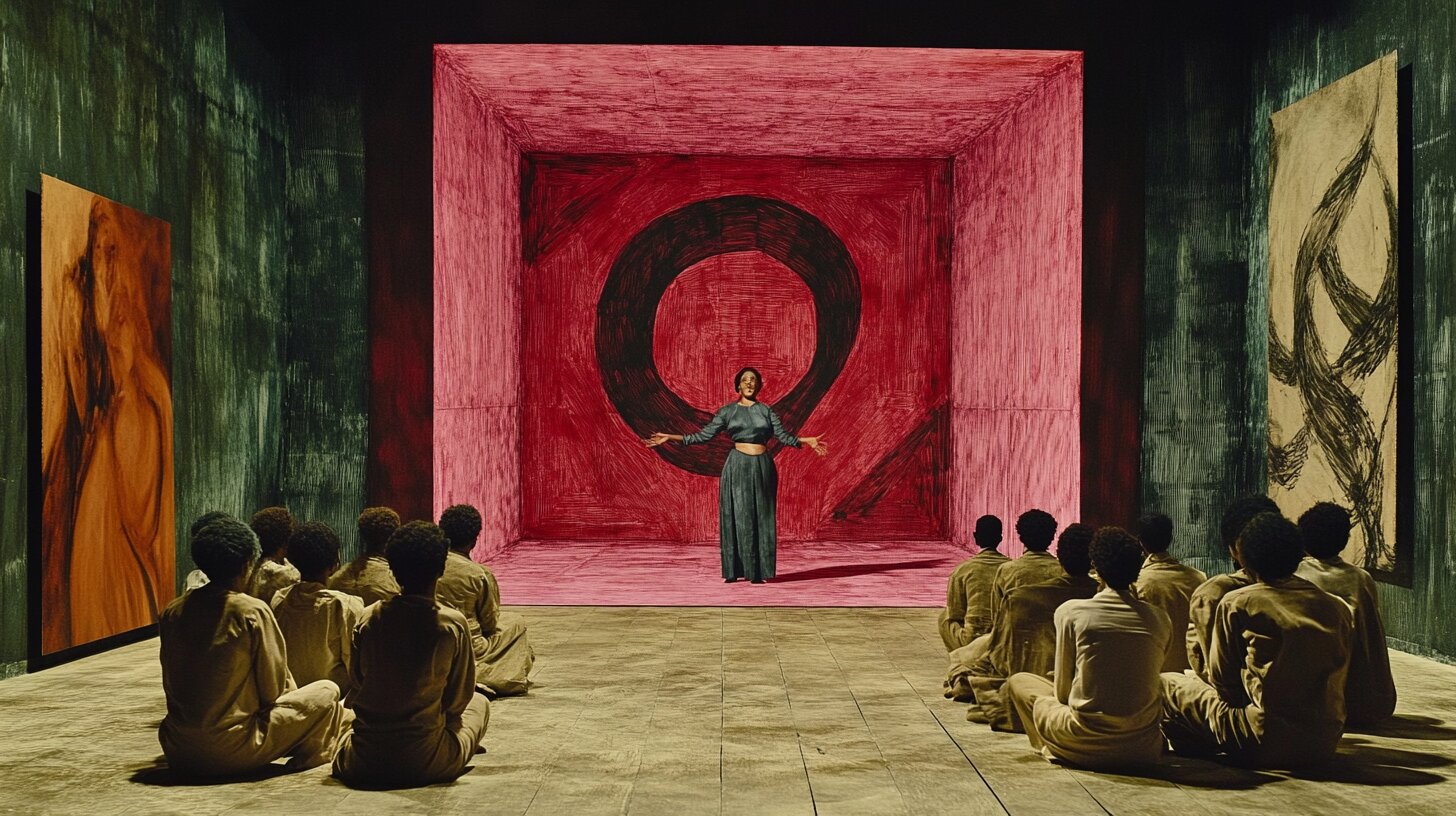
I could see it—metal bunks as a set, picnic tables as props,a spotlight landing on one woman at a time.
A chorus of voices breaking the single story that had flattened us all.It sounded crazy and true in the same breath.
Thenthe fine print scrolled in my head like a drug ad:This may not happen; this could be a lot of work for nothing; you can’t do it for them; they have to choose; it might look like you’re overreaching; it might be rejected.
No promises. Not one. And that was right. They don’t need “promises” from me.They need an invitation and room to choose.
I decided to risk it.Make an invitation and give room for the women to decide how they wanted to do it.
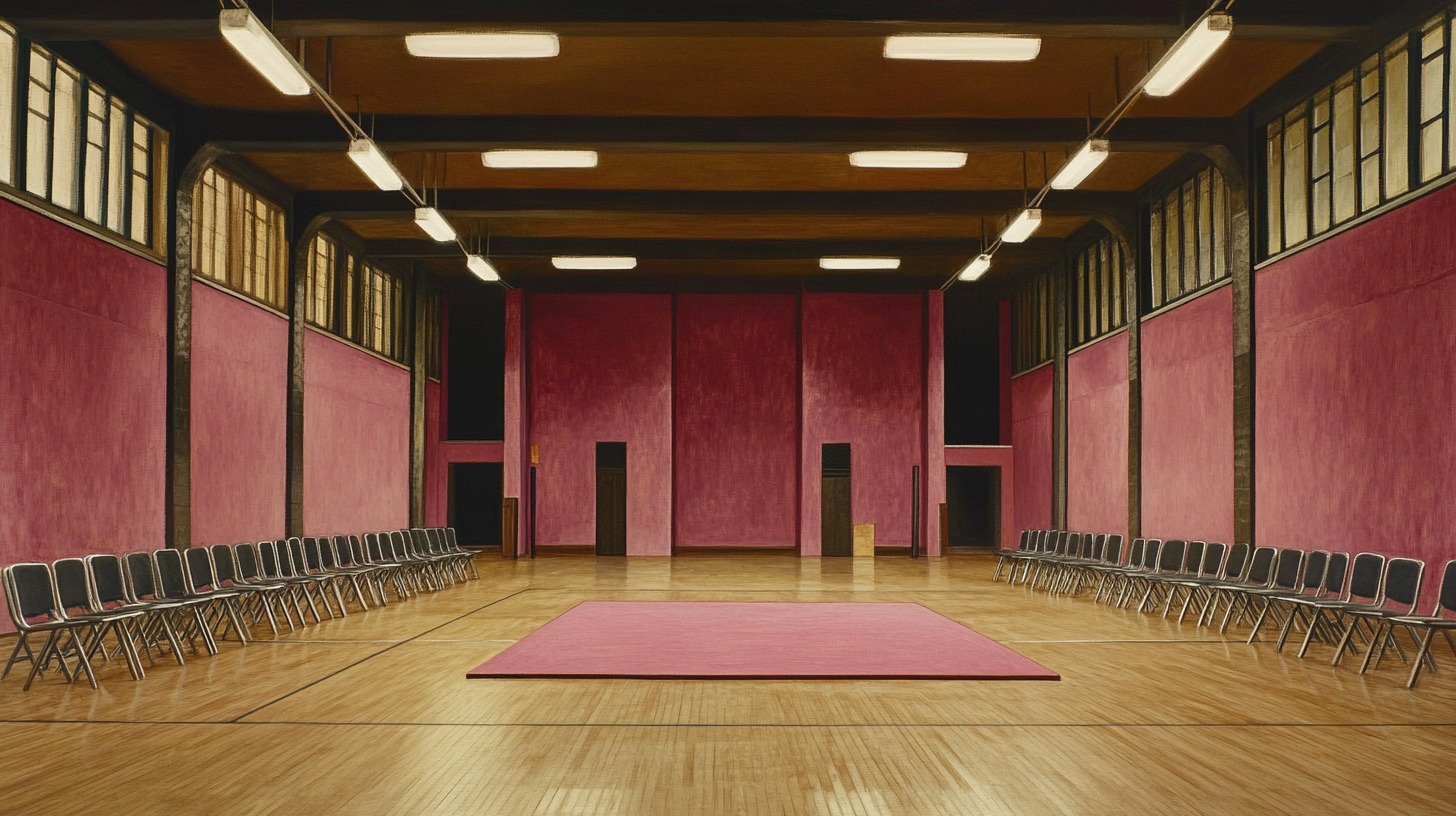
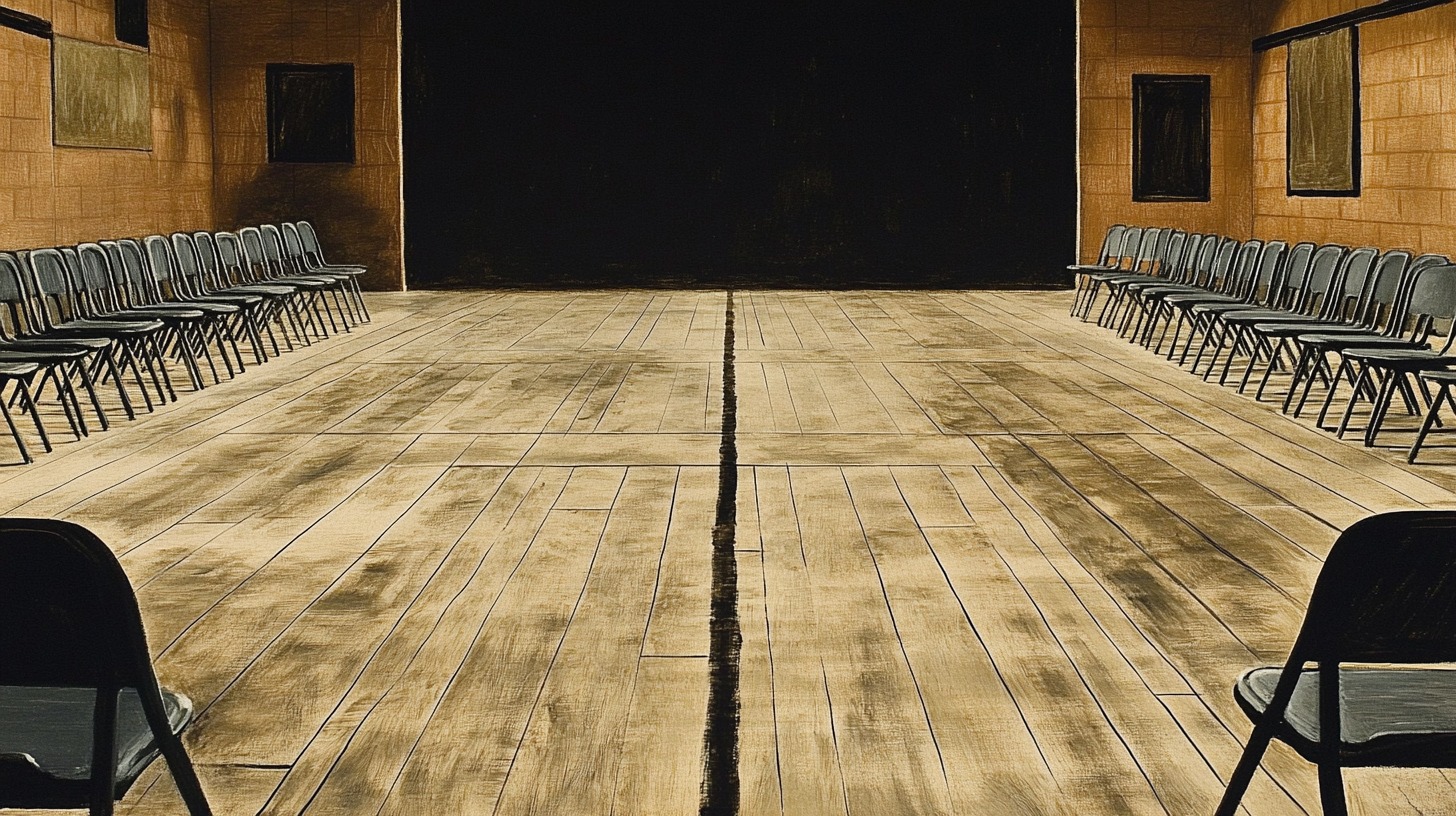
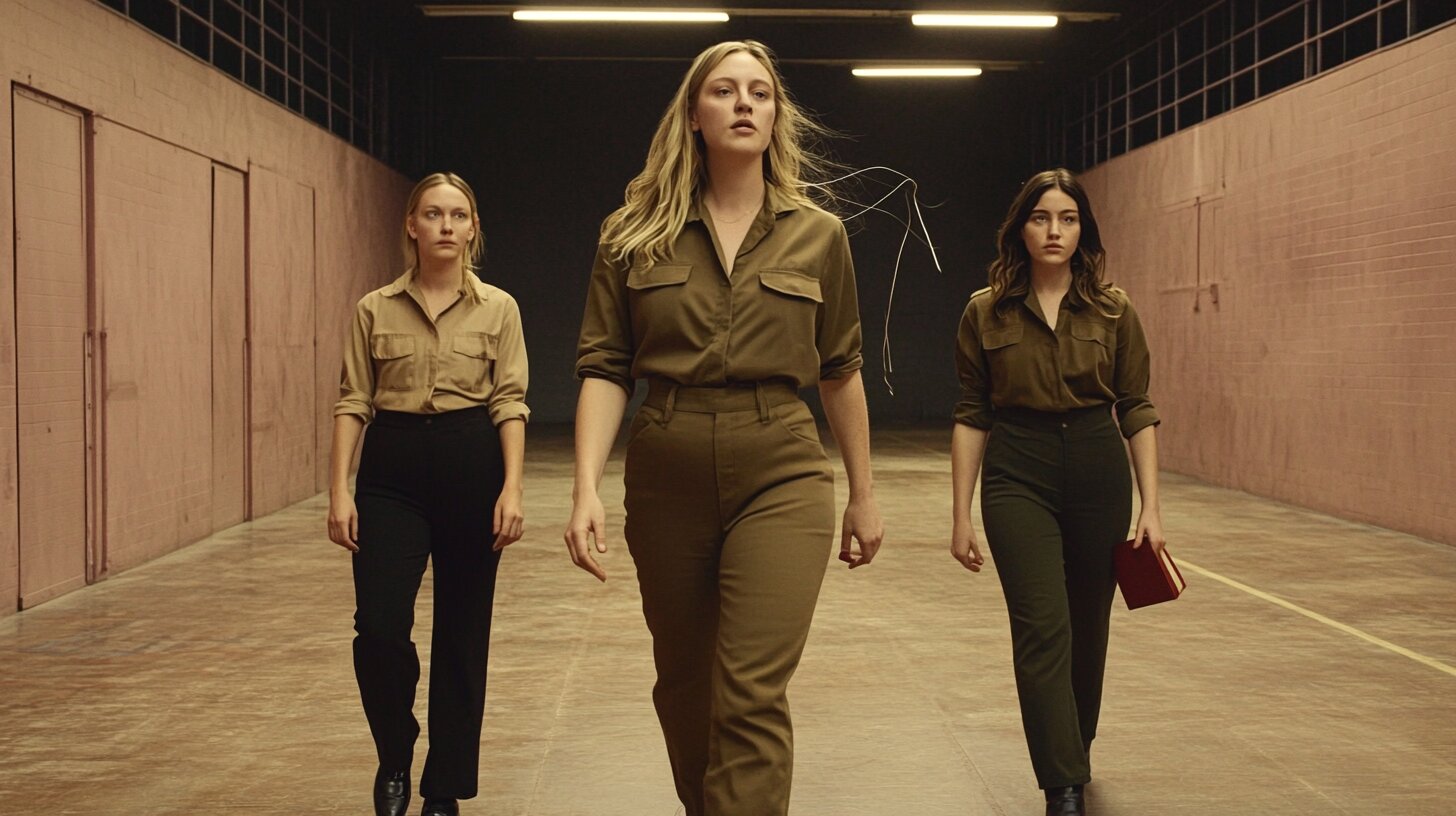
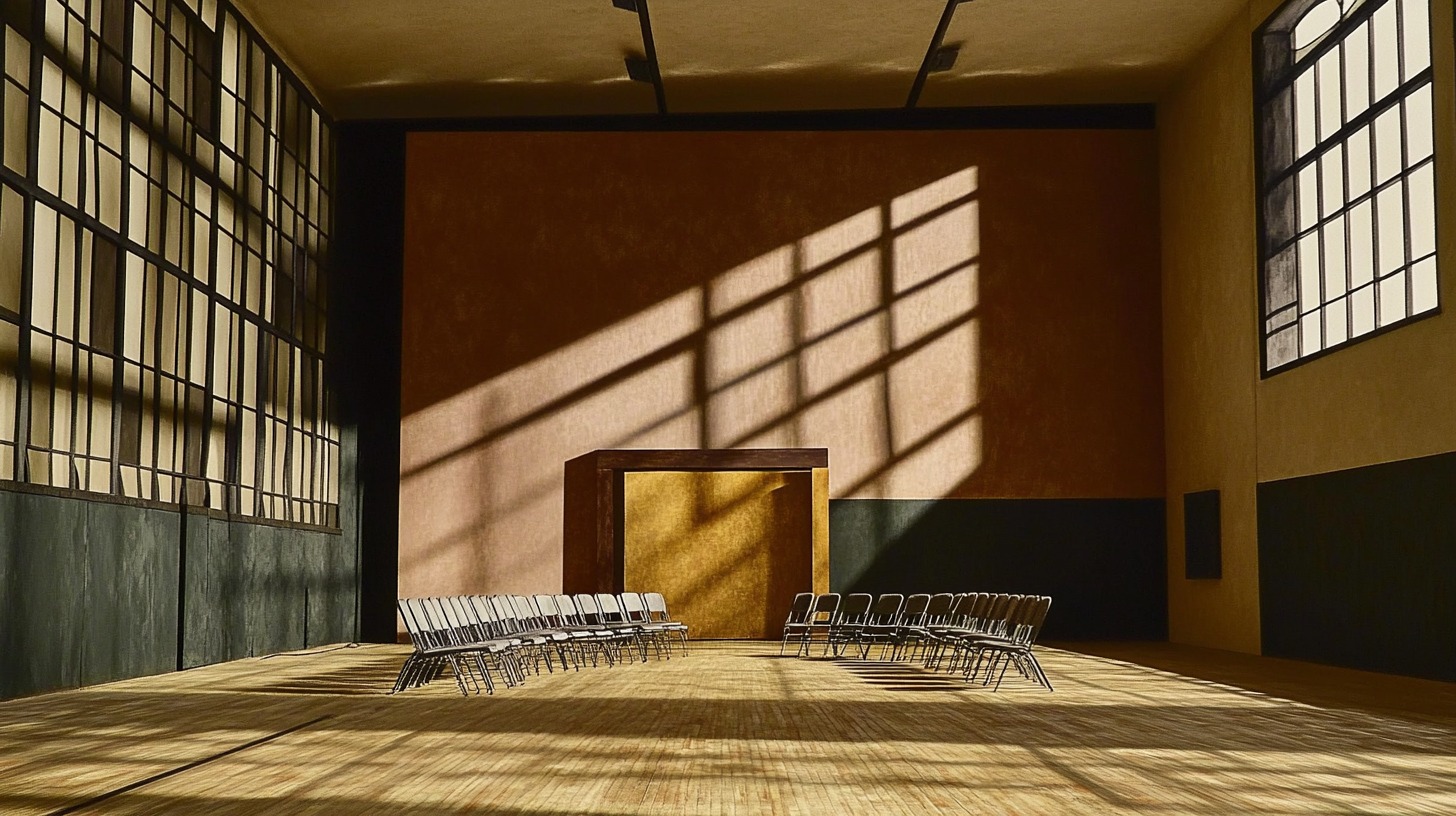
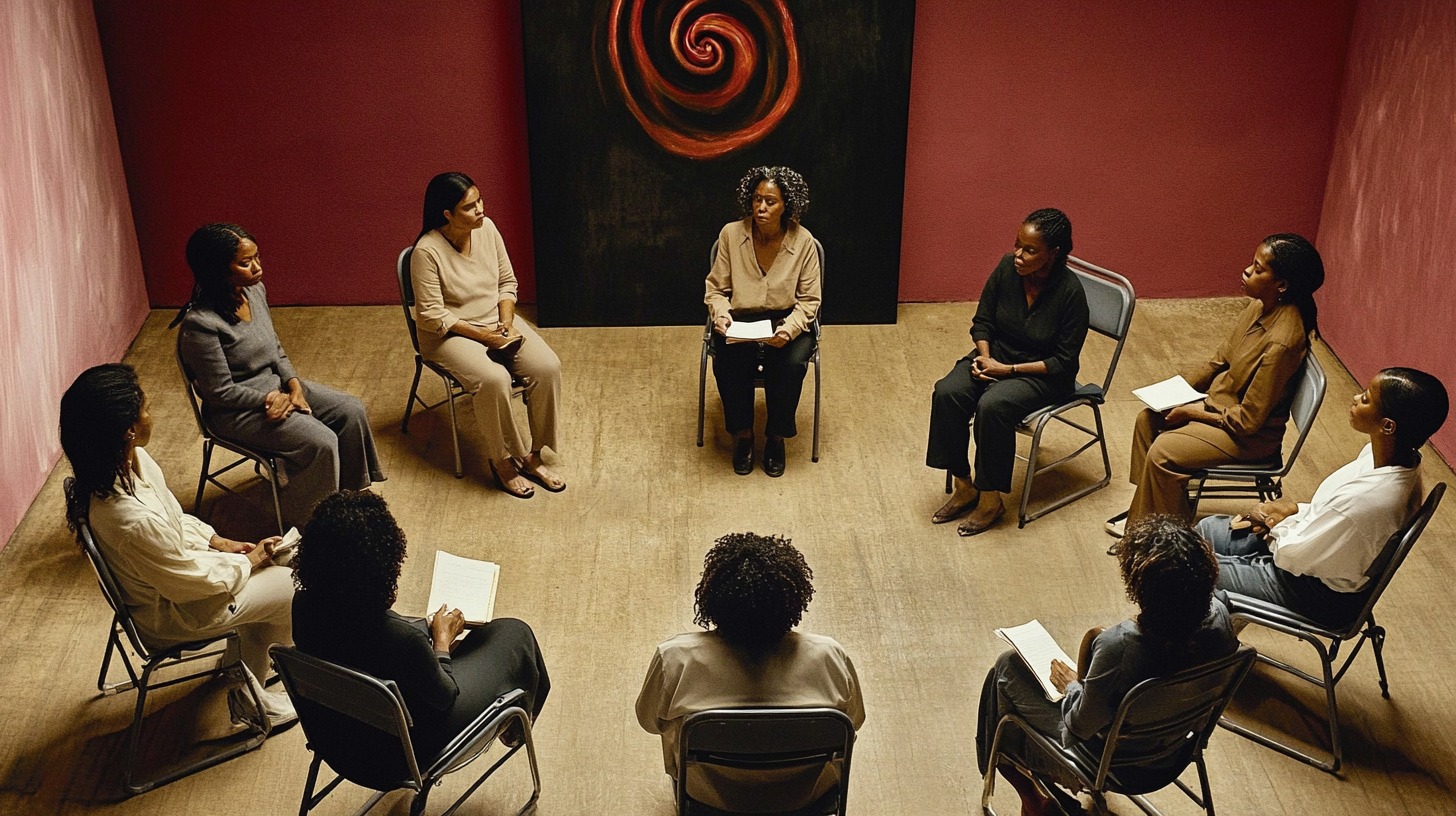
I invited the women who dressed me and Rach down that day in the gym, Mari—who gave us the courage to keep going—and anyone else who wanted to come.Same place as the confrontation—same scuffed floor, same humming lights.
But this time, a different offer.They trickled in: Lyric, Yilan, Nevaeh, Mari, Diamond, and Janiya. Friendlies, and a few still unsure.
Miriam moved her chair out from the others tomake room for her six-foot-two frame.
Carla found her way in, bringing several with her, offering a quiet nod before she took her seat.Royal came last, on purpose, letting the room register herbefore she sat, the signal that we were ready to start.
I stood where I had stood two weeks before—same square of floor, new reason to be there.
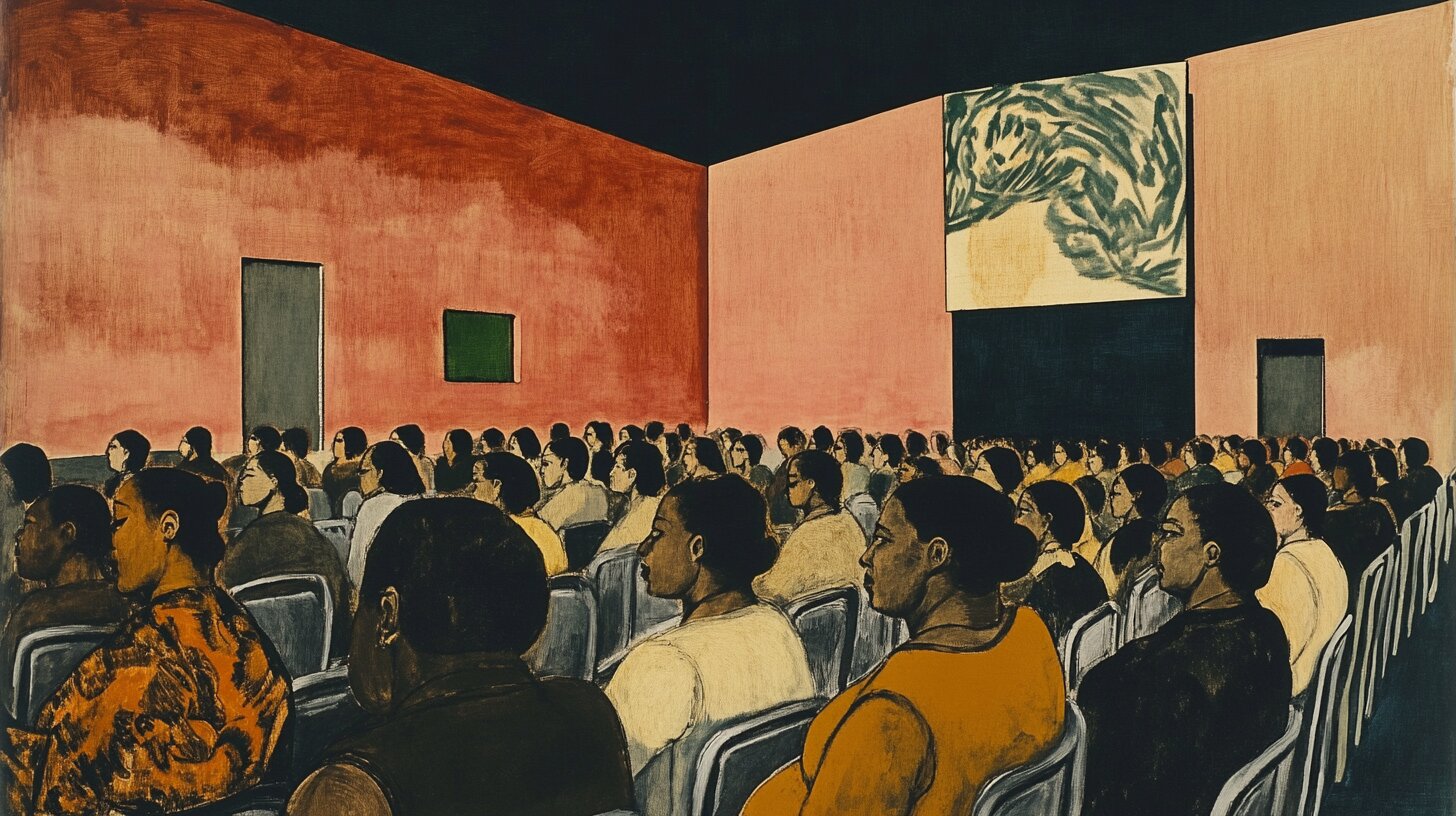
I looked out at the audience: Black, white, Asian, Latina. Women from opposing sides of the “opps” linewho wouldn’t be caught dead speaking to each other.
Some will callfederal institutions home for the rest of their lives.A couple have “bodies” in their indictment—someone died.
The snooty ones say “they only got me for fraud.” The fed babies andthe fed OGs who have done enough timein the system for royalty status.
This isn’t a crowd that would choose to come together, but who of us would have chosen any of this? The question left is:What do you choose when you have no choice left?
I started.“You can trust me or not trust me;it’s up to you.
I can’t make any promises.I’ll share what I seeand you let me know what you think.” “
I want you to imagine,” I continued, and the room leaned in,some with arms crossed, some with hands open.
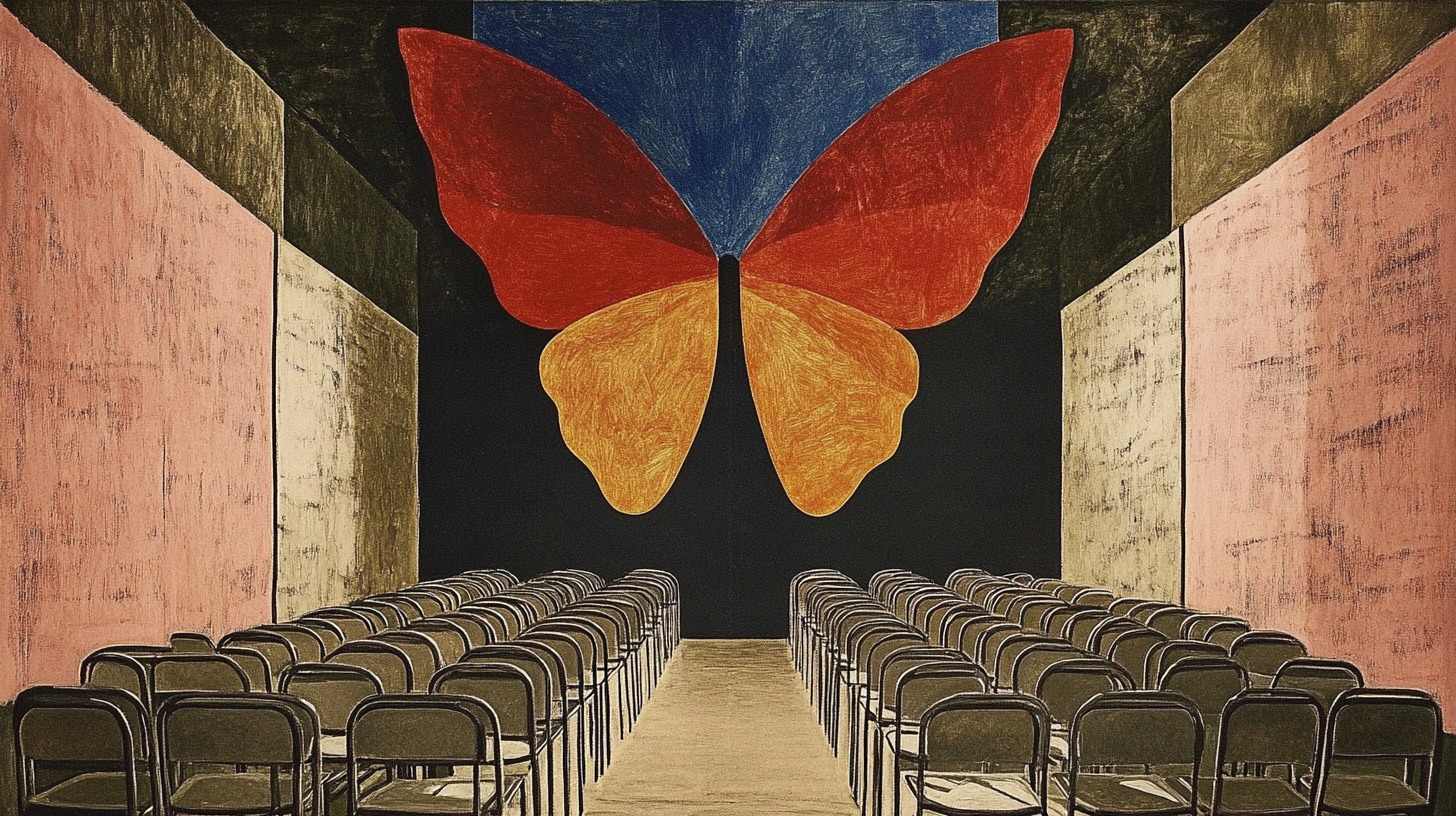
“We’re on a stage—picture Broadway,or picture our bunks right here turned into a set. This is the last scene of a play you’ve built. You’ve each told your story.
Nevaeh has guided the audience through the maze.Scene changes happen when Royal walks the aisle and says what she says every morning: ‘Hey, baby.’ People laugh and cry because they recognize themselves.
And before the curtain falls, we read a letter together—a letter to the country about who we really are.”I let them see my hands.
Empty. “That’s the dream.” “Two things,” I said. “First, I can’t promise anything.Not Broadway. Not a publisher. Not a bus ticket.
If nothing comes of it but each of youhaving your story told the way you want it told,then that’s what we get.
Second, this is a choice. No one can do it for you.You say yes or you say no.Whichever is the right answer for you.”
I felt the old thrill of falling with no parachute and remembered the lesson:There is no ground. Might as well fly.
They watched me like you watch a high-wire walker.Will she wobble? I didn’t. “If you want to try,” I said, “we’ll meet here Tuesday at six.
I’ll walk the gym with you, like I did with Miriam. Rach will follow and write the words as they come. We’ll draw outthe shape of your story—its spine, its breath—and you’ll get to keep it.
If nothing else happens,you’ll walk away with that.”
I paused and looked toward Miriam. “And tonight, so you can see what I mean, we’re going to end with a sermon she wrote. It’s what happenswhen a voice is given a mic and room to stretch.”
As the women began doing the math—risk on one side, possibility on the other—Miriam stood up. “Alright then.”She carried the gym like it was a chapel.“
Since I’m tonight’s exhibit, I’m gonna testify.”And she did.
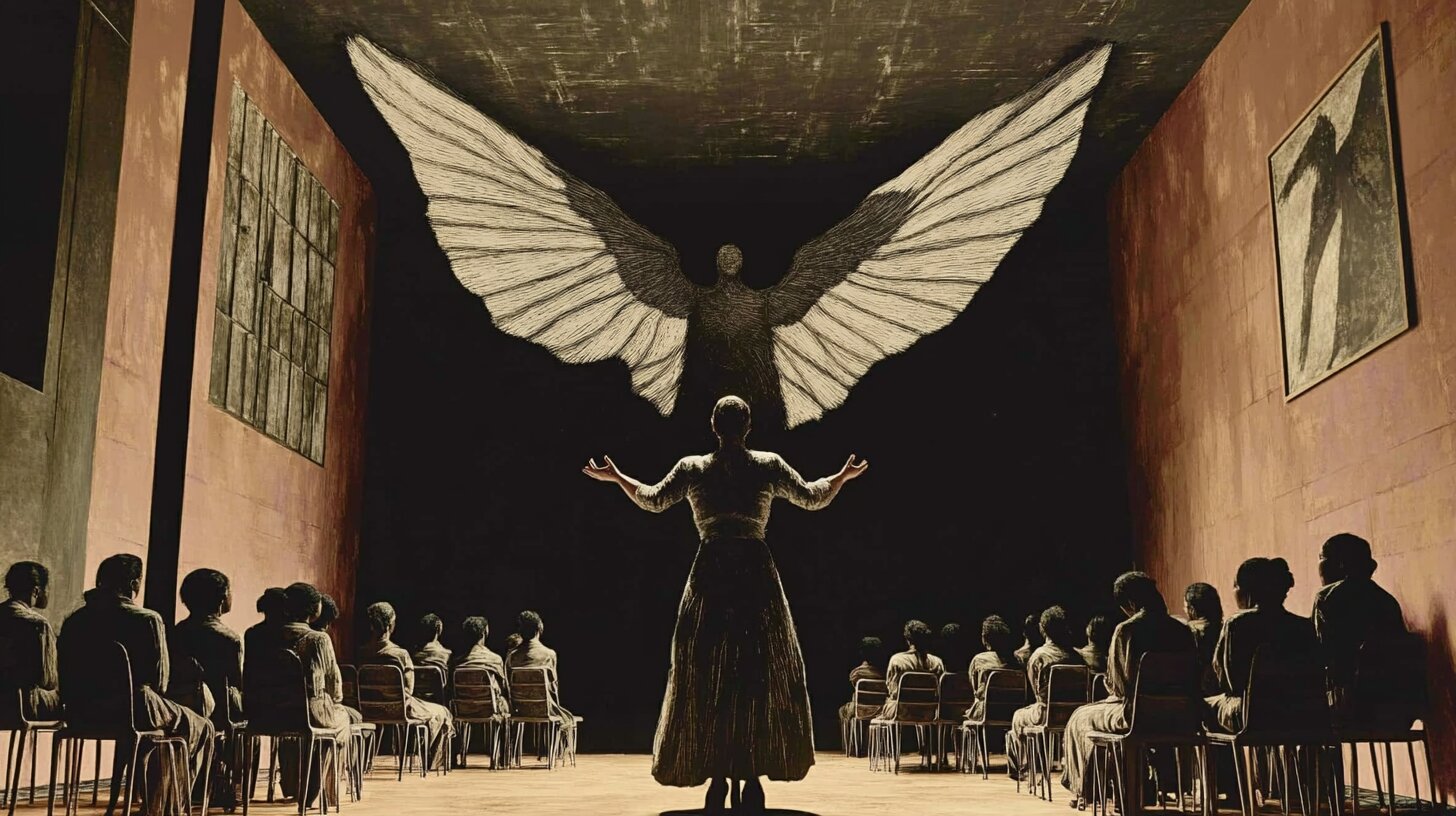
The sermon she had written poured out of her. She raised a flag over the day, called it good, and told us what it takes to grow wings under low ceilings—gratitude as throttle, pain as runway,
the stubborn knowledge thatthe One who made you doesn’t do throwaways.
Her voice moved up and down, drawing each of us in. By the end of it, the dorm had settled intothe quietest I had heard it.“
You put in the dedication and the Lord isready to carry you on the wings of your belief.You make the choice and you watch it work.”
As her sermon filled the room, the same image filled each of our minds: Dakina on top of her bunk, arms outstretched, head down in focused determination as her feet stomped up and down,the turbines coming to life.
The deep howl that reverberated through her being, echoing through the dorm, reaching for the sky she so desperately longed for. “You believe and He does the rest.”No one clapped. We didn’t need to.
We all just sat there inside of the experience together,our faces expressing it all.
We ended by going around the room, each woman responding to the prompt:“I’m leaving here with…”
One by one, they spoke. A sentence each, sometimes two.“I’m leaving here feeling light,”Mari said. “I’m leaving here with a plan to stop hiding,” said someone I hadn’t heard speak all month.
Royal waited until nearly last. “I’m just so happy,” she said,then laughed at herself because tears were coming.“I’m grateful we’re all in this room together.
Your color don’t matter. Your group don’t matter.I would do anything for you women.You might not know that, but I would do anything.”
The room exhaled like someone had punched us and healed us in the same breath.There it was: Liftoff.