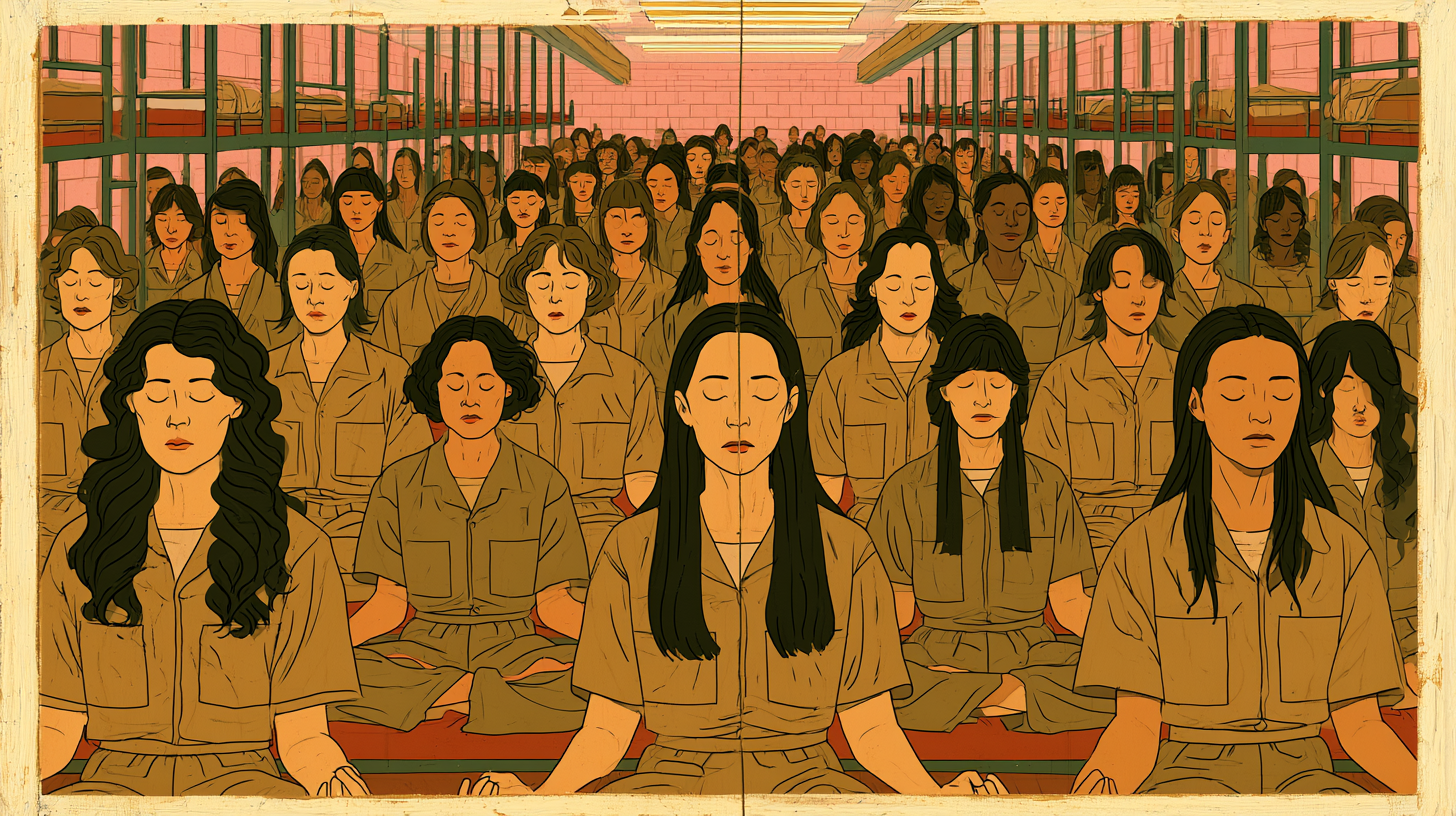
It was Monday, meditation class. I started witha story I’d heard from a Tibetan monk.When he was young he saw some kids throwing rocks at a puppy, beating it until it died.
From that time on, he usedthat ache in the center of his heart—the unbearable empathy he felt—as his source of compassion.
It felt timely to talk about something more heart-oriented after they’d beenso sweet to me for my birthdaythe day before.
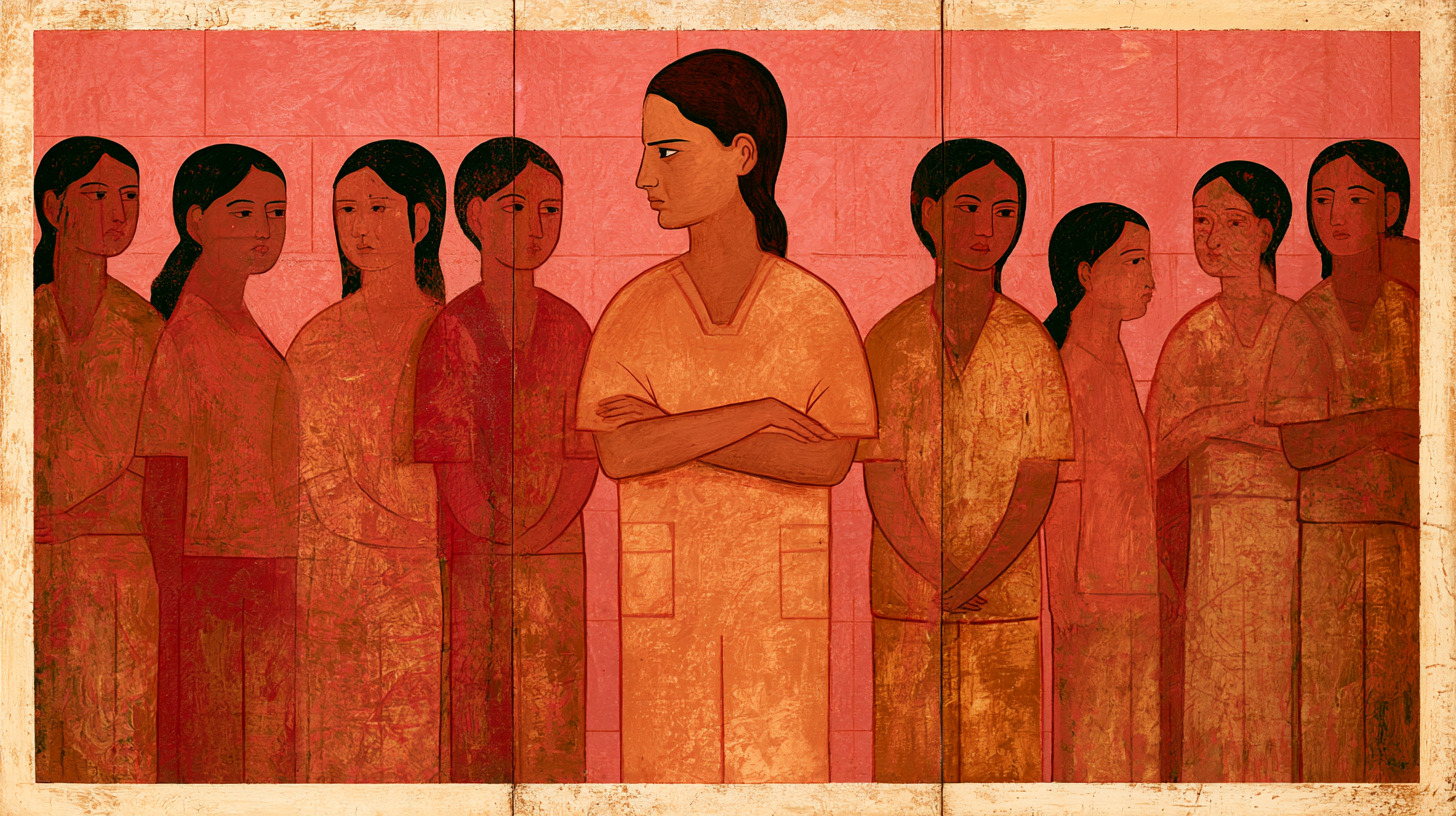
I mentioned the beauty I’d found at MDC, and Carla was not having it. In prison,things are divided along race lines,and it’s hard to cross them.
If you’re white, you’re assumed naïve, maybe oblivious. If you disagree, you’re “ignorant,” not informed.It can feel like sexism—being brushed off and dismissed.Here, the story goes, you don’t know pain or the streets.
Sometimes women would talk to me as if I didn’t know what it was like to be in prison. I’d joke, “Oh, becausemy bunk is somehow more like The Ritz?
Because my fungal rash and constant indigestion are fancier than yours?” Carla started in on her argument, leaning on the credentials of someone who’dbeen locked up more years than she’d been free.
“You have no idea. What you call beautiful? I call bullshit.” She’d been a young kid from Cuba when she madeher first trip to juvie at thirteen.
Then, bounced throughevery kind of facility they could ship a girl to.
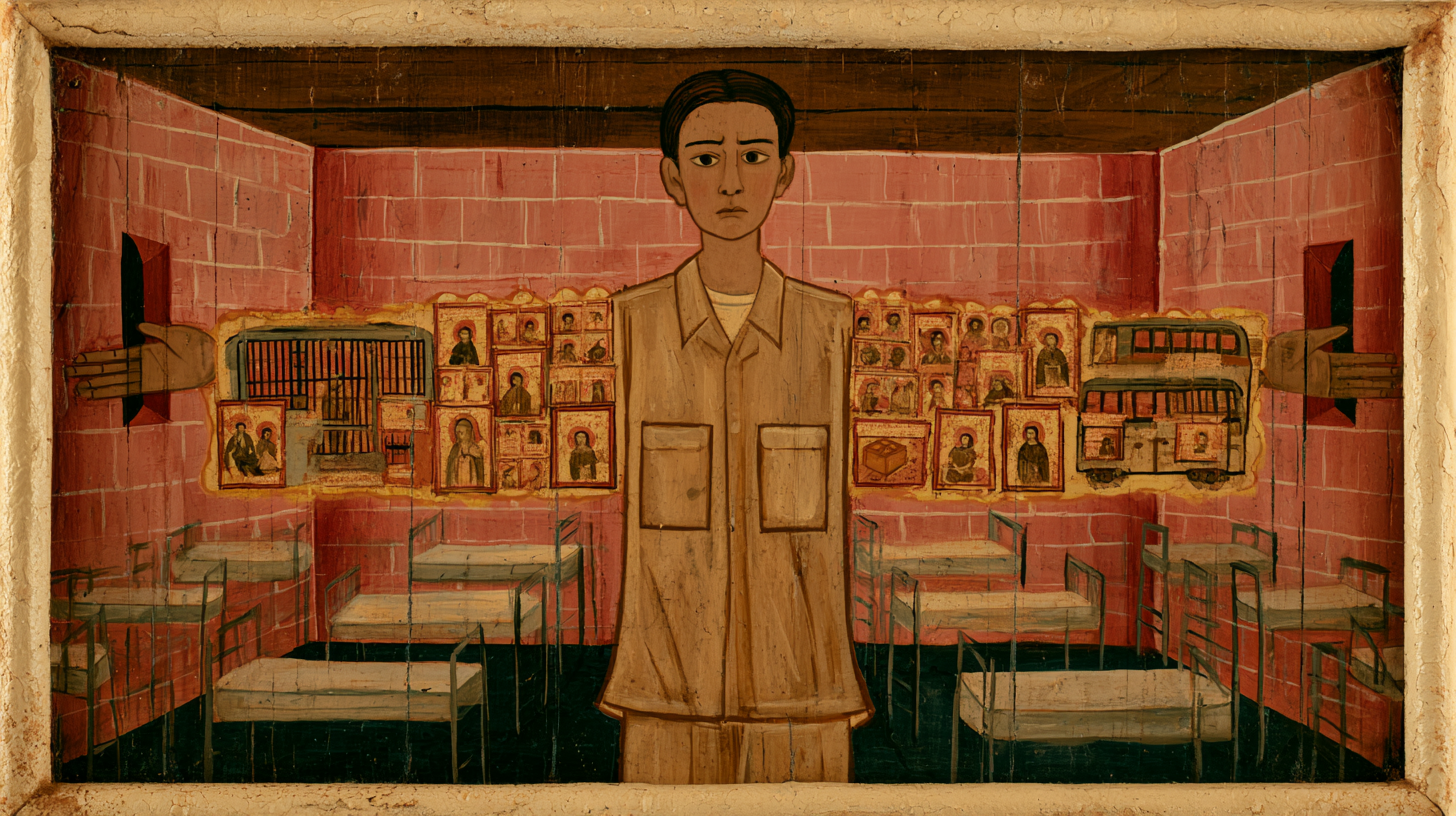
By the time she was thirty-five, she’d lived in more institutions than homes, and shewore that history like a badgeshe dared anyone to question.
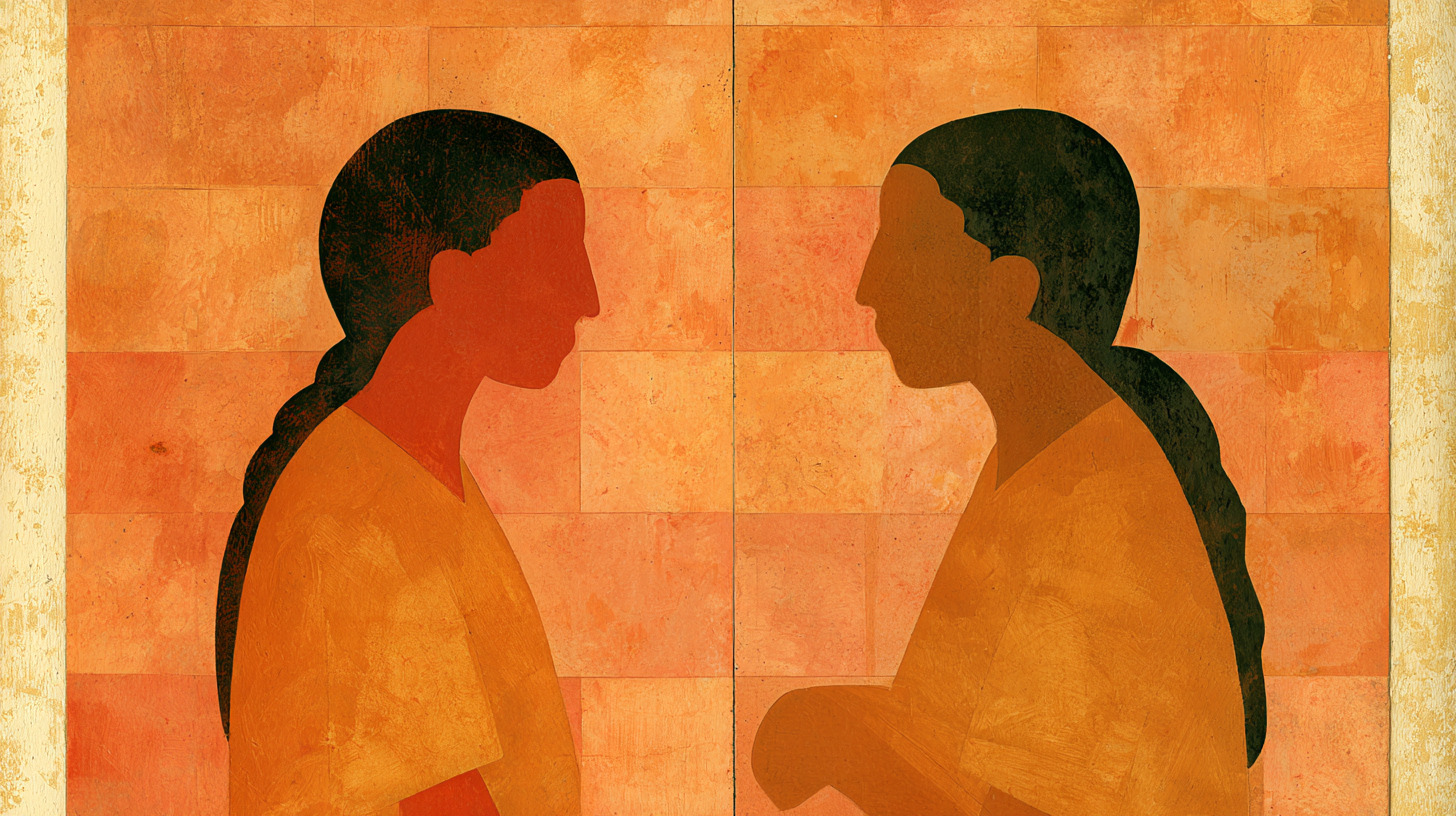
“You telling me your story,” I said,“that was beautiful. That wouldn’t happen on the outside.”She cocked her head, granting me her listening.
“Okay, but you have no idea what happens in here,” she said,like a coach had tapped her shoulder to keep fighting.
“You think I don’t know about the opps?” I said, and a few women laughed atthe fifty-eight-year-old white lady using the prison shorthandfor “opponents.” “You think I don’t see the arguments, the bullying?
You think I appreciate you because I’m duped? It’s the opposite. I pay attention to everything. That’s howI see beneath the drama to the heart that’s still alive.
I’m going to keep saying it,nothing is really the way it seems.”She conceded the point, then went for the knockout. “Okay, but you never been to solitary. People lose their minds in SHU.
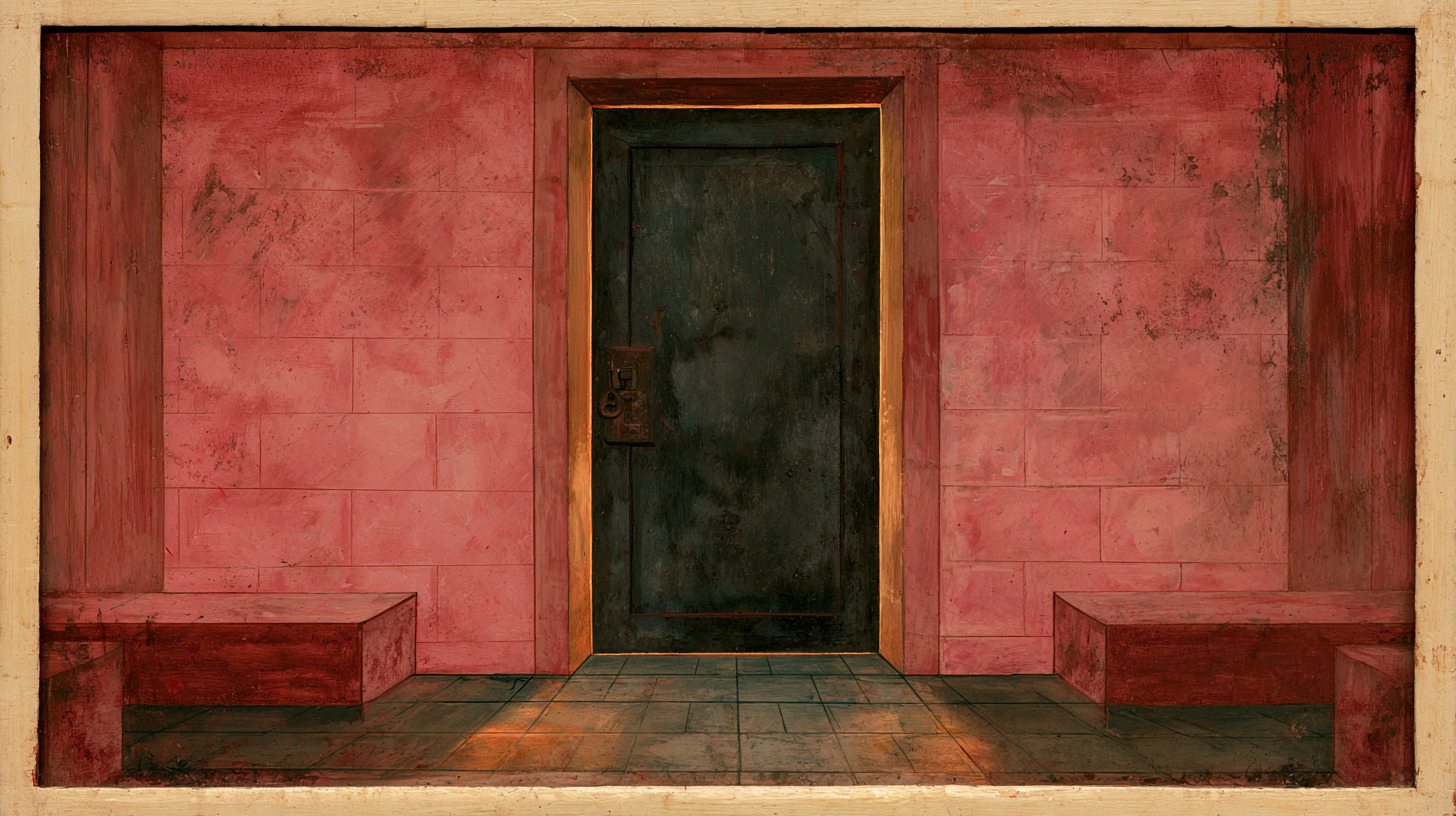
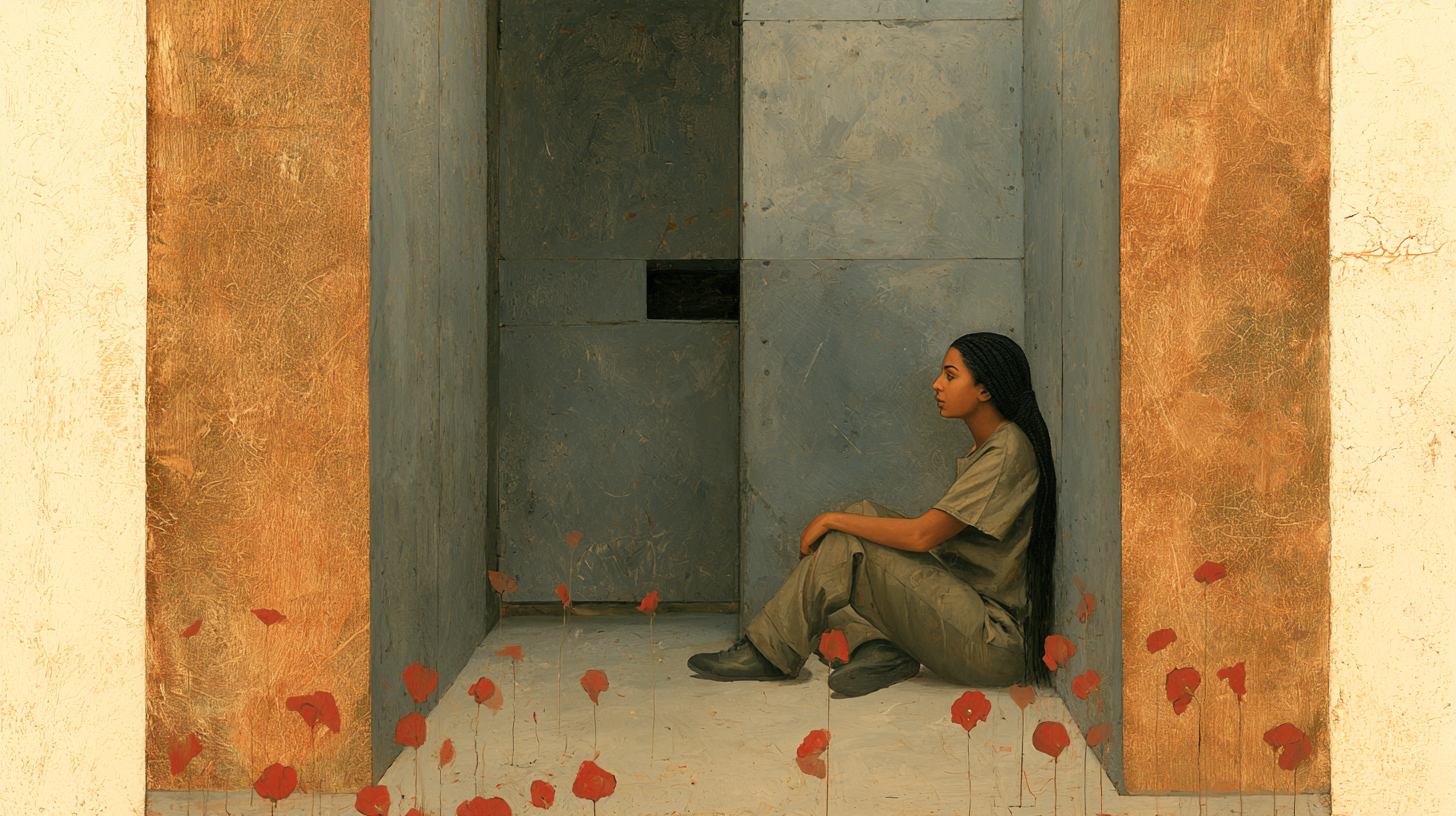
One crazy dude ate a light bulb. Ate it.First time they threw me in SHU was juvie.
I was thirteen, locked in a box, didn’t even know English yet. Years later,I spent five years straight in the hole.”
“People smear blood and shit and howl like dogs. People crack.” “But it didn’t get you, did it?” I asked. She looked around, suddenly skittish. “
Nah. It didn’t.” “Because there’ssomething inside you that refused to go down.”
And then you found something, right?” She eyed me like I was running a scam, then nodded. “It’snot so different from deep meditation retreat,”I said.
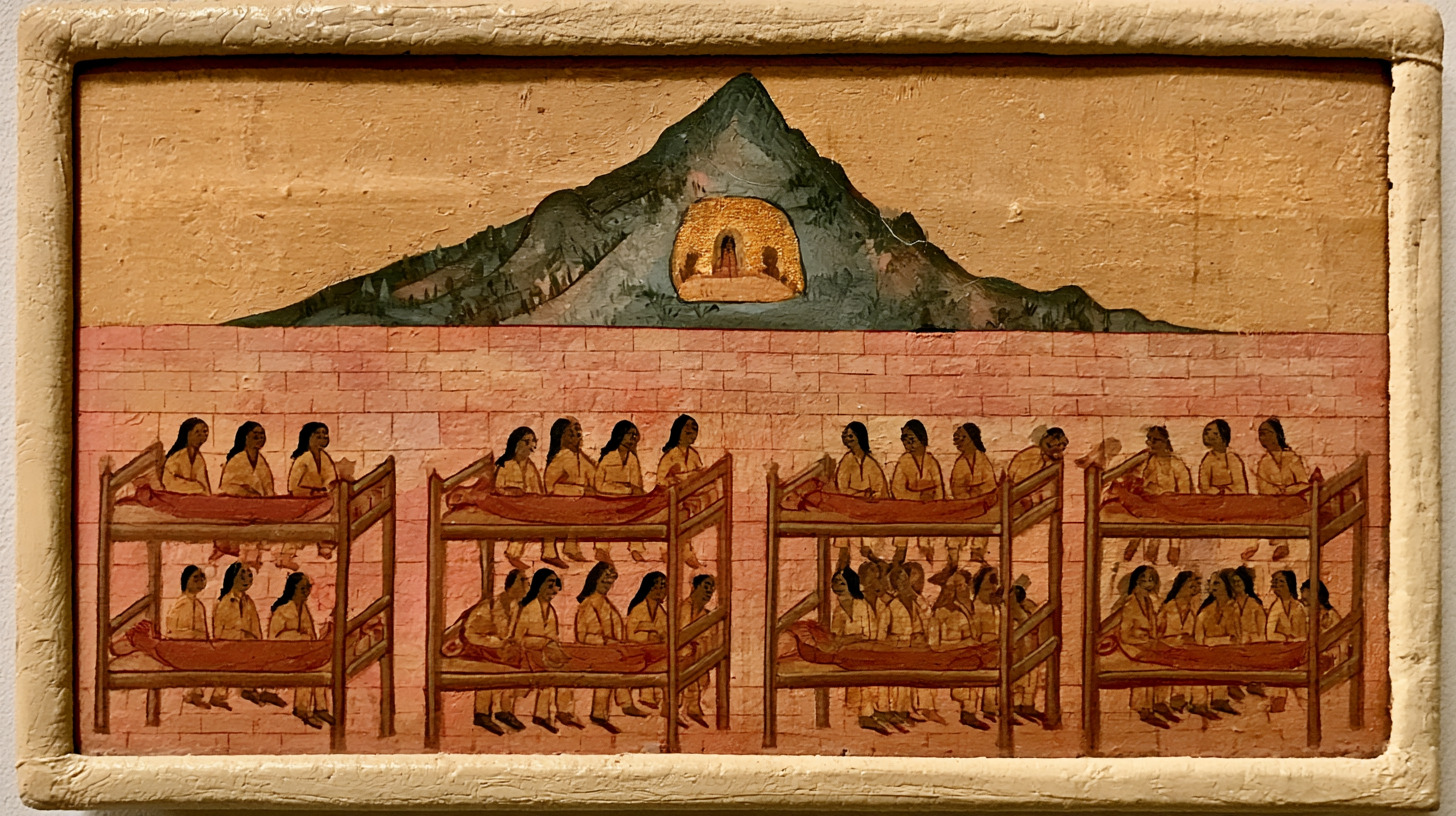
“Some people goalone into mountain caves for years—nothing but themselves and silence. Some never make it back. Encountering yourself is risky; it’s the thing most people fear.
Butyou looked yourself in the eye.”Another slow nod. “Those hermits choose it on purpose.
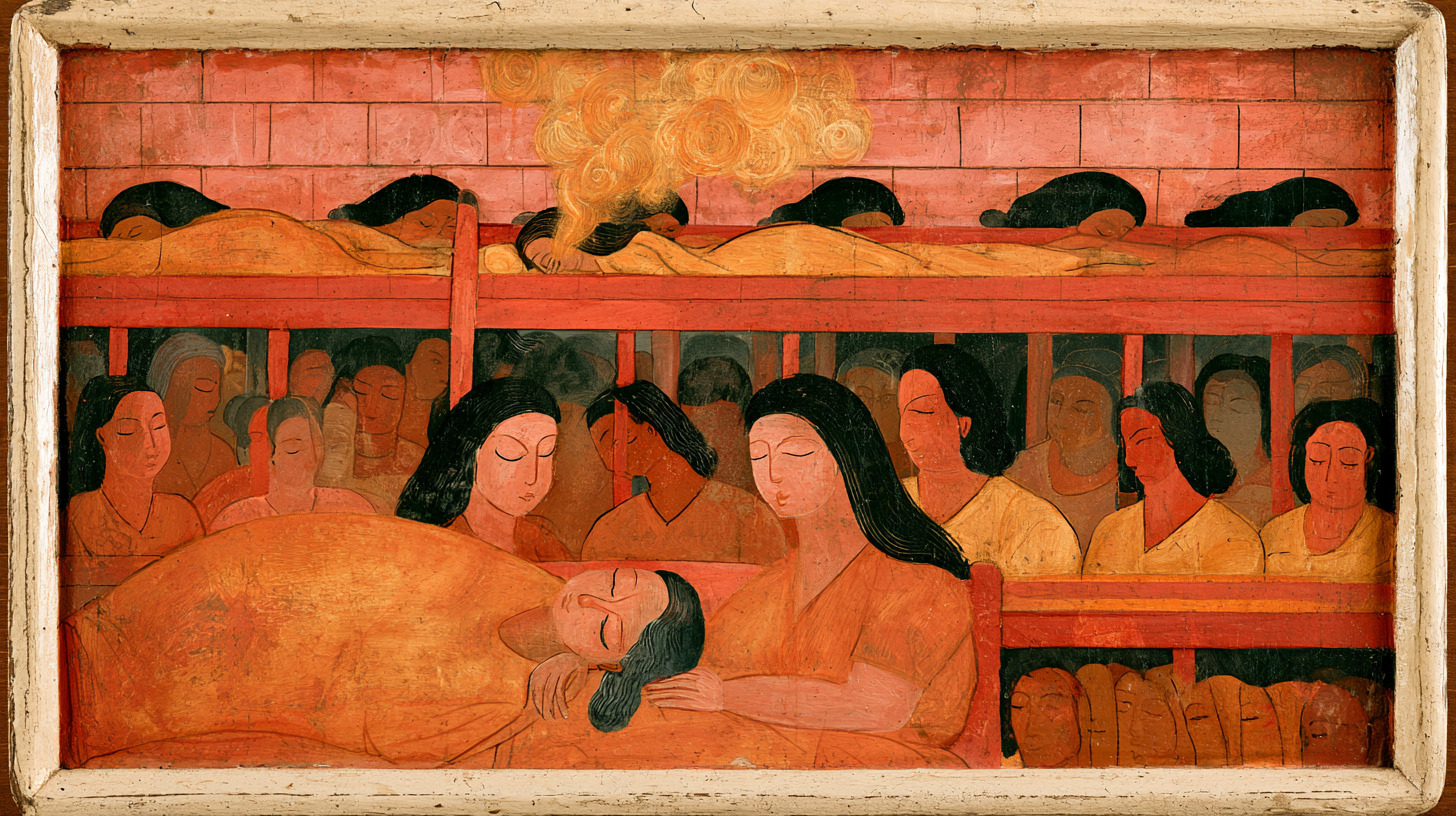
In some ways,SHU is easier by comparison—someone feeds you, there are others just like you on the other side of the wall, there’s a toilet.
And when scientists went looking for the happiest people, turns outthose meditators top the charts.
What looks like ‘crazy’ from a distance can bea kind of hard-won clarity.”Carla’s not someone who goes down easy.
She shook her head, but didn’t push back. I told the women in the class that soonwe’d play a “concealed rules game.”The kind where you don’t know the rules until you start playing.
Nevaeh called out, “Like this place.” “Exactly,” I said. Désirée chimed in thatshe was in solitary for two yearsand that she preferred it. She has the softness of Janet Jackson in Poetic Justice.
I’ve told her that and asked if she’d seen the movie. She laughed at me and said, “Of course—Tupac’s in it!” “And with two years in solitary,you found that secret too, right?
You learned how to be fearless without getting hard.That’s the name of the game.” I pointed to the truth the women knew but hadn’t put in words.
Once you truly encounter yourself, you are fearless. Once you see that you’re not the finite person you thought you were,you rest in something softer.The conversation in the class opened.
Suddenlymeditation wasn’t so theoretical anymore.It wasn’t a course you take to get a First Step point.
It wasn’t something you do to be “good.” It wasn’t something you talk to your parents about to prove you’re doing something with your time in here, even thoughyou don’t really meditate except on Mondays and Thursdays.
Now it was real, applicable, and there was a secret. There was something that some of these women knew that made them,not immune to the conditions, but free inside of them.
Carla and Désirée aren’t pious women. They are women like the rest who were in the class that day, who cussed and had records, butthese two had touched something.
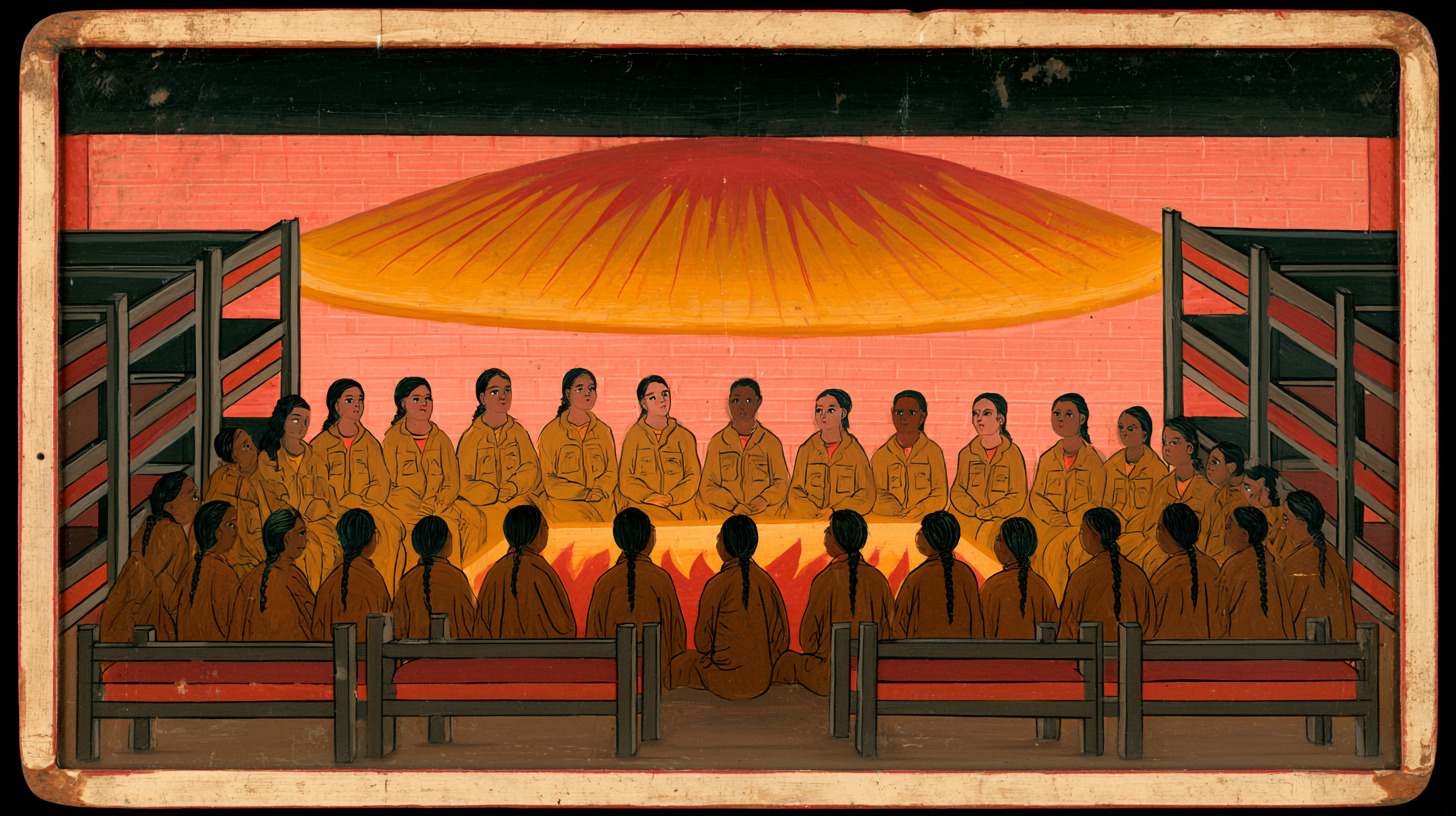
I looked to the other women in the room who I knew had done time in solitary: Royal, Yilan, and a few others.“We’re going to do a specific meditation today,”I started again.
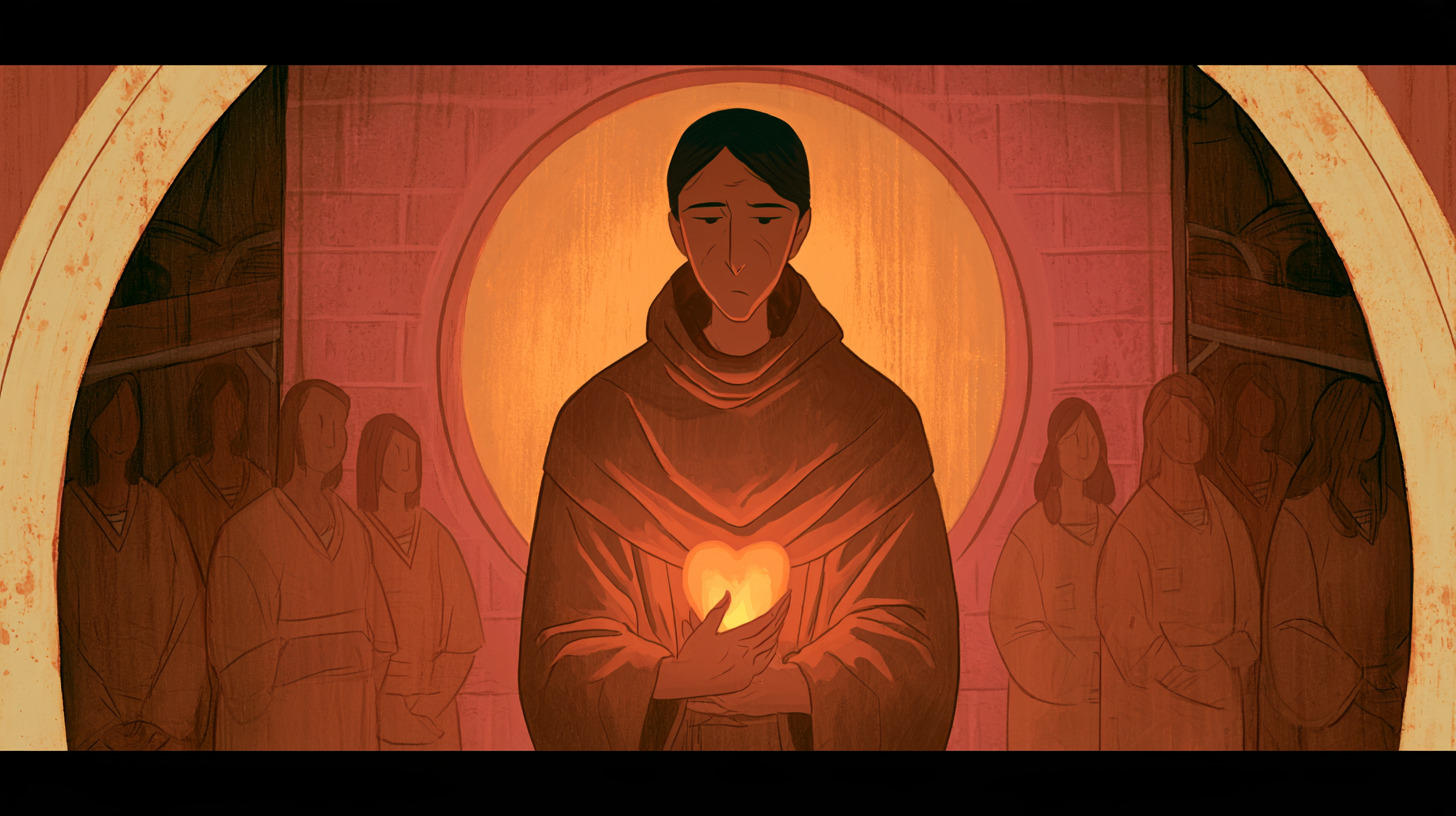
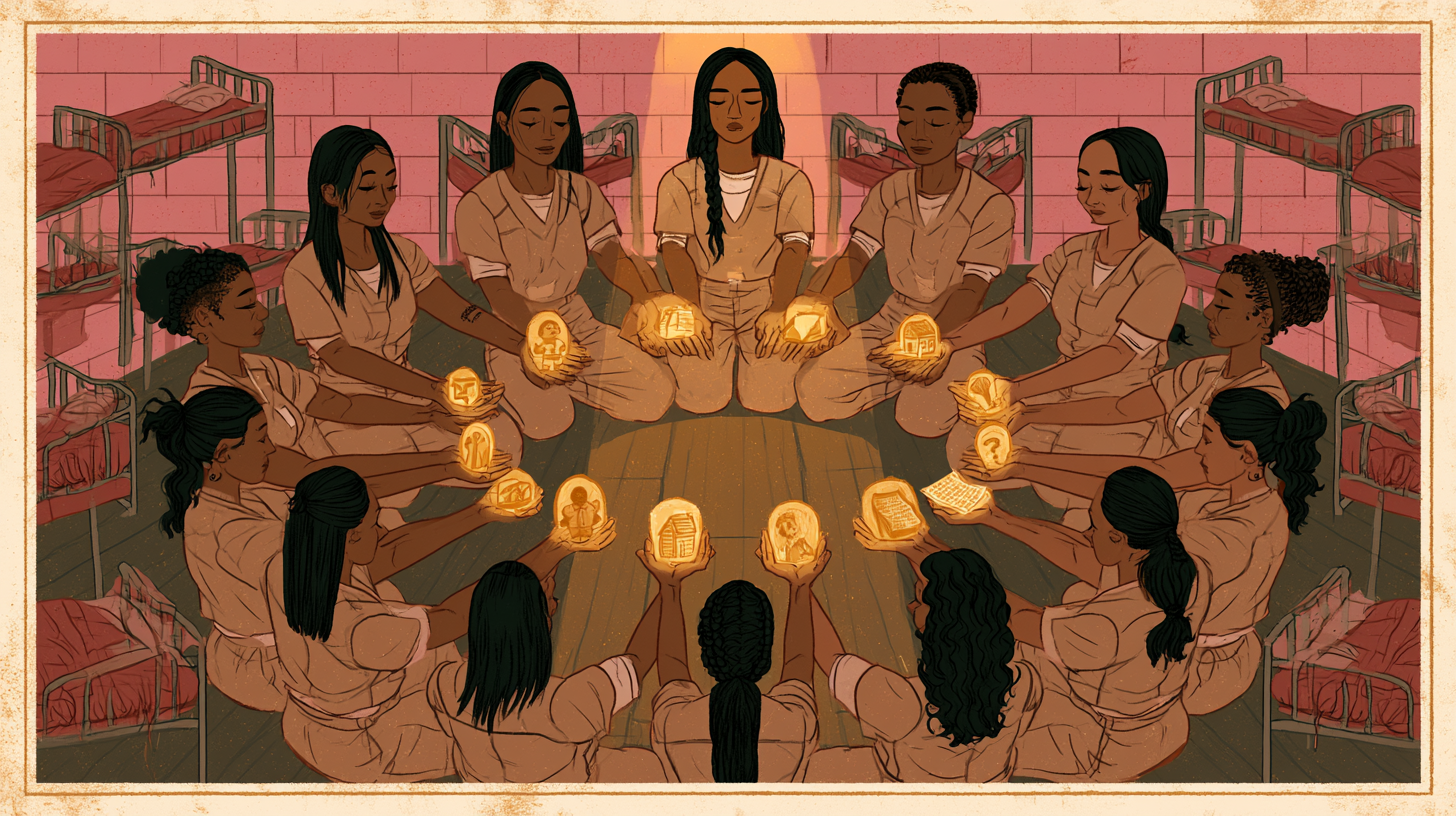
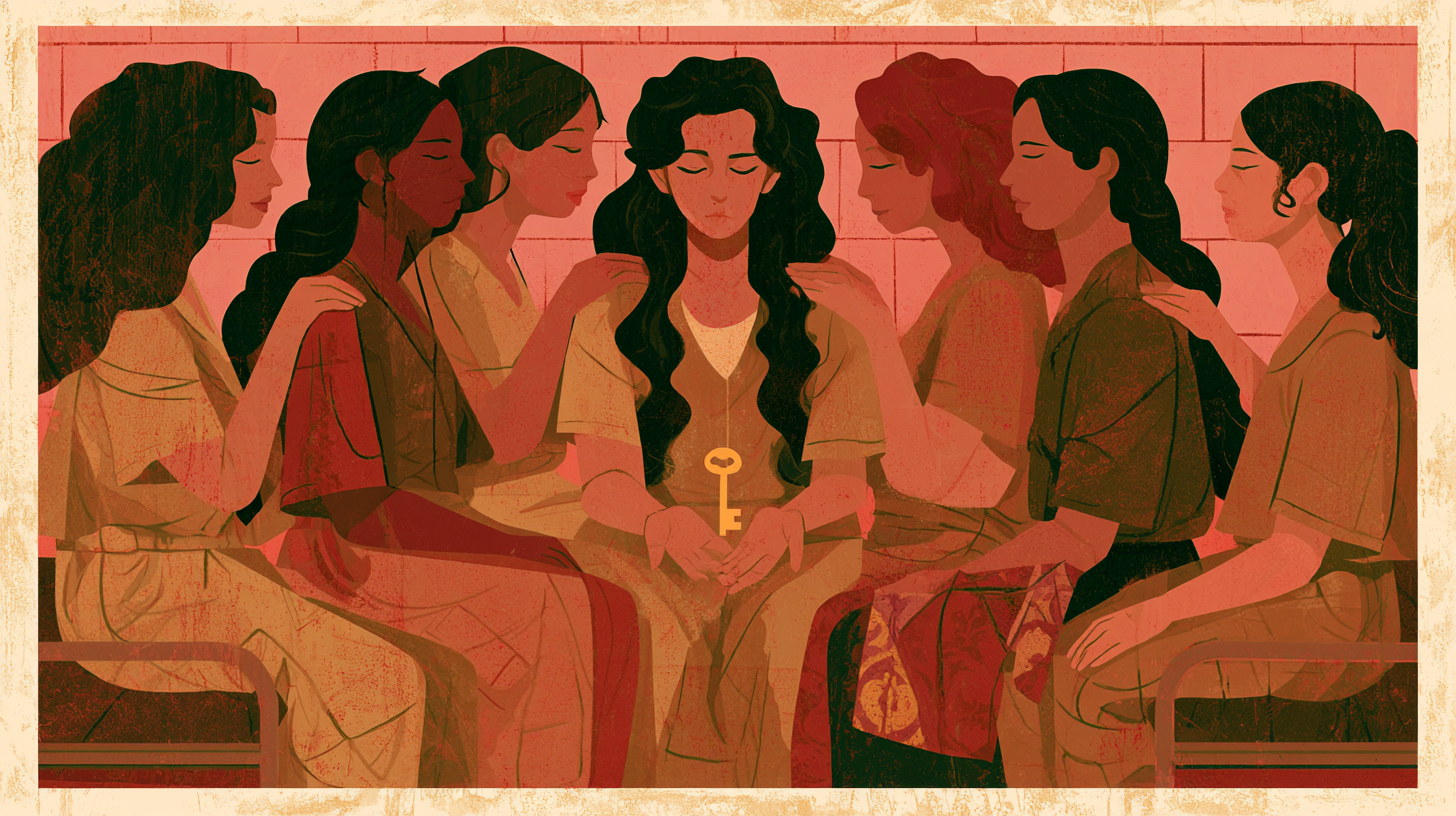
I asked each woman toname something she was suffering with,the way that monk had felt for that puppy. It could be personal or global, like Gaza or Israel.
Each woman chose to be vulnerable: missing their kids, not being there for their parents, the uncertainty of their future.The tenor of the room changed.
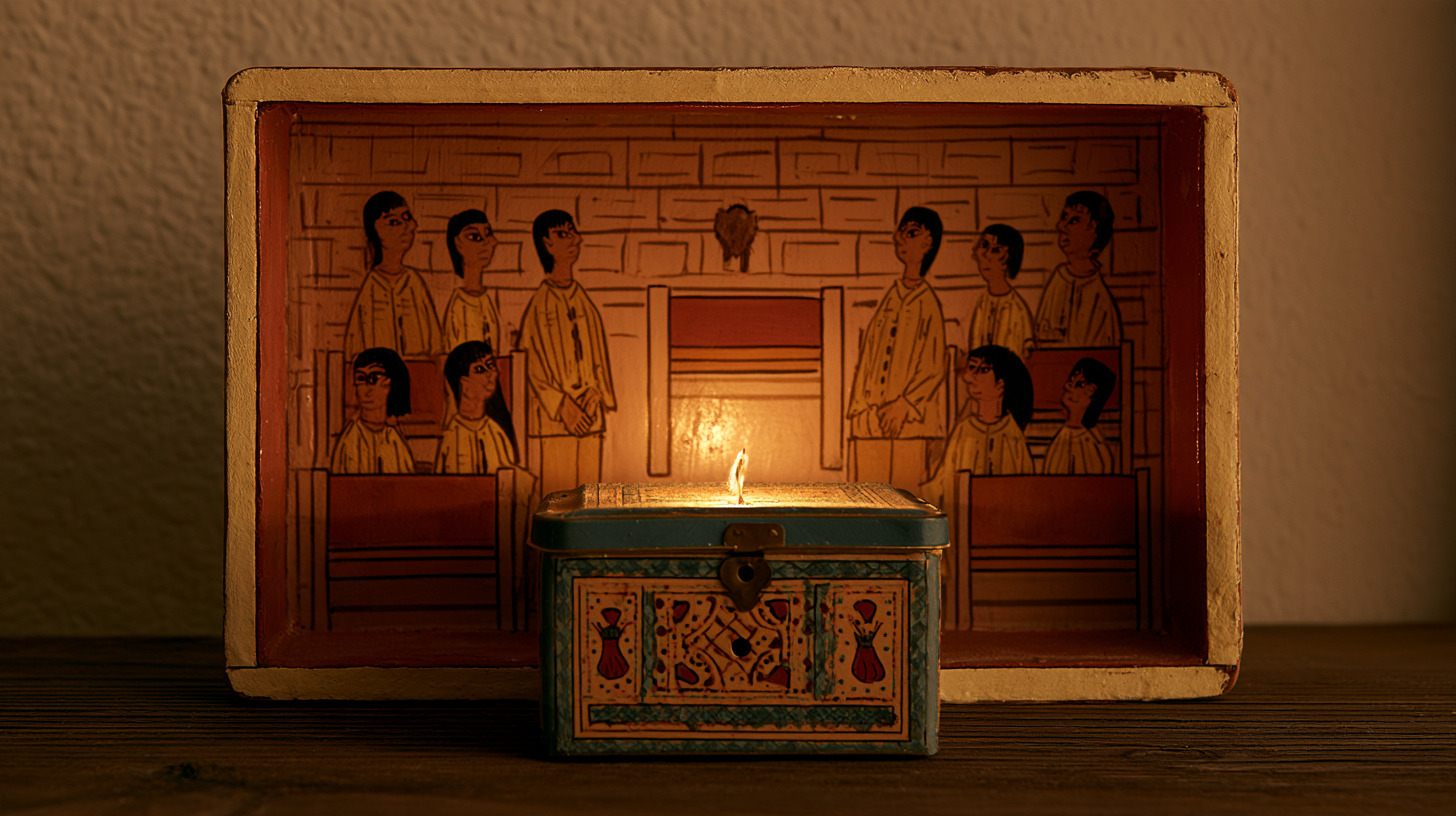
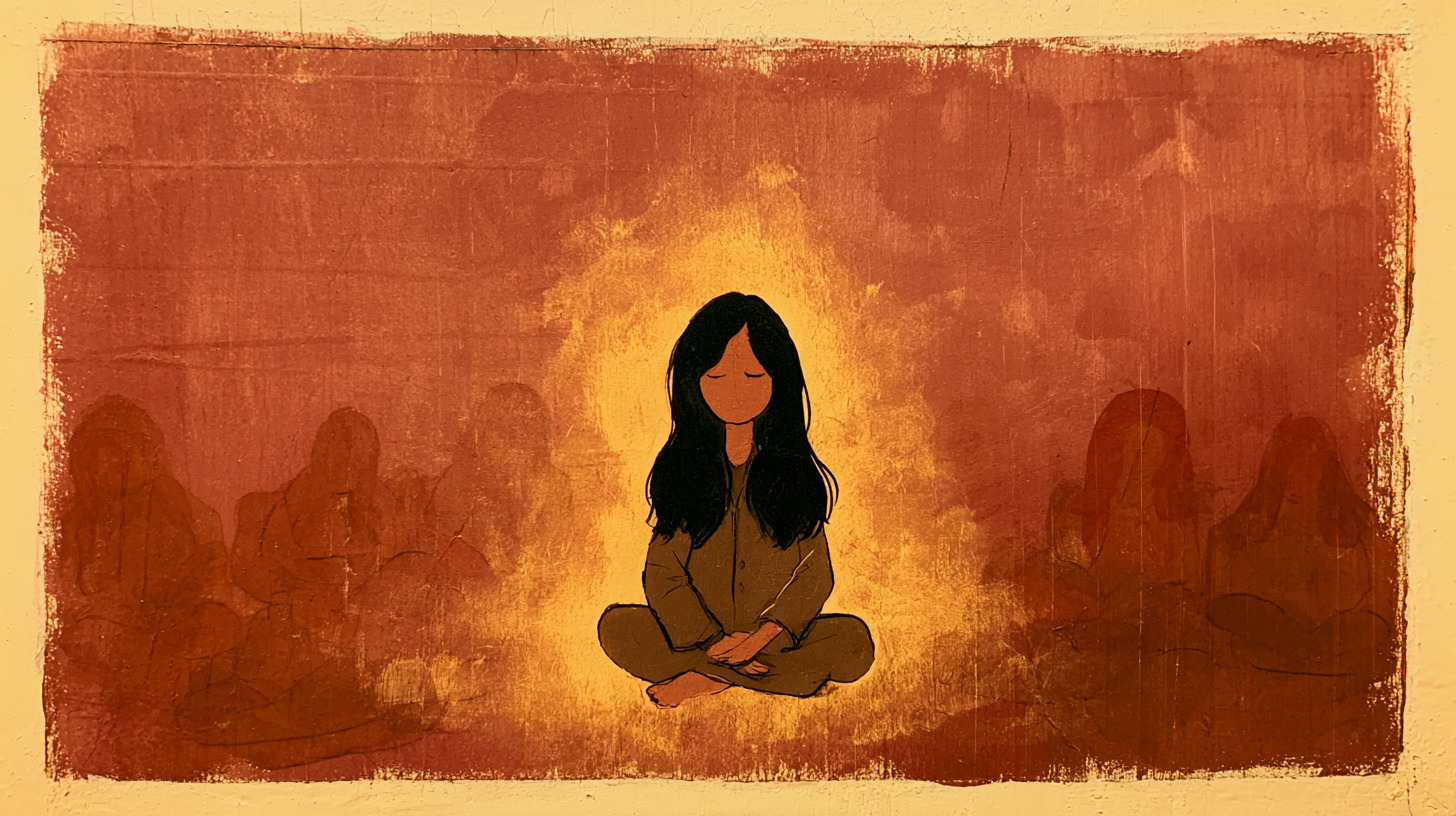
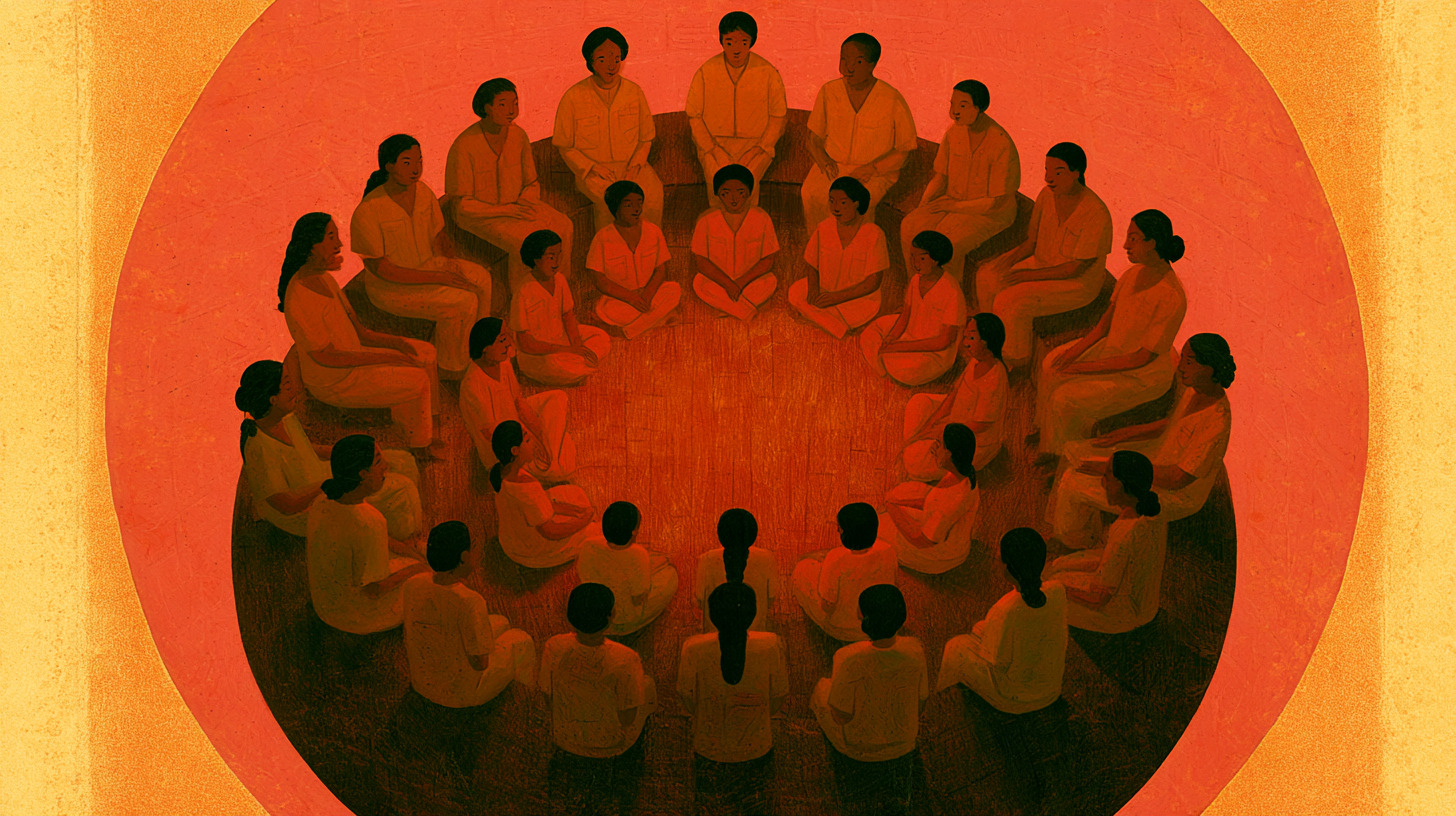
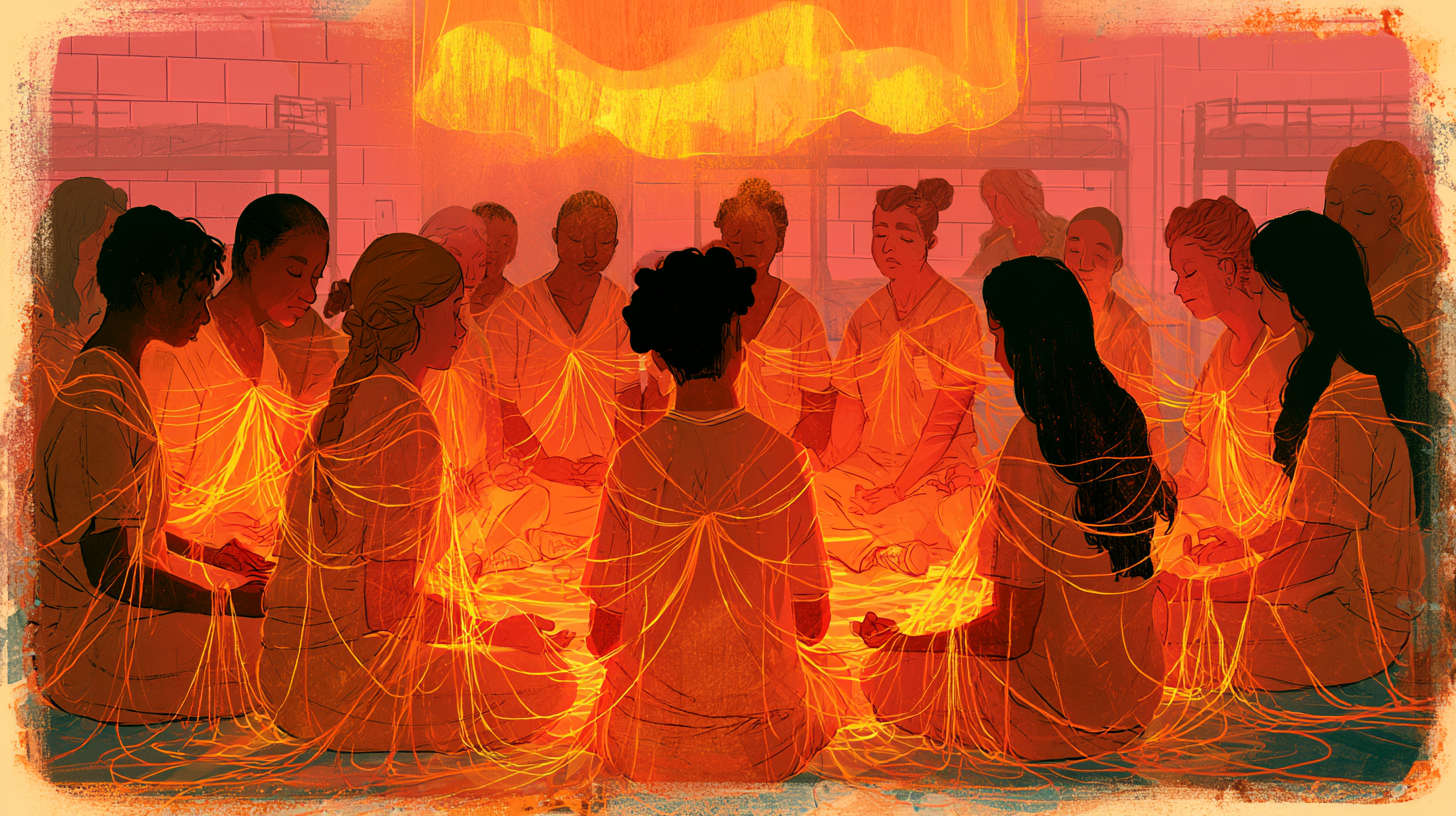
That universal and ancient ache connected us as ifa thread were running through the circle.Next, I asked them to think of a memory, something that brought spacious joy.
The moment of giving birth or seeing their child for the first time, the last visit with their family. A few tears started. “Now,” I said,“feel the heaviness of your suffering.
Feel where it sits in your chest. Usually, we armor against that feeling. But we’re going to do something different.We’re going to breathe it in—fully.
And thenbreathe out the feeling of joy you just named.”The sounds of the dorm faded. The crackle of dissent left the room.
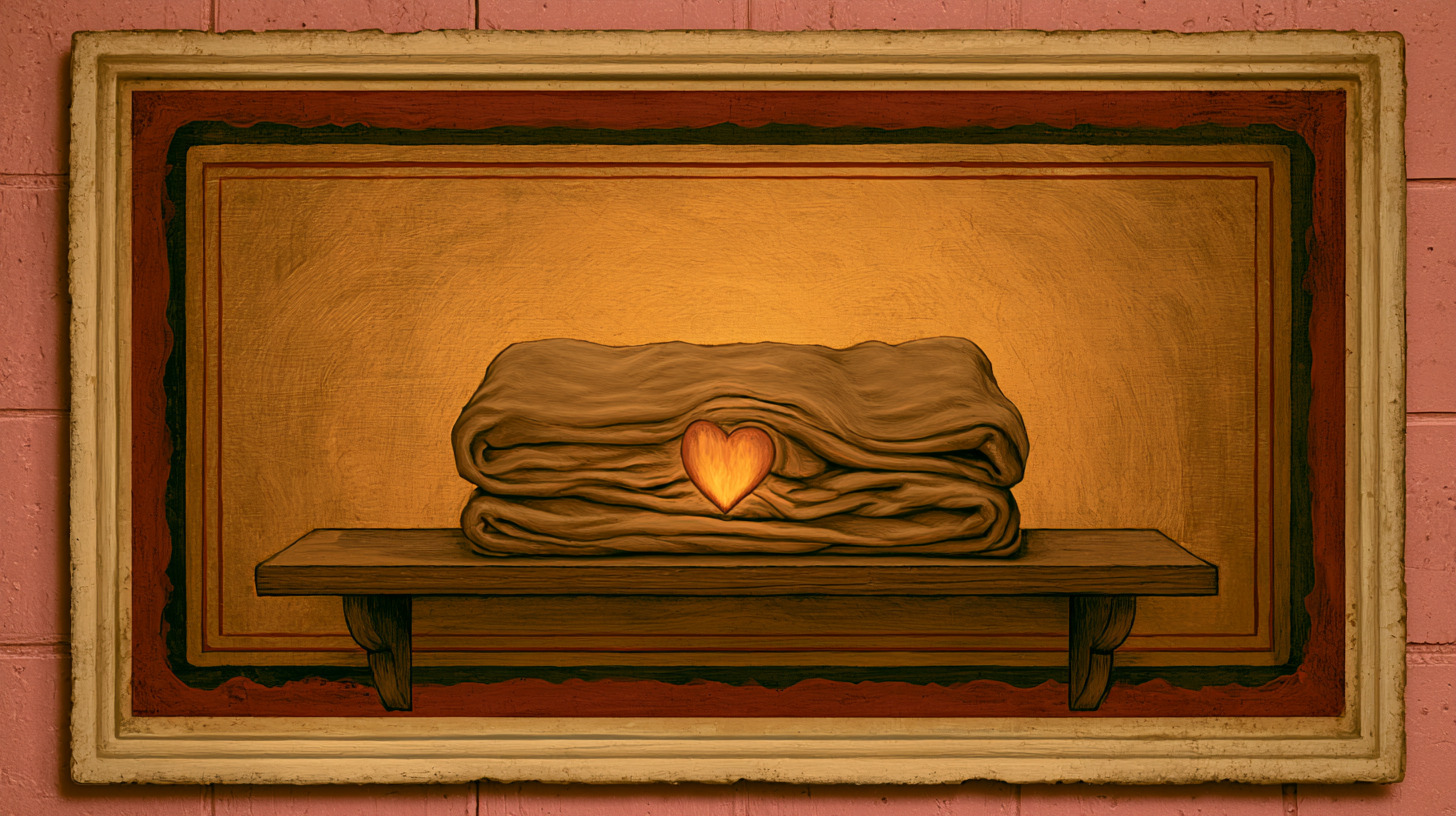
It wasas if a thick warm blanket were covering each of us,all of us, equally.
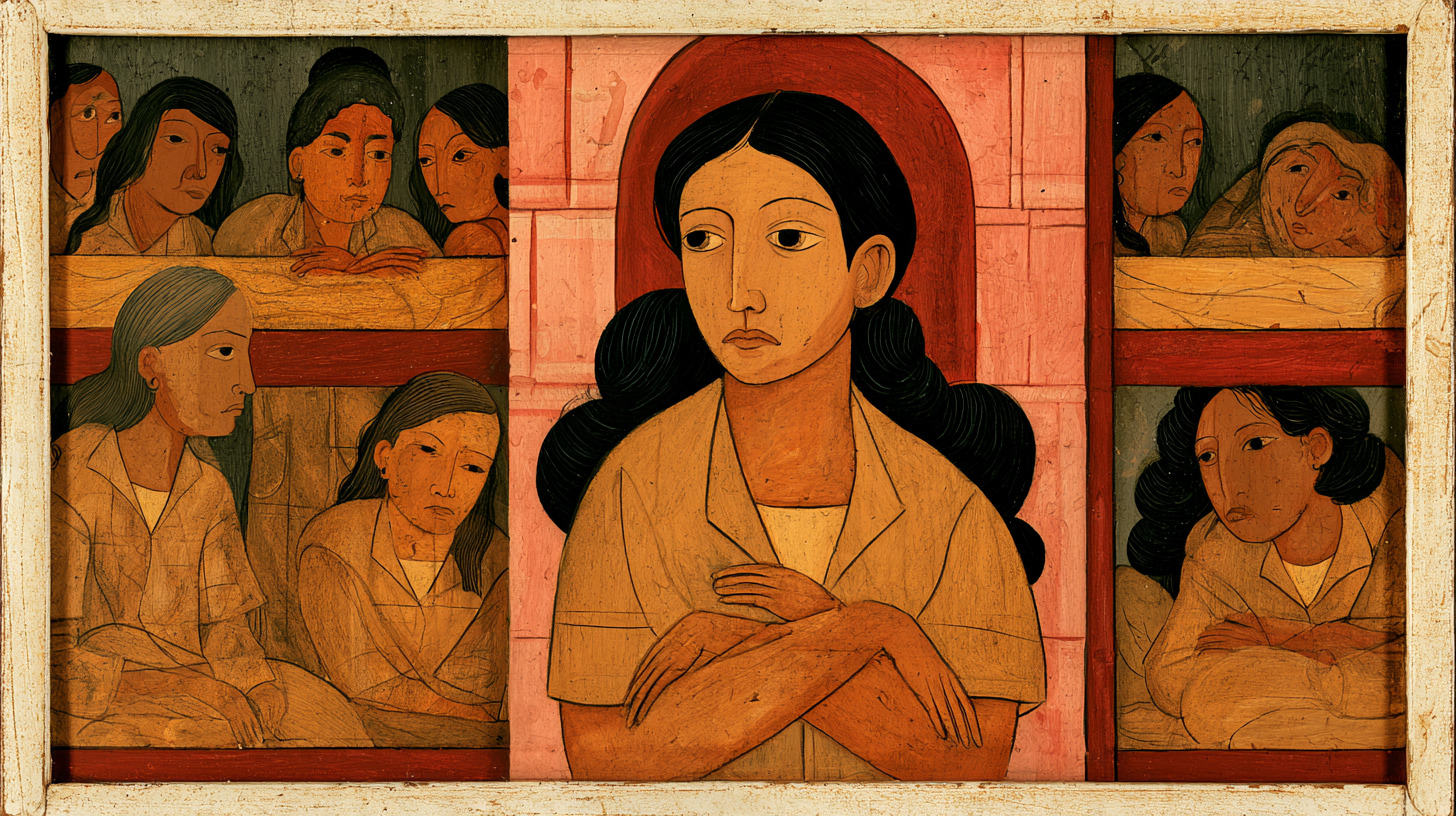
More tears fell. Quiet. Brave women’s tears. We went around the circle one last time. New faces on each woman. Her before this place.Her before what brought her to this place.Original face.
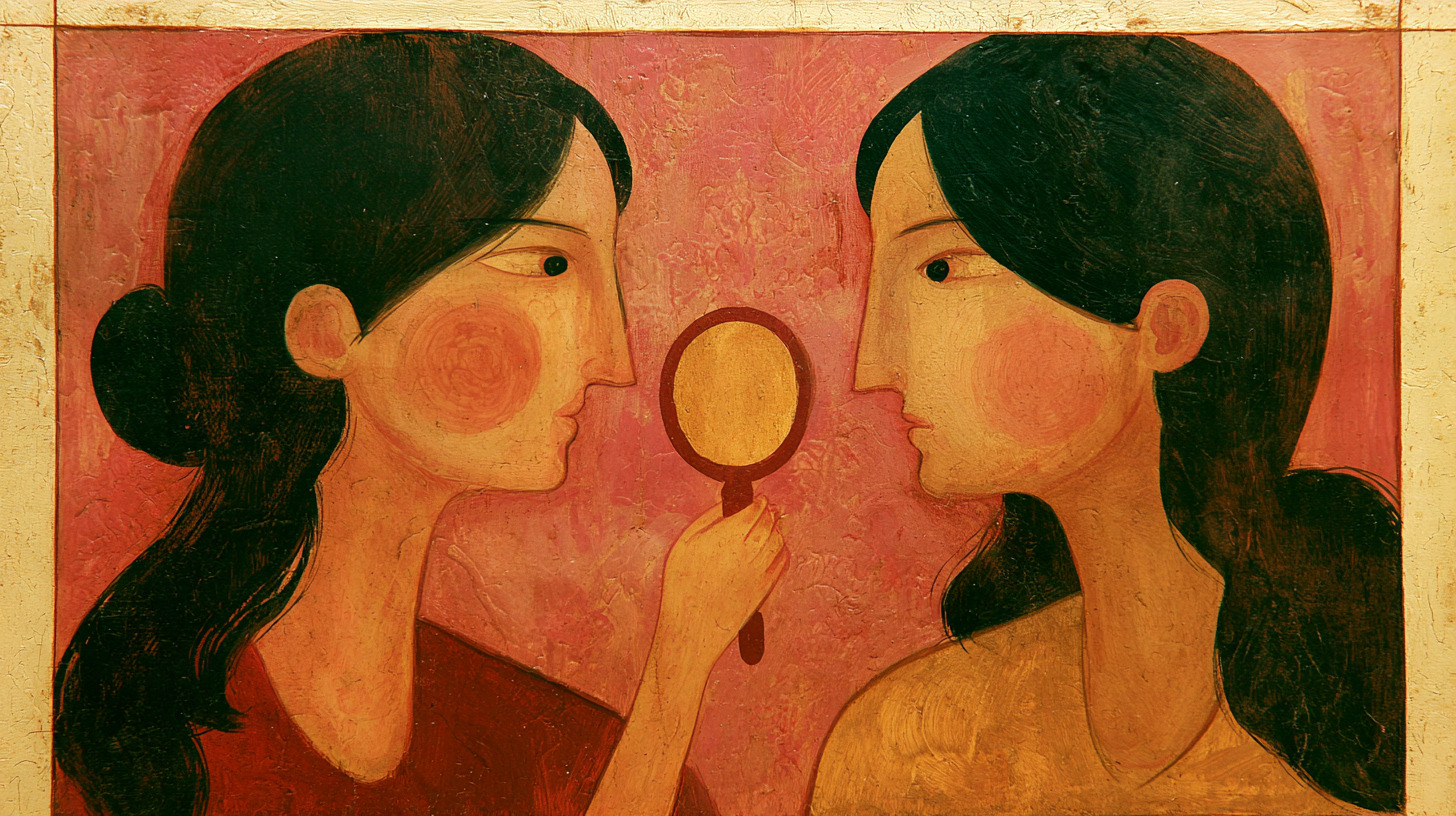
I gave one more prompt: “One thing I want you to know…”“I feel so connected to each woman here.”“I see you all but I feel like I’ve never seen you until now.” “
I didn’t realize thatwe all are feeling the same suffering.”“I am not alone.” The women lingered on the deck.
The usual raised hackles were subdued by the only thing that could subdue them,the hidden rule, the skeleton key: compassion.