For my soon-to-be-former bunkie, who’s leaving our little sanctuary and reentering the world:a non-user’s guide after leaving the Metropolitan Dakini Convent.I worry about you.
Silly, maybe—but true. Others are celebrating, certain you’re ready. Their version of “ready” is simple:Don’t come back here.
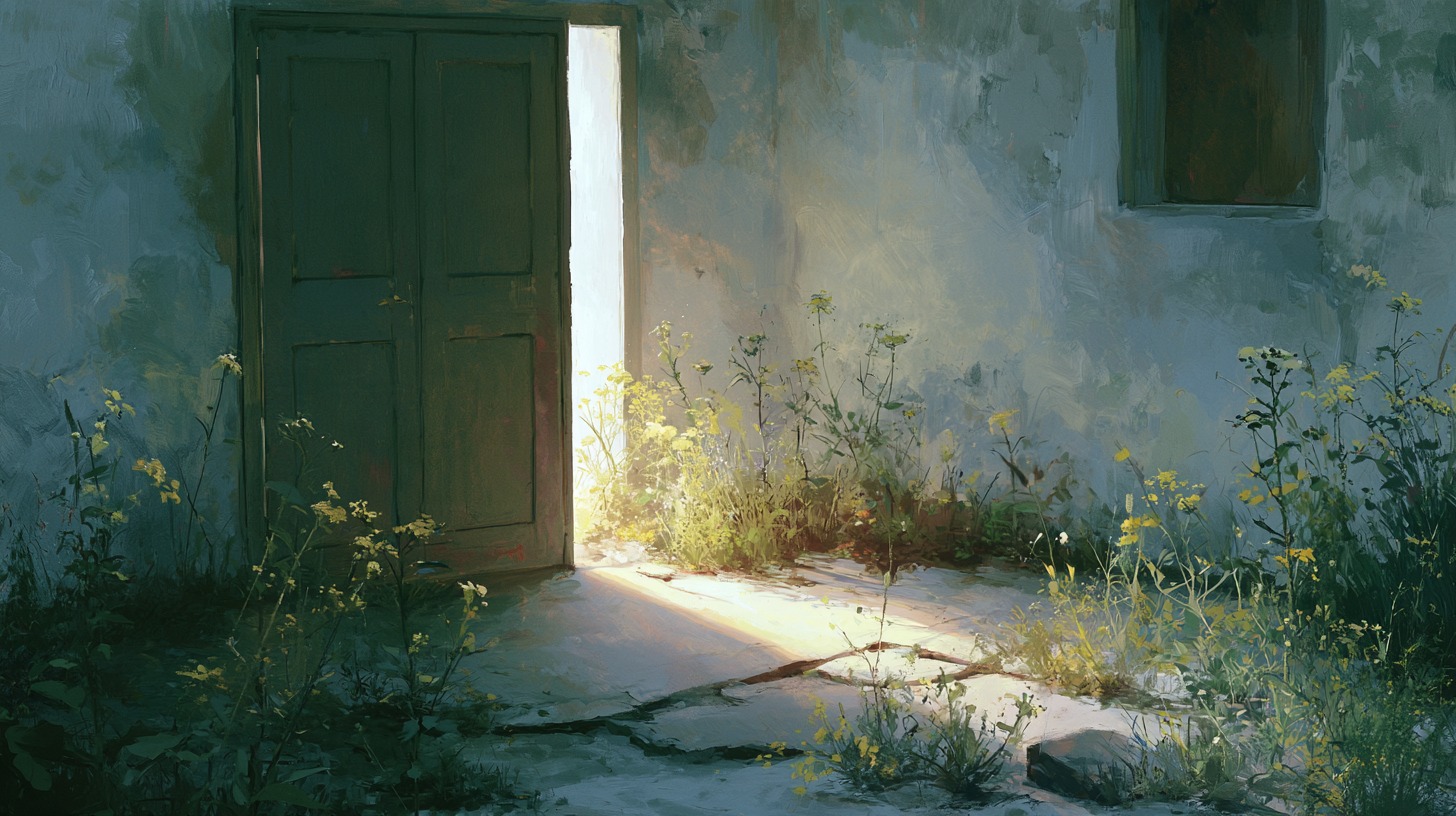
They treat freedom like a change of conditions. And yes, you’ll be outside these walls and out from under the officers’ schedules. Butthe world out there has its own chains.
It worshipsthe pile you’re standing on—money, fame, followers, the corner office. On top of the heap you can charm, buy, or command your way through.
You can perform relaxation whilescrambling inside to keep your place.
You can fake nearly anything but one thing: being at one with your life. From day one I’ve told you—don’t be number one at the number-two game.
You have a gift: You can adapt to any room.That’s a blessing when it’s rooted in generosity.
It’s a curse when it’s fueled by hunger to be special, untouchable, “above” what others endure. That choice is the difference betweena mansion and a beautifully designed doghouse.
There’s a story I love.The Dalai Lama once stayed at a hotelwhere no one knew who he was.
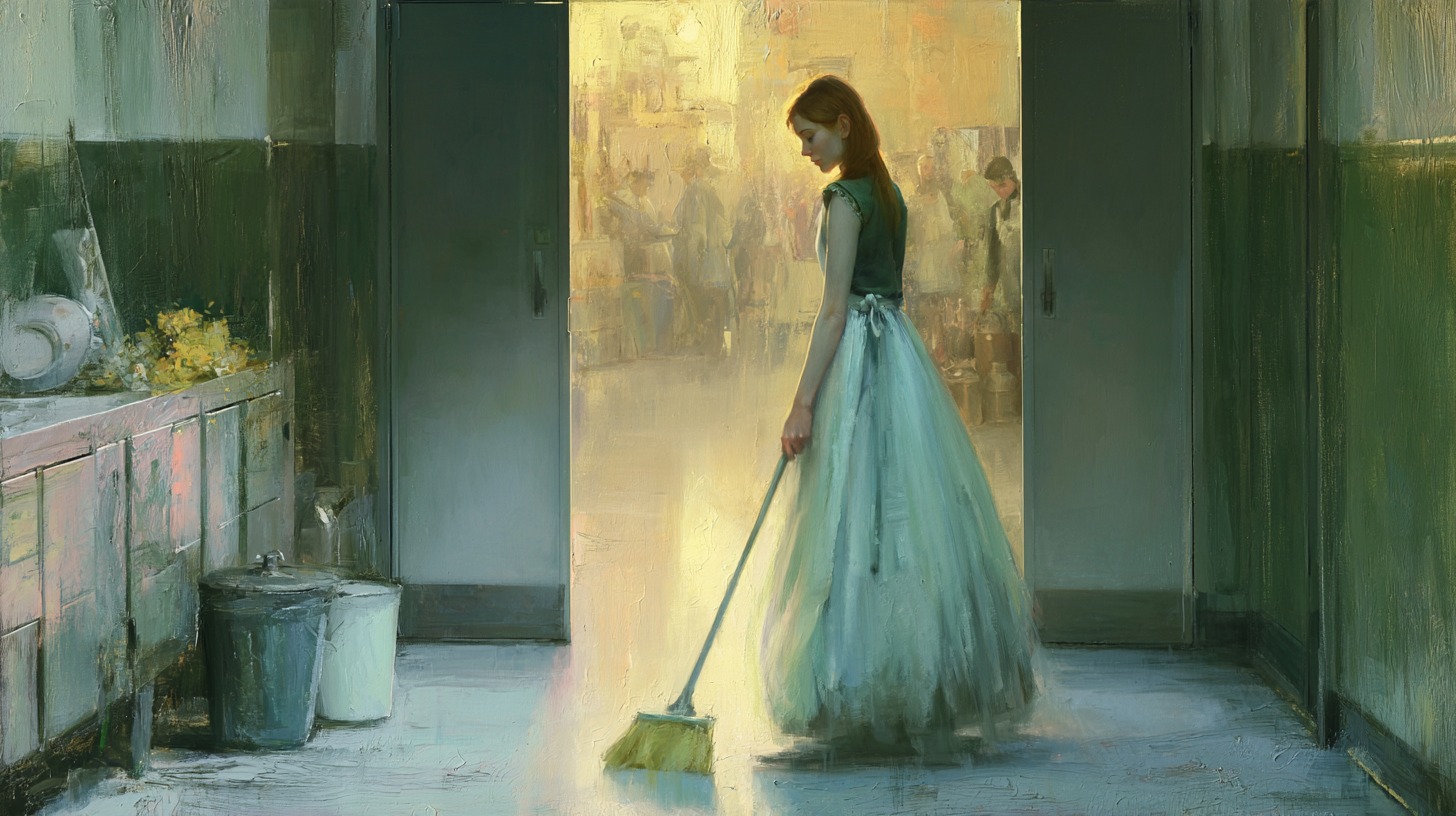
Each morning he took the elevator to the conference. No fanfare. No title meant anything to the staff. But by week’s end,housekeepers and janitors gathered at the elevator to wait for him.
They just wanted to feel how they felt in his presence. That’s power. That’s the number-one game. Positions, titles, and applause are rented.People will love your role; they’ll worship the access it gives them.
Lose the role and they’ll climb over you to reach the next one.
The number-two game runs on jealousy and scarcity.It’s all chutes and ladders.The number-one game looks soft by comparison. “Kindness is your religion”? Really?
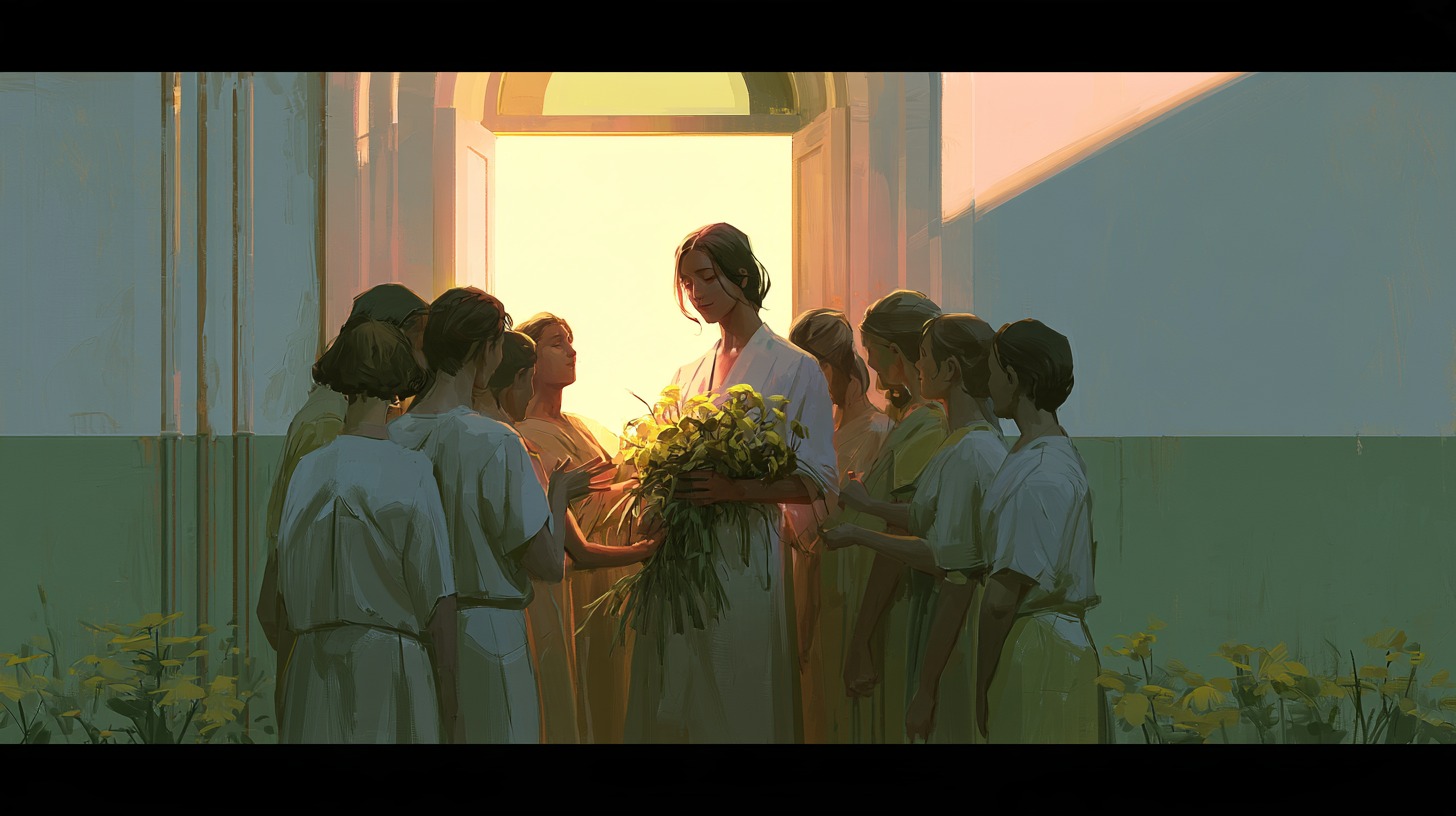
But remember—after the climactic moment on the cross,the story says Jesus returns as a gardener.
Humble. Useful. Alive. I tell people that sometimes you’re brought low because you did well enough to be trusted with humility.The only power that lasts is the way people feel in your presence.
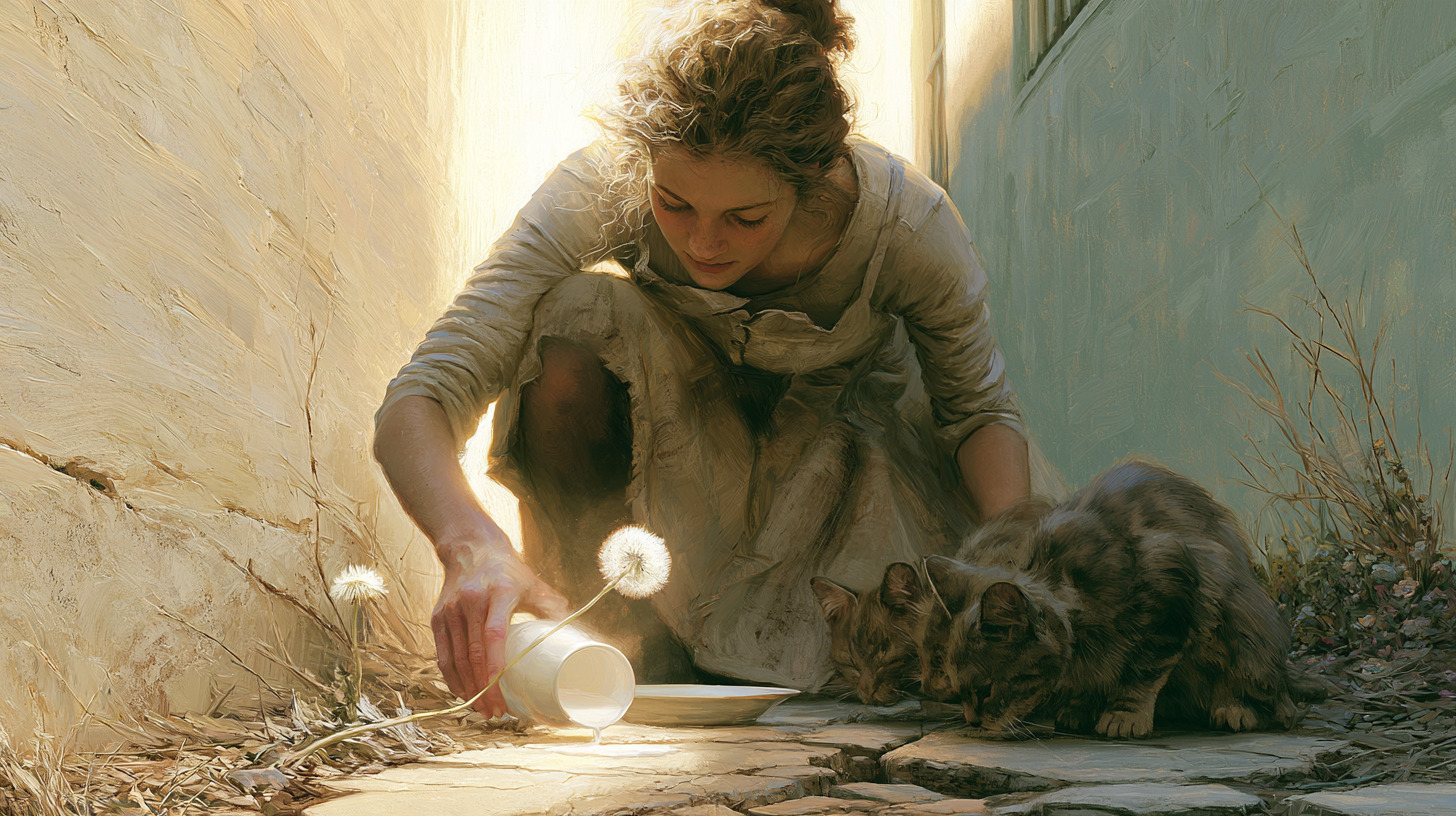
That’s portable. Take it anywhere and the room shifts, whether people know your name or not. Humans or no humans,even among plants and alley cats, you can serve.
There’s a joy beyond walls and headlines,a deep steadiness that doesn’t need a stage.
I wish that for you. I worry when I hear anyone say happiness is “over there.” That’sthe root of separation, and separation is the root of suffering.
It leaves you hollow and hustling,seeing people as obstacles or trophies.
You start climbing over your own heart, one body at a time.Praise from “above,” flattery from “below”—none of it satisfies for long. The more you get, the more you want. And the “above” will try to buy you.
They’ll spot your gift and recruit you to their team. They’ll hand you treats—passes, perks, proximity—just enough to keep you a step ahead of your peers.
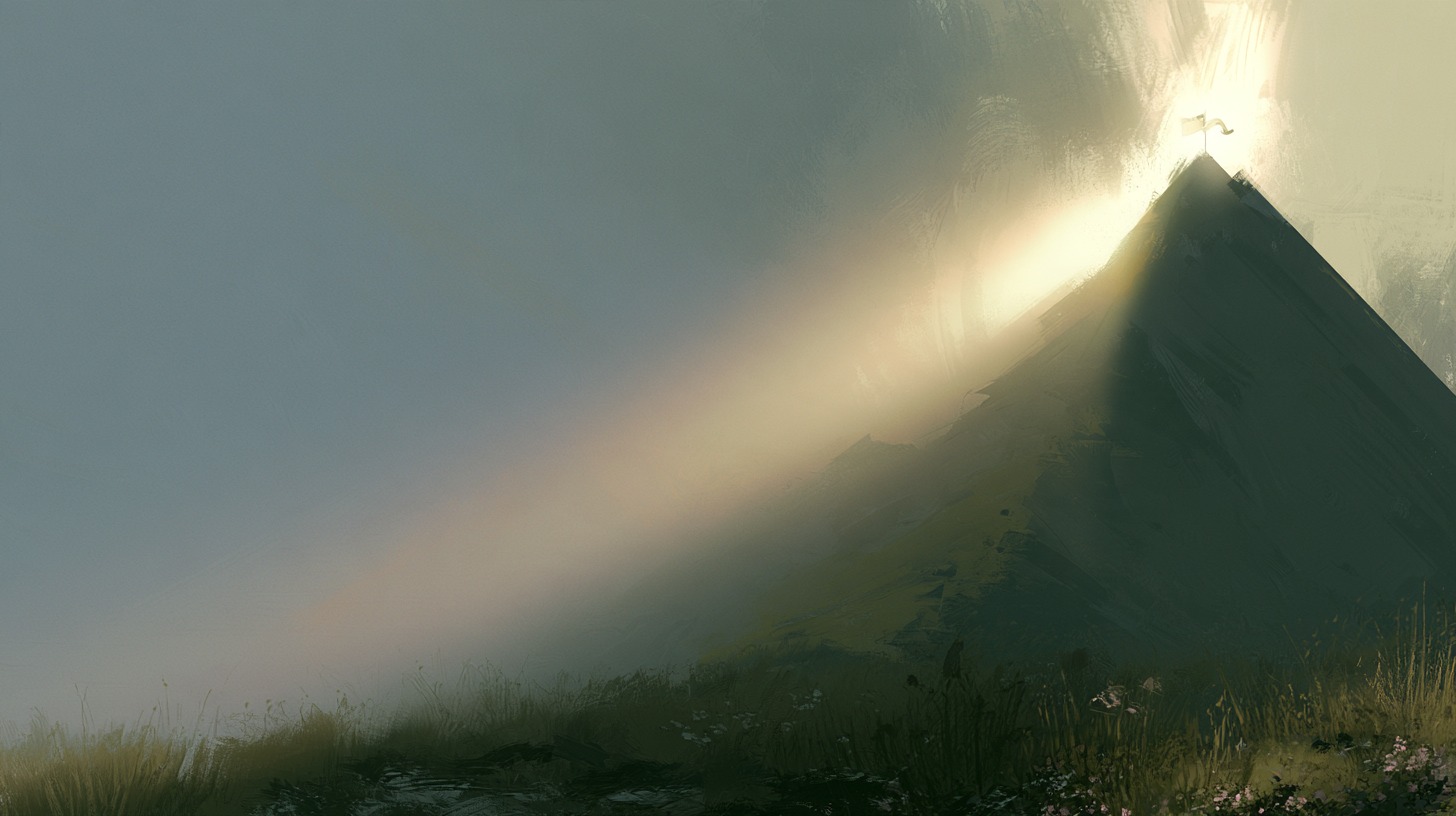
Meanwhile, someone’s doing the same to them.It’s a pyramid with no top.The flag just reads: GREED.
Those “below” will do their own dance—people-pleasing, threats, sudden withdrawal when they don’t get what they want.Same game, new costumes.
Freedom isn’t granted by the people we try to impress above us or the followers we collect below—it’s decided by our peers.
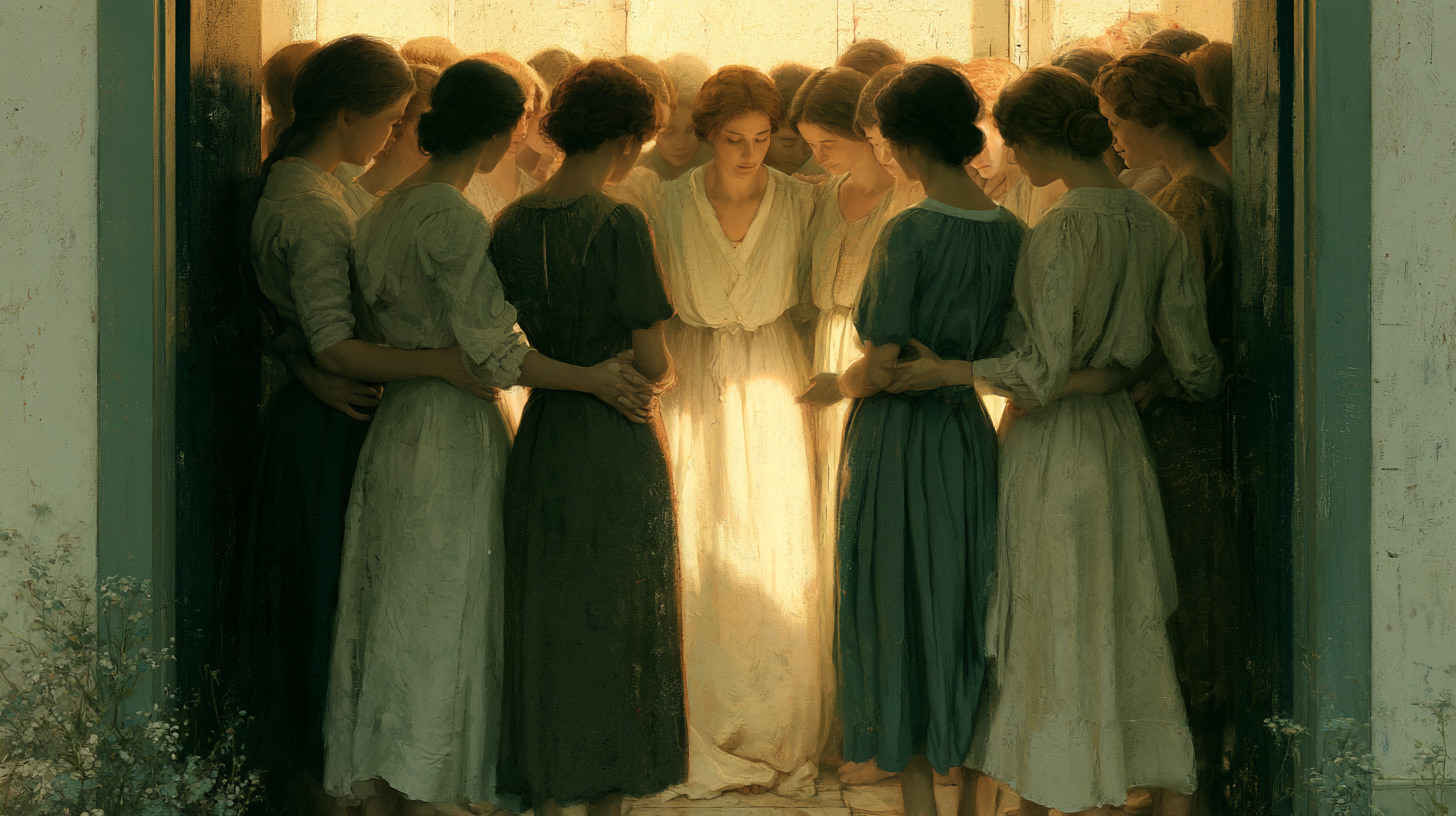
The people who drive you crazy. The ones you can’t avoid.The ones you had to find a way to live with.Us chickens.
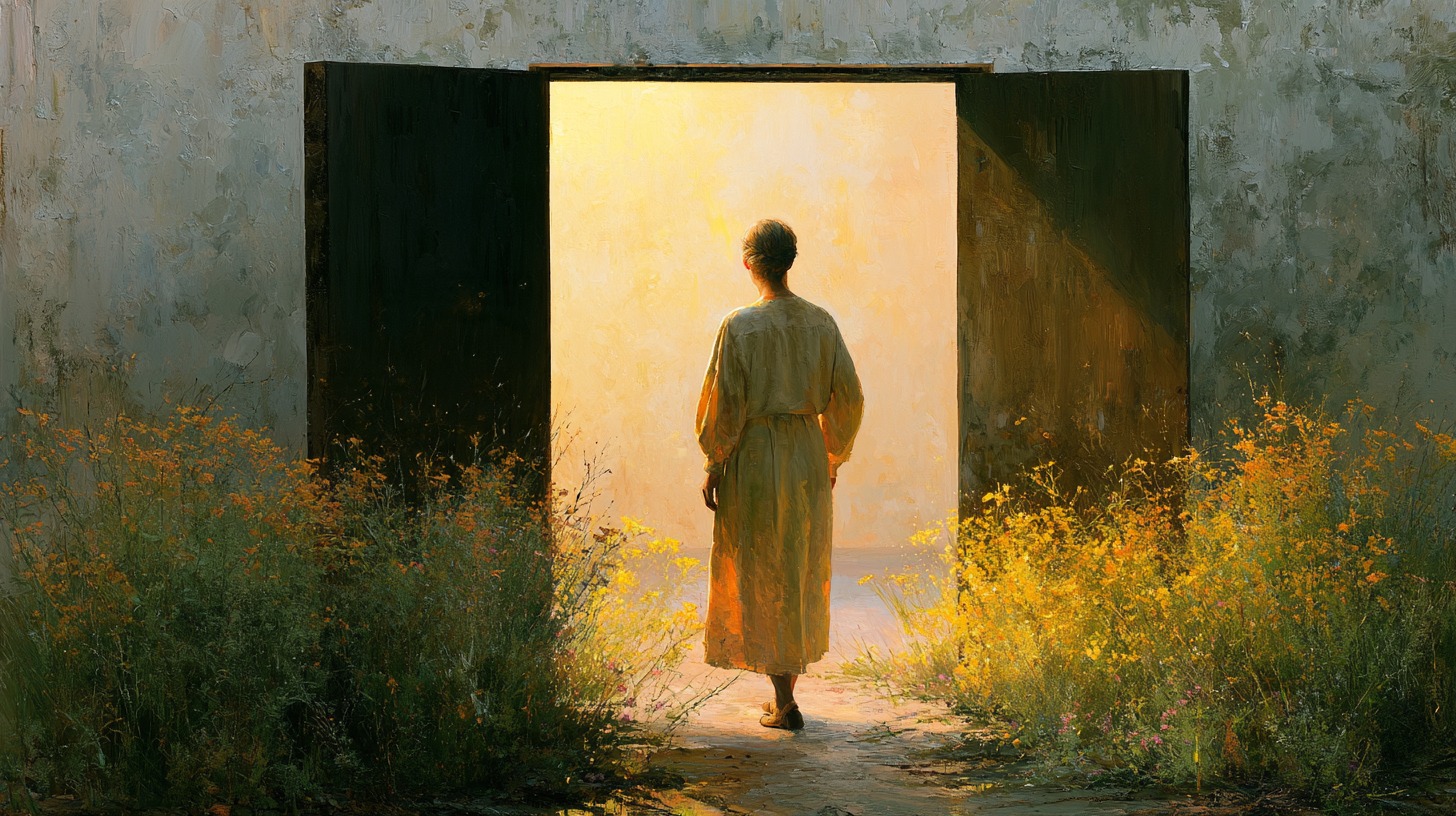
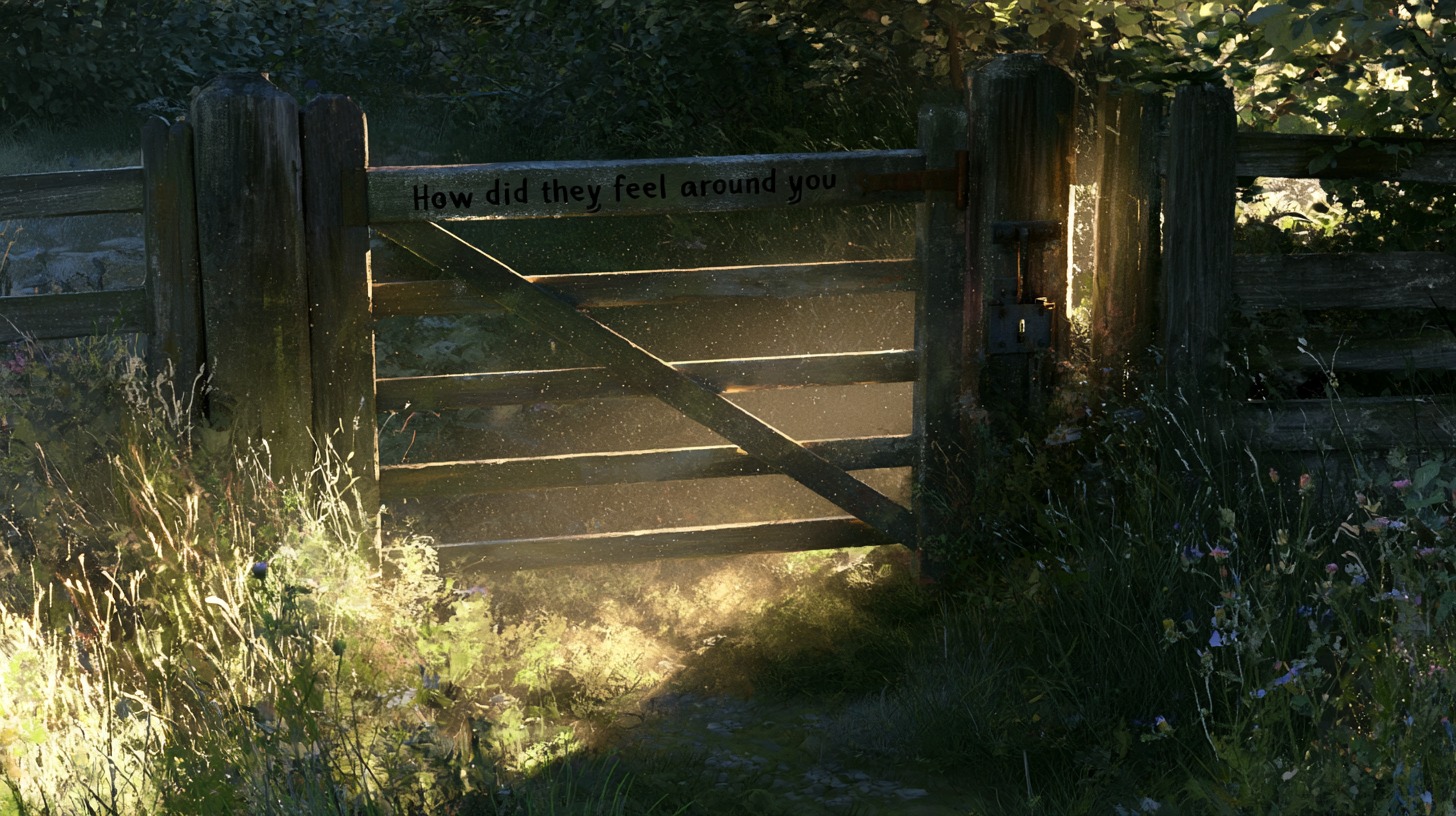
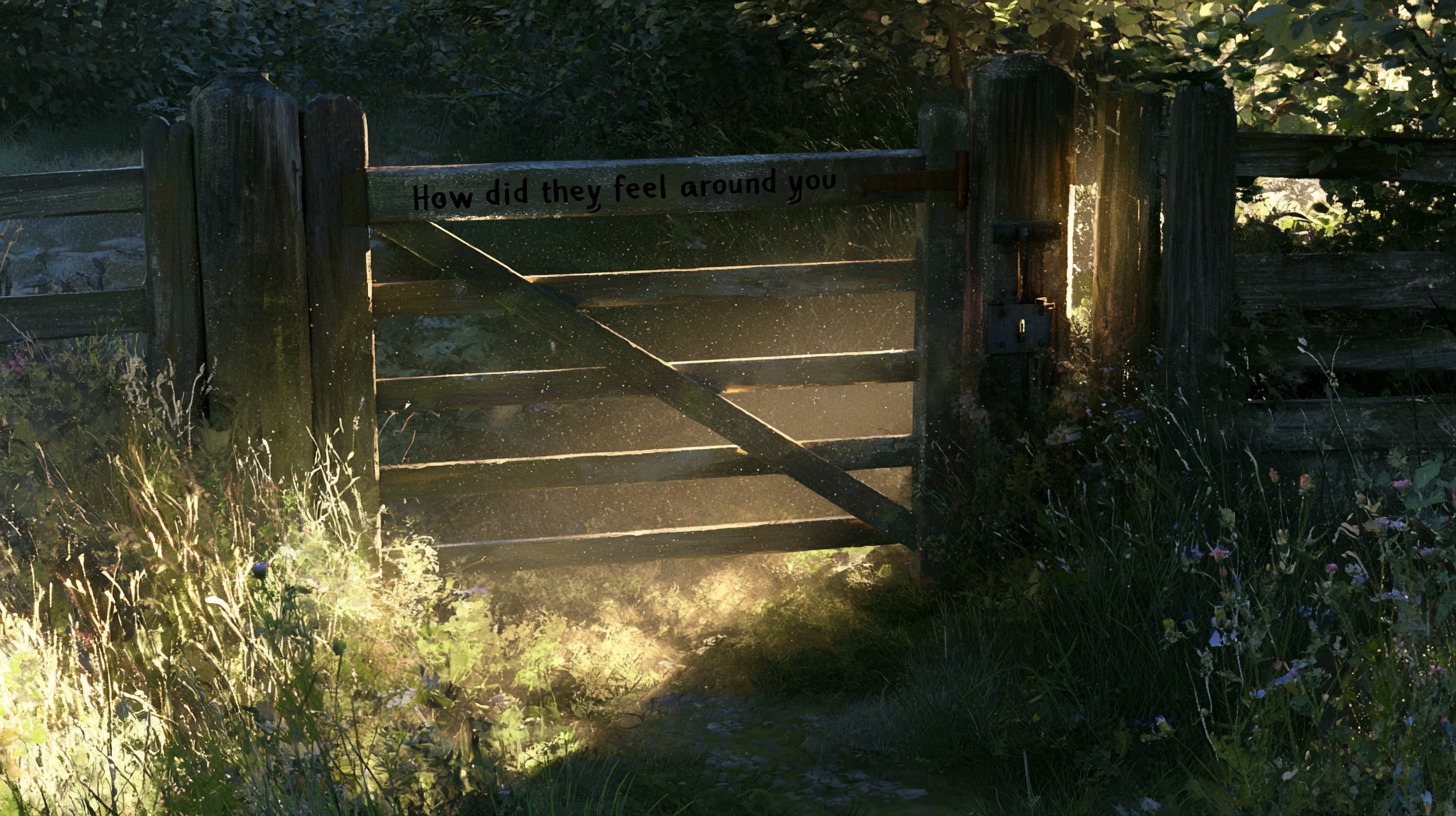
The question at the gate is simple:How did they feel around you?
Did they feel seen?Unhurried? Like you turned off the machine that’s always going somewhere because they were where you were meant to be? Did you use your position for their benefit?
When something needed doing, did you just do it—no scoreboard, no points?
That answer will match a deeper one:How good a you did you become?
Just how my friend Ed said he became a pretty good Ed after his fifty years of meditation practice,the assignment is to become a pretty good you.
You always know when you’re off it—beneath every excuse and rationalization is that clean yes/no. When the light is on,it shines as generosity.
It’s one of the few binary things in life:either on or off.
You will have chances togo against the stream,to represent who the women in here really are. You might not be popular.
Popularity is often just the number-two game in a new outfit—renouncing what you were, selling a cleaner version,joining the transaction parade.
A hard truth I once heard:Only one percent maintain true north.They keep going through terror that roars, delights that seduce, doubts that say give up and join the crowd insisting nothing real exists.
They settle for the antidepressant version of life,trading wonder for comfort and constant complaint.
They believe there’s always someone to blame and a shortcut to buy. They join the “top-secret” clubs.The secret the top keeps is that there is no secret.
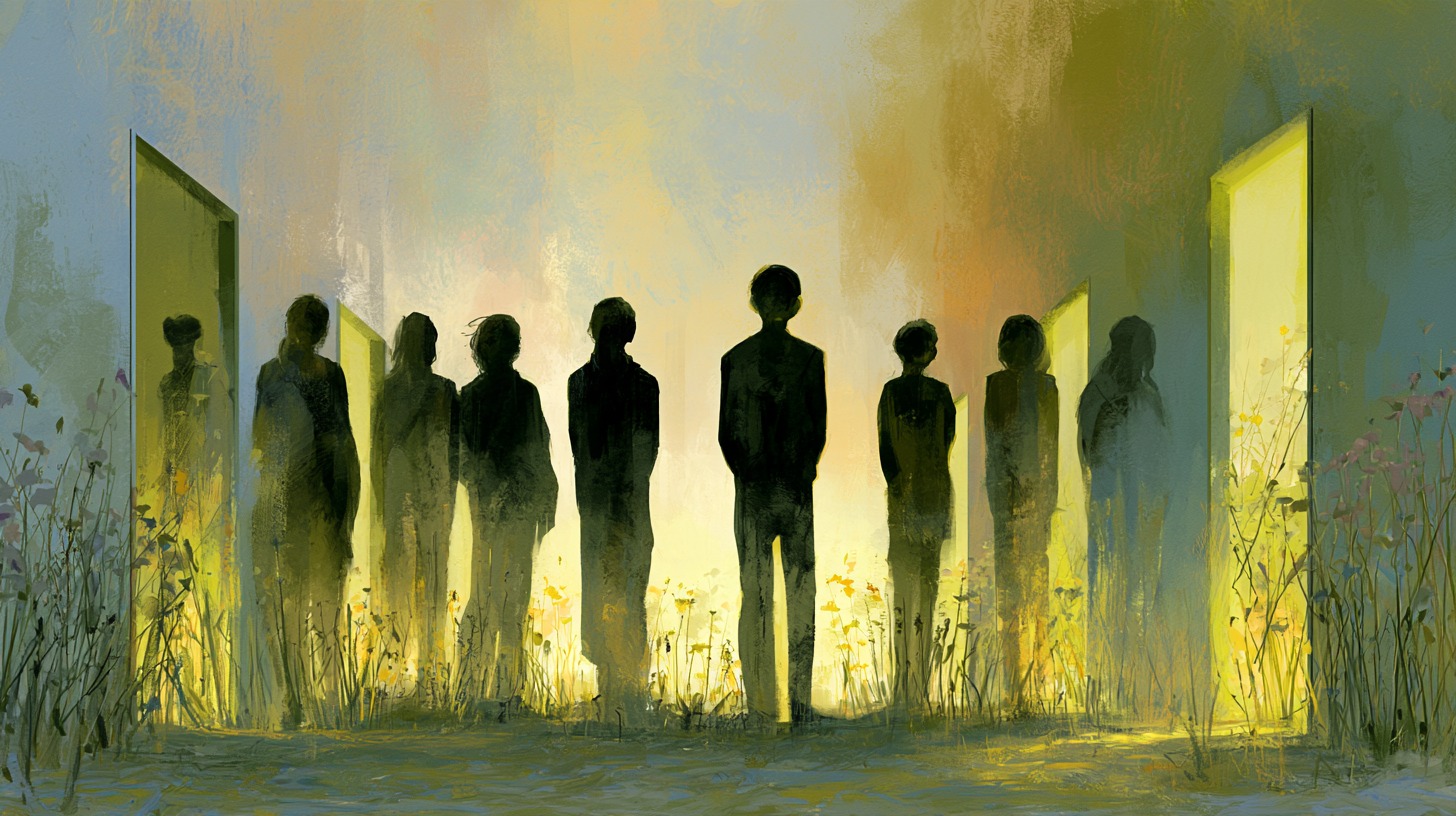
The relief is this: People who know can recognize others who know—cab driver, nurse, imam, priest, grandmother on a stoop.Feeling can’t be faked. Free people want other people free.
They see your maneuvers and your masks, but more than that,they see your intention.
If you live on the plane of generosity—no matter what—you are never without help. The invisible workers show up: the ones quietly healing the world.Like gaydar, they have kind-dar.
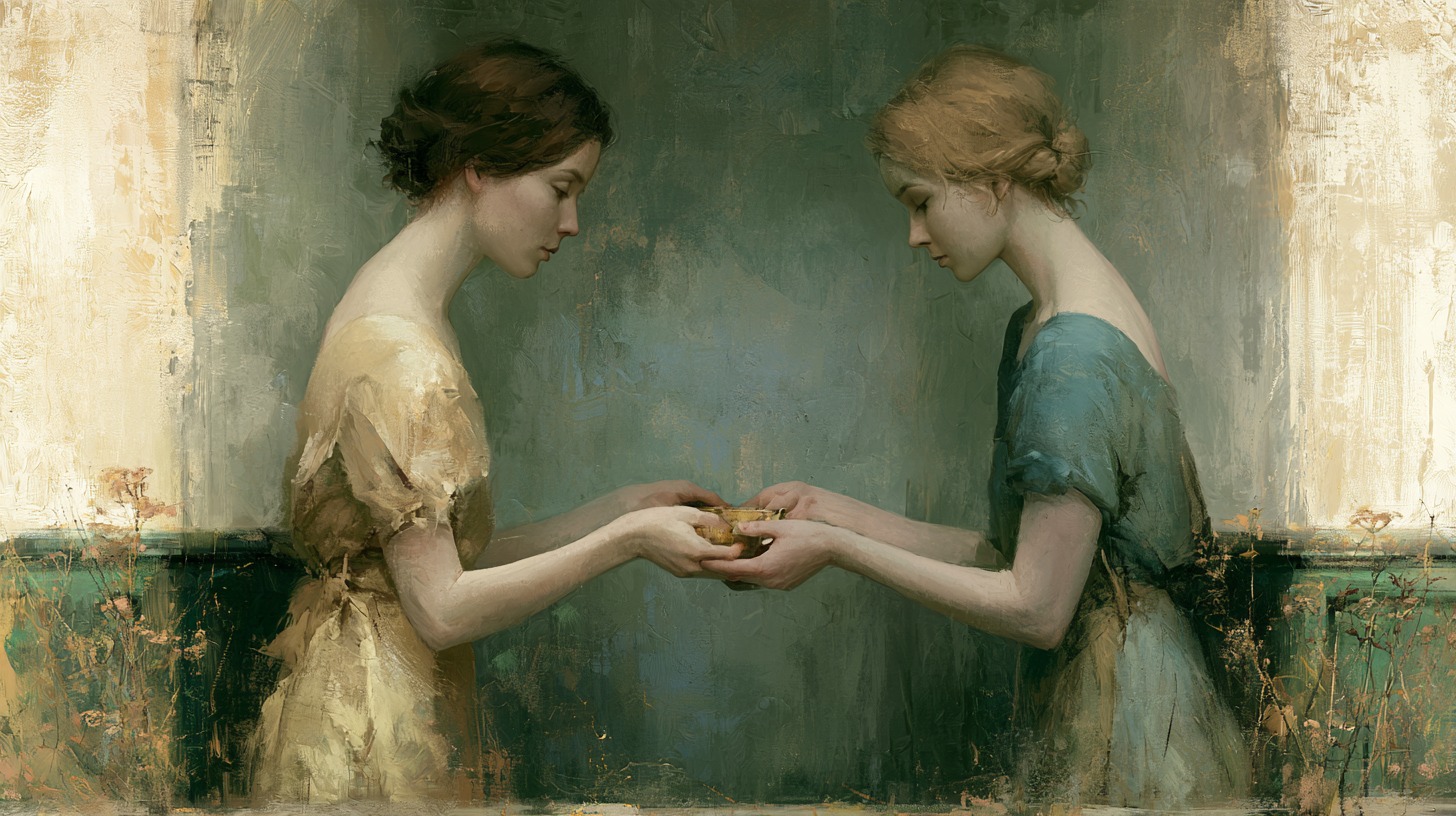
They can spot their own. They won’t do your work for you, butthey’ll slip you what you need to do it yourself.
Tools. Allies. A nudge at 3 a.m. Before I left for college, my mother gave me two slim books—how to boil an egg and sew a button,how to open a bank account and change oil.
Stereotyped and perfect. I used them like bibles. I could feel her wanting me to have what I needed when she wasn’t there. Think of this letter that way—a non-user’s guide for a user’s world.
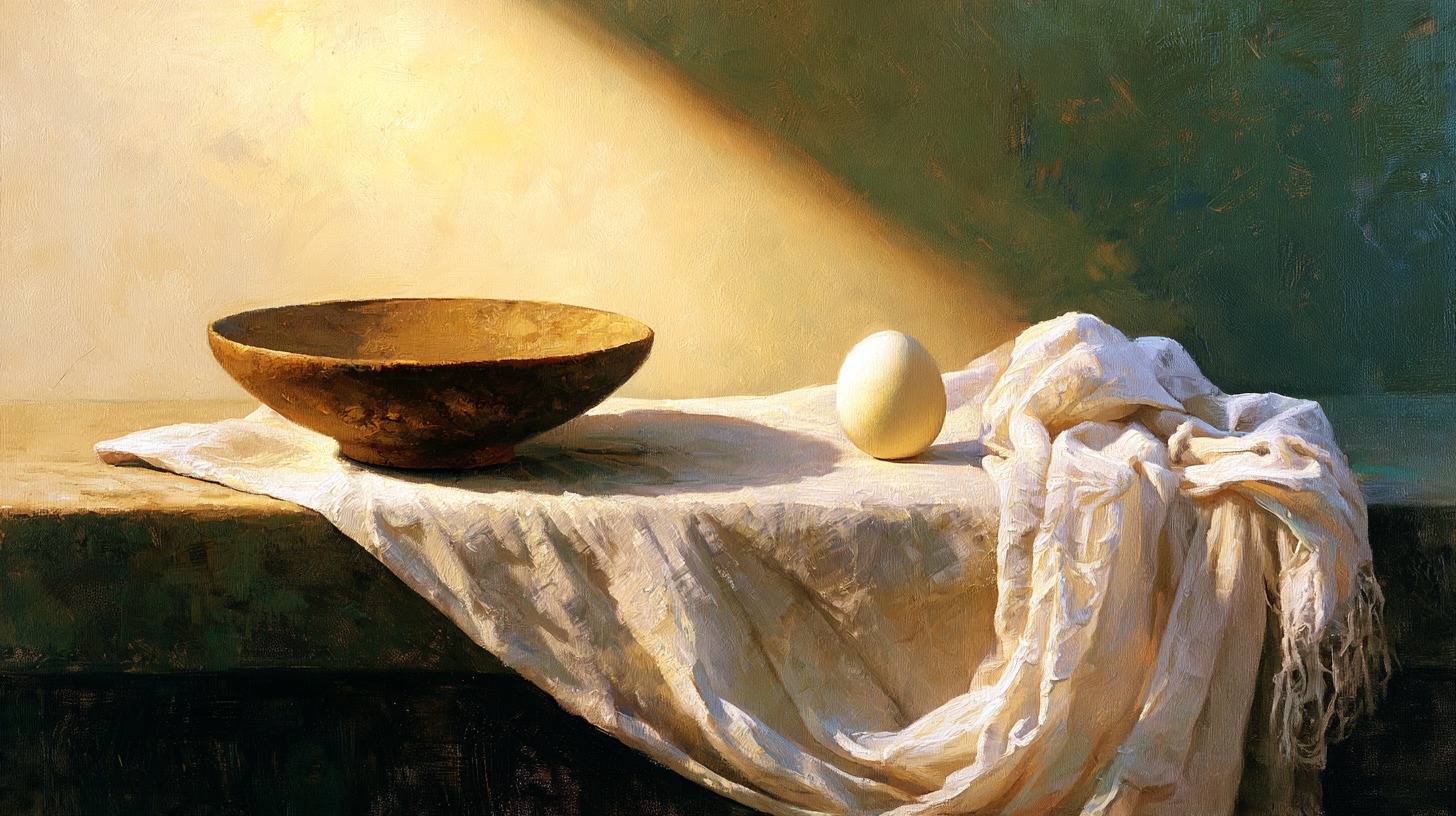
Like the Passover egg: a reminder to soften.Meat softens when cooked; an egg hardens.
Let this be your reminder to stay soft. “Slow and kind” may not win the race everyone’s running, but they get you out of the race and into the only place you truly want to be—the joy that has no opposite.
When you go, I’ll keep my funny morning rituals. I’ll do them in your name.I’ll sit the way I taught you to sit.
I’ll pray that you carry the light into rooms that have forgotten it.Remember the hardest thing: The most precious gift is already yours.
It matters more to be good at who you arethan to be good at what you do.
Andthere’s an army at your back—seen and unseen—hoping you find freedom and help others find it, too. Godspeed.