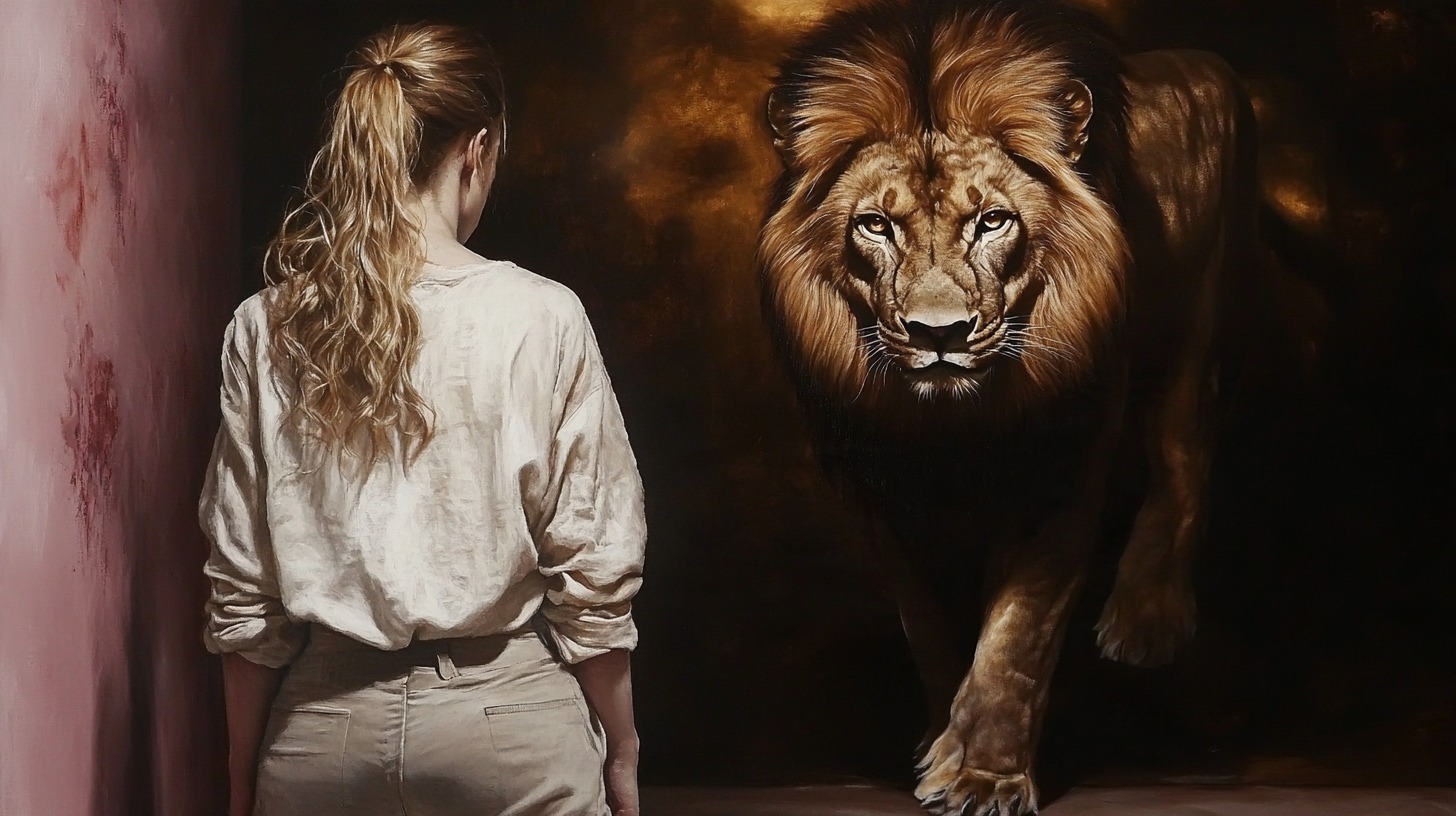
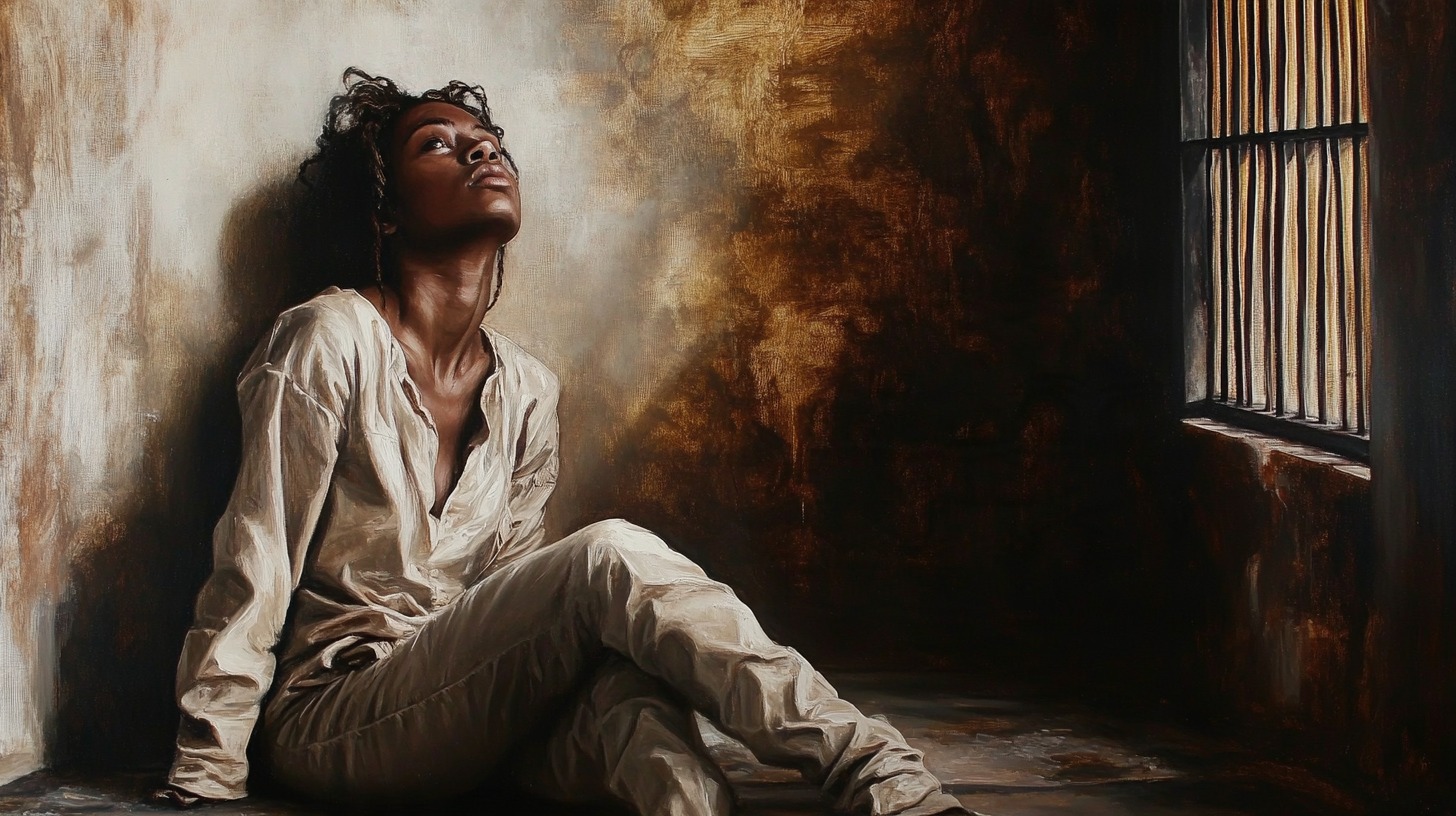
My mother still tells the story of coming home to Born Free blasting from the TV,her daughter glued to the screen, tears streaming.“
You cried every single time like it was your first,”she says. She learned not to put dinner on the table until Elsa was free.
I’d sing between sobs:“Born free, as free as the wind blows…”I grew up in Los Gatos, a tidy suburb that would later become part of “Silicon Valley.”
I’ve mostly lived in cities, but the wild has always tugged at me.Some days I felt like a big cat trying to be polite in a living room.
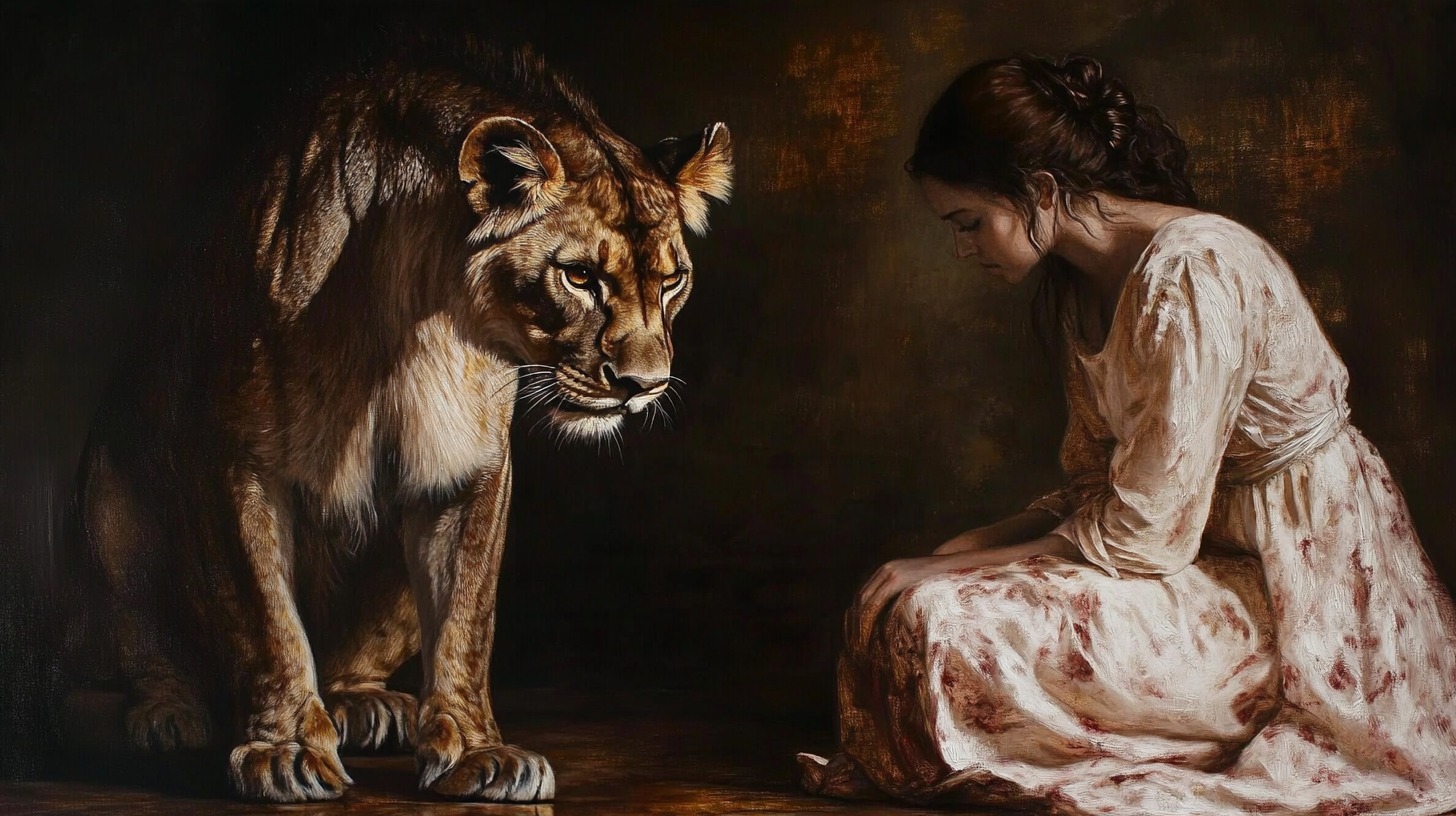
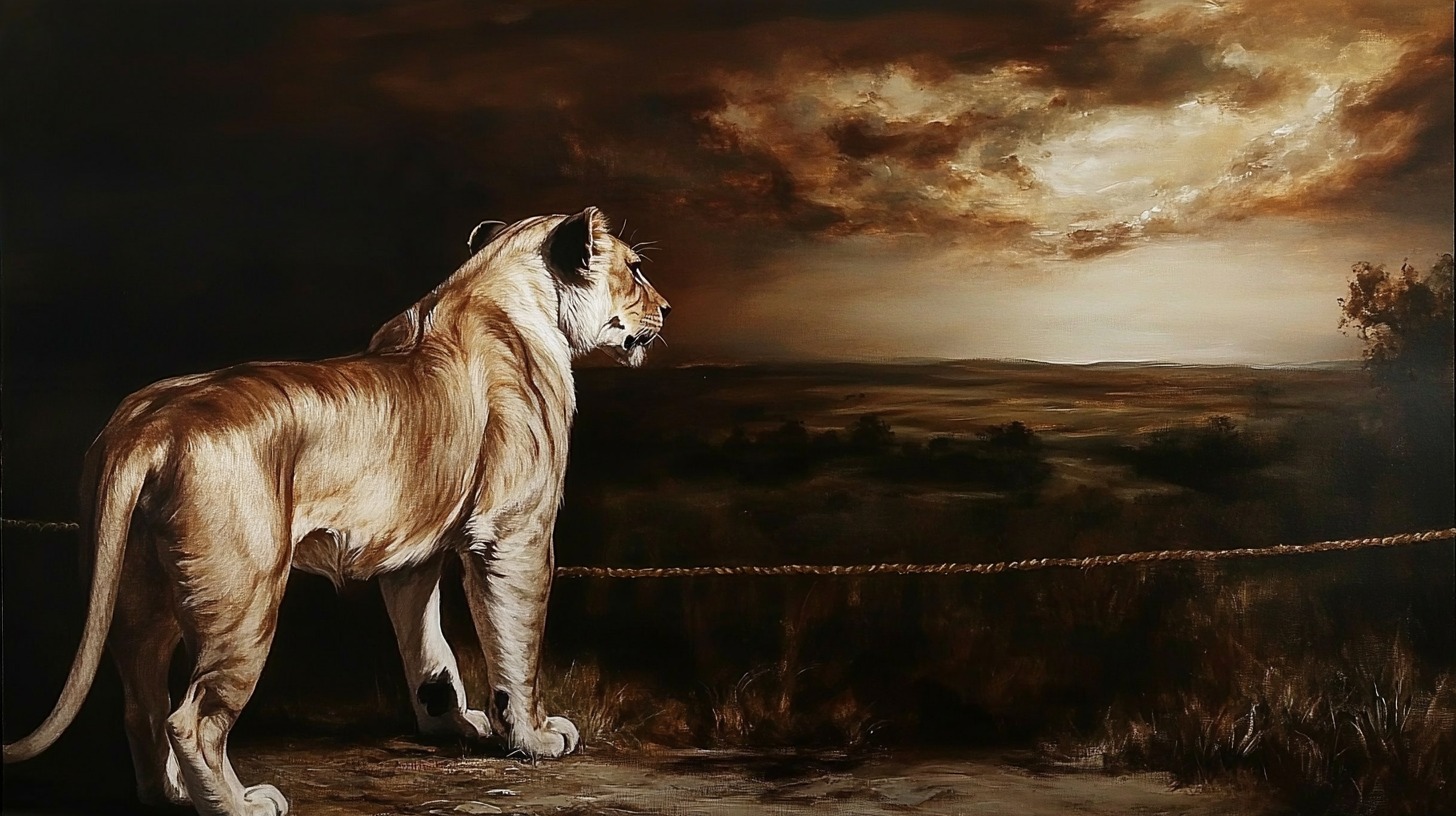
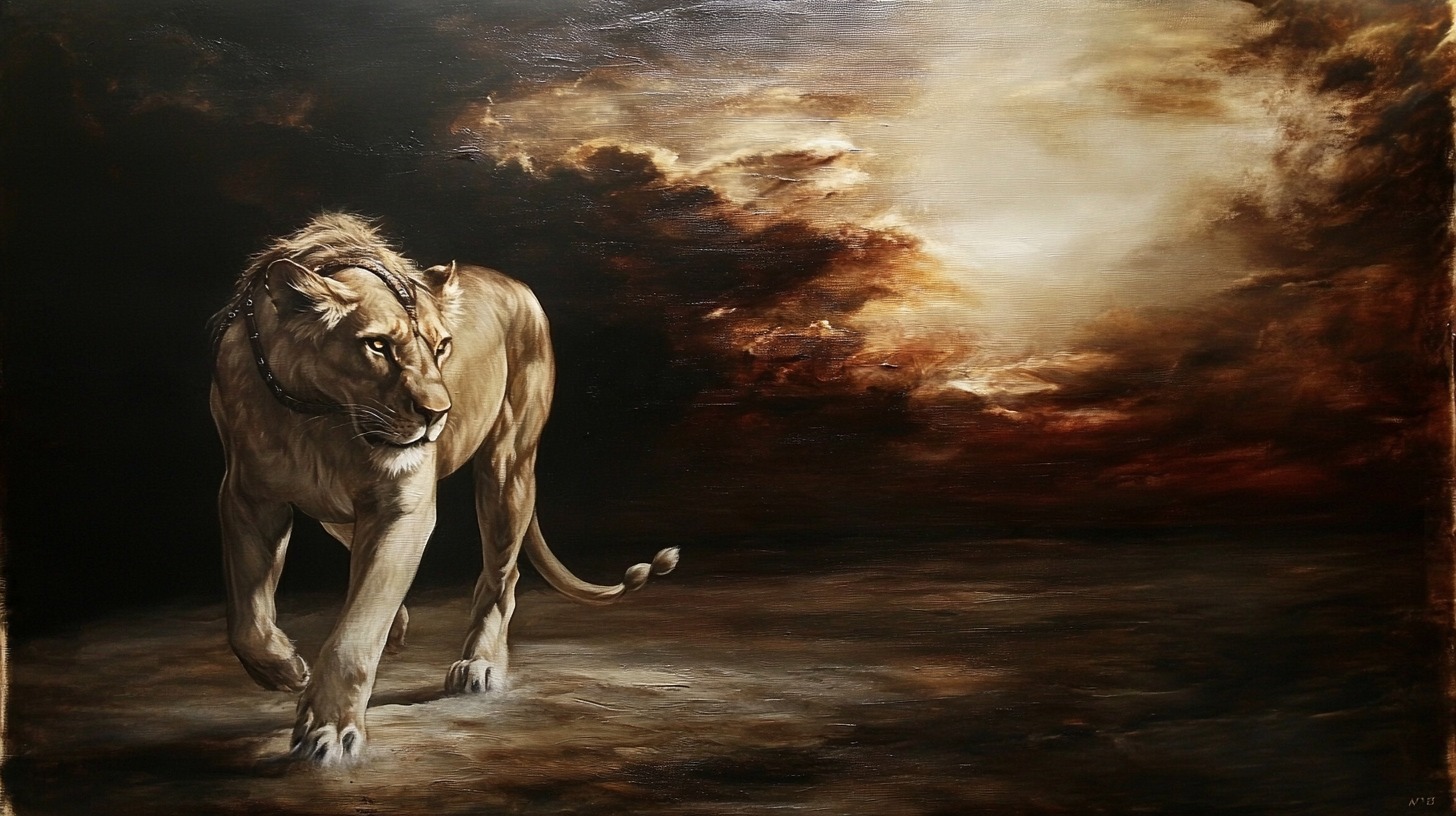
In Born Free, a lioness dies defending her cubs. One orphaned cub— Elsa—faces cages and keepers, except forthe one keeper who refuses to mistake instinct for savagery.
With stubborn love, she helps Elsa remember what her mother couldn’t teach: how to hunt, roam, belong to her own life.Because someone trusted her nature, Elsa runs.
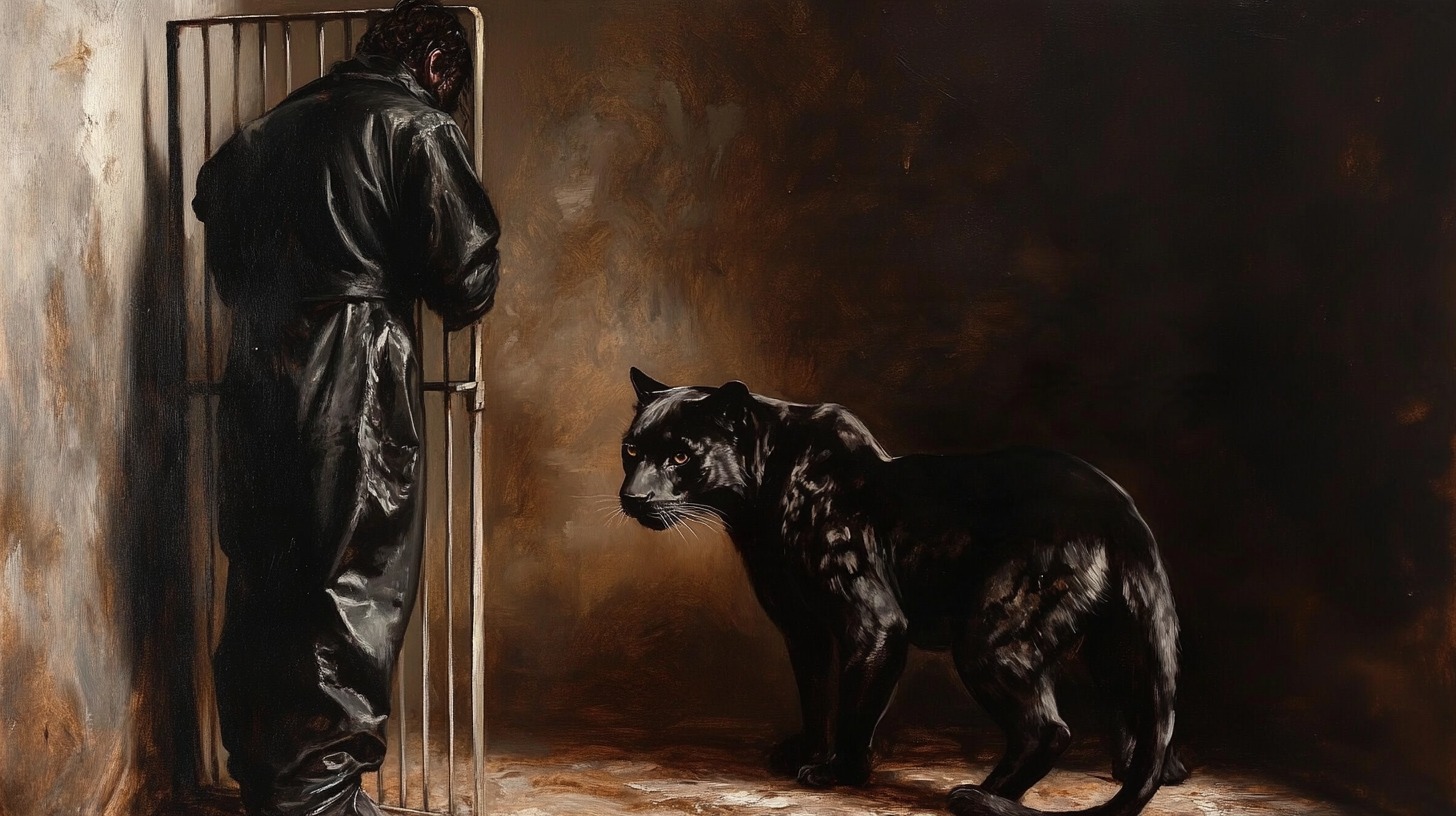
I once watched a video about a black panther named Diablo who paced his cage with a violent edge.He had attacked his caretaker.
The man—never afraid of animals—now wondered if Diablo should be shipped out or put down.
An animal communicator spent time with the panther and reported what she sensed: He missed the cubs he’d protected,hated his name, and felt unseen—nobility treated like a circus act.
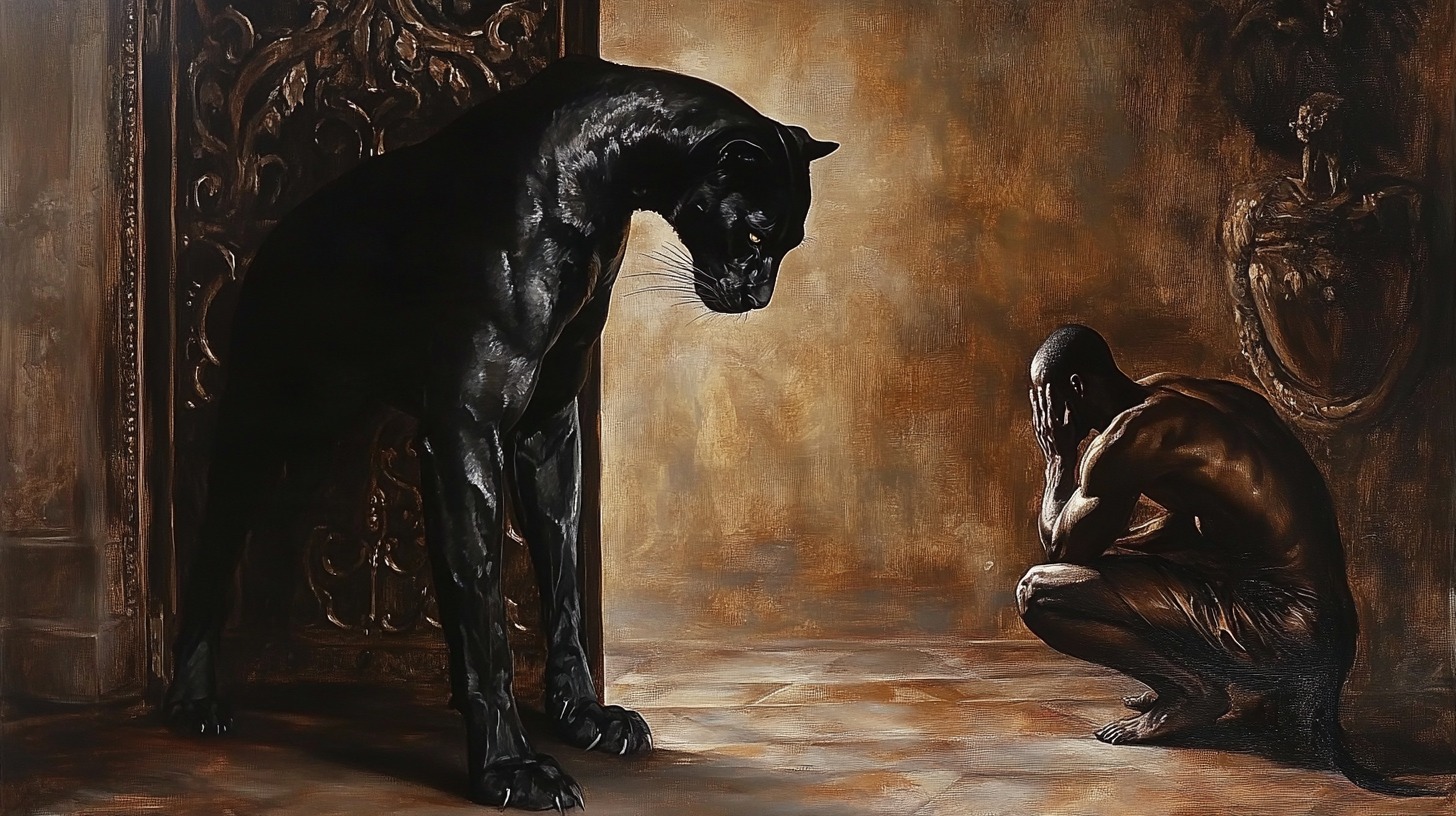
The caretaker listened.Diablo became Spirit.The pacing stopped. Spirit stepped out, long and calm. The caretaker cried. Recognition changes things.
That wild nobility is why people were surprised that I gravitated to John, a straight-laced Buddhist teacher known for strict precepts.I’m the supposed wild child. He’s the rule-follower.
We worked together for more than a decade.
“I just don’t get it… John?” friends would say when I packed for retreat.It didn’t help that I was visibly moved by him.“
What do you see in him?”It was what he could see in me.He saw the part of me the world labeled dangerous.
He knew the difference between power and threat.In a Bay Area spiritual scene that could be prim about anything to do with sexuality, his steadiness was oxygen.
On retreat, I finally found a way to explain it.
I was furious during a session where a woman said any mention of Chögyam Trungpa— my favorite Tibetan teacher aside from my Lama—needed a trigger warning.
Yes, Trungpa drank, he married a woman half his age.He broke decorum and defied expectations. He was undeniably wild, but that was exactly his brilliance.
I told John I was in the wrong place and should go home. “No,” he said.“Your voice is needed here.Come to the session later. If you still want to leave, you can.”
I walked into a circle of misfits: a woman who couldn’t stop talking, another who drew while listening, another who had to stand.This, at a center where the “good kids” sat with perfect posture.
One by one the misfits saidJohn had saved their lives.He had made room for them.
In my one-on-one with him after lunch, I asked how he understood us—the Bad News Bears.“I’m a big-game animal, too,”he said. “There was no place for me either.
I realized my work was to be the keeper of the wildlife refuge.”“But then you have to be so straight,” I said, stunned by what that would require. “
It’s my honor,” he said,with a small wink of gratitude.
He’s a better man than I am. I try.It takes a very wild refuge for me not to be the wildest person in the room.MDC does the trick.
I joke with Nevaeh that hereI pass as a “housewife.”
The part that’s hard to explain is this:The wildest you can be is the wild that’s yoked to something greater than yourself.
Otherwise it’s just recklessness— more collisions, less freedom. People love the feeling of the edge.My friend Kate once went to a concert with a world-class violinist.As a soloist herself, she’s hard to impress. “
I thought she’d snap a string every second,” Kate said.“She hugged the curve of every note and never fell.”
That’s the real wild: knowing the rules so well you can play with them—and playing for the right reason.The only rule worth keeping is compassion.Play for the benefit of all.
If that’s in your pocket, you can find your way anywhere.
I know it can sound preachy—be compassionate. That’s not it. It’s practical.When your intention is clean, your action is clean.No guilt, no remorse, no schemes.
You don’t need to hustle when you’ve touched the place in you that already has enough. Why would you want to “get over” on anyone?That’s what makes you hard to rattle.
The world feels like it’s at your back.Obstacles don’t disappear; they just become material, giving the path shape and meaning.
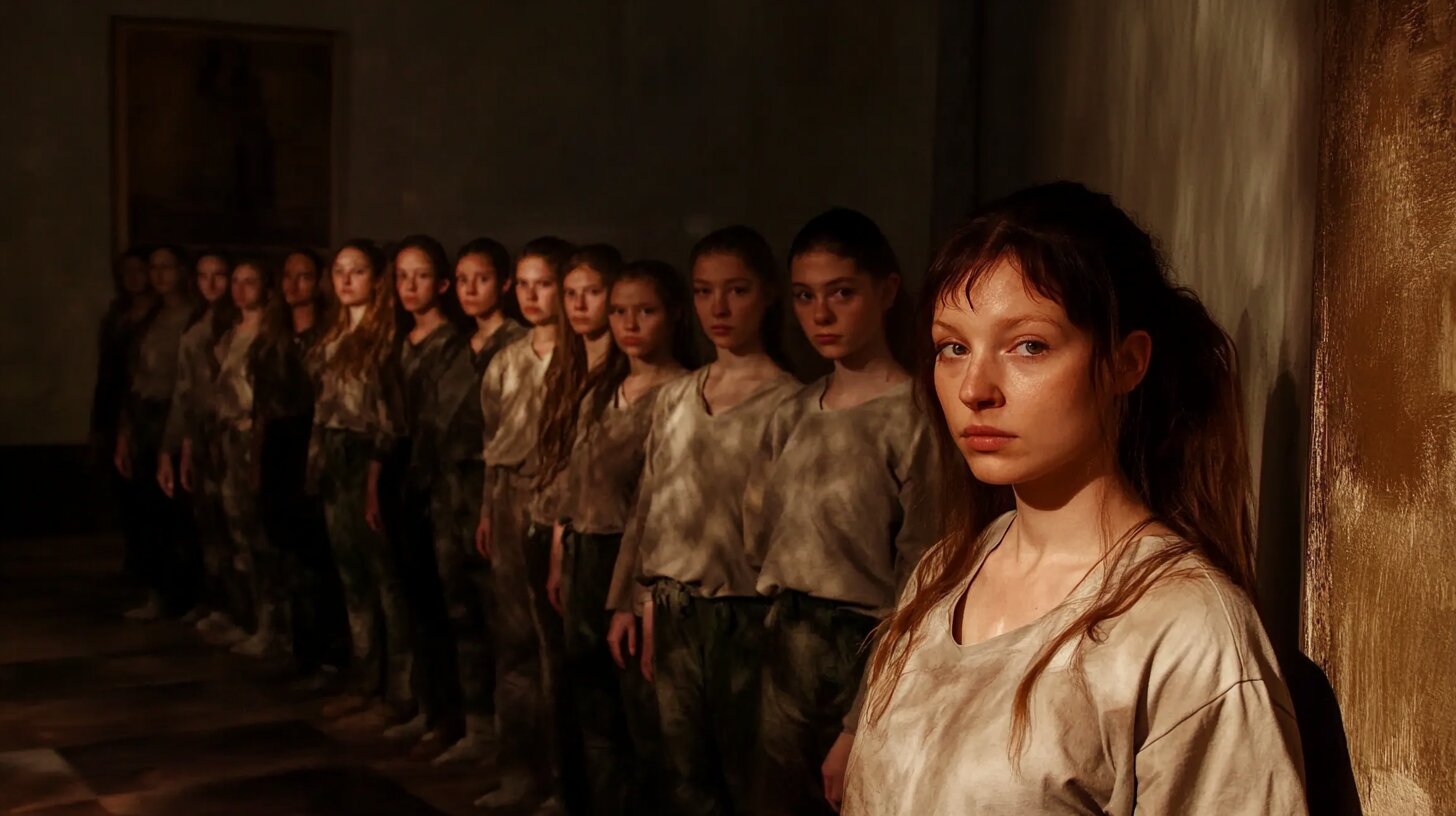
So when the line of women marched into the gym toward Rachel and me, it could have ended everything.My private nightmare had arrived:The people I love and respect saw me as the enemy.
A breach of trust.
Even as cold fear climbed my spine, I couldn’t cut myself off from them.This was the wild—what happens when a group feels threatened and moves as one.
And it wasan obstacle tailored to my most tender nerve.A dorm full of women seeing you as a threat will rattle anyone, especially here. Most of these women aren’t in for nonviolent crimes.
For some women, the pressure turns inward; for others, it leaks out sideways. For days after,it felt like walking around after surgery with the stitches missing—every step a flinch, nerves on the outside.
Eyes followed me across the room.Dakina went from restless to untethered.Her rhythmic hoots and howls grew more intense and paid no mind to the women who yelled at her to shut up.
When she wasn’t running in place on her top bunk trying to take off like an airplane,she scratched at her arms and legs until they bled.
It was likewatching the dorm’s nervous system discharge through one body.
The officers finally did the only thing they knew to do with a woman who won’t come down:They came and hauled her off to SHU.
One less wild card in the room;one more woman alone with her mind.
Who you are in the intensity of the unknown, flying far from the ground, that’s who you are.That’s the point of the whole story leading up to now.