I got the news that a dear friend couldn’t visit. She had applied and we hadn’t heard anything for weeks, then got word thatthe BOP had determined my list of visitors was full.
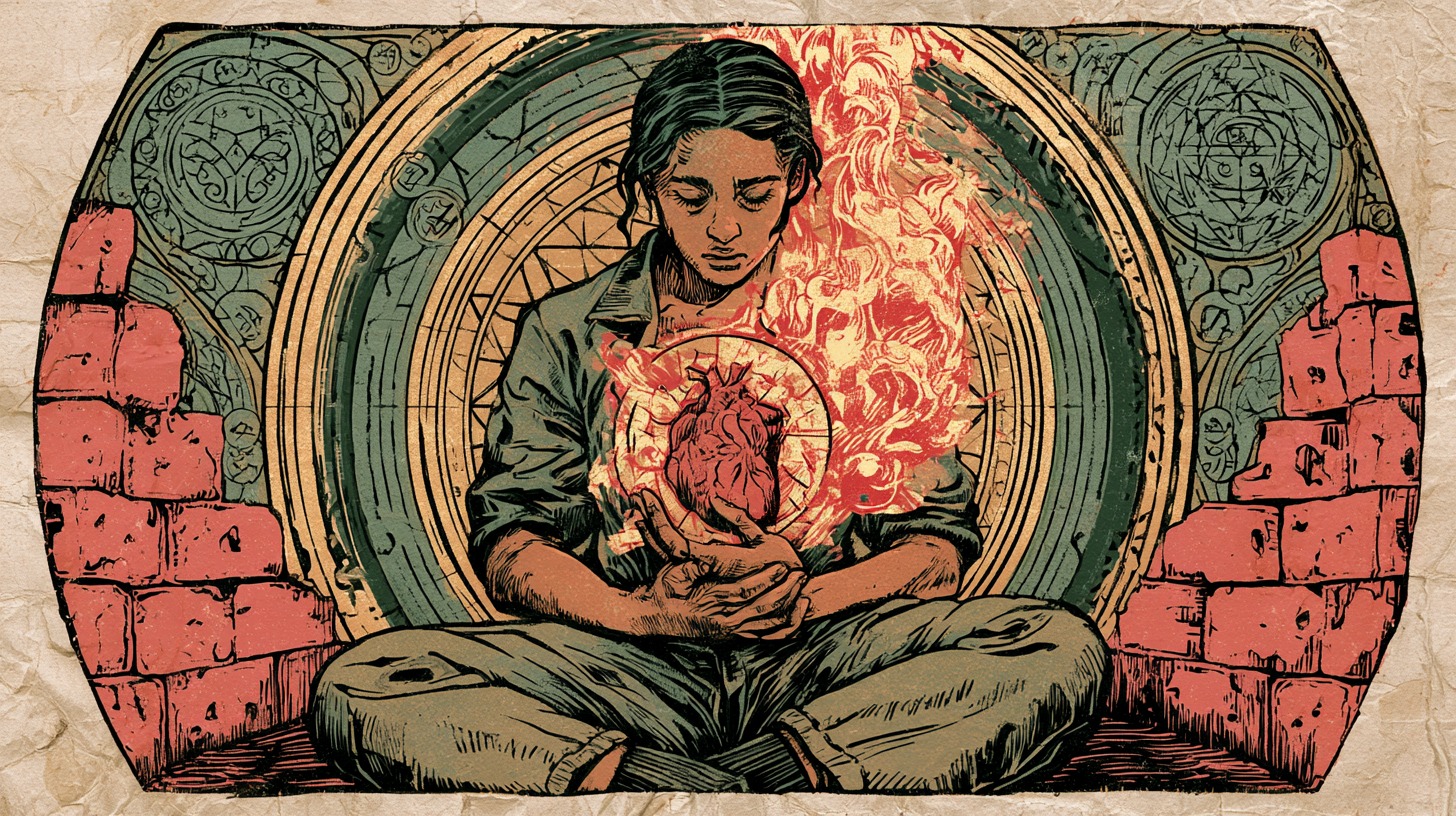
I let myself feel the sadness without numbing it.A sharp burn in the heart.
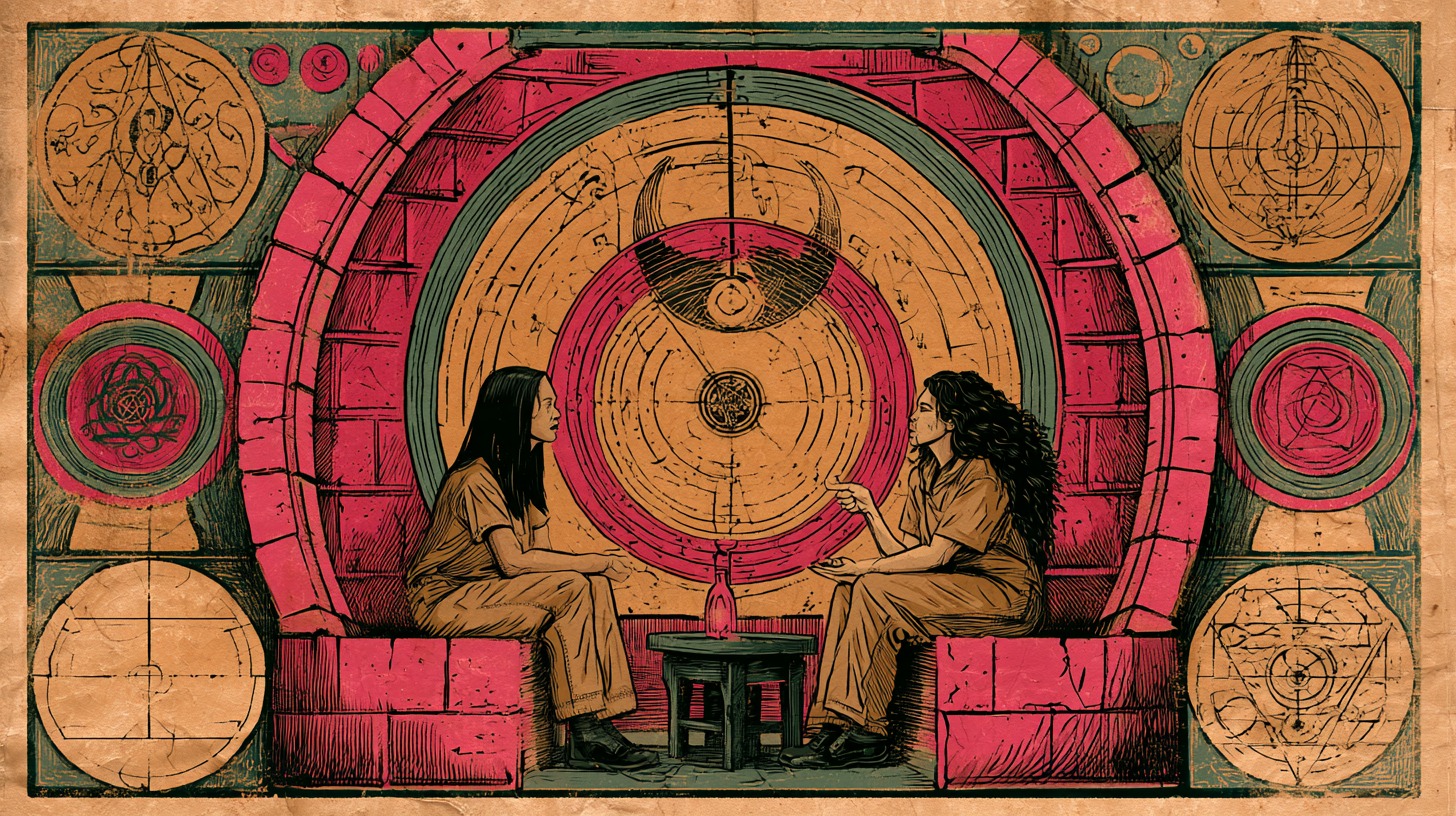
I’d pictured it several times—my friend walking into the visiting room, getting a sense of this strange place, letting her in on my joke that I call itthe Metropolitan Dakini Convent of Brooklyn.
I imagined the two of useating snacks and drinking Snapple from the vending machines,talking about what it’s like to be in here, what it’s like to not have me out there.
But there are some experiencesyou simply can’t ever fully explain— pilgrimages, LSD, prison.
Everyone thinks they can imagine, and no one can. They’re what I call “primary number” experiences: indivisible, irreducible,everything else in life an iteration of them.
This place is like that. Like those cartoons of what people think meditation looks like—someone floating on a cloud, smiling beatifically— versus what it actually is:being roasted alive in the fire of your own mind.
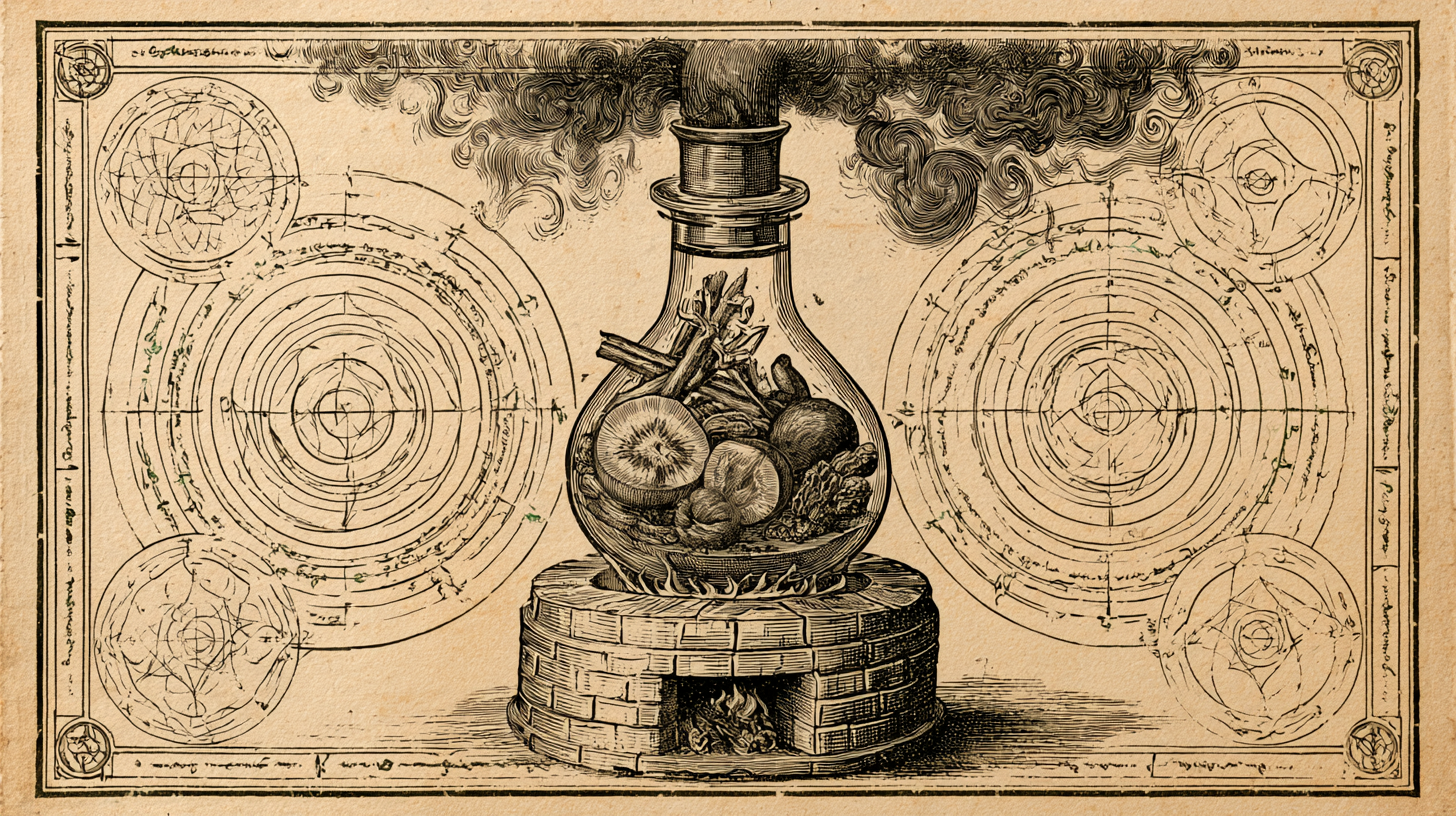
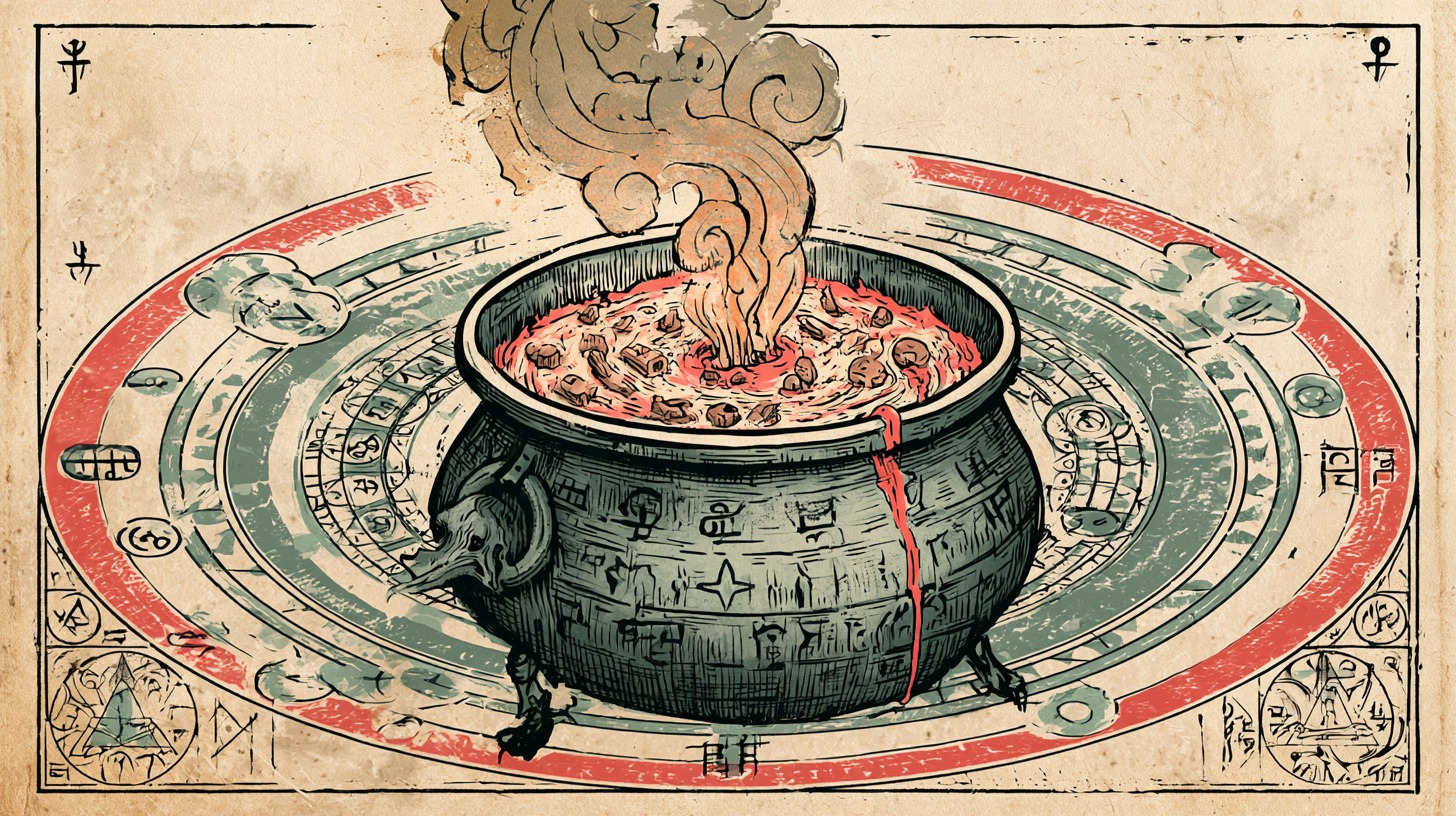
That’s prison.A slow, relentless cooking.I made simmered fruit, a recipe from Louise, because we’d just gotten our once-a-month kiwi and our every-six-weeks plum. I wanted to make something special.
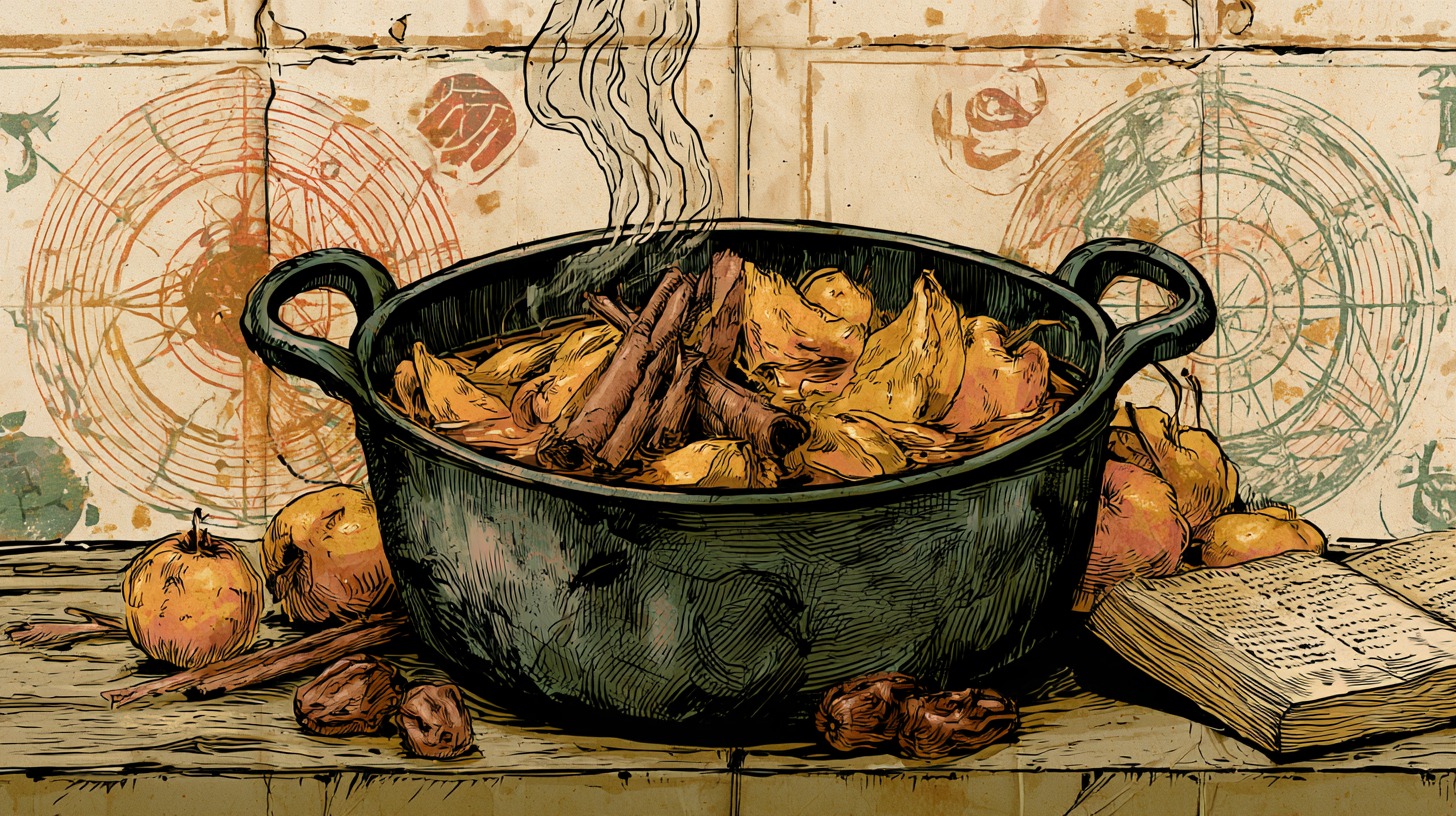
I cooked them down with cinnamon (a precious commodity here), sugar-free honey that tastes nothing like honey, anda few dates as shriveled as raisins.
The real recipe calls for a Dutch oven. We made do. I spooned the compote into a tortilla andshared it with Nevaeh, who shared it with Lyric—the pregnant woman here.
She’d recently arrived and we’d never shared with her before.That kind of sharing is an initiation;it can go either way. Lyric yelled across the dorm, “Hey, this is goooood!”
and that was it. We were friends. We’ve become known for our desserts. Jingyi commented in her quiet way,“You never let us down.”I took it as the highest compliment.
This place teaches you the art of simmering—everything boiling down to essence. Inside each of us,everything extra gets cooked off.
Some women get their lessons in the dorm; others need more heat and end updoing solitary in SHUwhere you’re only allowed out for an hour a day, if you’re lucky.
Every day, steam rises. Agitation releasing, frustration venting, pressure building and breaking. Dakina drives people to distraction. Me? She doesn’t bother me. Dakina’s not drowning anything out;she’s letting something loose.
Her body is a brass section.Sometimes she stands in the middle of the gym track, howls, shakes, flings her head until I worry for her neck.
Luci asked her once, in a lucid moment, why.Flight is the only thing that makes the yelling in her head stop.She’s gotta fly.
Now she just runs in place as if she istrying to get liftoff.Luci thought the howl was the engine but we don’t know.
But if that isn’tthe sound of women grounded against their nature,I don’t know what is.
Yesterday there was a fight. Rach and I were midway through our nine-mile walk (that’s 288 laps) when we heard it. We paused, butthe guards—two women, both firm and kind—handled it.
We kept walking. It’s safer to stay out of the storm of “sides” that always follows a blowup. Sometimes I want to shout,We are the least of our problems.
The real fight is with our own internal doubts,and those doubts are like invisible forces that keep us divided. Ignorance loves a distraction. You’re going to war over some guy you’ve never even seen?
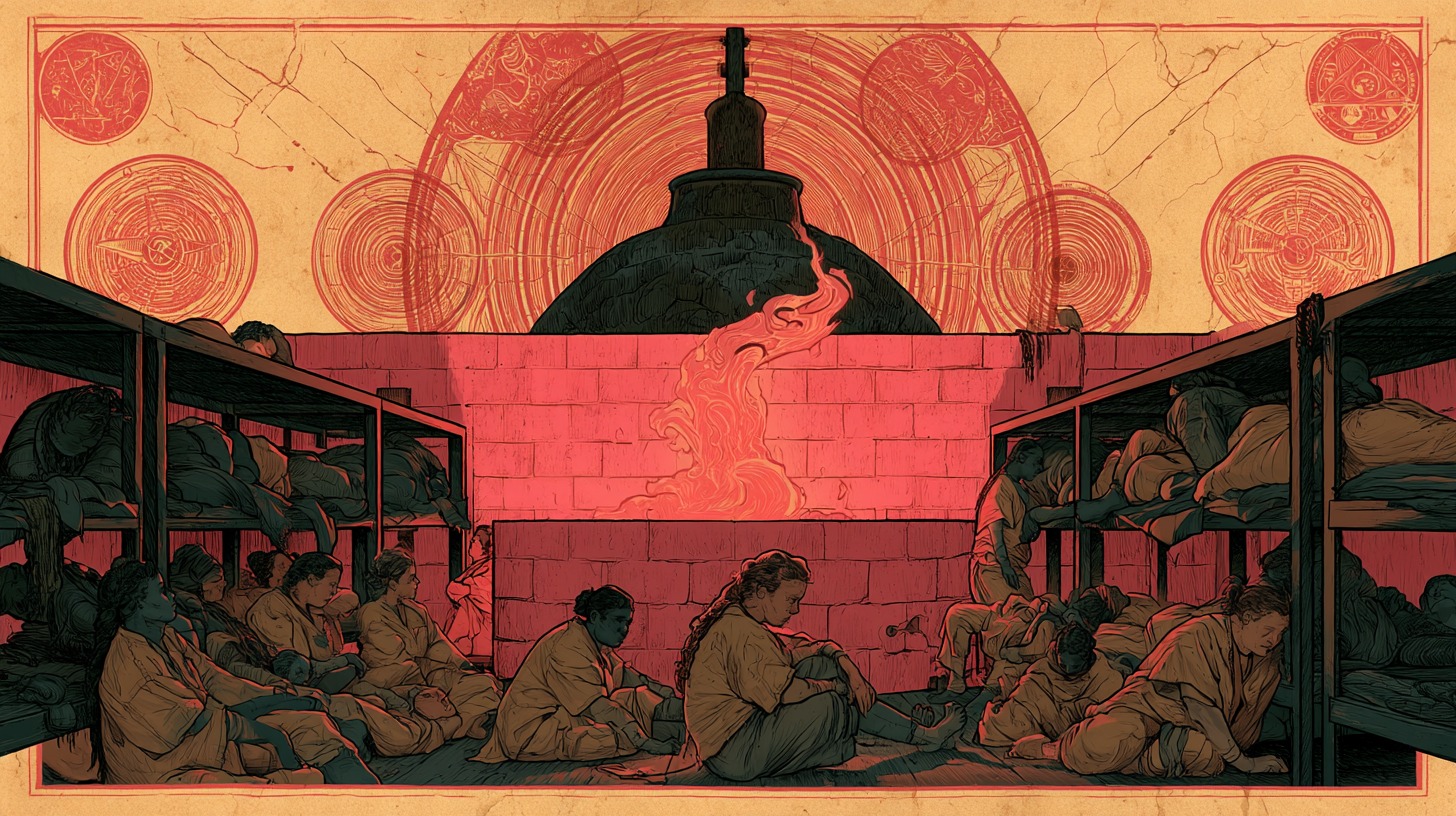
I go back to walking. I walk until my body aches, thencrawl into bed with sore hips and a clearer mind.That night we celebrated Carla’s birthday—a loud one, even by MDC standards.
She’s an OG, which means her people made sure she felt it.Their laughter boomed through the bunks.By the time I lay down, I knew I wouldn’t wake at my usual 4:00 a.
m. But that’s okay. Sundays are slower. We have to stay in the bunk area,on recall until 7:00, an hour longerthan the weekday schedule.
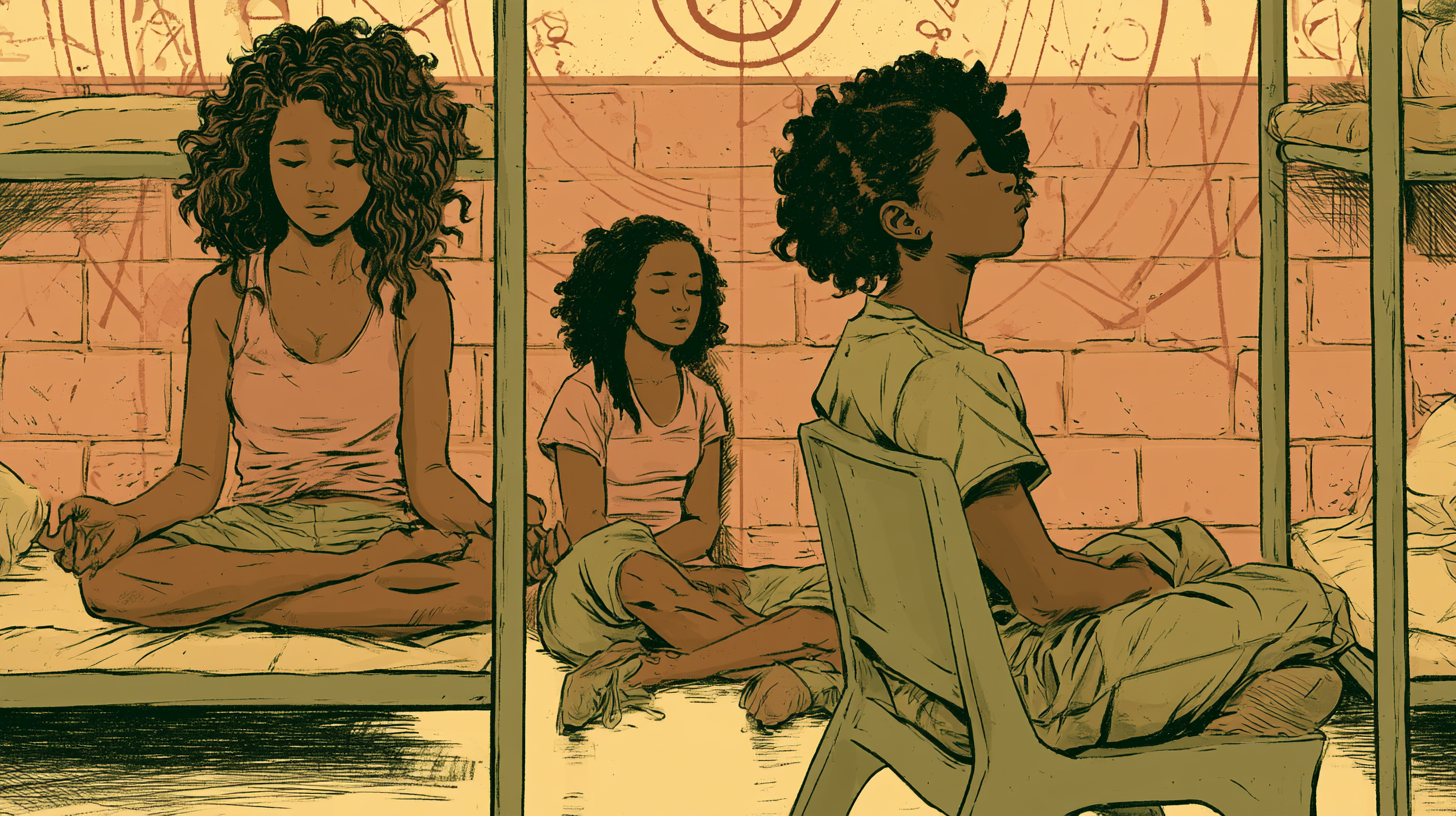
I can still find silence before the phones start ringing and everyone starts yelling their grievances to the outside world on speakerphone.Cooking down. That’s what we’re all doing here.
The politeness, the posturing, the illusions of control—they all burn away.What’s left is essence.
This place is life stripped of window dressing,the chance to face what everyone else avoids with bubble baths, naps, or locked doors.
Here, you can’t withdraw. You can’t repress what’s boiling. If you try, it explodes. Soyou learn real-time emotional skills or end up in SHU.
Even the women who just stew in silenceeventually reach the breaking point.Yilan once came to me, furious, saying she didn’t know why she was so angry all the time.
I told her anger means she’s close to the bone, andinside the bone is marrow.She rolled her eyes but came to meditation class the next day.
She left after fifteen minutes, but it was something. The beauty of this place is that the illusion of control is gone. And yet, without that illusion,you meet life directly.
You realize that the things you once called “rights” werehuman agreements, not guarantees.
Death teaches the same lesson: When it comes,you surrender everything man-made anyway.
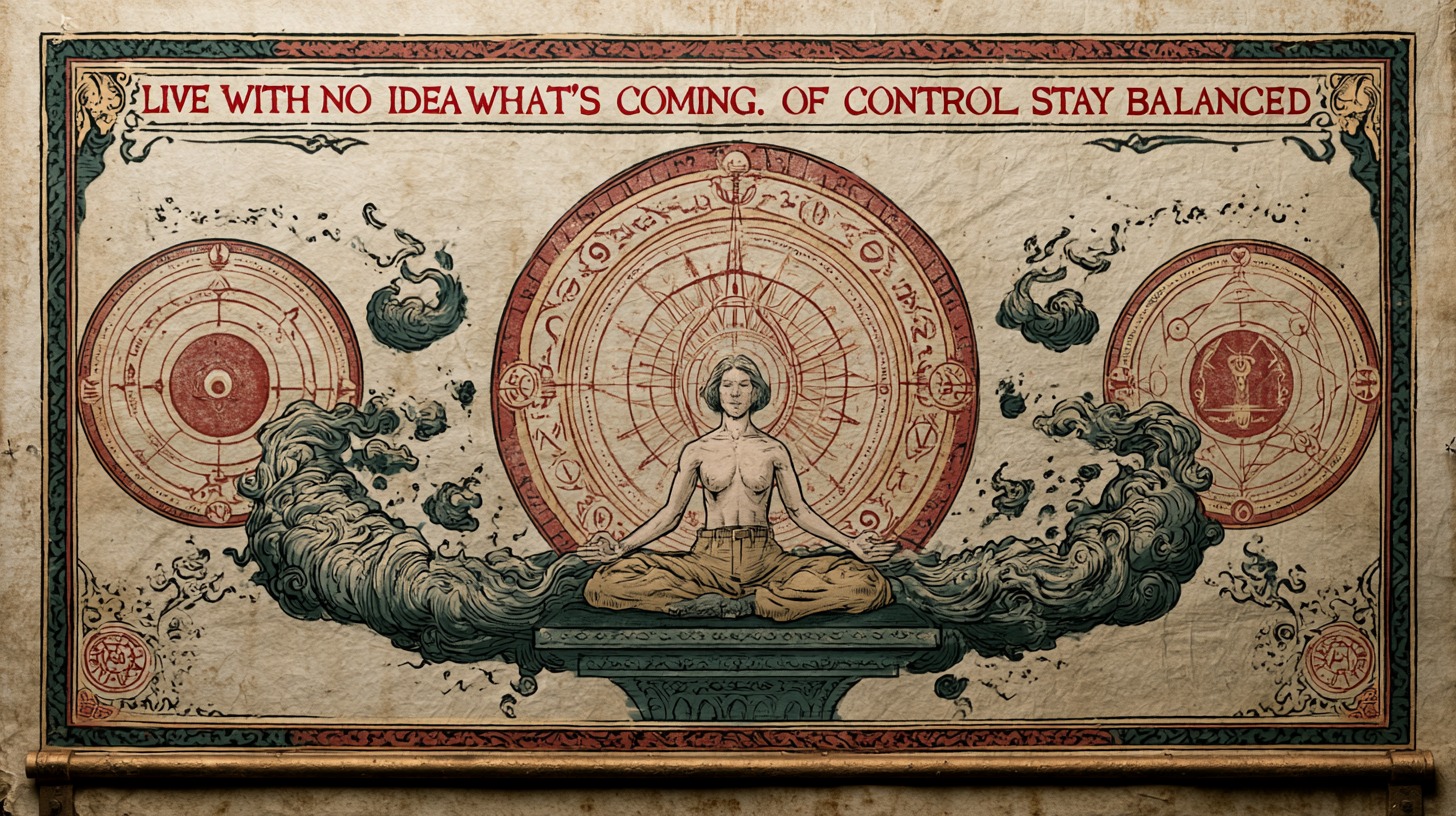
Here’s the assignment:Live with no idea what’s coming next,in a volatile environment, stripped of all control, and try to stay balanced. Bonus points if you can maintain your basic sense of calm.
Championship level if you can keep your joy. Eventually, you discover what most people only suspect: There are only two things that really matter—your ability to connect with something larger than yourself,and your ability to connect with people.
The second one is underrated in most spiritual traditions, but in here it’s everything. You can’t survive without it.If one person acts up, everyone is punished.
The illusion of “them” dissolves fast when you’reall in the same boiling pot.
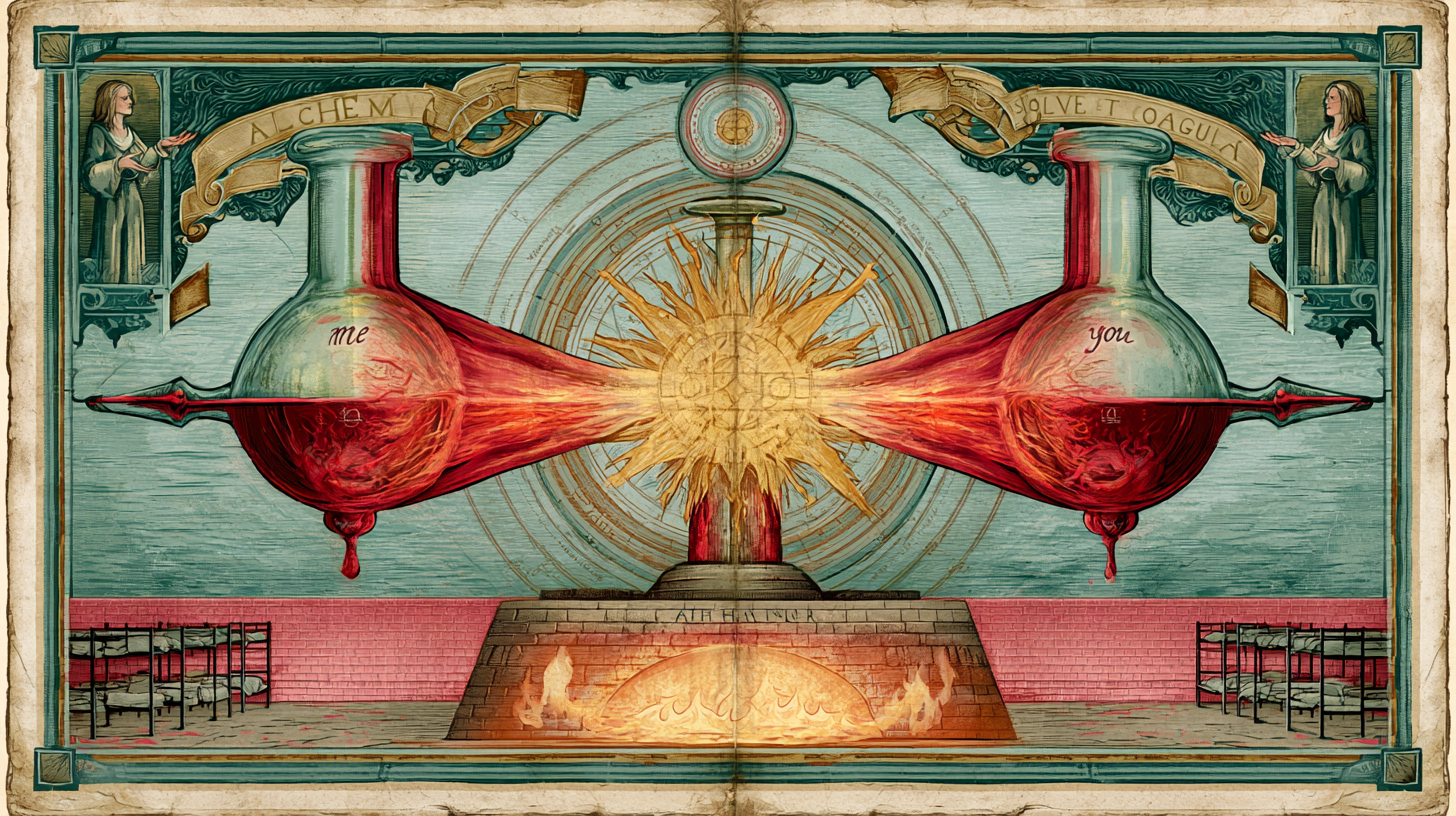
The pressure gets so hot that the surface layer—the skin that separates “me” from “you”—melts. The blessing is that the fire we spend our lives trying to avoid isthe same fire that purifies.
We call it suffering. But really, it’s alchemy. There’s a famous spiritual teacher Ram Dass who once said,“It’s not that you want too much.It’s that you don’t want enough.”
I think about that a lot here. Before prison, I was alwaysmanaging the heat—trying not to blow.But that same management kept me from dissolving.
It kept me separate. Maybe the real problem wasn’t that life was too intense. Maybe it wasn’t hot enough to burn through the illusion of otherness.I take nothing for granted now.
I came in with years of practice under my belt—muscle memory for staying steady—butwhat keeps me sane isn’t meditation or philosophy. It’s connection.
Not friendship exactly, but that deeper kind of care that arises when you know you’re here for people. That’s the sanity:being for everyone, so nothing becomes personal.
There aresixty assaults on my preferences every minute—the sound alone is enough to drive anyone mad. No one walks across the room to talk; they just shout.
Thirty-five women shouting at once. But in the chaos,I find a strange kind of peace.Before coming here, I learned the precious truth of “we’re in it together.”
Out there, it was abstract. In here, it’s literal. I used to joke, “Just us chickens in here.” Now I ama chicken in a cage with other chickens.
Turns out, my hypothesis was right. Whether in the vast plains of Mongolia or an over-lit dorm in Brooklyn, it’s the same thing:life in a pressure cooker.
Different scenery, same lesson. The only thing to do is what there’s always been to do—be with what’s here. Love the people you’re with.Right in the middle of the fire.