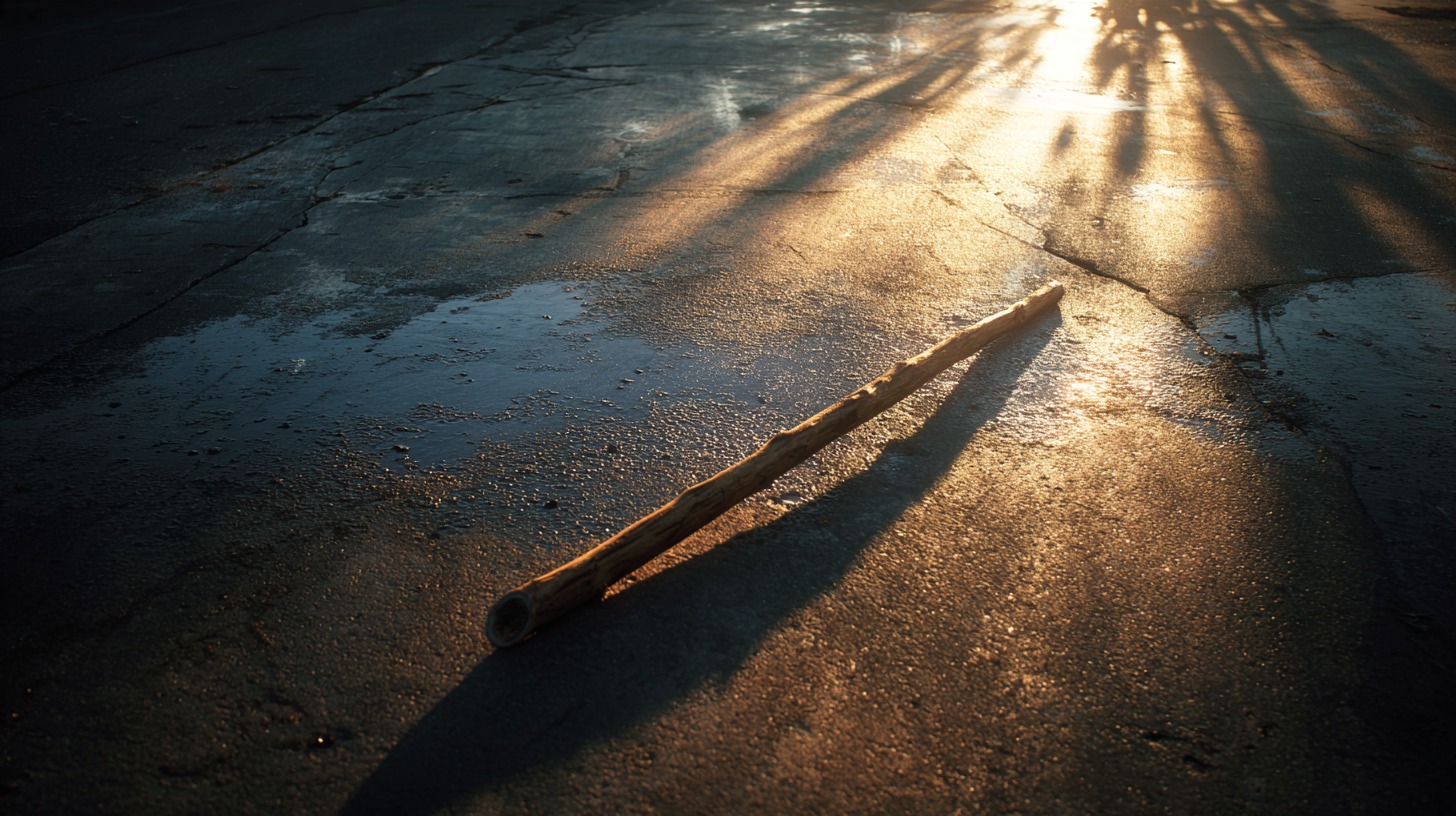
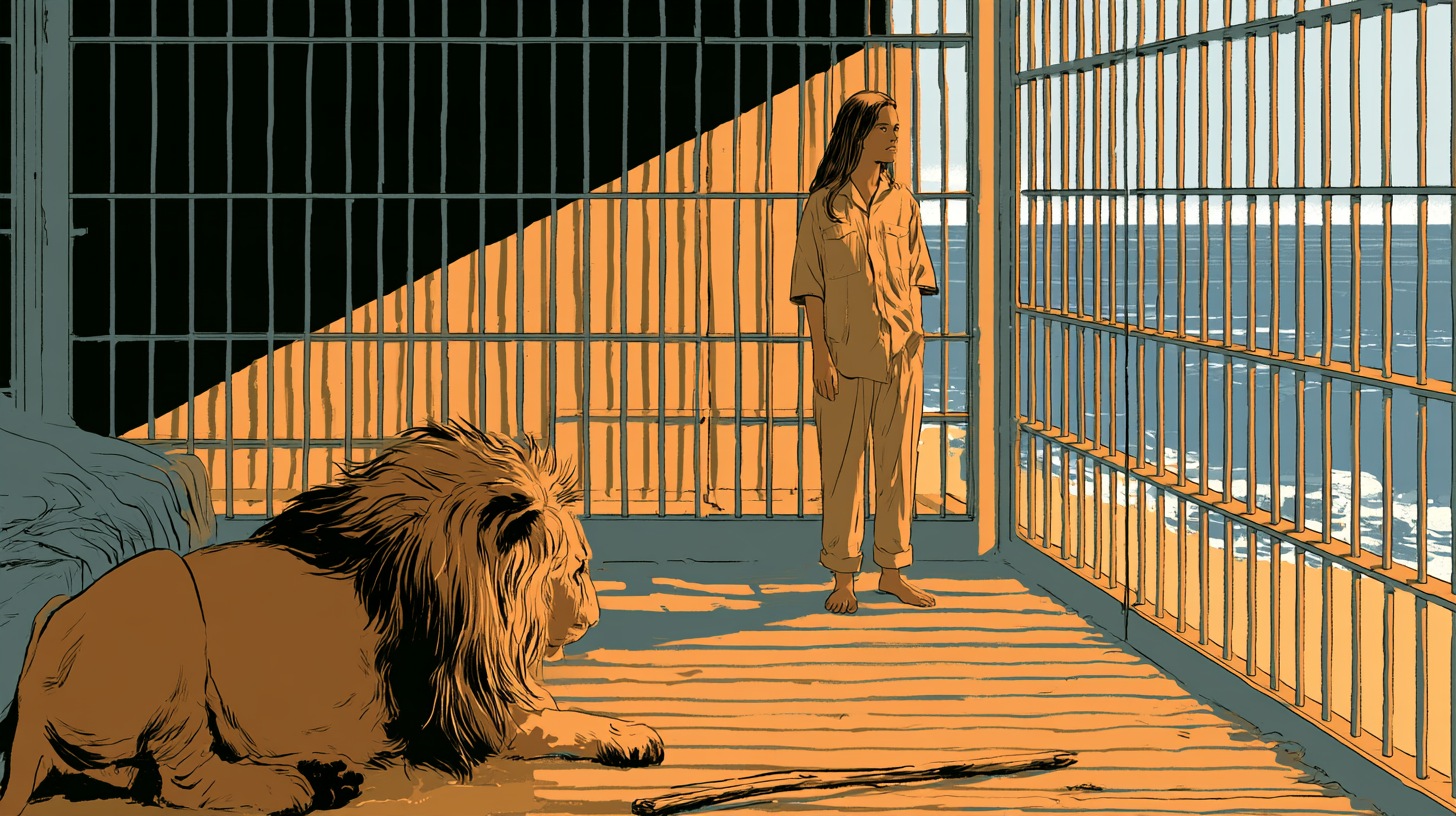
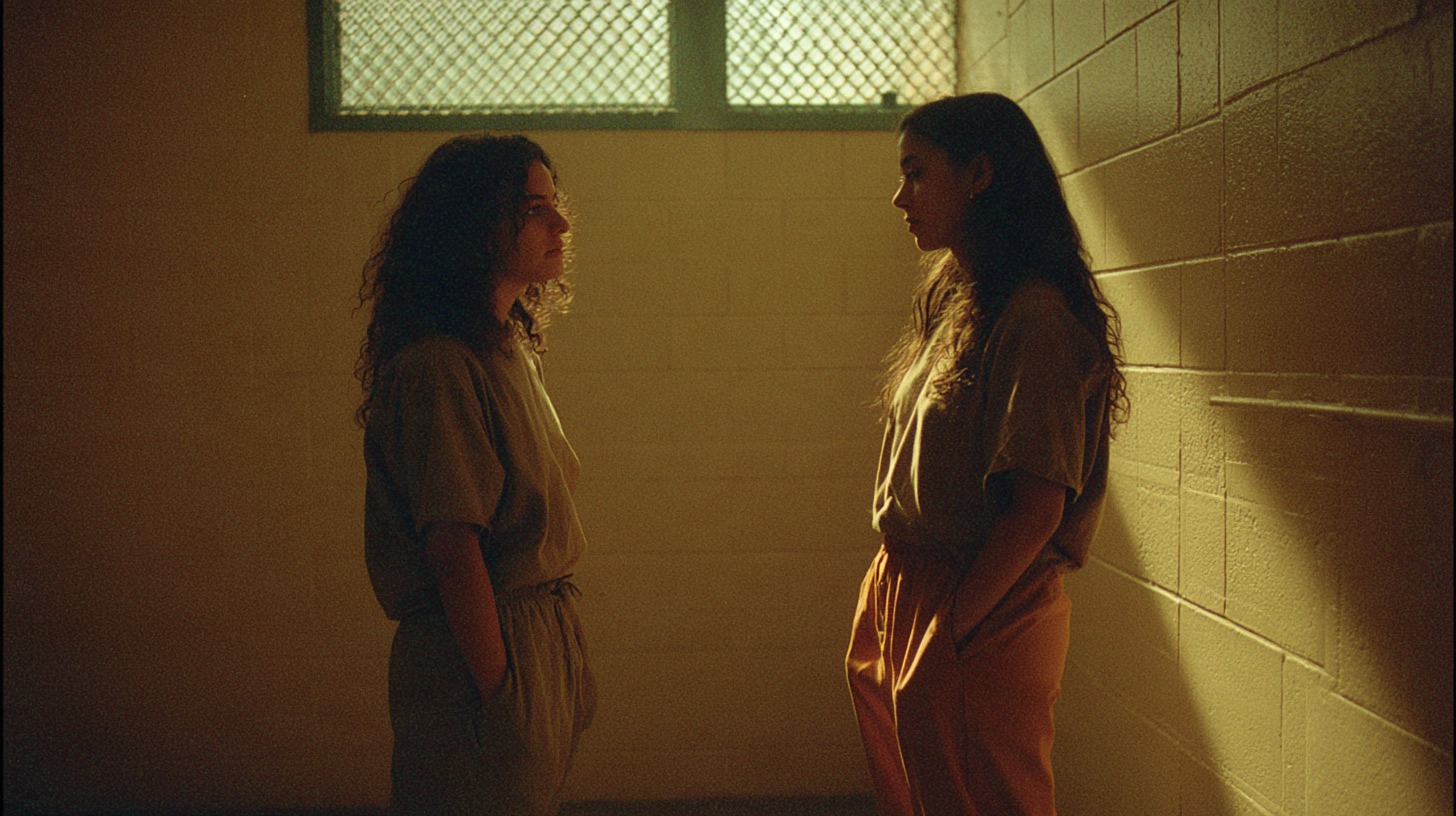
After Miss Wu, I kept thinking about a line I once heard: Throw a stick and a dog chases the stick.Throw a stick and a lion turns toward the one who threw it.
Most people watch the stick arc through the air.
A few track it back to the thrower.Inside that few is an even smaller group who keep going—past the hand, into whatever moves the hand in the first place.
They’reloyal to the source rather than the shiny object.
Ada was like that. Miss Wu is like that.They’re not hypnotized by the “stick”—my charges, my reputation, even my meditation practice.
They look straight at whatever is throwing all of this, andthey recognize their own.
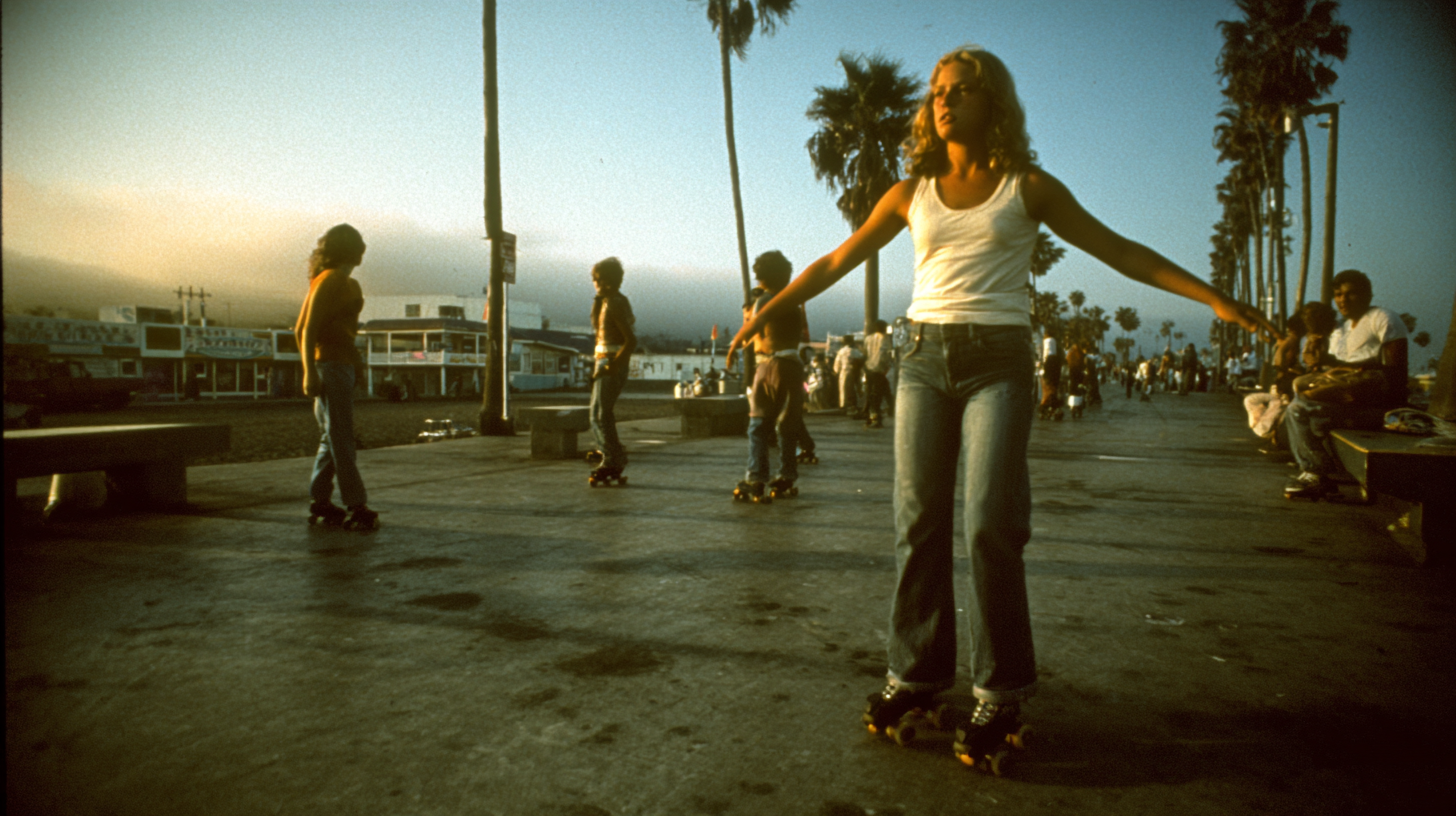
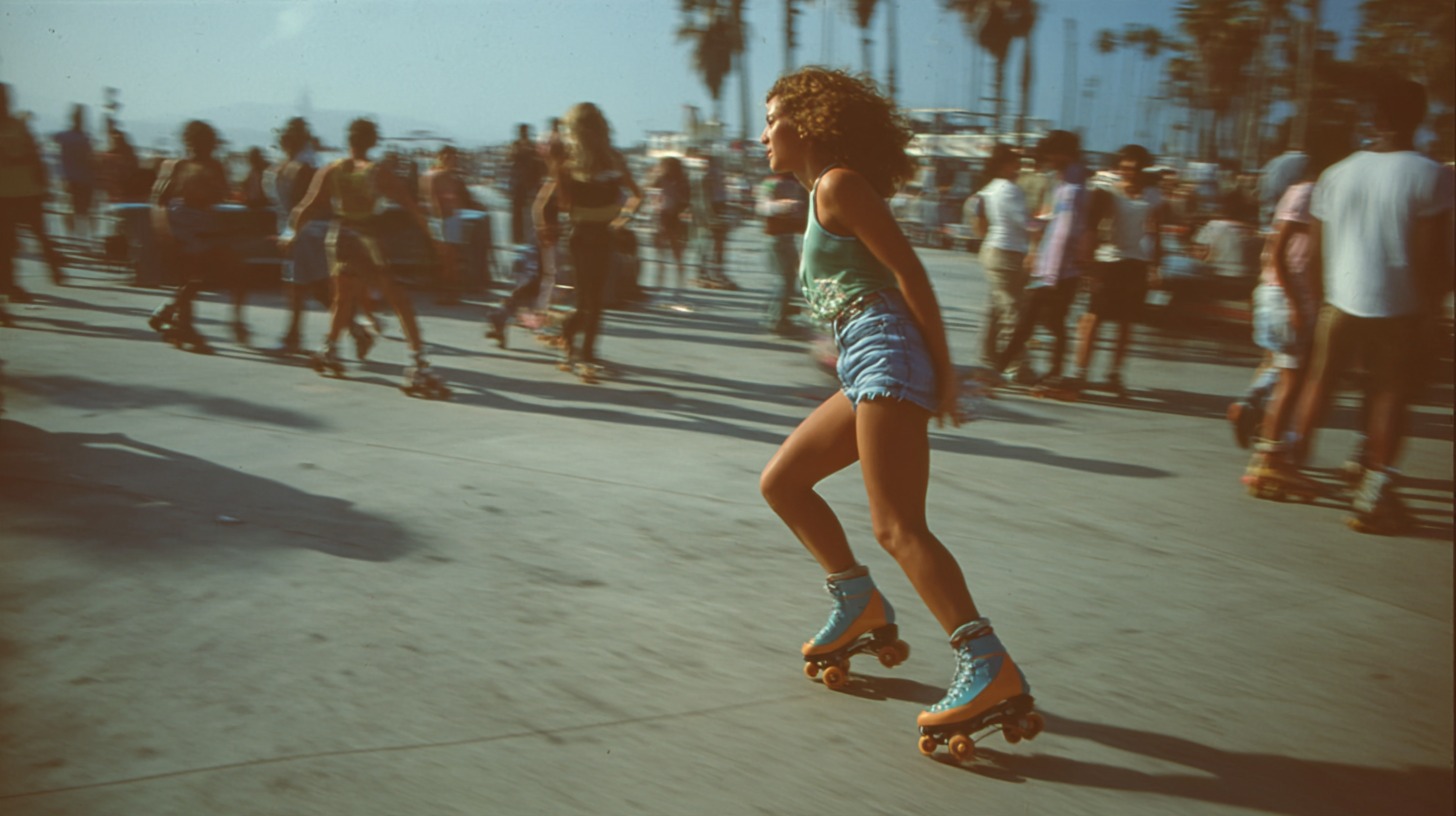
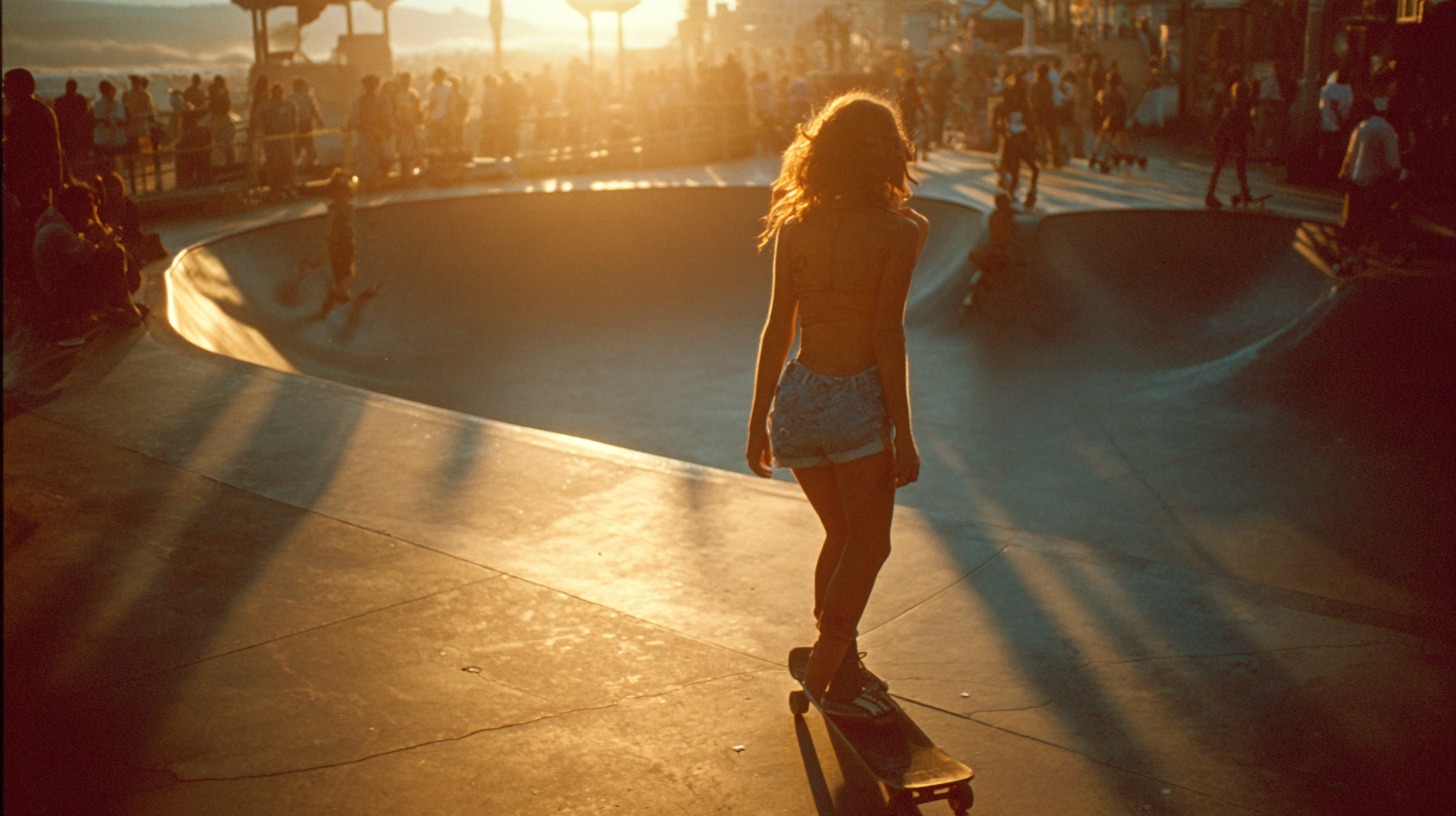
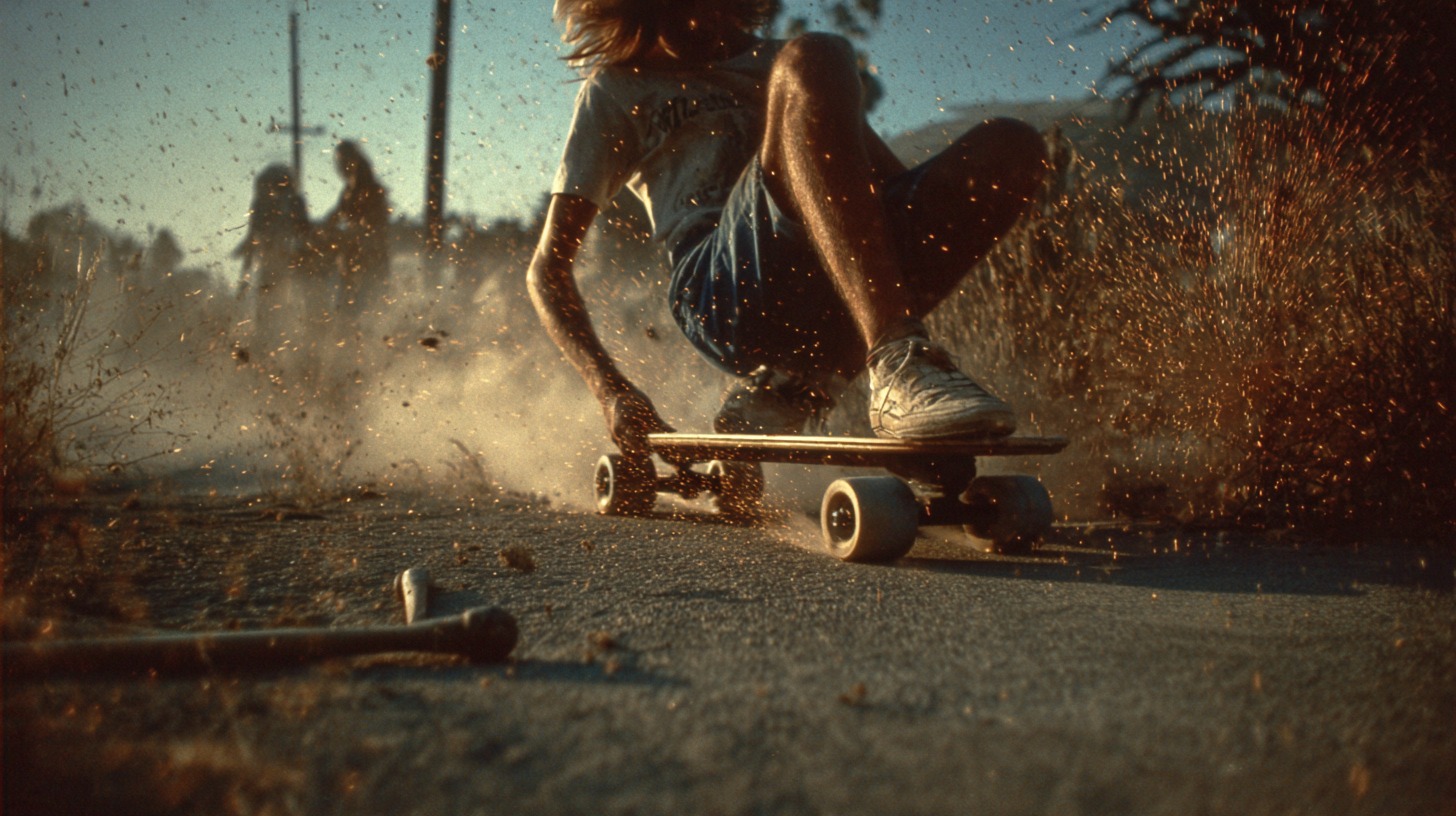
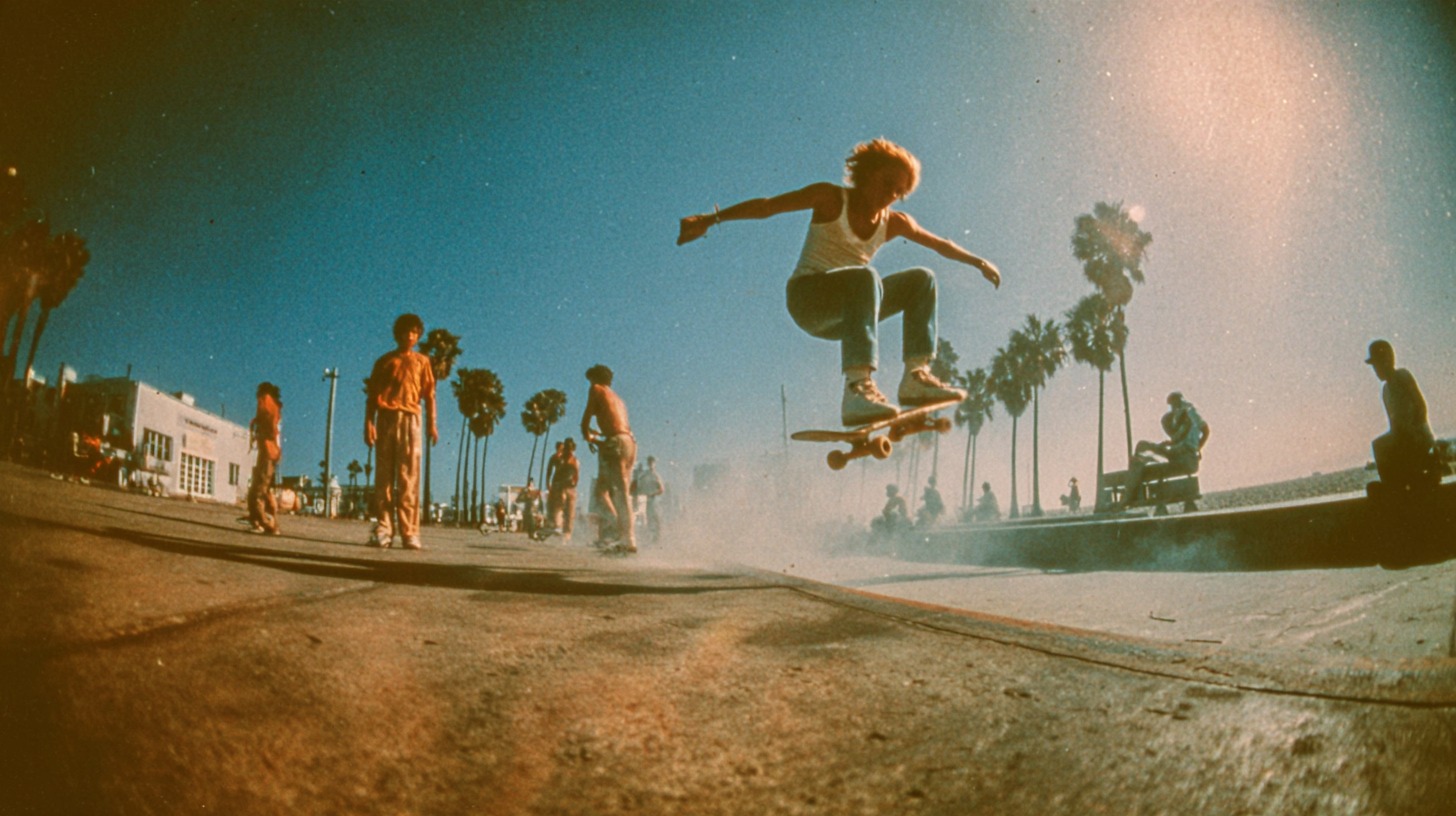
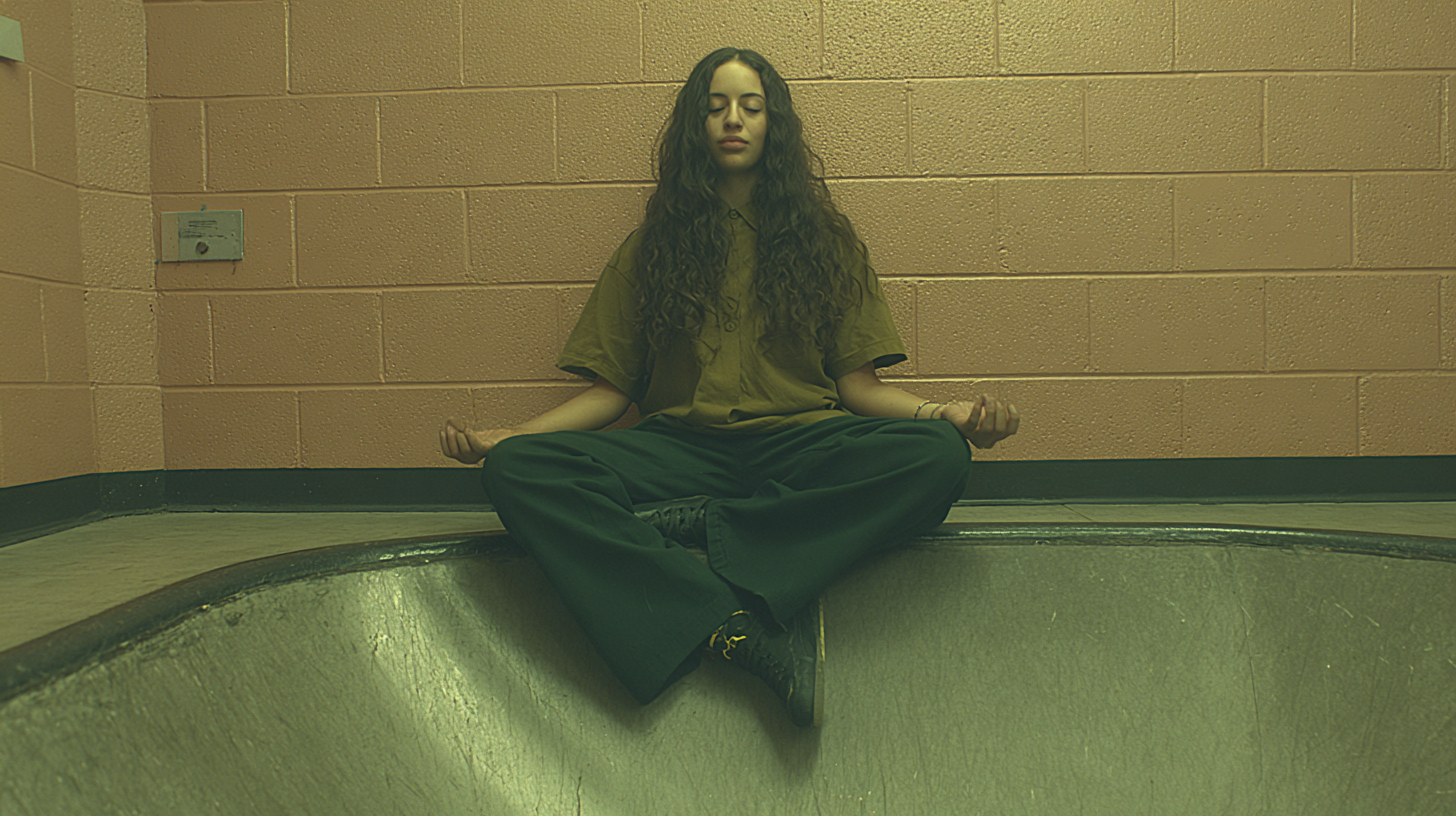
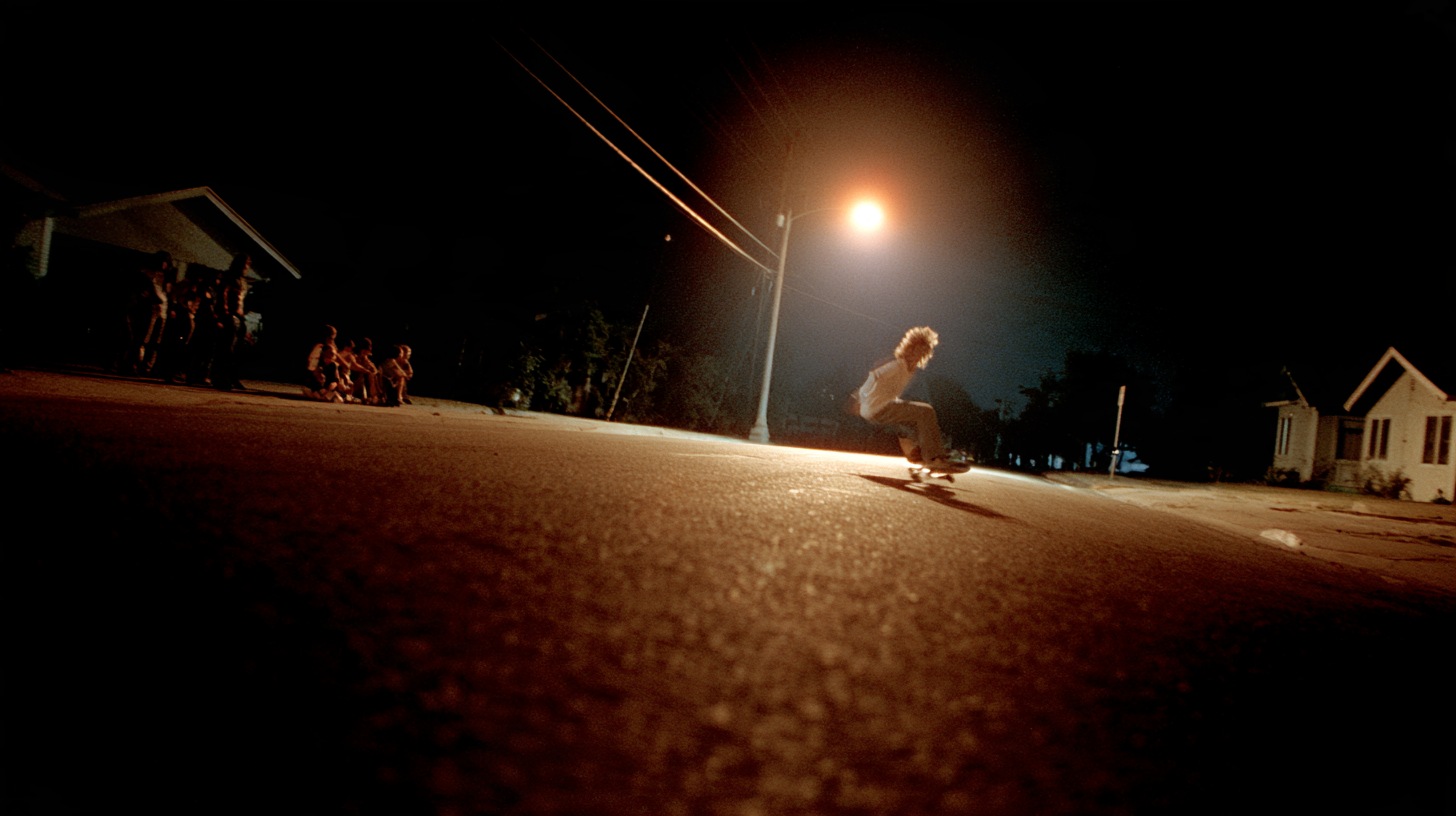
I grew up around people like that. Los Gatos, near Santa Cruz,the cradle of flow:curly-haired surfers, punk skateboarders, roller skaters on the boardwalk.
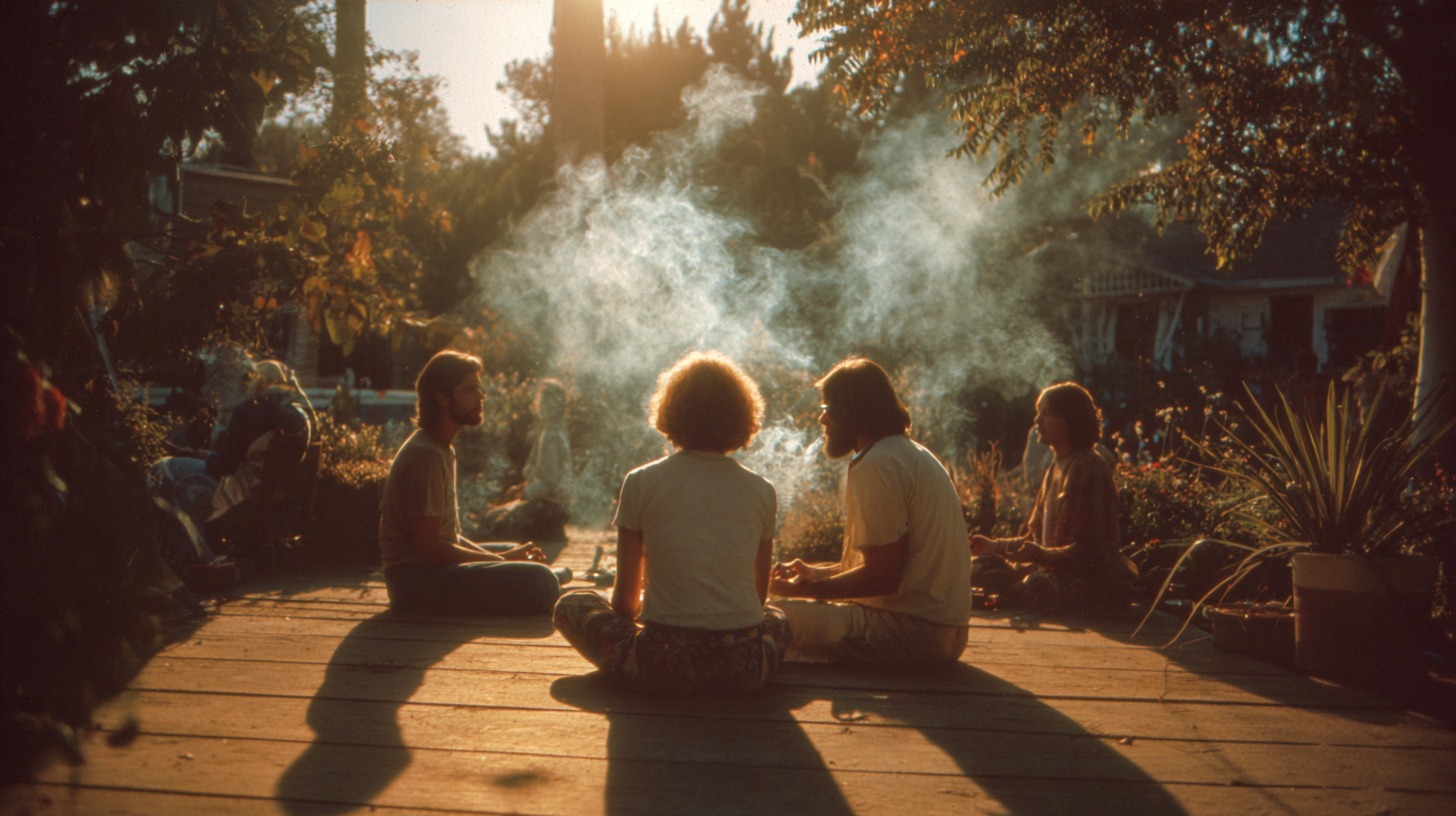
The meditators in town left over from the San Francisco Summer of Lovefound calm in stillness and breath.
The rest of us needed motion. We were extreme monks. The elements were our teachers.Keep the lungs pumping and the blood brightuntil sight gives way to vision.
I drove an aqua Volkswagen Rabbit because it matched the surf stickerI wanted for the back window.
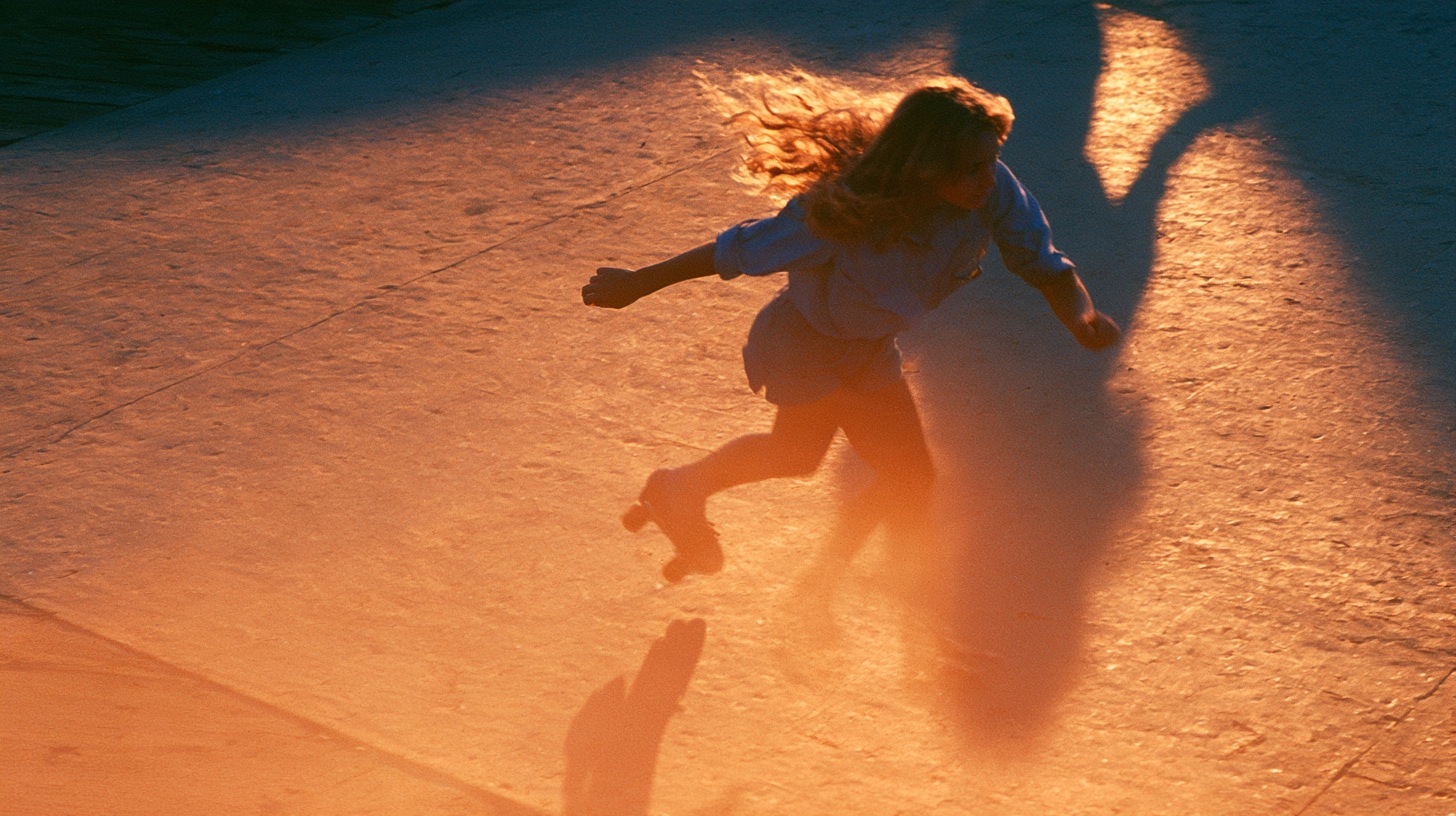
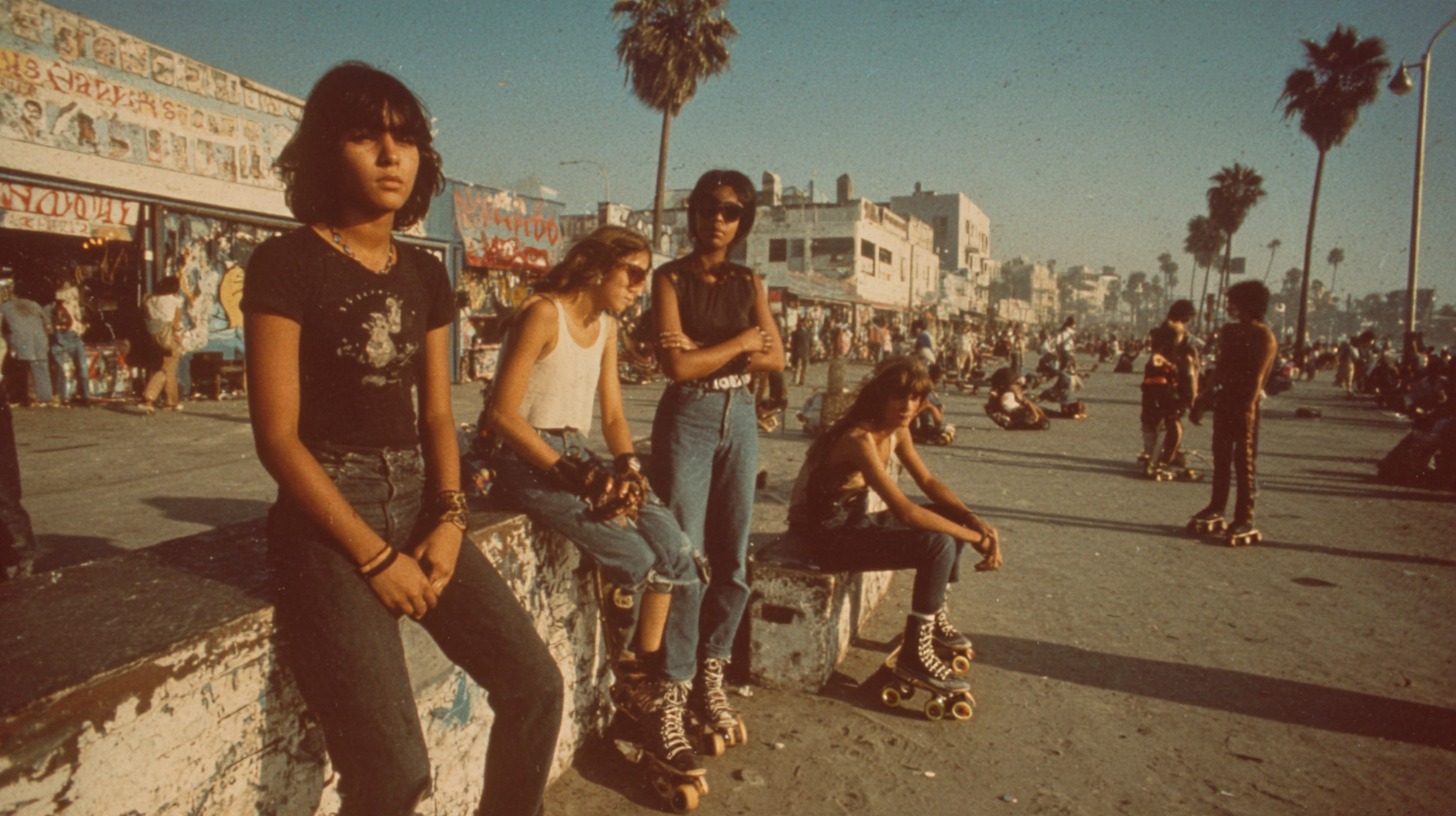
We met at the Pruneyard: tough girls in torn black jeans and Doc Martens, boards under their arms. I was the one on roller skates.I didn’t want the identity; I needed the movement.
A therapist once told me dysregulated people get regulated on wheels, that the brain balances when the body glides.I told her we are all dysregulated.
Some of us are just blessed to find the thing that steadies us, andit feels like a miracle when we do.
Decades later, there are bestsellers about the neuroscience of these misfits, explaining that skaters and surfers had locatedthe holy grail of attention.
Not just the stick or the thrower, but the electricity that makes the throw possible.
Scientists arrived to validate what rink kids already knew in their bones. Our freestyle athletesmoved from the fringe to the Olympicsbecause the thing we touched did not create slackers; it created superior minds.
We could have told you that, if you hadn’t been distracted by our cigarettes and our parties.We drank, we danced, and found a channel no amount of discipline alone could open.
Fidelity to that dimension was easy becausethe dimension was passion itself.I learned early the frustration of tasting the source uncut, only to watch people dilute it with rules and judges.
The source doesn’t need to be cut with baby powder, gentlemen. Humans invented croquet and then congratulated themselves on their tidy boredom. Meanwhile,motion wrote its own art on concrete.
To be moved by motion is to travel in an invisible dimension with others who can feel it.You ride the edge without tipping.
You make beauty out of ordinary matter while the rule-keepers wrinkle their nosesat the smell of burned rubber.
In every tradition, there are quiet practitioners who keep this route secret.
They know how the mind chases the stick—money, property, prestige; the badge of being “good” or “bad”;the backward math that confuses virtue with performance.
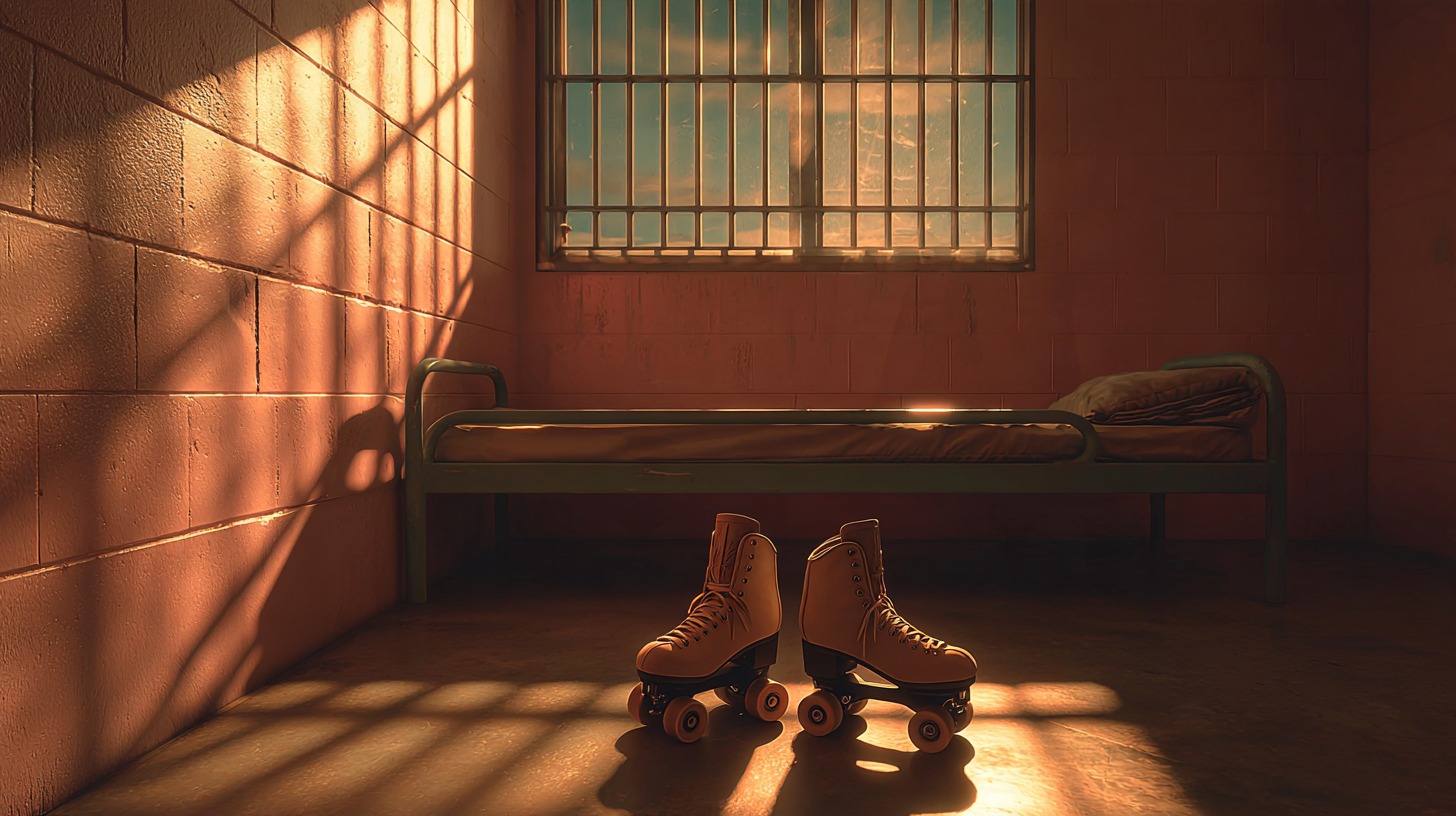
Often the loudest defenders of justice are not just at all. I’m writing from a federal penitentiary to report the obvious.I could have practiced the tentative sin of omission.
Instead I chose the explorer’s path and decided, as Jacques Cousteau put it, “When one has the opportunity to lead an extraordinary life,he has no right to keep it to himself.”
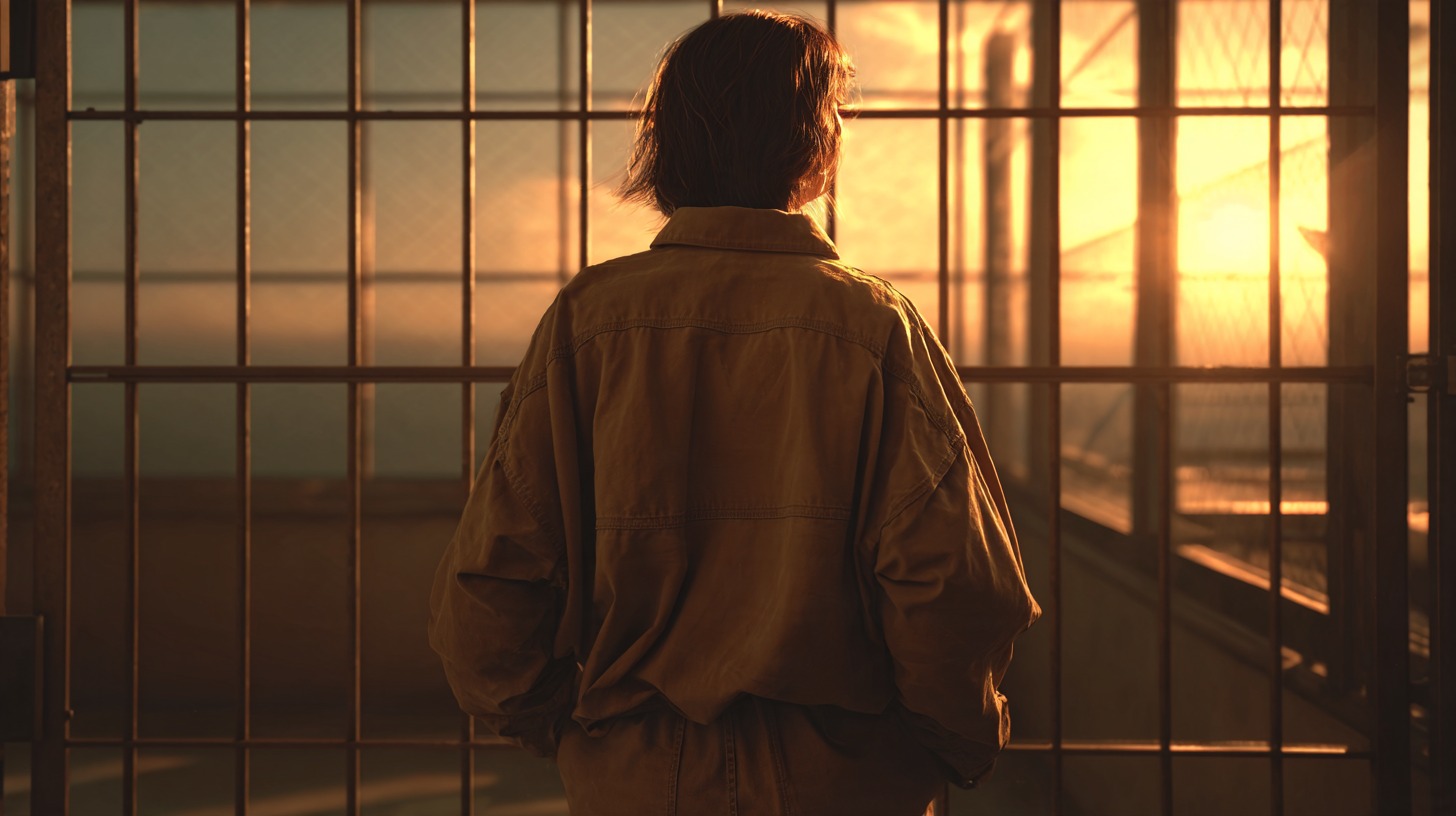
So I wake in the MDC Brooklyn dorm before dawnand feel the same truth I felt on a pair of skates.
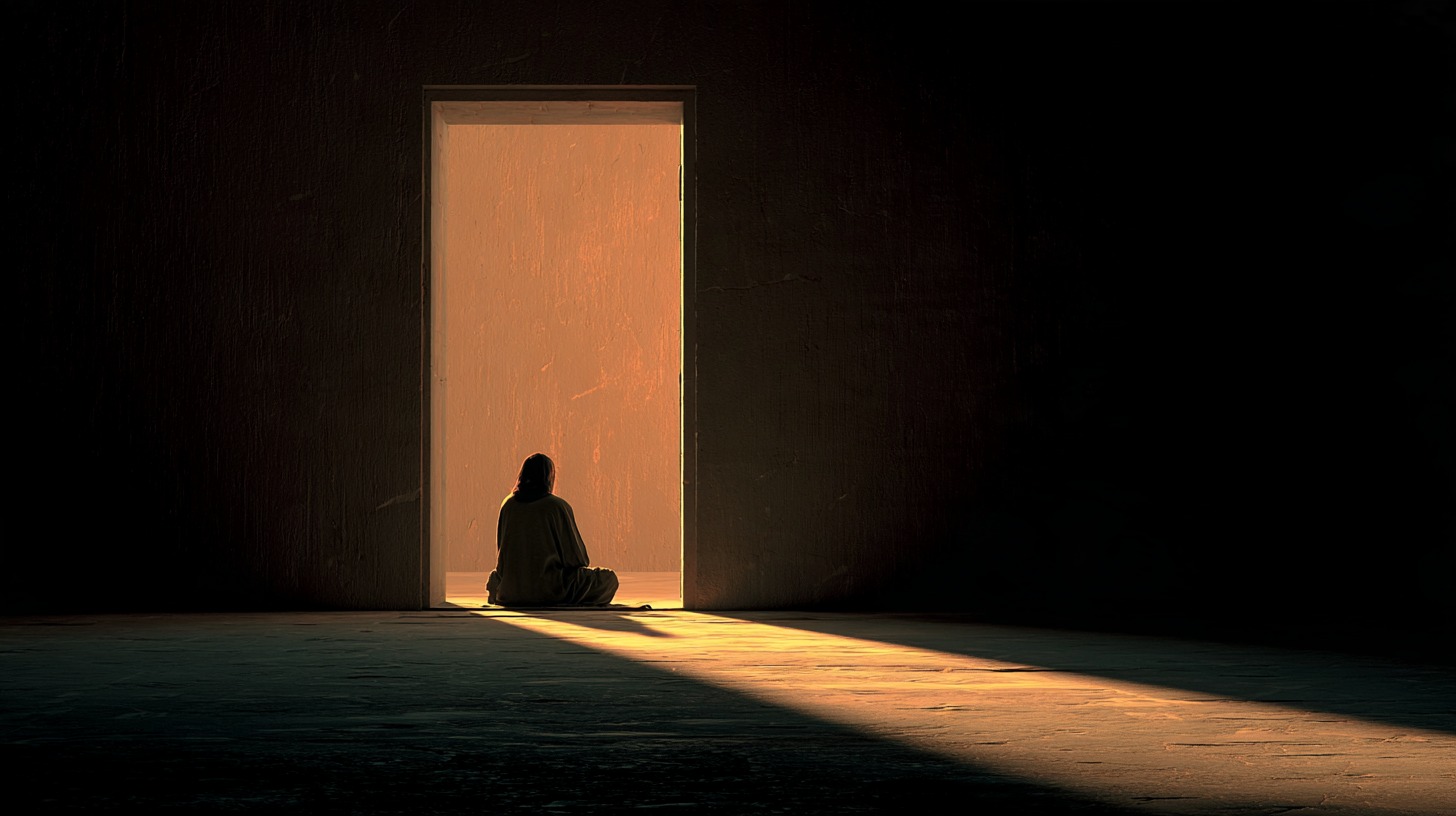
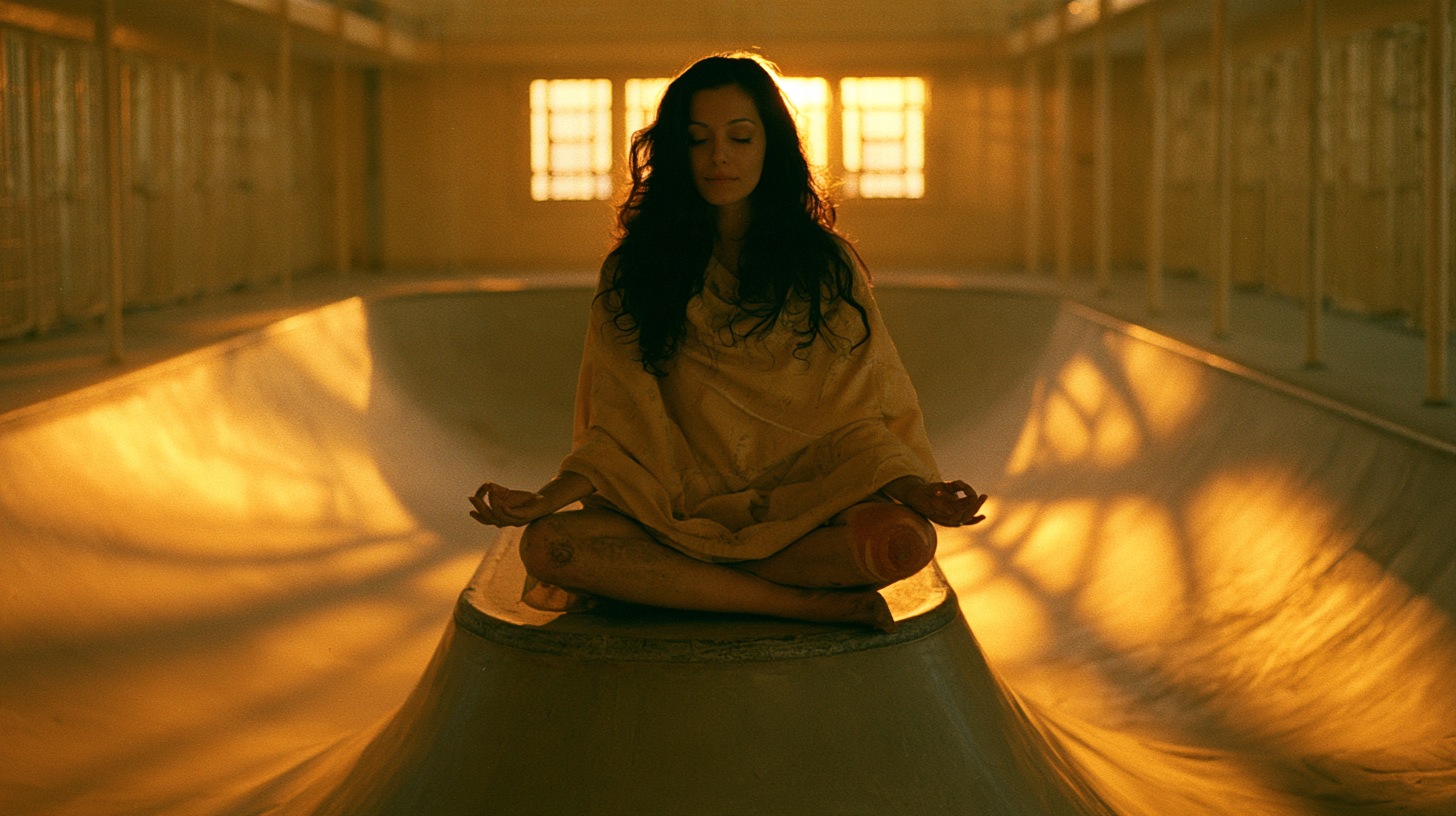
This place is a meditation hall for extreme minds.The obstacles are the practice.I’ve never had so much intensity to work with, which means I’ve never had such clean access.
I’ve always been a rough-and-tumble type at heart.Fluffy halls and perfect cushions felt like padding.
The ordinary world isn’t different from life in here; it just offers prettier distractions.Once you’re done believing distractions will satisfy you, the stripped-down version here is a relief.
Skaters and punks were called reckless.We threatened order.
No one paused to ask whether that order was any good. The greats had to break through the membrane of artificial limits,the wild that threatens to overtake our finely manicured reality.
It’s human arrogance that calls nature a problem to control.
But once you see the distinction between the lines drawn by man and the trajectories of desire, you recognize it everywhere.In sport and mind, in cities and deserts, nature knows.
Civilization usually arranges itself against that truth. This is why the Buddha taught that he was going“against the stream.”He was going against man-made convention in order to follow deeper laws.
If we only chase after the stick, we’ll never trace it back to the source. Further, systems of control will cloak the source,obscure it behind dogma or danger or shame.
But let go of the distraction and turn against the stream, and you canfollow the flow back to its source.
Those wild geniuses who make that turn aren’t trying to please the second-tier class of convention.
They tapped the current.They paid for it—outcasts at times—but they didn’t stop.Genius is not a compliment; it’s a responsibility to continue.
I told a very young woman here that her gift will either make her or destroy her. She has to practice harder than an Olympian, becauseshe’s refining a fire that is already blazing.
That’s what I see here: raw wildlife. Real eruptions. Real storms.Nothing supernatural—wildly natural.Life that didn’t get tamed, mesmerized by the seemingly endless options.
Once you know there is only one option wherever you go—to face yourself—abundance starts to feel like punishment.
Fewer options, better results. This is why prisons feel likethe frontier of awakening to me,verdant with life in a way that makes the world outside seem arid and lifeless.
The women in here are geysers. Too much at once on hardened soil can rush to flash floods or landslides. But, if harnessed,their flow could irrigate whole deserts.
The insights that take me decades to draw out from law-abiding womenare common sense in here.
These women live at a level of presence that classrooms try to approximate with endless talks and careful guidance.Most of them don’t know it consciously.
They know there is something they can’t cut themselves off from but they think it’s the guy, or the drug, or the “life.” They don’t realize it’s the dimension itself—the source the lion turns toward.
If you were recruiting people with the ingenuity, stamina, vision, and humility to change the world,I wouldn’t start in pristine meditation halls or courthouse corridors.
Those spaces can only go as far as the rules allow.Collective freedom needs something wilder.
My guess is that when real change comes, it will risefrom the very places we’ve used to try to confine life.
The only force strong enough is already here, in the bodies ofthose who would not be tamed.These women—armed with meditation and self-inquiry—have what others will spend lifetimes trying to access.
They already carry the direct line to the source. The horsepower is here;what’s missing is a steering wheel.