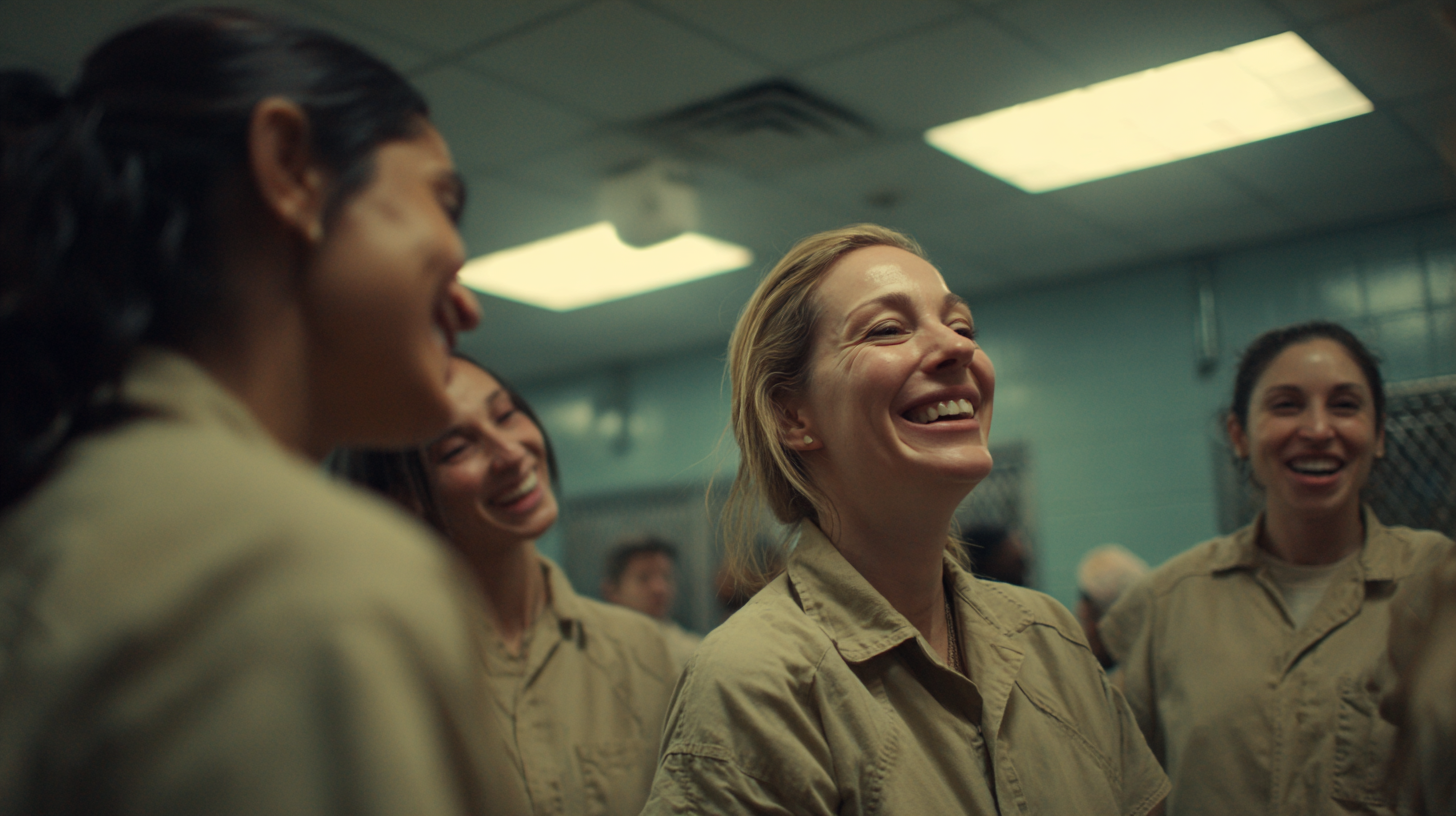
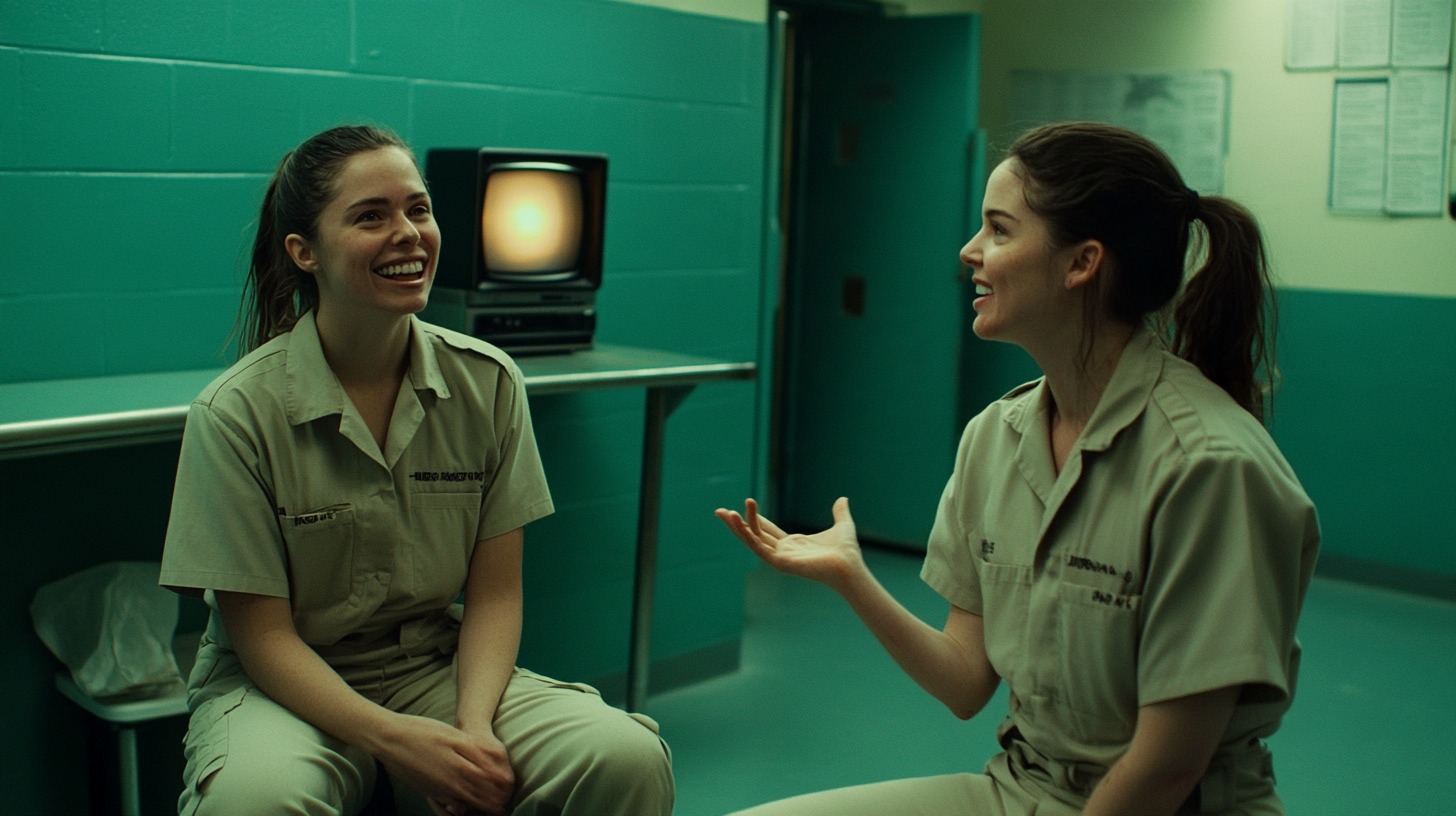
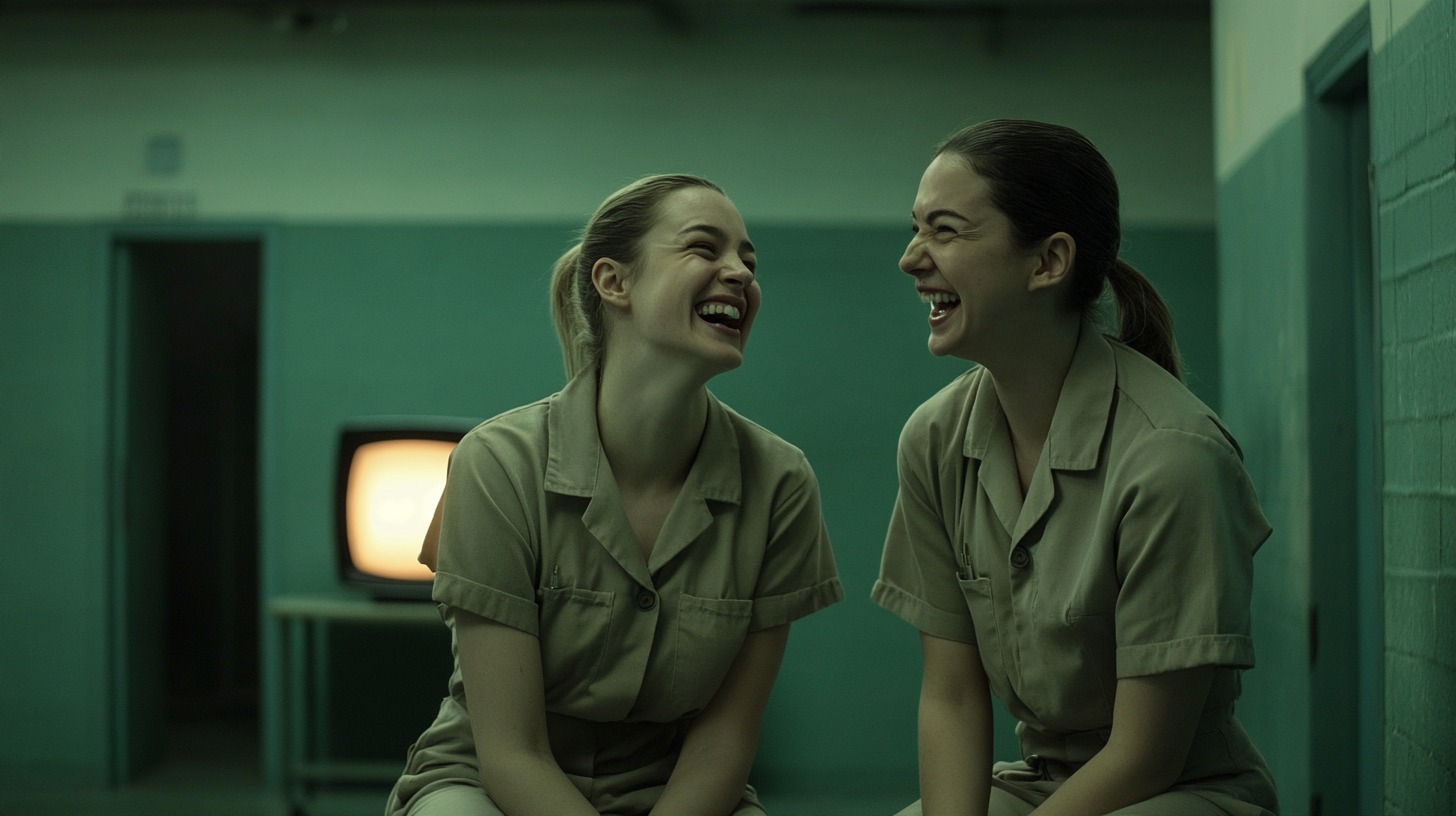
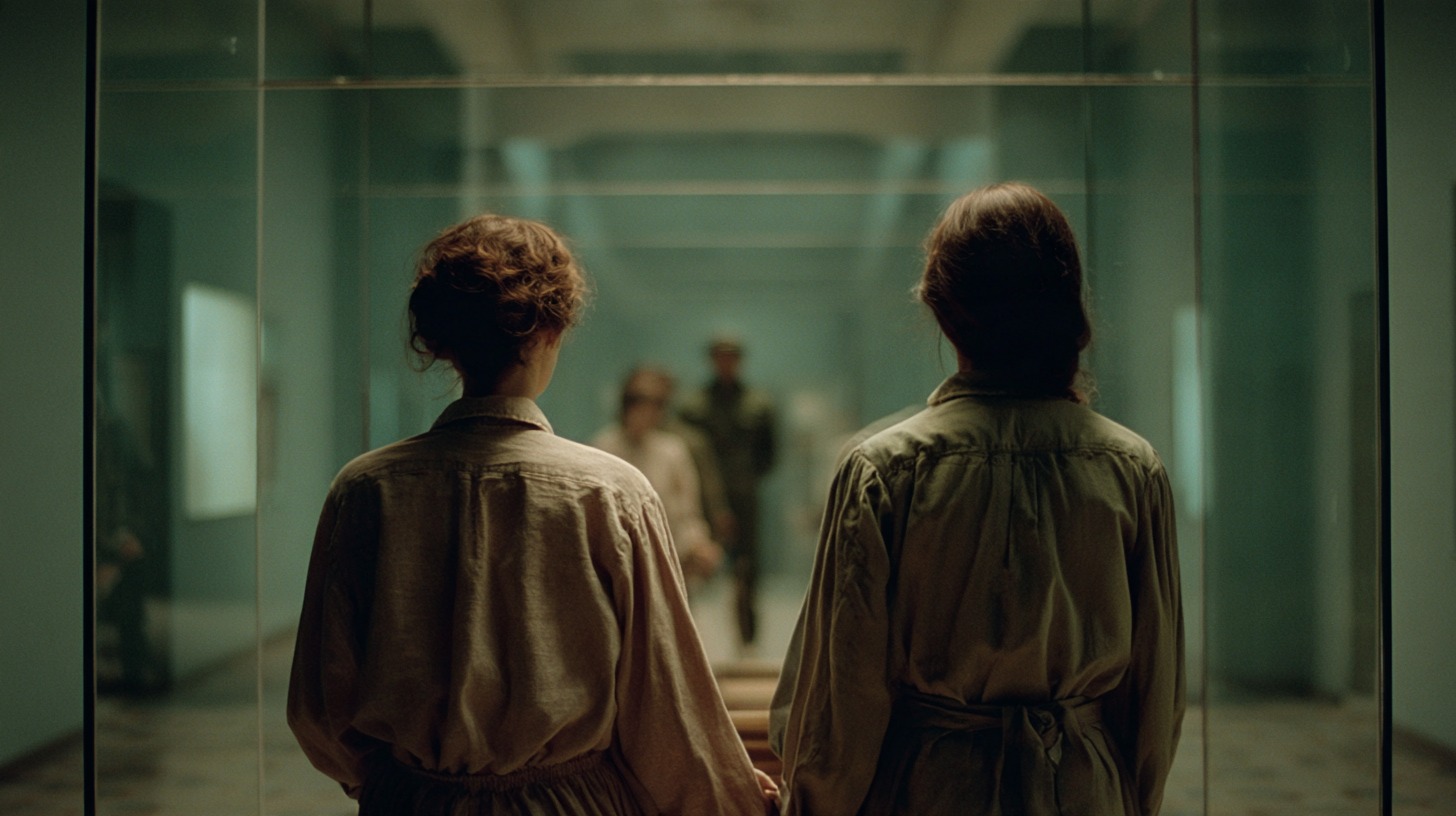
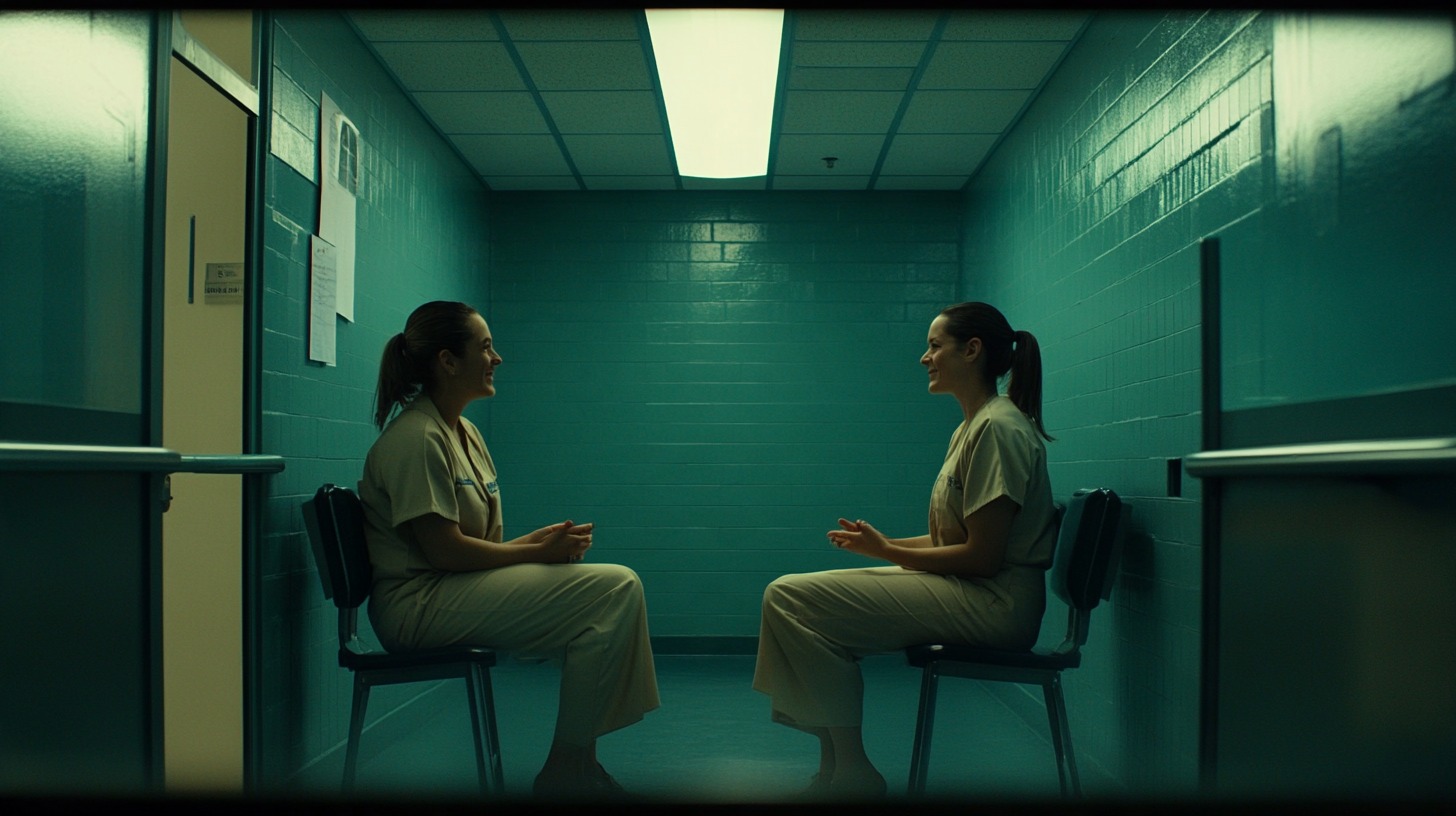
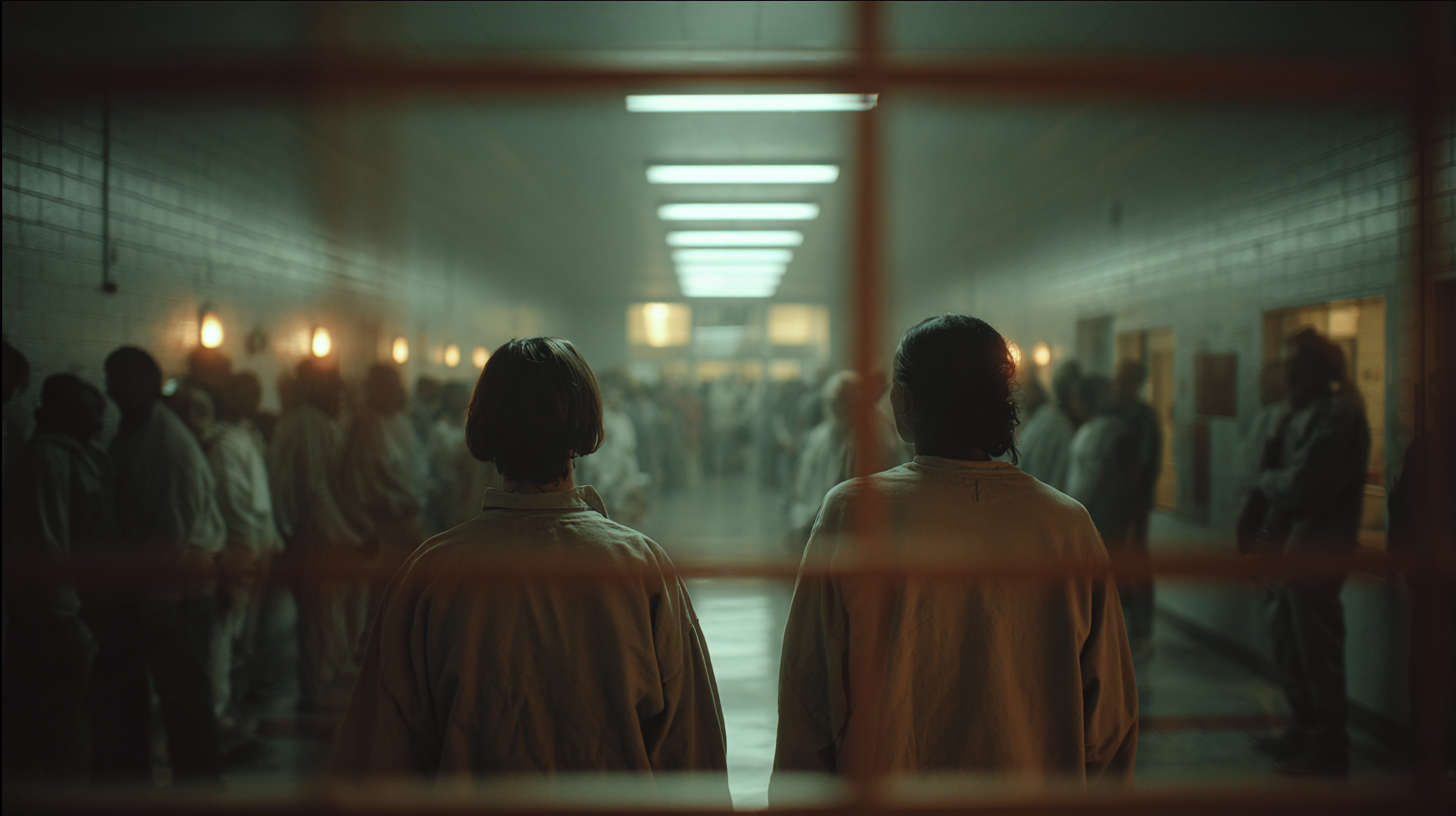
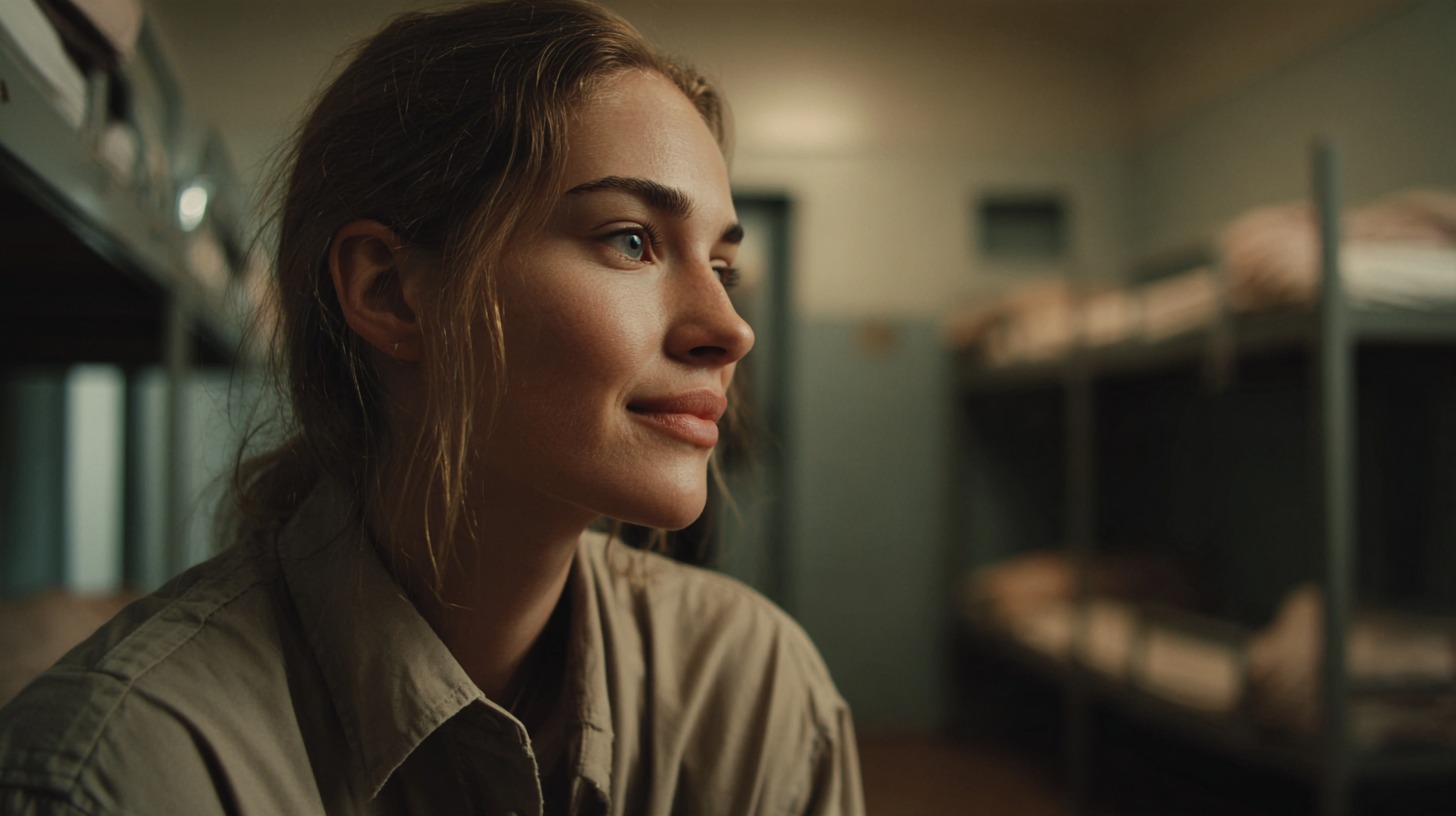
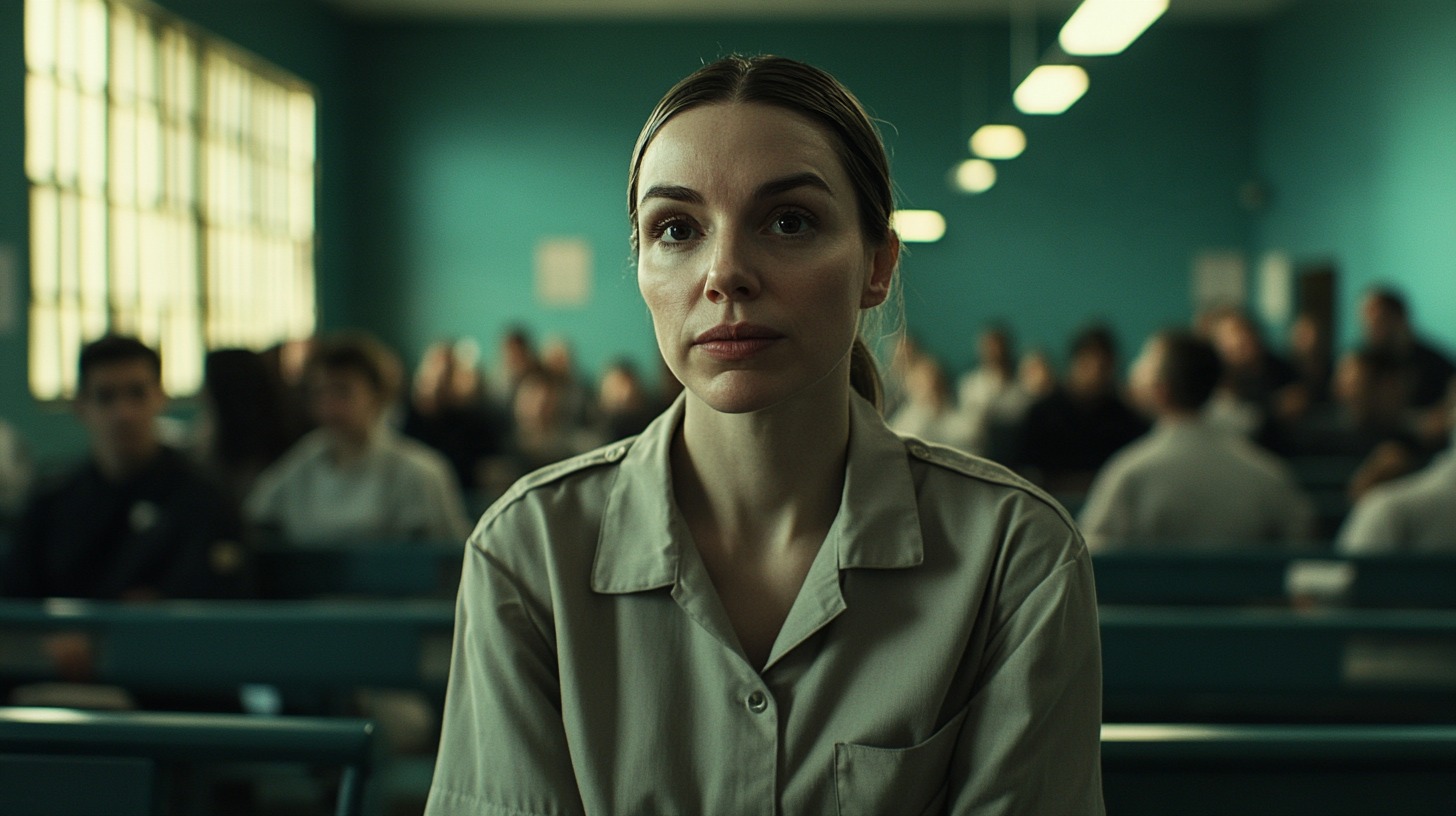
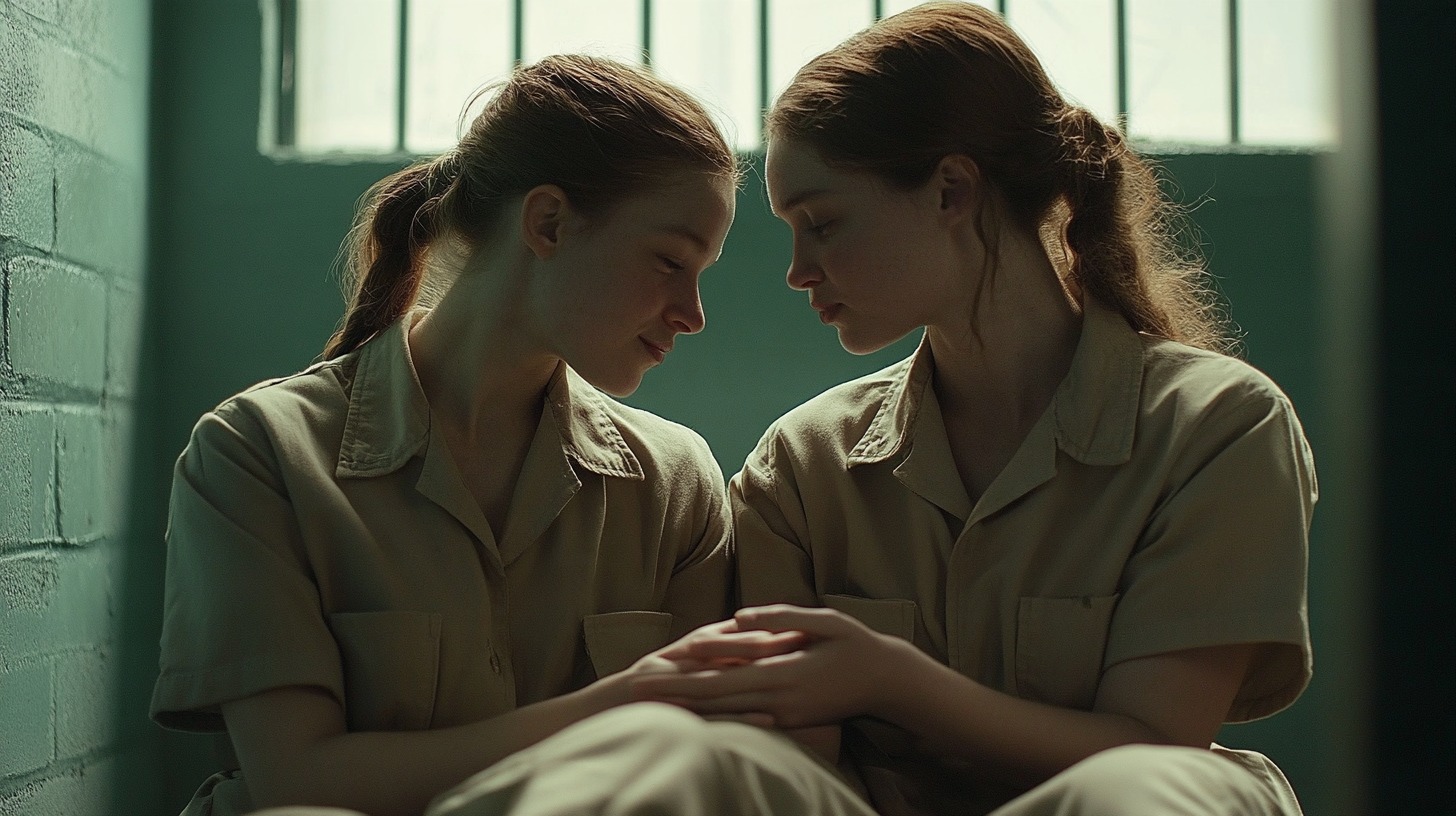
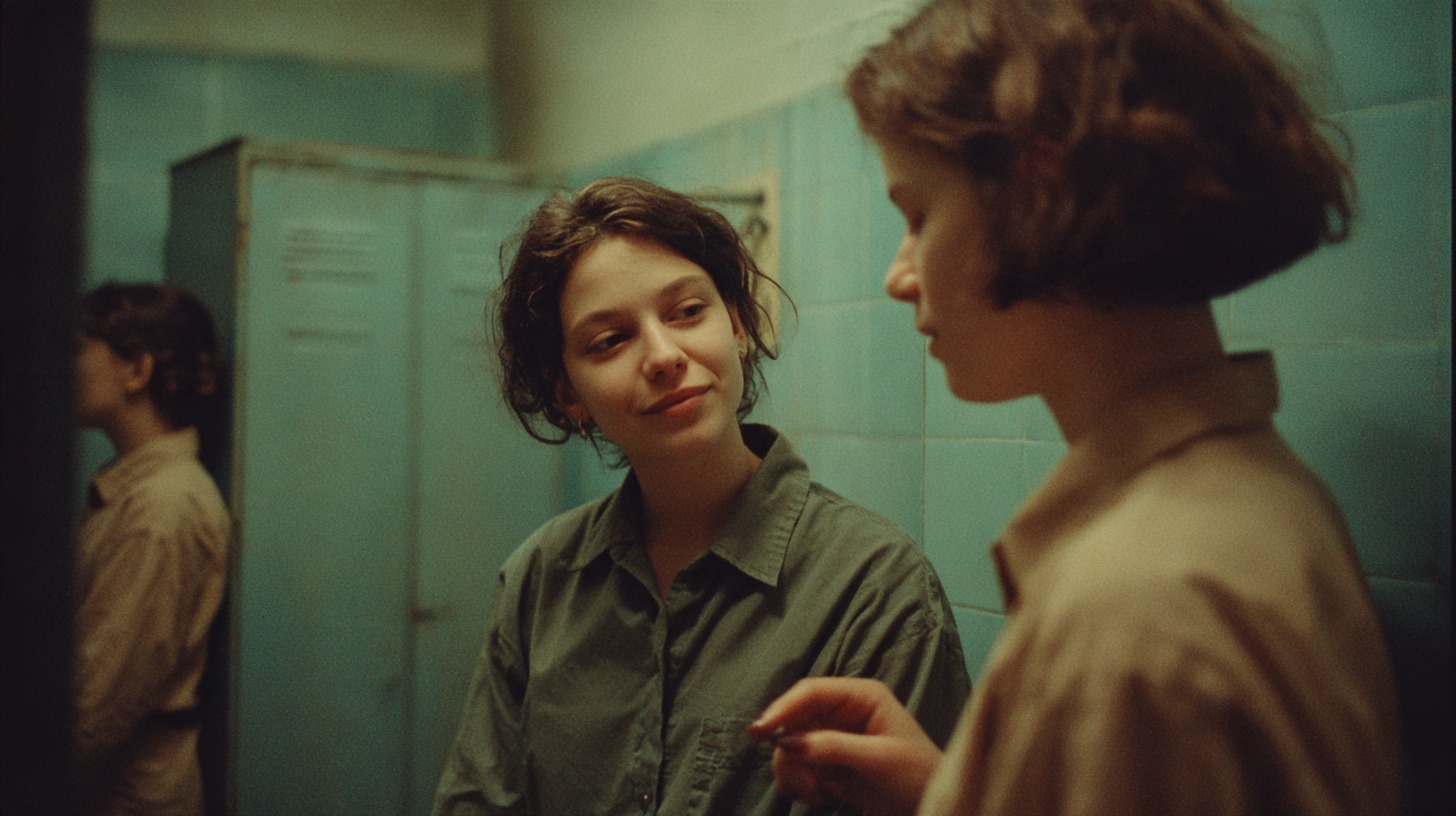
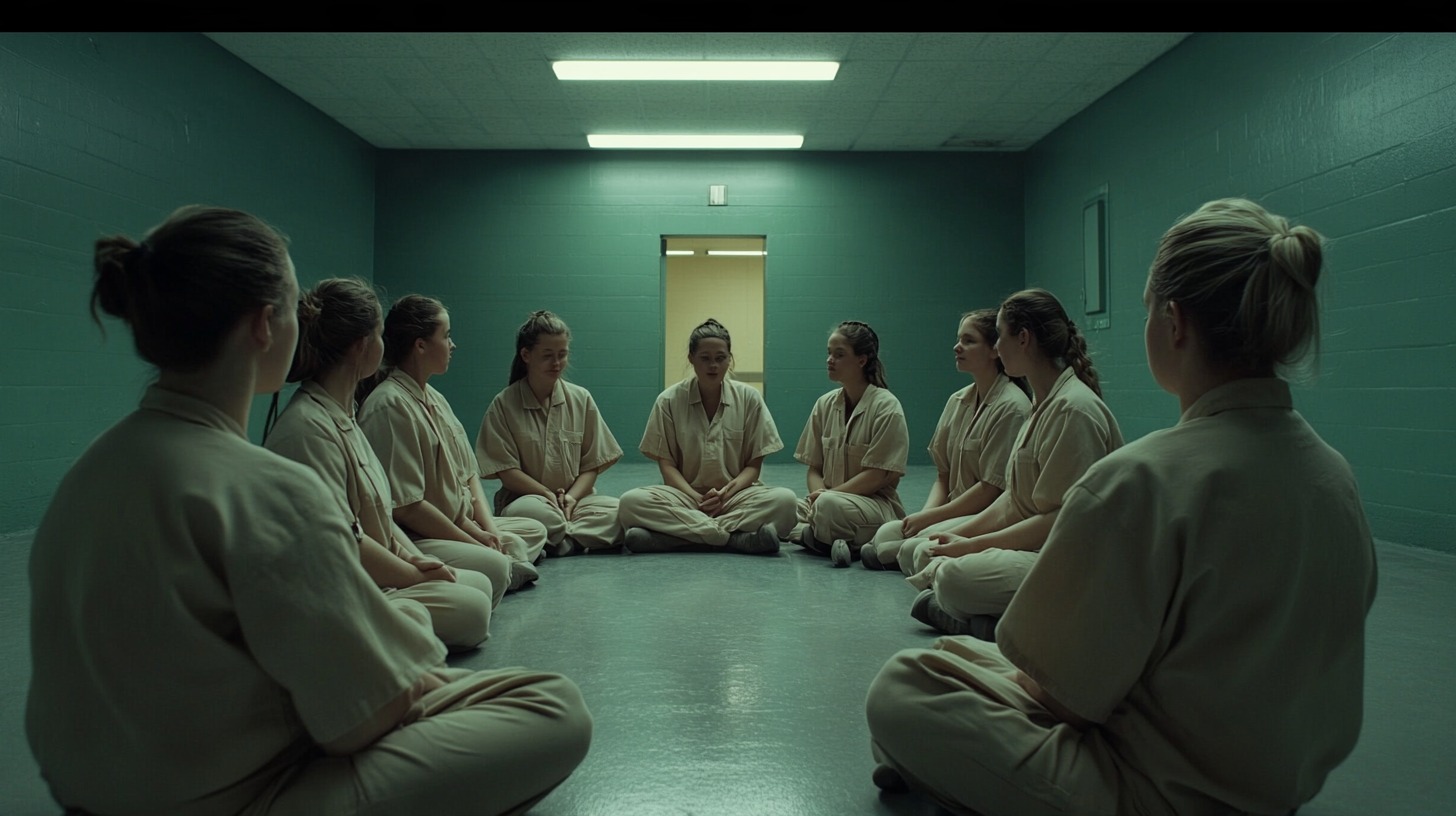
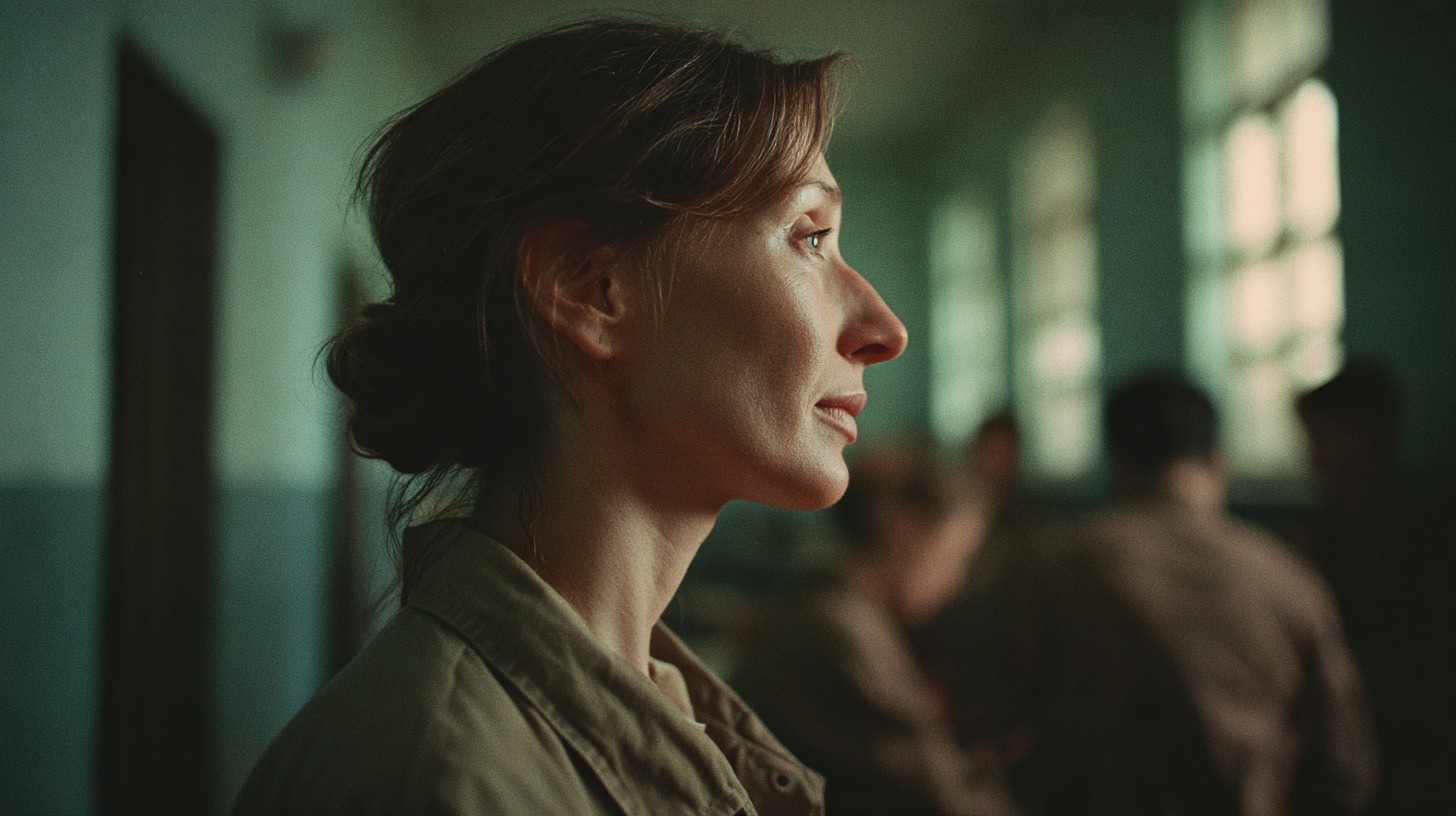
Girl, you were on TV.”“ Luciana said it like she was handing me a cupcake. Sweet, a little wicked. Nevaeh stood behind her, arms folded,eyes sparkling with trouble and delight.
“Bill Maher,”Nevaeh chimed in, emphasizing the name, apparently impressed.“He did a bit. Your picture.
Rachel’s too.” They reenacted the segment from the night before,Bill Maher sneaking an easy joke on the recent verdictand the spiritual practice I taught, Orgasmic Meditation.
“‘Orgasms and spirituality’?” Luciana quoted. “That’s what they got you in here for?” I swallowed. There it was—the pop of the bubble Rachel and I had been living in.
We hadn’t gone into specifics about our case or about ourselves. I pasted on a smile, the kind you wear when you’re not sureif the floor is about to give out.
“Well,” I said,aiming at lightness and landing near it,“I like Bill Maher.” Luciana waved it off. “Don’t worry.
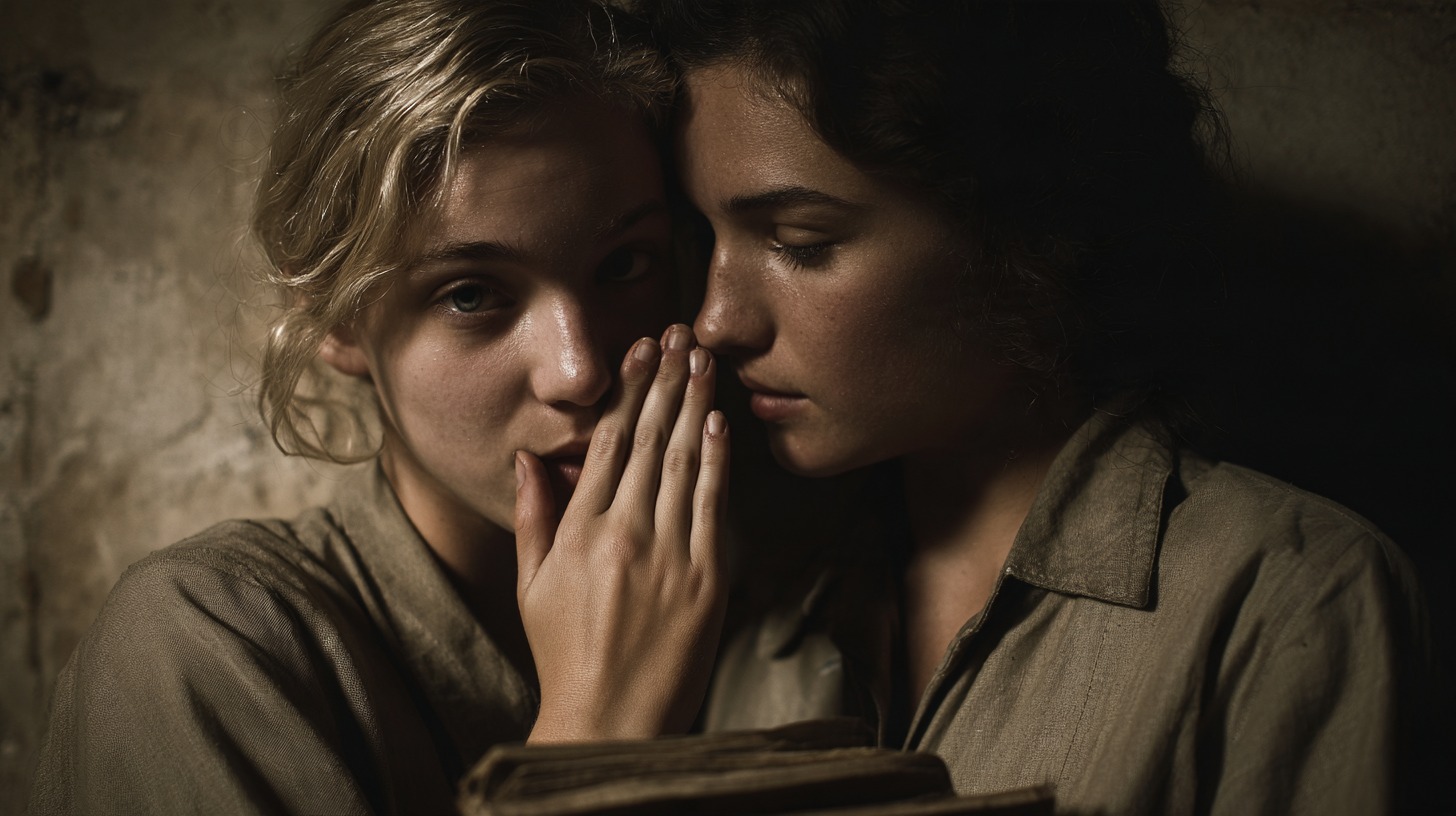
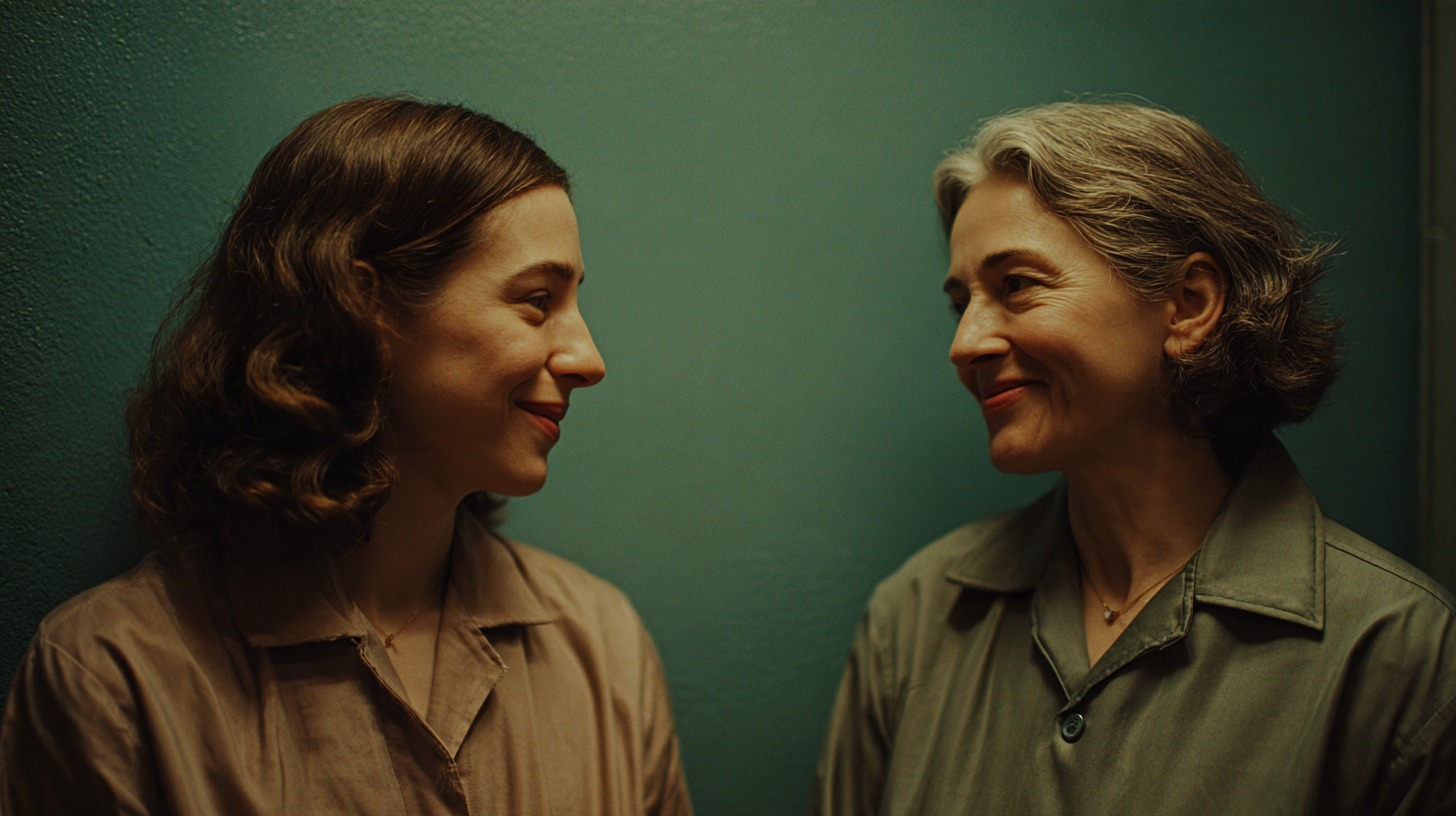
We’re on your side.” “Yeah.” Nevaeh’s eyes locked onto mine.“We got you.”Relief flooded in. Things are subtle in prison; it’s not a place to let emotions out.
But she had meant it. Luciana too.It wasn’t the first recognition we’d had since arriving at MDC.
A few days ago,I saw a guard point us out to another CO.“That’s them.” Not hostile. Just…interested. My lawyer had confirmed it later.
“You and Rachel are designated ‘high profile.’”She shrugged as we sat inside the glass-walled attorney rooms that line the visitation room downstairs. ”It’s boring in here.
They read things. They Google. You’re interesting.”I’d felt my anonymity evaporate, my mind running through the calculations of what they might have read, what they might think of Rachel and I.
Those calculations started up again as Luciana gave a wink and she and Nevaeh headed back over to the TV,leaving us to wonder who else had seen the show.
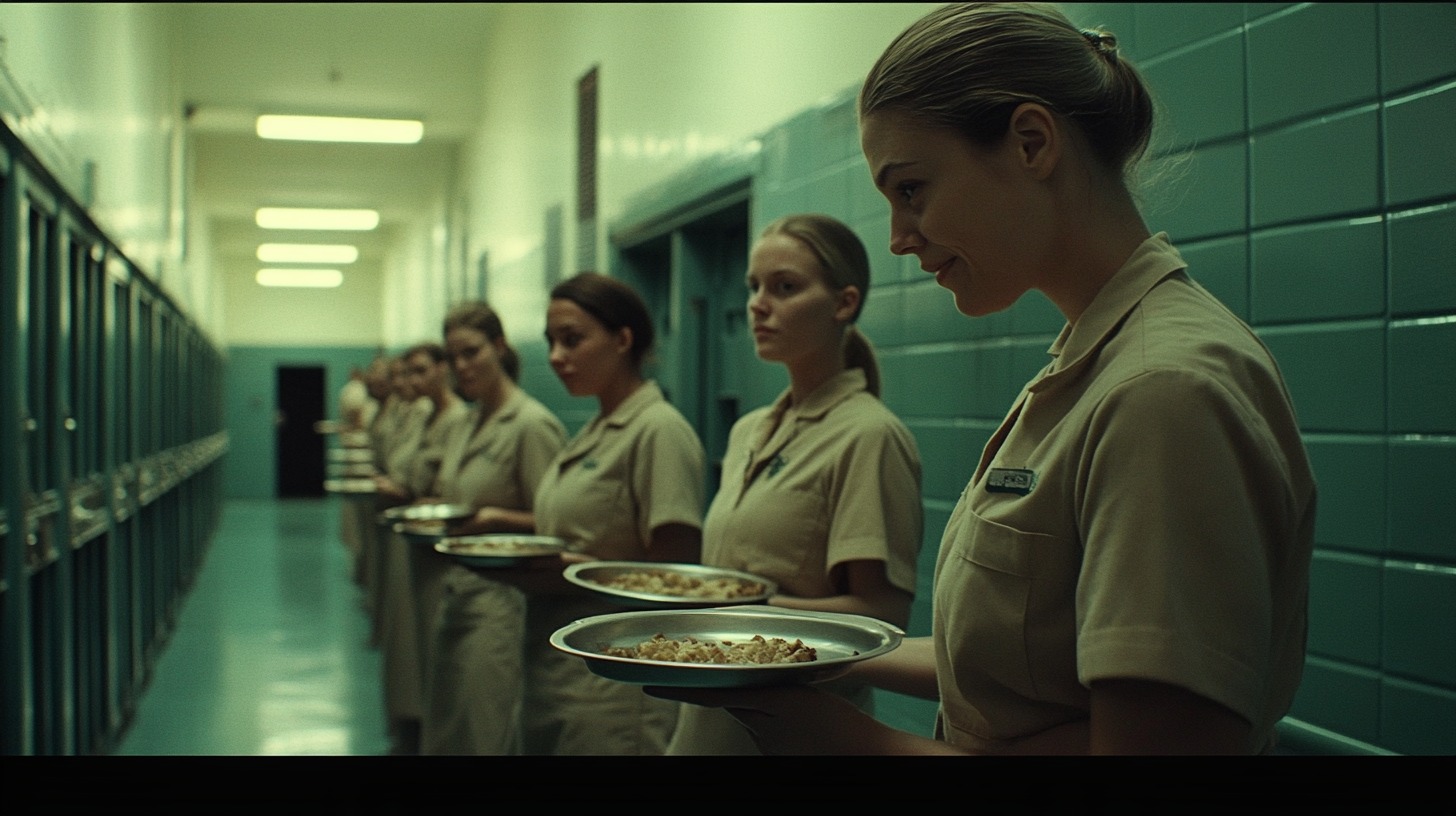
We knew the gossip was about us by the looks in women’s eyes on main line,waiting to get our lunch from the prison cafeteria.
There was a felt shift in their glances—from curiosity about these strange women with Upper East Side style towarm eyes looking to someone who might be something more.
The loss of our precious anonymity turned out to be a good thing. In their newfound intrigue, some of the women realized I wasthe author of The Art of Soulmakingbook they’d read.
“I heard that you’re famous.
I won’t tell anyone. But I heard you have a book,” T whispered to me. “Shhh, don’t tell anyone,” I whispered back with a wink.Word spread and others came asking for copies.
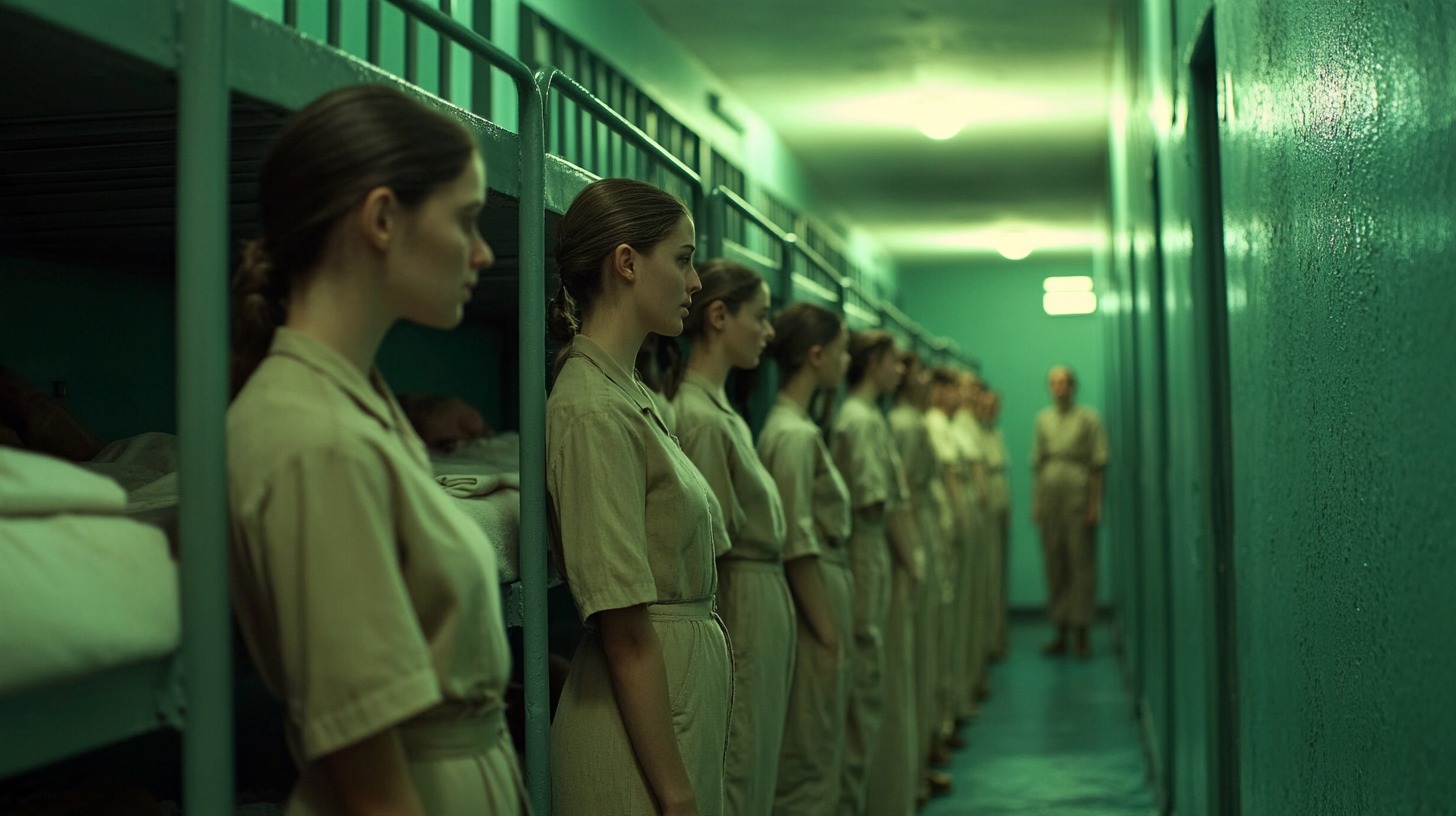
During recall, as we waited to be counted by our bunks,Nevaeh broached the subject.
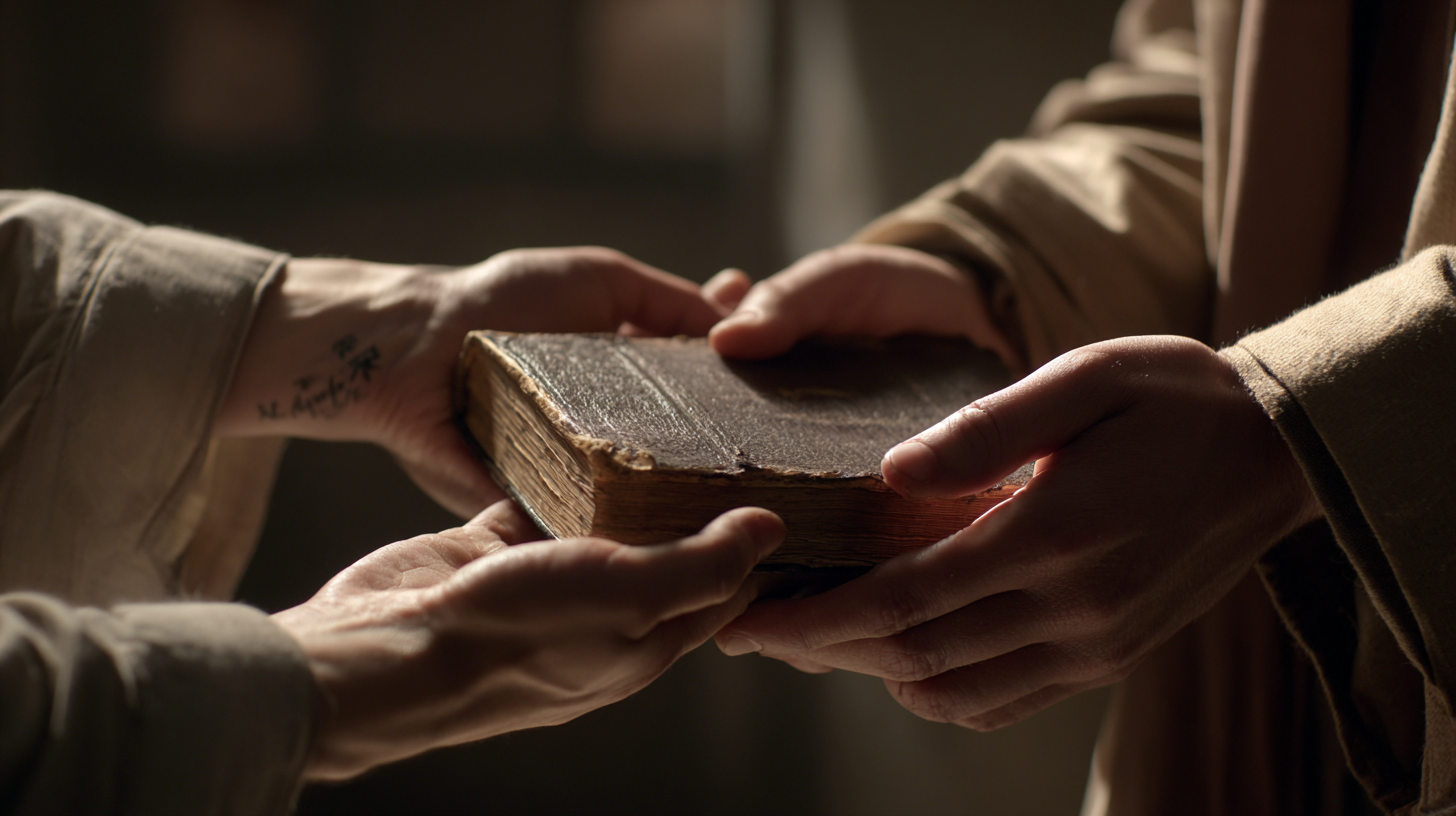
“T said you got a book,” she said,like we were making a drug deal—the implicit question being, “Can I have one?”
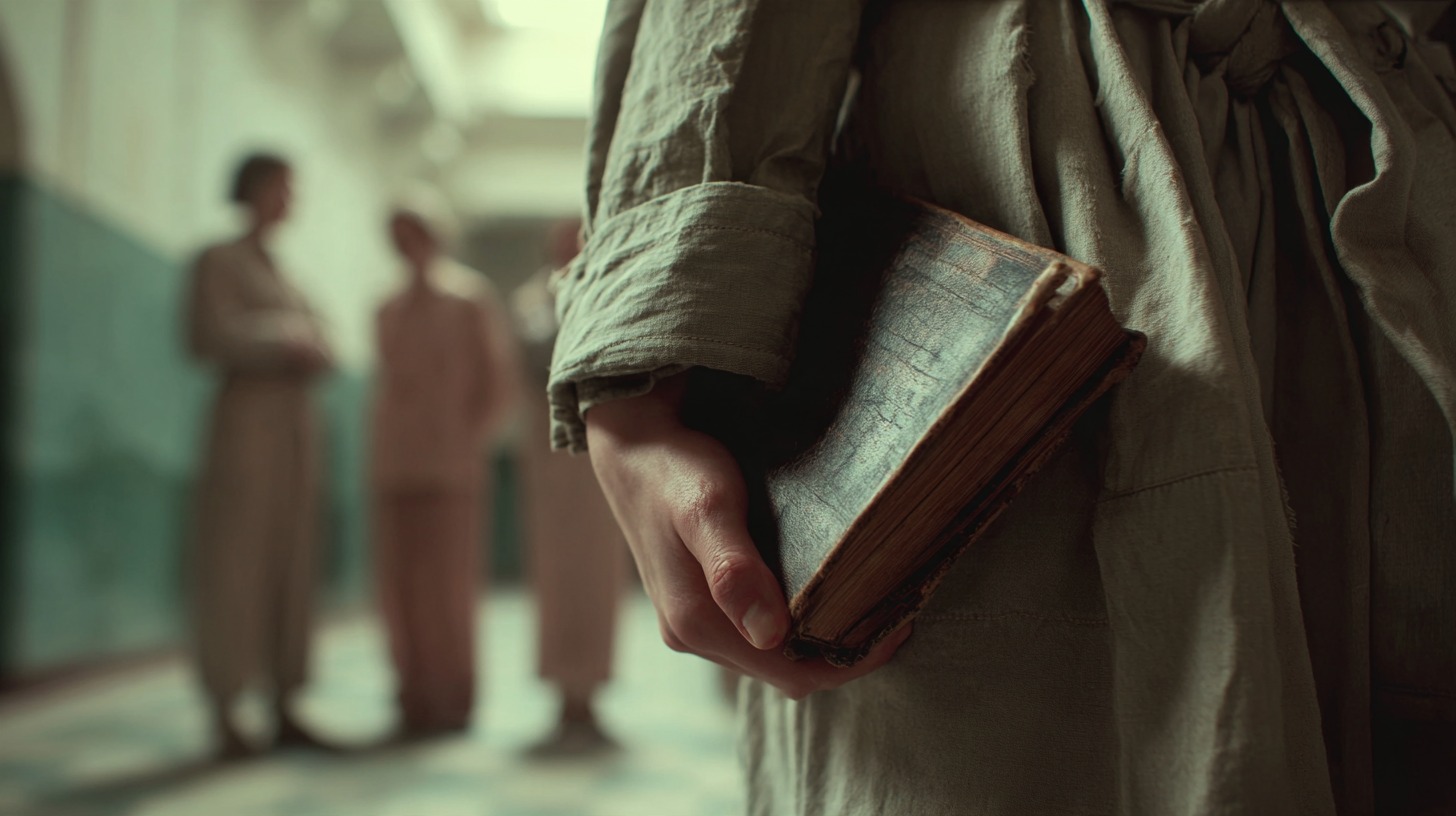
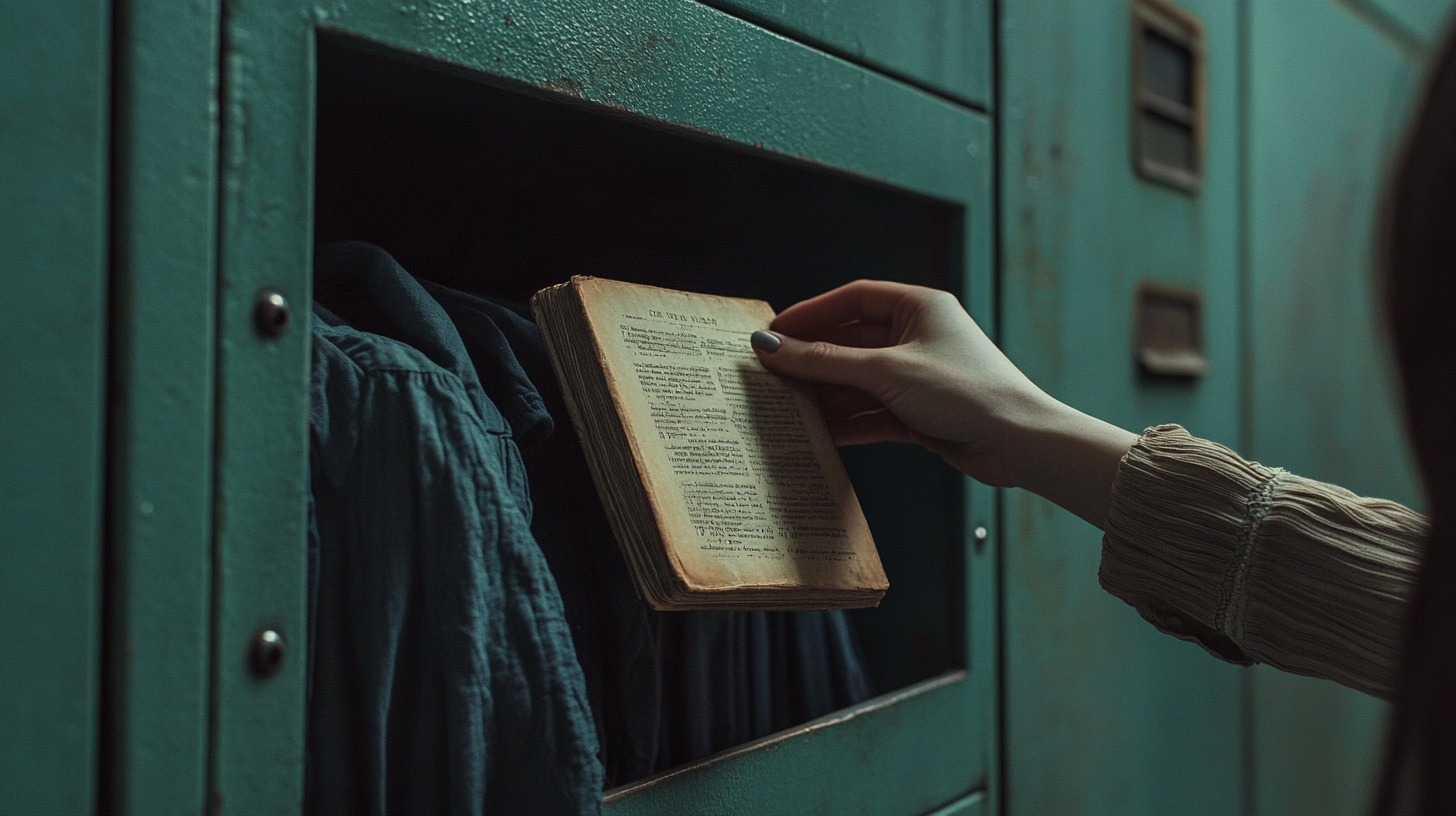
We slipped into conversation as I looked forthe copy of The Art of Soulmaking that I’d hidden in my locker.She told me more of her story, her dreams.
“I think about how I’m gonna take care of these girls from outside,”Nevaeh said, her eyes scanning the room but seeing something more,
all the women she had come to know inthe three prisons she’d spent her sentence between.
She was counting down her days until she was out, but there was a sense of love in her voice,love for the women she’d served time with.
Vulnerability like that is a precious offering in prison, letting the shield come down to reveal hope in a hopeless place.Her pastor wants to ordain her when she gets out.
It tracks.She was built for a flock. She moves people.When she’s not doing that, she’s playing poker or watching football. God, family, football. She plays poker as hard as she plays life.
I told her my vision—repurposing incarceration to be something greater than just punishment.
The original vision I saw for The Art of Soulmaking for the Incarceratedand the book I wrote for the officers, From Guards to Guardians,
wasto transform prisons to monasteries, an experience that would actually be beneficialfor the individuals within it and for society as a whole.
“I suppose it’s ironic that now I’m an inmate,” I joked to Nevaeh. “Maybe.” She paused.“But that’s how it works too.
You shake things up, they come for you.”I thought back to when the indictment against me first came out. Until then, the vision had been coming into form.
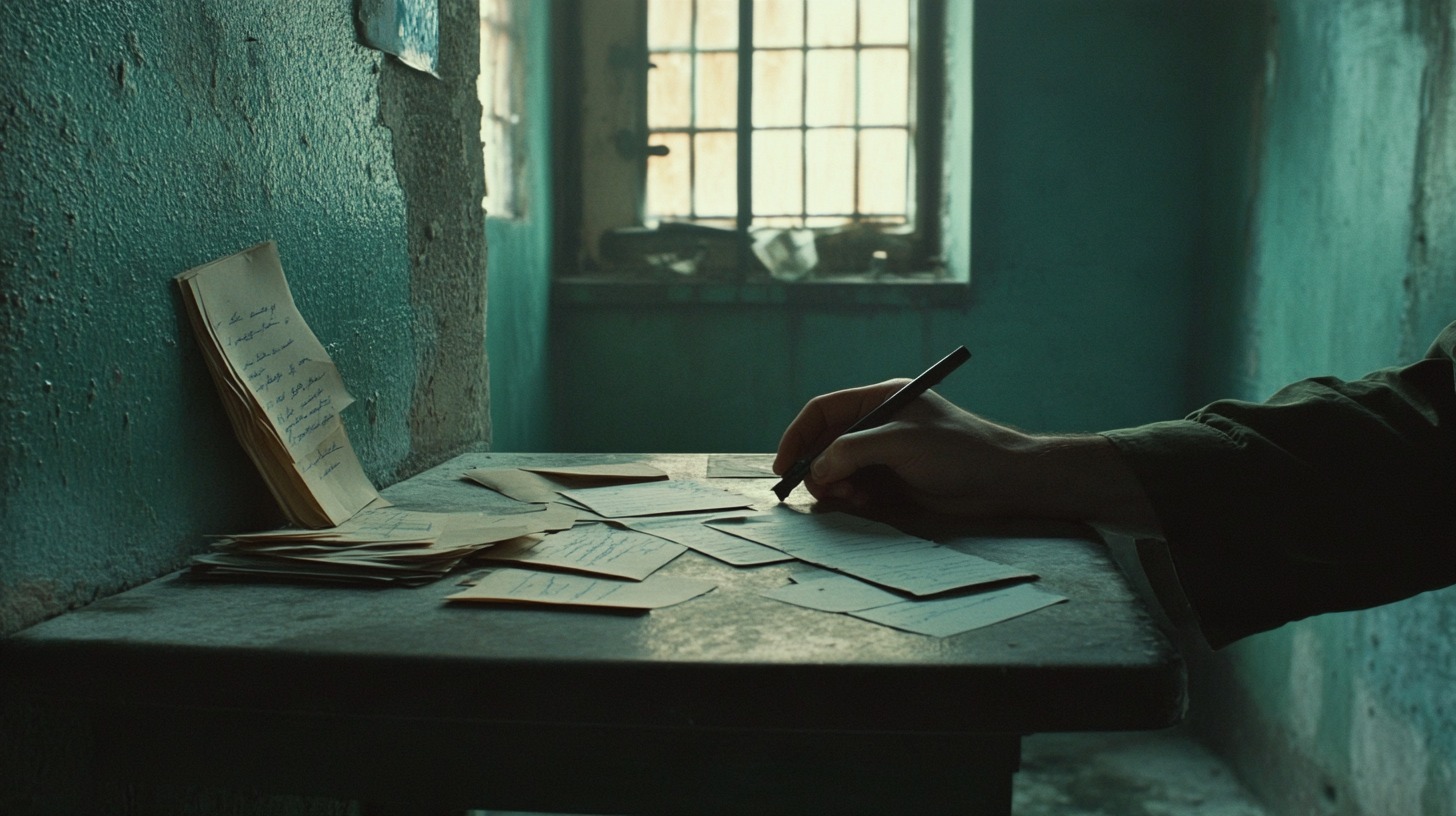
What began as a correspondence course with pen pals on the outside writing back and forth with inmates at Central California Women’s Facility—the largest women’s prison in the world—
had grown to over a thousand jails and prisons across the country.
We partnered with our local jail in California, teaching classes and creatinga garden that produced vegetables, eggs, and honeyfor their kitchen, all tended to by the inmates.
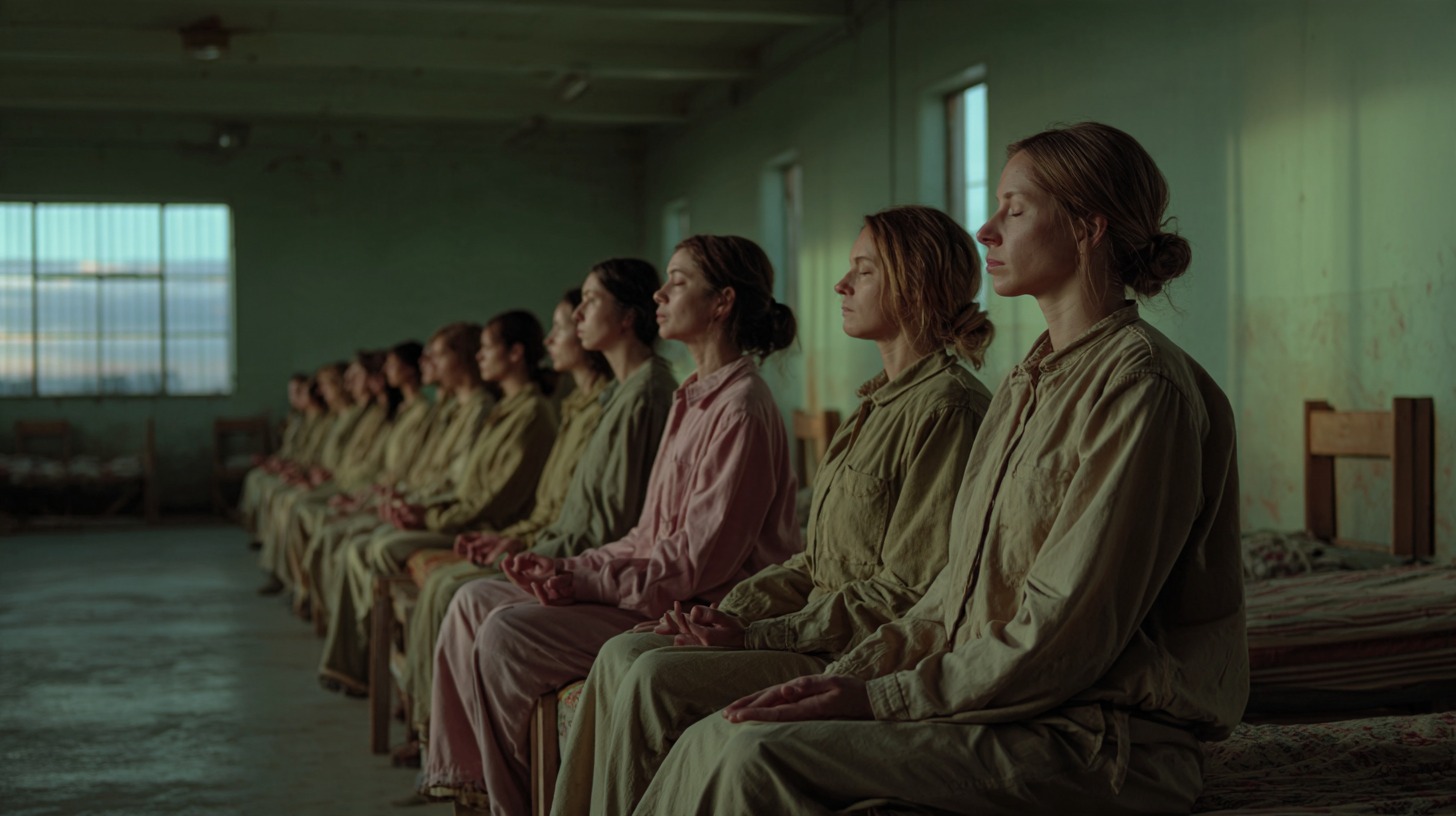
CCWF invited us to develop in-unit programming for an entire dorm at the prison,introducing meditation and yoga into their daily schedulealong with monthly training programs.
The indictment stopped that cold and we wereremoved from CCWF without explanation to the inmates.The prison cut them off from even participating in the correspondence course.
Still, the program keeps growing withover 200,000 incarcerated people participating across the country.It’s powerful to see the impact a book can have in the under-resourced environment of a prison.
“I started writing a new book,” I told Nevaeh, “not just for inmates but for women outside too,for anyone locked in an inner prison.
Anyone who feels at the mercy of anything.” The problem most women face isthey don’t recognize their value, so they sit out.
We’re told the best a woman can be is the untouched virgin. But women who choose to engage fully with life—leaders and warriors—get dismissed or derided.
These are the women who have a real experience of lifeand have met the obstacles that come with that.
And they have not shied away from those obstacles,nor shrank back into quiet submission in the face of them.
The systems of the world like to reward those who bend to their force andhand over their power.
Act out, and they’ll threaten to take it all away. Butfreedom’s just another word for nothing left to lose.
Incarcerated women, shackled and led into these prison wallsunder the scornful glare of polite society,are set free from those threats and expectations.
The wisdom and power they hold is their own, beholden to no one. This is the unseen gift,the jewel hidden under lock and key of a federal penitentiary.
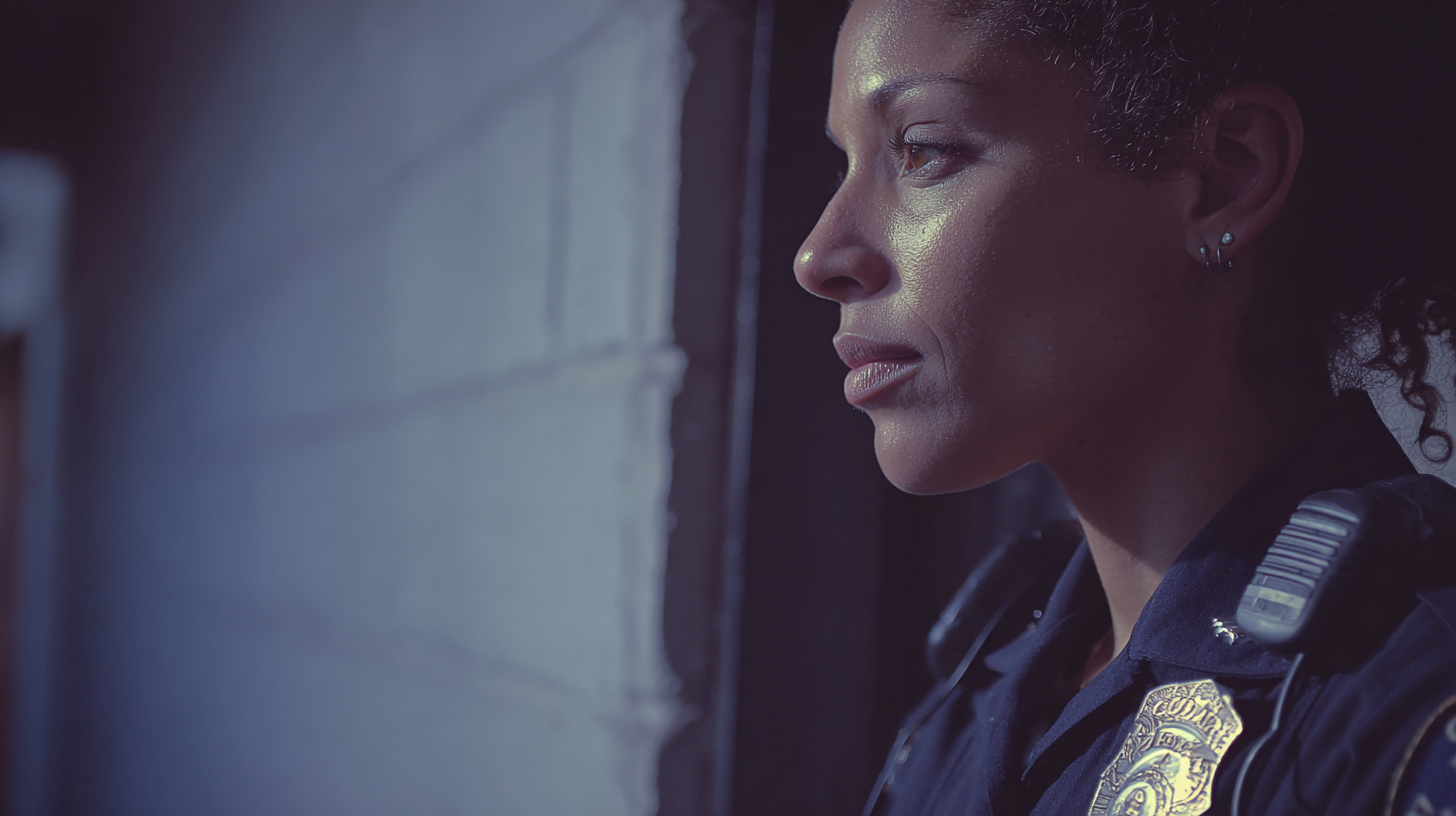
This is what I hope to share. As the guard came by to count us, Luciana got her attention. “Oh hey, Miss Q,” she said,addressing the armored officer like a schoolteacher.
“Yeah, that’s Nicole—the one who made that guards program you did.”Recognition clicked across Miss Q’s faceas my eyebrows popped.
“Oh, you’re the one who wrote that book?” She remembered doingthe Guards to Guardians program I’d built for correctional officersyears before becoming their ward.
She asked if I was teaching meditation to the women here.I could feel the stirring begin.