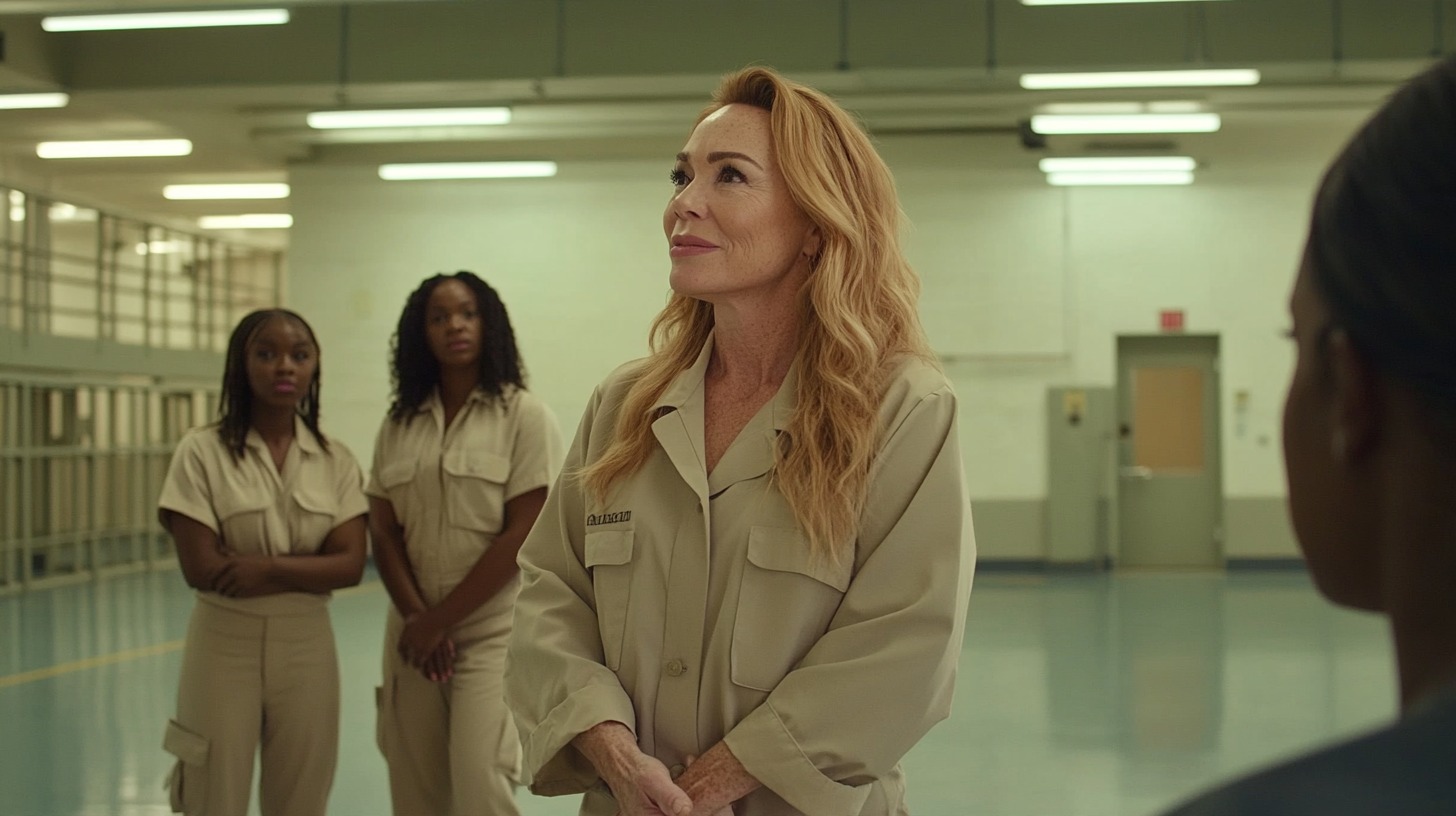
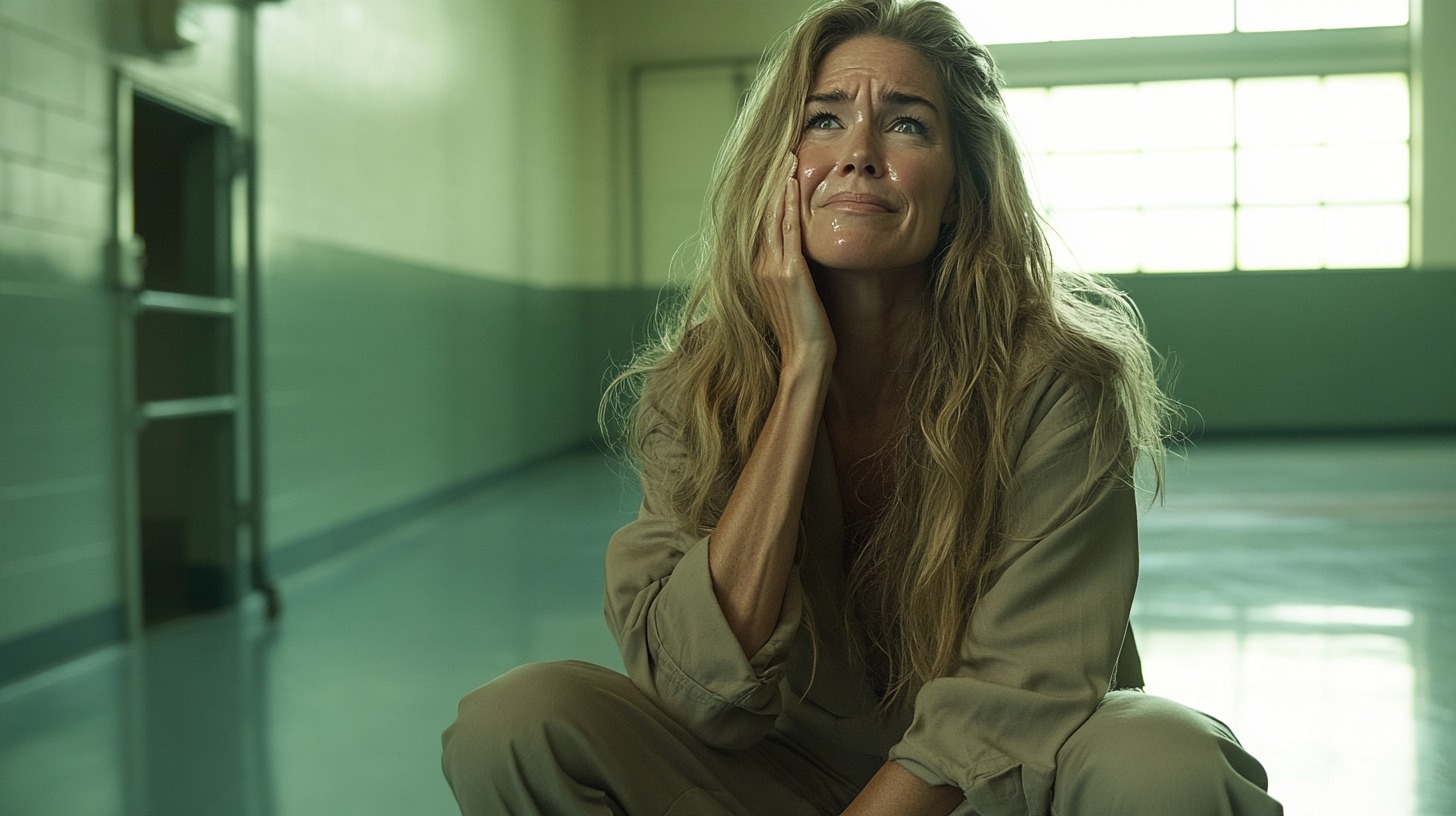
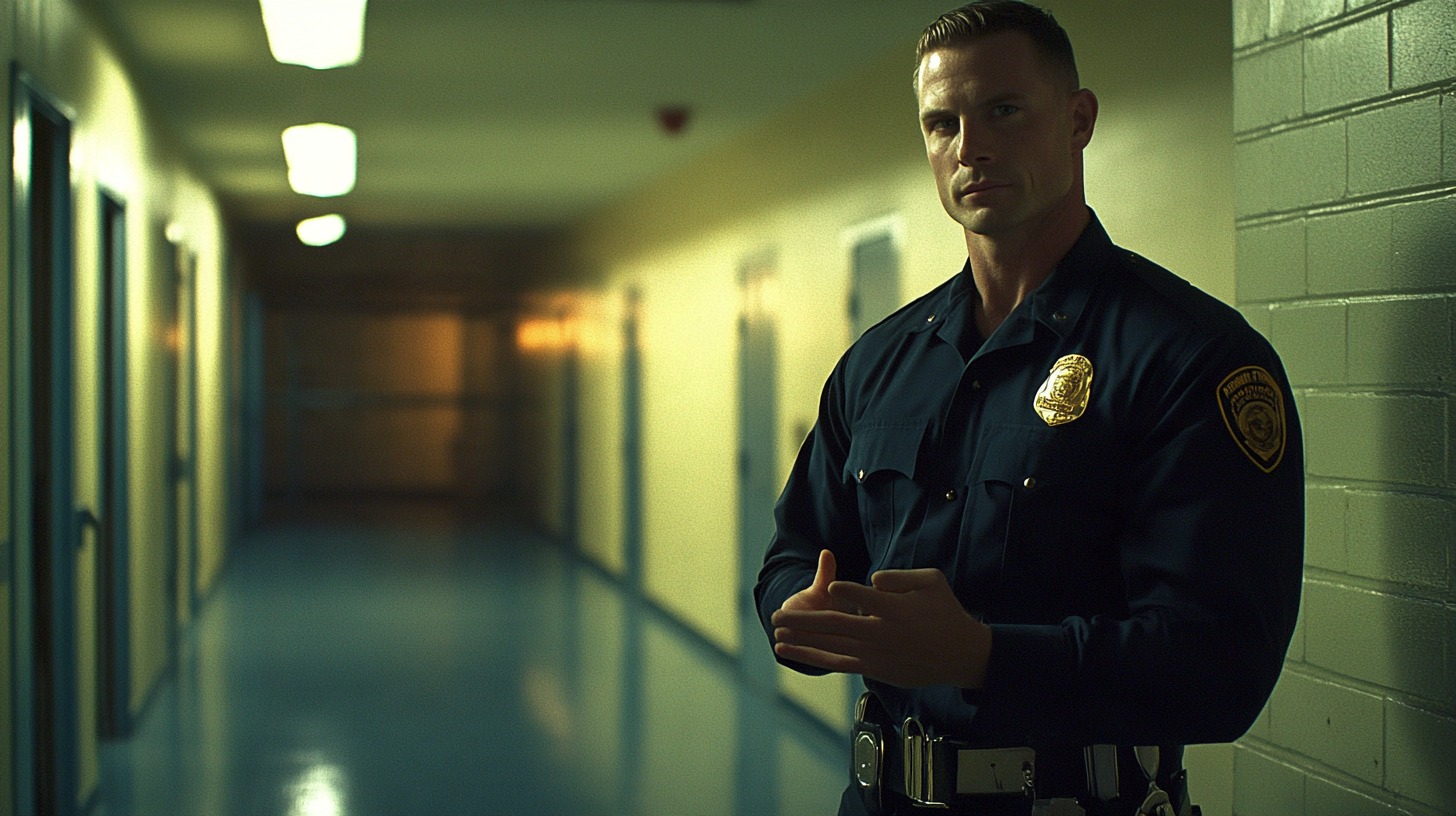
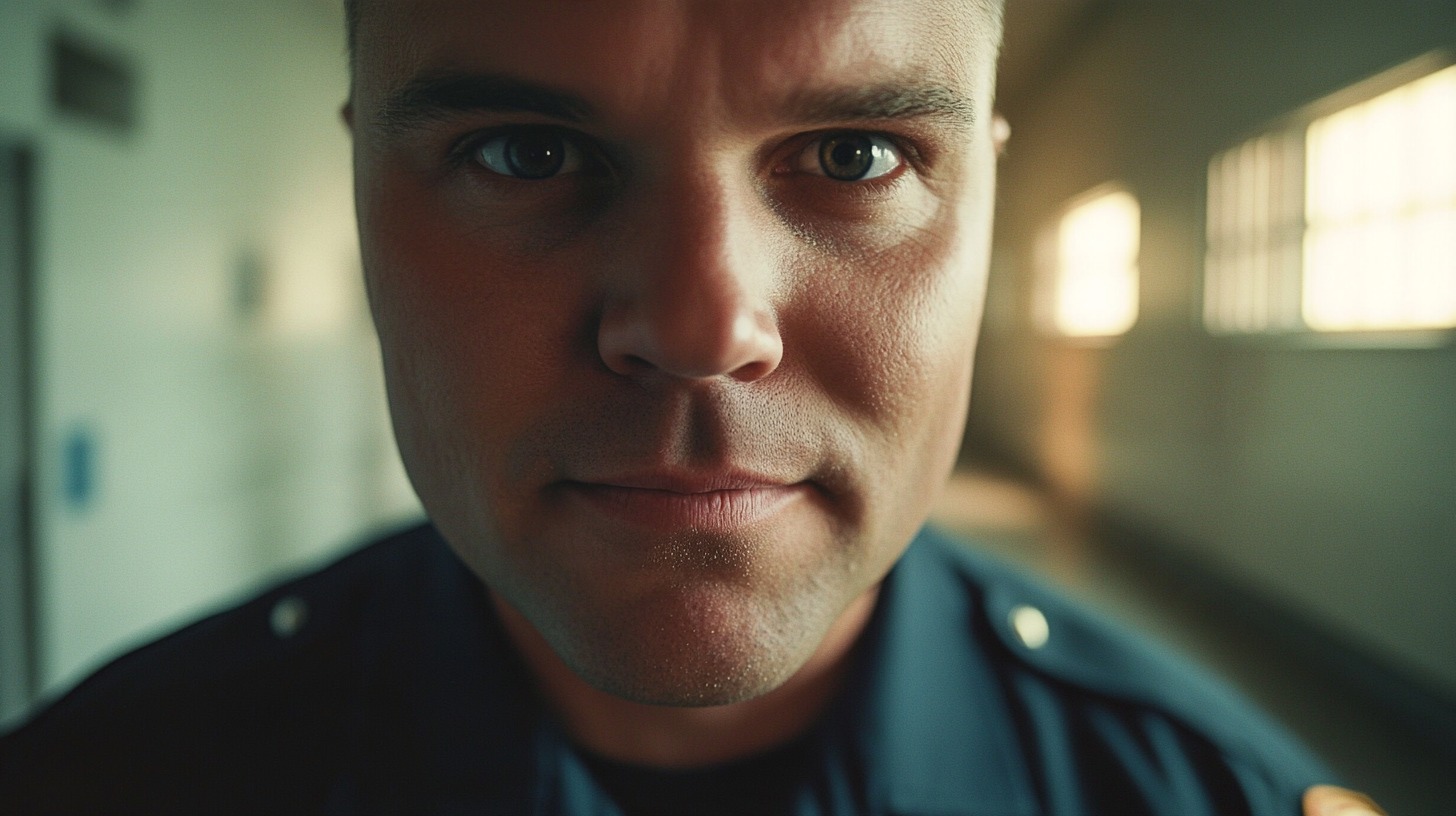
I cannot overstate how much MDC Brooklynfeels like an inner-city elementary school.The women have an outsized fear of being “sent to the principal’s office,”
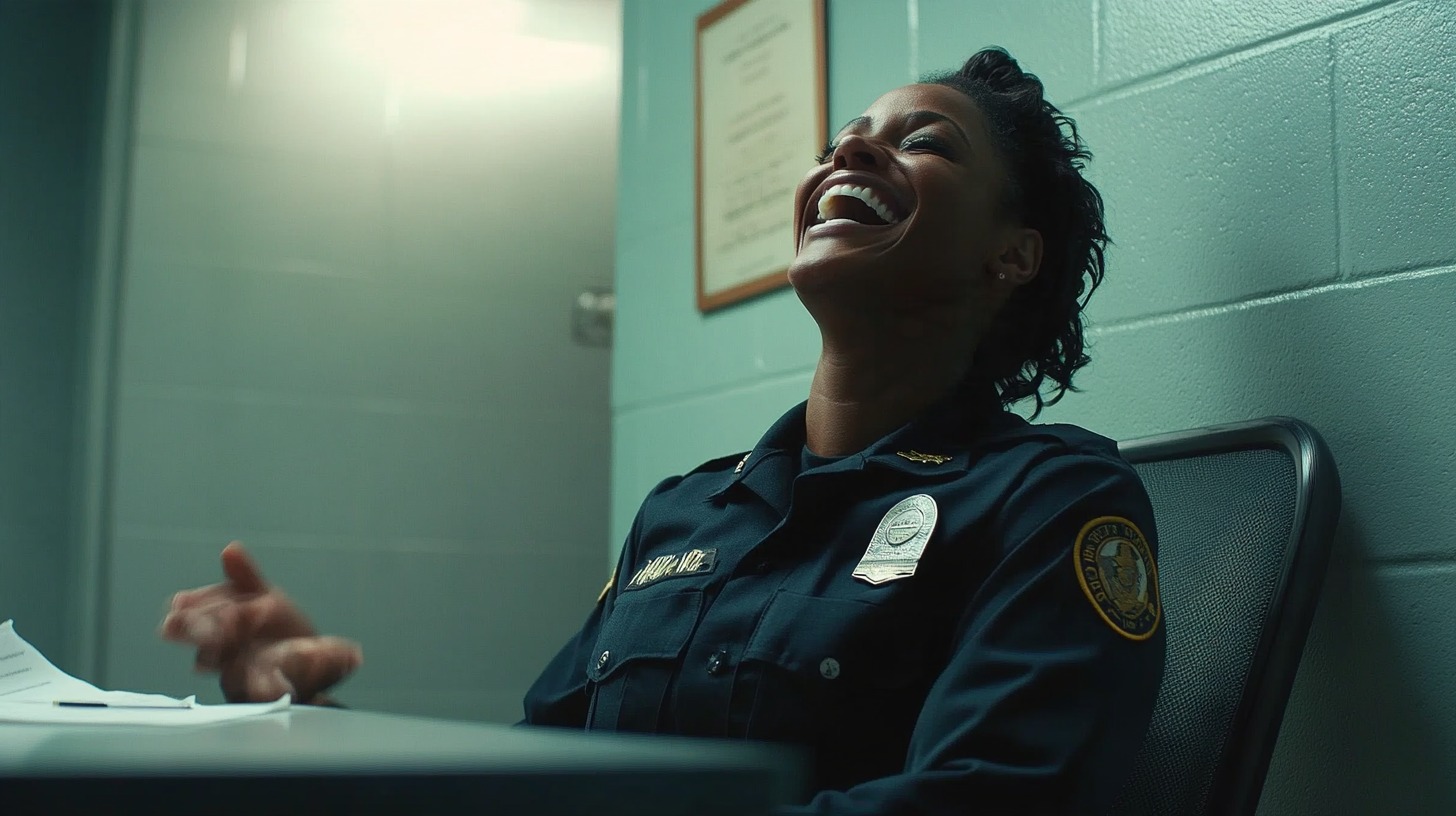
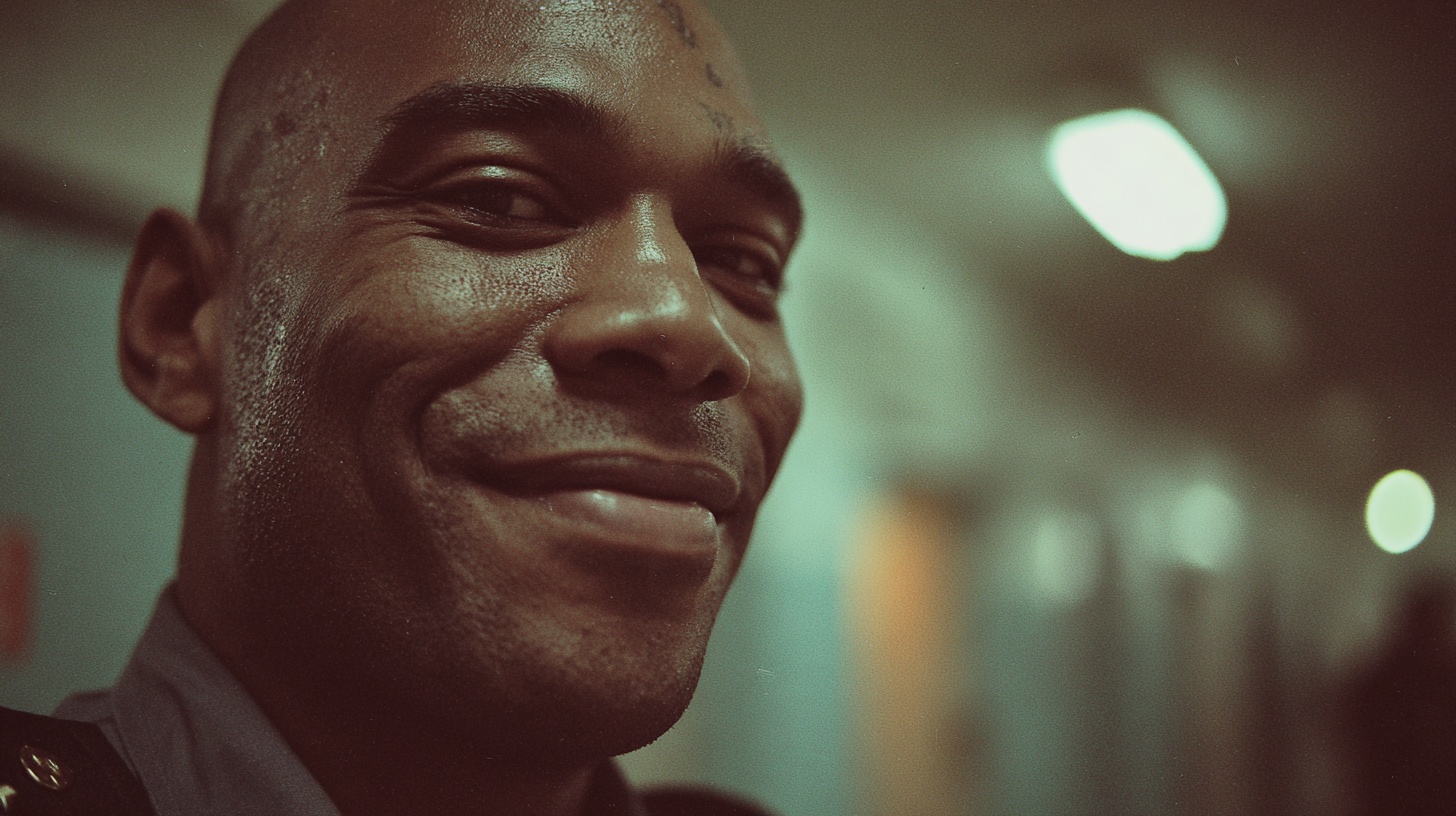
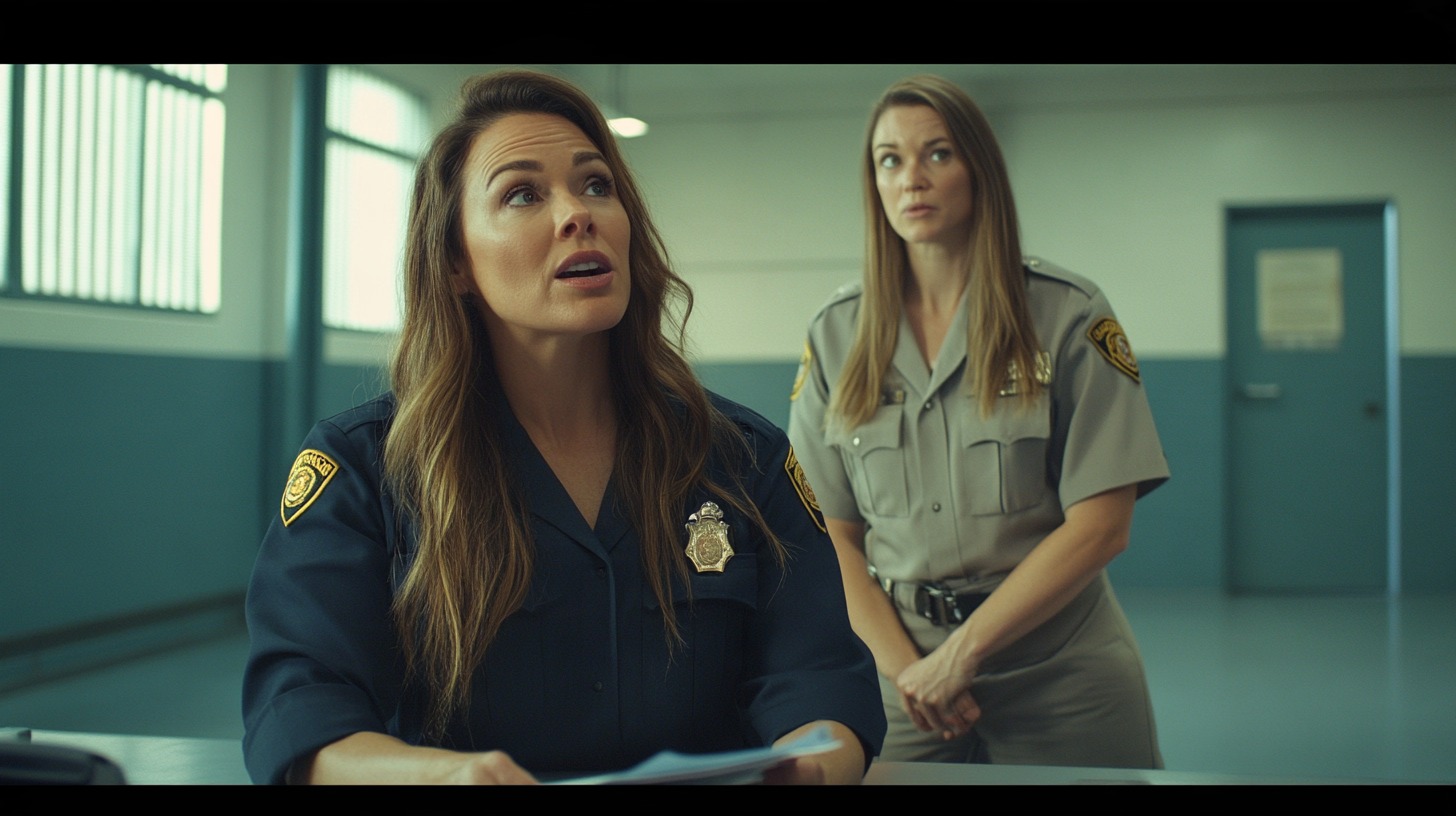
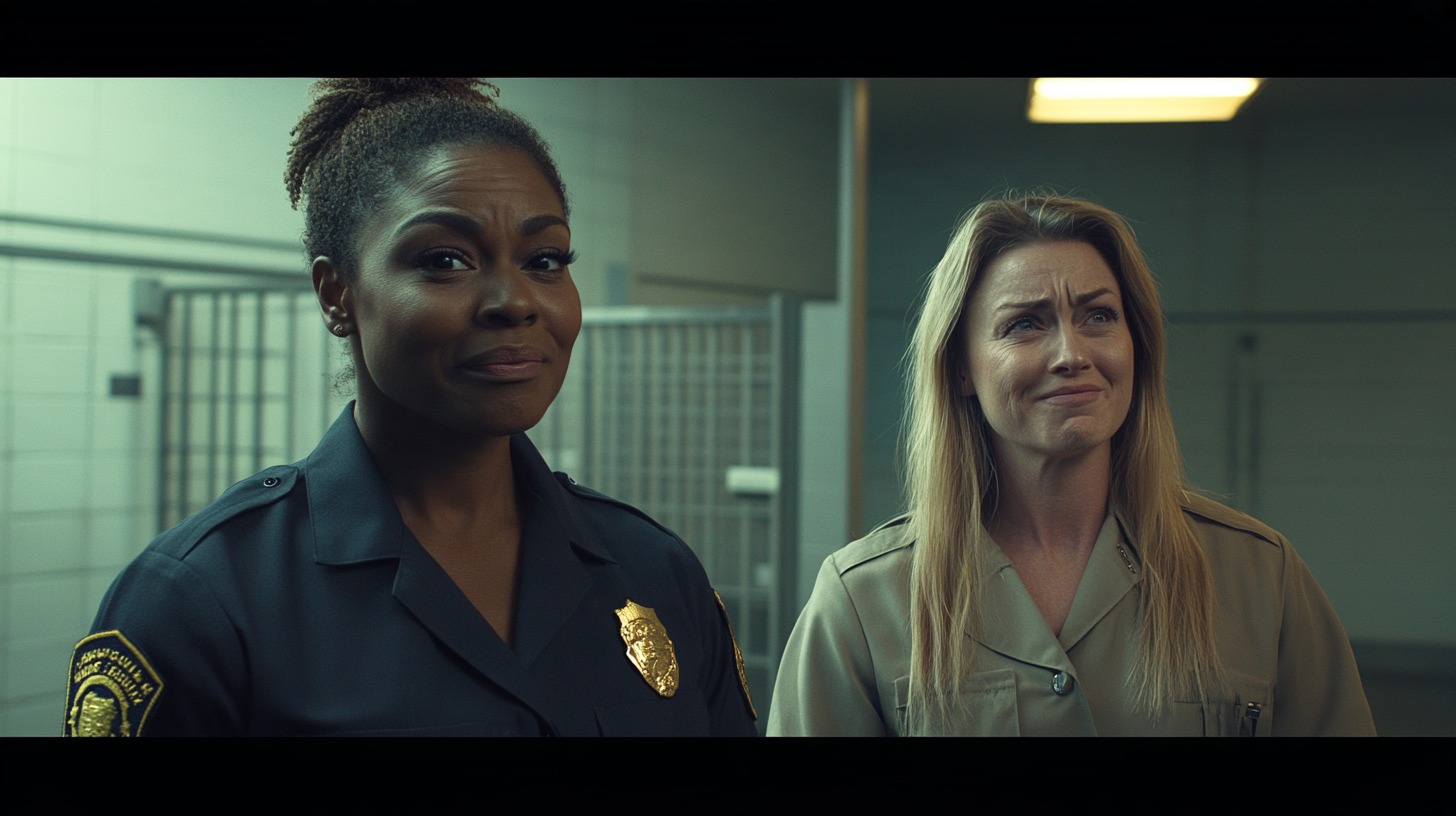
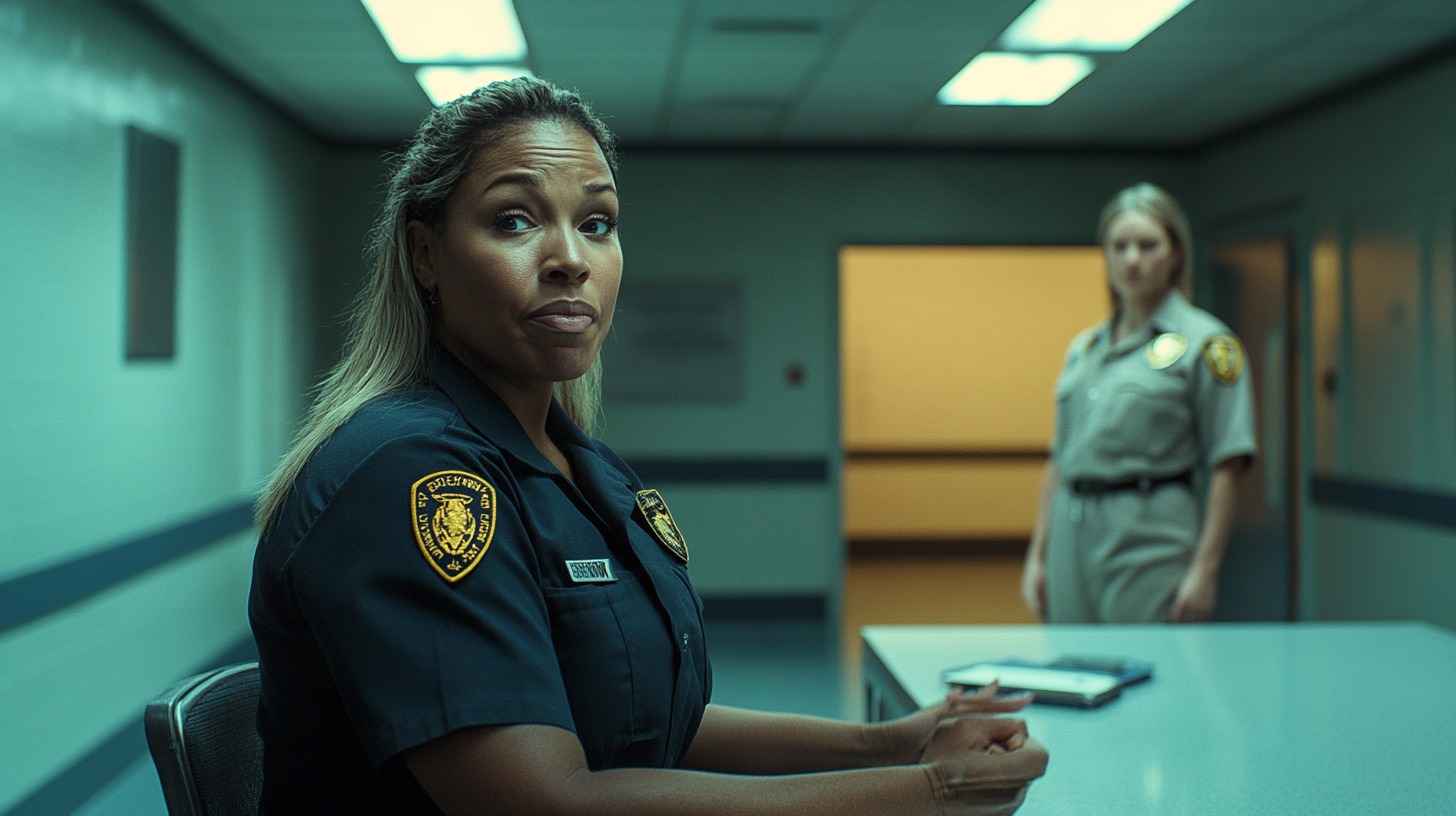
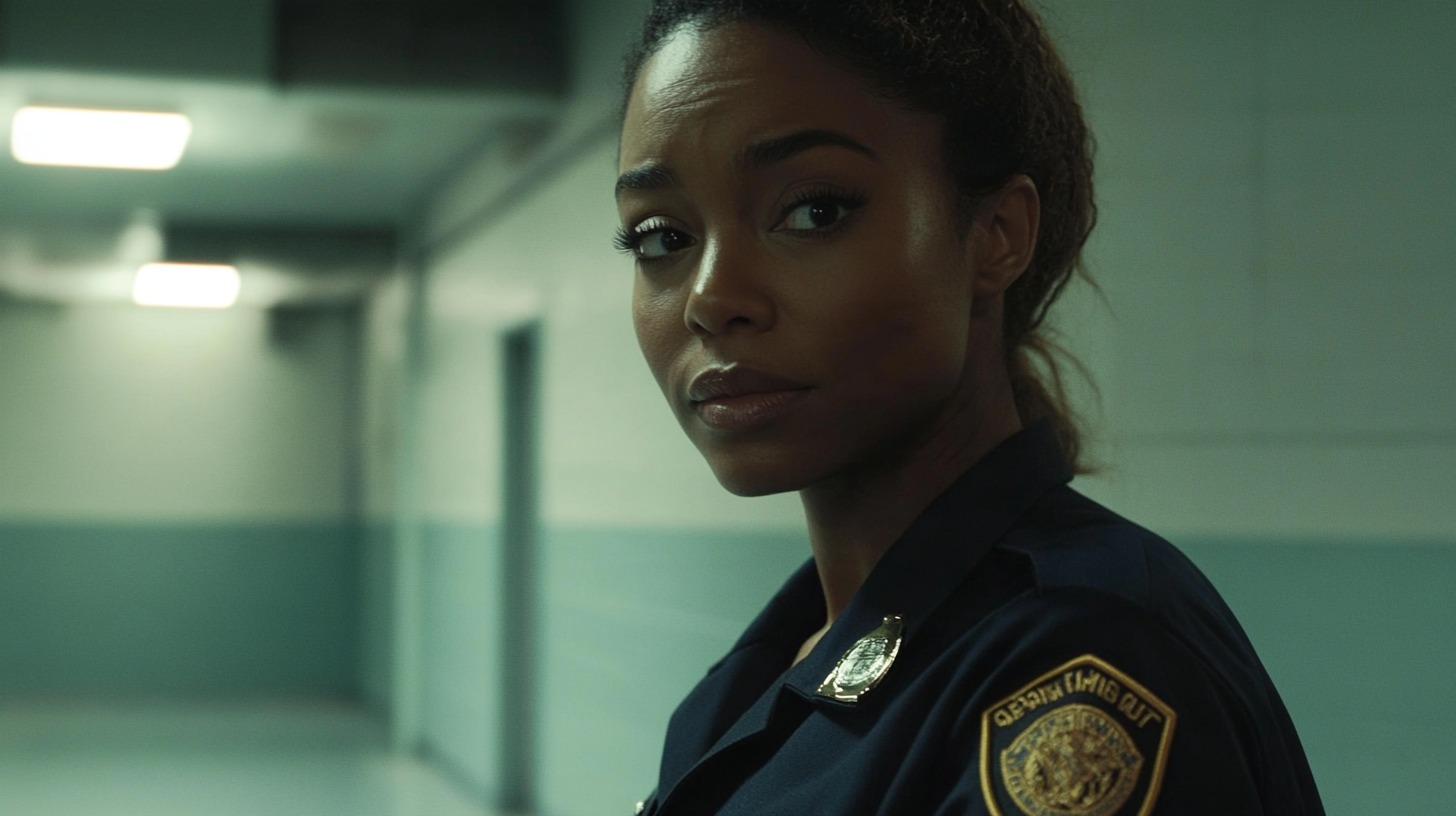
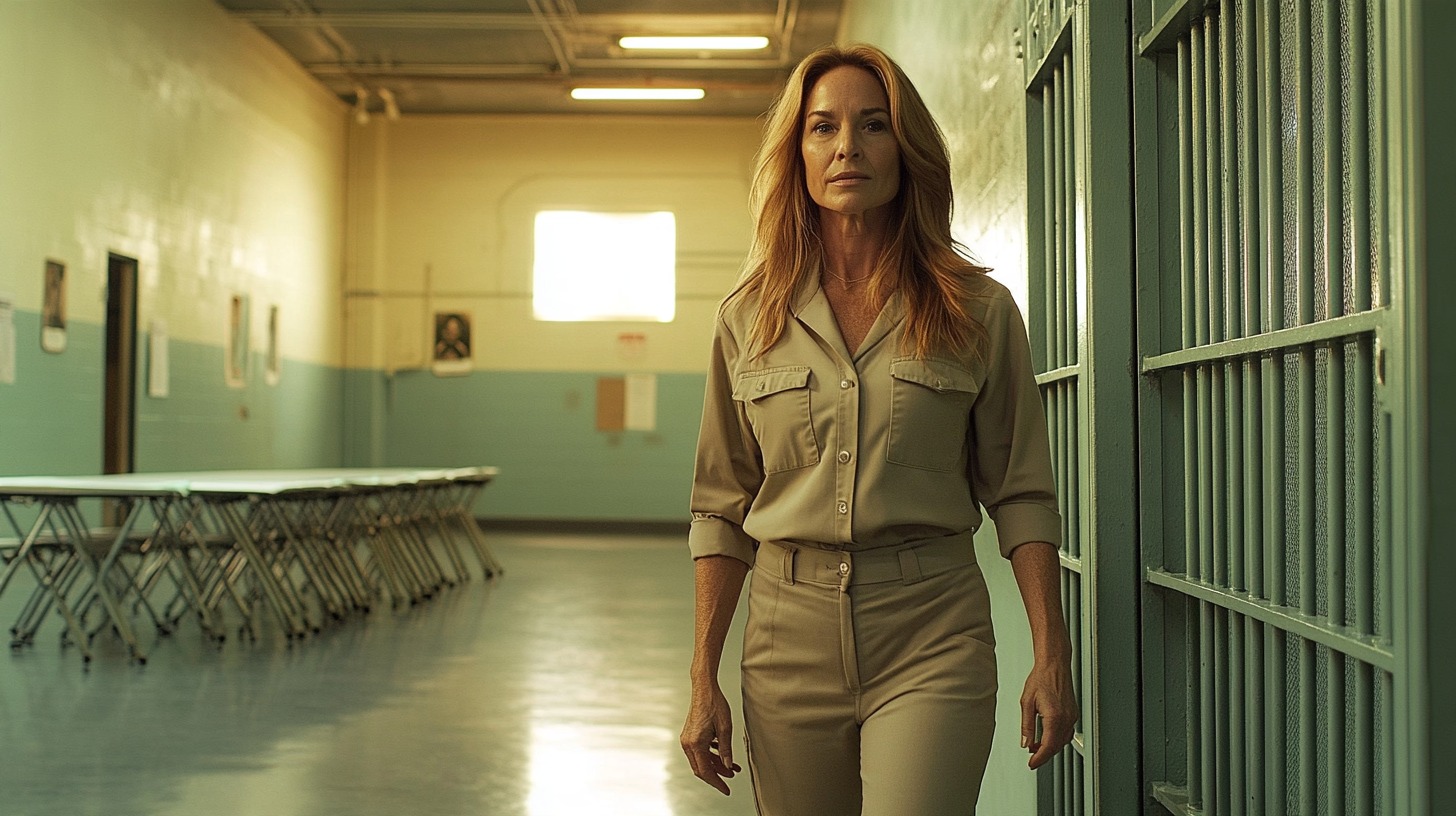
the principal being a forty-something Black woman who, out of uniform,could just as easily be featured in an MTV music videoinstead of working security. She has the presence for it.
In a different life, she’d wear a sexy knockoff cop uniform, bark a few orders, and people would both swoon and behave. Here,the role is real and the presence is sharper.
When she walks in, everyone snaps to attention. That’s not a suggestion. Her baseline expression is permanent exasperation, butthere’s a wink under it for the women who have learned to read her.
First you see authority;only if you’re brave enough to keep eye contactdo you see “beautiful woman.” My first run-in with her happened when I wasn’t even in the room.
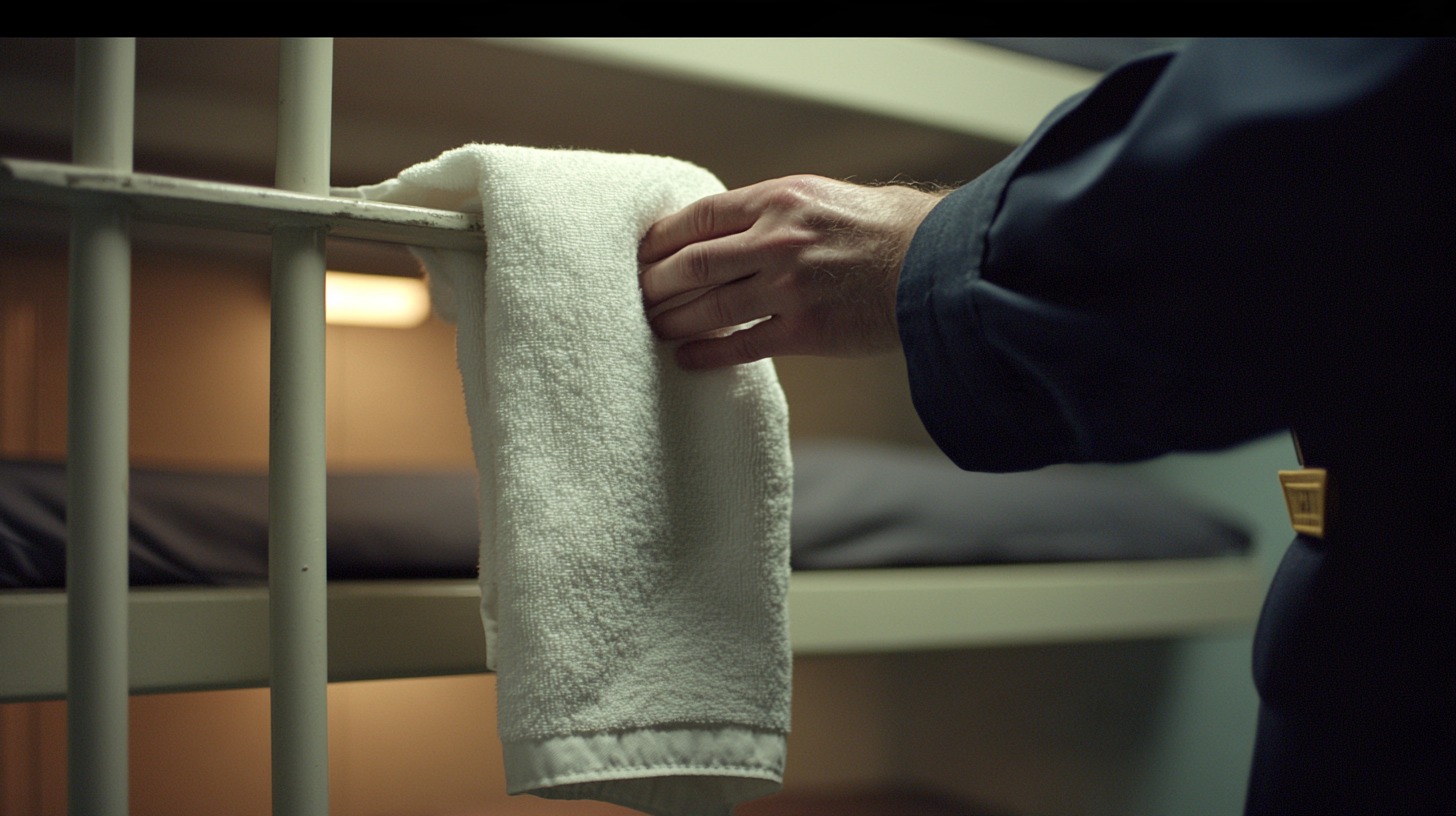
I’d hung my towel on the end of my bed,like the other women do, so it could dry. What I didn’t know is that they do that during the day, not at night.
When I got back from the gym,my towel was folded on top of my mattress.“Smith came in, pulled it down, and left it on the floor,” Nevaeh told me.
“You don’t wanna be drying yourself off with that. I just picked it up.”Lesson number thirty-two at MDC: it’s not personal.
Fortunately, I’d already learned that one.
When the women looked to see how I’d respond, I let it go.“It’s all like sorority hazing, isn’t it?”I said, laughing it off.
I knew that if I took it personally, even a little, I’d carrya tiny charge of “againstness”into every future interaction.
That is not something you want in a place where, as one guard told me, “We have tonotice down to a hangnail because everyone’s life is in jeopardyconstantly.”
Not long after that, not yet hip to the rules,Rachel and I made a bigger mistake.We didn’t realize you can only wear your grey sweatsuits on weekends.
So on a Tuesday, there we were,parading down the hall in our greyslike we were flaunting a dress-code violation. “Where is your uniform?” a voice barked from an office.
We stopped like we’d been tased,then bolted back to the dorm. Luci was standing in the aisle, laughing at something I didn’t understand yet. Breathless, I blurted, “Oh God, we got in trouble.
We just got yelled at for not wearing our uniforms.” “Oh yeah, it’s Tuesday,” she said, like, Oops,forgot to mention that part.
“It’s Tuesday,” I repeated, dragging the word outlike it was a federal charge all on its own.“Don’t worry,” she said. “No biggie.
Happened to all of us.” You don’t realize that inside your five-decade-old body livesa perfectly intact twelve-year-old,terrified of being told to “stay after school.”
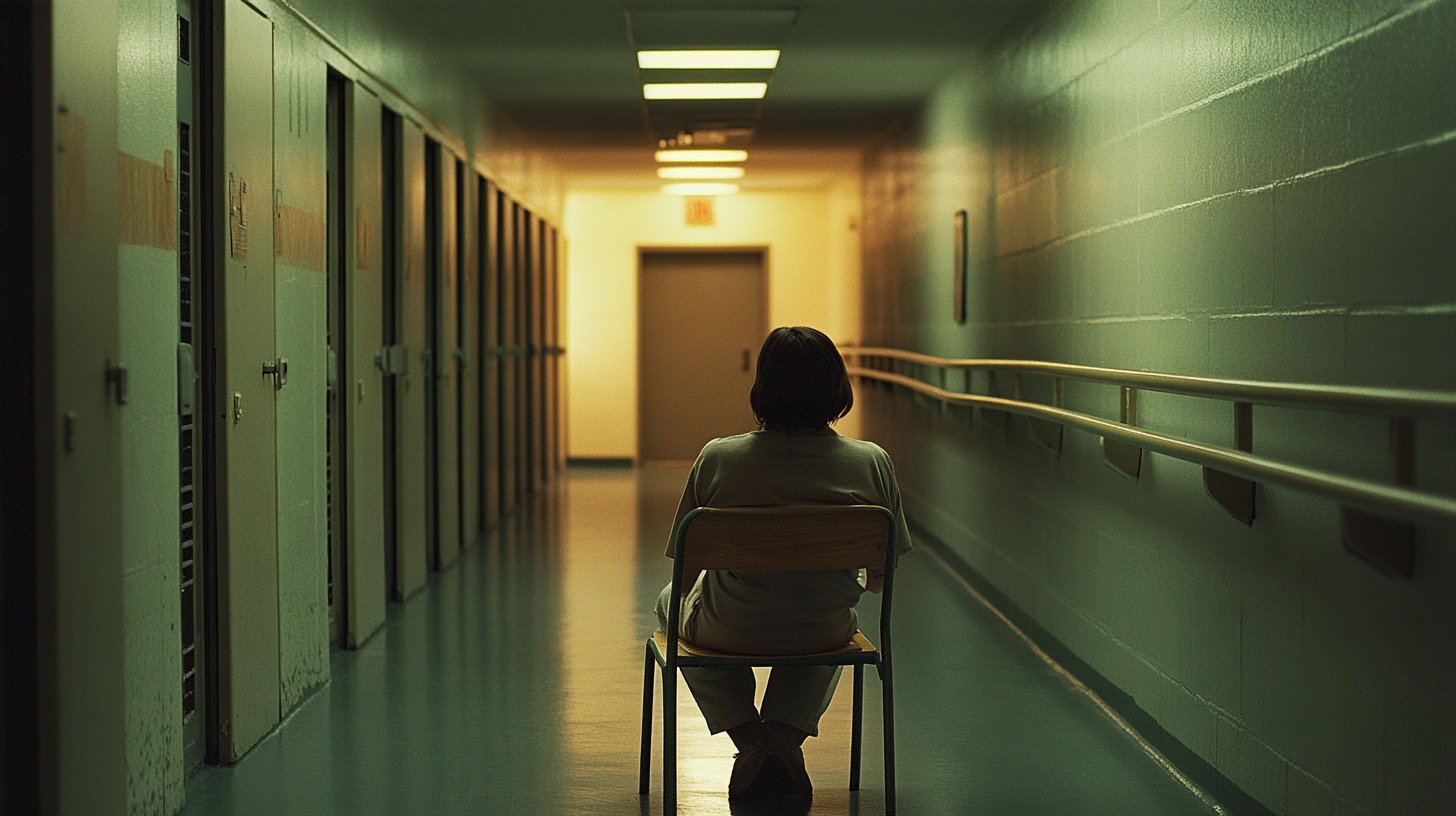
Only here,“after school” is solitary,where the water is rumored to run yellow and the toilet isn’t even behind a door.
Luci later told me she’d told Smith about our near heart attack, and thatSmith had howled with laughter.I didn’t bother to hide my harumph.
What I did try to hide wasmy reflex to hide, period.
Any time I heard the jangle of keys that meant an officer was entering the dorm, I feltlike a dog diving under the couch.
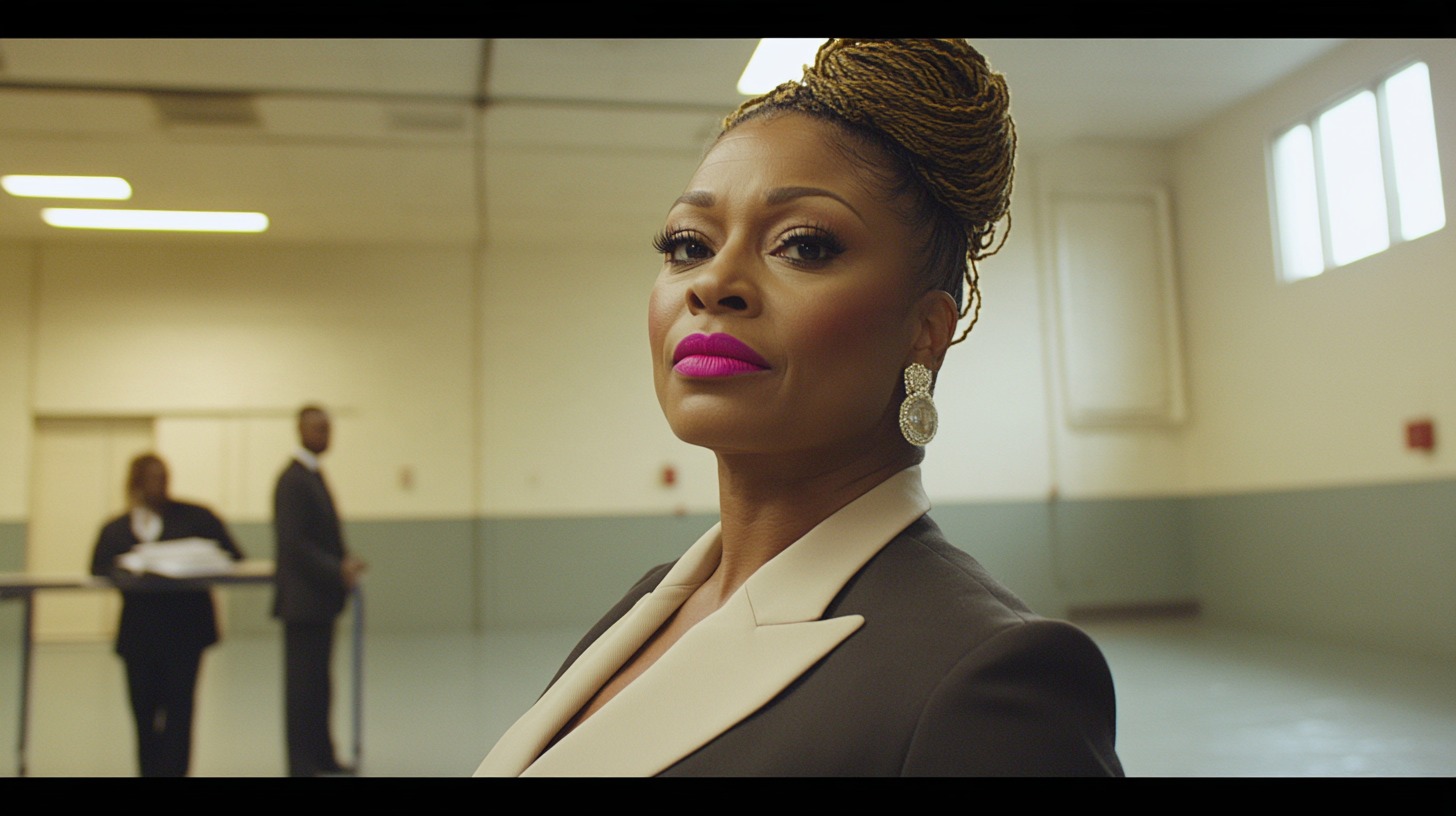
I’d race to my bunk, pull out a book, and try to disappear. That worked untildestiny walked in wearing hot-pink lipstick.Topeka was coming to the prison.
Before MDC, I knew Topeka K. Sam as one of those women whoescape the zoo and then go back with bolt cutters.
She had done time at Danbury women’s federal prison, taken full ownership of her part in the whole mess, andturned that reckoning into a calling.
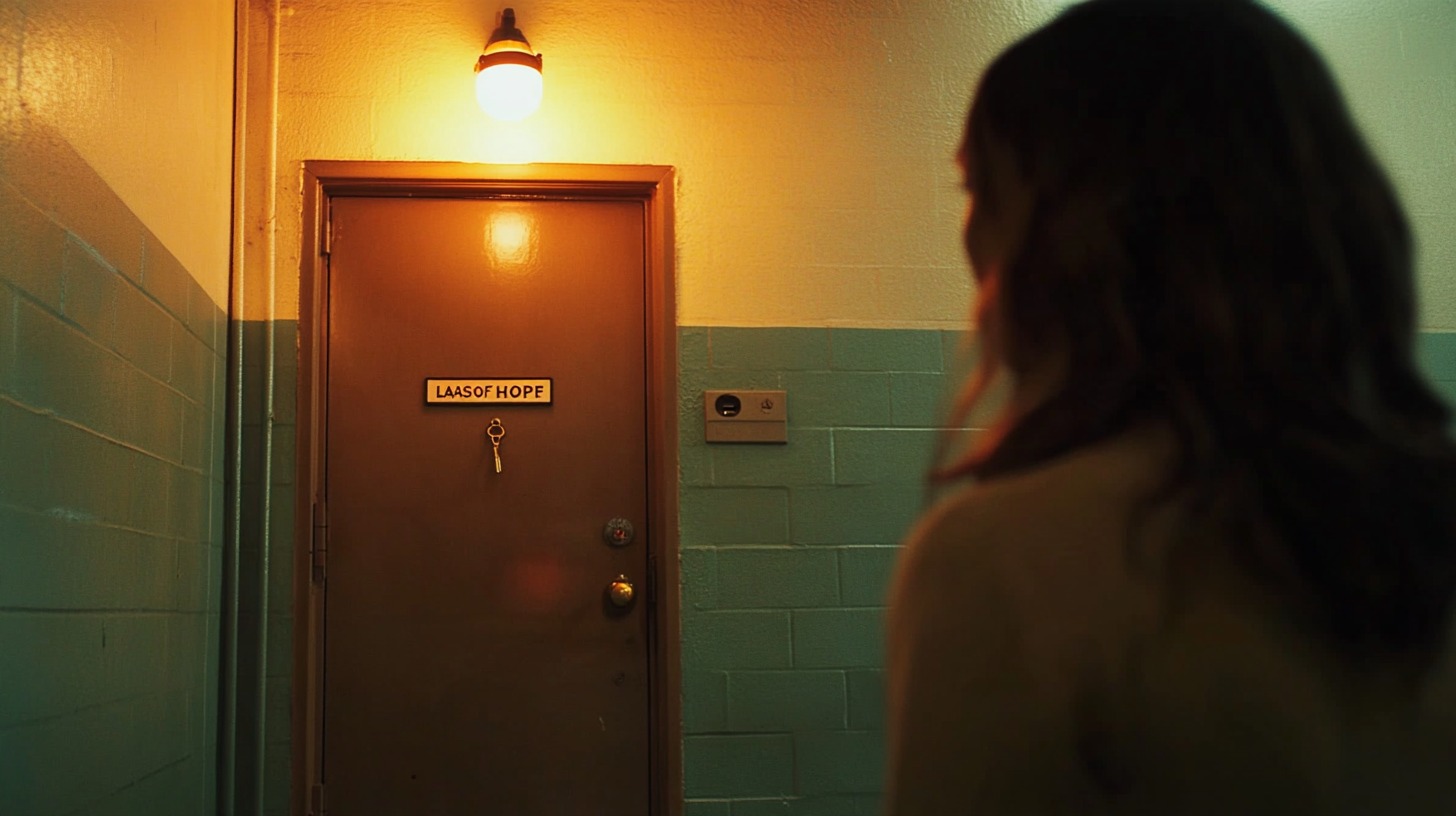
After she came home, shefounded The Ladies of Hope Ministries(LOHM), a web of housing, reentry programs, and leadership training for women coming out of prison.
She can move from pulpit to policy meeting to corner stoop without changing her voice, carrying botha pastor’s heart and a hustler’s stamina.
Topeka is my twin, if my twin werea hot-pink-lipstick-wearing, formerly incarcerated, force-of-nature activist.Our souls are cut from the same cloth.
Two women who have always been “too much” in any roomfound “just right” in each other.
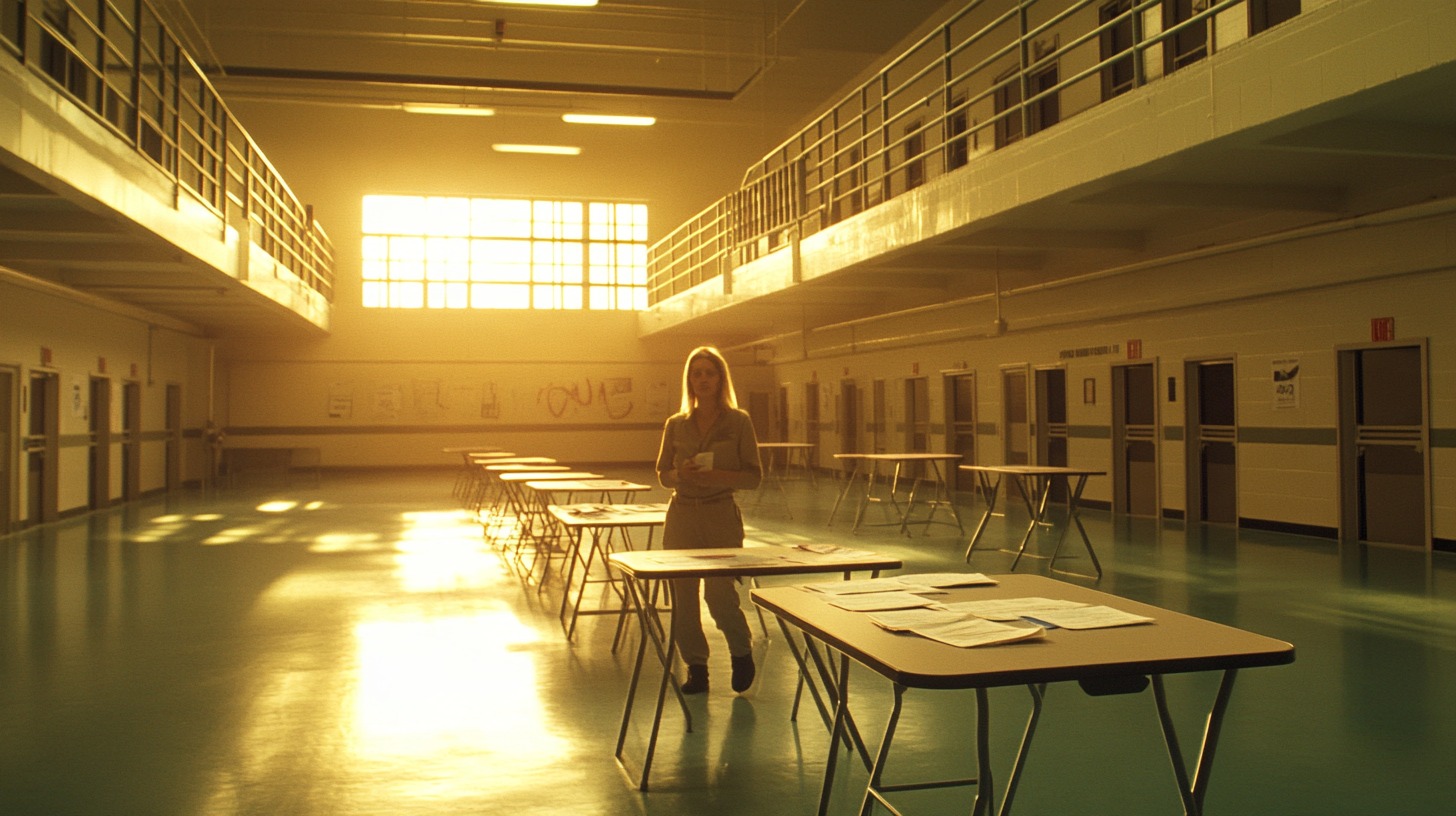
There was going to bea resource fair in the prison gym,a lineup of organizations that support justice-impacted people. Of course Topeka would be there with LOHM.
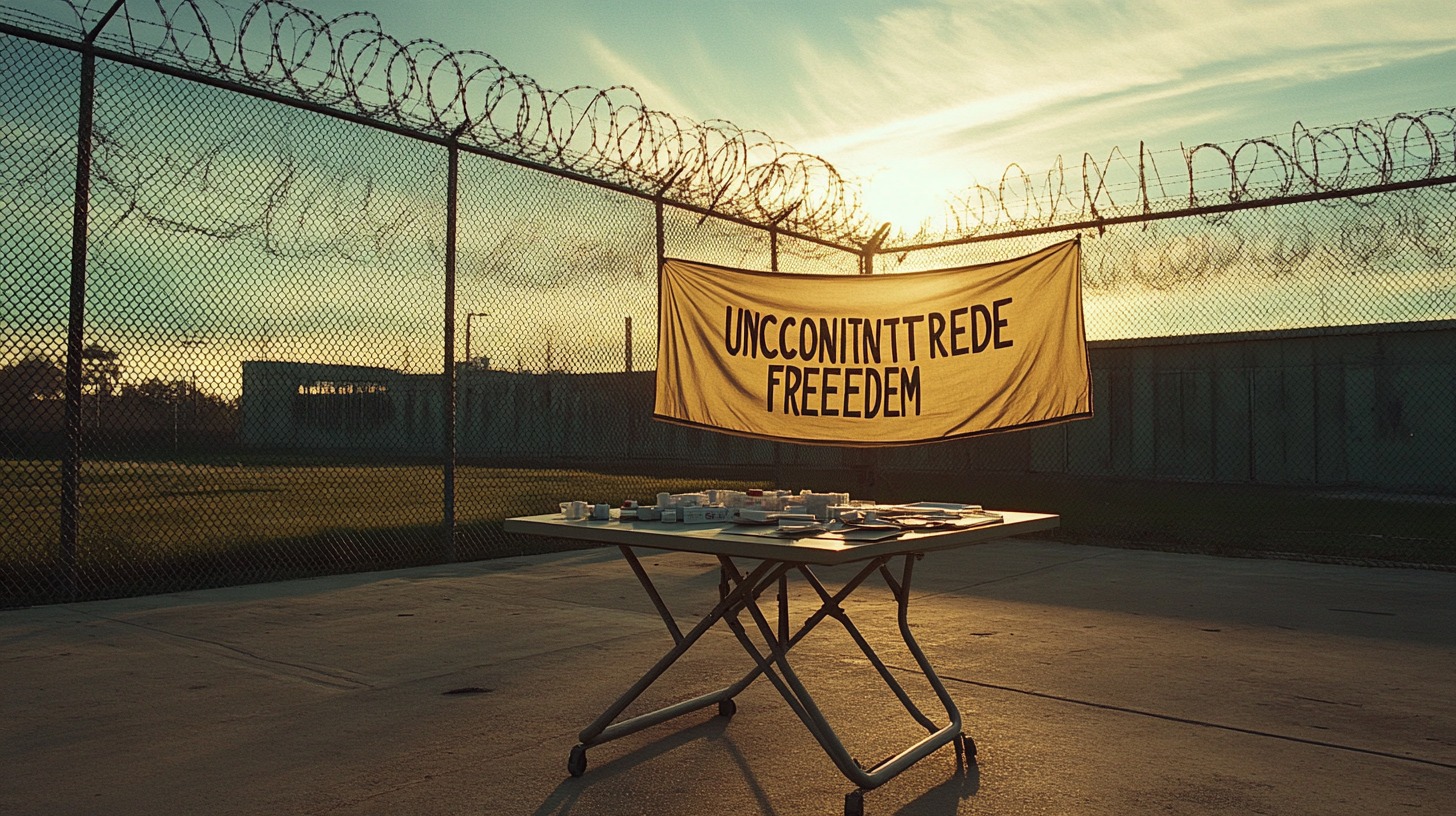
In my old life, I would have been set up at the next table with my nonprofit,the Unconditional Freedom Project.
But no. This time,I was on the inside of the fence.I took a breath and asked the officer who was signing women up for the event if I could go.
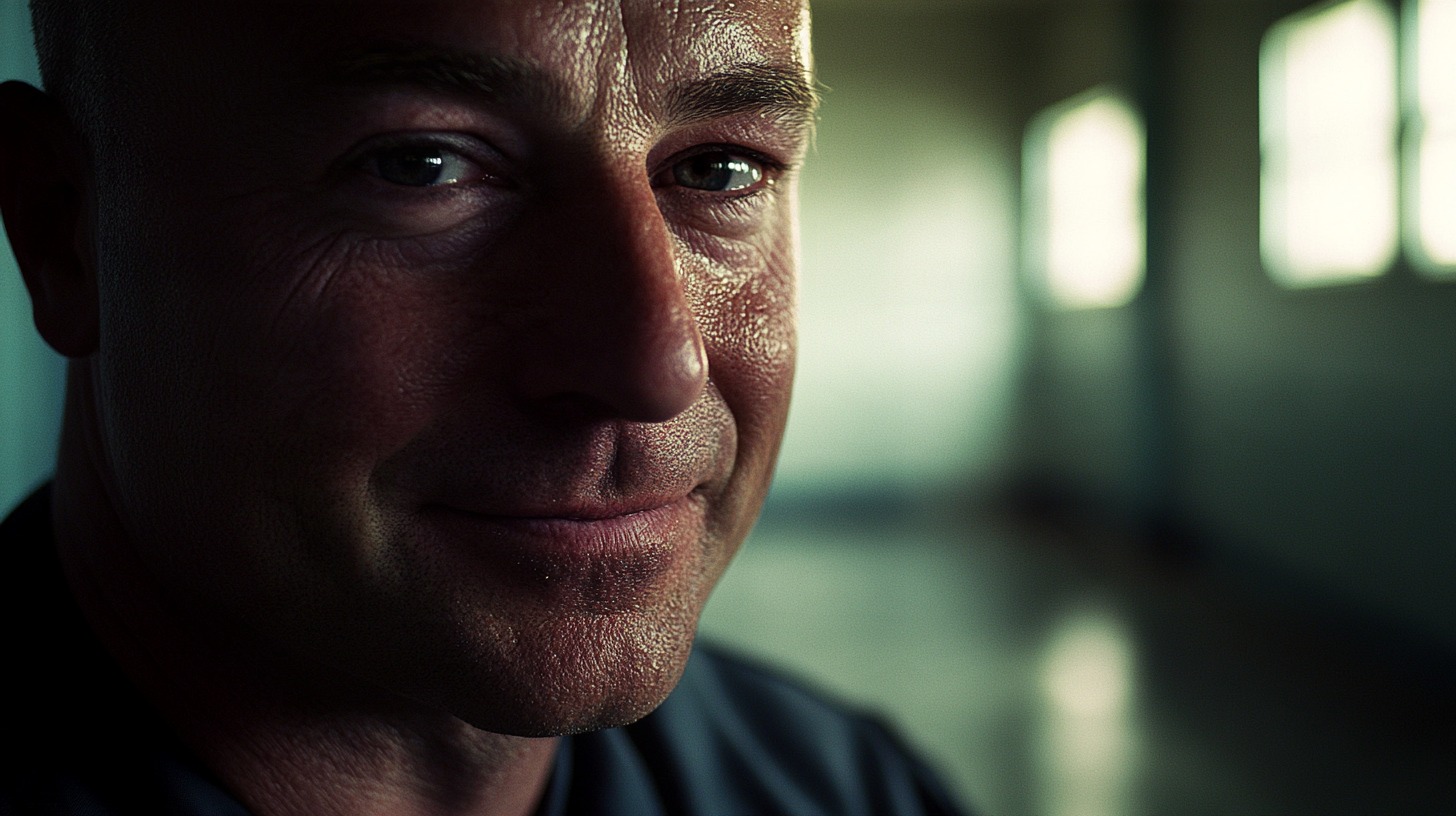
He’s the kind of man you’ddefine entirely by his eye twinkle.
I don’t know how he’s done this job for two decades— listening to our stories of woe—and still manages to make you feel like you’rewalking into an amusement park when you see him.
It was solely because of his warmth that I had the courage to ask to go.His kindness softened the intimidationof deliberately walking into the principal’s office.
He was genuinely sad to tell me no.I nodded like it was fine,because I had expected it.
Then I went back to my yoga mat while the other women,excited for the candy they’d get for attending,lined up to go see my friend.
There I was,yoga-ing away on the dorm floor with Rachwhile Topeka set up her table in the gym, when a fierce, funny guard burst in, yelled our last names, and jerked her thumb.
“Come on,” she said. She marched Rachel and me down the hall and into Smith’s office. We stood therelike two snot-nosed kidswho weren’t sure what we’d done this time.
“You know this Topeka?”Smith asked. “Yes, ma’am,” we said, in unison.
“I looked at your case,” she said.“Doesn’t seem to have anything to do with this woman.
You wanna go?”I couldn’t help it—I lit up.If I hadn’t been in prison, I might have actually levitated.
Instead I tried to keep it to a human level of joy.Topeka is my oxygen.I was about to get to breathe for the first time since I arrived.
Smith watched meride the edge between hysteria, laughter, and tears.To protect my dignity, she put a firm lid on the moment.
“Well, alright, go on now,” she said, catching my eye just long enough for me to give her a nod that meant,You just saved my life.
She received it withher own small look that said, I got you.
One of the biggest challenges I faced walking into MDC was that, before I ever got here, I had spent years building Unconditional Freedom, the nonprofit I started totest a stubborn belief:
that people are not the worst thing they’ve done, and that the places our culture throws away—prisons, jails, encampments, the food-insecure corners of our cities—could become monasteries in disguise.
With programs like The Art of Soulmaking for incarcerated people, Guards to Guardians for corrections officers, and Free Food for folks who are hungry in both body and dignity, we tried to give everyone on both sides of the barsreal practices, real responsibility, and a real way to contribute.
My job on the outside was to see the best in everyone and build systems around that faith. So at MDC,my challenge is different from many of the womenaround me.
I have written books, designed curricula, stood on stages talking about the inherent goodness buried under all this mess. I didn’t want to be wrong about people—not about the women, and not about the officers.
Sure, the women heregive me a run for my money.
But I had assumed if anyone, it would be the officers who wouldfinally break my worldview,that they’d be the ones to prove my faith naïve.
What I’ve discovered instead is that some of thedeepest confirmations of that faithhave come through them.
They are, in fact,hidden jewels in uniform—people whose real care runs underground, beneath the role they have to play. And it is moments, flashes like Smith’s nod, that confirm all of it.
Walking into that gym to see Topeka waslike coming out of anesthesiaand remembering who you are.
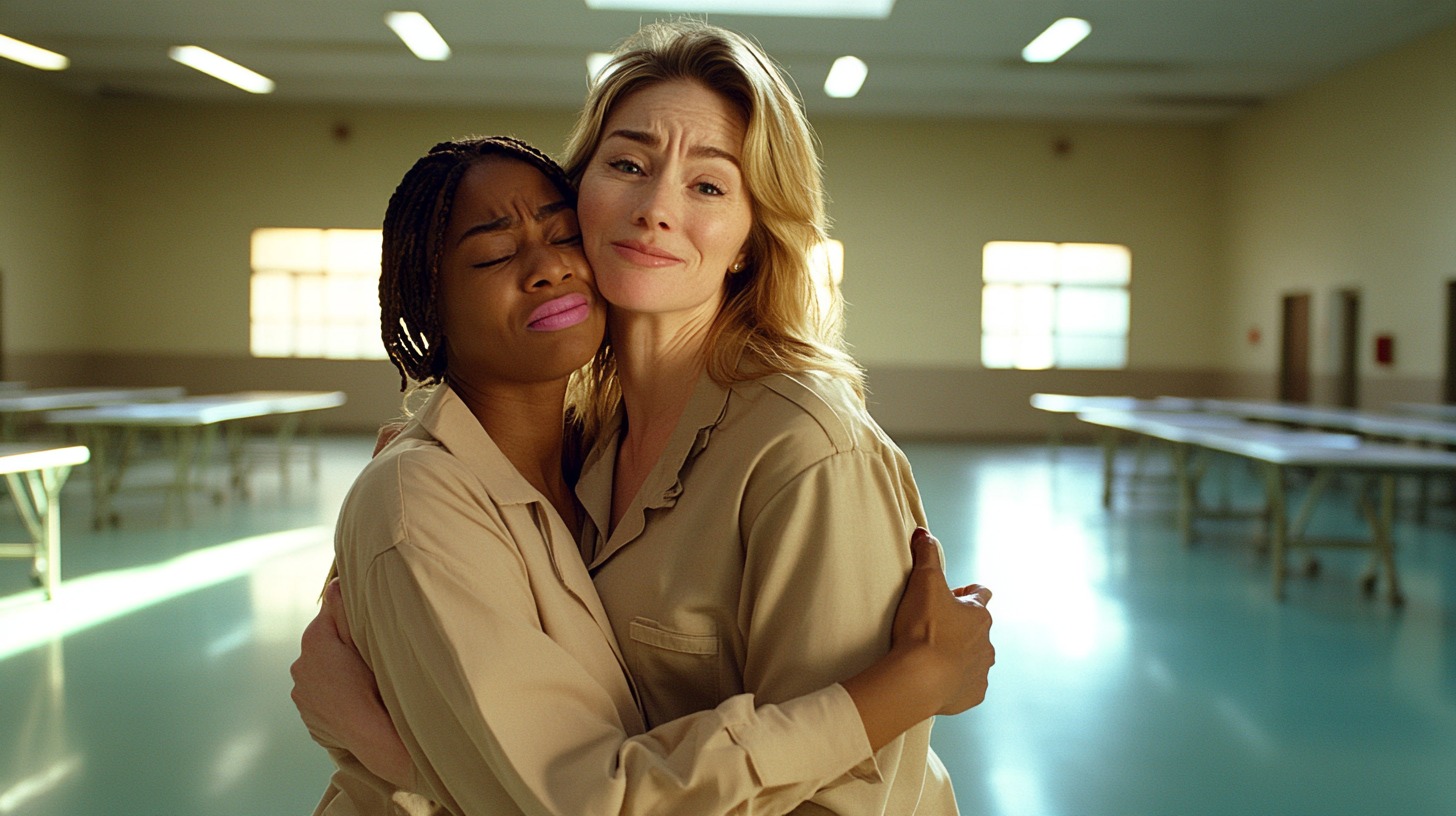
You wiggle your fingers and toes, realize everything still works, and feel a ridiculous, overwhelming gratitude just to be alive and intact. We metin the middle of that gym and both started crying.
It didn’t matter that we were under fluorescent lights next to a folding table stacked with pamphlets. For a few minutes, it felt like the world hadsnapped back into its proper shape.
Apparently, word traveled fast. I introduced every single woman I could to Topeka as if I wereshowing off my sister and my hero at the same time.
I told her what they were up against and what they needed to succeed. Nevaeh needed a correspondence-ministry program for when she got out. Allison needed transitional housing,not just a bus ticket.
It’s rare to havea hero and a sister in one person.I was so proud to share Topeka with my new friends.
Of course, the tears came right whenI’d have preferred to look composed.
Later that afternoon,the twinkly-eyed officer walked into the dorm.“You have a good time?” he asked, a little smile hiding in the corner of his mouth. “Yeah,” I said, trying not to cry again.
“I really did.” “Well, good,” he said.“Smith did you right.”
Without thinking, I did what I would do on the outside when I’m overwhelmed with gratitude:I put my hands together in a bow.It was automatic, a small gesture of reverence.
He took it in,eyes sparkling in that way he hasthat says, Okay, that’s enough now, but he let it land.
He seemed to understand it was something I needed to do for myself as much as for him. Not long after that, the third member ofwhat I started calling my Undercover Trinityshowed up.
He’s the ultra-Brooklyn kind of guy you picture when you hear “I wanted to make a difference; I couldn’t just sit on the sidelines.”Cute Adidas, jeans, easy swagger.
He looks like someone who should be running a community arts program, not walking tiers in a federal facility, which somehow makes him even more effective. Because hedoesn’t fit the stereotype, people underestimate him.
They discount what it took for him to choose this job and stick with it. As a result, he knows how toslip small acts of humanity through the cracks in the system.
He’s the one quietly rearranging a schedule so a woman canmake a key phone call,or bending just enough on a rule to keep the dorm from boiling over.
He has that rare capacity towork inside the machine without becoming the machine.
One afternoon, he had to call me out of one of the few classes they have here to tell meone of my legal documents had arrived.That kind of news is always a chest-clencher.
It feels like the diagnosis just came in. You’resuddenly naked, every nerve exposed,and it’s hard to keep it together.
But there I was in the dorm, where it’s not wise to letthe gravity of those moments out on display.
As if he knew I needed a beat to steady myself before I went back into the room, he just stood there with me for a second,holding the space without prying.
Eventually he said, “You good?” That one second wasenough for me to pull myself back in.That’s how subtle every moment is in here.
That’sthe level of care the real ones learn to trackand offer.
All three of them—Smith, the amusement-park officer, and the Adidas-wearing Brooklyn guy—are undercover in their own ways,carrying a deep, determined care beneath unlikely exteriors.
From the outside, it looks like every other federal jail:concrete, barbed wire, bureaucracy.
From the inside, if you pay attention, it’s a place whereprincipals turn into guardians,and the people you were trained to fear turn out to be your allies.
As I keep discovering:Things are not as they appear in MDC Brooklyn.