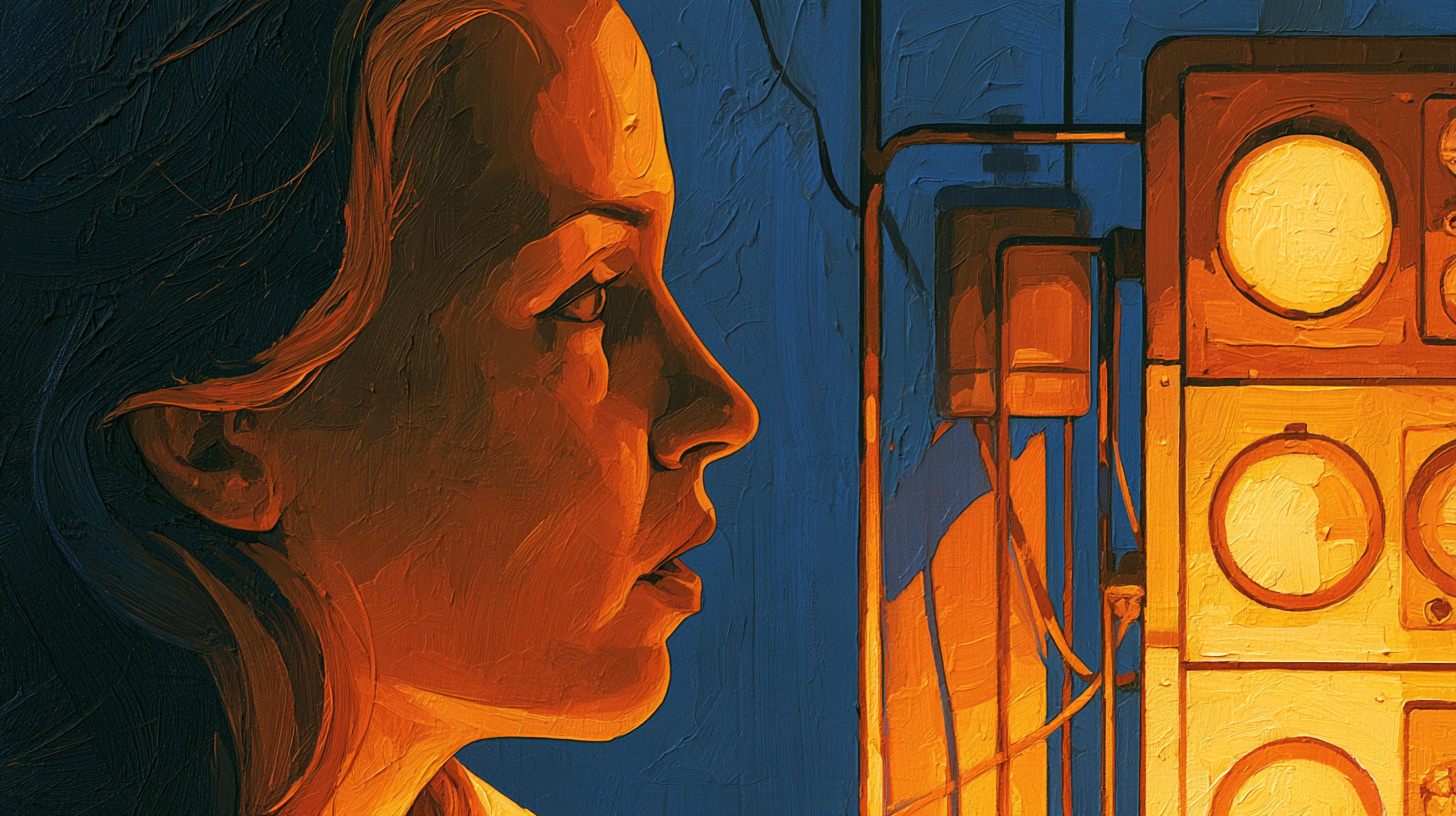
I once watched a grainy film from the 1950s:a prim, pearls-and-aprons kind of womansitting beside a clinician in a white coat, pencils lined up in his pocket.
Machines hummed in the background. She looked into the middle distance and said, in a breathy Princess Grace voice,“It’s just…so…I can’t explain it.
It’s so beautiful.We are—there is no separation—you are me.Oh yes…I am you.” She’d been given LSD in a supervised setting. Whatever she was touching, language couldn’t hold it.
But you didn’t need words to know something was happening thatordinary life rarely lets through.
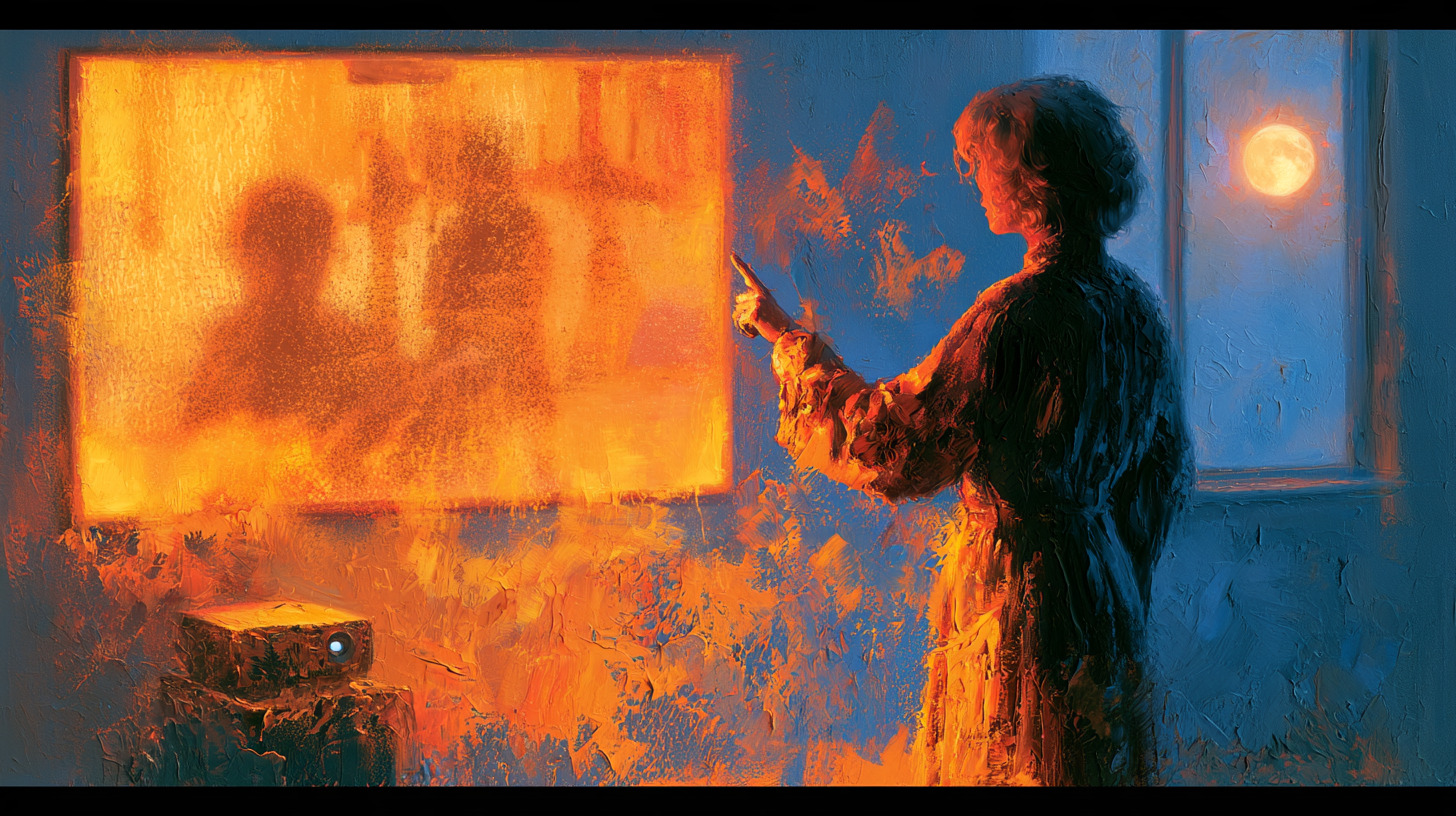
I used to show that clip when I taught. It was my“finger pointing at the moon”:You don’t have to take my word for it.
There’s more to reality than the skin we live in.
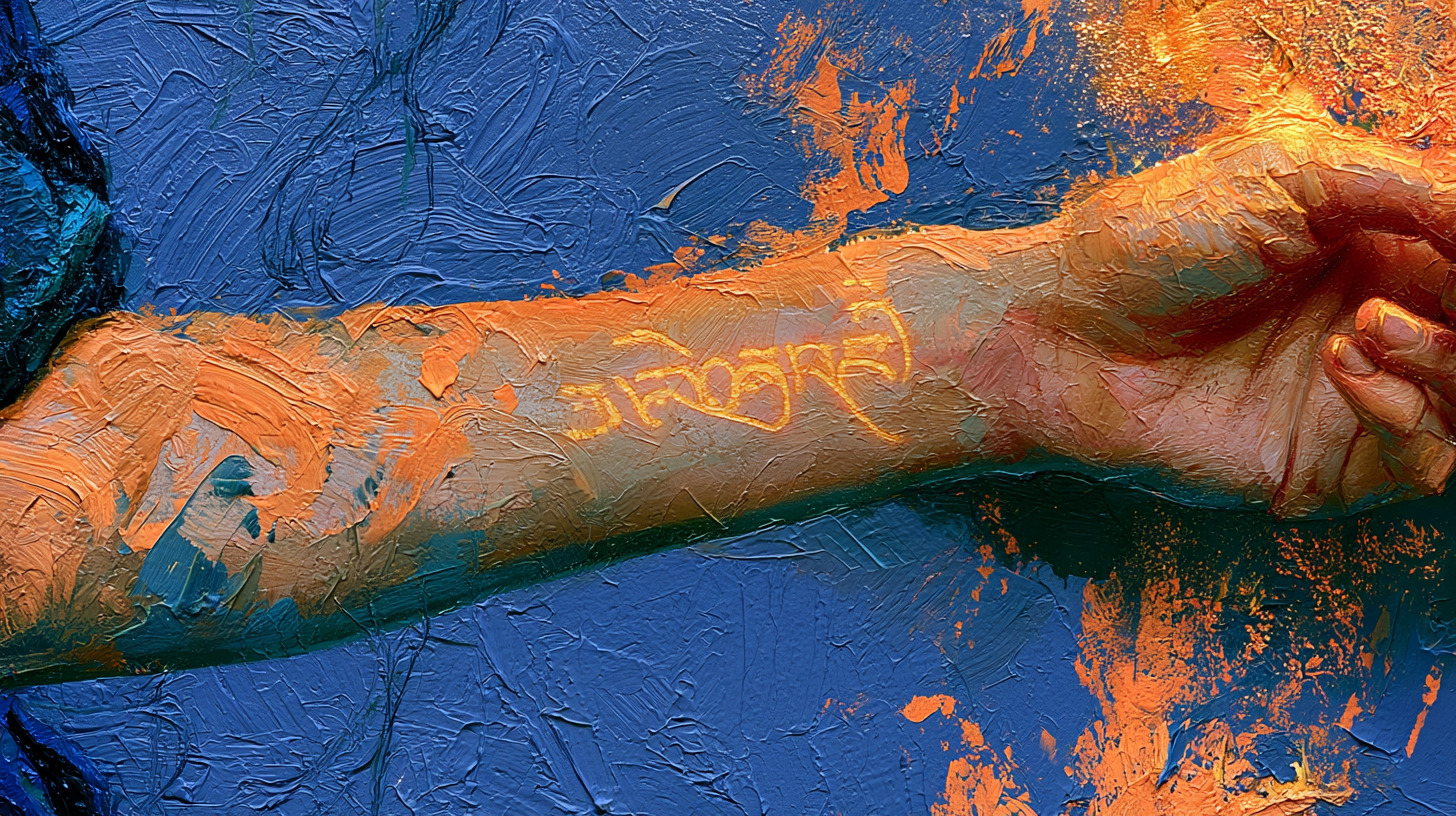
If I ever got a tattoo, it would be ehipassiko—the Buddhist phrase I love that means“see for yourself.”
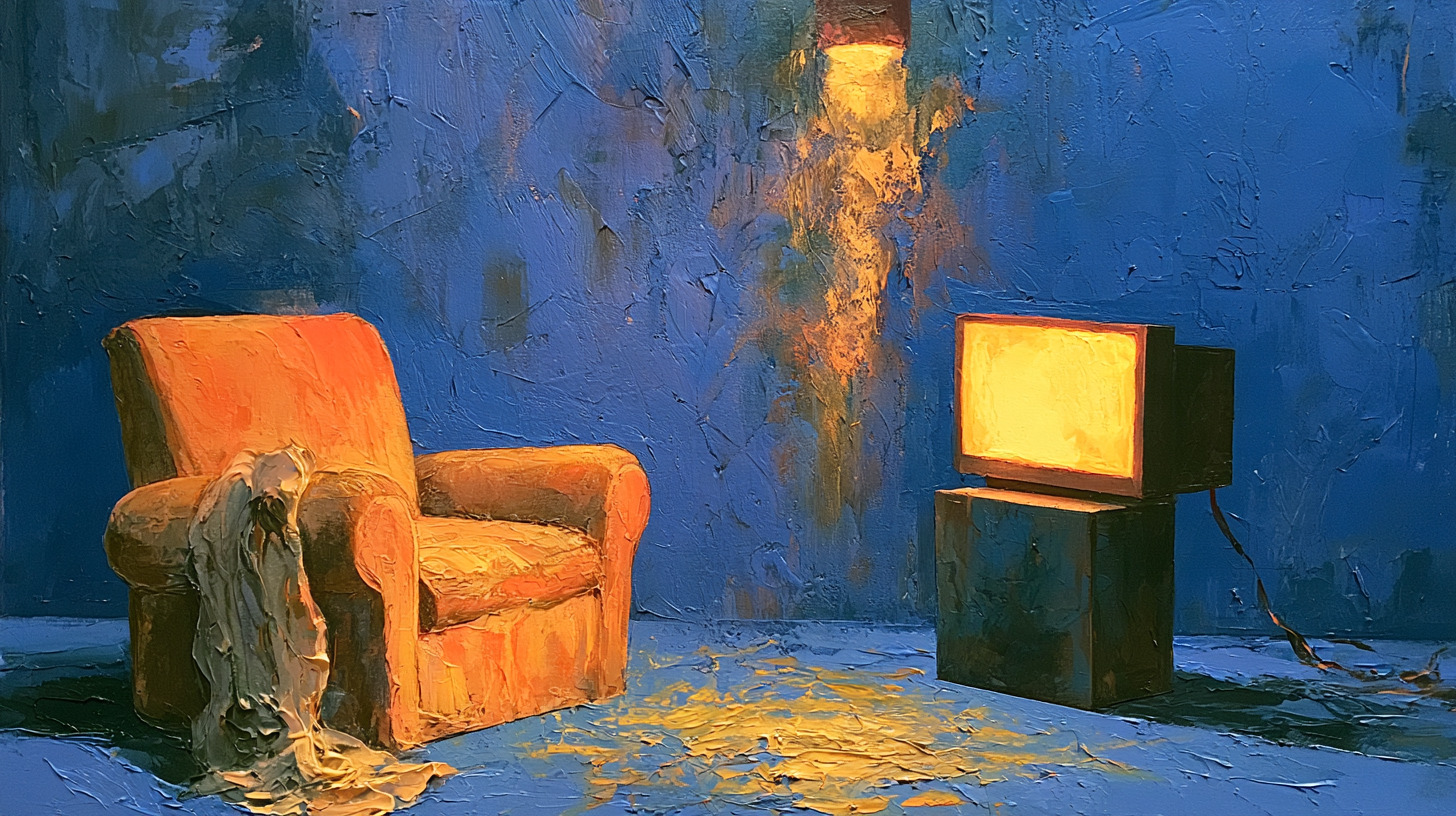
It cuts against our armchair culture: people who feel likeathletes on Sundays as they watch football from the couch;
spiritual spectators who mistake reading about God for being in relationship with God;do-gooding at a safe distance that never risks a heartbeat.
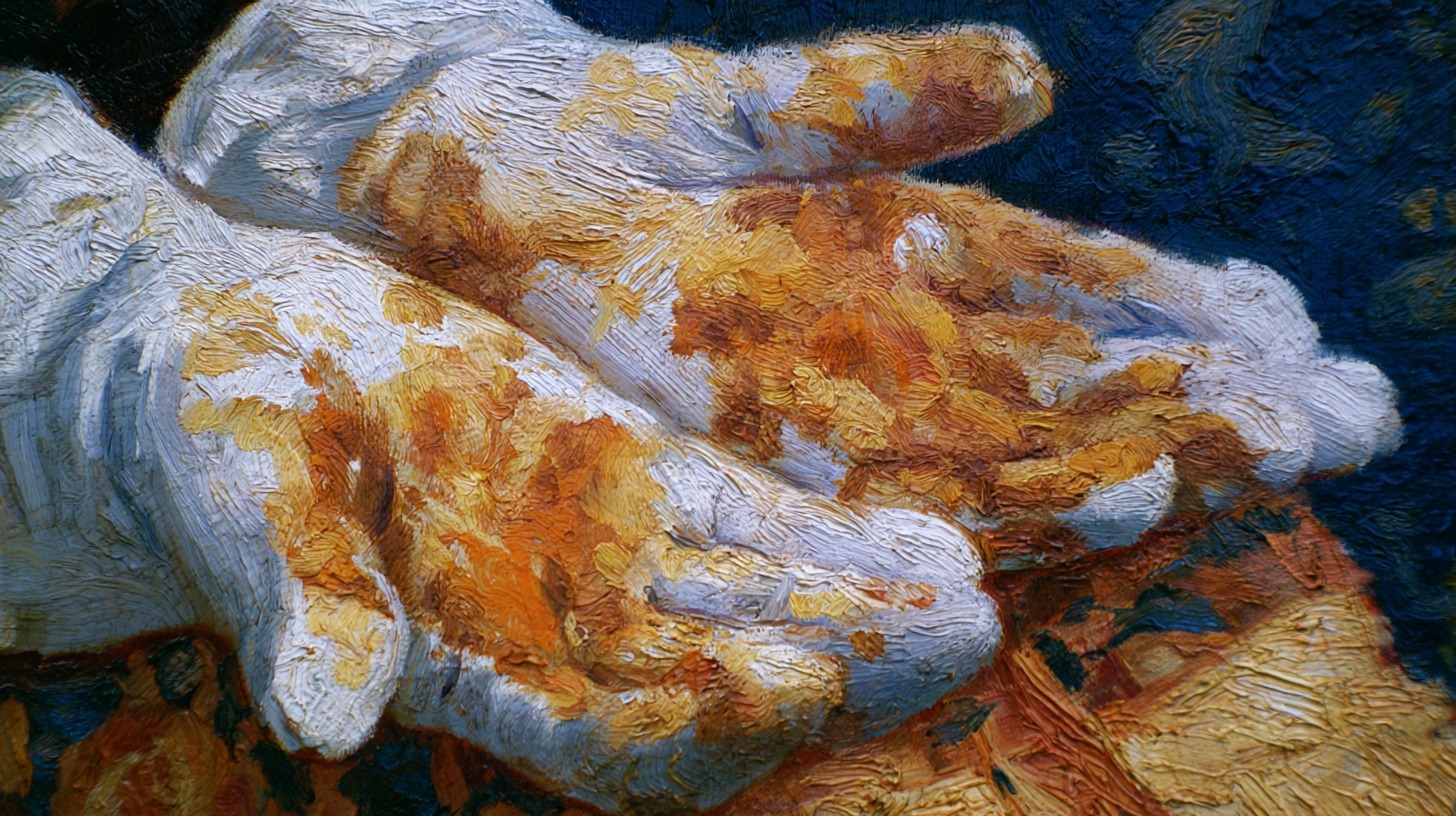
White-glove spirituality stays clean—and brittle.I invited people to taste honey by putting it on their tongue.
Don’t watch someone else live. Be the person others can’t look away from because you’re actually here—unmediated, unedited, alive.
To be able to answer from your own bones, not theory, the question: “Is that true?” That israw, trembling power.
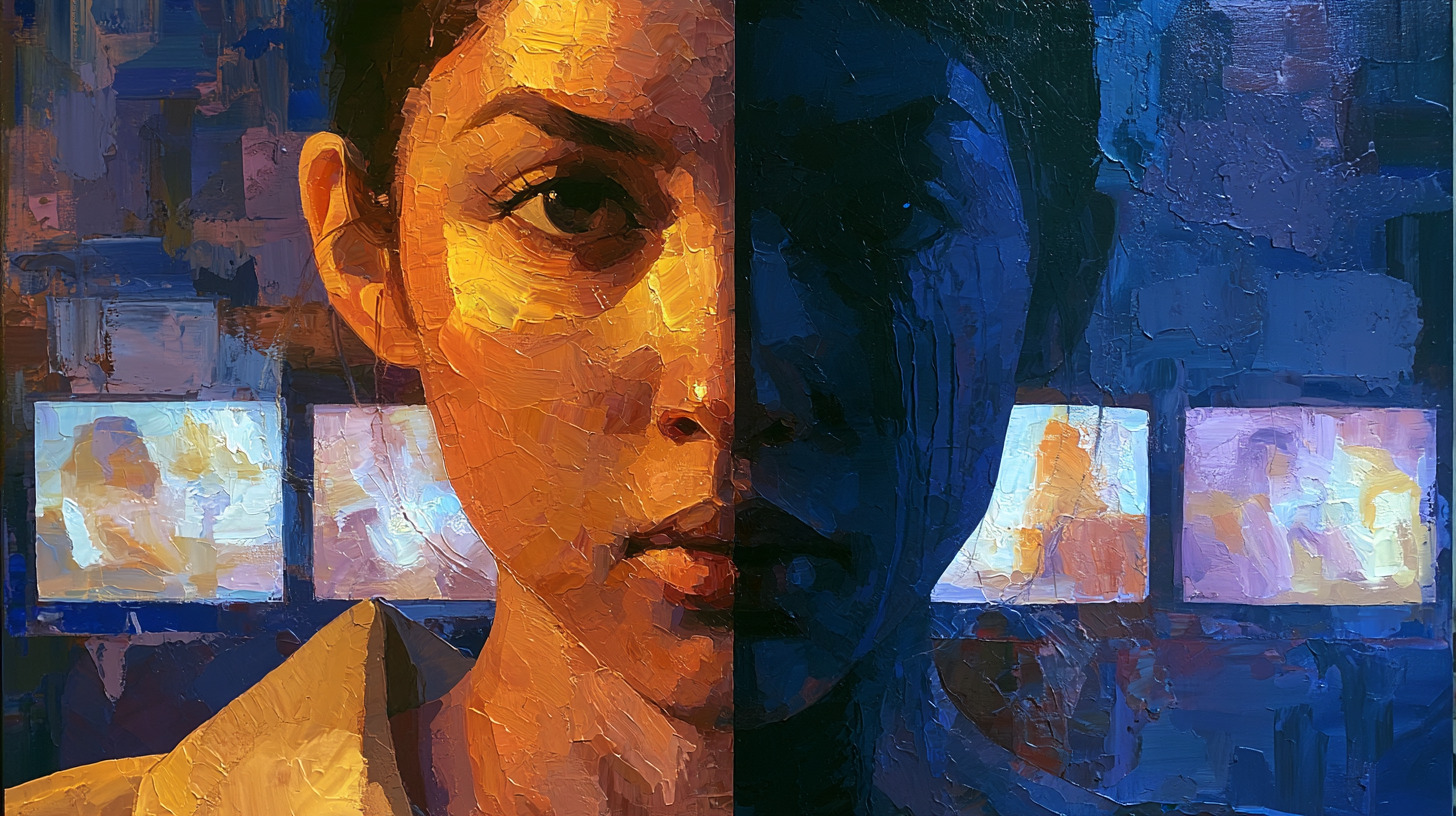
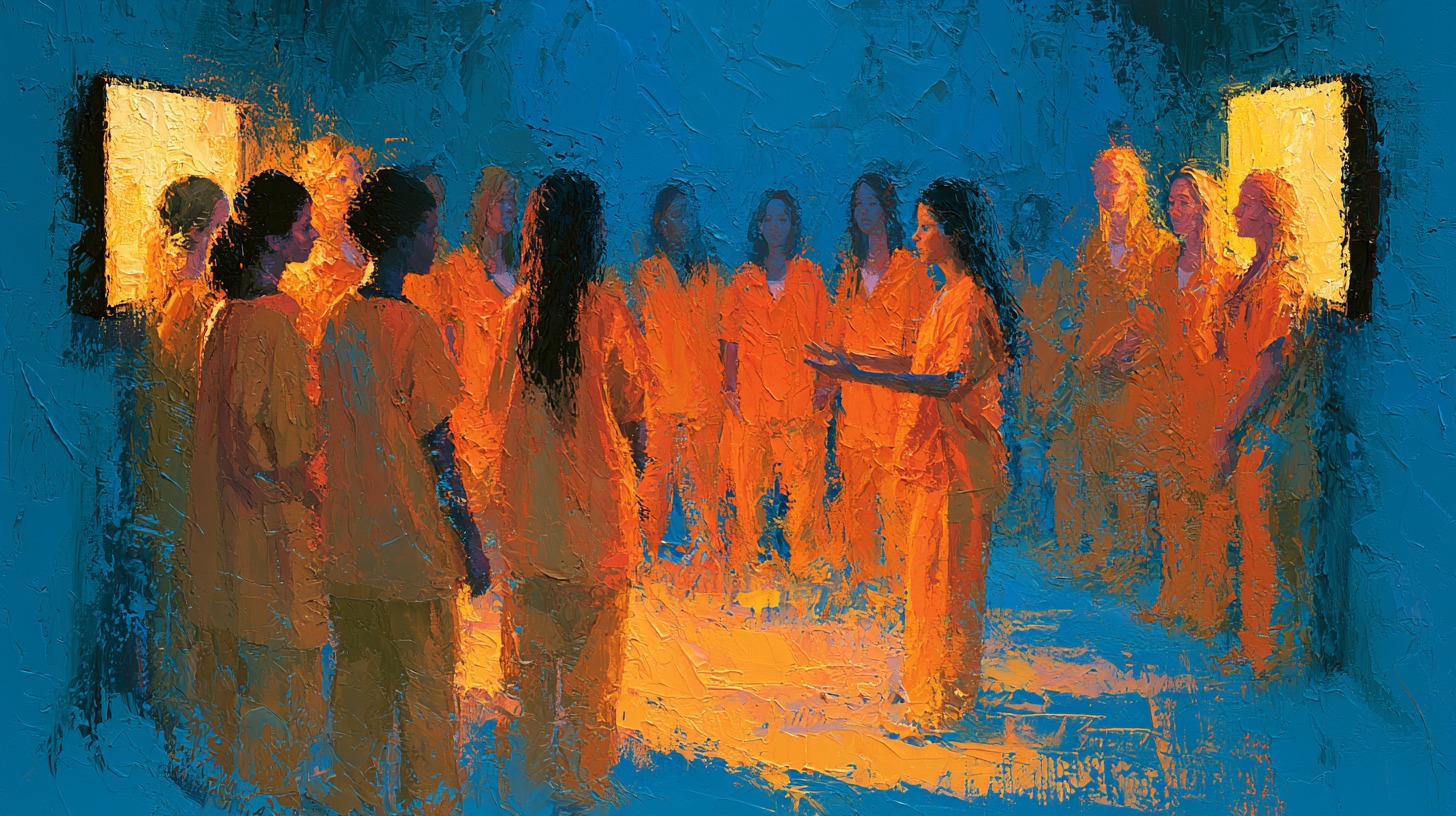
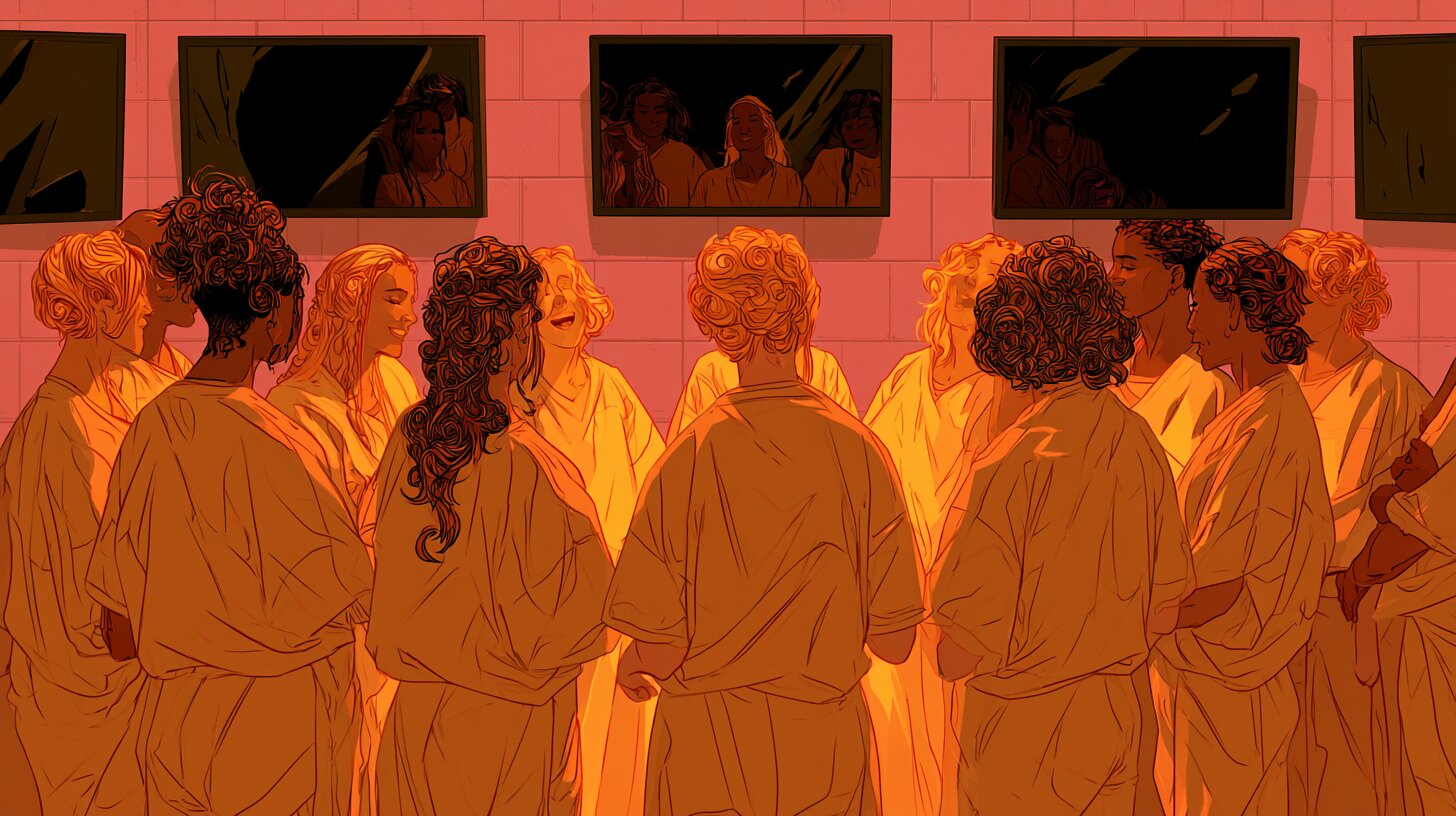
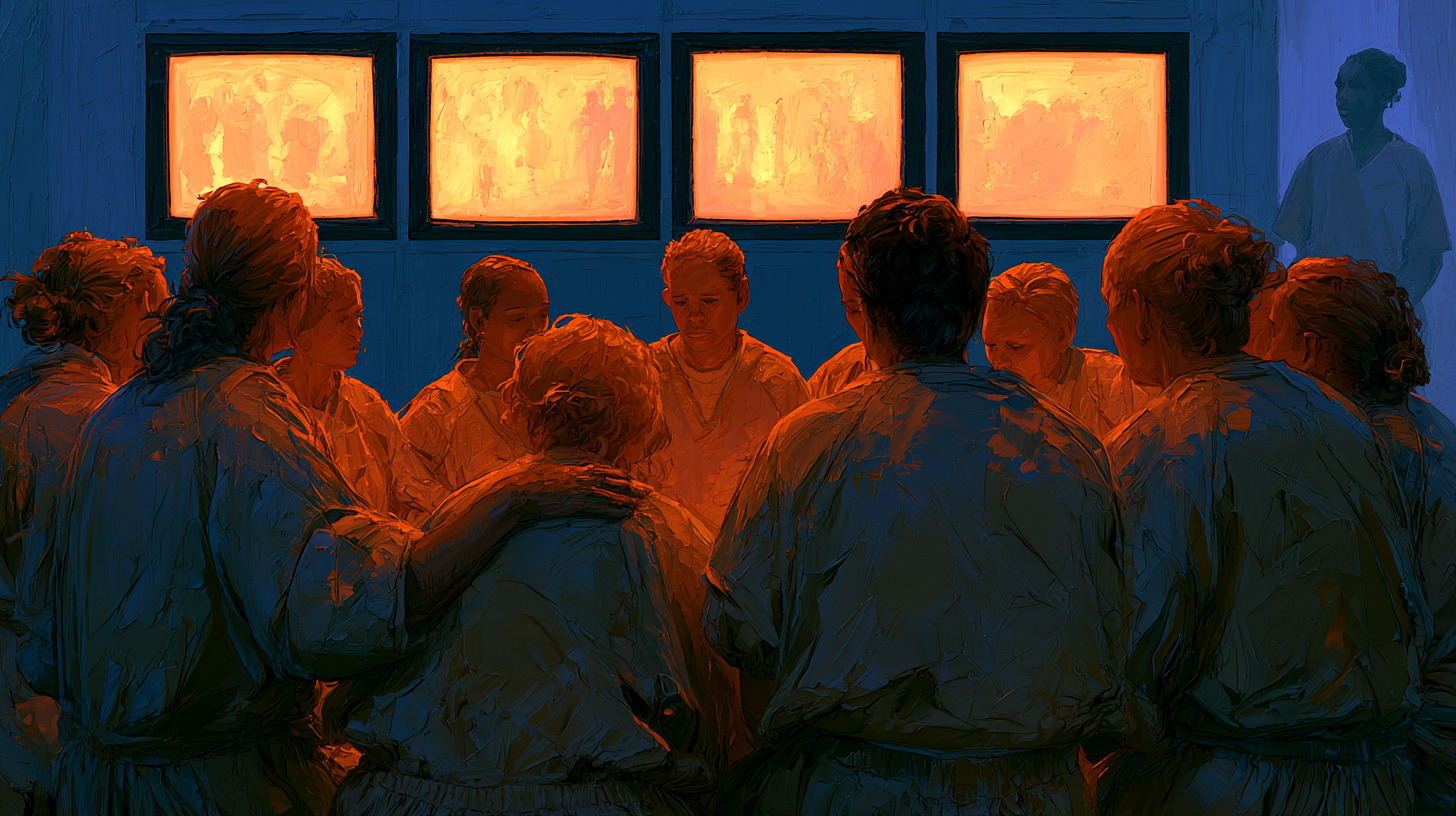
Here, five televisions pour out “true crime,” a genre that suggeststhe world has Prison Envy.
It’s a kind of safe-distance thrill.You get the charge without getting your hands dirty.
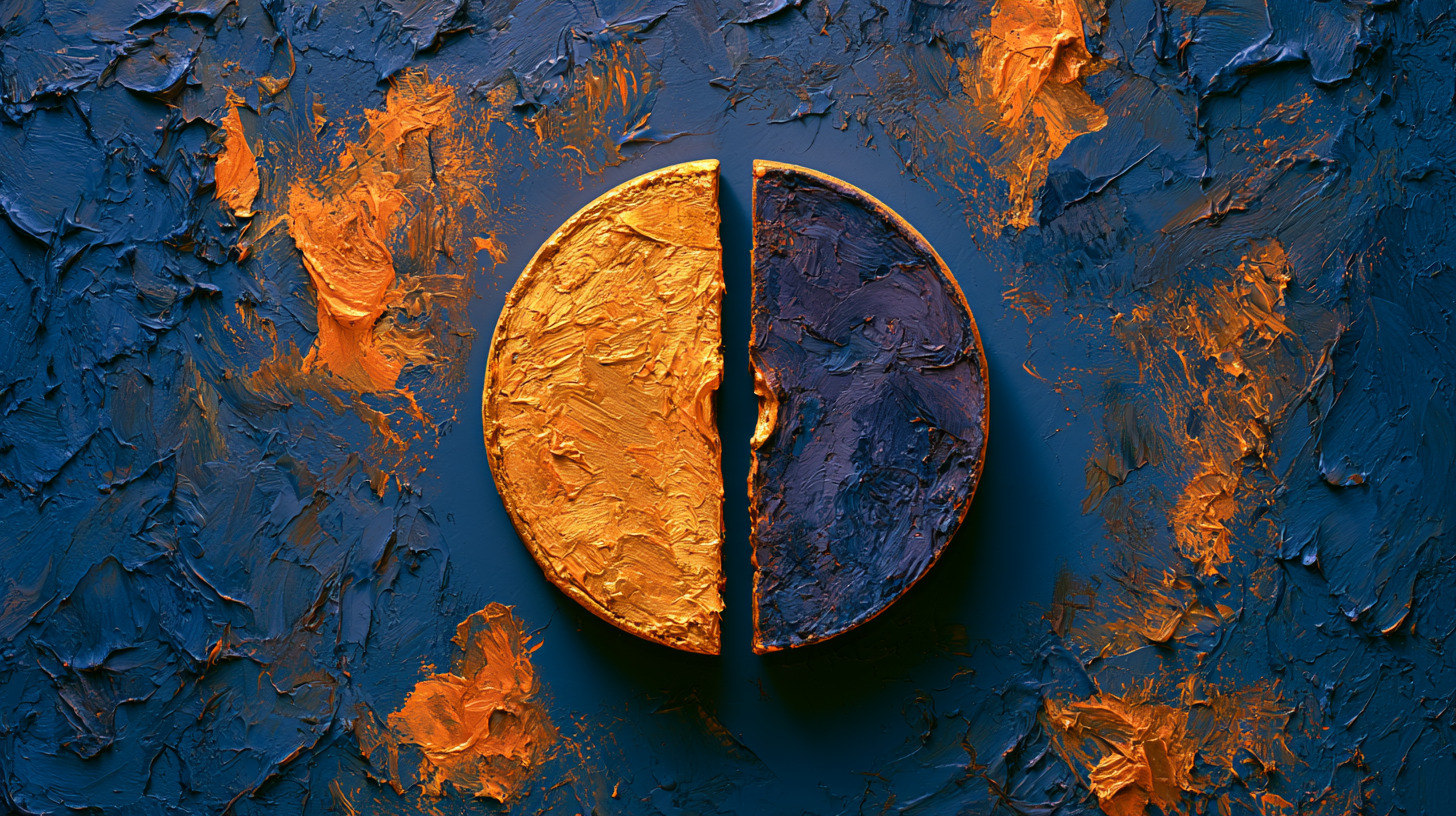
Alan Watts once joked that we try to keep the “bad half” of life while saving only the “good,” as if you could split a coin andkeep heads without tails.
The only way to avoid the bad is to avoid life. Butlife—real life—gets your white gloves dirty.Ancient practitioners understood this.
They’d meditate in charnel grounds—open-air burial sites—on purpose, to face death and imper-manence head-on. It wasn’t morbid. It was honest.
I’m saying there’sa life hidden inside this life—more real than the “real” we perform—and it’s most visible in unlikely places.
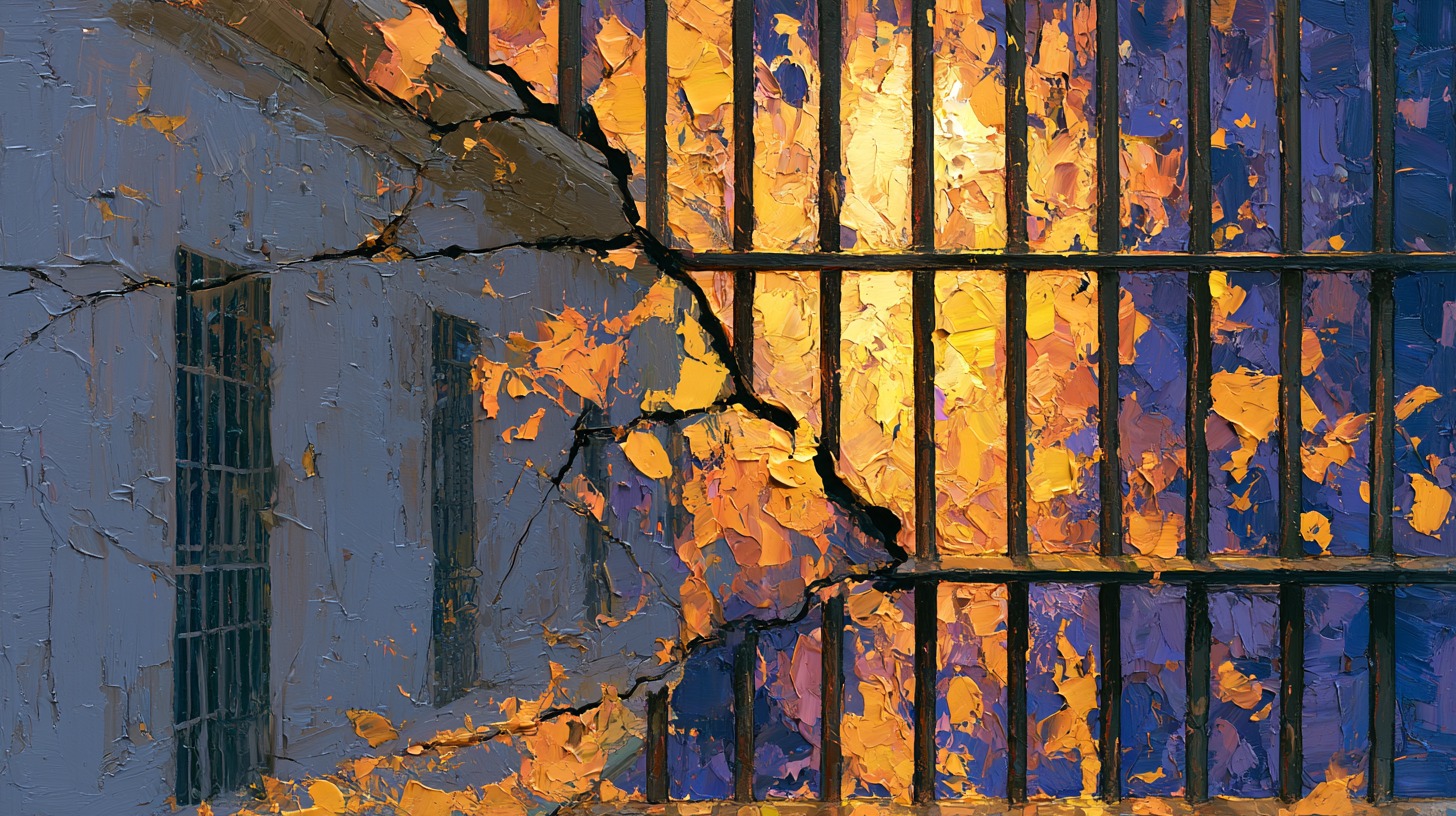
Step off the painted backdrop and you’ll bump into it:in a hospital room, a new love, a cell block, a funeral.
Your guard drops, reality slips in. In here, in the middle of the charnel ground, there’s no escaping it.Miracles and grief take turns.
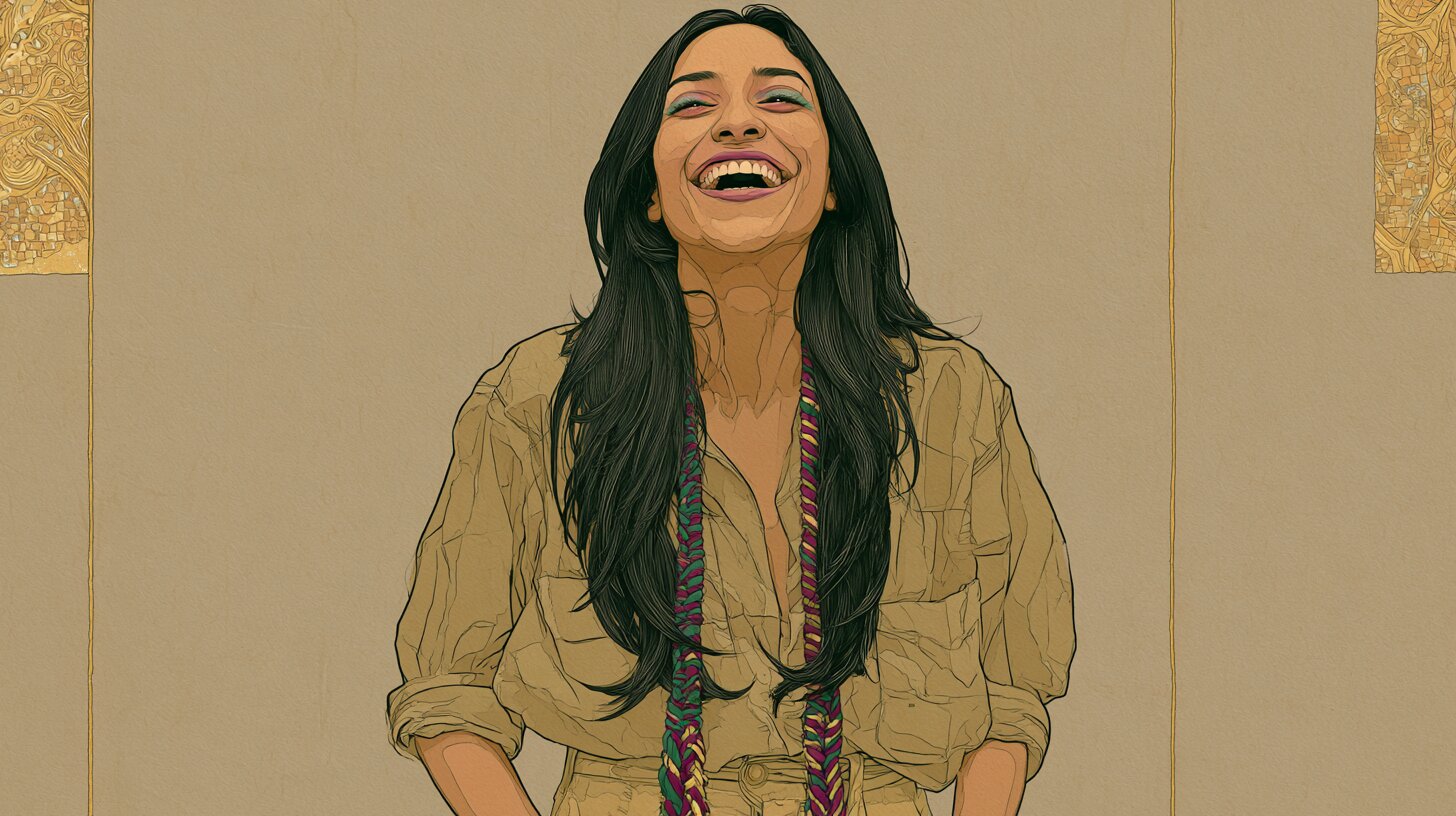
Synchronicities wink. In a world where most people shop for identity at the Beige Store,women here dare to be jeweled.
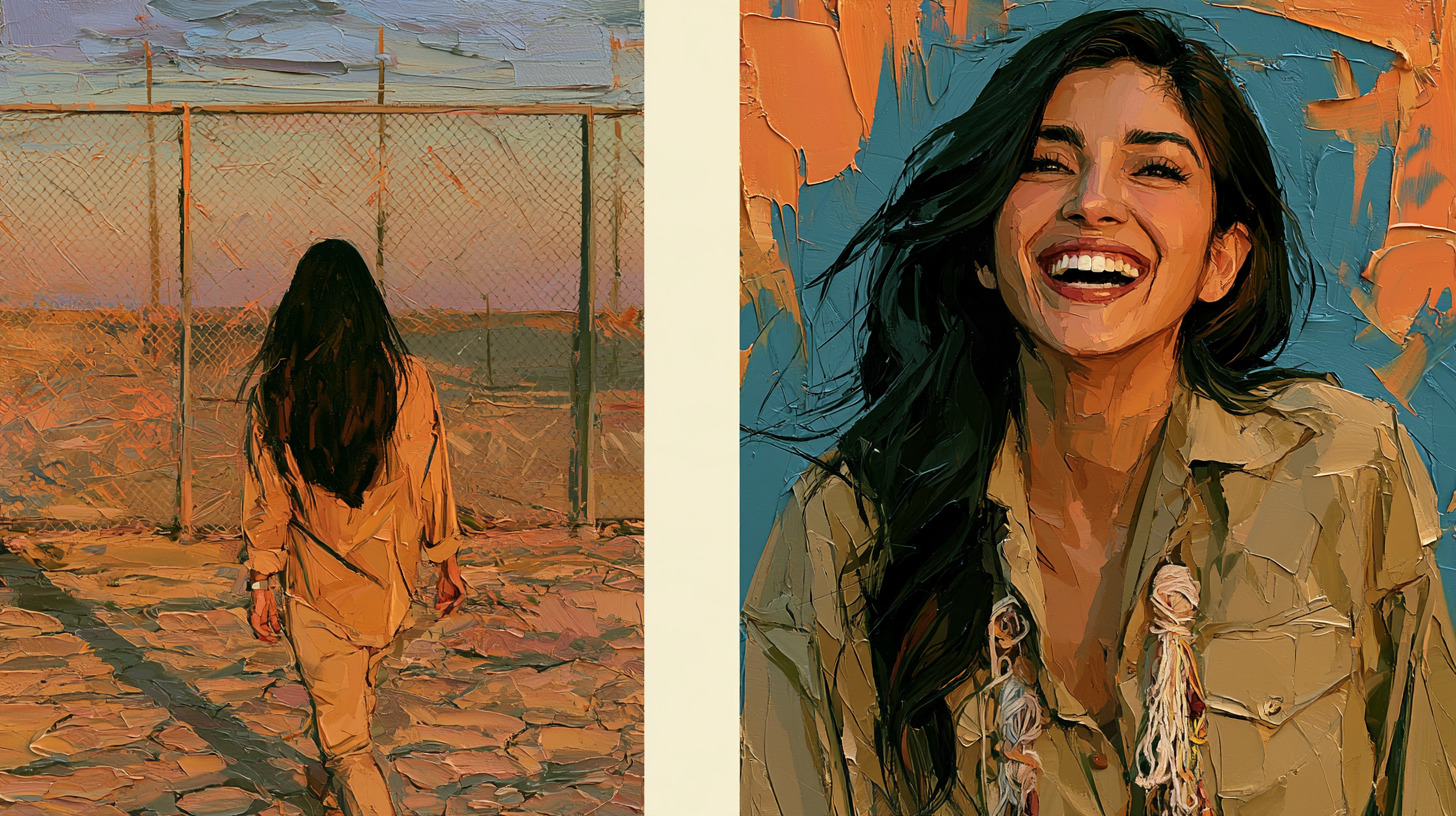
Take Alex: black hair to her hips,everything turned up—lips, laugh, courage.
She walked out of Venezuela,dodged bullets at a fencewhen there was no water or power, and still cracks jokes like a court jester.
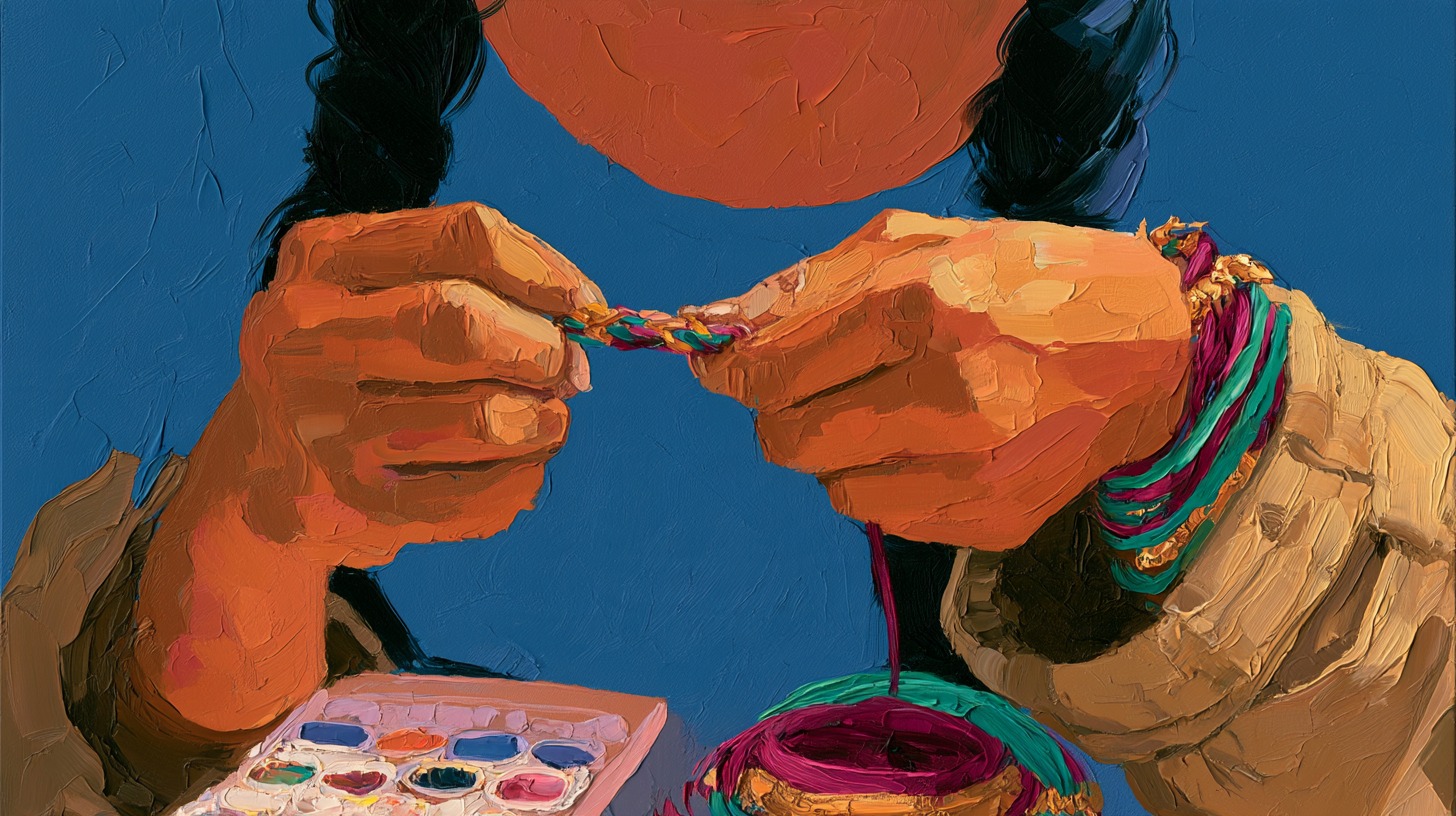
She makes jewelry from yarn,makeup from watercolor paint,and her shorts quite a bit shorter with a roll and a grin.
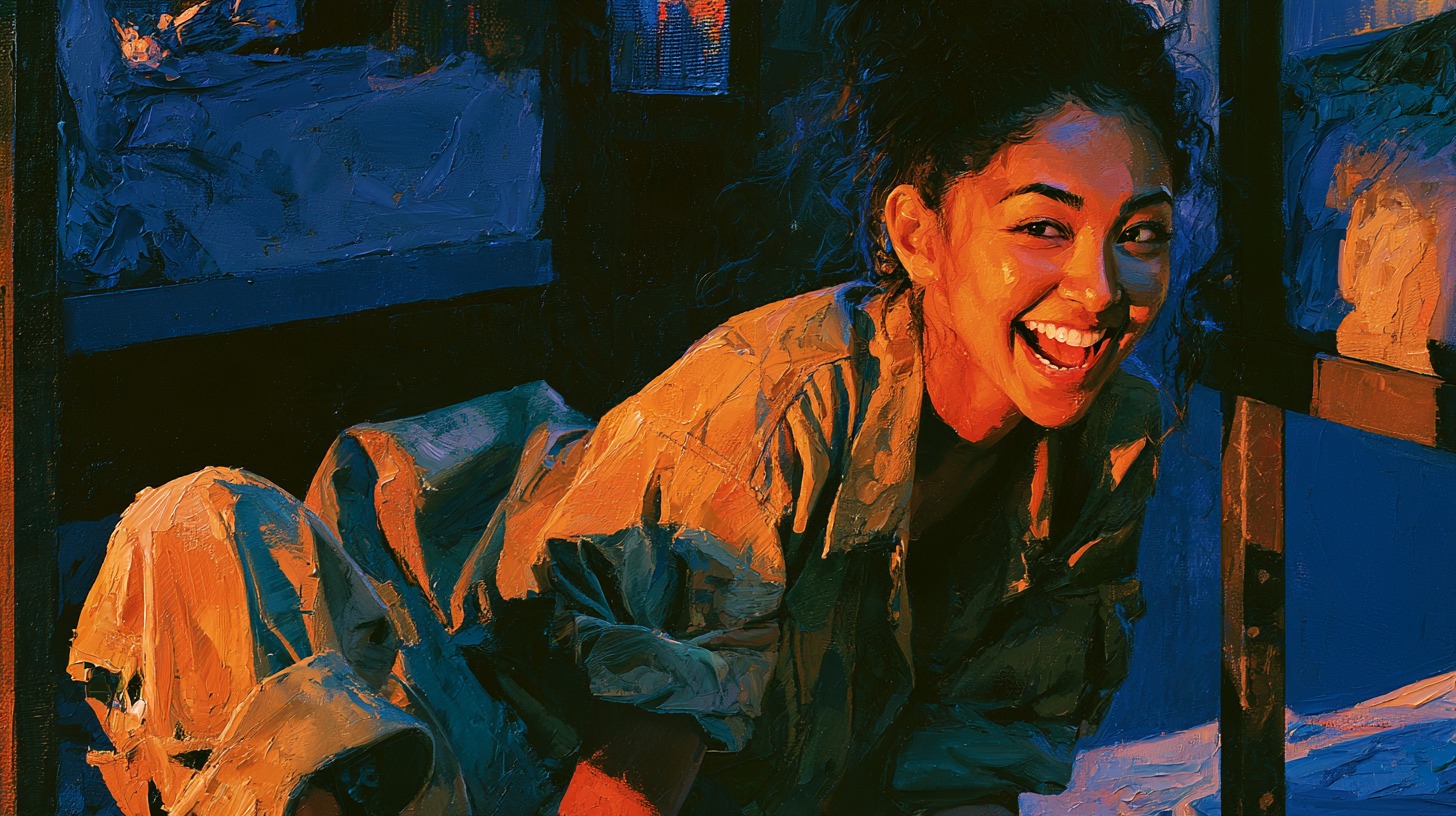
She catcalls me down the aisle and I whisper to Rach, “That’s why I love sexual women—they’re rich enough to play.”If most lives read like Reader’s Digest, the women here are Dante.
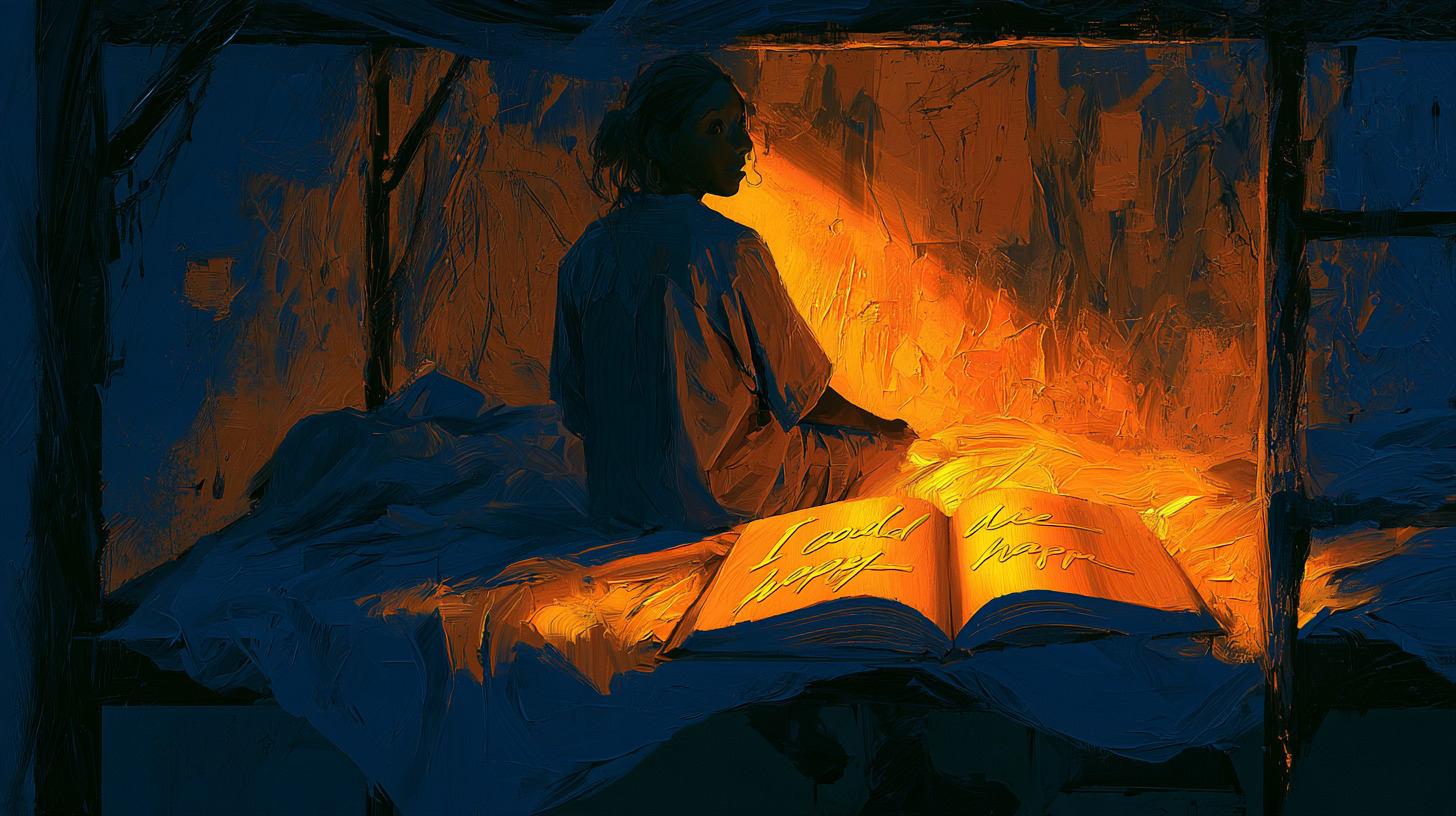
Every night when Rach says,“I could die happy,”I tell her that’s the title of her book.
Because that’s what these flashes are: die-happy moments.They don’t erase the hard; they climb on top of it and sing.The other night news flashed: James Comey, former head of the FBI, indicted.
Mari translated for Rosa in Spanish—“la, la, la, Comey”—while eyes flicked between the two end TVs. Women clustered at the middle screens. They waved me over to interpret the circus:What’s true?
What’s payback? What would justice look like if it healed instead of just feeding the machine?I choose truth over team.
If an artist renders a subject,she hopes the subject would nod and say,“Yes, that’s me.”
That’s how I try to think through these public bonfires—hug the hairpin curves,respect the whole spectrum, and still tell the truth.
In plain terms: I believe people are fundamentally good. I believe everything in us leans toward freedom when given the right tools. And I believeignorance—often dressed up as virtue—can hijack that process.
That puts meat odds with our national origin story.
On the surface, we talk like we believe in original sin: bad seed at the center, best-case life is a lifelong project of problem-chasing—crime, disease, defects—instead of soil-tending.
We build whole industries on the assumption thatthe heart is a hazard zone.But go deep enough and people don’t report finding darkness at the core.
No one comes back from the depths of their heart saying, “I found hatred.” They come back saying, “I found light.”My own field test says the same.
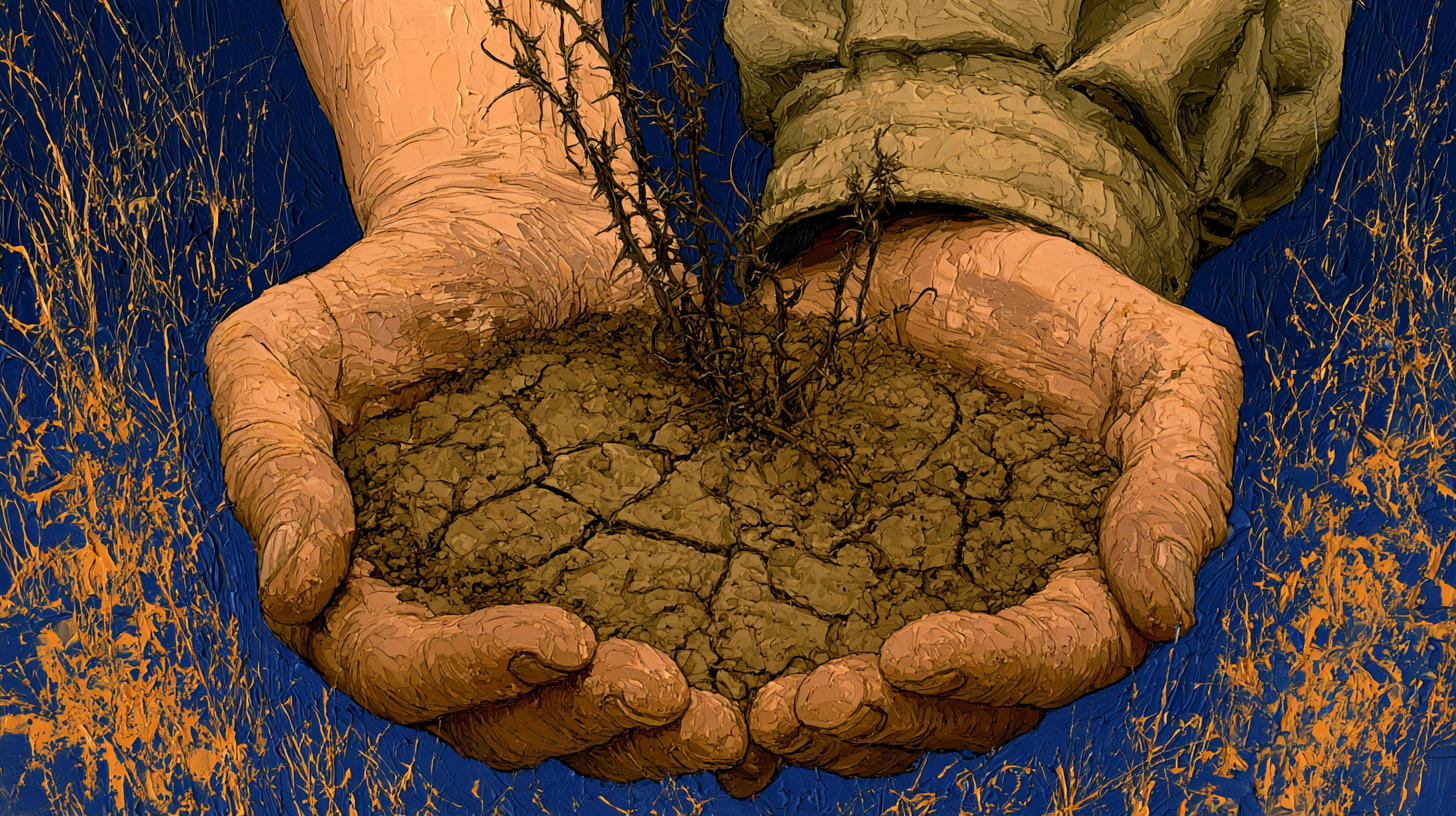
You don’t have to take my word—see for yourself. The problem is, we’re not a nation of depths. Our cultural soil is packed and dry, soweeds that grow fast—dogma, outrage, spectacle— take over.
Power brokers make their living guarding you froma monster inside you that, on inspection, isn’t there.
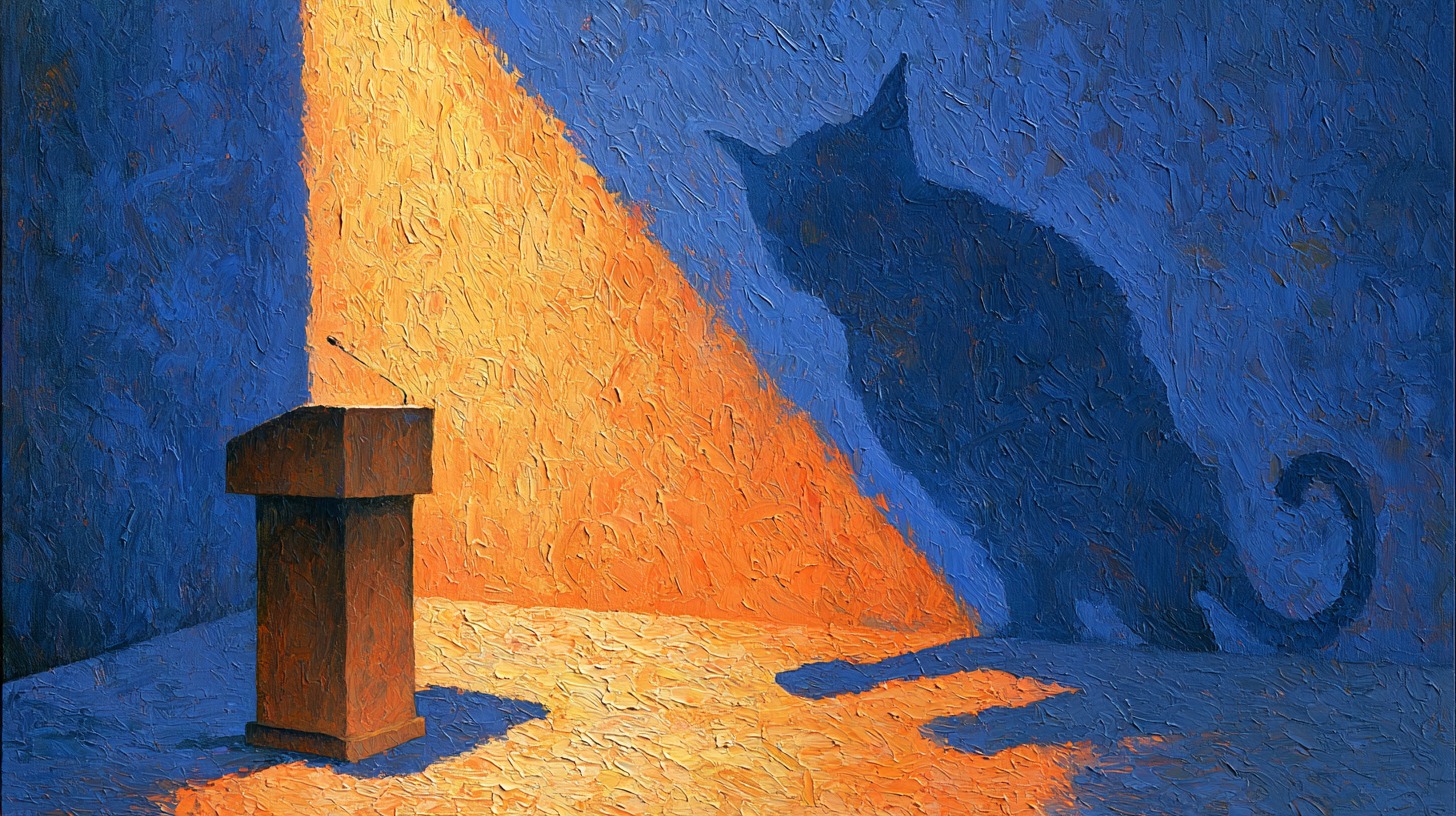
If you discovered your core wasn’t a crime scene, some experts might have totrade the podium for a paycheck behind the counter.
Andpeople do love their pedestals, especially the ones built on fear.I used to think “justice” meant balance, scales, and gavels.
Now it feelsmore erotic than legal—by which I mean: full-contact, embodied, unafraid to be touched by what’s true. It isn’t about watching from the bleachers while the “professionals” play.
It’s about taking the field. It’s seeing for yourself. I still believe in laws. I just no longer confuse laws with justice.Justice starts deeper—in the place where you can’t lie to yourself.
It starts the moment you stop being a voyeur of your own lifeand step into it with your whole body.
It grows when you decide totest the story you were handedabout who you are and what lives at your center.
And when you do, you might find what that 1960s housewife found, what women in this dorm keep stumbling intobetween court dates and casseroles made in a microwave:
not a theory, not a team, not a TV show—just the bright, undeniable fact of being alive together, without the glass between usand the guards watching over. See for yourself.