Chapter 23
Pink Handcuffs
Bubble wrap unwrapped
Here’s my quandary: I am, in so many ways, happy where I am. That’s the honest truth. And yet a voice keeps asking— am I doing harm by not fighting harder? What message does my being in prison send to the world? I once told a friend, “I could be happy anywhere. Some people did more justice work from prison than outside.” He answered, gently but firmly, “Those were men. Women—especially sexual women—are already presumed guilty.” His point wasn’t subtle: The culture has so little imagination for an unapologetically sexual woman’s innocence that anything I say might bounce off armor. I’m not sure he’s entirely right. There is a powerful cohort of women who see what’s happening. They sense that the next turn of feminism is not more bubble wrap; it’s cutting the bubble wrap off.
The economy of brokenness
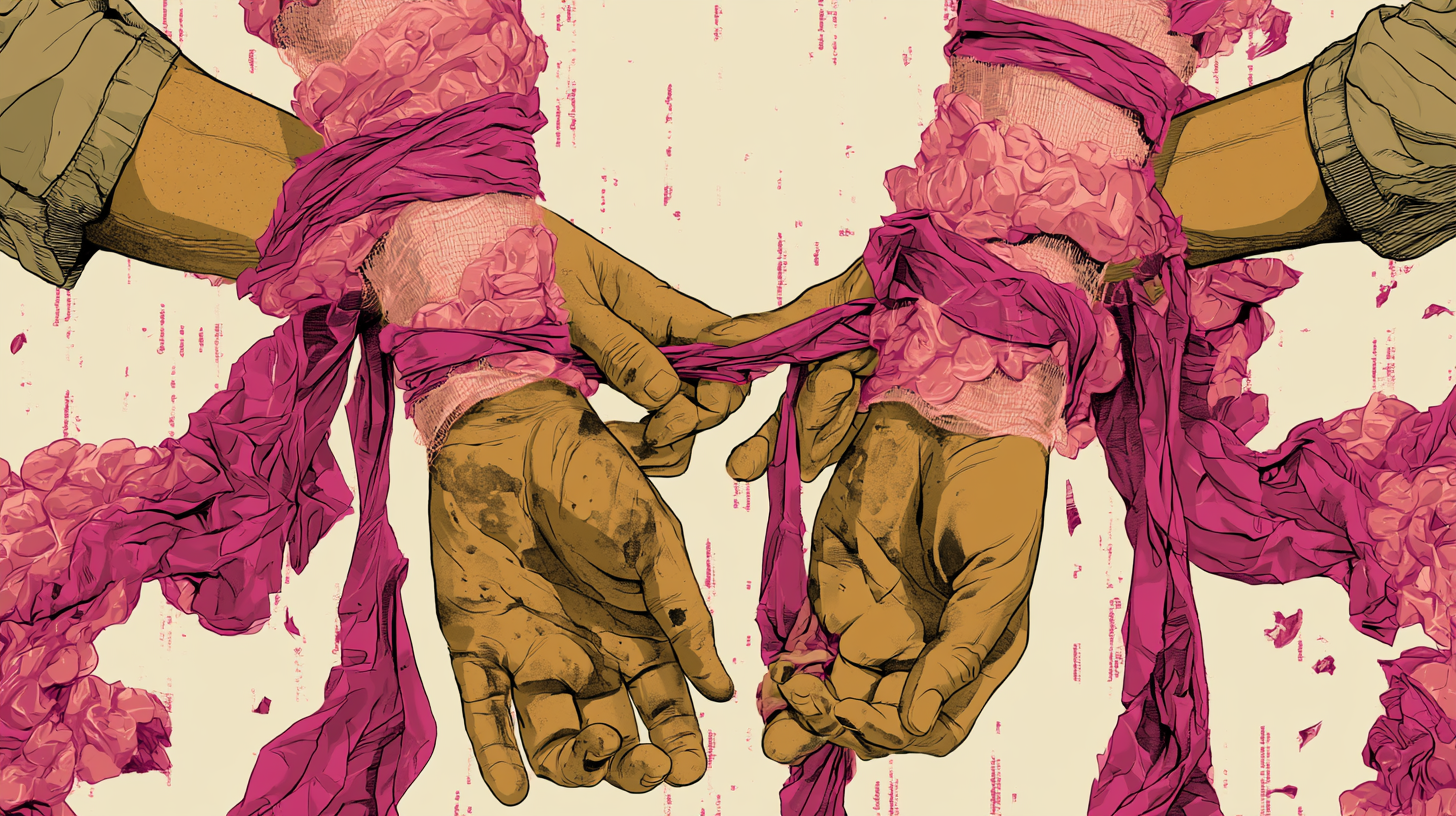
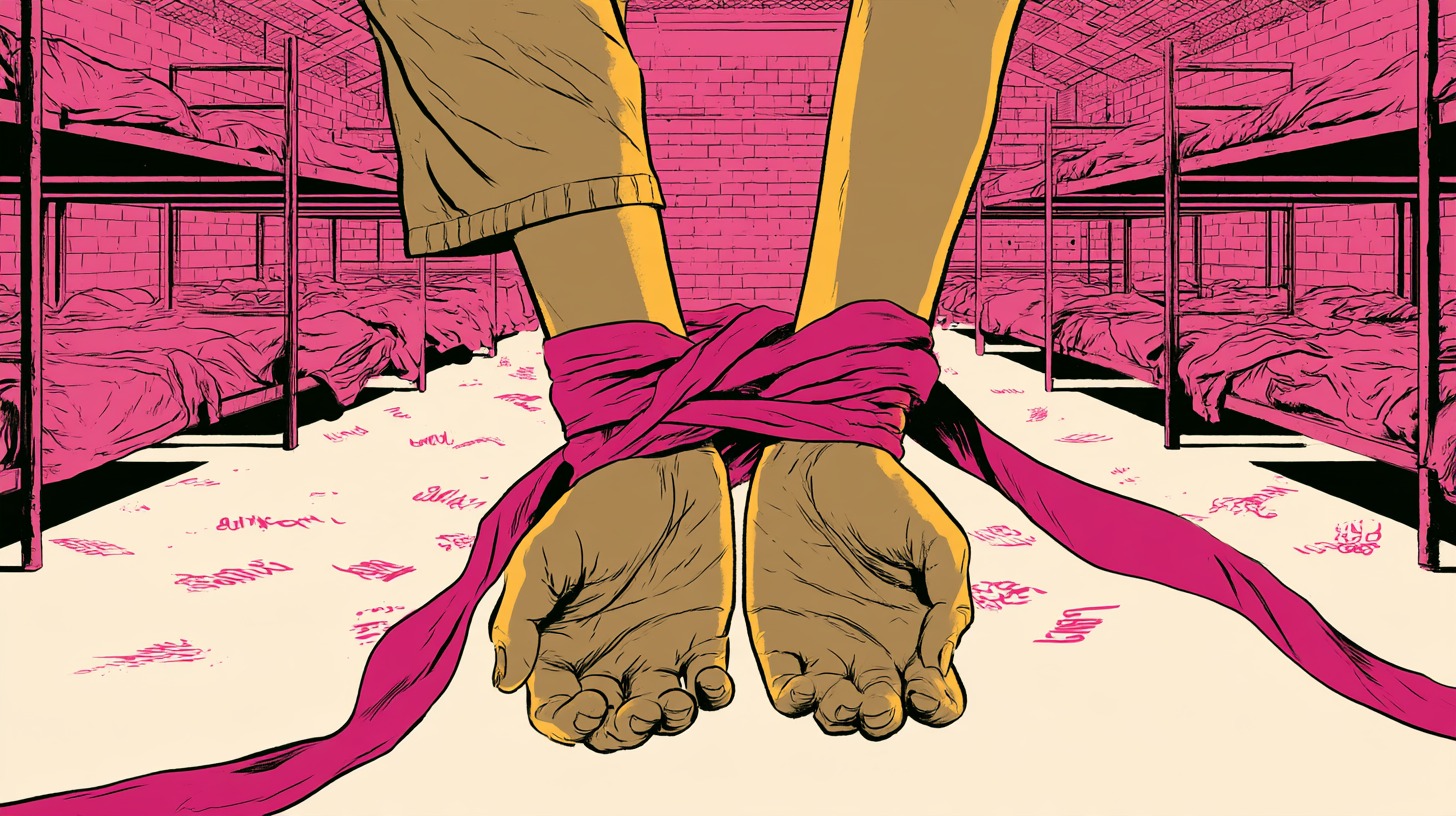
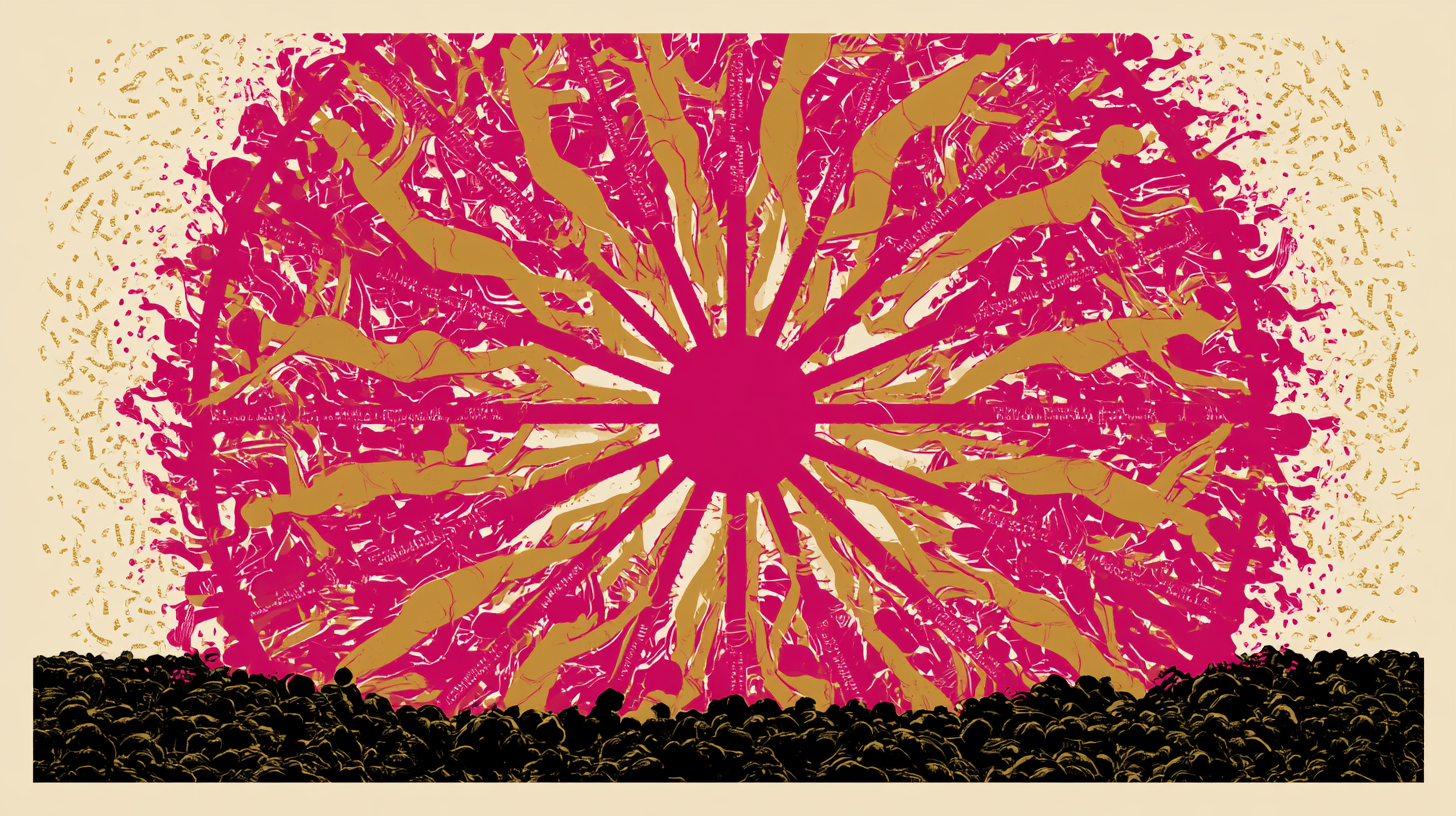
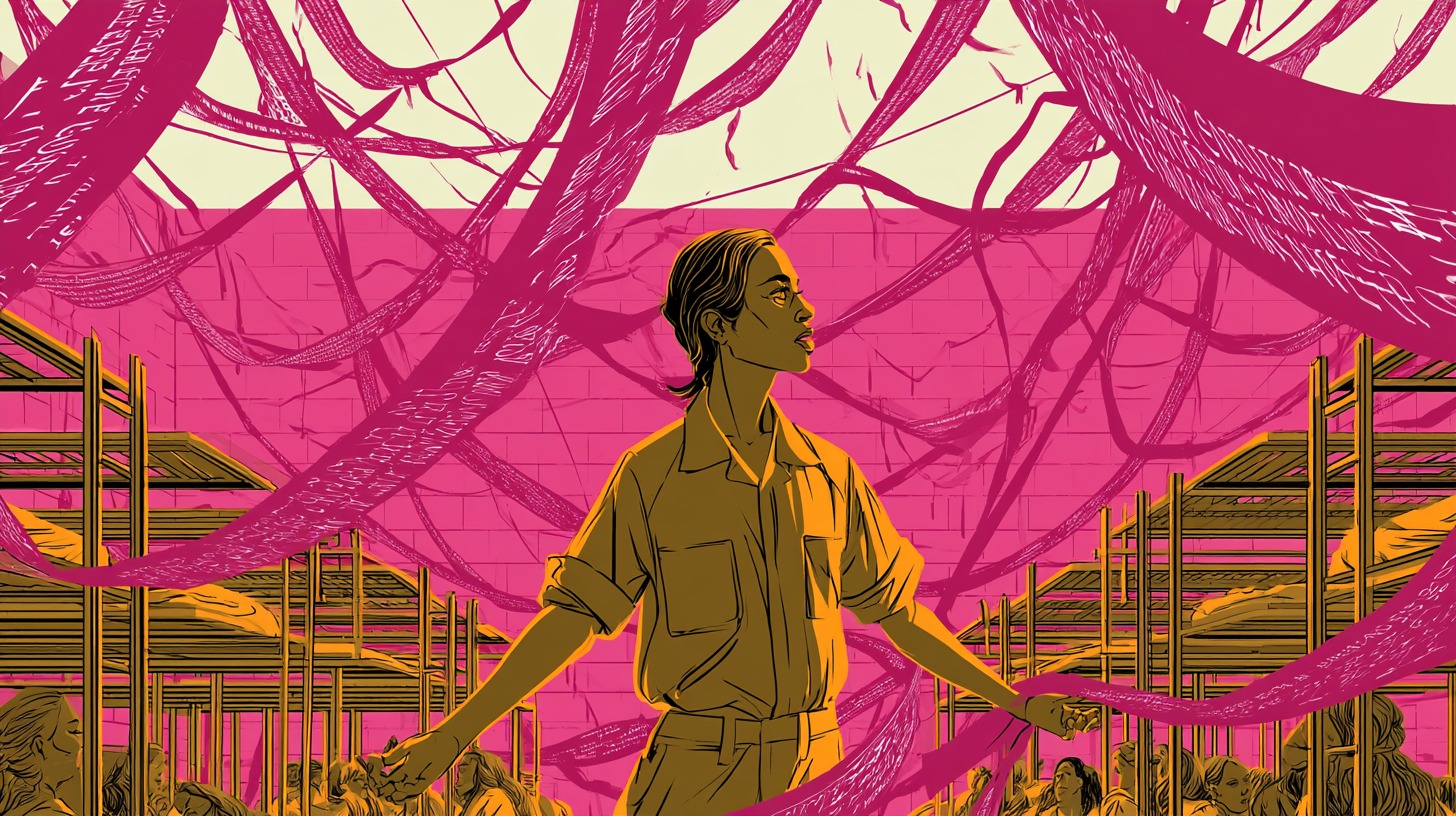
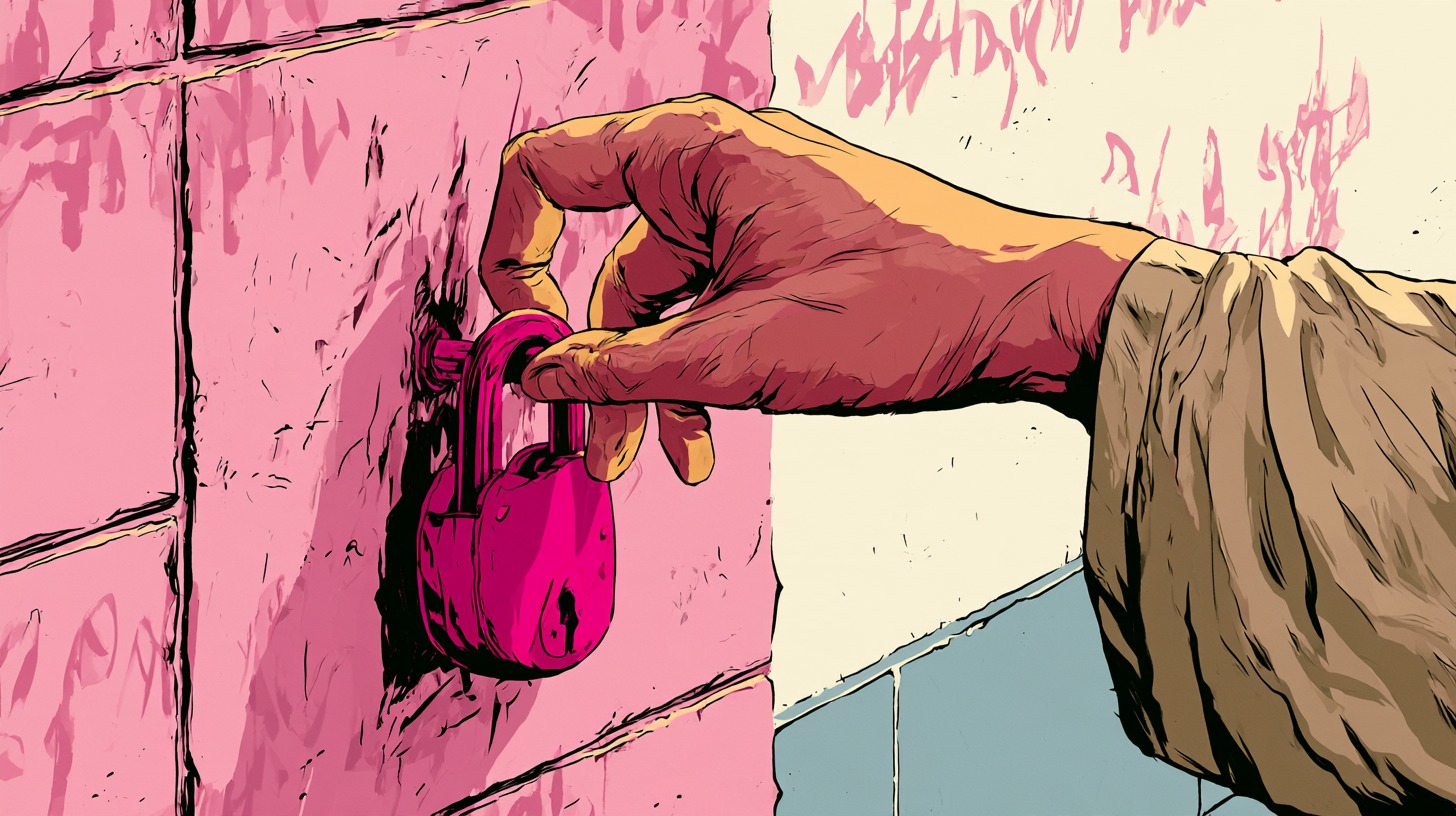
It’s seeing “protected status” for what it often is—pink handcuffs. It’s unmasking the soft bias of low expectations: You’re fragile. You’re special. Sit still. We’ll handle this. The price of that protection is your power. This is where we’ve been stuck since Gloria Steinem: revving the engine of fragility in a mud ditch. But I think we’re in the death throes of the collective female ego—the part that believes our safety depends on smallness. When that story unravels, the knot comes loose and there we are underneath it: the ones who hold the power. If the convulsions feel violent, it’s because a system is dying hard. The entrenched, establishment version of feminism—the one that sometimes feels like misogyny in a pantsuit—has long profited from our “original weakness.” If we discovered the ruse, the economy of our brokenness would shudder: fewer women medicated into numbness, fewer drinking with the other “broken girls,” fewer buying empowerment like a handbag, fewer feeding the self-help-and-trauma industrial complex.
The zoo show
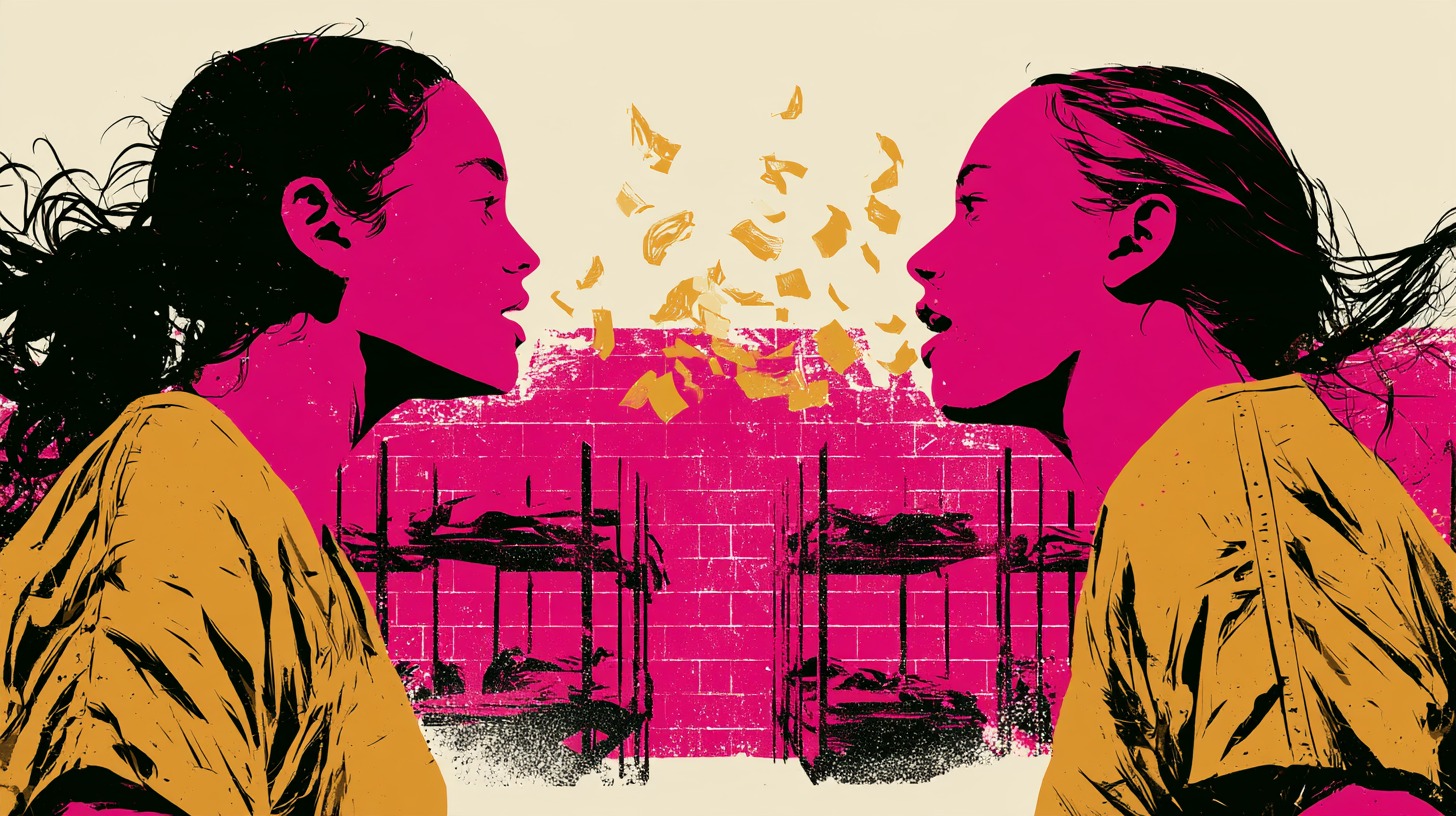
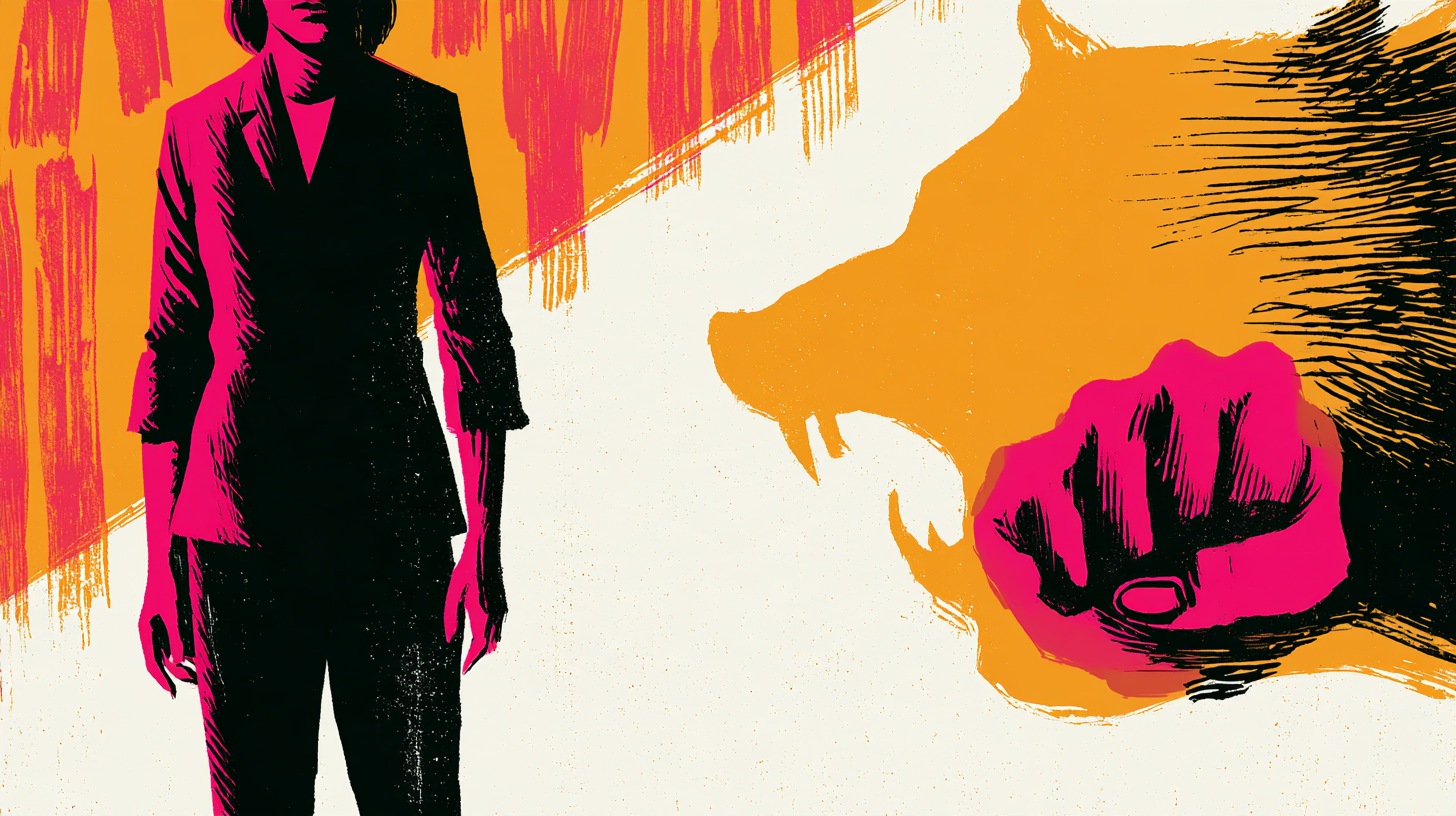
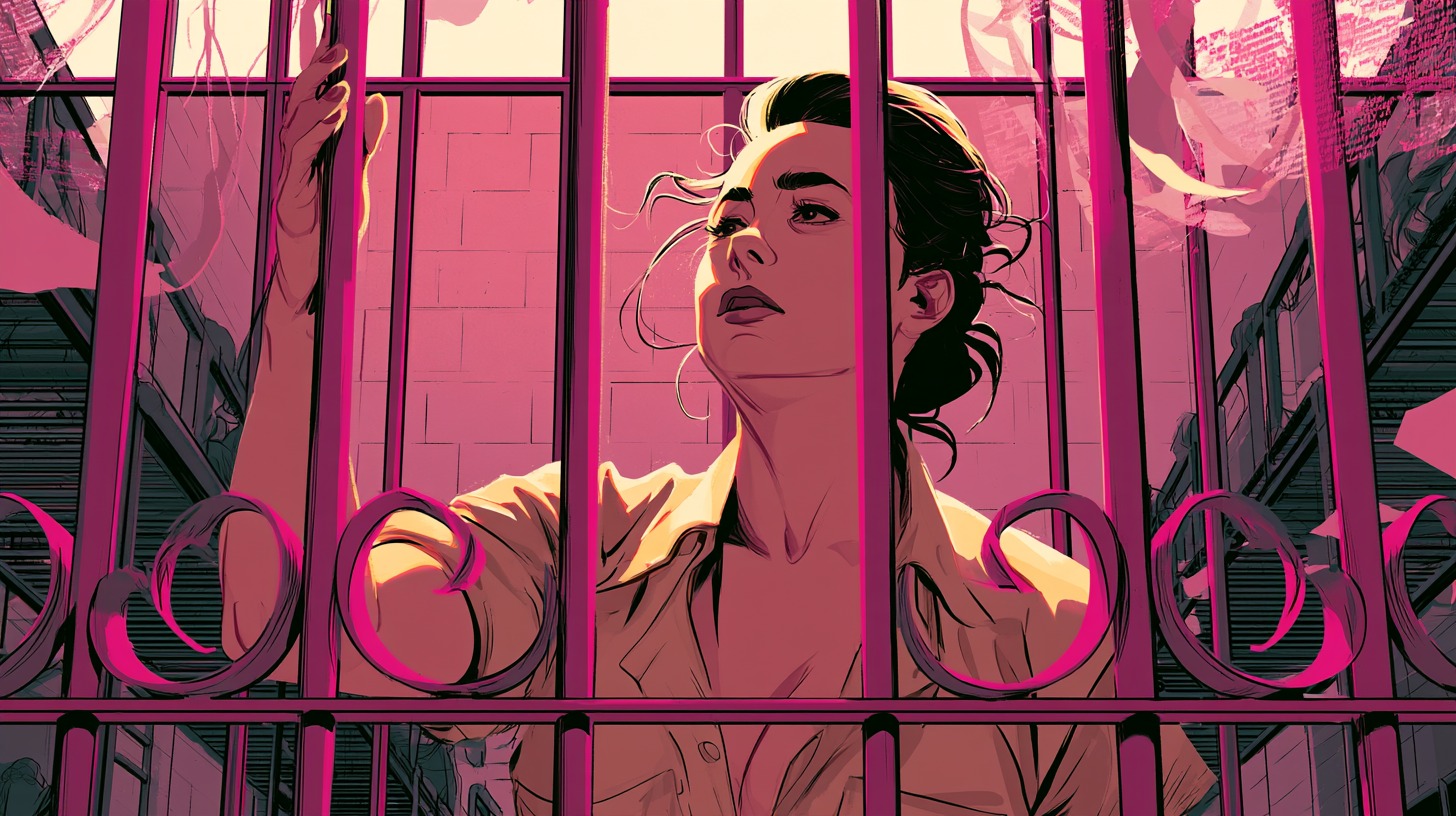
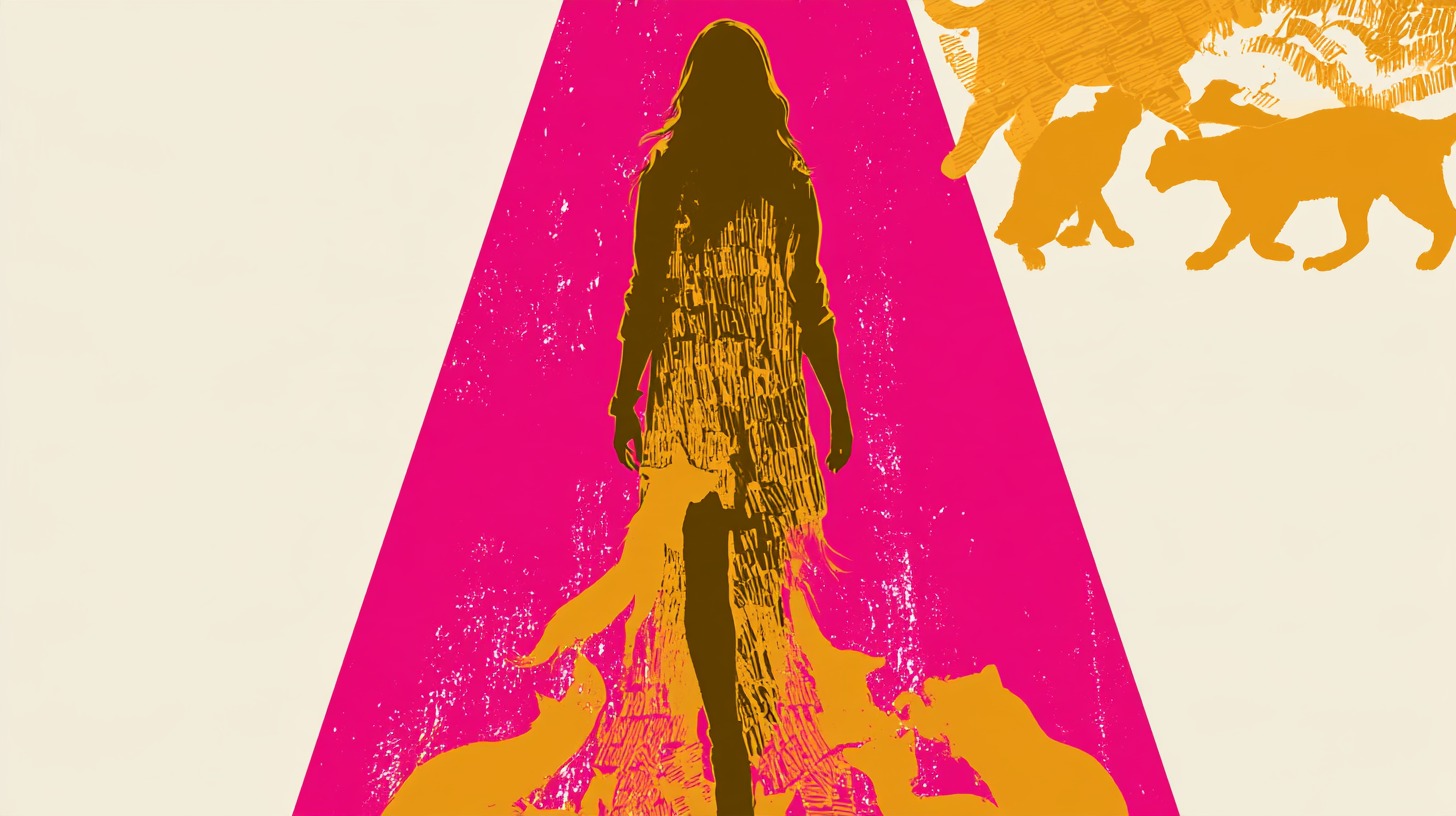
Imagine the upheaval if women collectively remembered: We are not problems to be managed; we are forces to be reckoned with. Why don’t we just walk? Stockholm syndrome helps explain it. The pink-handcuff bargain offers housing, food, a script. Relinquish your rights, take your pills (you must be broken), live at an approved temperature (not too hot, not too cold), and stay cute and compliant. Get called a fox, a pussy, catty, a cougar, a bitch—pet or predator depending on the lighting—and learn to rub up against the hand that feeds you. Step out of line and you’re the “bad animal.” Back in the cage. The crowd came for a zoo show, not a jailbreak. Here’s the cruel brilliance of the design, something the Stanford Prison Experiment and prison itself both taught me: Make power scarce and deputize a few women to police the rest.
The locks rust
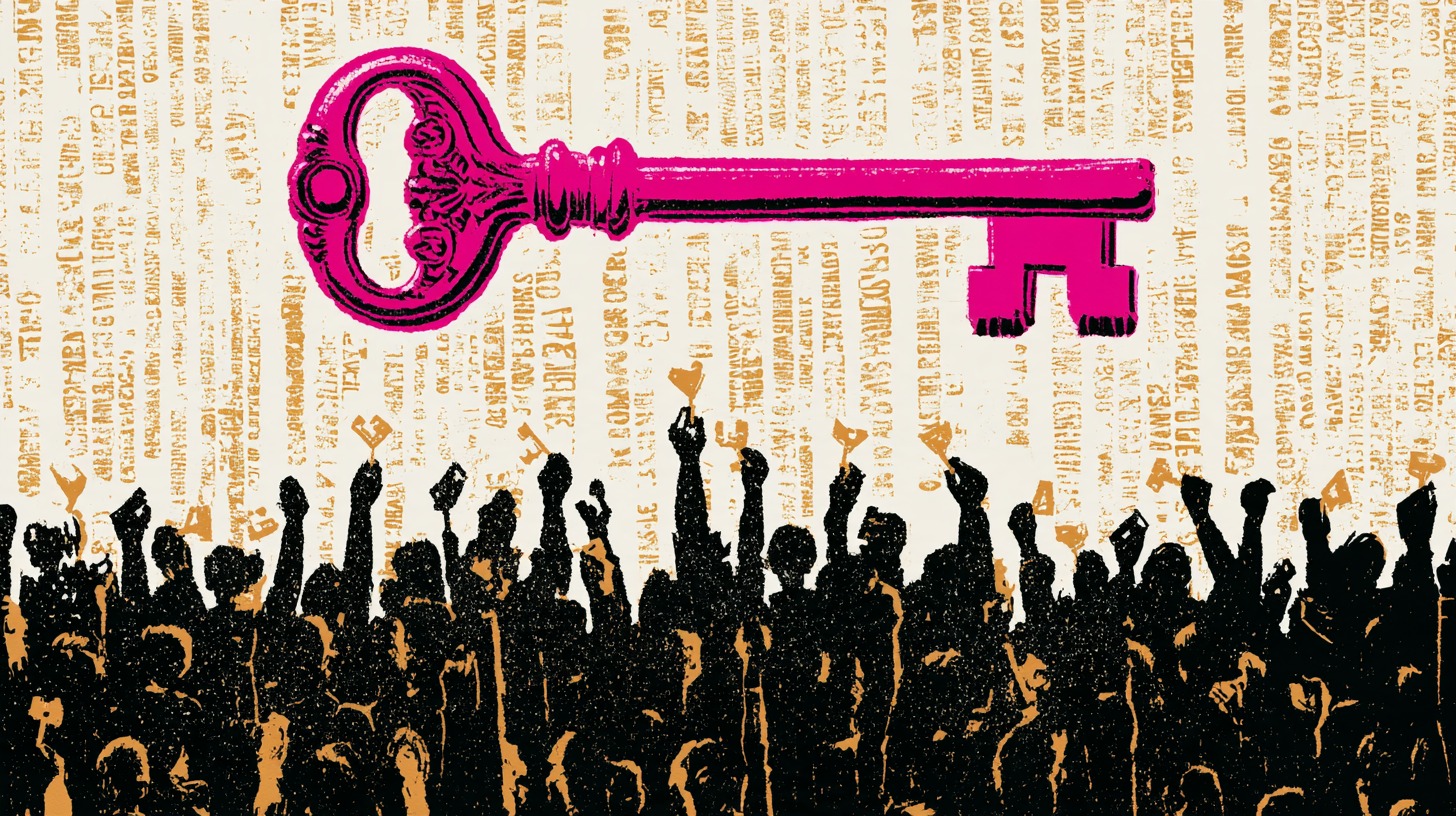
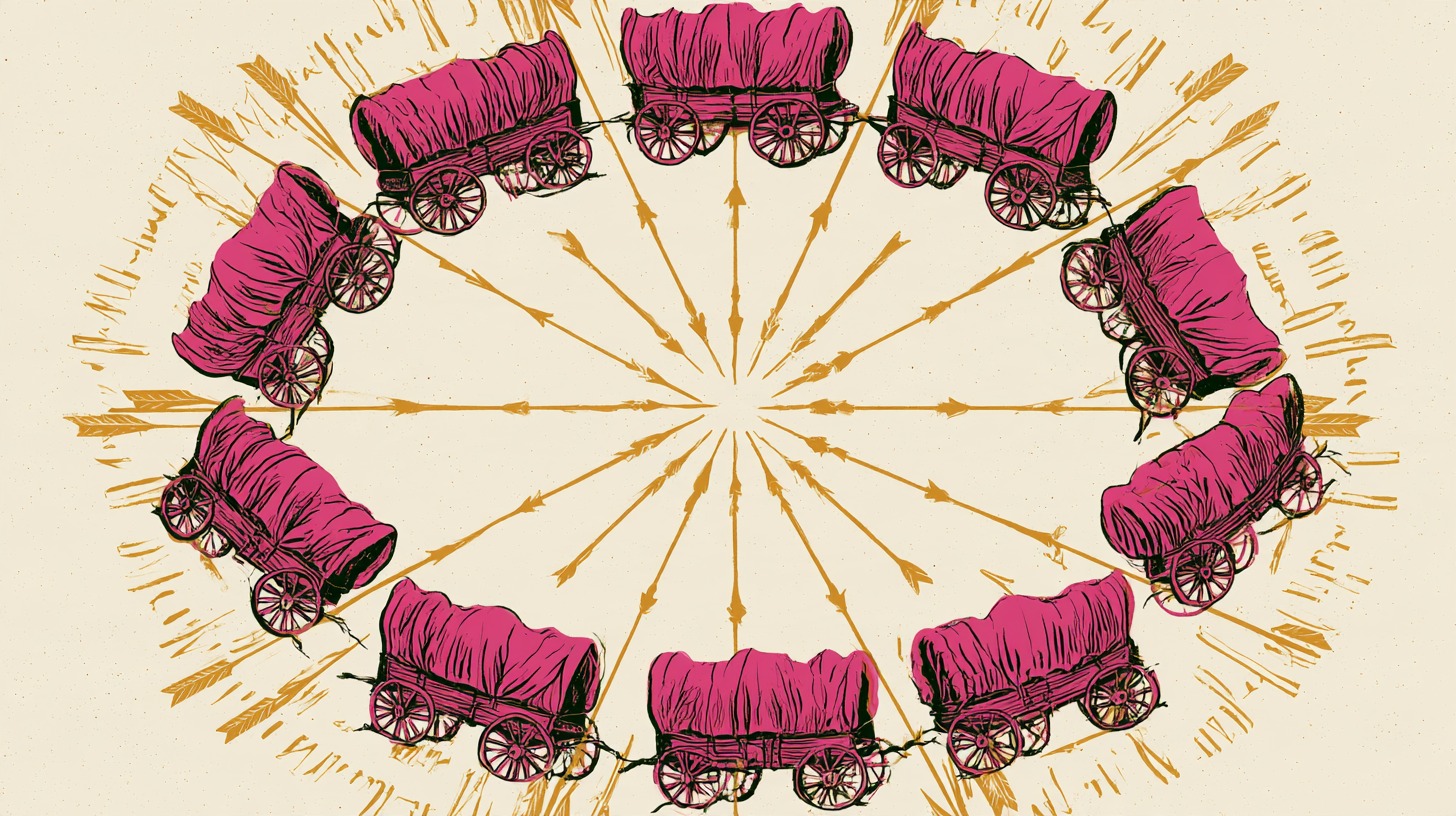
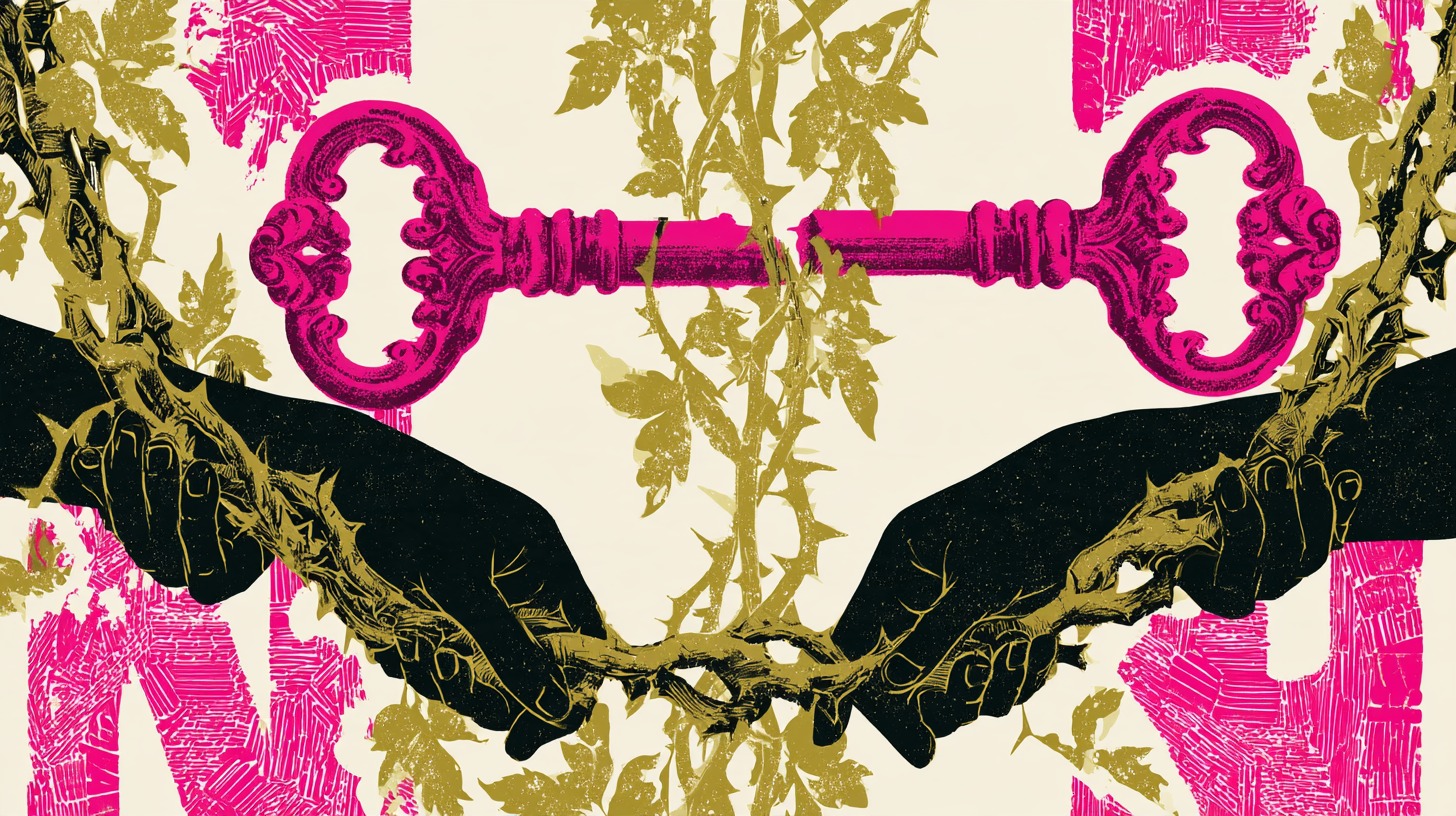
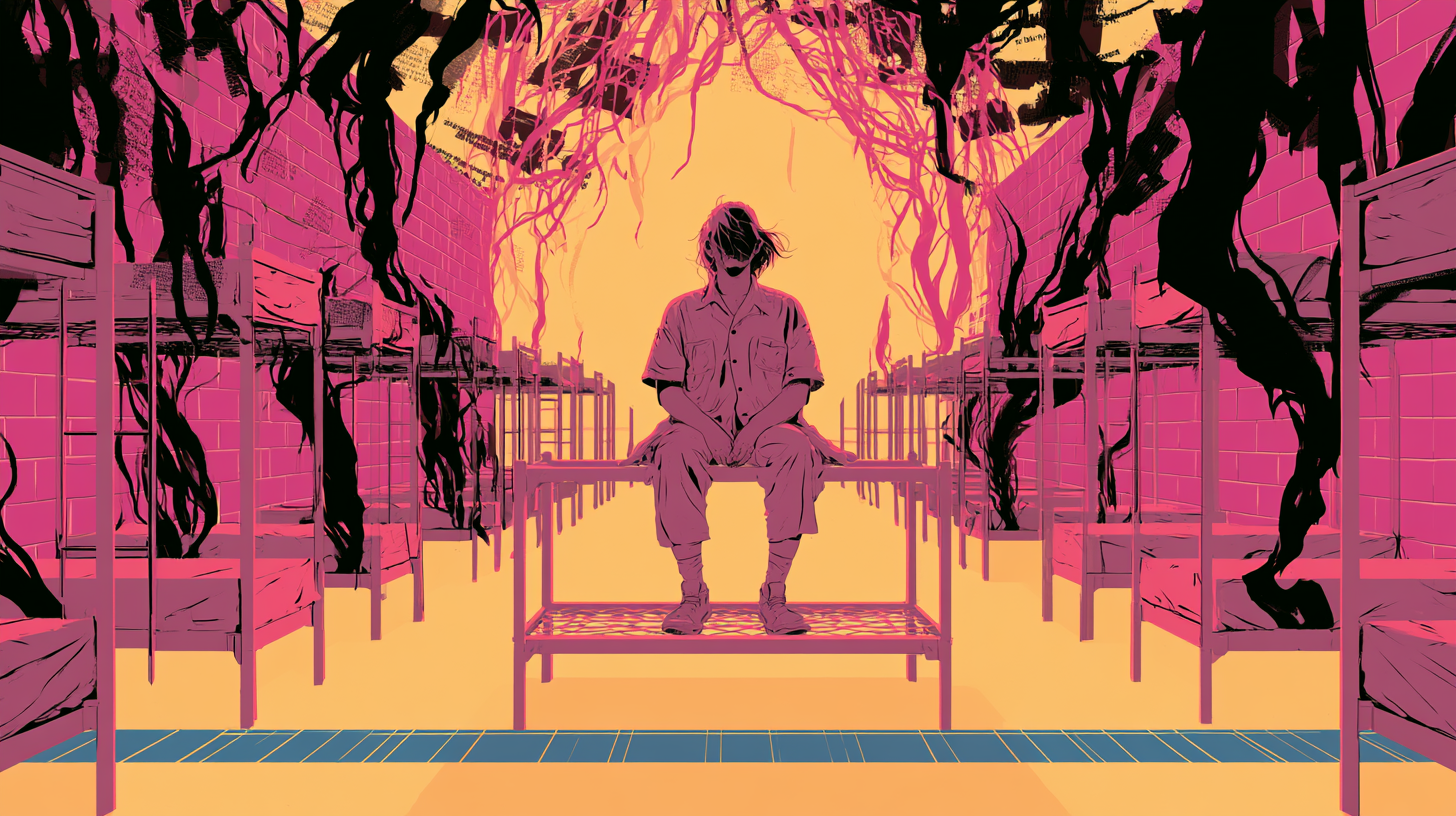
Some will become colder and more punitive than any man. The man at the top stays hands-off while the women of the “inferior class” fight each other for a thimbleful of status. We circle the wagons and aim inward. Welcome to the realm of the jealous gods. I heard that a few female “empowerment” teachers were gleeful about my incarceration. Textbook. That’s the lab-made virus: Keep women separate at any cost by insisting there’s only one position available—one grant, one seat at the table, one “good girl.” Infect us with paranoid status-protection so we forget our interdependence. Because if we ever remembered that what happens to you happens to me, the locks would rust and fall. Until we see that, we stay chained together—each tugging the other’s fetter.
The belly laughter
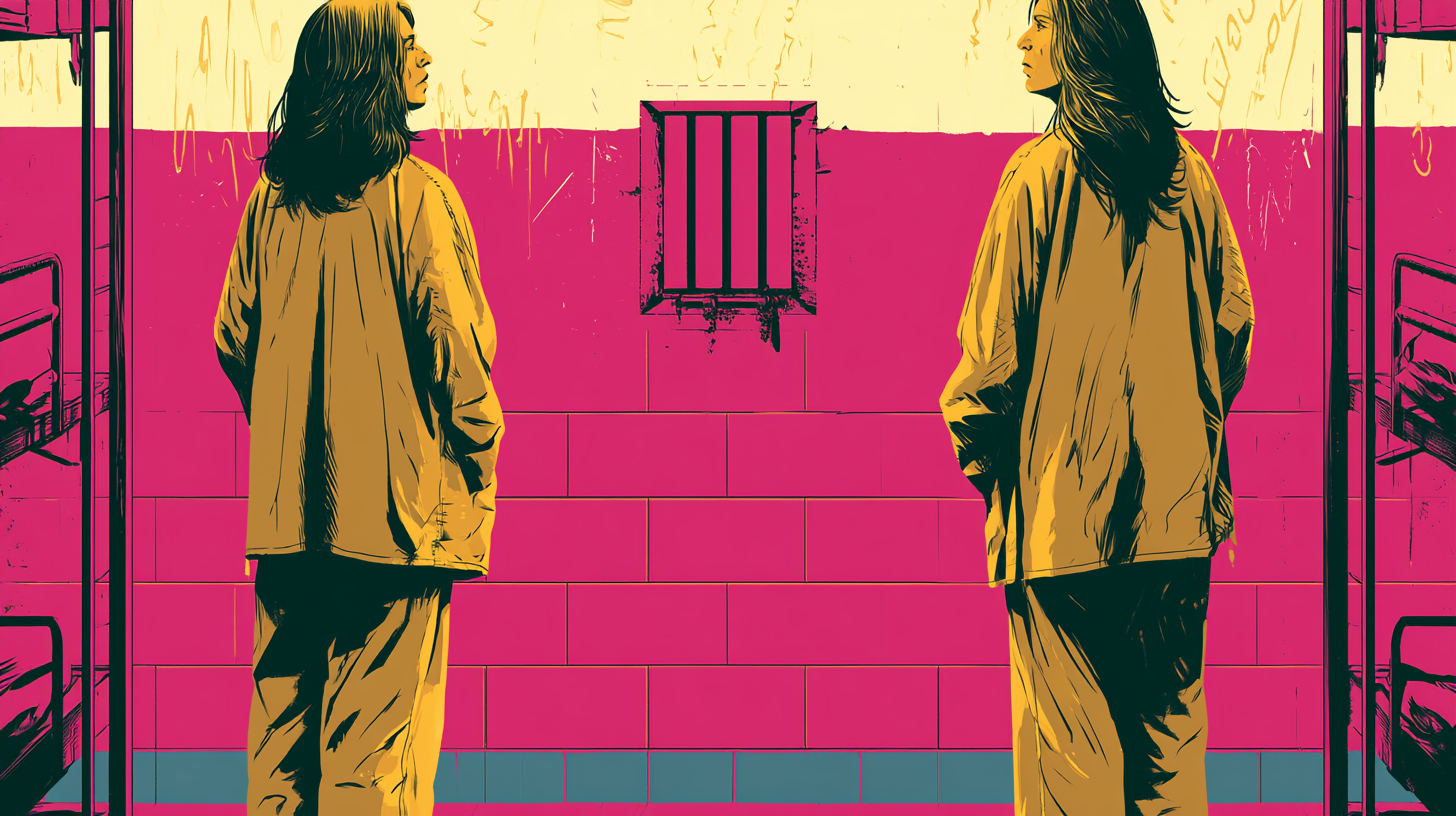
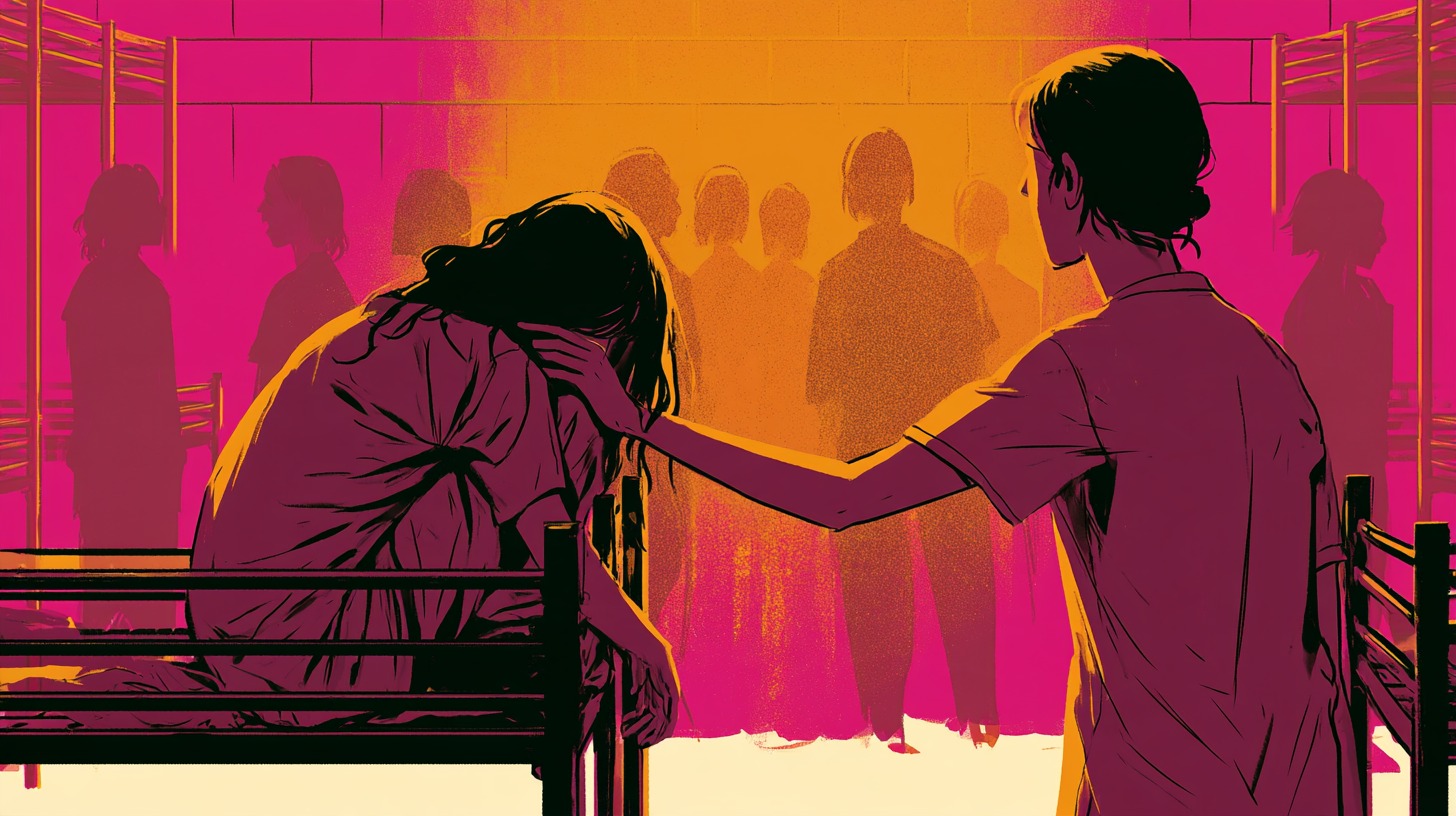
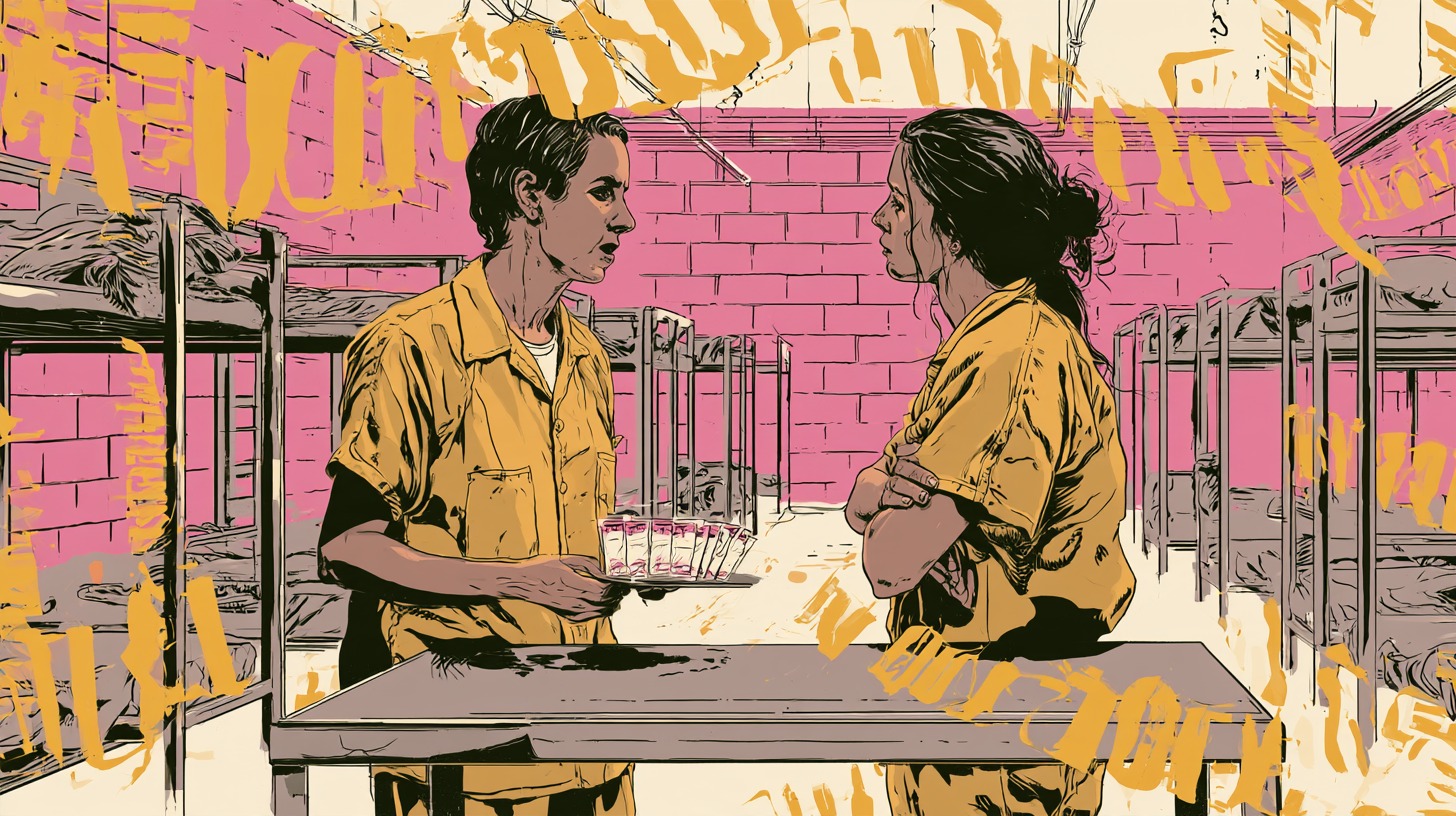
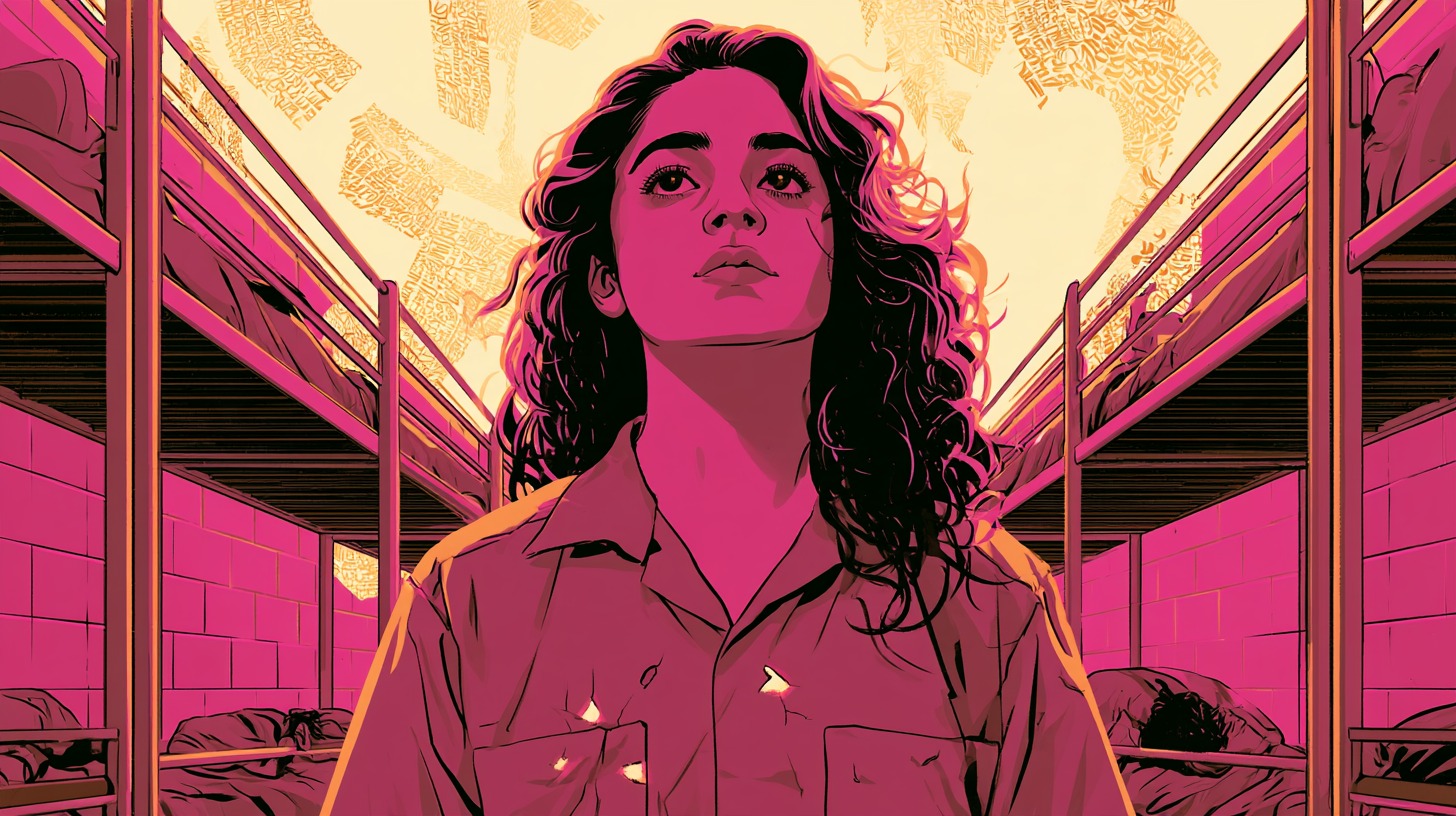
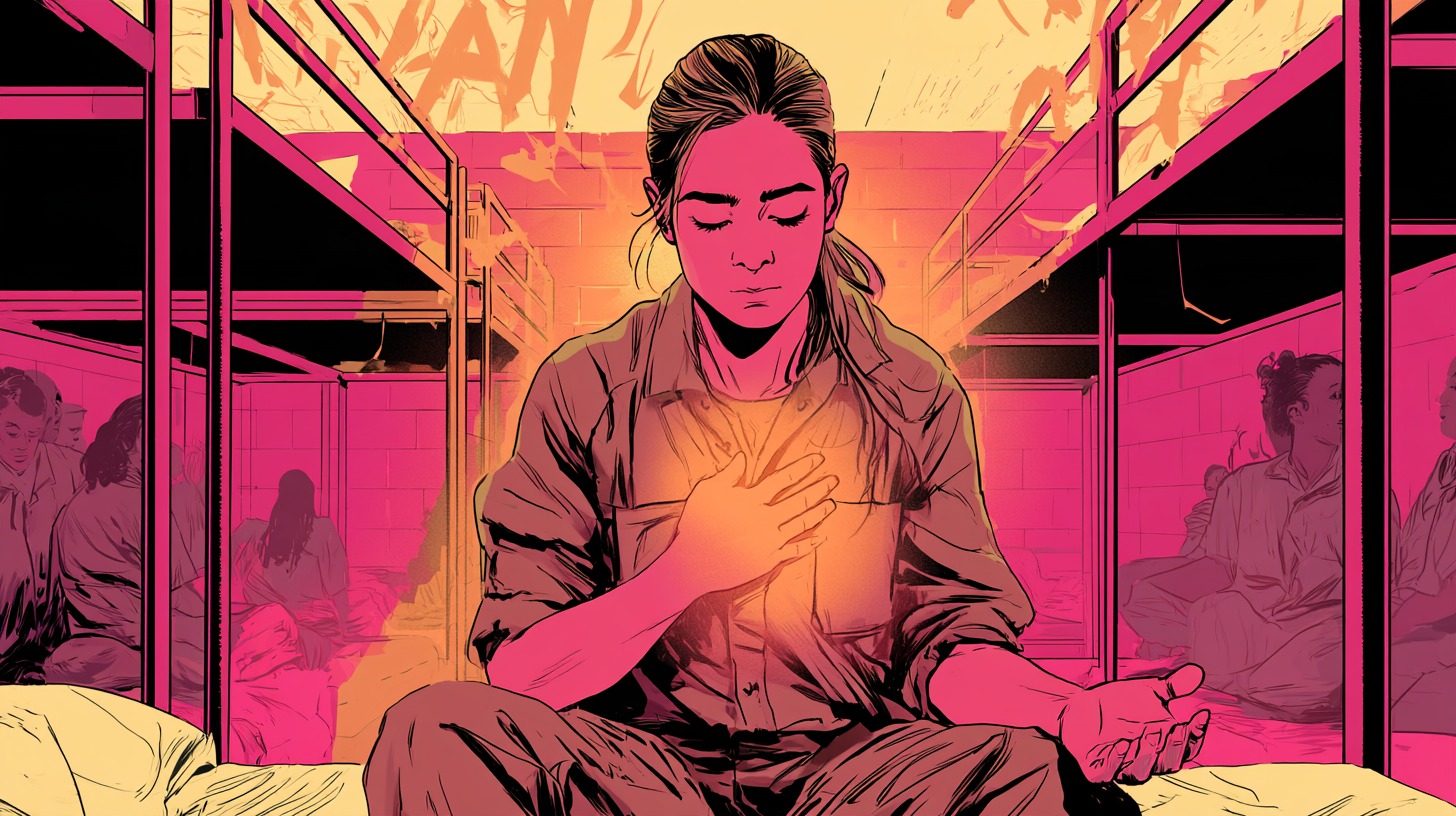
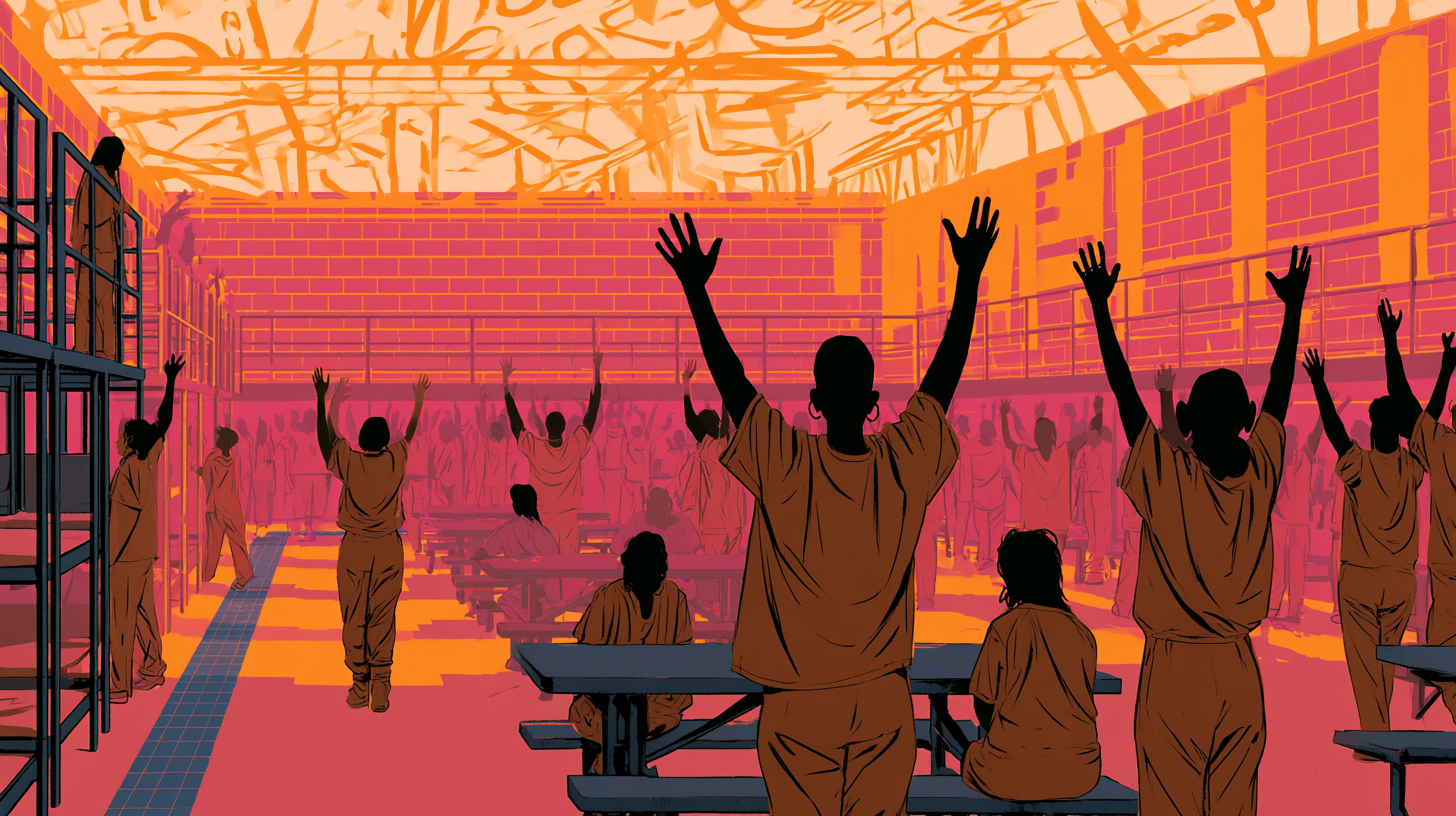
There is, to me, one way off the merry-go-round of victim/savior/ perpetrator: Be for. Be for women. Be for the truth. Be for the next brave thing. Prison is a magnified version of the outer world, an inner sanctum where you see it all up close. I marvel at the amount of belly laughter—middle-of-the-night, uncontained, body-shaking laughter. I marvel at the way food gets prepared and shared like communion. When a new woman arrives, sobbing and unable to get out of bed, someone always shakes her shoulder and says, “Come sit with us.” I’ve been in spiritual communities that couldn’t improvise love like that. Here, it can save your life. And—because we’re still human—you also see the pile-on. The brown-nosing.
The guard's shadow
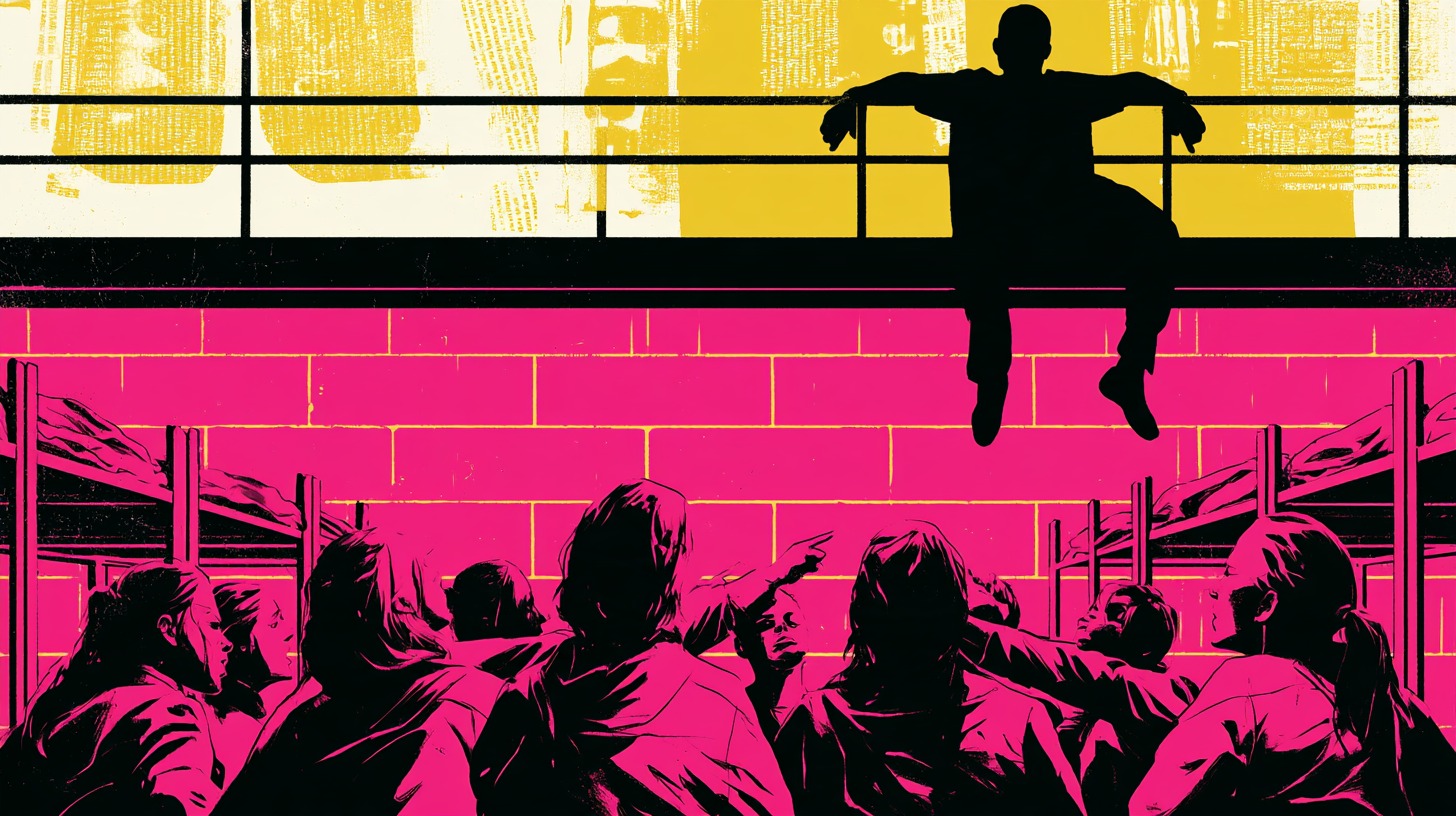
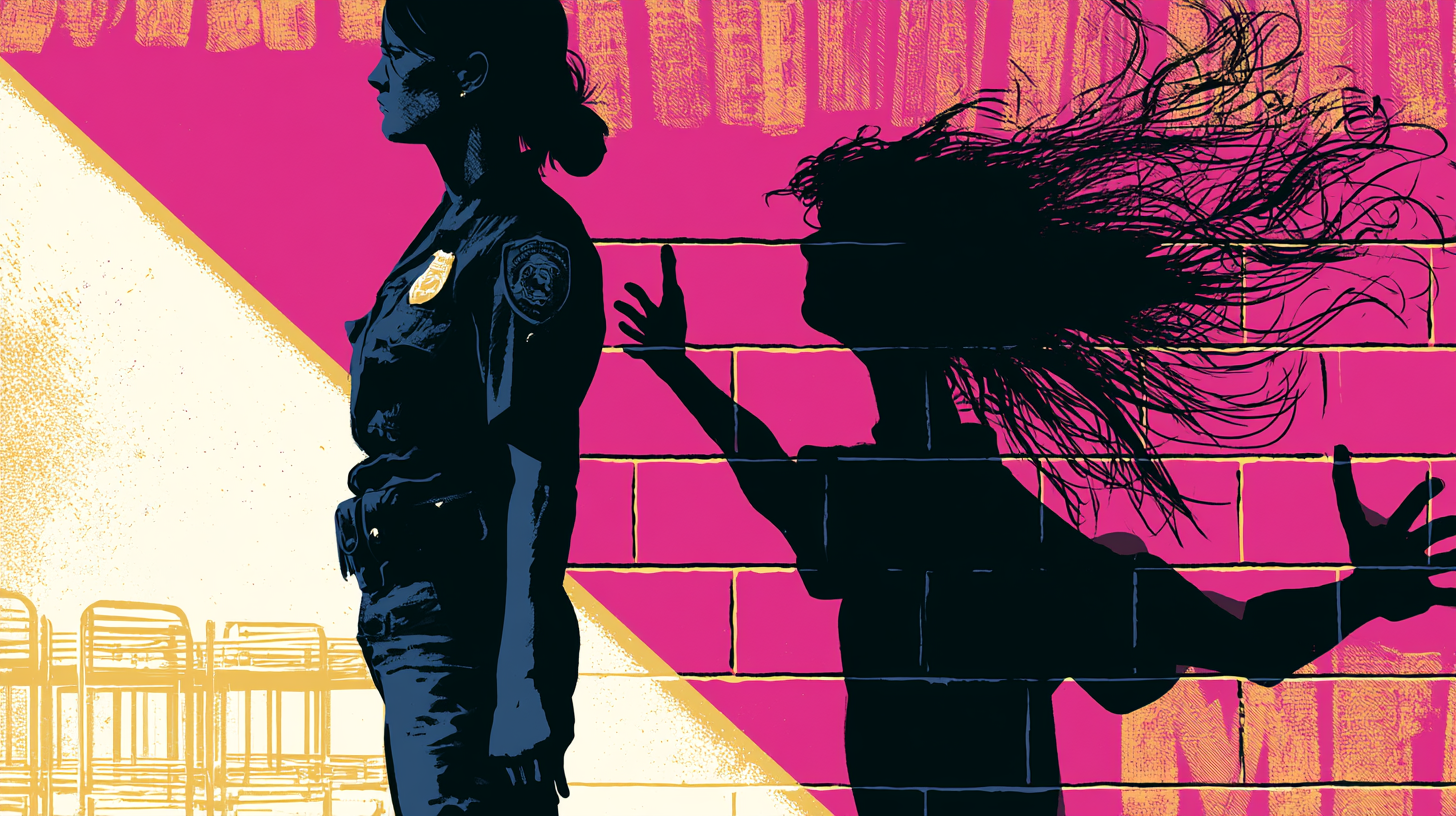
The background hum of character assassination. Tall poppy syndrome is alive and well. In here, “having more” might mean she scored extra creamers or cleans the visiting room and gets time out of the dorm. She must be “right-sized” when she returns. Sympathetic joy is still in short supply, and jealousy tears us apart faster than any lock and key. The most painful part? It is often the female guards who are the harshest. Not all—some are deeply compassionate—but too many wield cruelty like a passport, desperate to separate themselves from the stigma of the “wild, dangerous woman” they’re policing. It’s as if they have to prove, over and over, “I’m not her.” And yet—even here—there is a paradoxical freedom.
Sunlight as disinfectant
For all the confinement, we are not constantly asked to button our girdles and make our faces acceptable. The wild shows through our cracks. Sometimes I want to say to the women who are cruelest, “You might be excellent at your role, but there is a violation deeper than any rule—don’t forget you are a woman.” I don’t say it. I witness instead. I practice being sunlight so the black mold of feminine self-loathing doesn’t spread in the dark. Witnessing isn’t passive; it’s a disinfectant. So this is where I land in my quandary: I can be happy here, and I can hold a line. I can honor the joy—yes, joy—that keeps breaking through, and I can refuse the story that women are fragile creatures who need to be herded and hushed.
Sovereign together
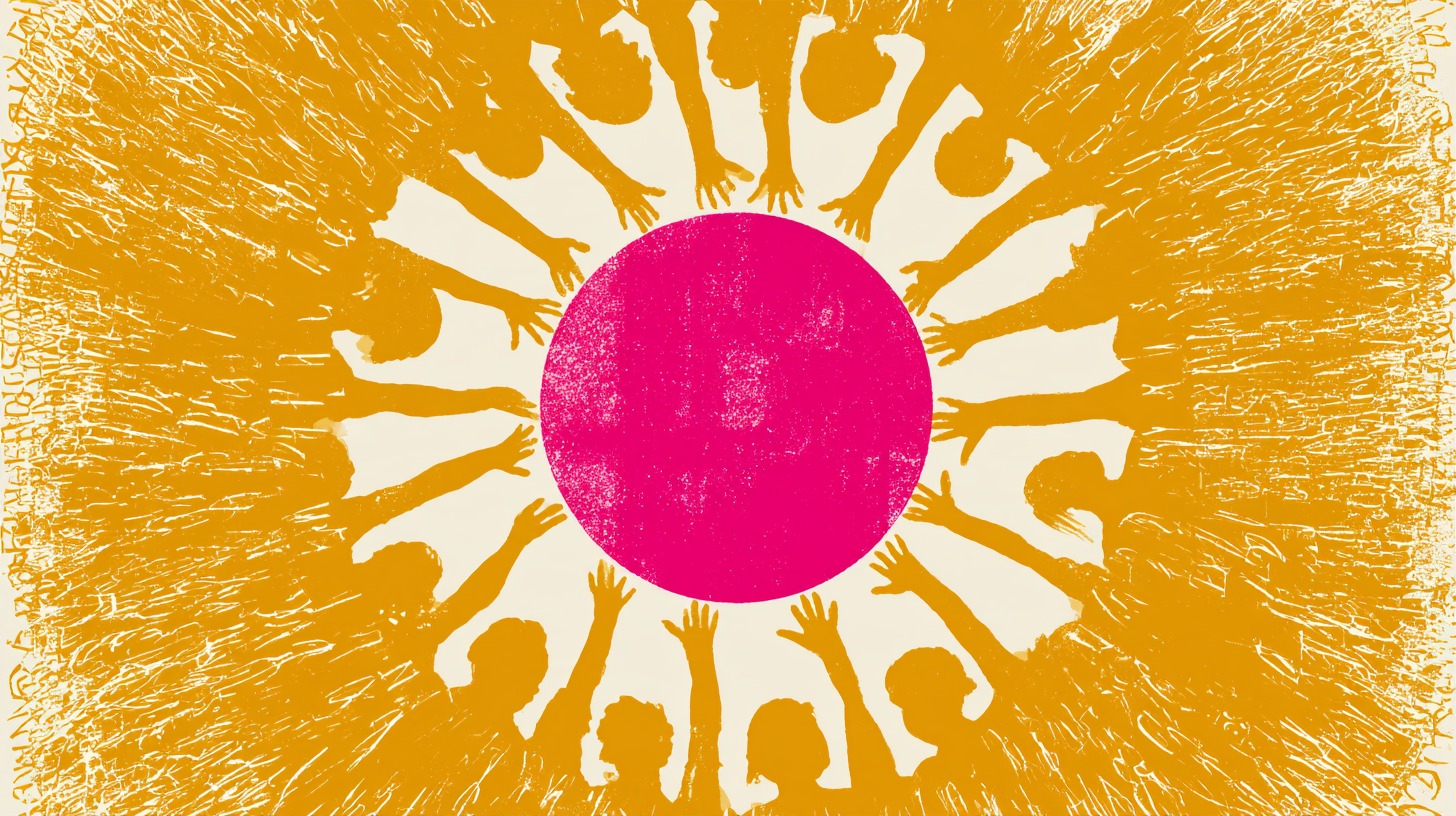
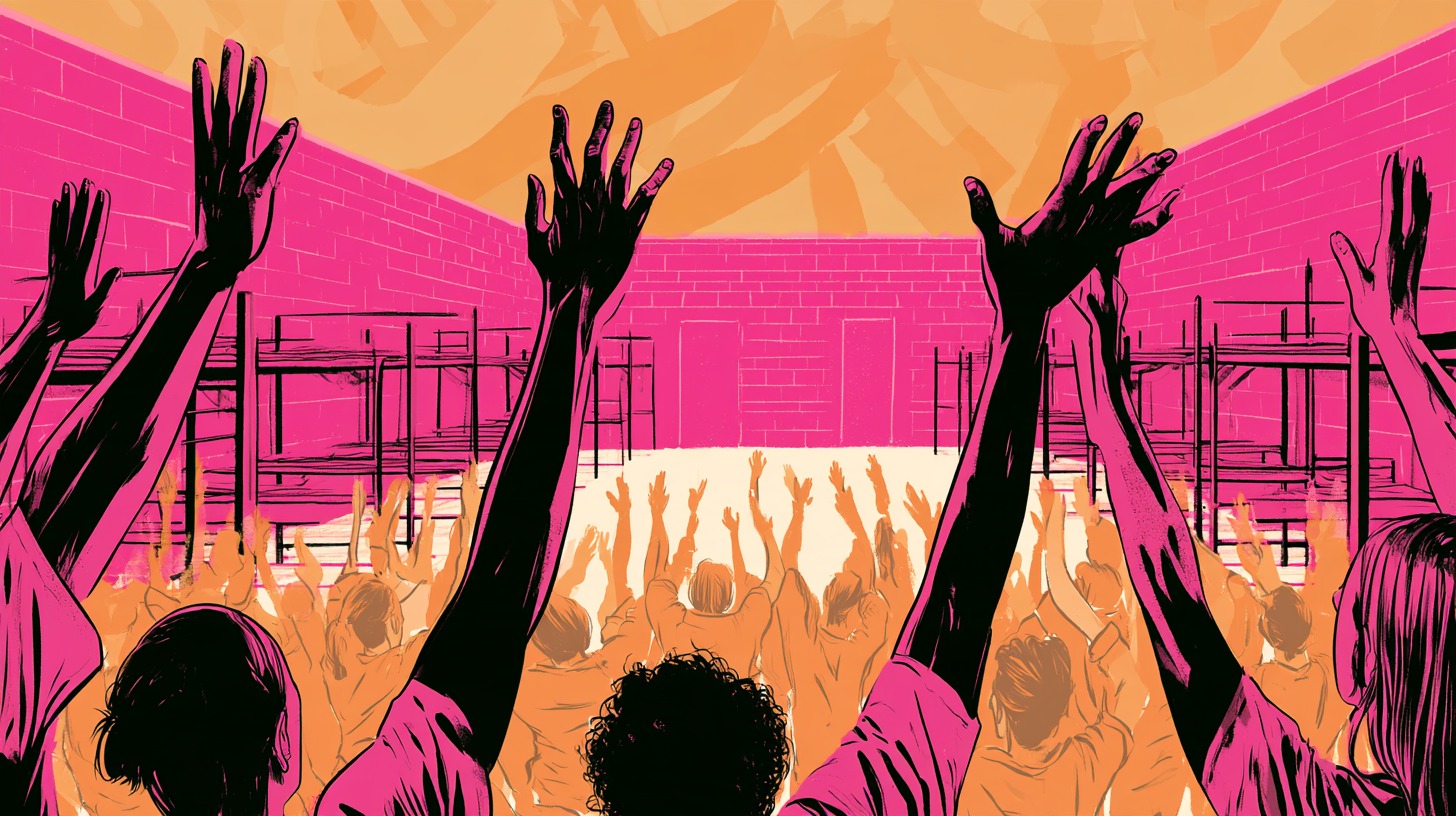
I can be for the women in this dorm, for the women who think they hate me, for the women who will never meet me, for the women who will be punished for daring to laugh too loud. If I’m sending any message by being here, let it be this: The pink handcuffs are not protection; they are props. Take them off, and your hands are free. Free to cook for each other. Free to tell the truth. Free to hold the line when scarcity hisses in your ear. Free to throw your head back and laugh like the whole dorm is your cathedral. Free to remember what we forgot: We are not waiting to be saved. We are practicing being sovereign—together.