At 7:45 p.m., I could barely keep my eyes open after abig day of yoga and many miles of laps around the track.
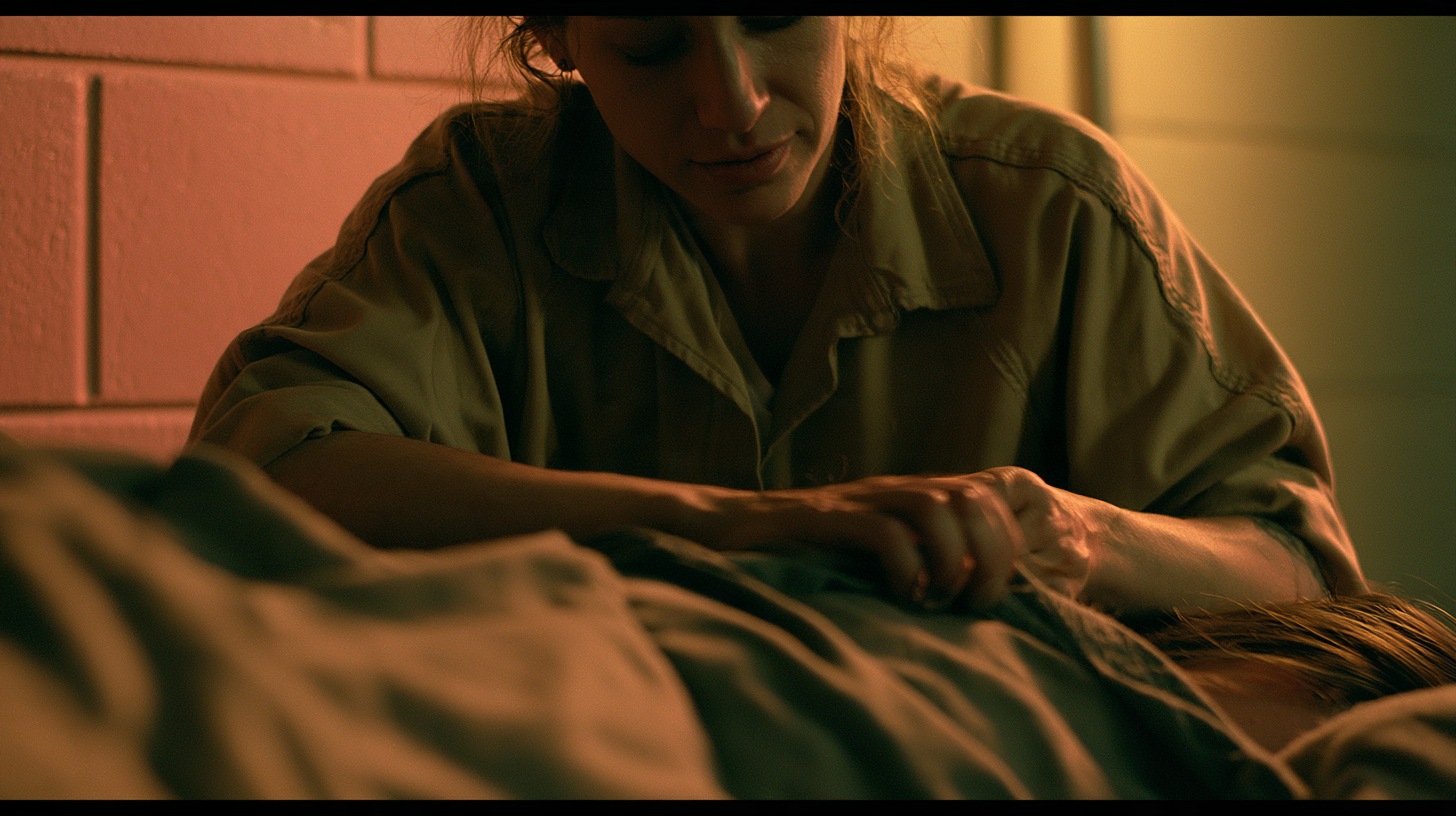
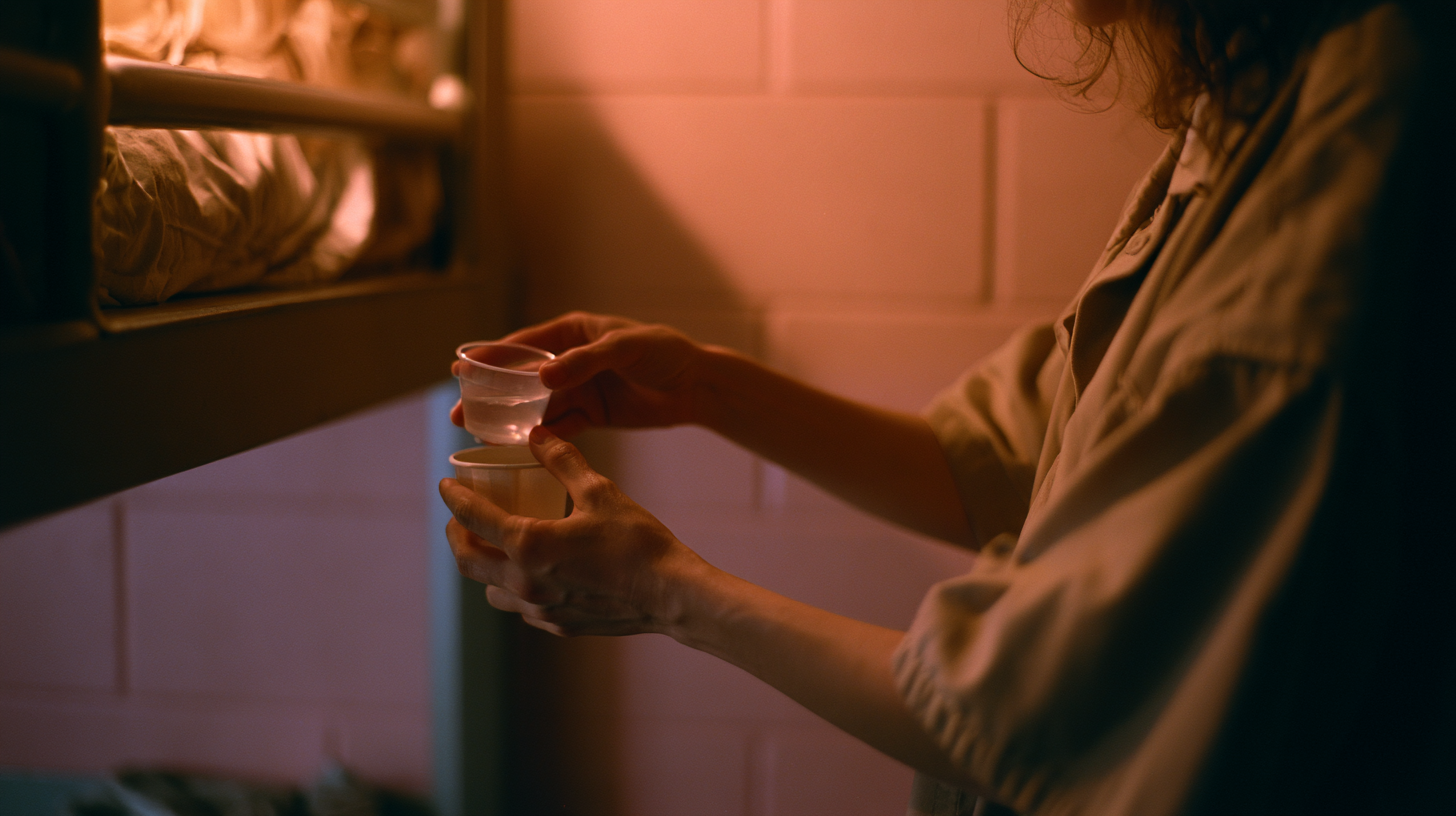
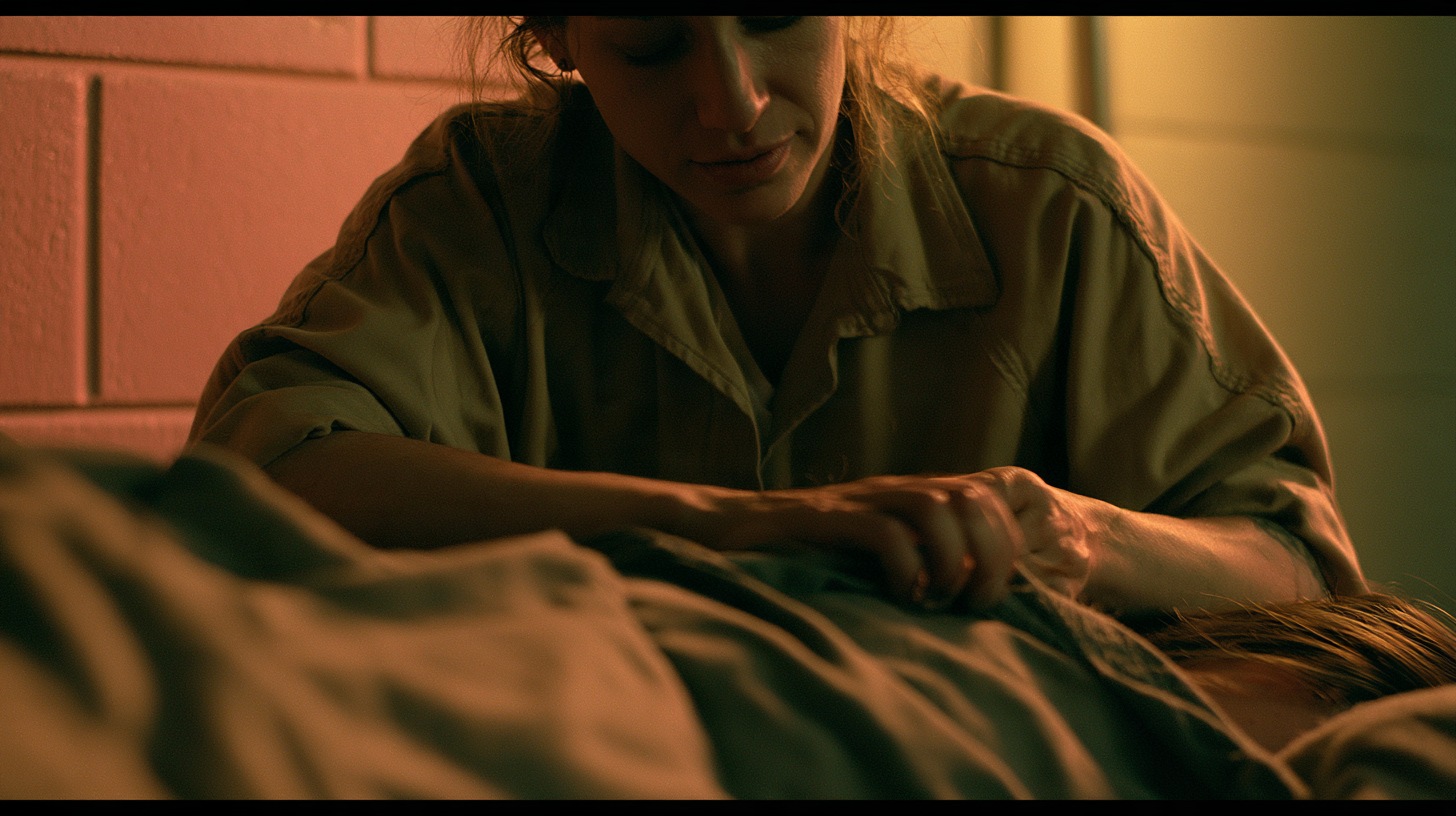
I’d asked Rach to remind me to take my progesterone, but instead she quietly got up, fetched my medicine and a cup of water, and handed them to me with a gentleness that feels ancient—the kind of caretaking women have always known.
She tucked me in like a sister.
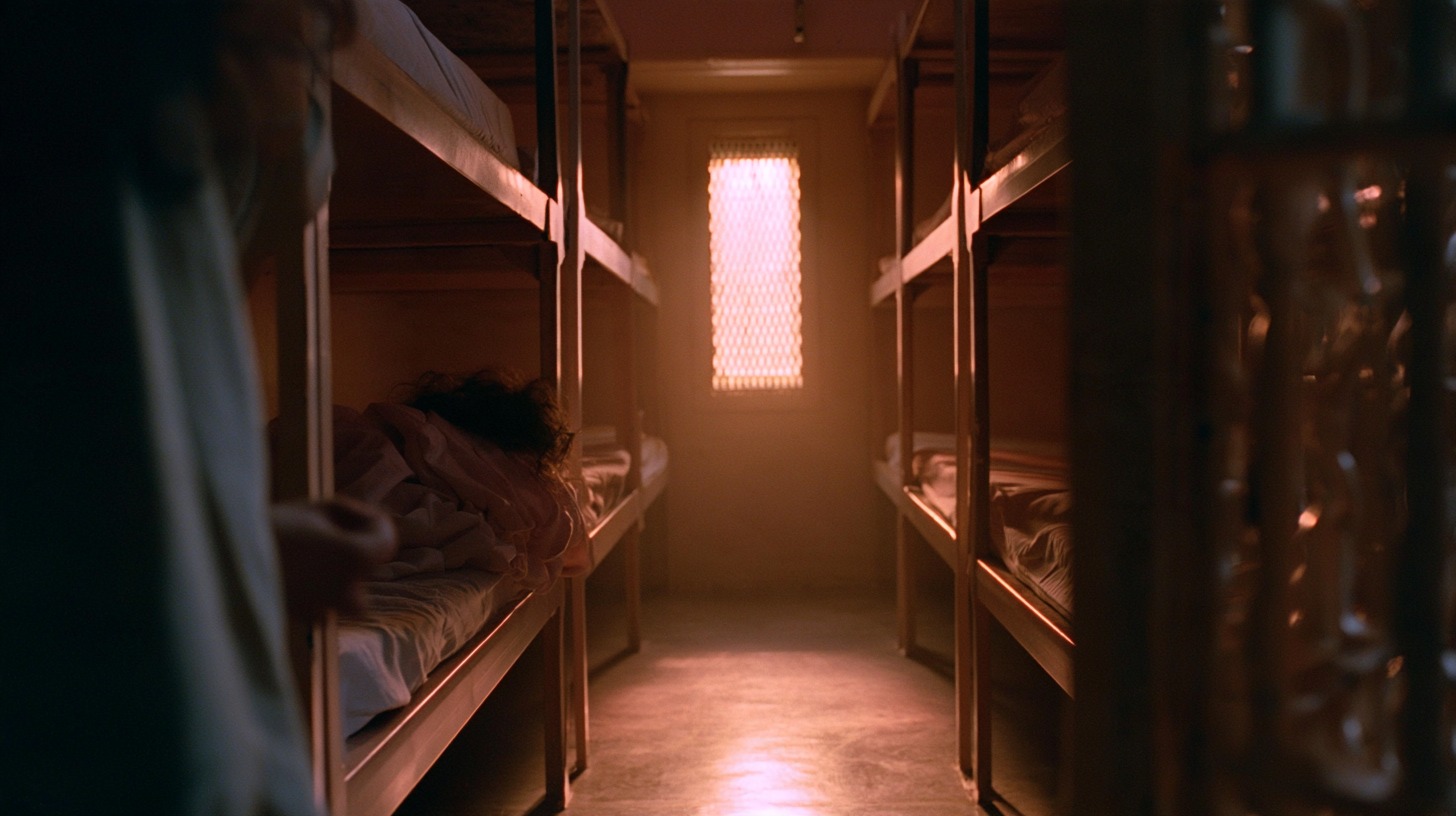
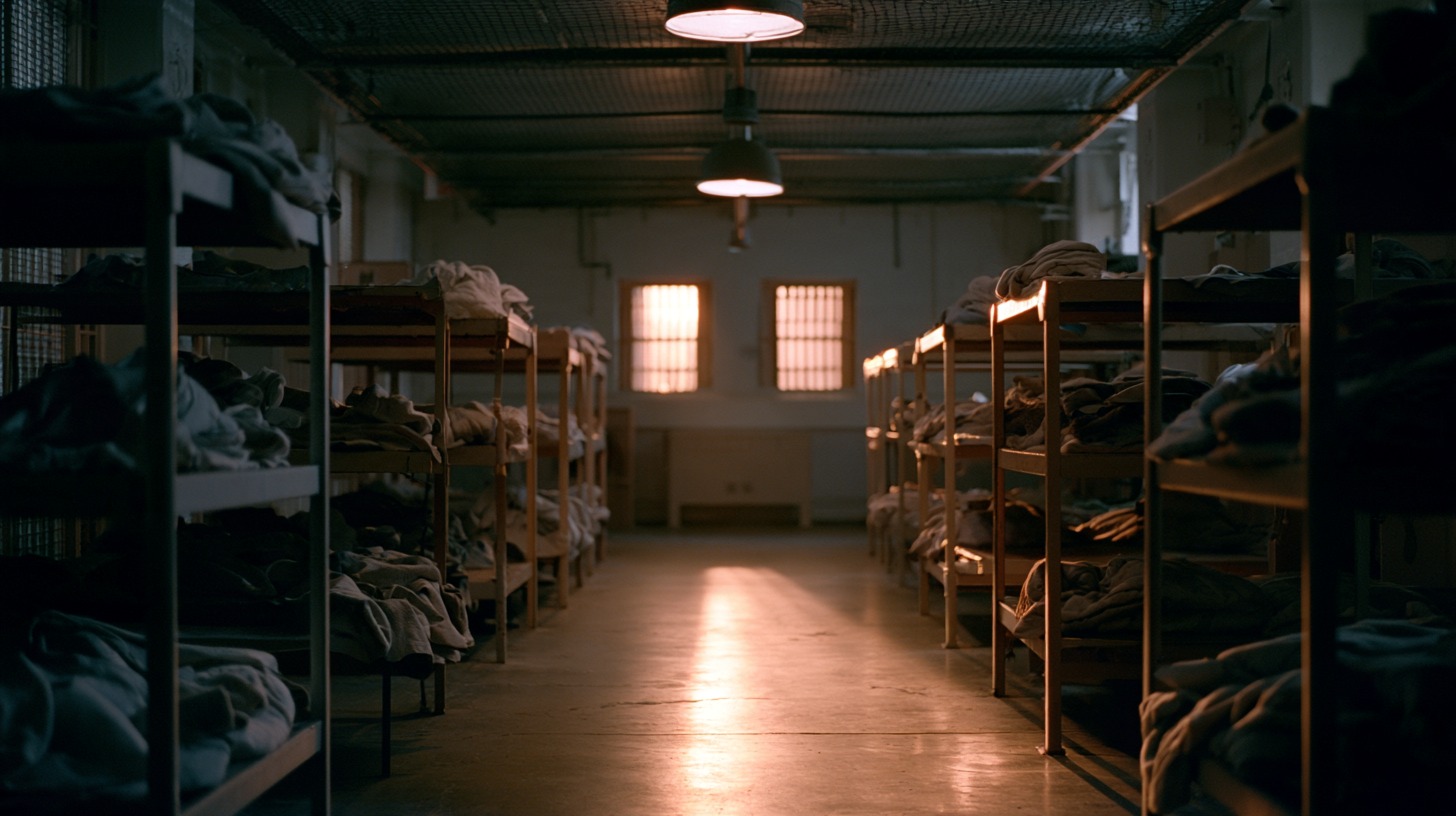
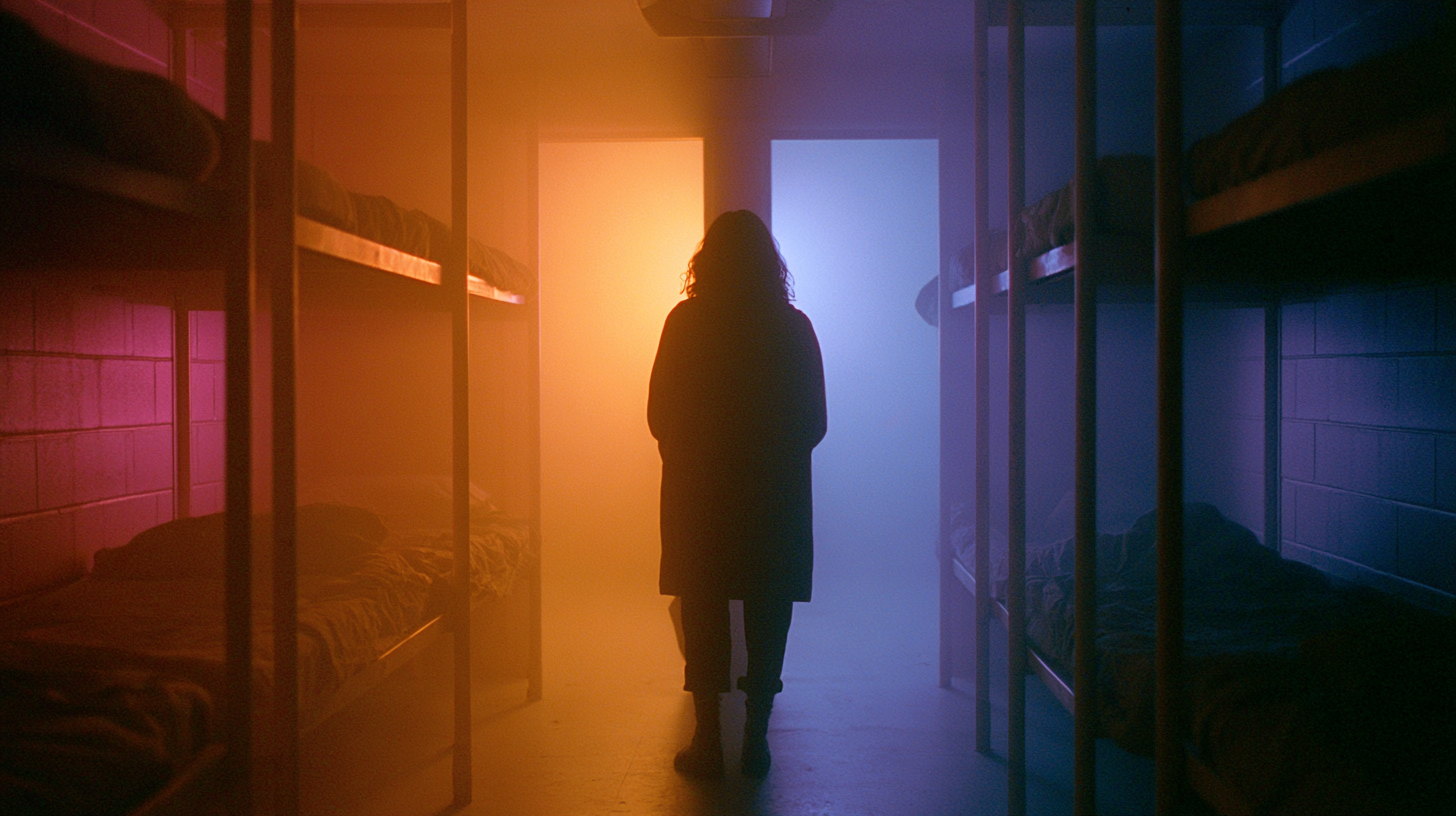
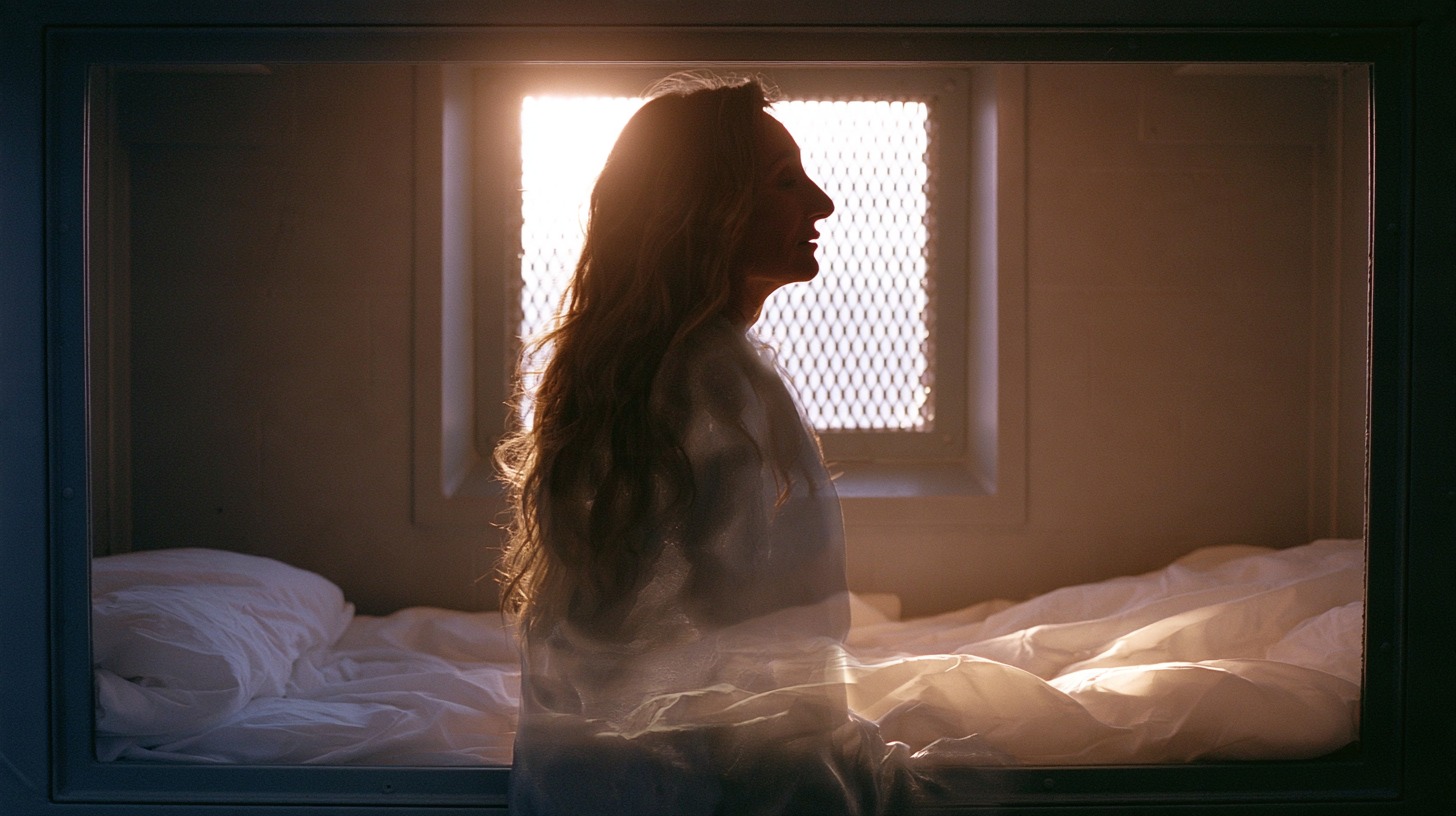
I woke at 5:00 a.m. to the dorm at its most quiet,the in-between time after the night owls have gone to bedand the early risers haven’t begun to stir.
I don’t mind that the women are loud most of the night—because when they finally sleep in,I am gifted with these strange pockets of quiet.
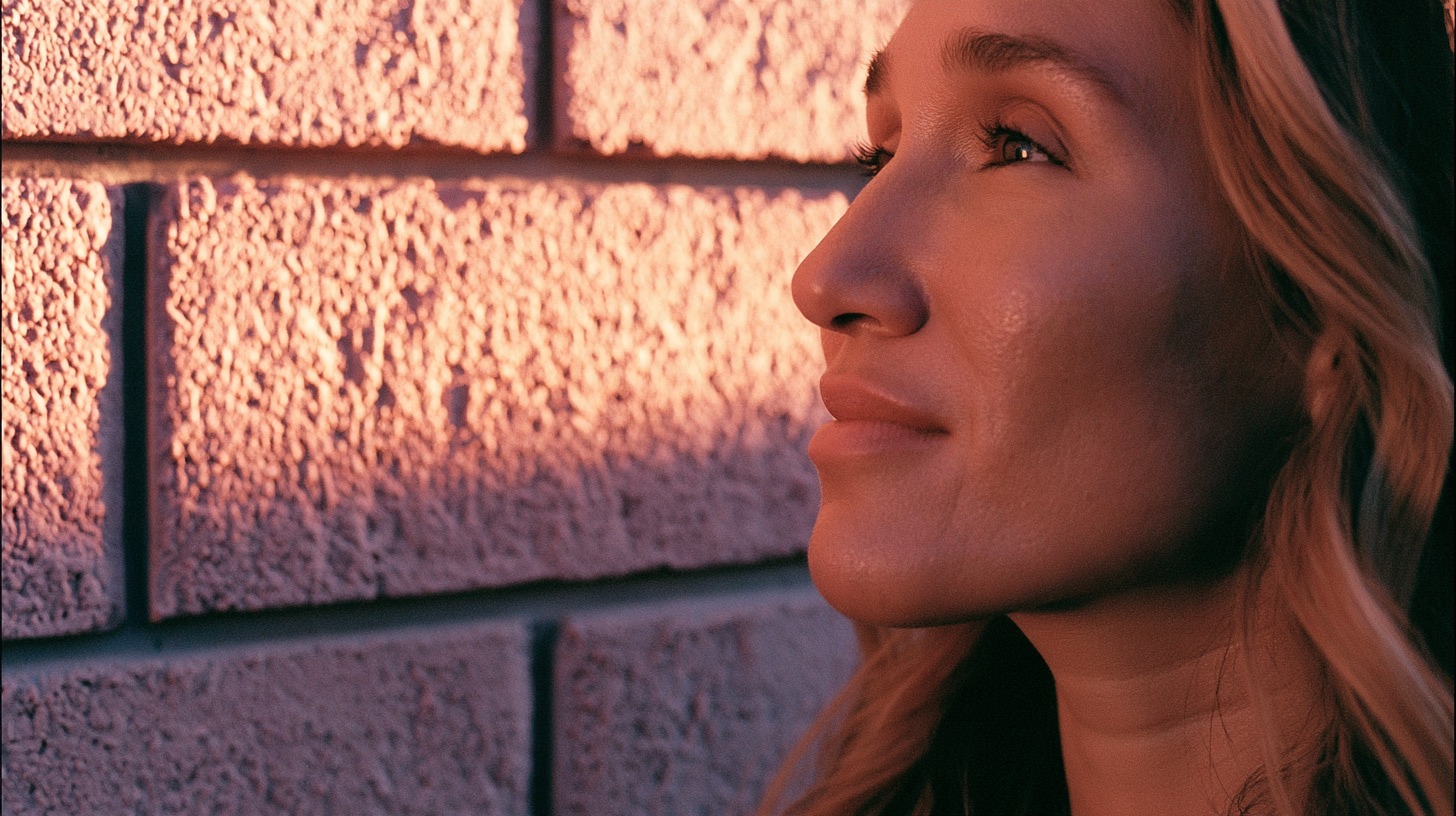
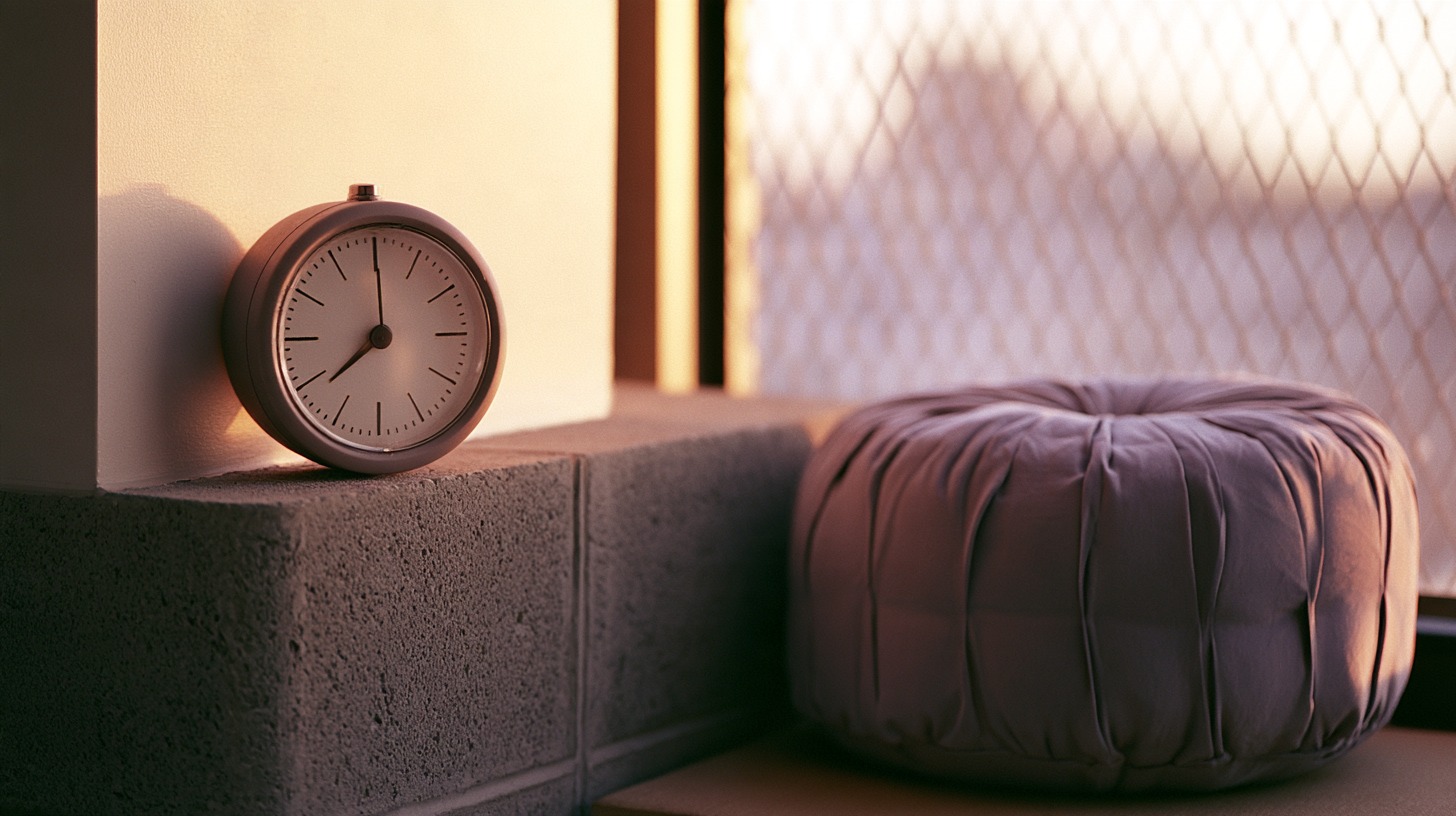
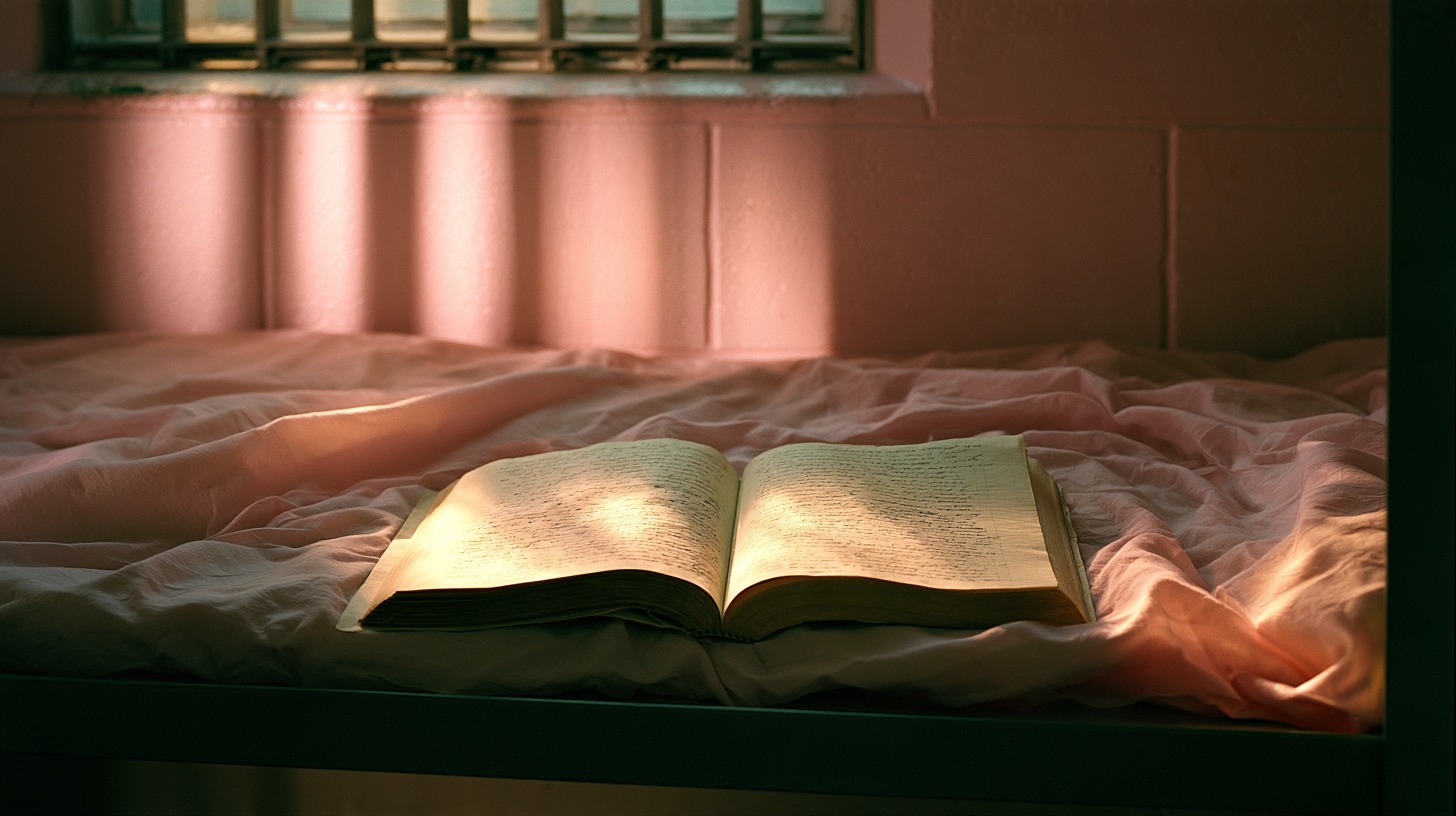
I can watch the sunrise reflecting off the wall,a pale gold smudge.
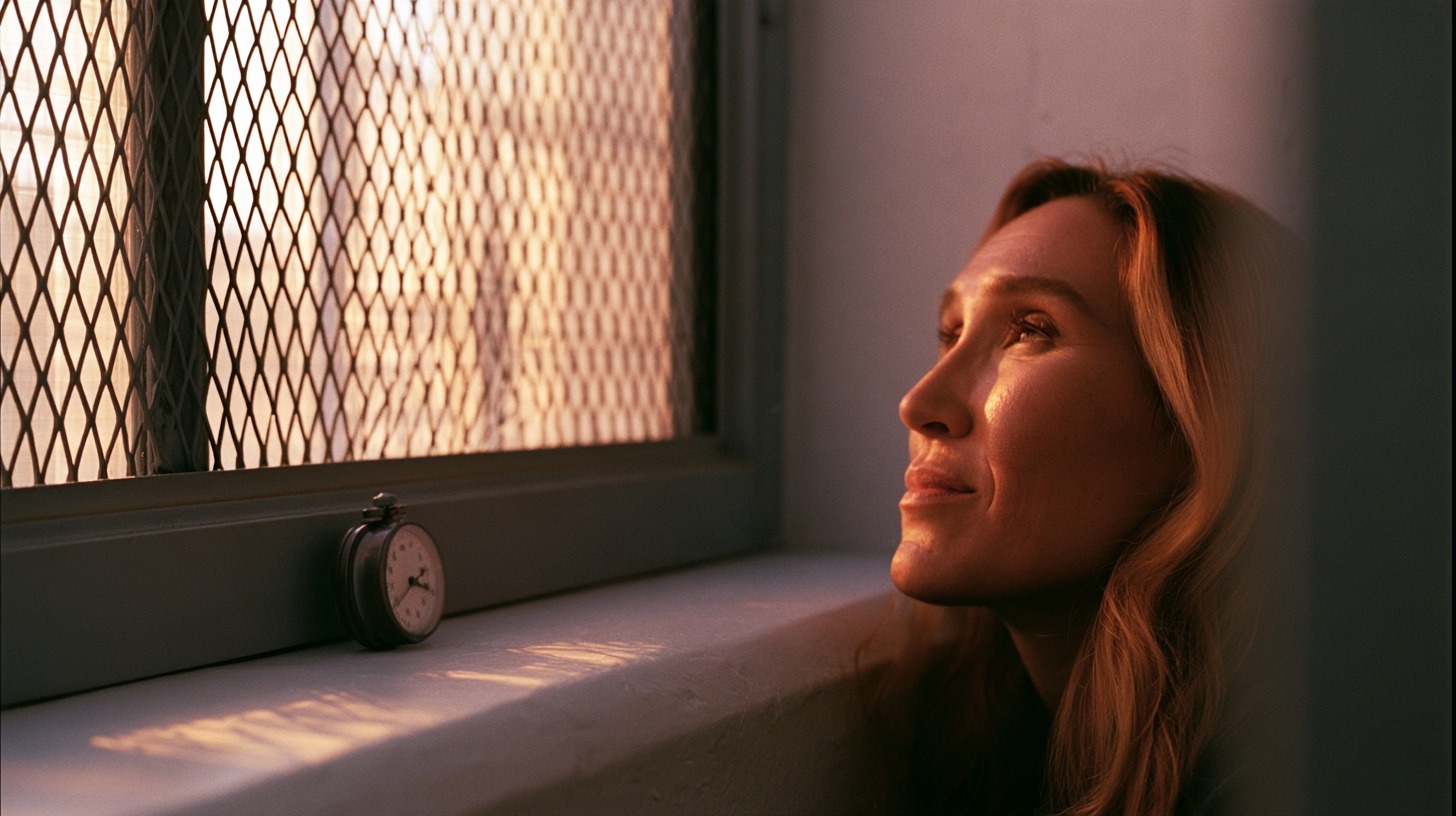
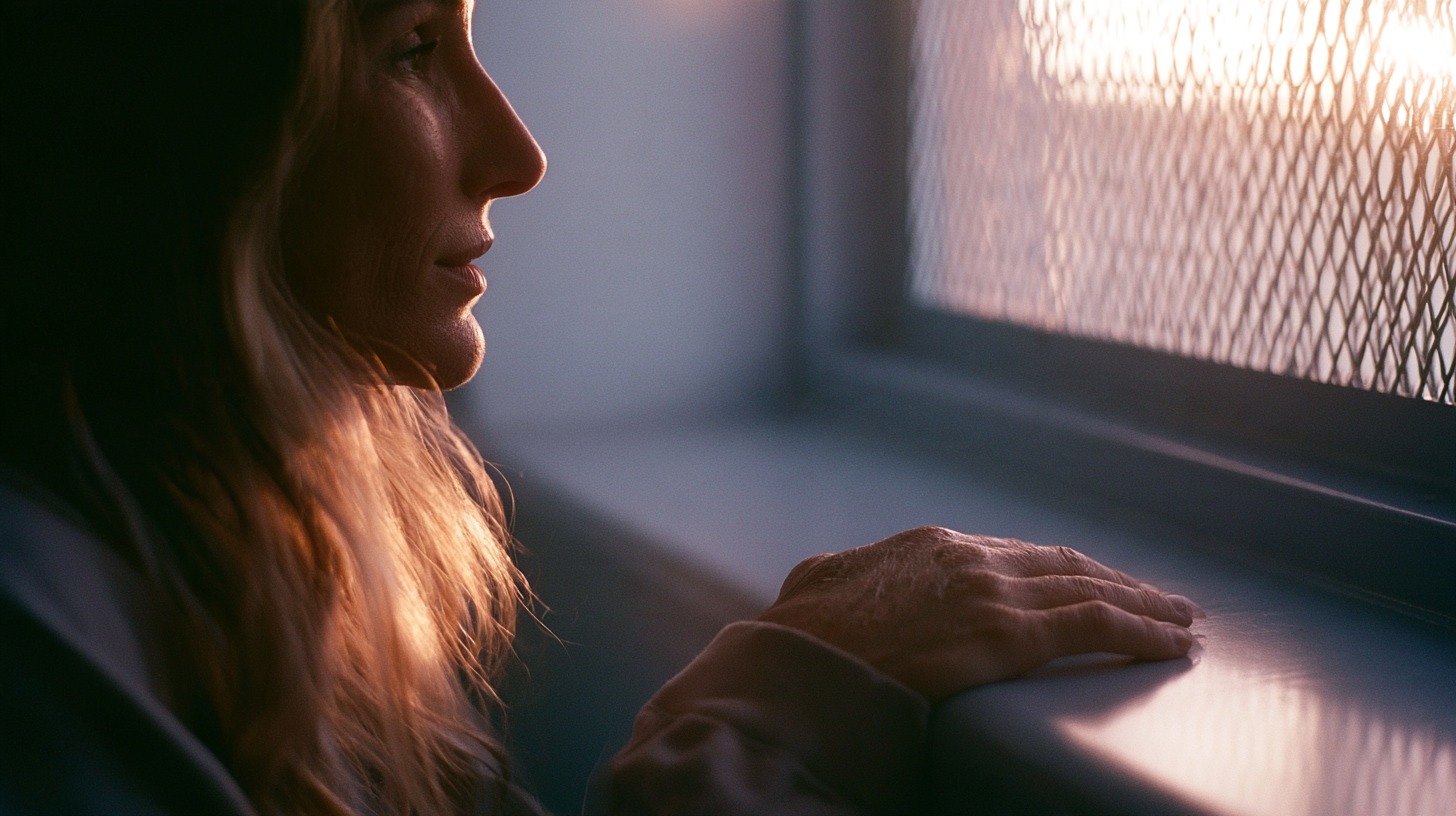
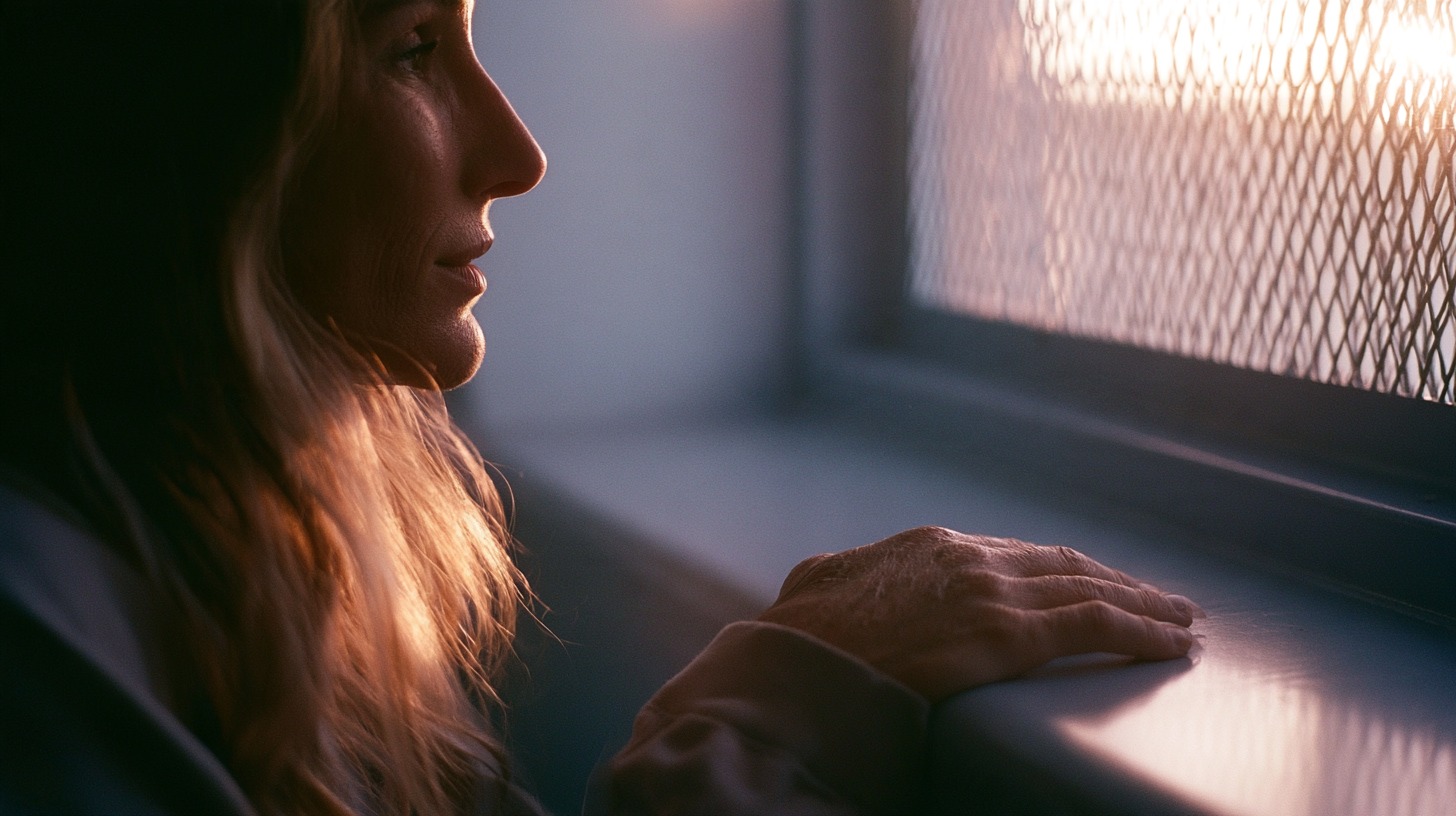
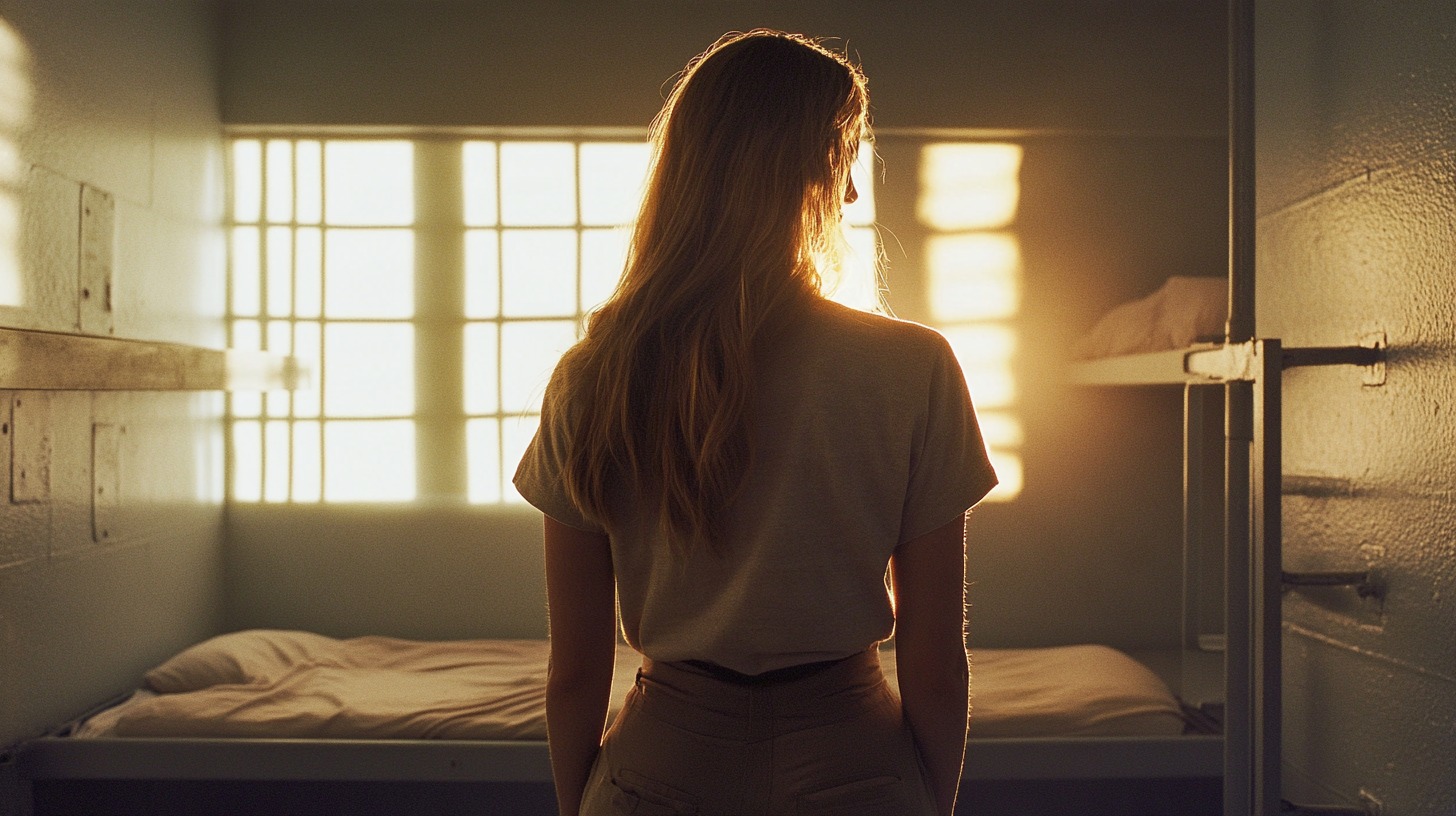
I sat on my bunk and looked out the narrow slat beside Luciana’s bed—our “window,” ten inches wide, covered in metal mesh.
Through it I could see the city lights fading as the sun began to rise.I let my gaze go soft and unstructured.
Structure is usually my gift, perhaps from having sat on so many meditation retreats. The Zen practitioner in me sets simple timersso my mind can roam inside a safe fence.
The meditation starts and then ends. Some call that discipline but I find that word too harsh.I think of it as friendly guidance.
My mind is a workhorse—strong, eager, andprone to charging into the nearest mud pit.
Having one clear intention keeps it steady and on my side. Still, sometimes you have to let the mind wander and graze—let it remember its own wildness.
Like the Zen gardener Wendy Johnson says,even the most manicured garden should leave ten percent wild,to remember its nature. That’s what this morning felt like.
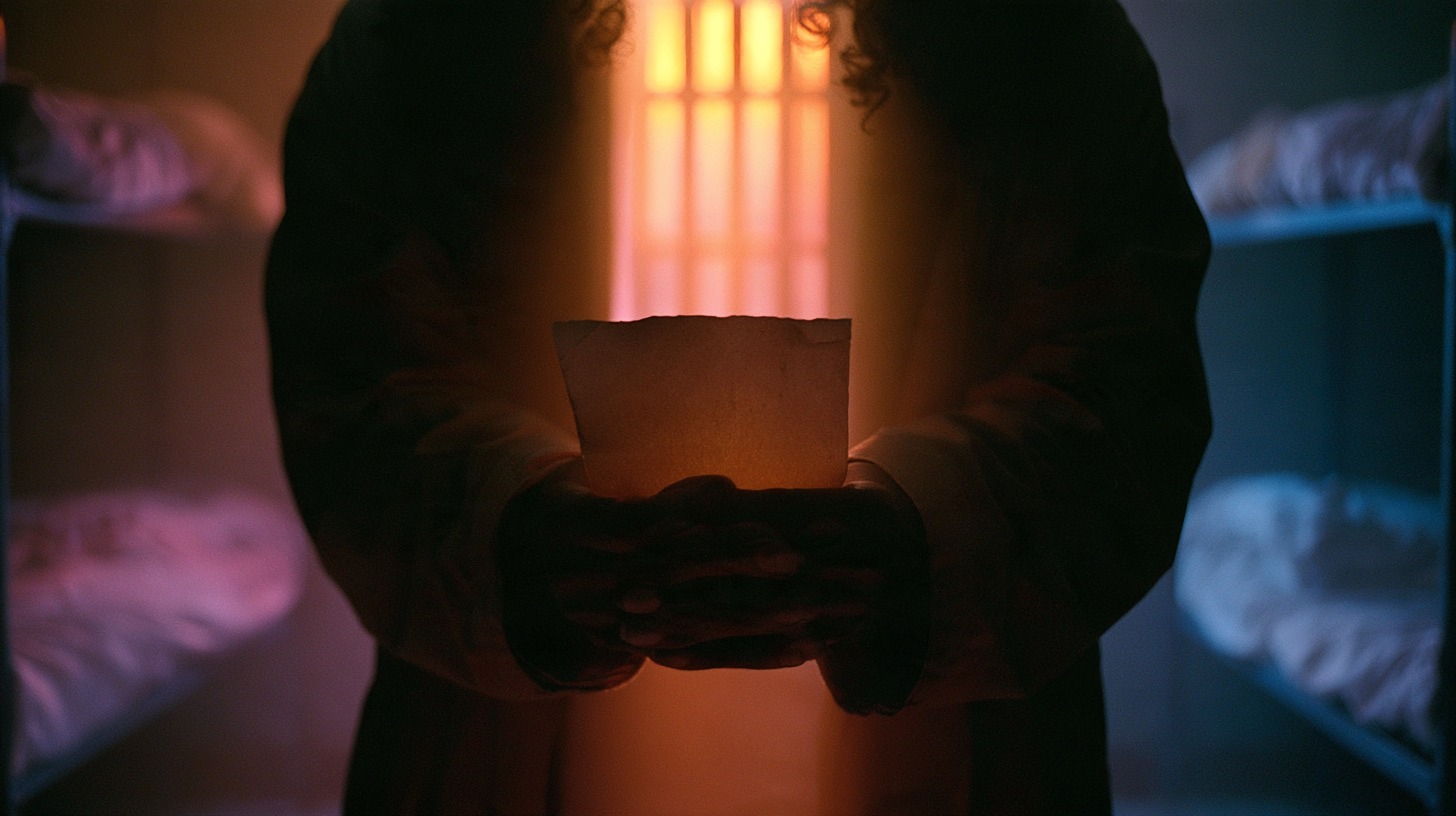
Earlier in the week, I had receiveda letter from my dear friend Ed, the Zen priest.
It was one of those rare communications thatreaches straight through time and touches the core of who you are.He wrote that I was here “to purify my love,”
that I’ve always been uncontrived andquick to send people back to their own internal laboratoriesto find truth inside themselves.
His letter wasn’t dramatic or flattering. It was precise and human. Ed and I both took the same vow long ago:to keep loving, no matter what.
It’s not the vow of a saint who tries to scrub out her flaws.It’s a vow to stay human while loving through it.Ed embodies that.
He cries, he rages, he feels everything, without pretense.
He’s a reminder that awakening isn’t about escaping humanity—it’s about including it. You don’t transcend your human-ness; you live it awake.That’s why Ed unsettles people.
He makes you face the truth thatyou can’t bleach out your darkness to become pure light.You can’t divide yourself into “good” and “bad” and expect to be whole.
Spiritual life isn’t about perfection; it’s aboutliving and holding the grace and the grit without pretending you’re finished.That’s where the real freedom starts.
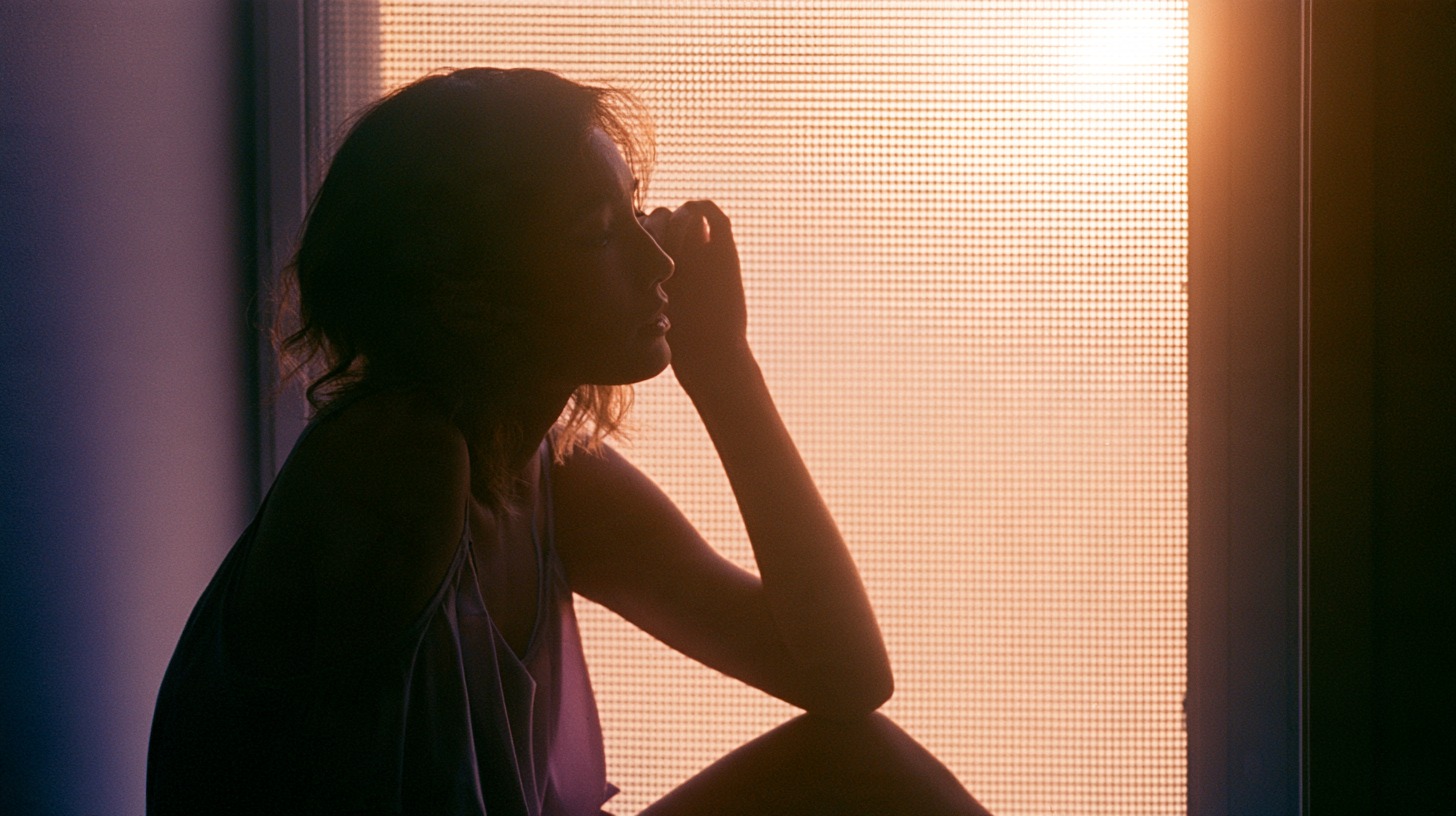
As I sat at the window thinking of him, I wonderedwhat had knocked me out so completely last night.Maybe exhaustion. Or maybe something stranger.
Years ago I had a teacher who spoke about “walk-ins”—the idea that sometimes a soul gets swapped out,like a mechanic replacing a carburetor.
You wake up feeling the same but somehow lighter,as if a new spirit took over the job.
I laughed, imagining my old spirit saying, “I love you, but I’m out,” while some brave new one stepped in:“Now that looks like an adventure.”
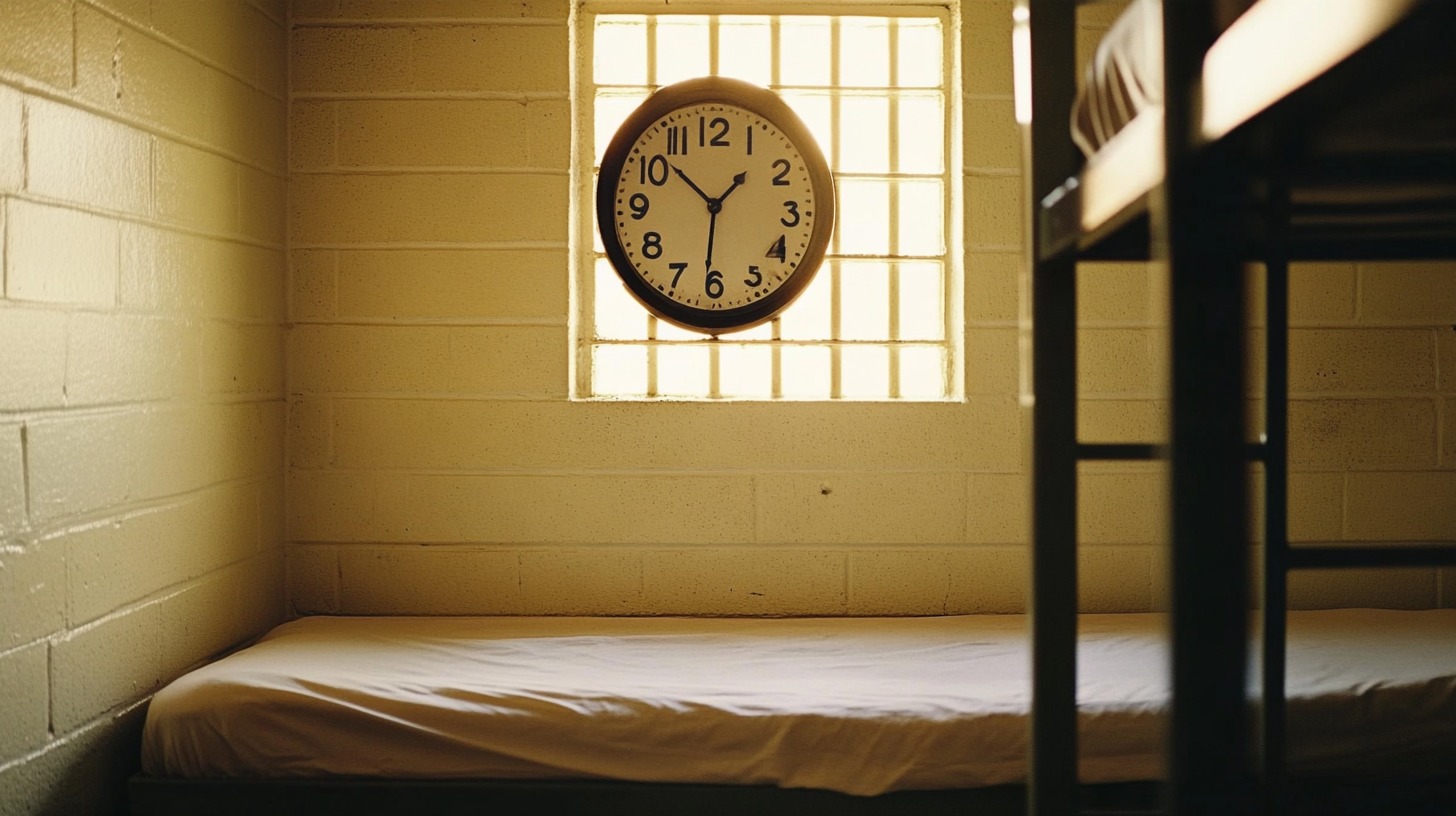
By 6 a.m.,I still hadn’t done any of my practices,just my unstructured window-gazing.
I found myself wishing I could have tea with Ed,eat his persimmons, tease him that we’re best friends.
I wanted him to know what his letter stirred in me—how it reminded me to love more cleanly, without defense.
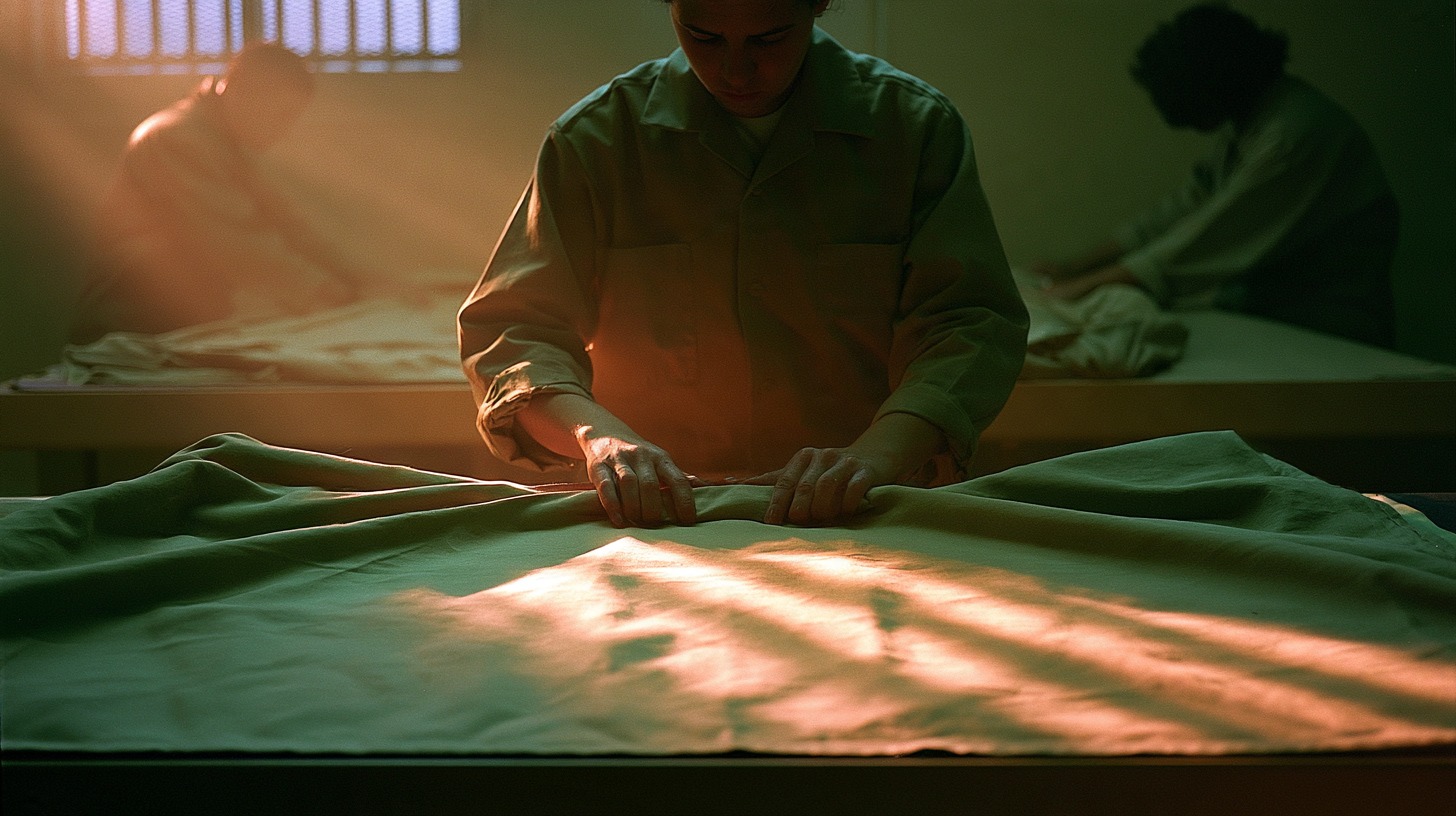
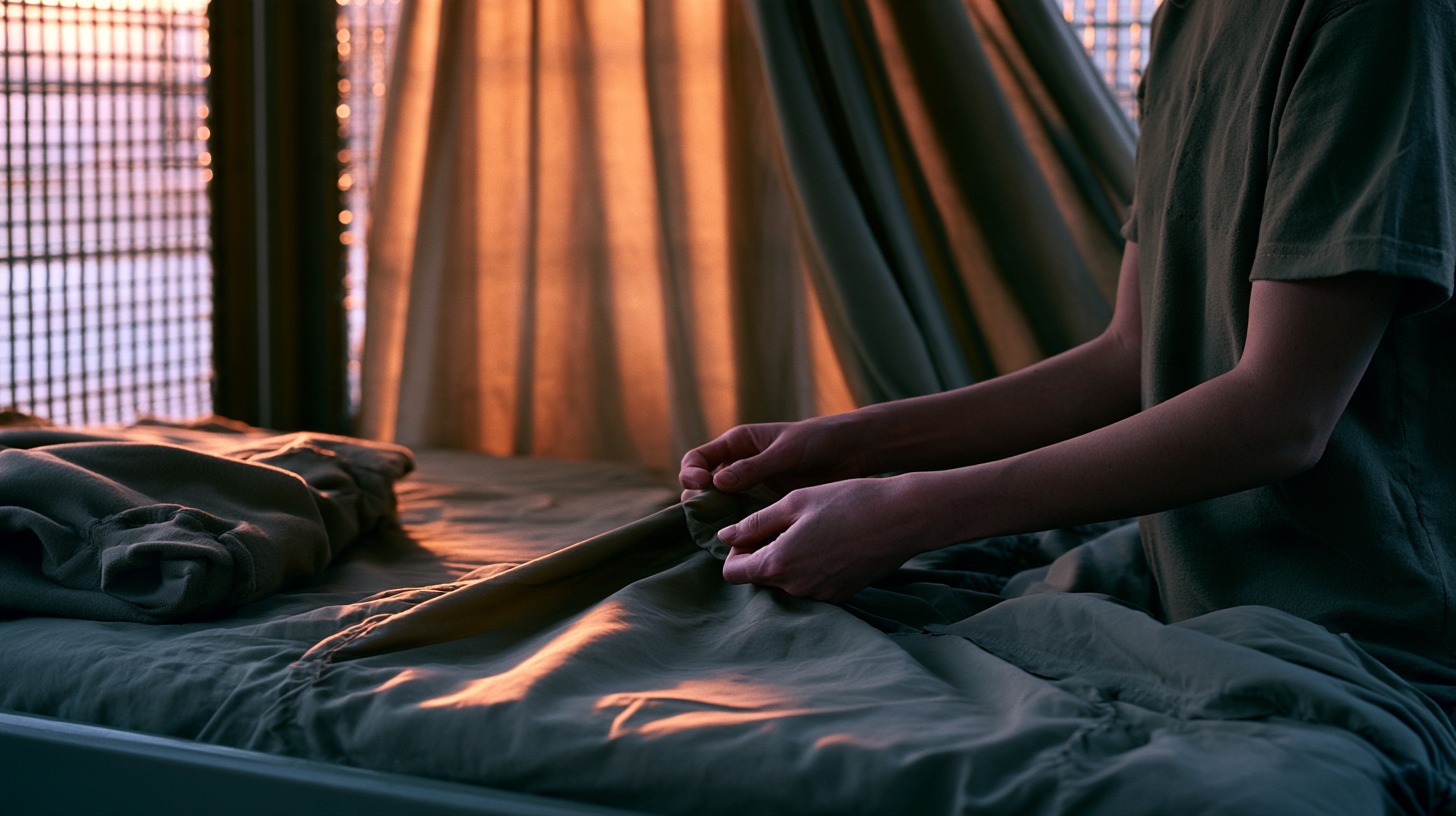
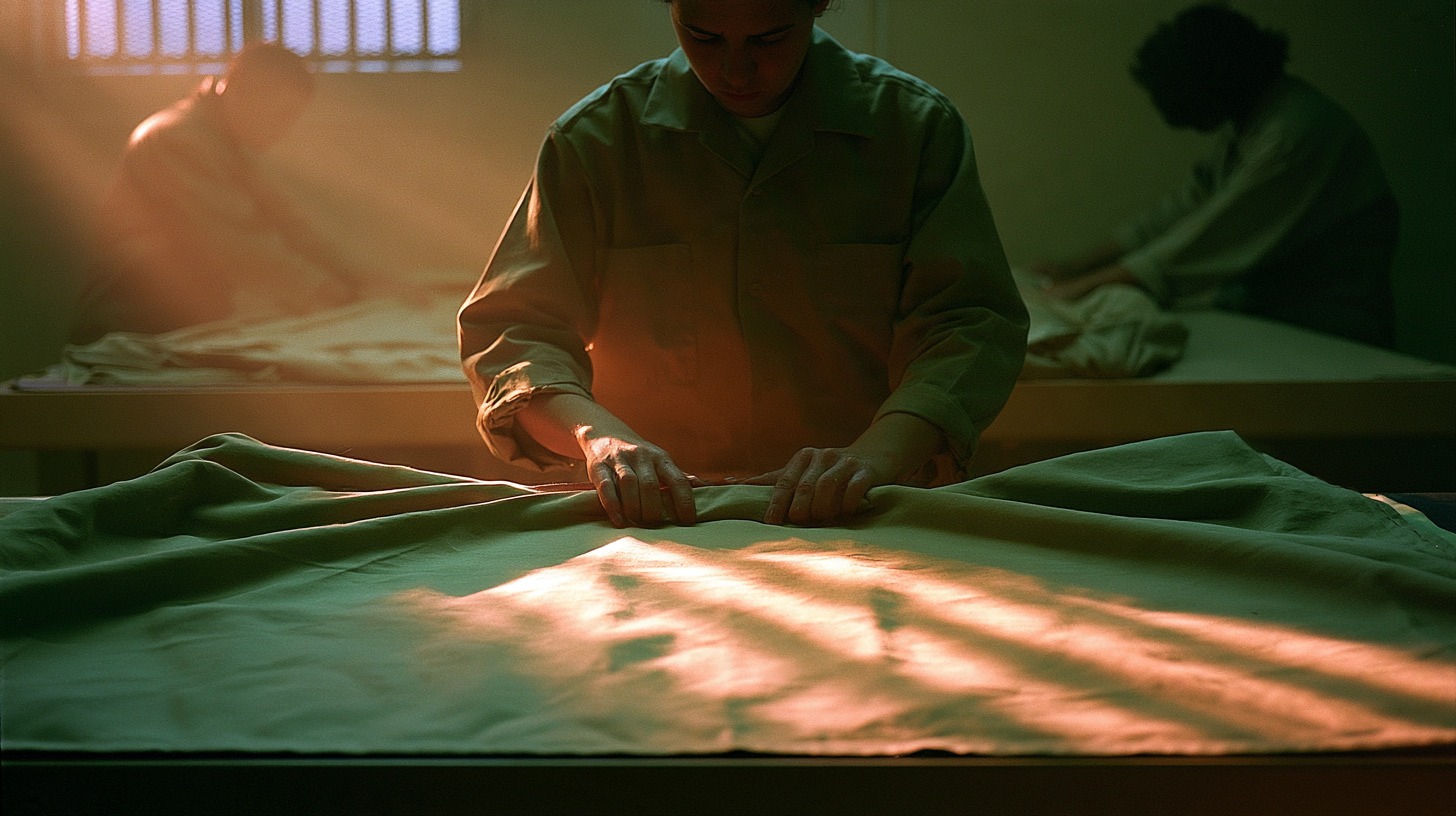
I started pulling down the sheet of the privacy tent I’d draped over my bunk, putting on the sweatshirt I use as a pillow, andtucking my blankets military-style so I’d pass inspection.
Then something stopped me,like a hand on my shoulder.
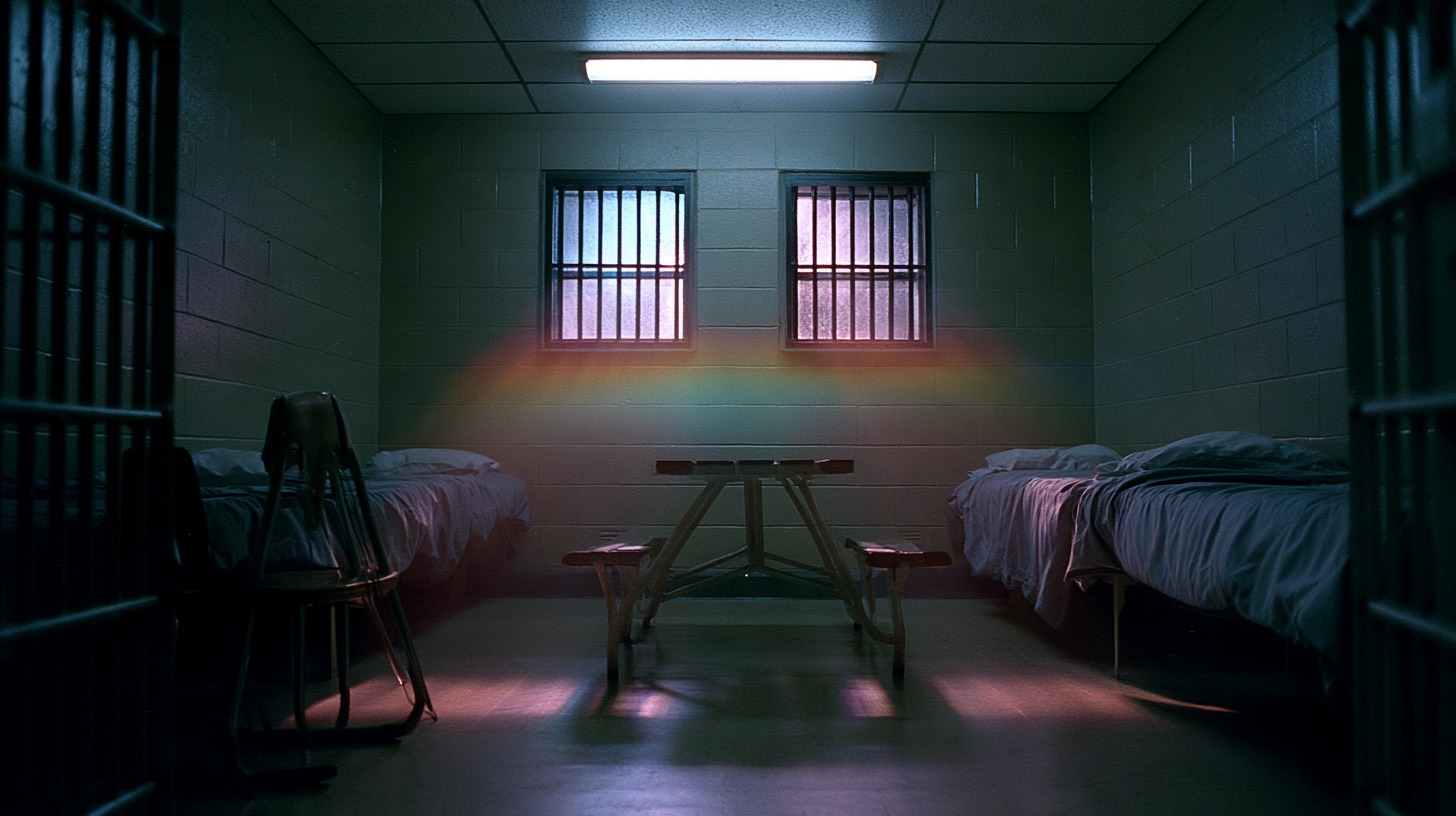
I looked up at the room, half lit because it was still early (but in prison that’s still about as bright as an operating room) andfelt a wave of clarity.
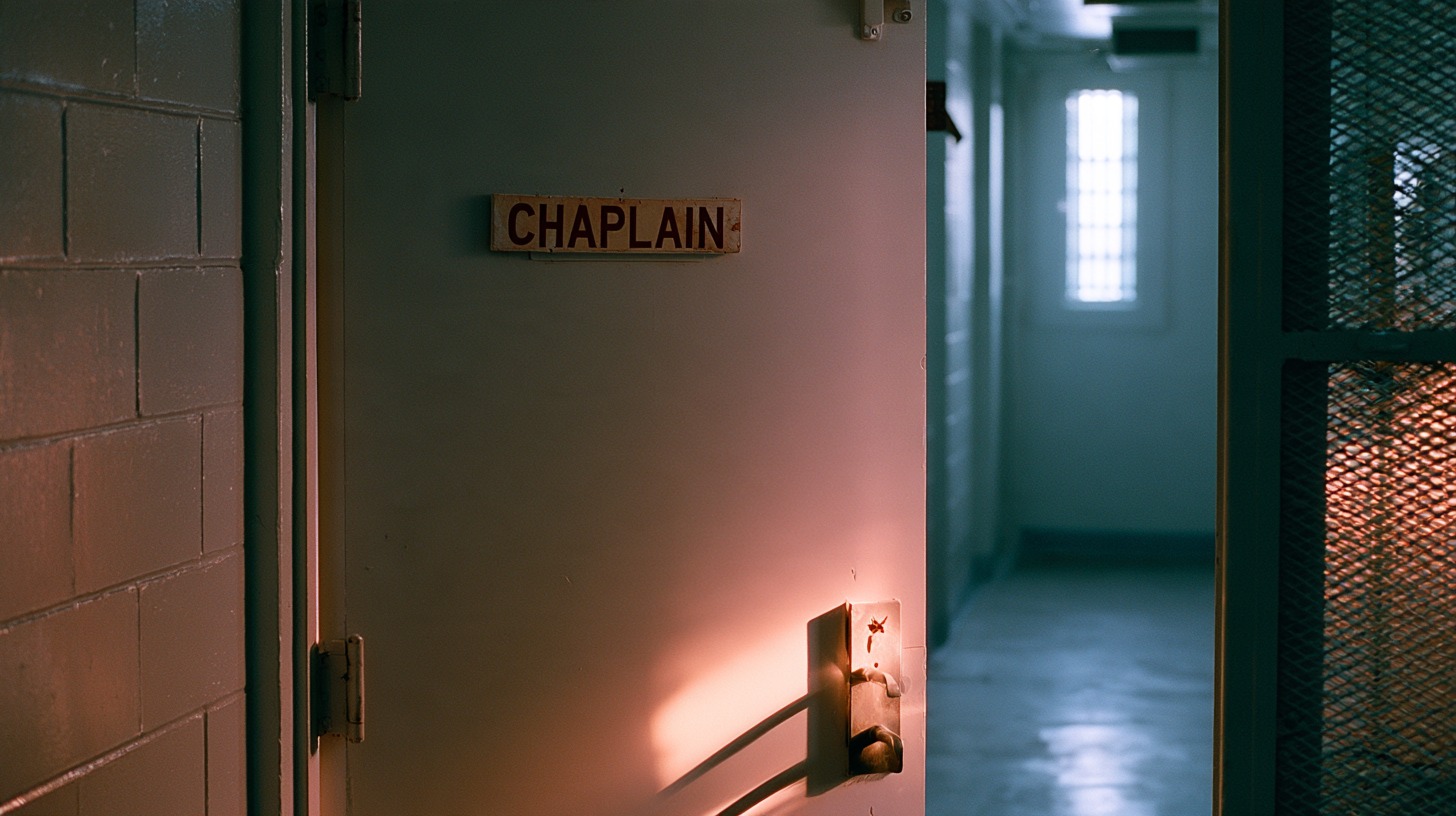
Someone had suggested Italk to the chaplain about what I envisioned for this place.
Prison as an institution reduces humans down to labels and populations,a sorting and holding system for sacks of meatit has been charged to store.
I keep imagining what this place could be if we first considered it from life’s perspective: women walking with herbal tea “mocktails,”writing at tables covered with questions for self-reflection.
I imagine it feeling less like a warehouse and more like a place for discovery, for women waking up to themselves and discovering thatthe bliss they were always looking for is right there.
The thought scared me a little. In here, it’s safer to stay small. Keep your head down. Don’t stand out.But to speak with the chaplain would mean stepping forward,risking visibility.
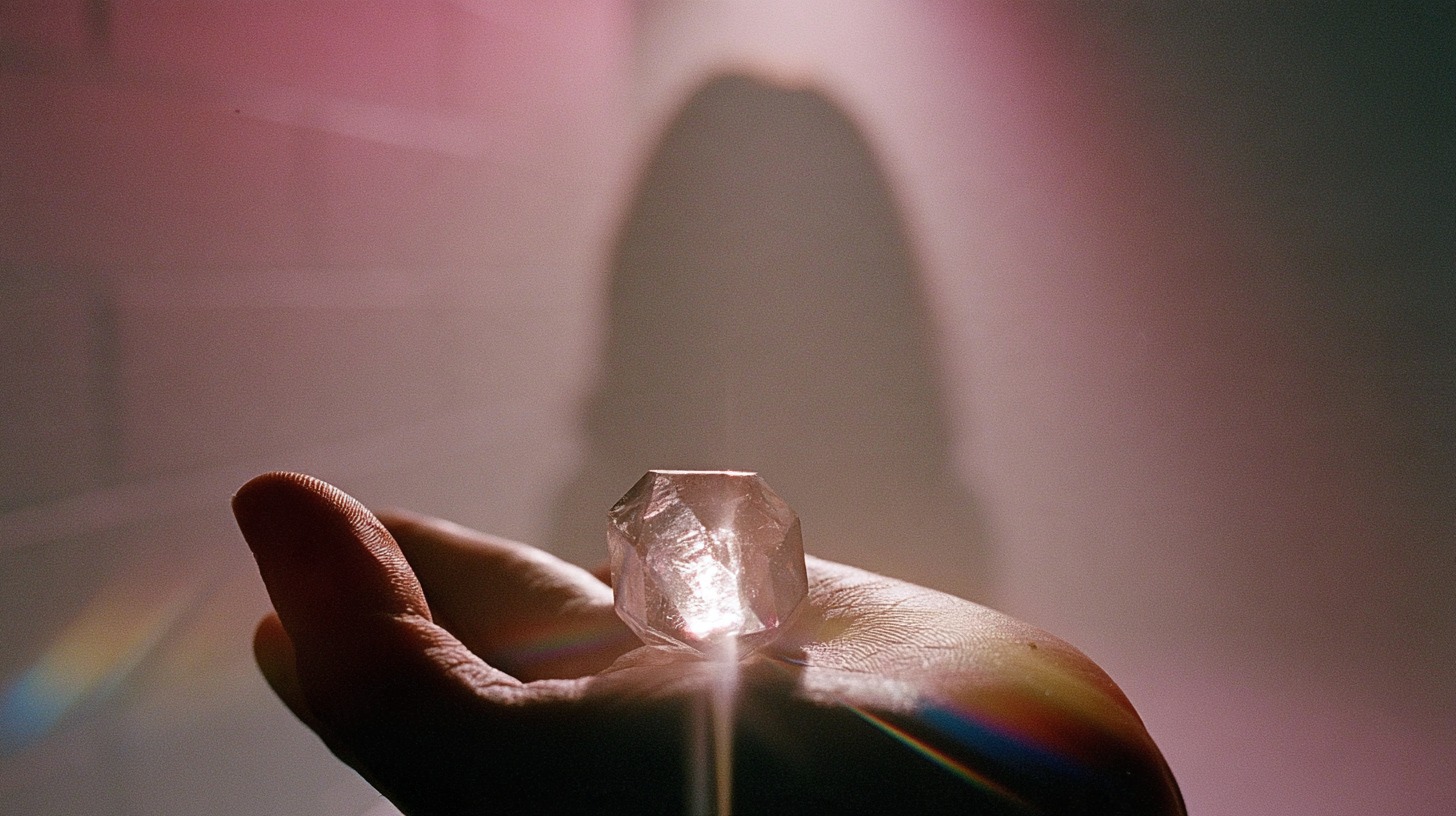
I’d been reading a Robert Thurman book and his definition of vajra pride resonated with me.I understood it as a quiet, unshakable self-respect.
Not the kind of pride which can lead to arrogance,but a diamond pride where you know who you are underneath everything.
It’s knowing you are built for goodness and are responsible for goodness.It doesn’t allow for feeling ashamed or hiding,for indulging in feelings of inferiority or superiority.
It’s pride that lets you receive feedback from others, and have compassion for others. With it,when you make a mistake you course-correct without collapsing.
The only sin is forgetting your vajra pride.When we first arrived, Rach and I couldn’t find a place to meditate.
Everything here is territorial—claimed by this group or that. The only spot available was the puzzle room, and I’d thought, We can’t just sit there cross-legged like statues;people will think we’re casting spells.
But one night before bed, a quiet voice inside declared, Stop hiding. You came here to be of benefit to others.Take your seat.
Then the next day we had that whole interaction with the guard who ended up offering up the craft room to meditate in.That moment cracked something open. We talked. We laughed.
She told us about her hopes for the women here andhow much she gives of herself.
She switched from being an “authority figure” toa beautiful human who explained what she wants for the women.
I learned thatso much of what she offers comes from her own reserves.
The flash that gave me the courage to walk into that room in the morning to meditate,that’s my understanding of vajra pride, that diamond confidence.
It’s the strength that lifts your spine when life tries to bow it, resulting sometimes inmoments of humanity between people from two seemingly opposing groups.
So there I was this morning, standing by my bunk,feeling that same surge rise again.
My back straightened. My eyes lifted. It wasn’t just pride—it was presence. As ifmy backbone had turned to diamond, steady and bright.