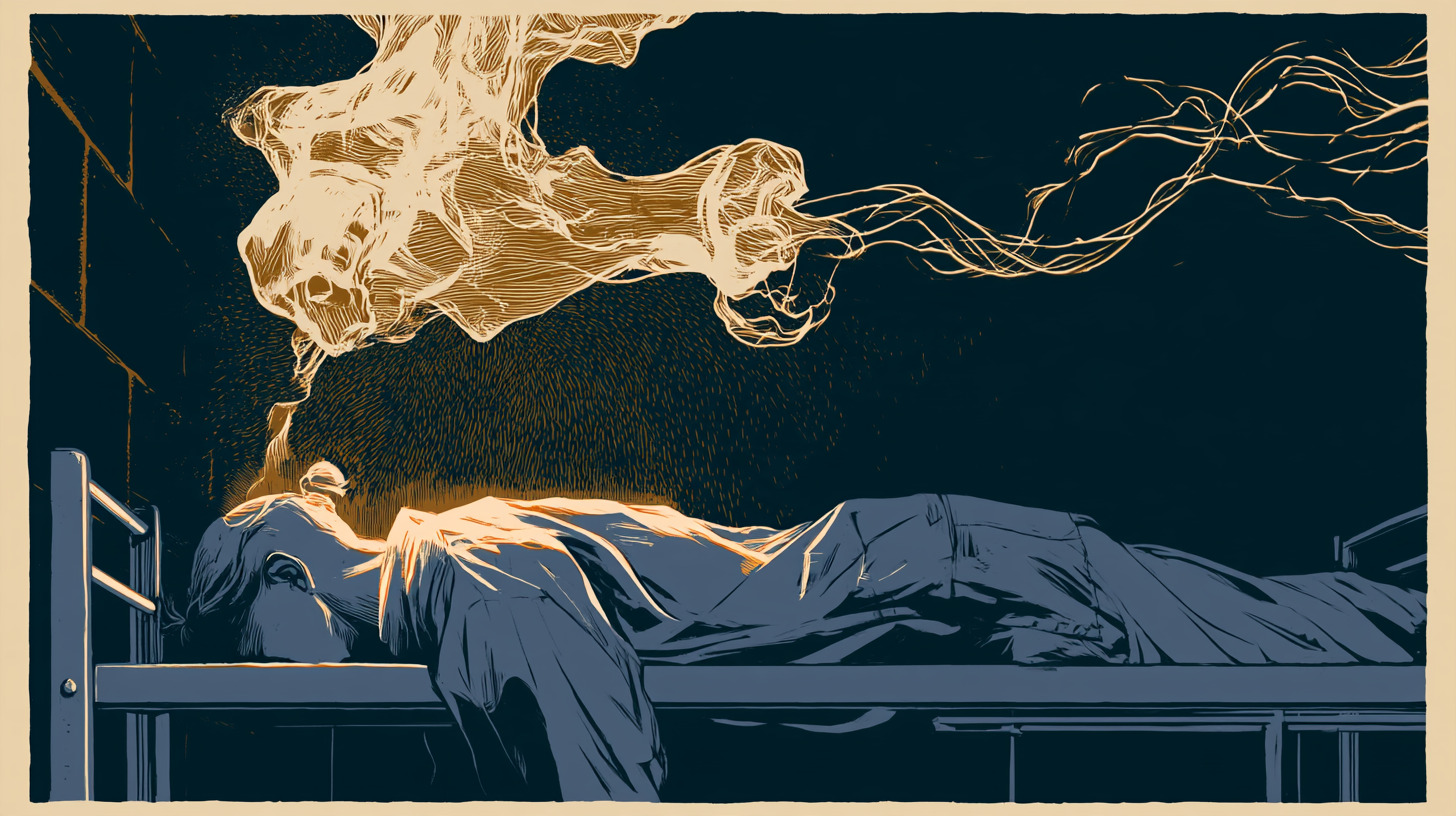
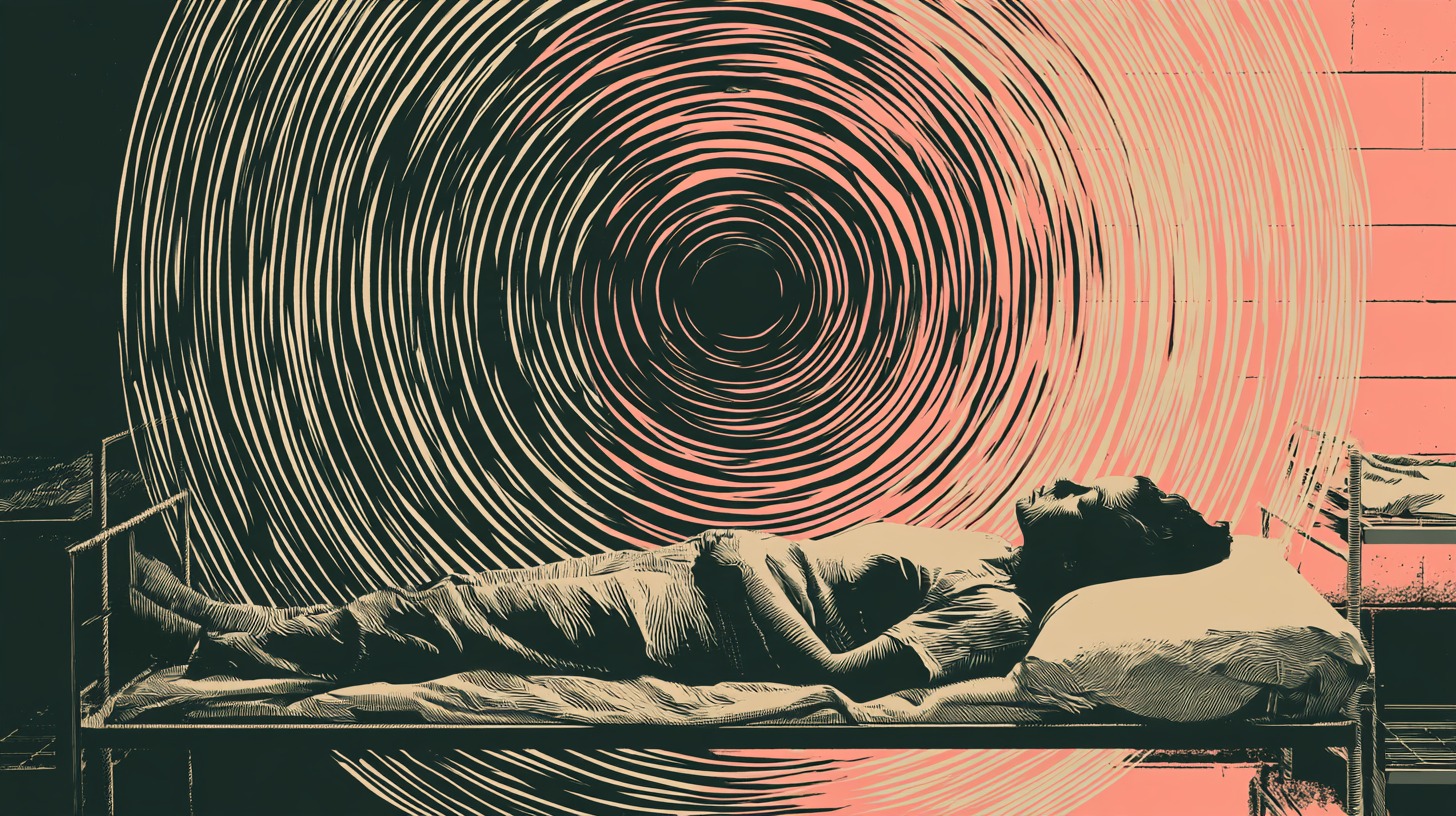
Scarcity is like a phantom that hypnotizes.”That line keeps“ ringing.
I can feel myself again—moving through the day from practice to people,from trying to say what I see to simply being a body in a bed, not performing for anyone. Just essence.
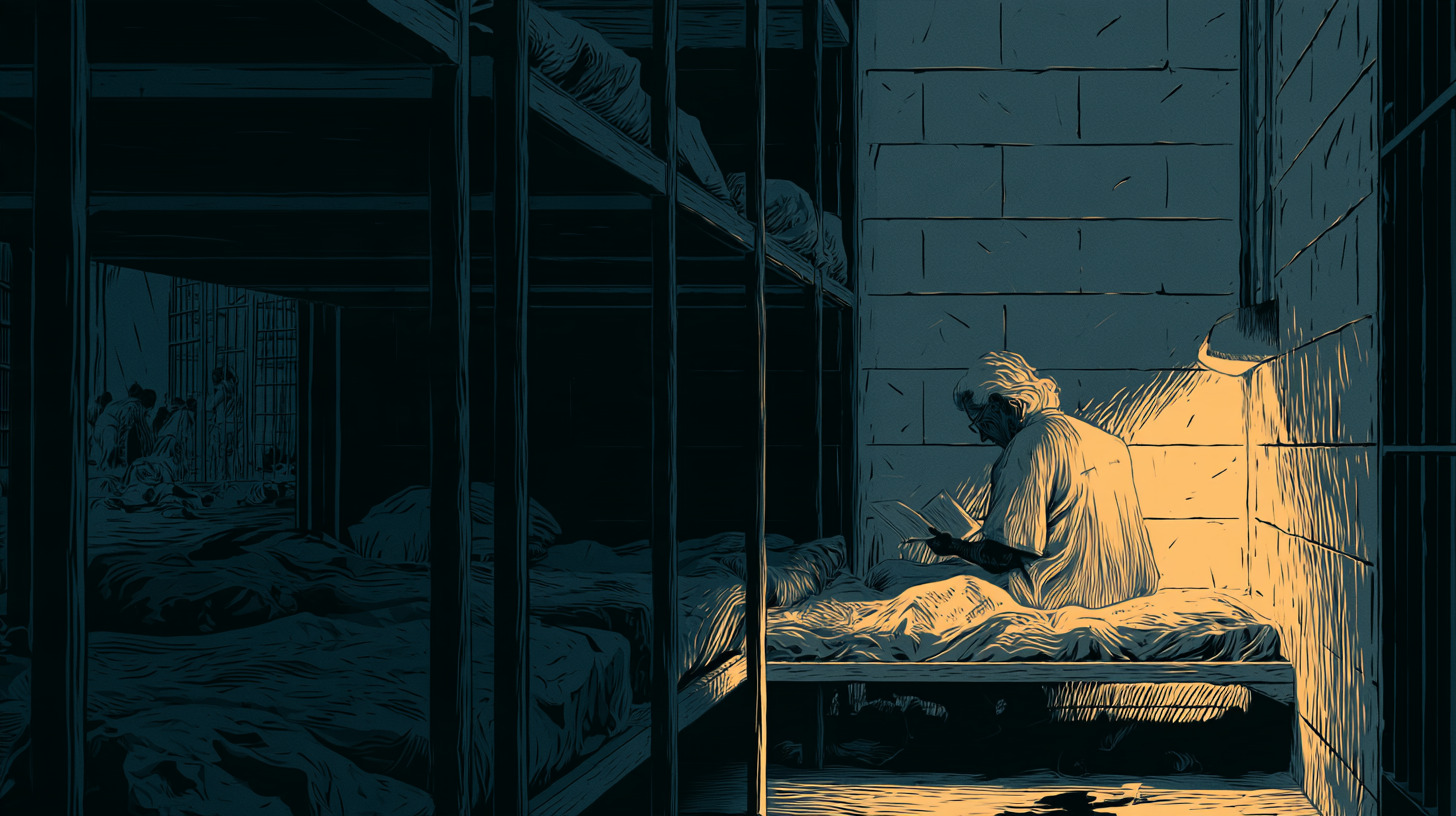
This morning was a turn of the wheel.Rach came to my bunk: “Amara is leaving.”
Amara has always been a bridge here—the first woman to stride inwith that big, booming voice and the don’t-mess-with-me posture. “
I ain’t that kinda—nah, I’m Muslim,” she’d say, then grin and announce to the room,“Y’all my favorite white girls.”I’d tease back, “Drop the ‘white girls’ part and admit it—we’re just your favorites.”
She worried I’d think she was being racist, which was funny.“No, no, I’m joking,” I told her.
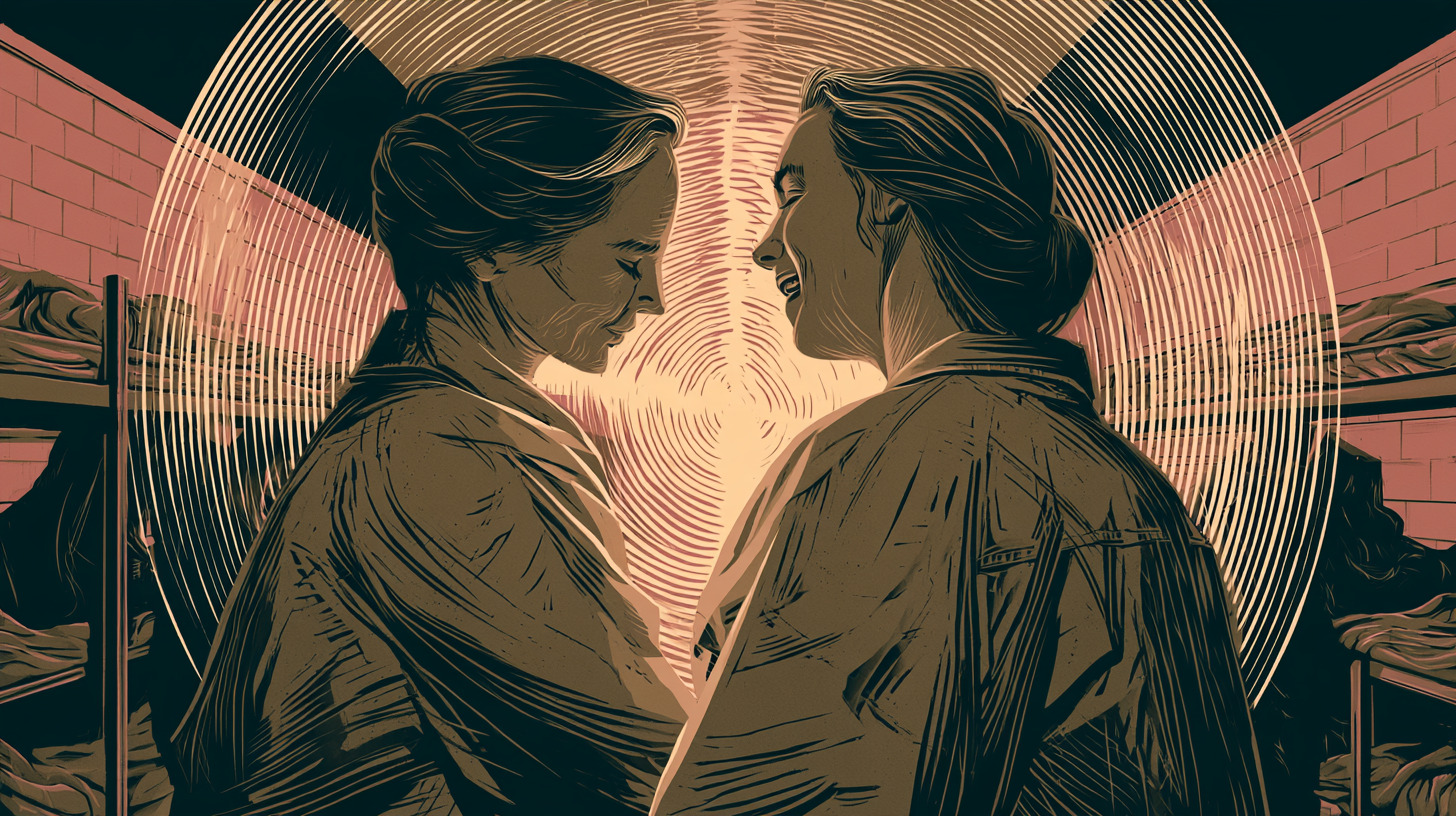
She squinted at me, then laughed. “Ahhh, you alright, Housewife.”No one here ever really knows what’s next for them when they leave.
We don’t know if she’s going to a longer-term facility (probably) or home (less likely).
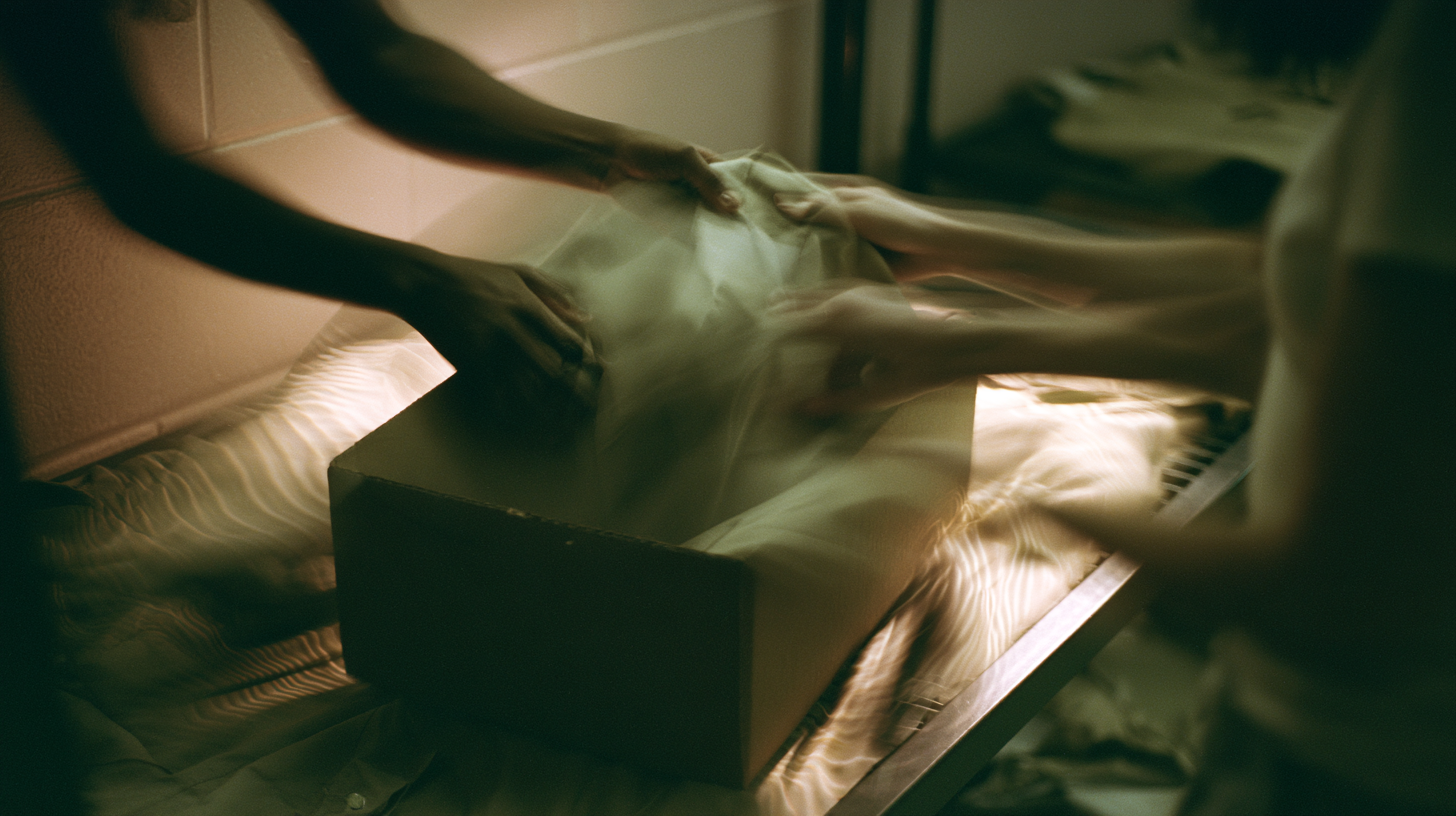
Rach, Mari, and I helped her pack. I realized we’d somehow becomethe unofficial morning crew for transitions.We’re the ones awake early.
It reminds me of what I heard about farm life:If you keep animals, you learn the circle of life up close. That’s how it is here.
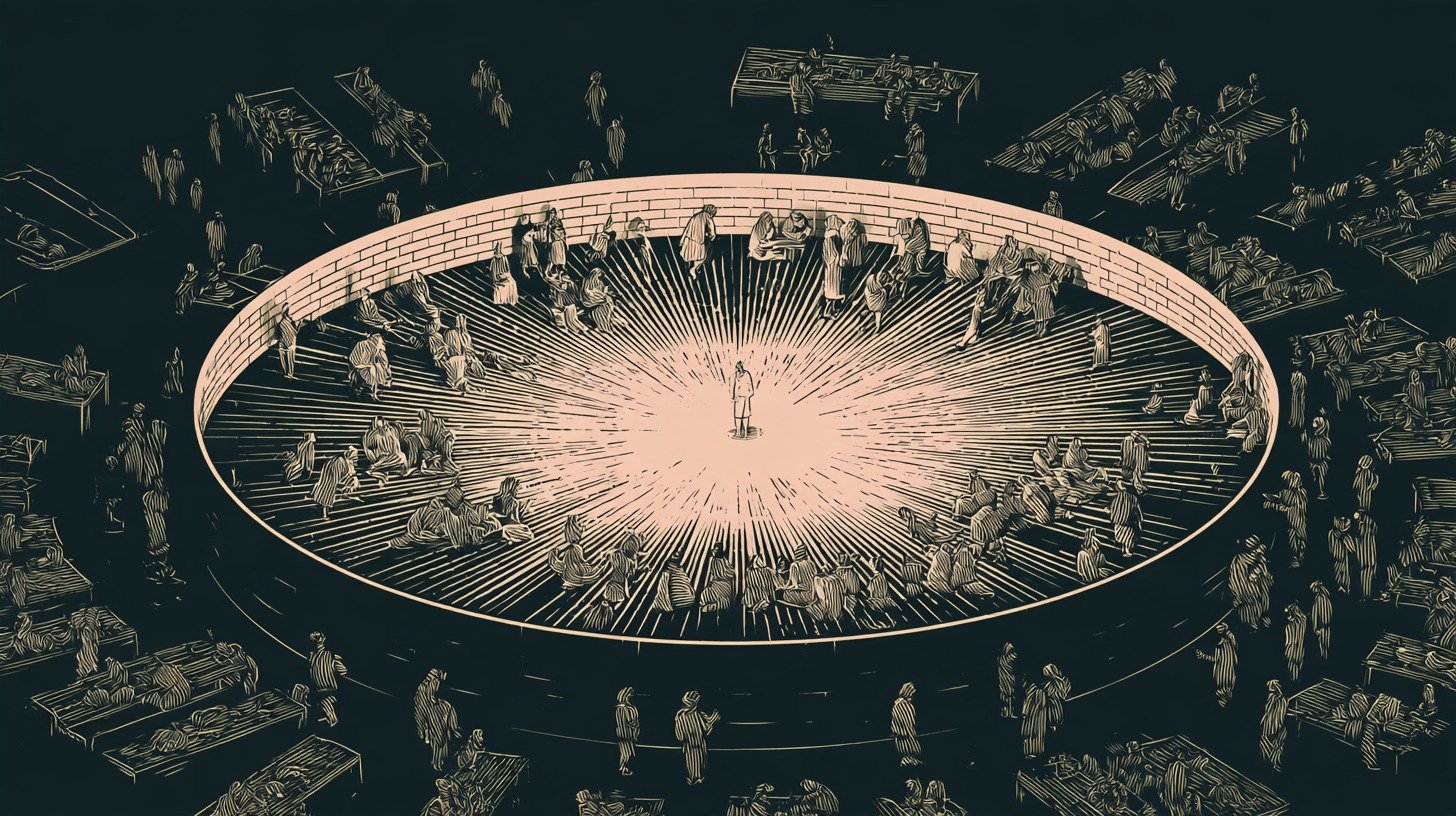
People move, disappear, reappear. The lines marking the social divisions of the dorm get drawn and then redrawn every day. We thought Alyssa was out; then she was back.Everything shifts. Nothing is certain.
I was reading a book on meditation, it said there’s“no single cause”for anything. That line lit a fuse in me. The world loves simple stories: one cause, one culprit.
Butsuffering is a system—a web that’s got all of us by the scruff of the neck.We’re each tugging on our own knot, too consumed to notice the whole net.
There’s this raw, lucid awareness underneath all our roles and reputations. They call it “one taste”—meaning everything belongs tothe same open field of experience.
It’s not “beyond ethics” like ethics don’t matter; it’sbeyond the shame-and-punishment reflex that keeps us from seeing each other.
That’s how I can sit in here and meet the woman under the conviction,the person beneath the crew she runs with.
Sometimes I hear someone’s charges and, yes, I flinch.I don’t choose to care for them in spite of the charges or the risk they could turn on me.
I care with all of it in view.Neither naïve nor jaded. Who is this woman to me right now, in this breath?
So I work the aperture: When someone feels slippery, I give space;when they feel real, I move closer.Offer warmth; don’t get pulled into the tornado. Because the tornado?
It will not set you down gently.
A few days later,the air in the dorm went wavy, like heat over asphalt.Some new women had arrived. Miriam, Josie, and Dakina. “
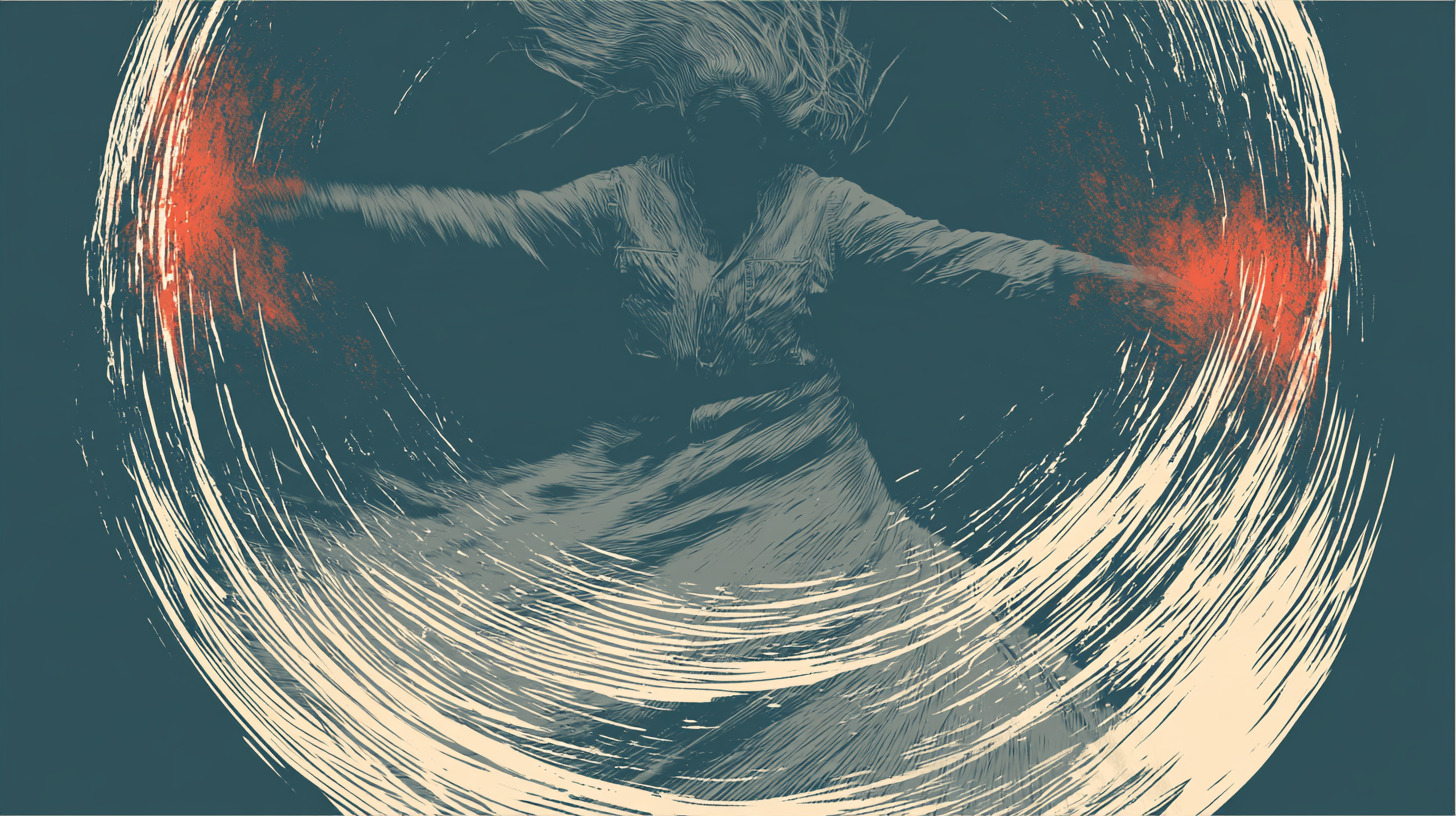
That’s her,” Luciana hissed. “Dakina’s back.” I realized she was the woman with thatungovernable hunger for flightthat Luciana had done an imitation of a few weeks before, arms outstretched, shaking and howling.
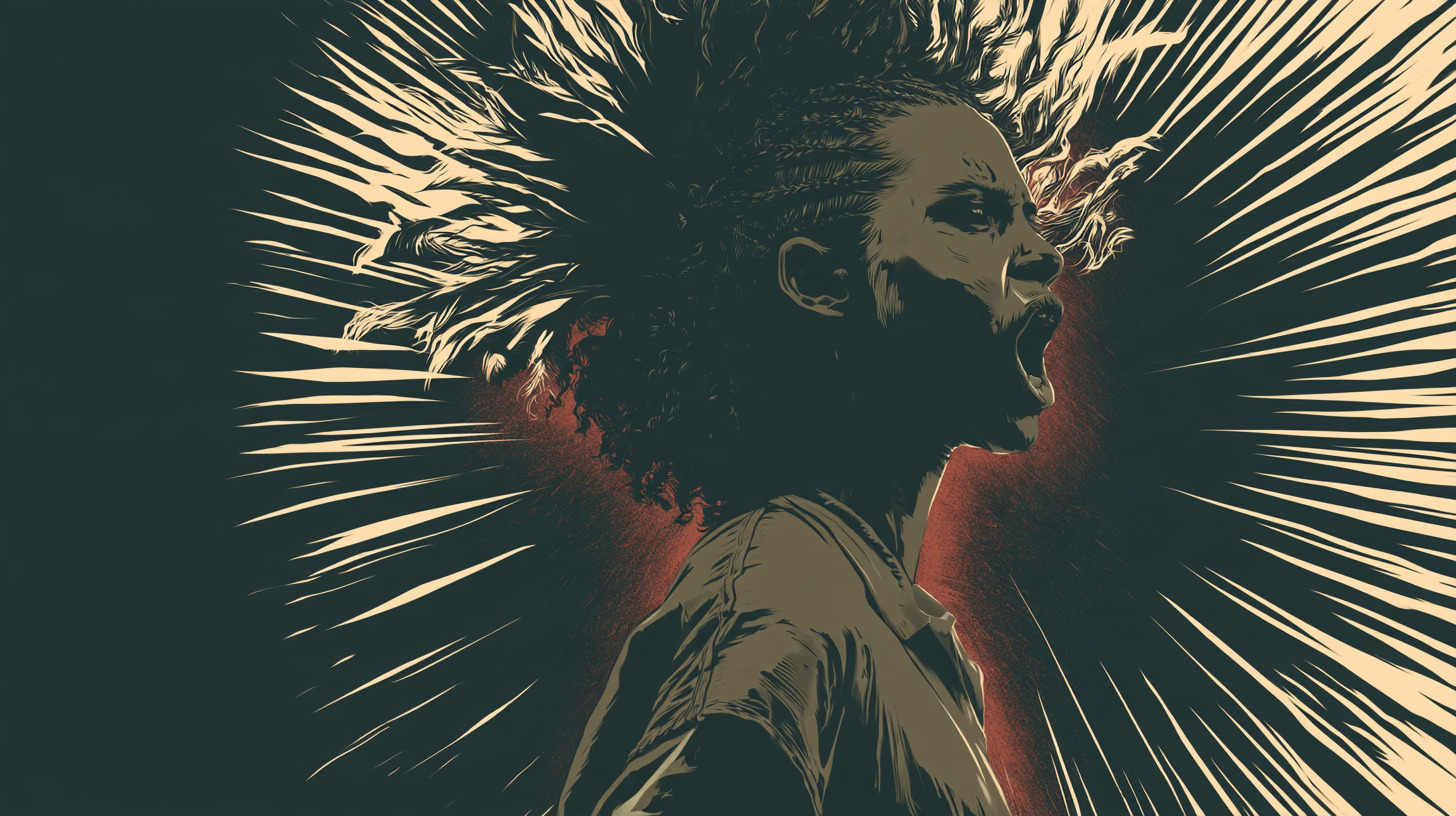
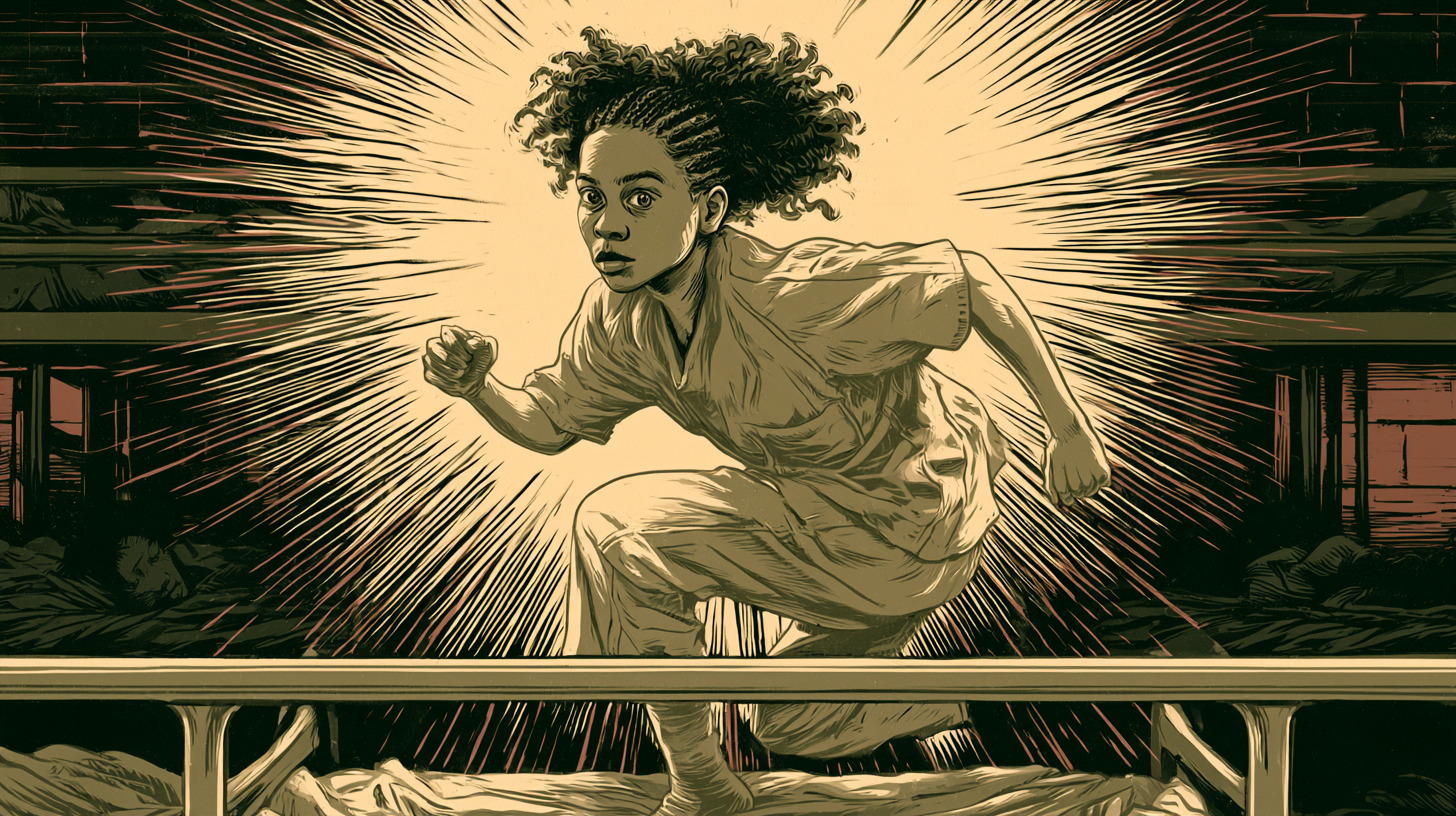
Dakina was all angles and electricity:hair sprung like a crown, eyes bright as polished bone, body moving sideways like a wary wolf. Her first sound was a bellow that rolled through the bunks.
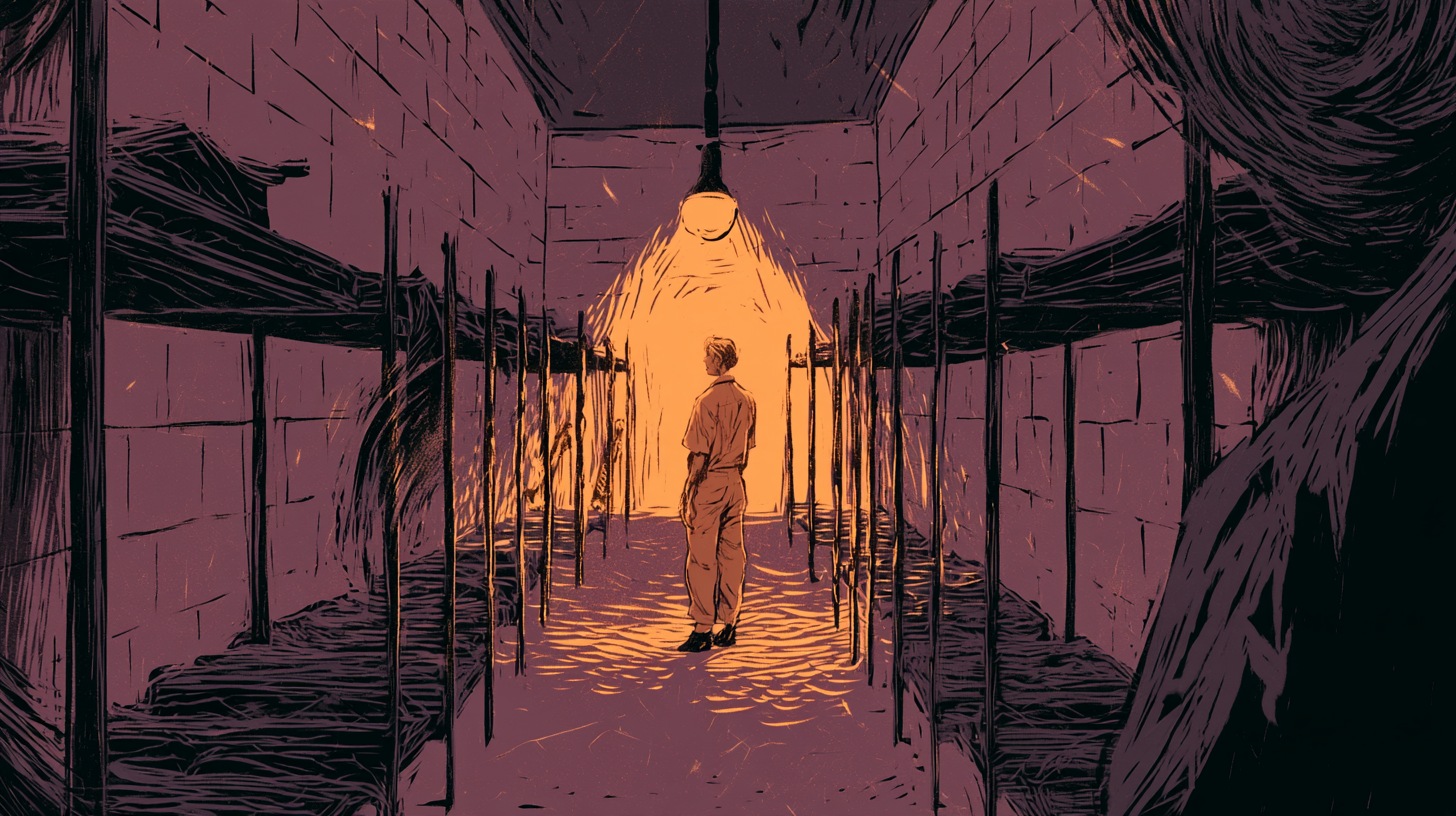
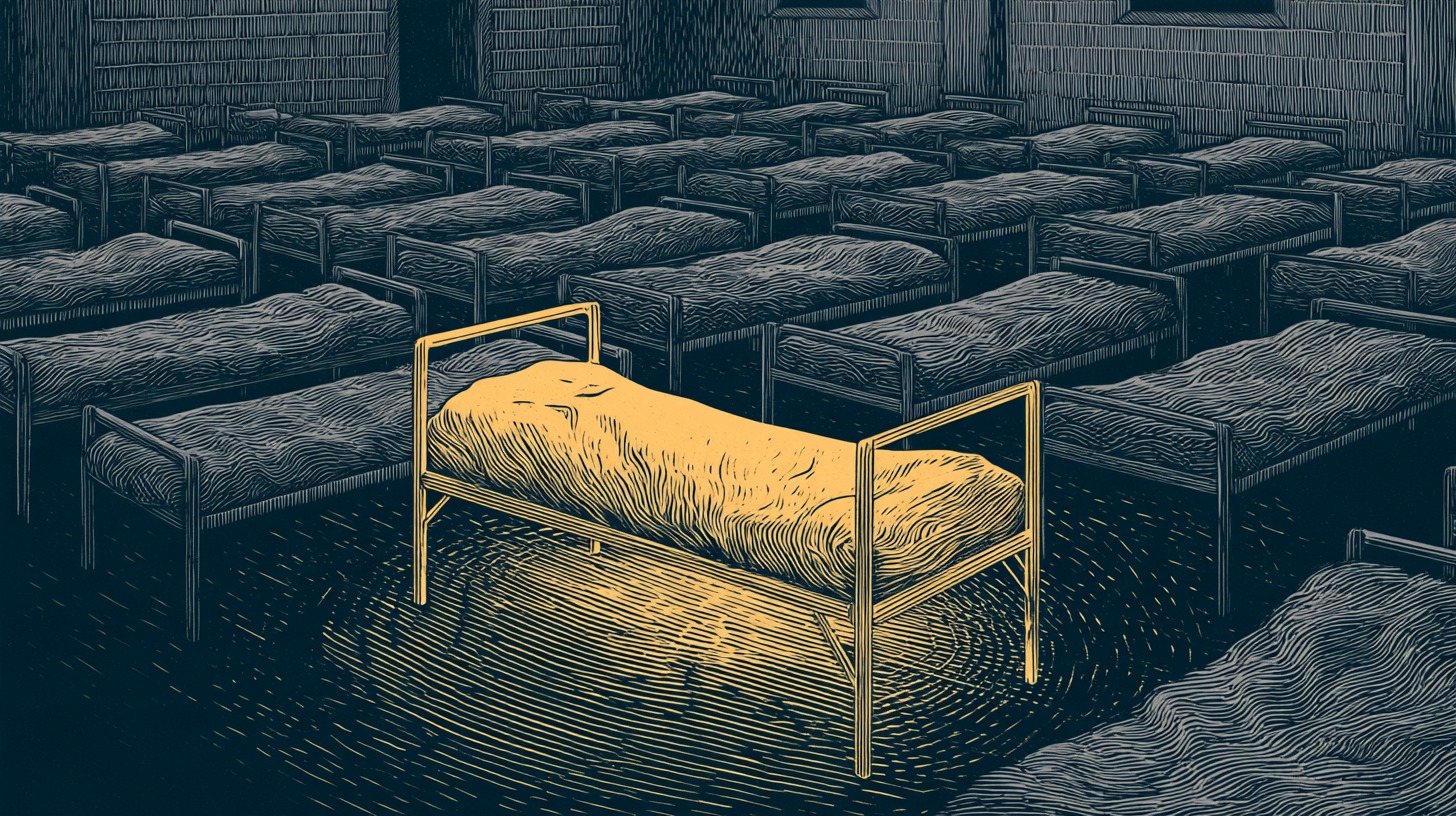
Officers steered her to Row Ten—Royal’s row, the farthest corner.I’ve always envied that row. It’s quiet, almost monastic. Royal sleeps by day and reads by night.
If not for my bunkmates, I’d ask to switch.
That night there wasa new rhythm in the dorm: thud-thud-thud,as if someone tossed sneakers in a dryer.
We peeked down the aisle to see Dakina sprinting on her top bunk—knees high, arms pumping— running in place, full tilt on the metal bed. Preparing for flight.