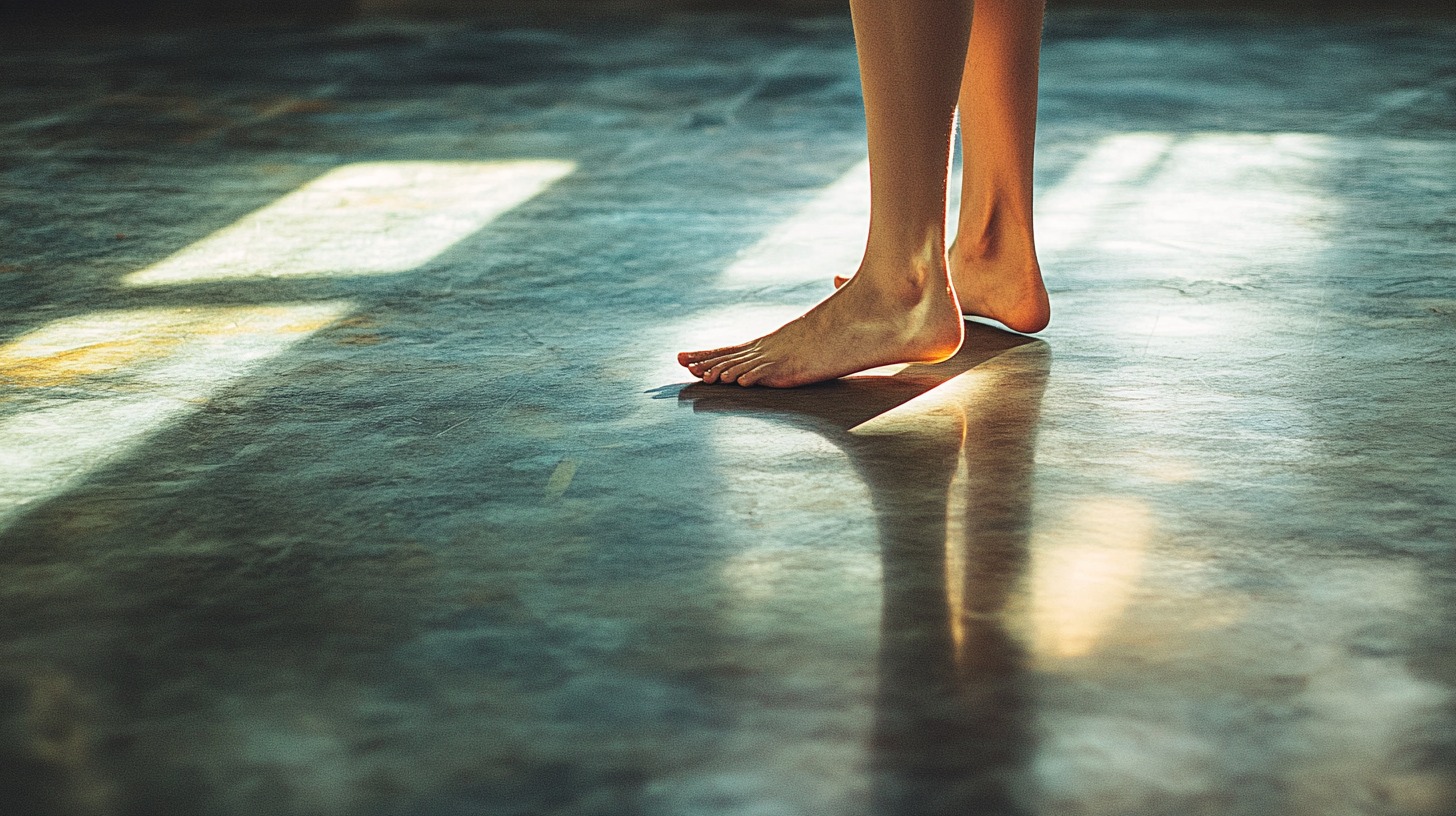
Latelymy mind keeps flashing to a stretch of Brooklynby the apartment I stayed in during trial: the restaurant we’d go to for lunch on the weekend,
the tree-lined block just past it,the clothing shop Emmett would point at and say,
“You’d like that place.” The intensity of the timeburned even these simple details into my mindso that it comes back to me warm and whole,
like a sunlit room I can step back into.Harlem is blurrier despite having lived there for years.
I rememberthe woman who sits on the bench on Lenoxwith her sand-dollar-sized rouge and calls everyone “hey, daddy.” There are a handful of other flashes, but not the slow,
underwater light from that short time in Brooklyn.
I used to resist how easy Brooklyn felt compared to Harlem, like some workhorse part of meinsisted things should be hard.
Even this morning, doing breathing exercises, I caught myselflayering difficulty on top of difficulty,as if strain made it meaningful.
And in the moment I realized what I was doing, I caught a glimpse— brief but unmistakable—of a mind I could step into wherethe effort drops and the thing simply happens.
I suspect that’s closer to my natural state than the strained face I make when I’m trying to look like I’m working hard. Todaymy mind feels like a messy room.
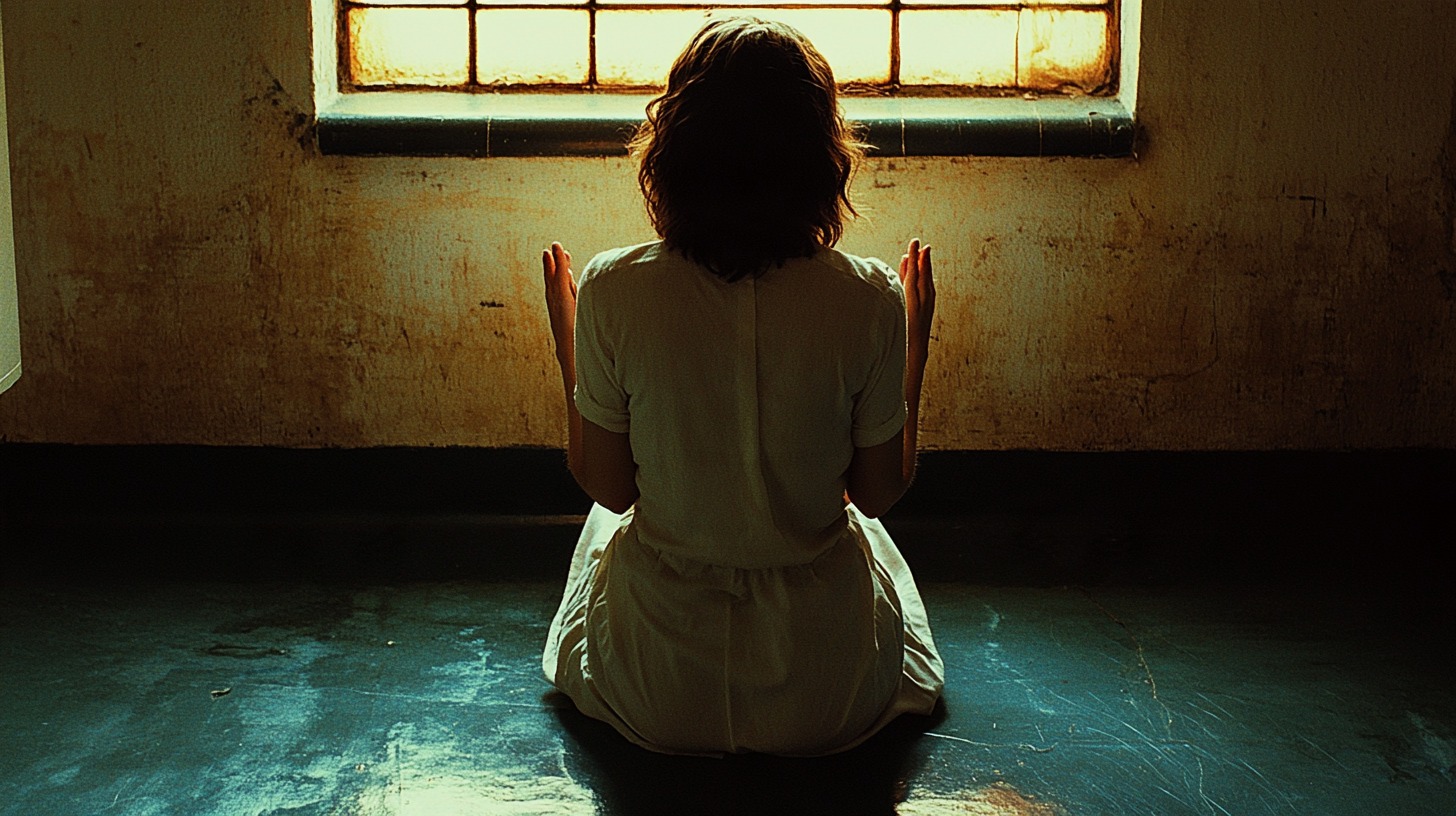
These are the difficult days whenmy meditation and prayers and practice just feel fake.
My mind mocks me,“an earnest person doing a weird little ritual.”I keep telling myself, “Touch the desire for freedom,” and I can feel the spark of why I practice,
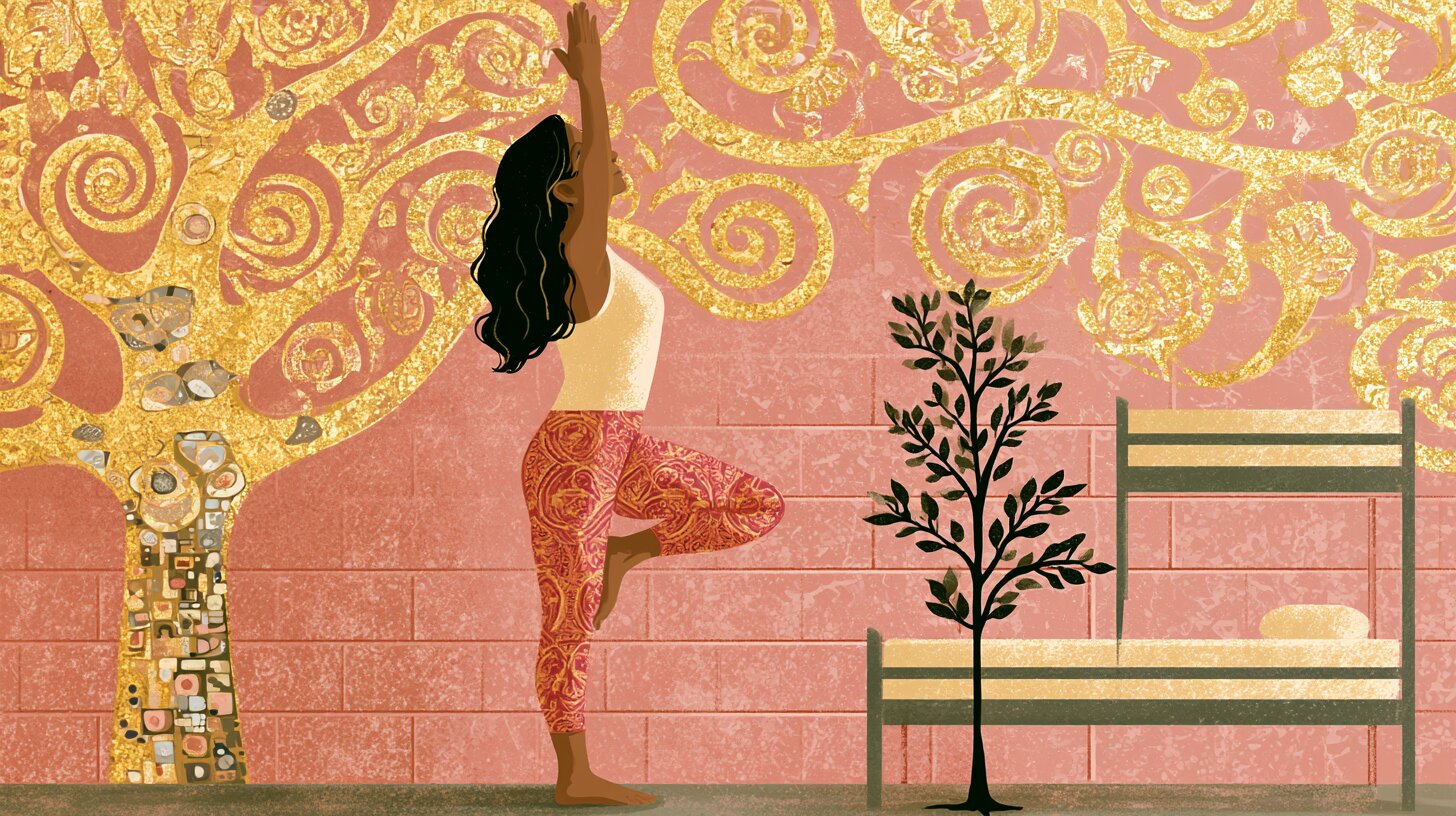
but then the mind scatters, rationalized, resigned. It’s what a broken heart accumulates when effort never fully lands—liketrying the same balancing pose for the 300th timeand falling again.
In yoga class, you can at least see someone else steady in the shape, proof that it’s possible. Here,most people are on the floor.A rabbi visited yesterday.
He wanted Rachel to return to Judaismand leave “all that meditation and spirituality stuff.” He turned to me, the Christian-raised, Jesus-loving,
meditating spiritual adventurer that Rachel hastraveled alongside for the last nearly two decades,waiting for my response.
I told him it was her choice. He said,“The purpose of being in prison is to fight.”Spiritually, of course. But I kept thinking about that all day. Maybe.
Or maybe the point is to find a steady enough center that you can meet everything without turning into it. In here, I can seeevery option on the nervous-system menu.
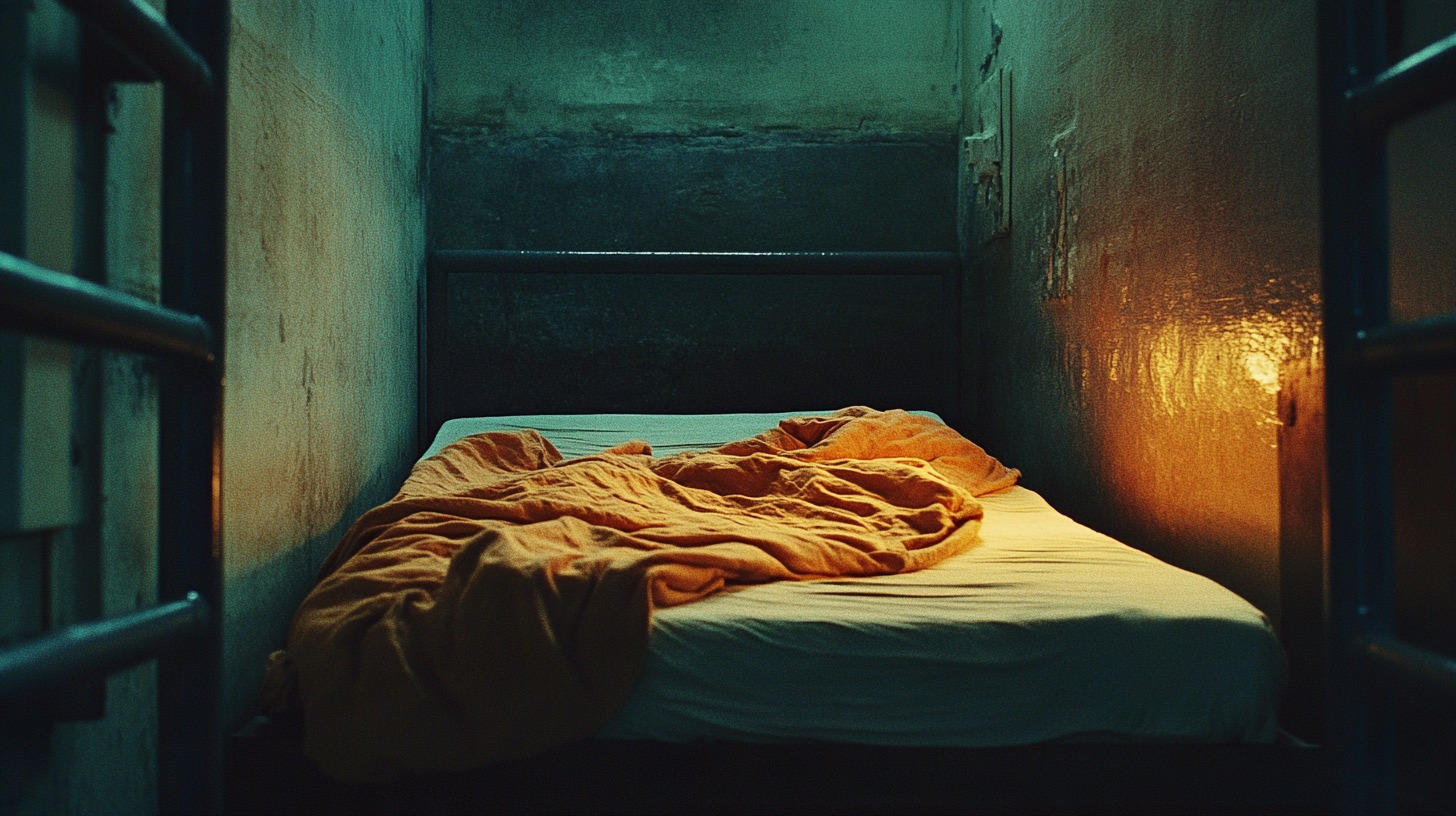
Some women fight everything—guards, rules, each other. Others freeze, sleeping all day,faces turned to the wall, disappearing into their bunks.
And then there’s Dakina, our pure flight response,spending whole nights running on her bunk.Fight, flight, freeze—they’re all on display in a forty-woman dorm.
What I’m practicing isan inner steadiness that doesn’t use any of those doors.
In meditation, most trouble starts in doubt: the mind that second-guesses, scrambles, splits.I remember being scolded for never praying for myself.
There’s a feminine distortion that says our worth is only in what we give, sowe pretend we have no needs while trying to get them met sideways.
Lately I’m letting desire rise without slapping it down. Not clinging, not dramatizing—just not vetoing my own wants. What I’m not reaching for anymore isthe costume of the martyr or the saint.
You know the airbrushed spirituality that floats above money, sex, jealousy—above life? I’m over it. I’m just as over the glossy “Millionaire Monk” version thatturns transcendence into a hustle.
The truth I trust lives in the middle of all of it:wanting, losing, choosing again.
Grown-up spirituality. Not vapor, not pose.Yesterday we walked, Royal and I talking, Rach beside us taking notes.
I’d told the women that their stories will be whatdissolves the single story of how society thinks of women in prison.
It’s hard to project the face of an enemy ontoa living, breathing story of someone’s humanity.Our conversation ventured into the area where I get in trouble.
I told her I don’t buythe story that women are broken and weak.A lot unravels when you start there.
She said she’s always wanted a tattoo that reads, “God made man,” with the implied second line:and woman made God.I laughed.
“I’m not sure everyone sees it that way.”She laughed back. “No, baby.
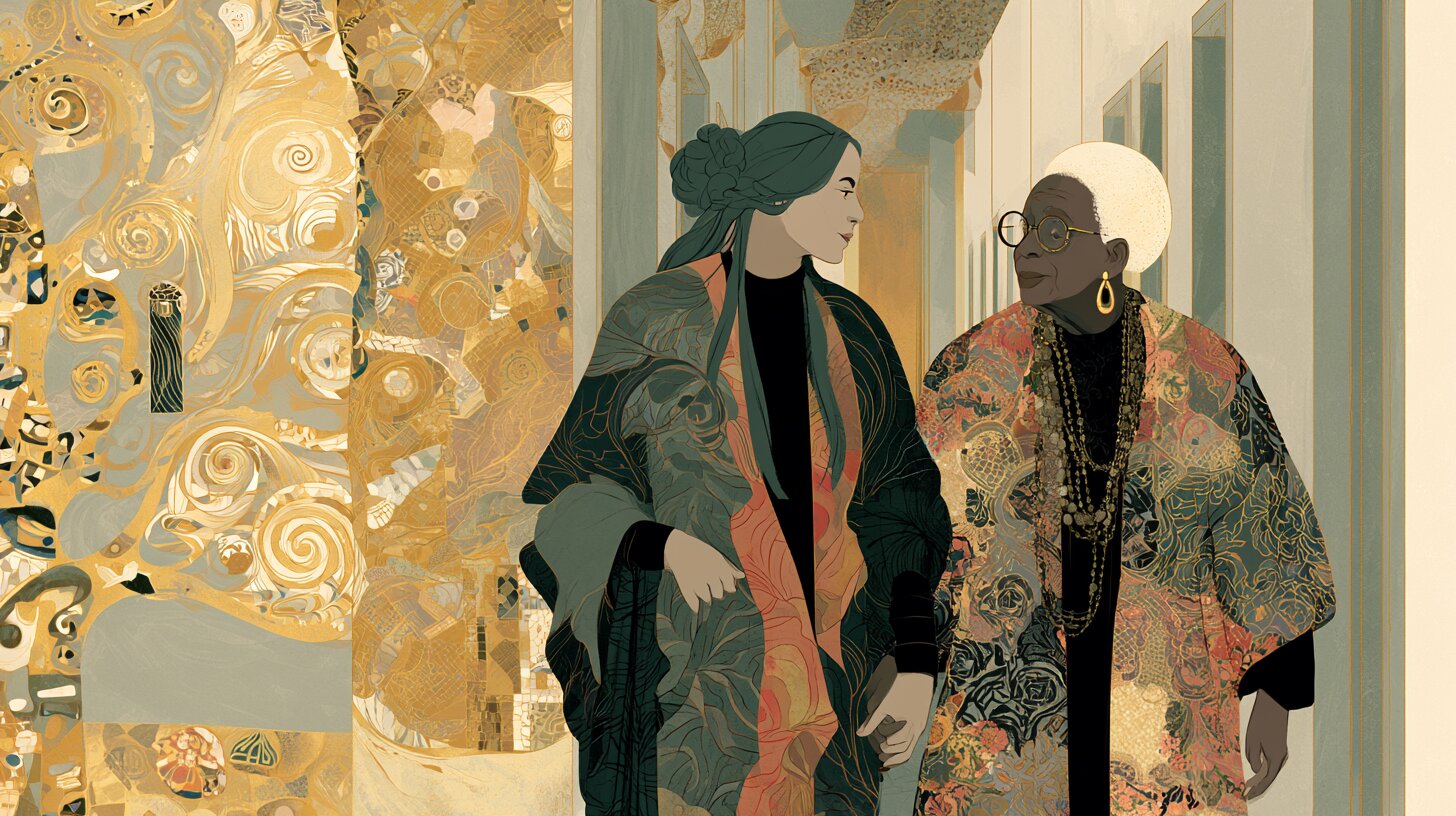
That’s why these girls are in so much trouble—and why you and me are talking.” She isone of the greatest concentrations of love I’ve ever met.It humbles me.
She talks about her father—the best man who ever lived— andthe love pours out raw and unguarded.
She tells me her ex got married while she was locked up, and that it destroyed her. She isan animal laid bare, no armor,and that nakedness is her strength.
Next to her,my way of showing care through structure and actionlooks stiff.
Maybe that’s why she opens with me: We areequal and opposite currents,both unflinching in our belief in the power of women, both soft where it counts.
I feel moved by the smallest kindnesses.
It makes me want to “hold” more cleanly: to keep enough structure and clear view thatcare doesn’t turn into idiot compassion—the kind that comforts in the moment but leaves harm intact.
Real holding takes backbone and warmth.It’s a balancing pose: weight over the center, toes alive on the ground, gaze steady, breath easy. You don’t force it.
You stay, you adjust,you let the pose teach you. And then, very quietly, it holds.