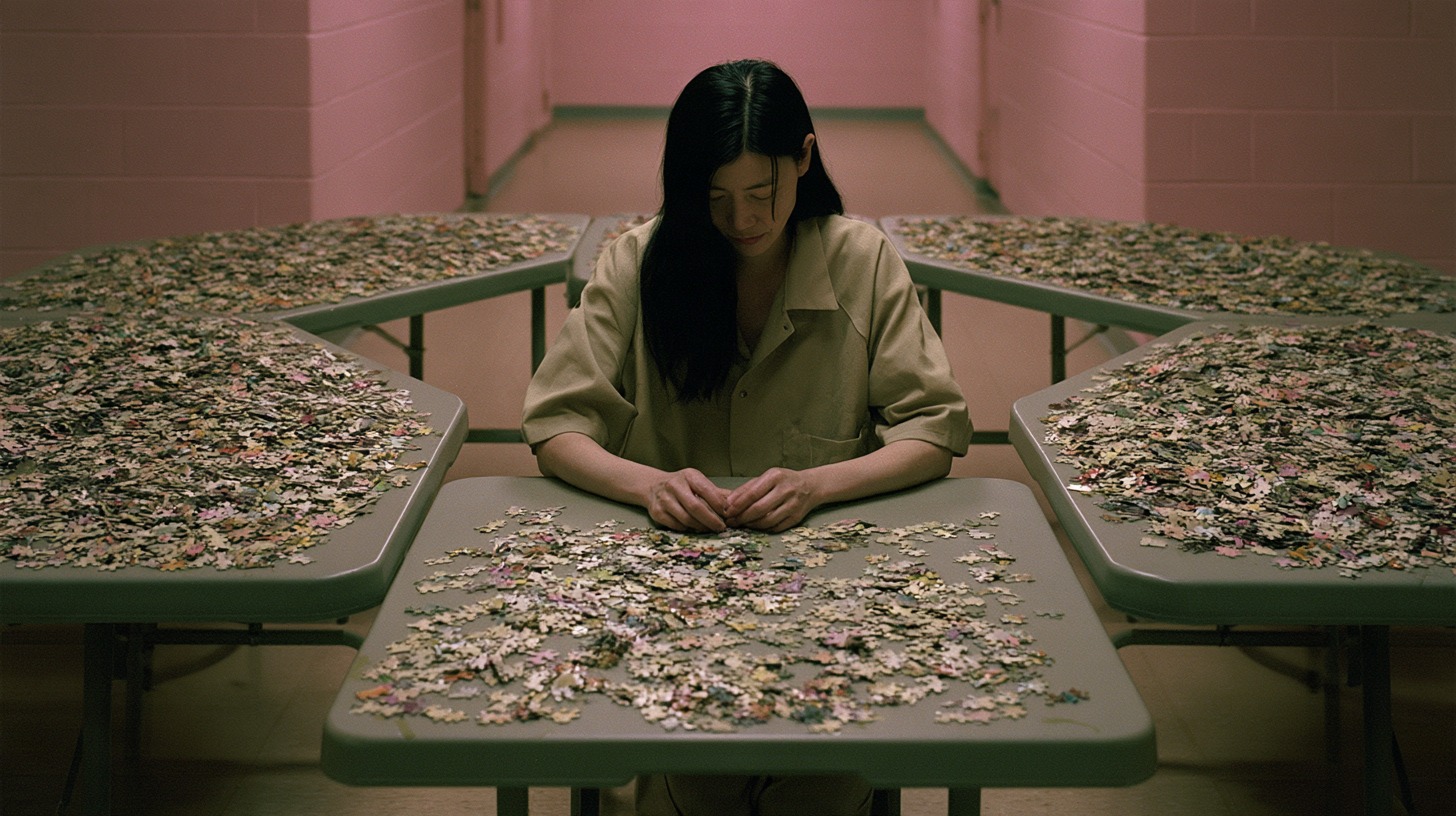
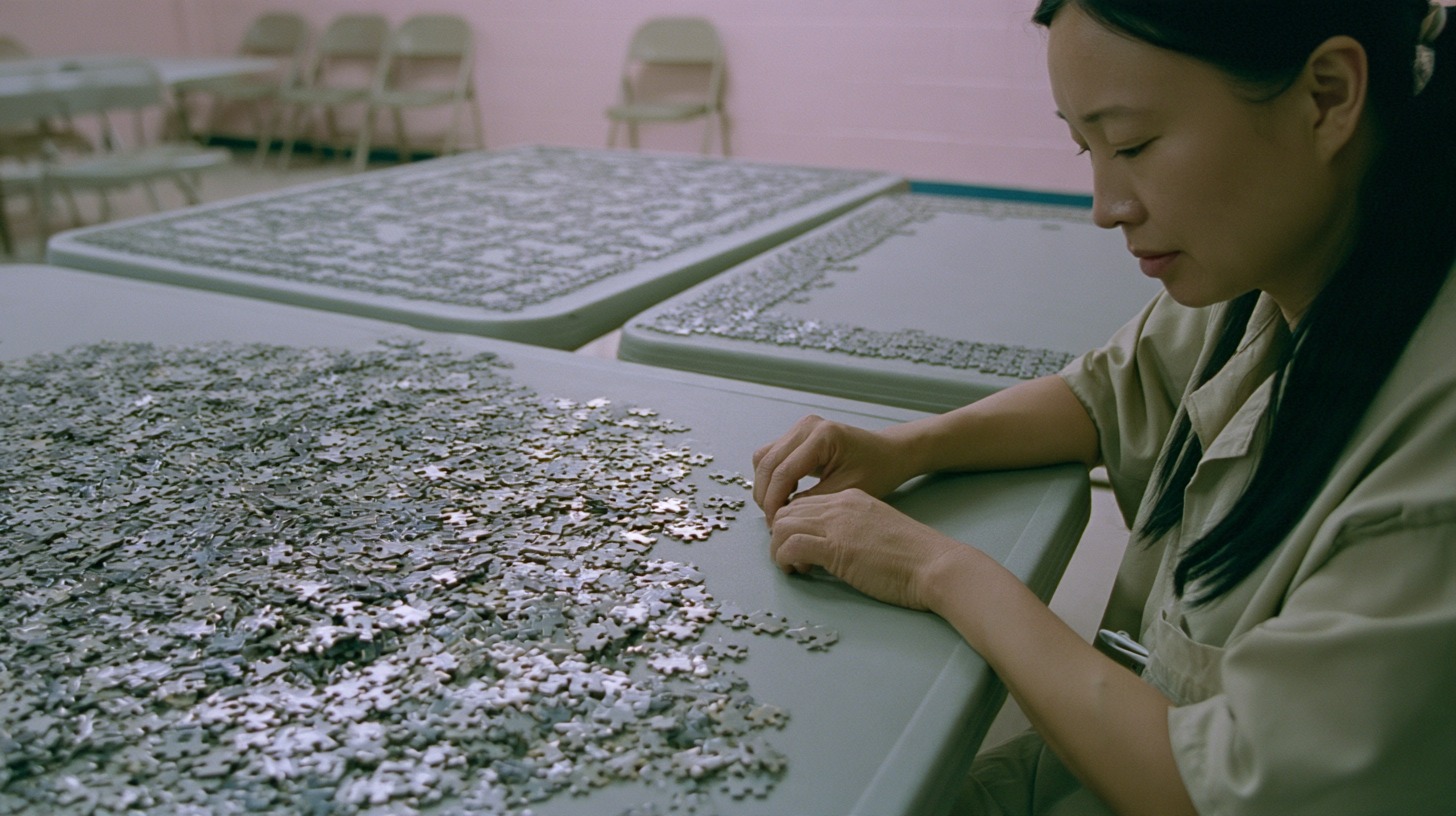
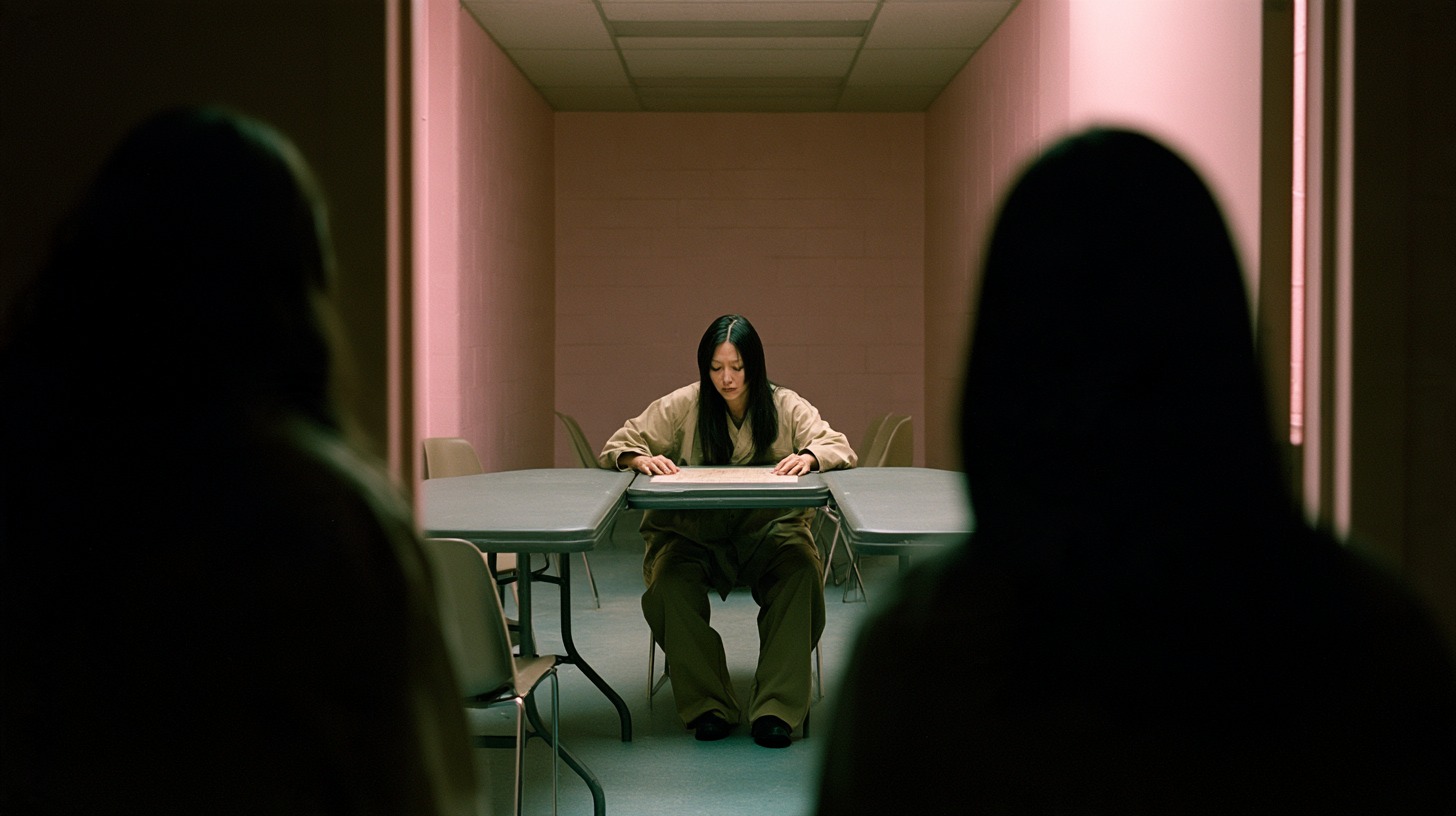
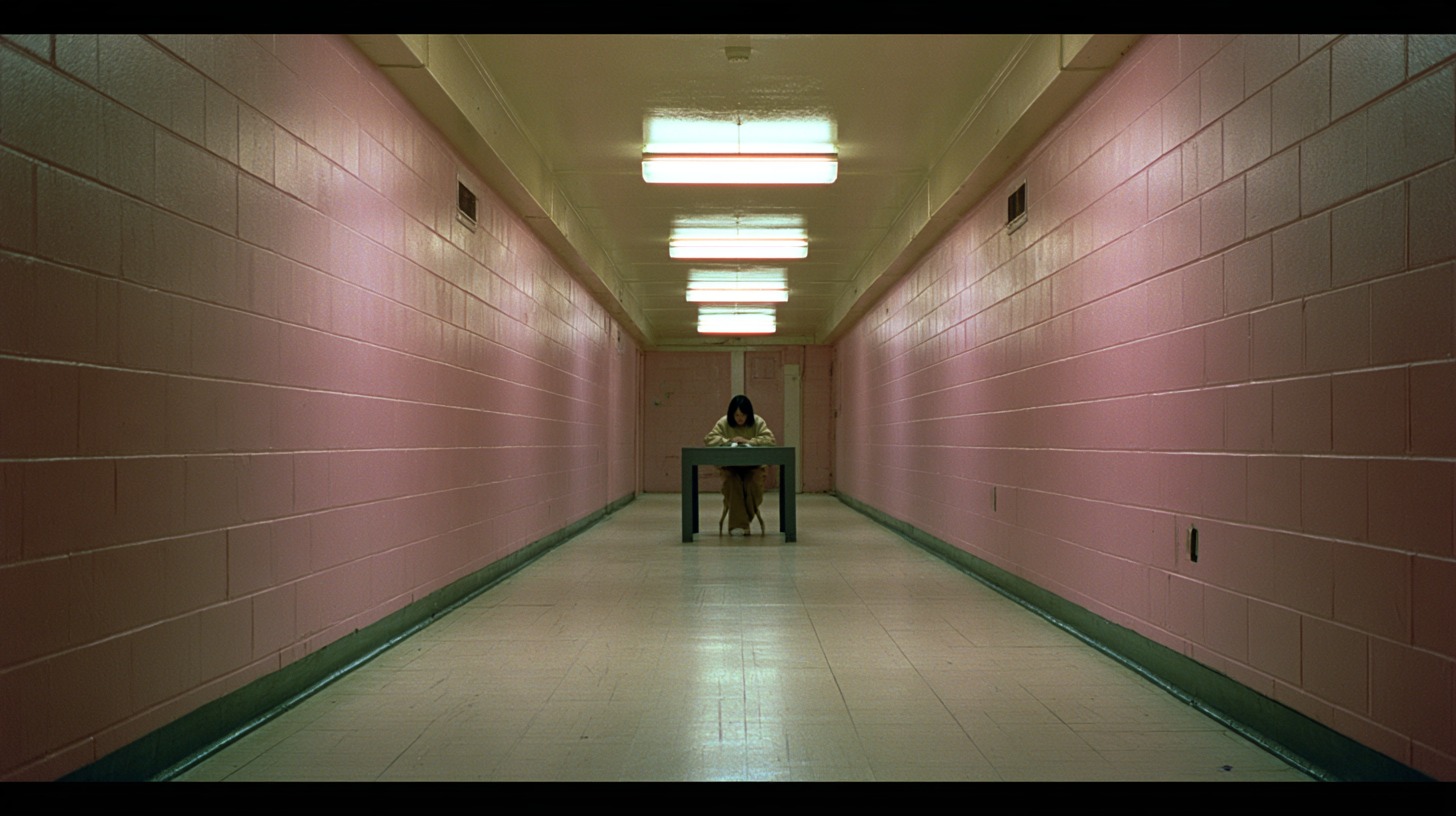
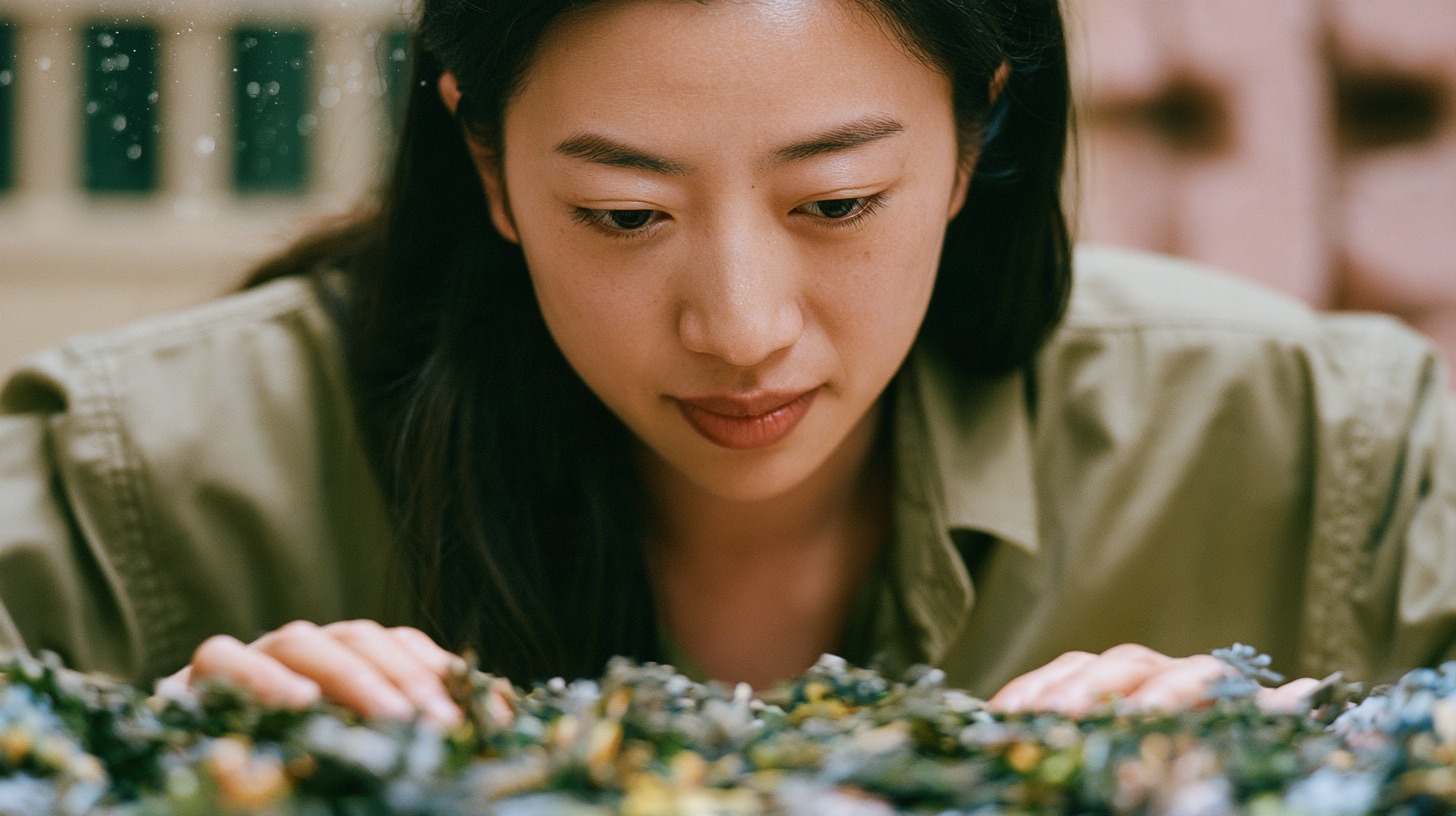
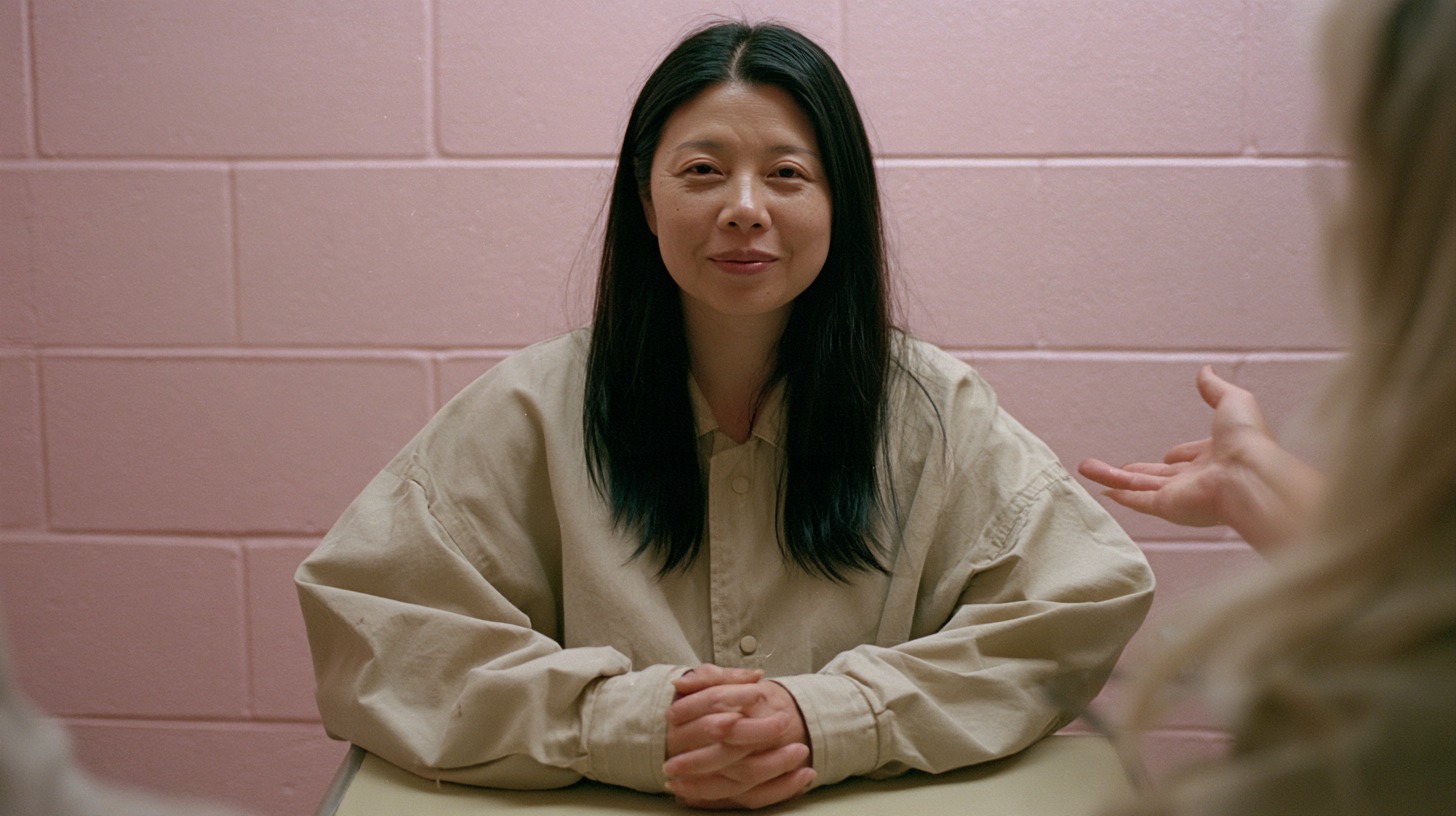
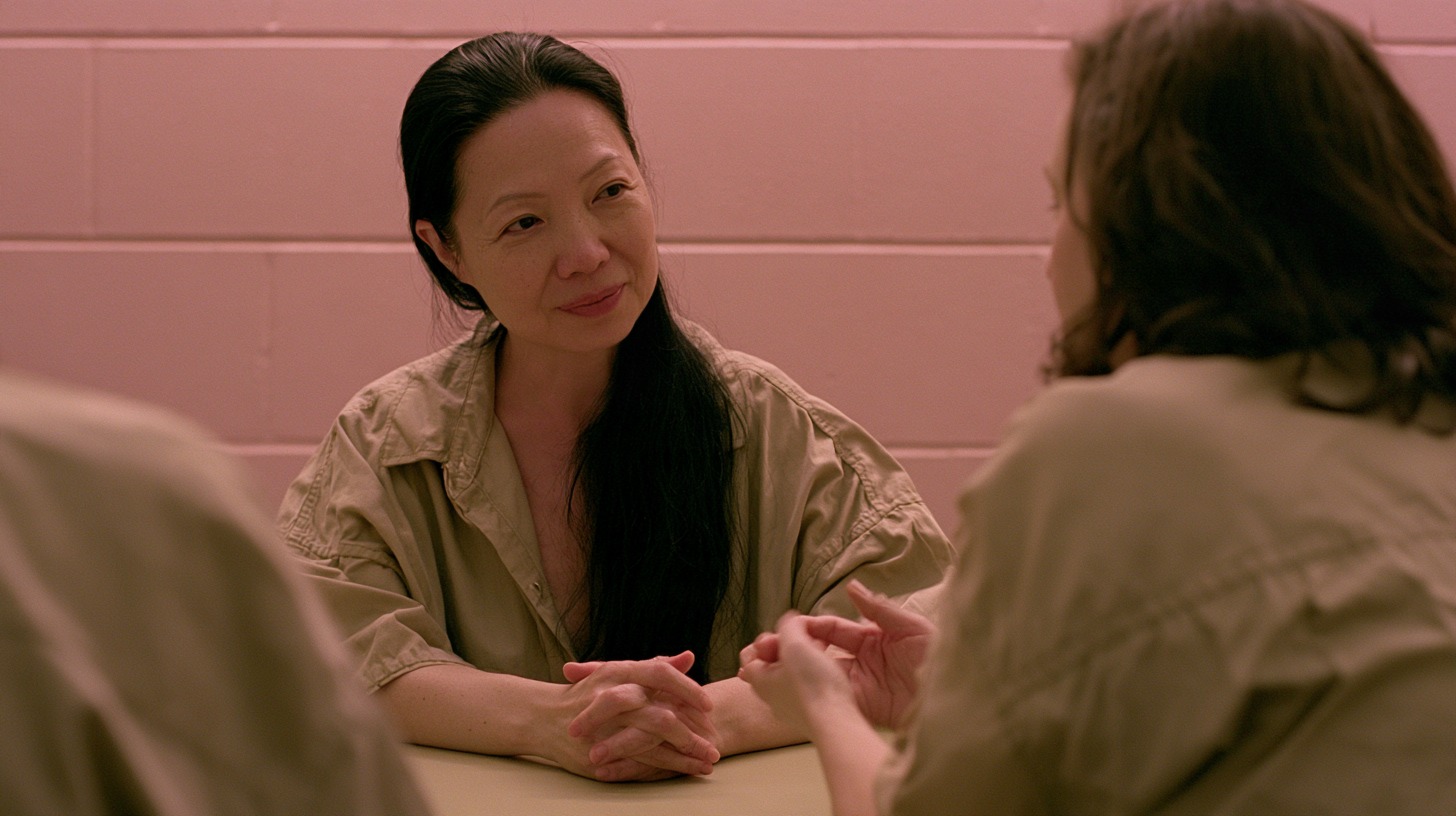
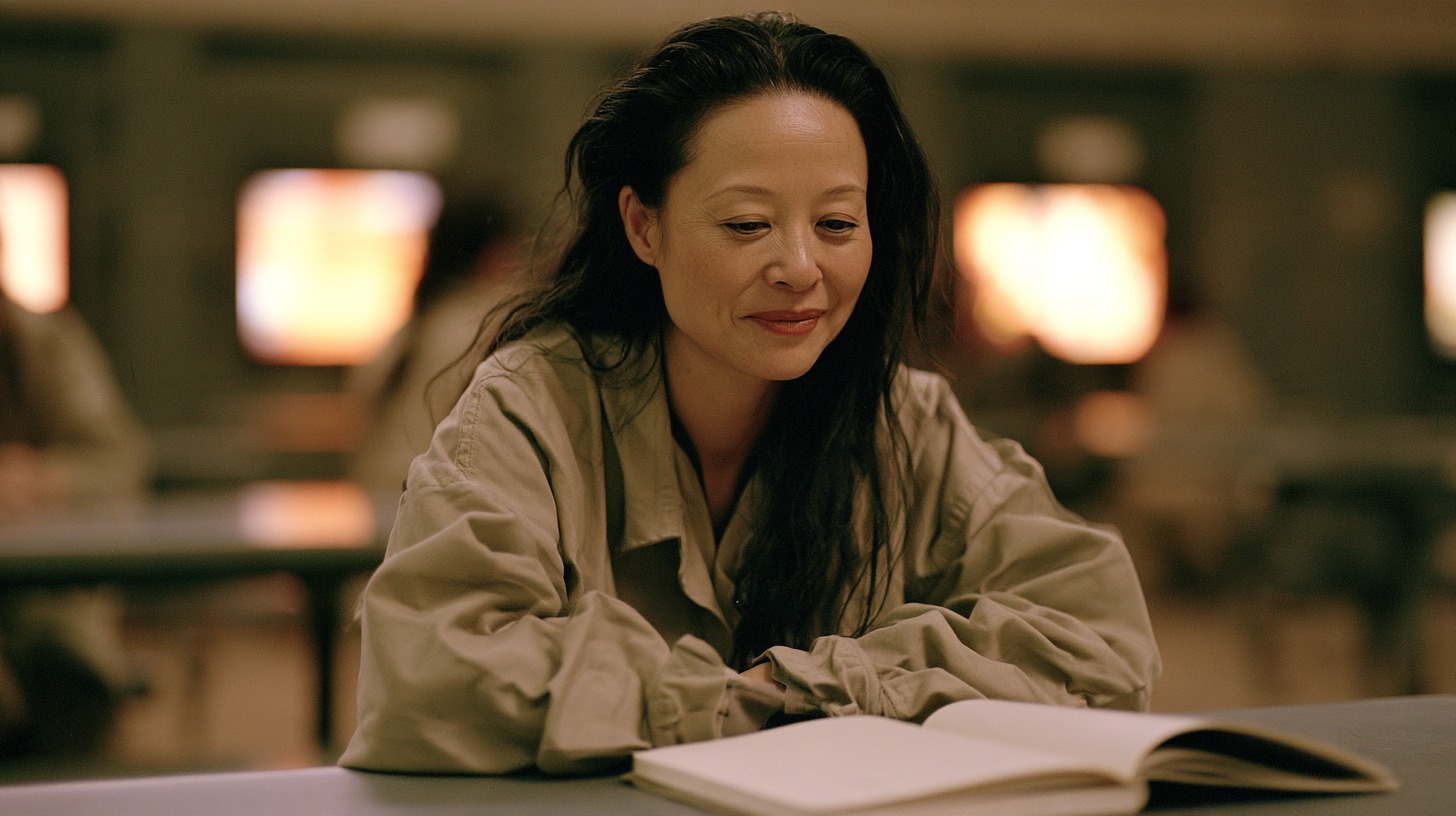
Walking out of the craft room turned meditation room one day, we see Jingyi at her usual spot in the puzzle room,the place where I’d first met her.
Although today instead of just one table, she has three which she pushed together, arranged in a loose horseshoe,as if she needs space for the mind she’s using.
One puzzle is spread wide, pieces turned the same directionlike fish in a current.Another is half-built, the image still hidden, only geometry showing. The third is new—its border already complete.
She doesn’t look up when we enter but I can tell she feels us.She’s the kind of person who registers those slight changesin a room.
From a distance, she can read as untouchable.
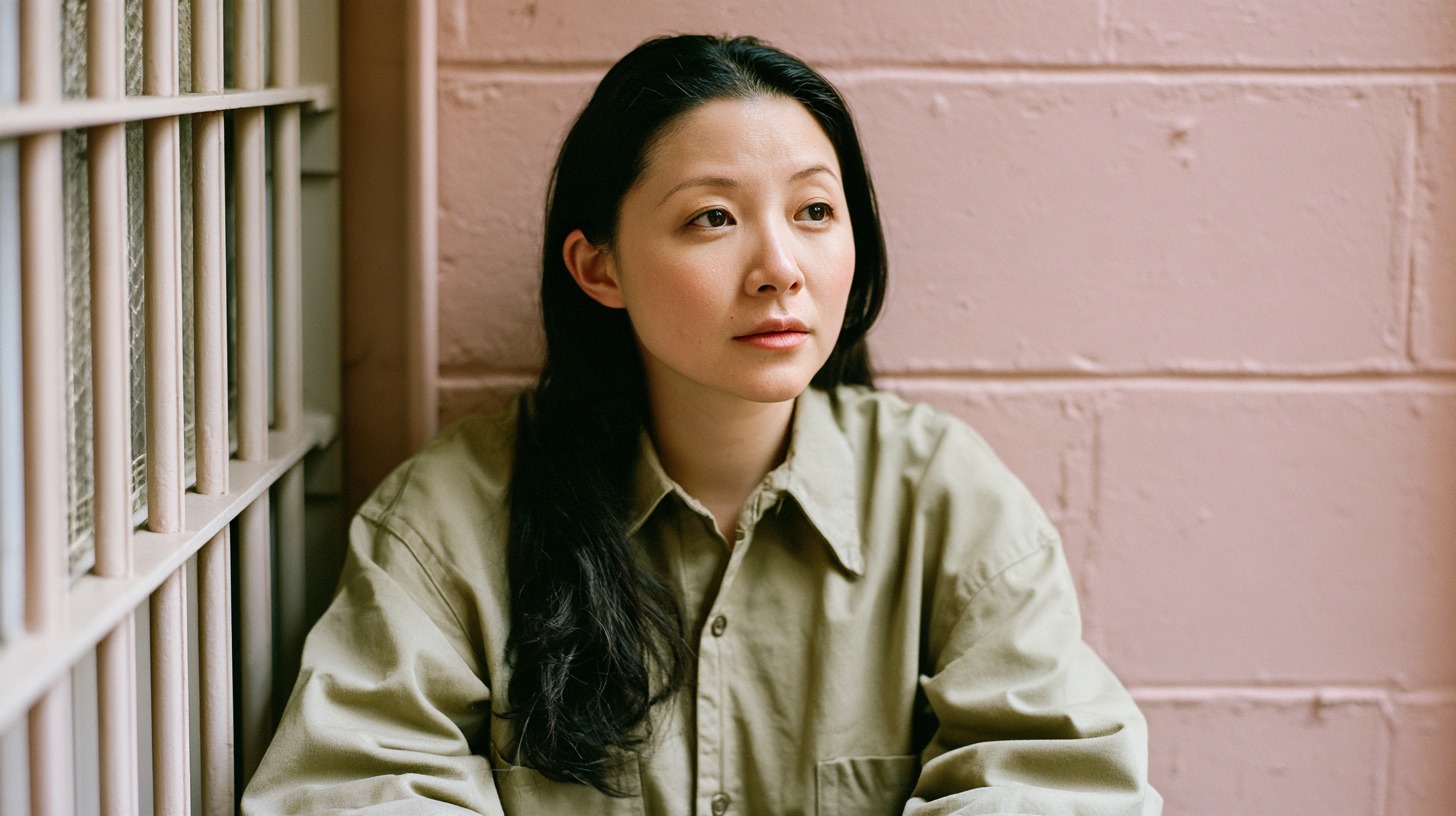
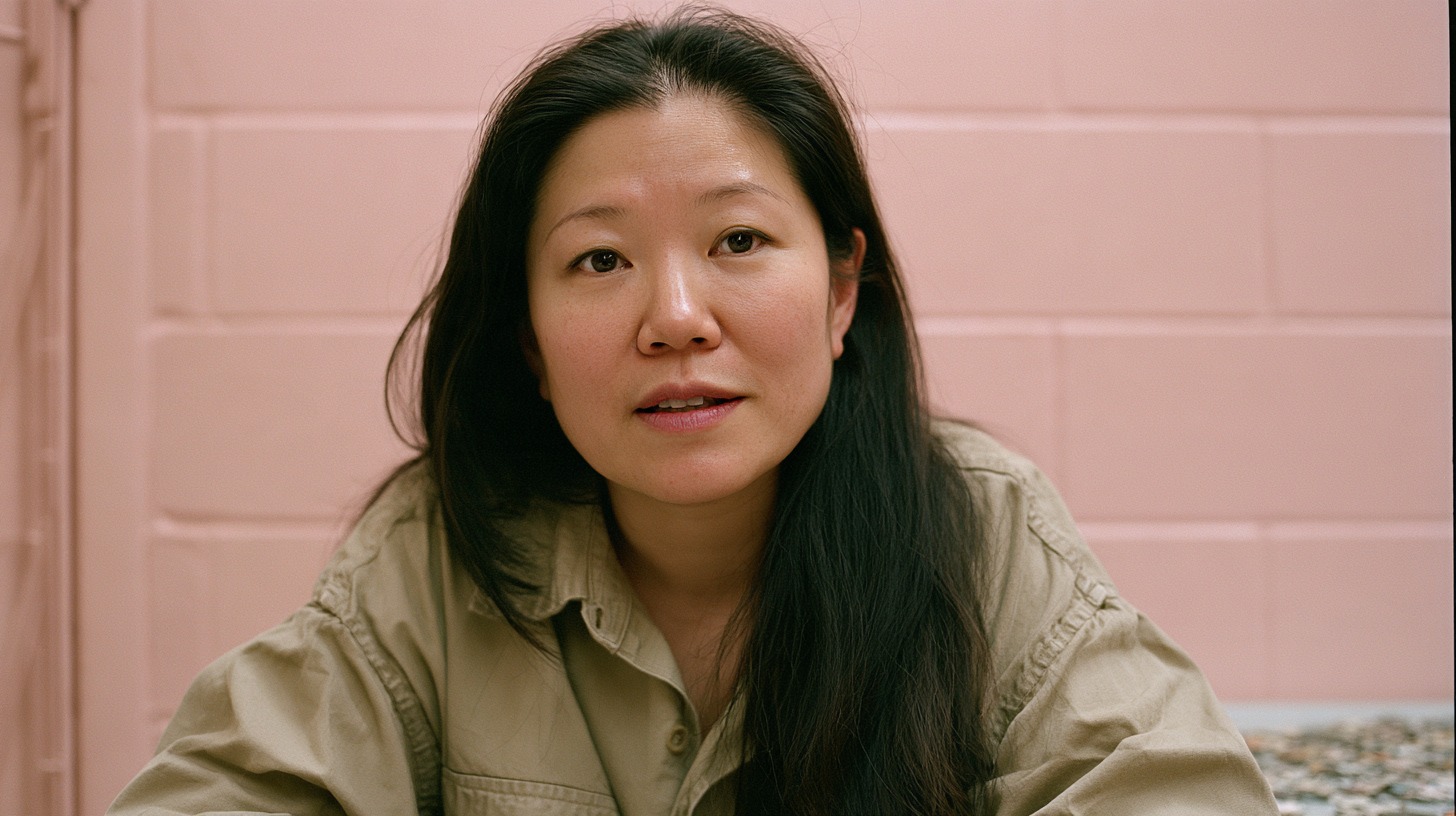
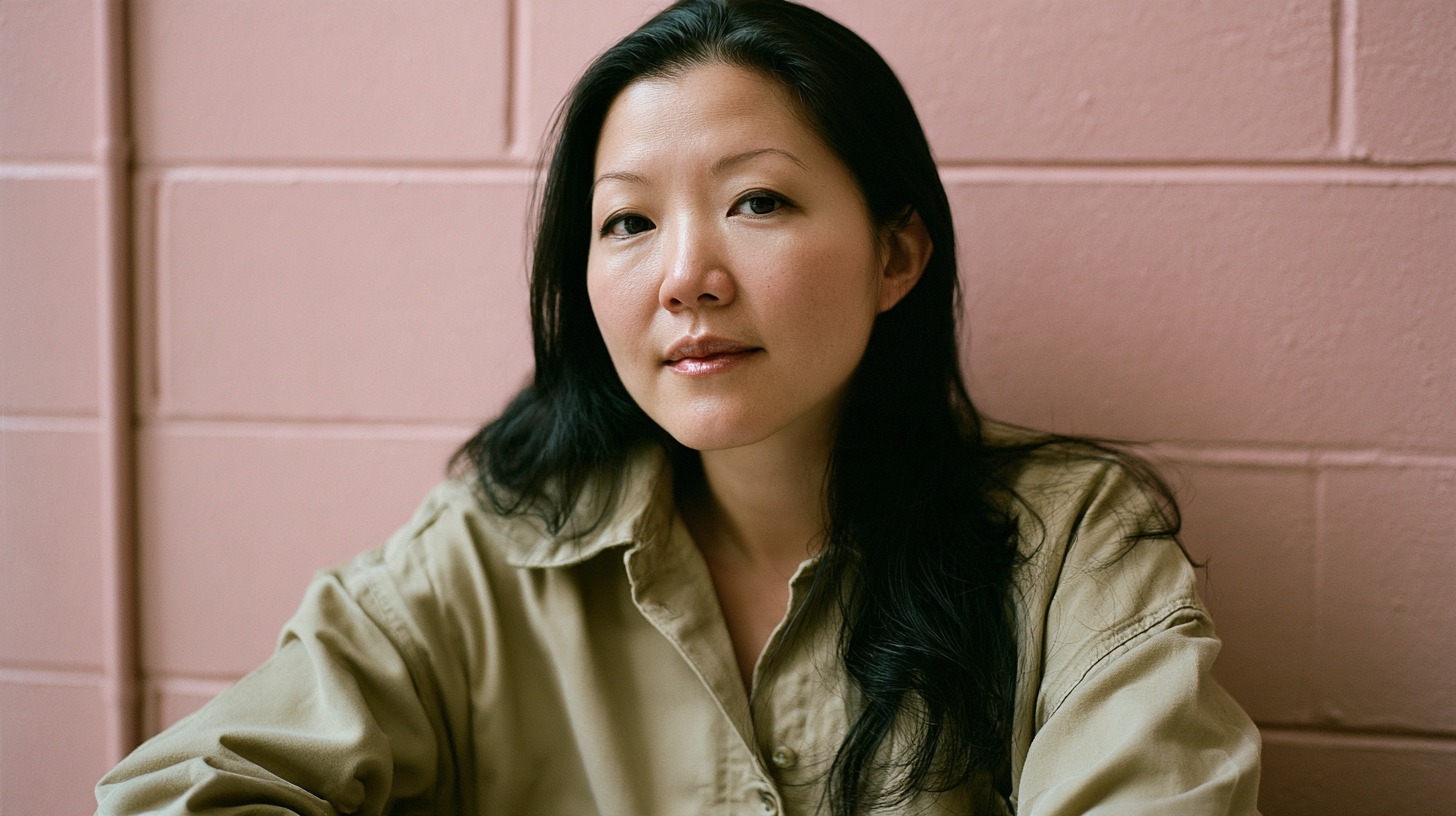
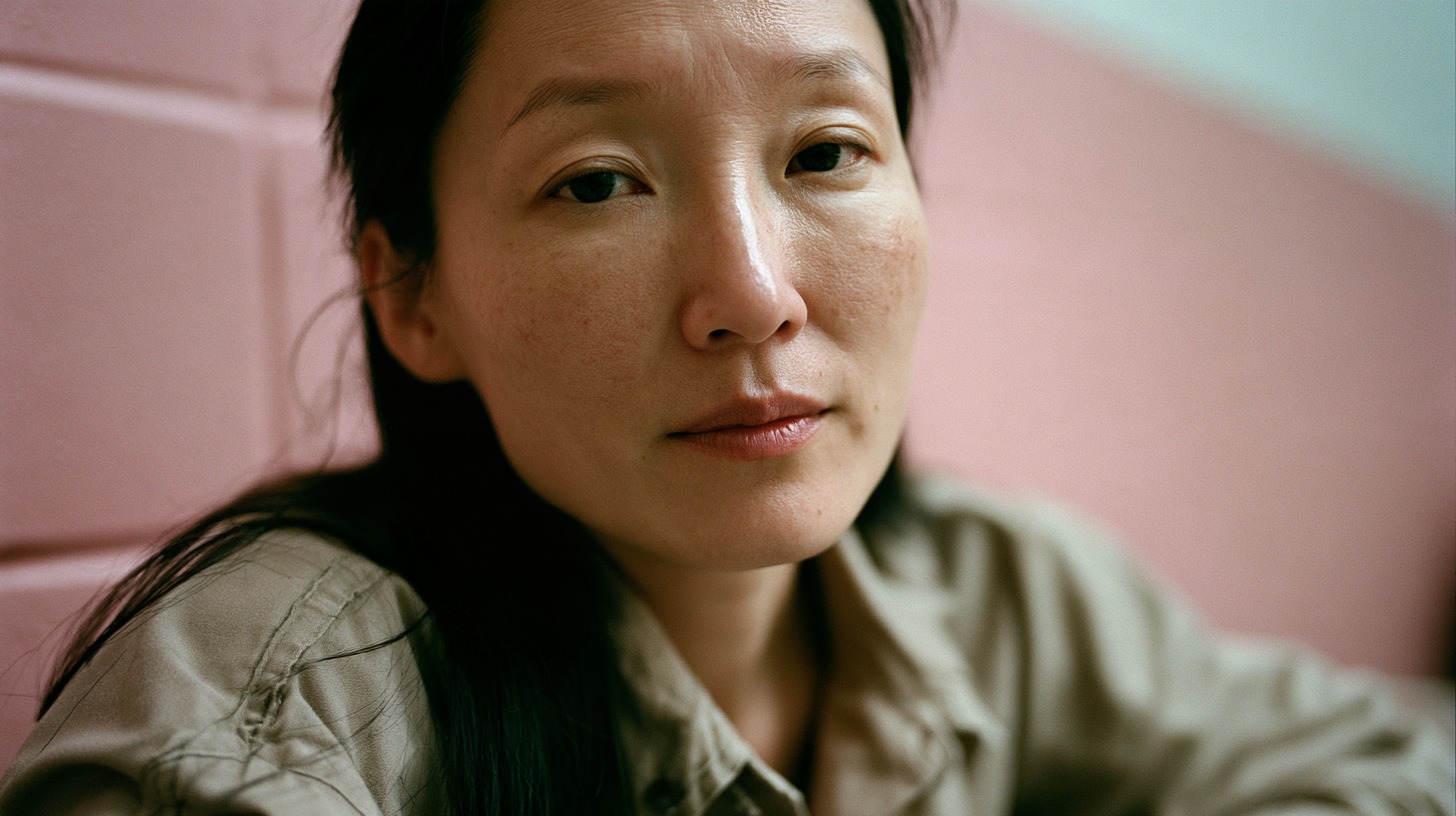
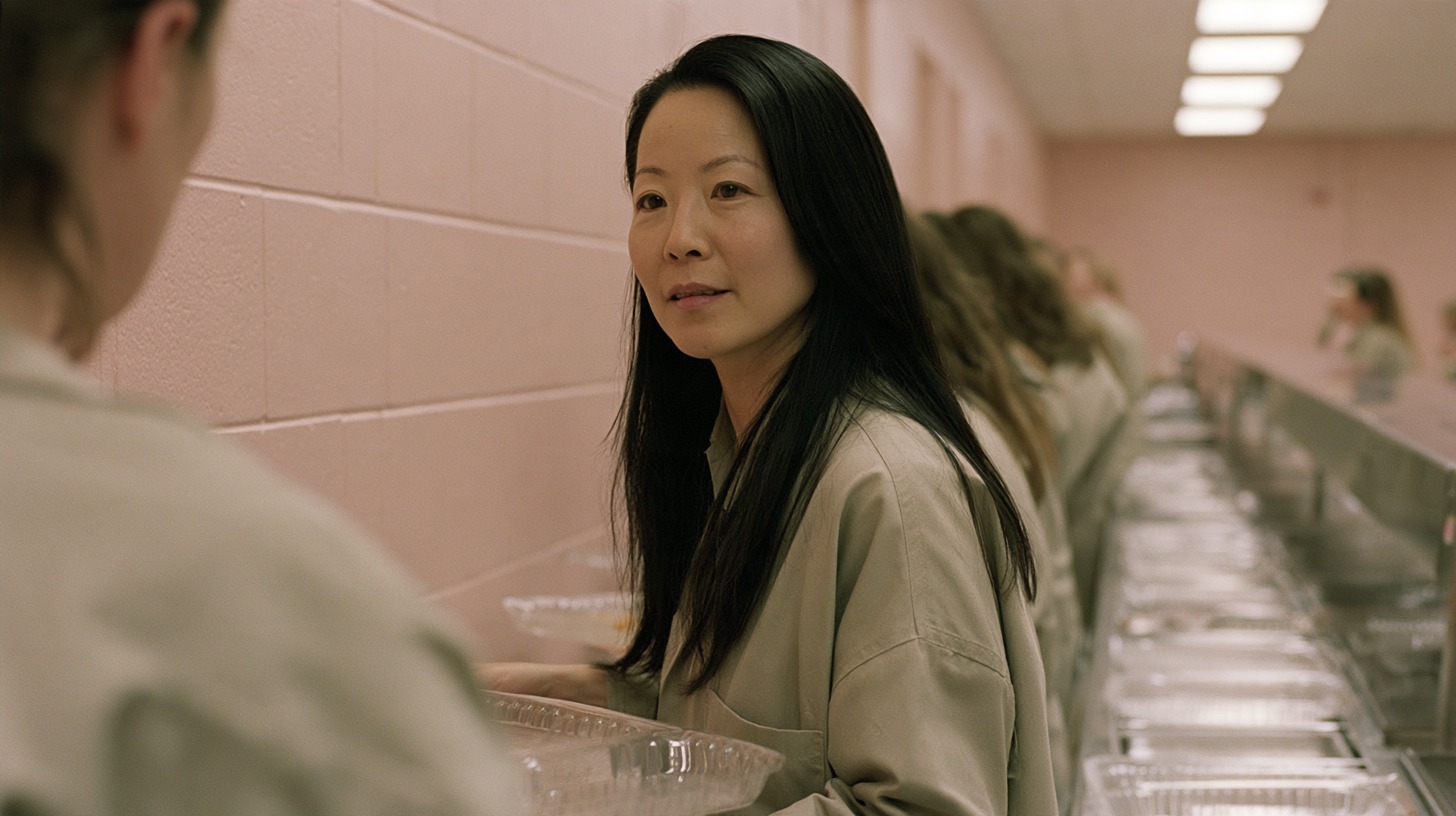
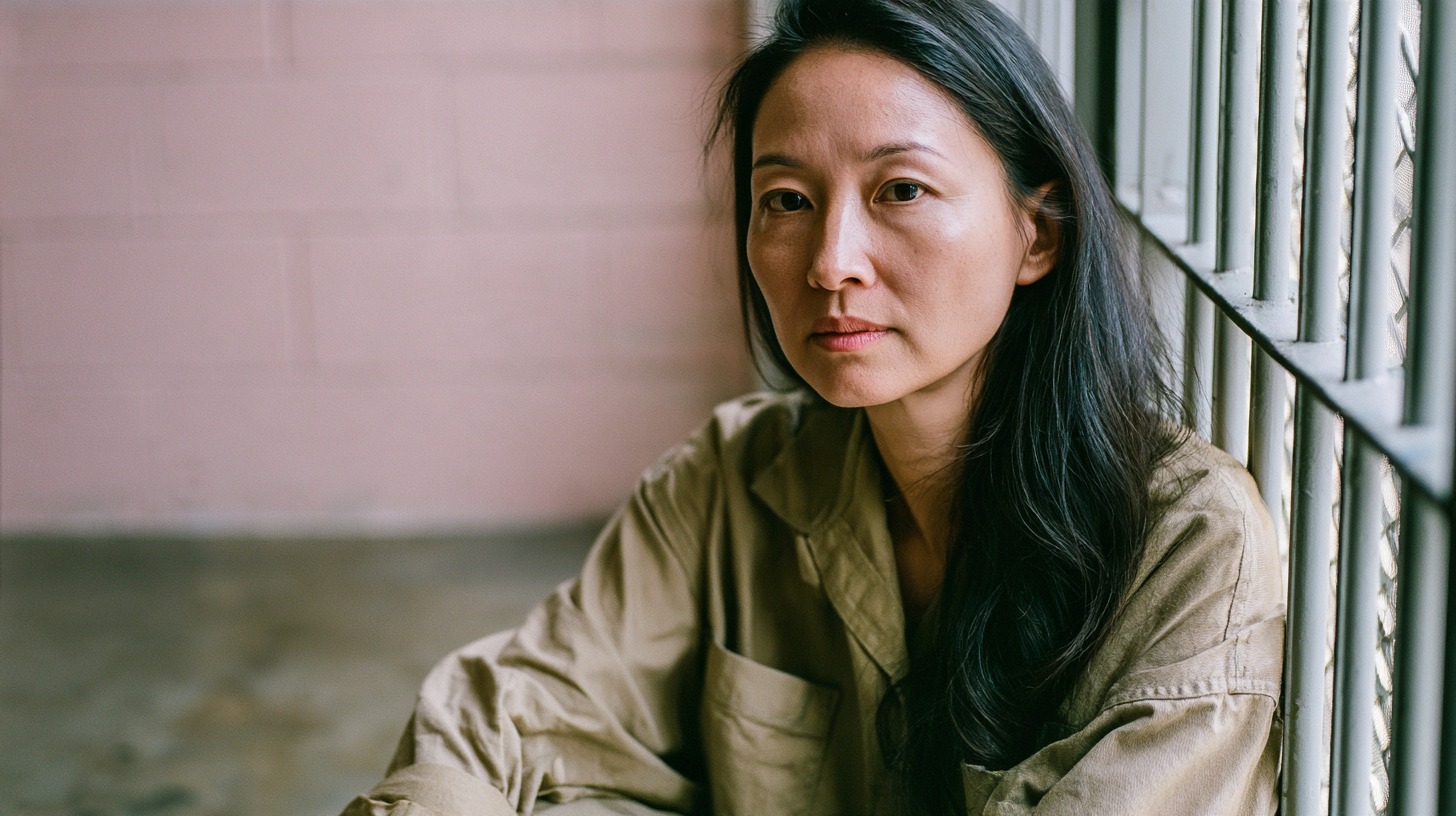
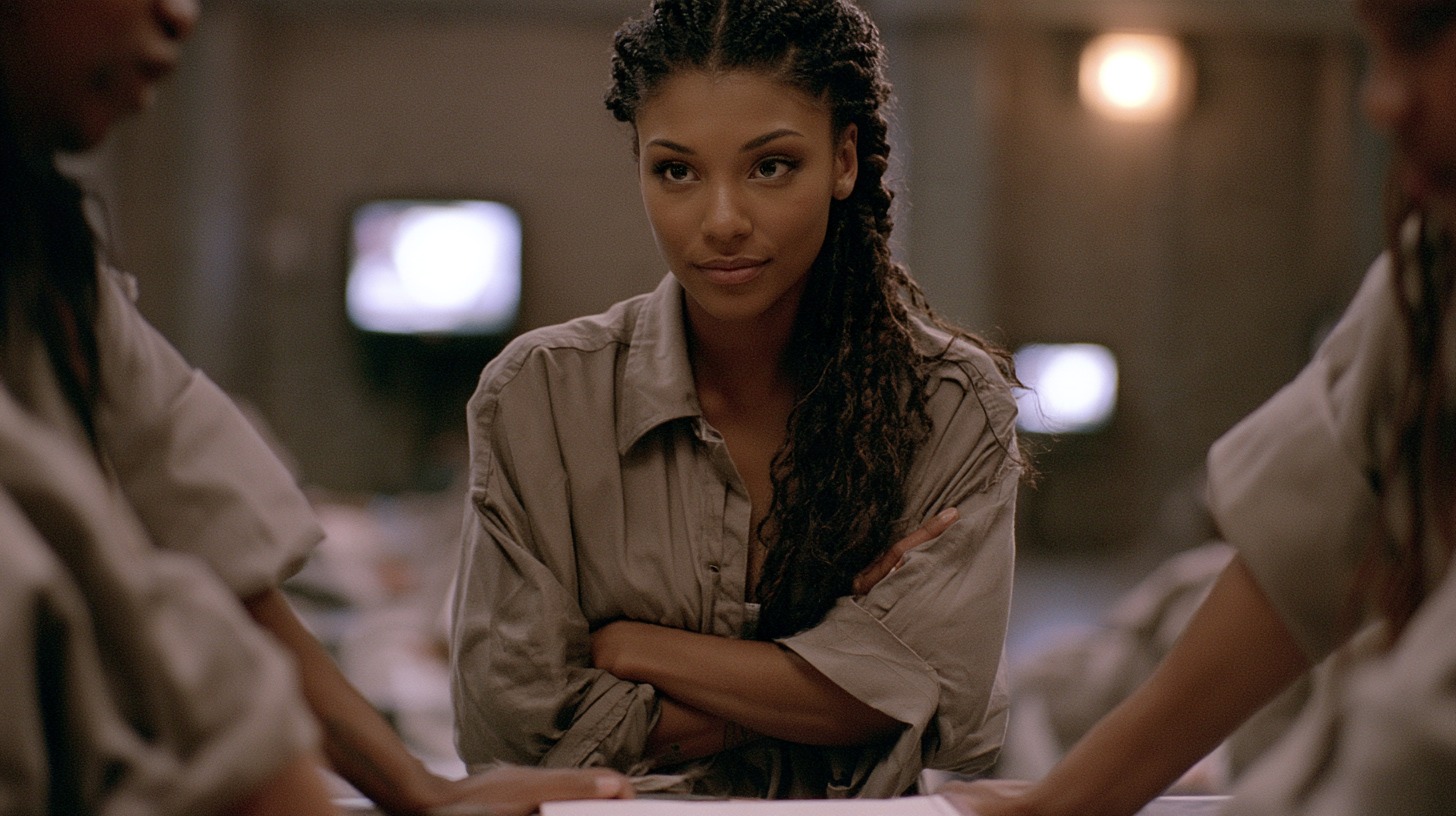
A composed beauty: the moon-round strength of her face,hair down her back like a dark ribbon,her steady eyes. People have called her “stuck up.”
I’ve learned that’s what they callwomen who don’t leak themselves everywhere.Without looking up from her puzzles, she says to me, “People say you’re a feminist. I do not understand feminist.”
“I would hardly say I’m a feminist.I’m too feminine for that,”I joke. She looks up, studying my face, unsure of what I mean or if I’d understood.
“I think feminists are wrong,” she says.“Woman is not a good man.”“This, I agree with,” I say.
She looks relieved and moves on to something else she’s been wondering about.“I have a question about your meditation class.
I don’t like lazy spirituality. Some people…” “Oh, neither do I,” I tell her. “Sometimes people do use the spiritual to avoid life. But,practice can also be the opposite. Not escape. Contact.”
Jingyi’s gaze holds for a beat longer. “Contact,” she repeats,as if letting the word settle inside her.She turns back to her puzzle and Rach and I head back to the dorm.
A few days later she comes by our lunch table. “What is the word,” she asks,“when you wear something…so nothing can touch it?”
If it had been anyone else, I might have turned it into a joke. With Jingyi, I don’t.Her questions are so gentle and revealing.“Armor?” I say. She nods. “Yes.
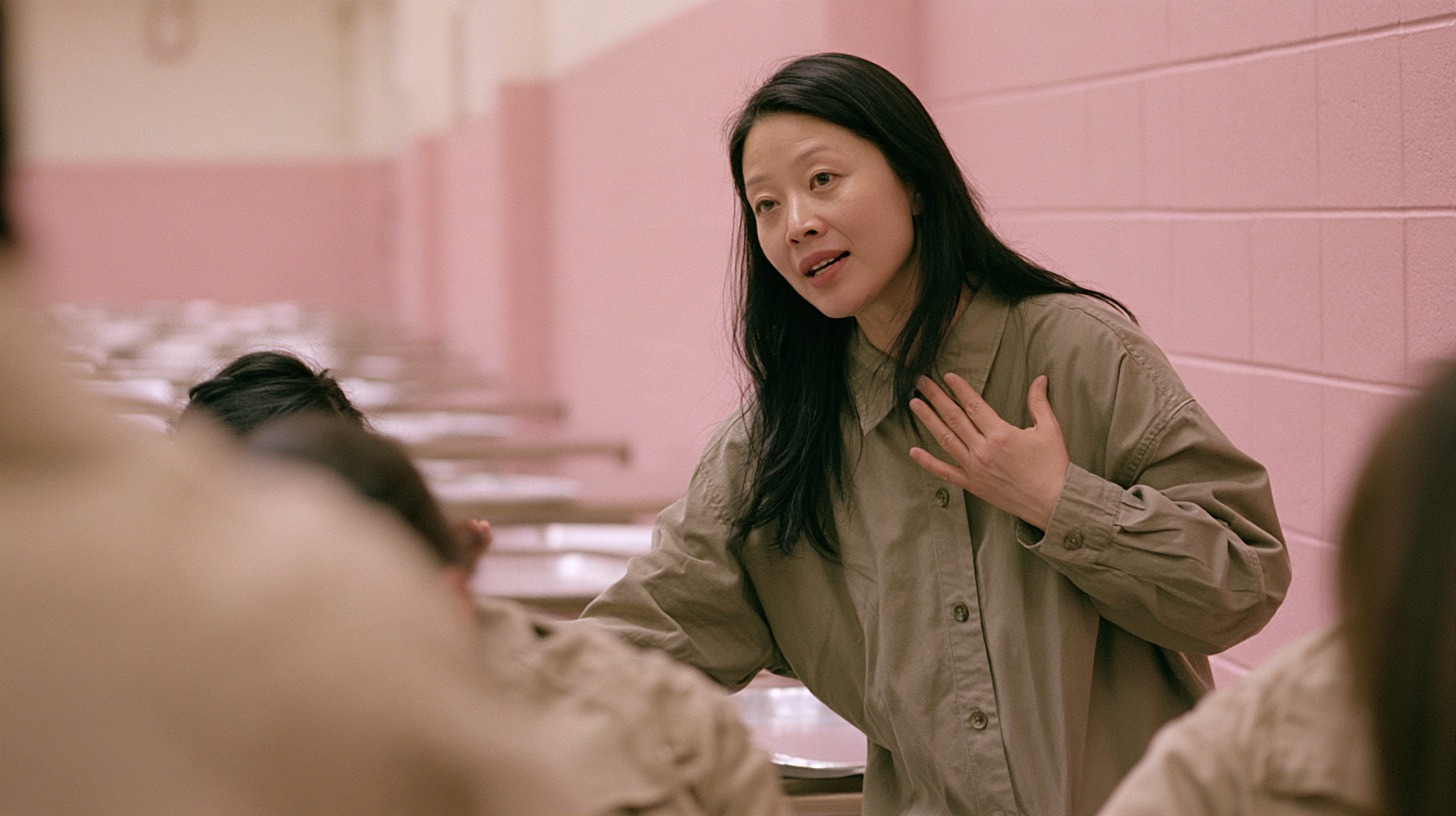
Armor.” Then, quieter:“But not hard metal armor. Soft armor.”She touches her own chest lightly, like she’s indicating a place beneath the ribs. “I wear it on my heart. I don’t talk emotions.”
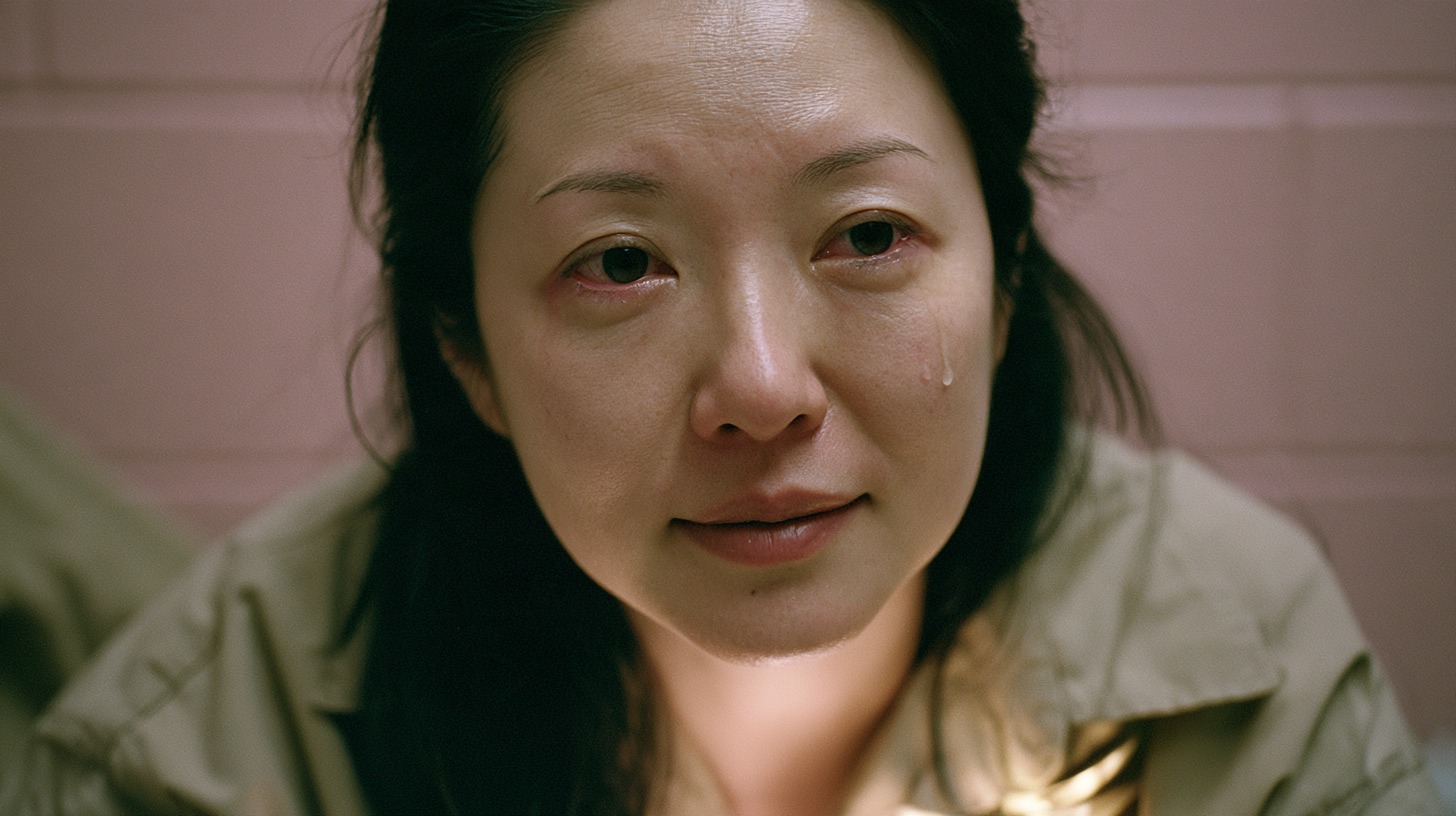
“Rach and I are careful with our emotions too.” “I am sad,” she says. Up close, I see what I’d missed at a distance:her eyes are swollen from crying.
“Do you want to talk about it?” I ask quietly. “No, thank you,”she says with her quiet politeness.I gesture for her to sit down and she does for a few moments.
We all sit in silence, a warmth between us. “Wait here,I want to show you something,”I say to her.
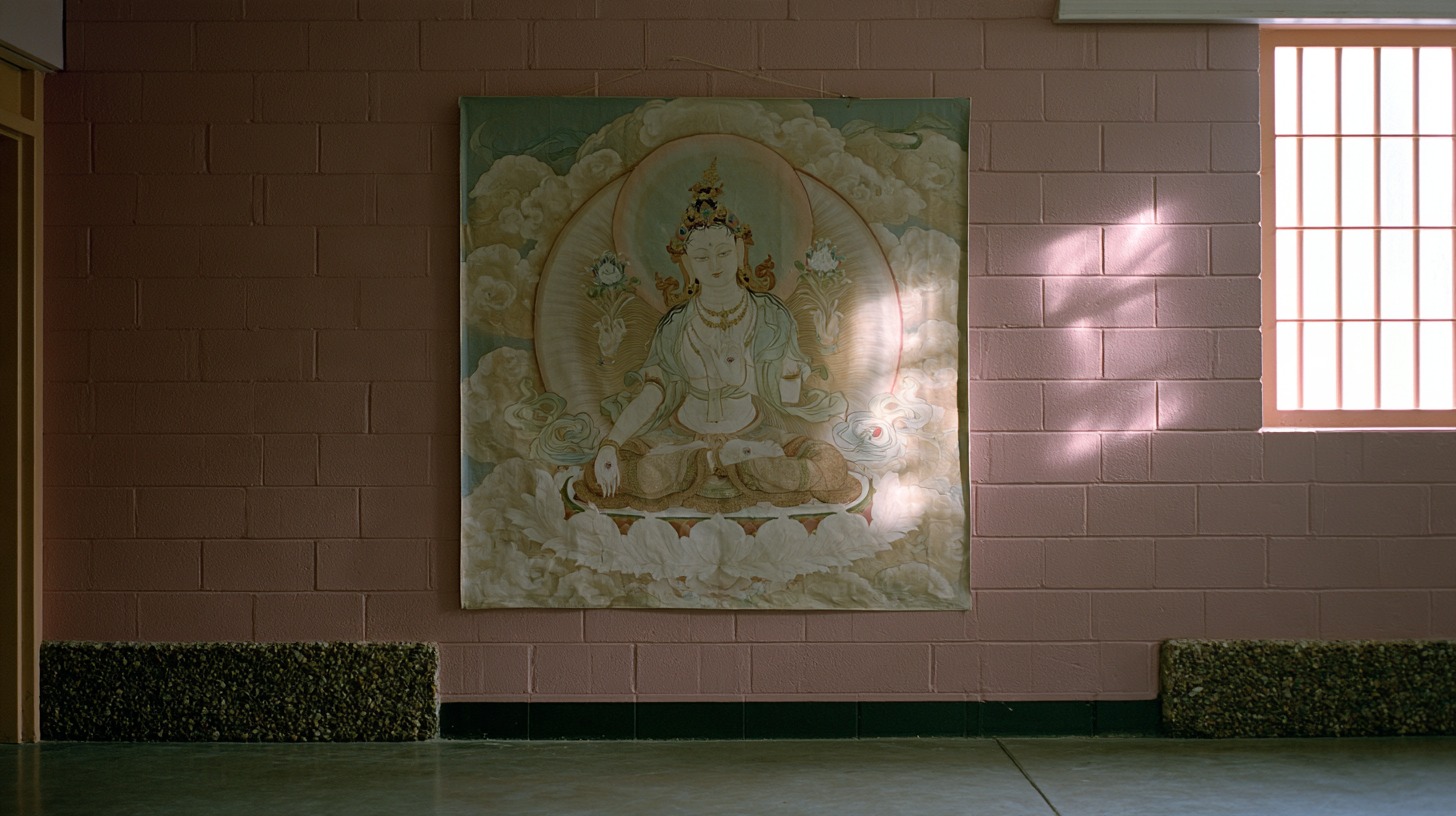
I go back to my locker and grab a picture I have of White Tara. “You remind me of her.” She looked cautious. “Why?”“Because you are so still.
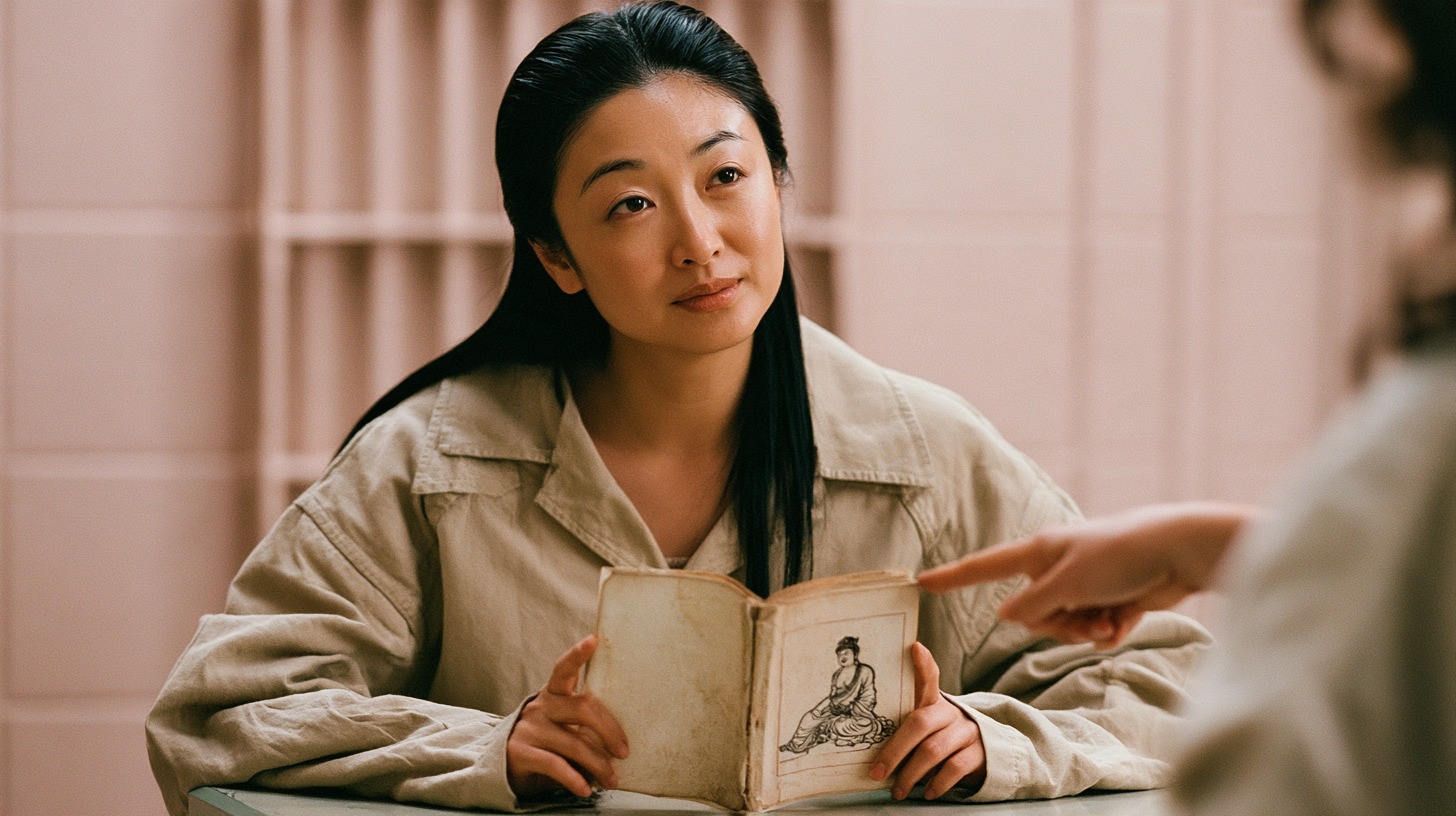
Quiet. Peaceful.” She nodded. “Wait—I think I read a book in Chinese.” She returned with a book, finger marking a page. “This her?”White Tara stared up from the paper.“Yes.” I smiled.
“You are White Tara—peaceful,” I said.“Luciana is Green Tara—activity.”Jingyi flipped through her book. “Her?” she asked, pointing to the page. “Exactly. One leg out—ready to move.”
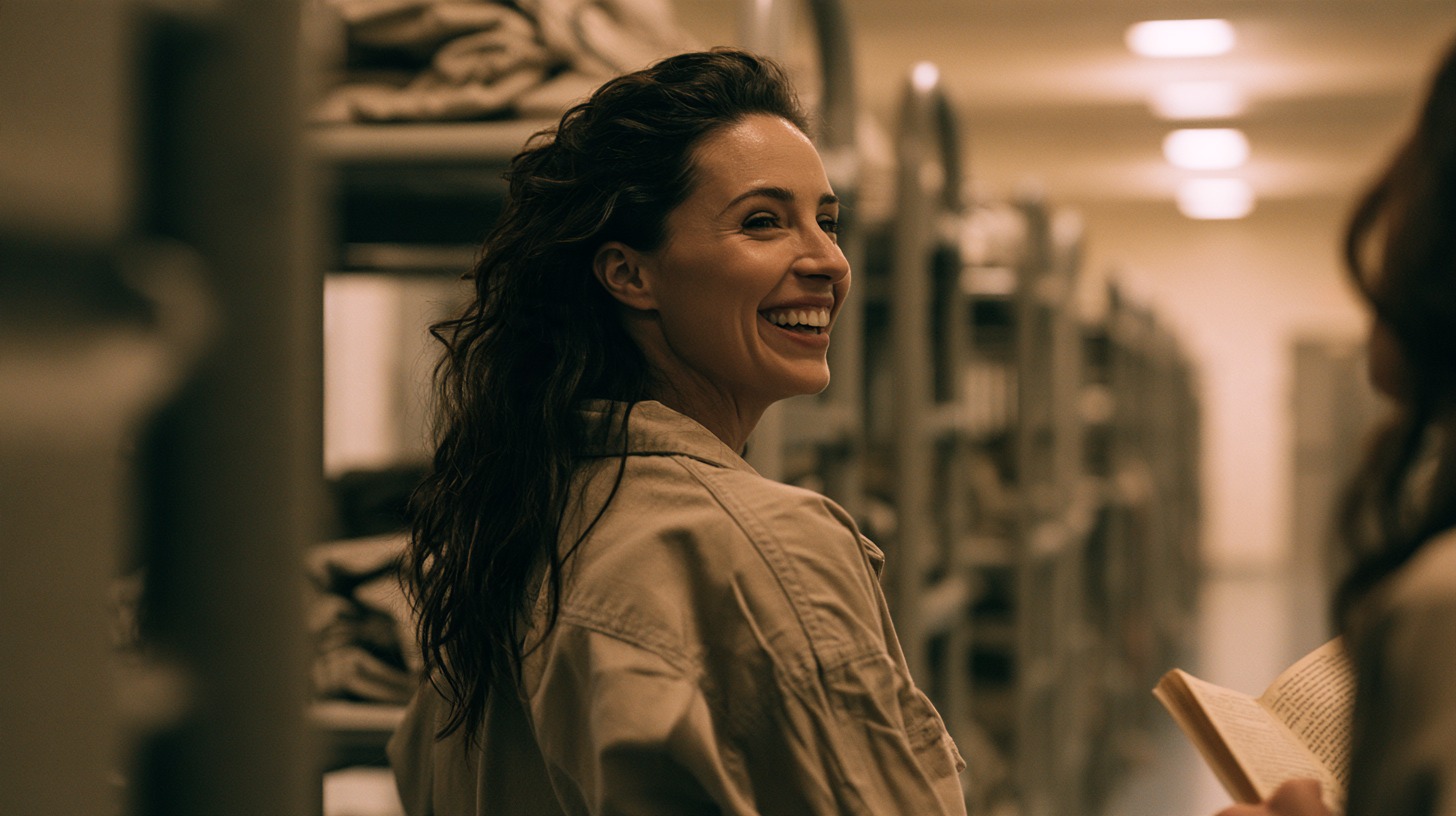
Luciana, hearing us talk about her, walked over from her bunk and beamed looking at the page, approving of her representation. “Yes.I feel peaceful with my White Tara.”
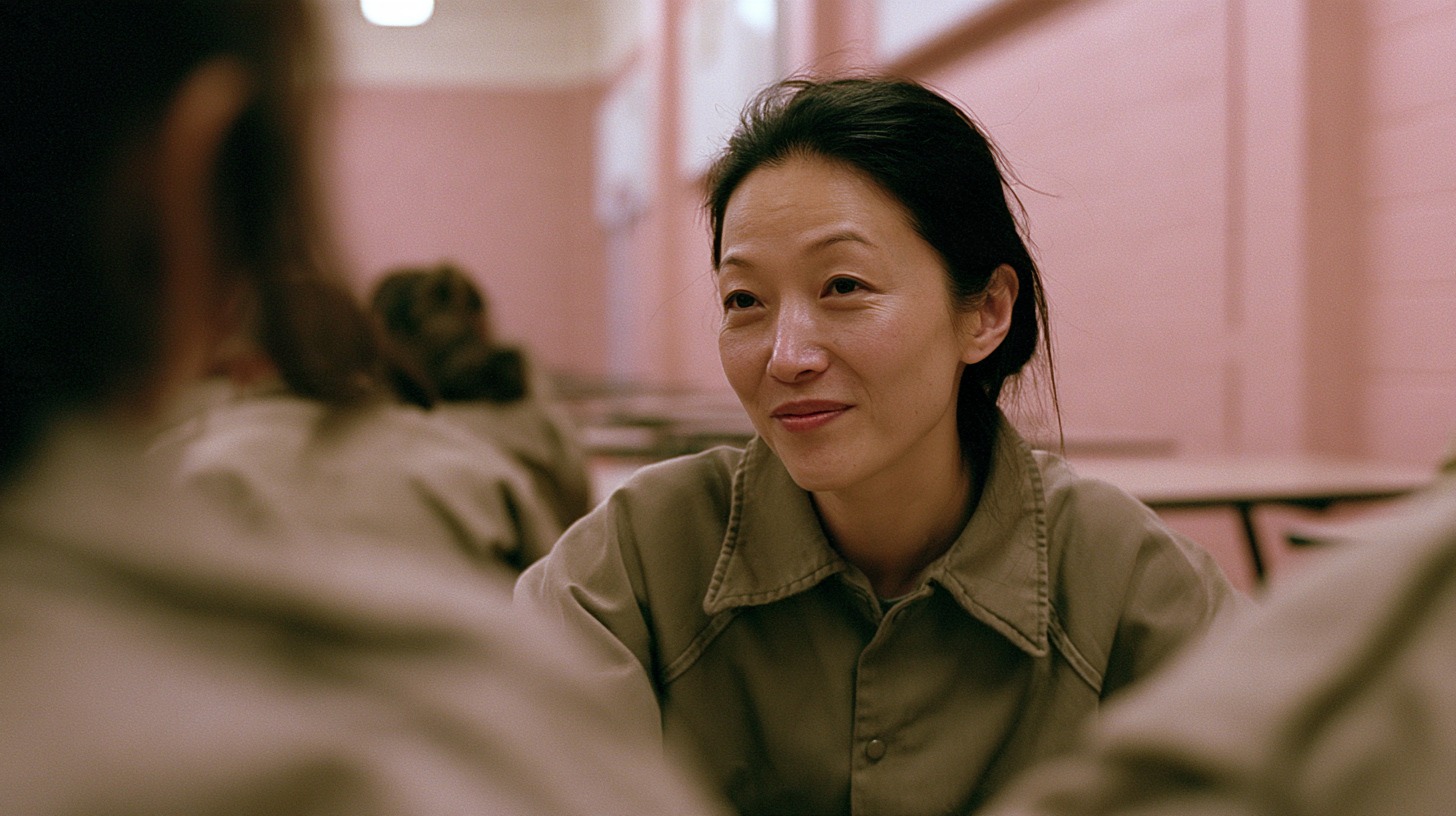
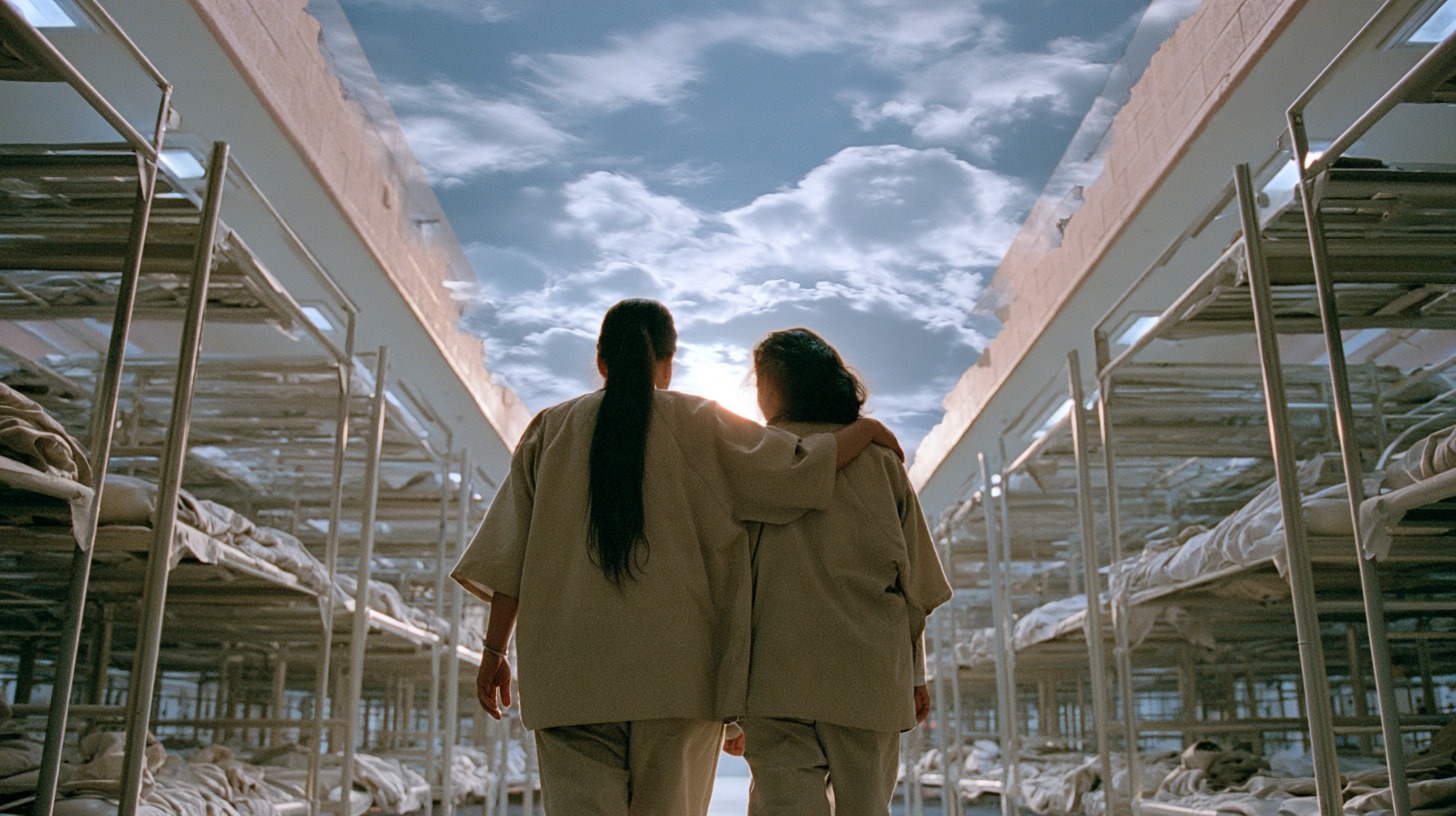
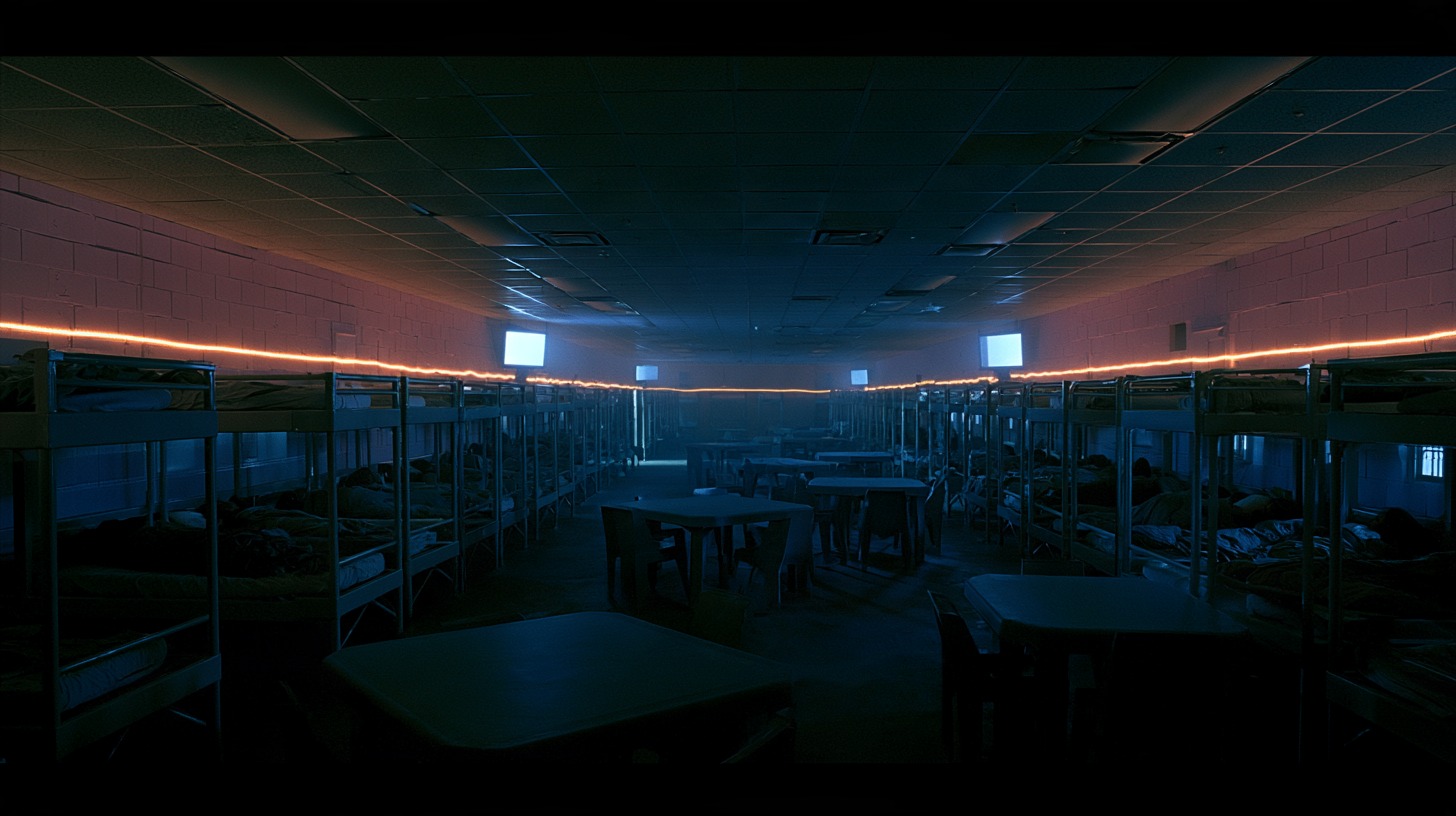
Luciana grinned, taking Jingyi’s arm. “Come on, White Tara,” she teased. “Okay, Green Tara,” Jingyi echoed back, as they walked off together. And for a moment,clear sky broke through the prison ceiling.
One morning, I find a carefully folded card on my bed, Chinese characters on the front. Inside, in neat handwriting:Thank you for your kindness.-Jingyi
Later that day, while in line for lunch,she asks if she can join us for meditation.At 2:00, she comes with us to our humble little room.
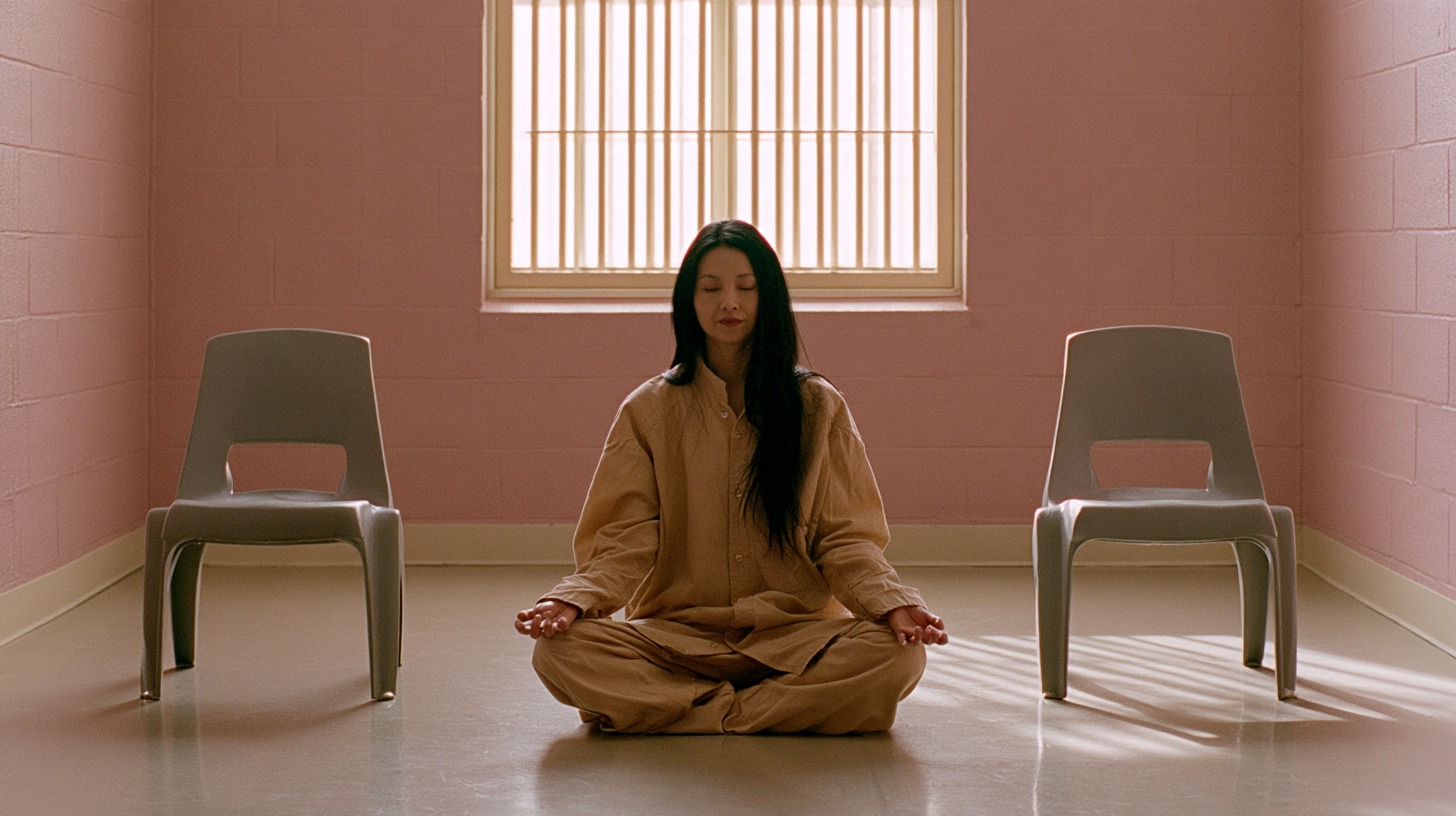
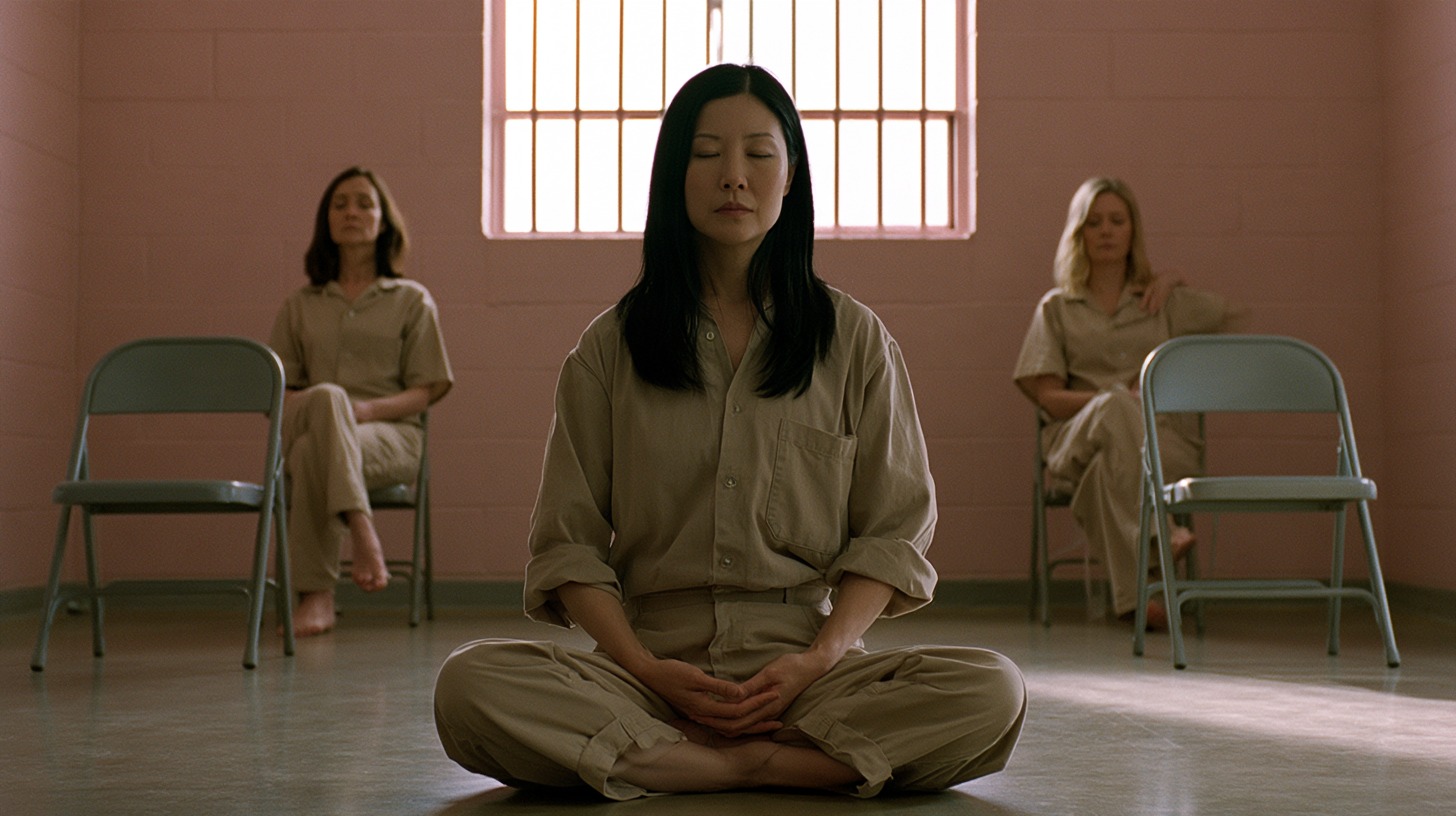
We’ve long since abandoned the fantasy of floor cushions and taken to sitting on the hard plastic chairs. Jingyi walks in, takes one look, andimmediately sits on the floor in full lotus.
Rach and I look like we are wearing emotional football gear next to her simple elegance. Vastly American. We sit for forty minutes. She does not move—not even the flicker of an adjustment.
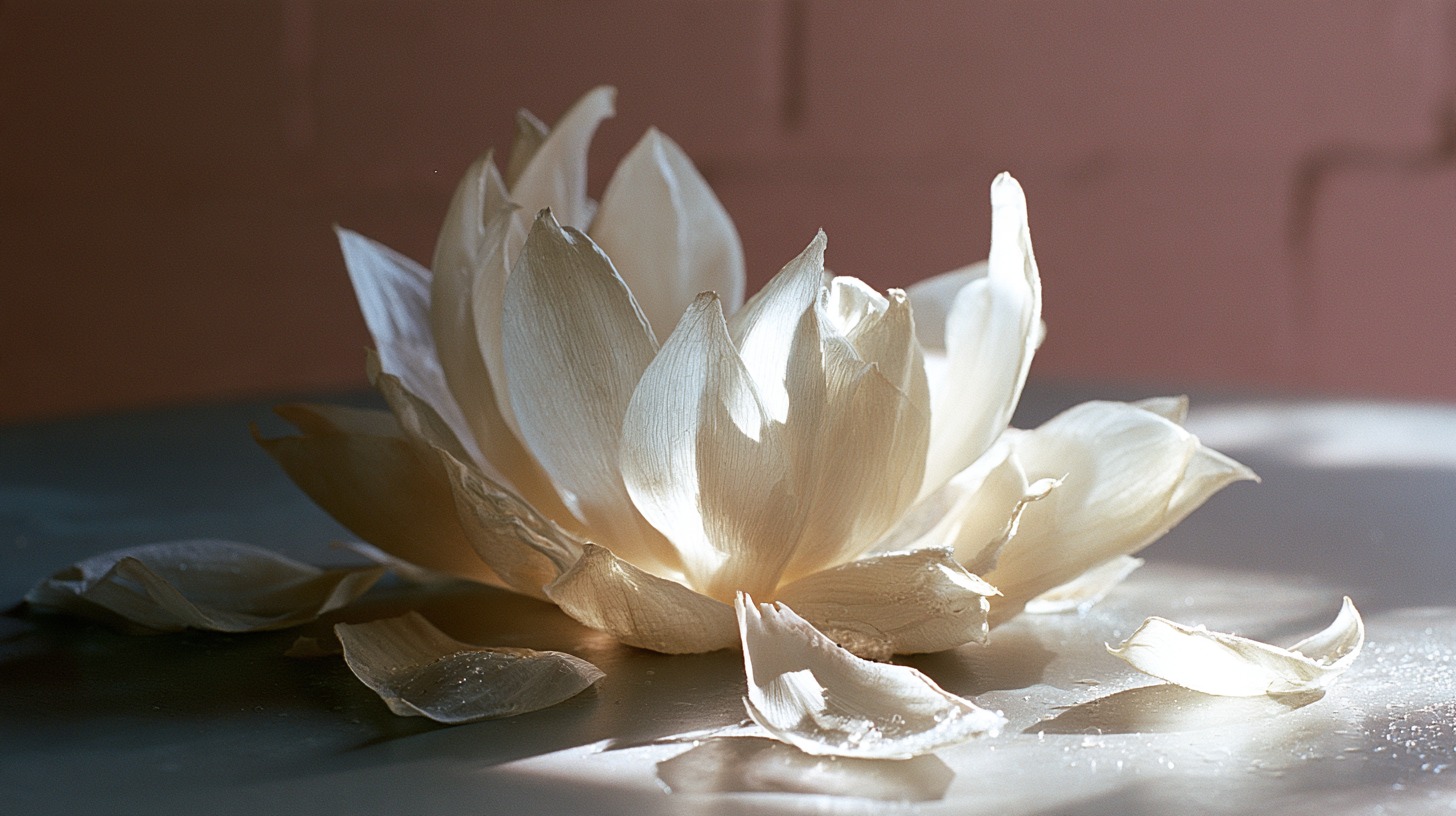
In our practice, we visualize White Tara surrounded by light, sitting on a lotus.Jingyi is a better version than anything I ever pictured.The feeling in the room is so strong and clear.
Everything feels washed, as if throughthe kind of fresh, clean scent a lotus flower would haveif prison had lotuses.
When we finish our sit, she says quietly, “My mother was a nun. She got pregnant as a nun. When I was born,they took me from her and sent her away.The nuns raised me.
My husband was the son of a wealthy businessman,” she goes on. “He is not coming home. I find out.I do not like the material either.”
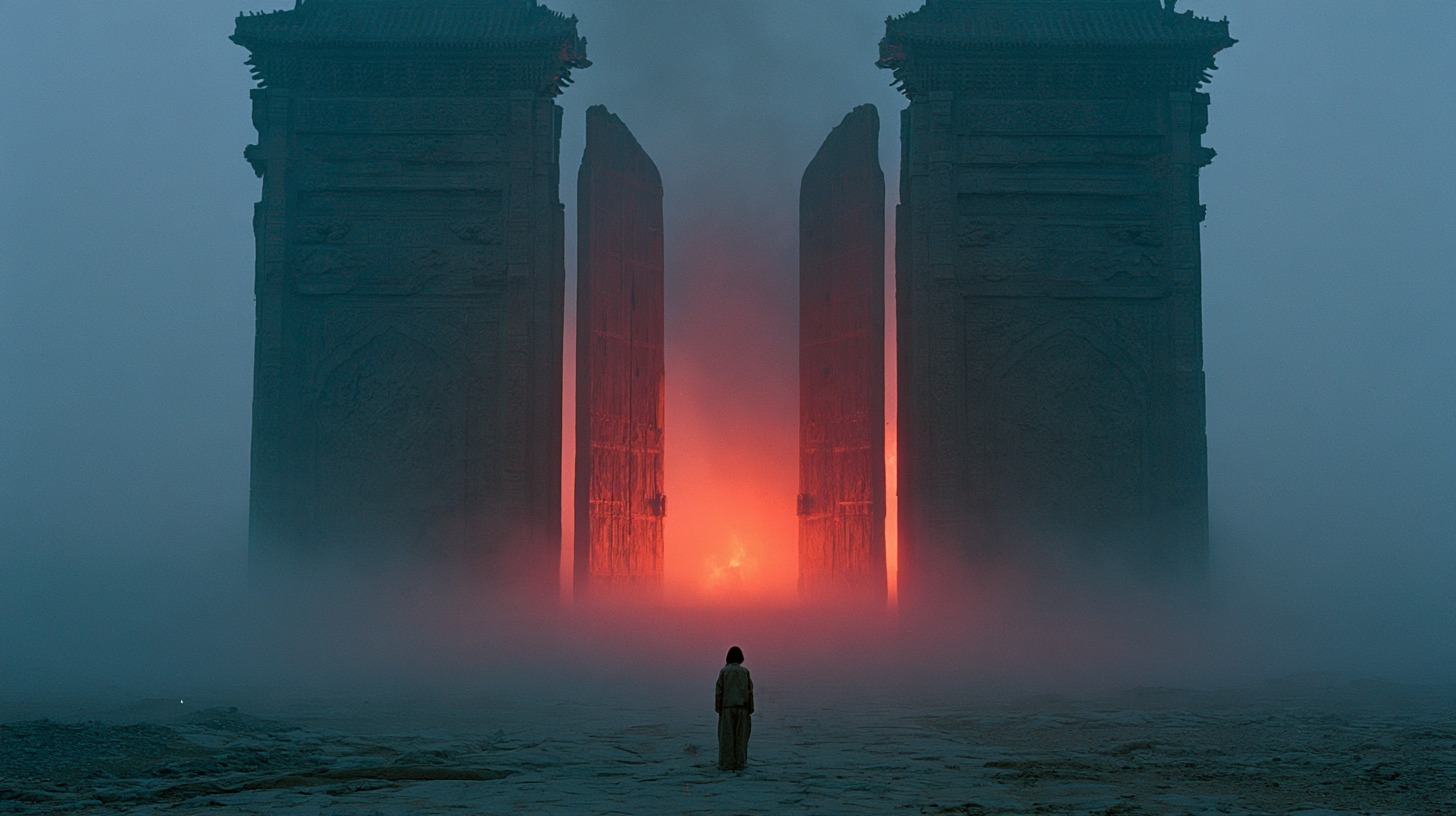
Here she was: a woman whosetwo great gates—love and faith—had both been slammed on her.
One world took her mother. Another took her husband. As we make our way back into the dorm,Dakina is in rare form.She wants to show Jingyi her drawings.
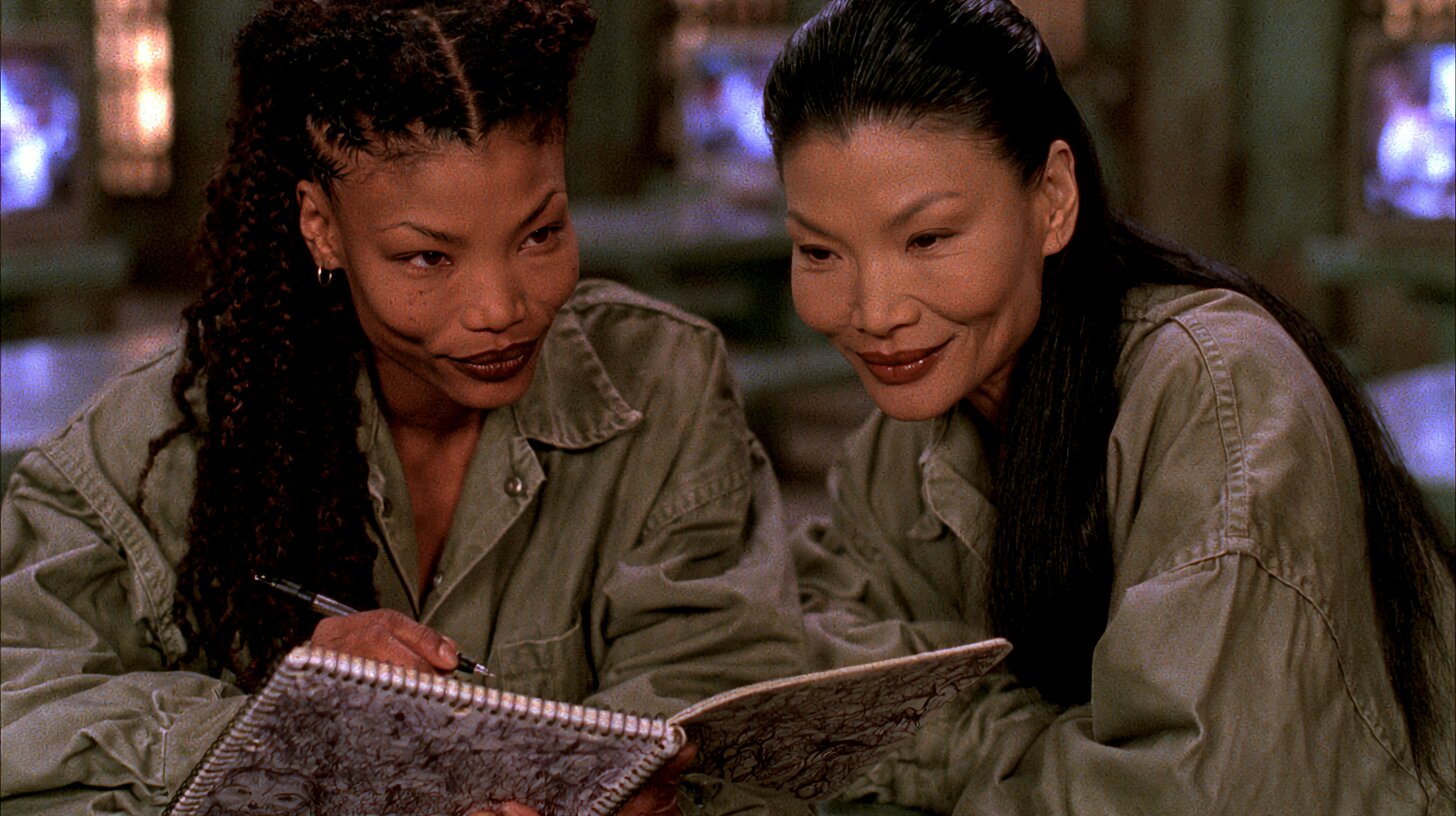
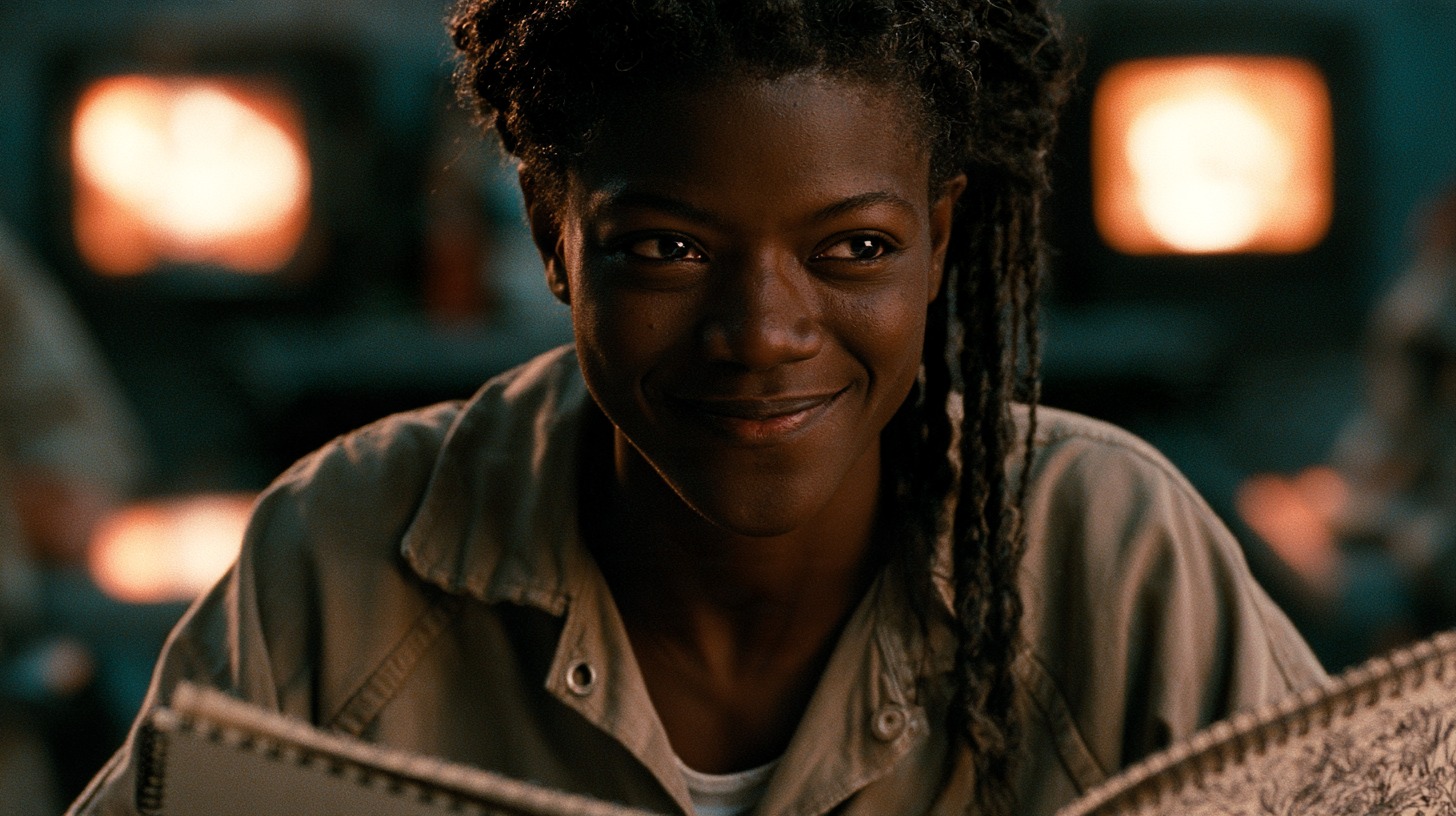
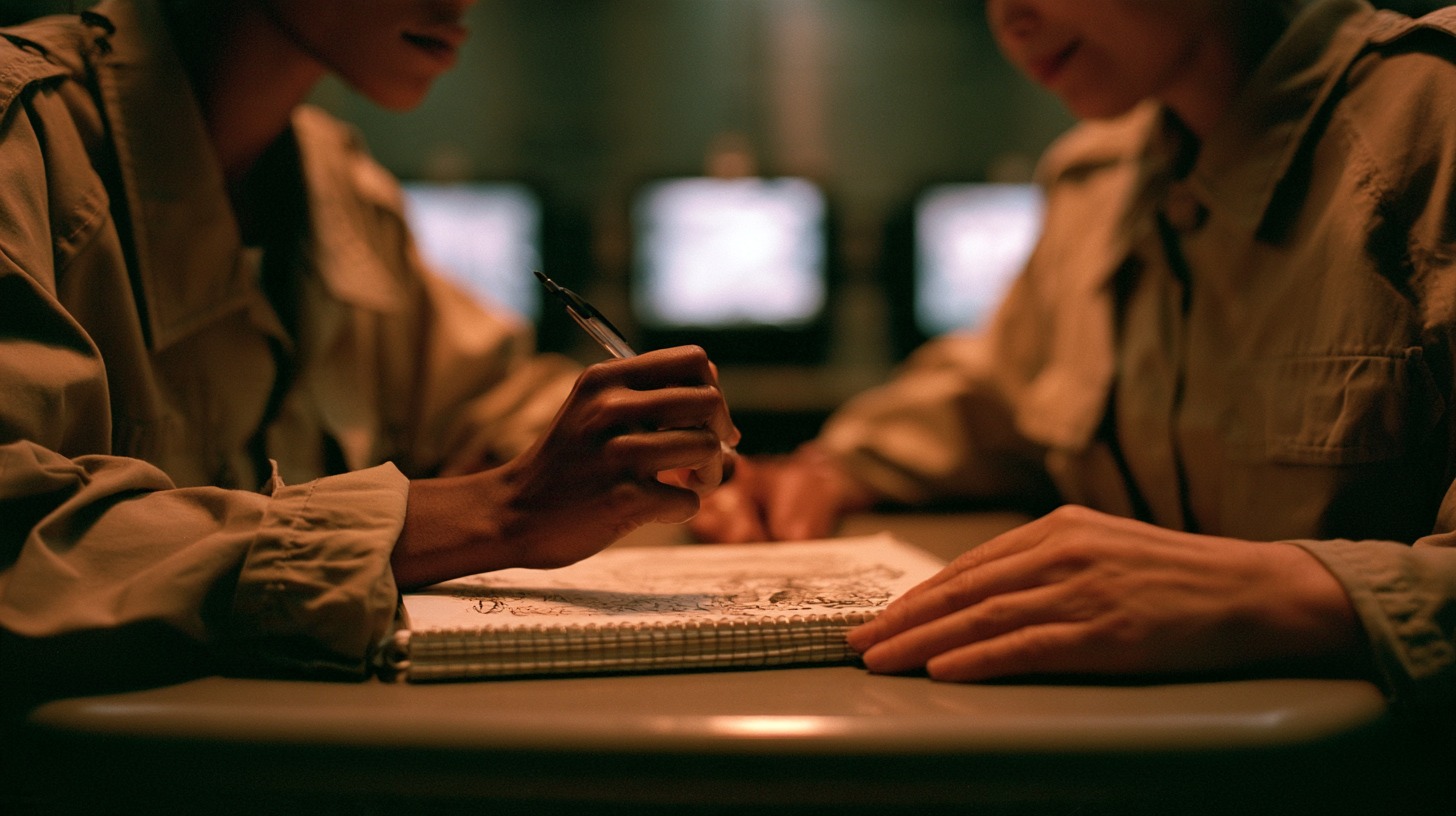
People kept coming to the table asking to see, but she wouldn’t let them. She stands between them and the notebook, like a wall.But the minute she sees Jingyi, her whole face changes.
In fact, Jingyi is the only person I’ve ever seen Dakina give what I think of asher pre-face—the face she must have had beforewhatever it was that so profoundly disrupted her nervous system.
Jingyi walks over slowly, her compassion pouring out as she takes on the role ofan art collector eager to see her favorite artist’s work.
She slows to a stillness that quiets the whole area, including Dakina. “Dakina,” she whispers, “Dakina, this is beautiful work.” Dakina beams.She holds her pen in midair, hand frozen in reverence.
The exchange feels ancient: an offering from a shattered soul,a blessing that does more than just restore.
It’s as if some invisible lineage—teacher and student, mother and daughter, patron and artist—flickers to life right there between the plastic tablesand the humming TVs.
That night, across the dorm,right in the middle of her nightly percussion—shouts, song fragments, sudden laughter, constant running—Dakina calls out: “Jingyi!” Jingyi calls back quietly, “Yes, Dakina?”
“I love you, Jingyi.”In that moment, it feels like the favor has been quietly returned.