I was in Mongolia whenI learned I had been indicted.The call came at 2:30 in the morning.
The tourscrambled plans to get me back to the cityso I could catch a flight back to New York.
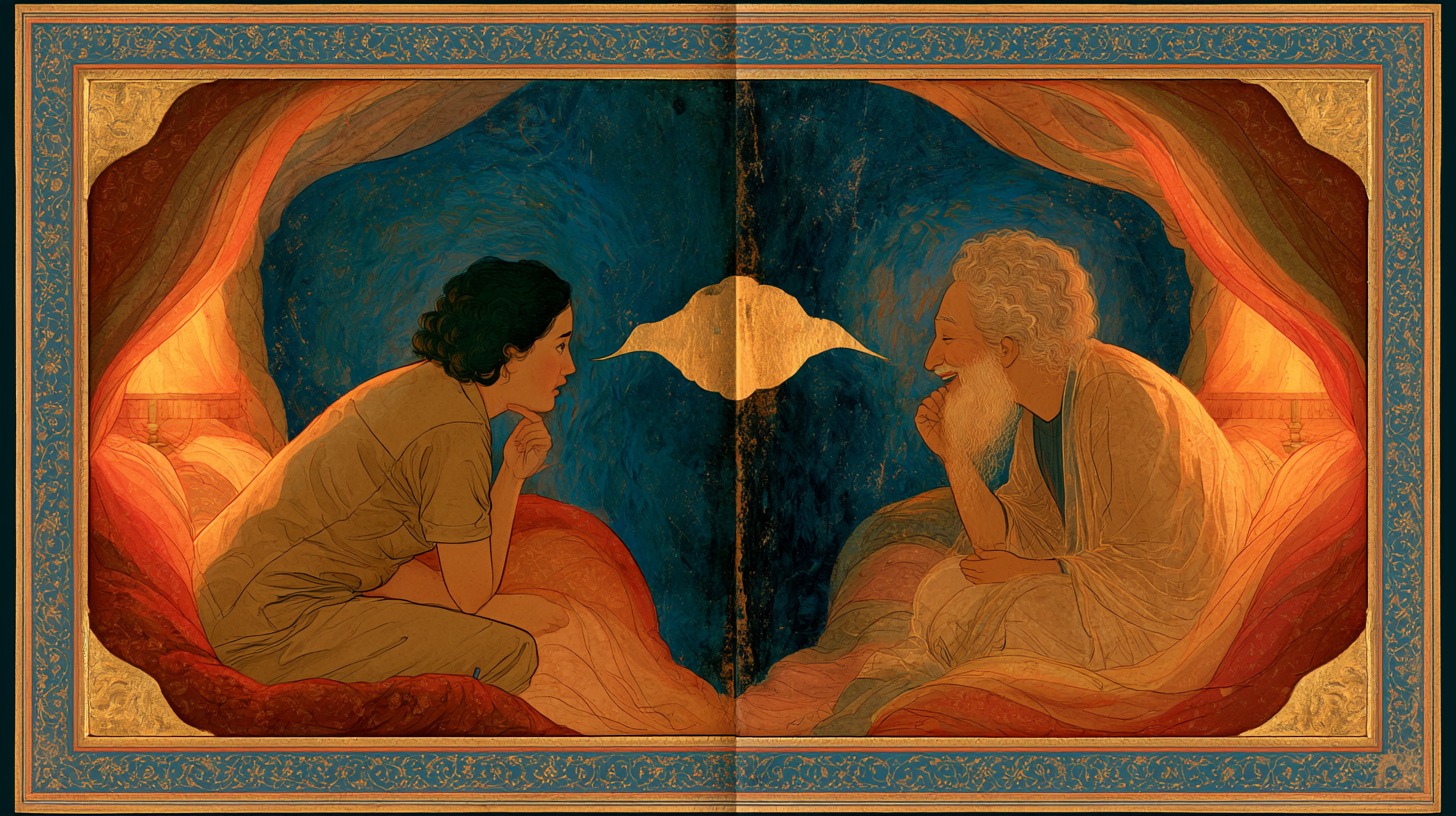
I spent the night vomiting, then someone arranged a mo,a divination reading with a Tibetan oracle.
Strings were pulled—this was not something taken lightly. Reading the signs, the oracle declared,“It will be difficult but you will be born into supreme happiness.”
In the altitude I have since been launched into, that sentence has beenthe only thing to which I could hold.
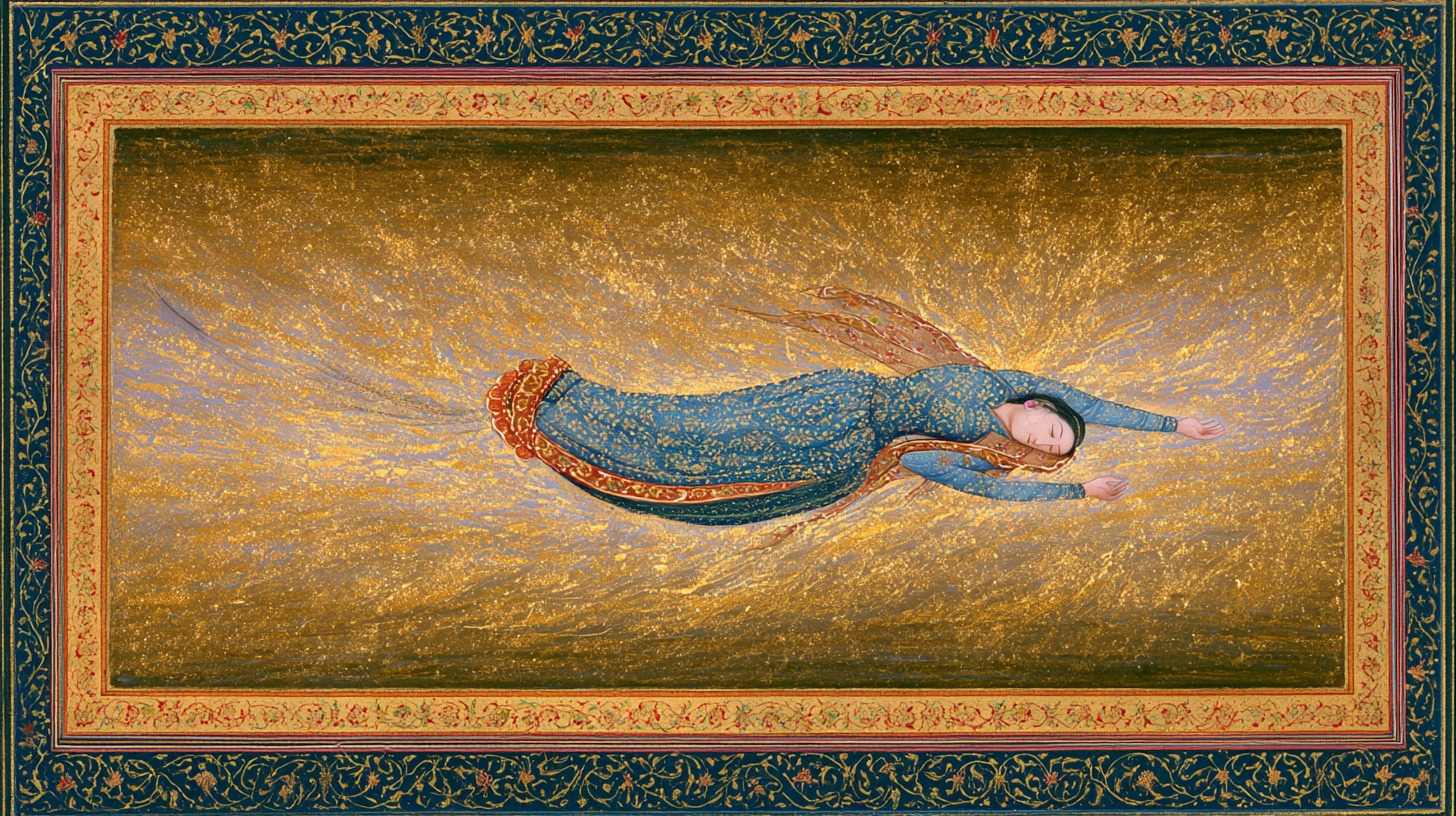
The bad news is you arefalling through the sky;the good news is there is no ground.
The indictment came two and a half years ago. I spent the time since preparing for impact,surprised to find there was none.
Only now am Ilearning to ride the current without fighting,to let the air carry me. I asked my Lama to be straight with me.
“Please tell me the oracle doesn’t just mean spiritual peace.Tell me it includes what happens in the physical world.”He laughed. I took it as a yes.
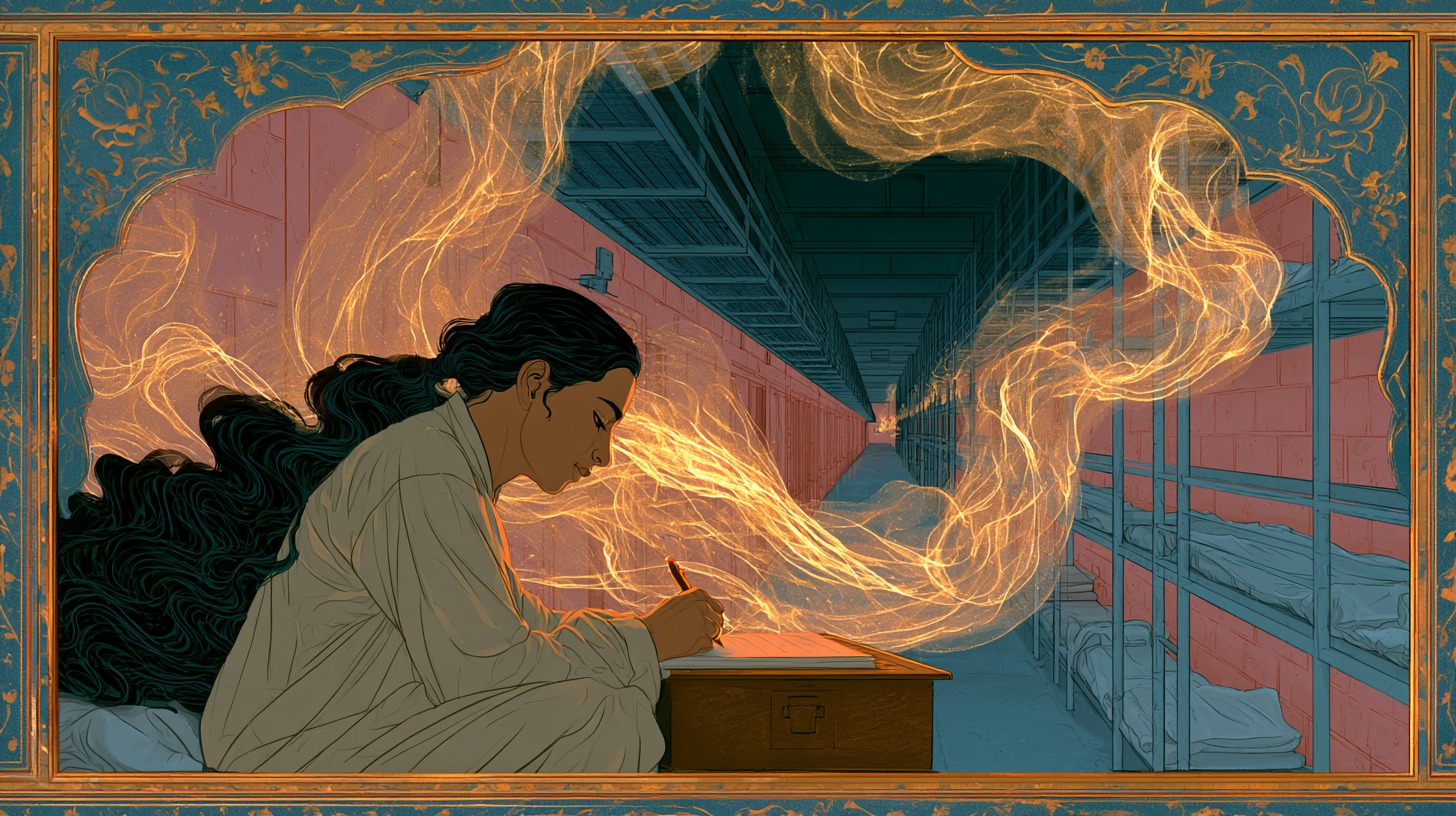
I am writing this from prison, so apparently not.And yet.
My Zen friend Ed always shares poems. I have found myselfguided through life by one of his favorites,William Stafford’s “The Way It Is.”
As it says,“There is a thread you follow…” I followed it here.
Now it is the season of the “marvelous error,” the kind that makes a woman who rarely cries lie in bed withtears clinging at the corners of her eyes.
The kind of tears you cry on the peak of LSD whenthe curtain of the ordinary,even the curtain of the extraordinary-ordinary, is pulled back.
In one golden shock,love stands in front of you and nothing is the same.The clock cannot be turned back. Of course you try to tell people.
You try to sing the gospel of what split your life open, the truth thatthe faded, get-through-it version of livingis not all there is.
My meditation lately has been like that.If it were sex, I would smoke a cigarette after.
Presence without absence. The membrane thins and I fall through into the next astonishment. The only thing that slows me isthe urge to pause and look around.
Effulgence is a big word, but it fits.There is no grasping, only awe.
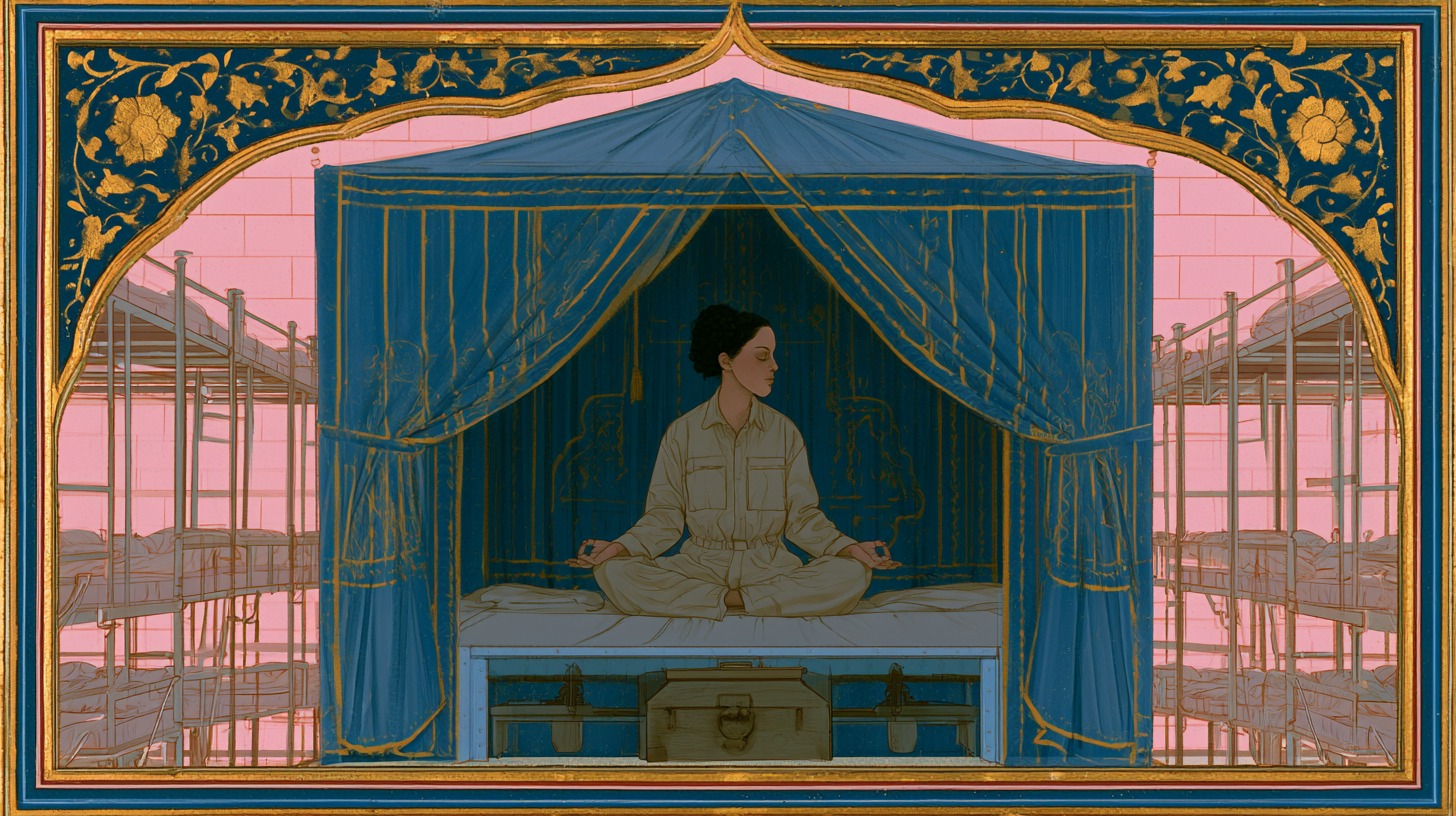
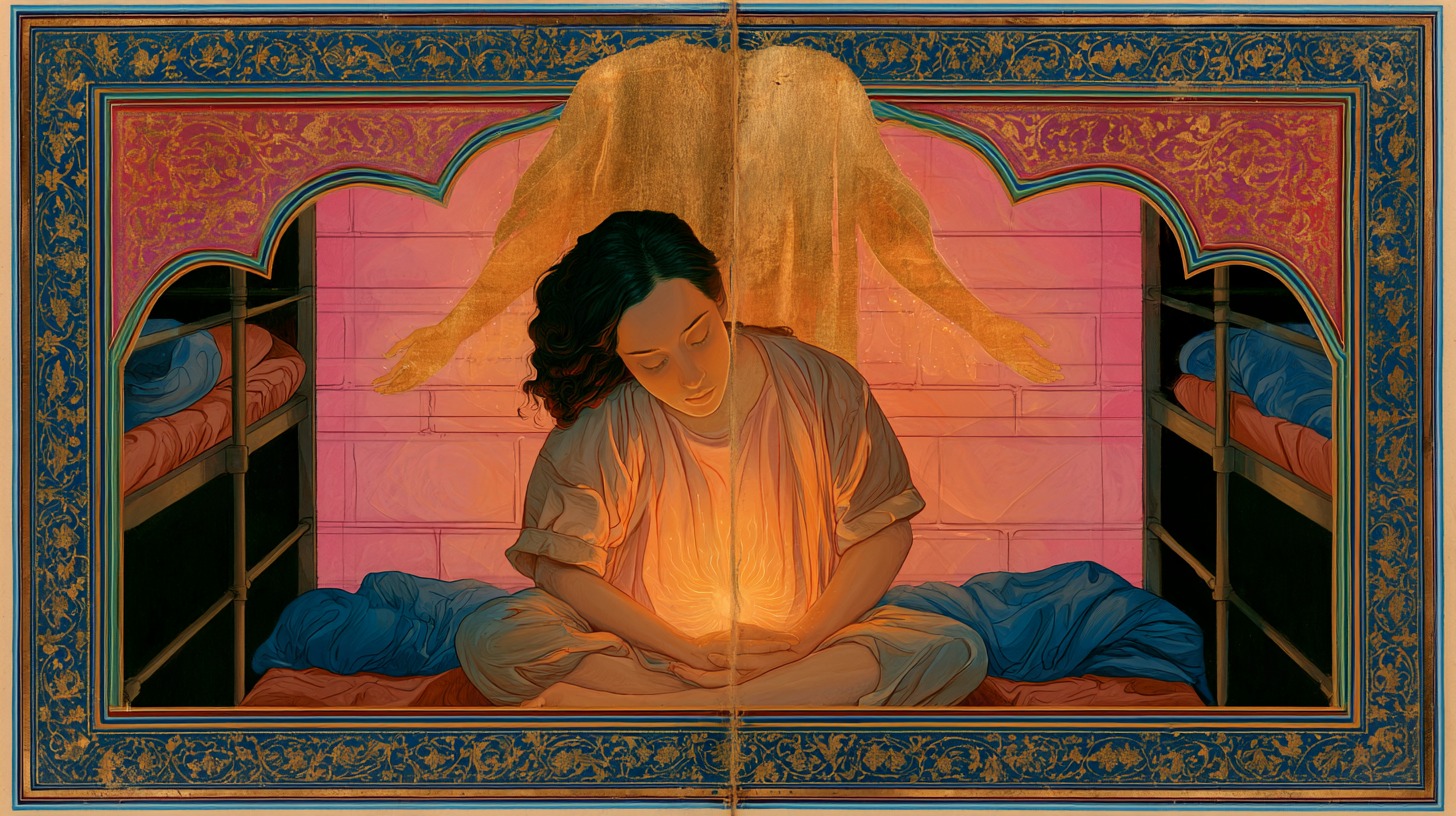
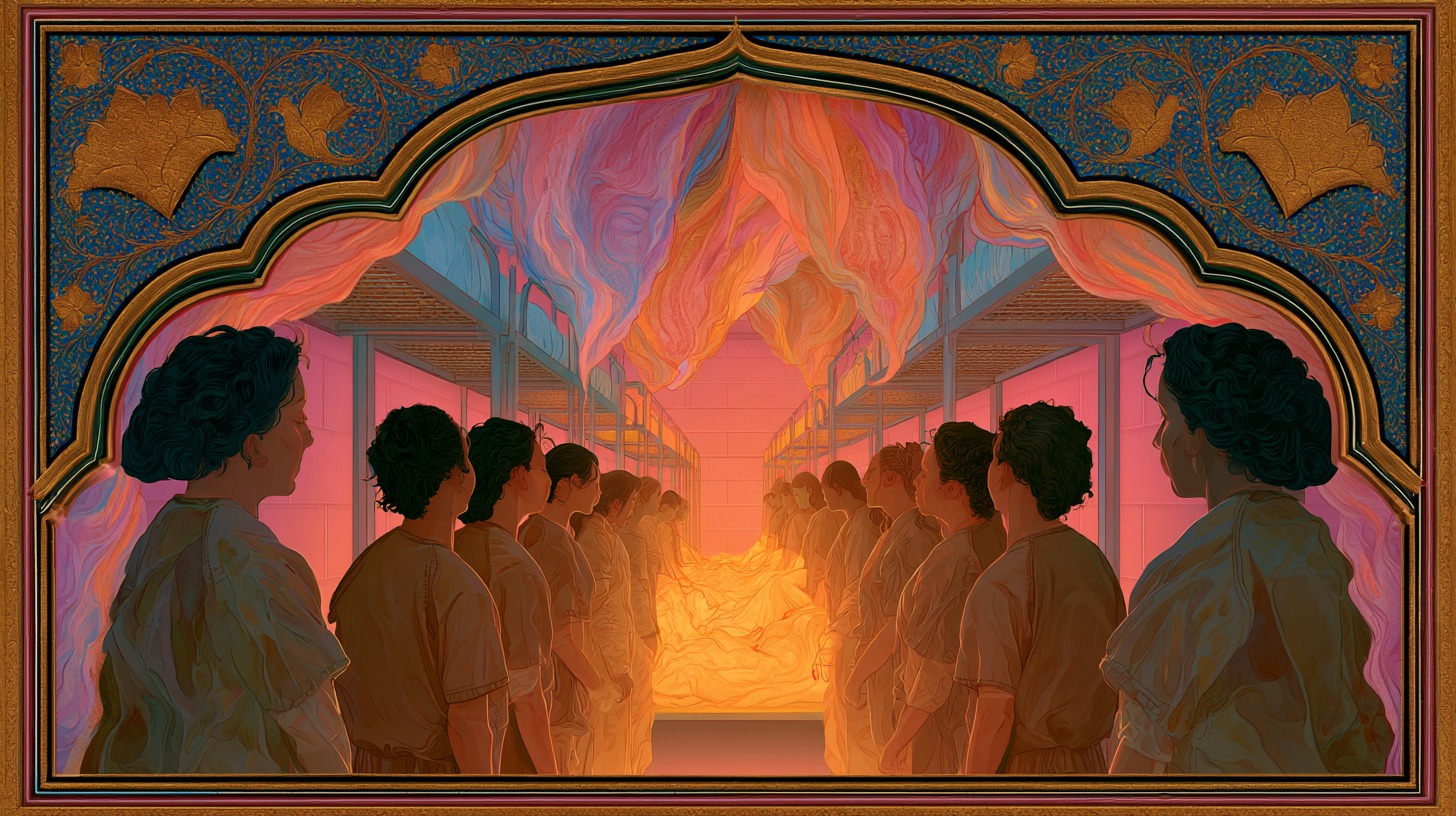
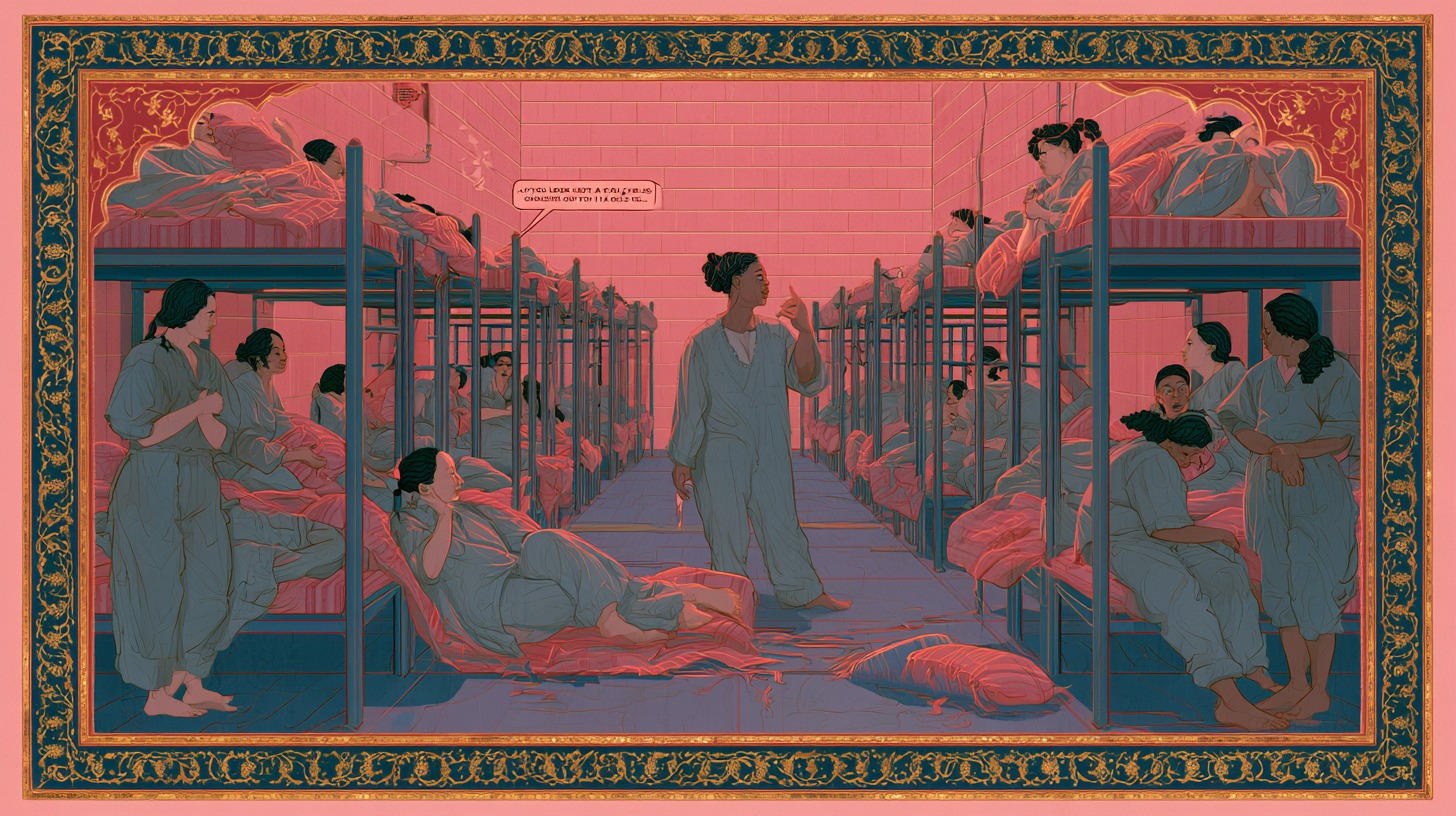
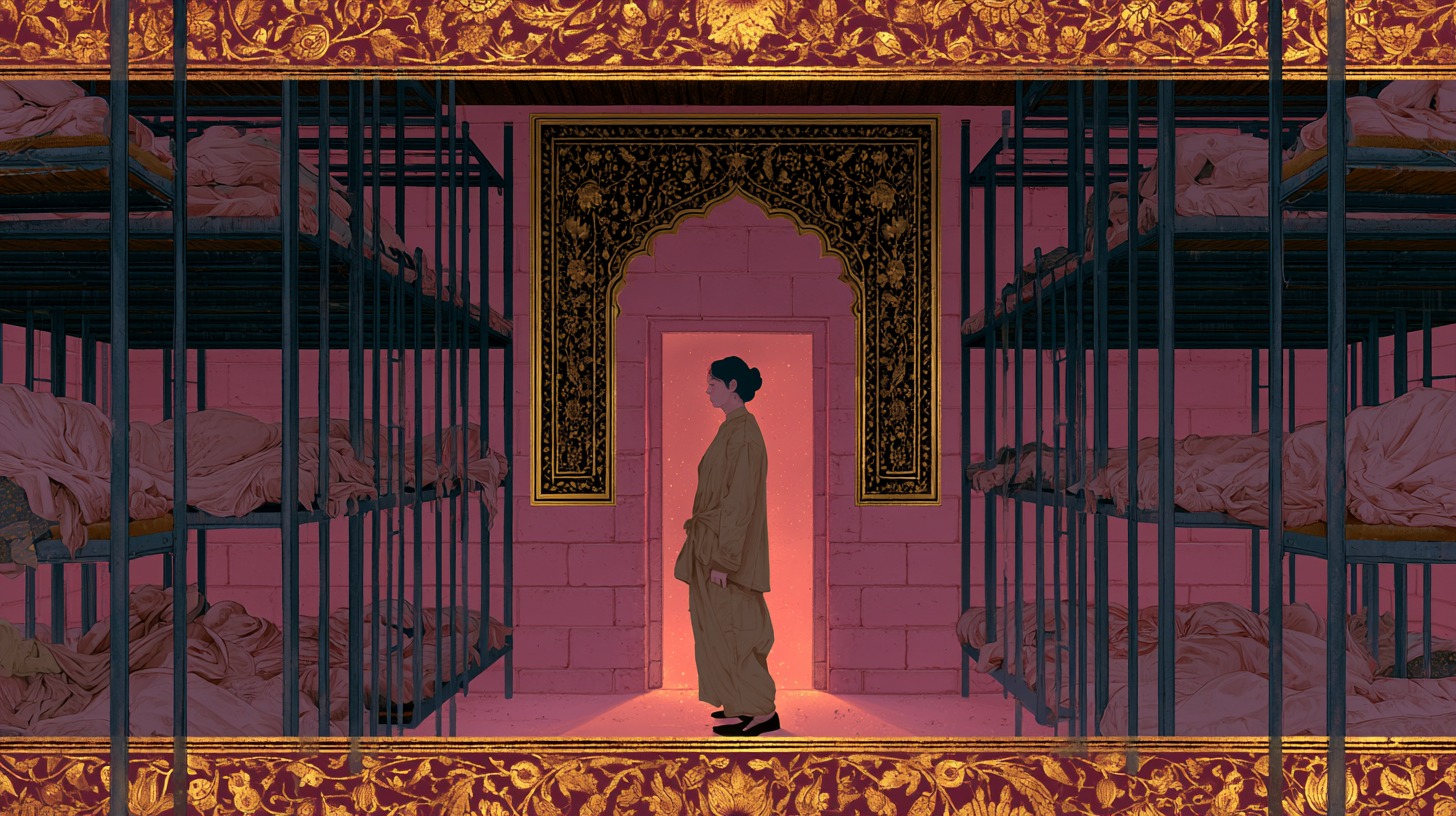
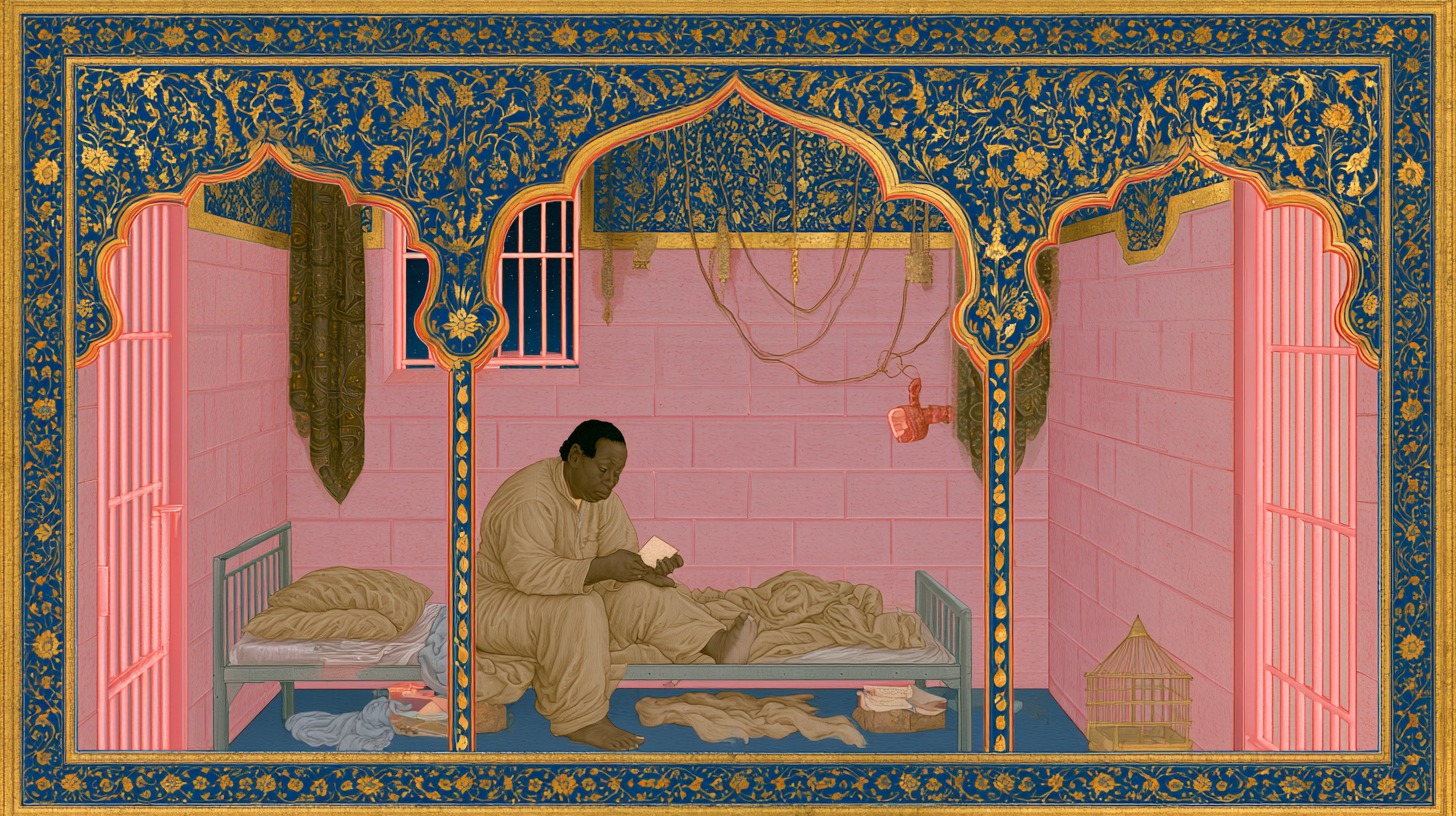
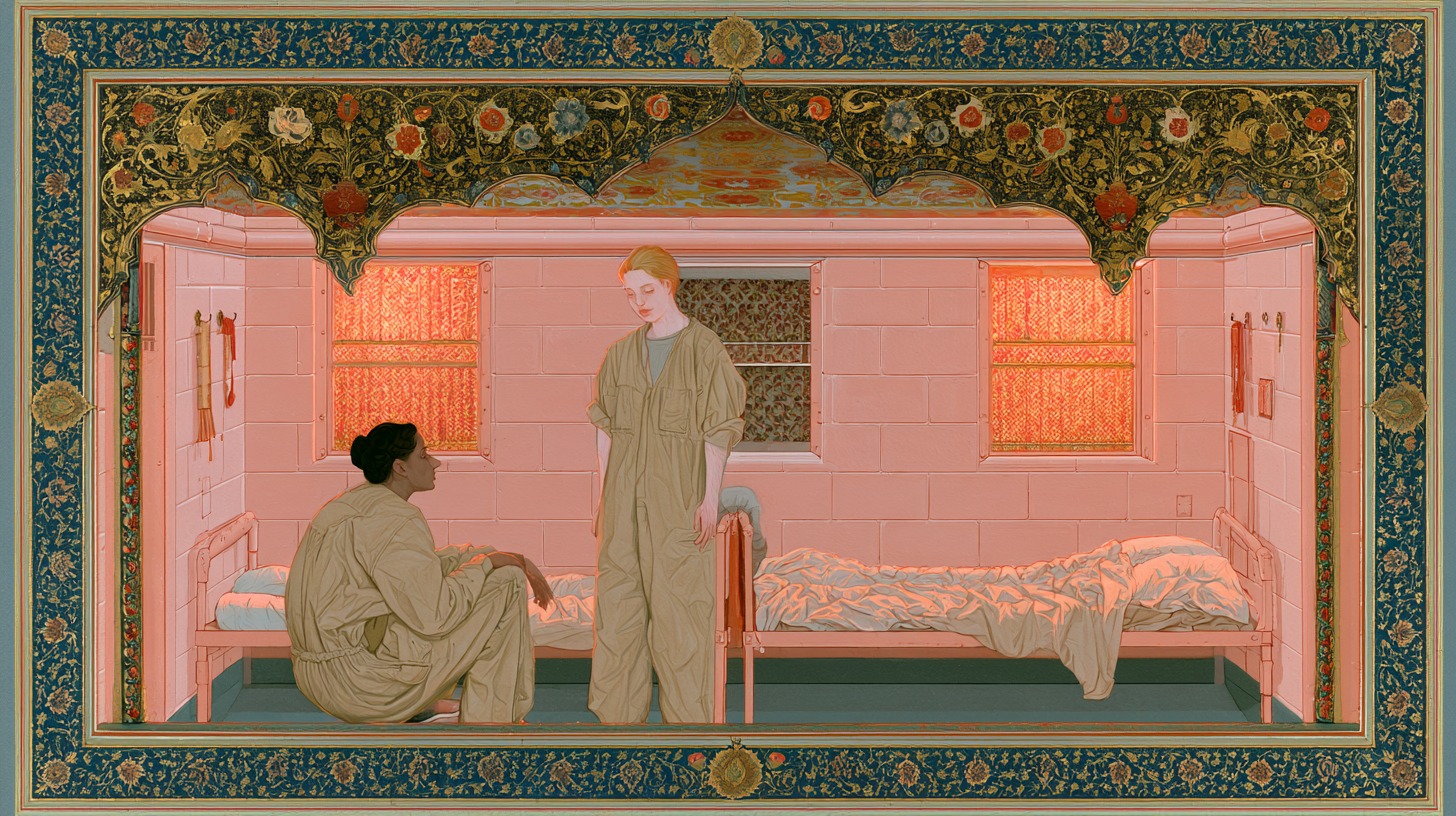
My favorite place right now is my little tented bunk—sheets clipped up to block the light,a thin foam pad on metal, a sweatpants pillow.Cozy, warm, sheltered.
My mind fills the space because there isn’t much space to fill.
I love it more than my very comfortable bed at home with the linen duvet and soft flannel sheets. Here, I have a weightless feeling—my yoke loose, my burden light.
The visions come in so powerfully.I keep visiting a basement.
Last night I felt as ifsomething were turning on inside of me.A familiar heat. Light pouring in.
I felt protected, like someone was standing guardso I could do the quiet, underground work I’m here to do: set a clear intention, then let the current move through it into the power of the women around me.
Then came a place I have not touched before, neither sleep nor meditation nor lucid dream; realer than real. I would call it distance-viewing.I was sky, watching myself on red earth.
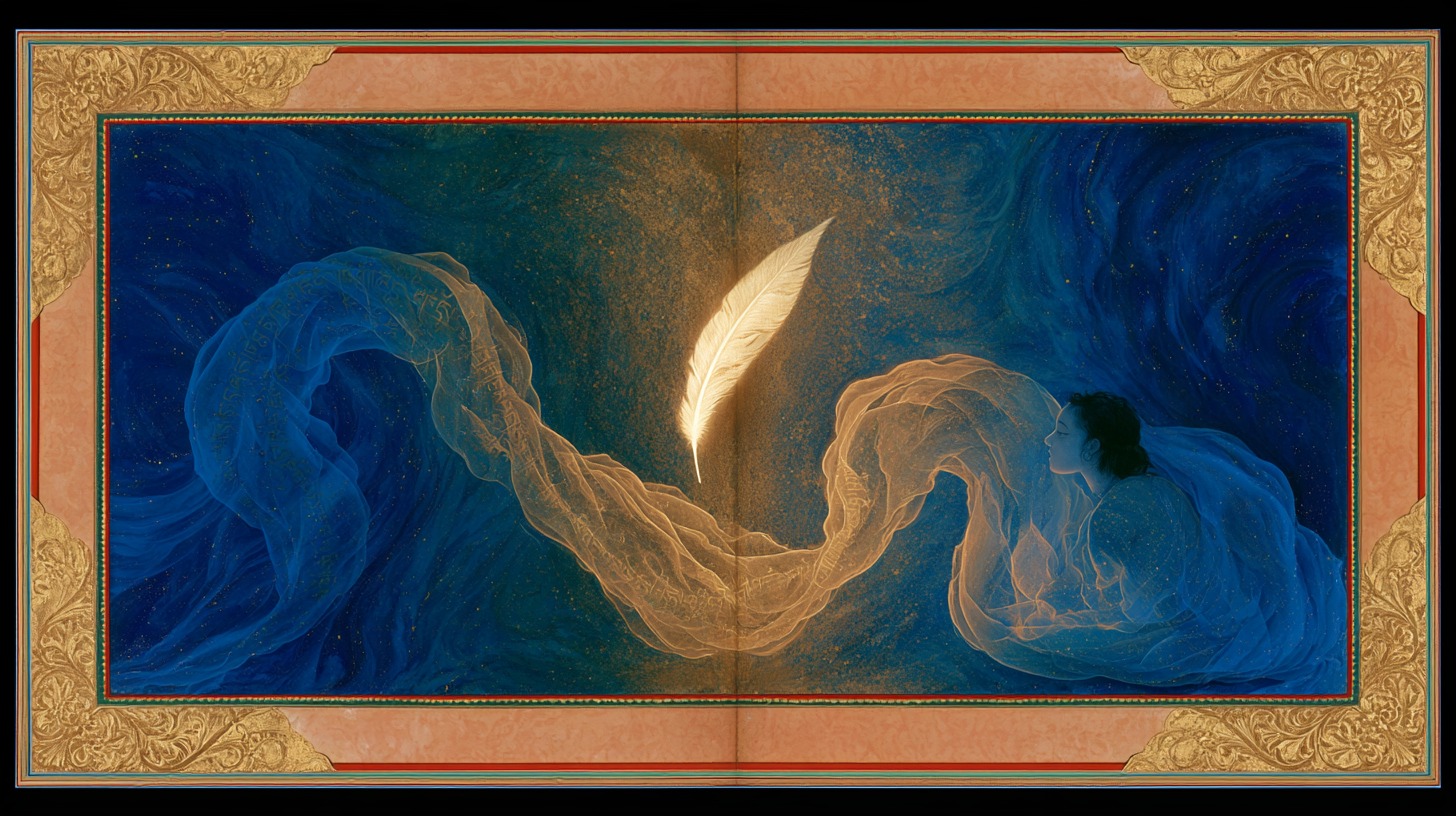
The Dalai Lama, the head of Tibetan Buddhism, pressed his forehead to mine.A current like a rainbow, not pastel but jewel-deep, poured into my mind.My whole being drank.
He pulled back with laughing eyes that seemed to say,“There, now is that not fun?”Not “You are okay,” not “This will be okay.” Something far beyond comfort. Play.
Like a little girl being tossed and caught by her father, I said, “Do it again.”He did, again and again, until doubt had no room left.
When he pulled away,I saw an indentation at his brow that matched mine.I understood it to mean this is available whenever I am available. Things are shaking loose from concepts.
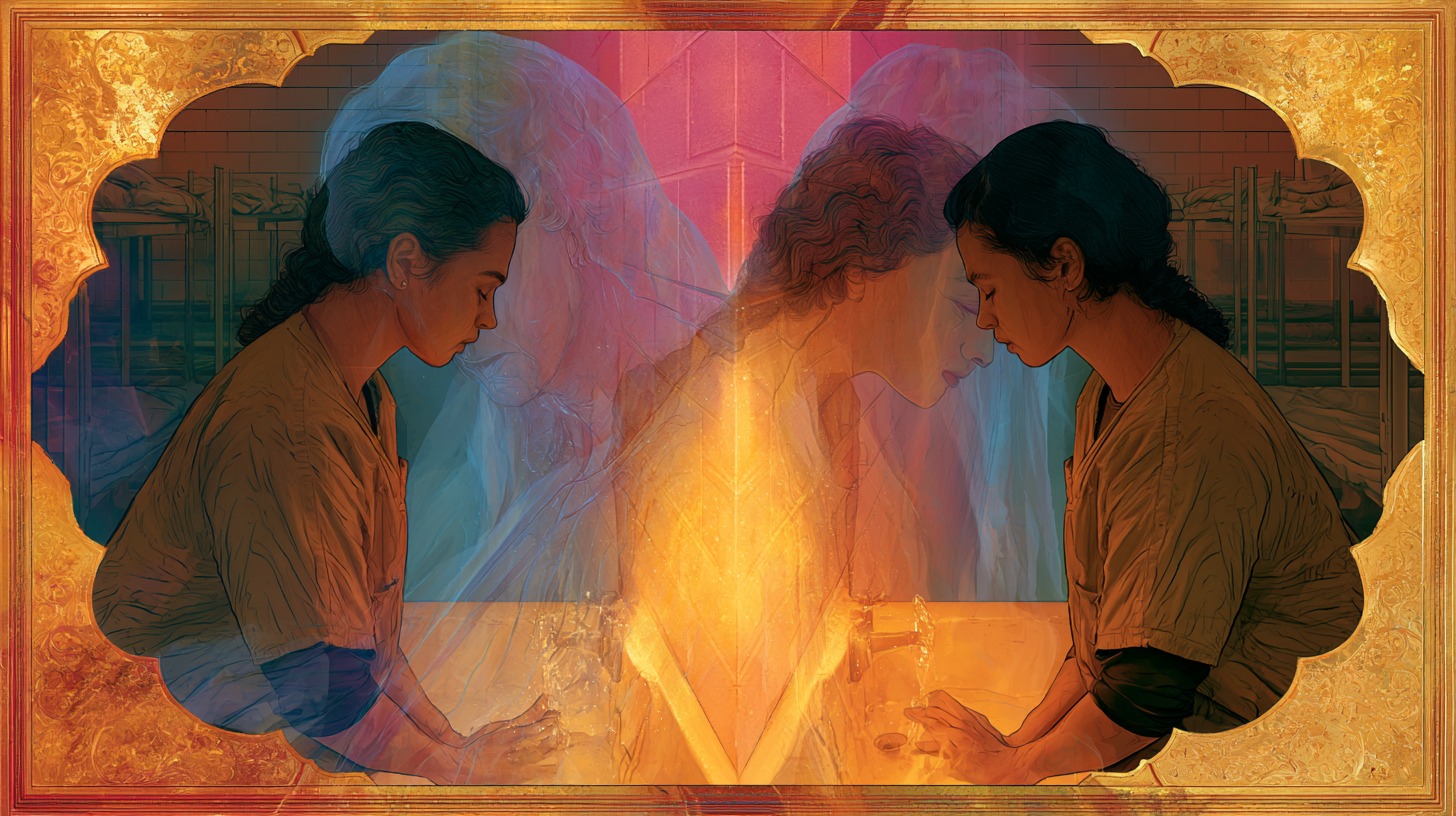
I was washing my hands and there was Janiya beside me at the sink. Suddenlythe face of my guide from an acid trip thirty years agowashed over hers.
In a flash I understood it in what felt like spherical time, a sense thatevents are stacked rather than lined up.
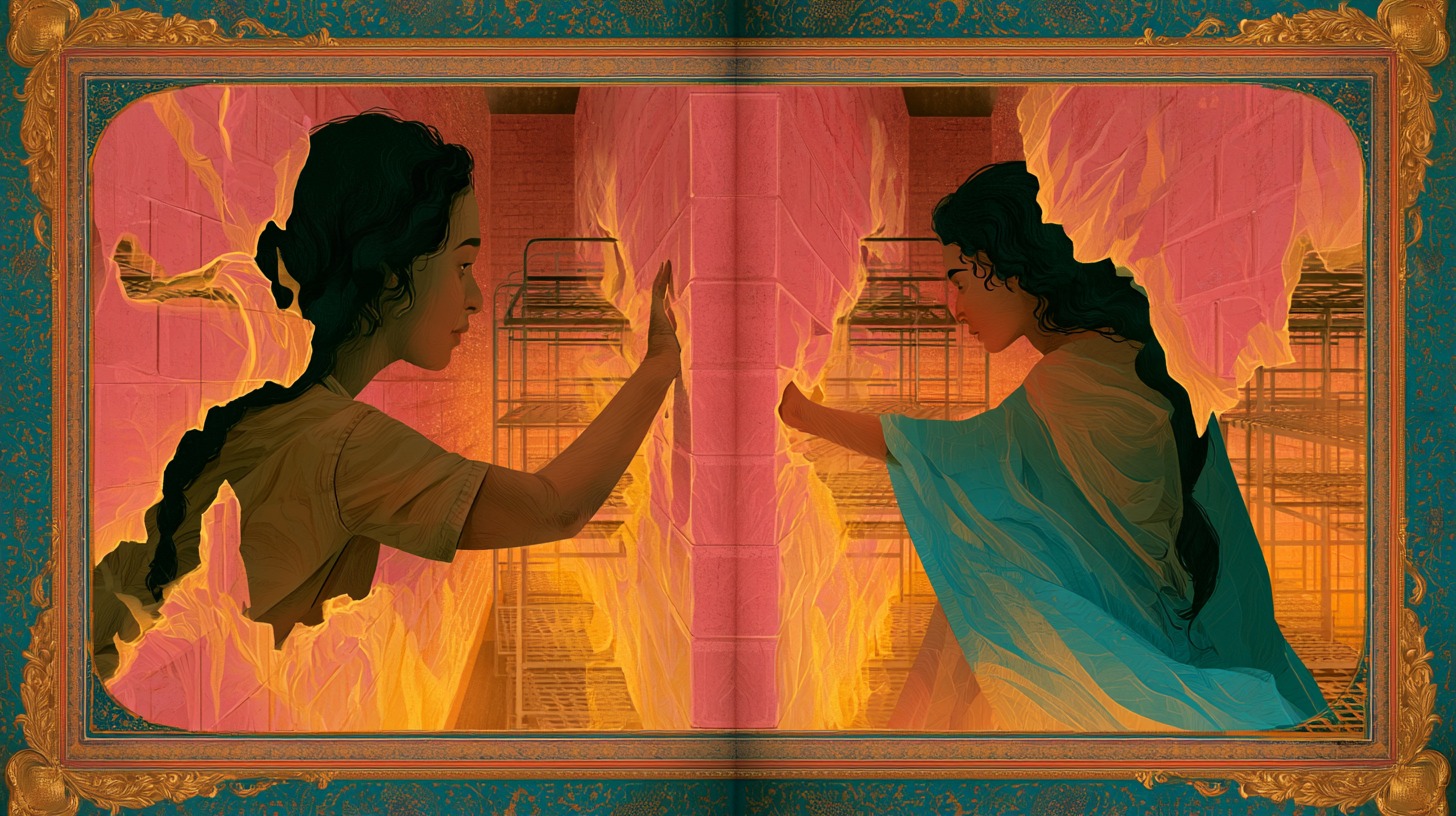
The pull to care for her now was part of the pull to learn then.Time and space dropped their cubicle walls.I also saw why people need preparation or they can lose their minds. The universe is generous.
It will show you everything.Everything, all at once, can drown you.This is why you work through the greed impulse that always wants more: more visions, more powers, more proof.
Yes, it is fun at another magnitude, butget tossed in the air enough times and you will vomit,no matter how much you laugh.
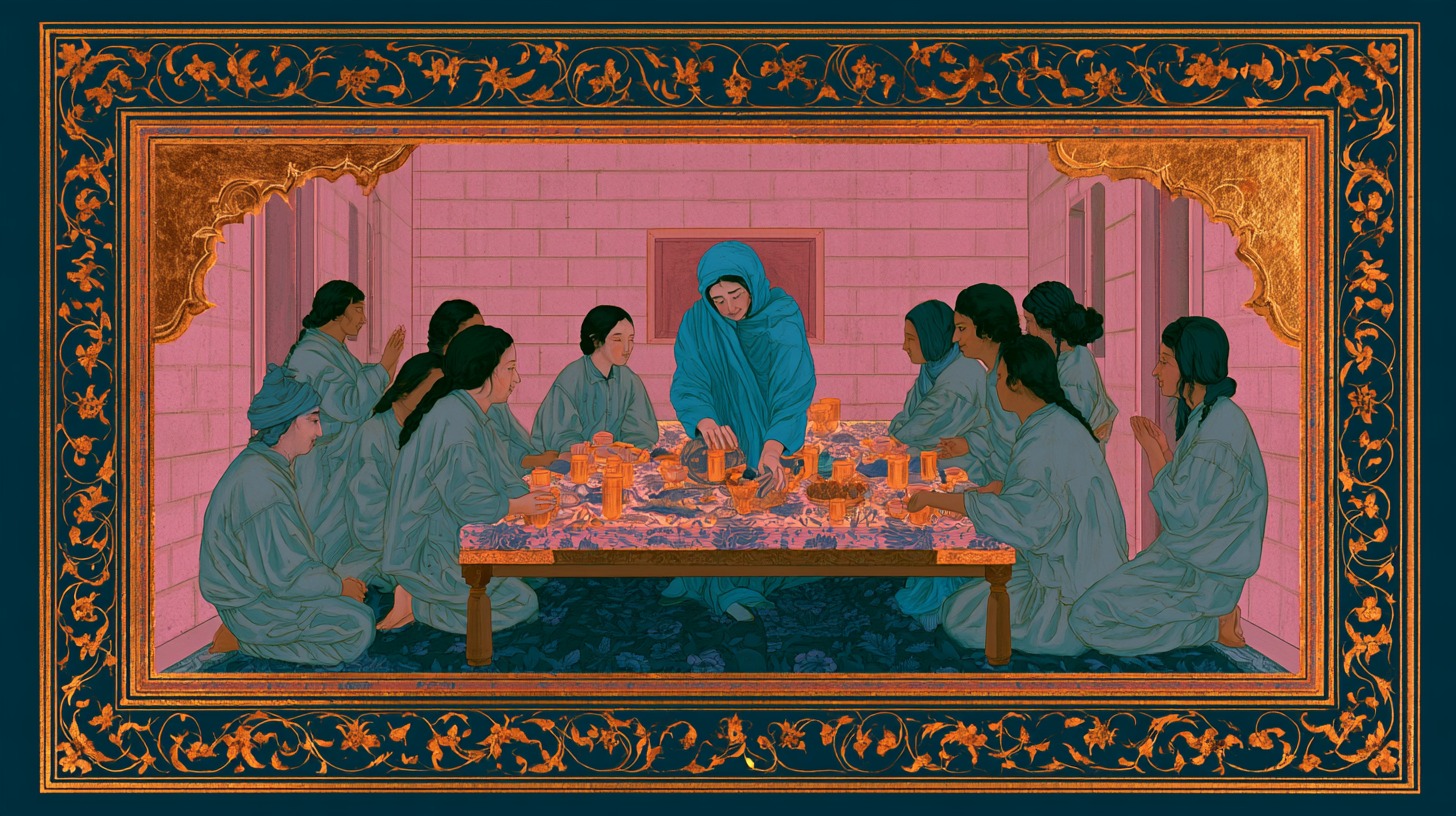
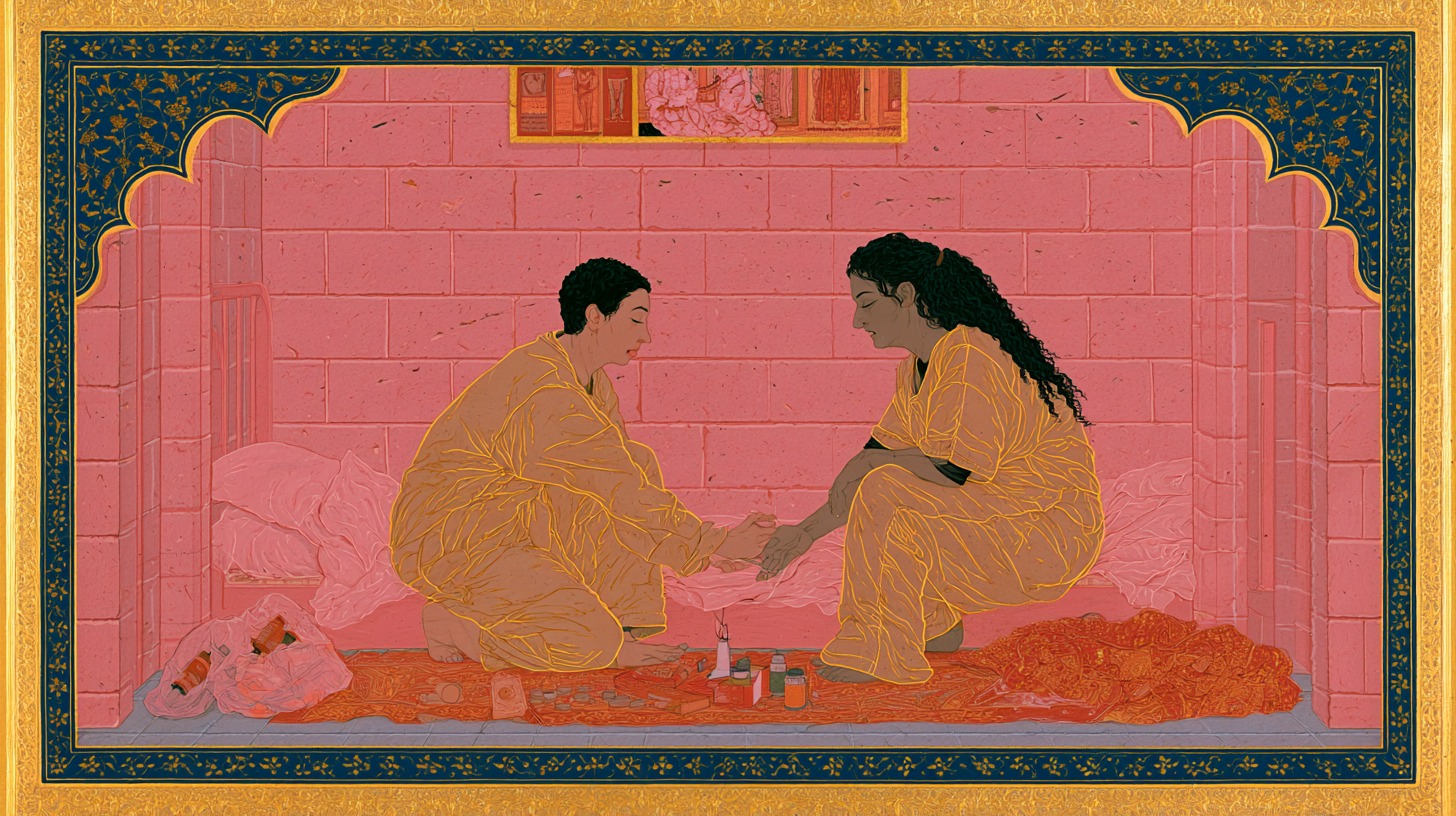
Then came another kind of beauty. Mari loaned us shorts and tea when we first arrived and had nothing. She is the de facto chef,presiding at a central table where a cohort gathers.
She remixes whatever we are served into something edible. Spiced chicken gets washed and re-seasoned. Hard potatoes become mashed.Questionable coleslaw gets rinsed and turned into tuna cakes.
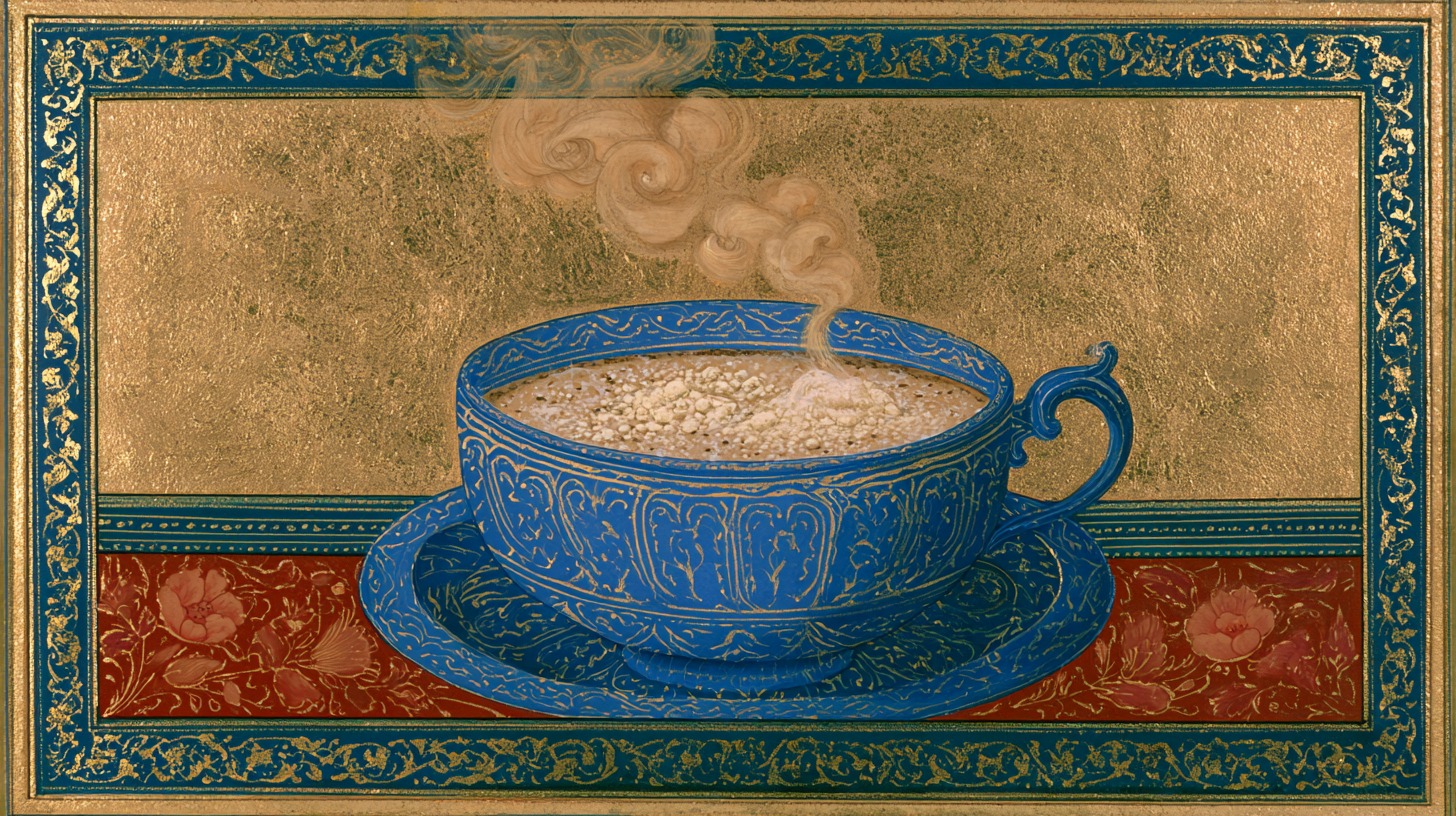
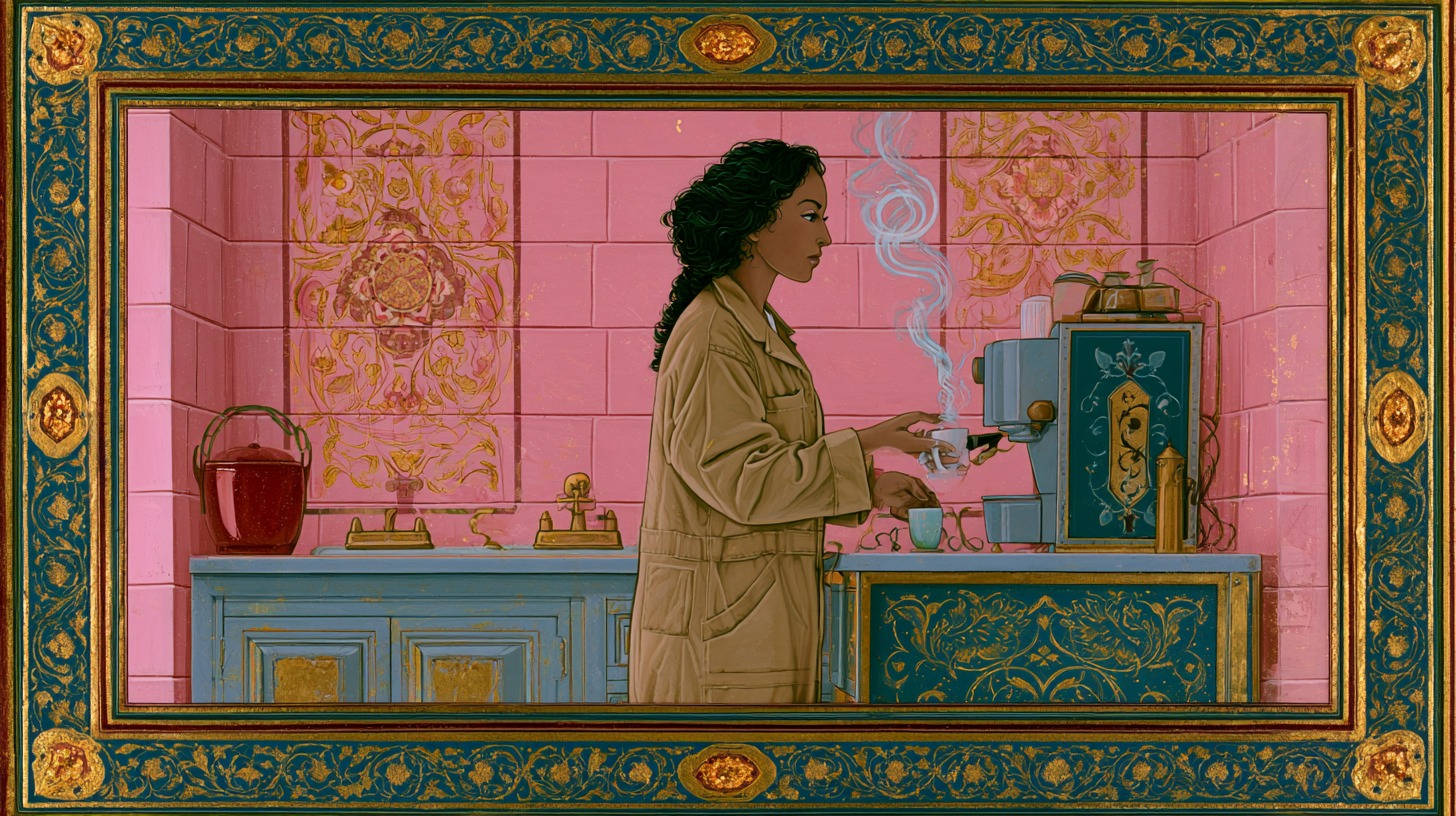
She is not specifically tender to us, more a sideways curiosity.Mari is famous for cappuccinos.
When someone returns from court without bail, or when Royal’s back is aching and she cannot get out of bed,the cappuccino appears.
The fact that it is basically sugar, instant coffee, and powdered creamer is beside the point.It has sweetness, energy, and something that passes for milk.
I have watchedwomen make the pilgrimage to her bunk and leave revived, alive.Rachel and I owed her for the tea.
We also wanted to thank her forthe way she takes care of this place.
We brought her a trio:coffee, cappuccino mix, and creamer.“No, you guys, I cannot,” she said, which is exactly how the generous act when you try to repay them.
Prison economics matter, so I named everyone who had helped us and said this was for the table, not for her alone.“You look out for all of us,”the women said from their bunks.
Her melting melted us.Giving really is addictive. What had been cool turned warm. The night I had the Dalai Lama dream, I woke around three in the morning to pee.
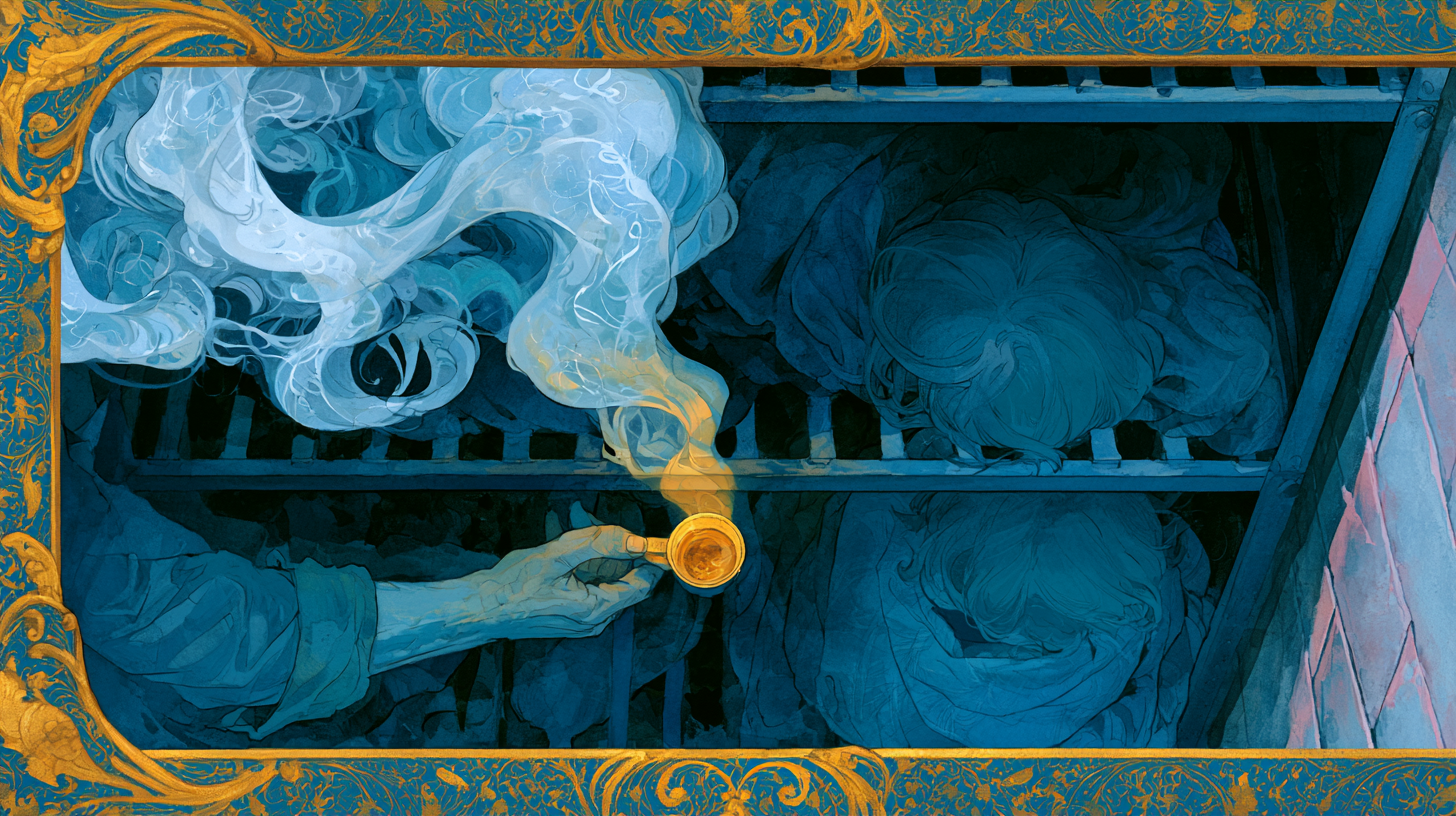
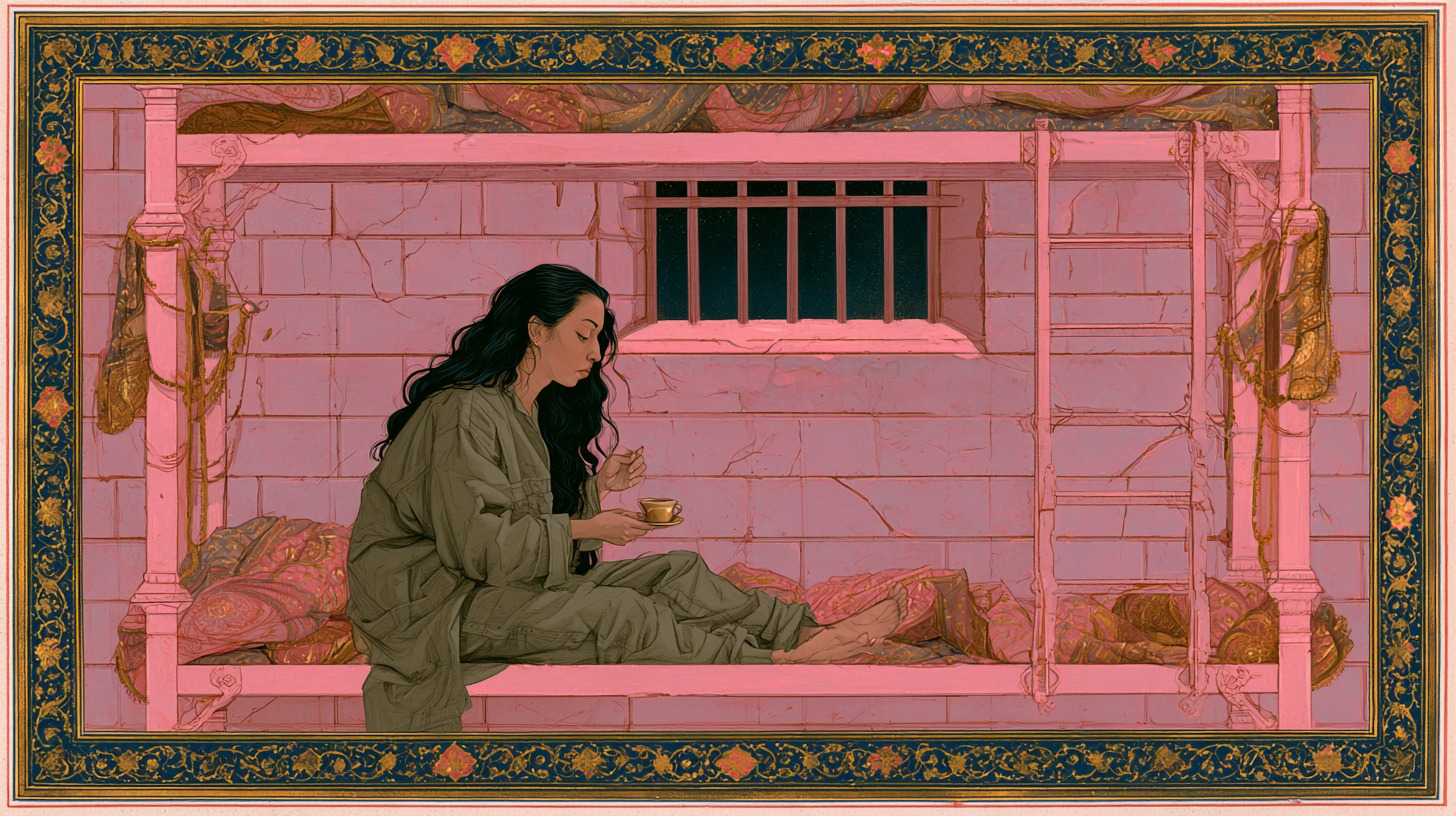
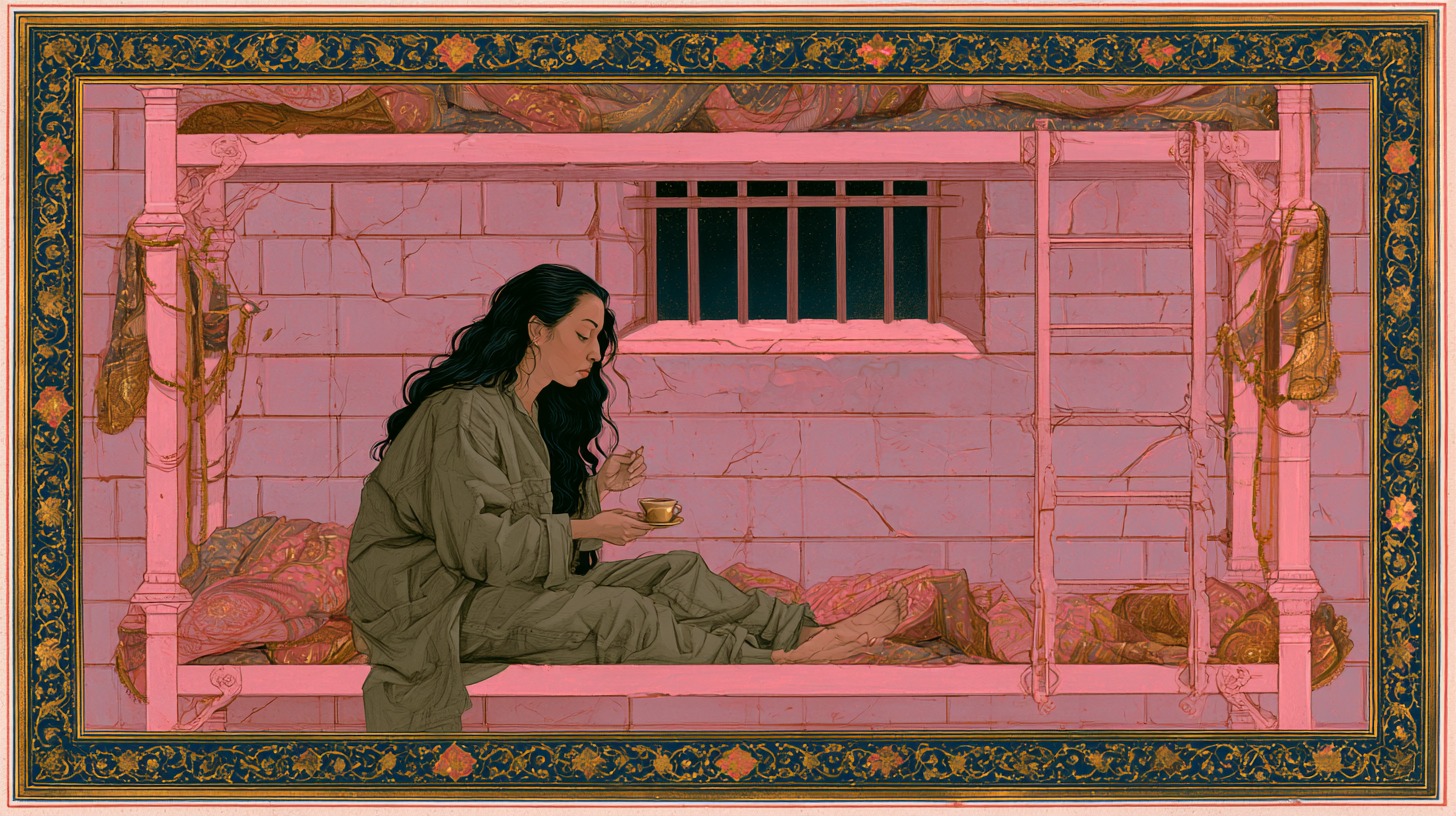
On the way back I saw an Indian woman sitting on her bed with tea. She was about my age withlong, thick black hair, onyx eyes,a subtle head tilt.
She looked like an apparition,terrified on her first night inside.Luciana sat with her, offering the same gentle reassurance she had gifted me when Rachel and I had first arrived to MDC.
When I woke again two hours later, I took over for Luci,letting her slip away to her bunkfor some well-earned sleep.
I offered the woman a Nutri-Grain barI had saved from a minister’s visit the previous Sunday. “No, that is your food,” she tried to refuse.
I handed it to her anyway and watchedthe kind of gratitude you only see in places like this,where nothing is wasted. She spoke of her children and her fear.
She was in her fifties, detained, andworried she would not get her heart medication.
She repeated that she had to tell her daughter she was safe. “Om tara tuttare ture soha,” I recited without thinking,a Buddhist mantra for compassion I’ve practiced for years.
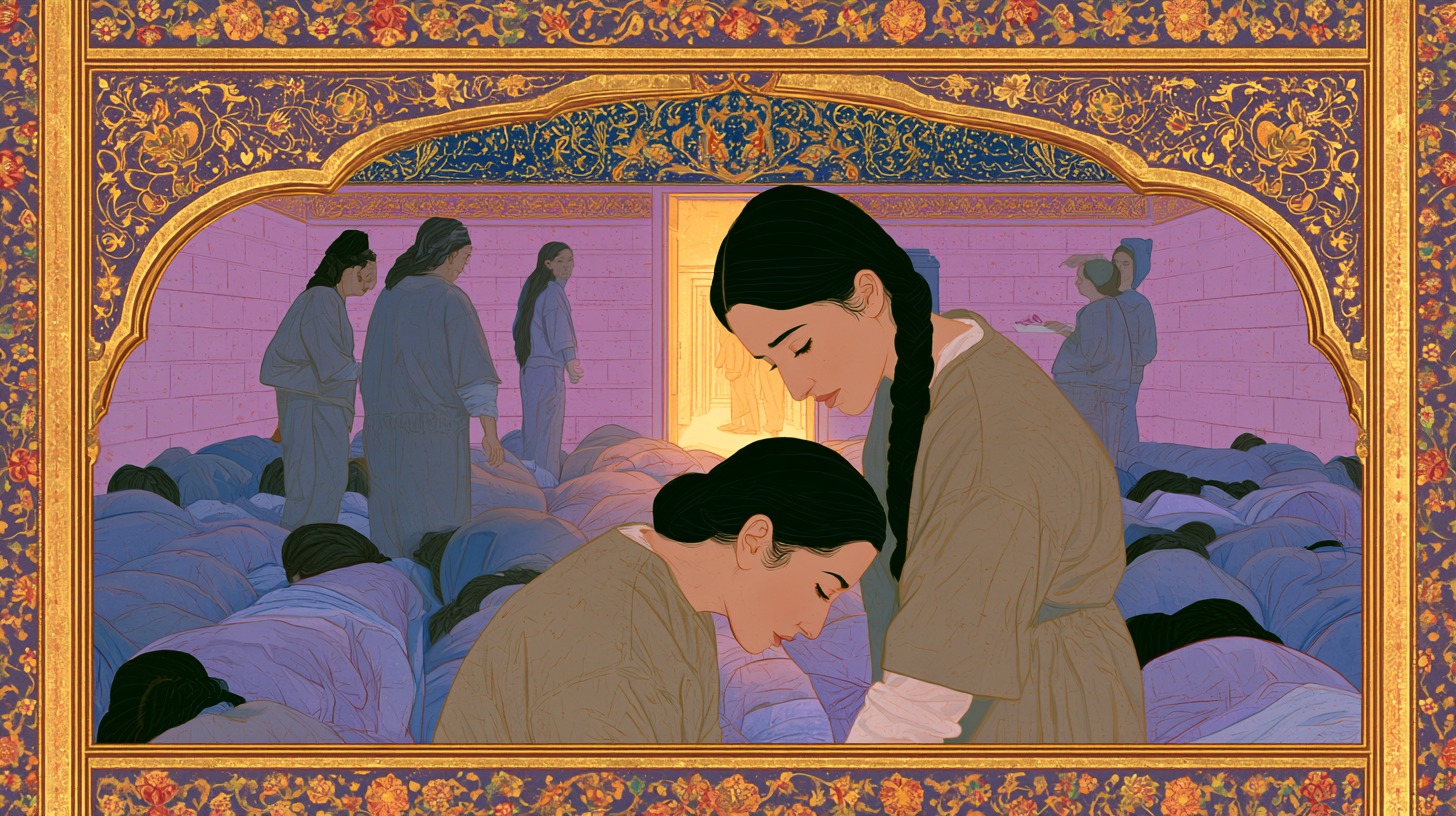
Her eyes lit. “You are Buddhist,” she said. I told her I practice deeply. “Namaste,” she said, hands together to say the traditional Indian welcome.“I taught my grandson namaste.
The divine bowing to each other,” as relief washed over her face; something familiar in a foreign room. But panic crept back into her expression.“Please, I must tell my daughter I am okay.”
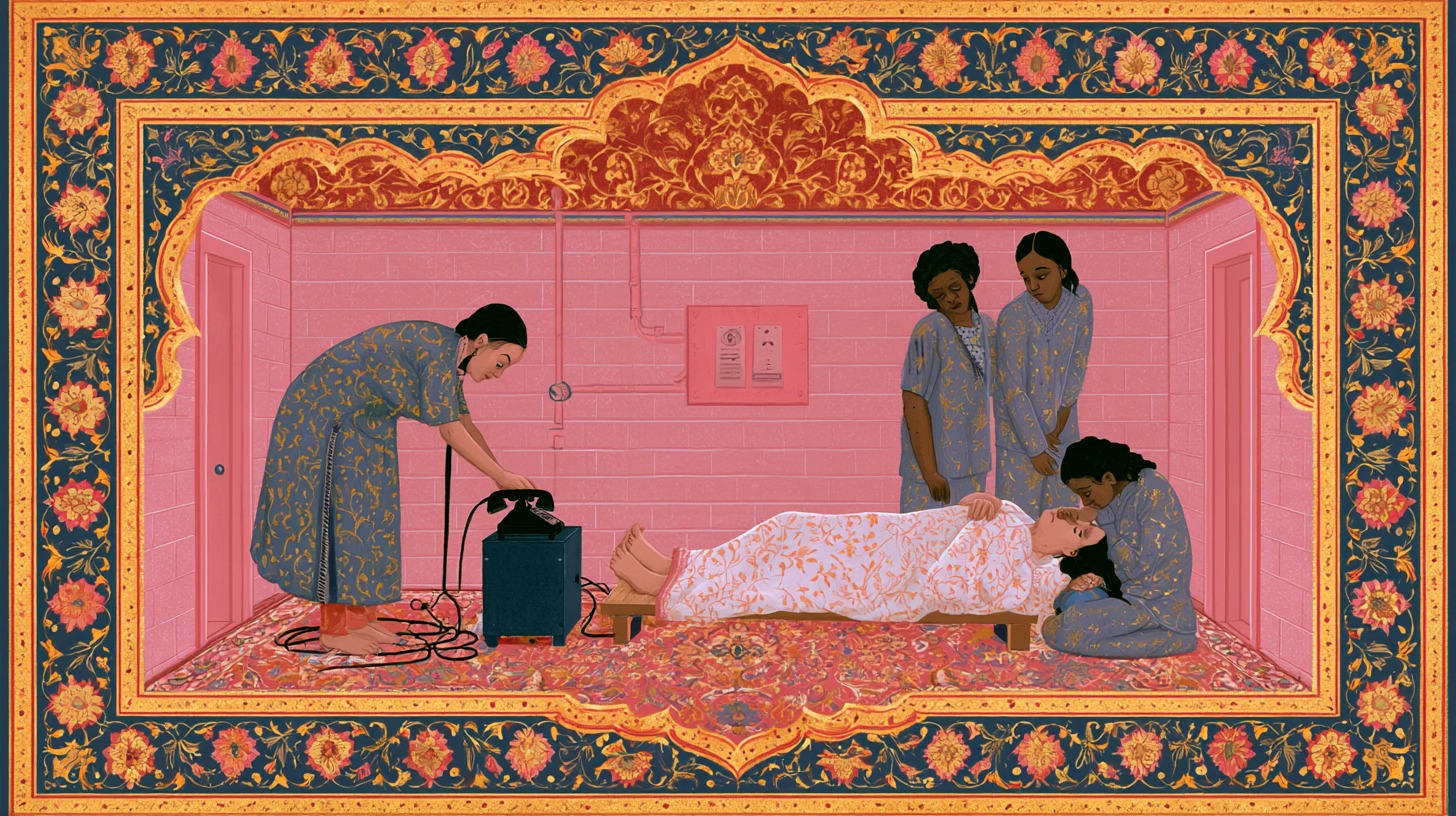
We promised she could email at six when the computers opened, and encouraged her to rest so she would be steady for her daughter.At 6:04, she was beside me, pale and shaking.“I am dizzy.
I did not get my heart medication.” She started toward Luciana,who had been on night shift.
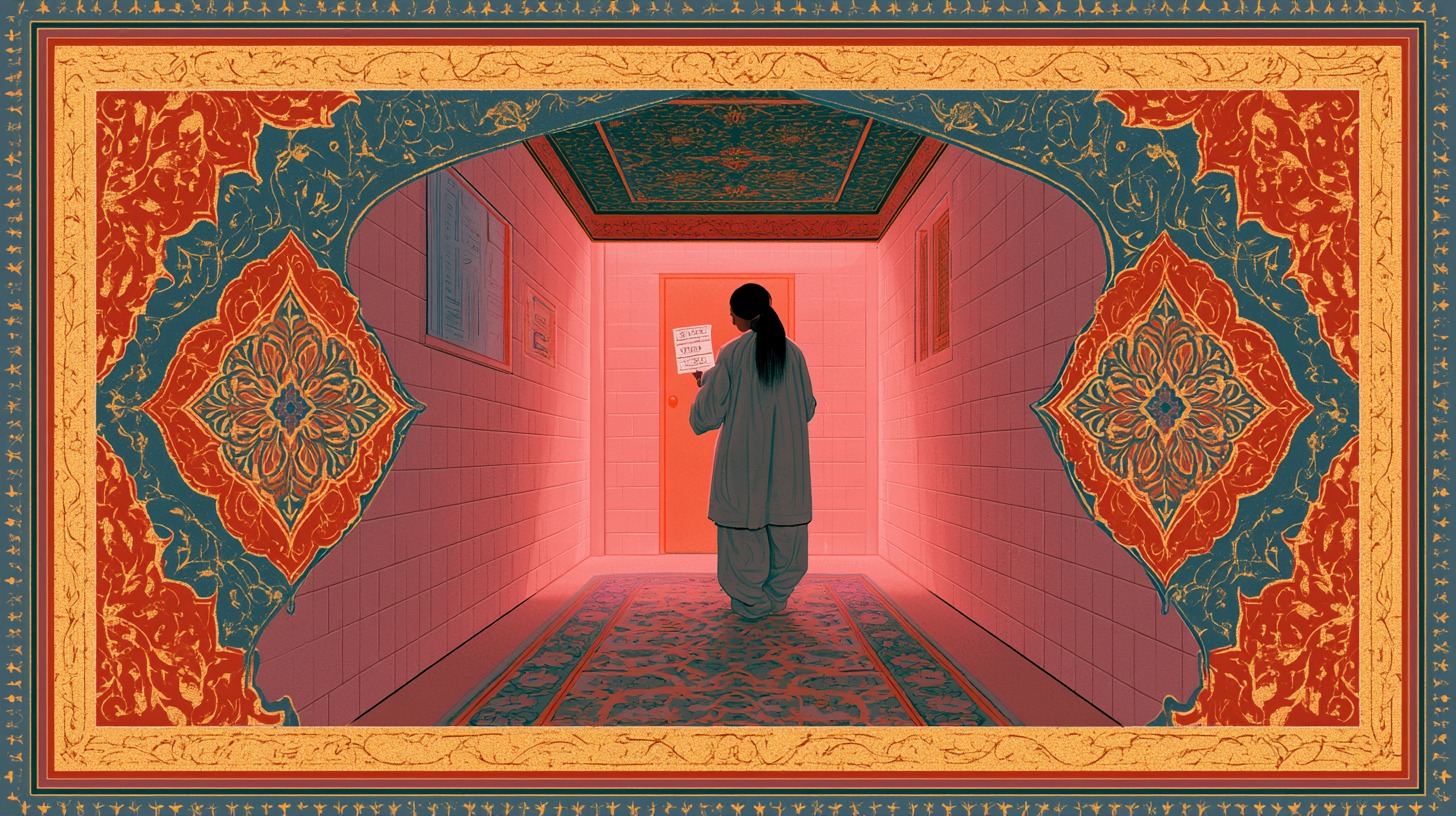
I asked her to let Luciana sleep while I took her name and Bureau of Prisons number to the officer.There is a ritual here.
You stand by the office door until you catch a guard’s eye. You say “excuse me” andwait for any sign that you can proceed.Some guards hold you there, a dominance dance.
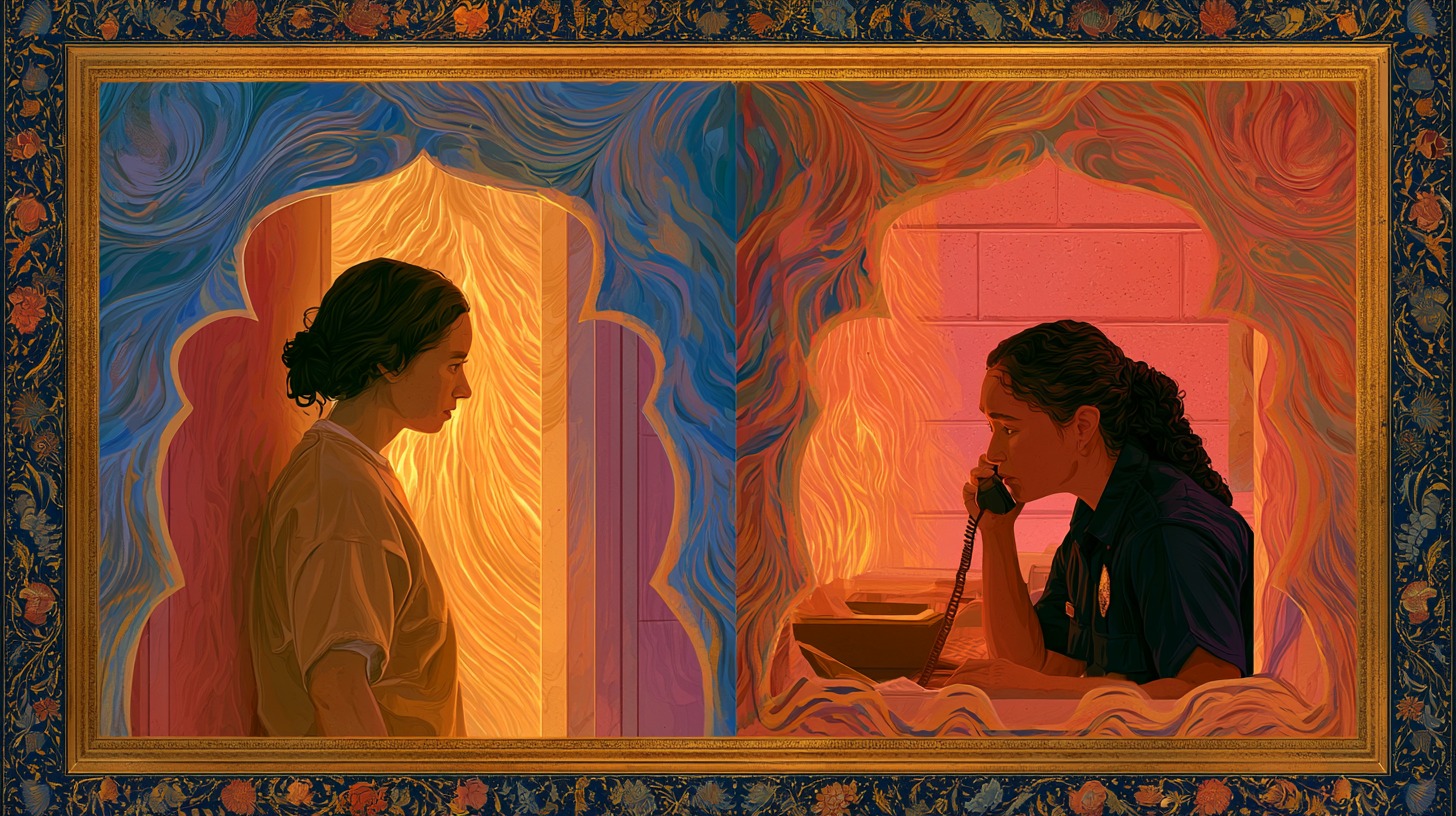
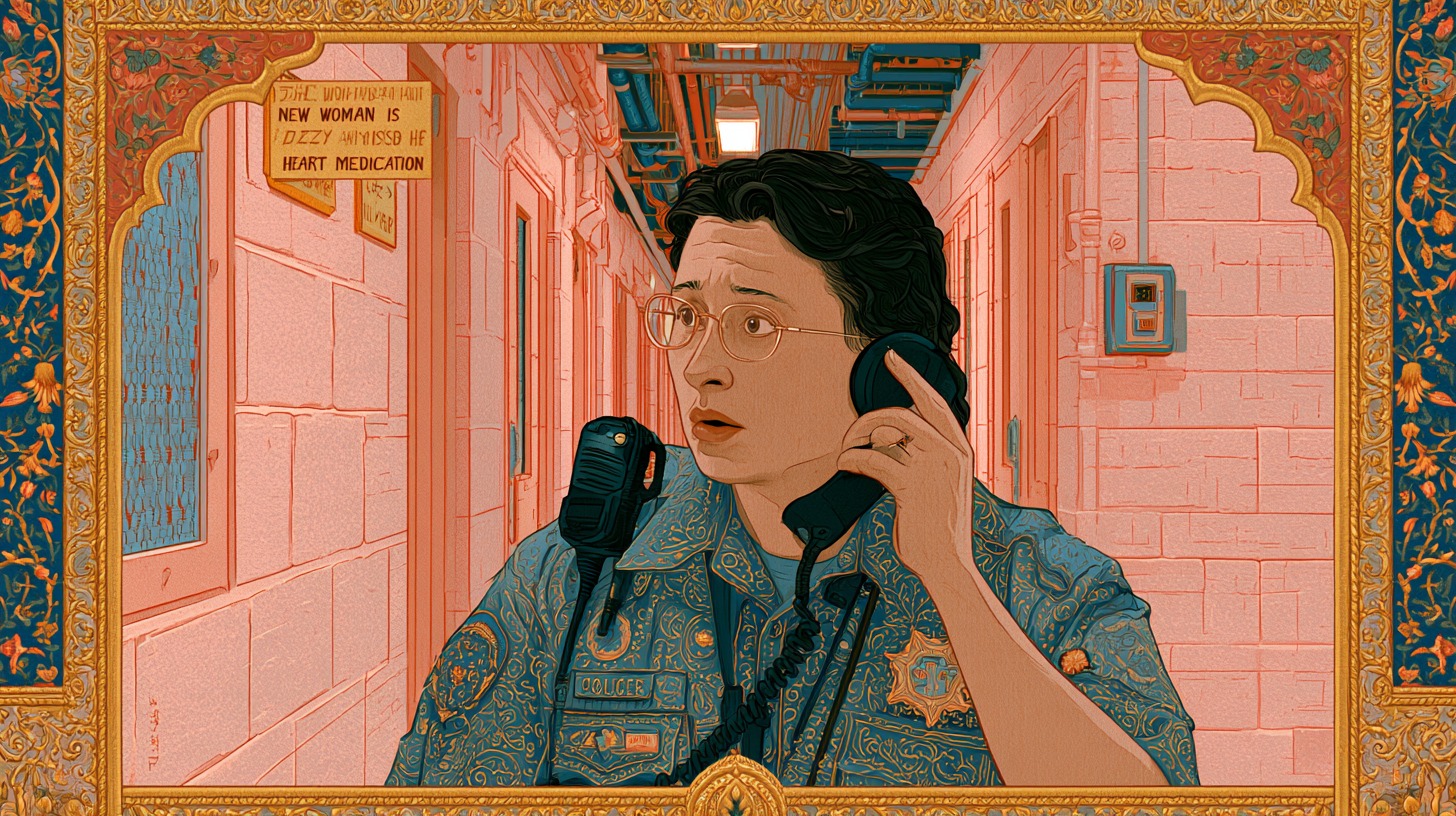
This one met me with open eyes. “The new woman is dizzy and says she did not get her heart meds.”Genuine concern crossed the guard’s face.
She picked up the phone. For a moment there were no roles,just two women caring about a third.
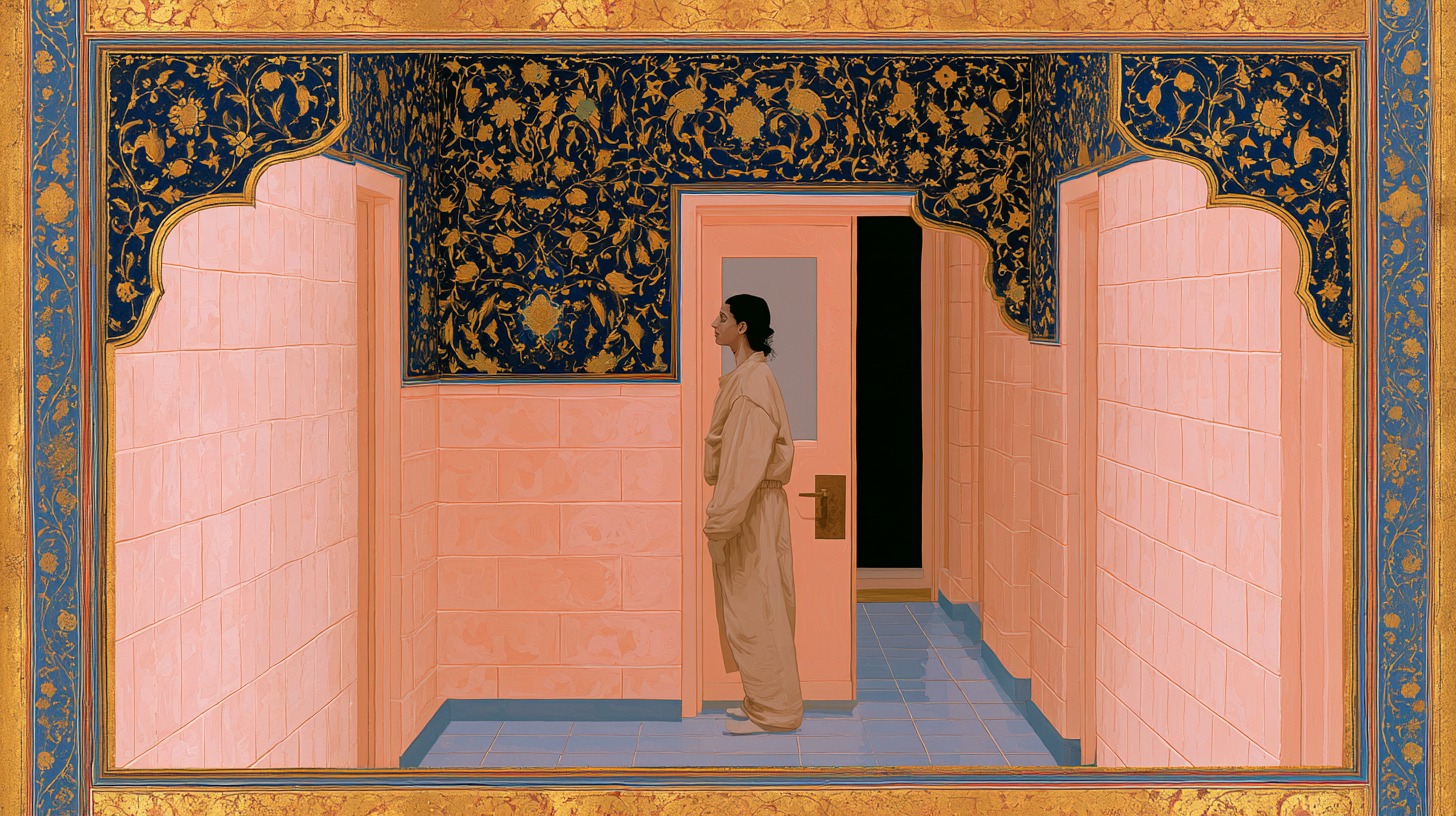
I left before the spell could break.An hour later, they called the woman’s name. She froze. I moved toward the hallway and said, “It is just the office.
I can see the door from here.” Her eyes were saucers.“Please tell my daughter.”“I will,” I said. The unknown was dragging old terrors into the room.
I promised what I could promise, which is that she would talk with staff andthey would get her the medication,maybe not immediately, but they would.
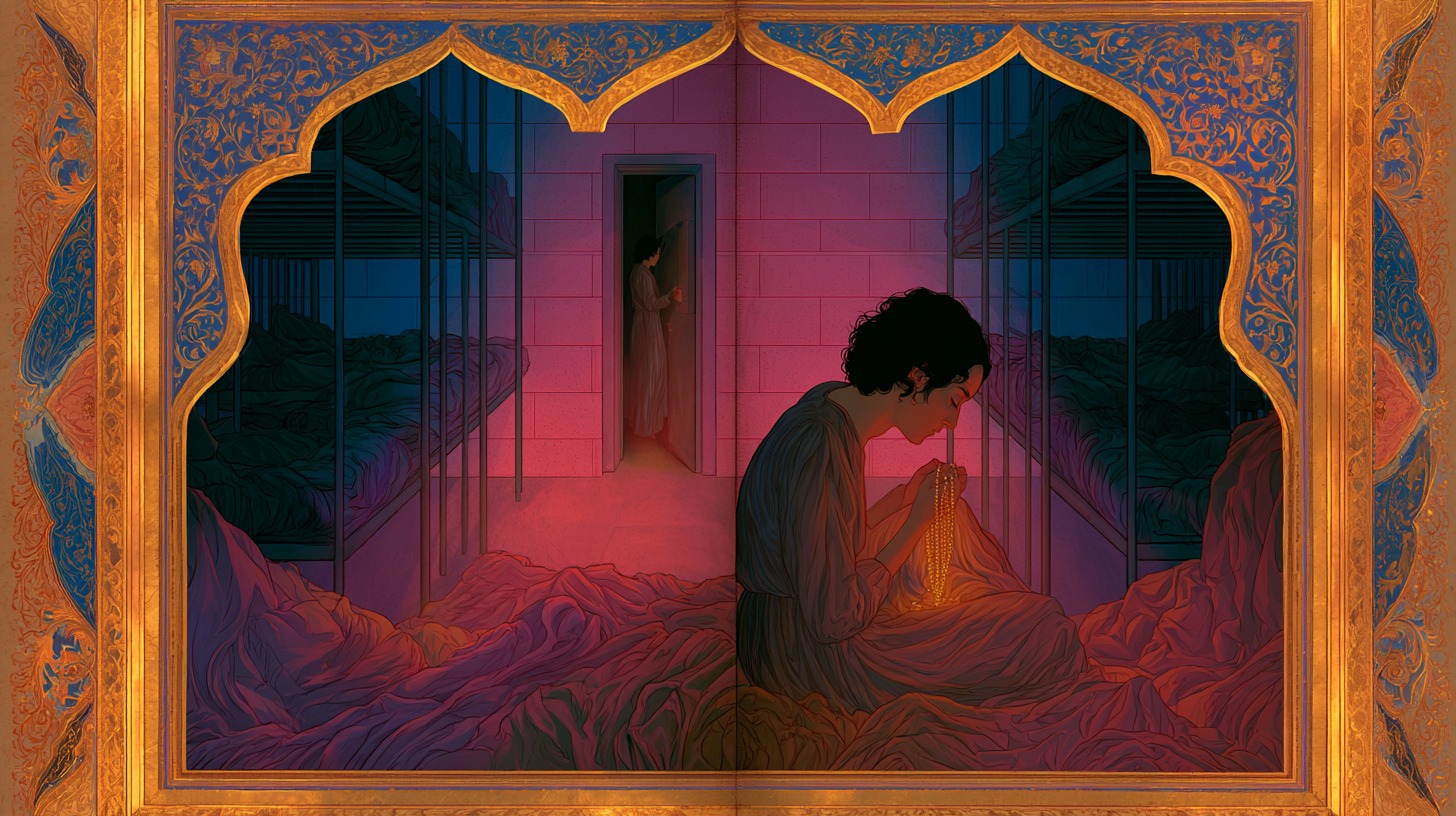
She met my eyes and decided to trust. After she walked away with the guard,I began praying again.
I picked up borrowed rosary beads, fifty-four beads that I count twice to 108, the traditional number in Tibetan Buddhism,repeating the compassion mantra silently.