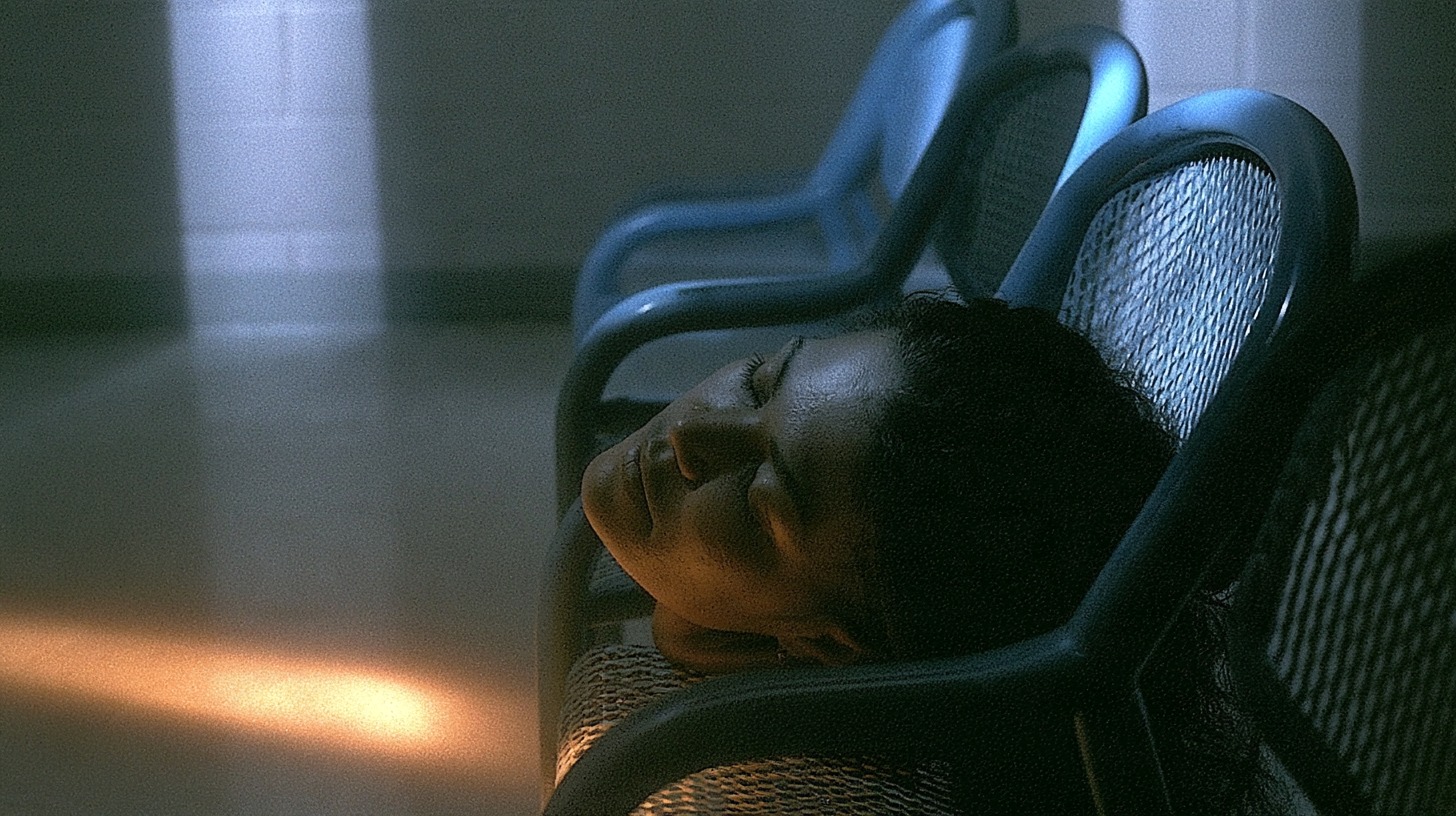
M DC Brooklyn is a detention center,a rest stop before or after sentencing,people on their way in or on their way out.
Think Times Square subway: everyone headed somewhere else.Some women are almost out and you can feel their lift.
Others arrive stunned—no cup, no toothbrush, no sweatshirt in the freezing air—waiting to be “picked up” by guides who will show themhow to survive the first hours.
Faces run the spectrum: open sobbing you can’t stop, orthe ones who get strong fast and get in the game.
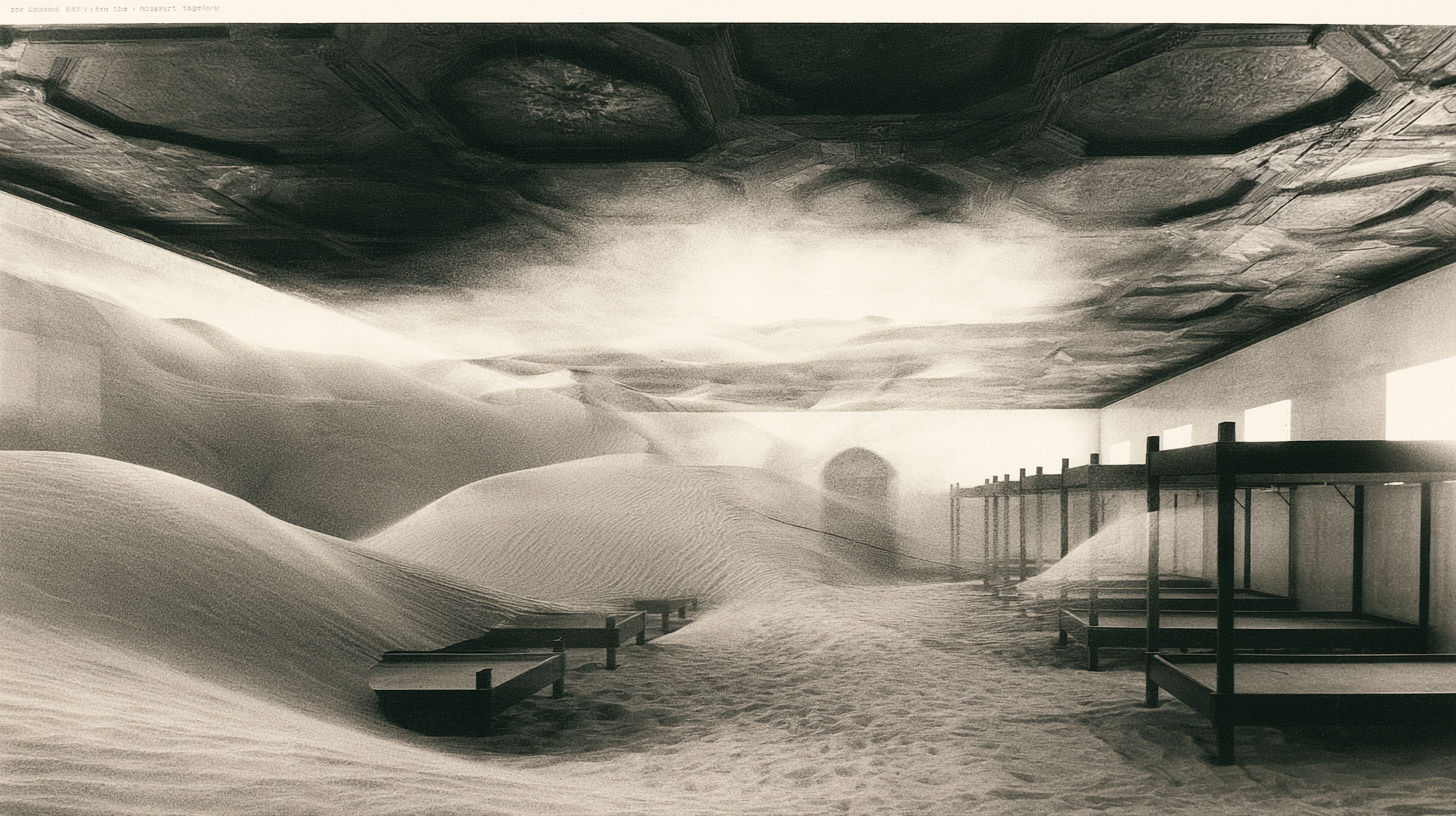
Life here is a radical practice in non-attachment, married with deep intimacy. We are all in the desert together—each woman wrestling with her attorney, her family, herself.Suffering, here, is the great equalizer.
Community helps, and so does any training that teaches you how to be alone with yourself. Retreats. Recovery rooms. Communal living.Prison is the extreme version of all of it.
It makesthe insanity of clinging and pushing away painfully clear,then dissolves both fast— because the consequences for grasping or fighting are amplified.
I’ve lost count of how many identities have fallen off. Each one gone is a relief. Around here it’s simple:Let go or get dragged.
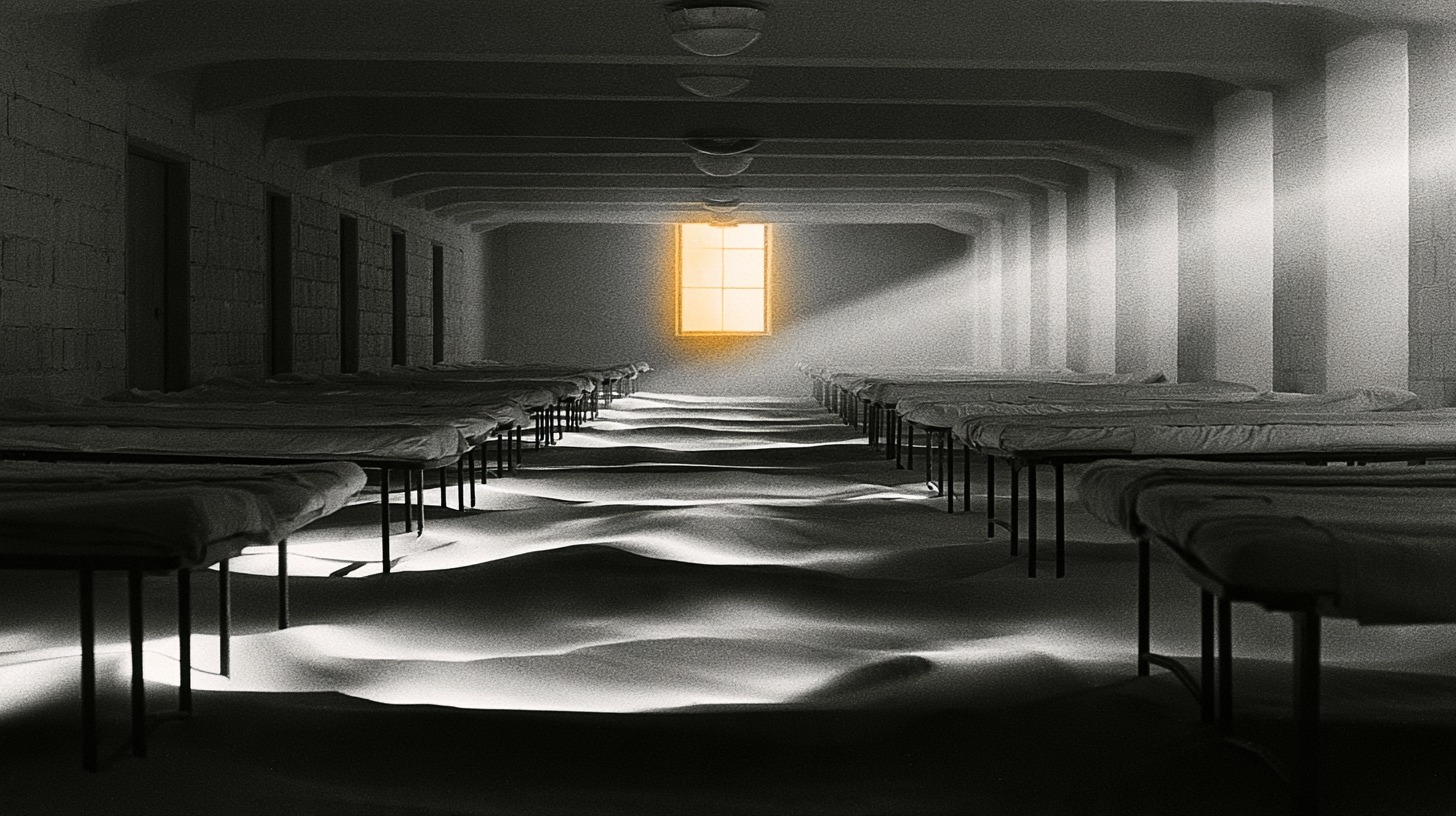
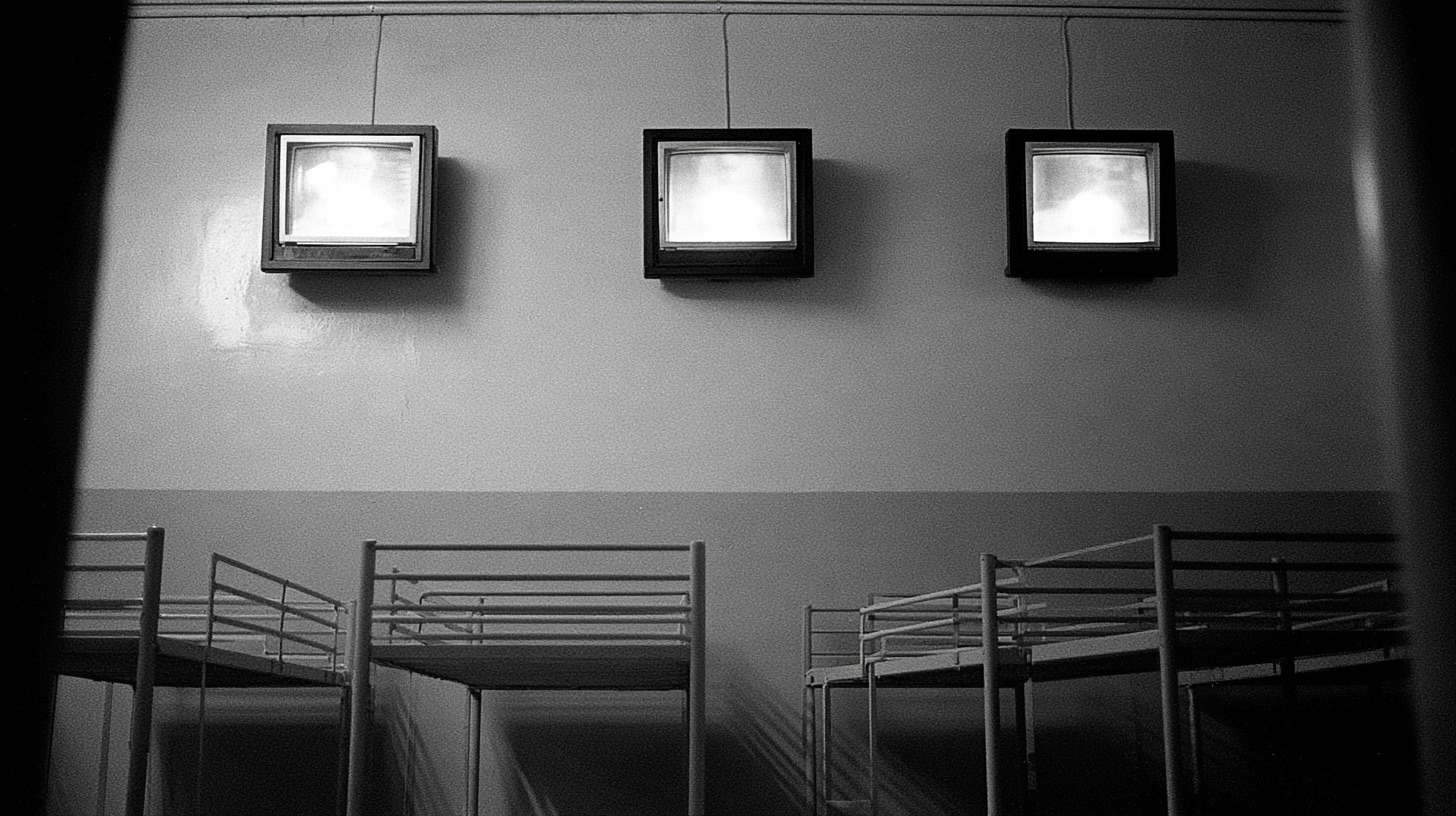
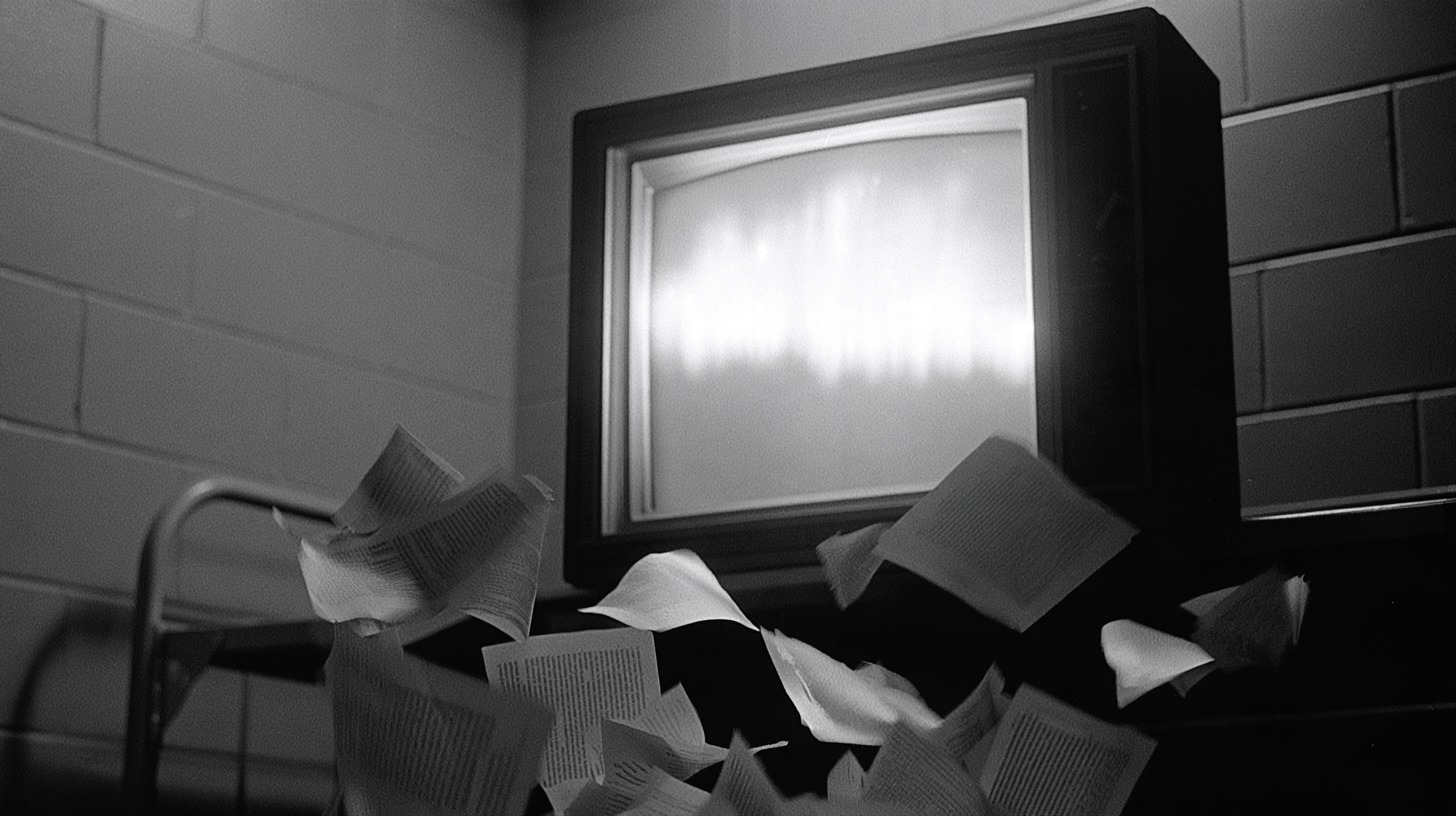
The physical world is stripped to the studs.Three TVs face the bunks, and the commercials look absurd against the real lives on either side of me—
the shampoo sparkle effect playing while I talk through a bunk to Carlaabout sentencing and whether she’ll ever get another shot on the outside.
Thirty-five years old with a whole lifetime lived in lockdown. The news anchors look contoured and airbrushed.The drama on-screen is a thin swap for the alivenessthat shows up when you drop pretense.
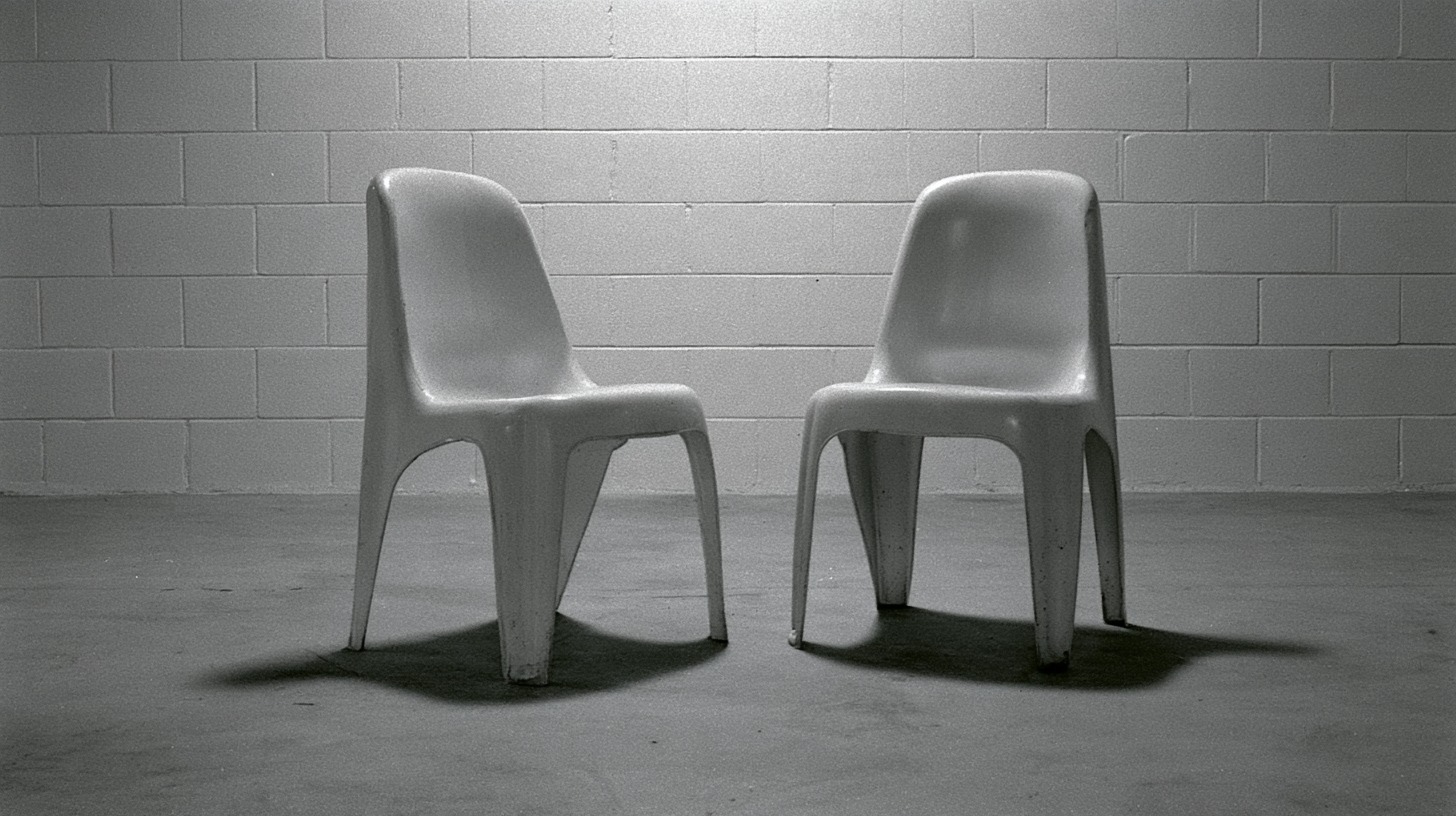
There’s no insulation—no pillows or quiet or cozy.You sneak small delights where you can.
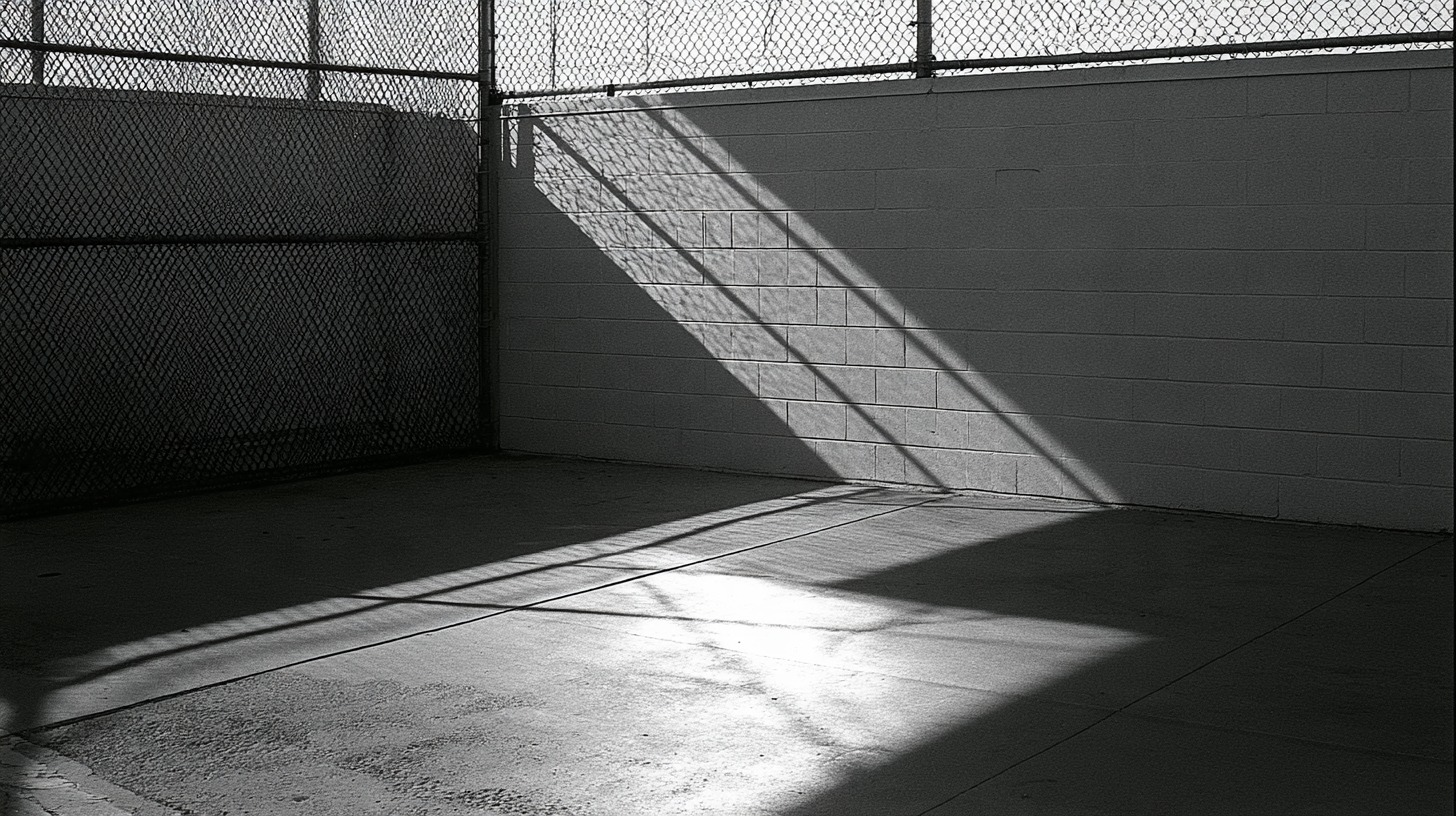
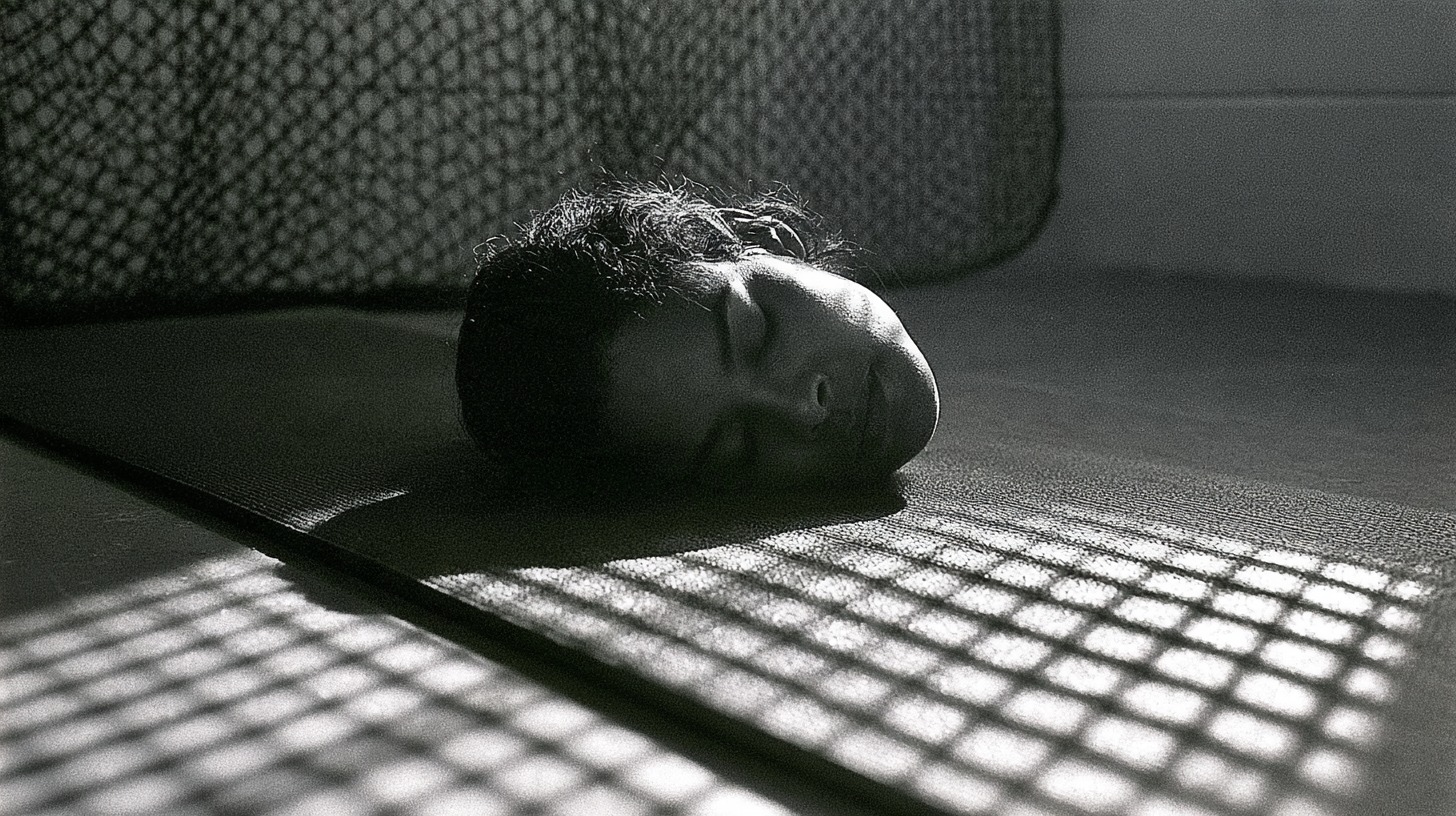
On the rec deck, a cement slab behind heavy metal mesh,you can sometimes catch sunlight.
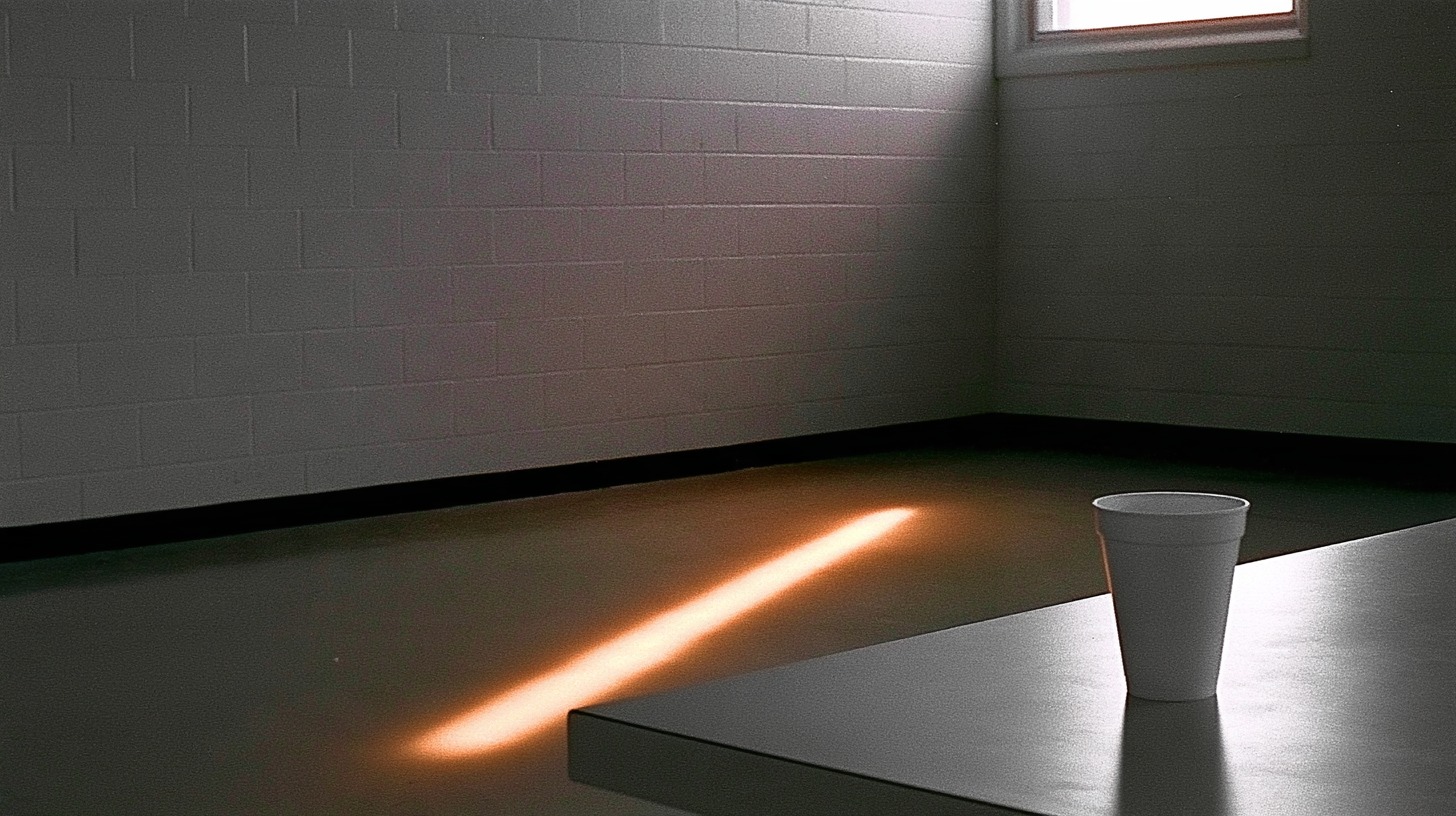
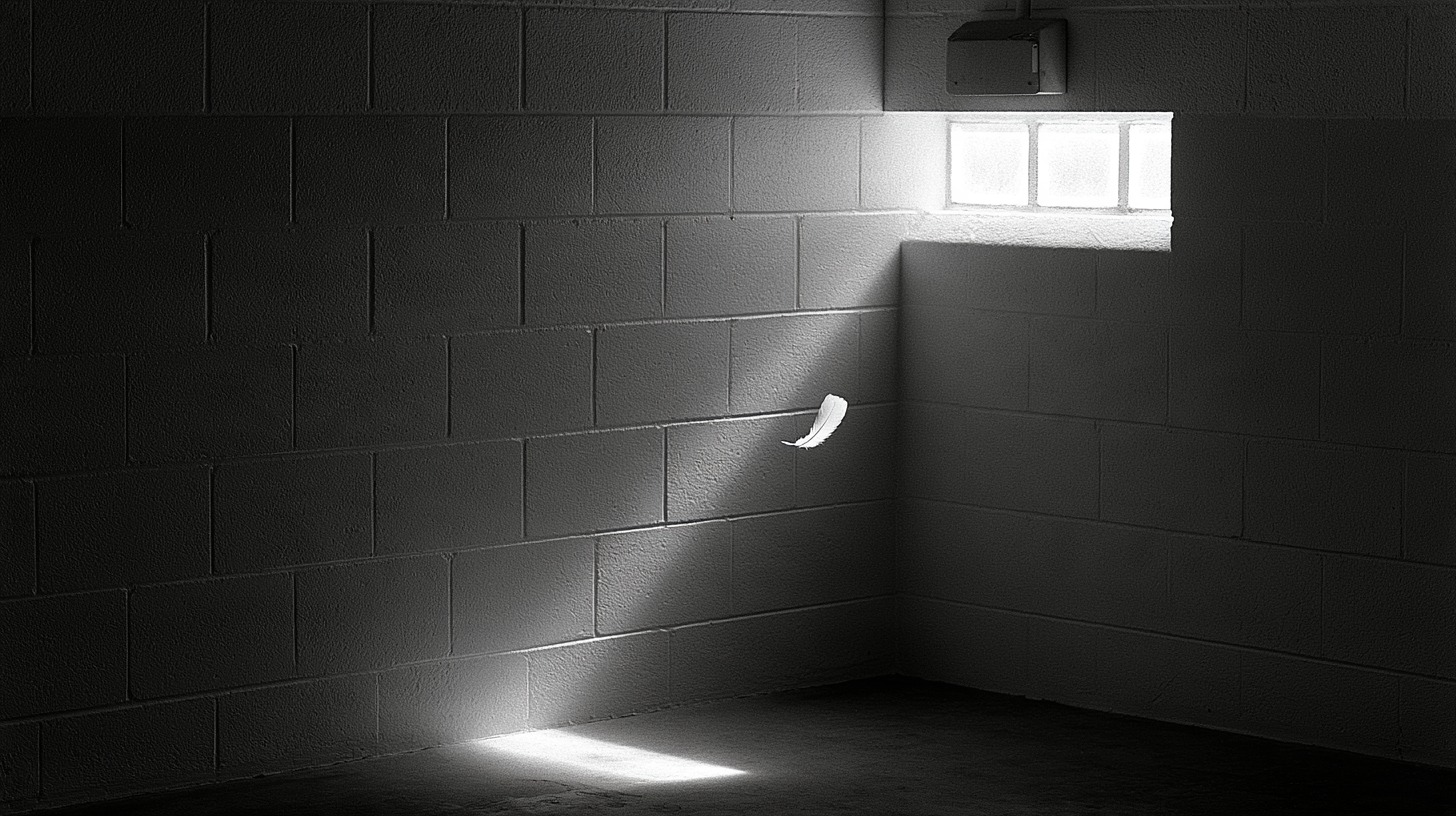
If you go at the perfect time—around two—you can lie on a mat with your head against the gate andthe sun will touch your face for half an hour.
The mats have bird droppings even after we wipe them down, ants march in formation, women are screaming, and the heavy door booms louder than thunder, butthat slice of sun feeds something starved.
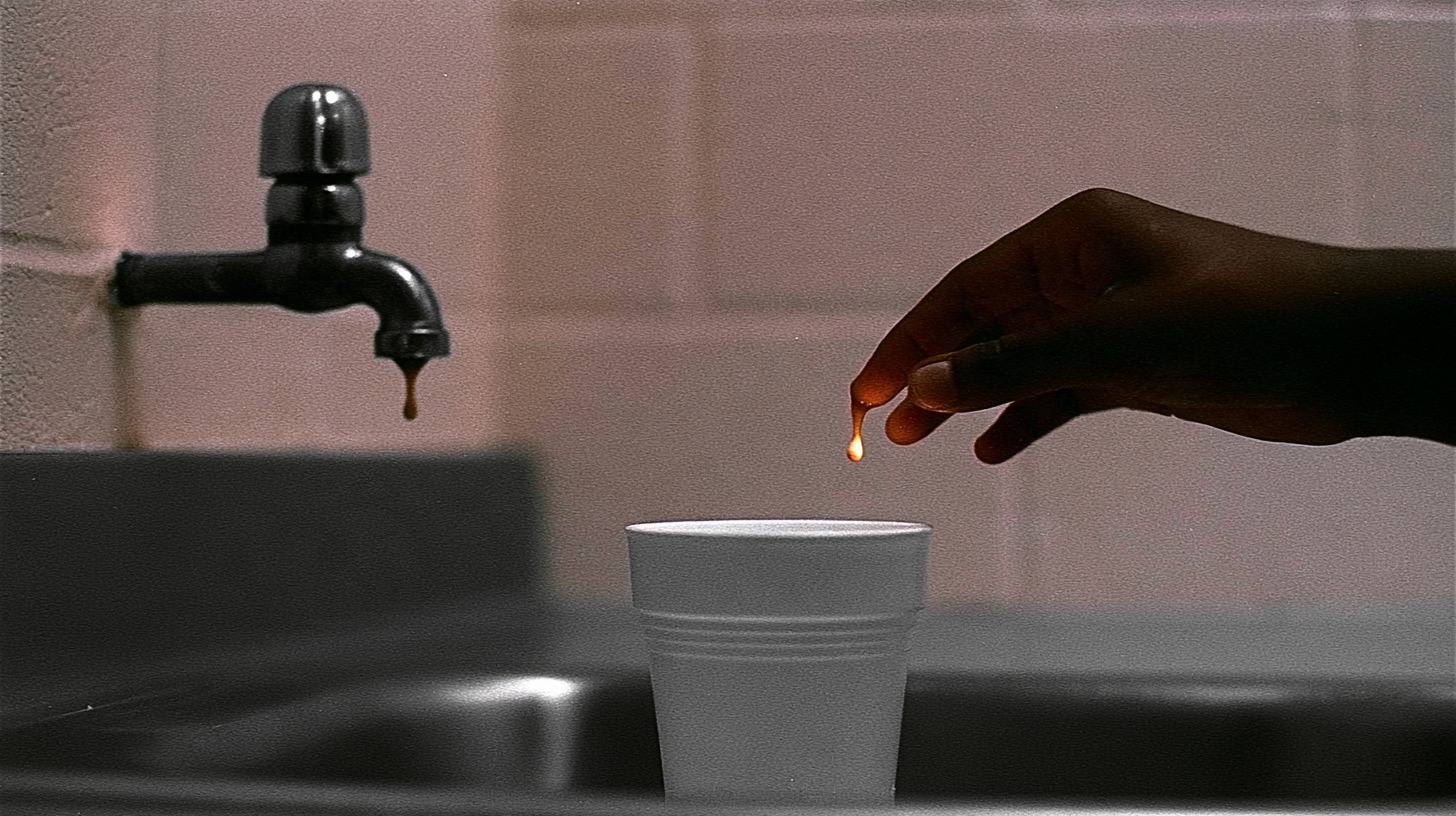
The water runs into the sink ice-cold and brown from the rusty pipes. It makes my skin itch.I fantasize about toast with butter(there’s no butter in prison), two eggs over medium, blueberries, and smoked salmon.
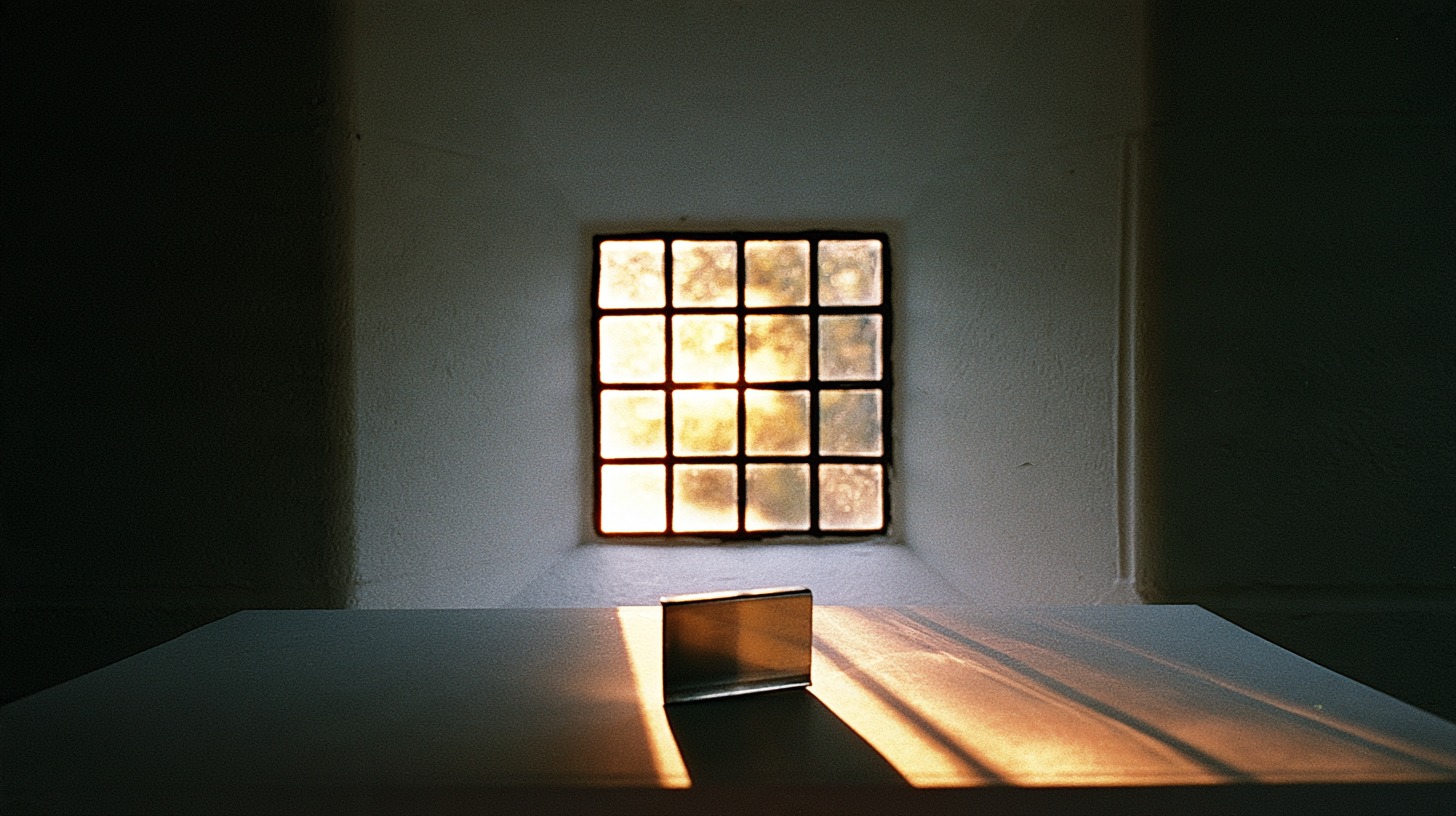
I always loved nature, butyou don’t understand the holiness of a treeuntil you’re barred from going outside at all. One slat of sun, that microdose of vitamin D, can make you weep.
The women themselves—this is where the warmth is. I wish you could see them. They don’t miss a thing. Their faces shift with the need of the moment.Trust clicks and a whole new face appears.
It’s not only the constant hum of “threat” that hones awareness. I think many ended up here becausetheir awareness outpaced what the outside world could use.
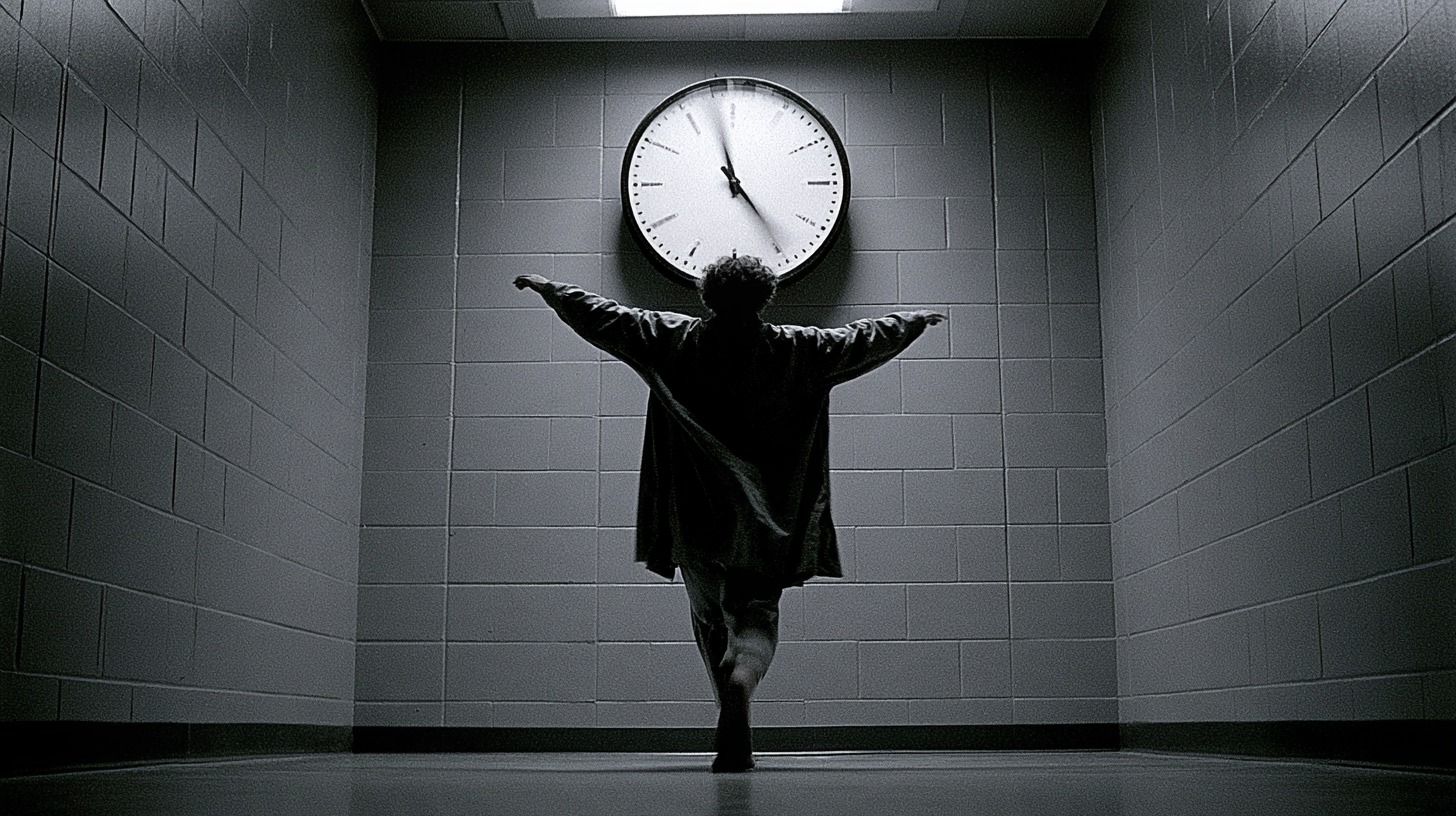
In a way, maybe they were bored. Prison compresses time.More happens in three minutes than in a week outside.
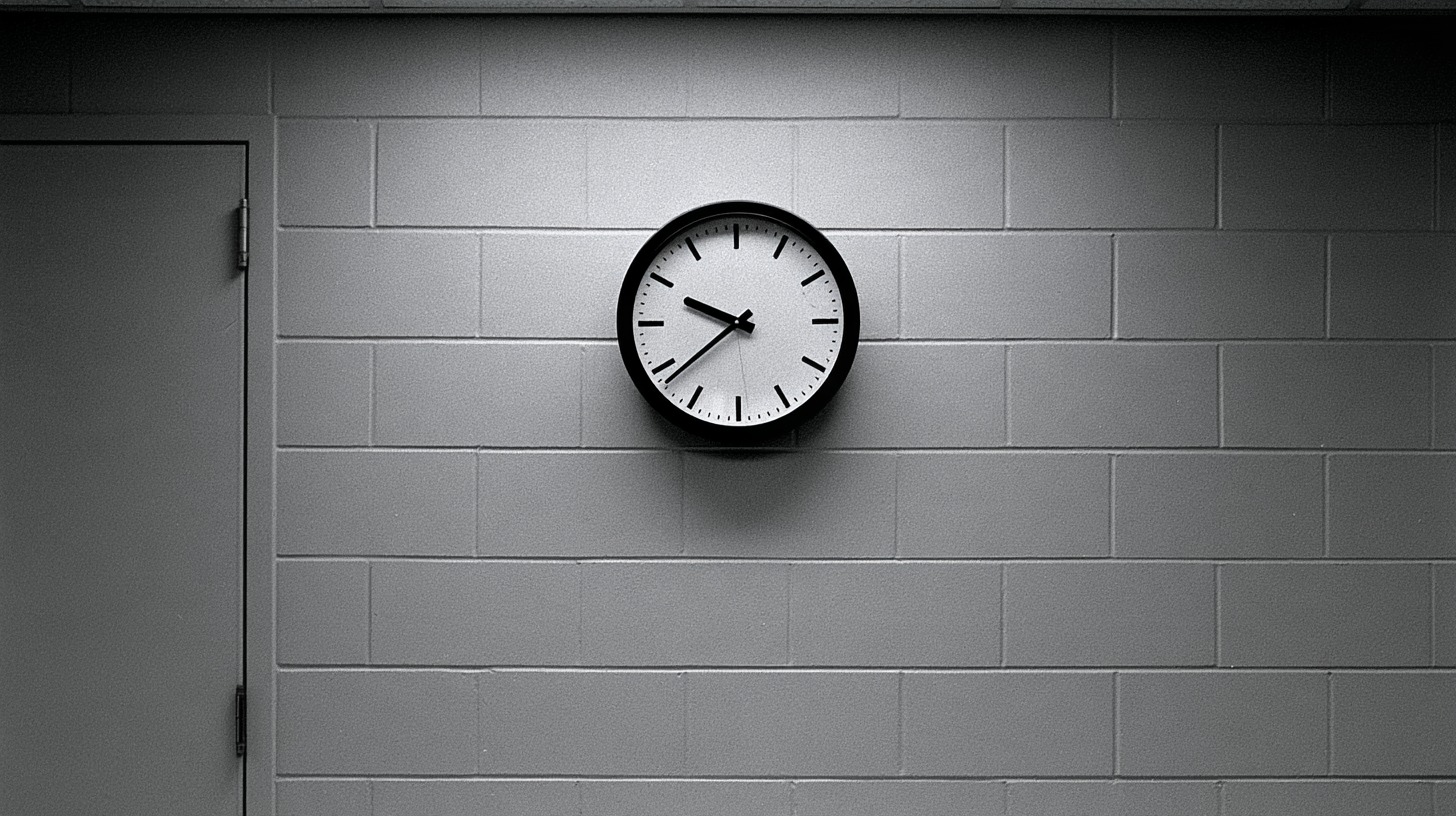
Nothing is predictable.It depends on a guard’s moodor something that happened on the men’s side or an unknown factor you’ll never learn. What time is breakfast? No one knows.
Will there bea woman running like an airplanenext to her bed all night while people shout, “Shut up”? Probably. Will she then sweetly call, “Goodnight,” to the few who were kind, making everyone else a little jealous? Yes.
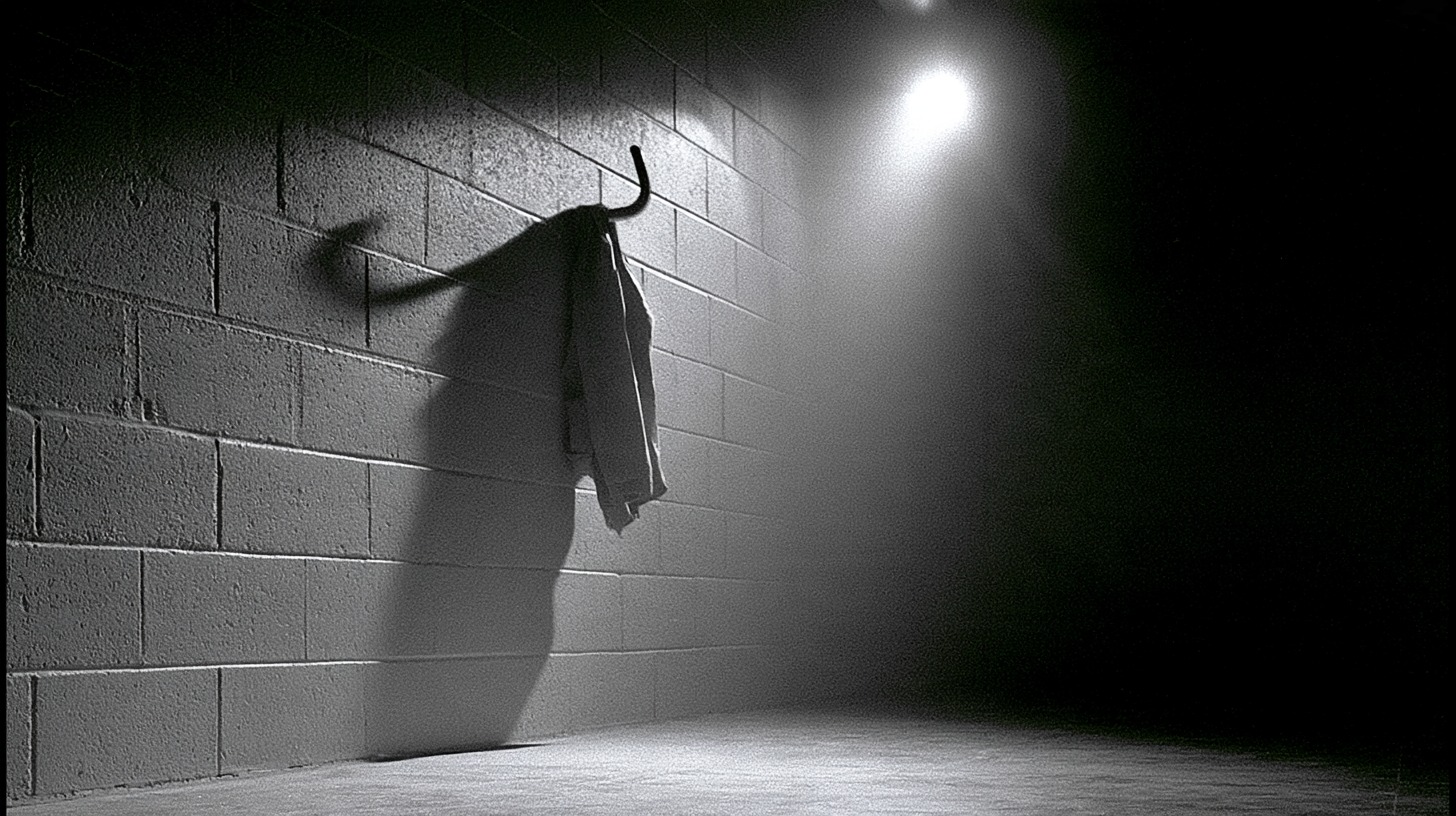
There’s no guidebook for this level of surreality. Mostly you just learn the terrain by walking it. You can’t game it. I don’t mean gaming the institution; I meanyou cannot hang your awareness on a hook and coast.
Every second asks for a turn-on-a-dime mind. Coping isn’t enough.You learn to navigate the hidden forest with bare attention—beyond happy or sad.
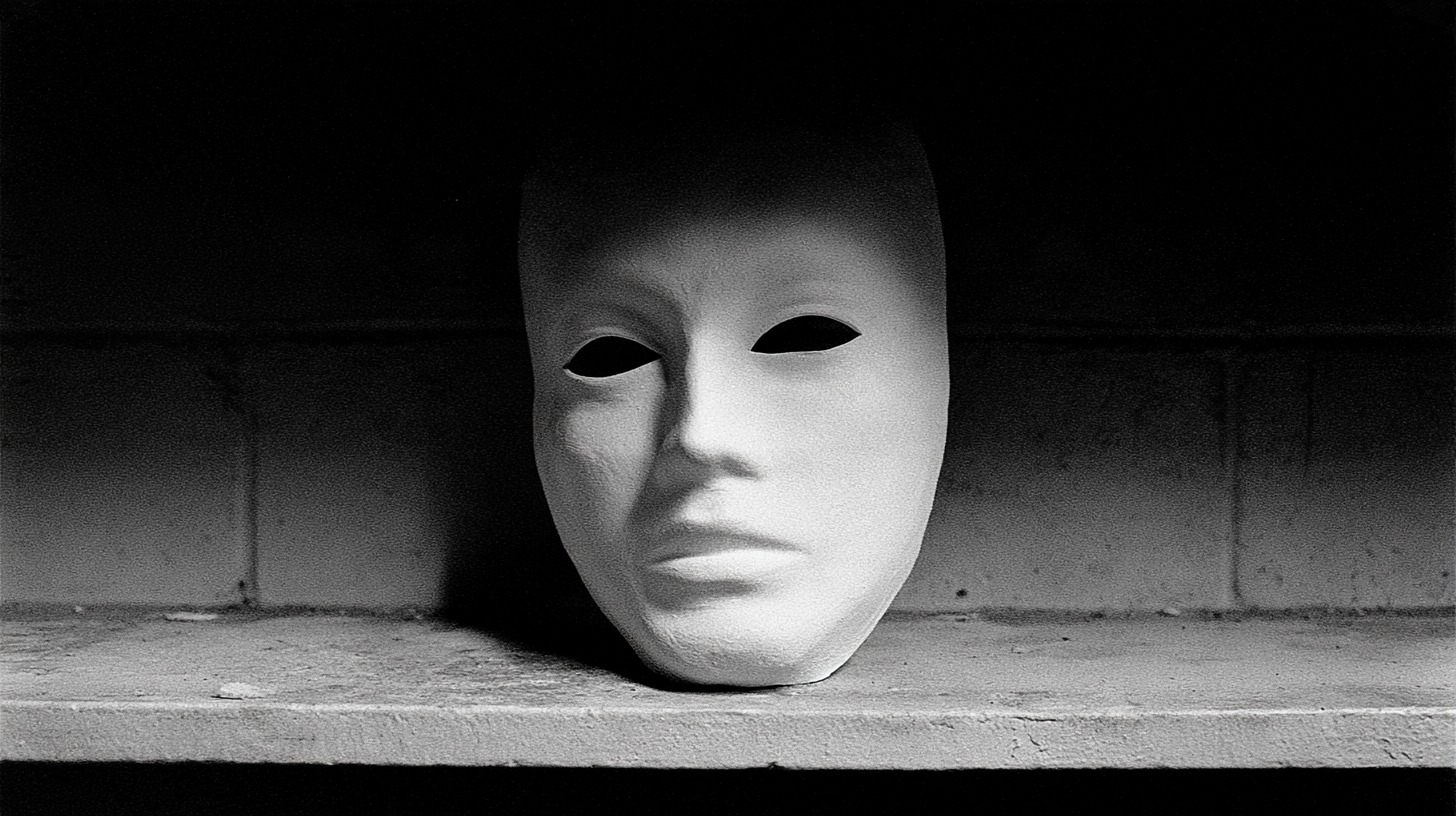
I’ve built a new set of faces for the unthinkable,a way to evaporate into relative invisibilitywhen that serves, and to step forward cleanly when that’s required.
Underneath the noise, I’ve relocated my original vow—why I said yes to the whole mission at all, to this life with all its intimacy.I touched the trembling heartthat shows up when you stop pretending and actually care.
A friend once said he feared only God and mediocrity. I pinned my mind to the place that only fears betraying the truth of what I know—while also knowing that ultimately,there’s no way to ever really get away from that truth.
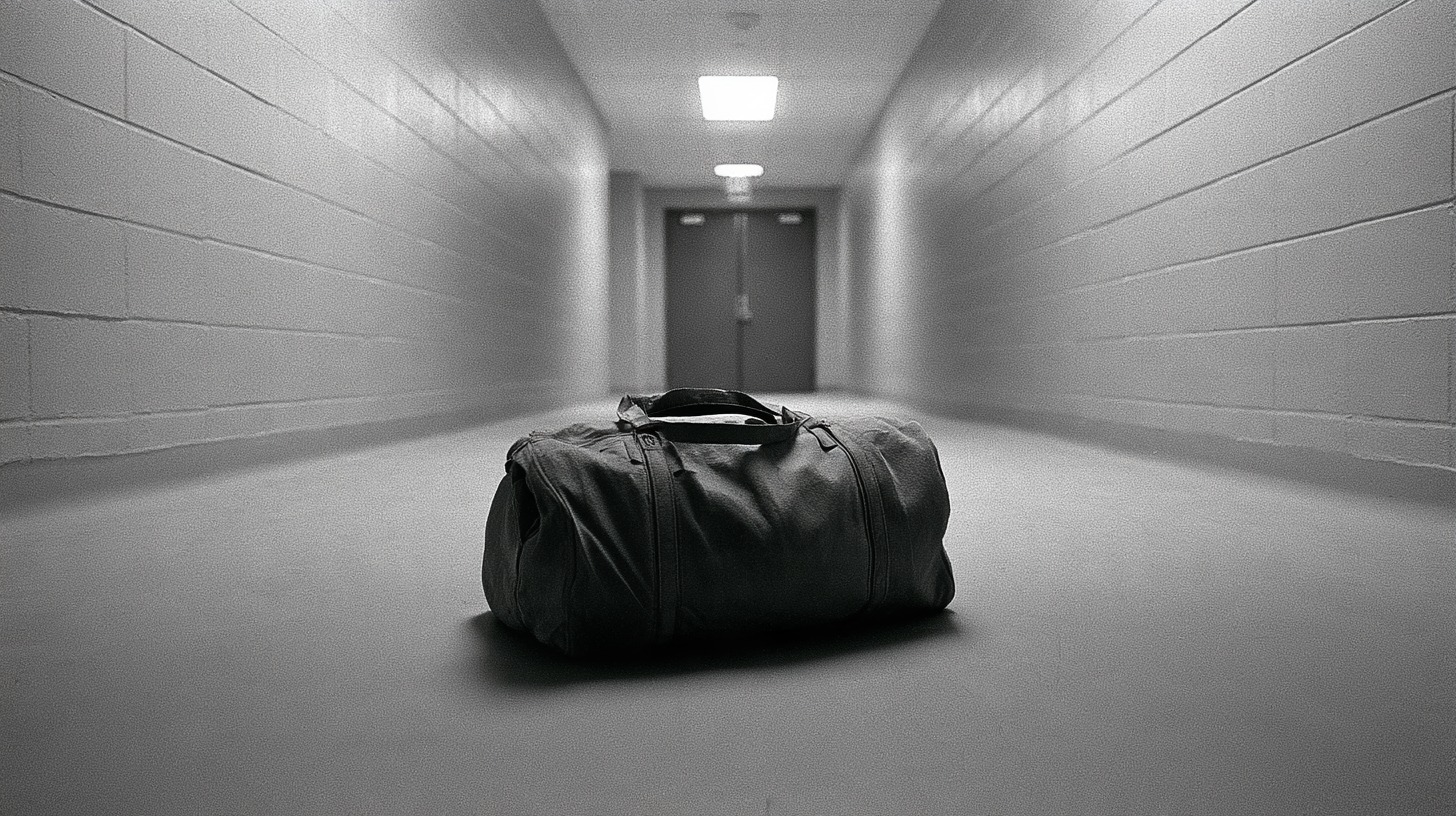
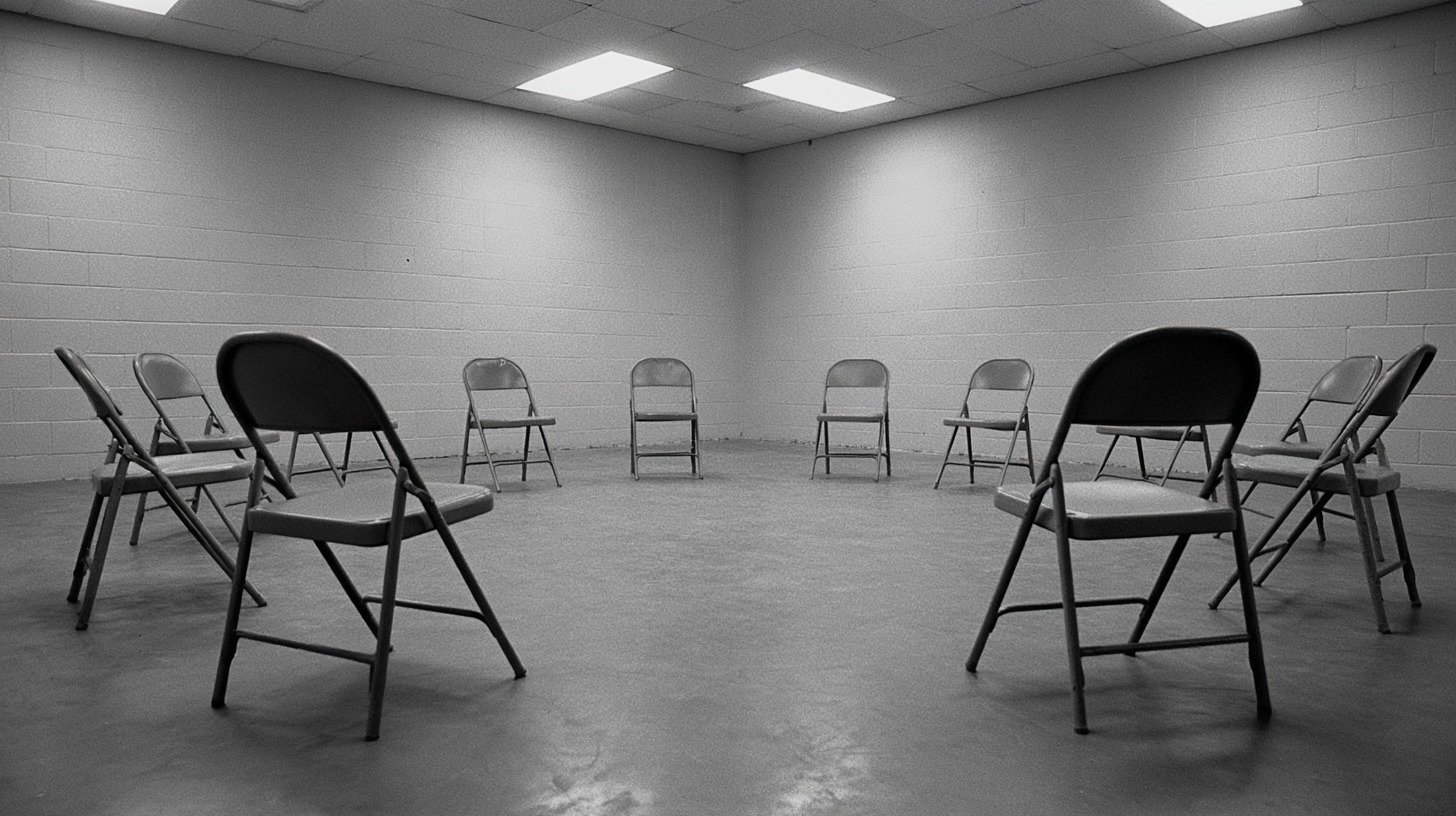
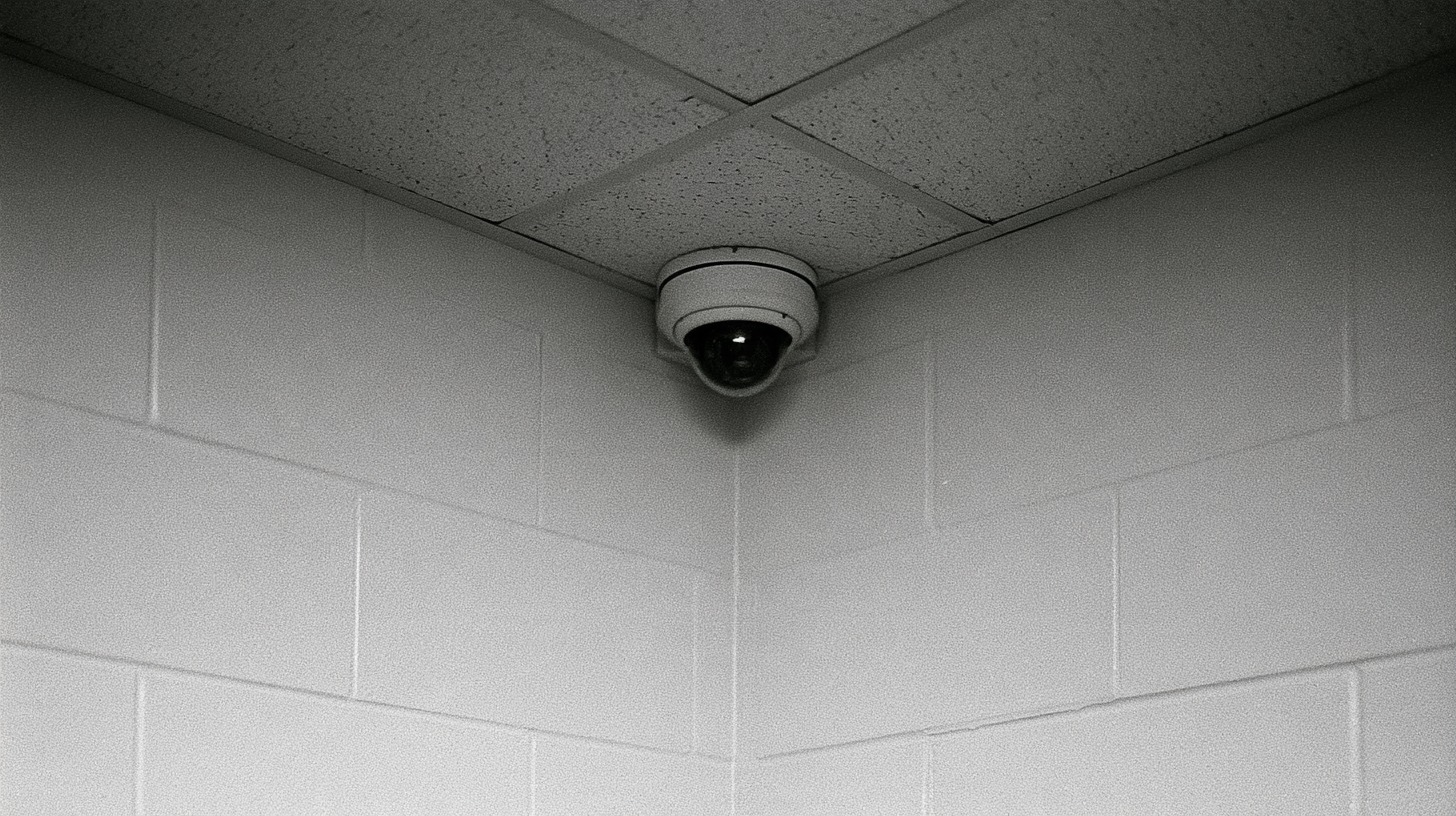
And then I wake up and want toast.I want warm water. I want a tree.I’m back at the sink with the brown, freezing water and the over-lit pink cinderblocks, and I still wish—desperately sometimes— for softness.
But the stripping does its work.What’s left is clarity, appreciation, light.
And women being women: the toughest ones forgiving after a day, the outcasts getting adopted,the quiet hand that sets a cup in front of a newcomer with no cup.There is no comfort here. That’s the benefit.
The distraction is gone, sothe real consolation can show itself:
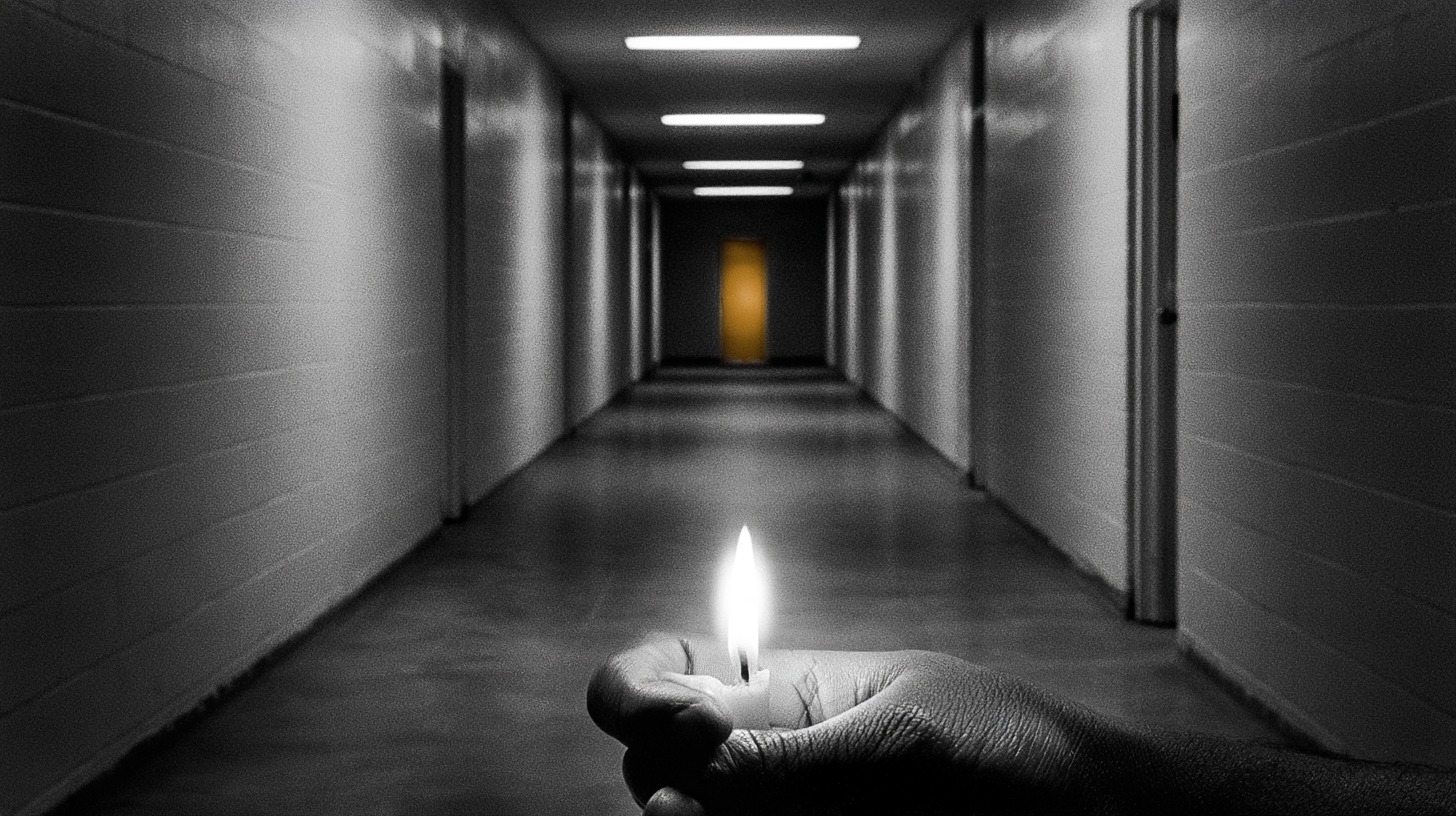
a glimmer of sunshine at 2 p.m., a laugh you didn’t expect, and the knowledge you feel in your bones that even in a fluorescent desert,people refill each other and keep going,
just enough to keep all of us a shade lighter than gravity says we should be.