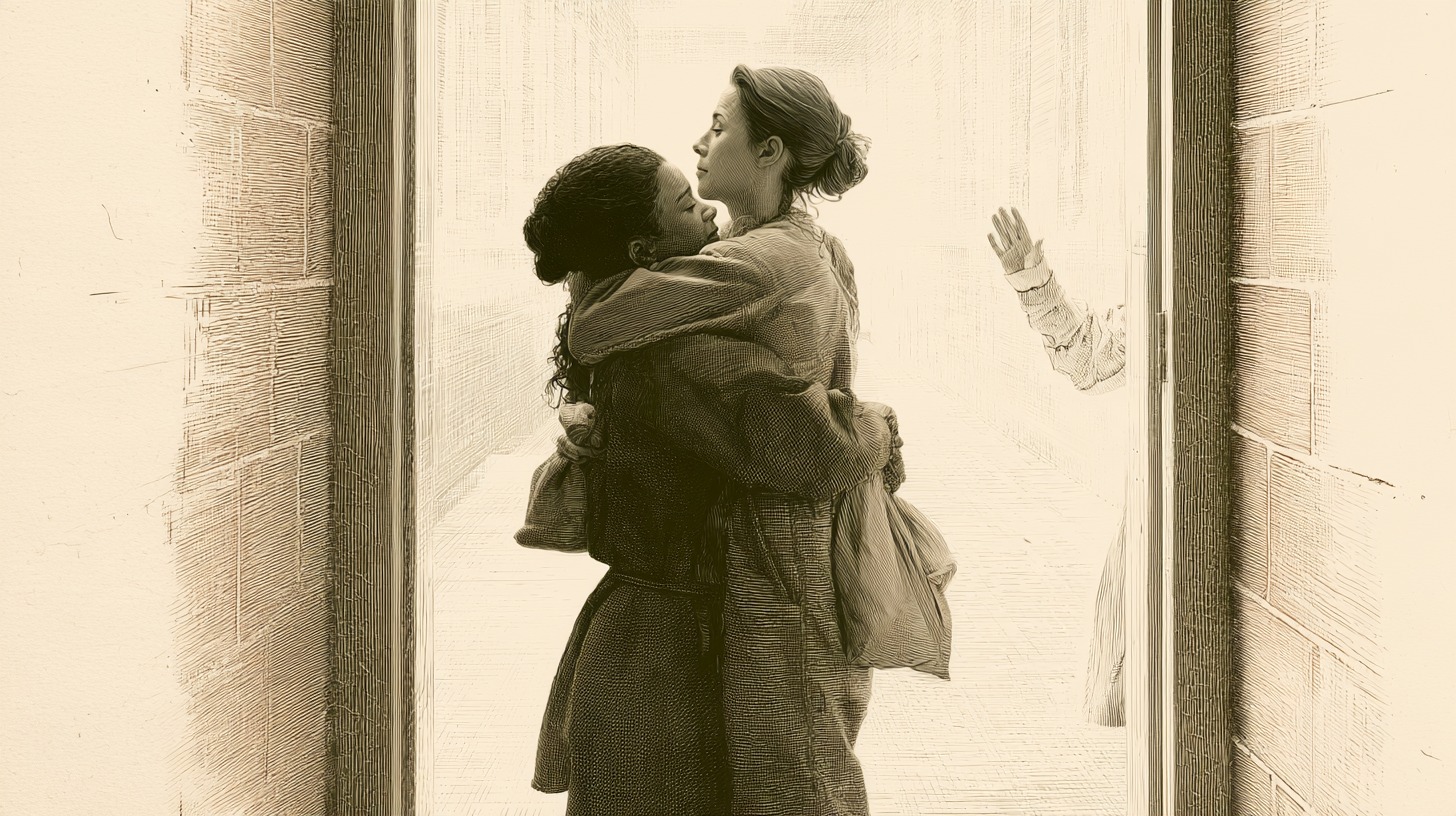
Three women left this morning—two to other facilities, one to court.I was on the morning shift: prayers, hugs, goodbyes. Waves of time and experience roll through this place, and they always will.
Luciana knows a guy who did a year in prison for something related to Bitcoin—one of those Rogan-listening, ice-bath-taking types—andnow he’s “preparing her” for life after release.“Luci, you don’t understand,” he told her.
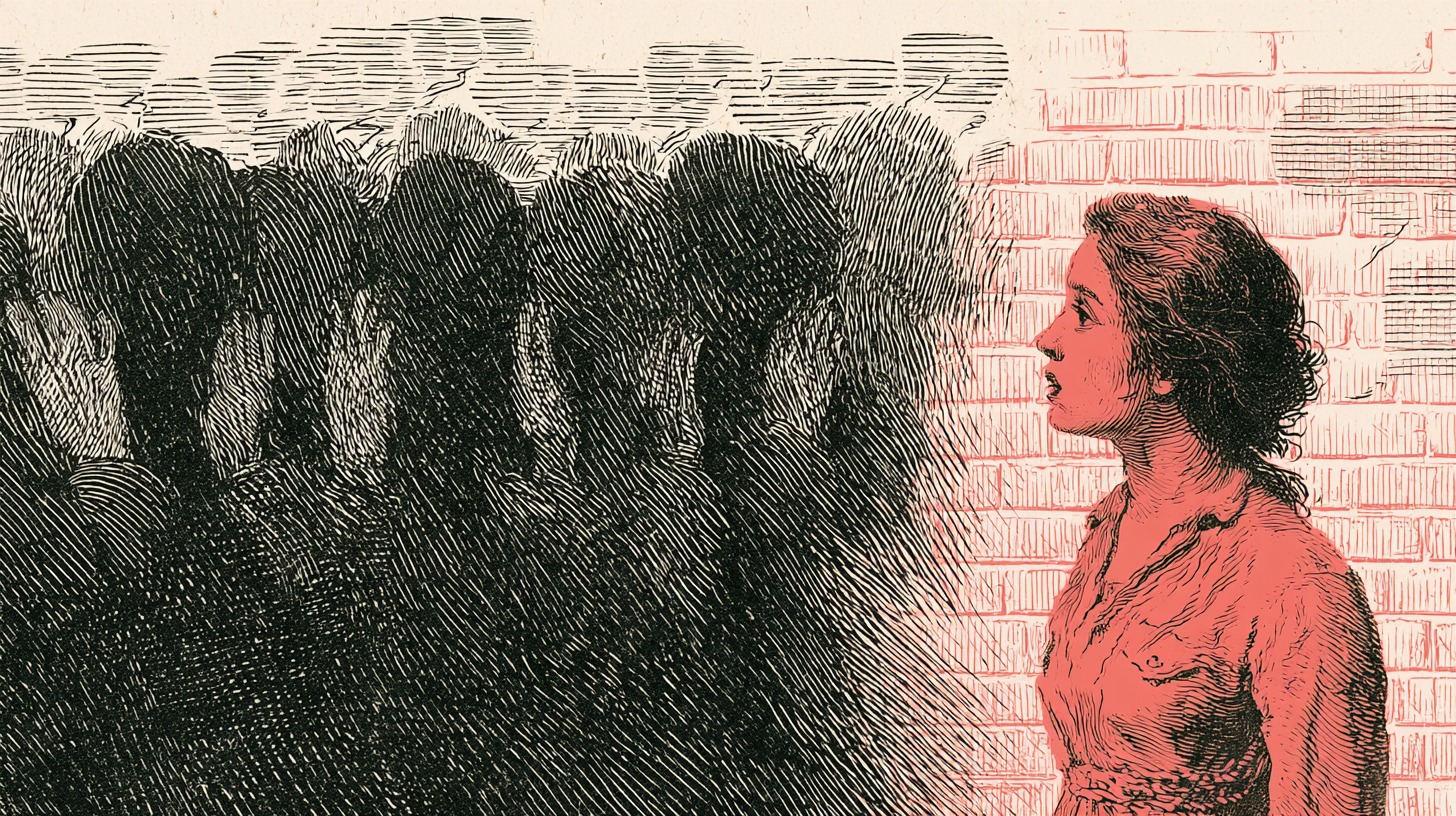
“People will look at you and they won’t believe you were in prison. They’ll say, ‘You? You were in prison?’ Andthey’ll mean it as disbelief.
Butyou’ll mean something completely differentwhen you say, ‘Yeah, I was.’” She nodded like someone who already knew. “It’s a whole world here,” she said.
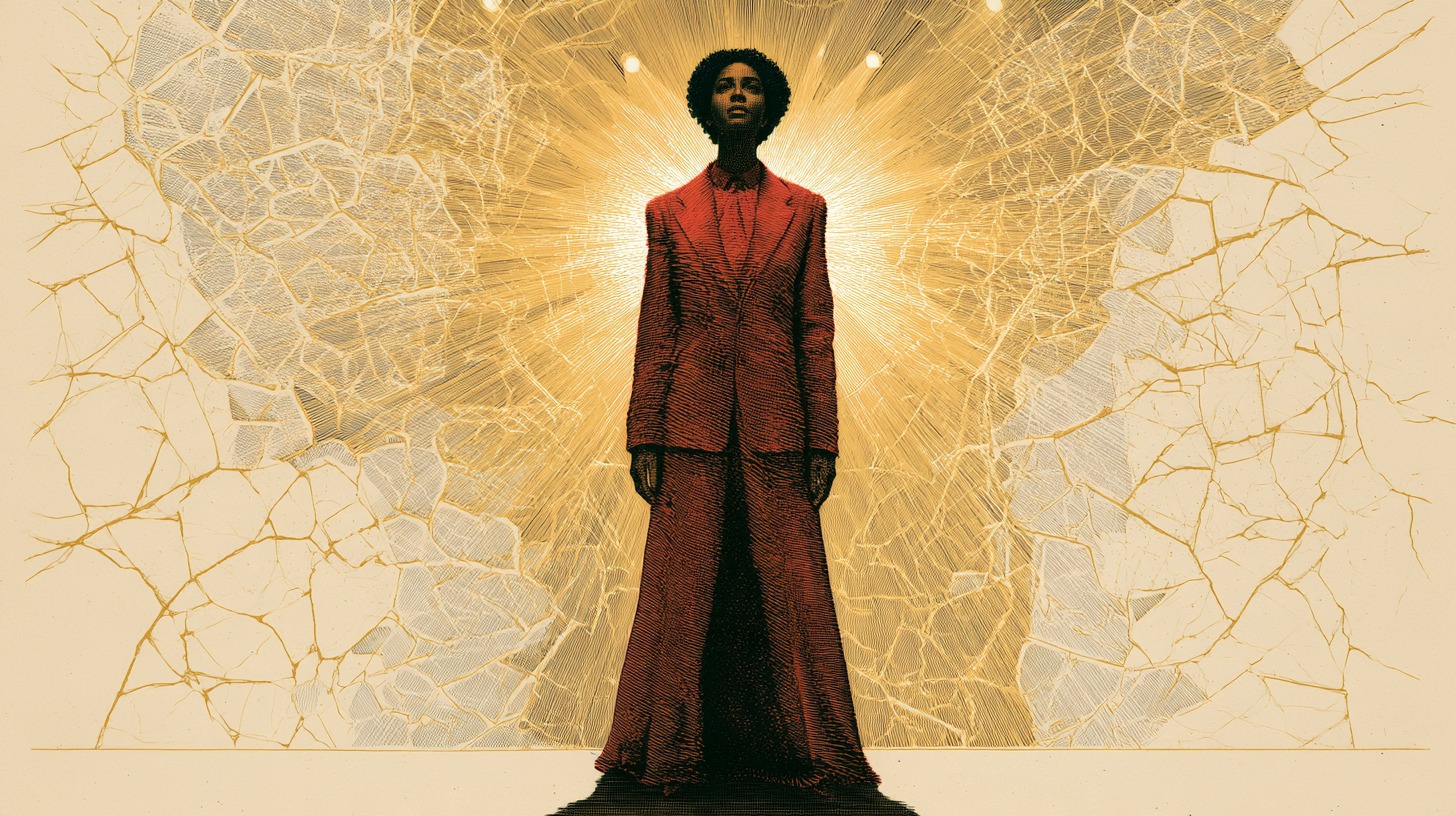
“People don’t want to understand that.” She keeps describing this image of herselfsitting onstage in a red power suit,lights around her, talking business to a full audience.
“They’re impressed by what I know,” she said. “And thenI tell them I was in prison, and they’re shocked—and the stigma disappears.
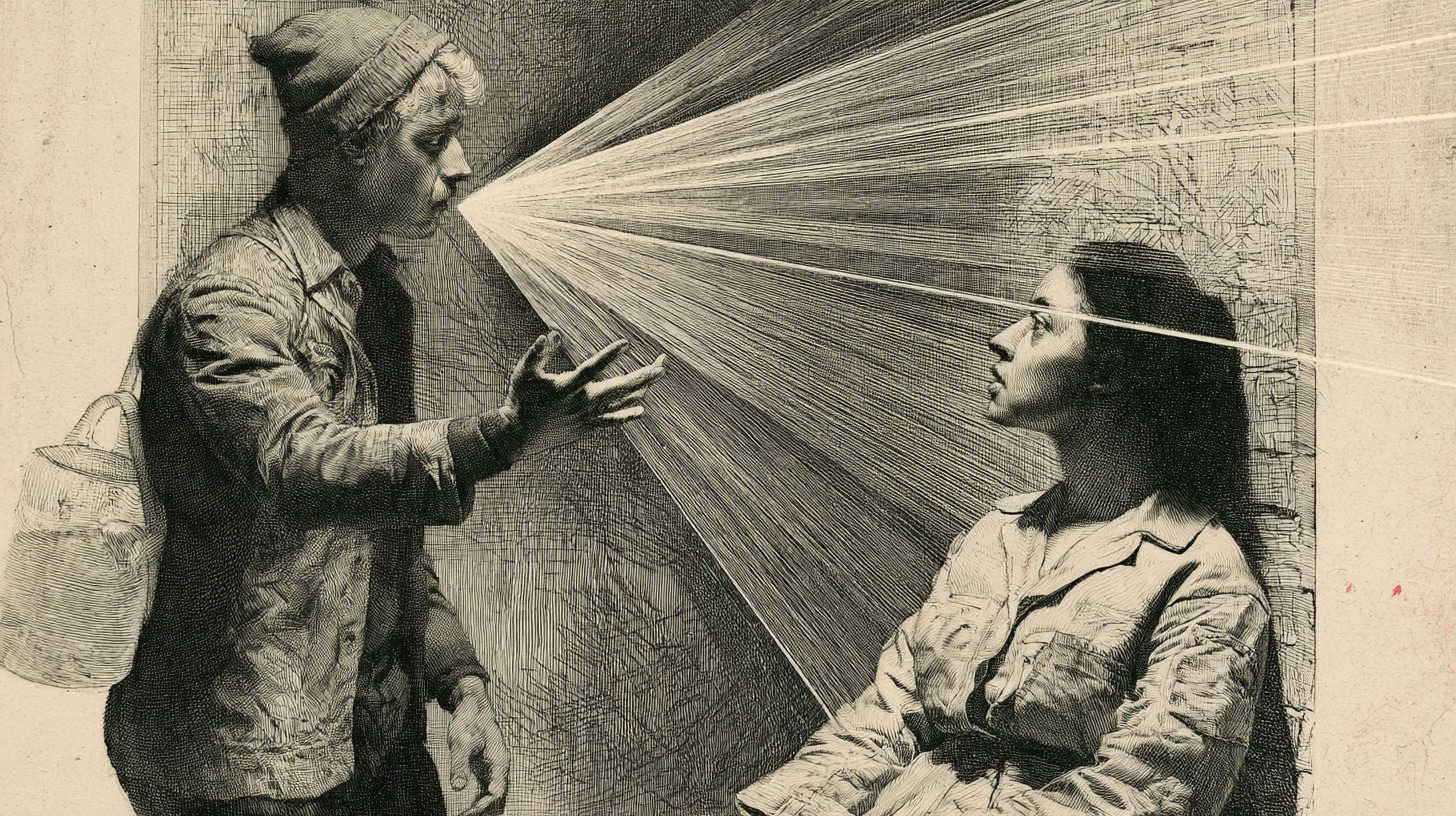
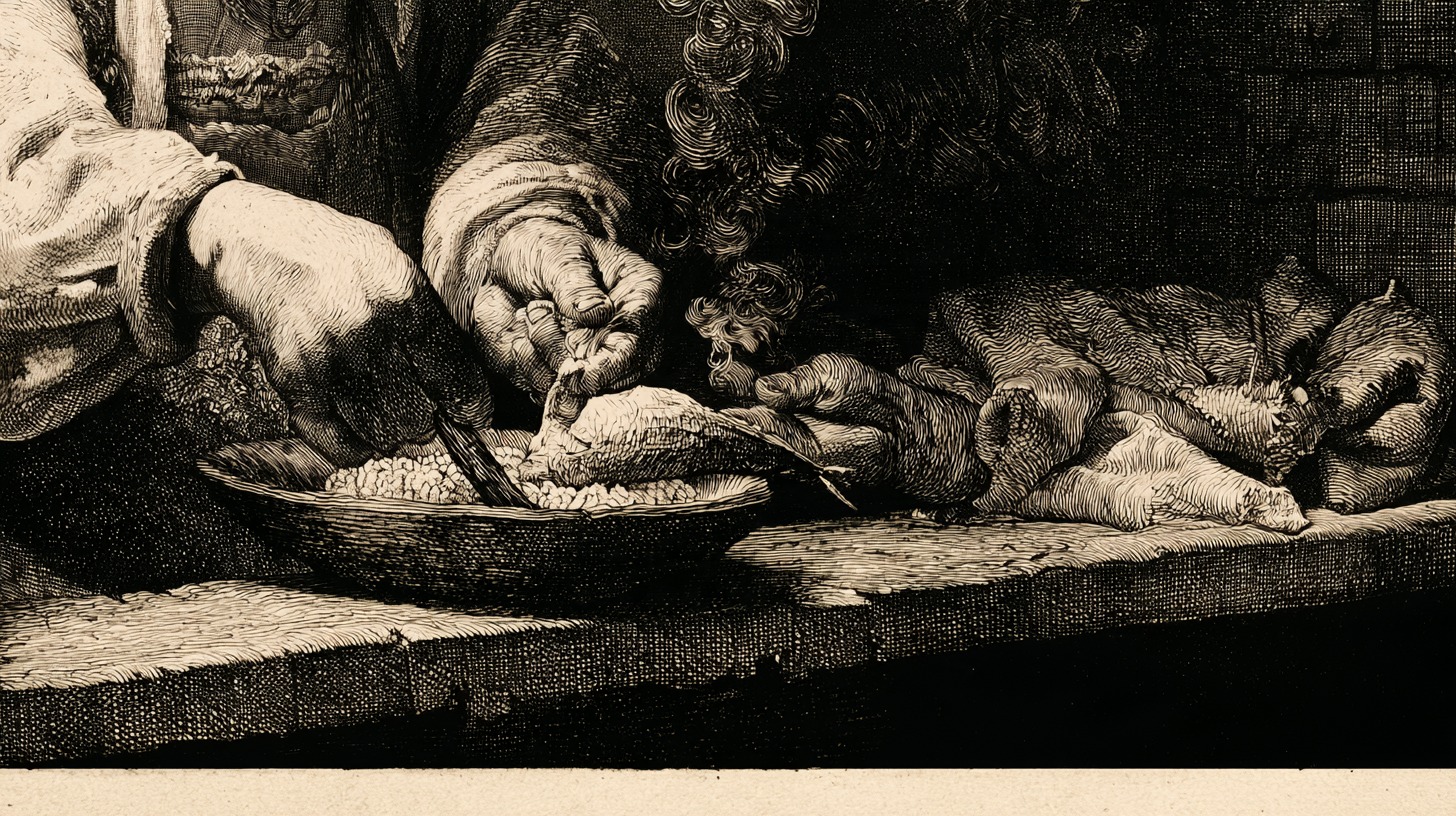
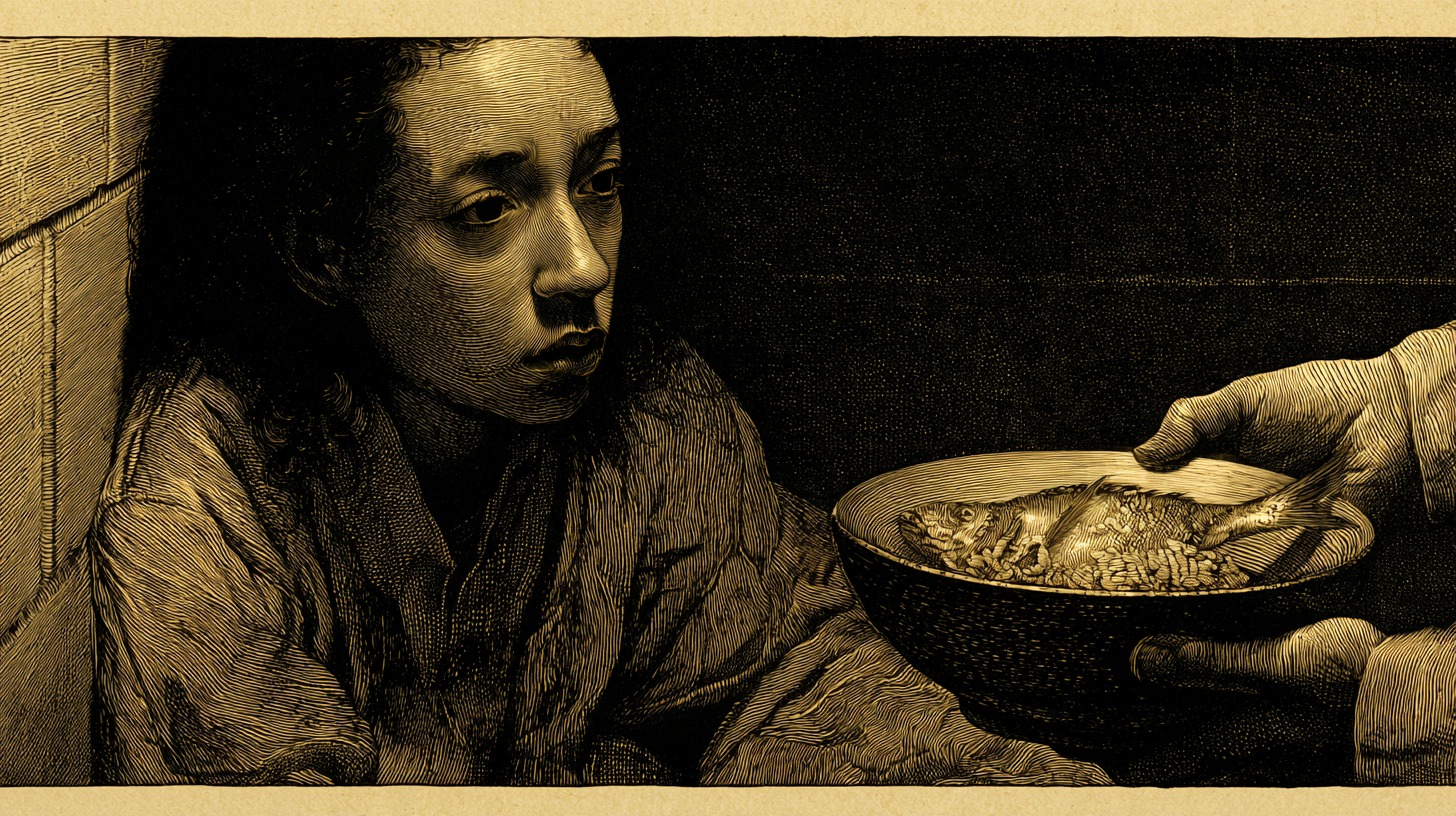
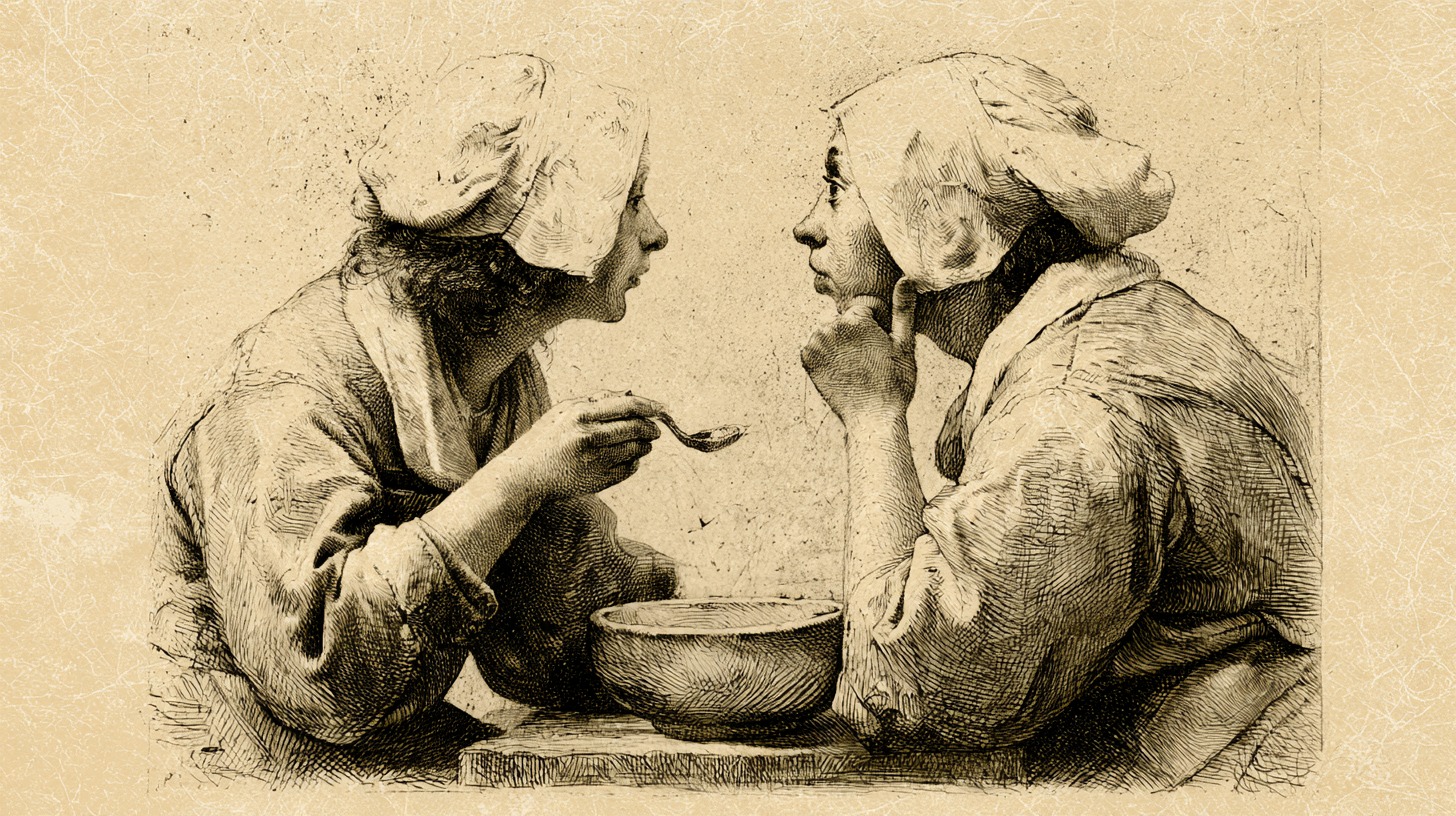
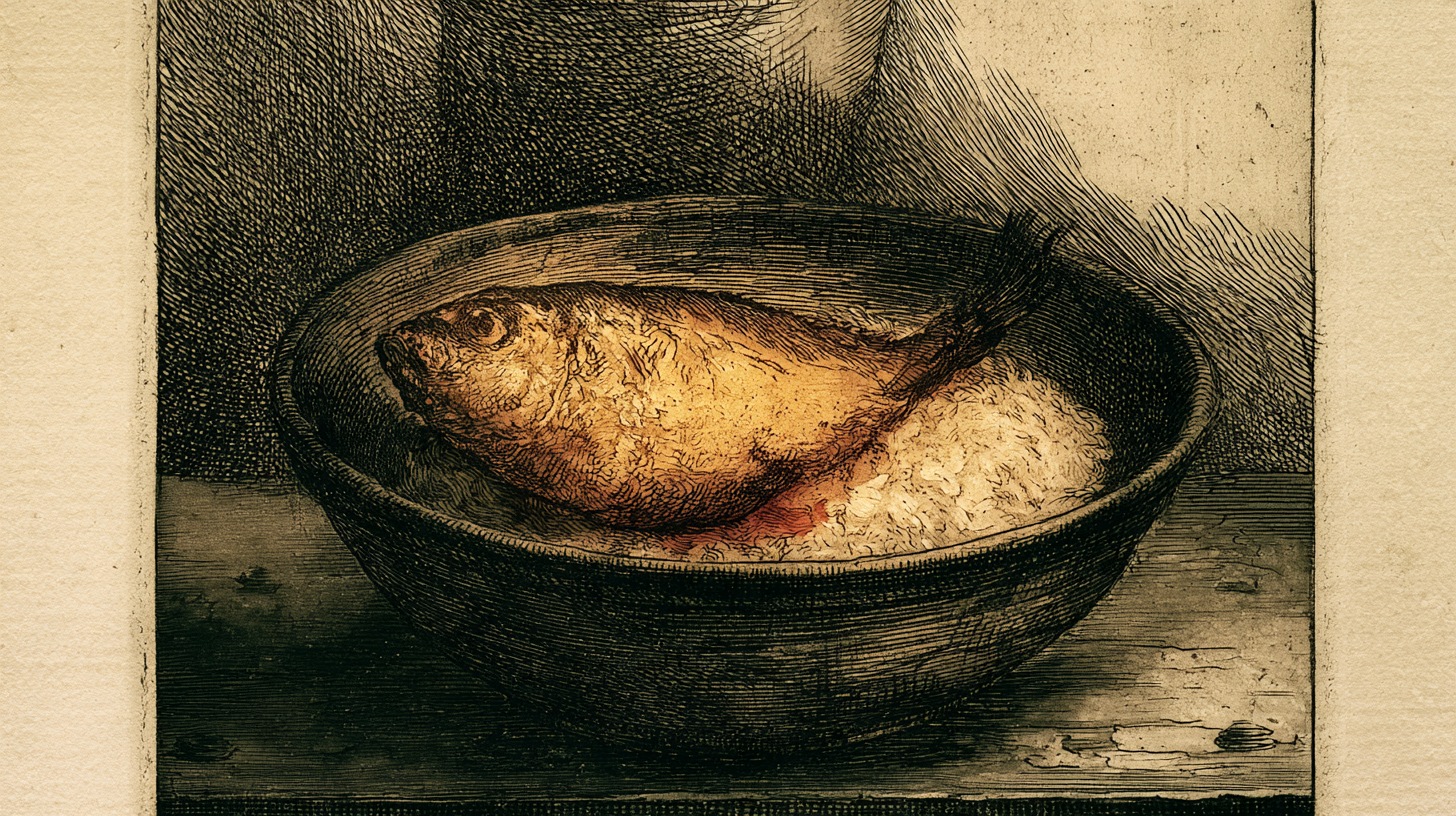
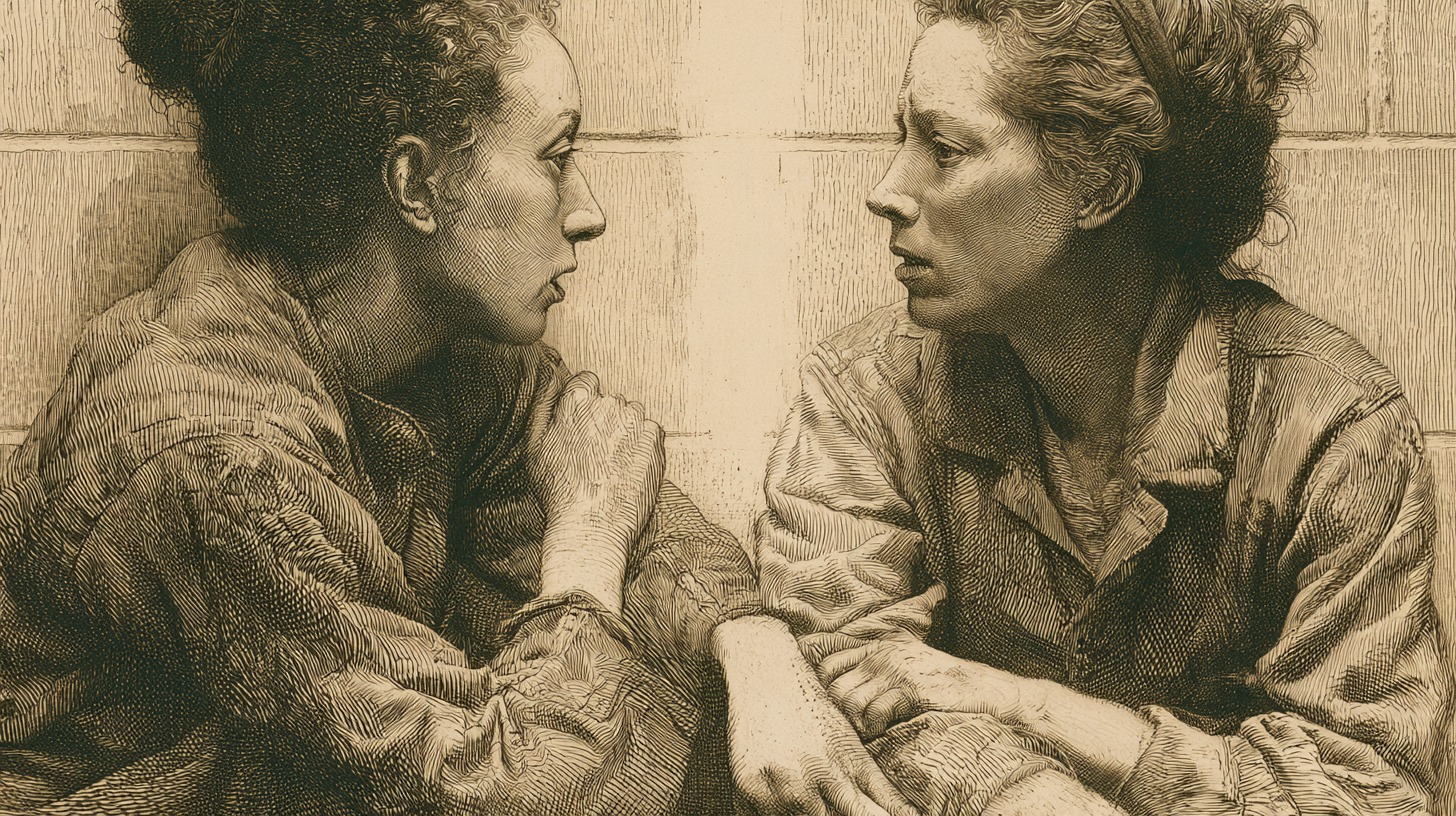
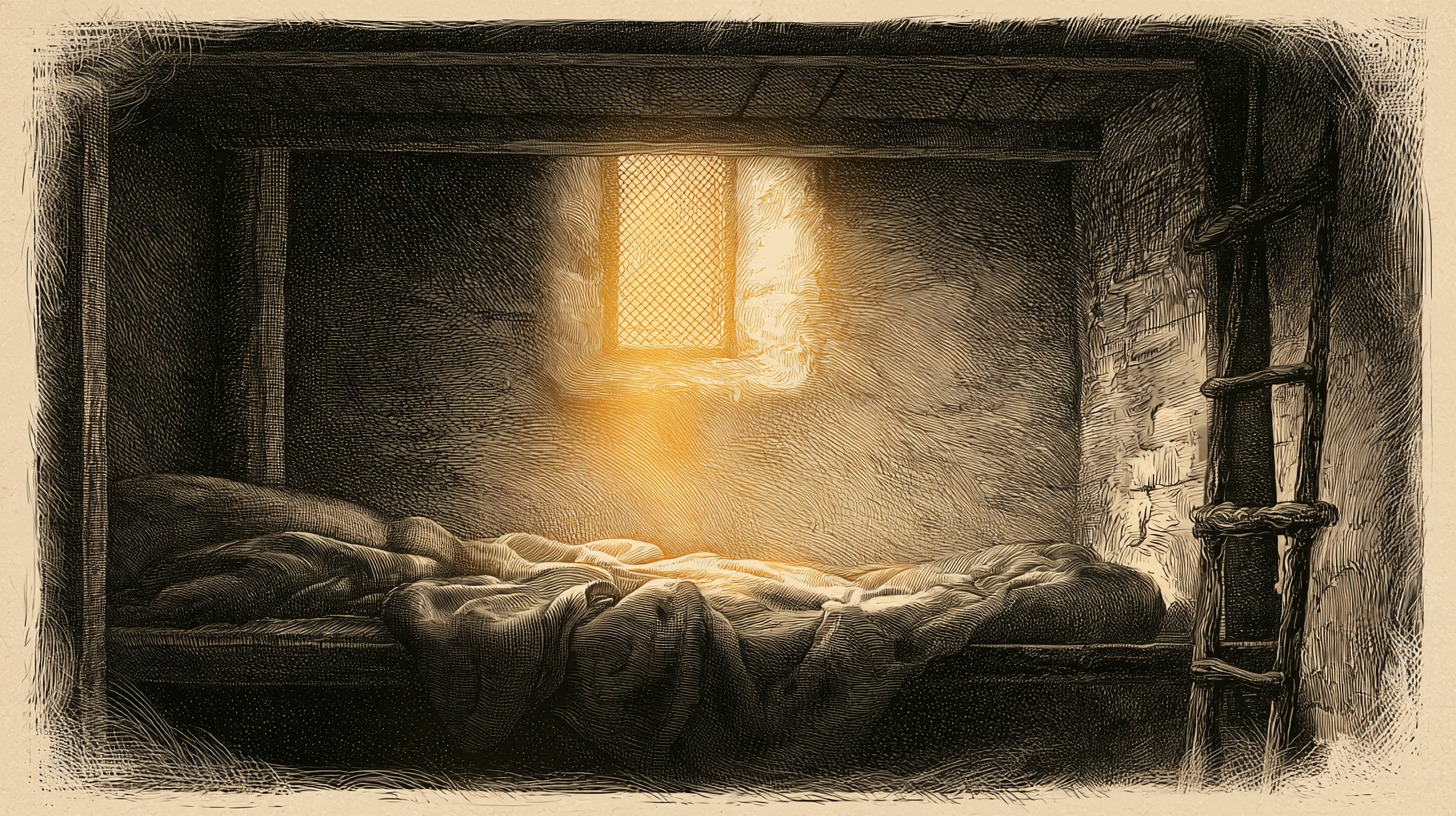
I want to remove the stigma.” She was sitting on the makeshift bench in front of the empty bunk we call our “counter,”stirring a bowl of mackerel rice.
When she lifted it toward me, I hesitated. Mackerel scares me.Mackerel from a bag really scares me.I told her as much. “Not my mackerel!” she said, proud.
“I know exactly how to make it so it’s not too strong.” She half shook her head atmy lack of faith in her prison-cooking genius.“That’s not enough,” I said quietly.
“Huh?” “Ending the stigma. It’s not that you want too much—it’s thatyou don’t want enough.”She looked confused but kept talking. Luciana is quick—she moves, thinks, and speaks fast.
“It’s a whole world here,” she said again.“People don’t get it.
There are things I’ve learned here I never could’ve learned outside. Having a job in here,learning to work with all the personalities.
If I can do it here…” “You can do it anywhere,” I said. “It’s like high-altitude training.Sea level will be nothing by comparison.”“Yeah,” she said, stirring her rice.
“I can make do with nothing. I used to think I needed so much to be happy.I know how to be with myself now.
I know how to be alone.” “That’s what I mean,” I agreed. “You know things most of the world will never know.You have jewels—real wealth.Lead with that.
It’s not enough to erase stigma; you have toredefine what strength looks like.
Think about it:Psychedelics went from being criminalized to being used in trauma therapy.The same people who once outlawed them are now paying to study them. That’s what we have here.
We’ve mined something deep.We’ve seen the underworld and found the light in it.”That caught her off guard—rare for Luciana. Her eyes widened; she wagged her finger. “Ohhh,” she breathed.
“I like that.” I keep thinking: If the people who end up in prison had spent time on silent retreat,they’d recognize the same landscape.Both are stripped-down worlds where the usual distractions fall away.
You see everything—raw and unfiltered.The bad, the ugly, the self-protective, the cruel.But also kindness, in doses that stun you.
Someone notices your mayonnaise jar is empty—a real staple in here—and offers a squirt of theirs.
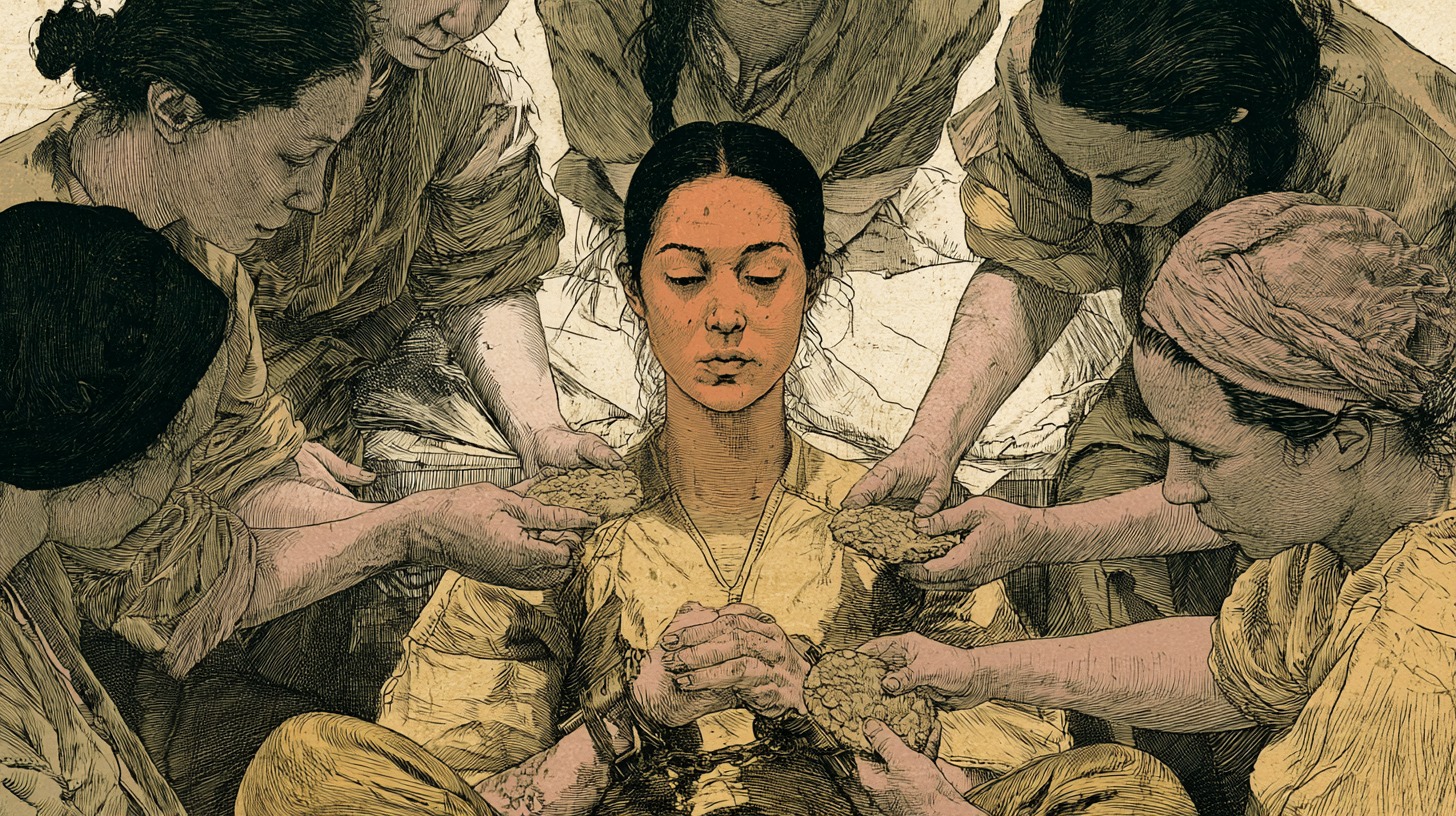
Someone comes back from court, wrists still marked from shackles, eyes hollow from bad news, and the women gather around her bunk with oatmeal cookies and soft voices:Keep your head up.
In here, we learn to see causes, conditions, and complexity. We learn how tolove the people the outside world finds unlovable.It’s not always pretty. We gripe, we bite.
But at the end of the day, no other place—except maybe a hospice ward—shows humans this naked.Hearts without armor.What an honor to witness that. You can lie in prison.
I’ve seen women lie about almost anything. Butyou also can’t lie in prison.
It’s too extreme. It’s like being in an arranged marriage with yourself—you can’t escape the person you’re with.You either can or can’t get out of bed.You either can or can’t stop crying.
There’s no pretending.Then one day, something shifts.You see it happen.
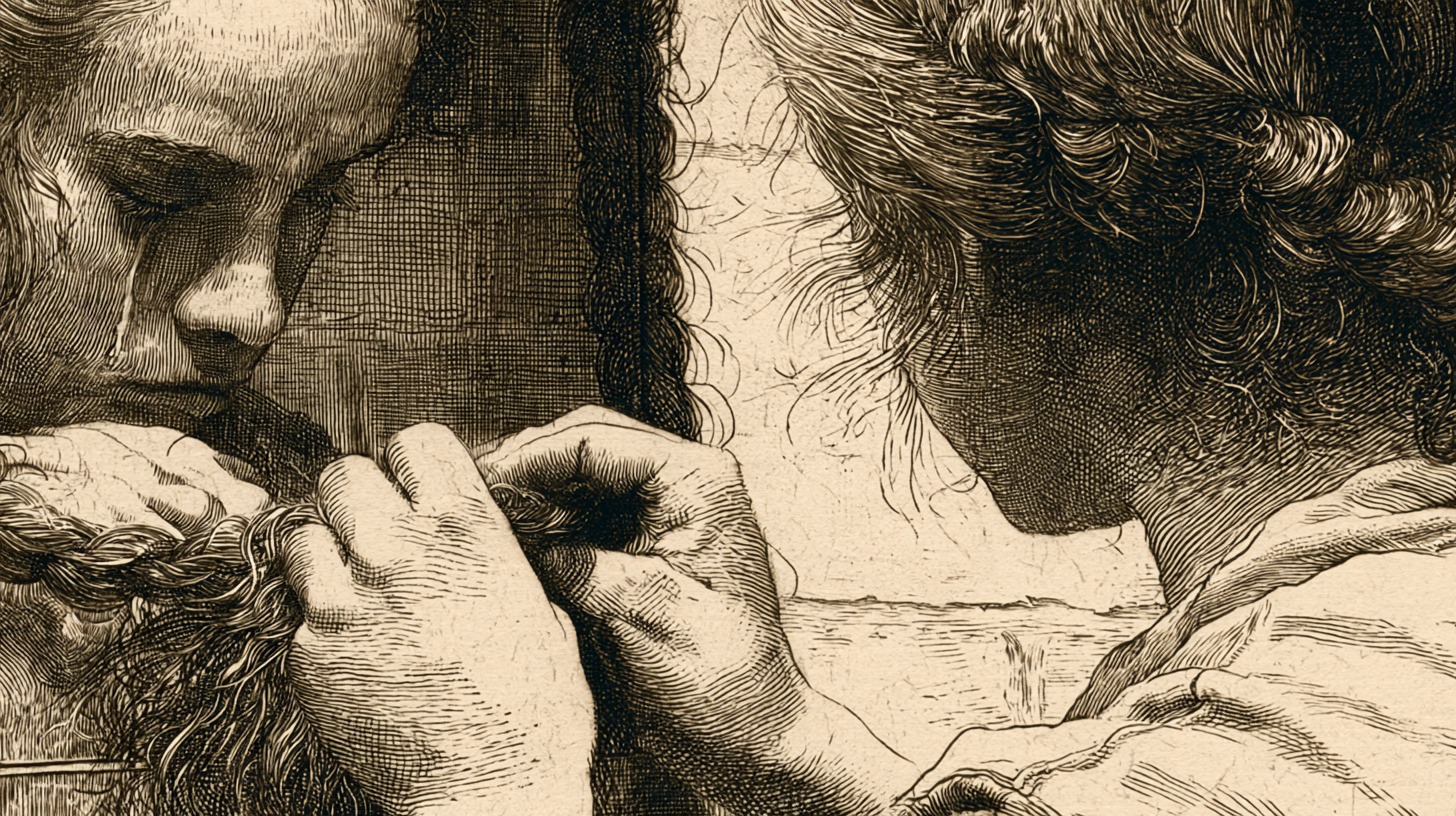
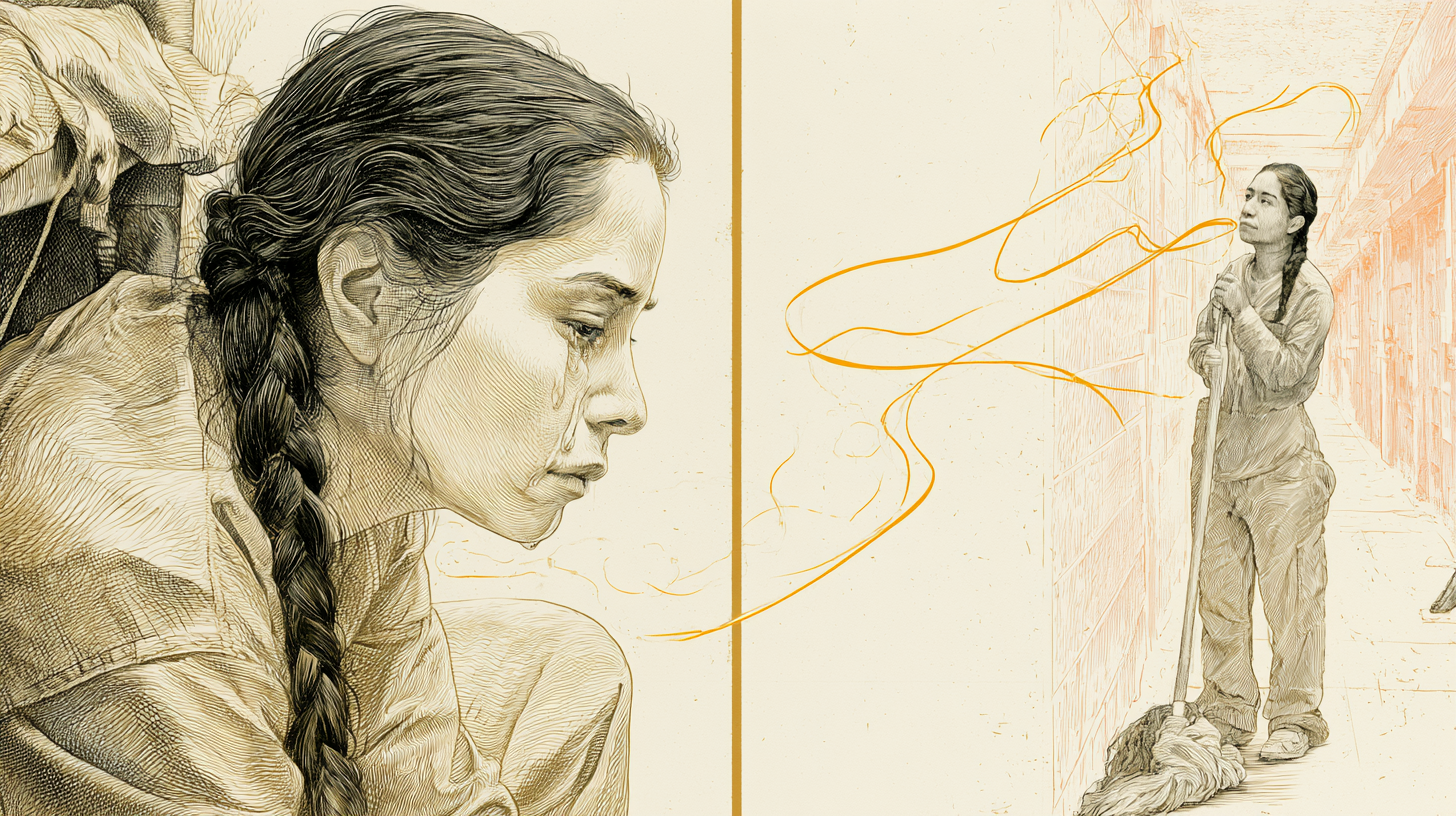
Alma, who spent weeks with tears streaming down her face, still managed to braid her hair each morning and whisper, “Hola, Nicole,”like it weighed fifty pounds.
Now she’s an orderly—cleaning, working, moving with purpose again.She offers a lighter, “Buenos días, Nicole,” without me having to break into her cloud. Time here is different—optional in a way it isn’t outside.
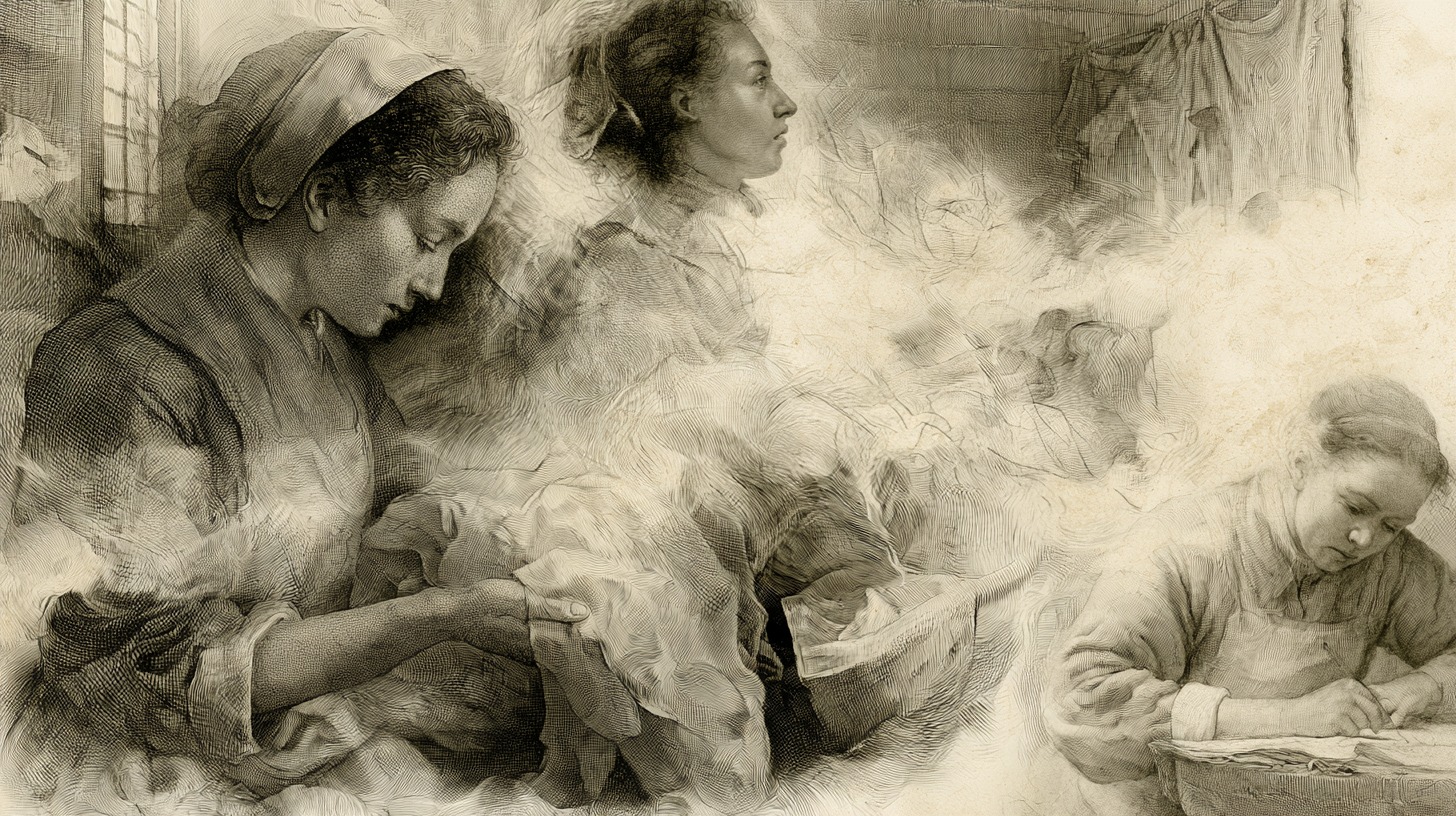
Without windows or phones, you lose track. You cankill time, fill time, or make time.
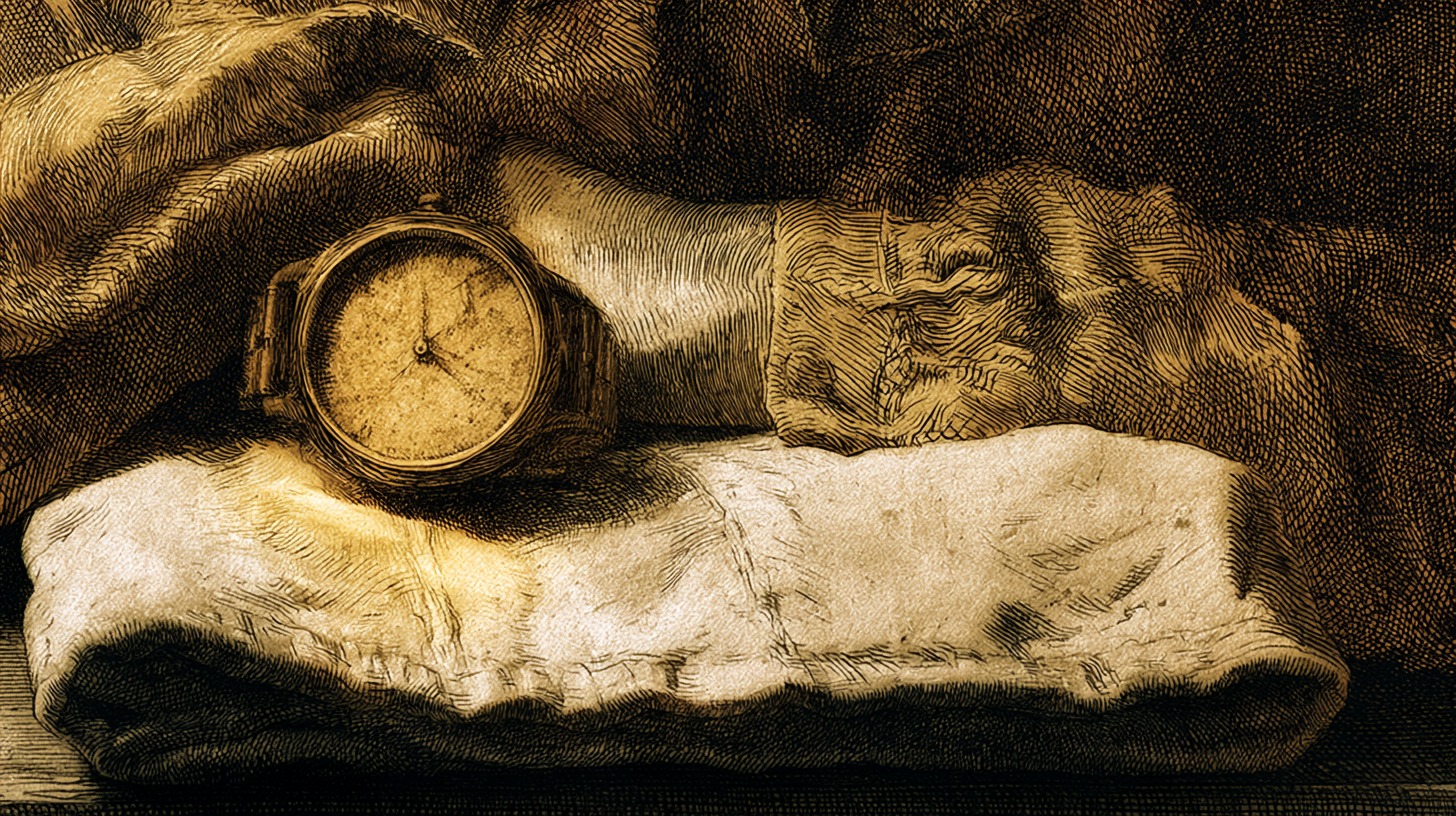
Rach wears a watch so we can time our meditations; otherwise, an hour and ten minutes both feel the same. I like it.I like the simplicity.
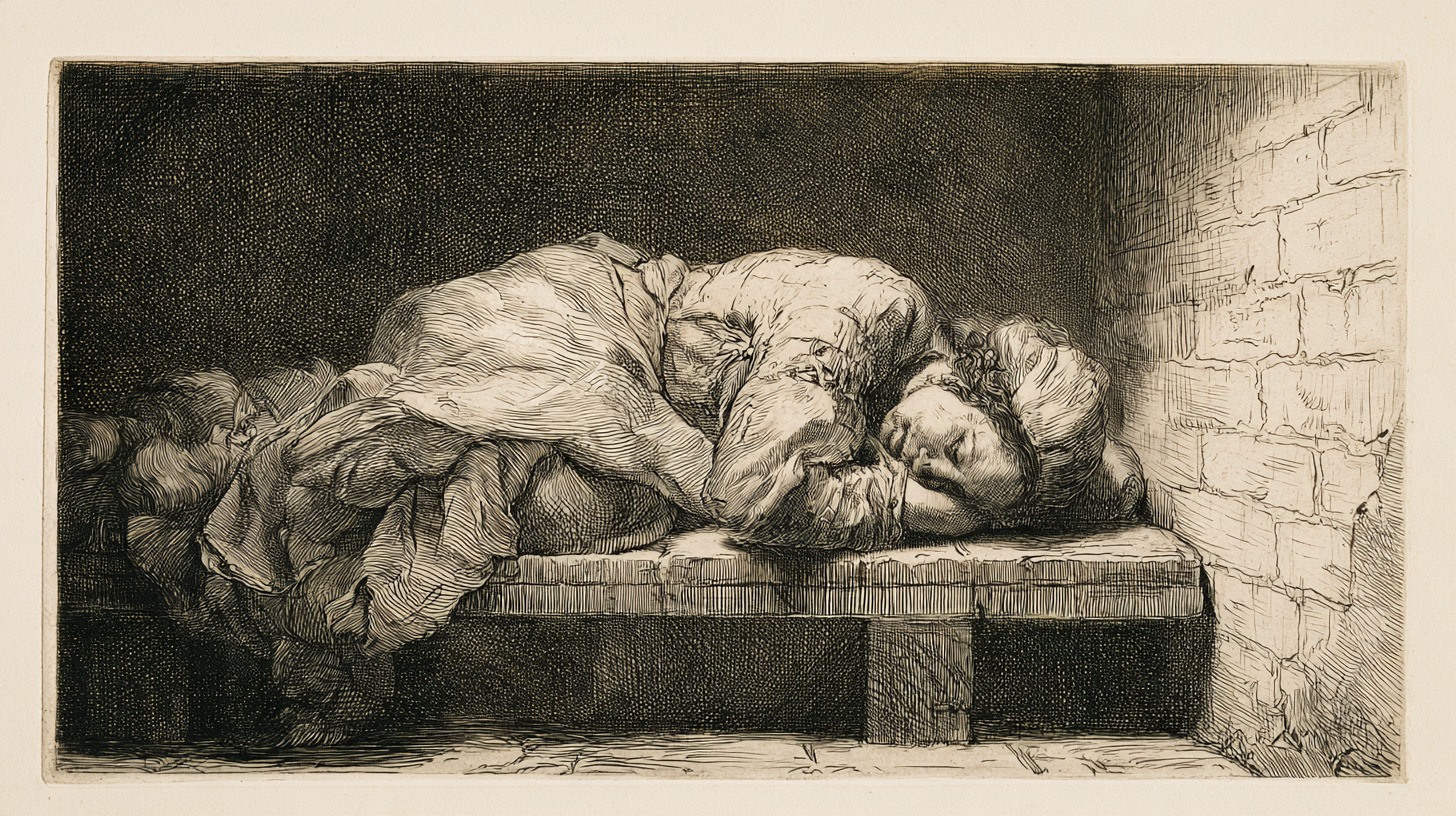
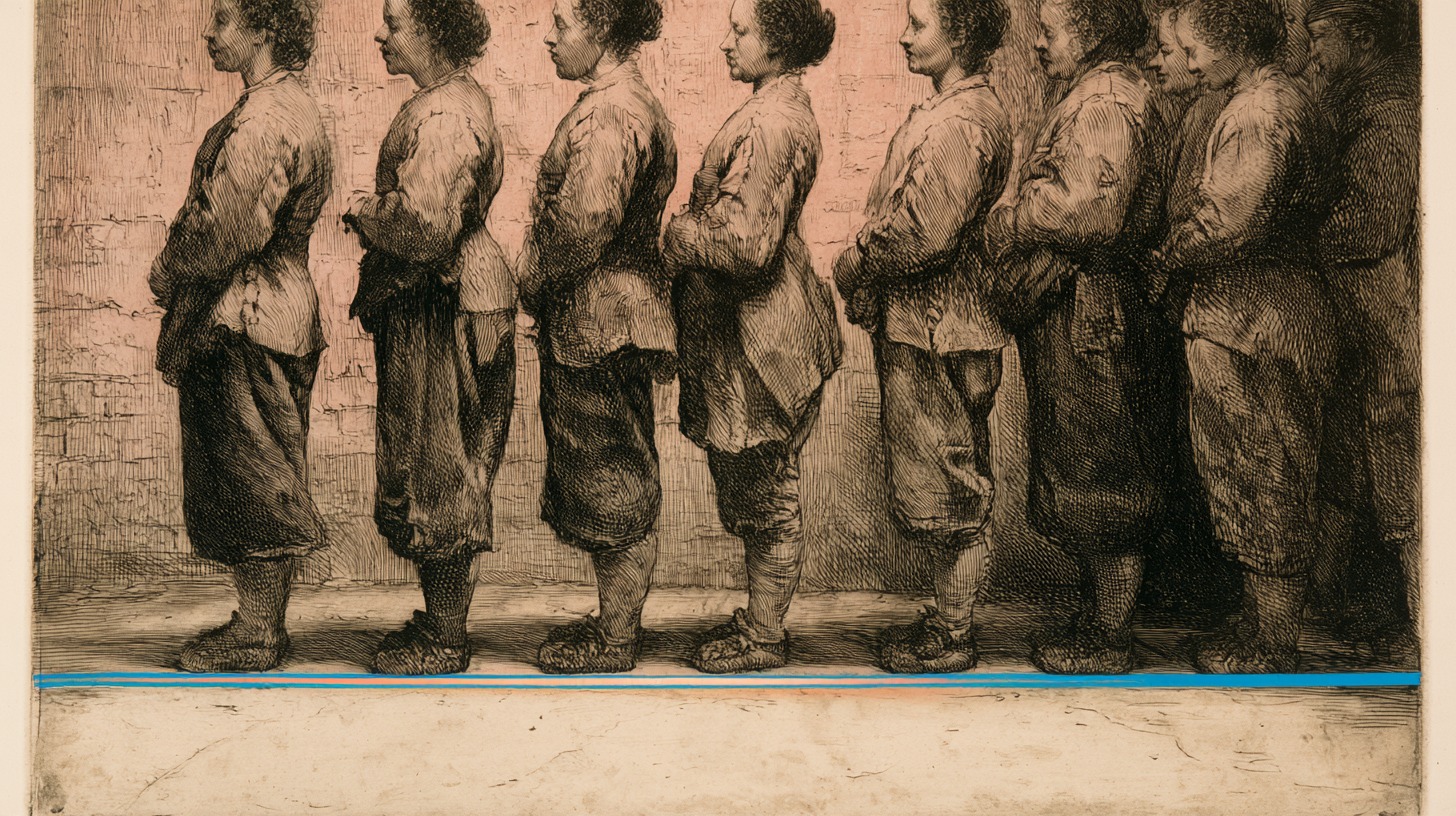
Be behind the blue line for recall at 3:30 and 9:15 p.m. Be by your bed at 4:00 and 9:30 p.m. for count.There’s even something like a prison siesta in between.Enforced rest.
I like that too. The rest of the day floats, unanchored by clocks. For someone like me, that feels likea taste of the eternal present.
That’s the secret of prison, really—the hidden practice beneath it all. You come here to meet yourself.The irritations aren’t obstacles; they’re the curriculum.
There’s no breaking out becausethe real prison isn’t these walls—it’s the self.