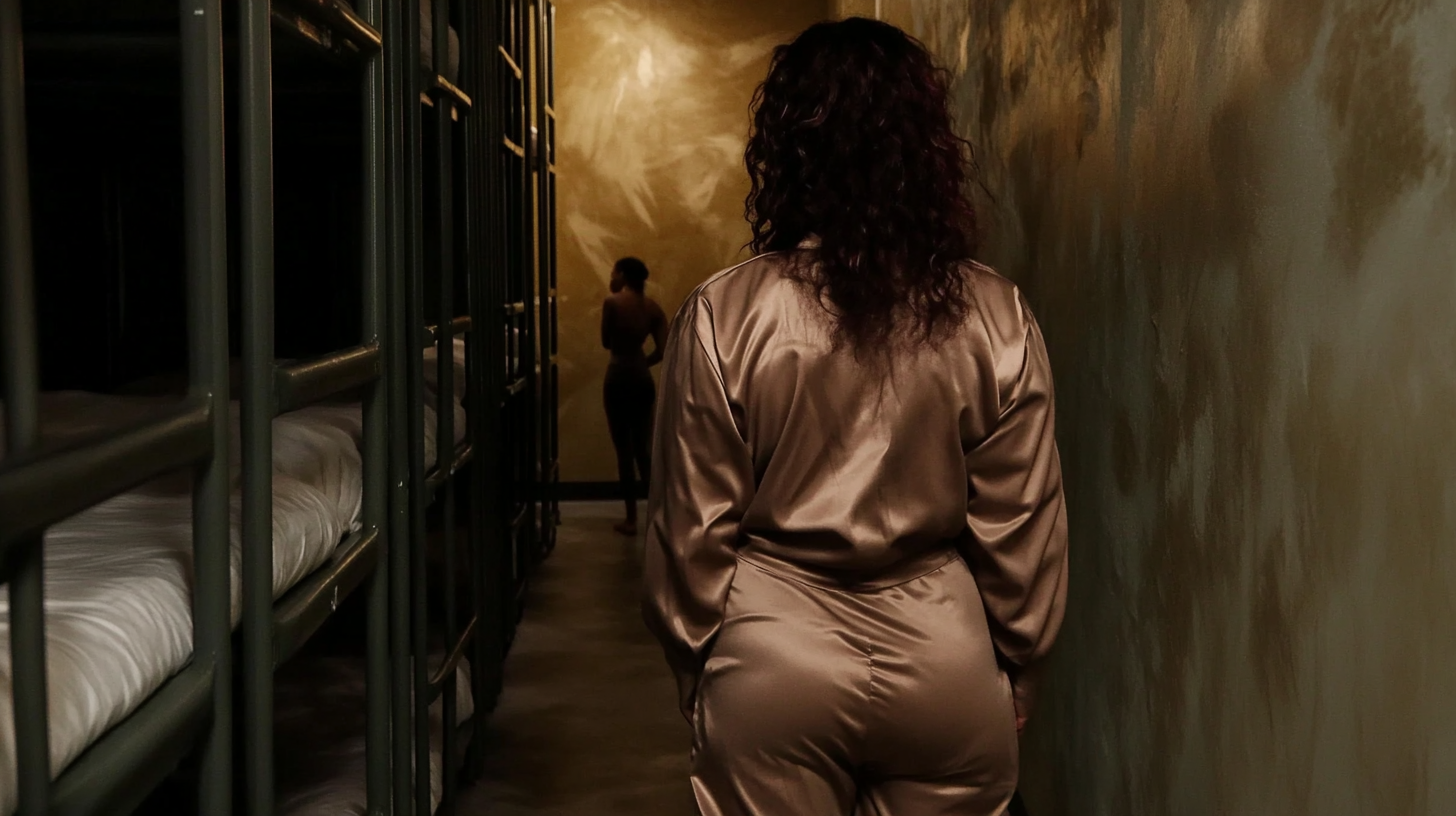
I have to make a trip to the courthouse to meet with probation about my pre-sentence report.I am taken from the dorm down to holding,along with Miriam.
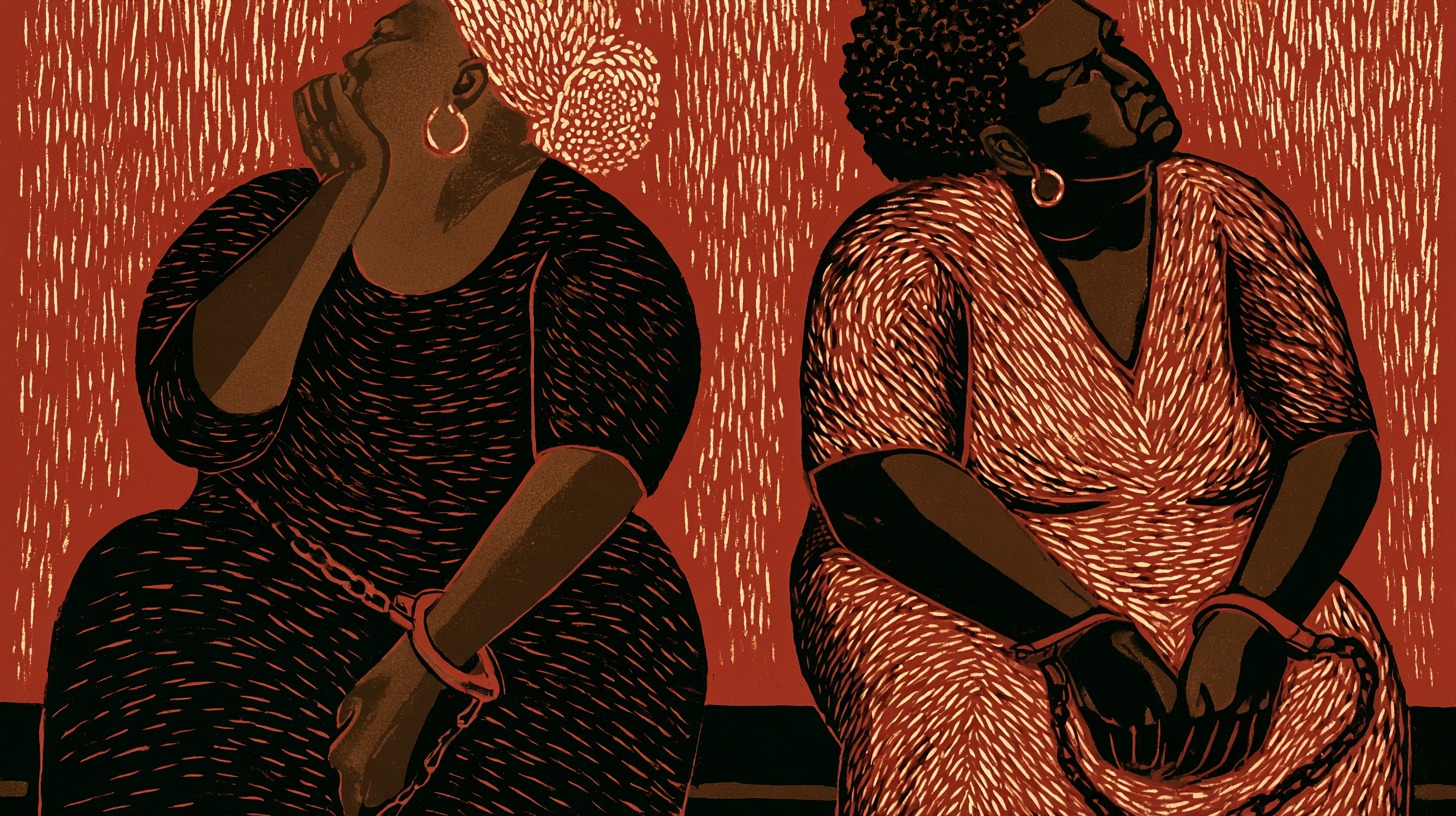
Seems she was headed to court as well. We will have a long day together, 6 a.m. to at least 6 p.m. I’ve heard the day would holdmultiple strip searches, shackles, a bumpy bus ride,other unknowns.
A meeting that could shape my sentence. There’s no faking at that intensity. When Miriam first arrived here, I hadn’t been sure about her. She’s tall like me, butbuilt like a protector.
She brought big-block energy to a row already loud enough. Territory staked; order asserted. I held onto my vote. Then I overheard her telling a notorious pot-stirrer, calm and flint-hard:“Not on my watch.
Are we clear?” The woman backed down.No escalation, no show, just clean leadership.I’d heard Miriam loved banana sandwiches so much she could live on them.
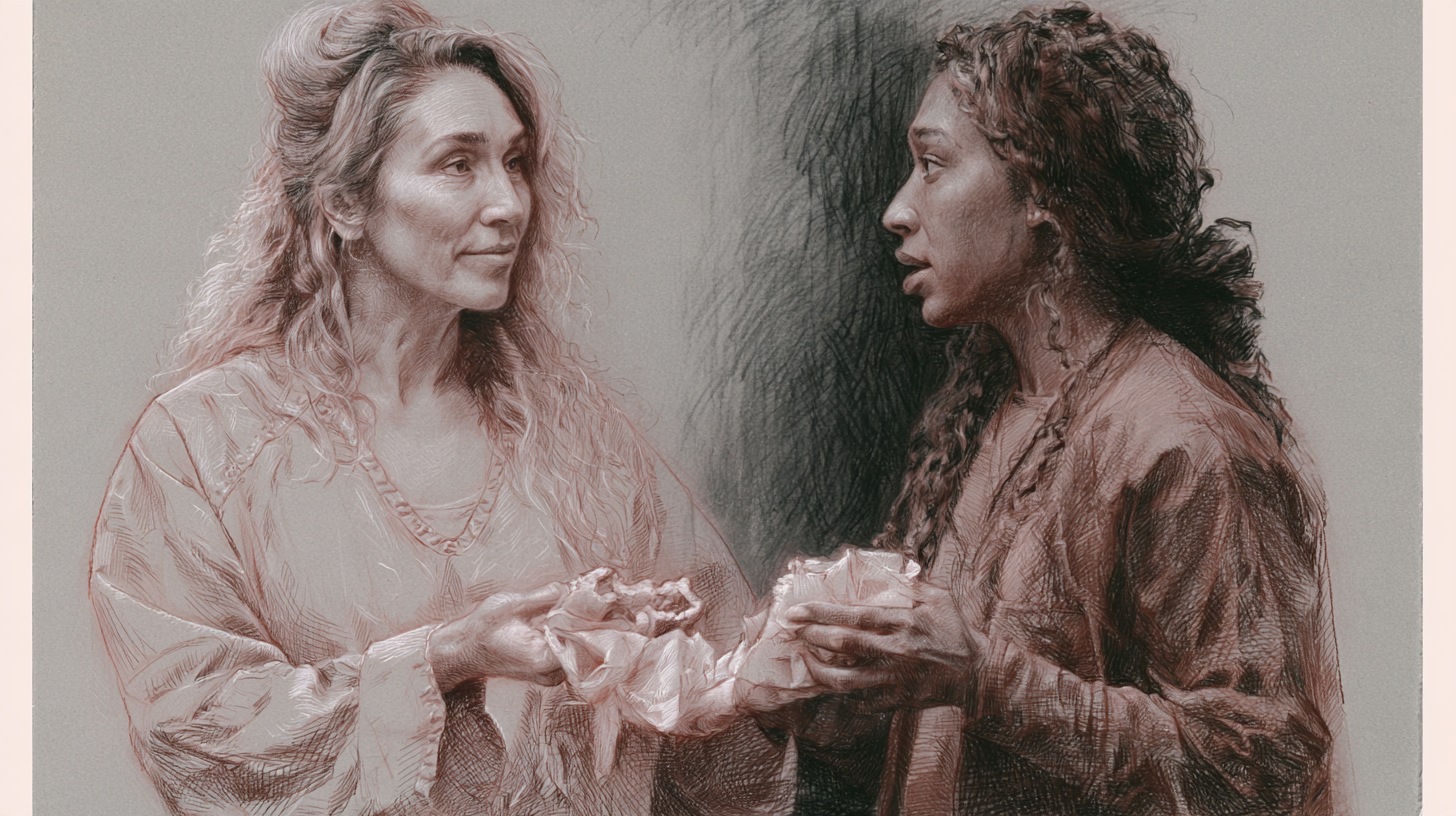
One afternoon in the dorm, I passed her two without a word. The look on her face wasa warrior caught off guard by kindness.Okay, I thought.
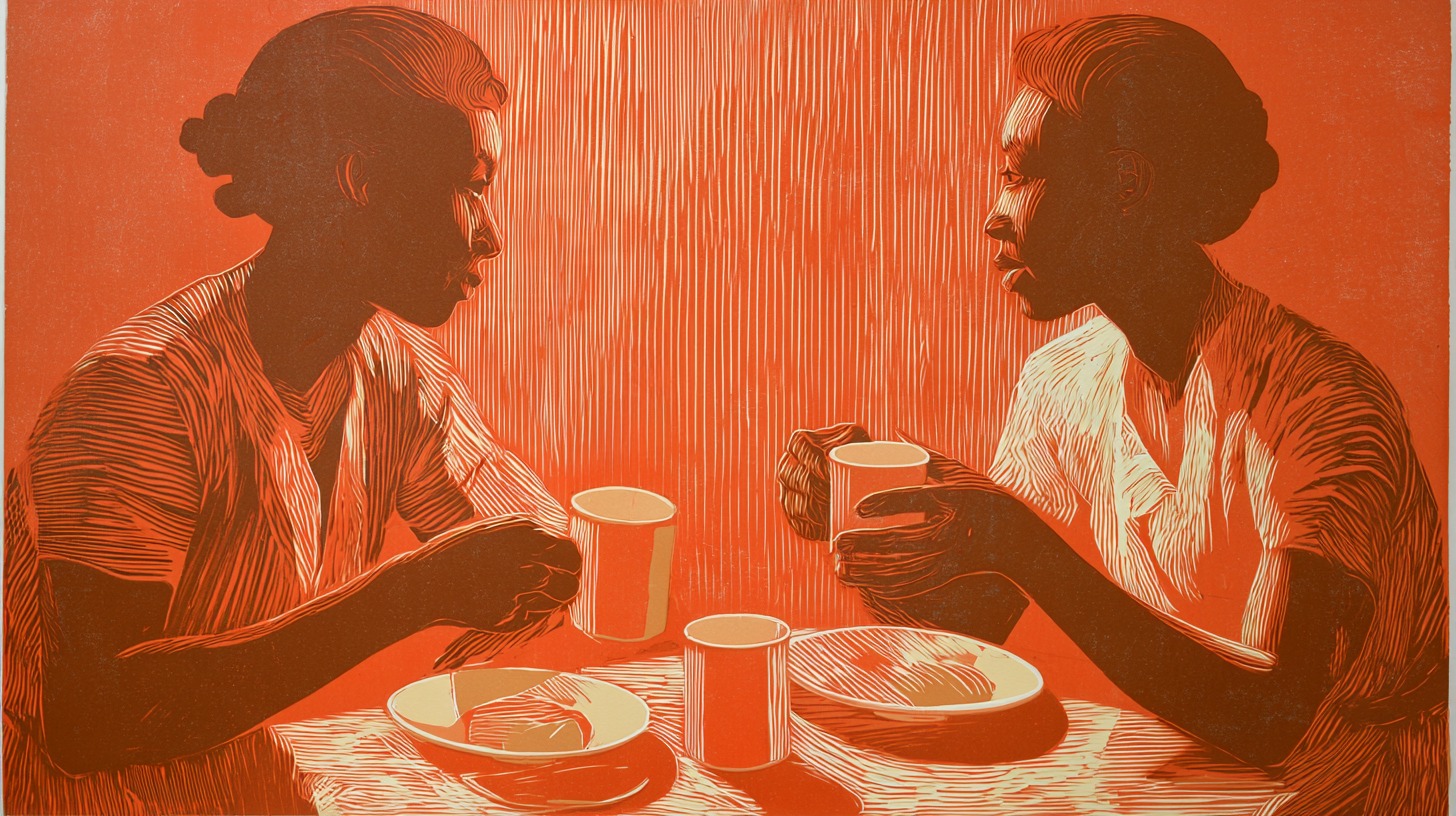
Noted. We sit in that unfamiliar holding cell, me eating my bran flakes, her eating her breakfast cake.“Ever think we’re here for something more than the obvious?”
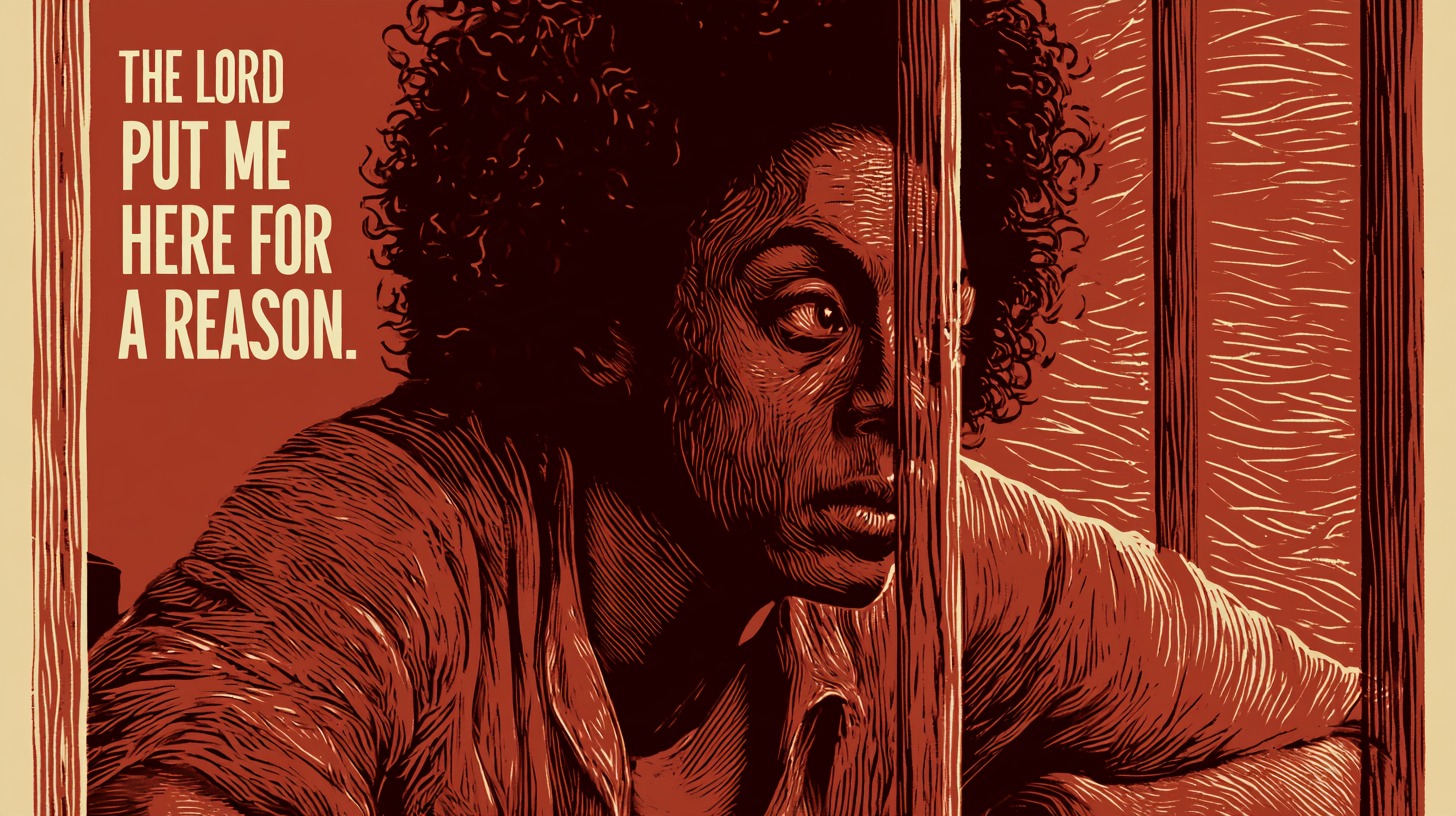
I ask Miriam. I’m not known for my small talk. She doesn’t miss a beat. “I’ll tell you what I know.The Lord put me here for a reason.”
Her tone says:Make it worth my time or stop talking.“I hear you,” I say. “I think you could bring a lot of benefit to these women.” She stares at the wall, then: “Look.
I love people but I don’t like people.I’m gonna do my time and go home. I got work.” “Got it,” I say. “I just notice you cut division when you see it.
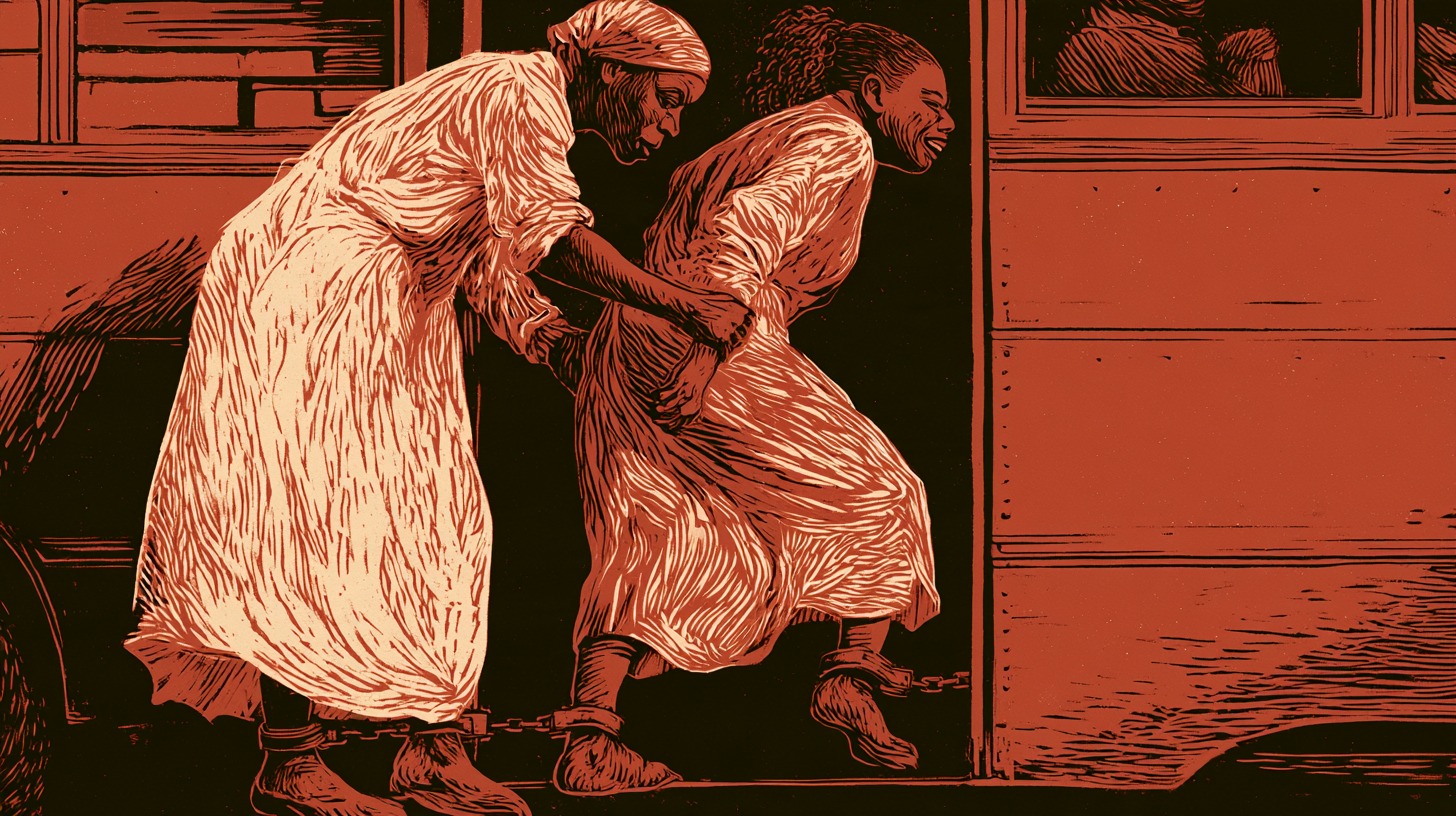
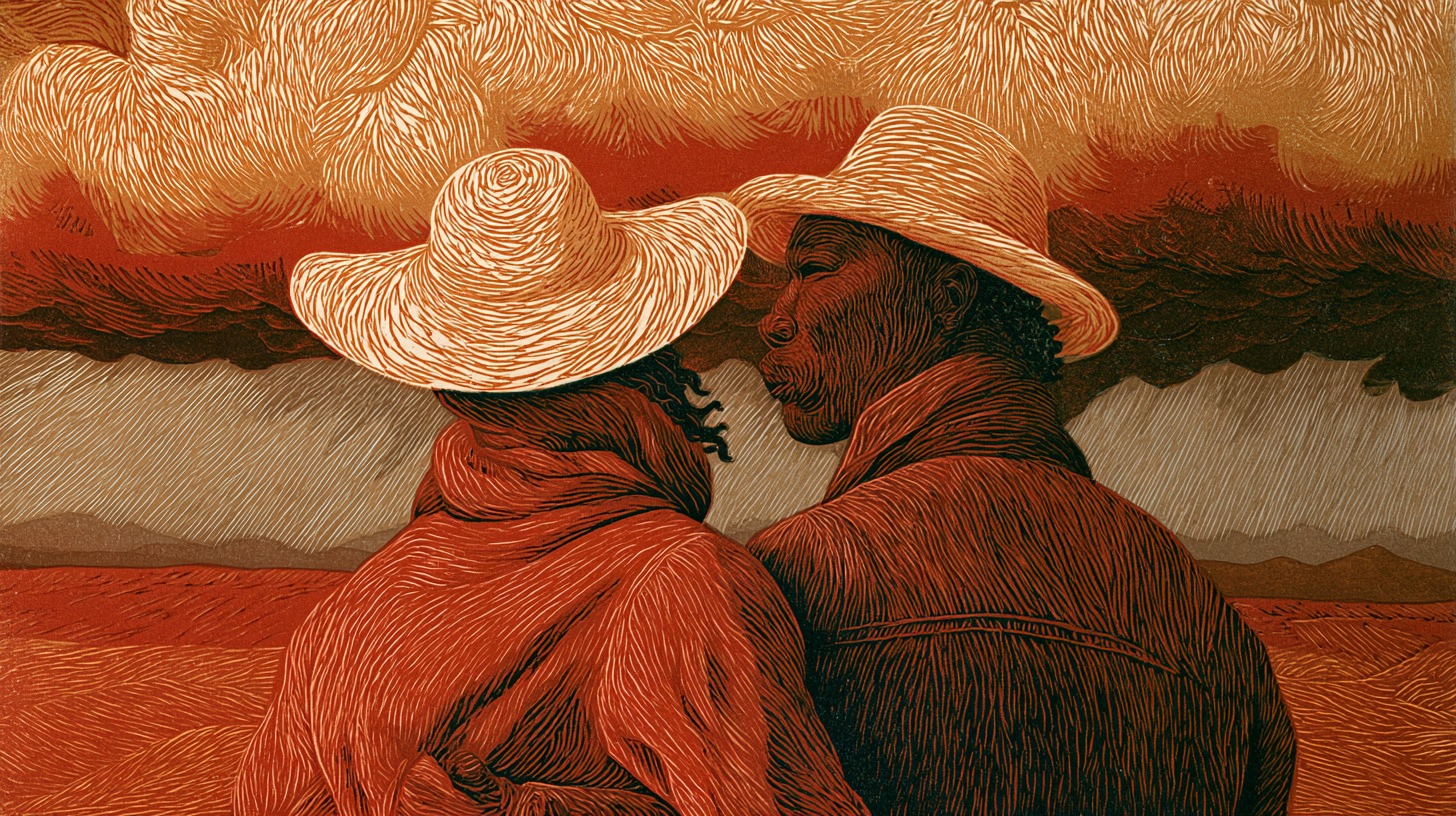
That changes a place.” A small smile gets away from her. Filing onto the bus, she stands behind me on the steps so I won’t topple if I happen to trip overthe shackles that bind my ankles together.
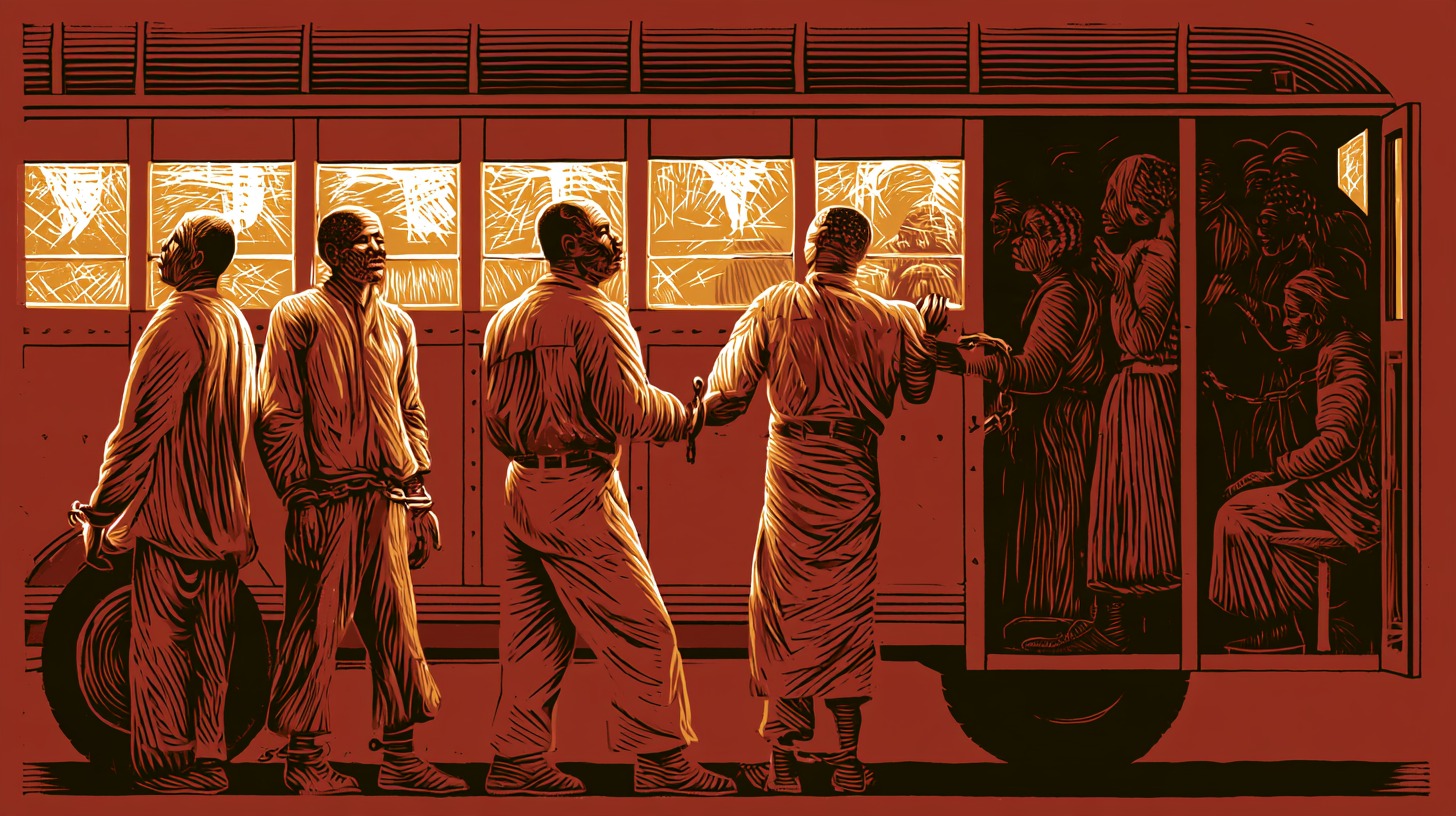
Once the two of us are seated in place, they load in the men.Her husband is one of them.She hadn’t known he’d be coming, hadn’t seen him since their arrest.
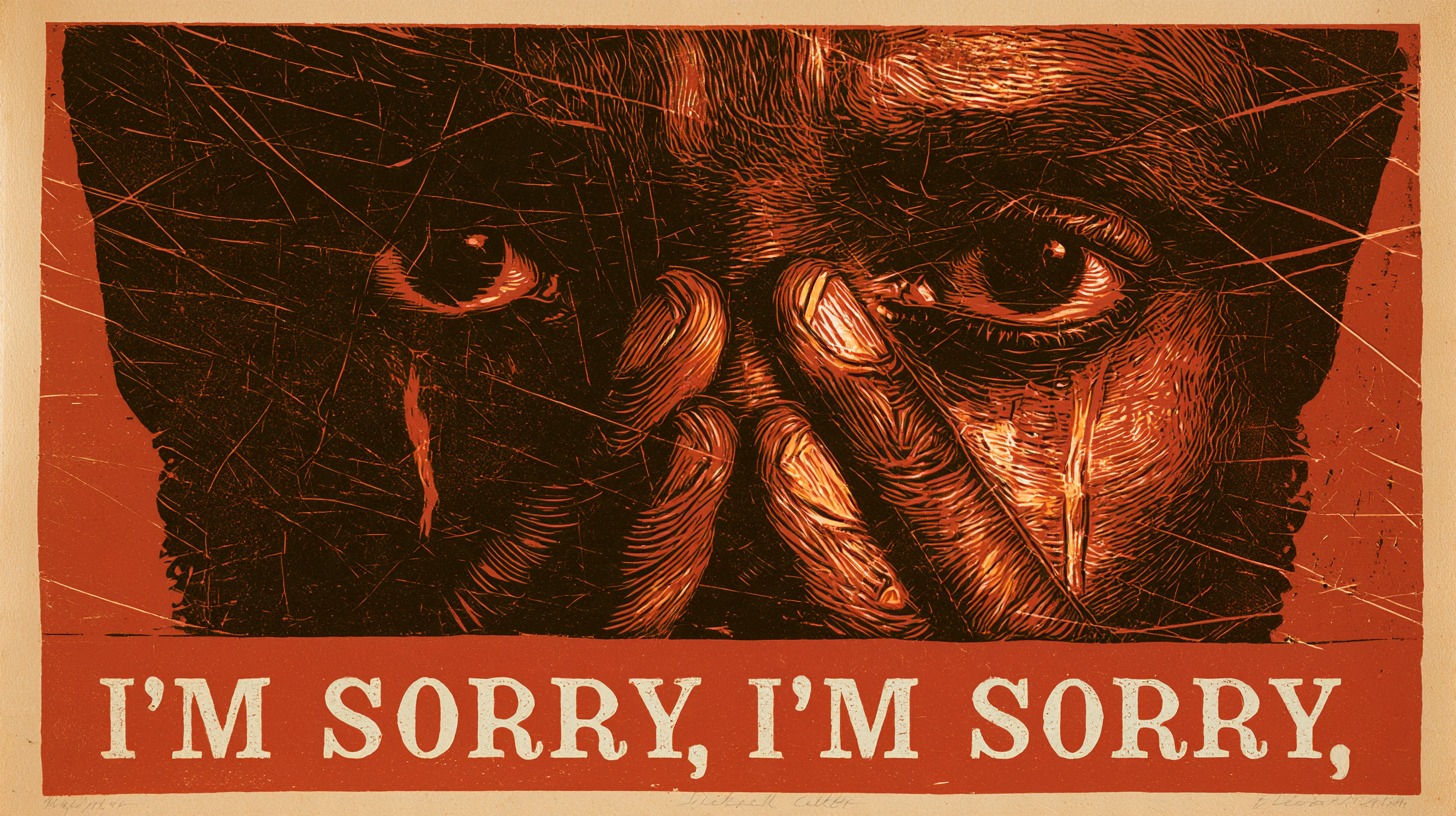
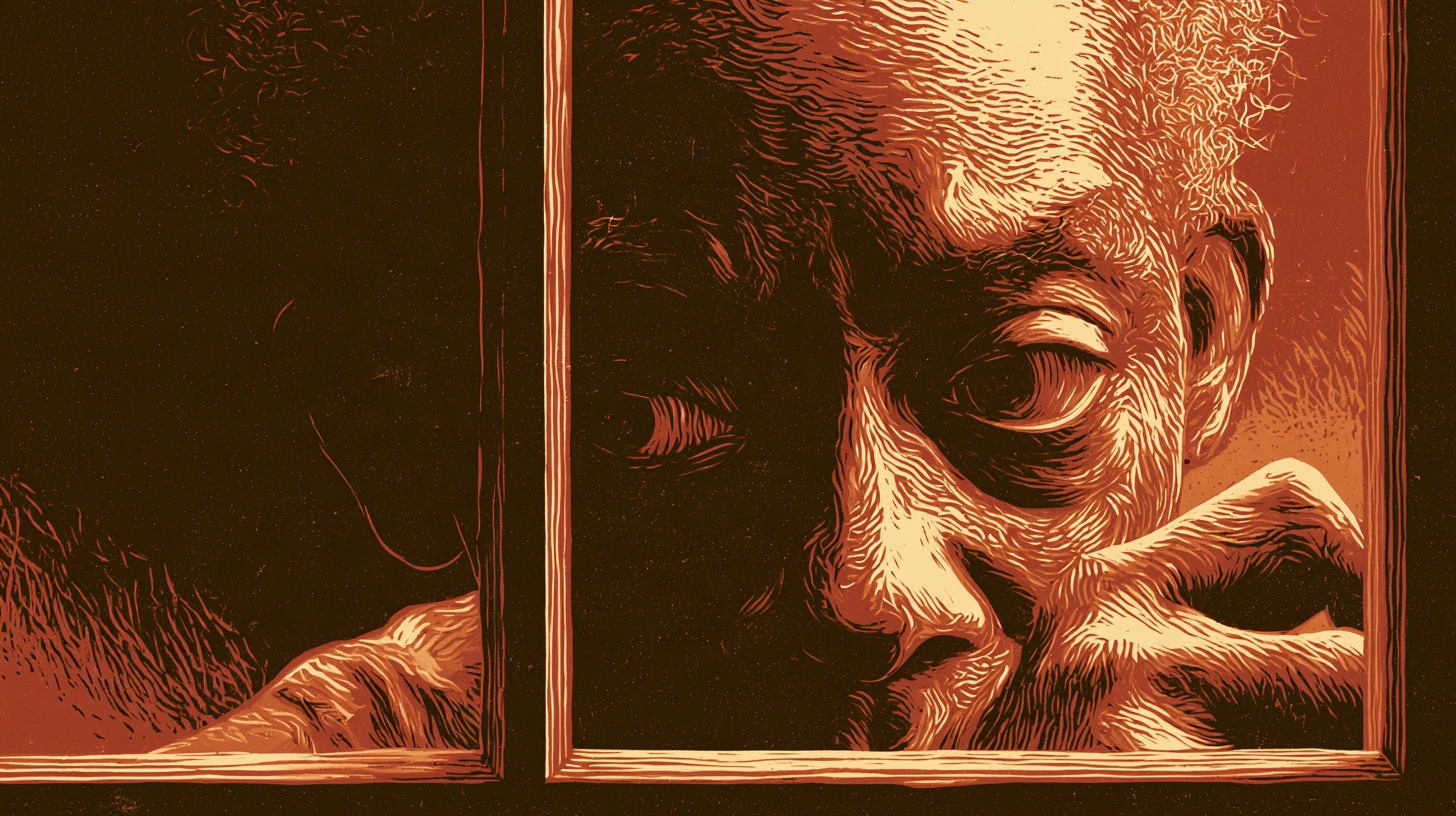
He sits behind us, his eyes filled with tears, knocking his forehead against the window that divides the men and the women.“I’m sorry, I’m sorry,”he mouths.
“We good,” she says,voice like gravel and oak.“You hear me?
We GOOD. We gonna get through this.”Right then, I know everything I need to know about the two of them.
You can tell a person by who they stand next to,who they walk into the storm with.He isn’t a coward and she isn’t some wilted flower pretending she didn’t know better.
They have that look you only see on people who’vesurvived something together and come out with a code.Not the kind you say out loud, the kind you live.
Inside here, most folks never touch it.Pressure hits and they scatter,or they fold, or they start telling stories. But the ones who follow the code?
We spot each other quick. We don’t always look the same, or sound the same, or move the same, but there’s this quiet click—oh,you’re built from that fire too.
We recognize each other by feel.The others? We see them just as clearly. You can be polite, even kind, but you don’t mistake them for your people.
They haven’t been forged. The real ones, those who’ve walked through something and stayed true, carry a stillness.They are always granted peace.