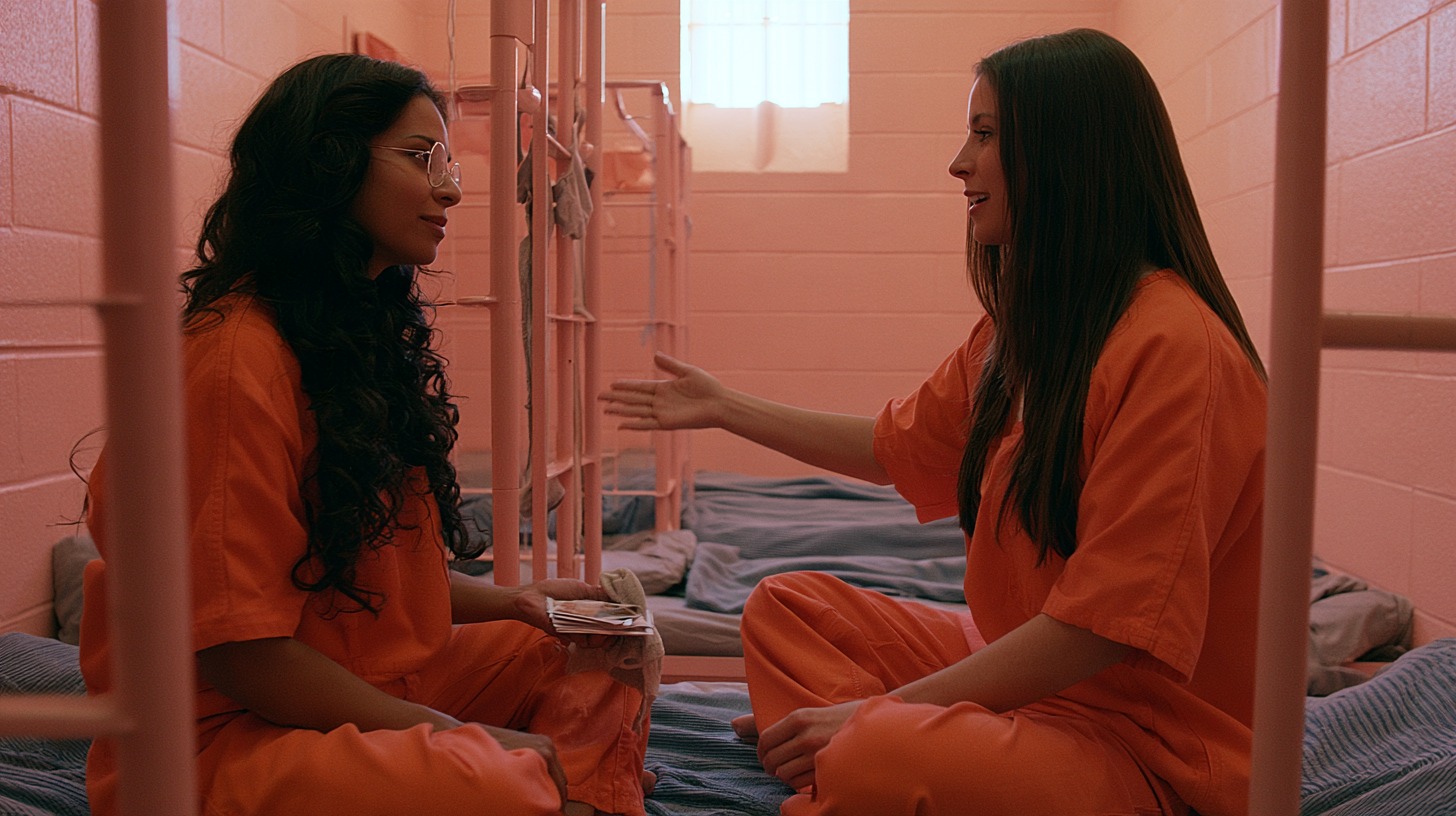
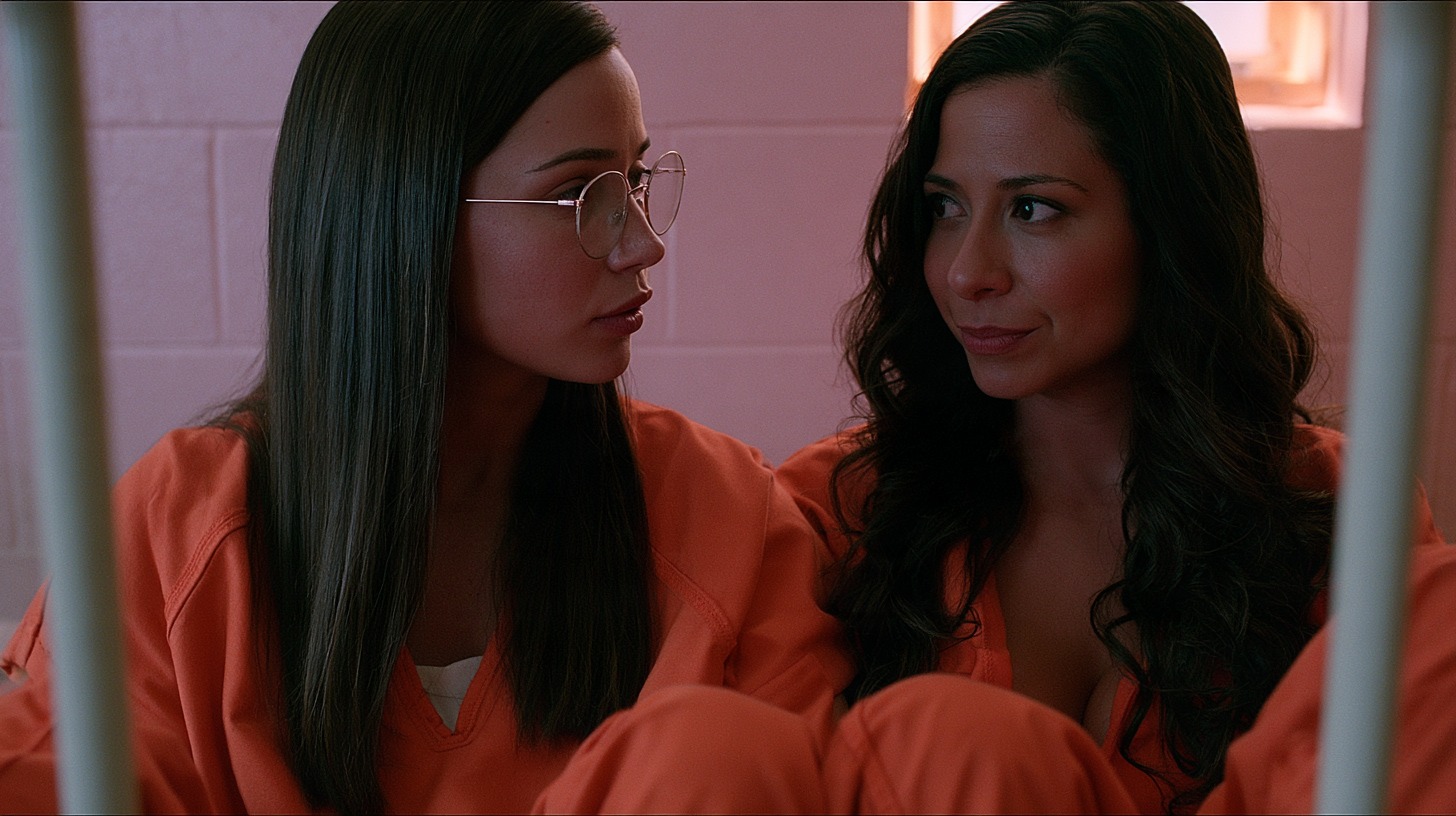
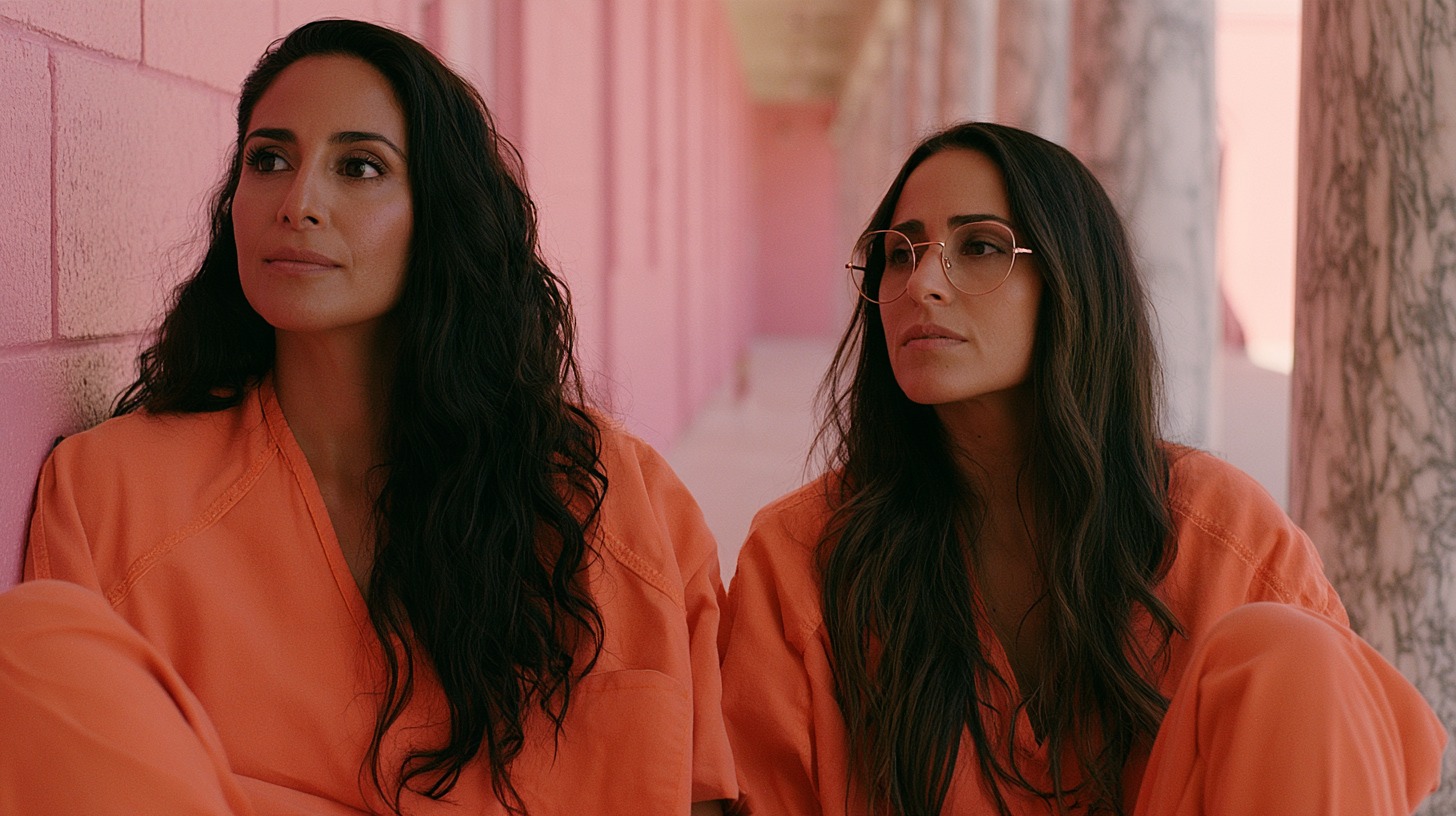
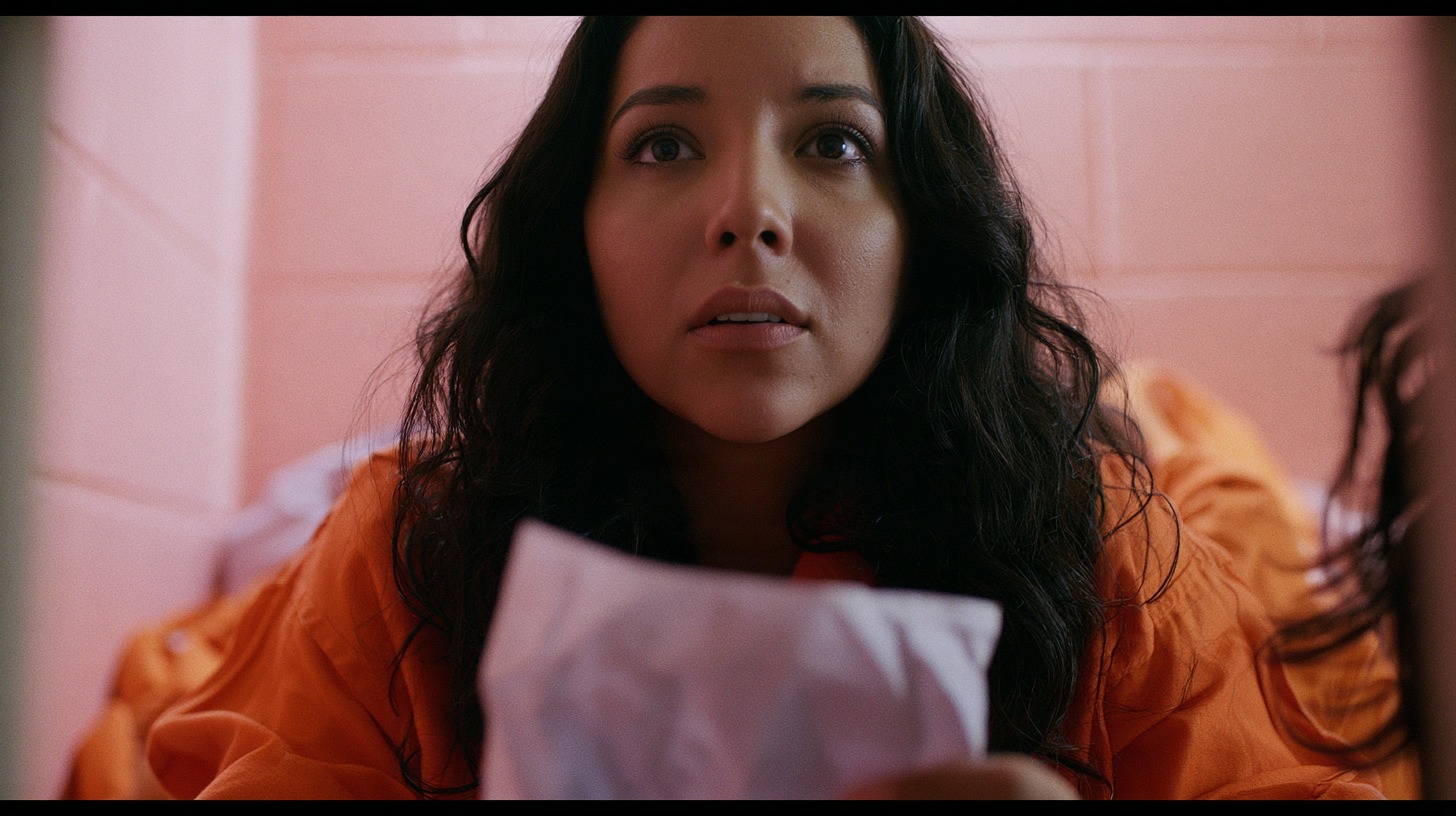
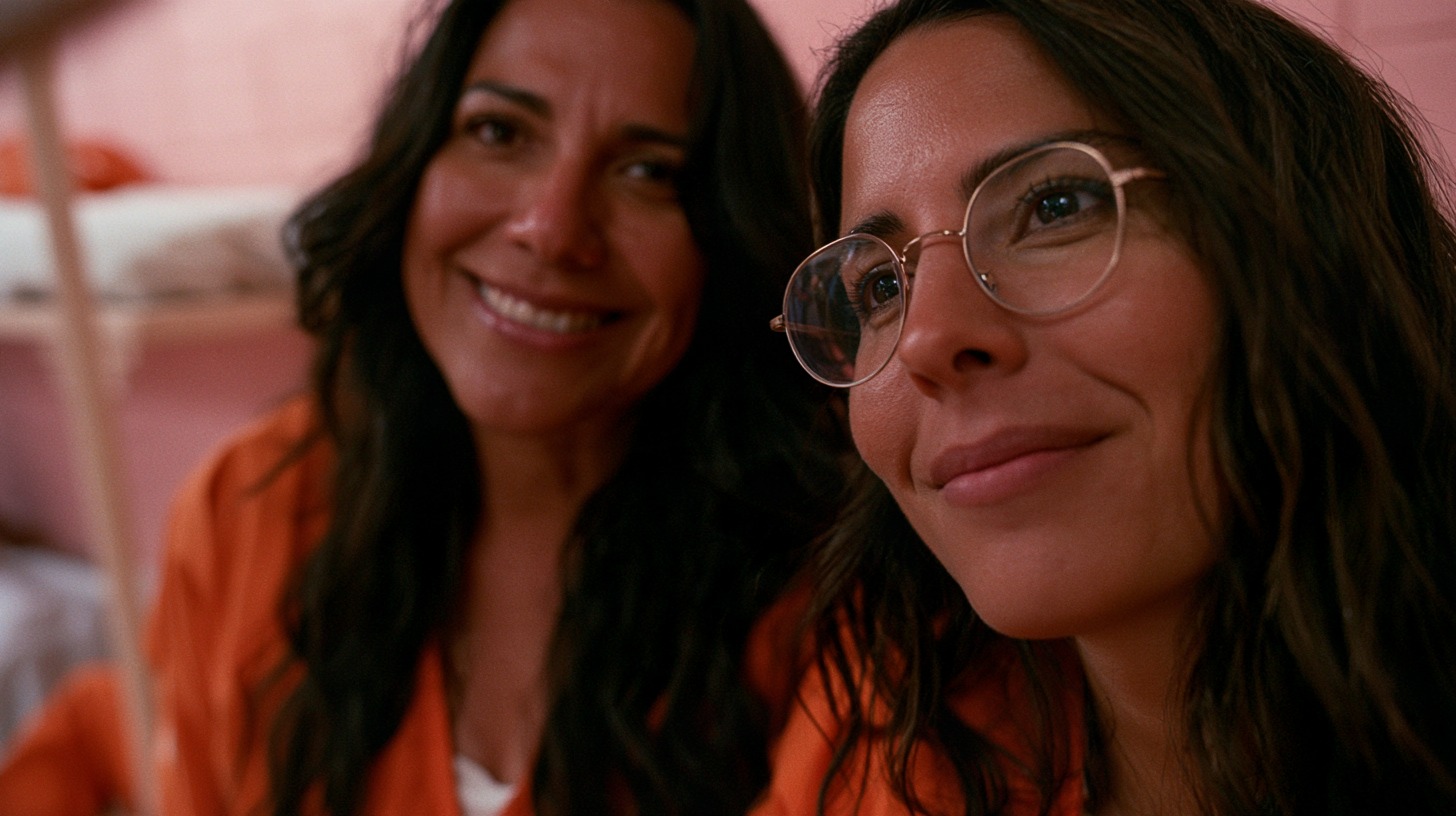
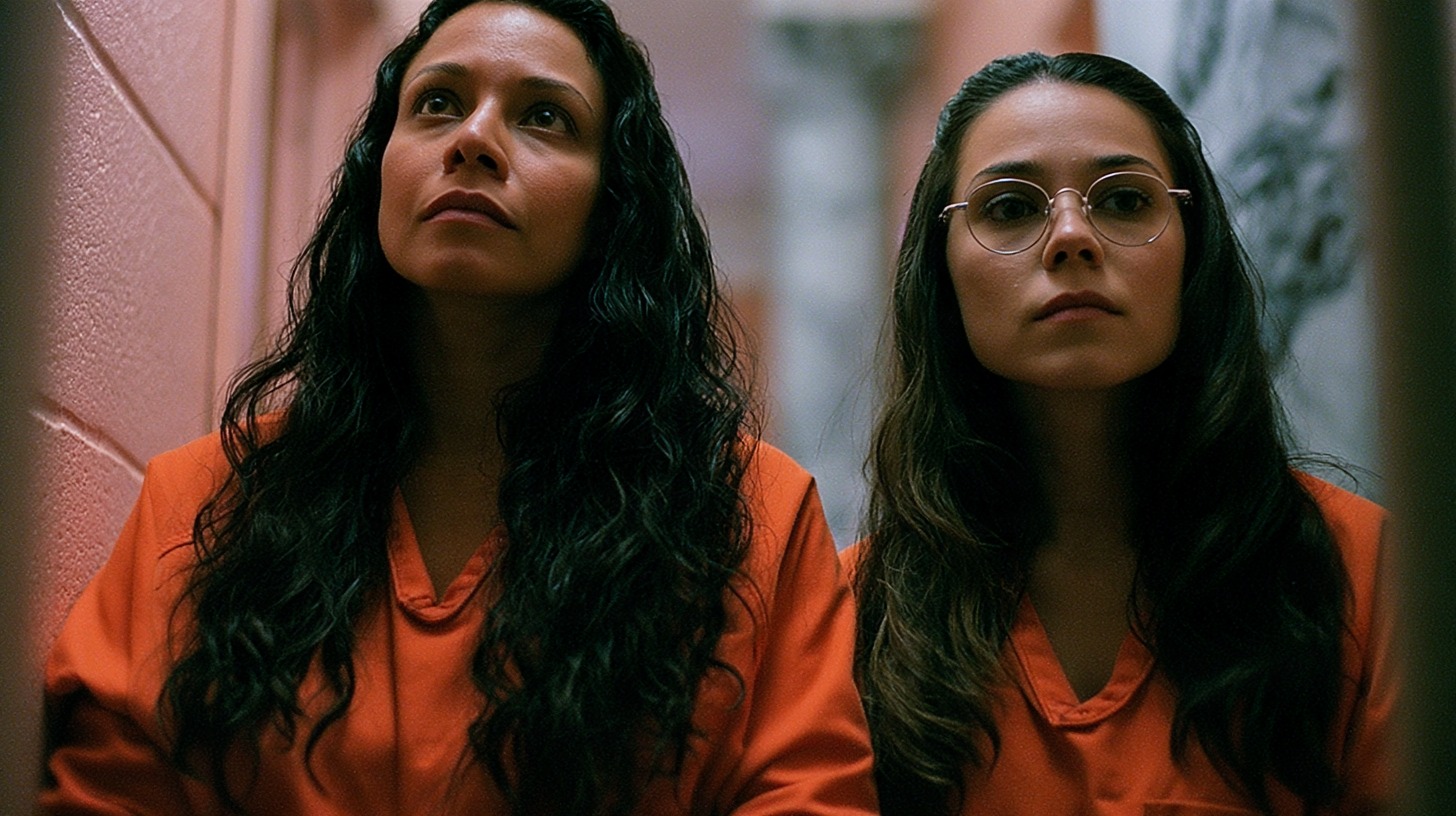
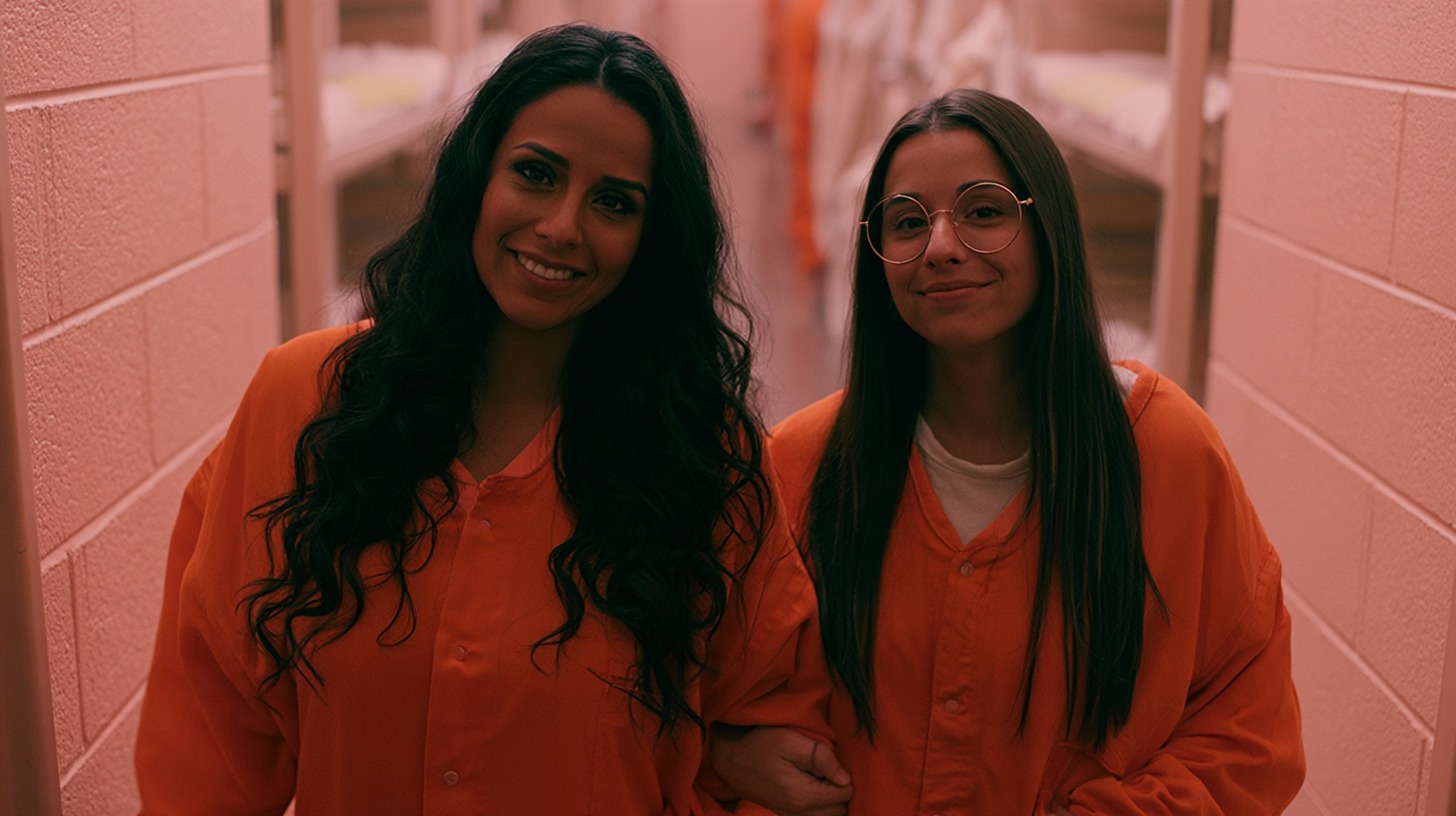
Rach was sitting cross-legged on her bunk next to mine, air-drying her one pair of socks on the safety rail,when Mari called us over to show us pictures of her son.
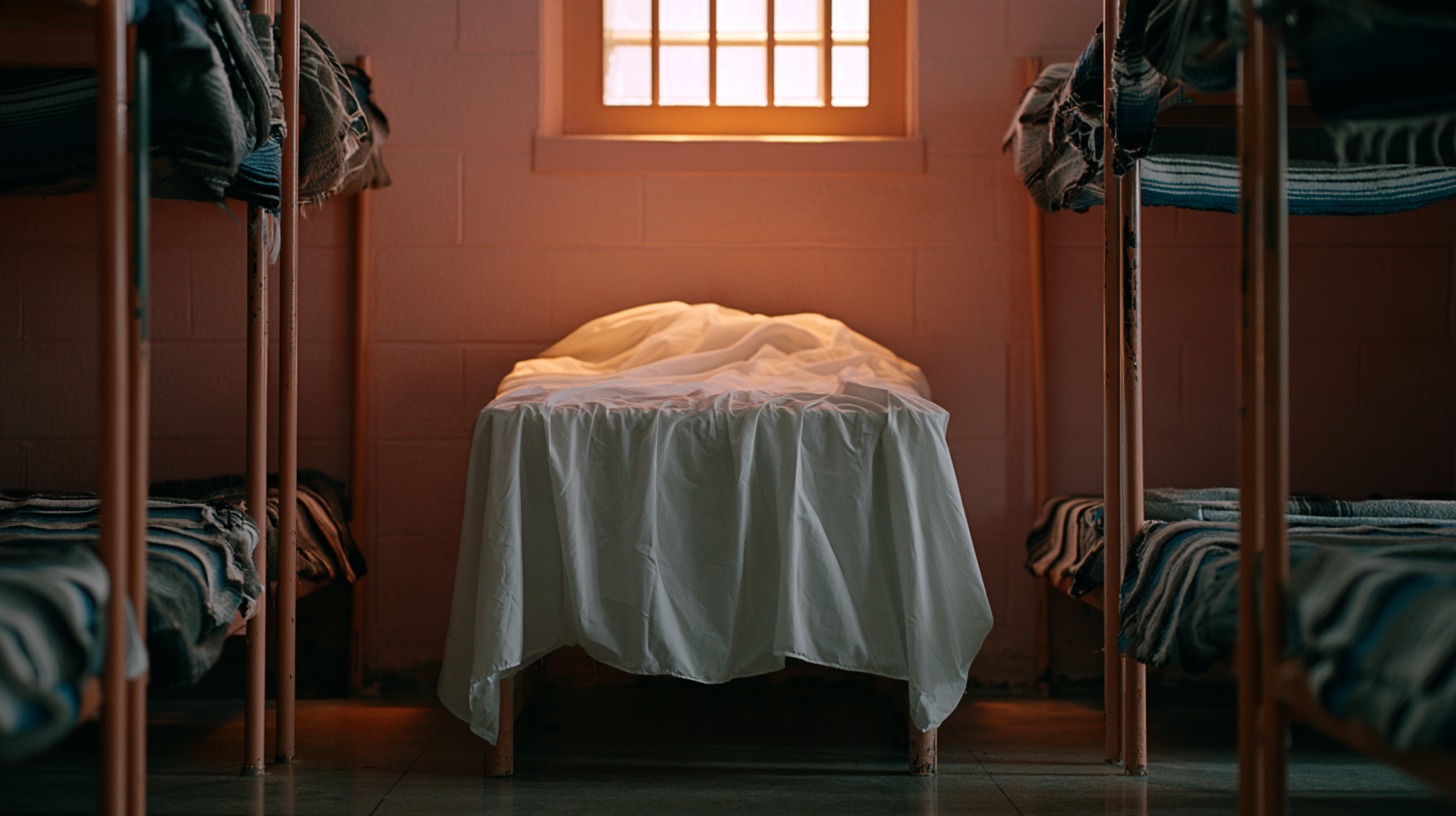
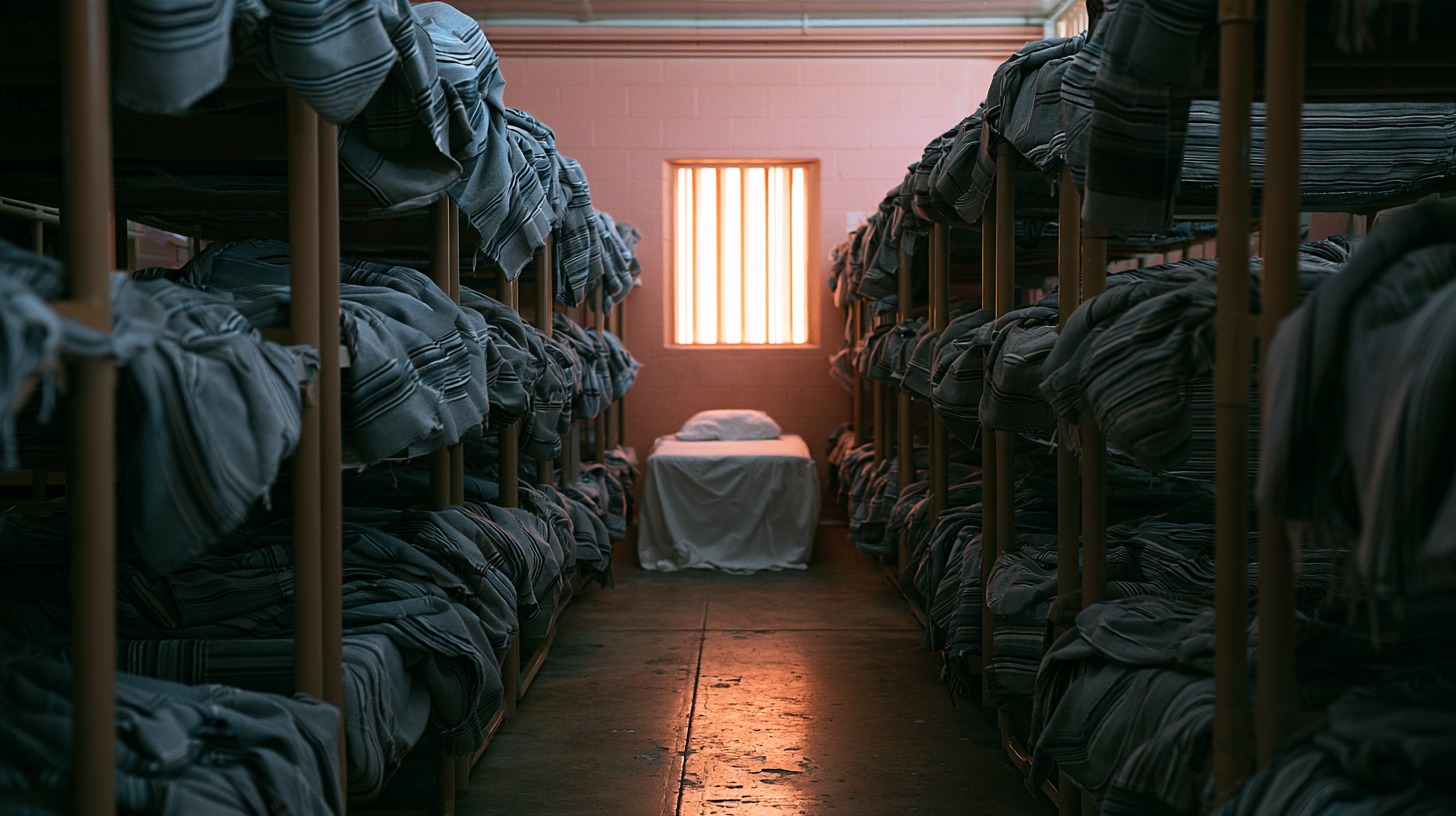
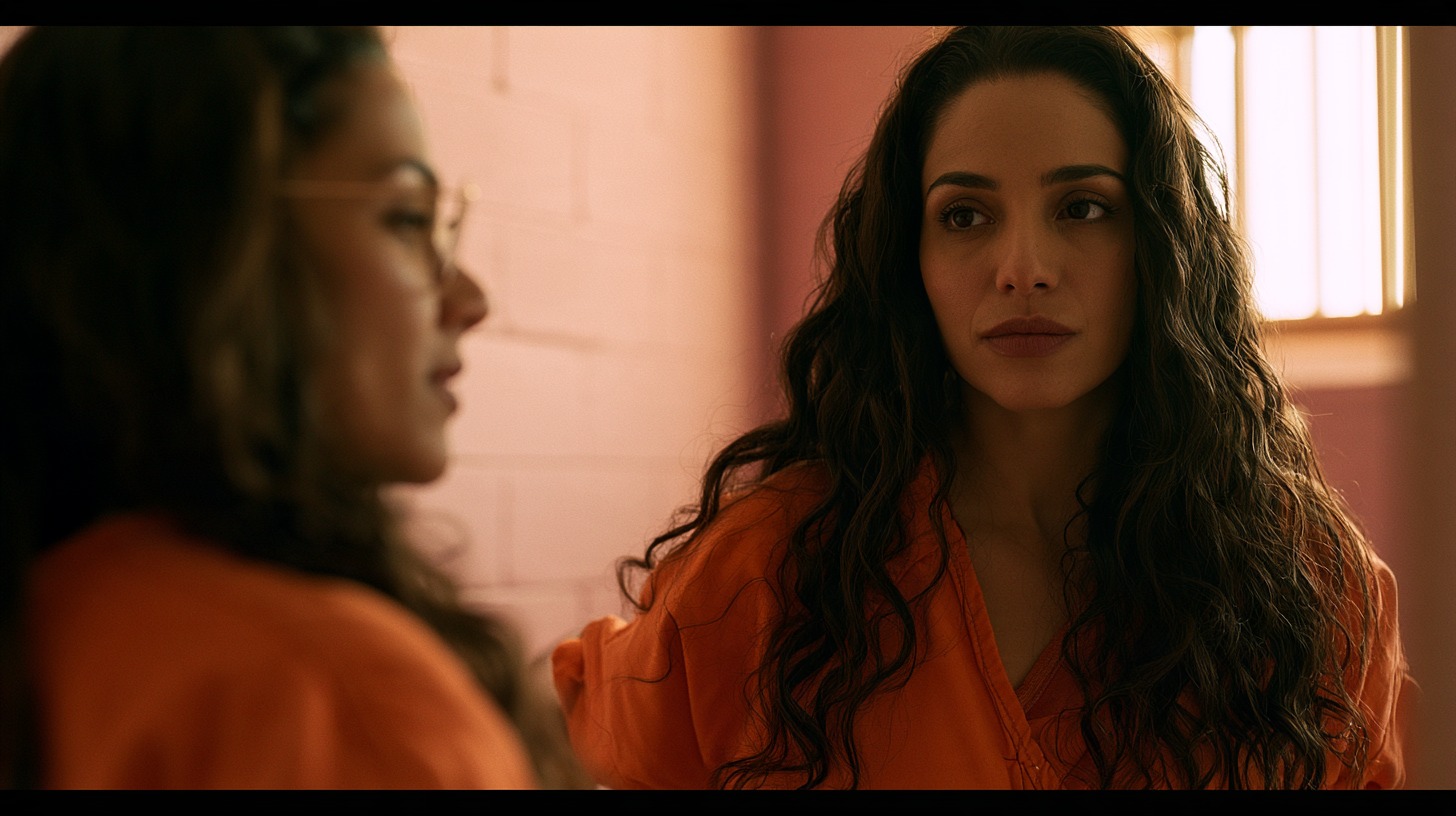
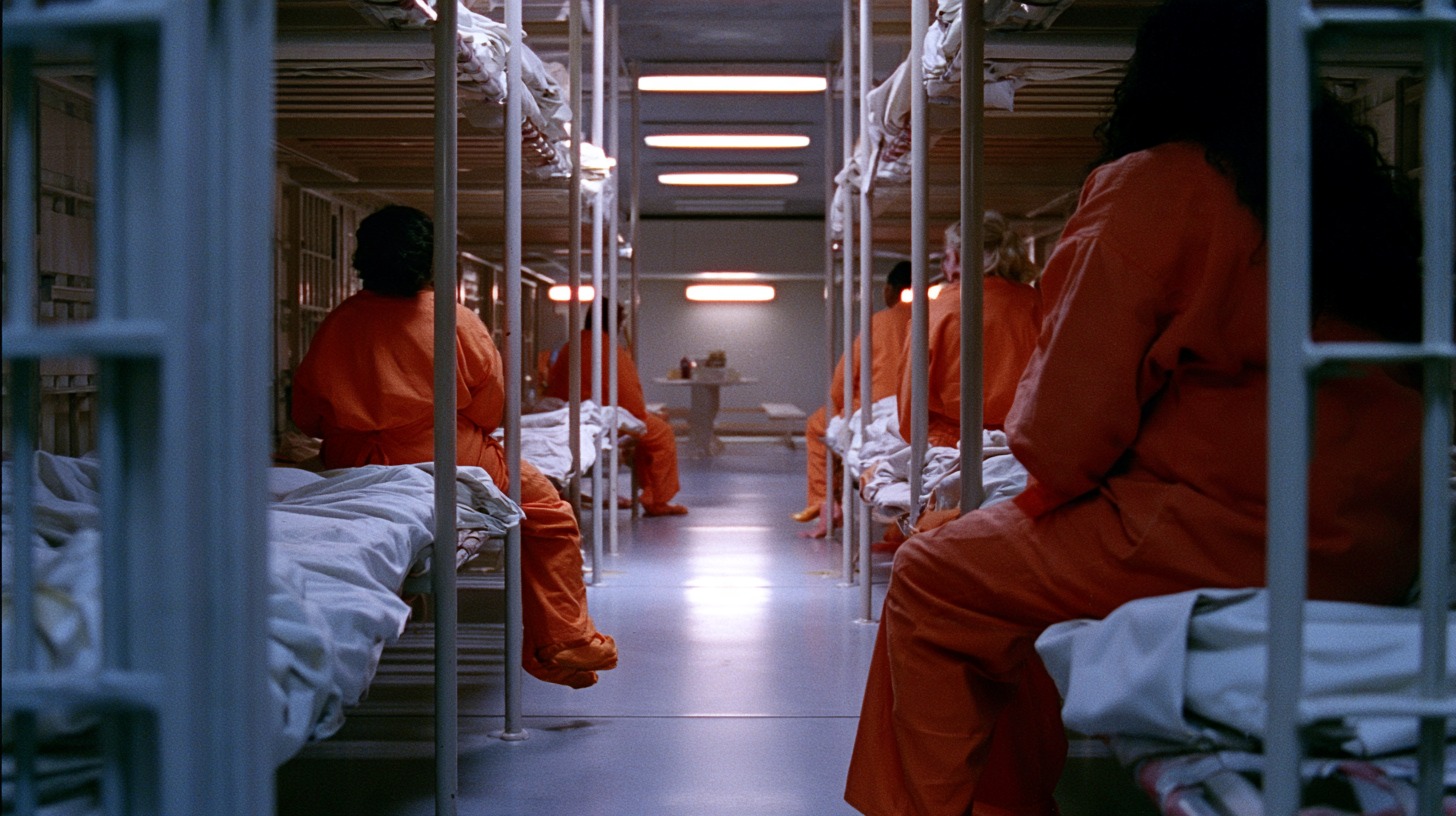
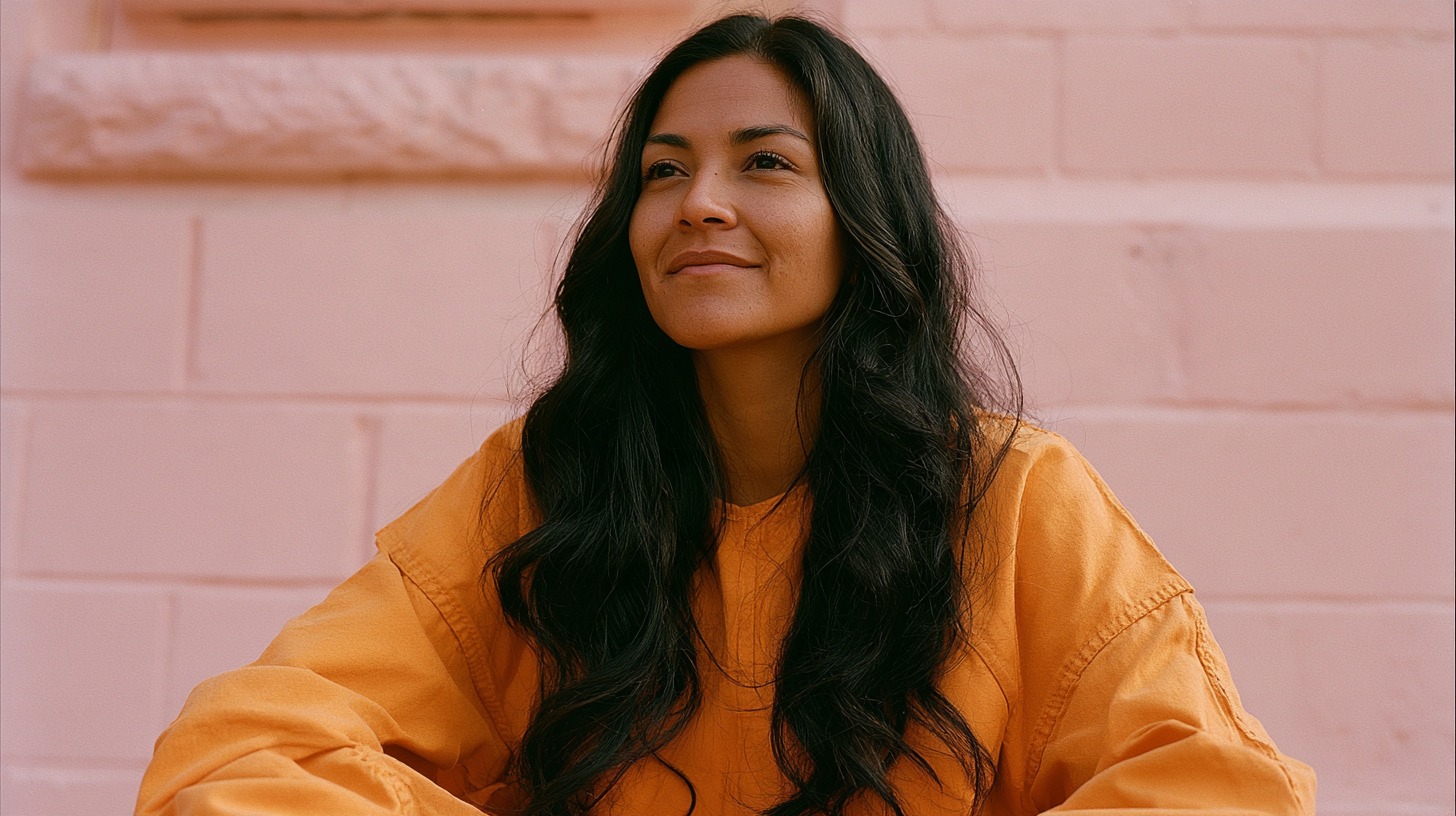
Her bunk was ultra-feminine,like a European princess had been dropped into a federal dorm.
Most beds had the same Mexican-market-looking blanket—grey and blue stripes like a checkerboard—buthers was covered in a white bedspread that caught what little light there wasand softened it.
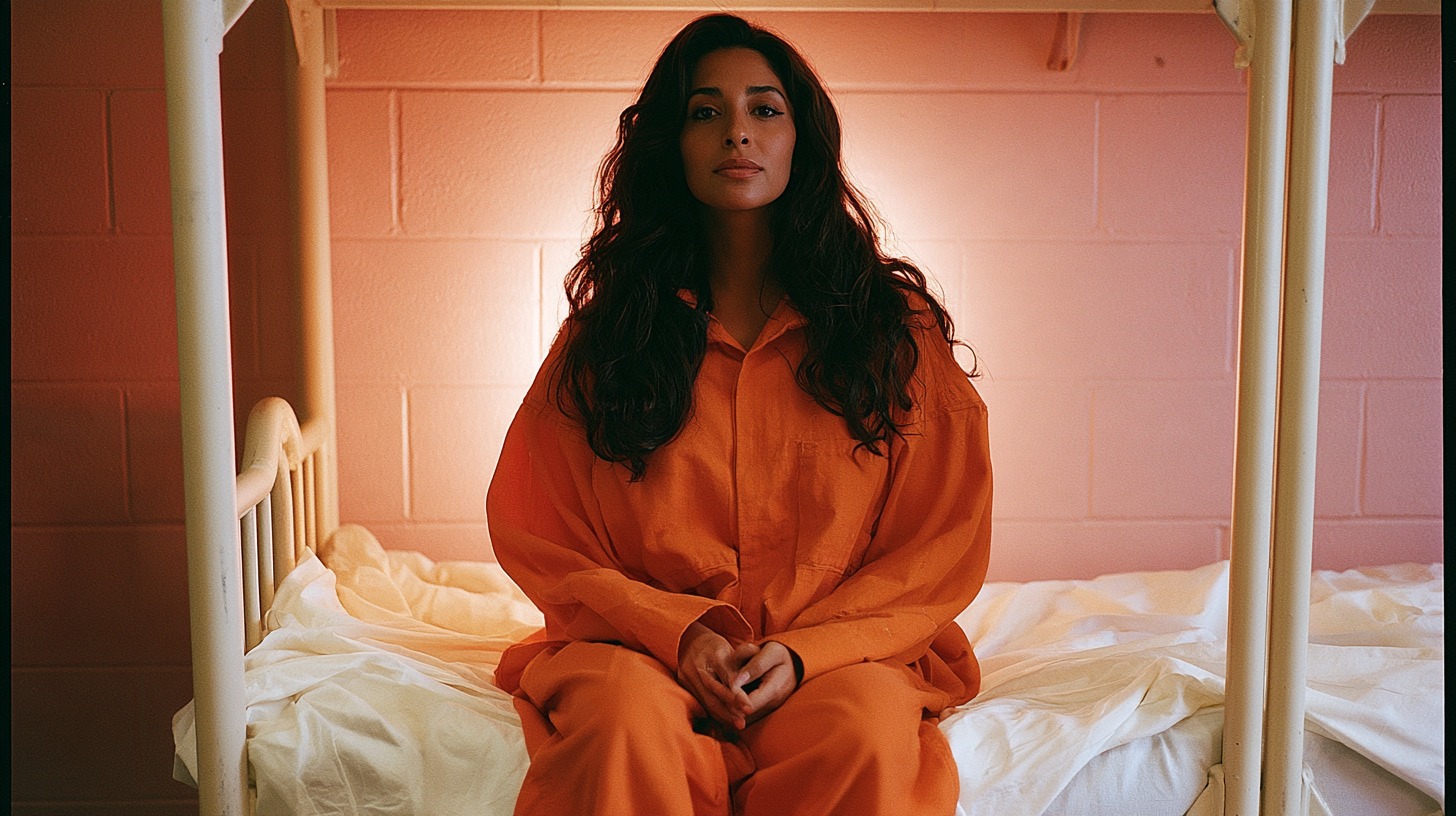
A small haven inside here. In the same way her bed stood out, so did she. Not just her beauty, butthe way her spirit and grace changed the air around her.
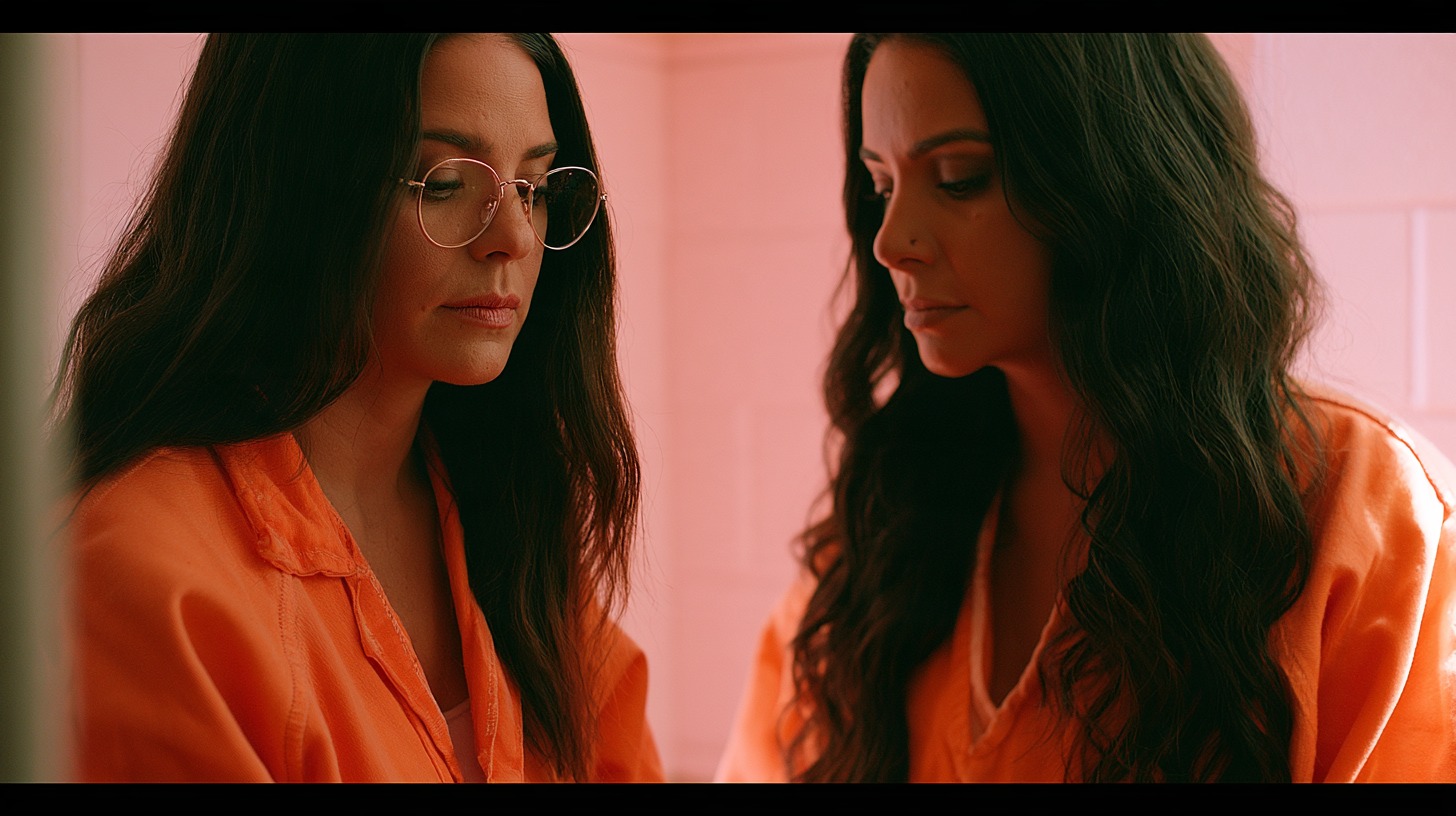
Rach and I perched on the edge of her mattress,thumbing through glossy photos of a little boy with her eyes.“You’re Italian, yes?” she asked, looking at me.
I glanced up from a picture of her son grinning at the camera. “Your last name. Italian, right?” Entering a new world,even a simple question can feel loaded.
For a second I wonderedif I was answering for more than my bloodline.“Half,” I said. “My father’s side is from Sicily.” Mari’s face lit up.
“I knew it,” she said,stepping in like she had always belonged there.“I lived in Italy.
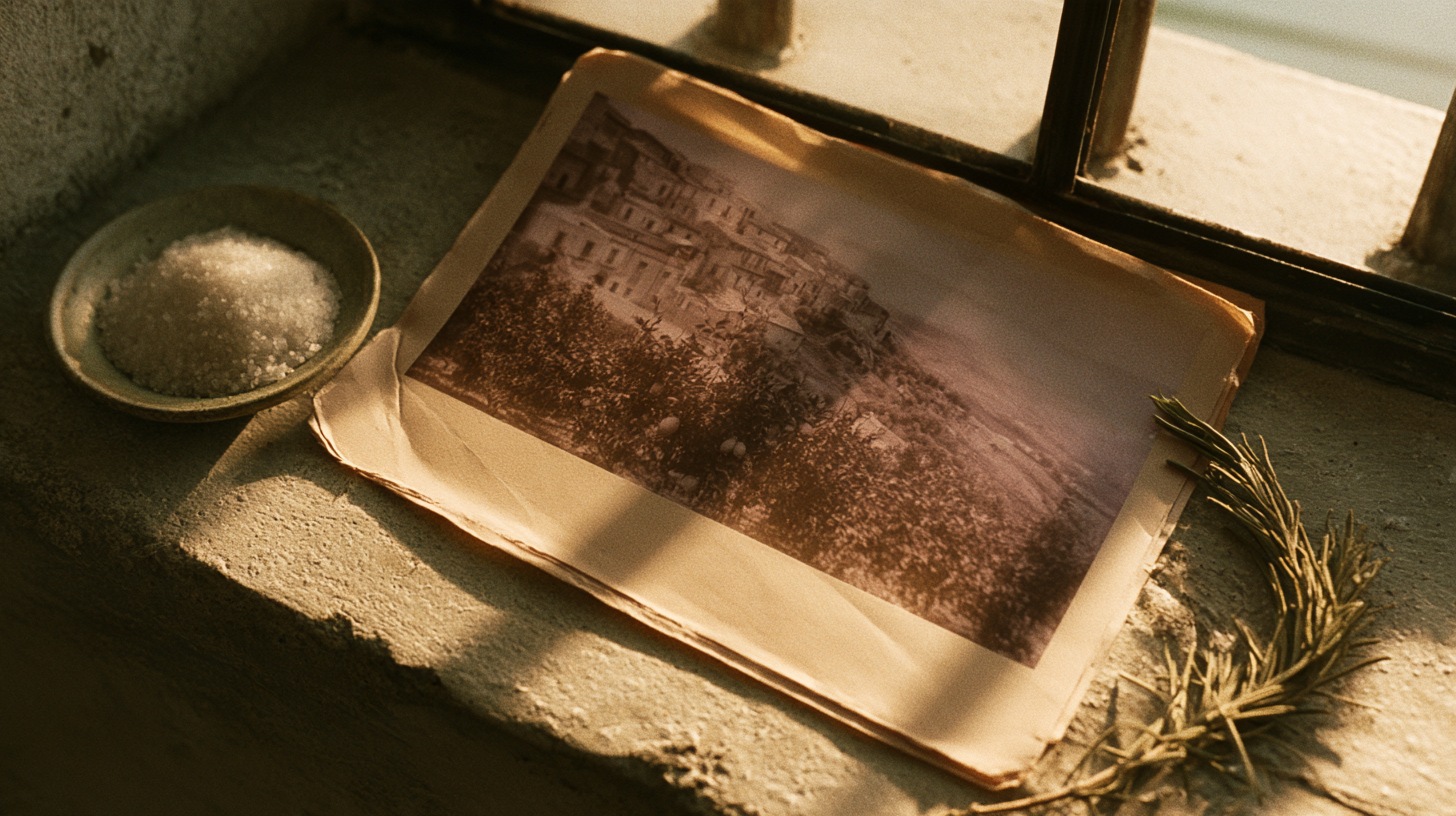
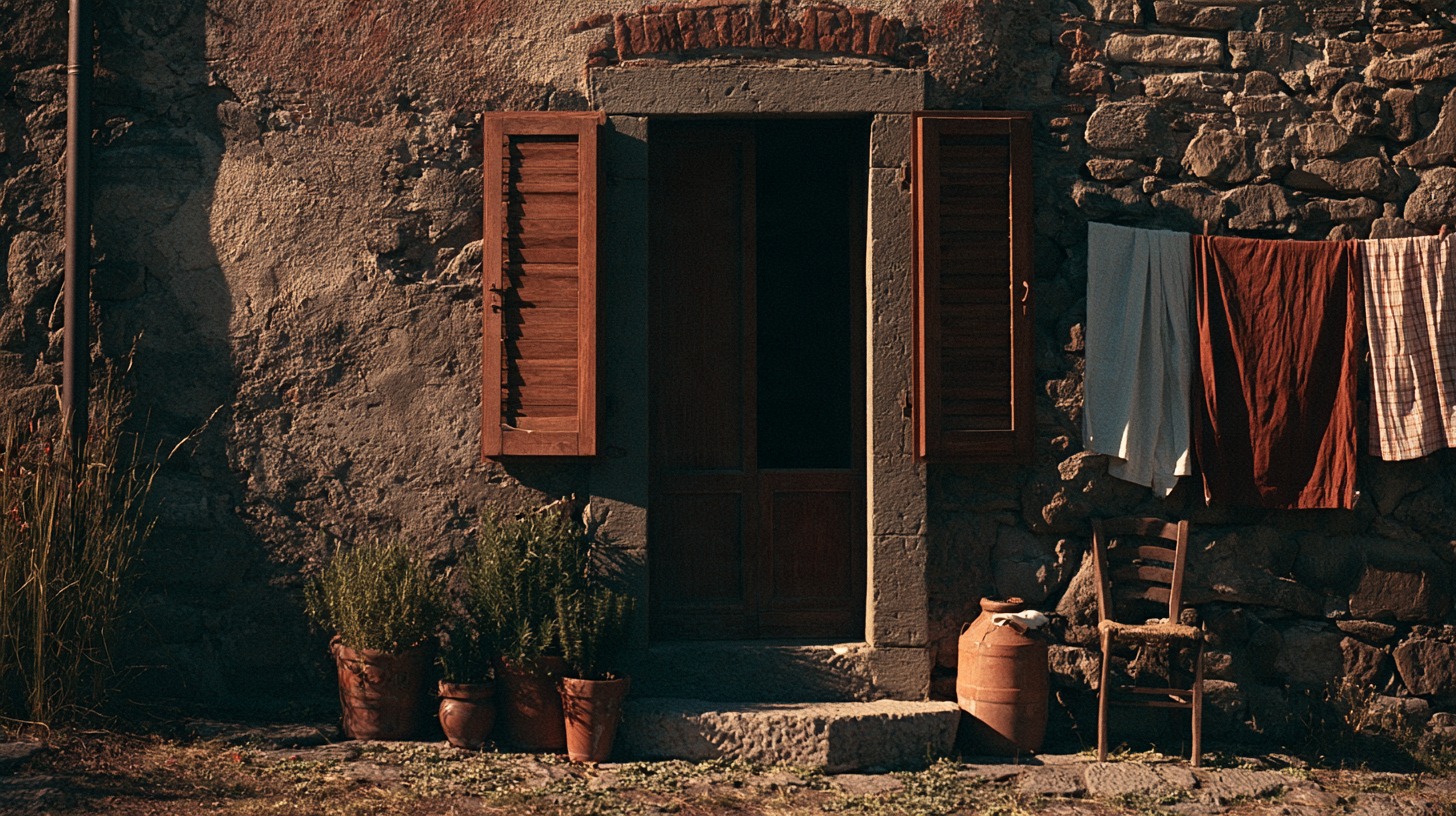
My nonna there,she would sense you coming home when you were still down the streetand start cooking.” I felt a sigh of relief wash through.
“You said yesterday you are from Guatemala?” I asked. “Guatemala City.” She nodded. “Butthe first people who really raised me were my grandparents in Italy.
They were old already when I was born, but they gave me everything.Love. Food. Discipline. Stories. My parents were busy, very young, trying to be adults. They did what they knew.
Still,I grew up like a little suitcase passed back and forth.Never fully unpacked anywhere.” “How did you end up in Italy?” I asked.
“Guatemala was a hard time.”Mari shrugged with a grimace that suggested a longer story.
So often we practice these stories of our lives,we know the way to dip and weave, avoiding the more difficult parts.
But here, living inside the worst of it, the usual barriers of “polite conversation” have already been taken down. “A cousin,” she said.“He did things to me.
It went on for years. Andwhen I finally said it, nobody believed me.That is when my world flipped. I stopped trusting my own body.
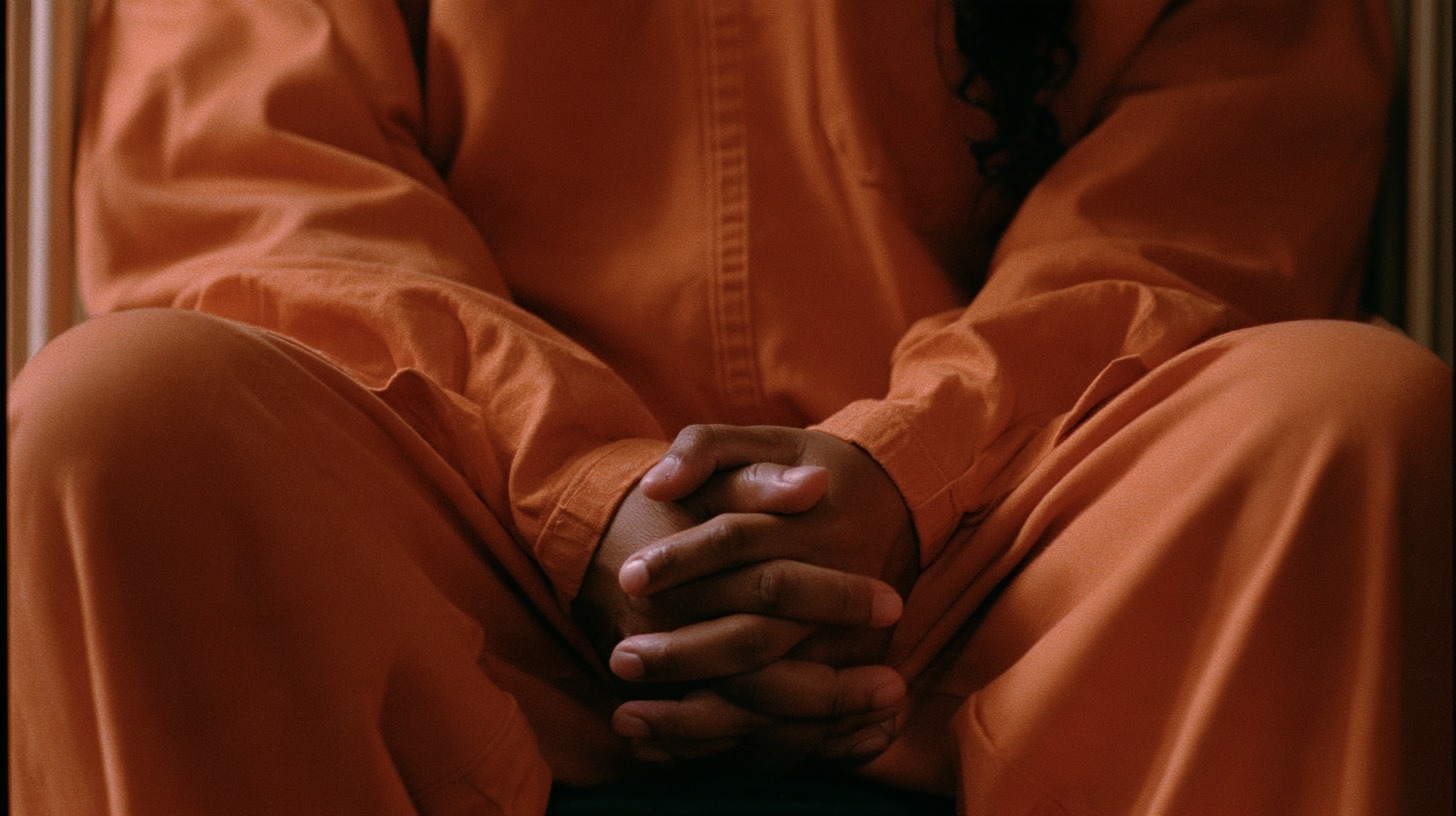
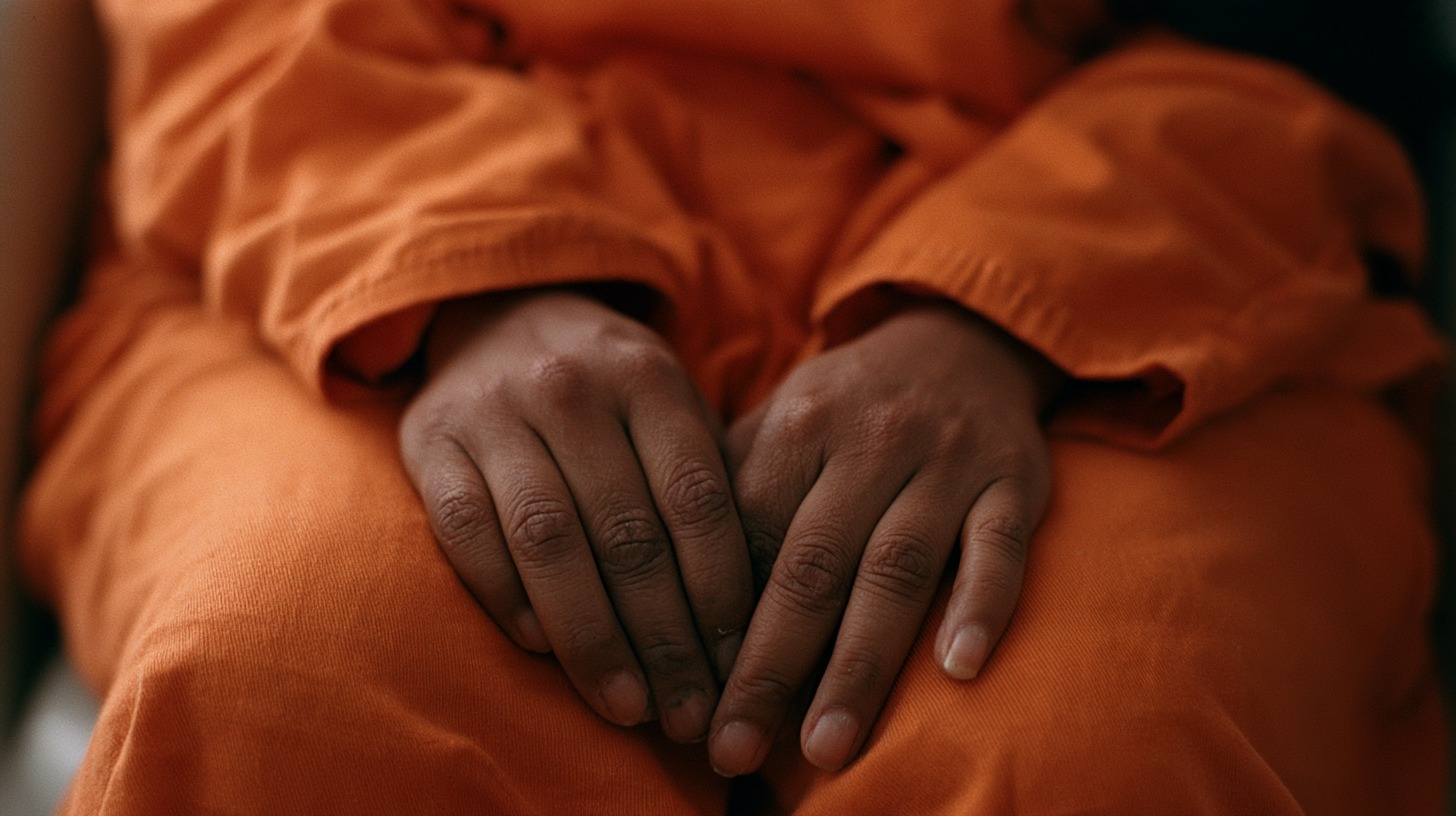
I got very quiet outside.” She looked down at her hands. The skin at her knuckles wasdry and faintly raw from the institutional soap.
“But inside,” she went on,“I decided I would make myself too valuable to ignore.
There was this voice that said, ‘Anything a man can do, I can do better.’That voice took over.
It was my path forward.” She glanced up at us, like she waschecking whether we understood the cost of that kind of vow.
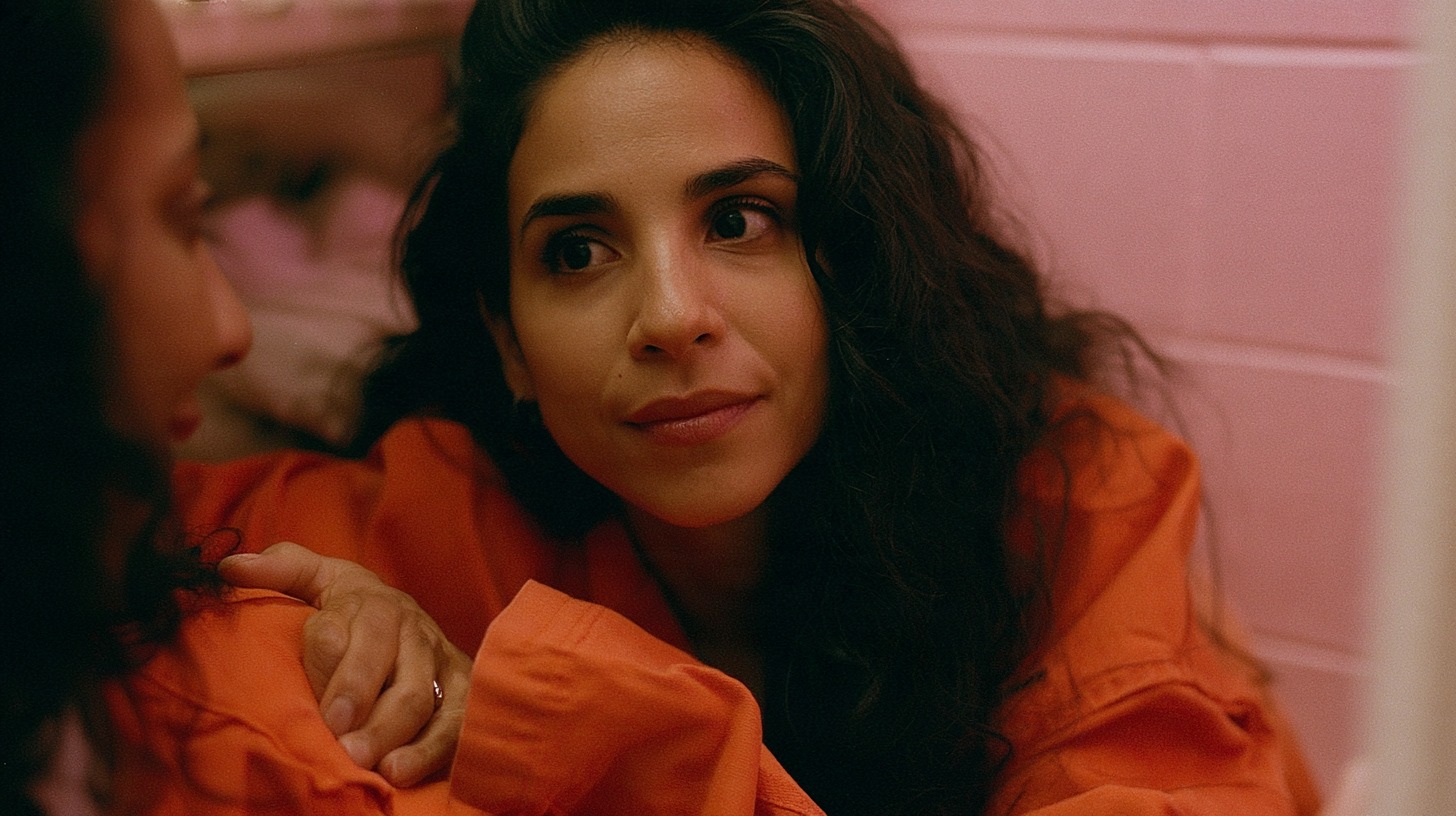
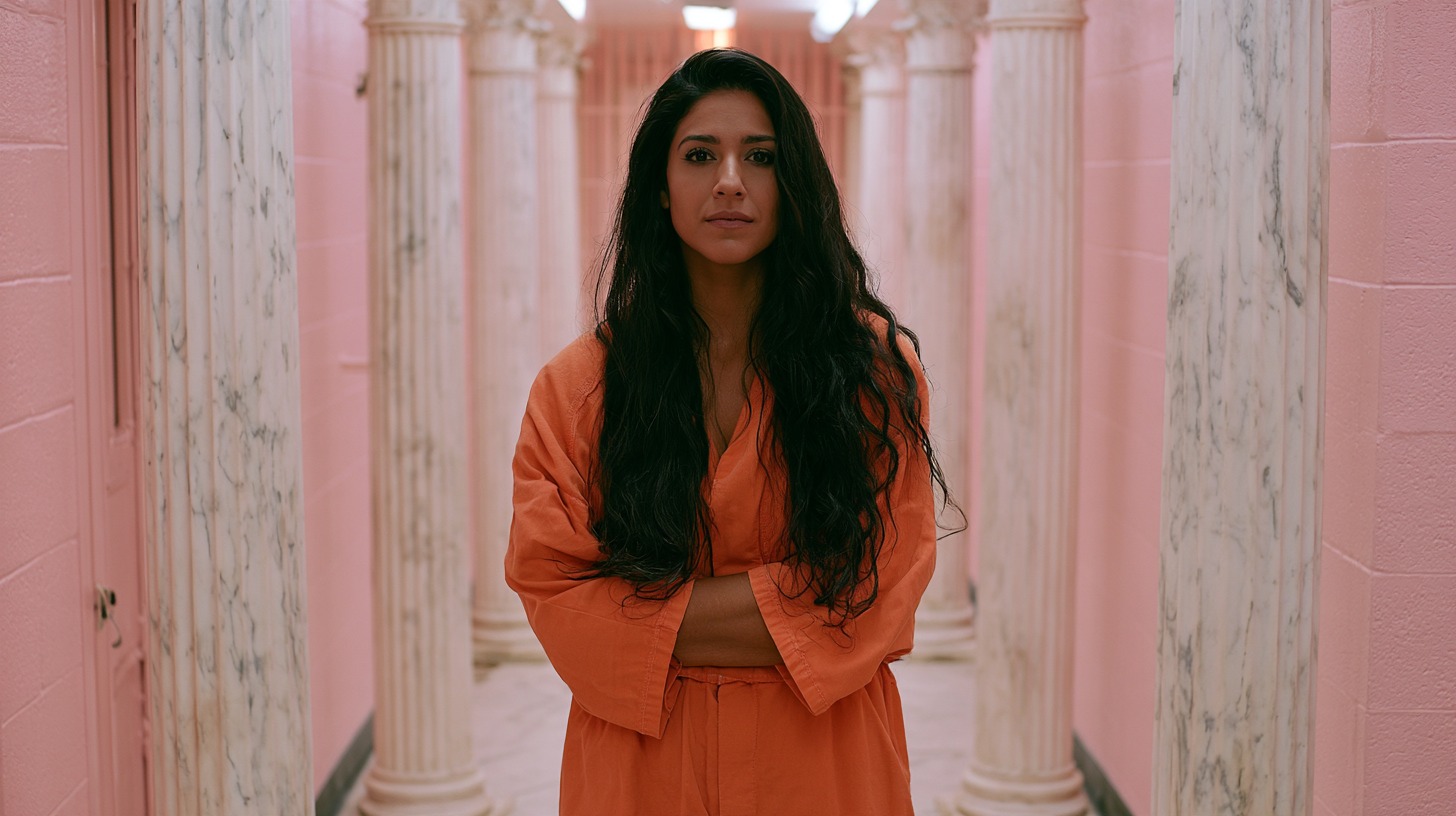
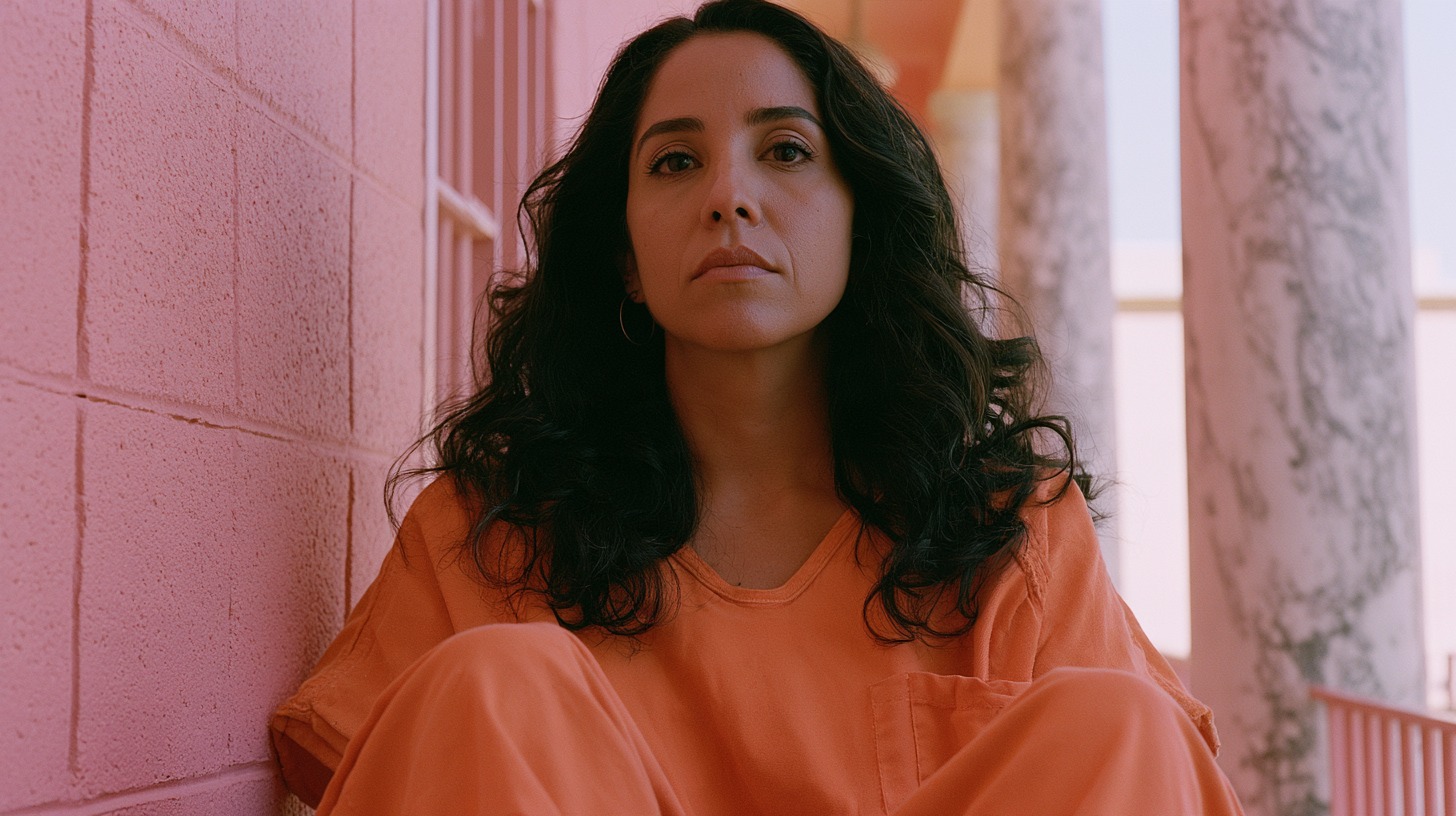
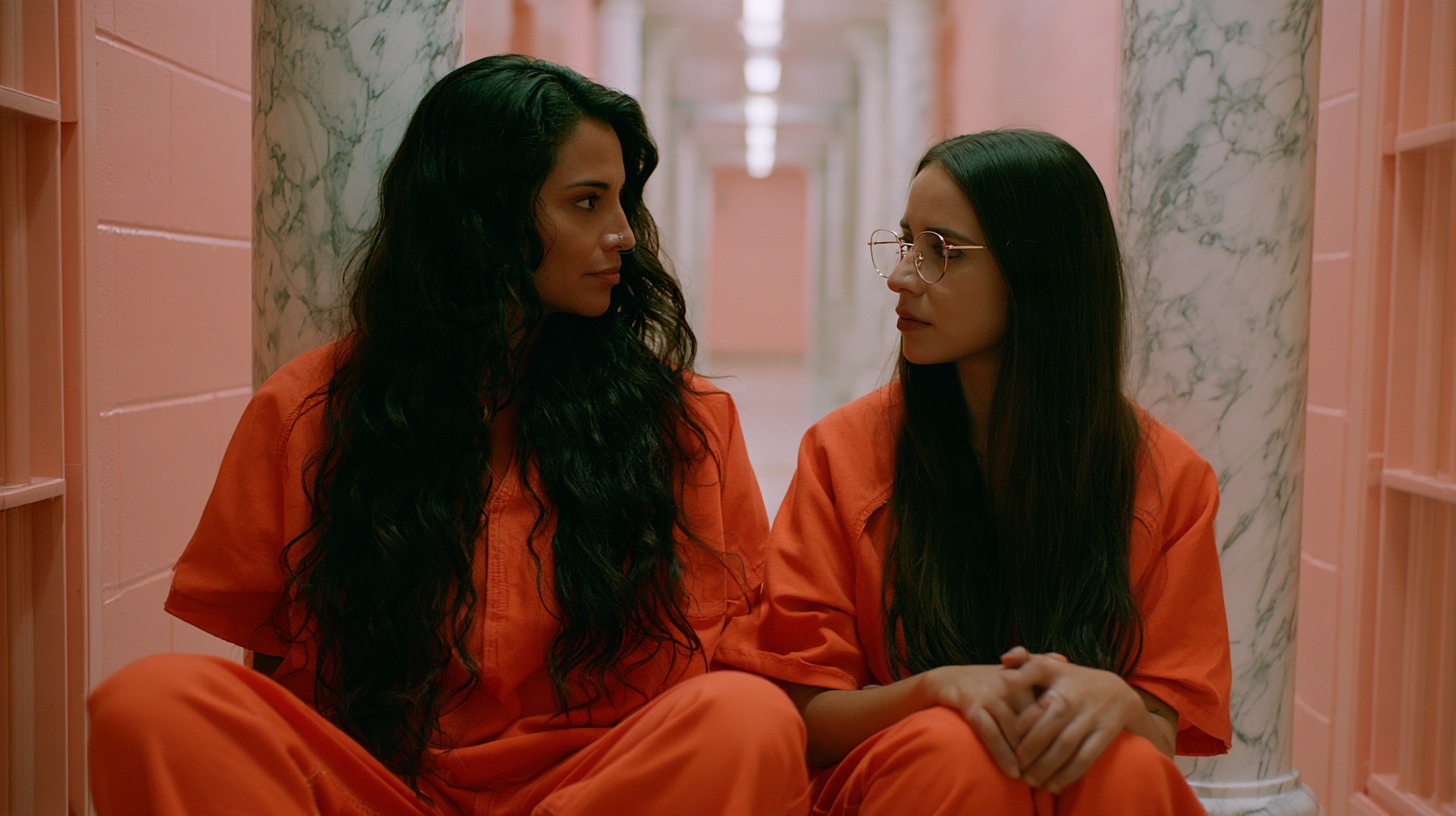
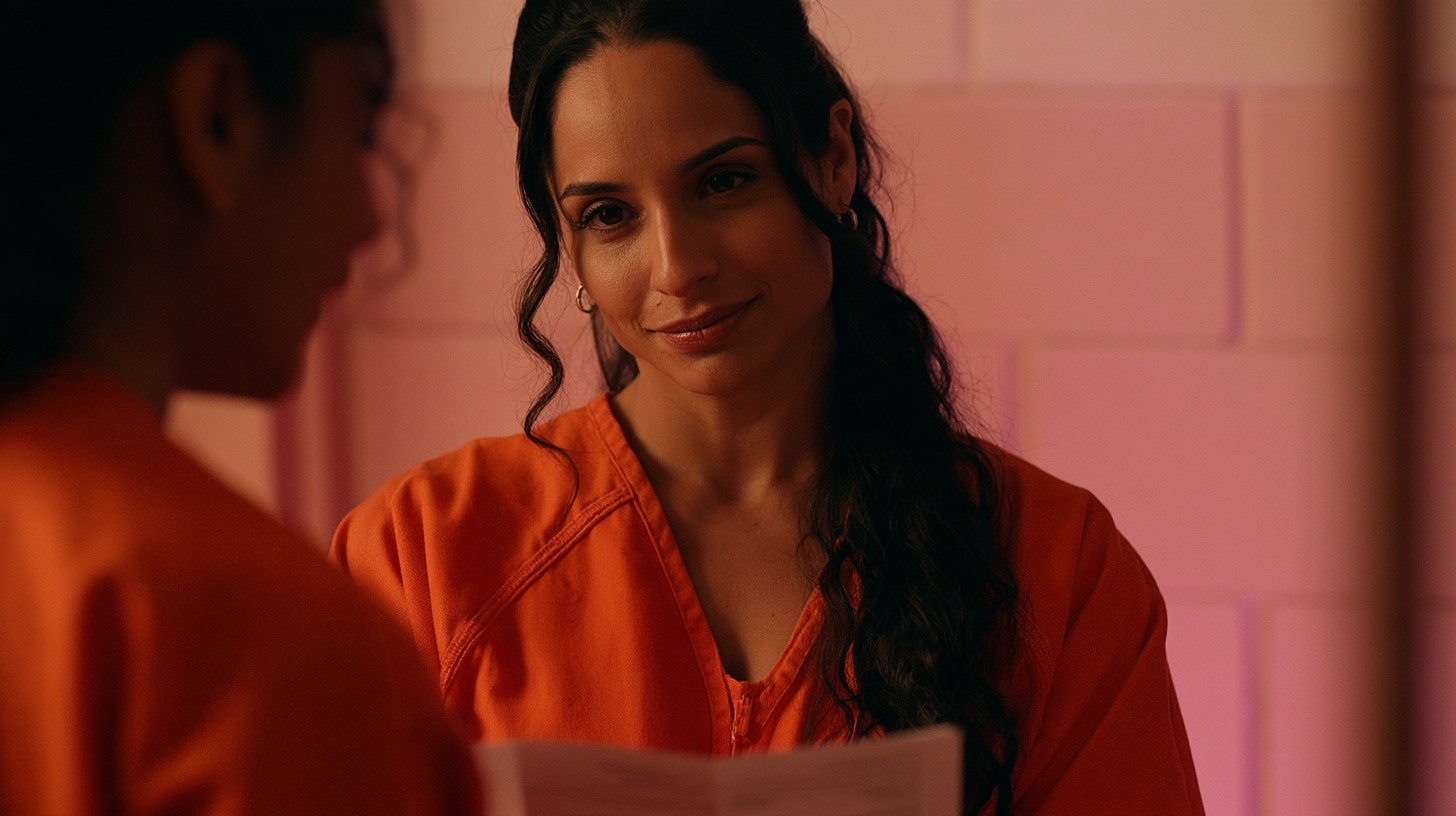
“That same path,” she said, “is probably why I’msitting here inside these pink walls with you.”Her eyes stared out beyond the physical space we sat in.
There is a kind of nakedness to sharing. I could feel us slipping intothat quiet chamber all women carry, where the knots that want to be unwound wait.
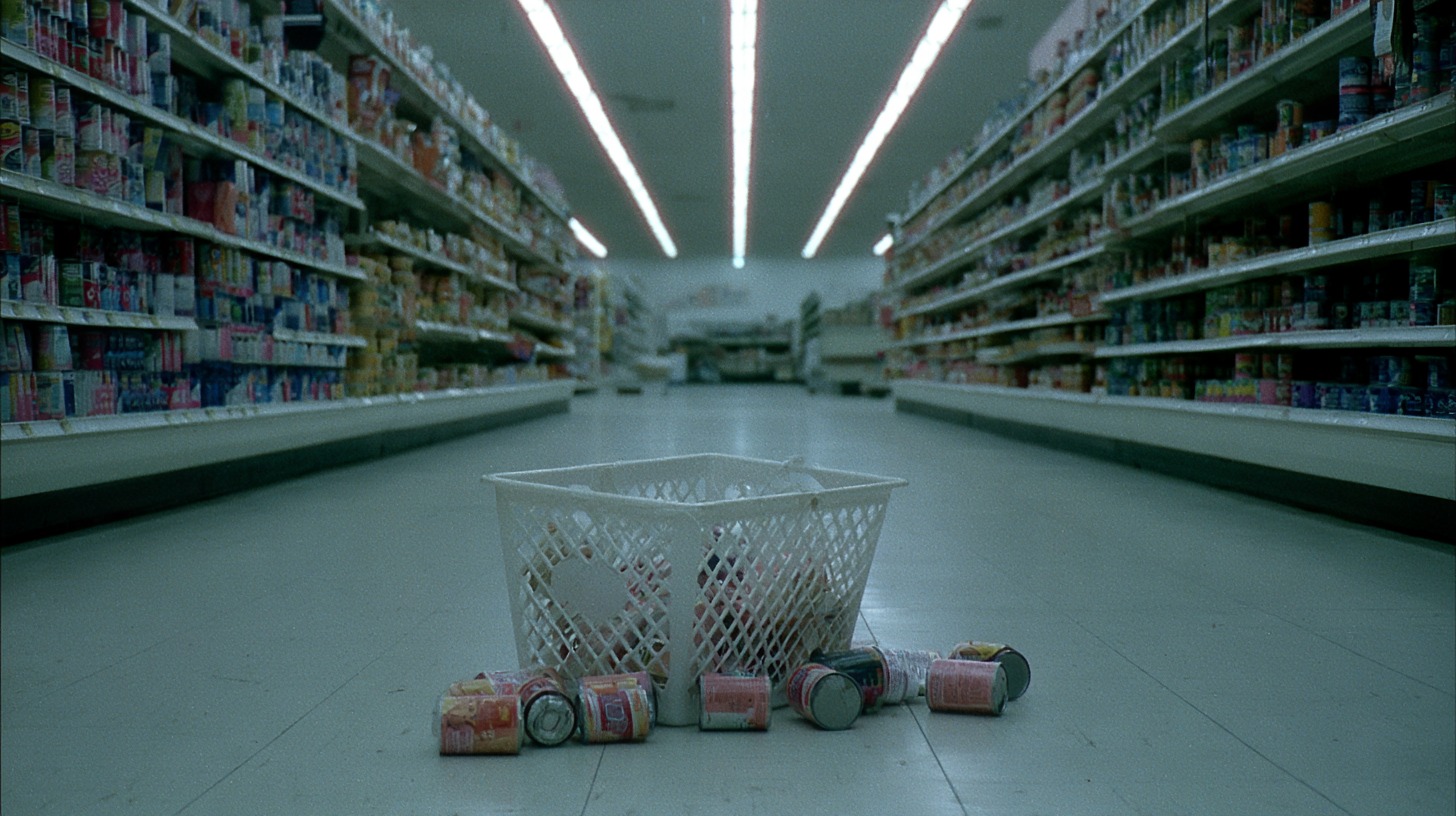
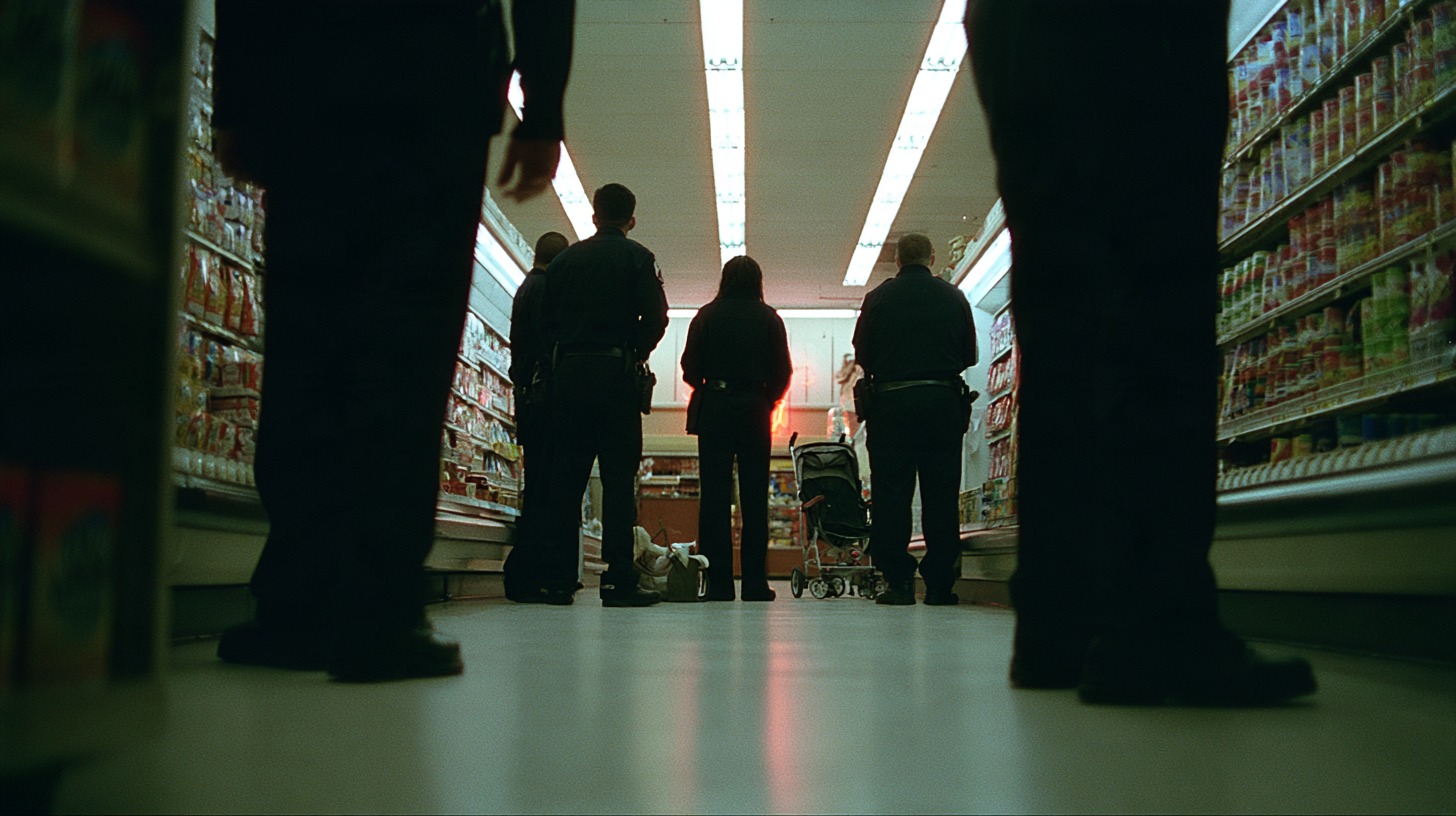
“They arrested me at the grocery store,”she went on. “I had my baby in my arms. One minute I was buying food.
The next minute,my baby was gone and I was on a plane.”
I felt it land in my chest, that image of a woman standing in the aisles of a grocery store,infant on her hip, circled by officers, separated and taken.
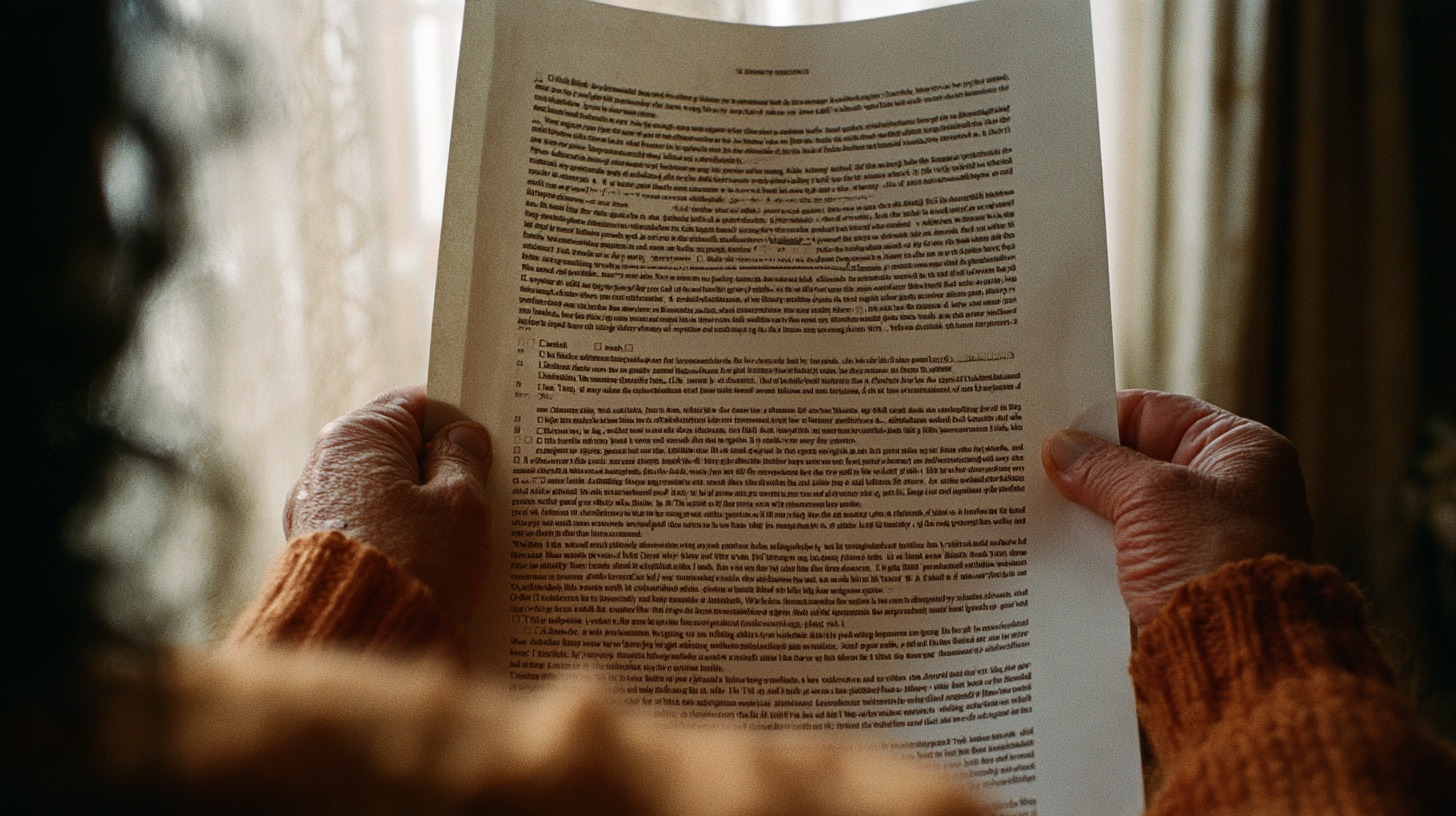
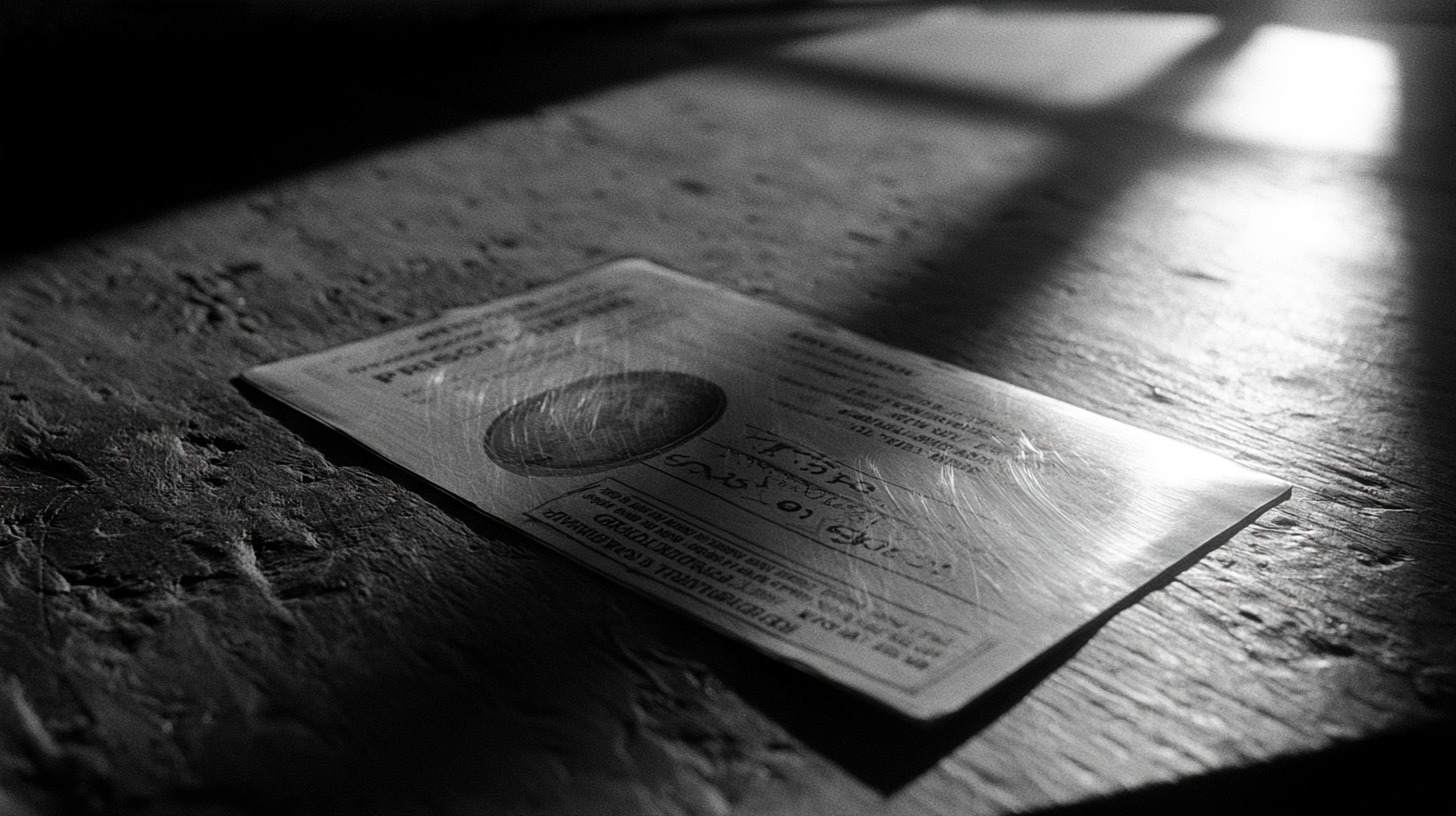
A woman appeared in front of our bunk,clutching a crumpled sheet of paper.“Mari, por favor.” Her eyes flicked toward the officer’s station. “No entiendo esto.” Mari took the paper.
It was a formdense with legalese, all caps and tiny boxes,the kind of writing each of us had slowly grown more familiar with through our interactions with “the law.”
We stood to allow some privacy. She skimmed it, then switched to rapid Spanish,her voice dropping into a softer key than I had heard from herso far.
The other woman nodded,shoulders lowering as the anticipation relaxed.She said her thanks and took the pages back, their meaning now conveyed.
“They do not give these in Spanish,”Mari said, almost apologetic. Then she turned back to me, like she was returning to the thread she’d left hanging.
“Anyway.I wanted to say hello, my new Italian friend.
Don’t let this place convince youyour worth comes from what they say about you.
It comes from what you keep doing with your heart.”I felt something in me rearrange, just a little.
“Thank you.” She smiled,the sideways smile of a woman who keeps going despite the worst of it.
“And for the record,” she said,“I still believe women can do anything men can do.”
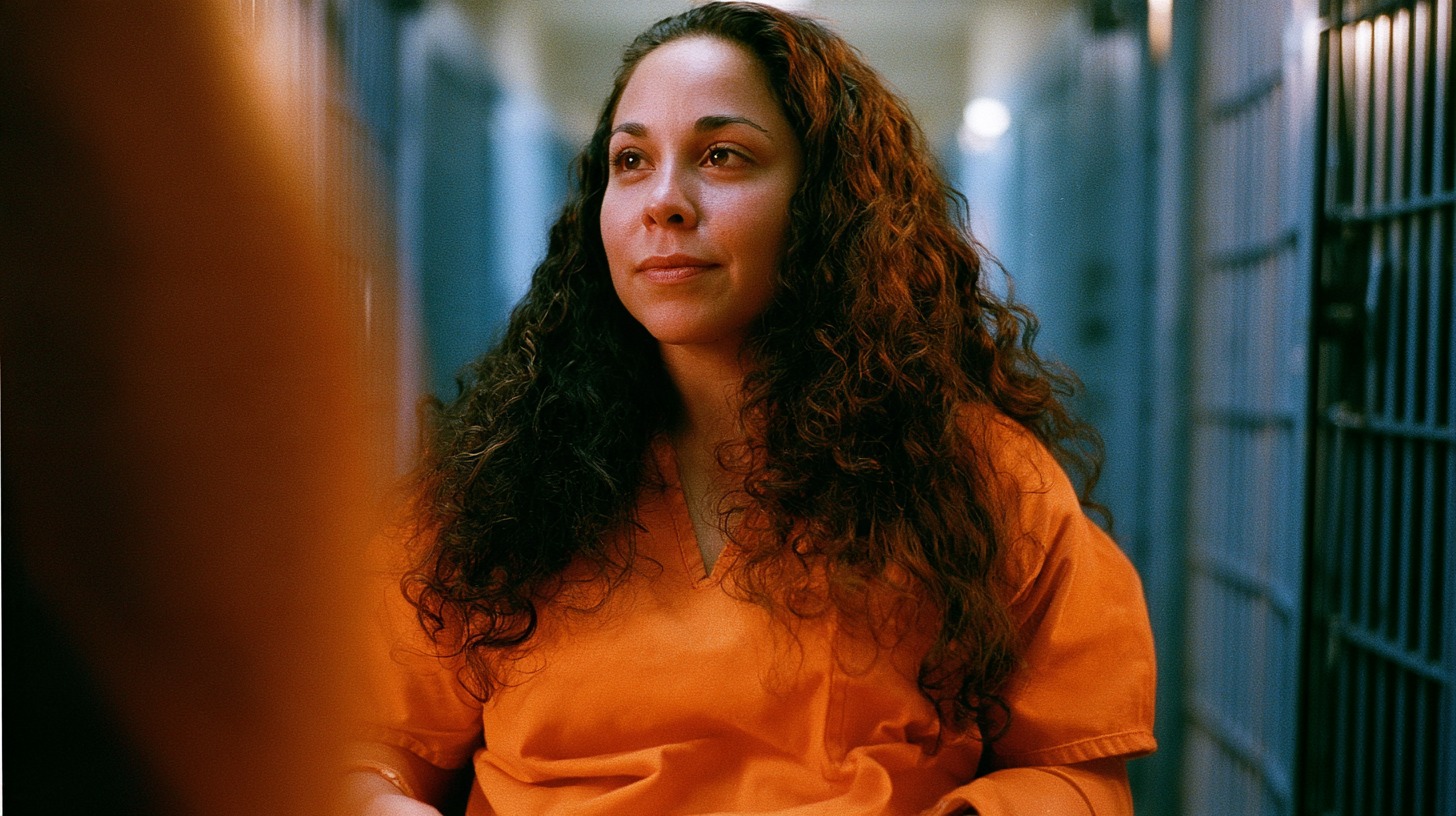
We said our goodbye,a funny thing to do when you live within a single room,and made our way back to our row of bunks.