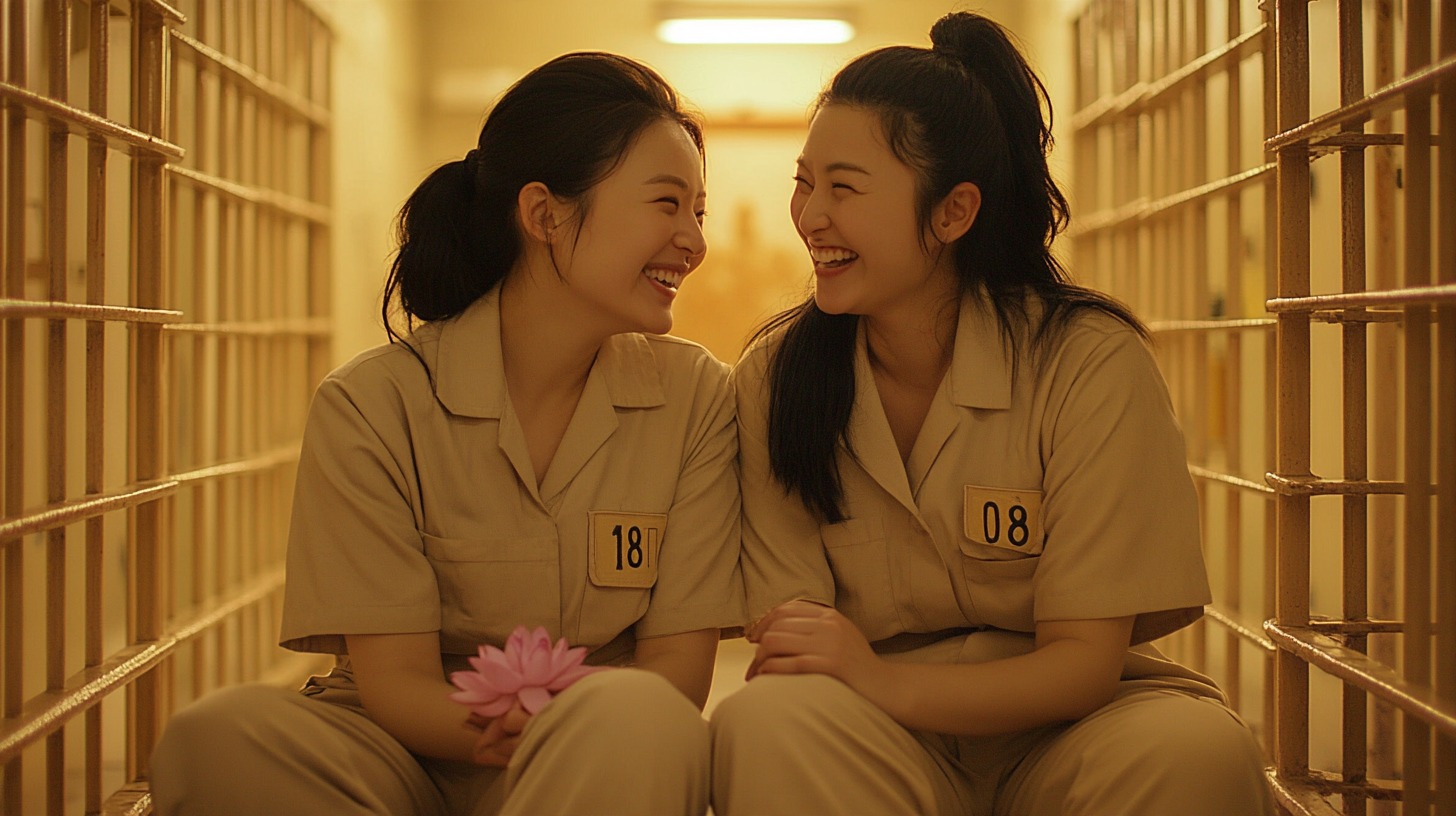
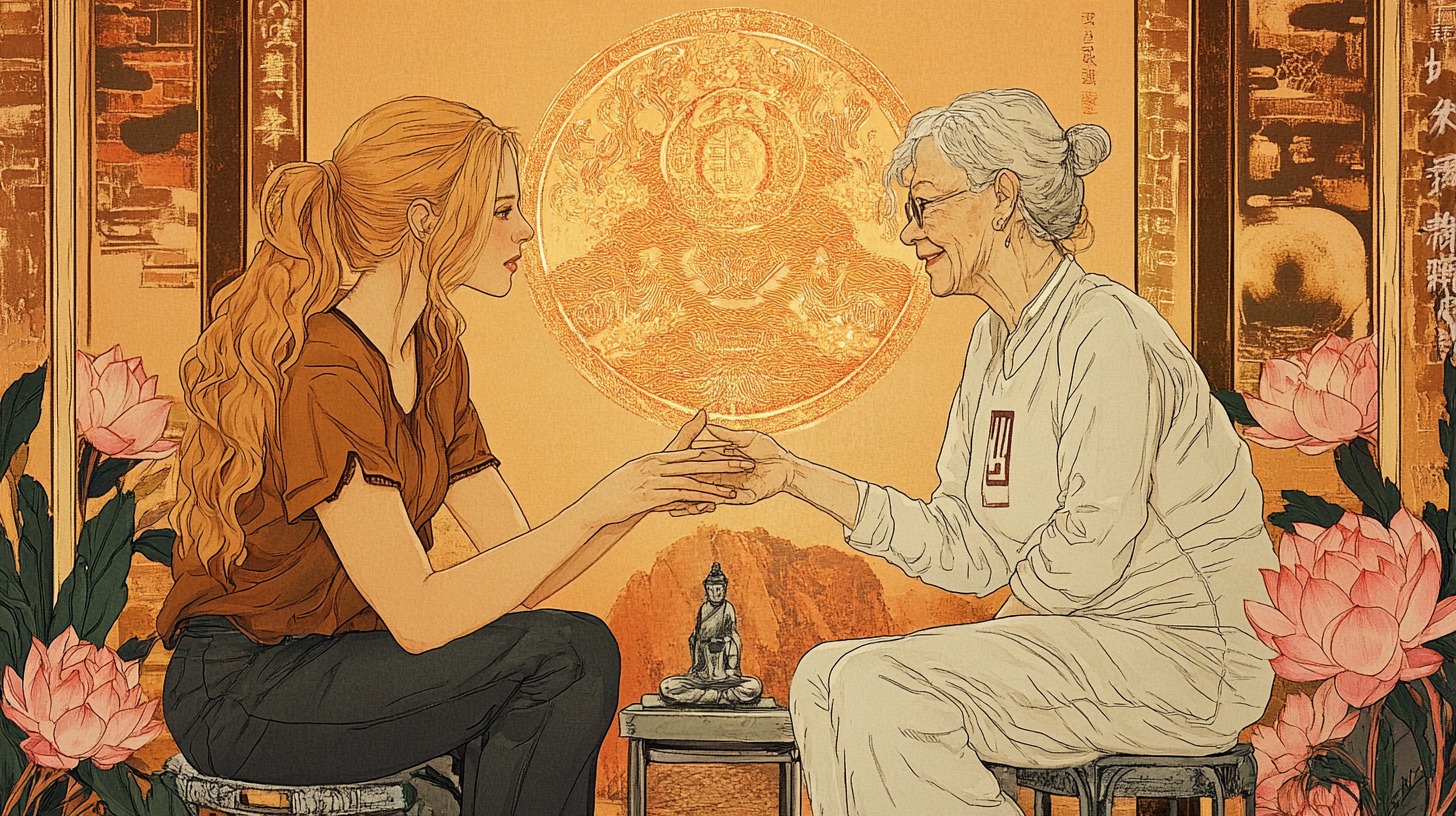
It’s a whole mix of people in prison,old and young, white, Black, Hispanic, Asian.Some loud, some quiet.
Some people come right up andintroduce themselves with their full life’s story,some take more time to get to know.
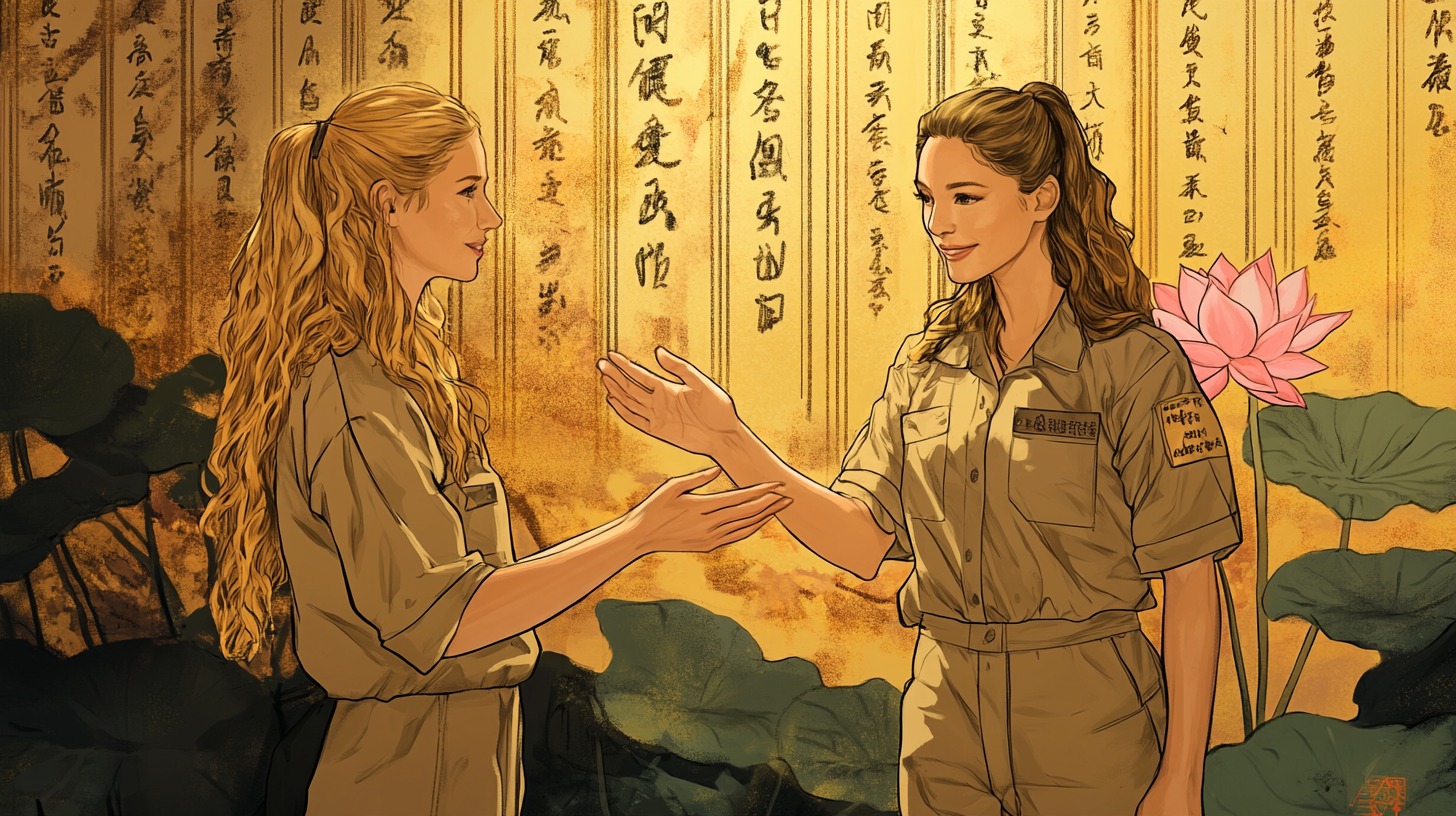
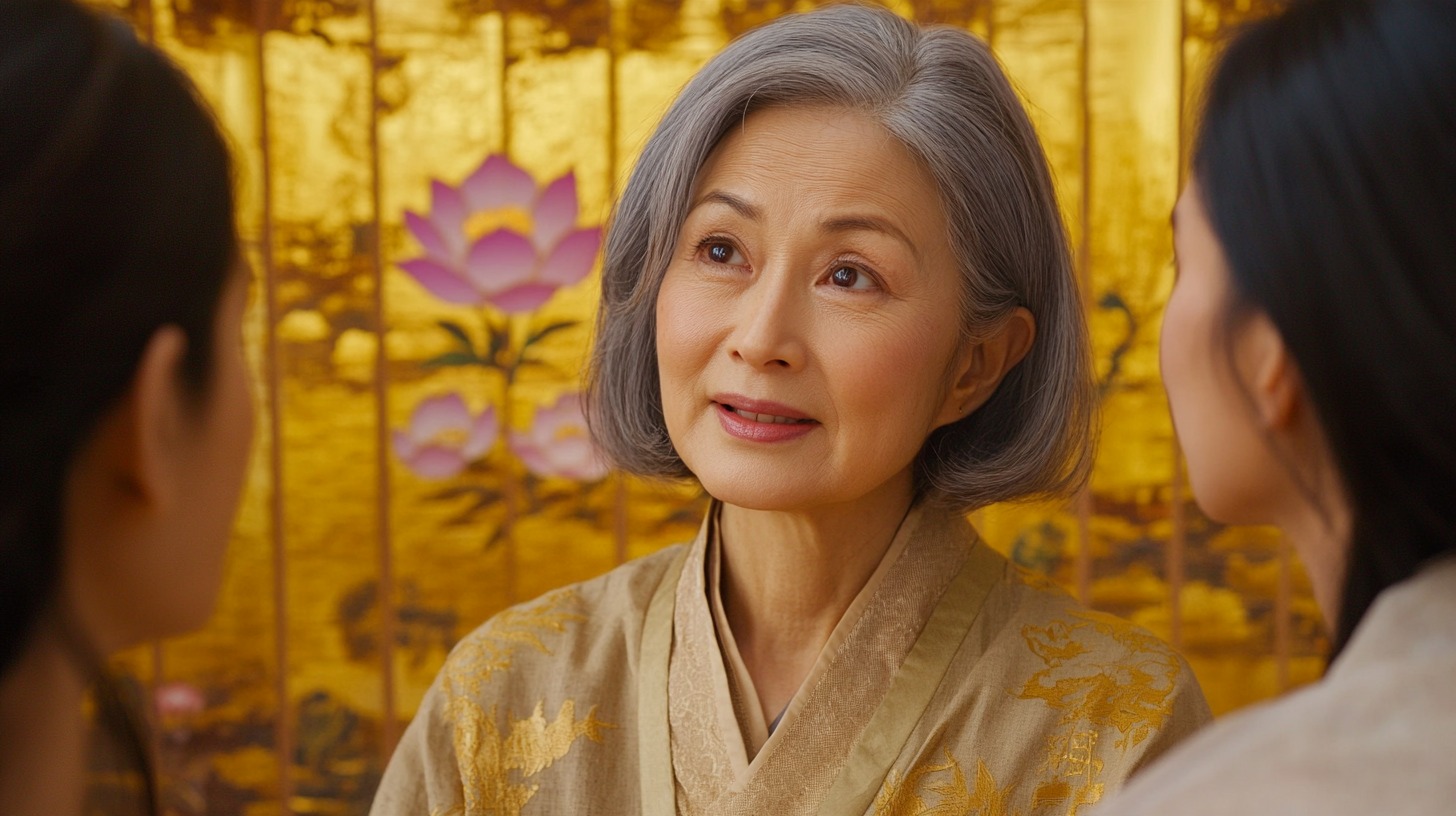
Two weeks into our stay at MDC, Rachel and I began toattract the attention of an older Asian womanwho had been cool toward us until that time.
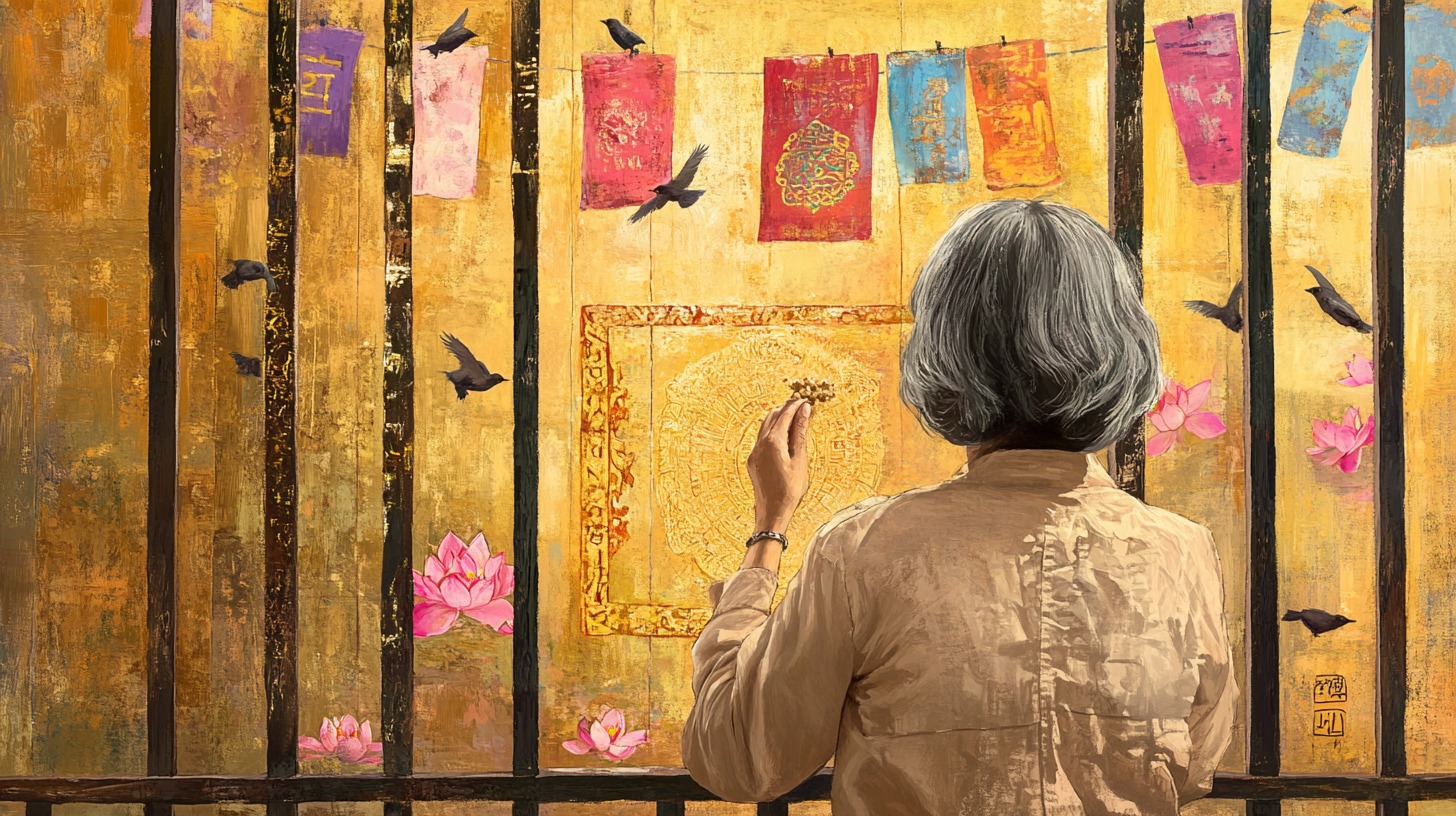
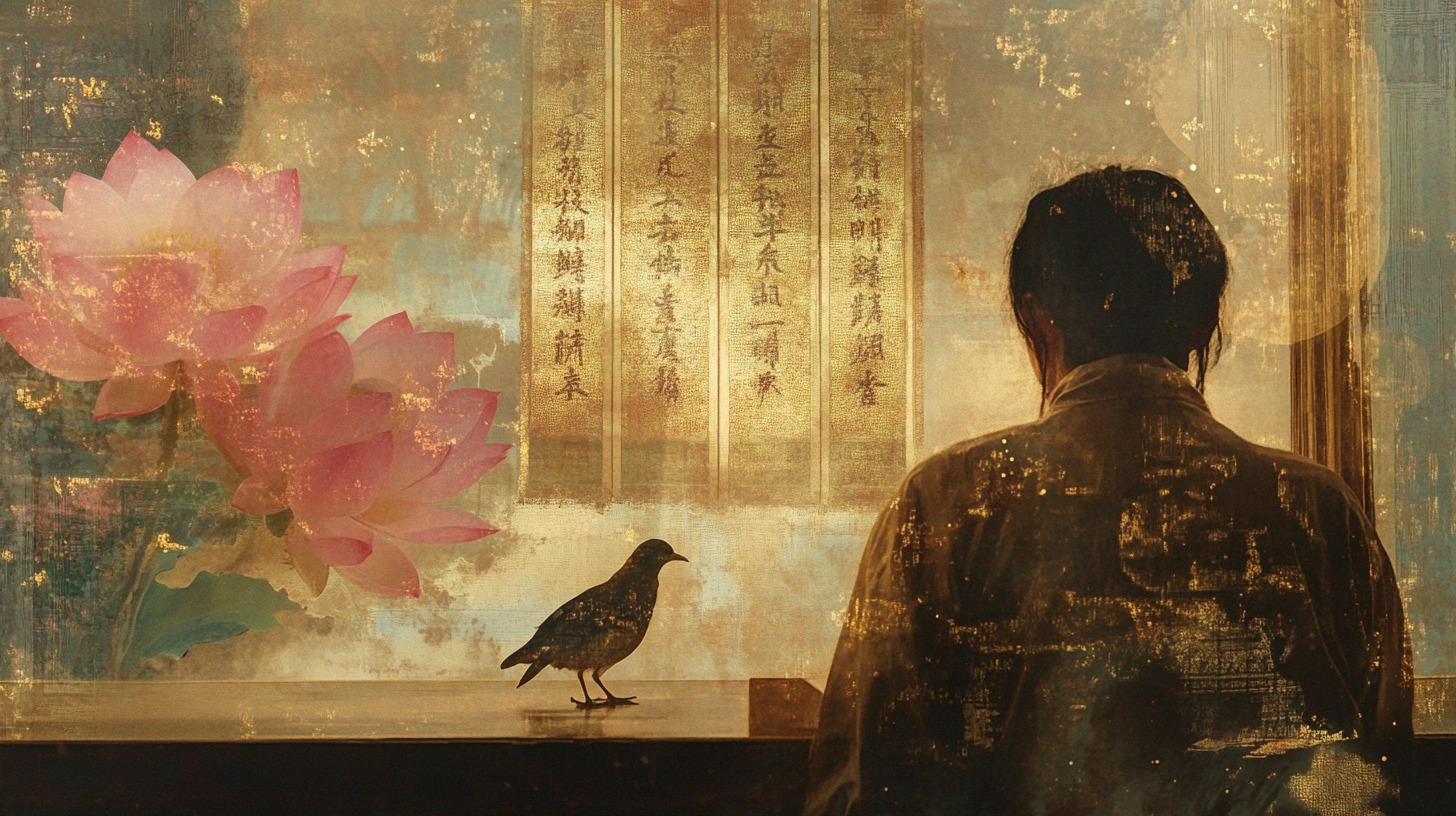
She would watch us meditating in the rec area while she stood by the partially open window,tossing crumbs to birds through the metal grating.Eventually the day came when she broke the ice.
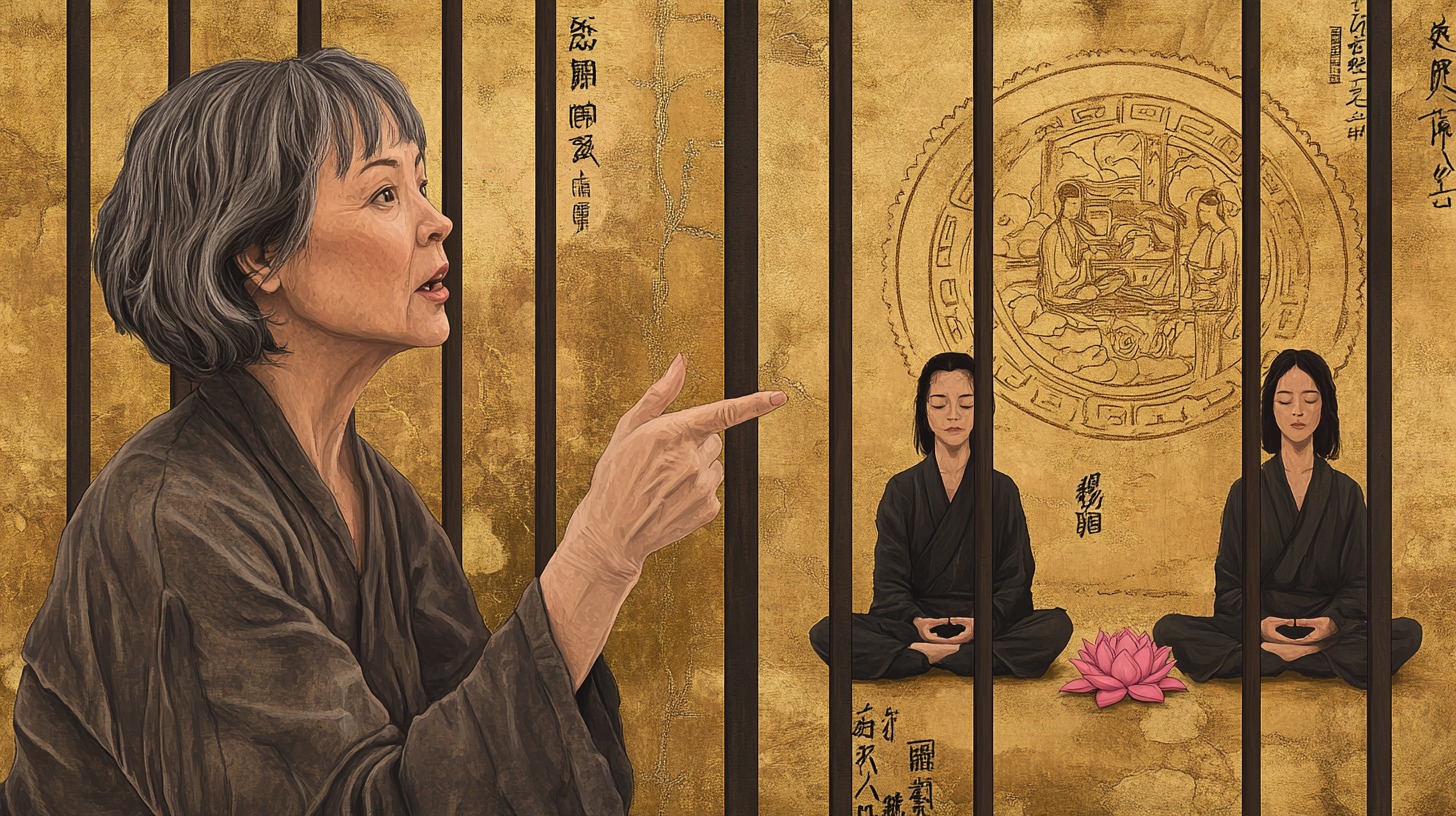
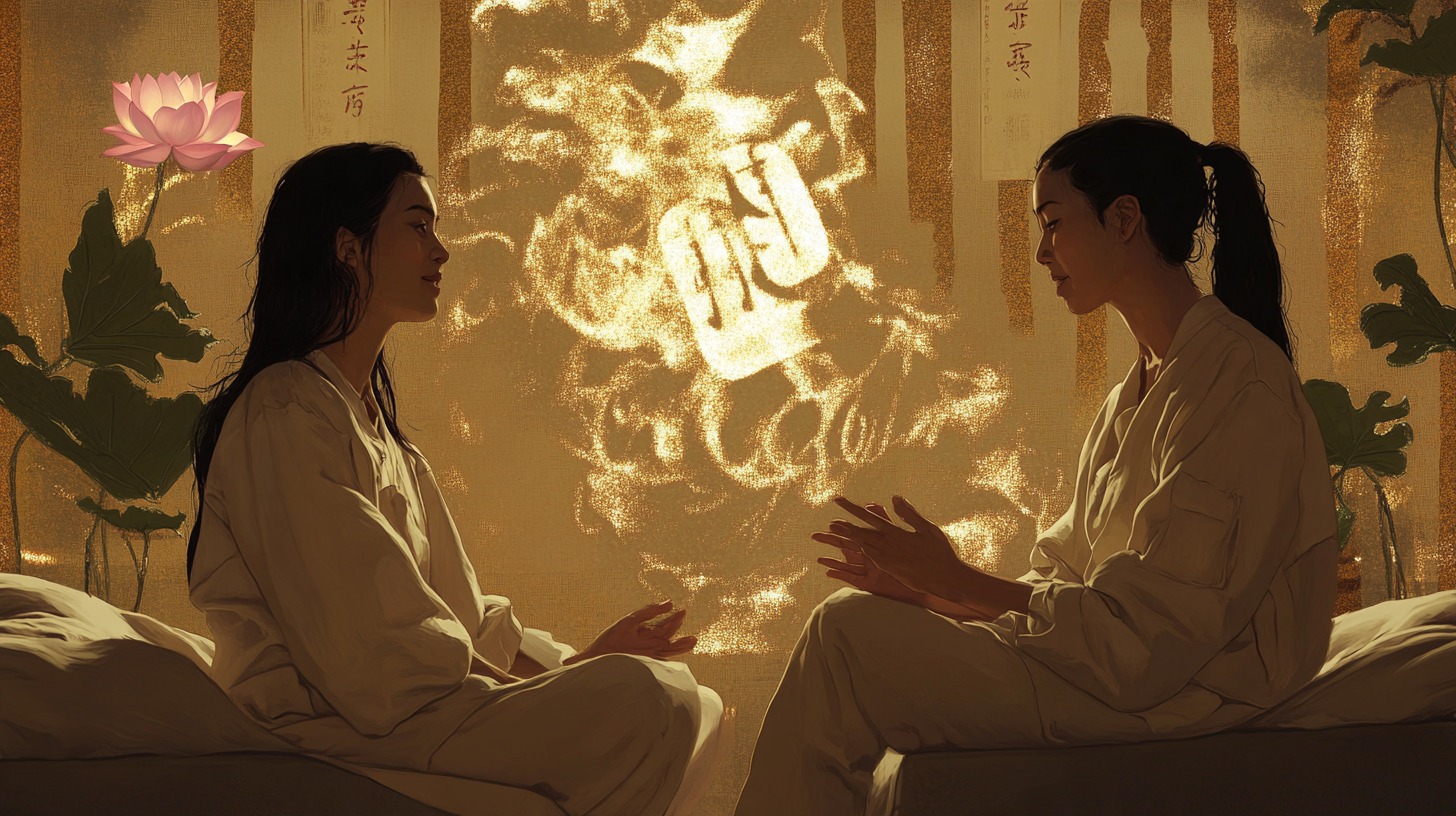
With the authority of someone catching a burglar mid-window, she asked,“What are you doing there?”“Meditating,” I replied without leaving my seat. “Where you learn that?
That is real.You do it the real way.People in U.S. do not know that.” “We do.” I smiled, turning.
“Yes—it’s real.” “Okay, okay, you know what you are doing,” she said, half confirming a theory, half deciding what to do now that we had passedthe invisible test she apparently proctors.
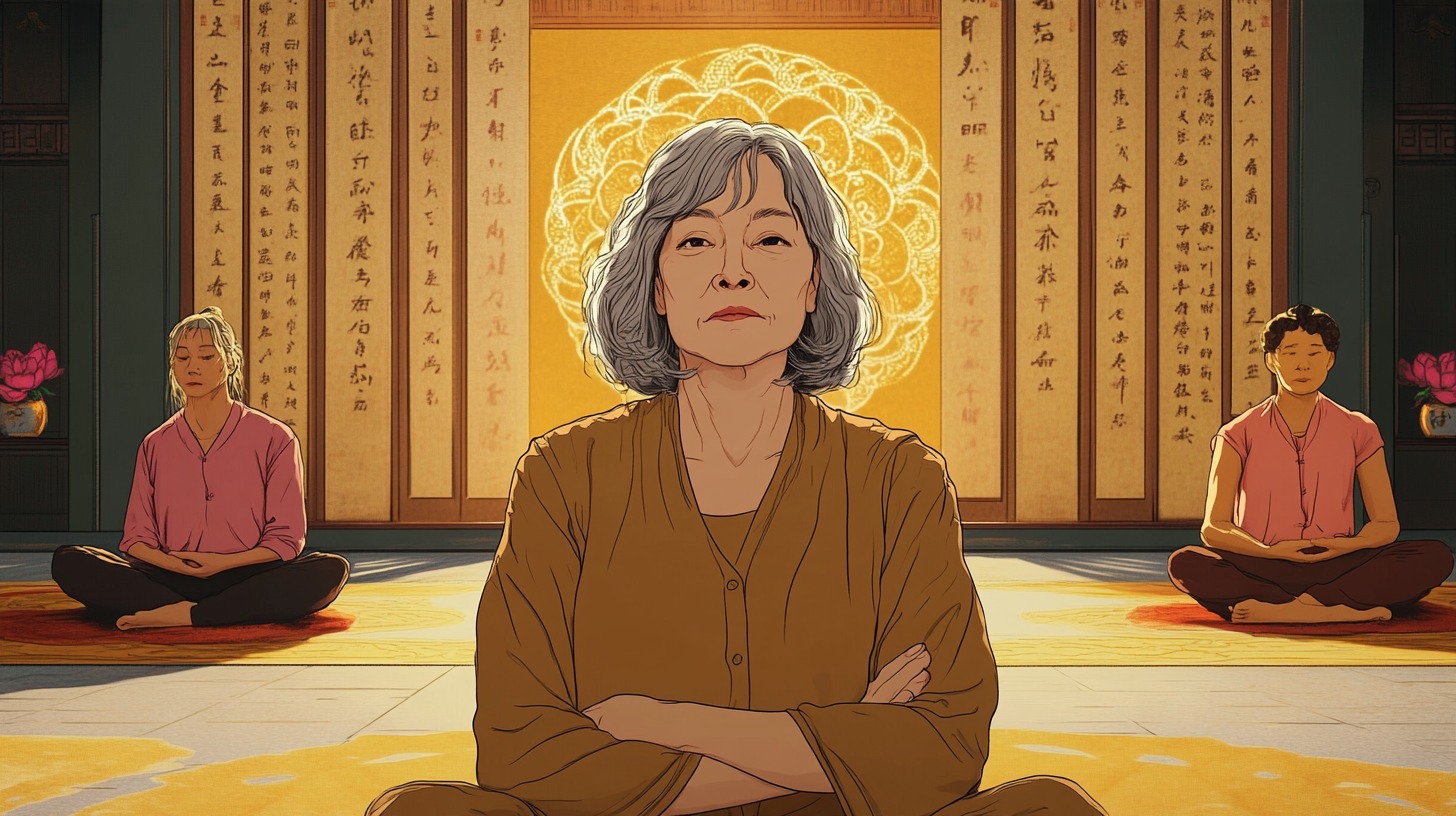
After that day,we exchange nods at dawn in the rec areaas Rachel and I go to meditate and she to her birds.
Other Asian women cluster around her, chirping about one thing or another whileshe stands as the reference point.
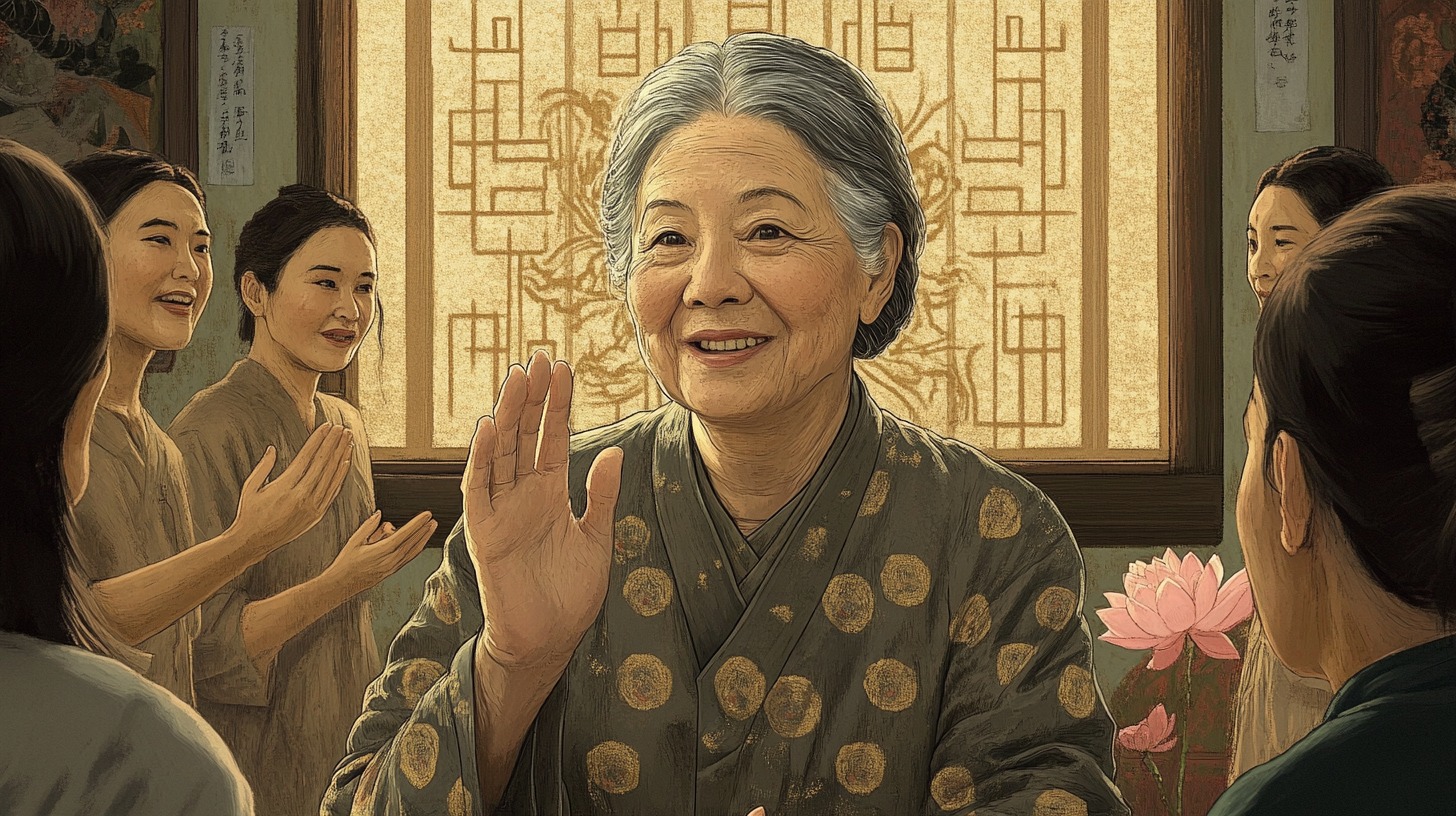
People call out, “Morning, Miss Wu,” and every so often,“When are you making sushi again?”She waves it off. “Too much work.
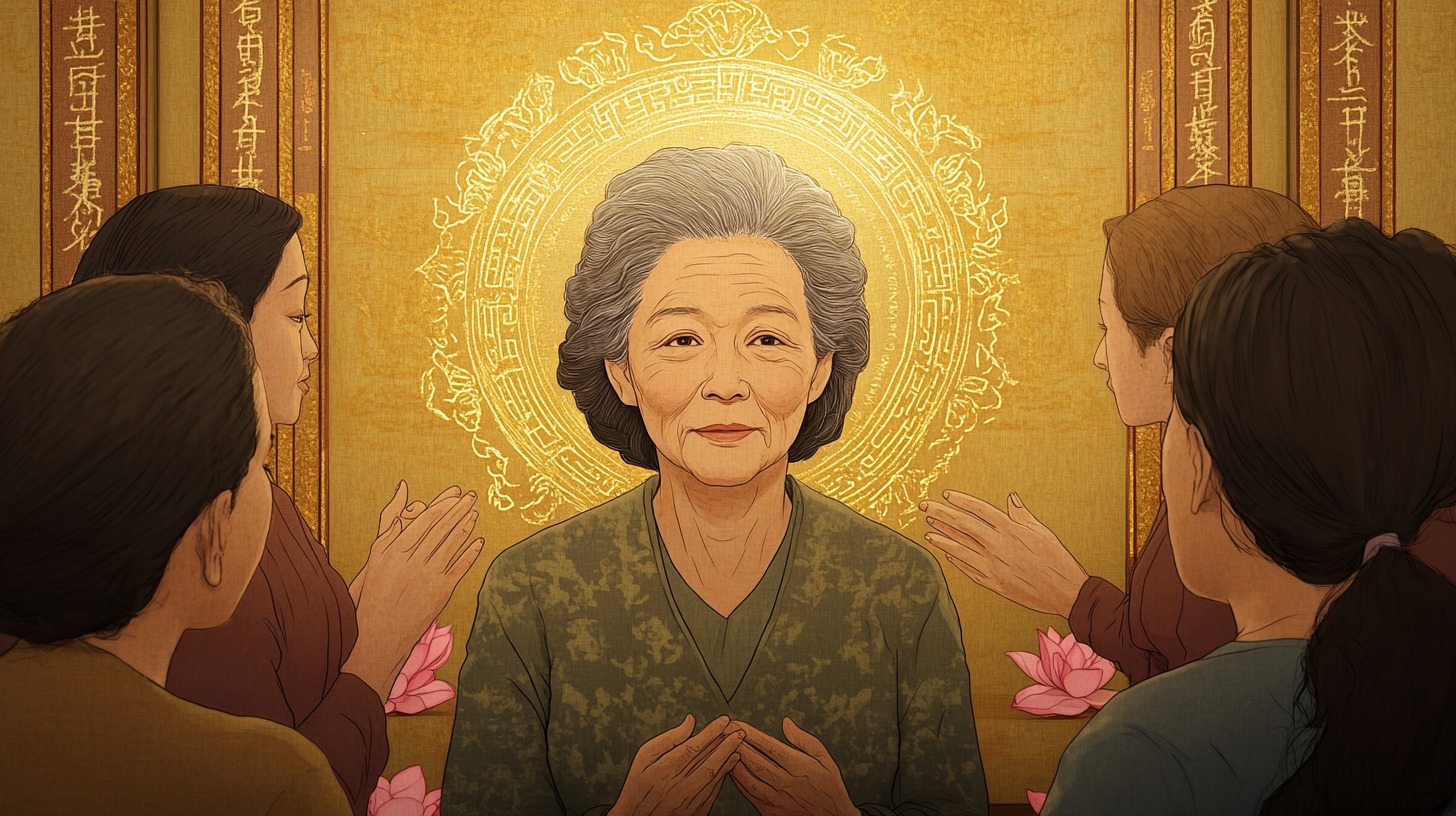
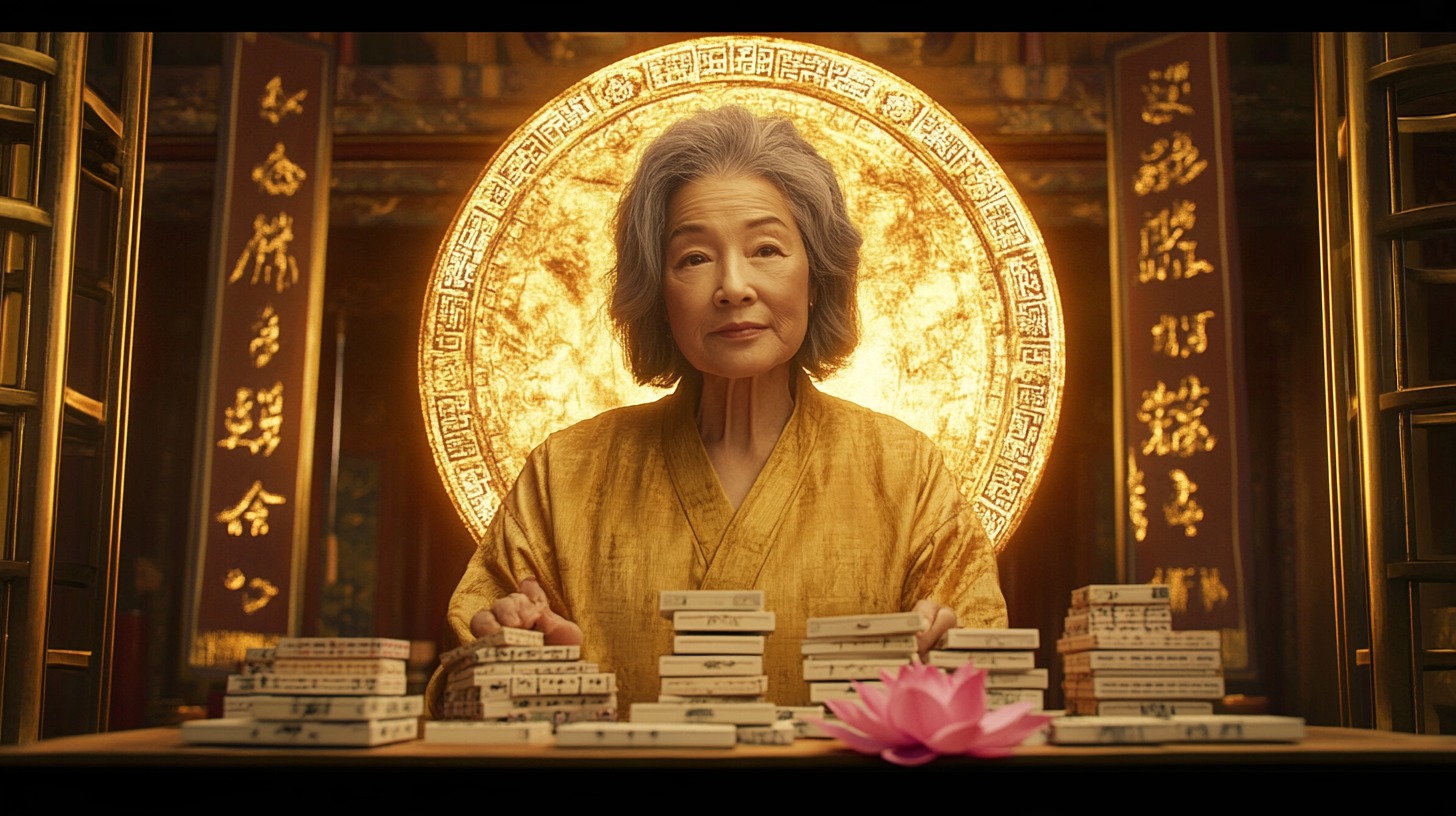
A lot of work.” Watching her, it is clearshe is the don of a quiet empire.Cool, scanning eyes. People come to her; she does not go to people.
I can see her in a basement with five hundred mahjong players,the banker with all the chips.Wednesday rolls around and nine of us are called for visitation, including Miss Wu.
She slips into line behind me after flashing a look that leaves an afterimage—like a camera flash that lingers on your retina.
It feels like contact, recognition—immediate and intimate—like we are POWs who’d known each other before the campand can’t let on.
I offer a careful smile back,but not so warm that I’ll look foolish if she hasn’t shared the same experience I have.
We are waiting for the elevator. I rarely speak on that walk from the dorm to the visiting room; I’mstill learning how to interact with the officers.
Sometimes a guard will drop a line like,“It’s cold in there,”referring to our dorm air-conditioning that is colder than Siberia,
and I have to surface like a submarine,consult my internal handbook on How to Respond to a Human.
“I know,” I’ll say. “I wore two sweatshirts last night.”I never quite nail the banter.
There’s a particular “at the mercy” feeling with guards—you don’t know where they’re coming from, soyou must not “over” or “under” do anything.
I often think this is how people of color feel with white people, only here it’swhich shade of beige uniform.
My spidey sense stays lit:Does this one want me to walk ahead or fall behind? Quiet submission or total invisibility? Chatty or stone silent?
How do I dance the exact shapethat will not inflame any tensions?
I hold the intention to be a model inmate the way I hold the intention to be a model student of the dharma: to respond precisely to what is requiredwithout abandoning myself, my dignity, or my principles.
But right in the middle of those calculations,Miss Wu lights up like we’ve just come off silent retreatand she’s been saving a story. “Ah, yes.
I need to tell you,” she begins, as if we’re picking up a conversation midstream.“I grew up in China, close to Tibet.
I know what you are doing. Very famous Rinpoche—the head of tradition in the biggest temple on the edge of Tibet.My mother…” She searches for the word.
“What is the word—surrender there.” “Surrender?” “Not the word.Like Americans—accept Christ.She do that with Buddha.”
“Your mother took vows in Tibetan Buddhism?”I ask, wanting to be sure I’m hearing correctly, mindful of the politics braided through identity and geography.
“Yes. Exactly.”Her moon-bright face beams.“We went on big tour with Rinpoche. He took us to special ceremonies in Nepal.
Ceremonies for the dead, in between life and death.”She lowers her voice as if we share a secret language. “You did a ceremony for someone who died? For someone’s spirit?” I ask. “Yes!
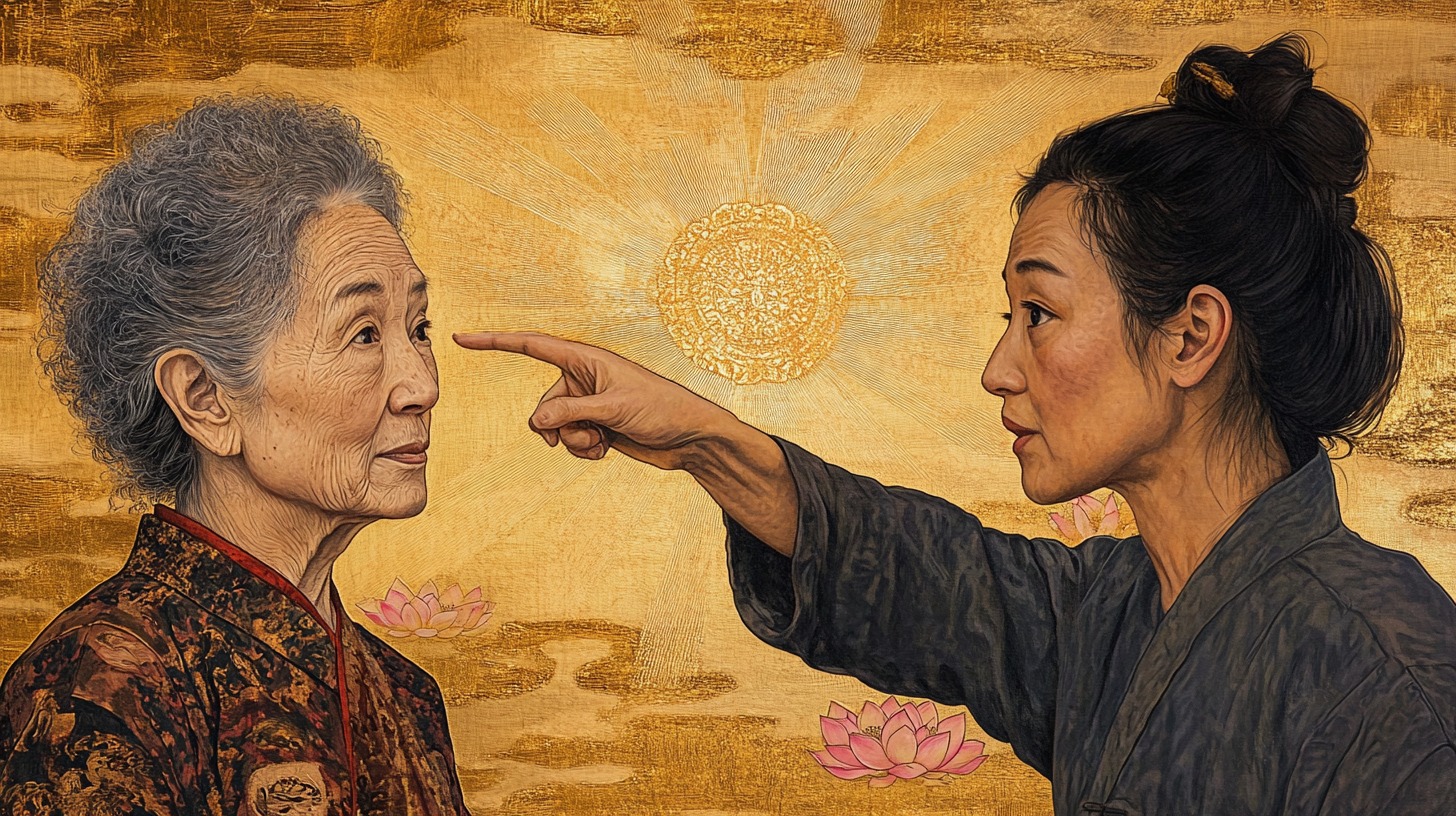
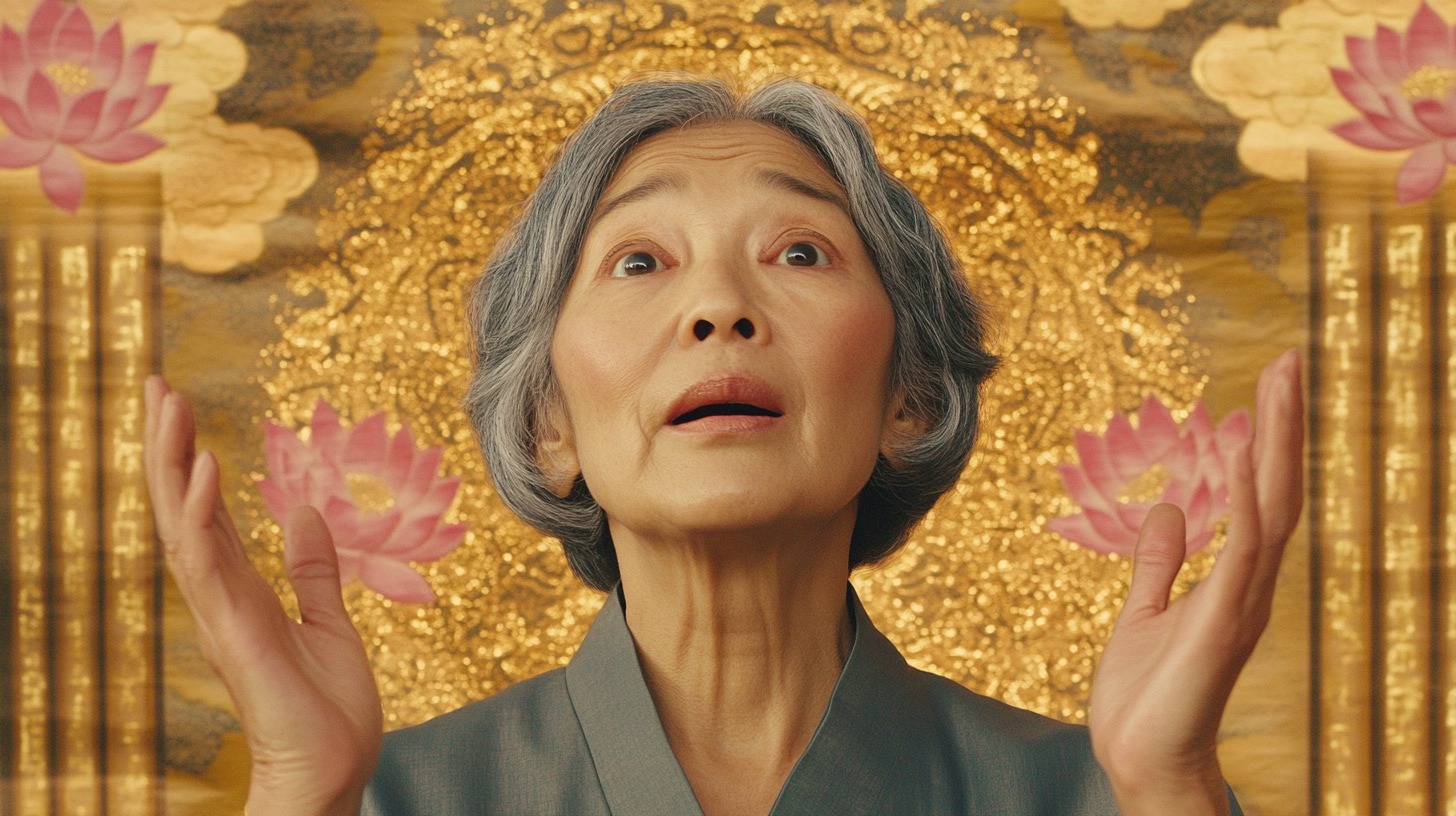
Exactly. But it have very strong effect on me. It made me remember. Past life.”She taps her forehead and opens her hand—an explosion.
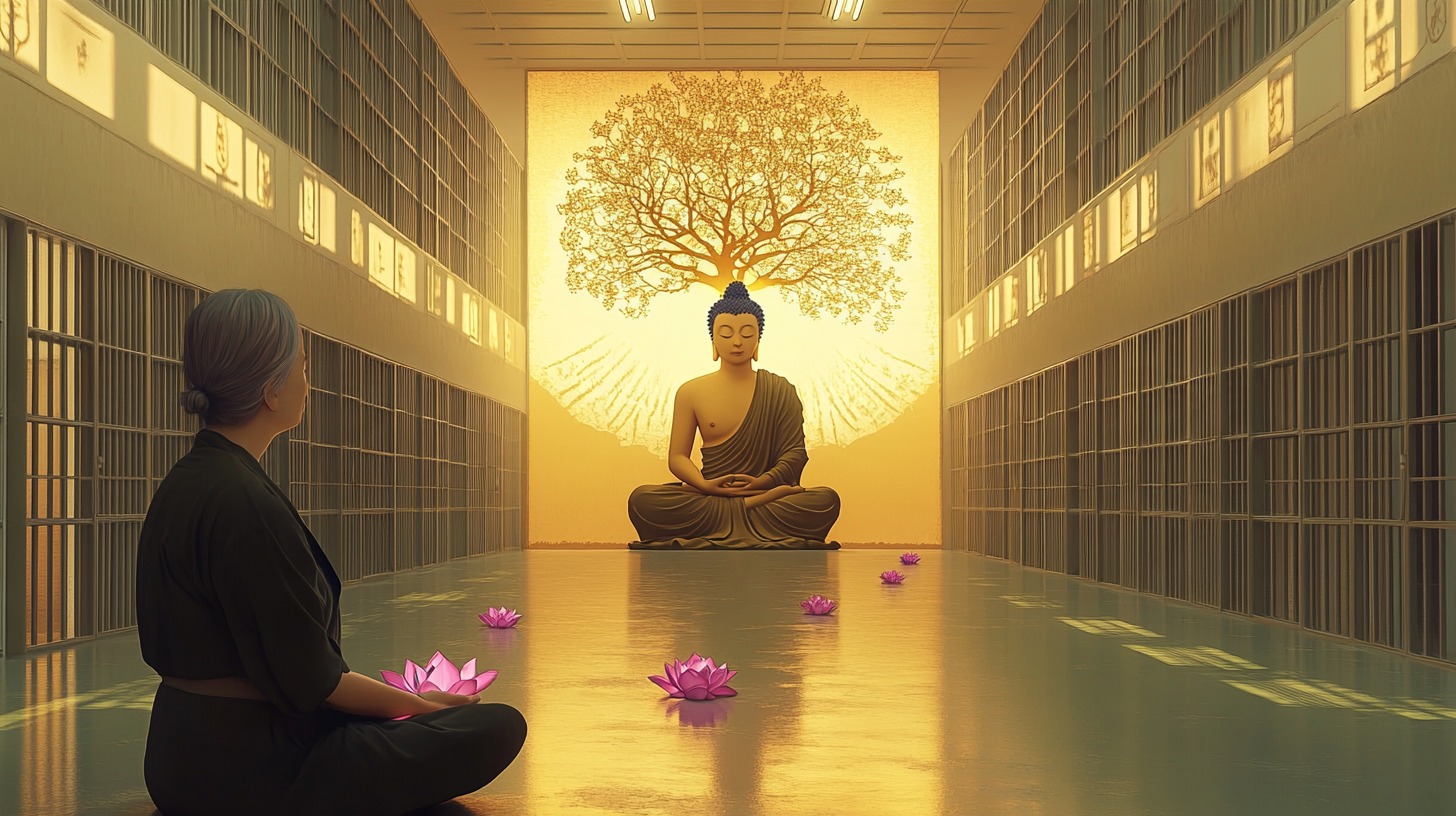
I see it: the flash of light, the sudden memory,the Buddha meditating under the Bodhi tree—only in a too-bright hallway with a correctional officer two steps away. Then she winks—ancient, cosmic.
“I know who you are. What you do.”She’d been waiting two weeks to tell me. I’ve felt this before.
When I was twenty-seven, I wandered into the “drug den”—the warehouse where people lay tripping on mismatched sofas—andmet Ada, the gatekeeper.Everyone was intimidated by her. I was too—starstruck, but not by celebrity.
More likea comet had entered my atmosphereand I could already feel the heat of it burning across the sky.
Ada tested me. Left cash scattered about, wads from a grand to ten grand. Everyone else took some. I didn’t. When she left the room,I stayed put, oddly reverent.The test was the lesson.
I spent two years with Ada. The main thing I learned from her, and then saw again in every tradition I studied, is thatthings are not what they appear.
I took my vows in Buddhism not too long after. They teach to see it all as a dream. Ada said:See it all as play, as theater.
Same same, only the latter arrives with an eternal wink—which I quite like. And now I’m sitting in prison.This isn’t a deviation from that vow.It’s a continuation.
Through Ada, through Miss Wu,that same eternal wink peeking through,just this time it’s breadcrumbs scattered on a windowsill instead of money across a desk.
That same actor in new costume,now dressed as a Chinese auntie feeding birds.In prison. Telling me how Jesus teaches the same thing as in Buddhism. Of course.
Back in the dorm after visitation, Miss Wupicks up our conversation again as if no time had passed.She asks what I’m in for. I say, “Conspiracy to force labor.
But I’m here for teaching about sexuality and meditation.” “You taught tantra meditation?”Her eyes nearly leap from her face.“In the United States? American women could not understand.
Even in Asia, only advanced people understand that.” Shelaughs hard enough to fall off the steel stool.“Well, yes.
I figured that out when they convicted me.” Her face flickers between amusement, concern, and awe. “I am here for conspiracy too,” she says,now the very image of a laughing Buddha.
“But mine is from past life.I overspent my karma.”She tells me about conferences she organized—five hundred monks, sixteen monasteries, all the top lamas and teachers.
Then she says we’ll do the next one together. I do the math with the unknown variable of my sentencing and, honestly, my entire future.The mystery opens, as it always does.
I have the same flash I had with Adawhen I chose her wild ride because what I saw with her felt hyperreal,
stronger than anything I’d known, likestepping through the curtain from the simulation into the real.
Potent enough to dissolve my fixed ideas about what it should look like—the robes, the solemnity, the candles, the dharma books.
I’m in prison with Miss Wu, and we both knowthe only secret, the one that keeps her laughing so hard
I want to sit close, just tocatch her if she falls off that little metal stool.