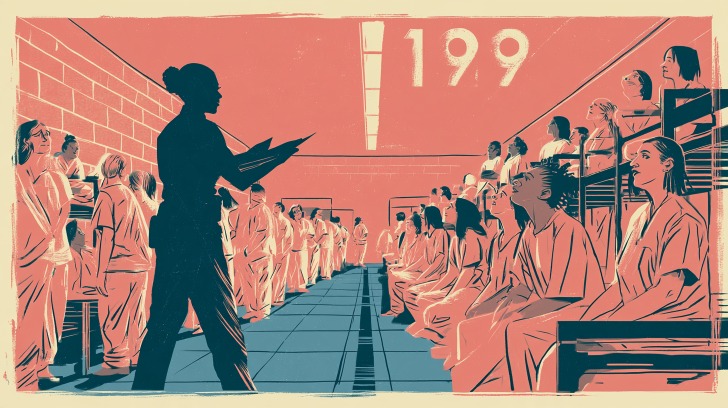
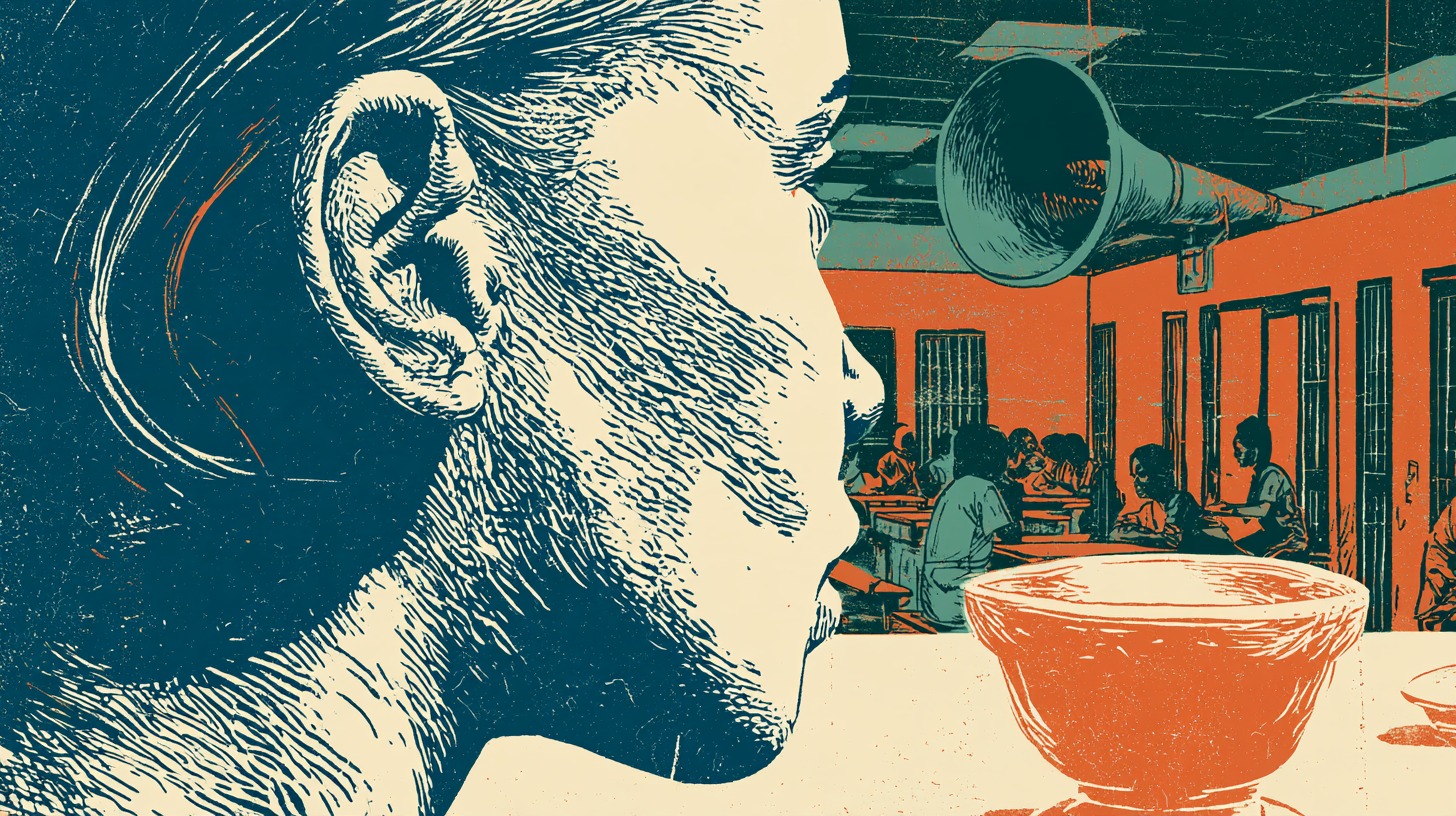
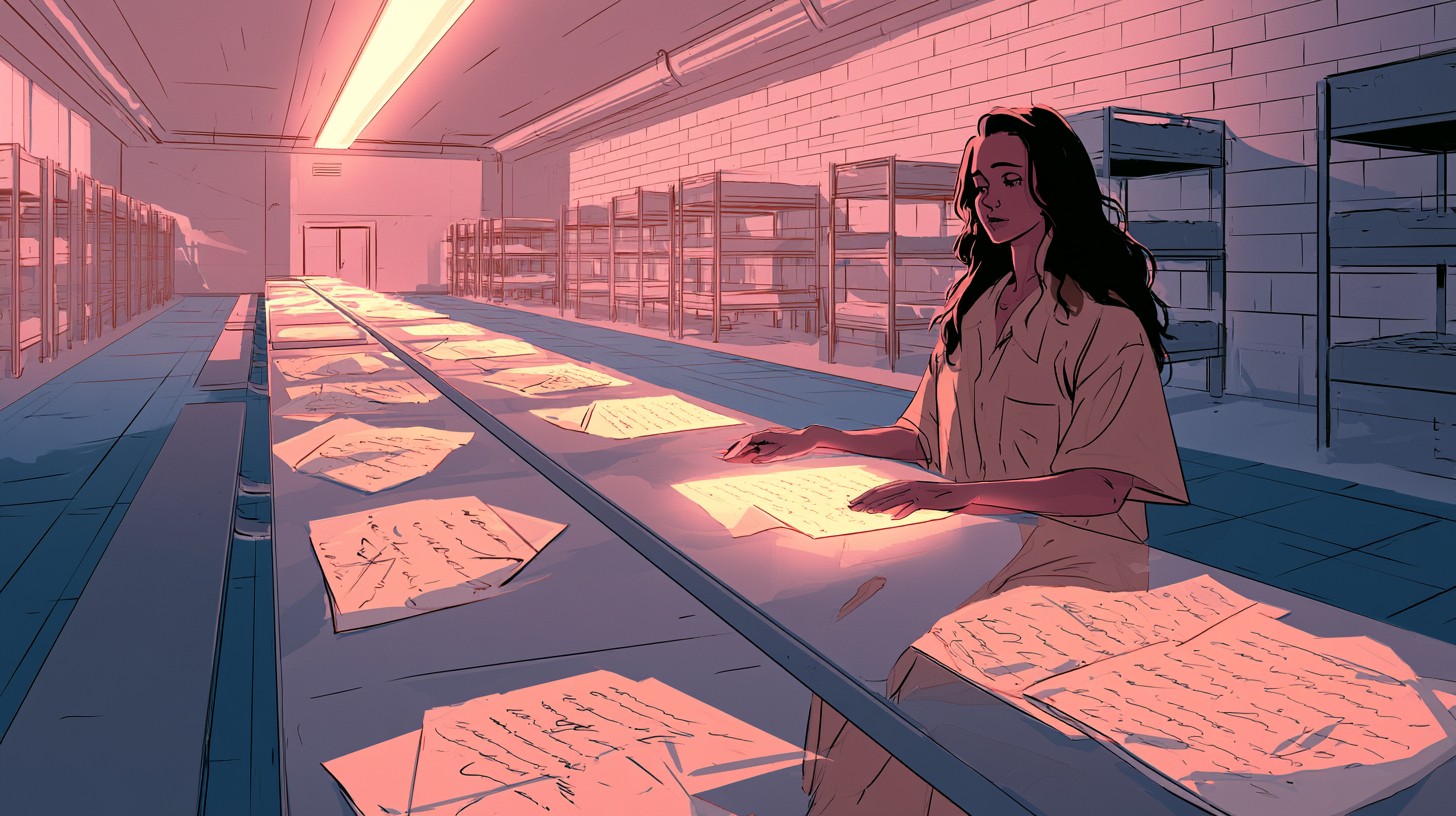
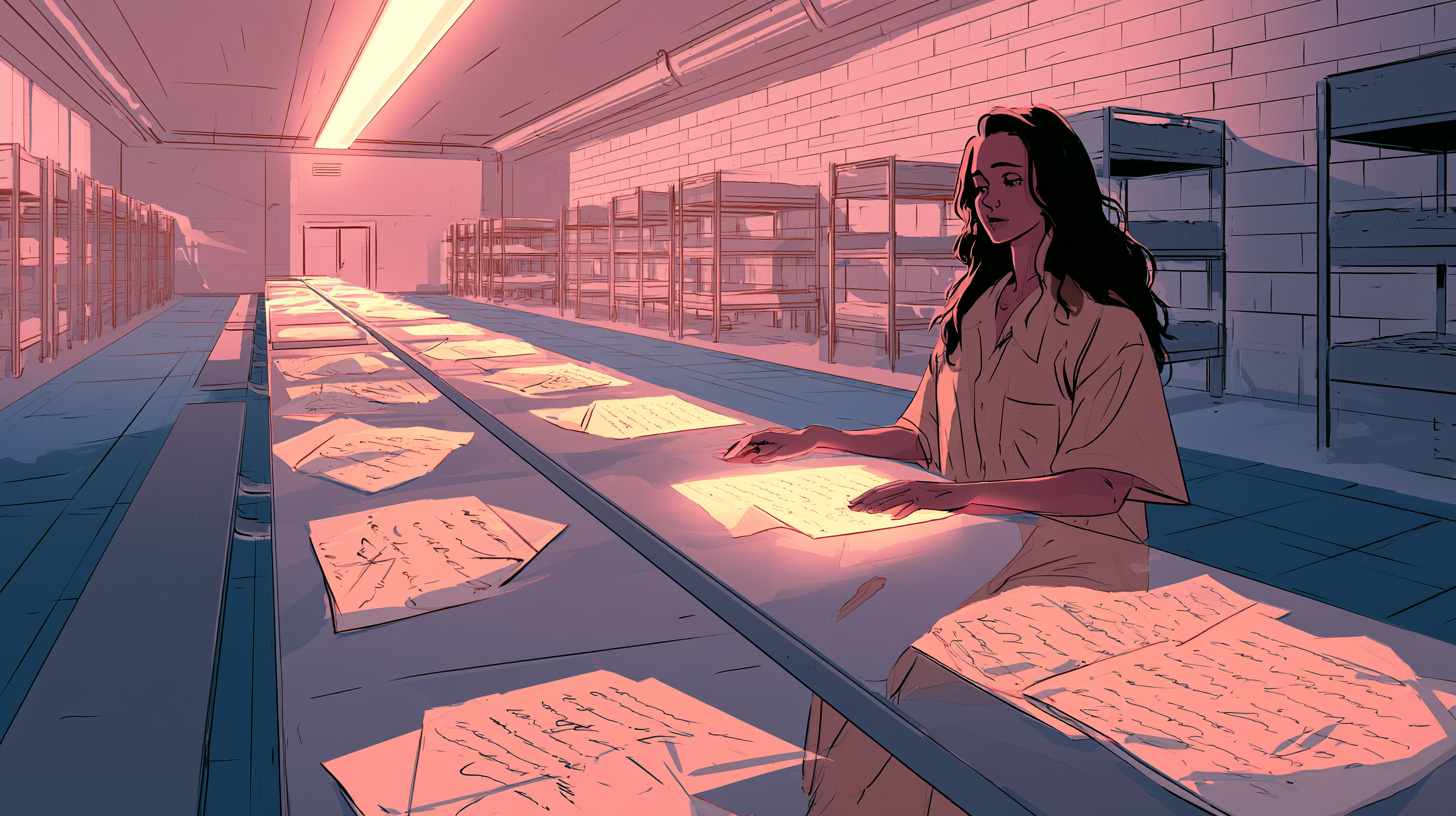
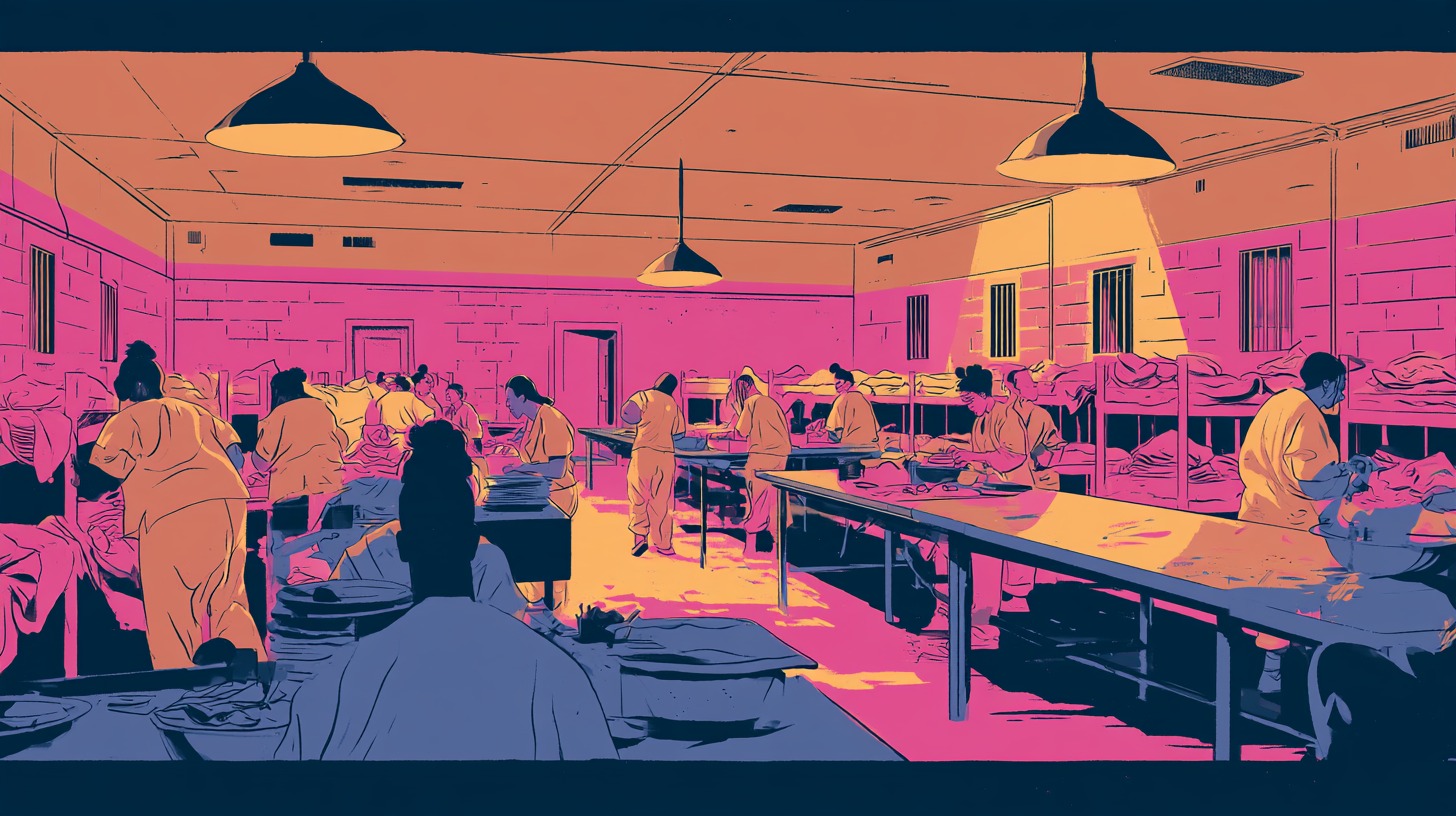
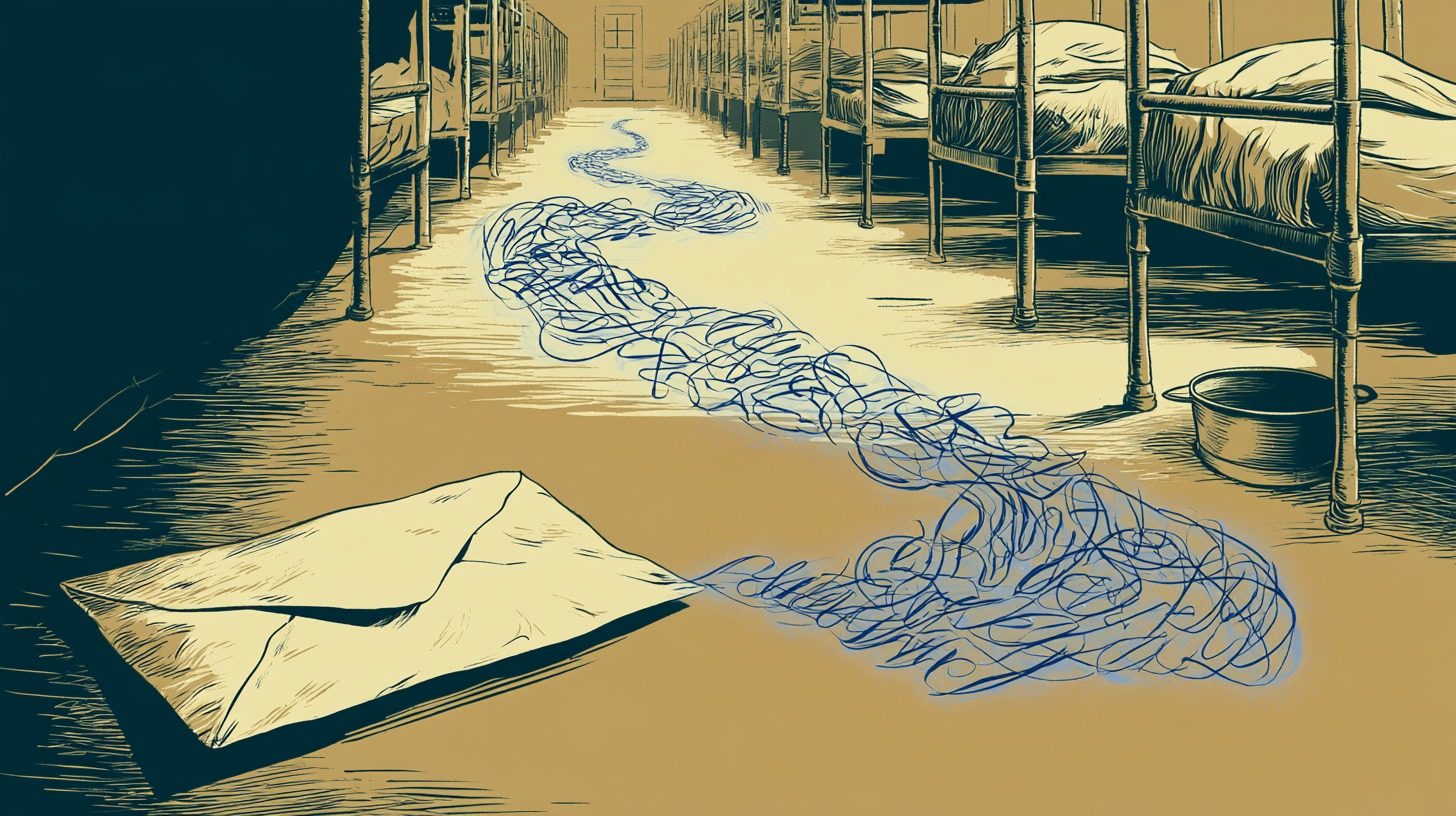
Evening shift had just settled in when mail call started, the officer’s voice moving down the rows with that tired end-of-day cadence everyone recognizes,the room too bright and too dull at the same time.
I heard my name called.
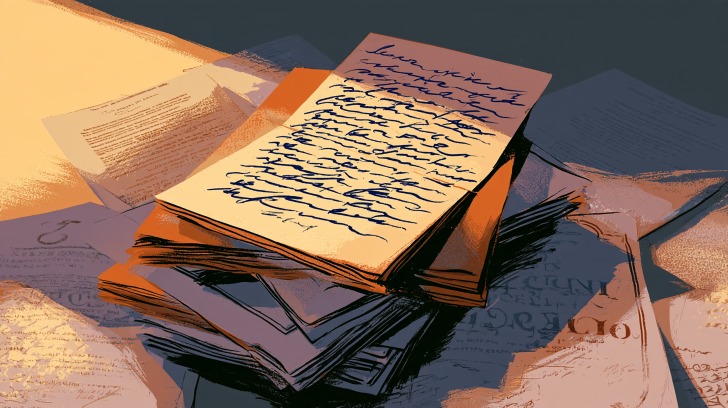
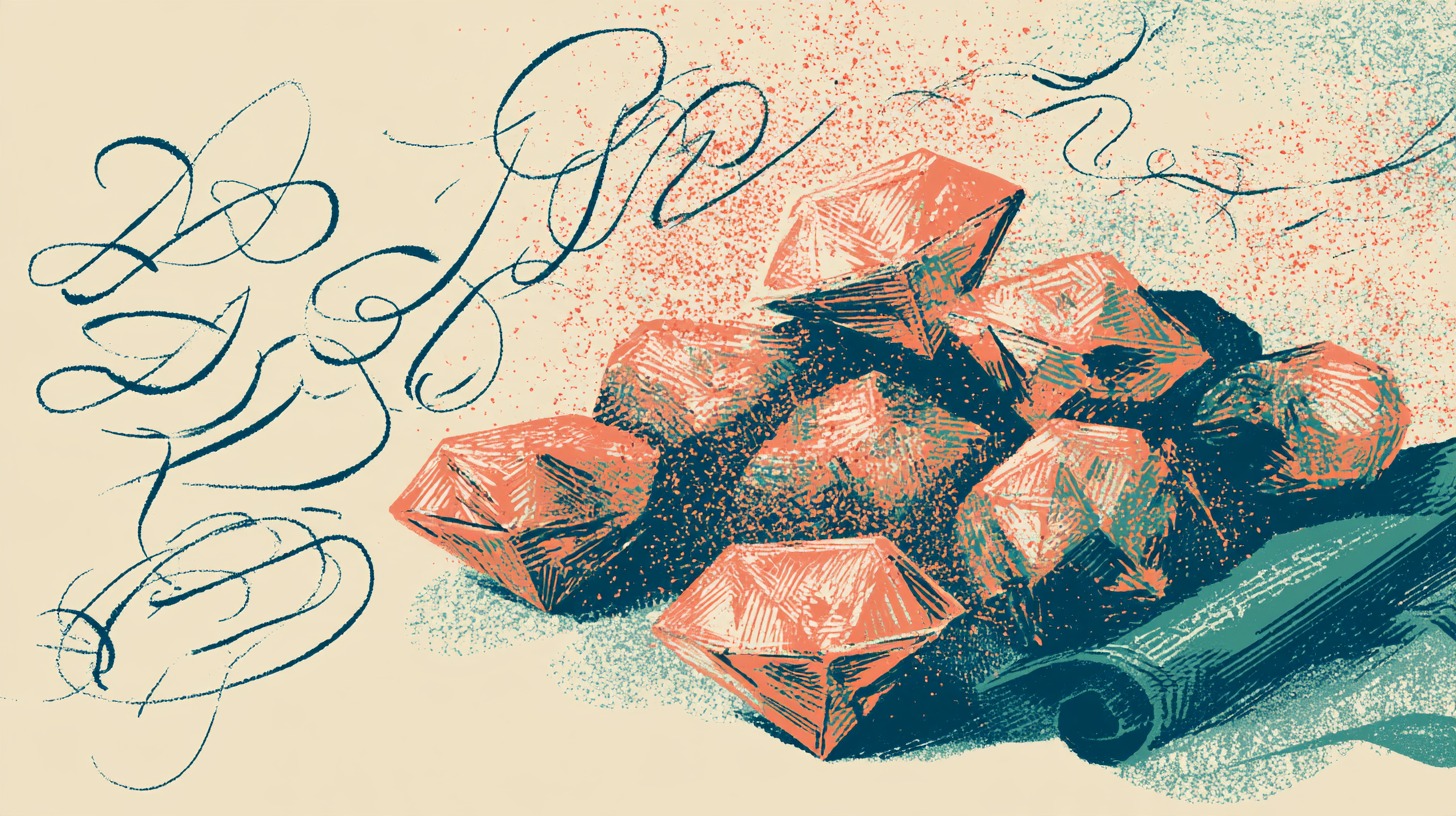
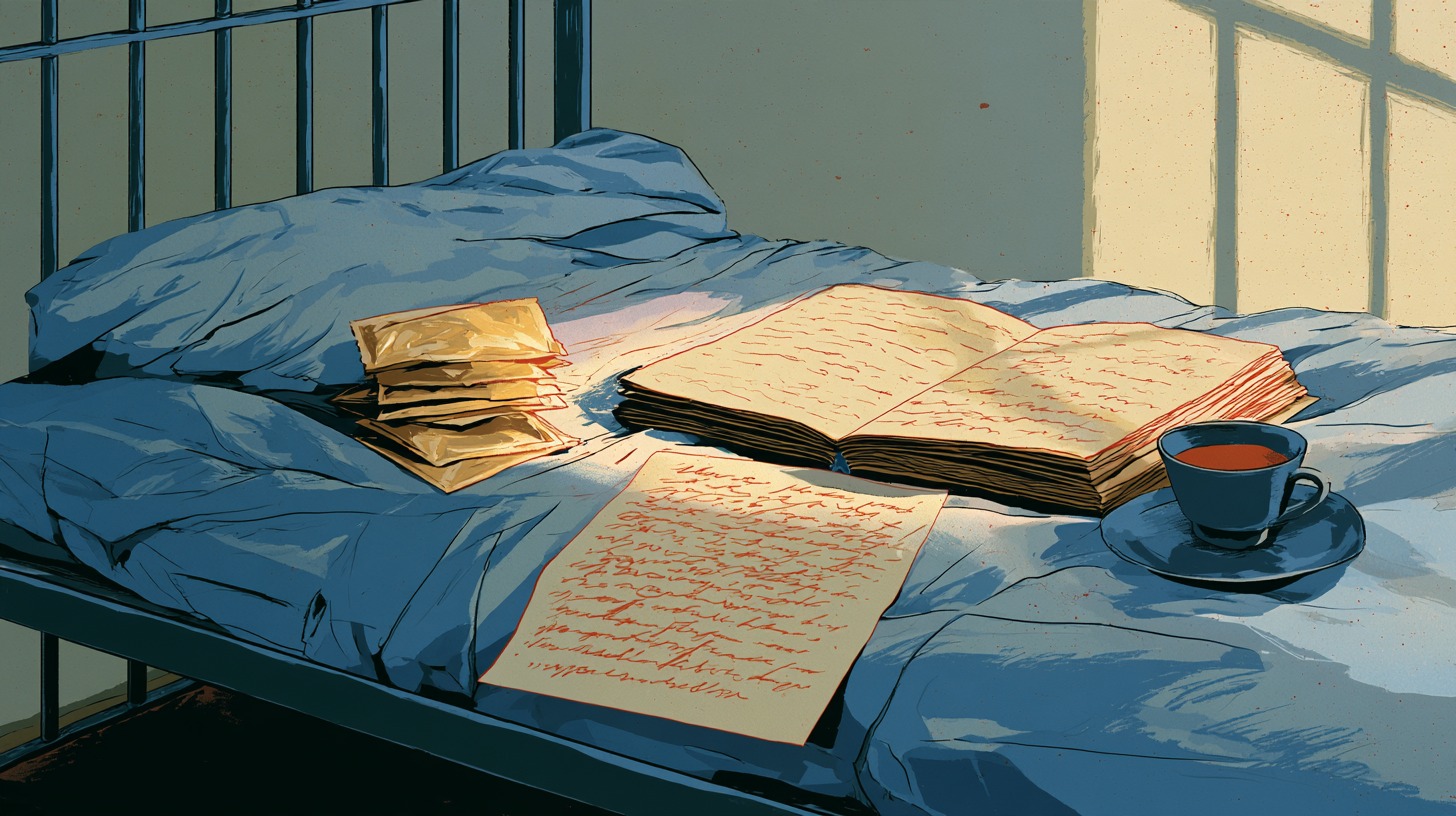
The officer held a thin envelope with Louise’s handwriting on the frontlike a familiar face at the door.Louise is my friend Anjuli’s mother.
She’s the kind of home cook whosends a recipe when everyone else sends a slogan,a set of instructions you can follow when your mind is loud and your hands need a job.
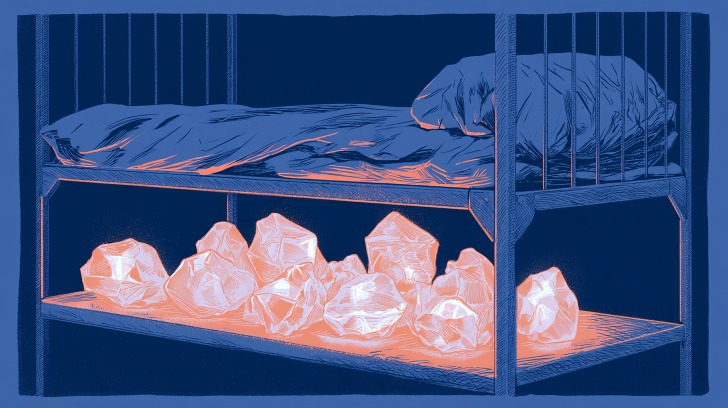
Part of this experience of being in prison is thatthe diamonds in your life start throwing off more light;
the good ones get brighter, and you see the cut and weight of themin ways you might have missed before.
My friend Anjuli is one of those diamonds.She makes no distinction between fighting for her life and fighting for yours; to her it is one motion.
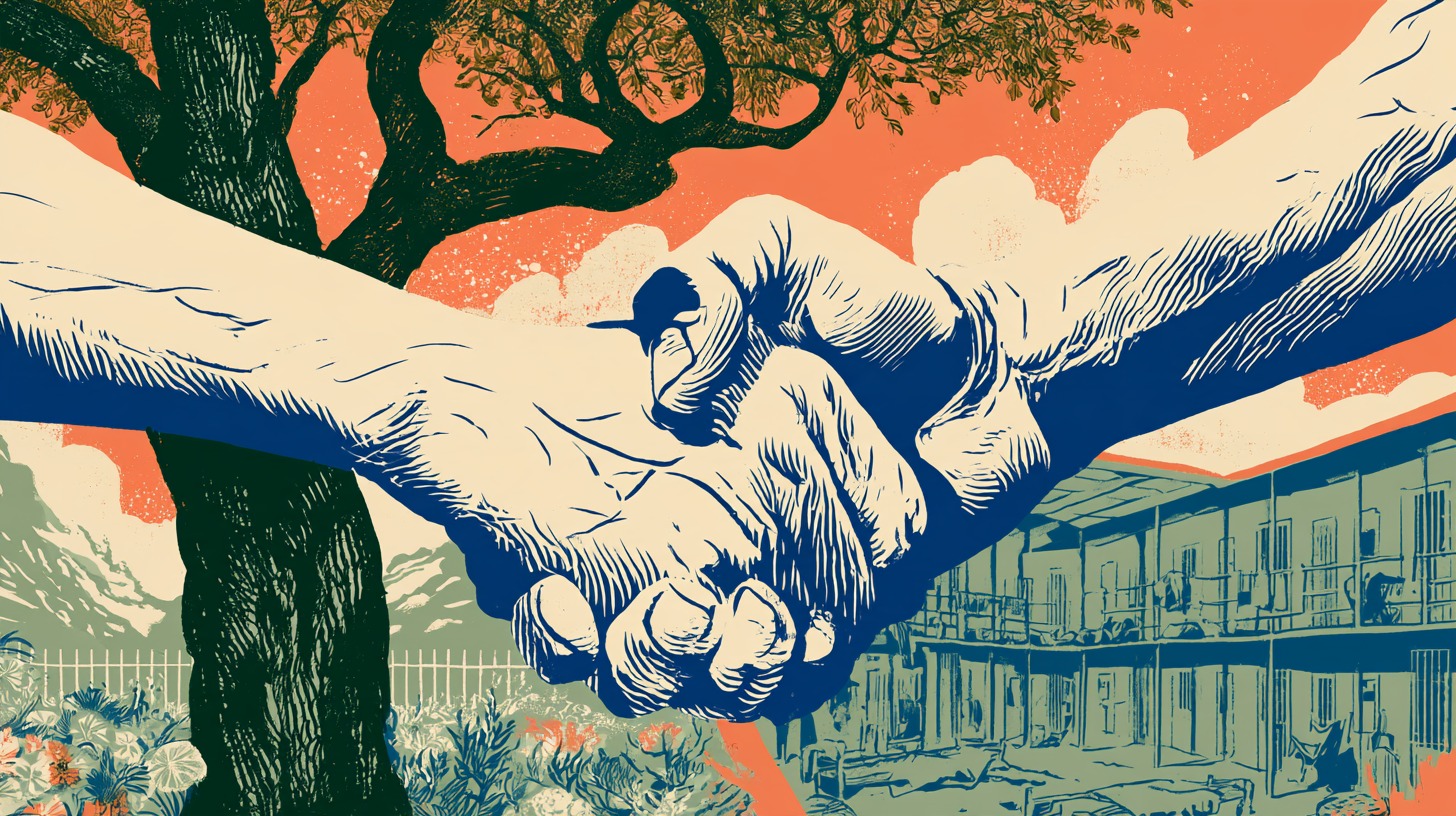
And she comes with a family who love in that same unbroken way—the kind of people who fold you in as ifa place has always been set for you at their table.
Her mother, Louise, the born chef,sends recipes tucked into envelopes like care packages.
Andher father, Ramani, writes me long, generous letters of encouragement,the kind that arrive like a steadying hand at the small of my back.
I have all of this, in addition tomy own mother, who keeps scrapbooks of our letters.
Inside me, this love sits next to the fact thatsome women have no one to call, no weekend visits,no money on their books.
The recipes really started coming when Louise heard we finally had commissary.
After a full weekwaiting for the money to clear so it would show upon our accounts,
and then another week of commissary being closed for reasons no one bothered to explain, we were ready for basics:warmer clothes, Lipton tea, anything with real protein.
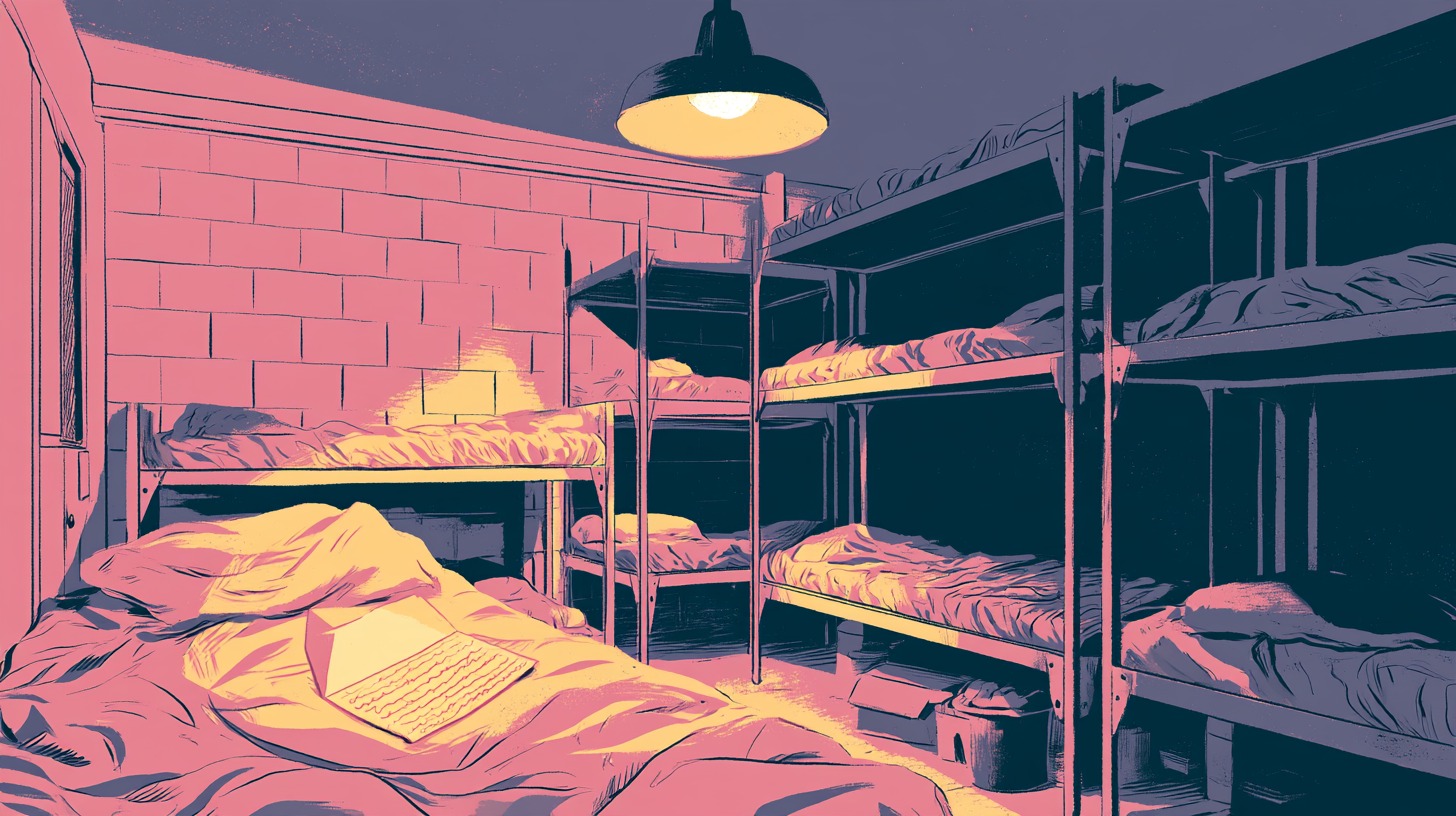
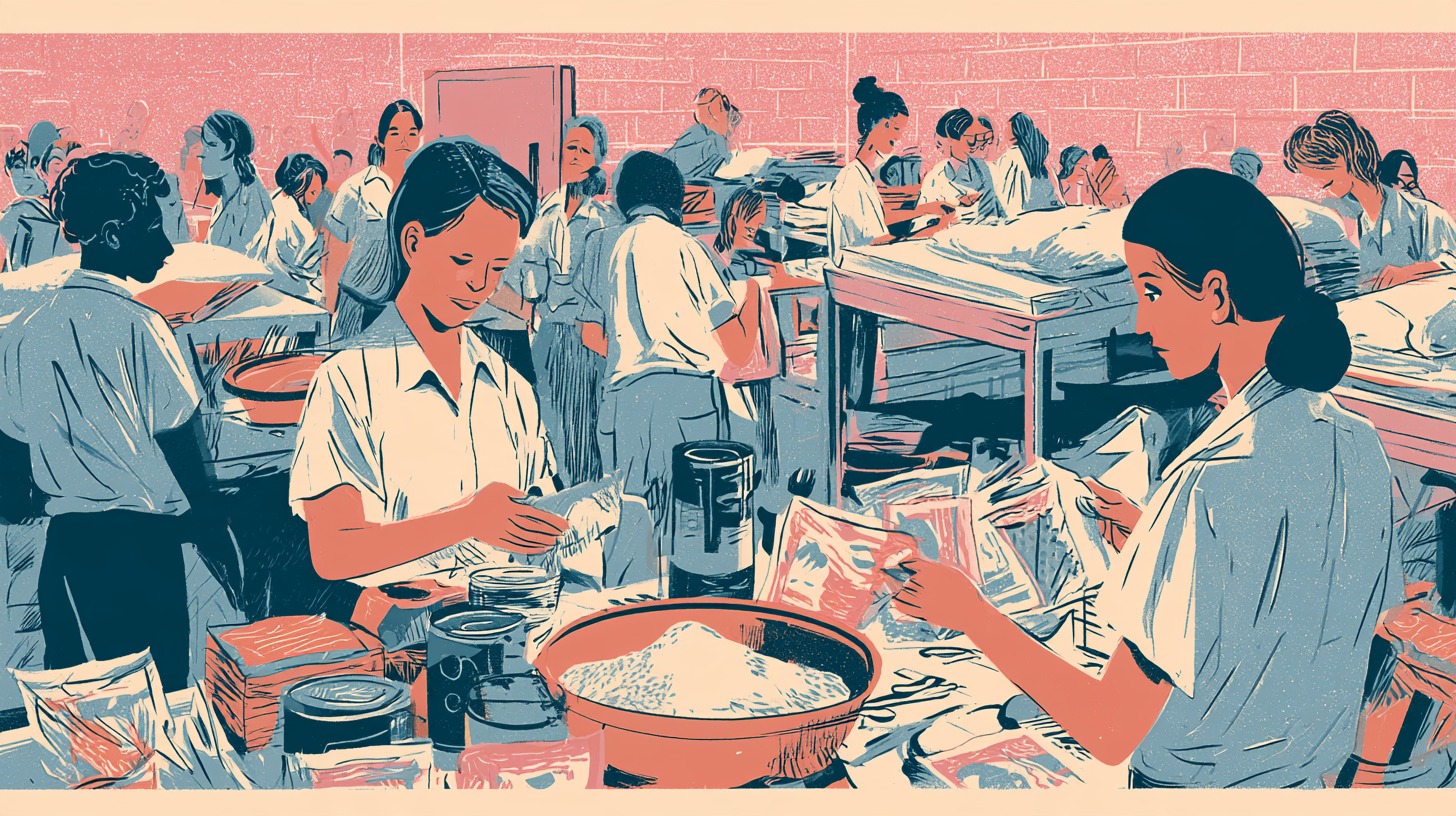
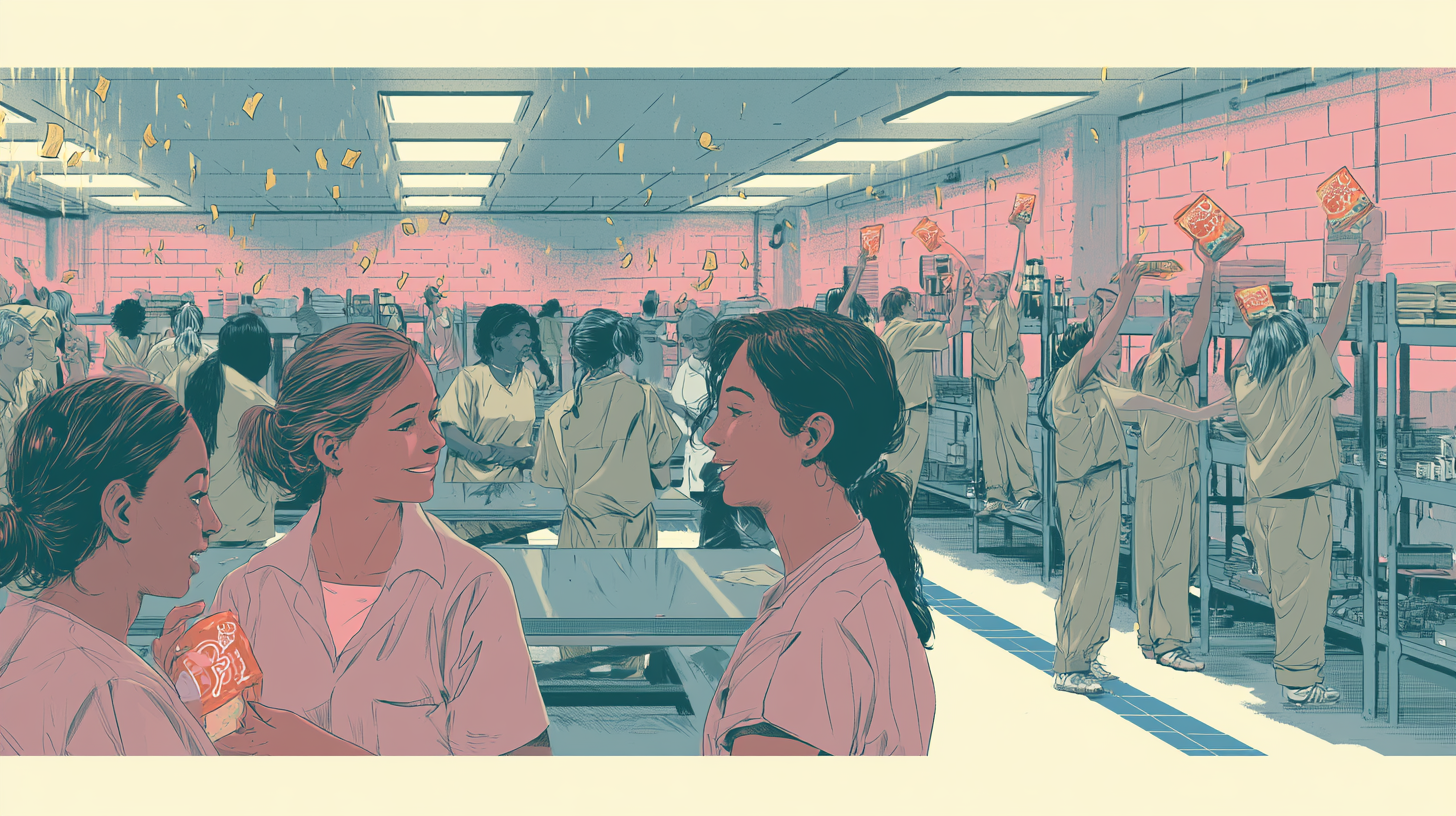
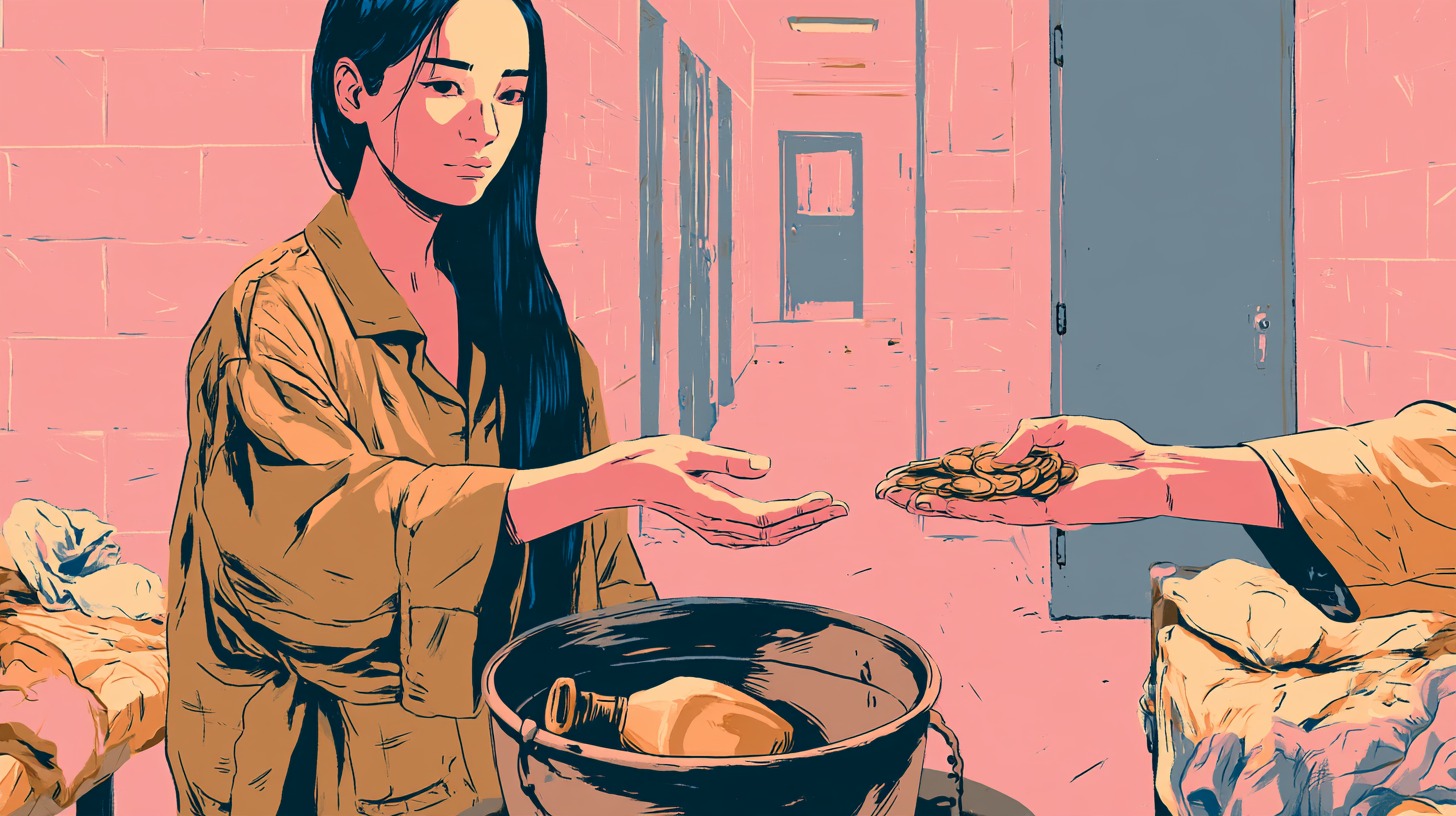
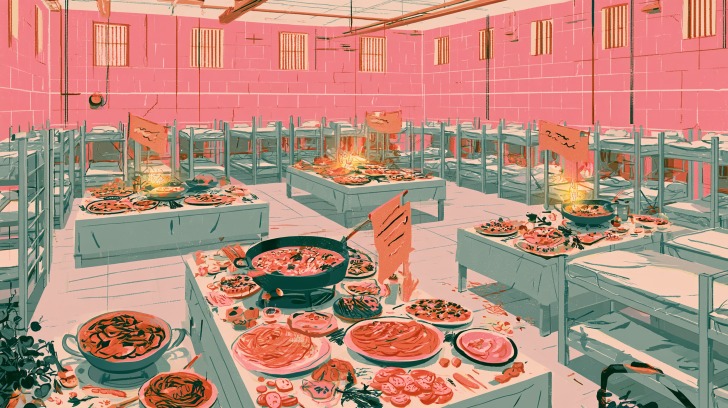
On commissary day,some bunks look like a black-market swap meet—this one wants rice, that one wants coffee, another is hustling soup packets.
The energy goesfrom scarcity Sunday to manna Monday in about ten minutes.
One woman refused to let me pay her backfor the shampoo she gave us when we arrived;
she just gave methat tiny cartel nod you see in movies,and suddenly we had a shampoo pact.
Tiny economies, tiny loyalties, all built on food and soap. Rachel and I had planned our commissary list withthe intensity of women prepping for a heist.
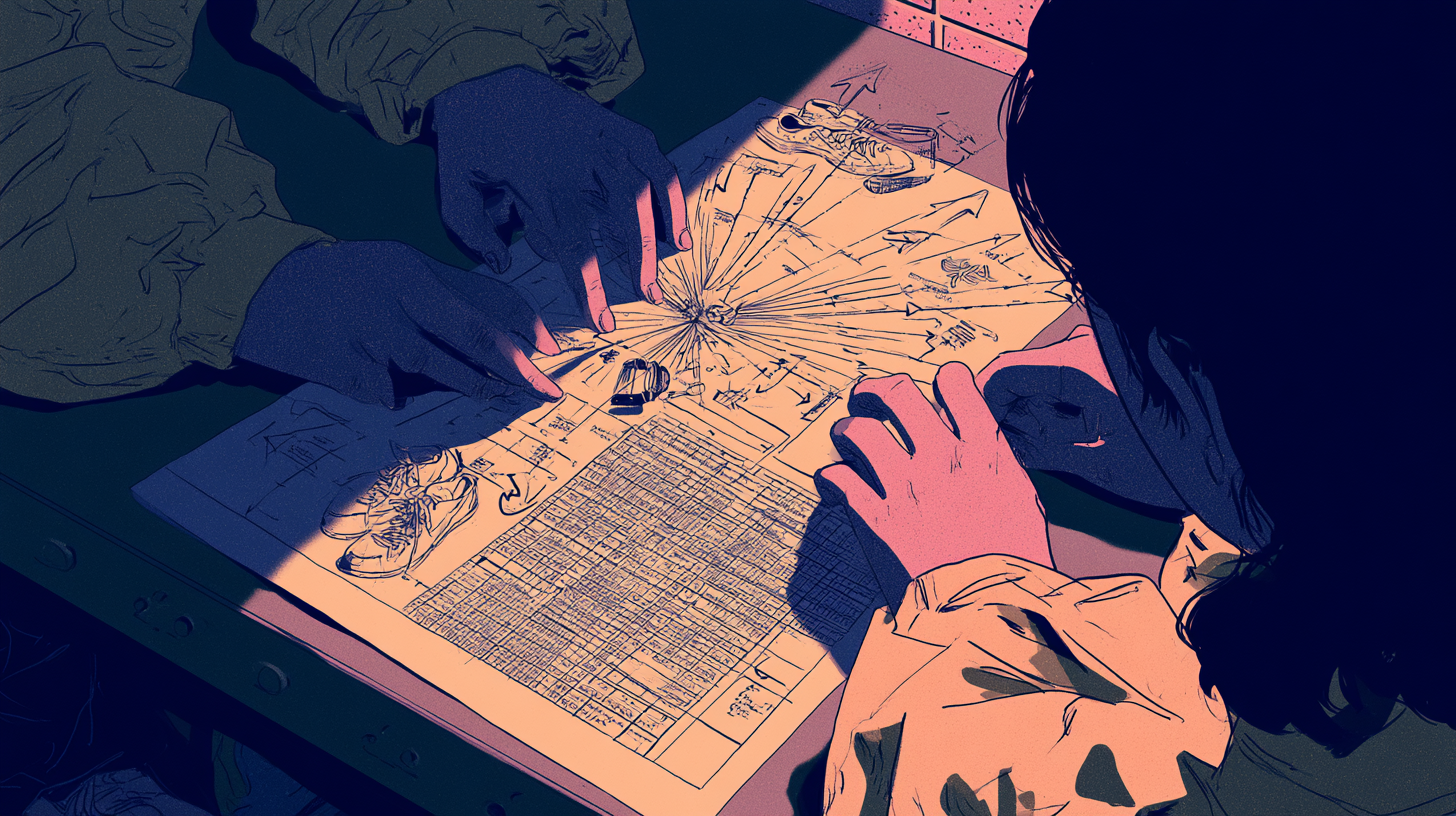
Your connections on the outside can put up to $300 on your account,but you are only allowed to spend half of that per commissary order.
You fill in the sheet with what you want and then hope you get it;you never know what’s going to show up and what won’t.
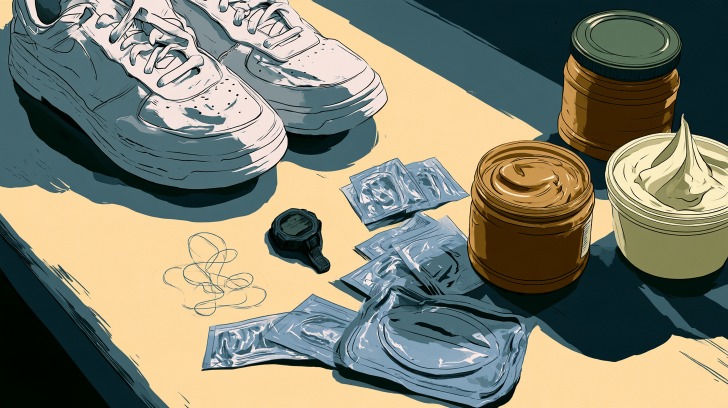
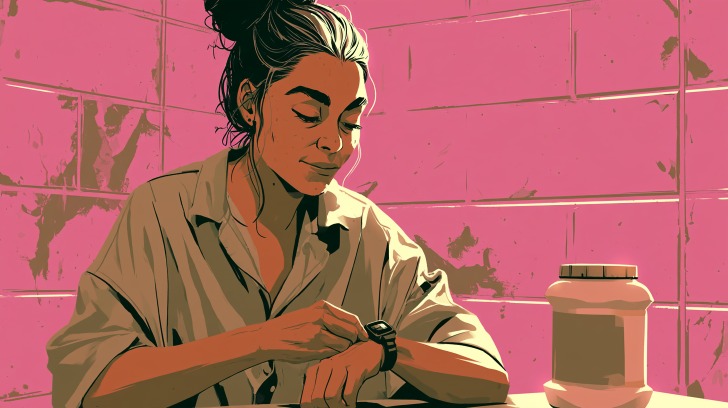
We came back from our first trip carrying our loot:toiletries, snacks, sneakers, floss, a cheap digital watch for Rach so she could time our meditations,
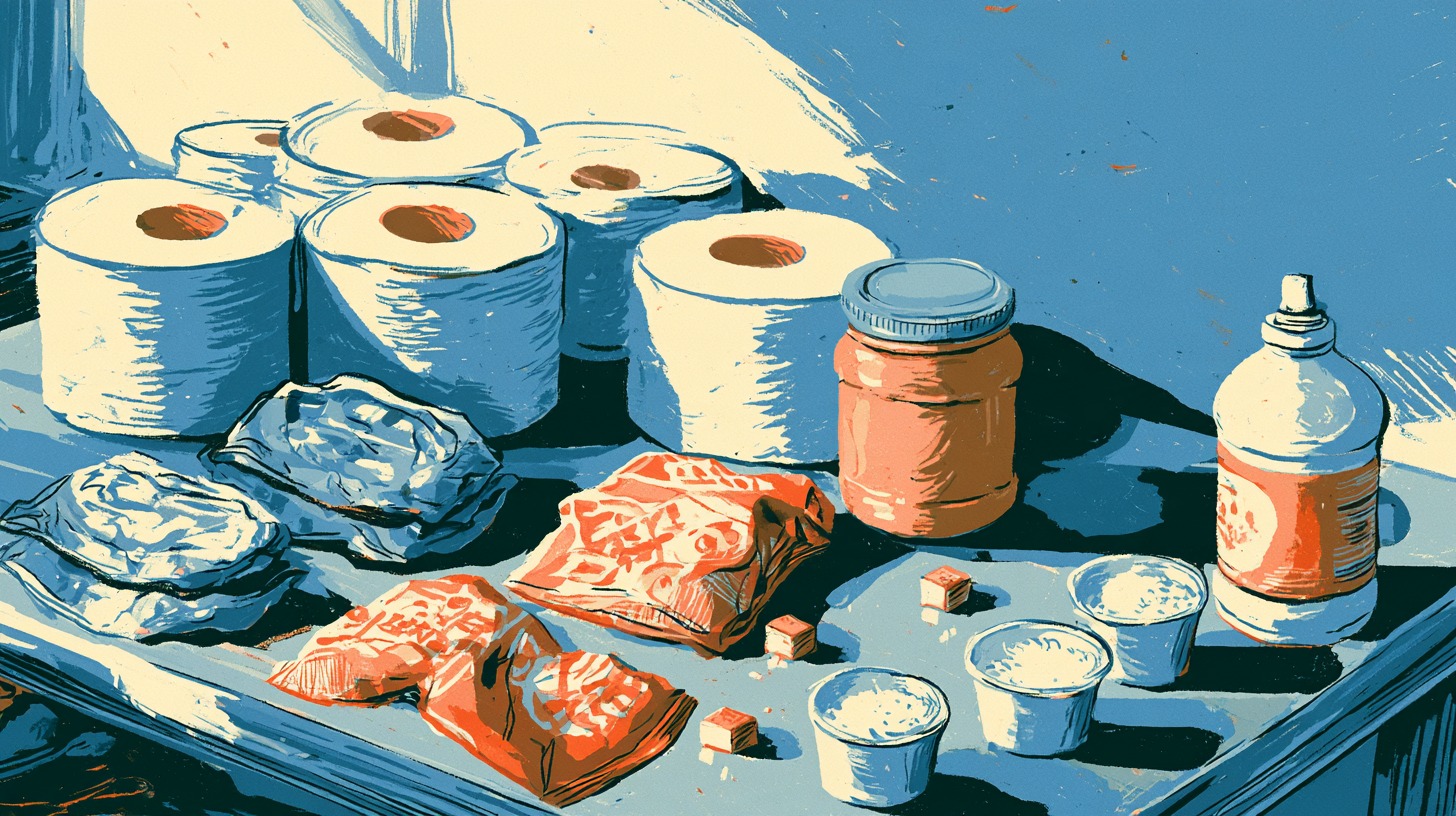
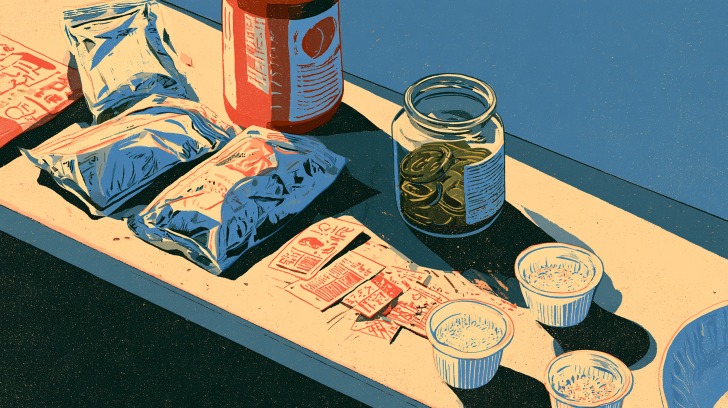
toilet paper, and of course food items—nuts, tuna, ramen, peanut butter,prison-issue chicken packets, bouillon cubes, Minute Rice, and mayo.
Mayo: the backbone of prison meals. She’s in everything, holding it all together, and nobody pretends otherwise. Rach fastened the watch onto her wristlike she’d just been promoted to head monk.
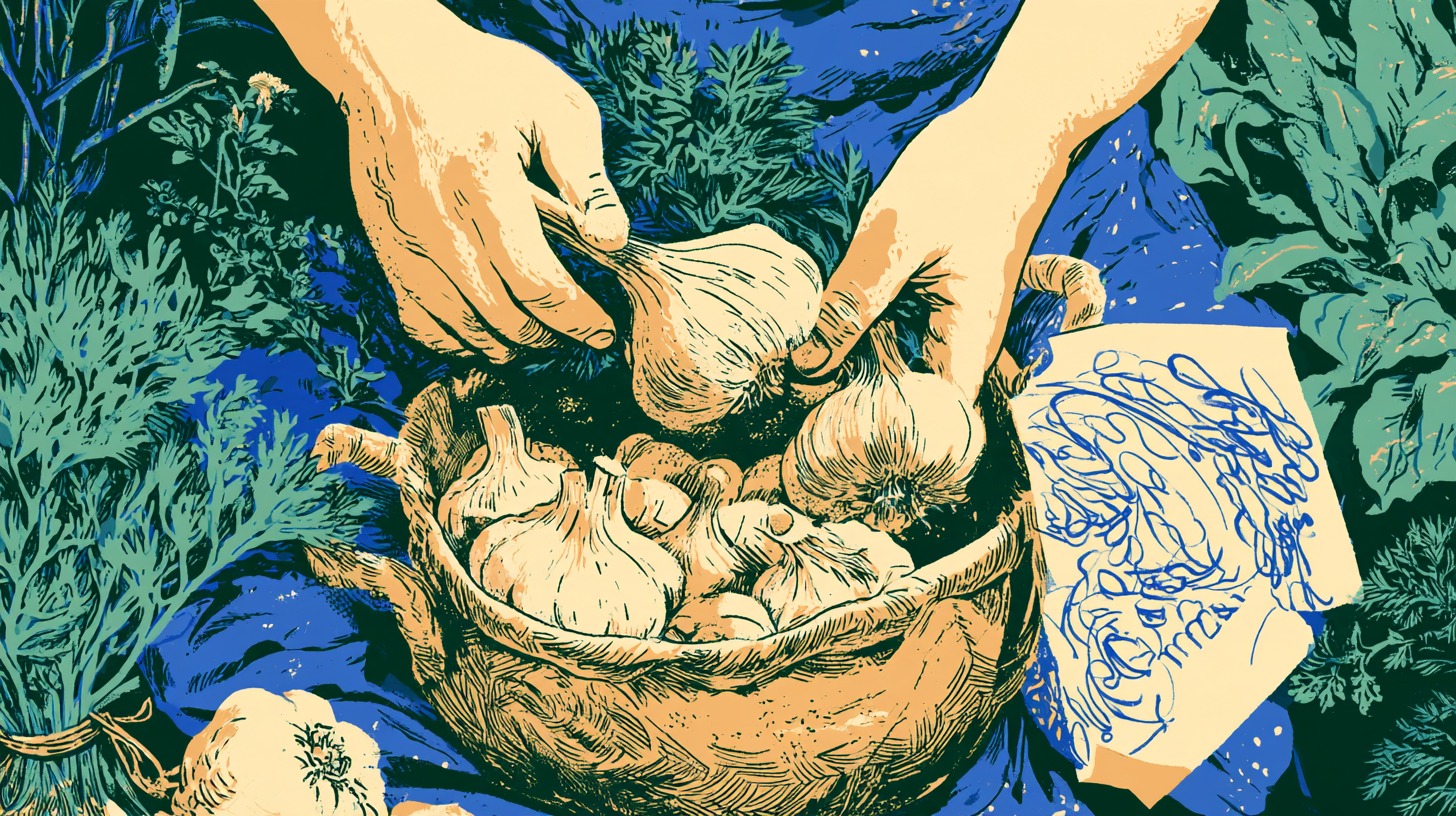
Louise, whomakes everything completely from scratch using ingredients from her own greenhouseand garden, understood the play immediately.
We were making do with bags of meat and packaged goods, improvising like our lives depended on it. The moment she heard we had ingredients—even the prison versions—shestarted mailing recipes like lifelines.
Reading her chicken adobo recipe that evening,I could taste the flavors mixing together: vinegar for backbone,
garlic for truth,something tender in the middle that only appears if you let time and heat do their work.
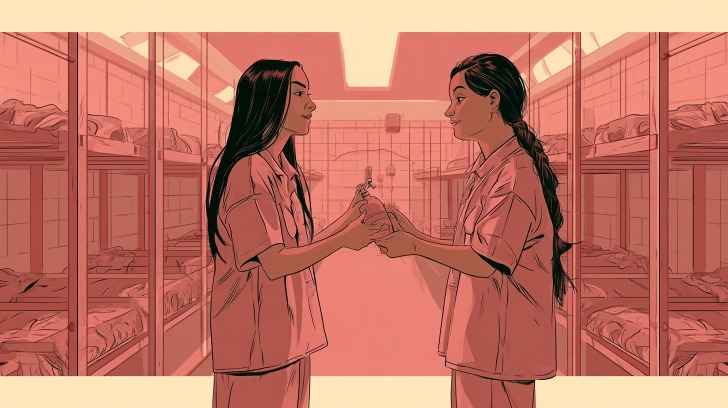
“Let’s make it,” I told Rach, because when a lifeline shows up, you say yes.
We had no fresh chicken in sight, but we began to gather what we could:shelf-stable pouches, a jar of jalapeño brine,a few spices scrounged from neighboring bunks, Minute Rice in little cups.
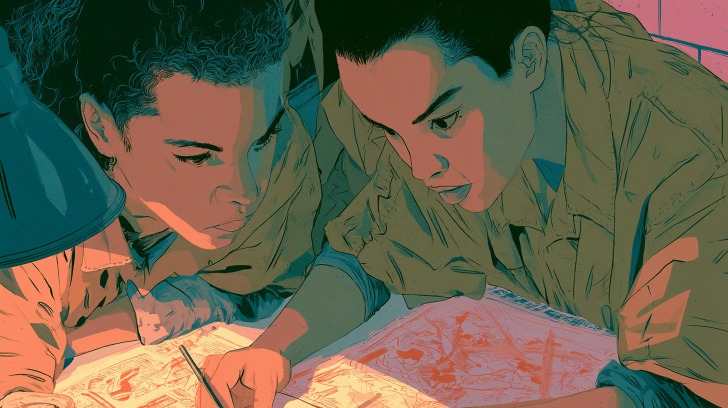
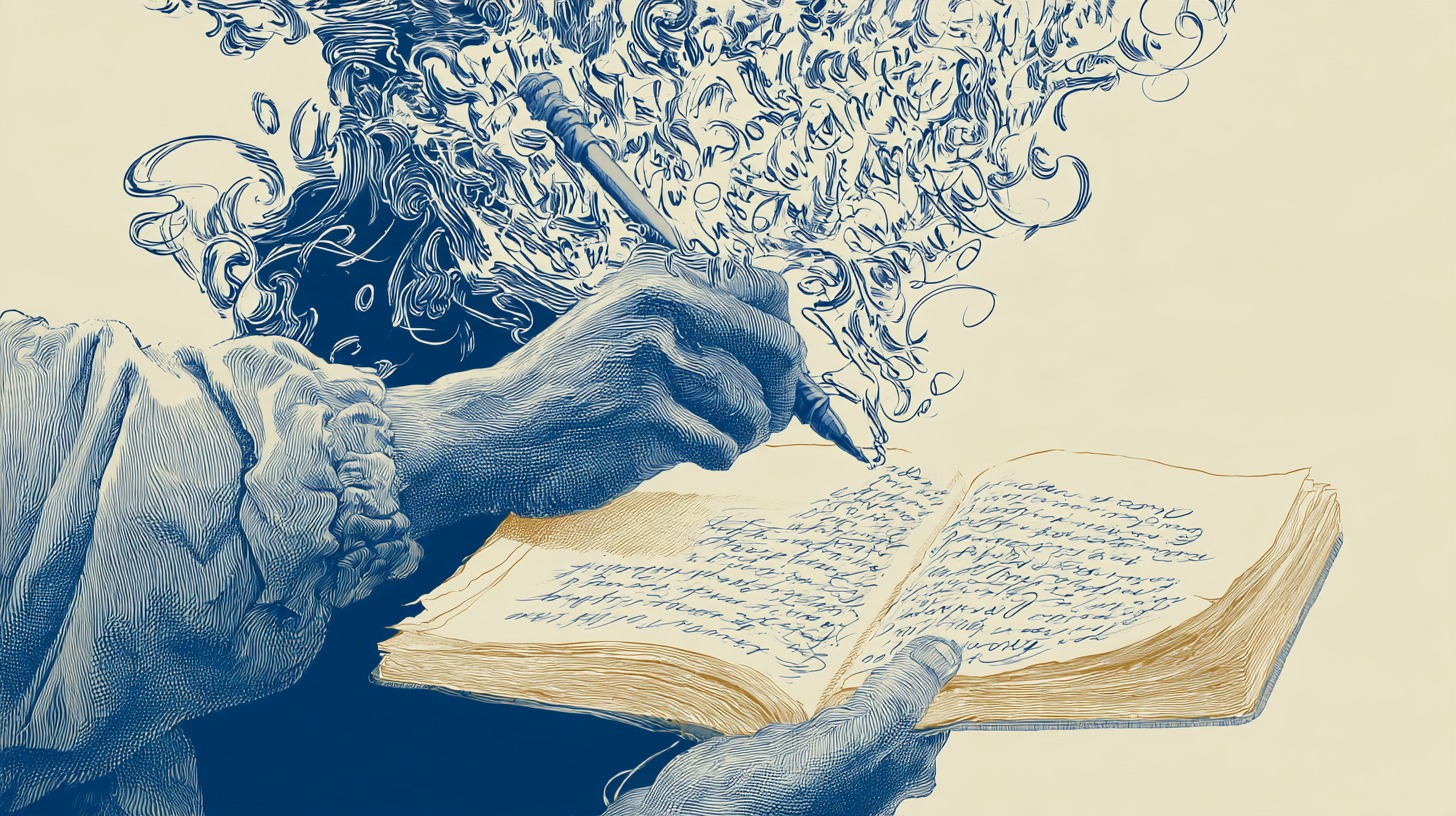
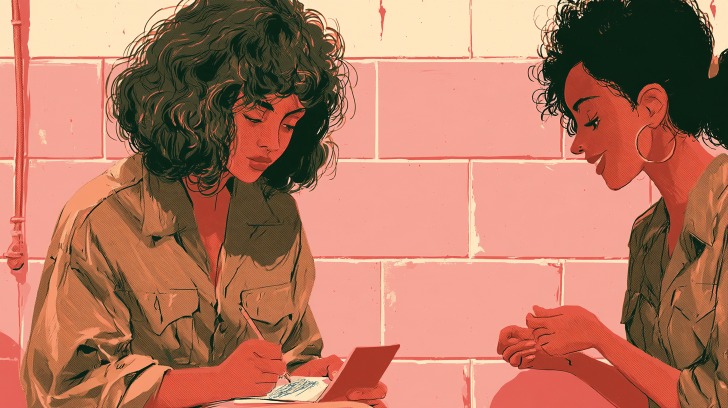
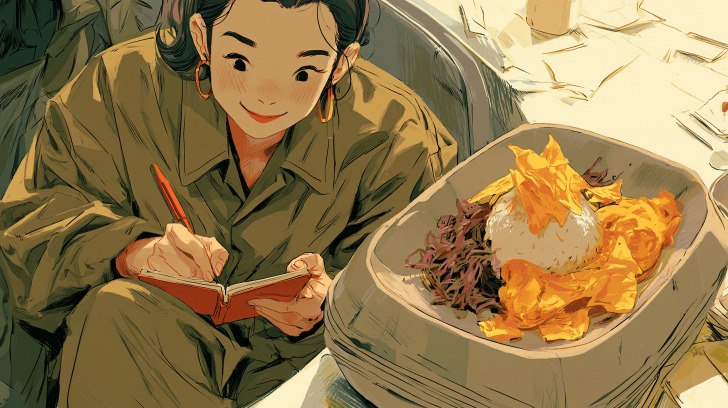
Rach pulled out her red commissary notebook—the same one she carried on the walking track—and flipped to a fresh page like she was about toconduct field research on an endangered bird.
I teased her for being our divine scribe, but that notebook became our memory bank.
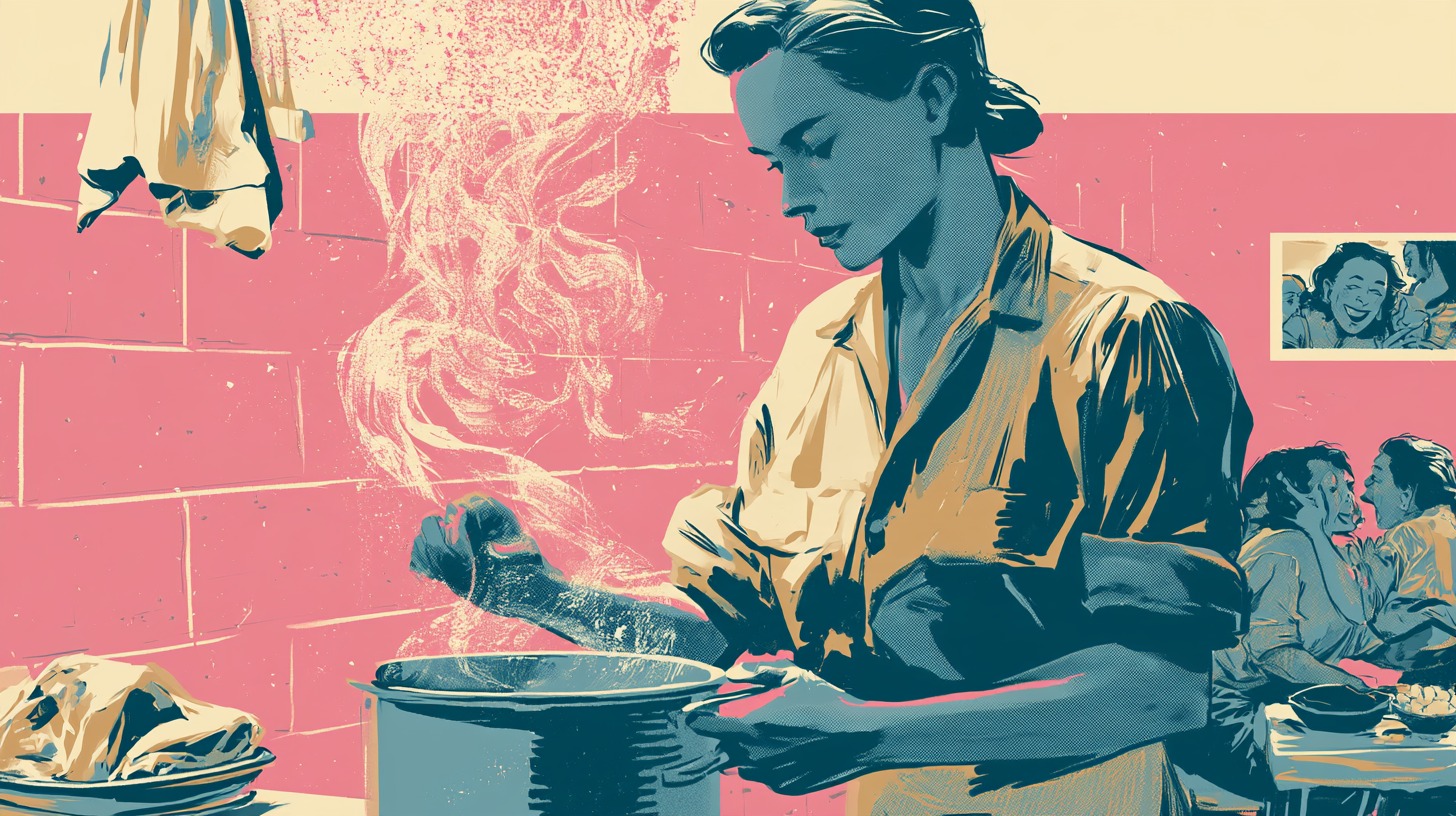
While I watched the pot, she watched the room, catching the small, exact momentsthat might have slipped past—the joke someone cracked over the steam,
the way the jalapeño vinegar hit the air,the offhand line that held a whole life.
Recipes, stories the women would tell us,the bits of prison lingo they’d explain—Rachel’s love would capture it word for word,true to life.
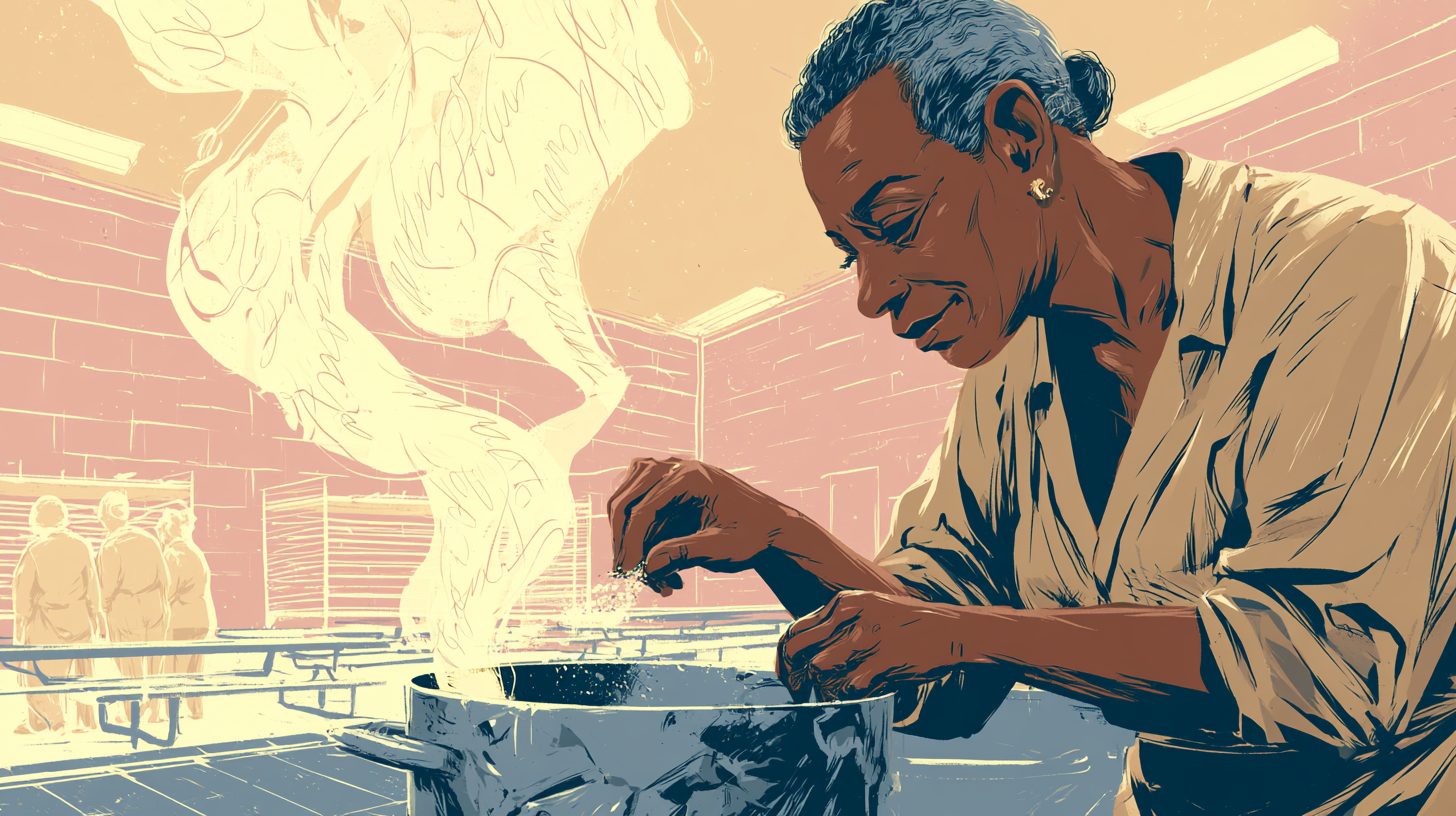
Allison noticed our efforts in the kitchen and drifted over with her quick eyes and steady hands,the kind of woman who can read a pot from across the room.
She looked over the letter and said,“Marinate early, share with friends”—a recipe for life in its own right.
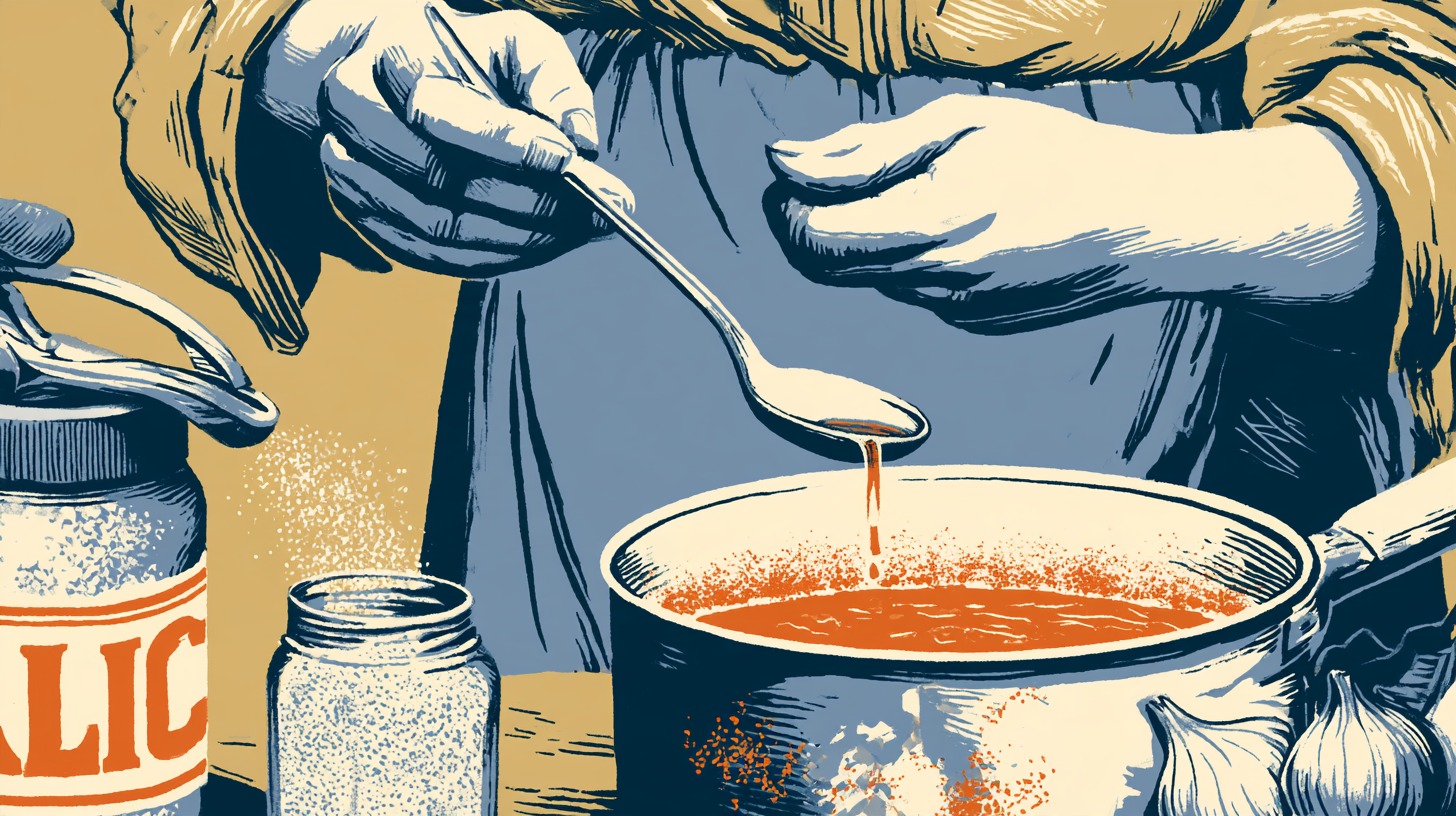
She tasted a bit of the jalapeño vinegar,adjusted the ratio with a few shakes of garlic,and nodded like: Now you’re getting somewhere.
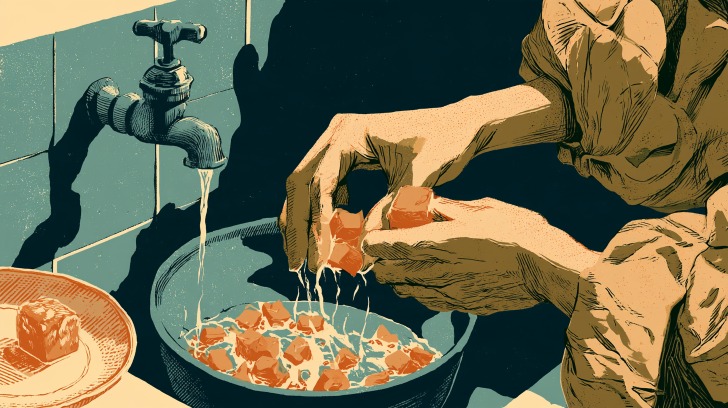
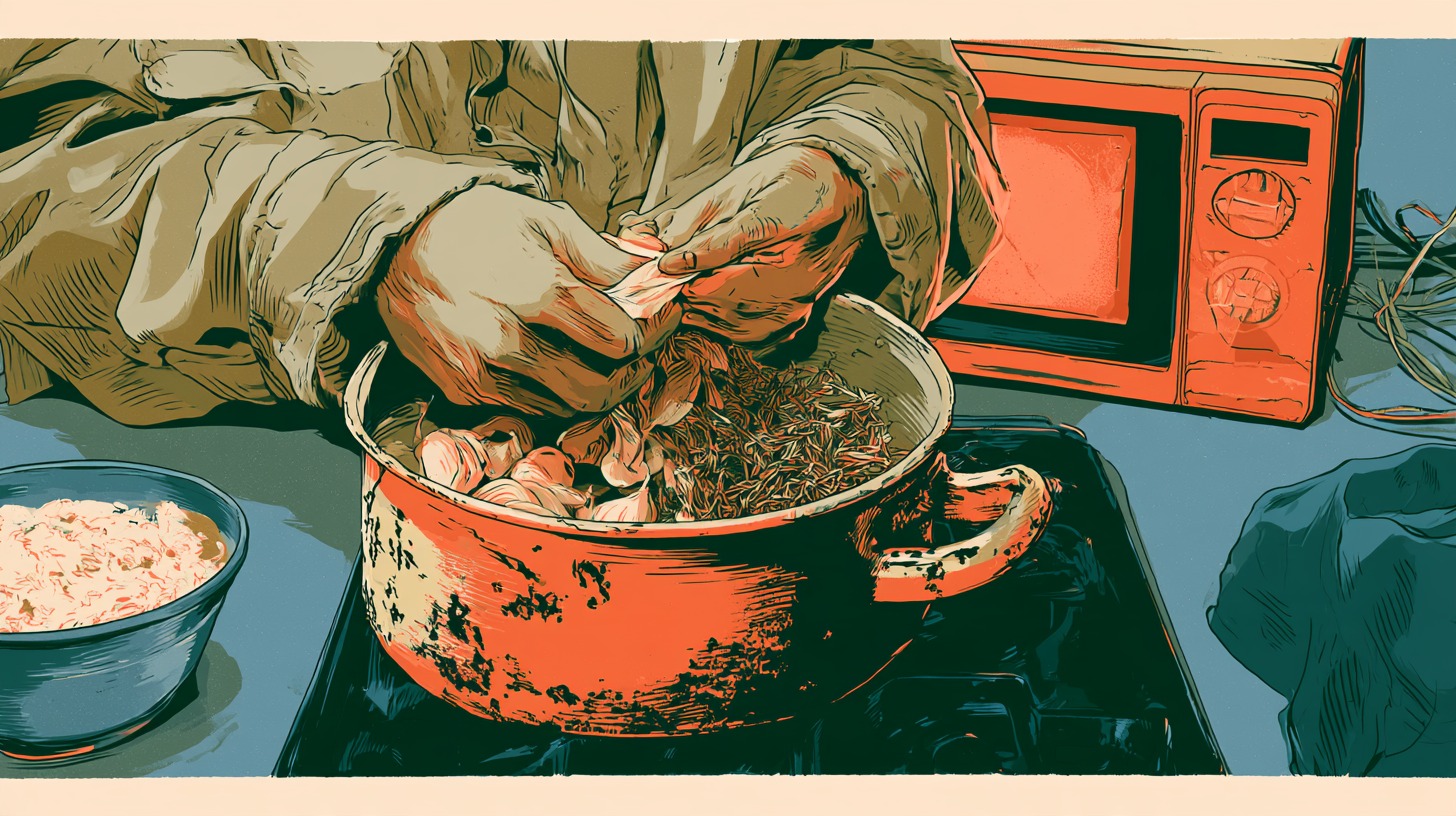
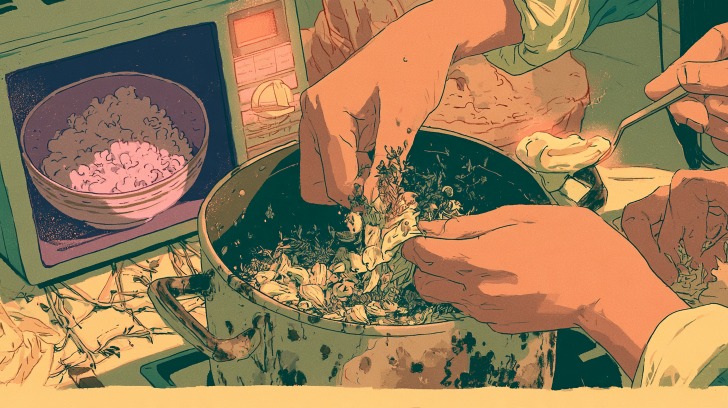
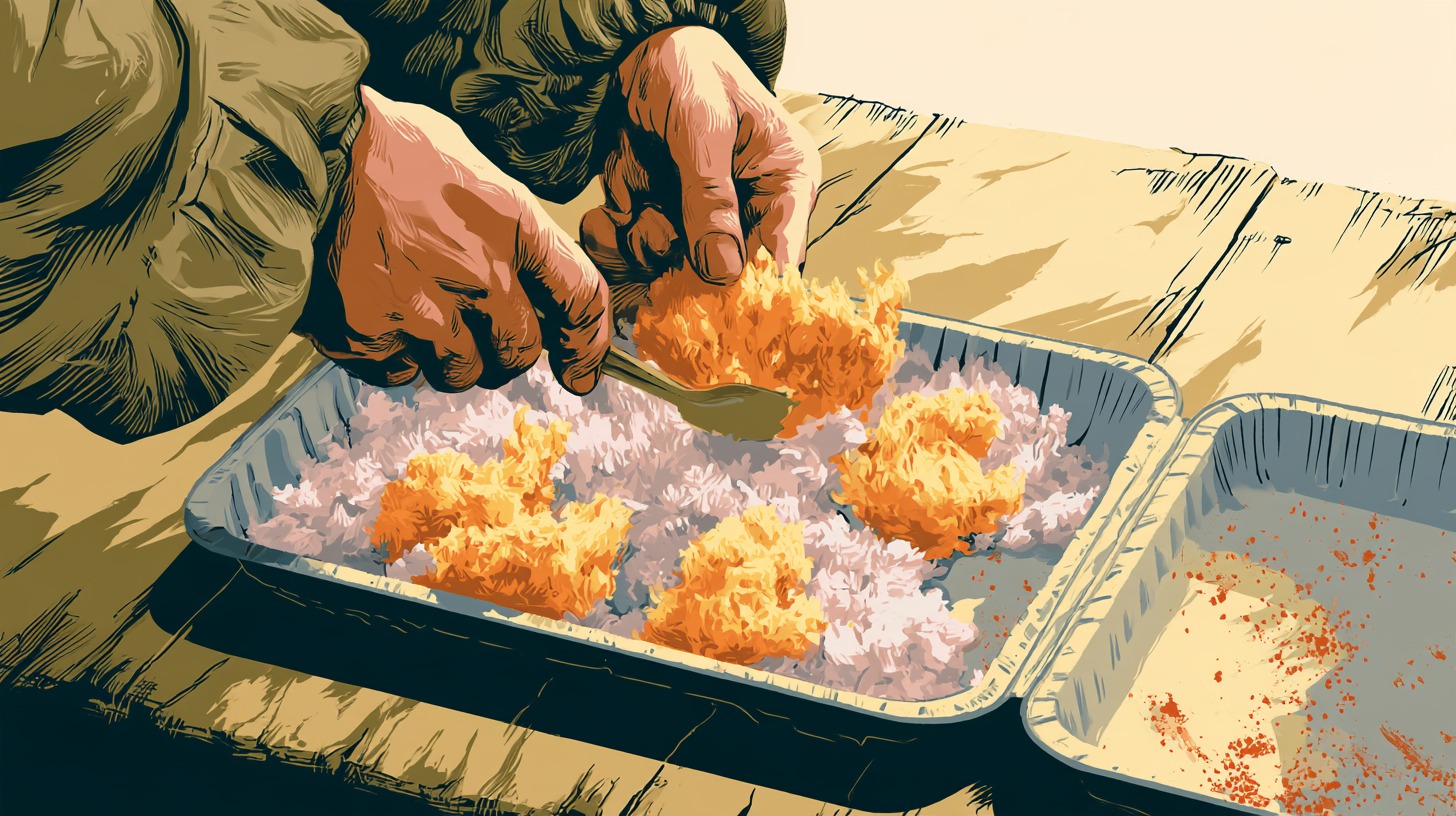
We rinsed the chicken cubes with hot water from the spigot and covered them with the jalapeño vinegar. Rachcrushed half a bouillon cube between her fingers,crumbling it onto the chicken.
We folded in garlic and the closest thing we had to Italian herbs.The rice went into the microwave with just enough water to cover it.
Rach insisted on adding a spoonful of mayo“for body,” and honestly…she wasn’t wrong.
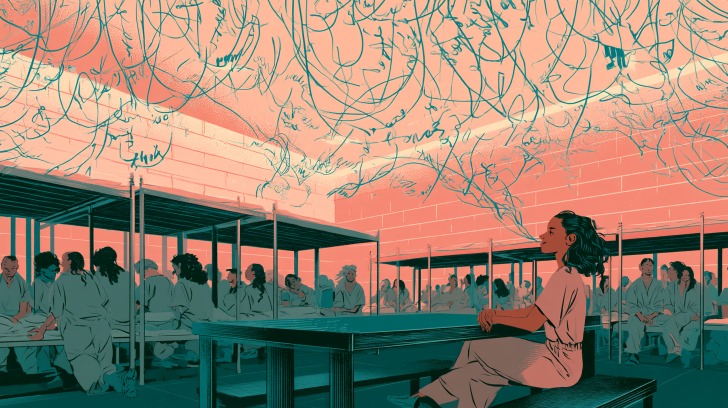
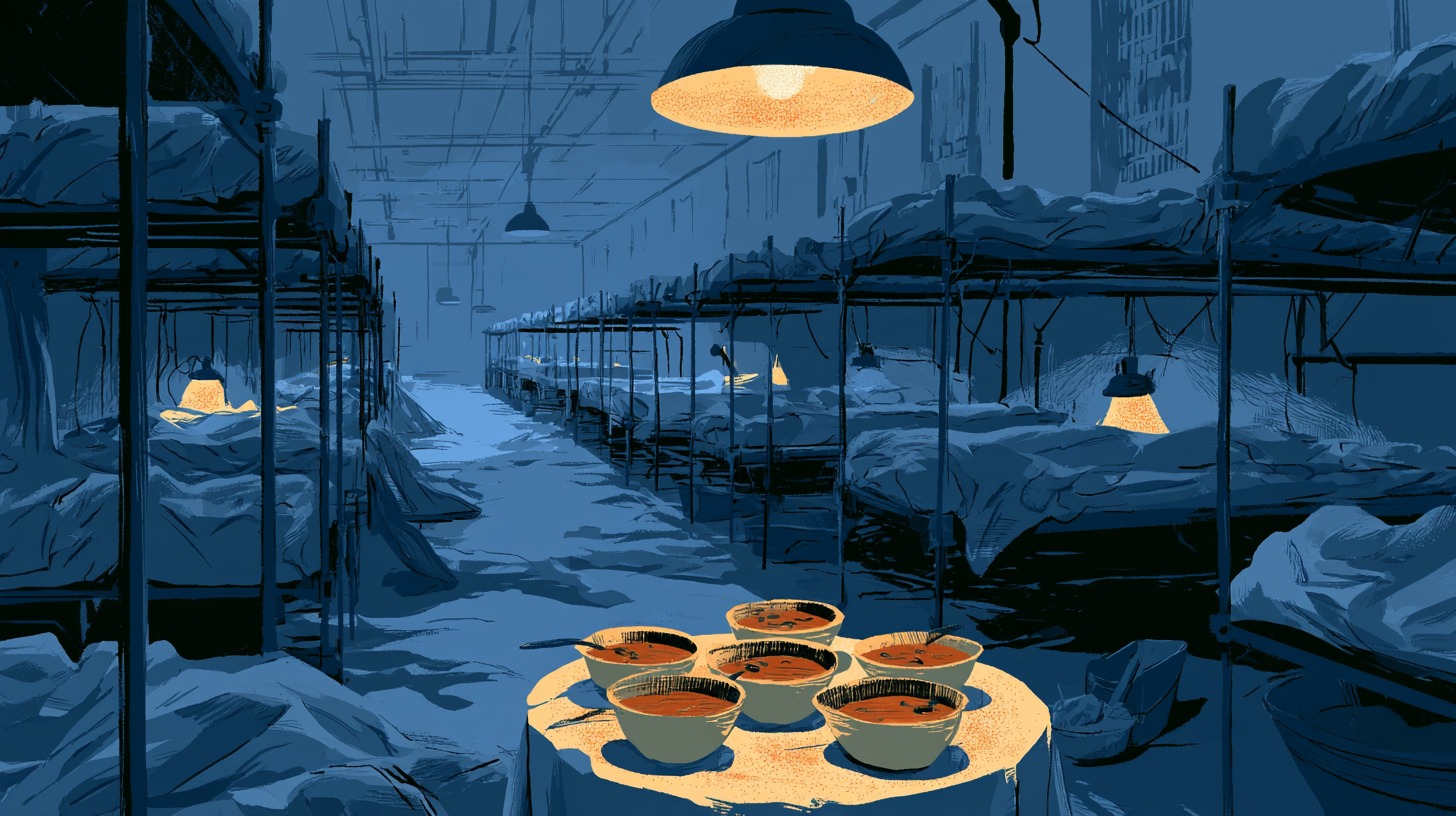
Around us, the dorm kept its rhythm, a mix of bustle and patience,and I thought again how food here has a job that is bigger than calories.
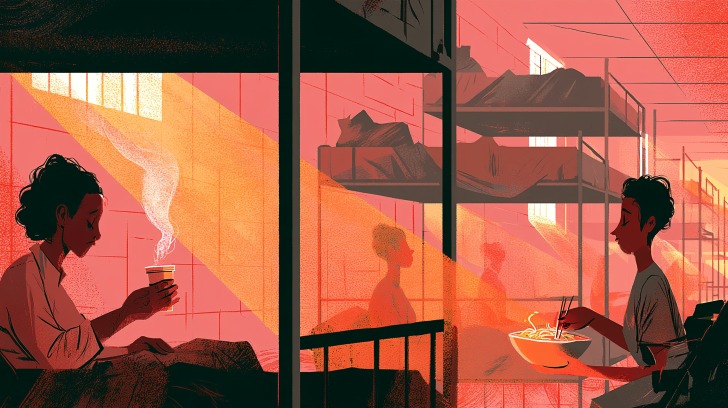
A woman will come back from court withher face emptied out by a judge’s voice,and a warm drink appears at her bunk—mostly sugar, instant coffee, and love.
Another woman is pinned by a migraine anda bowl of hot noodles shows up without ceremony.Dignity threads its way through this place in acts that look ordinary if you aren’t paying attention.
While we waited for the marinade to do what marinade does, Allison told us pieces of her story,the way you hand over tools when someone asks for them.
She’d raised cousins and then a nephew,ran a pop-up kitchen in Queens, missed one date she could not afford to miss,
and ended up locked in here witha mind that still knows how to make food tell the truth.
Rachscribbled notes like she had been hired by Ken Burns.“I love her,” she whispered, her cheeks bright with a smile.
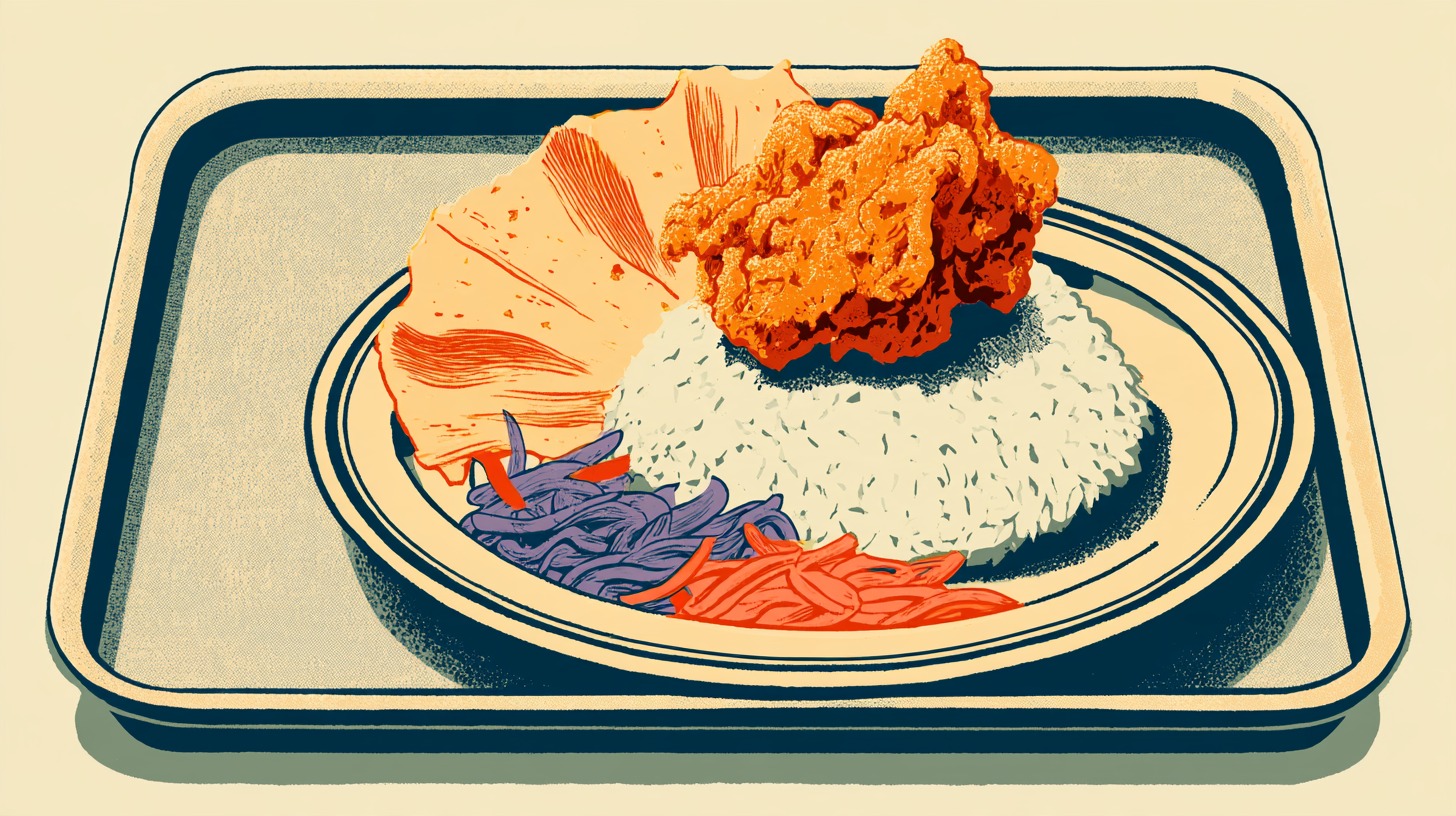
When the rice was fluffy and the chicken had turned tender, we platedthe food with what we had:
rice,a ring of Miss Wu’s pickled vegetables, chips for texture,and placed the chicken on top.
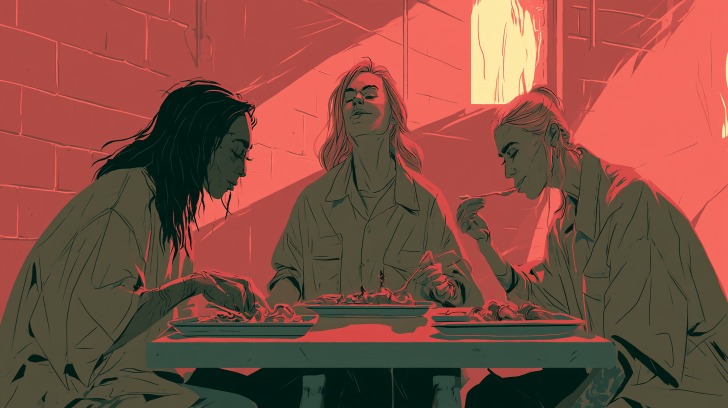
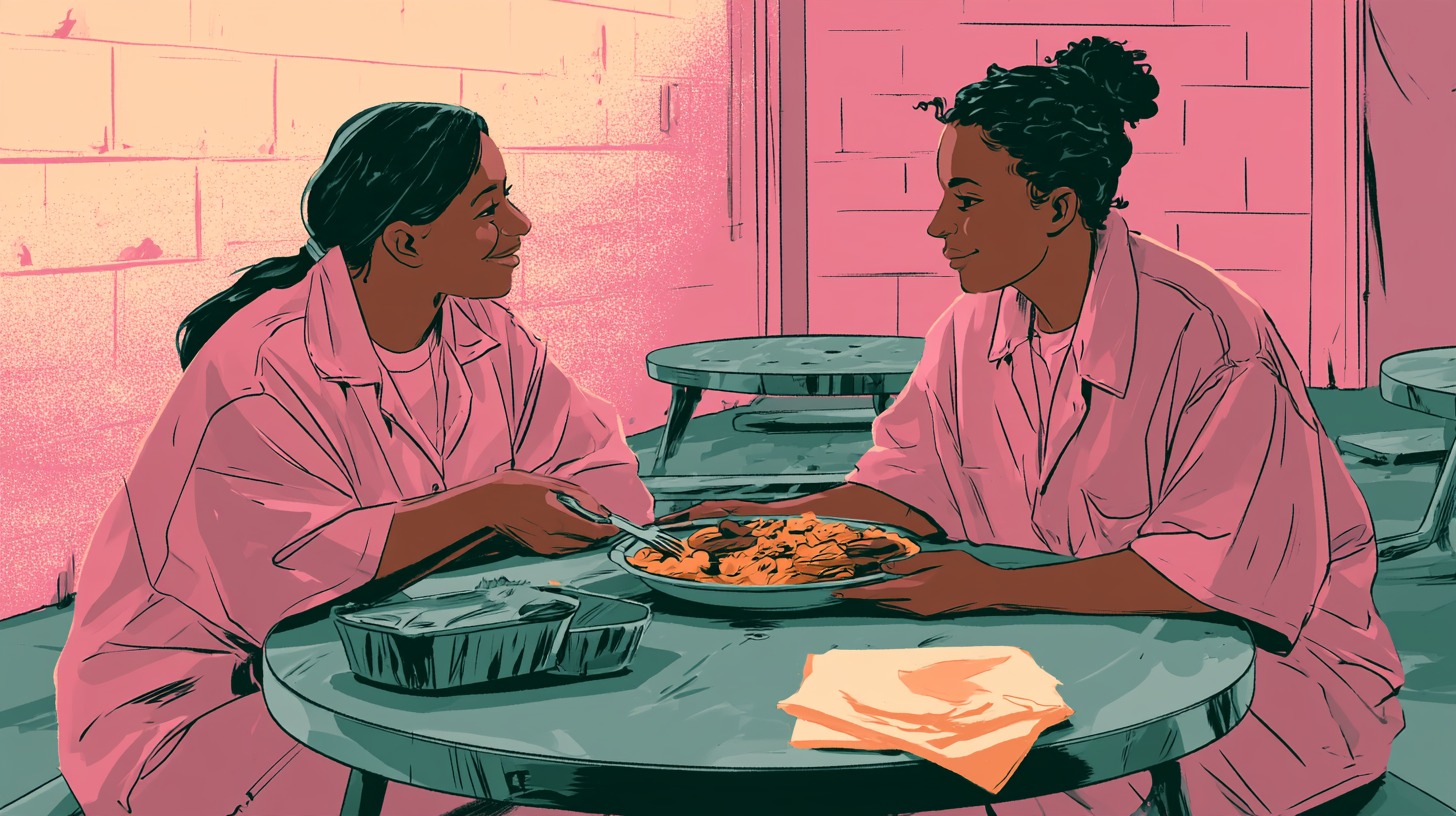
We shared among the three of us. Rach hummed through her first spoonful like she was enjoyingthe tasting menu at a fine-dining restaurant.“Balanced,” she said, “complex.”
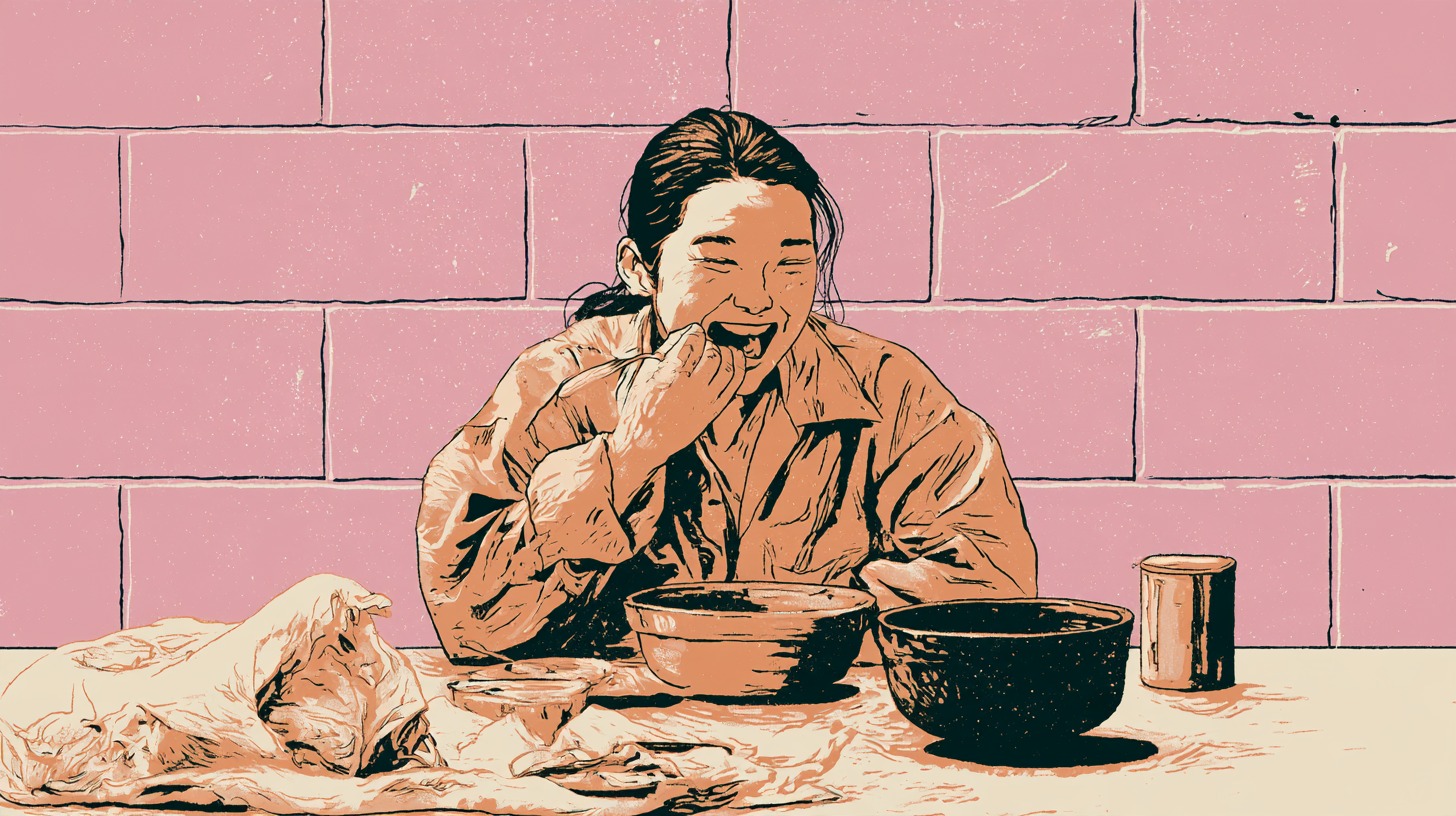
Allison rolled her eyes, laughing with her hand over her mouth as she chewed,savoring the dish she’d helped engineer.
After that first adobo, Nevaeh nicknamed our cornerLas Amas Organicas, the Mothers of Real Food.
Many of the women had their specialties—Dominican dishes, Soul Food, Miss Wu’s sushi. Luciana could turn the basics off the main line intoa meal that tasted like it came with a farm-to-table surcharge.
Rach and I quickly became known formaking things as healthy as humanly possible in a place with no fresh air,no sun, and ingredients fresh from the can, far removed from a garden.
We sent our “MDC knockoff” recipes back to Louise,to answer love with our own careful effort,to say “we hear you. We are here.”
Rach kept saying we should write a cookbook with these women, that the things theymade out of mackerel, Doritos, faith, and creativitywere too good to stay inside these walls.
She sketched in the margins—Eat, Pray, Commissary: The Joy of Correctional Cooking.
When the bowls were empty and everything put away, I kept thinking that the recipes we are keeping are not just for food; they areblueprints for how to stay human here.
Marinate early in what helps. Share with friends.Treat what you have as enough so it can become enough.
Andkeep a language alive that lets you say the hard things without needing words—a language made of heat,
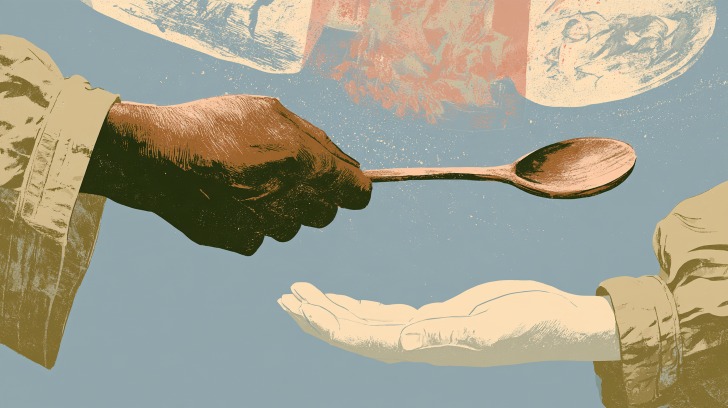
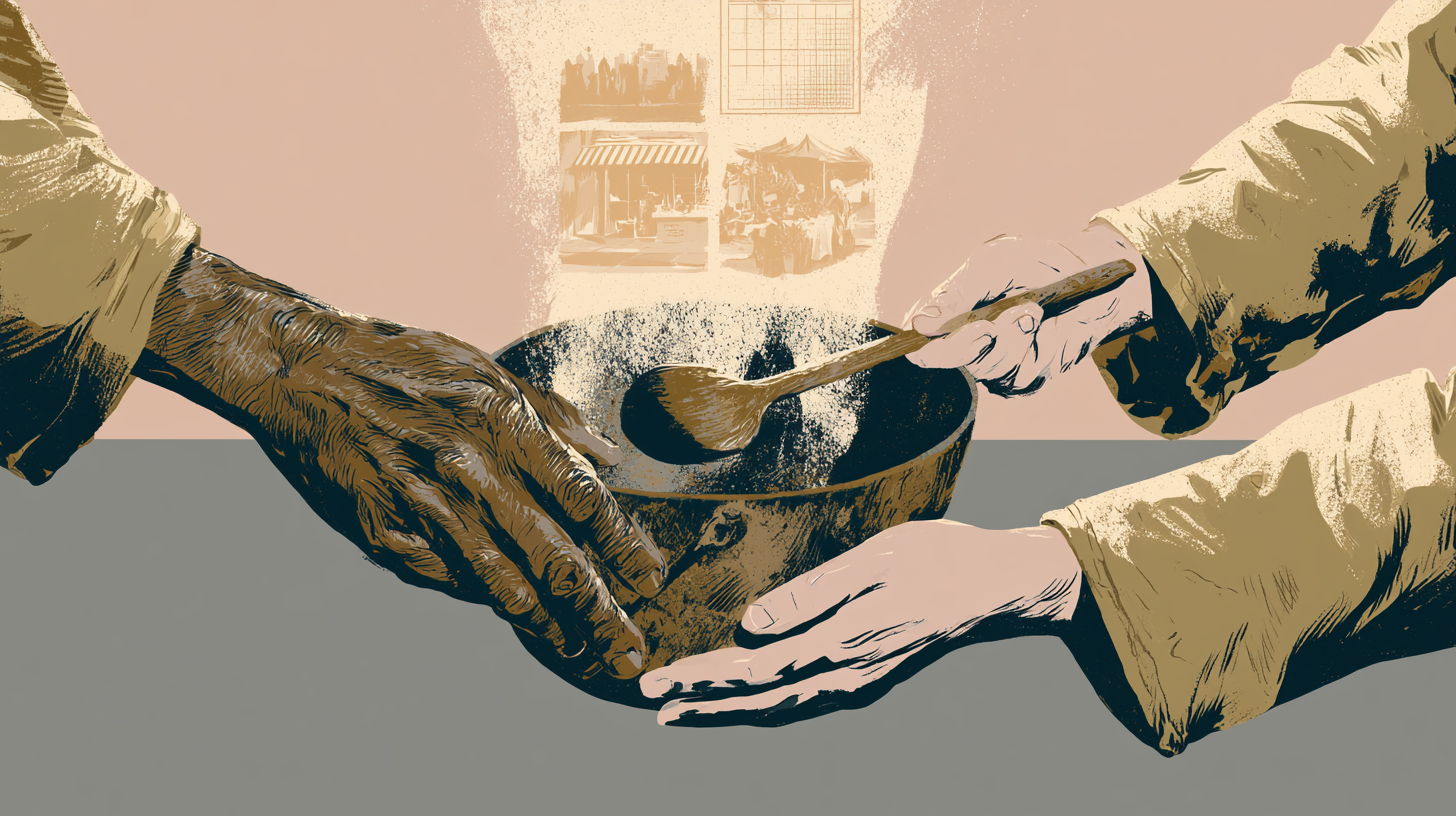
salt, time, andthe quiet relief of a bowl set in your handswhen you didn’t know how to ask.
Rach wrote that down too—because she knew someday we'd want to remember.