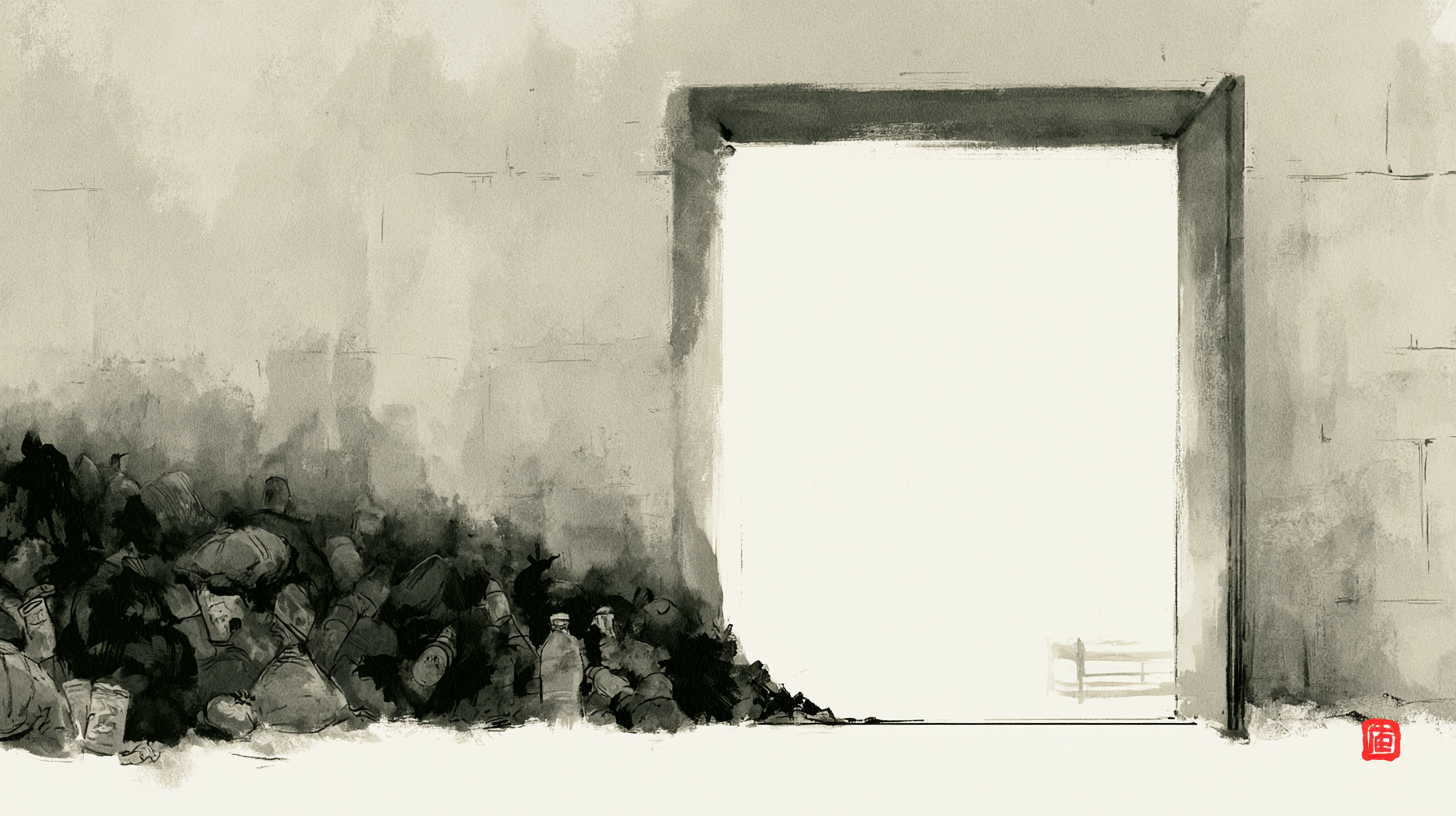
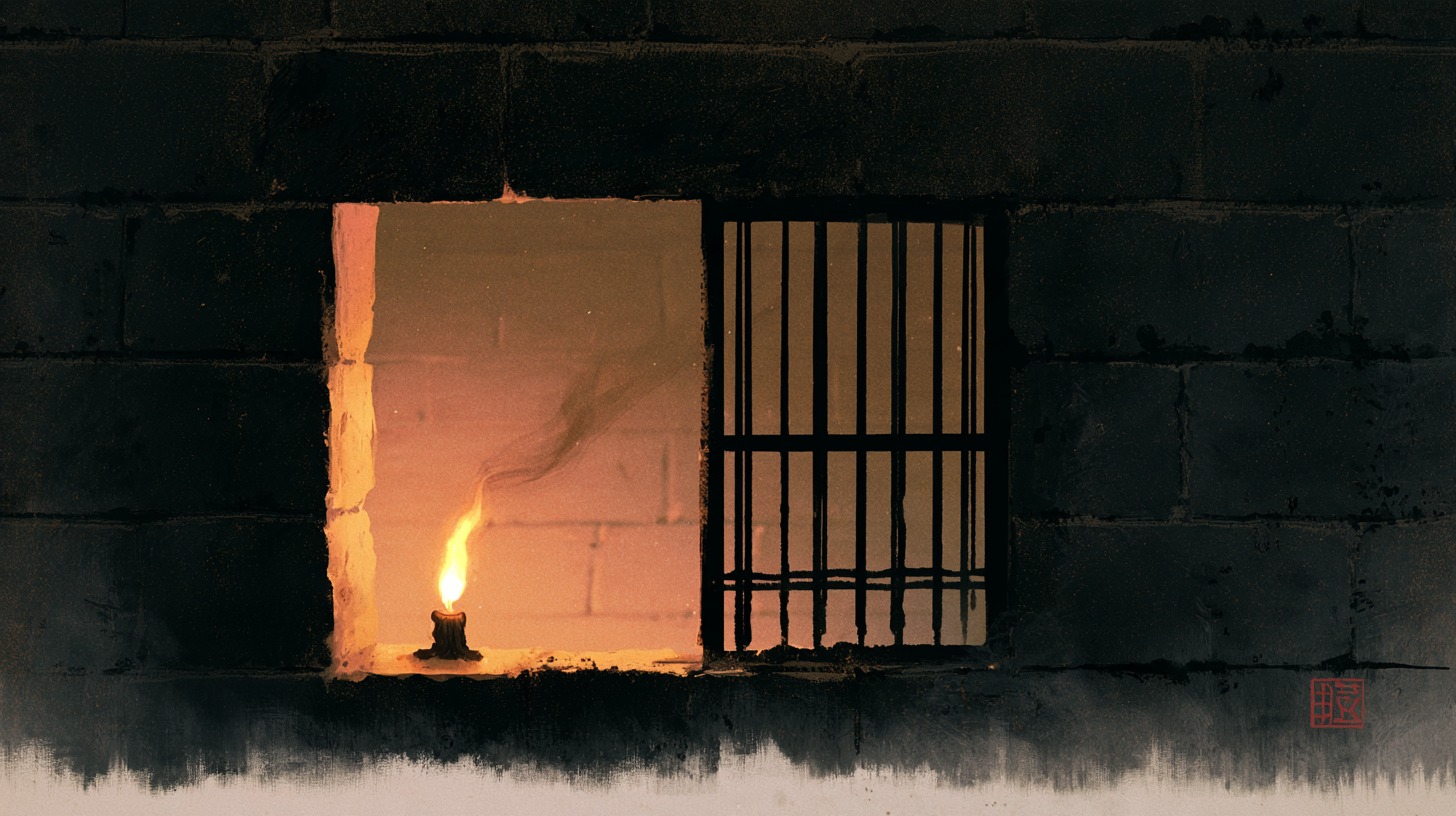
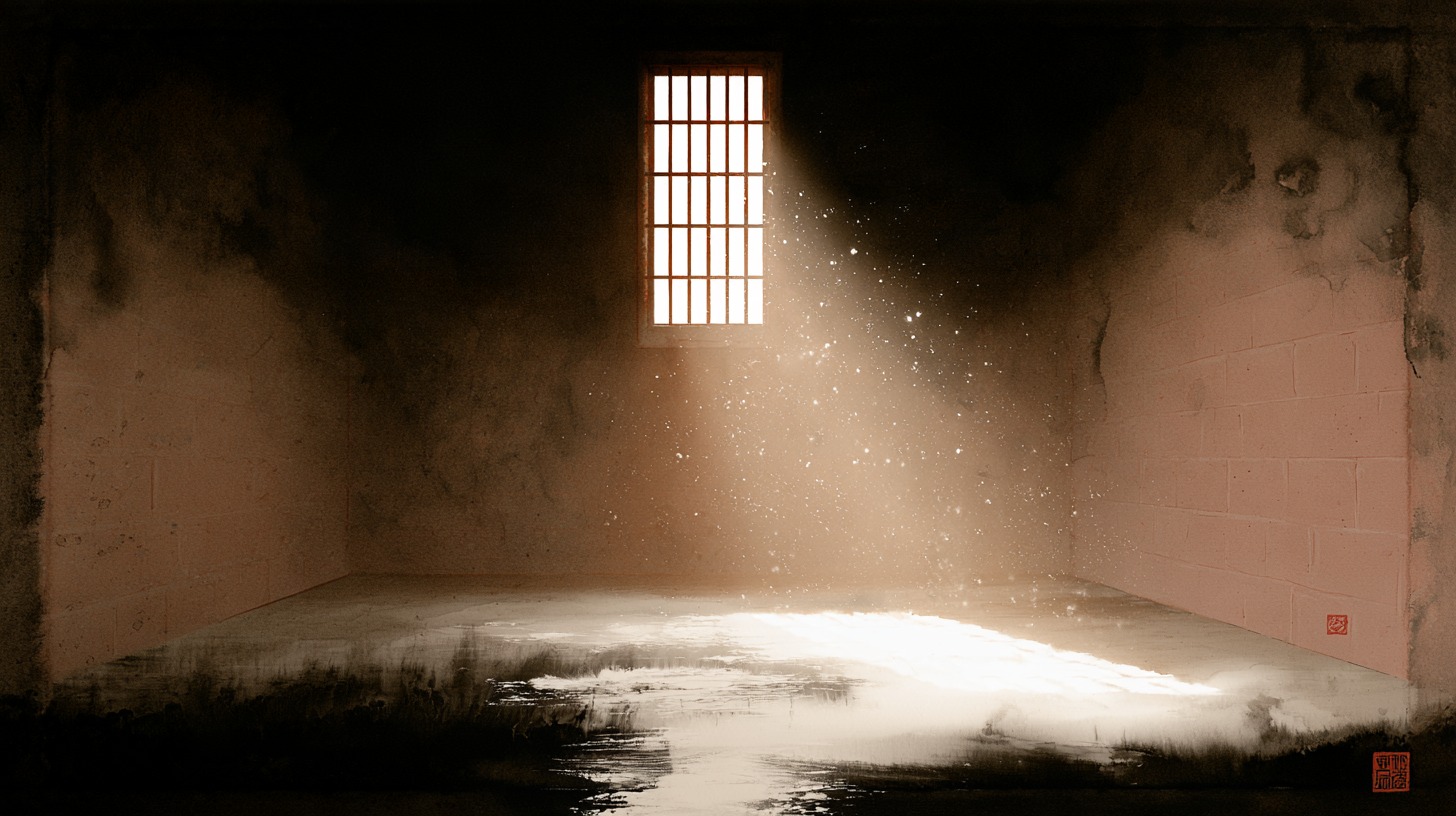
I had always imagined prison as an austere experience: separated from your worldly possessions, placed in a concrete cell withlittle more than a uniform, a towel, and a book.
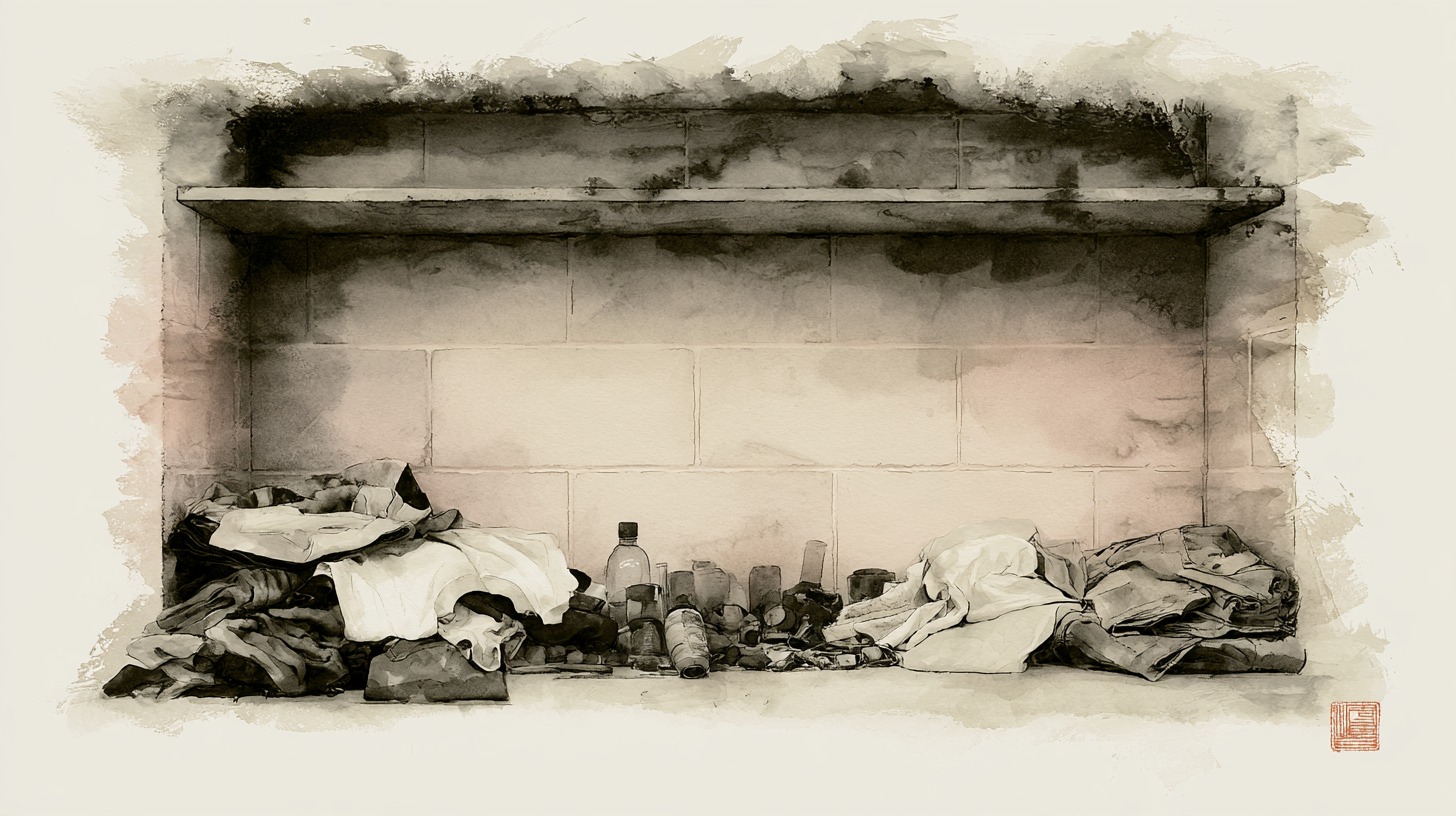
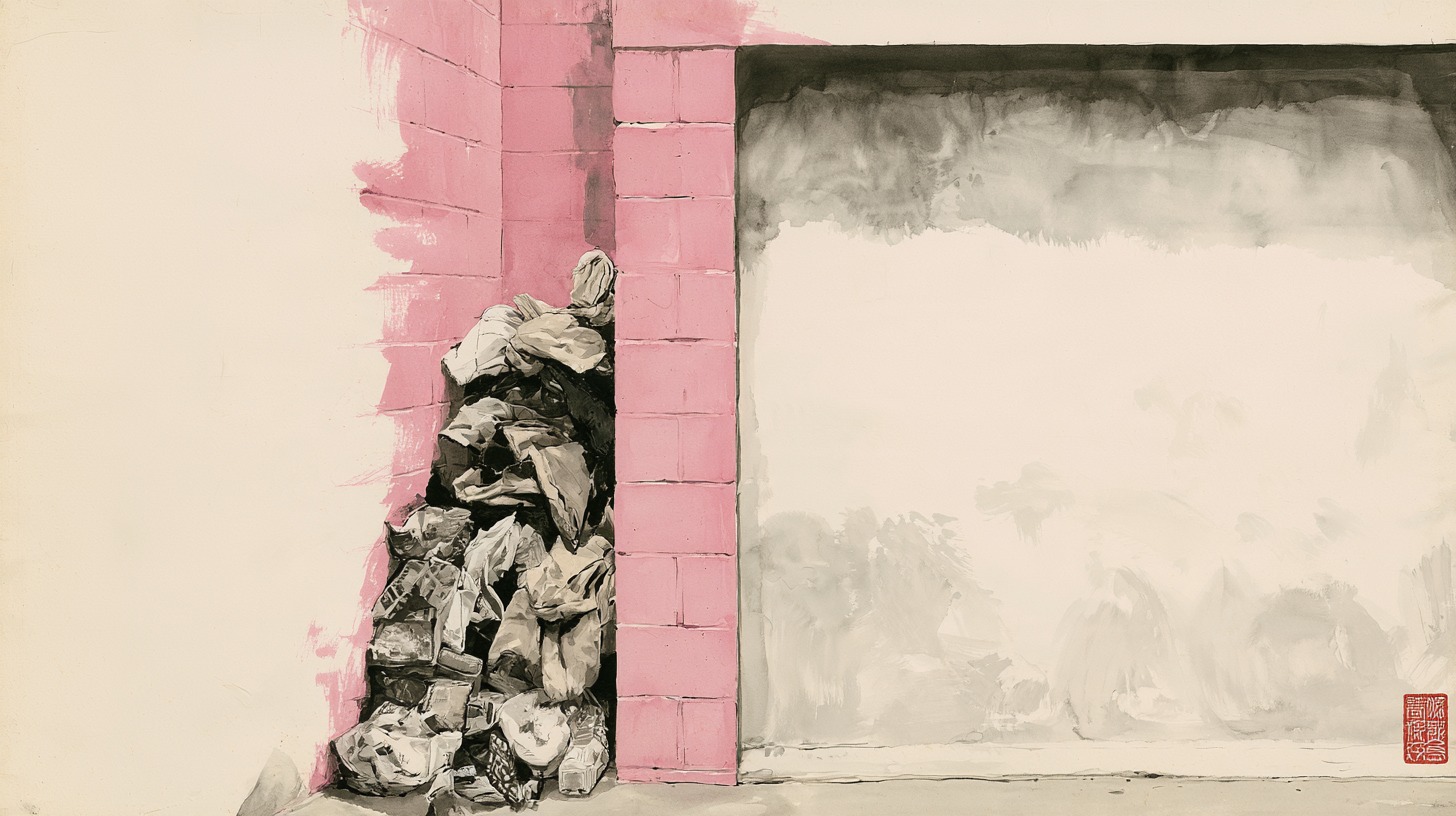
I was surprised to discover how easy it is to accumulate as much clutter here as someone might on the outside.Stuff creeps in here if you let it.
People leave and offer you T-shirts; others want to offload whatever they’ve collected. The contrast between stark and crowded can make you want tohoard food, clothes, anything to recreate the outside.
It takes discipline to say no.It’s hard being a people-pleaser in prison—I don’t want to hurt anyone’s feelings by turning down their gifts, but I don’t want more.
I have to sit inside my actual desire,not measure myself against someone’s cuter shirt or cushier bed. I’m in prison. Who cares?
The truth is I’mhappiest living like a nun in a monastery.That’s my essence. When I stray from it, I’m miserable.
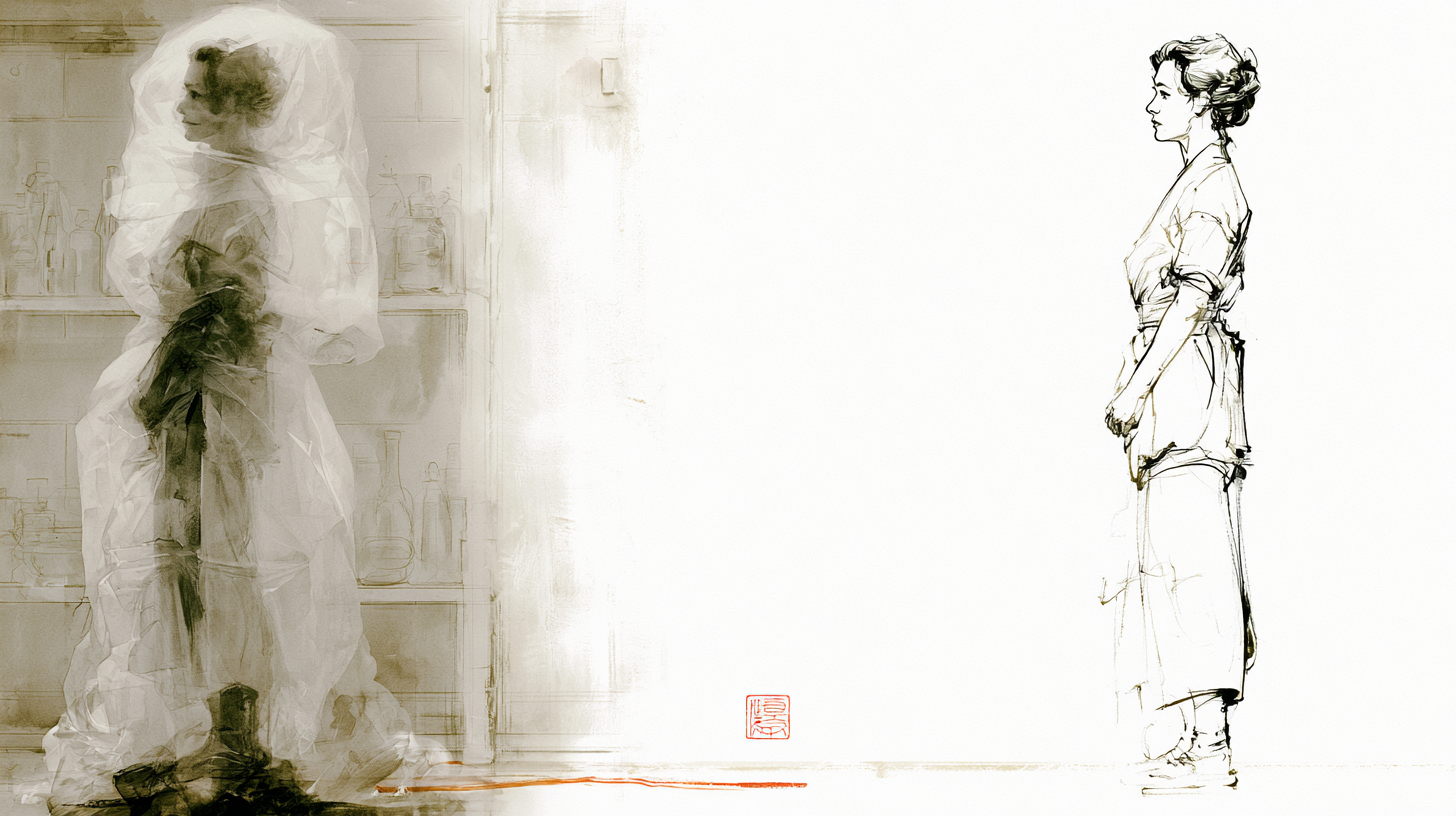
Shopping is miserable. Face lotions are miserable. Excess space is miserable. The more I add, the duller I feel—like I’ve putlayers of bubble wrap between me and the world.
I used to bribe myself with a “new” dress or product to cut through the discomfort of being alive.I kept adding instead of subtracting.
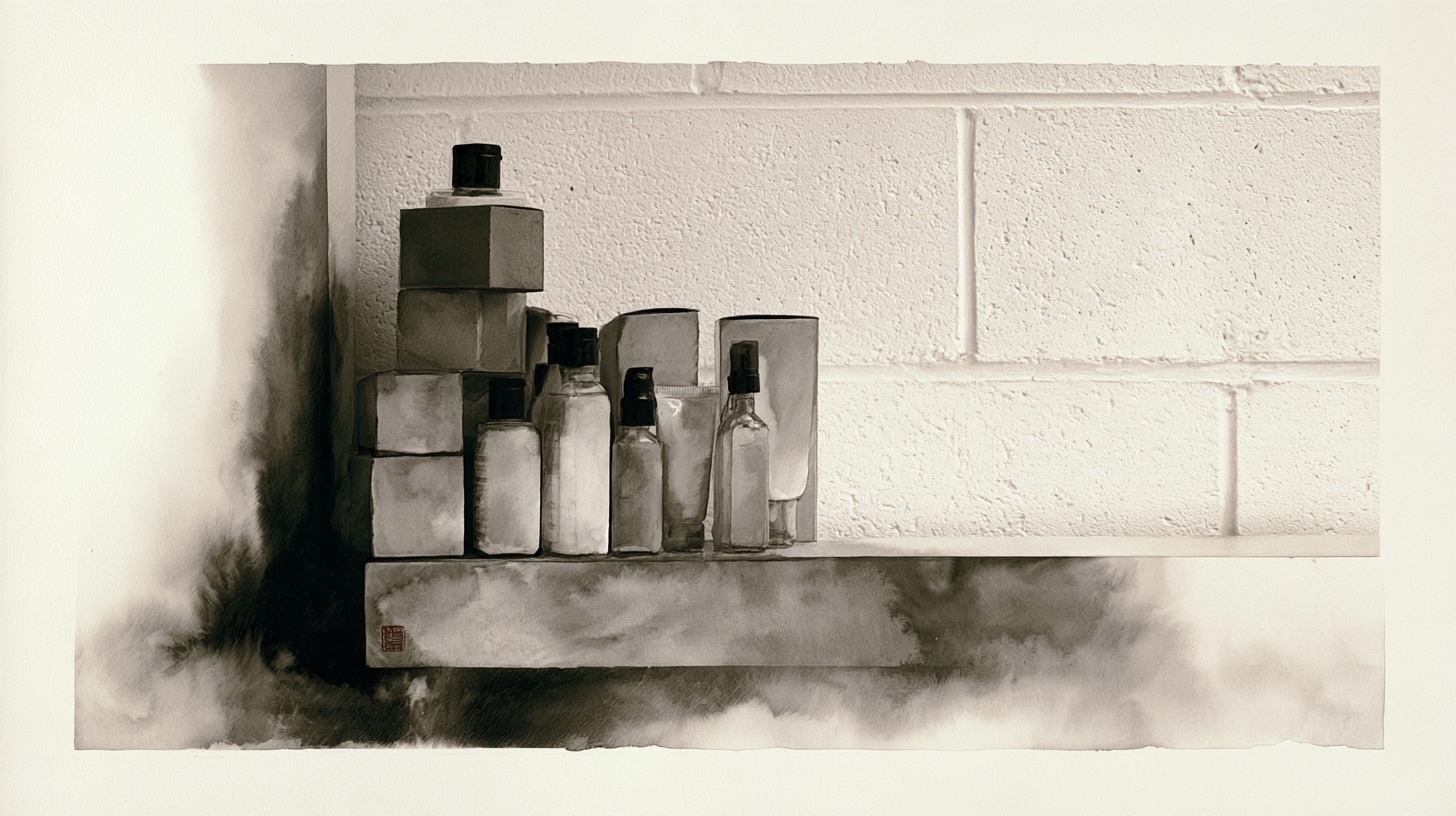
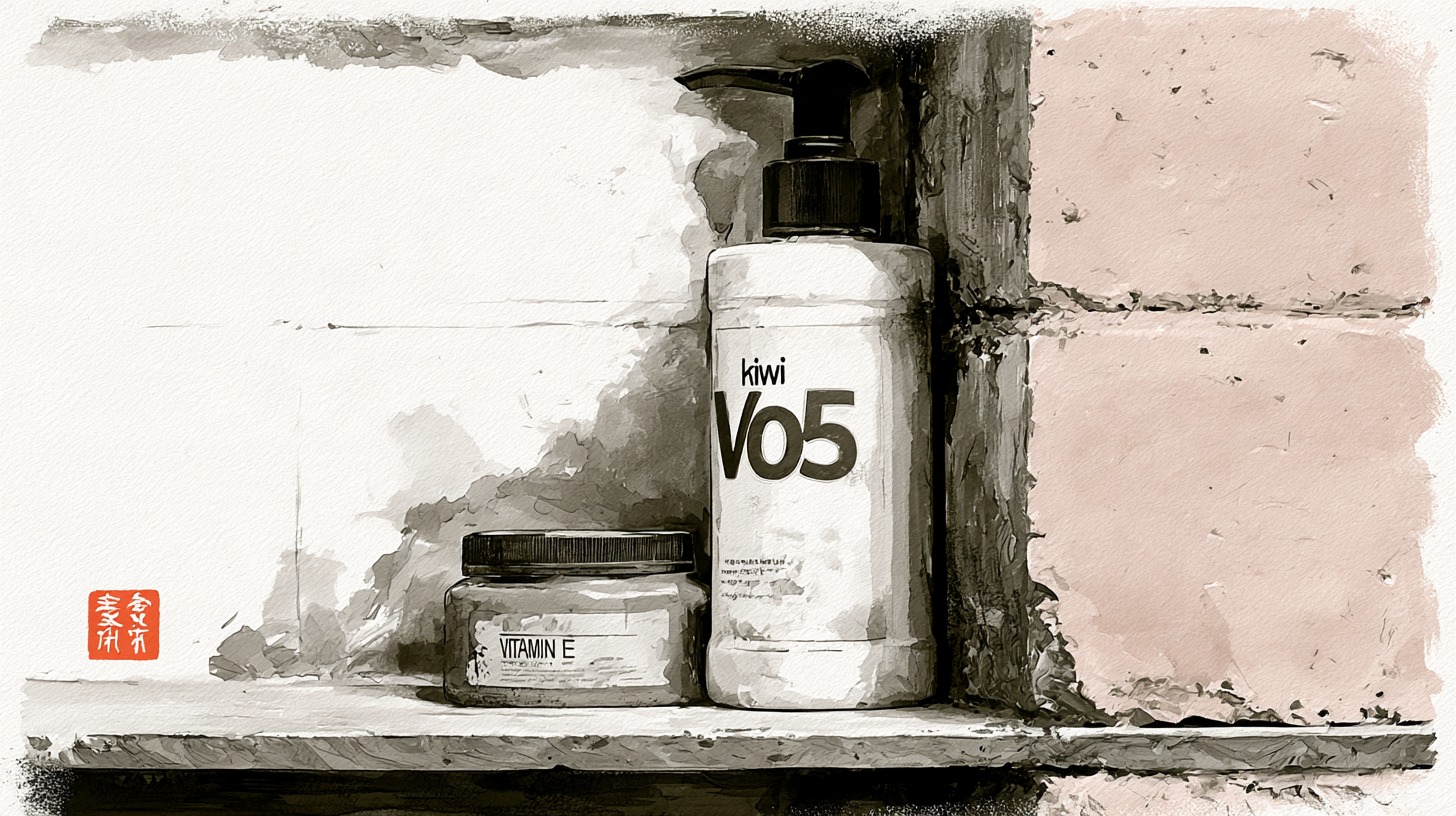
Joke’s on me: The Kiwi VO5 shampoo in heremakes my hair shinier than the fancy brand;vitamin E and, yes, Preparation H, moisturize better than the potions I bought at Nordstrom.
I like having just one uniform. Some women rebel and sneak little embellishments. Me?Give me my brown T-shirt.
If it’s cold, I’ll wear the thermal under it so the guards can still see the uniform like they want. I used to thinkI was failing at being human because I craved simplicity.
Shouldn’t I want curated and exquisite? I remember visiting a very expensive house once andfeeling overwhelmed just stepping into the foyer.I couldn’t keep track of the rooms. I didn’t want to.
I do best when Ilet life move me instead of trying to force itto match a vision board.
Steering the river is a Western romance.We love the story that willpower plus strategy equals destiny.
It works— until it doesn’t.Then we double down rather than admit it doesn’t work.
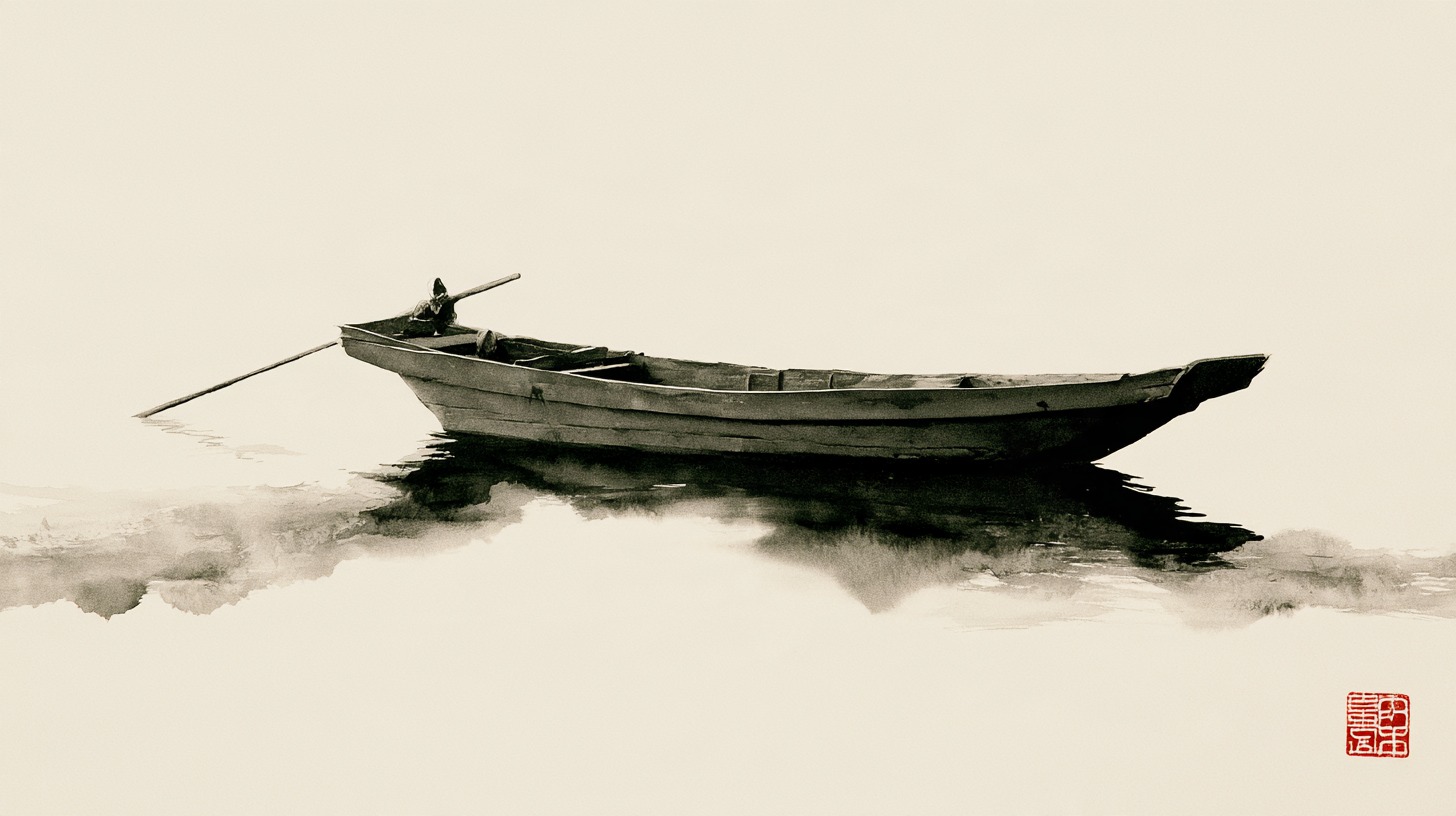
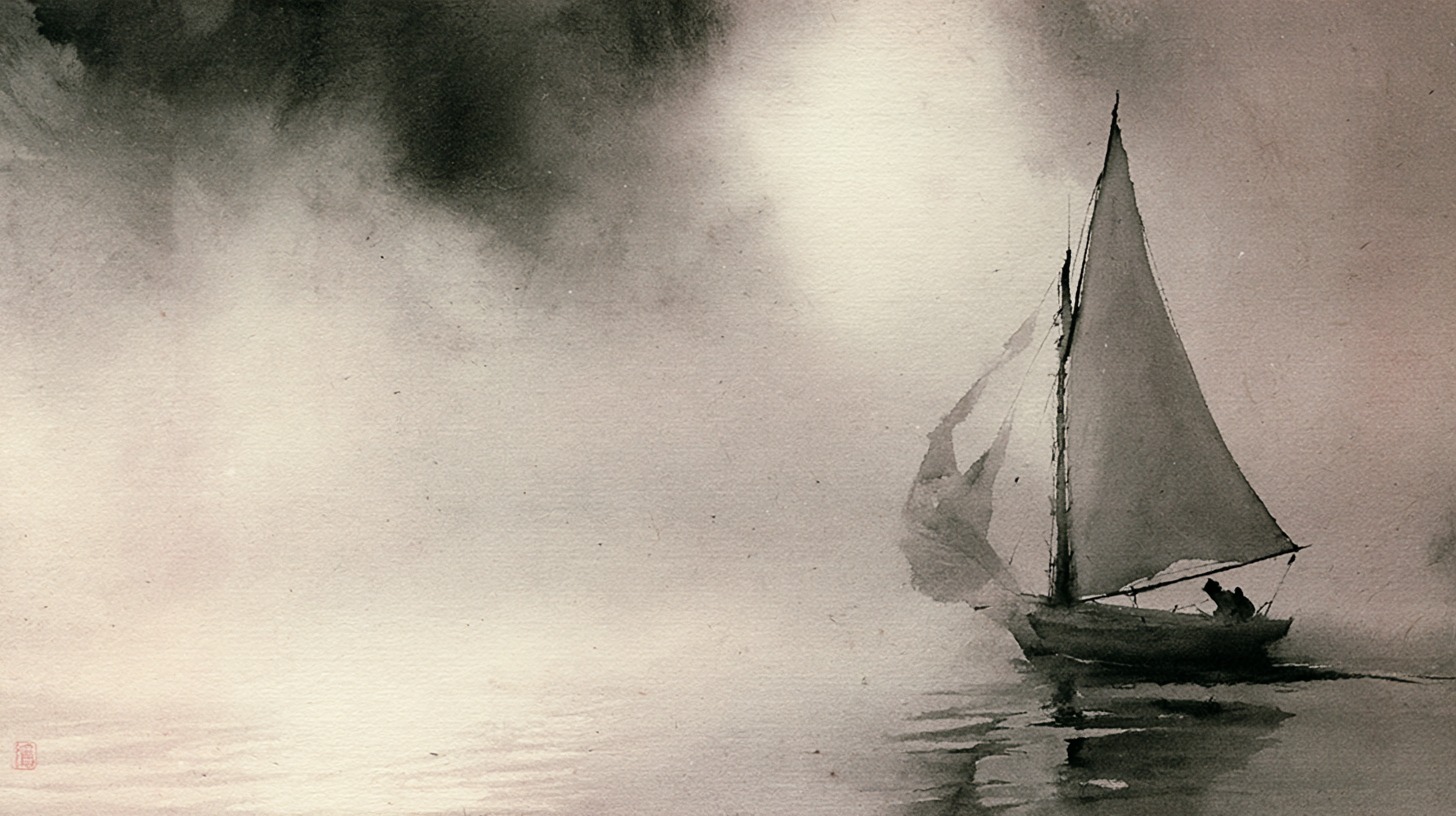
For me, the saner rhythm is to get in the water and learn how it moves. I can set a direction, sure, butI’m more sail than rudder.
Every time I’ve tried to muscle life into place, I lose touch withthe quiet part of me that knows the next right thing.
That’s the piece I’m practicing now:Listen, align, and let the current help.Simplicity keeps me aligned.
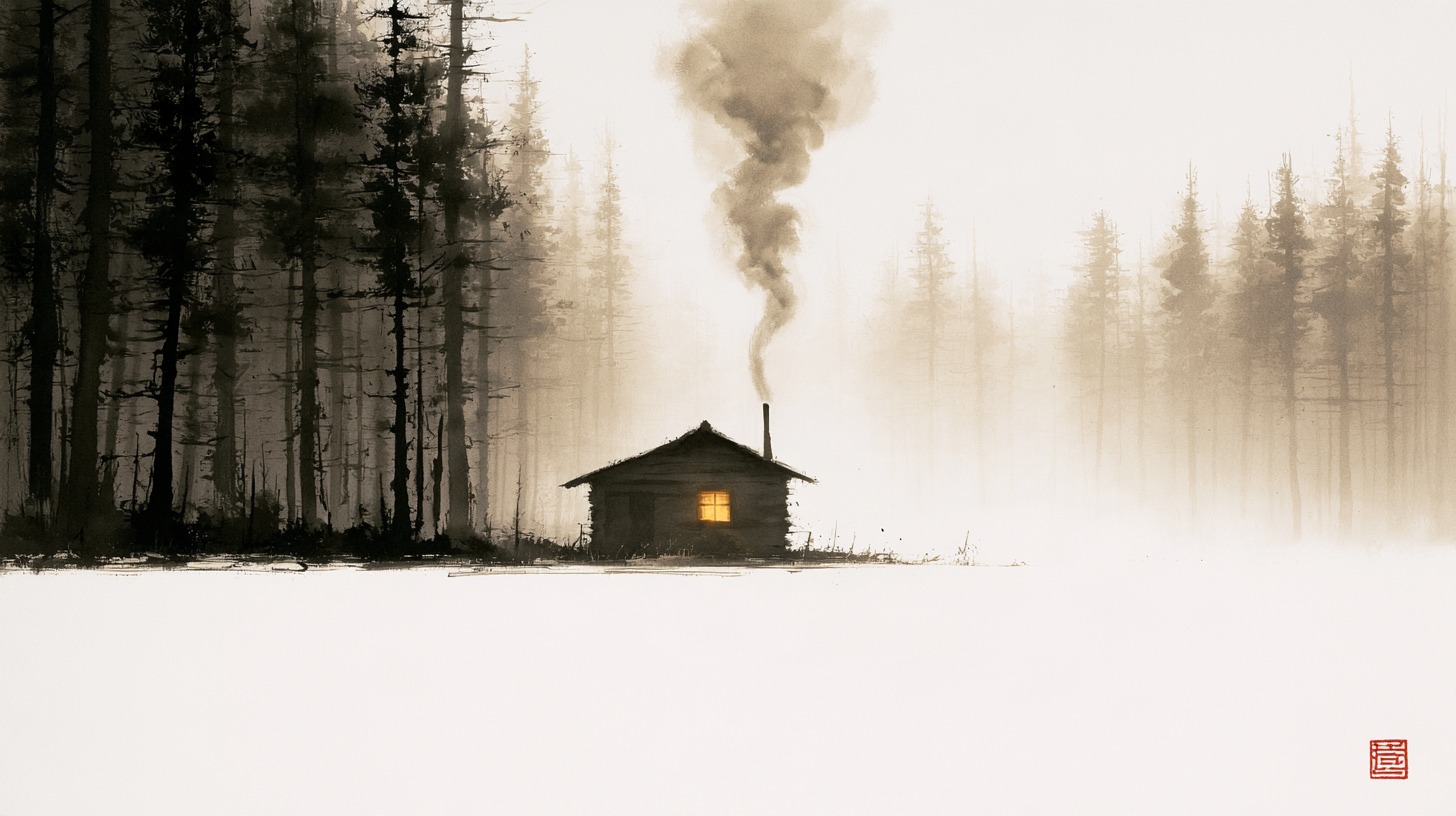
In more extroverted times in my life, I would dream of escaping toa small cabin in the woodswith a beat-up coffee pot on the fire.
Even that might be too ornate. Creativity comes best there:a clean, bare space where the mind can be bare,too.
When it gets too fancy, too comfortable,the signal gets fuzzy.From simplicity, I have more to offer.
I once read in a book that today’s psychology oftendiagnoses the urge to help others as a kind of pathology—dangerous, self-erasing, likely to end in burnout.
I felt the sting of recognition.The path I choose to live is so often painted as dangerous or as some kind of mental illness by those looking from the outside.
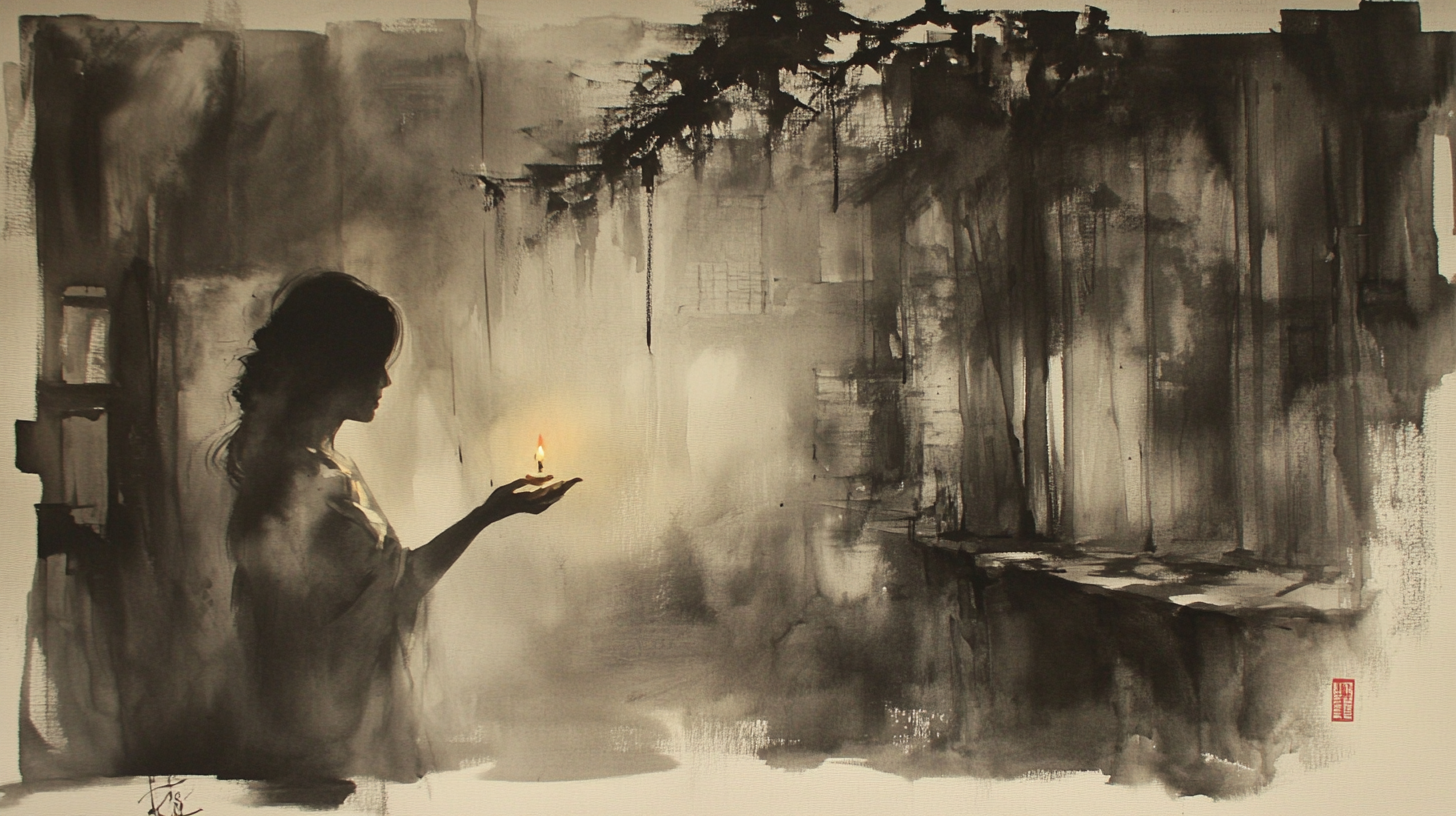
But I don’t experience it that way. For me,the impulse to care is not self-destruction; it’s oxygen.
I just have to keep the boundary firm:My job is to offer warmth, not to bleed out.There’s a collective reset we’re being asked to make as a whole society.
We can’t keep gripping beliefs that don’t match reality and call that strength.Surrender—real, adult surrender—is admitting what’s workingand what isn’t.
It takes humility, presence, anda willingness to be changed by what’s true.In recovery circles, they call it turning your will over to a higher power.
I’d say it more plainly—stop pretending you’re in charge of the weather and learn how to sail.
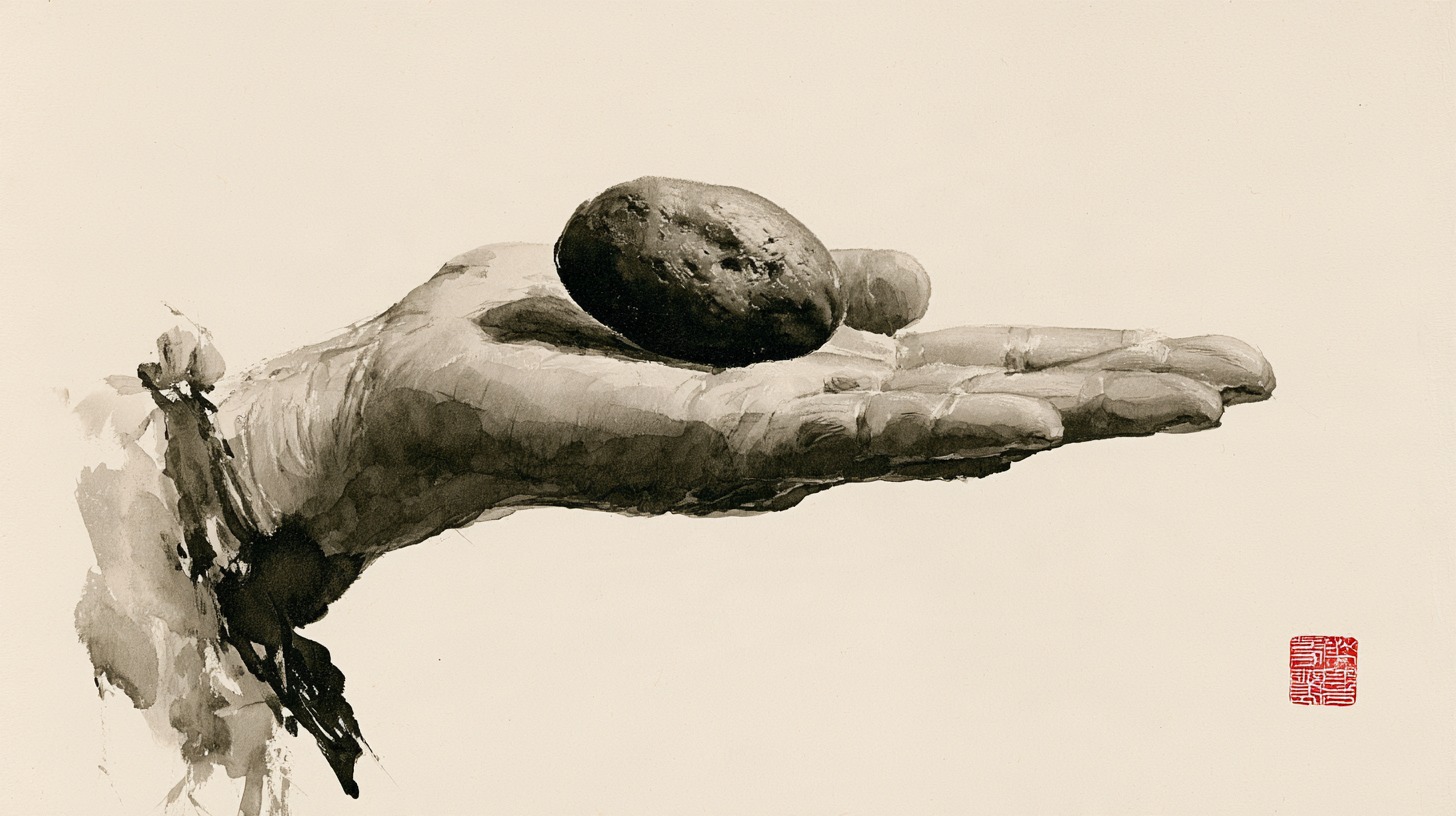
So I keep choosing less.Less stuff, less noise, fewer decisions, one uniform.
The paradox is that less gives me more:more contact with the air on my skin, with the feeling of the room, with the woman crying softly in the elevator.
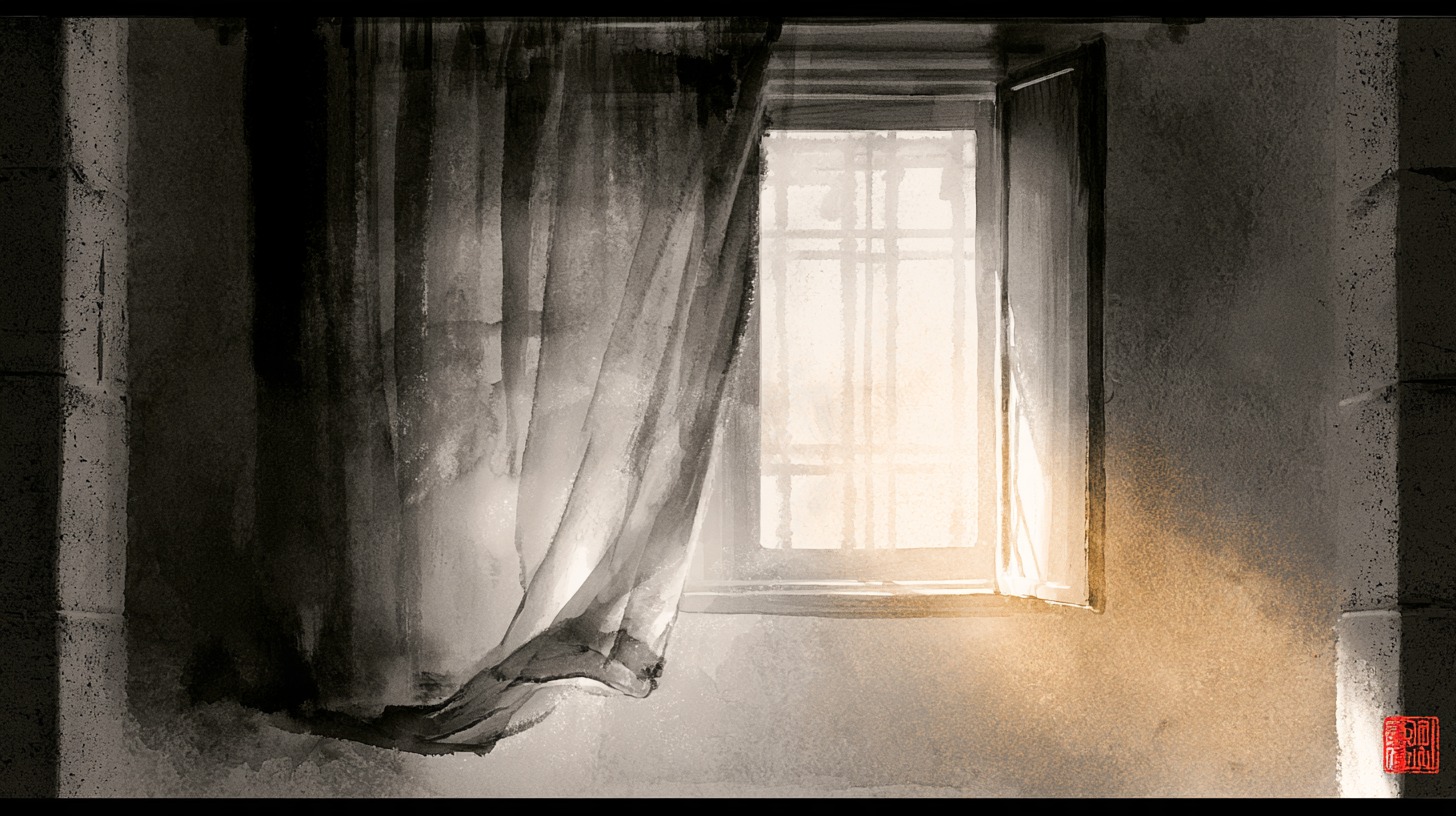
More gratitude for simple things. More humor. More room for the dream to crack open andflood the basement with daylight.
Wanting little is not deprivation for me; it’s devotion.It’s how I remember what matters and hear the quiet instructions underneath the static. It’s how I stay honest. It’s how I keep my burden light.