I woke witha kind of spaciousness that felt almost brave.Beyond sorrow, beyond even the effort to push sorrow away.
Maybe because it was my birthday, I decided toinvite all of it in—the fear, the grief, the acheI usually keep at the edges.
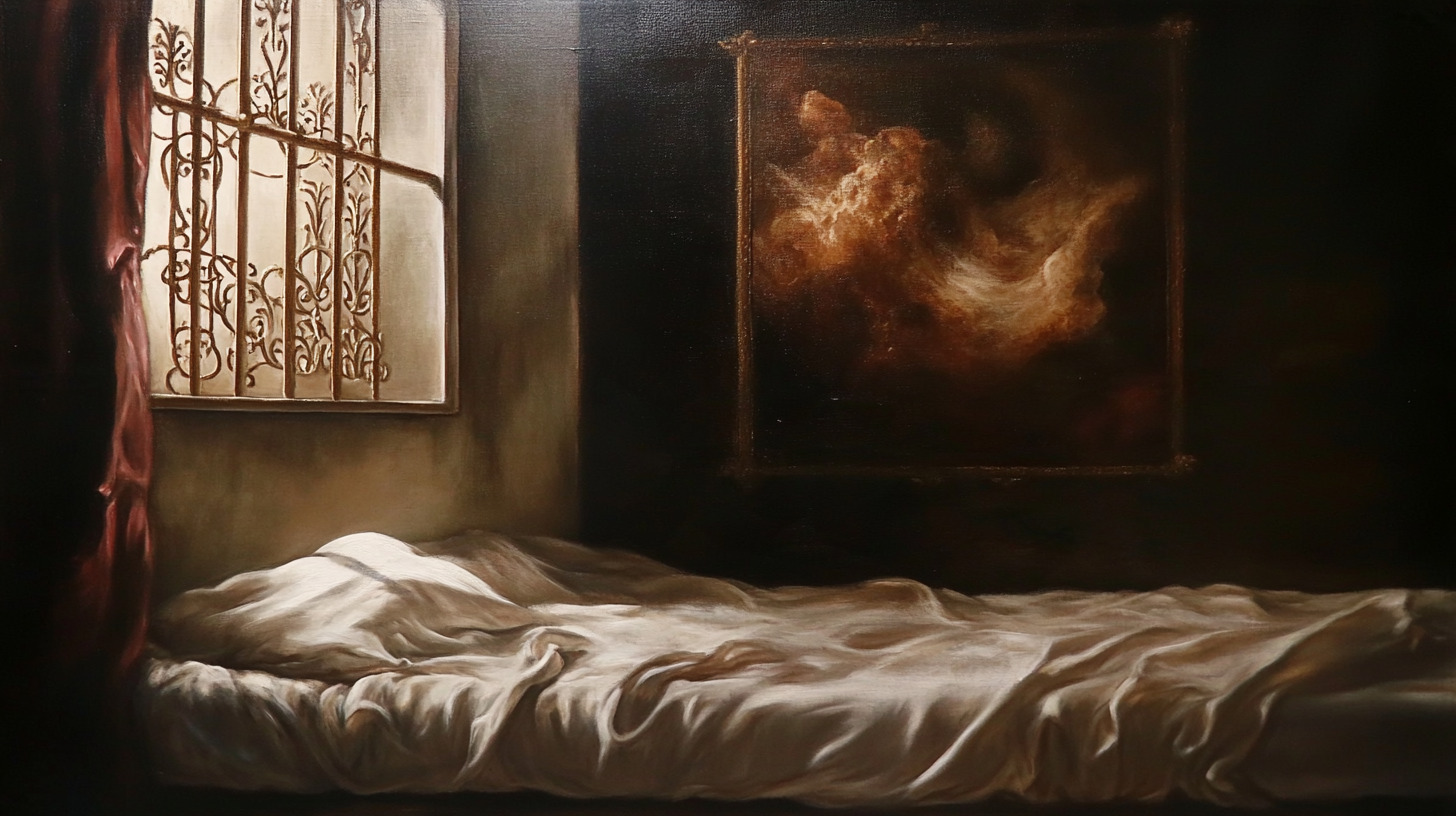
I turned off the light that keeps the dark things out andlet everything collapse toward the center.
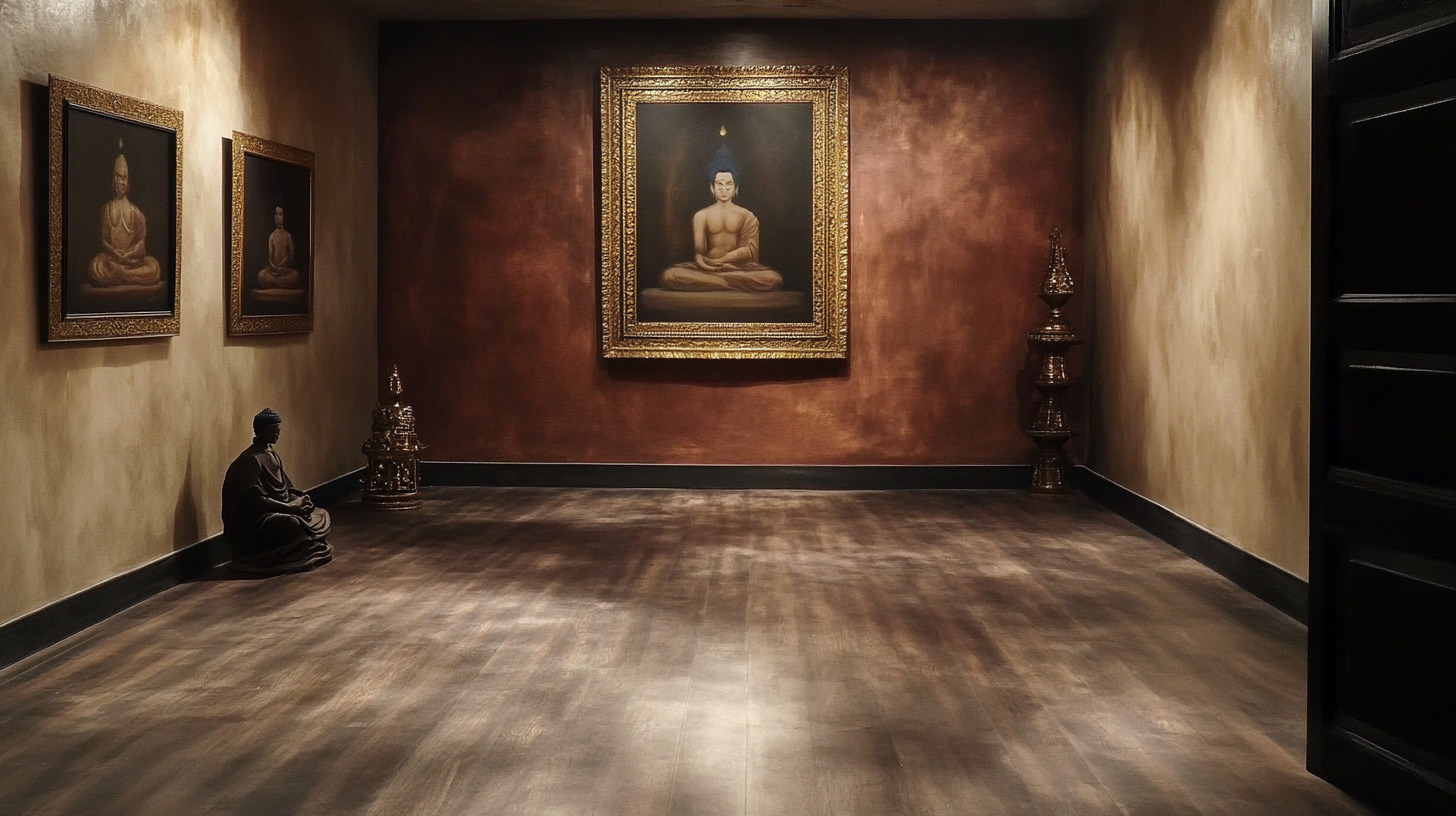
It reminded me of that feeling in a meditation hall when no one turns on the lights—only the thin stripes of sunlight cutting through dust andthe faint outline of a goddess statue in the corner.
There’s something tender in that darkness.You can stop being the warrior for a moment.You can let whatever you’ve been dreading finally enter the room.
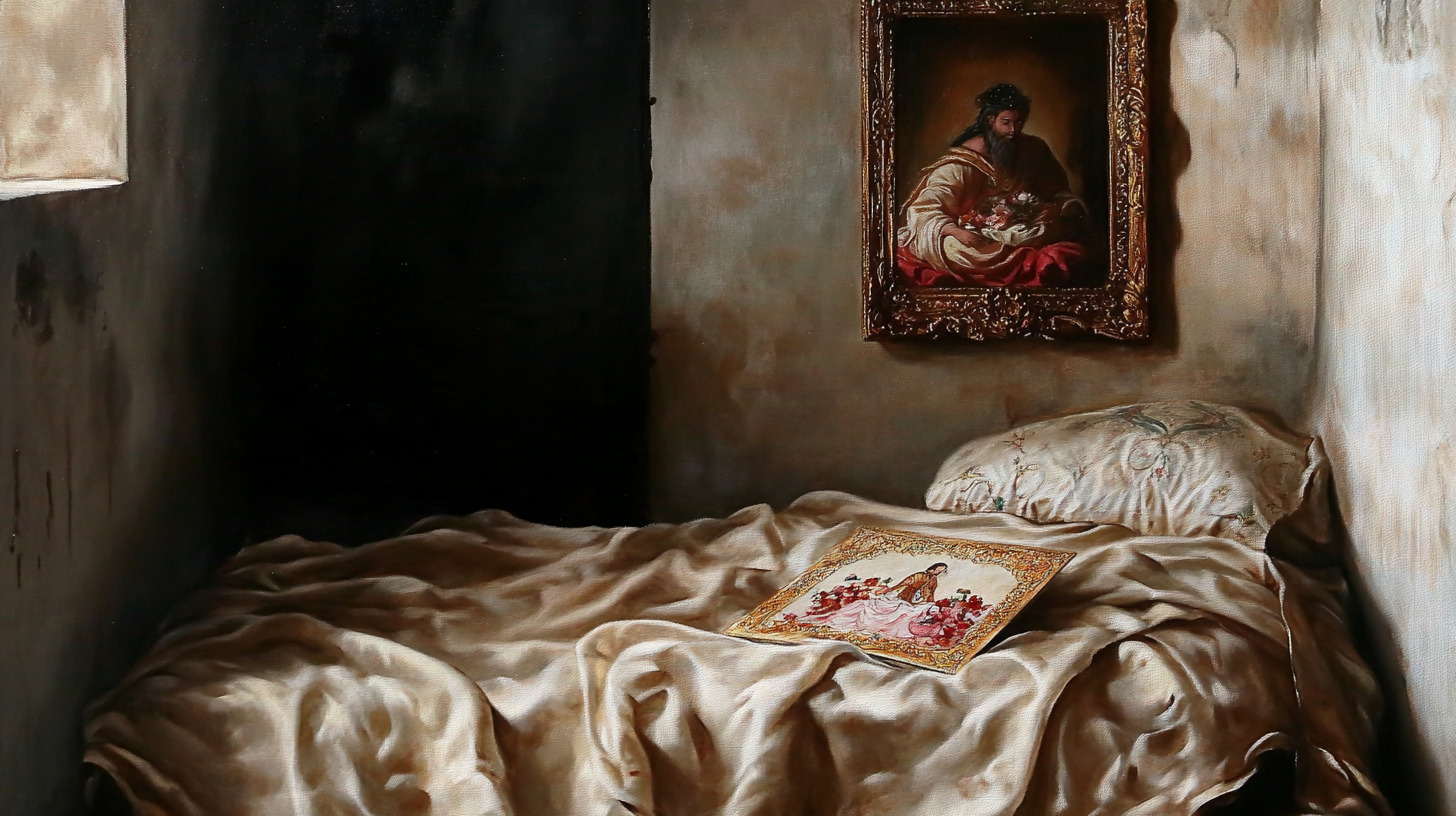
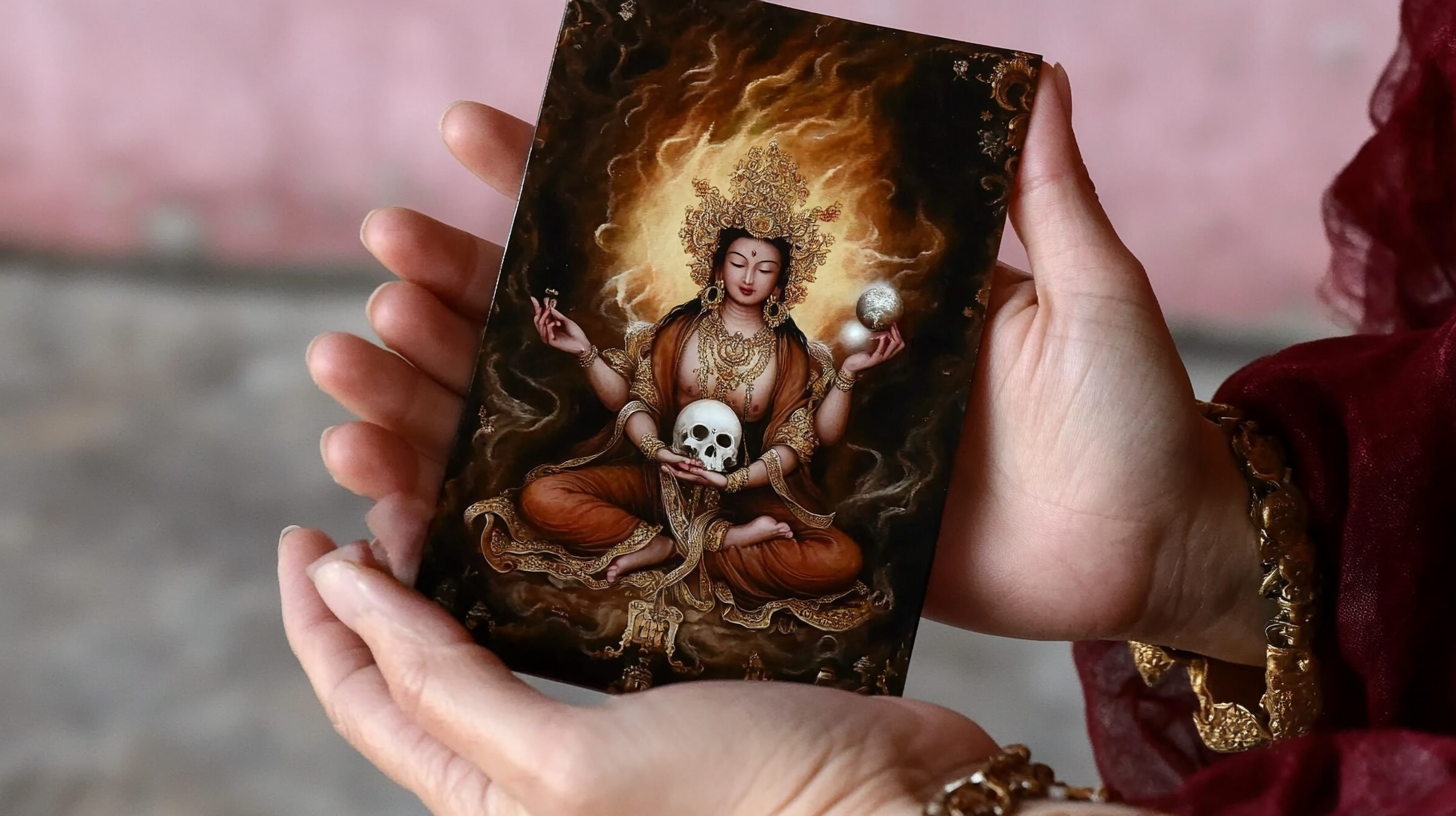
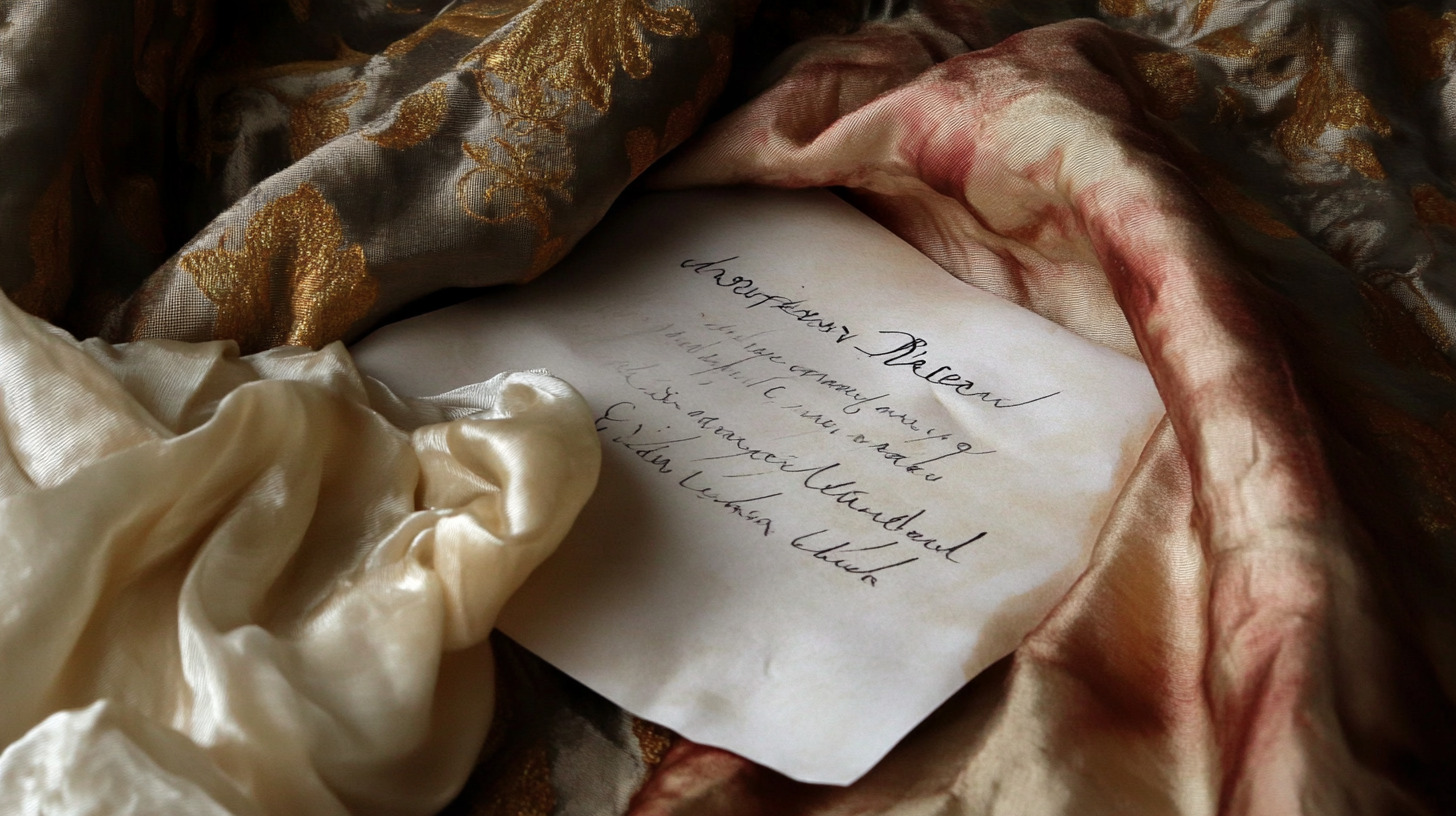
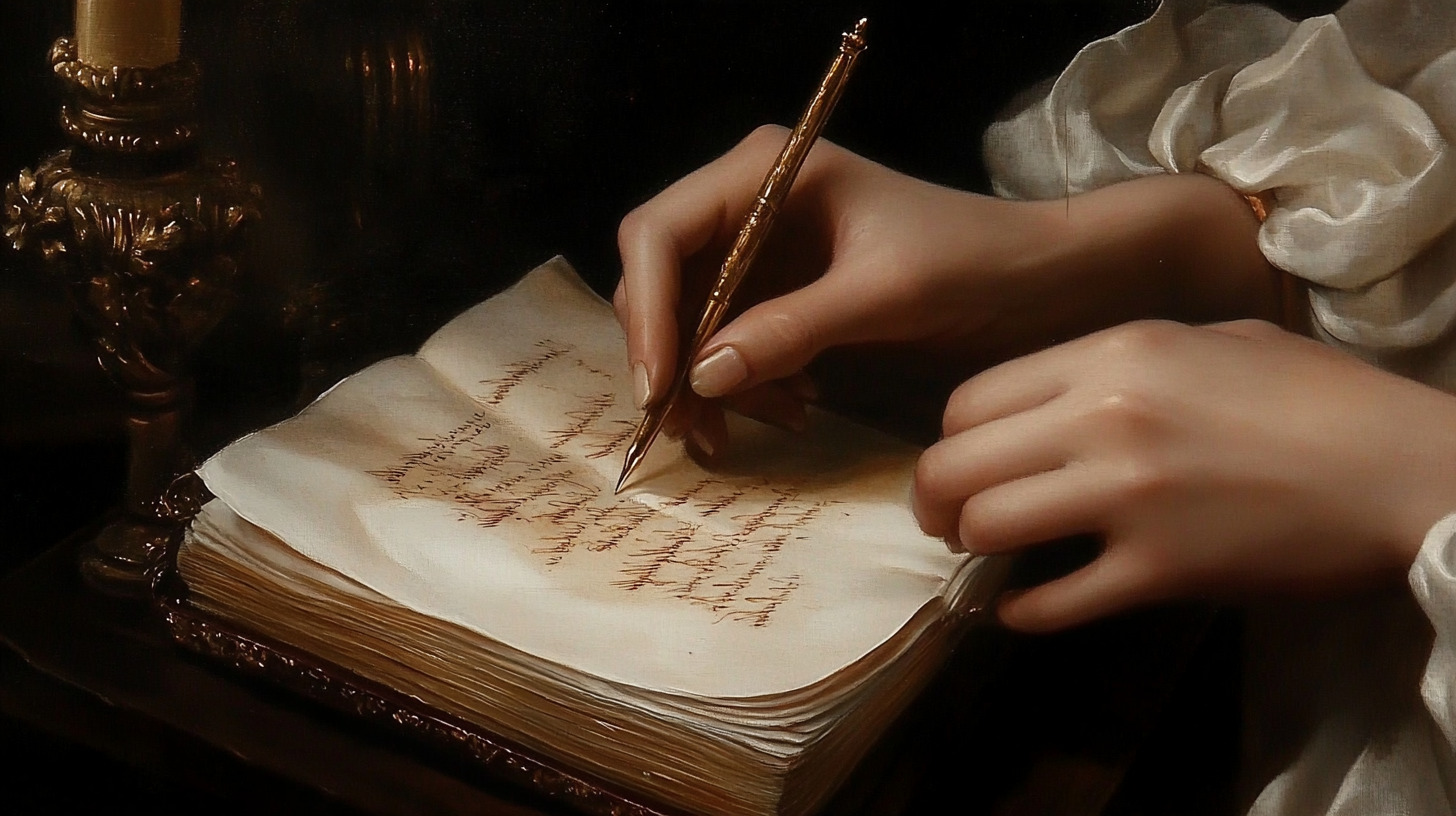
I went to grab toilet paper andcame back to a small miracle—a hand-painted card on my bed.
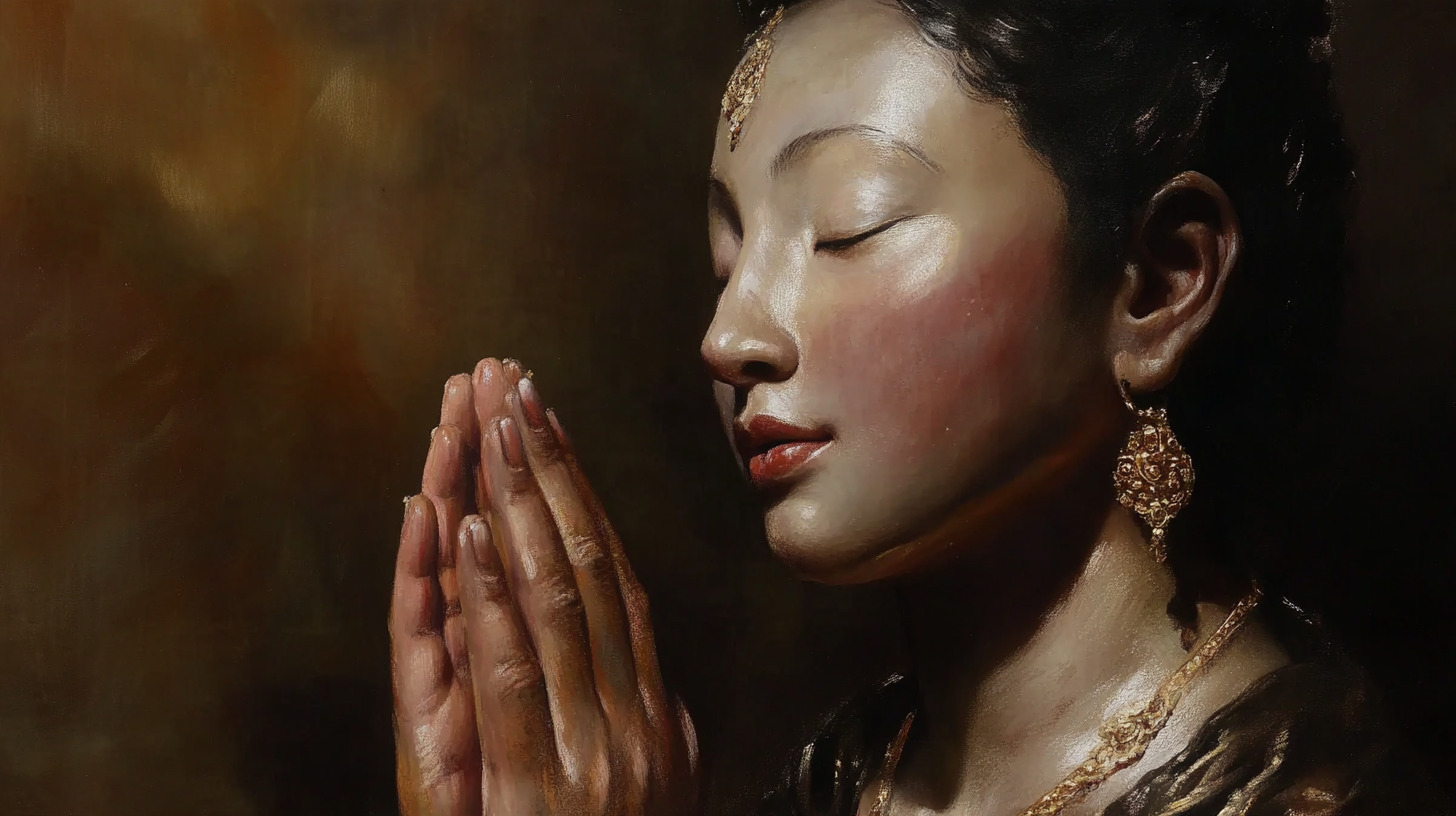
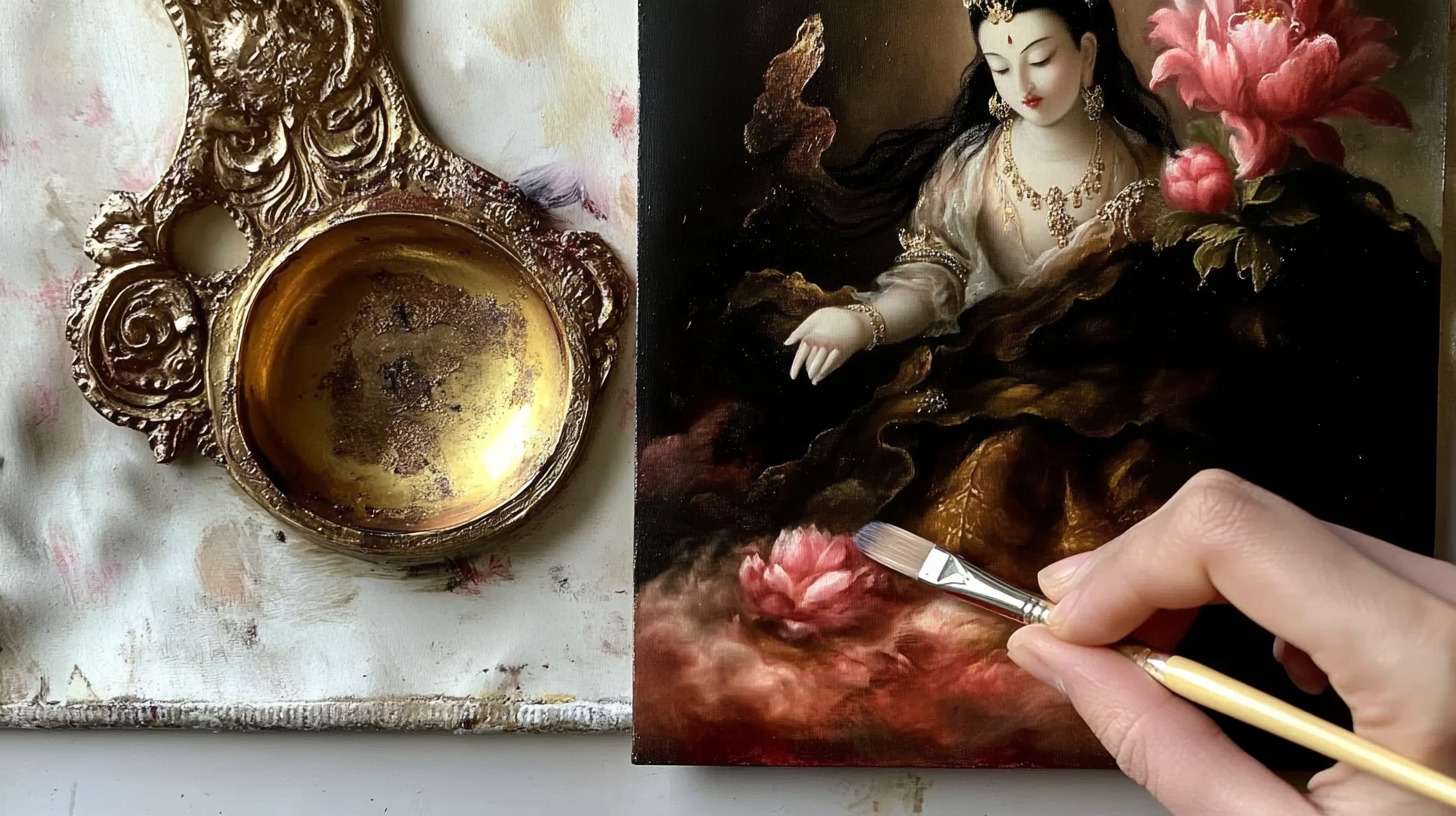
Luciana had spent two days painting an image of Vajrayogini,a fierce, feminine Tibetan deity of wisdom, red and radiant.
All the women in the dorm had signed it with tiny, careful notes—some funny, some shy, some beautifully raw.They’d seen me.
Women I didn’t even realize had registered me— the quiet ones,the ones whose faces stay guarded—had written things about being touched, about finding calm through our circles.
It was the perfect kind of birthday: private enough that I could cry freely,a small uprising of tenderness inside a place built on threat.
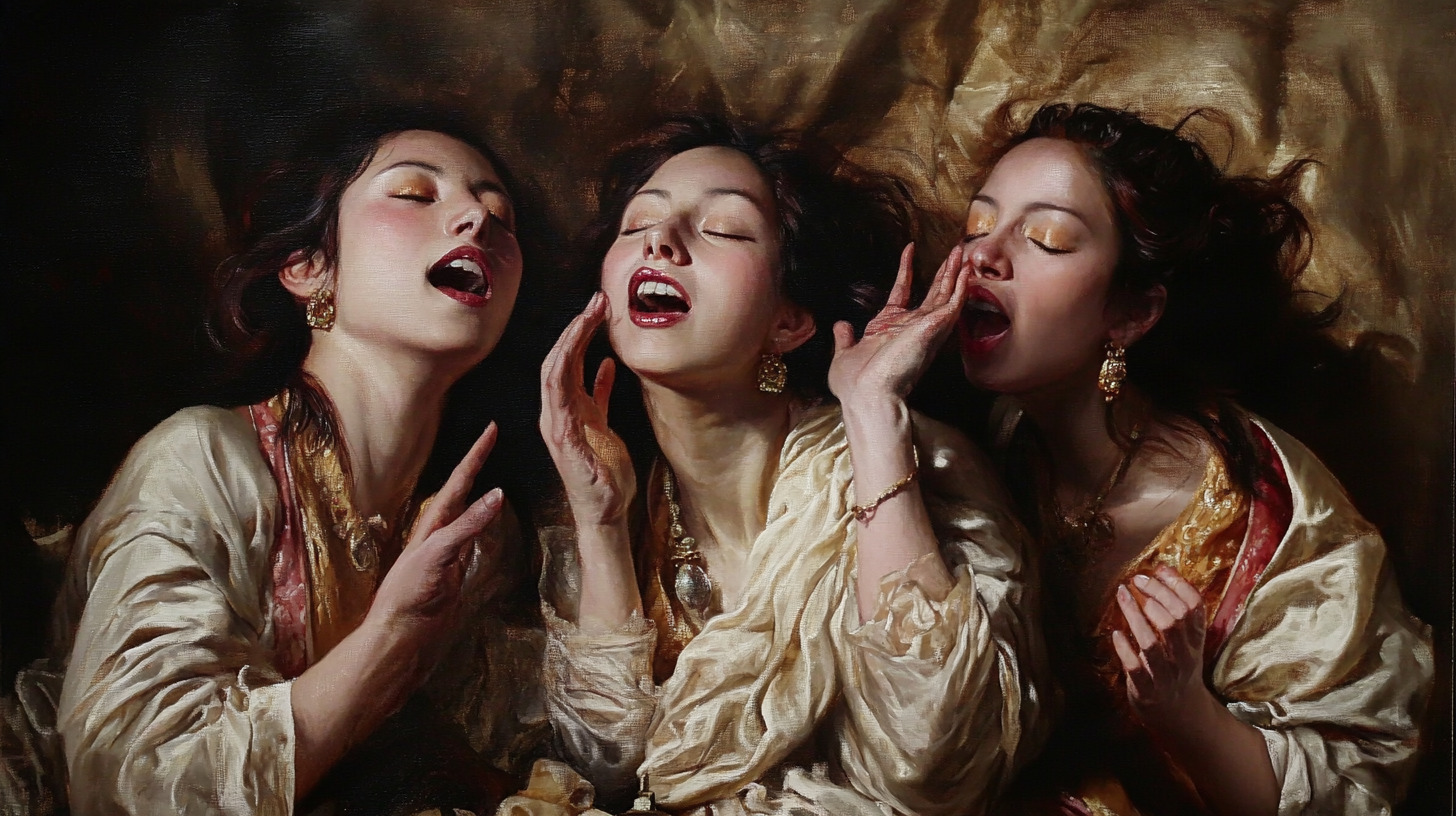
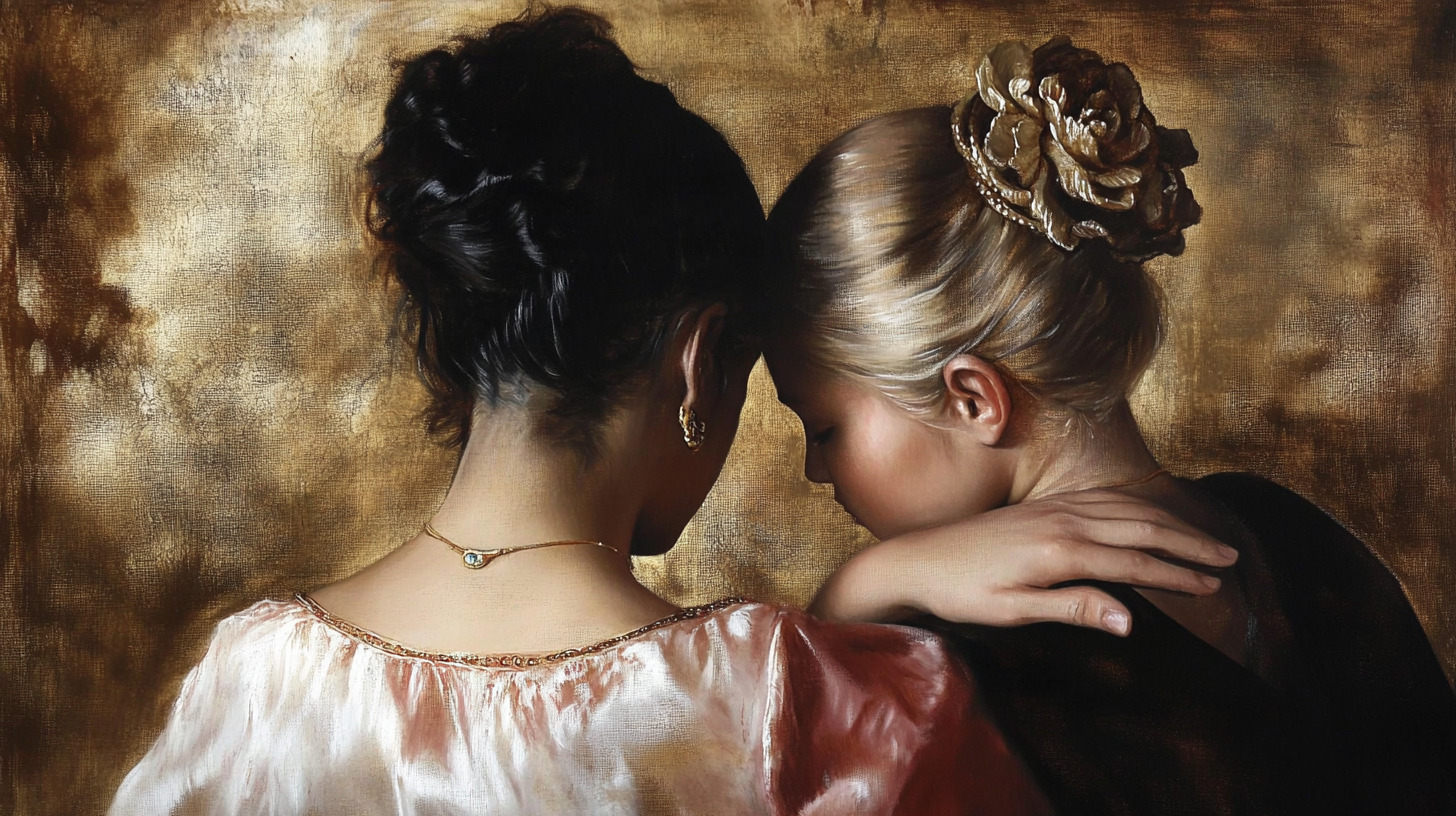
Later on,three of my favorite women sang me a doo-wop versionof “Happy Birthday,” Marilyn Monroe style.
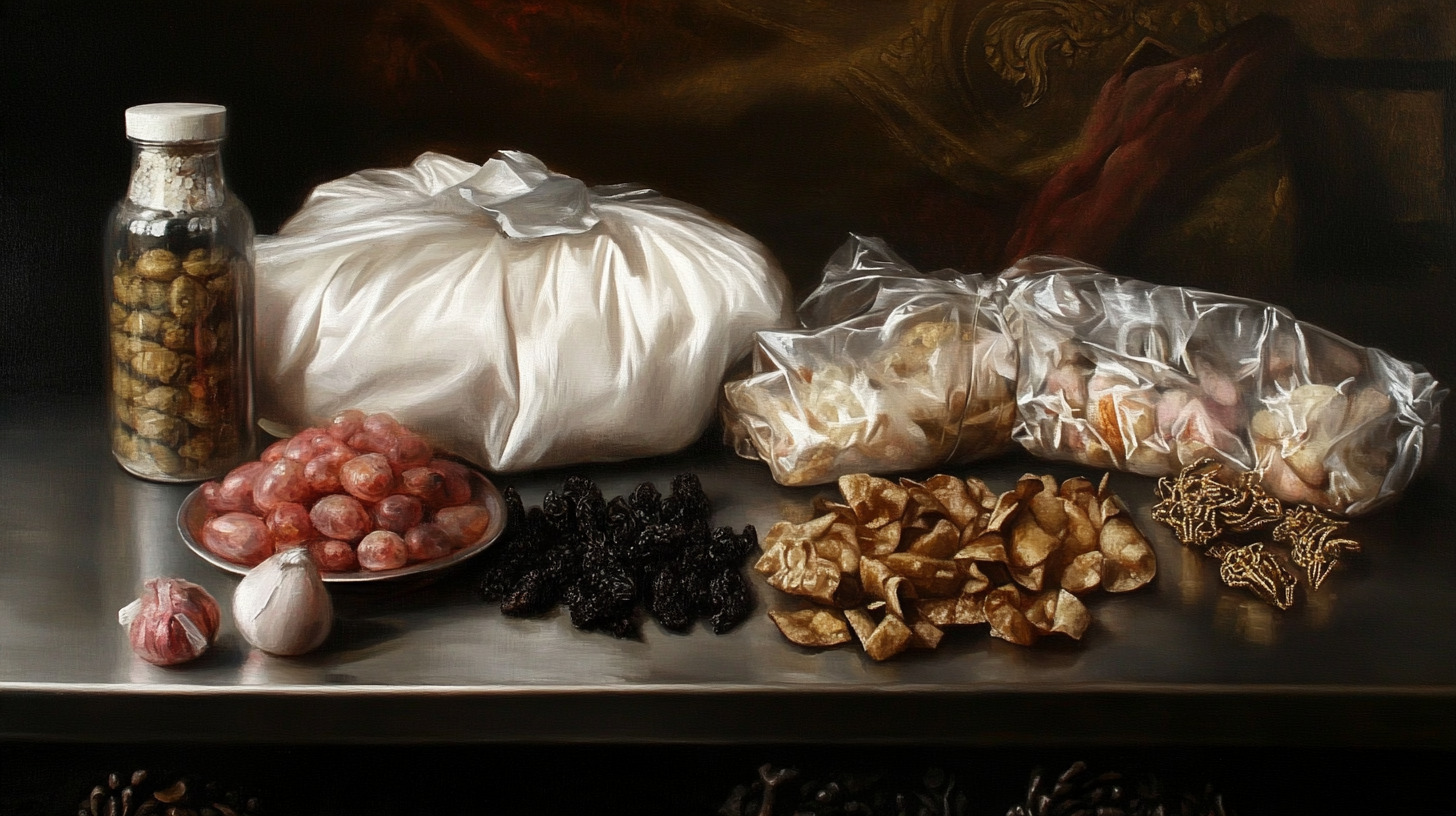
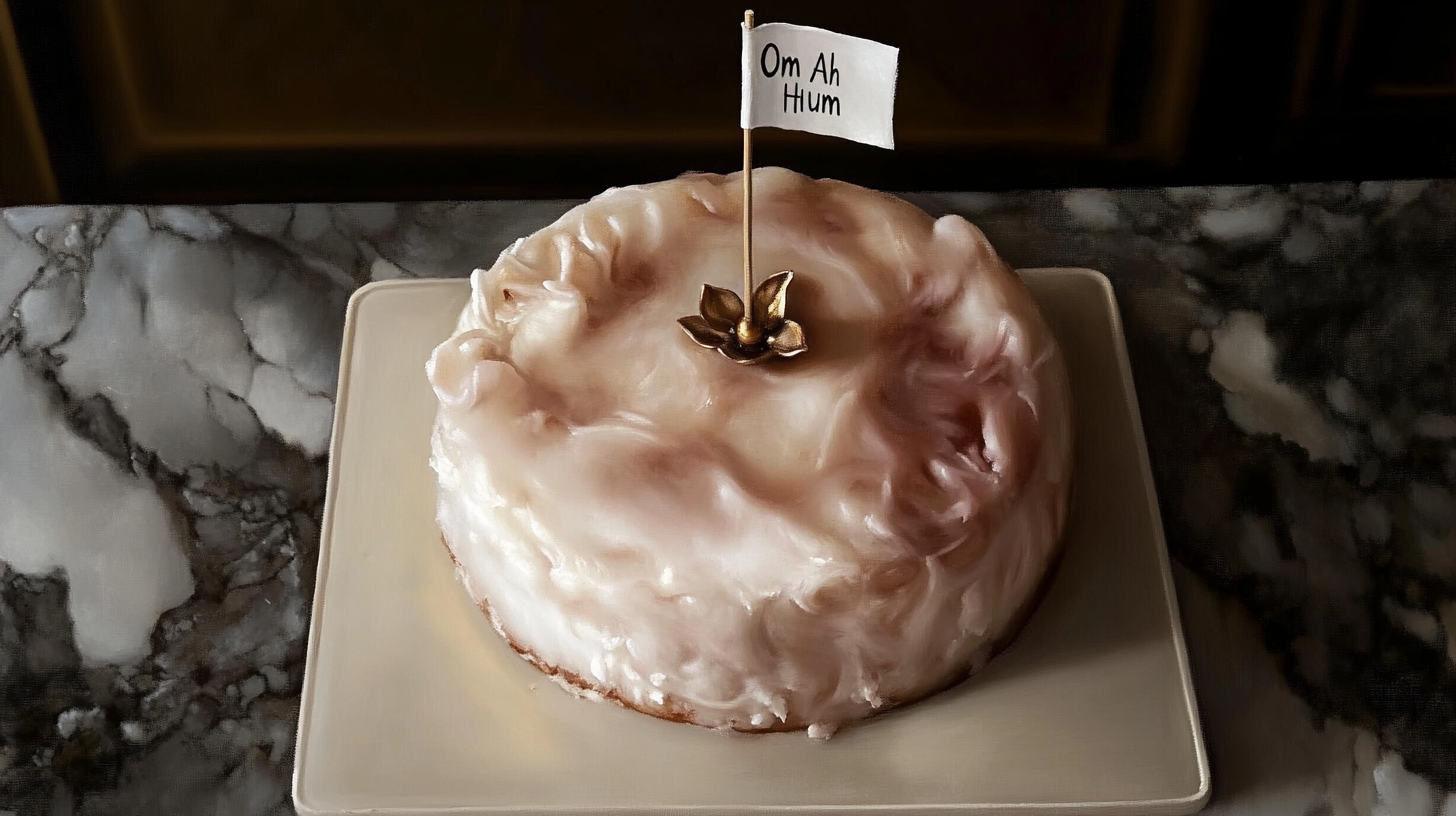
Miss Wubaked a cake from commissary ingredientsand somehow made it delicious.
She stuck an “Om Ah Hum” flag in the top—our makeshift blessing—and Kay-Kay, who speaks almost no English, stood beside her and chanted the mantra.There was joy, absurdity, and ache all at once.
One letter really undid me,an apology from a woman who had complainedabout our meditation class. Turns out, she had wanted a space of her own and was angry we’d secured a room.
She wrote that our class hadchanged the temperature of the unit,that she could feel it.
When I teased her— “Oh, you have to be the best at everything, even apology letters?”—she cried like a child who’d been told she was good.
That’s what it felt like all day: the veils falling away.Naked heart is the only way to describe it,like standing in the open air with no skin between myself and the world.
At one point in my life, there was a quiet, persistent voice beneath everything I did,whispering, I don’t want to be here.It was so constant I mistook it for truth.
I read that this voice isone of the root notes of suffering,but I hadn’t understood until I saw it clearly: It wasn’t mine.
It was like a song playing on the universal radio of the mind—everyone’s station tuned to the same sad refrain.When I finally recognized it, I could unhook from it, like peeling Velcro apart.
And since that day, I’ve wanted to be wherever I am.Karma burns out faster in prison;the illusions come undone. Yesterday I felt that burn—the collision of opposites.
A tenderness so raw it pierced straight through to the center of my heart,and beneath it, that ancient undertone again—the low hum of I don’t want to be here.
Only now I could hear that it wasn’t just mine. It wasthe collective cry of everyone who has endured the unthinkable—the moment when God seems to turn His face away.
Or worse,when God becomes the punisher, striking at random,as in the story of Job.
I think that story exists for this feeling—the feeling that God is against you, yetleaves just enough air in the roomfor you to find your own way back.
That’s how it feels here. On the surface,the utter wrongness of being in prison.
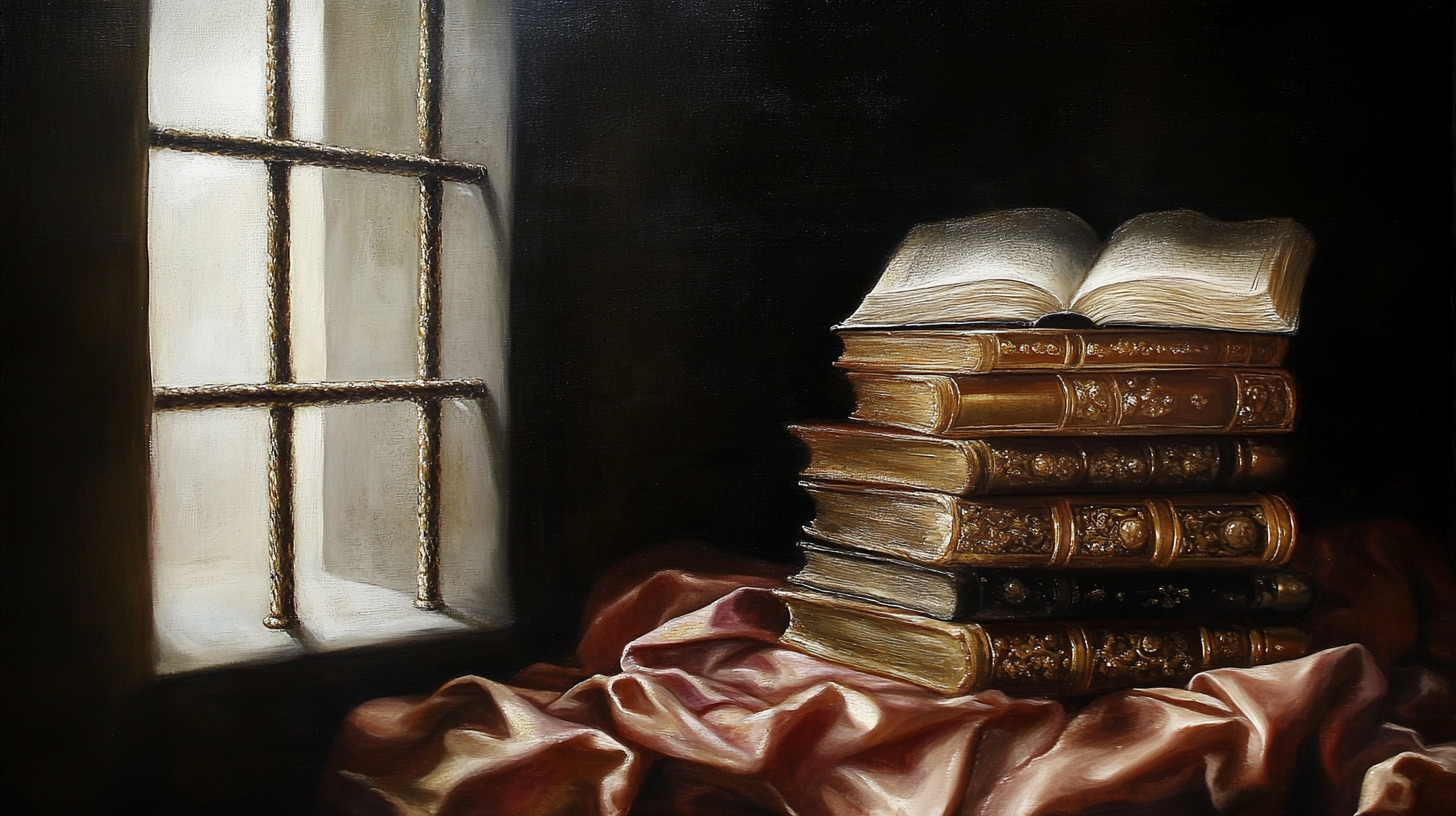
But underneath, the sweetest paradox: that within these walls lies a vast spiritual training ground, wherethe heart is stripped bare, and the holy work of remembering begins.
Still, I couldn’t ignore the human ache—the part that keeps track,that whispers why bother?, that stares at the future with quiet dread.So I invited that into my heart, too.
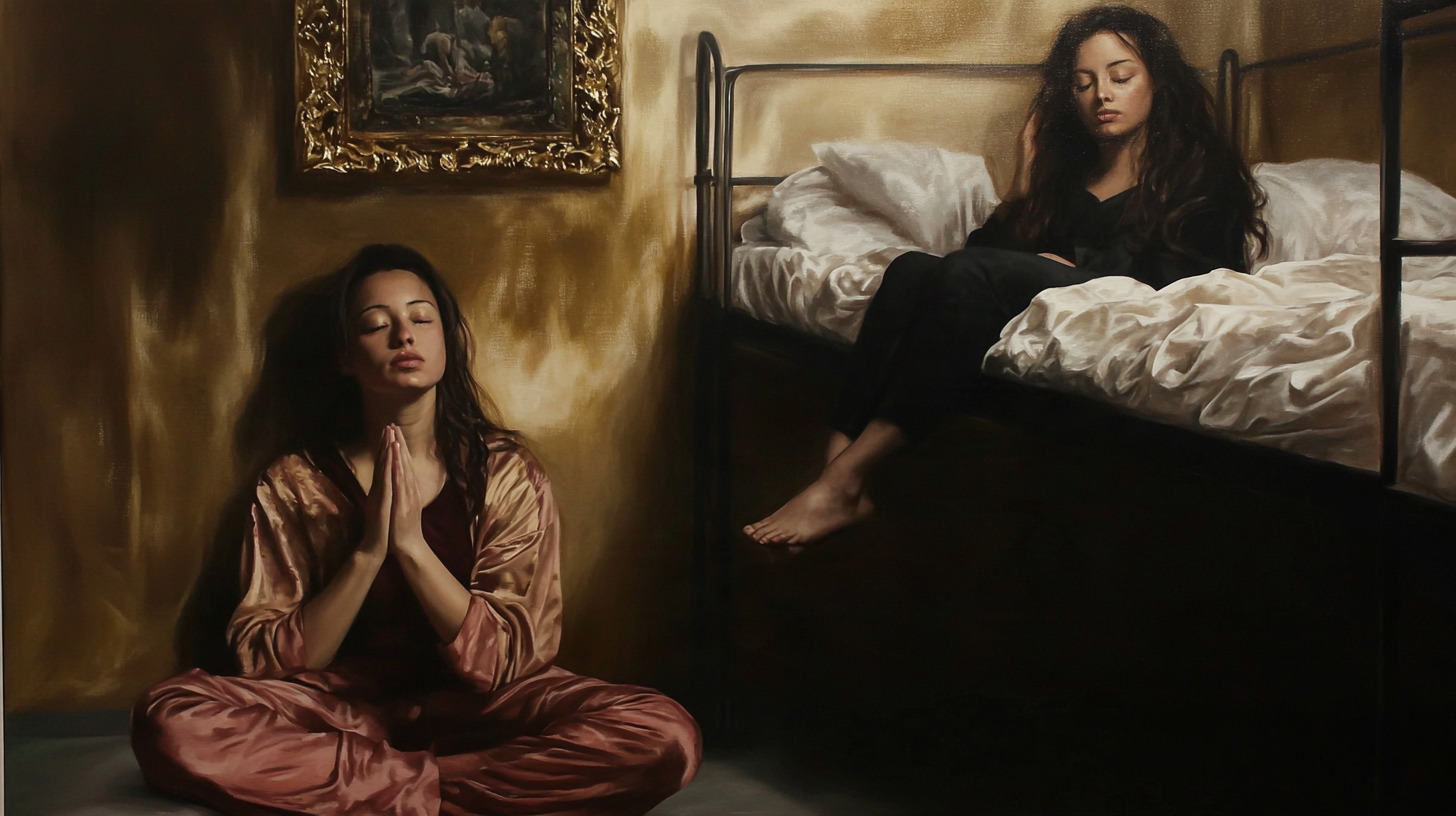
My day ended with a young woman I worry about—sharp, wild, too fragile for this place—chanting softly near my bunk.
I’d taught her a simple mantra by turning it into a rap:“Jo Rama Jo Rama Jo Jo Rama,”and she’d taken to it immediately.
She had come by in the morning, waking me up with it as well. My birthday was bookended by her voice—proof that something had taken root.
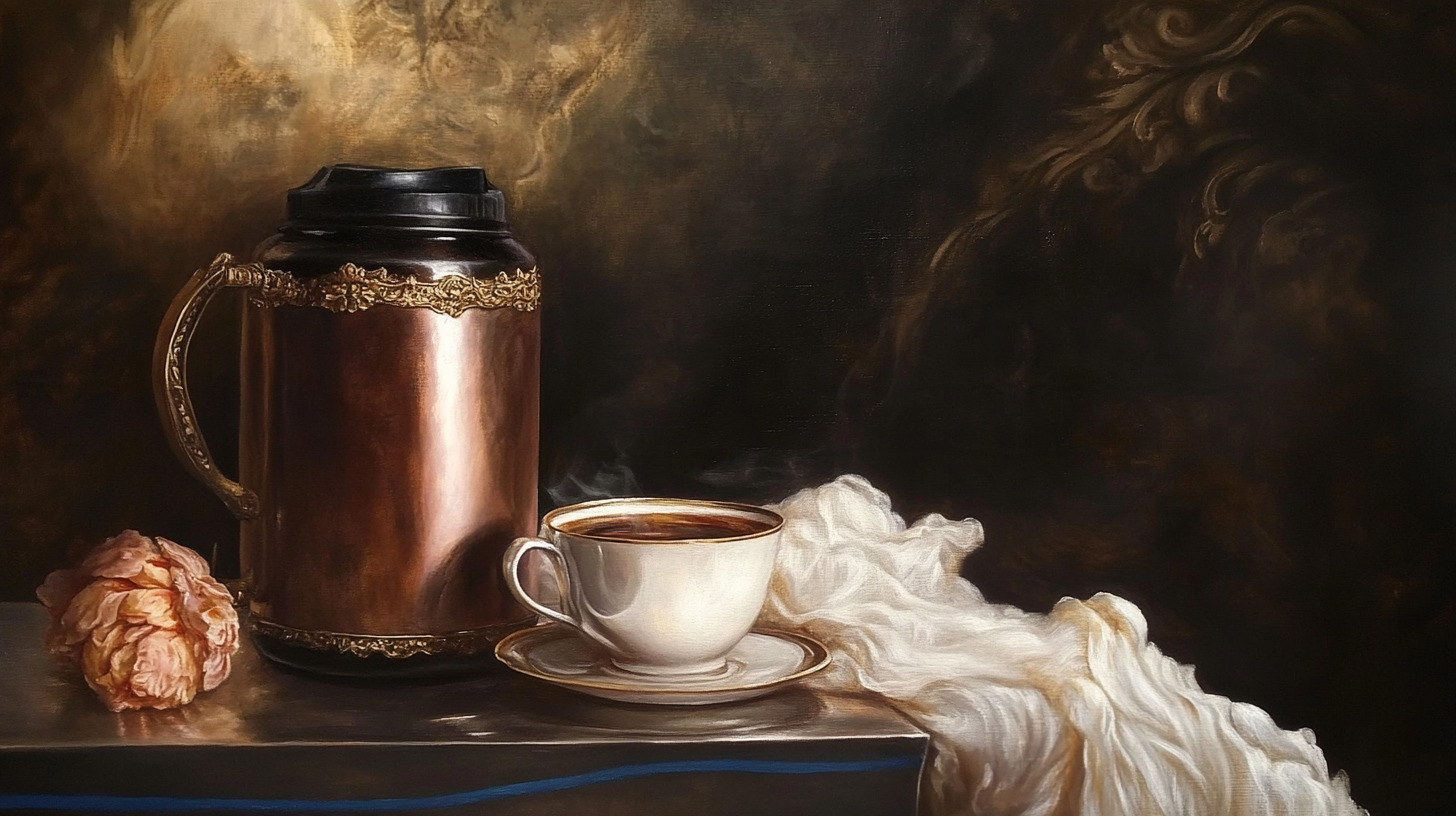
The next morning began like any other: I poured my coffee—made the night before so Iwouldn’t risk a guard’s mood crossing the blue linefor hot water—and sat with my dreams.
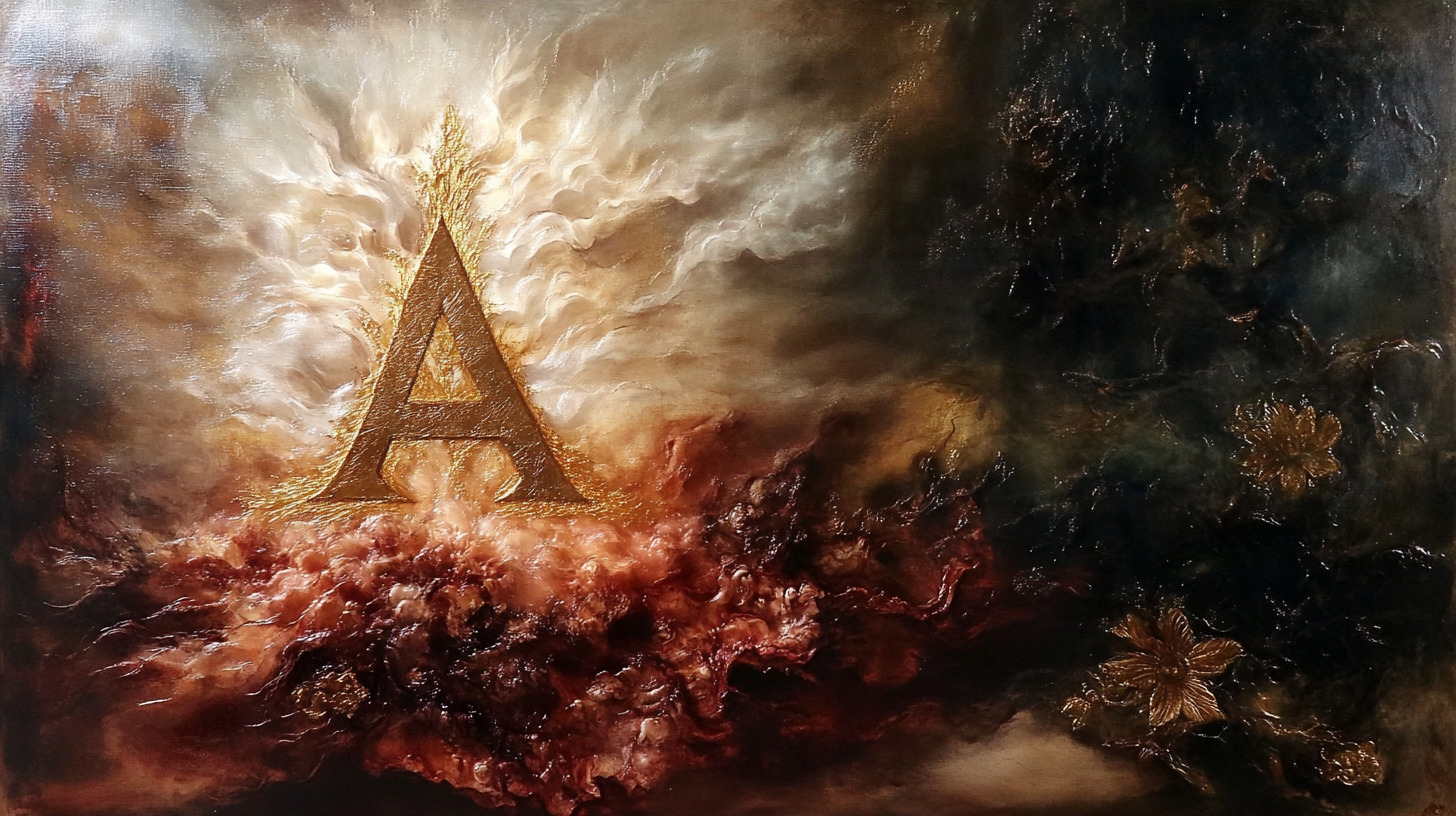
One about a woman low on energy,one about a recycling center missing the letter Ain “ATM,” one about someone upset that a store wasn’t in an apartment. Nonsense dreams, maybe.
But I woke up feeling lighter. I sat for my morning practice. I felt my breath move freely again,as if the lungs themselves had remembered they were elastic.
And suddenly, without forcing it, the insight arrived:that thought of being punished or abandoned—it isn’t personal.
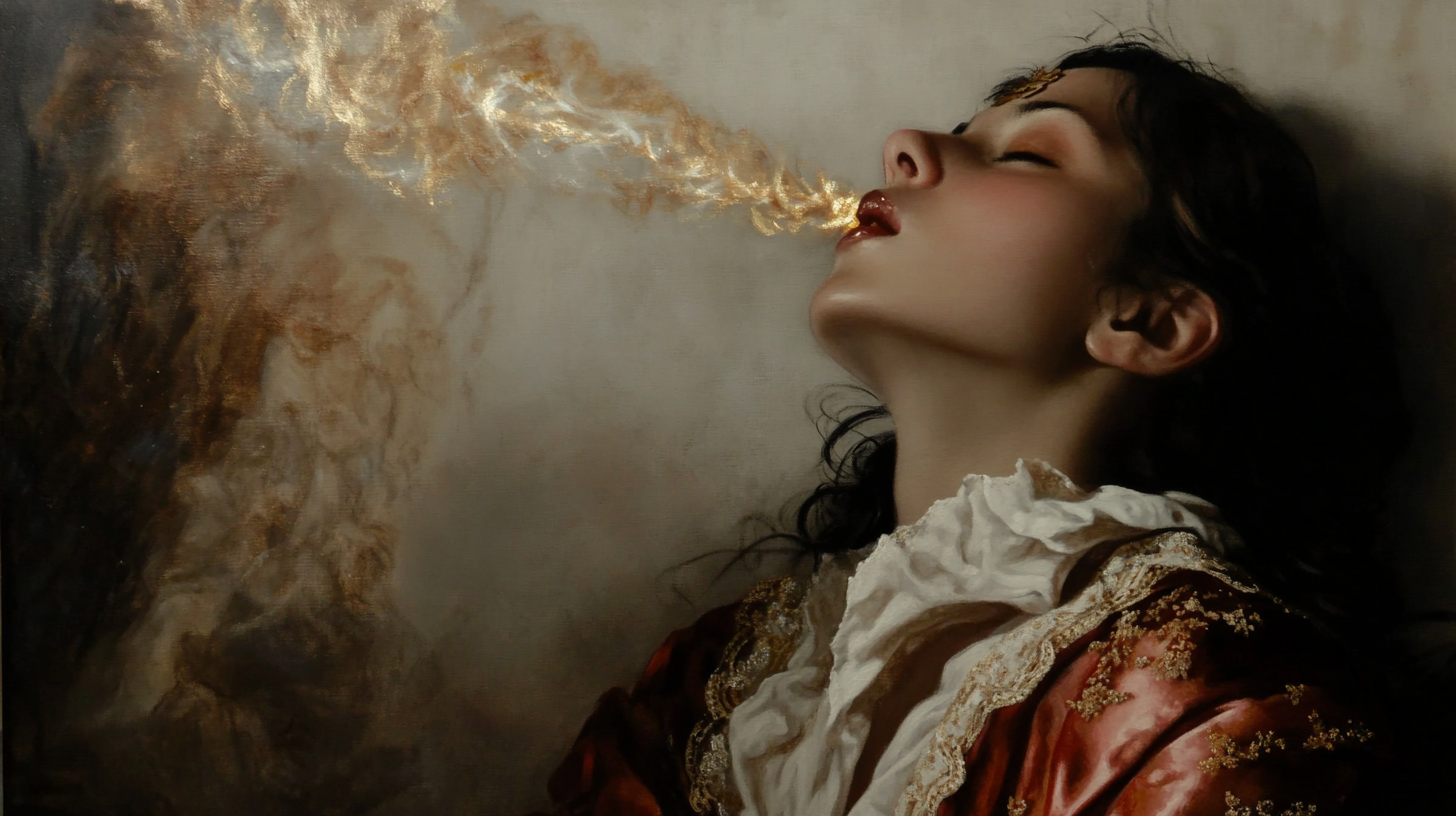
It’s the collective voice of loss, of disbelief, of the ones who’ve lived through shock and pain.It’s a story we all inhale.And I could finally exhale it.
I didn’t need to replace it with new words.Just light. Just presence where the hurt used to live.
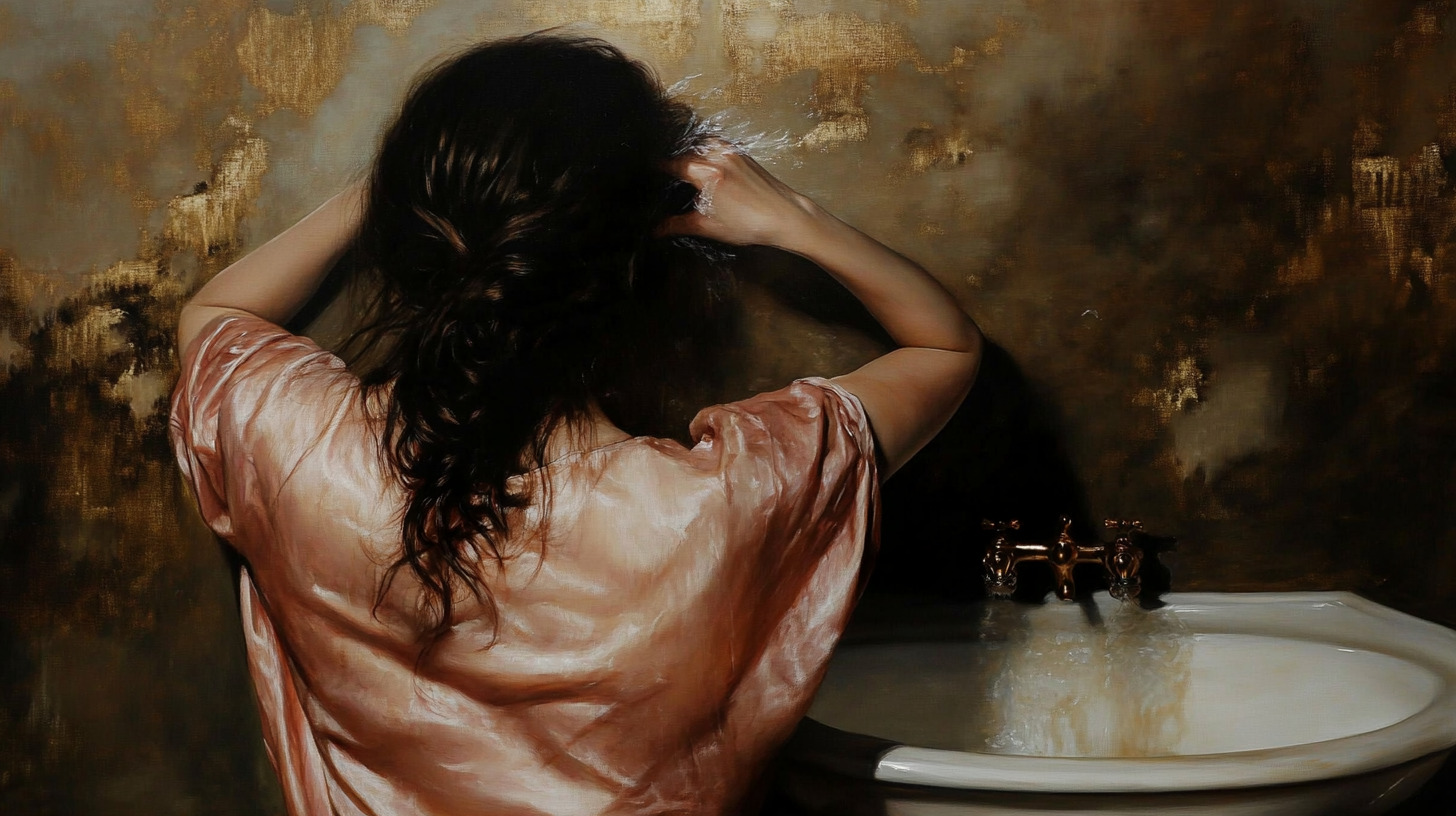
The dorm was still half dark as I bagged my laundry—Monday is laundry day for Row One—and washed my hair in the sink. The air was cold, the guards unpredictable.
Some mornings they’re kind, others curt. You never know until you’re standing there withwet hair and a towel around your neckand have to ask for a hair dryer. This one was kind.
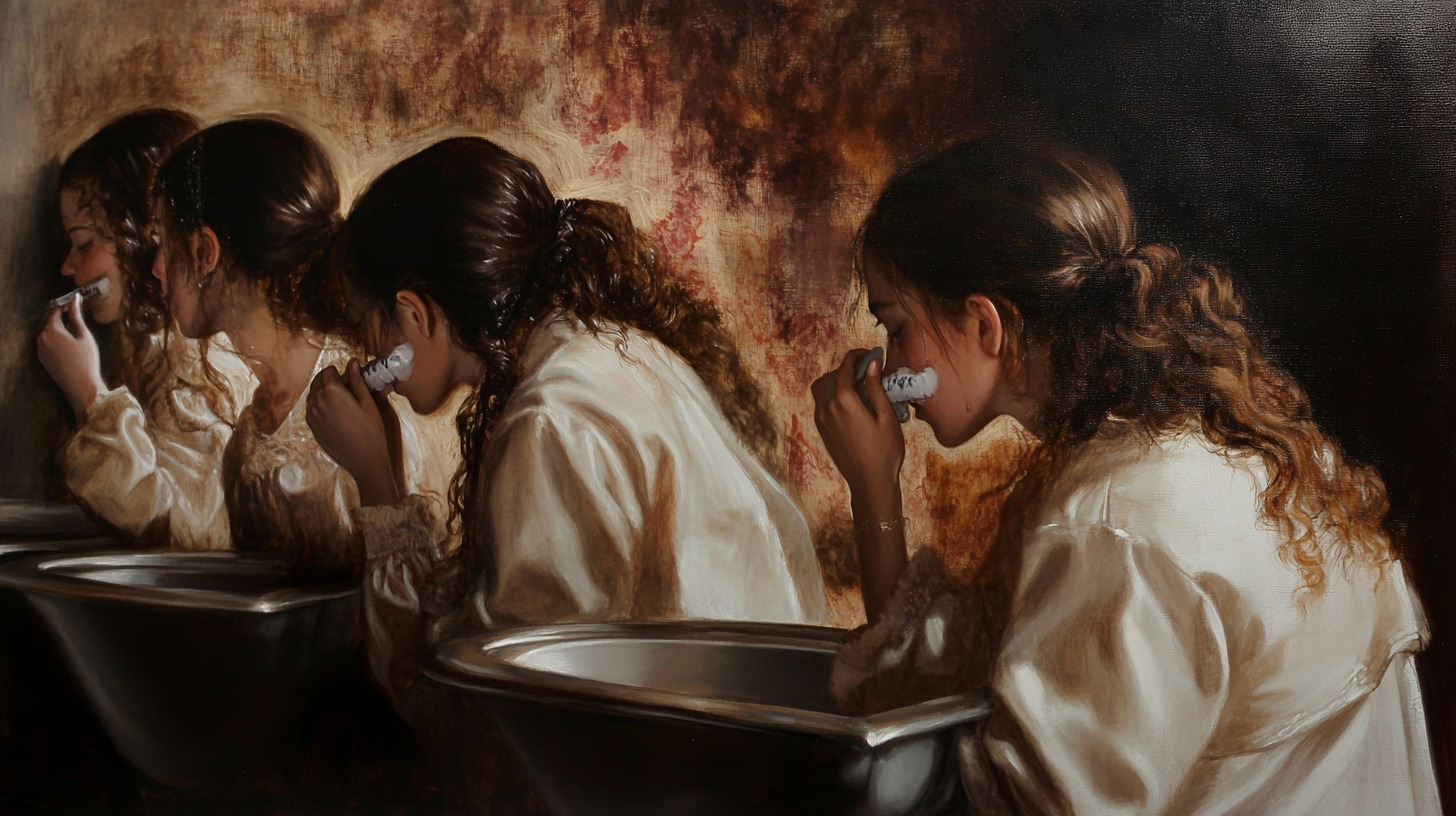
I walked back past the women brushing their teeth, the ones justheading to bed after a night shift of worry.
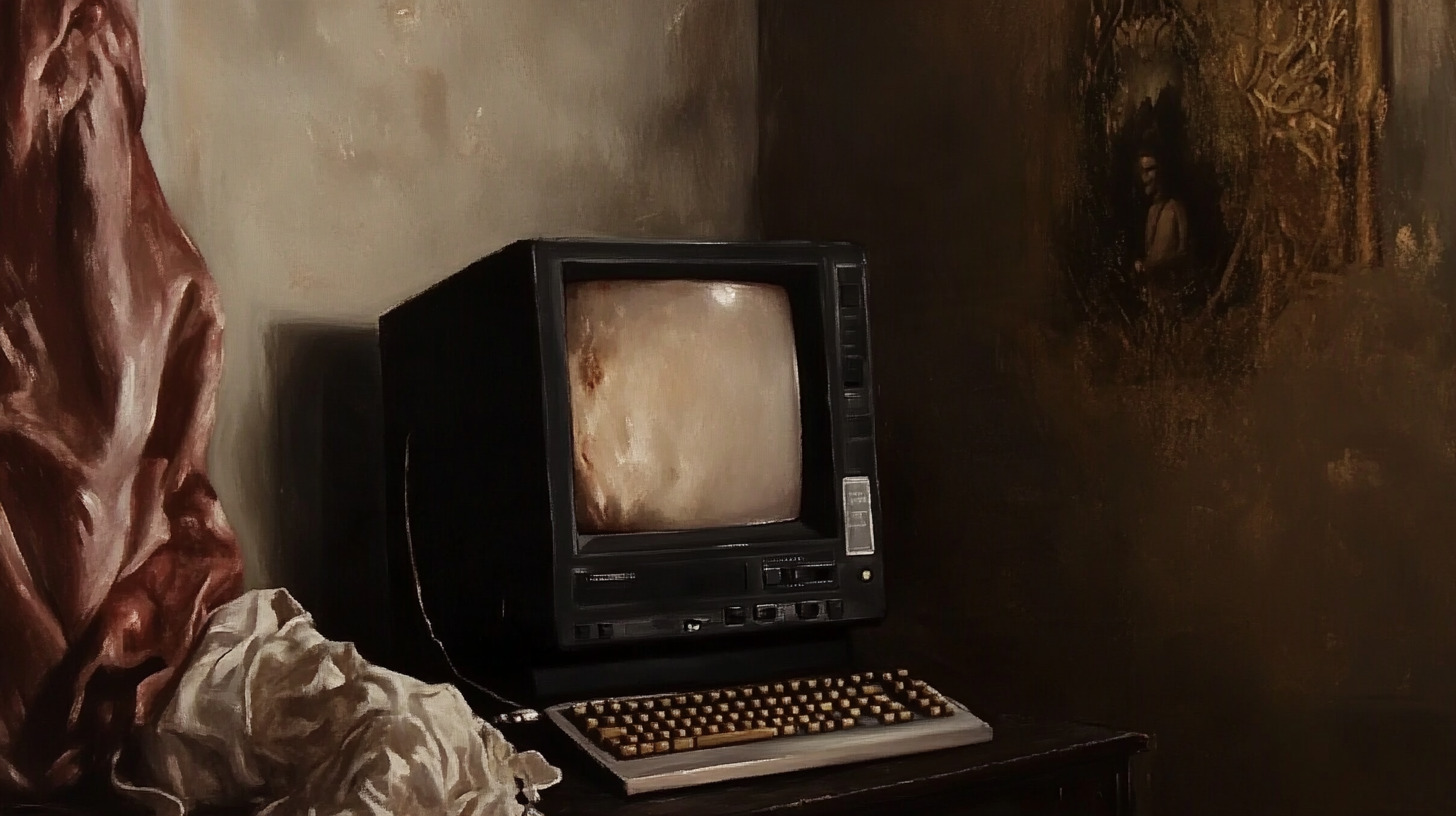
We nodded.The smallest gestures of kinship here matter most.I sat down at the computer, still warm from that quiet morning light, and there it was: one message waiting. Just one.
Usually I have more but I’dspoken to so many people on the outsidefor my birthday.
The email hadan update about a book signing that had happenedat a Barnes & Noble the day before. The work I do feels so often misunderstood.
The idea of meditation and sexuality together, that there may besomething beneficial to sex beyond procreation, recreation, or violation(the three limited categories society places sex within) can leave people bug-eyed.
I know it can change.The same happened with yoga and psychedelics.
First the world calls it dangerous, then they call it medicine.Two years ago, I had explained the conundrum to my Lama who smiled and suggested simply, “Write a book.
Call itThe Art, Science, and Spirituality of the Female Orgasm.
Write it with that doctor you mentioned.” I’d rolled my eyes at the time—another impossible assignment from the universe—but I knew better than to ignore him. And so, we wrote it.
The book had been published during my trial.Now my co-author was doing book signings while I was behind bars.
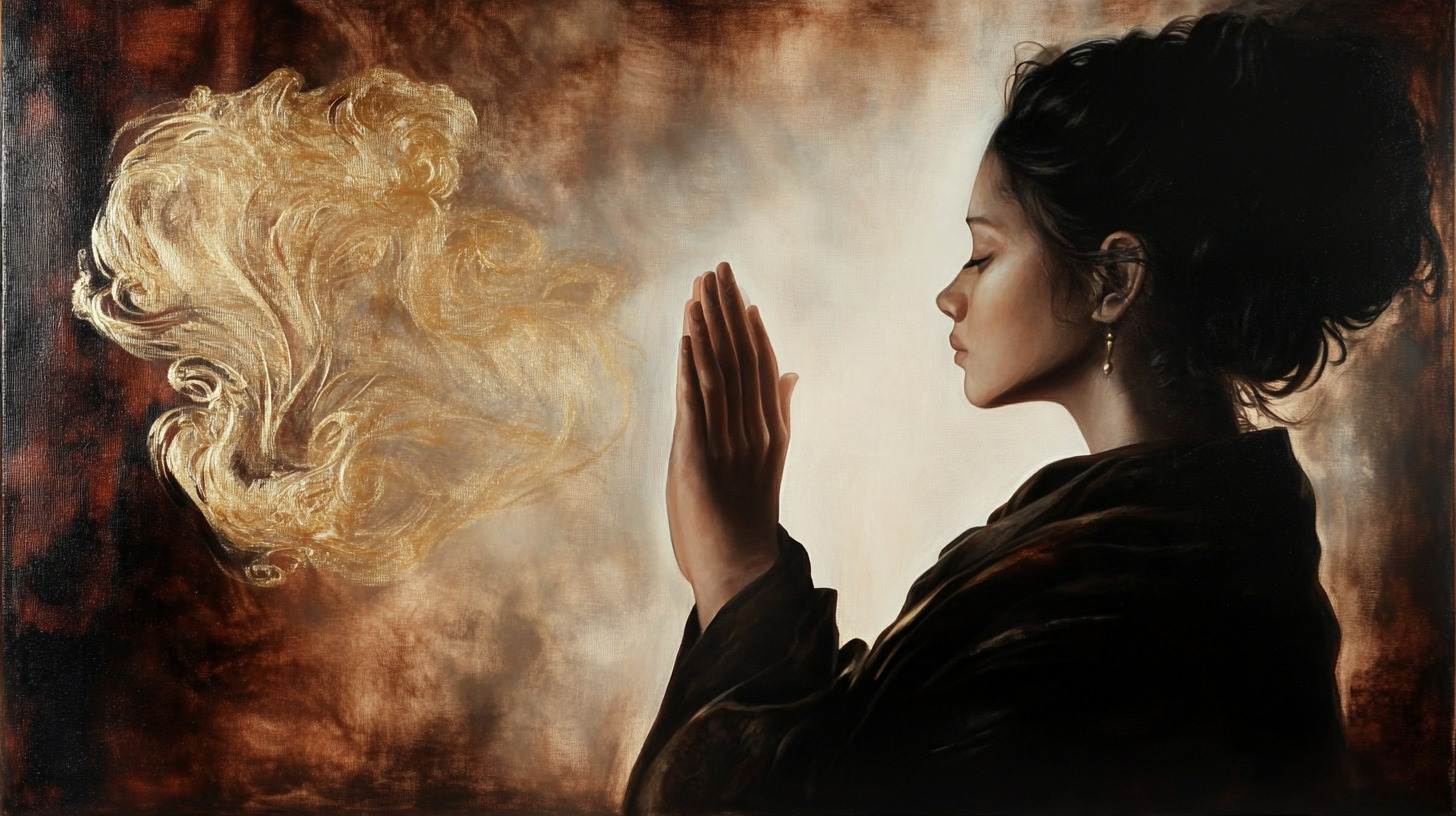
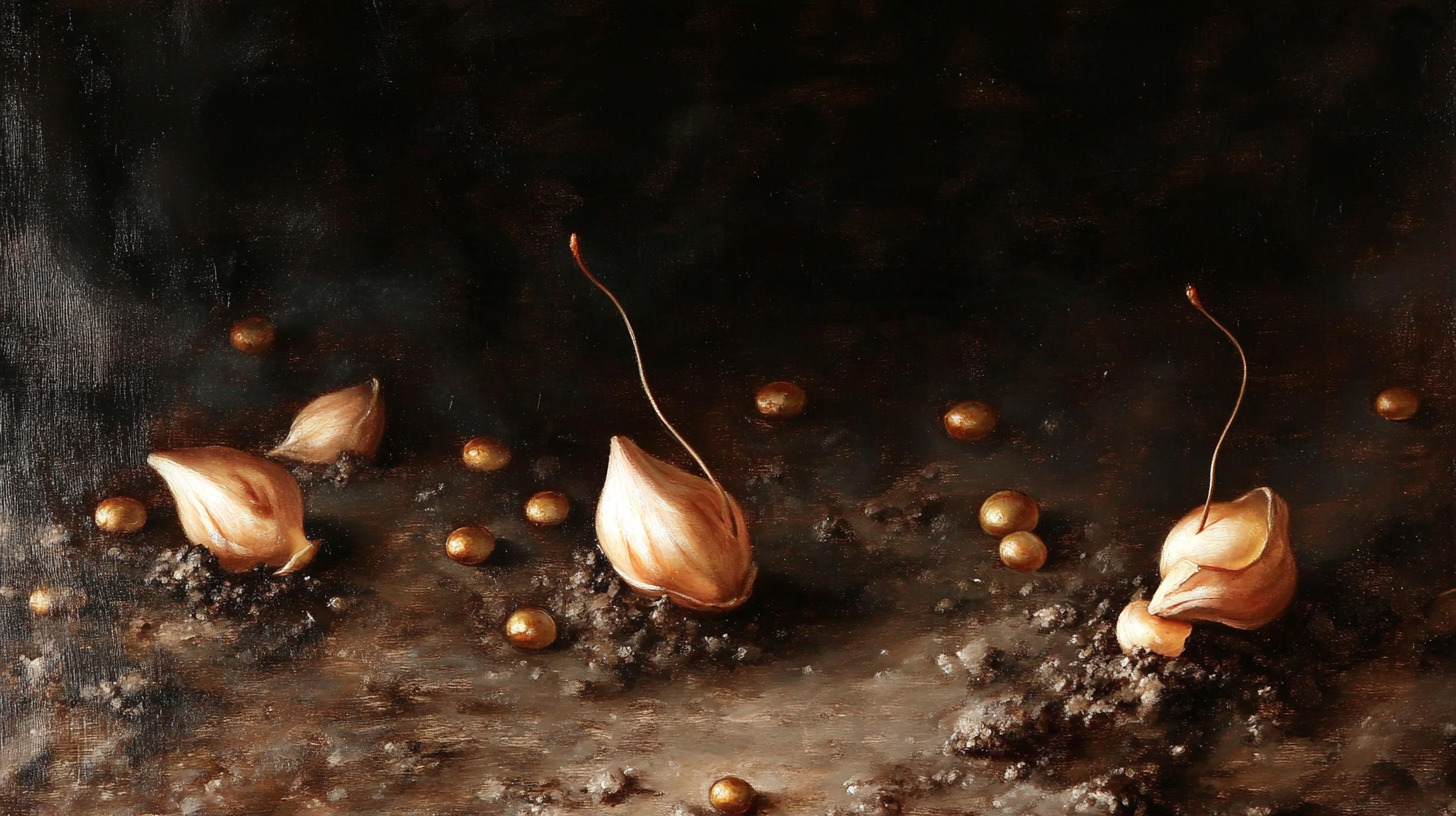
The thread of that life continues on as did the prayer of the woman I was in that life,that I’d plant enough seeds that they would sprouteven if I wasn’t there.