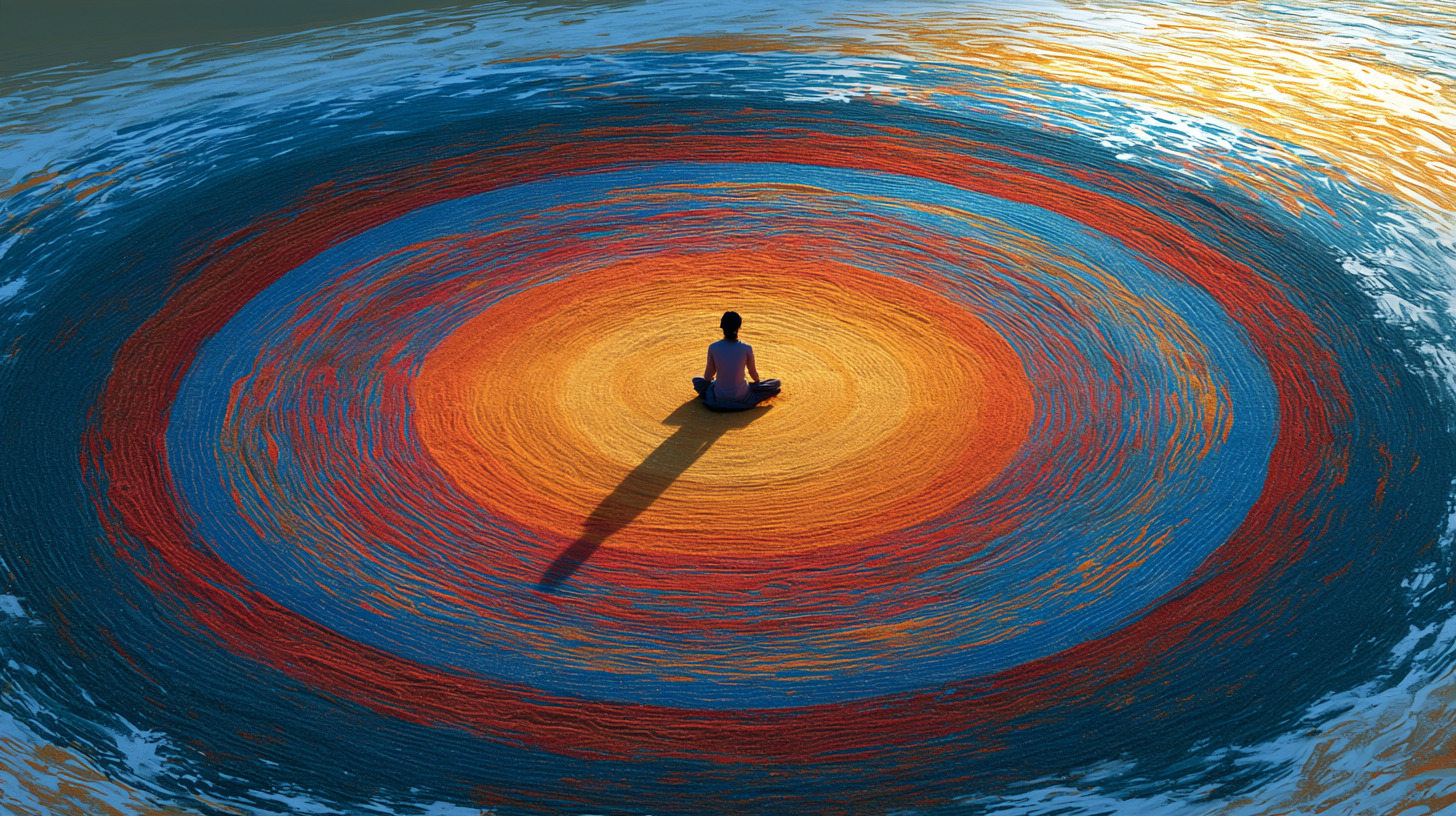
The invitation is always the same:Take your seat right in the middle of where you are.In the mess and the mercy.
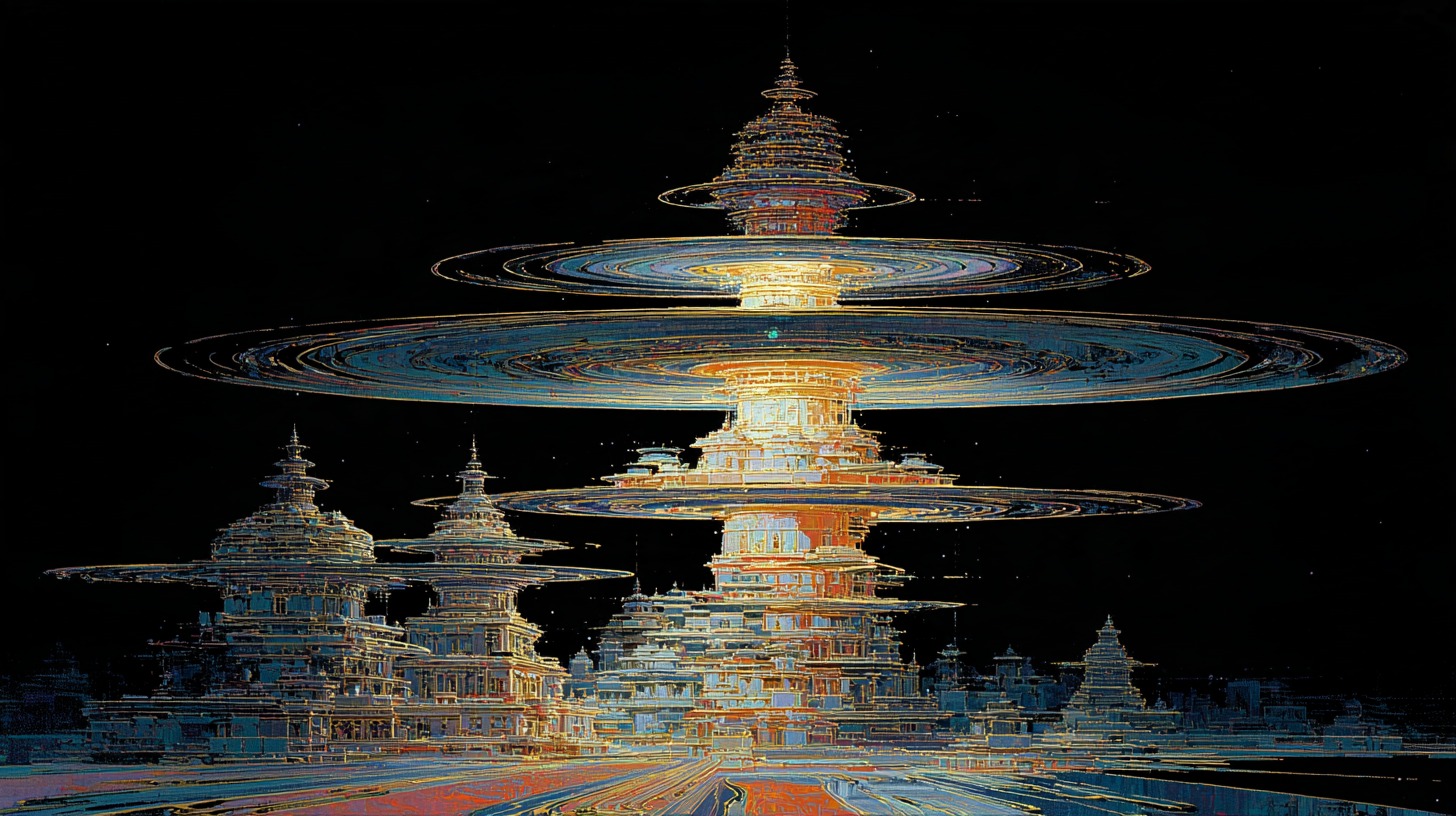
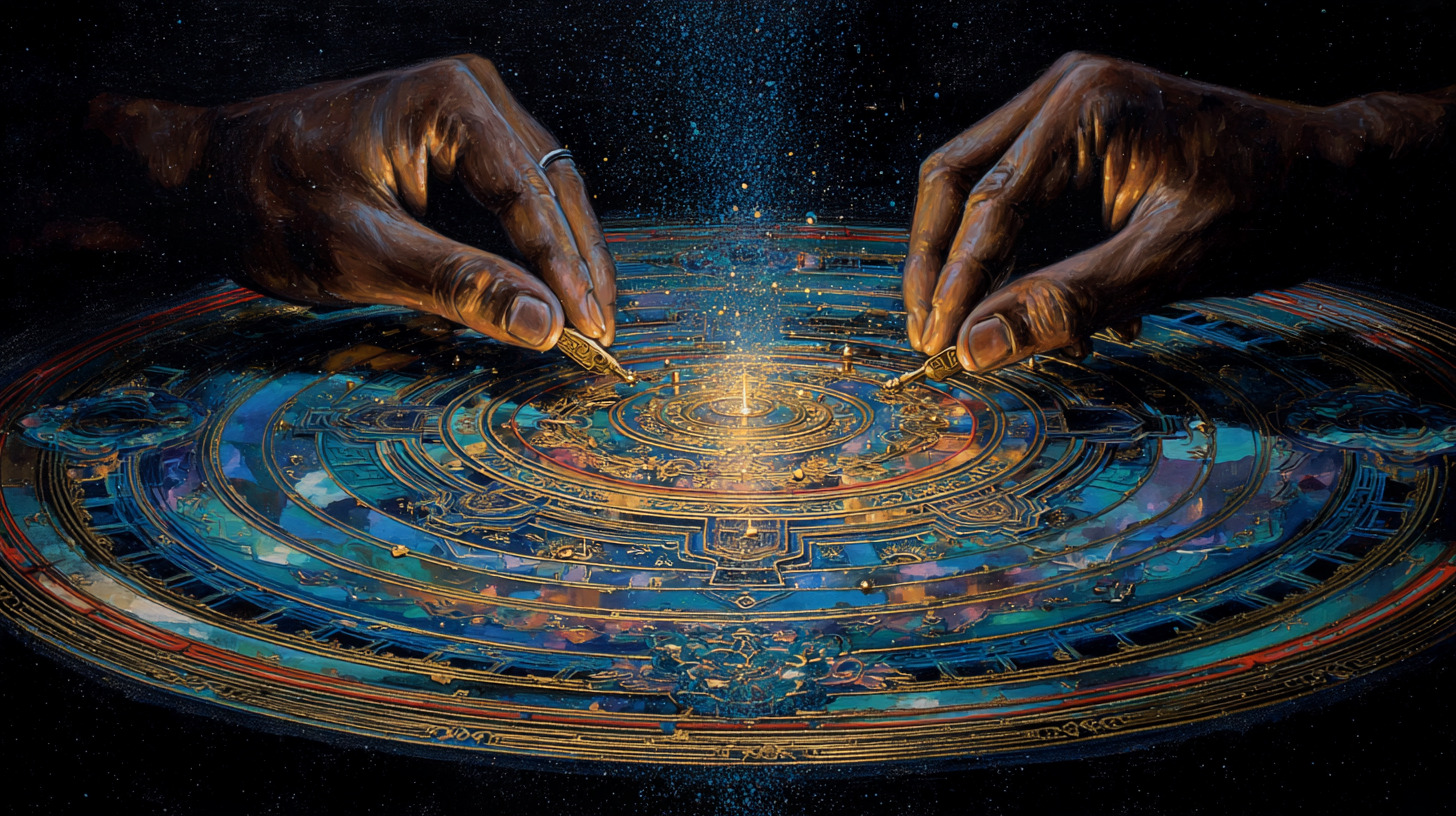
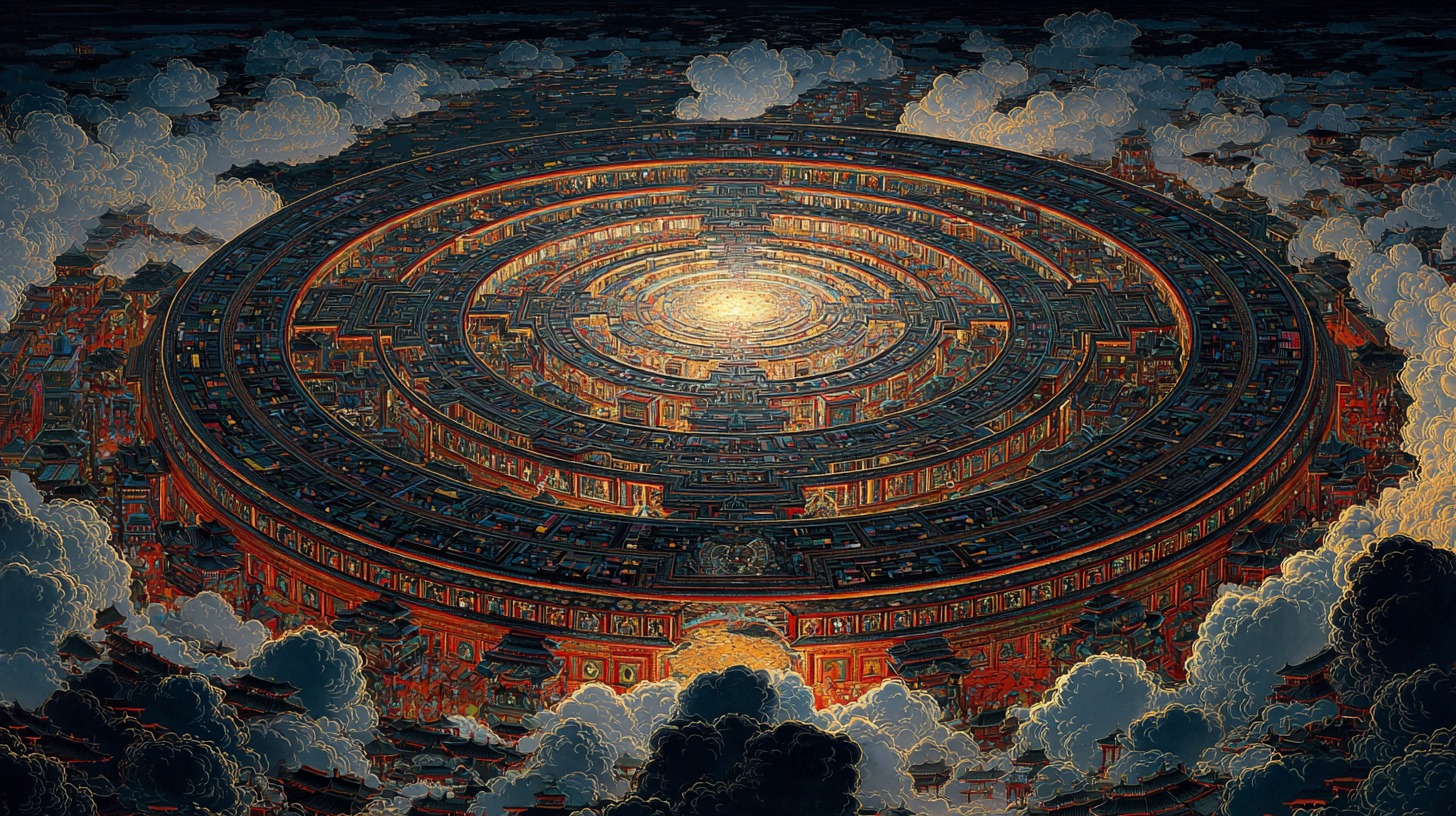
In the bad lighting andthe voltage of intimacy that rattles your ribs.Every place is its own little world—a mandala—with visible rules and hidden codes.
I’ve met them all:pilgrimage trails in Mongolia and sidewalks in Harlem;
the tight duet of only child and mother; the machinery of work where I try tostitch dignity back into vulnerable places;
my (probably too) subversive itch to swap out the artificial flavors of “girls-rule-the-world” feminism for the real thing; andthe silent, electric trek through my interior, hunting words for what I see.
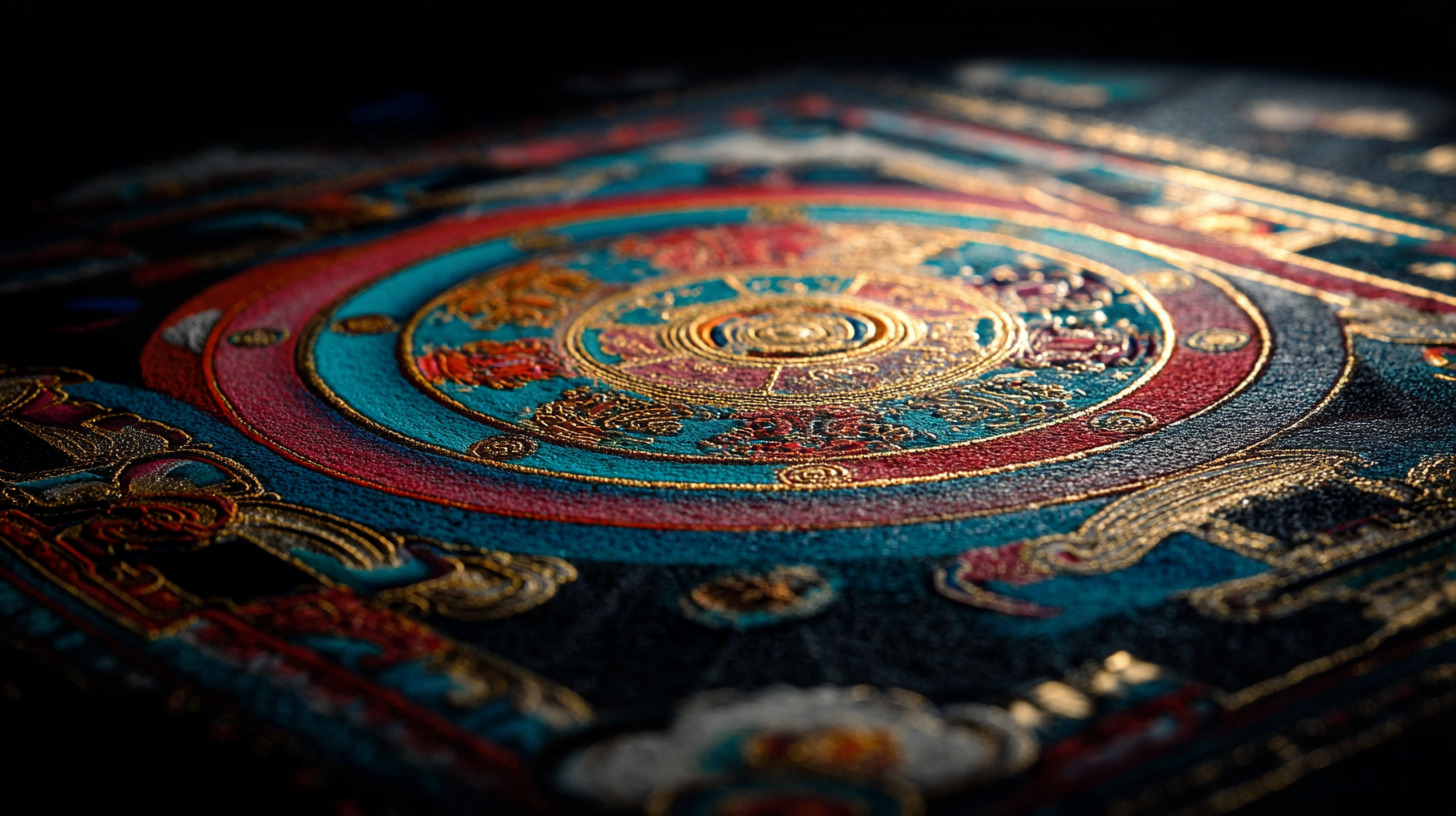
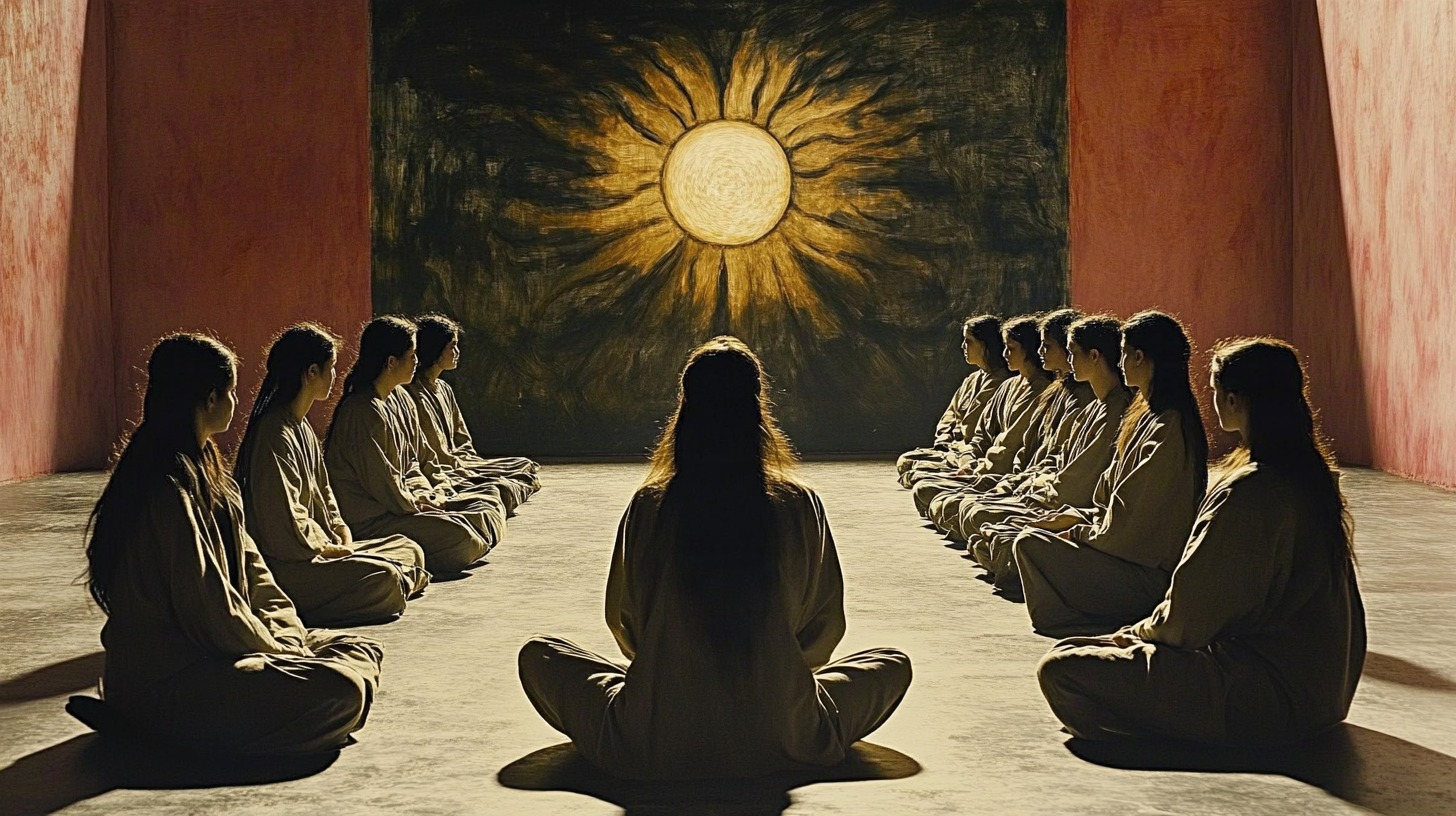
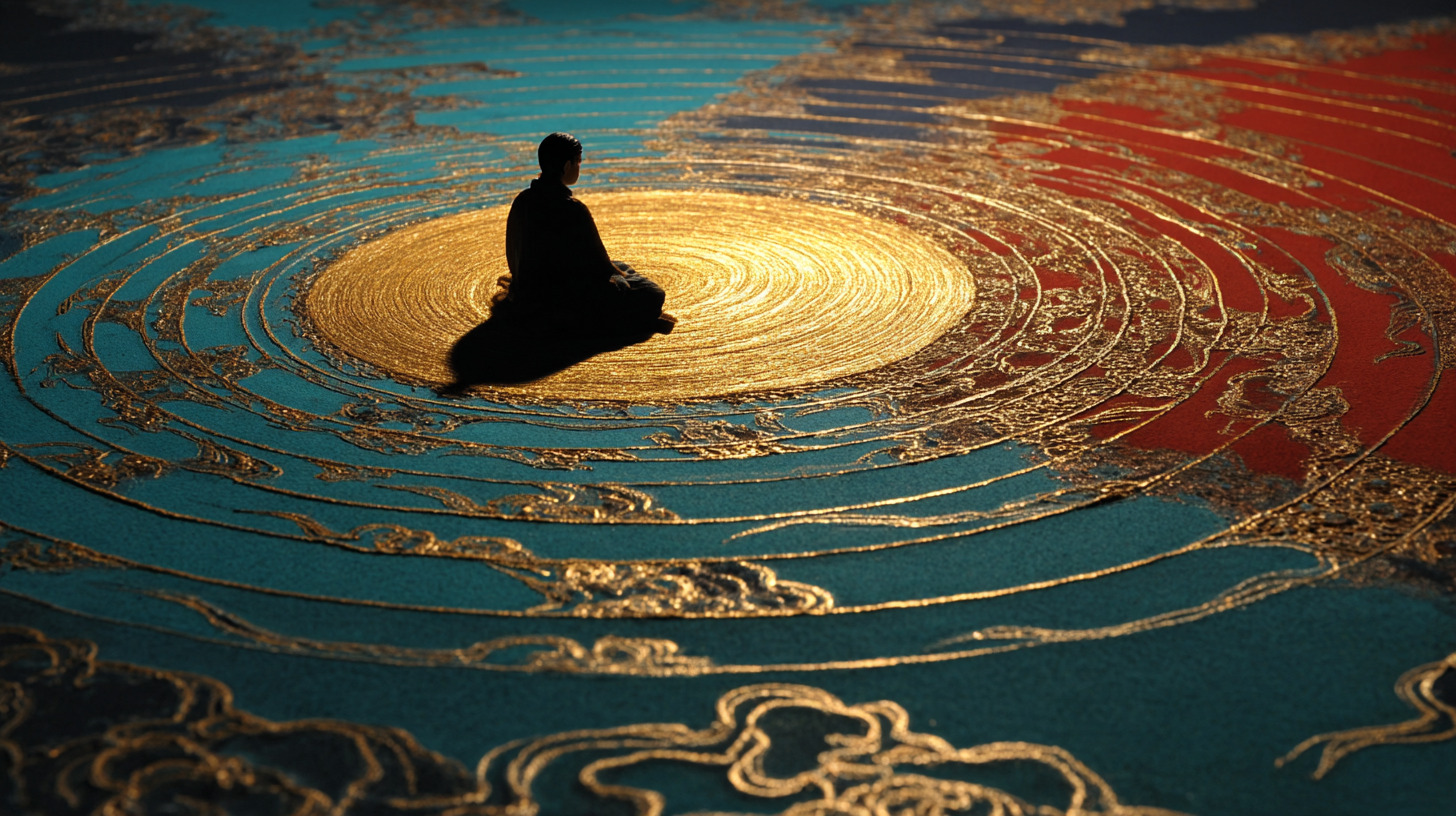
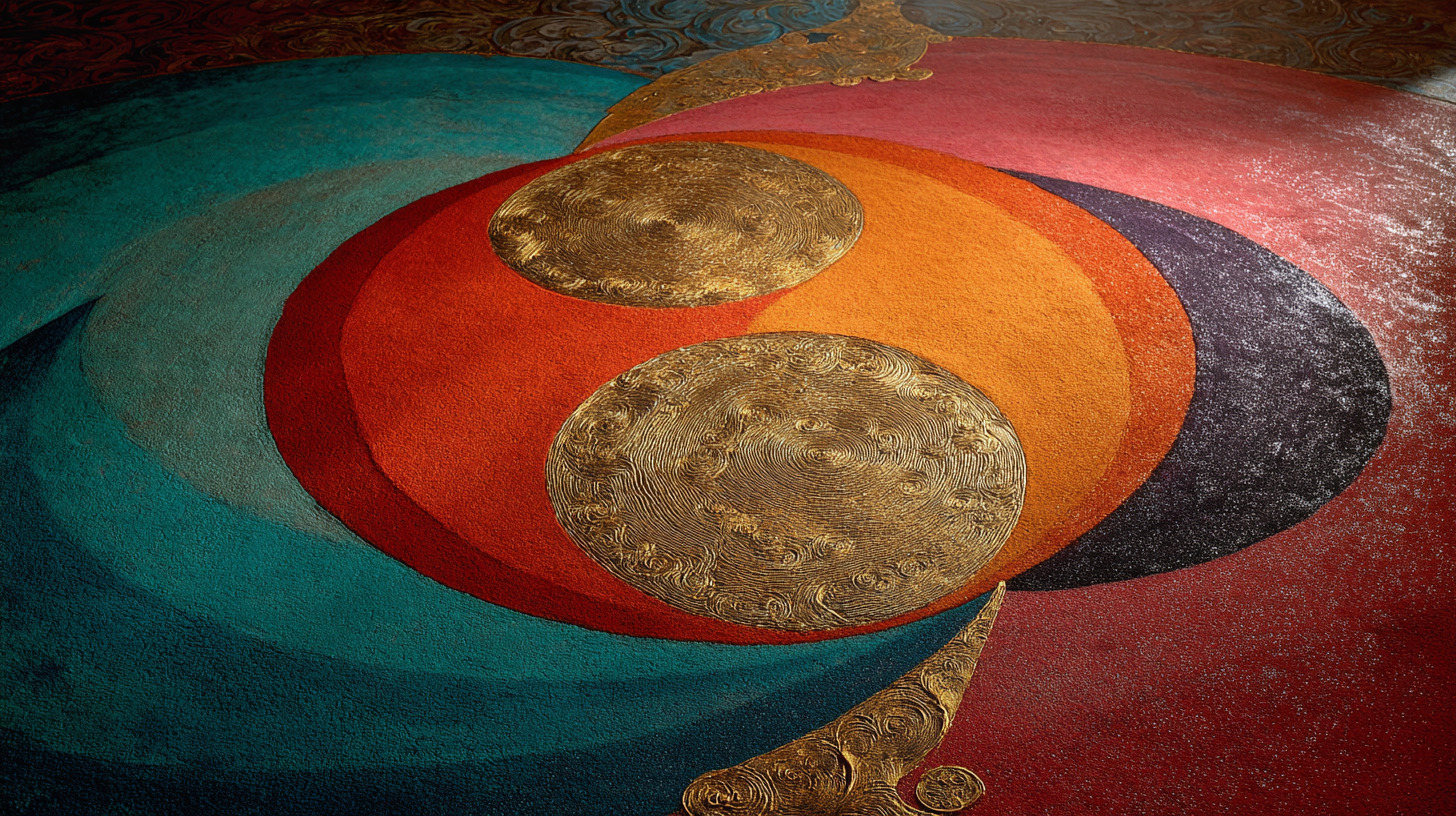
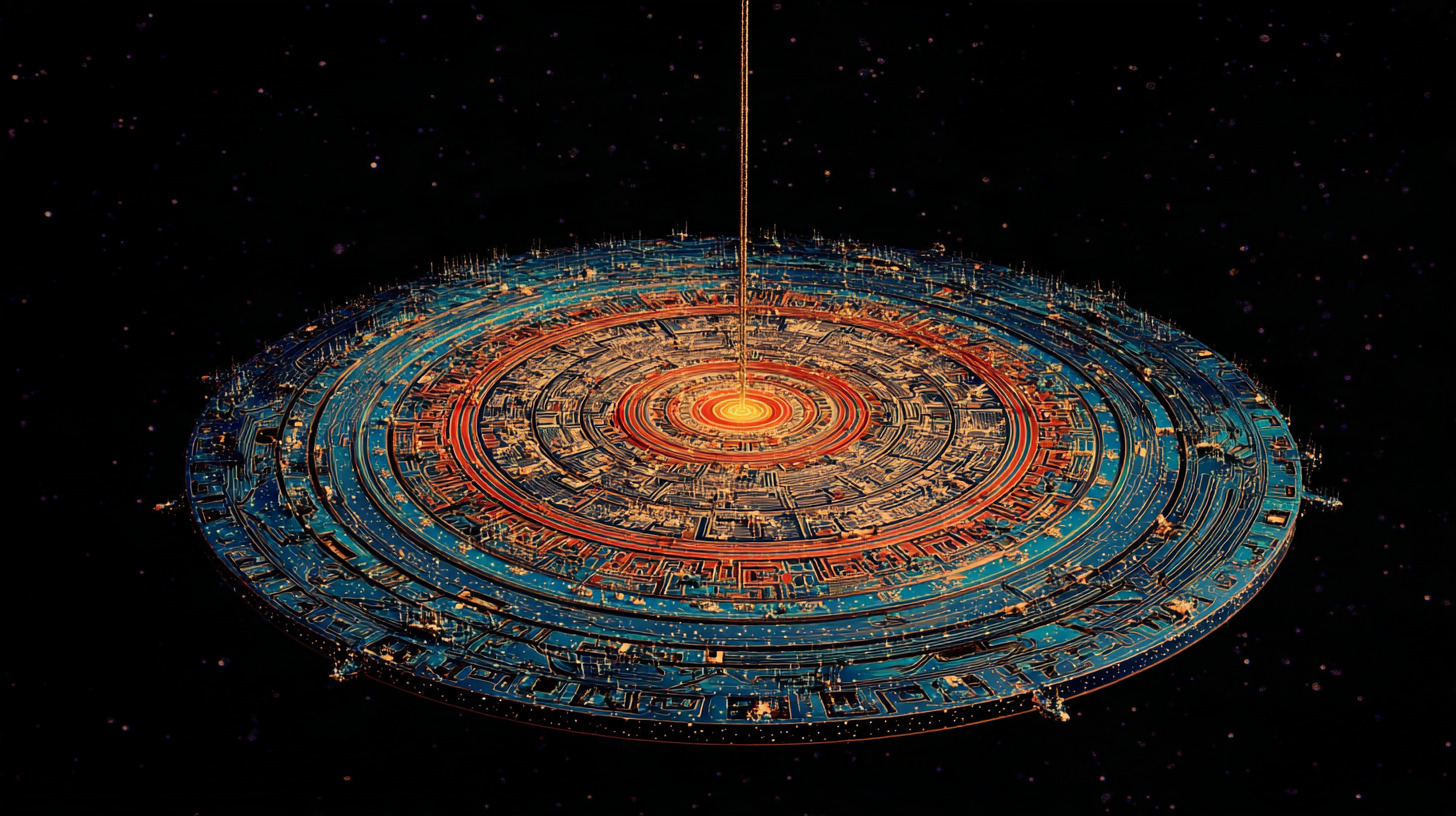
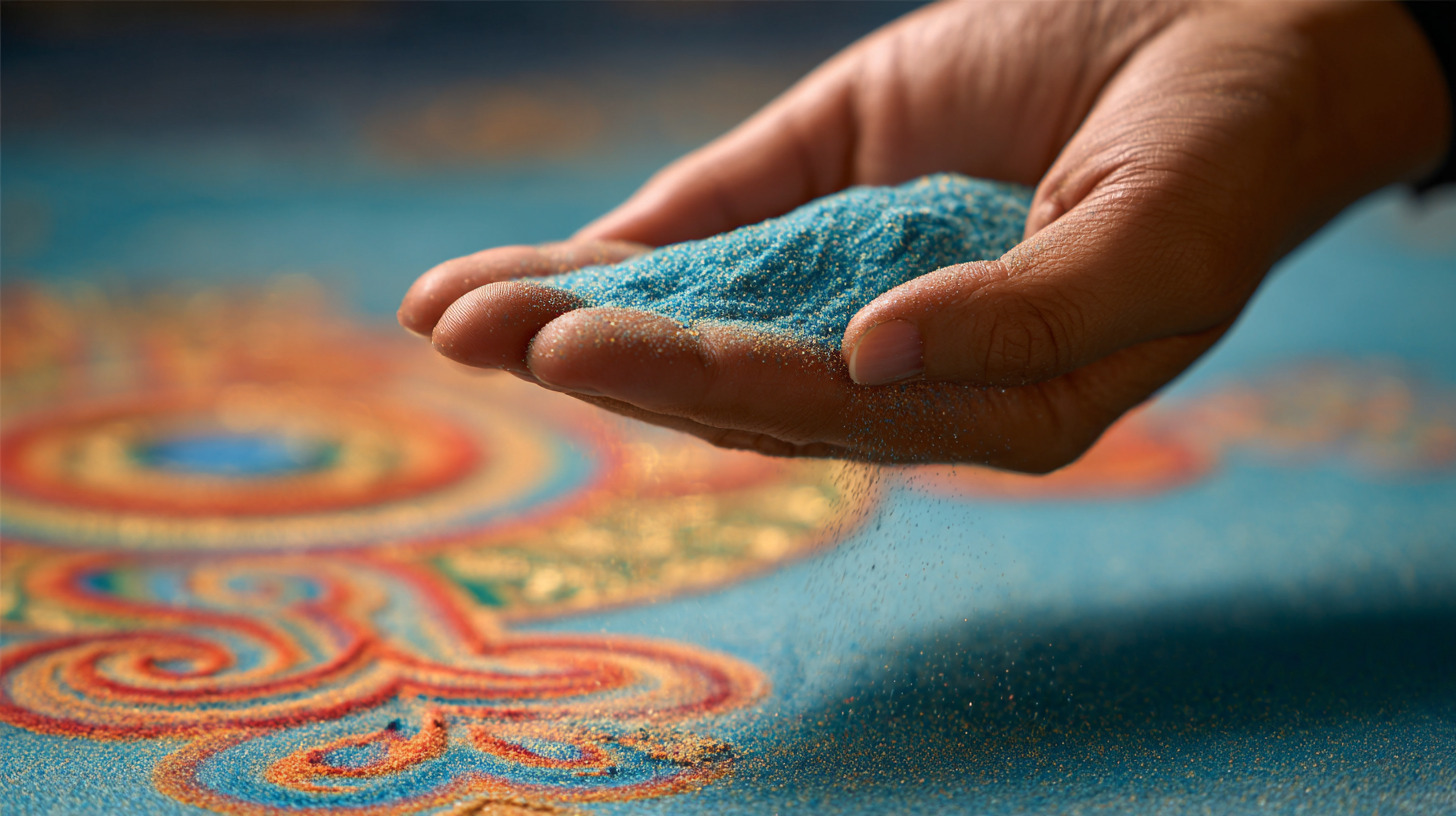
A mandala is a world with a center and a surround.
They areeasier to sense than to explain.
Most days we install ourselves at the center and treat “out there” like a pantry to raid so we can fill a hole “in here.”In the Tibetan tradition, you play with that habit.
You swap the small self at the center for something wise and generous, then imagine a world that matches—one designed for peace, courage, clarity, or right action.
In other words: If you’re going to insist on a “center,”make it a source, not a vacuum.And if you’re going to see a “periphery,” treat it like a community, not a colony.
That’s the question I bring toevery system I land in—activism included.
How do we shift from ego-activism (me proving I’m right) to compassionate activism (us ending the causes of suffering, right now,for these people in this moment)?
First I locate myself: Where am I? How does this system actually work?What’s the most sacred, life-giving vision embedded here?
What knobs and levers would bring that vision into focus?It’s mandalas all the way up and down.
Back when I did psychedelics, I remember being rocketed through layer after layer of worlds—each one a self-supporting city of meaninghanging weightless in space.
I moved too fast to explore, but it was clear: If I stepped off on any floor,a complete reality would be waiting.
Held this way,the world becomes “play” in the best sense.
I’m consciousness, dropped—plunk—into a specific scene. Each second is its own “world,”stocked with memories and beliefs that pretend to have a past and future.
Sometimes I imagine there areinfinite versions of me doing this at once:some tired of being here forever, some begging to never leave, all of us learning the same lesson—again.
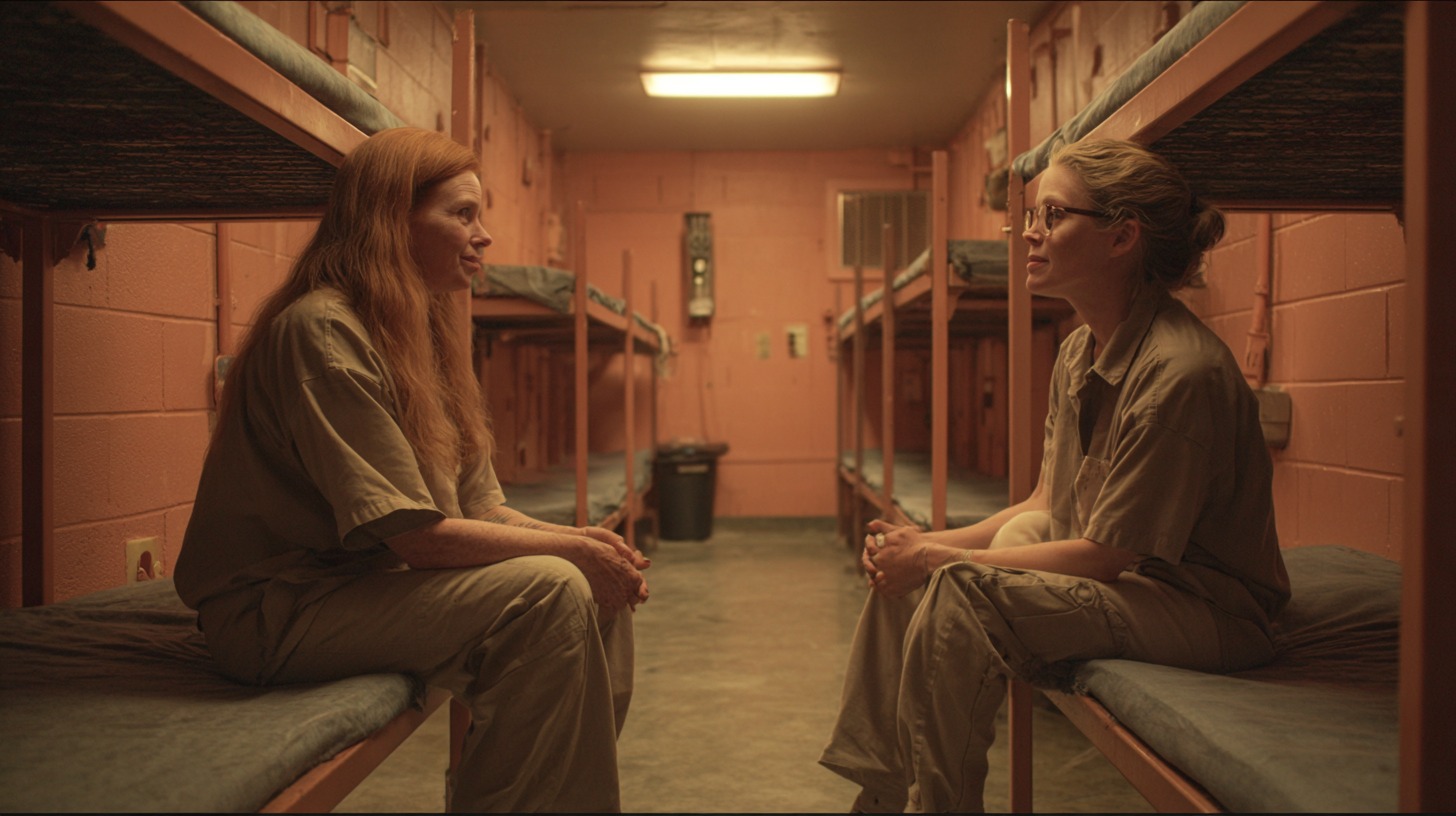
So I “come to” wherever I am and check the instruments: Okay,this mandala is a federal detention center in the 2020s.
I’m a woman in my late-fifties, healthy. The small woman—she prefers “petite”—is my friend across the way. Rachel.We share a lot of overlapping scenes.I’m Buddhist; looks like I’m serious about it.
My mind is strong. I appear as white and upper-middle-class; I stand out. I’m a writer.I’m sturdy, not combative.
The aim of the game is intimacy:Dissolve the sense of alienation without betraying your character.
It’s the ultimate improv.You draw your character cardand—“Go.” Pro tip: If you tell everyone around you that you think it’s all a game, you’ll sound unwell.
The only way to show it is to sit down in the center,let the scene move you, and respond honestly.
And then, sometimes, the whole mandala dissolves—the set melts, the spotlight turns to soft daylight—and you carry that knowing quietly,like a jewel in your pocket.