Years ago, Dan Rather interviewed Mother Teresa.He asked, “When you pray, what do you say to God?”“I don’t say anything,” she replied. “I listen.” He tried again.
“Okay, when God speaks to you, what does He say?”“He doesn’t say anything. He listens.” Then she added, “And if you don’t understand that, I can’t explain it to you.”
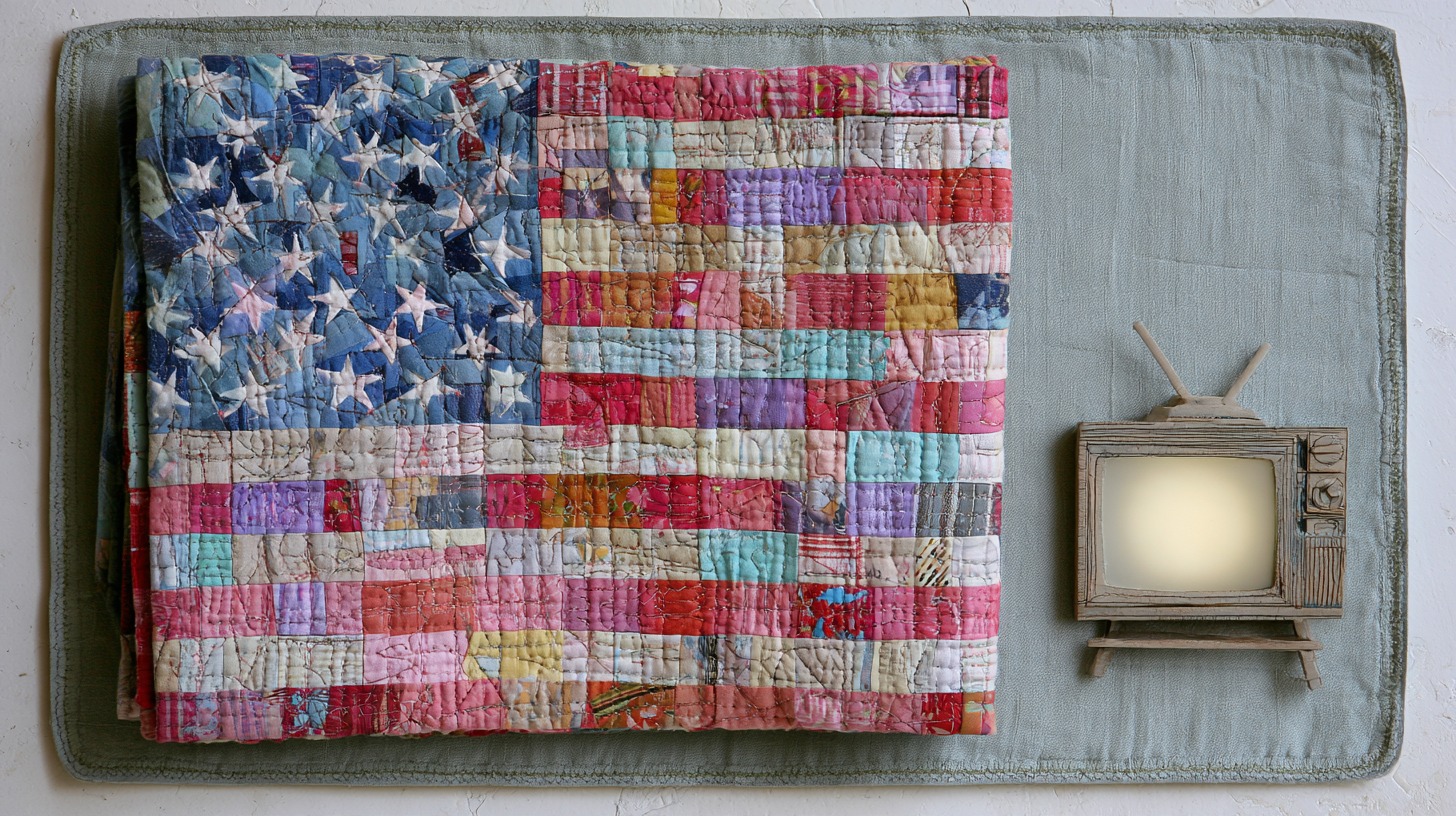
At 7:30 a.m. in the women’s unit at MDC Brooklyn, Luciana called me over in the half-dark dorm.The TVs that never turn off were running the story that Charlie Kirk had been shot.
We don’t talk politics much at MDC—it’s volatile enough.Every now and then there’s a glance or a nod when we hear about Trump’s First Step Act or a story about weaponization.
Nevaeh told me that when she was in a county jail in the South—she’s a Black woman who openly supports Trump—the vitriol from other Black women was immediate.They thought she was a traitor.
She stood her ground.She may not have changed minds, but she earned respect.I walked slowly toward the television.
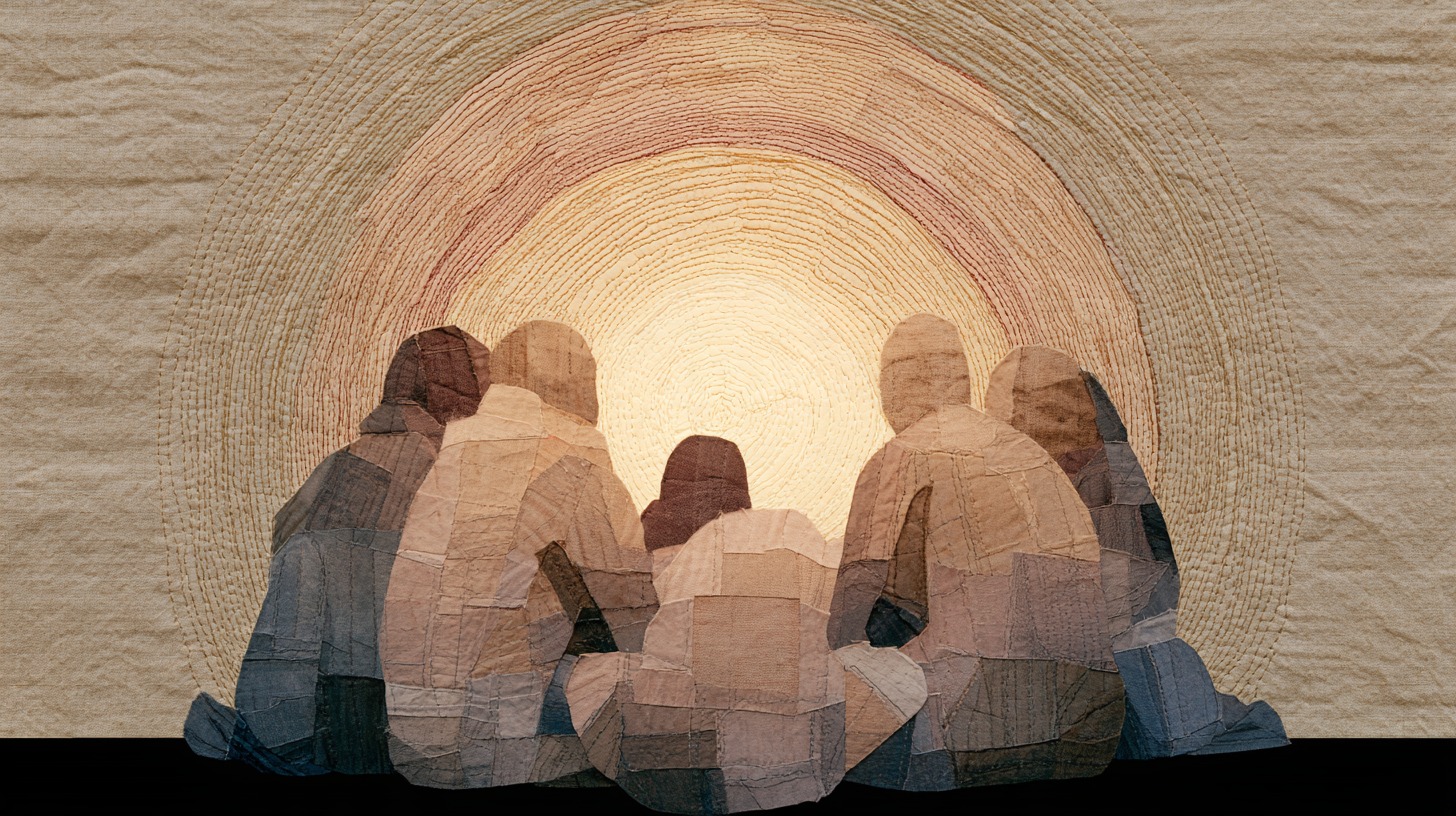
There was an aura around the group already watching,the kind you see around a family in a hospital that’s just heard the doctor’s solemn news—silent, protective, strong enough to repel any discordant energy.
There was grief here.The illusion of permanence or guaranteed justice had shattered.The truth stood bare: In this strange life, bad things happen to good people.
This is where spirituality starts—where Job’s mettle is tested.
It was a poignant moment for the country. The newscasters, who so often feel cardboard and monotone in the name of “objectivity,”looked visibly stunned.
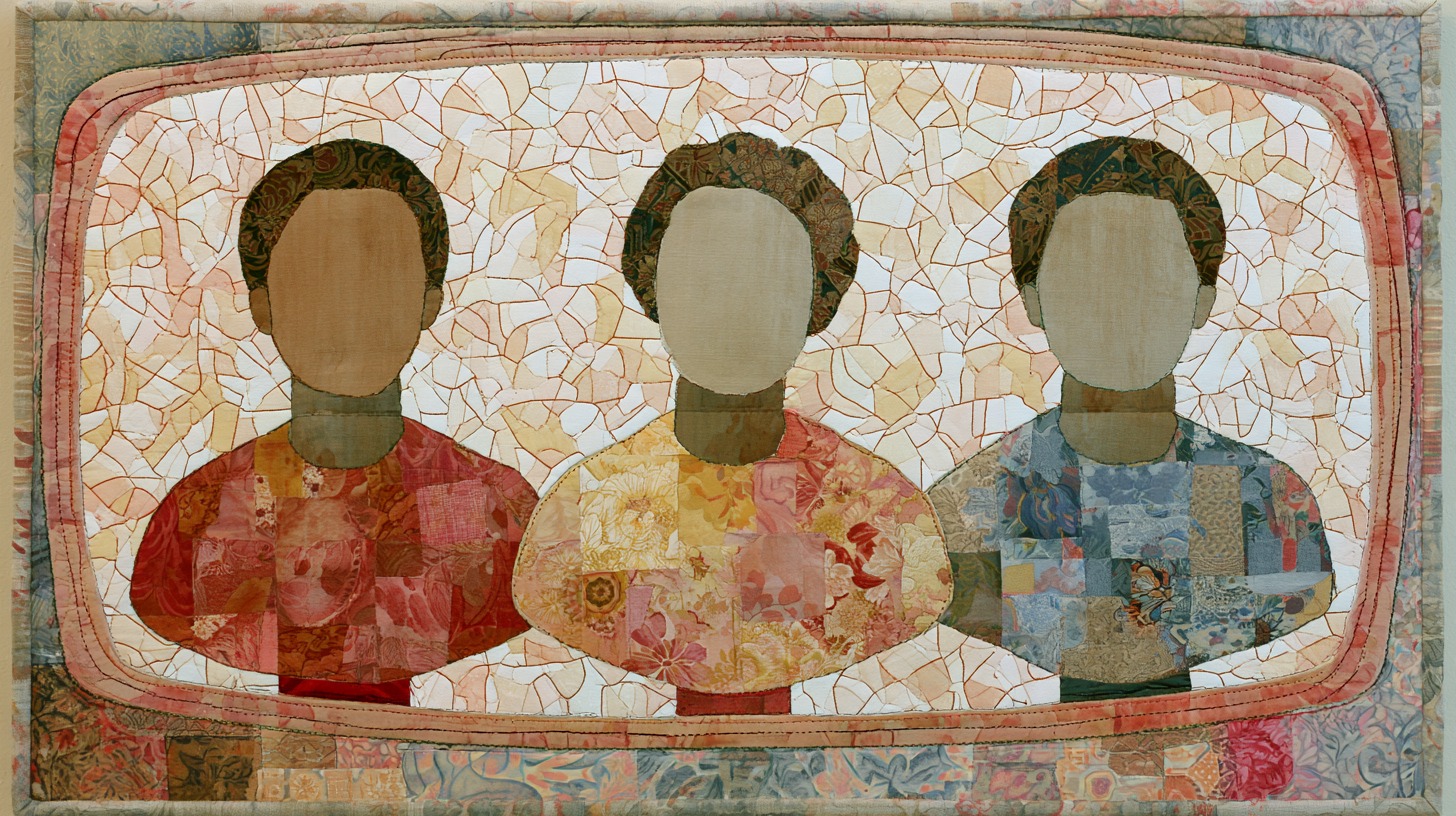
Three of Charlie’s friends appeared on-screen—two young Black men and a woman.That said everything. His heart, true to conservative principles rather than conventional dogma, cut across stereotype. Many will speak of his legacy.
For me it is simple:A man who preached a faith rooted in loveand then, in front of all of us, lived it.
He opened a door for that expression—especially for young people who were both sharp and kind.I’m a fifty-eight-year-old woman who grew up in ultra-liberal California.
I’m incarcerated because I worked to introduce a practice centered on women and sexual energy.
I am not the person most would expect to be mourning today—to feel a blow to the heart I wouldn’t dare express in a women’s prison.At its core, my case is about religious freedom.
Through the prosecution, I’ve learned to recognize people of real character— neither the color of their skin, their party mascot, nor their holy book decides that.
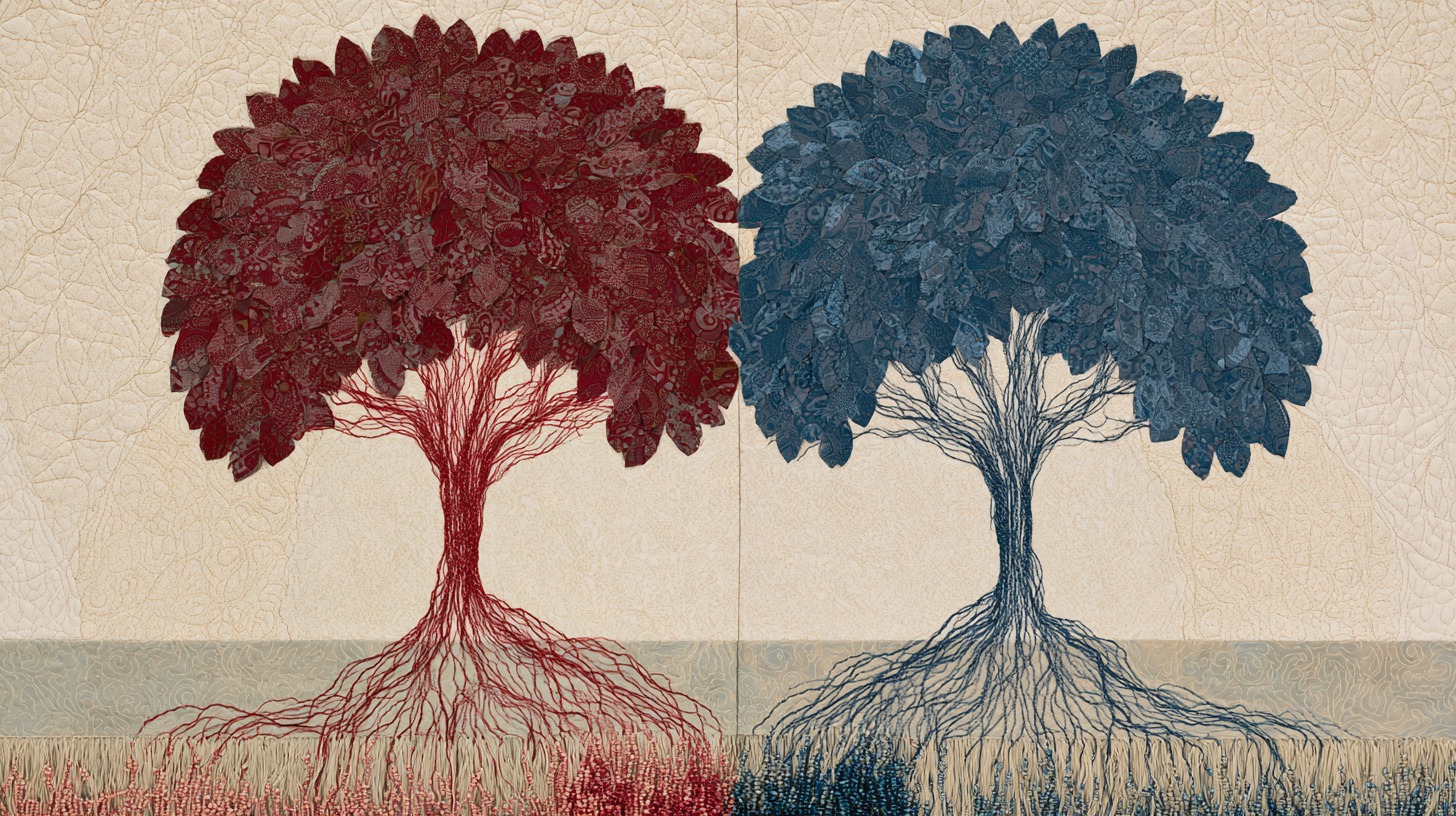
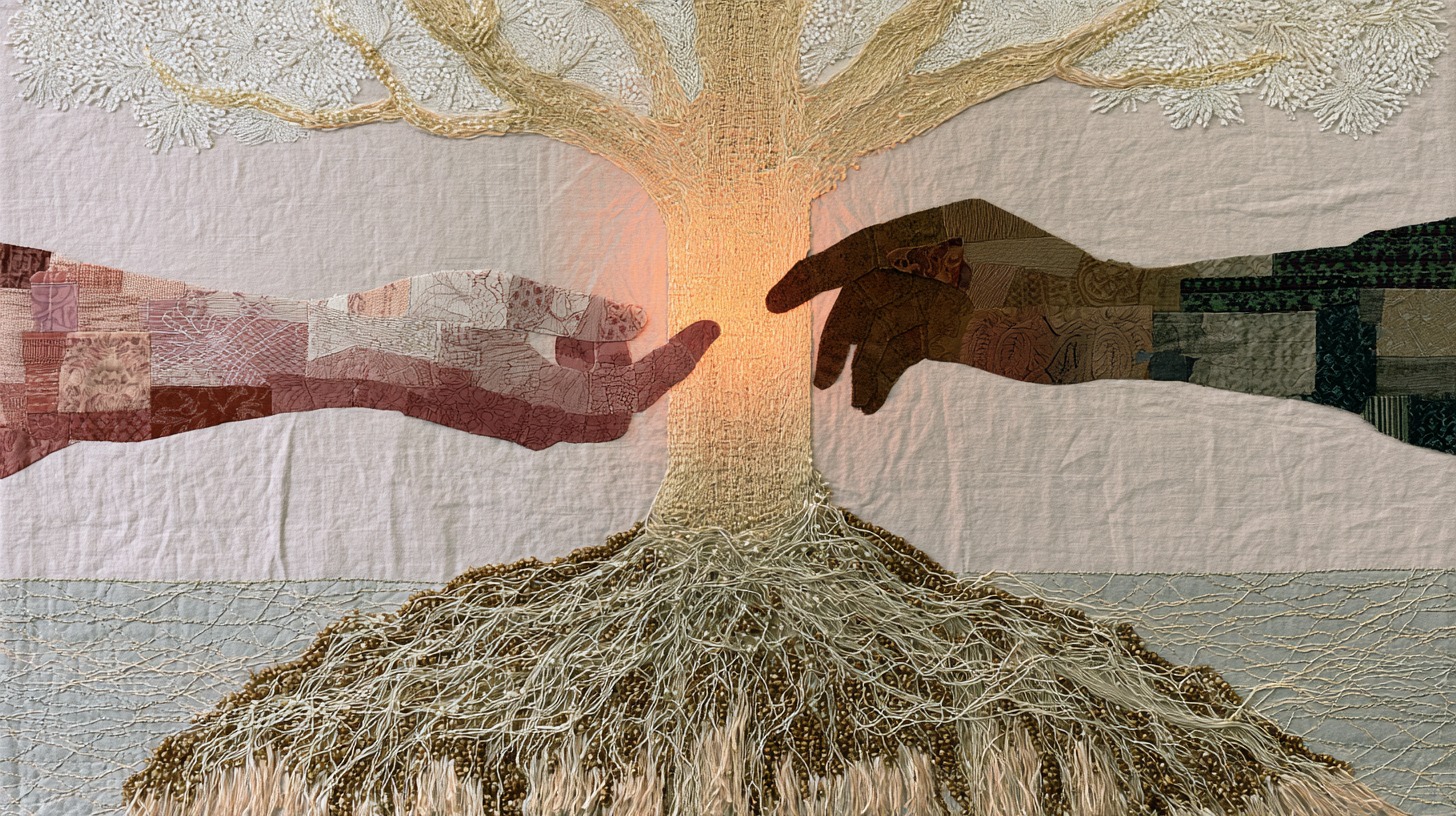
Some hold their beliefs tightly yet still see beneath surface distinctions.Those are the ones beholden to truth and freedom. Their arguments may live on different branches, but they recognize each other at the roots.
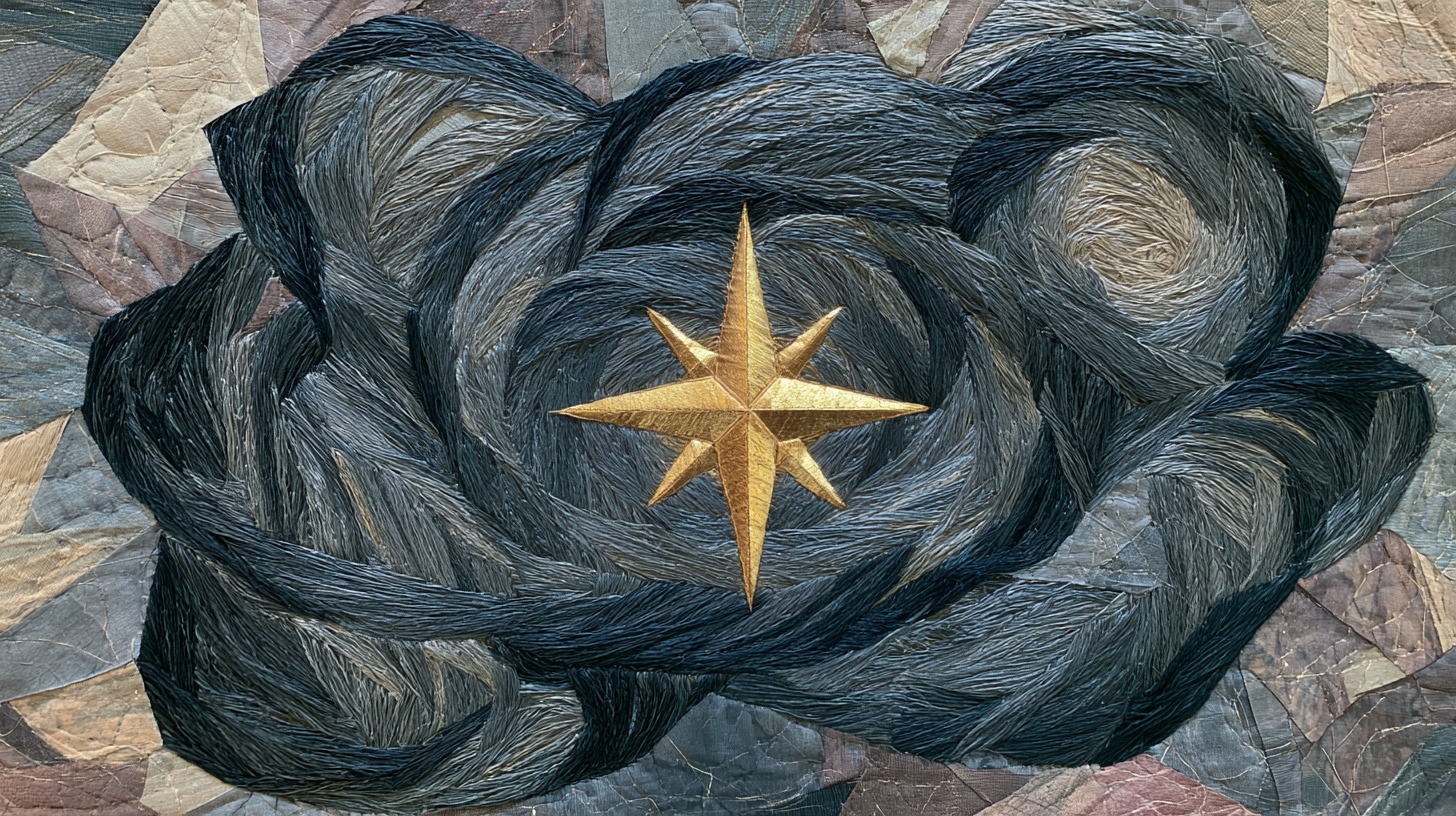
It takes fortitude to live at that depth—a moral compass that still points northin political storms and the churn of current events.
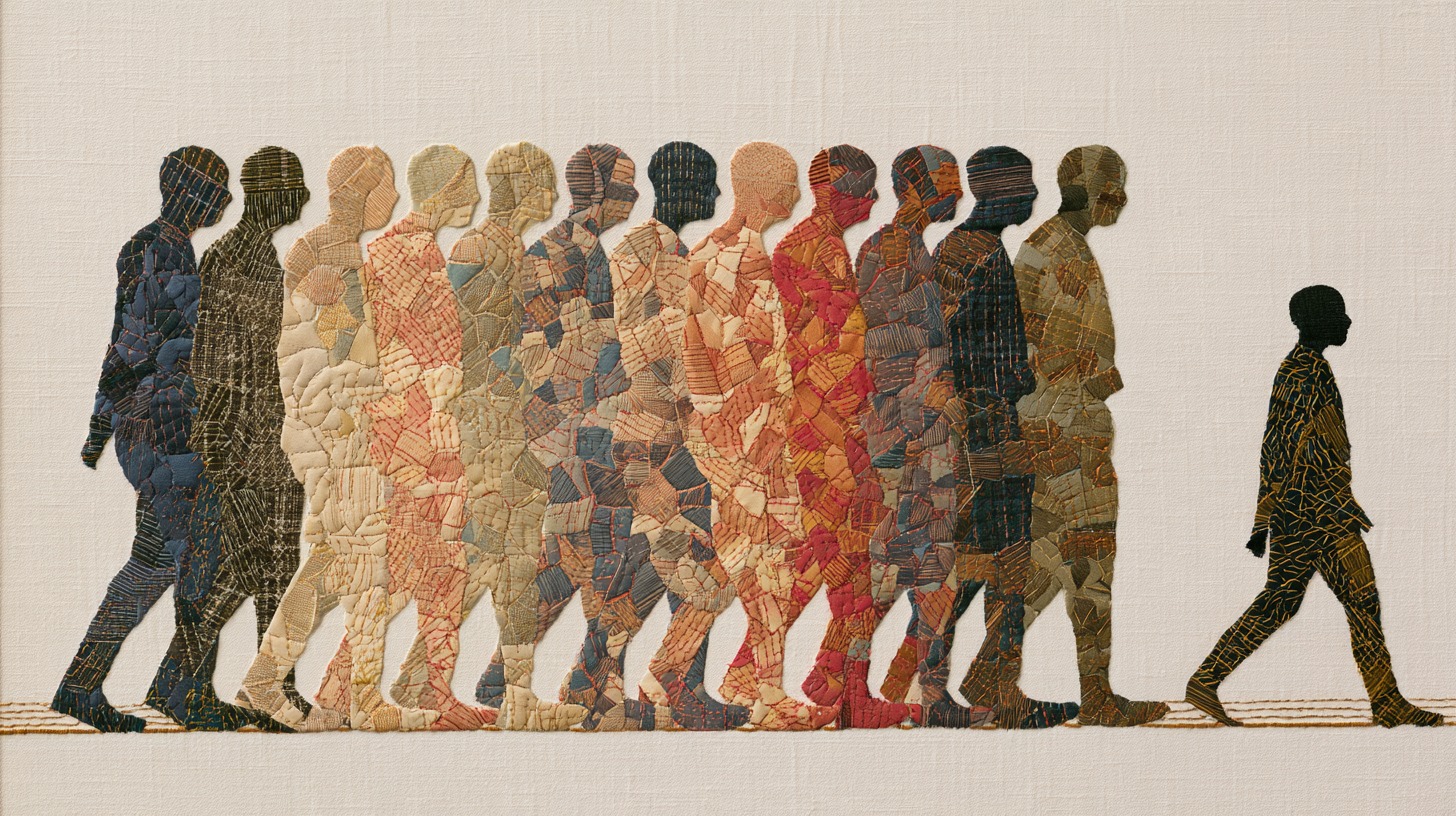
Some people pick a crowd and rely on its consensus to guide and protect them.
Others live by the truth of their convictions. Slowly, they gather a surprising, motley crew who love them.That love is deeper because it’s born from recognizing each other at the core.
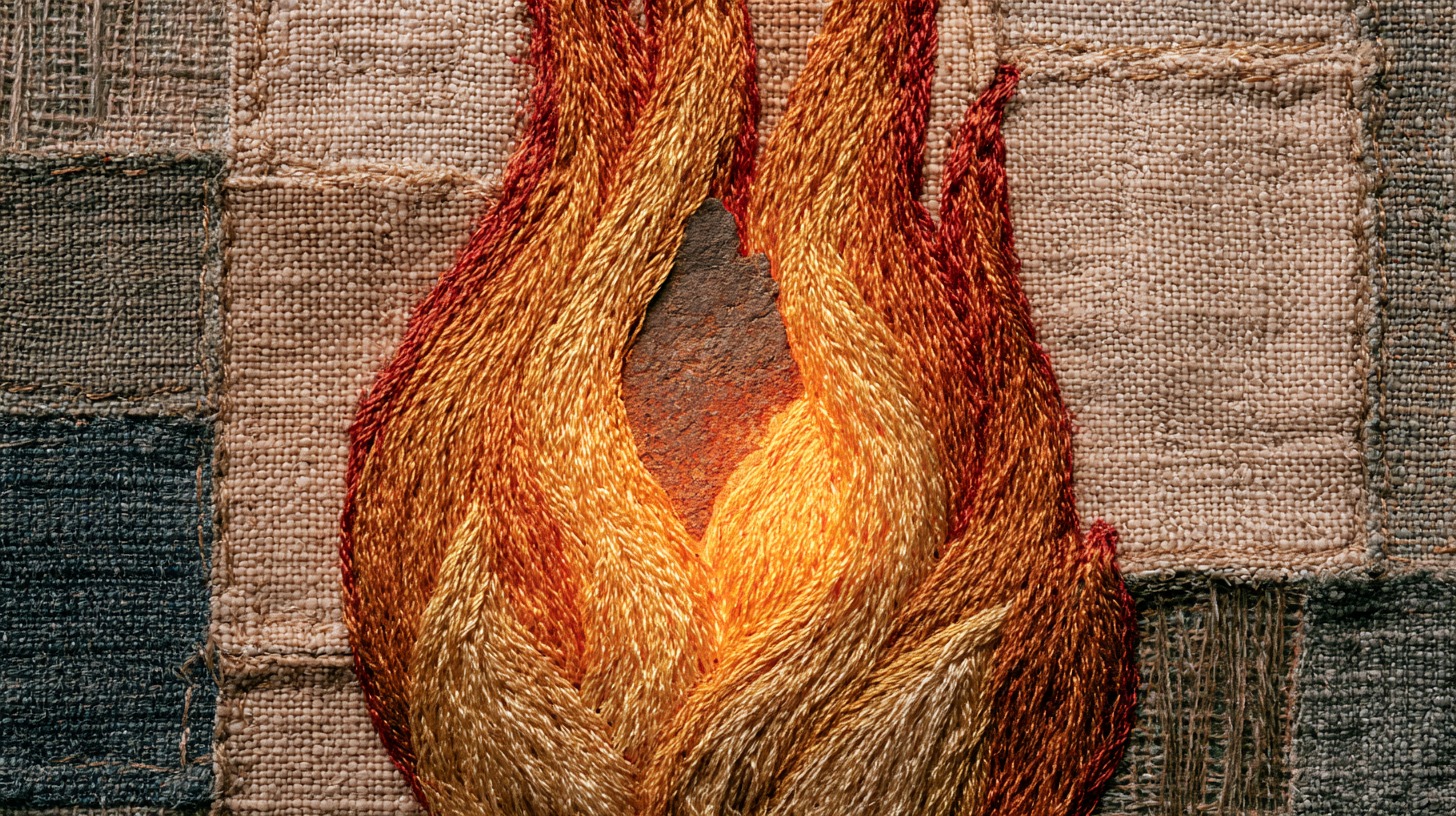
Charlie Kirk was one of the rare ones who offered himself to the fire—to be tried and clarified by his convictions.
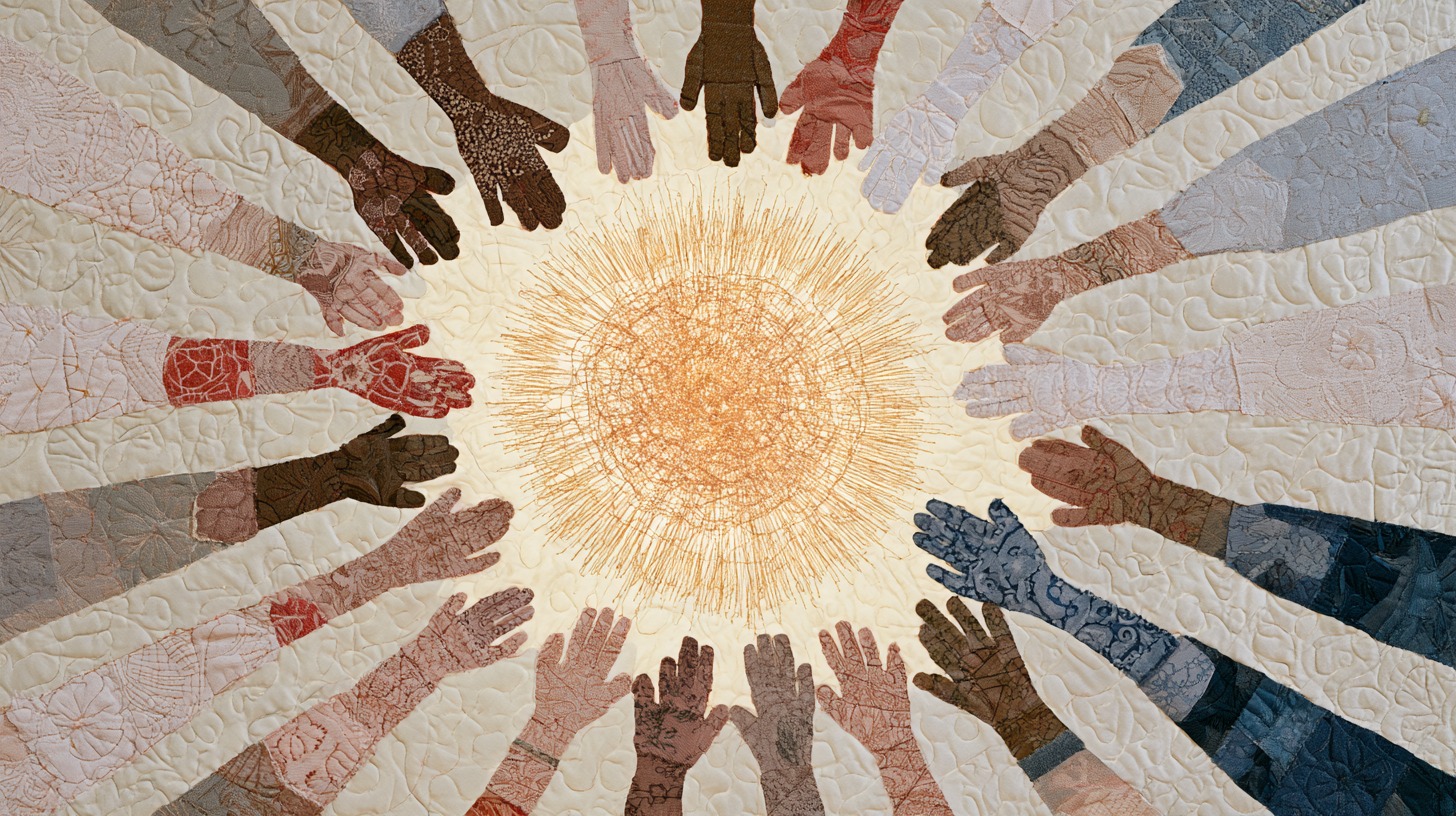
Across great divides he looked for understanding, not necessarily agreement,inviting people down from the branches to the roots of shared belief, honest discourse, connection, and, finally, the ability to love one another.
Whether you agreed with him or not, you benefited from his presence.Those who can see that, mourn deeply. The news rolled on.
After offering condolences to Charlie’s family,Fox News aired a half-hour segment on the anniversary of 9/11.
Image after image:firefighters with heads in their hands, sobbing;women running through soot with babies in their arms;
the tsunami of ash and flame pouring through New York City;the strained voices of air-traffic controllers—“We have a hijacked aircraft… we need some help.”
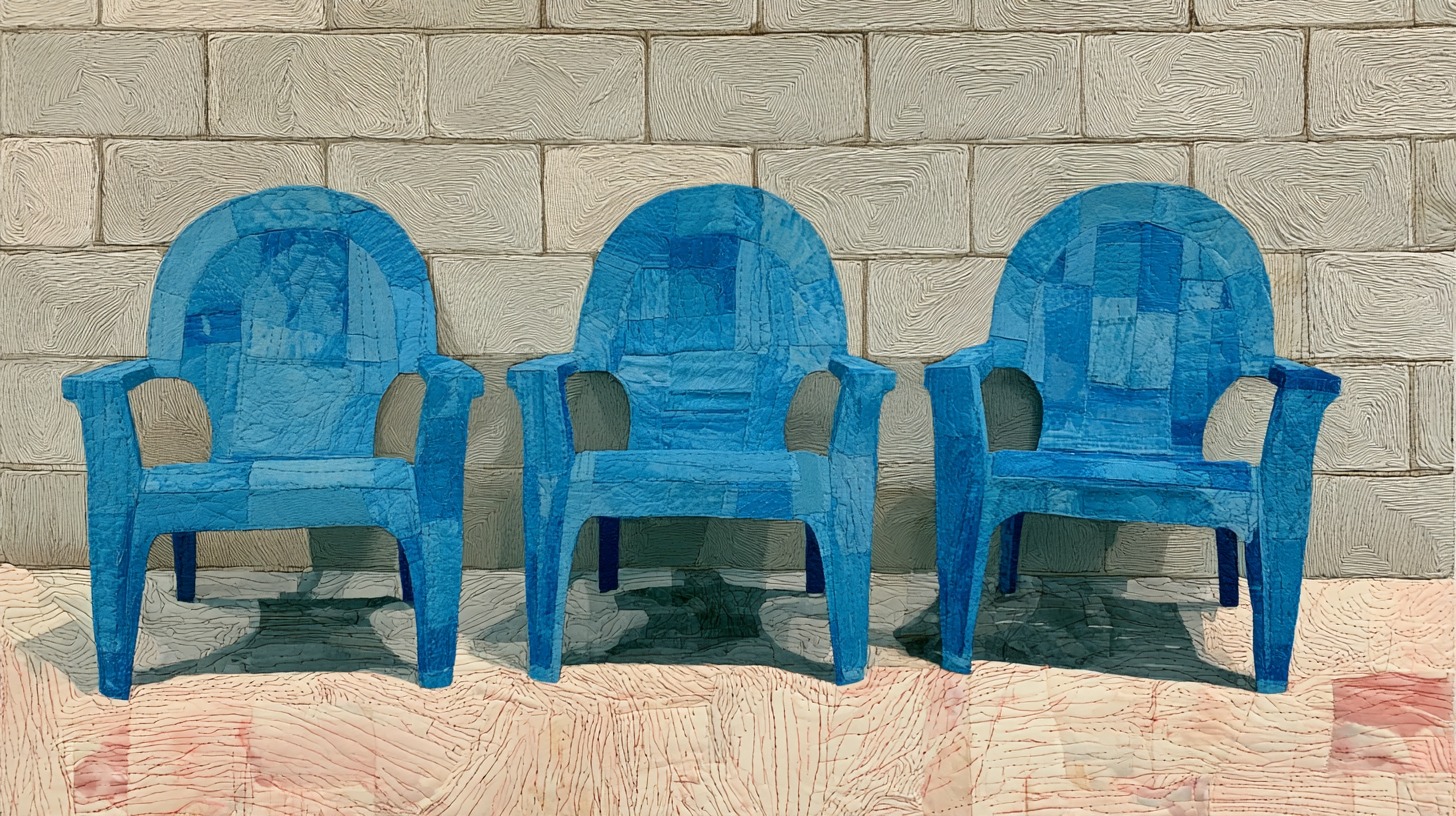
Three of us sat on blue plastic lawn chairs.We were on recall— something had happened elsewhere in the prison, likely on the men’s floors.
Any violence, threat of violence, picketing, or riot, and we’re moved behind the blue line.Closed captions scrolled. A quiet Chinese woman sensed something and joined us, saying nothing.
I saw her wipe away tears.The woman beside me, whose family is from Costa Rica, rubbed her eyes. Each of us tried to give the others privacy to grieve.
We pretended not to notice the tears on one another’s faces. This, too, is America. Andthe collision of three stories—Charlie, 9/11, and the four of us together—stirred something in me.
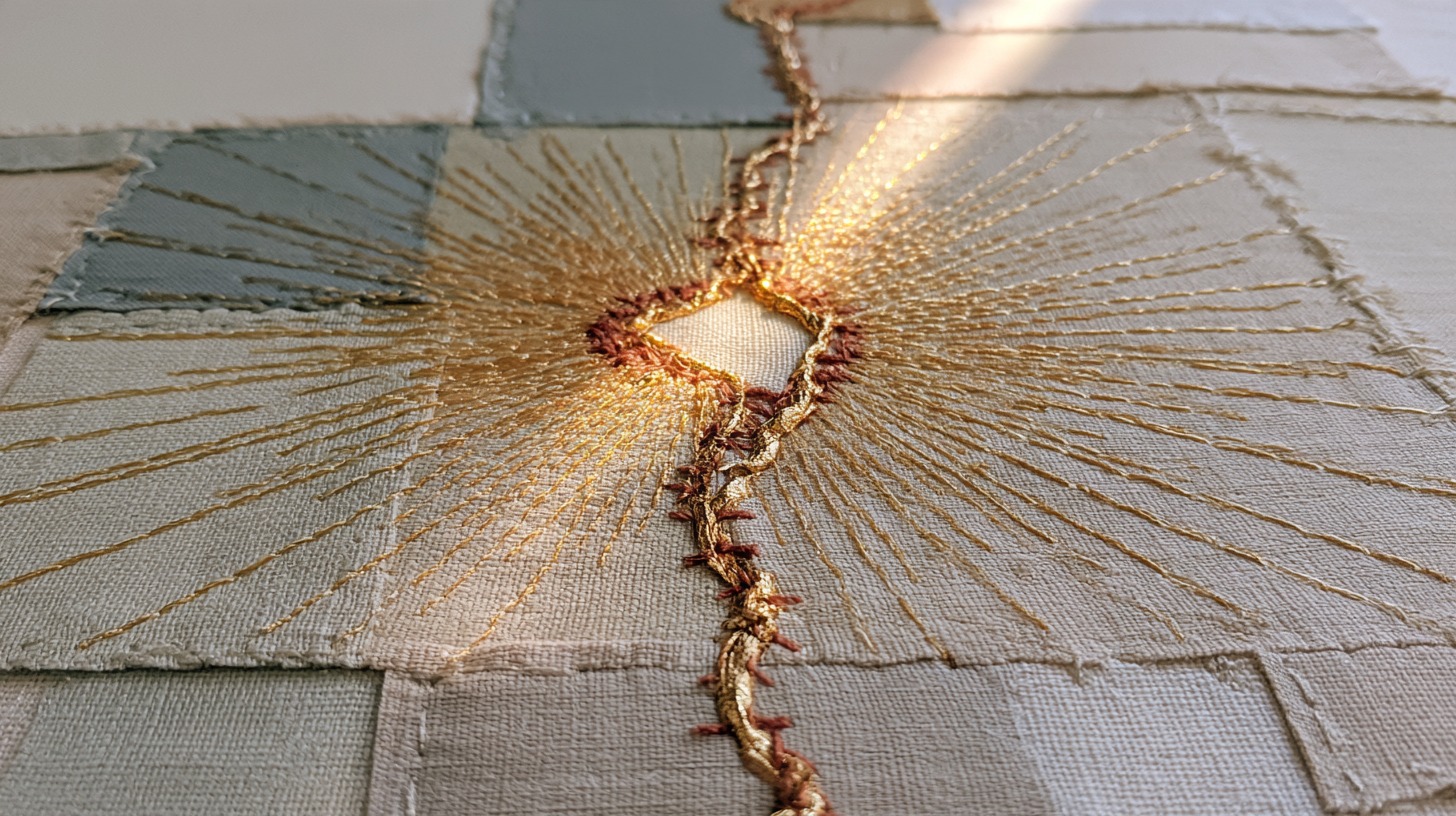
A remembered vow to help change the world.The heartbreak at the senselessness of death, the scale of loss. Wounds heal, scar tissue layering over to cover the hurt.
In the Buddhist tradition,
it’s said your strength can live in the wound itself—because it stays sensitive to suffering and fuels the will to make things better for those here now and those who come next.
It’s a reminder of why, even in hopelessness and helplessness, we persist:to lessen suffering and its causes, and to help others do the same.
It’s the flag we raise to honor damaged and lost lives.In their names, we continue.