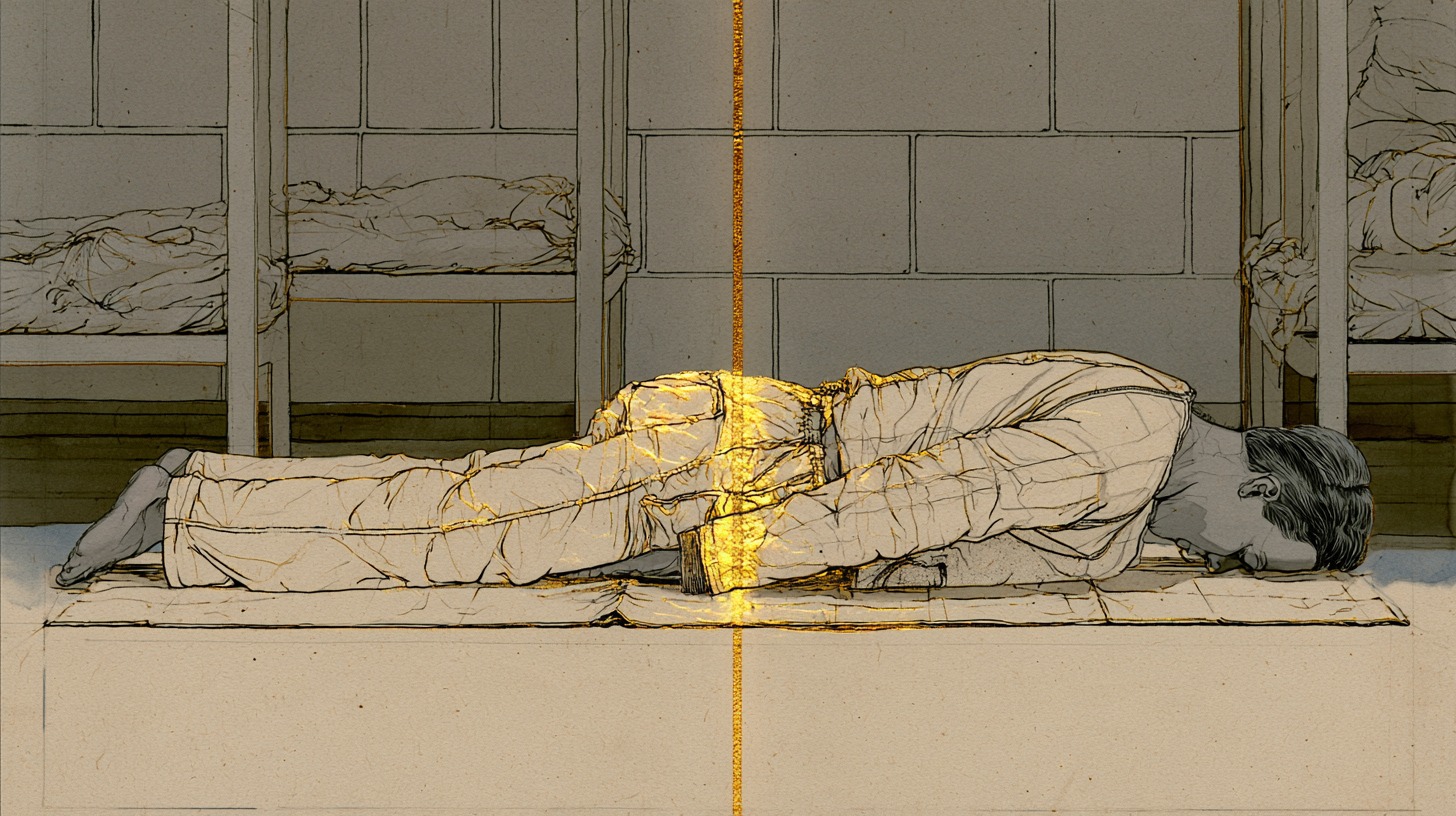
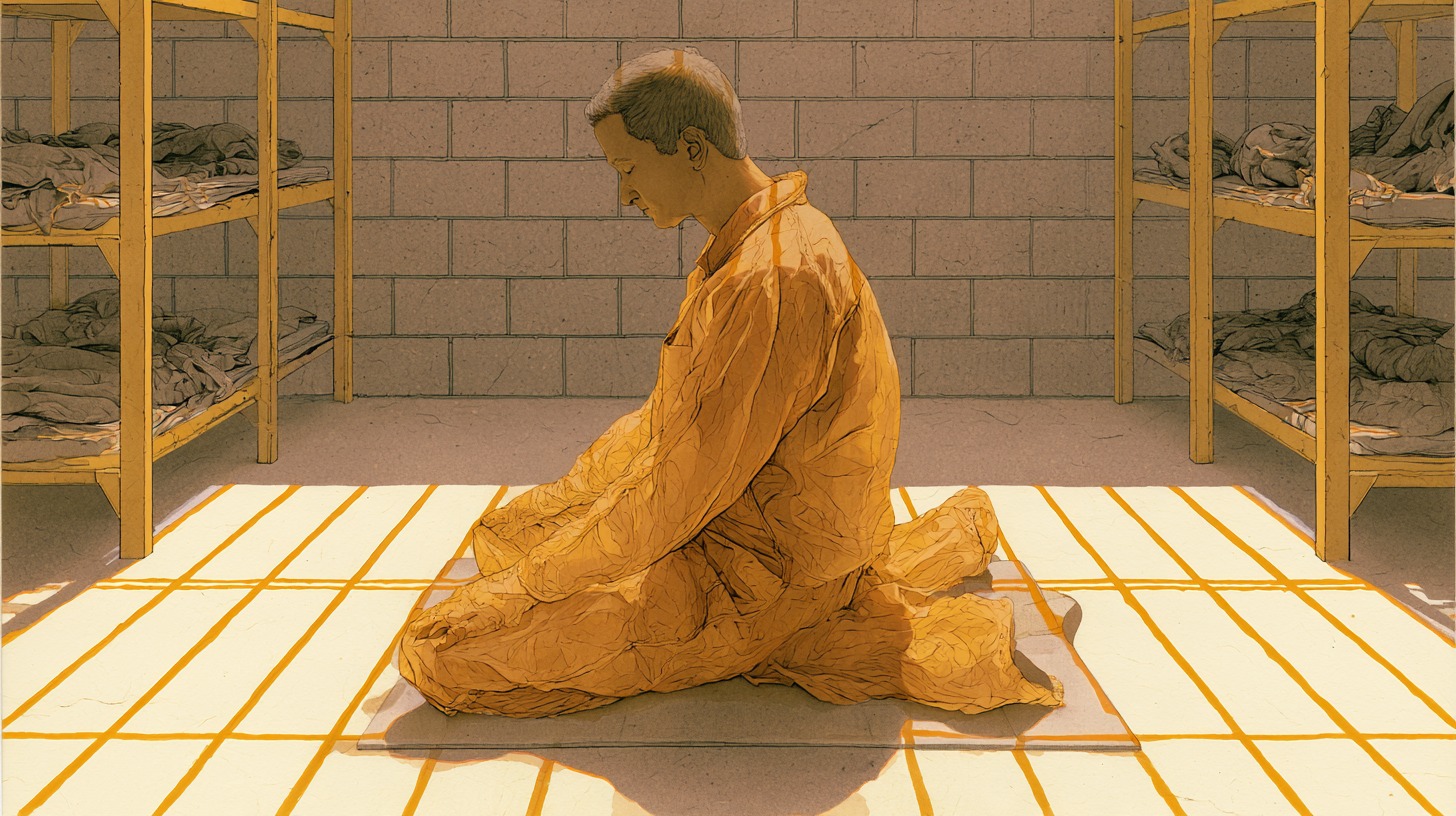
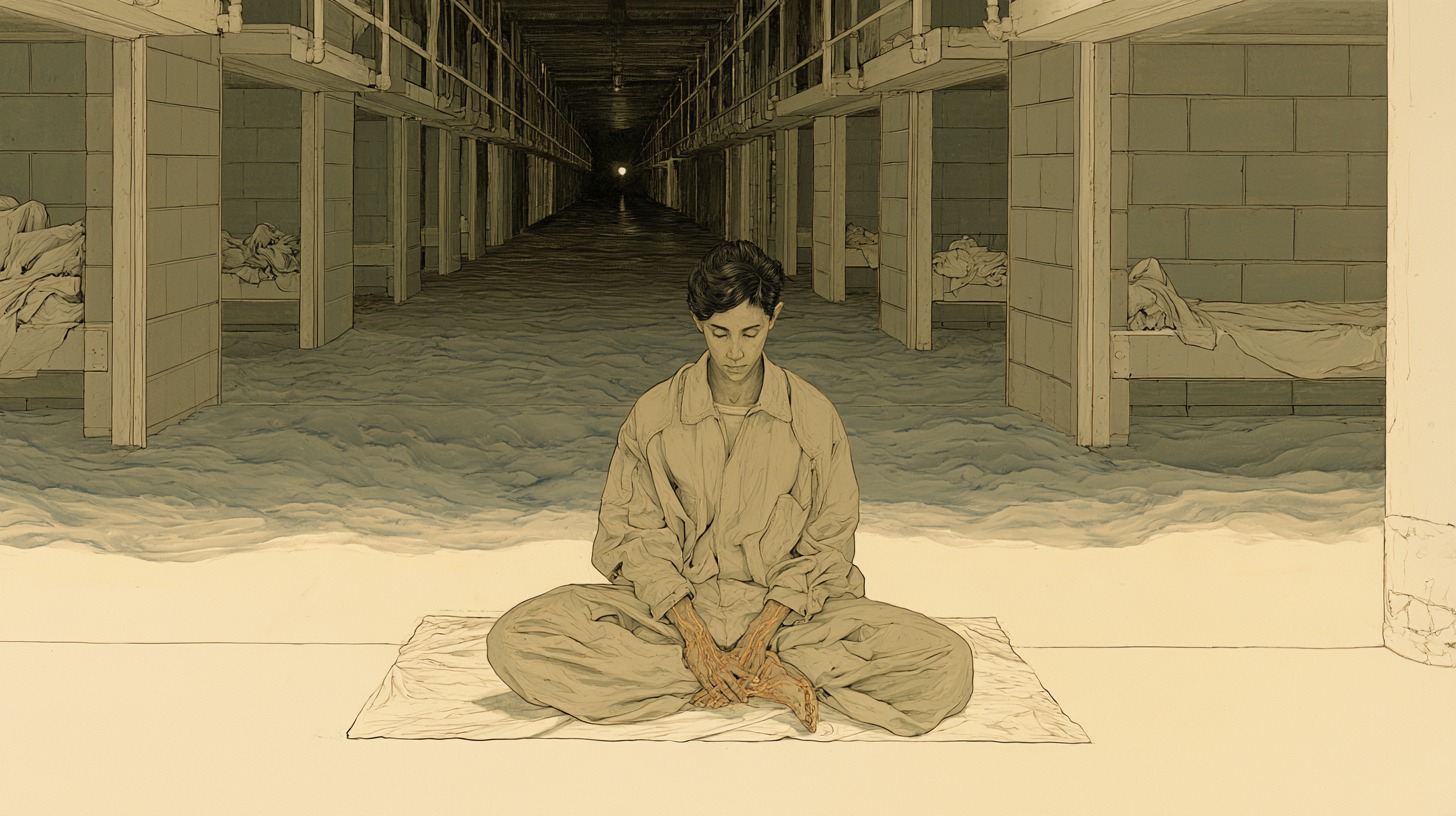
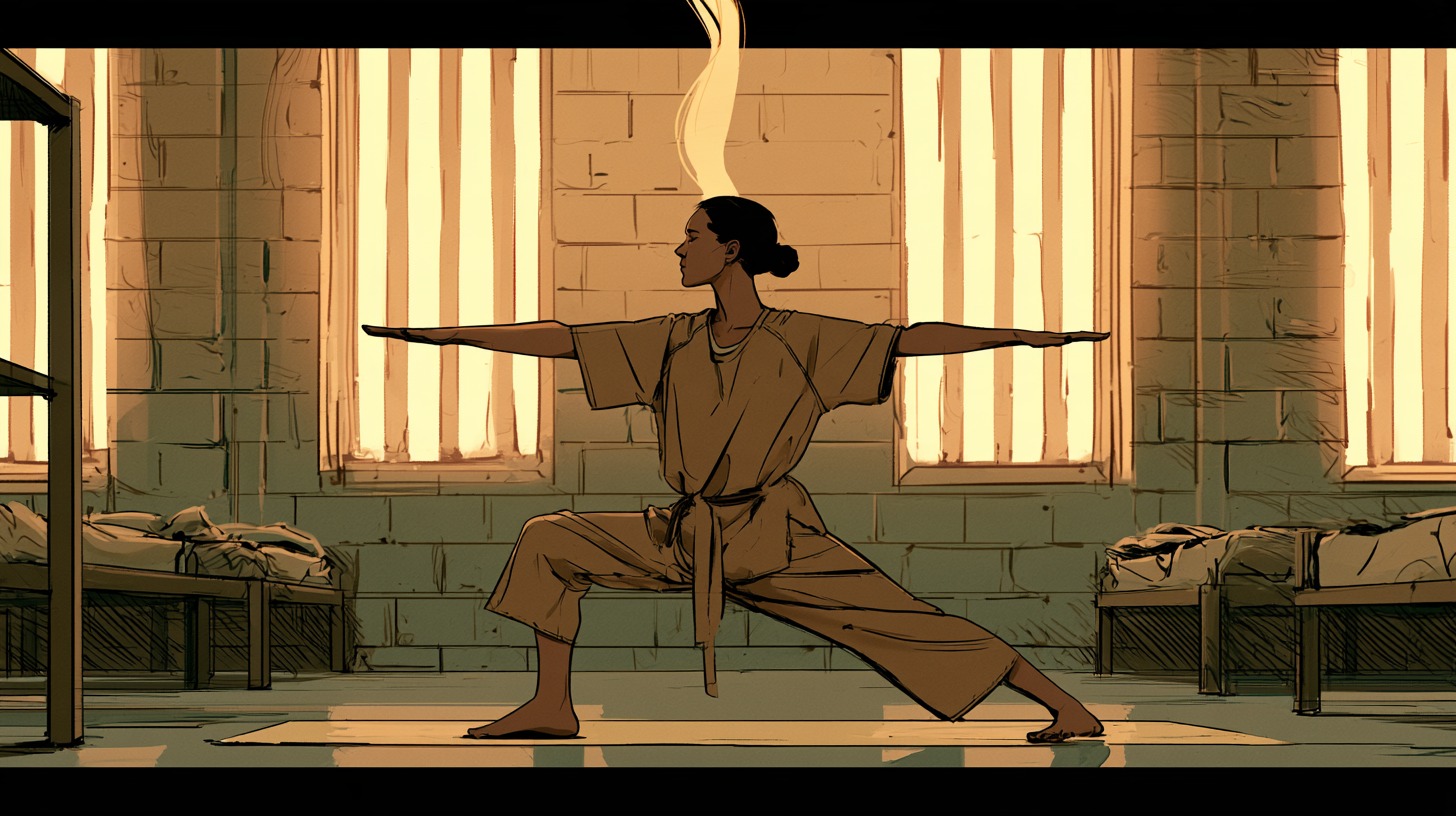
Since my arrival at MDC,I’d been rebuilding my yoga practice.
The weight of the last two years, with the looming trial, then trial itself, had made it hard for me to reachwhat I knew was reachable in the practice.
But yoga and I go way back. It’san old love I enjoyed meeting again each morning.Rach and I built up to the 90-minute Rodney Yee class we found on a video here.
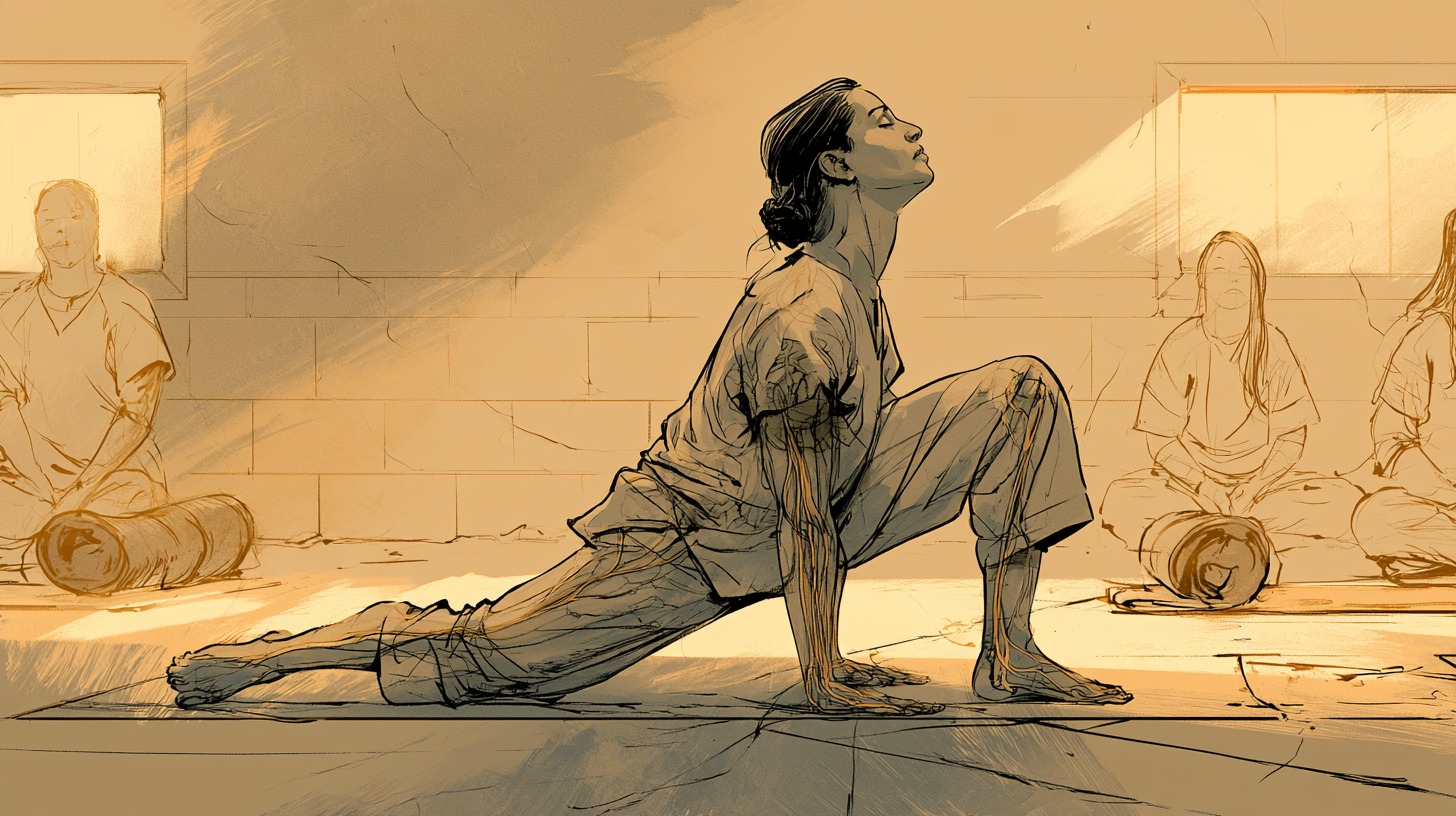
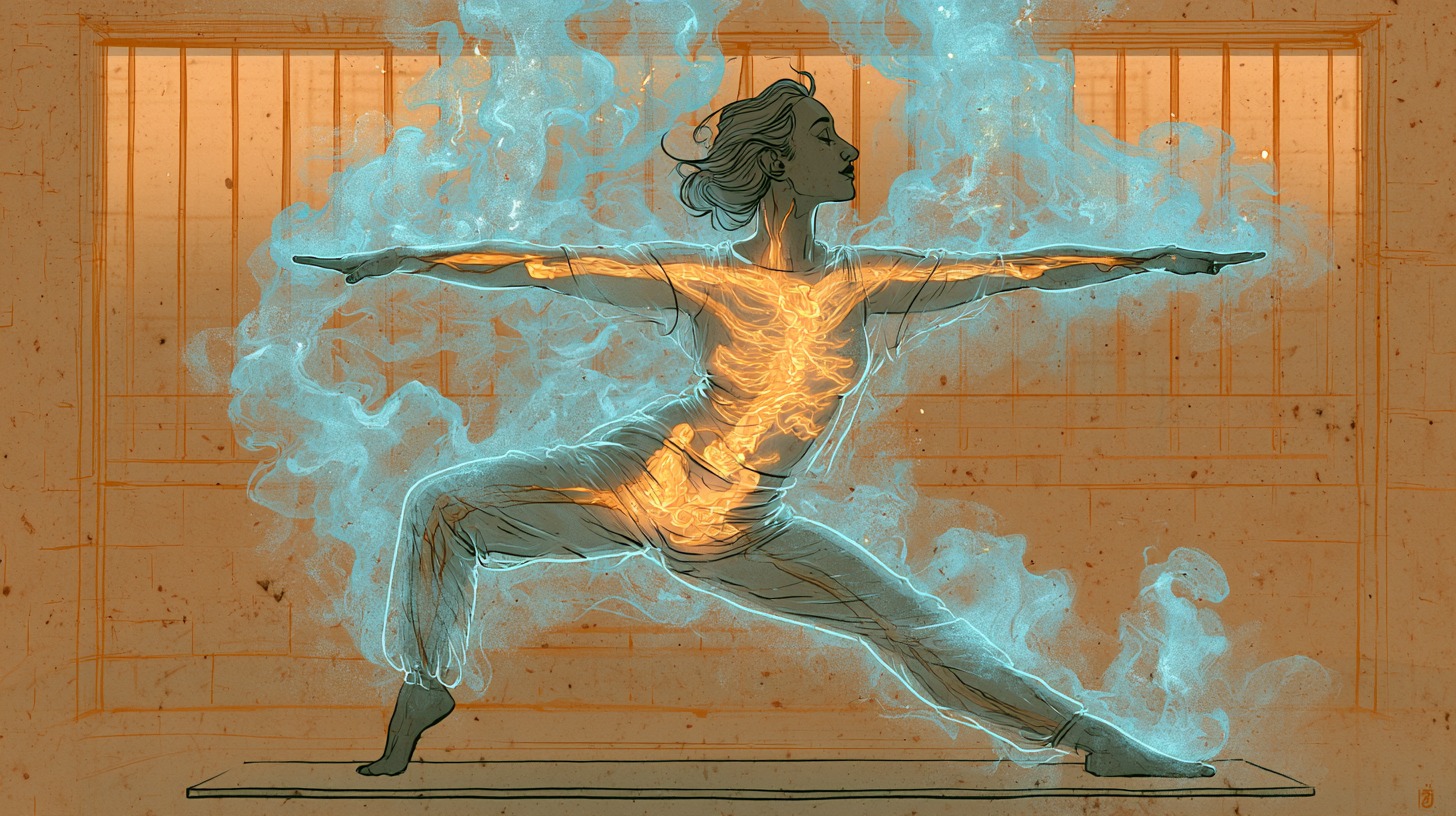
Then Mari started offering her impromptu classes— one of those hidden talents that show up in a place like this,women pulling pieces of their old lives into the present.
She’drun us through a harder flow,and it felt good.
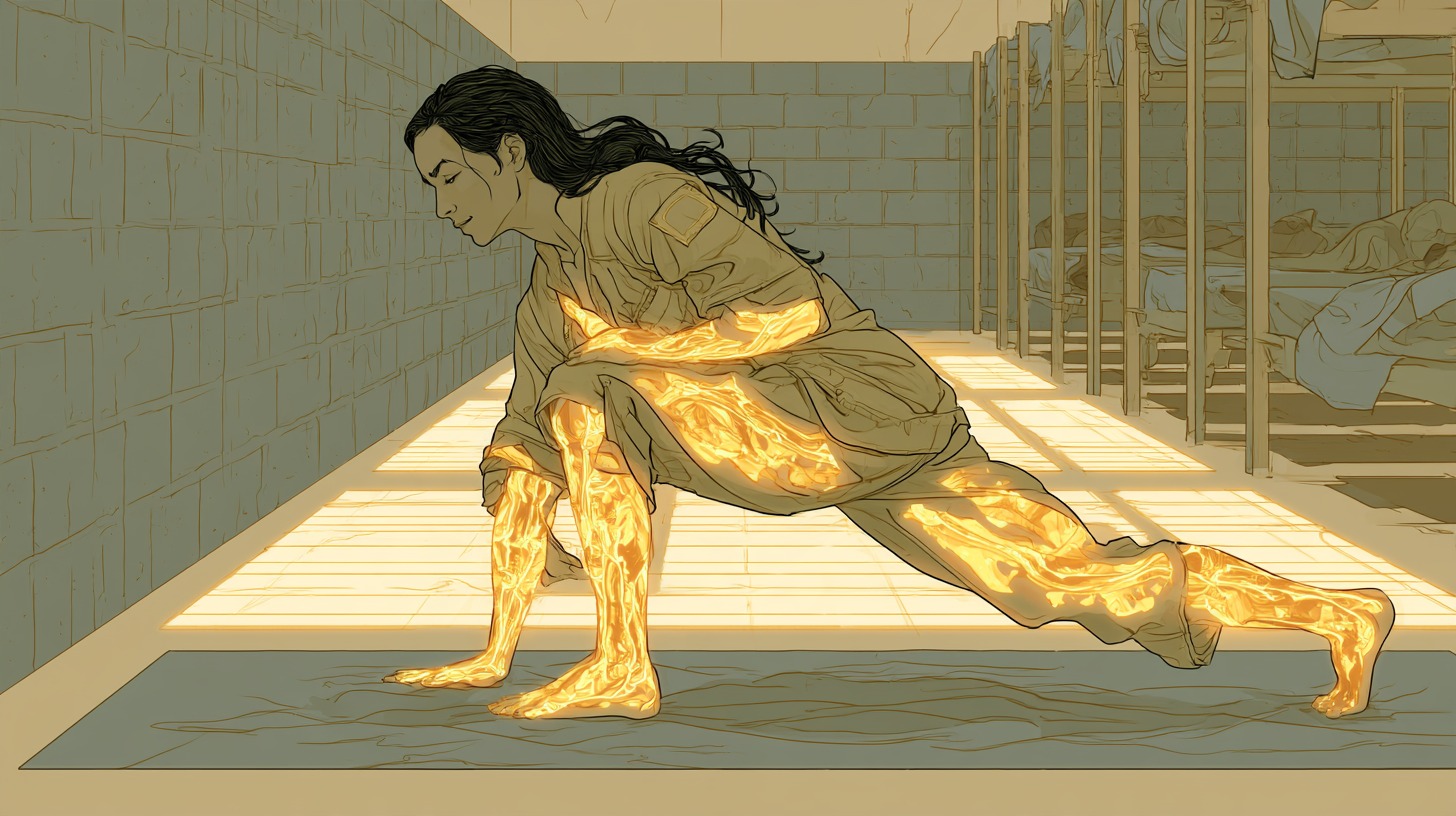
The day after a particularly intense class of Mari’s, I needed something gentler and pulled up the Rodney Yee “strength” video—slow, deliberate, no chasing anything.
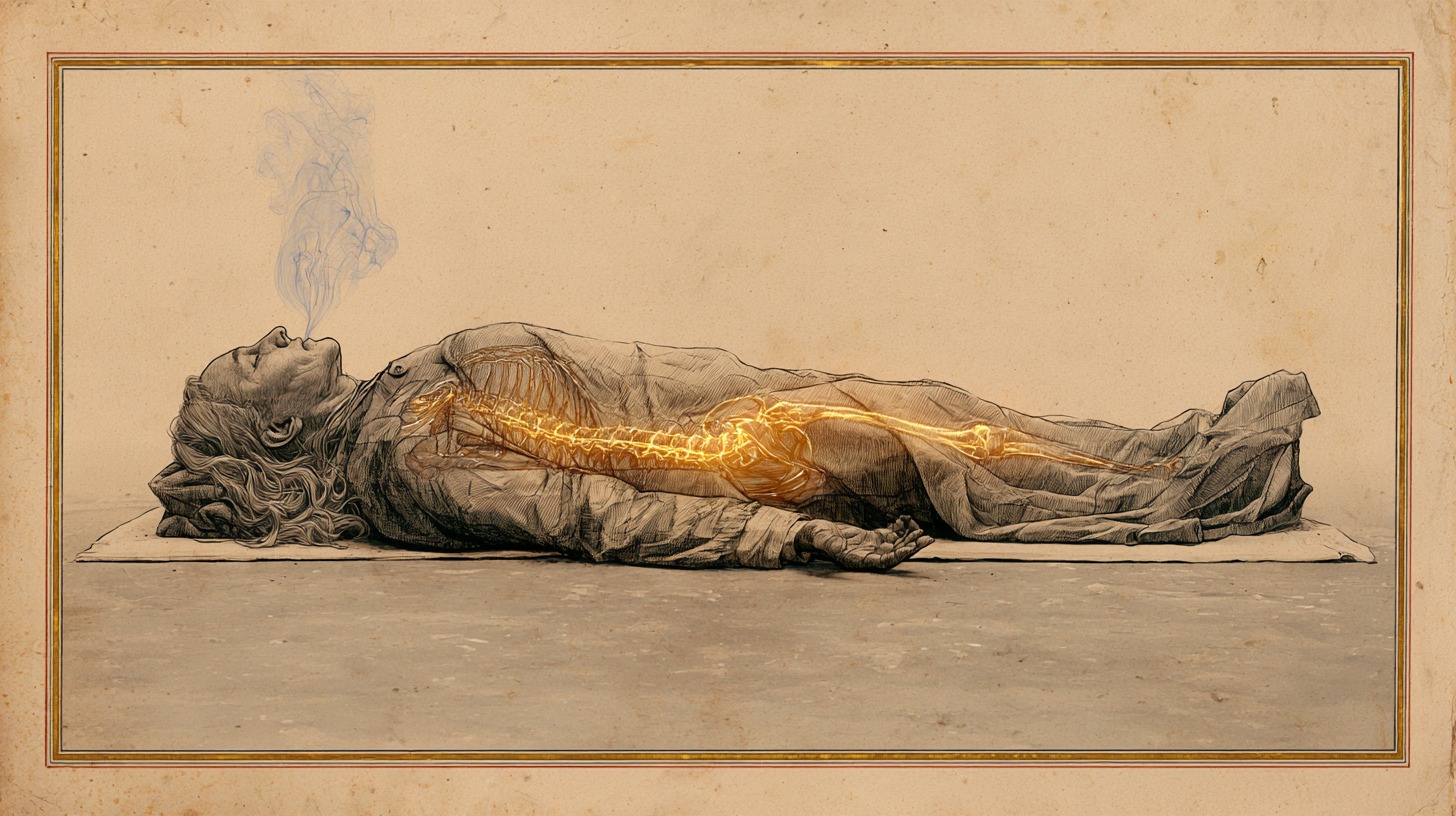
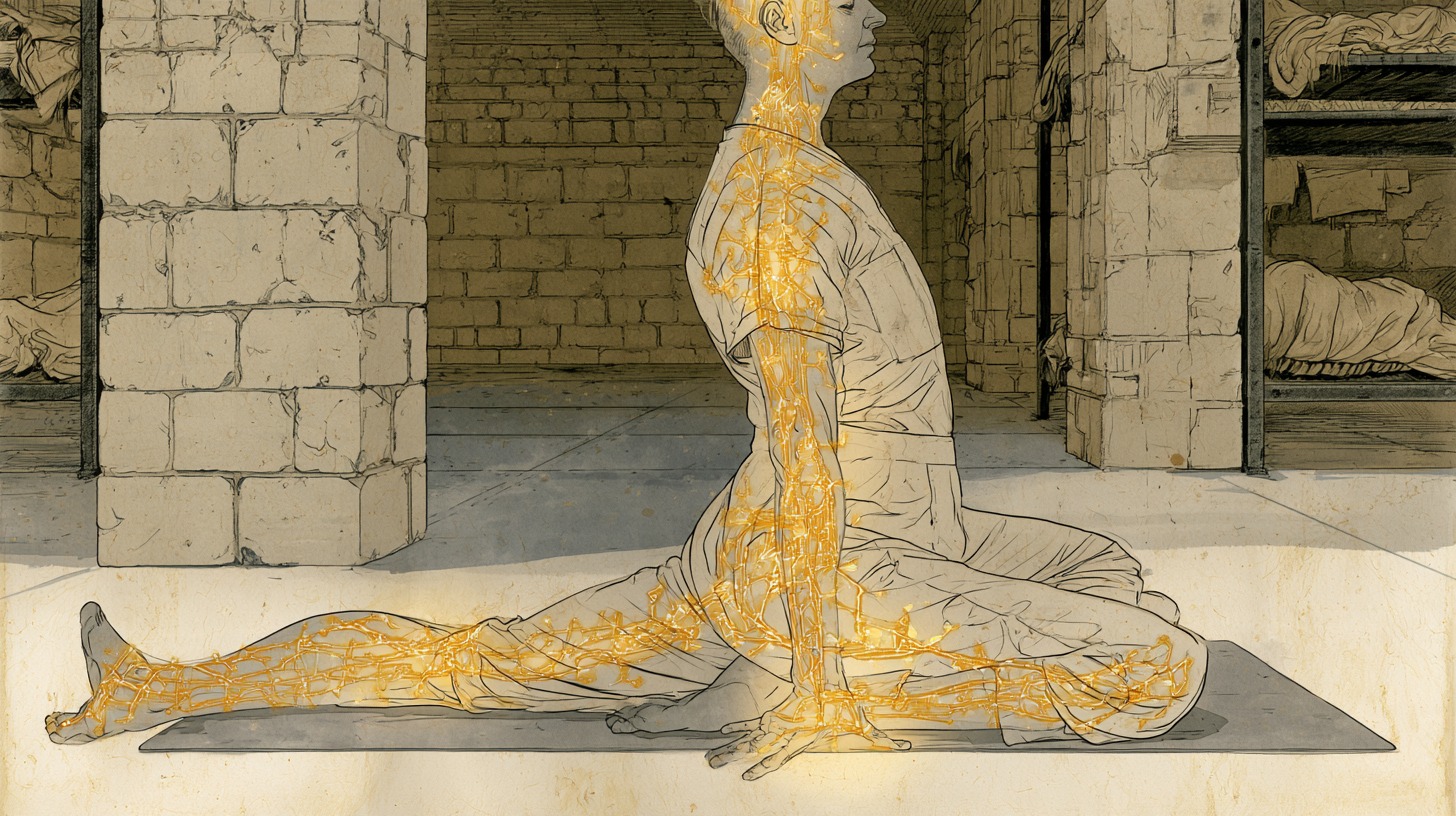
Breath and blood moved where they were supposed to move. Something in me untangled.Something old came back online.
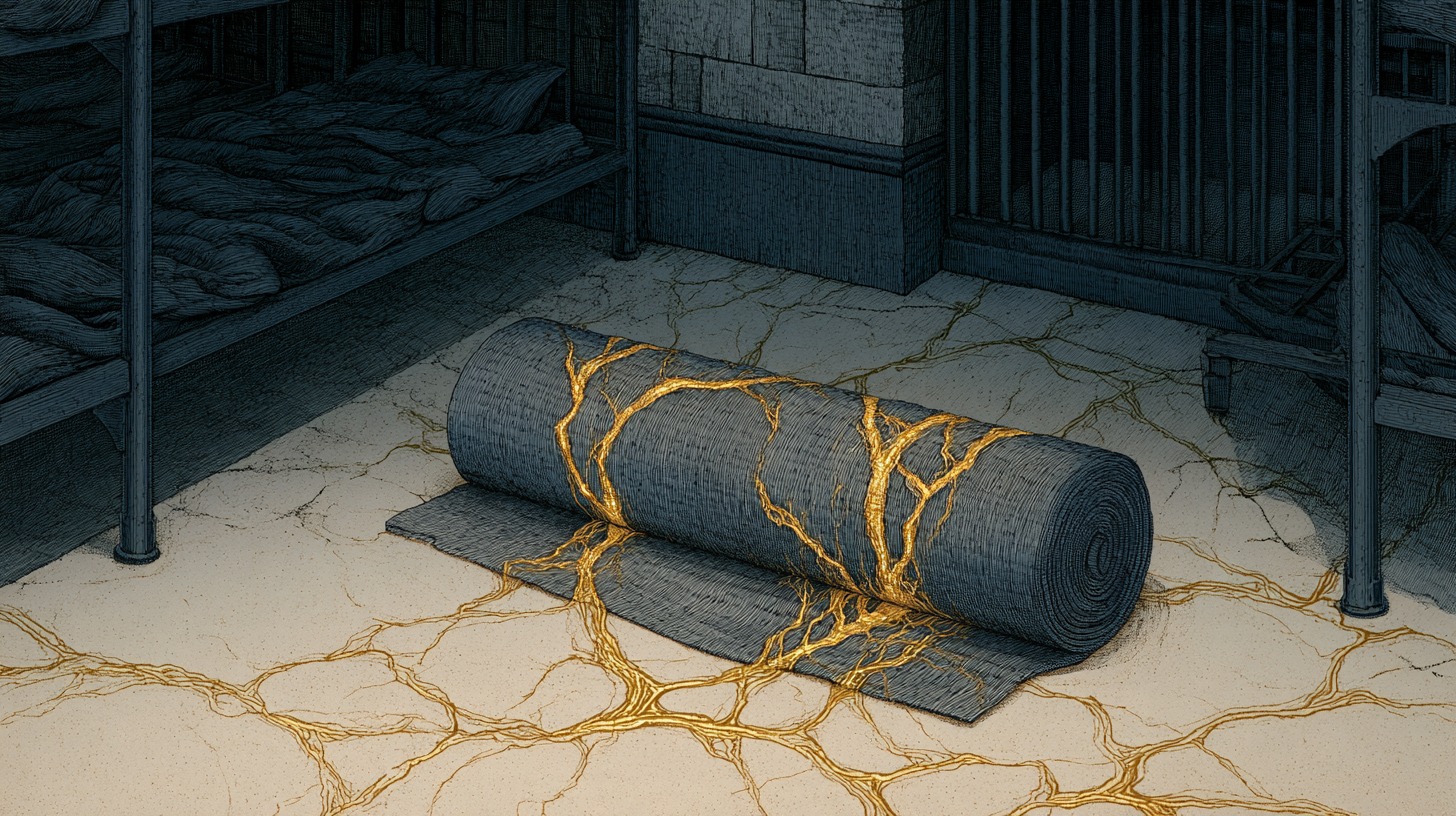
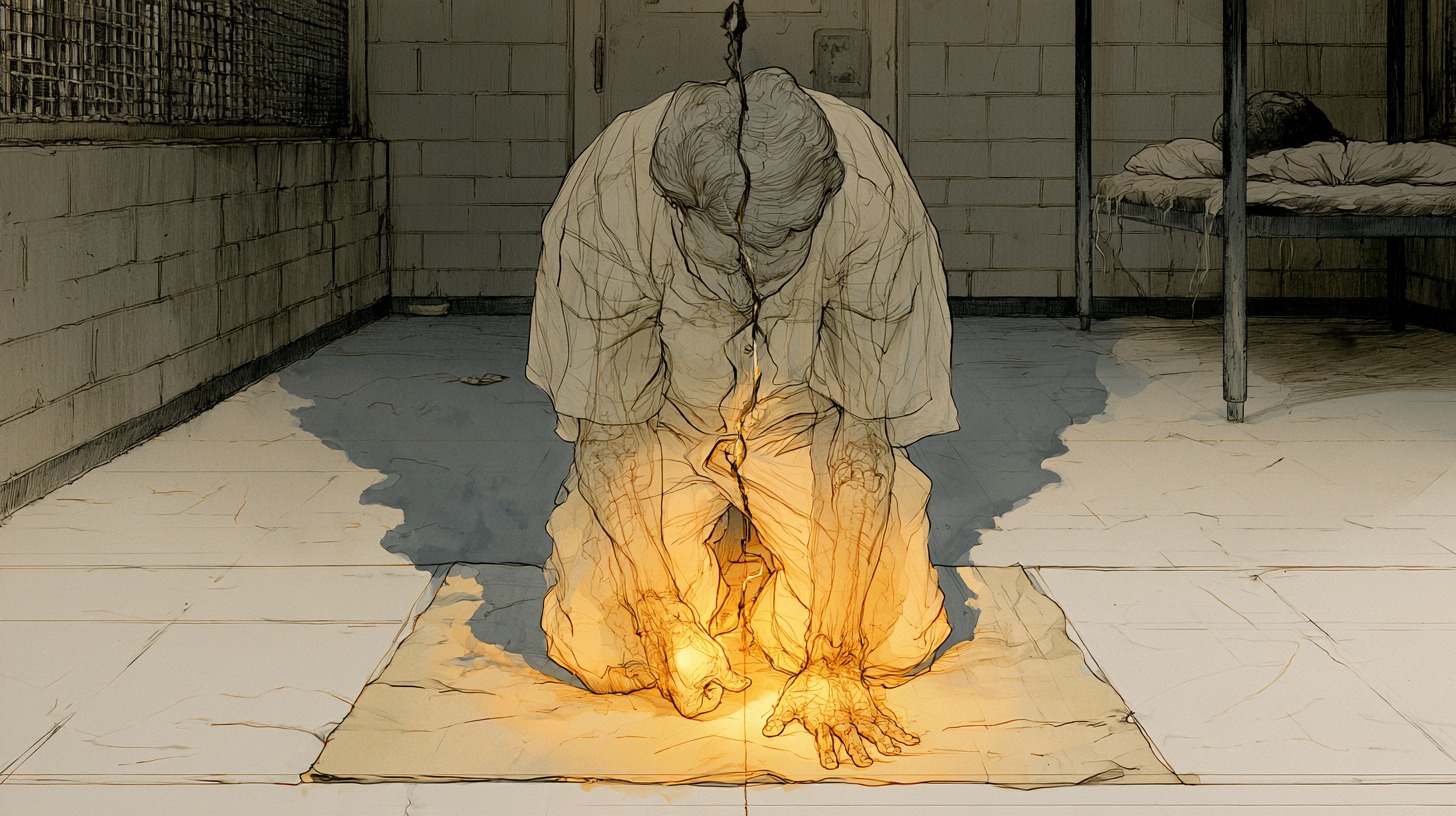
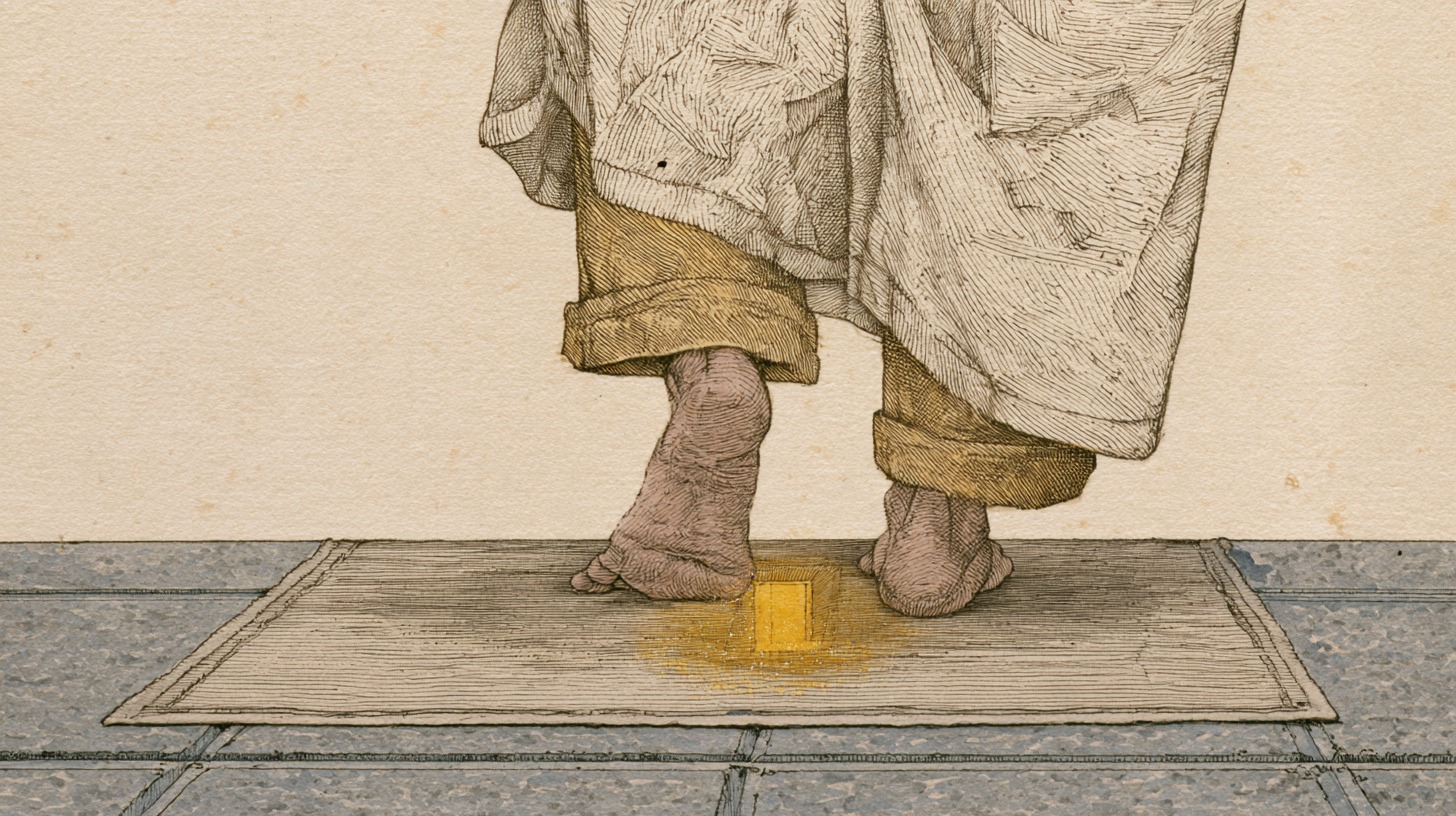
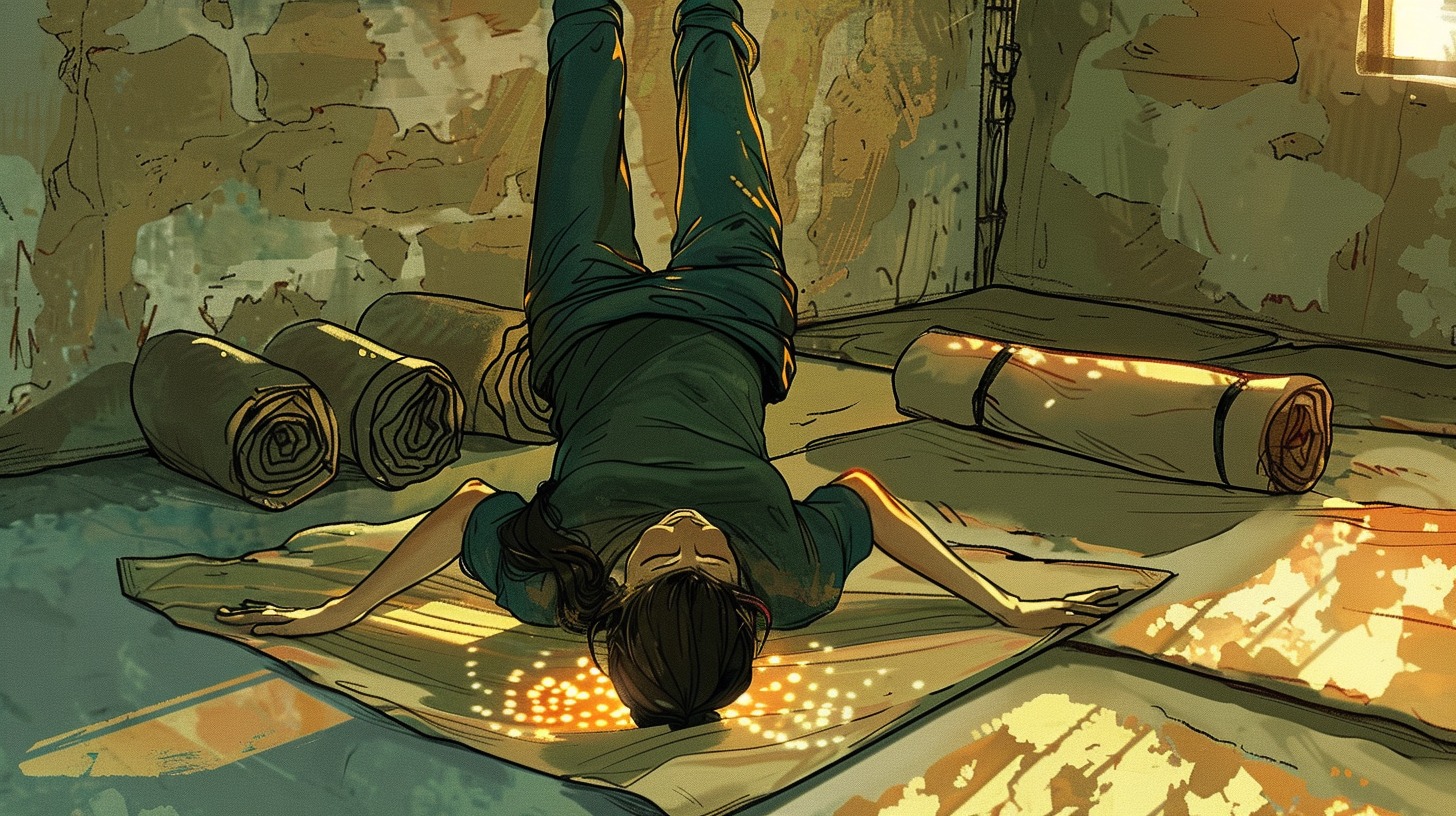
I lay on the thin mat afterward,the concrete cold against my spine,and whispered “thank you.”
That’s what I love about practice—it produces itself.The more I show up, the more it shows up for me.
In this place, there’s a familiar pull. The pull toward climax. Toward certainty, resolution, completion. It’s powerful—the kind of energy that can make youmistake the momentum for the meaning.
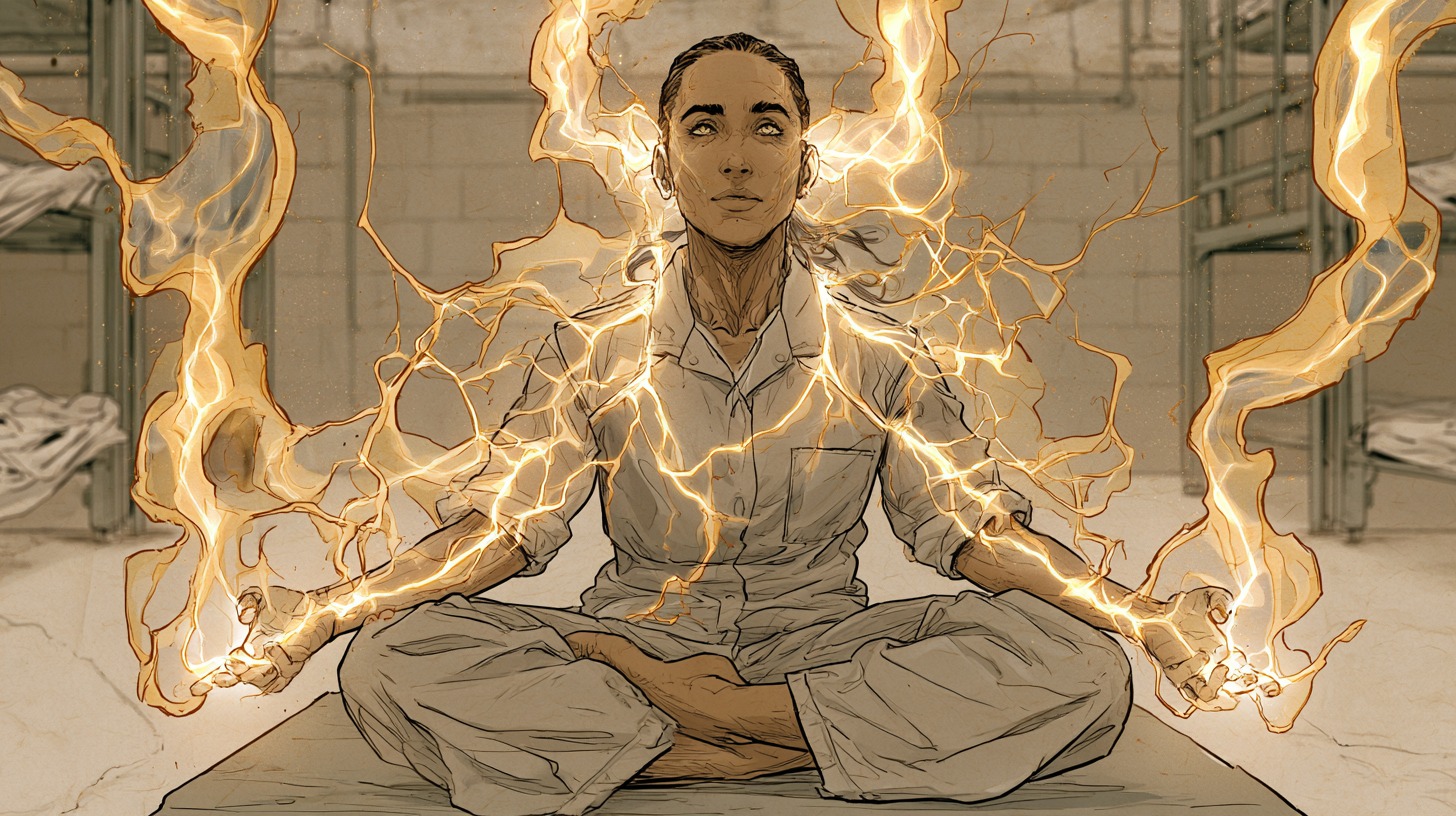
The habit is to ground it, to force it somewhere, into some fixed form. But there’s another way: to stay with it.To stay awake as the senses sharpen—the brightness, the quickening, the pull toward now.
I find that if I can hold steady in that intensity, there’s a window where I canlet go of the outcome entirely.
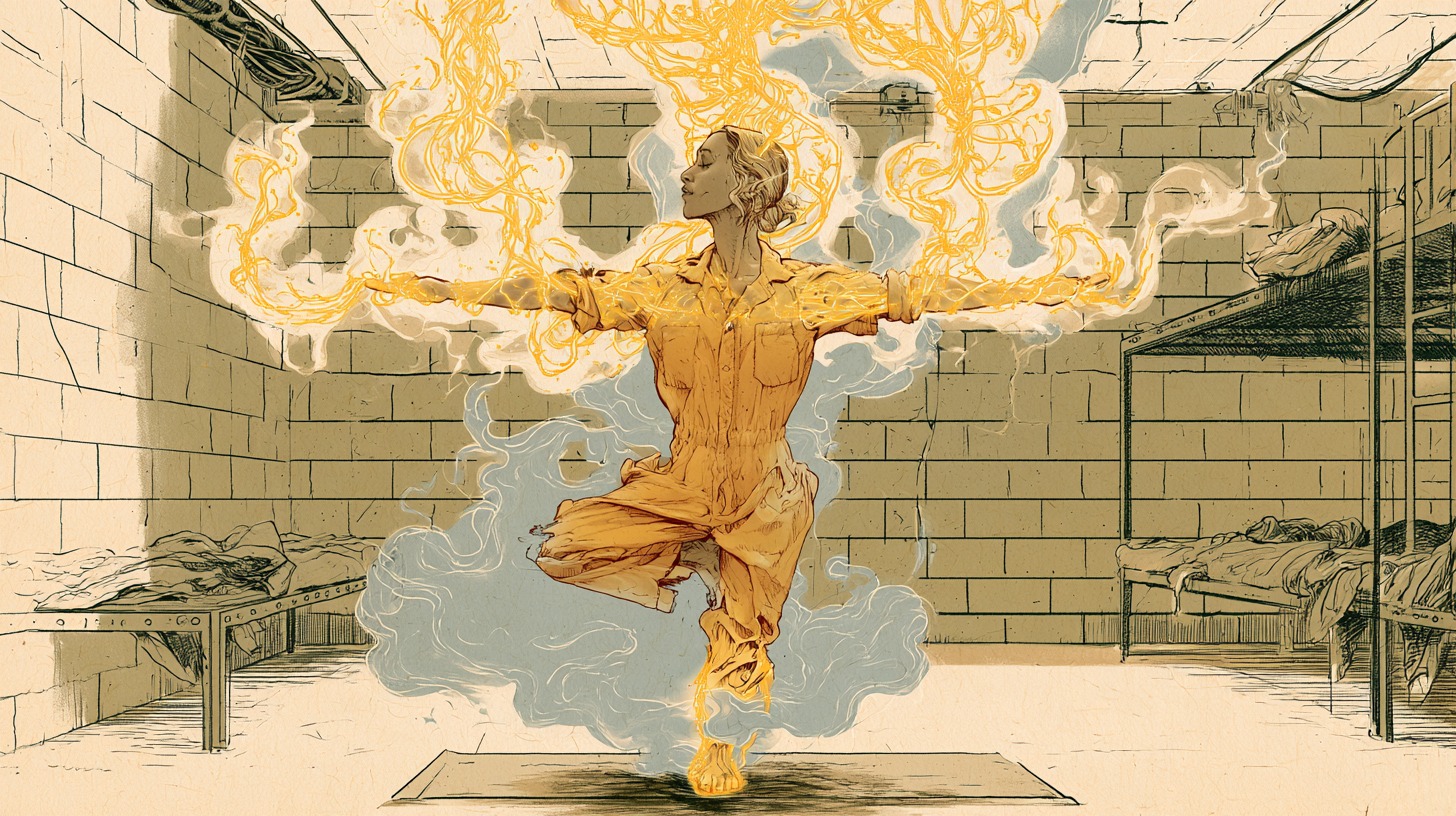
I can set down the finish-line fantasy and feel myself suspended, weightless, in intimacy with everything. It’s like the pause between inhale and exhale. A living precision.A balance where I am both alive and aloft.
Some mornings I watch Dakina chasing that same lift in her own way. She’ll run full speed on the top bunk—knees high, arms pumping—trying to get enough momentum to break gravity.
It’s the same impulse that sent her sneaking onto runways,convinced that if she could just get airborne,everything inside her would quiet. People call her “crazy” and don’t know what to do with her.
But I recognize the longing. The pull toward flight isn’t madness.It’s the body remembering freedom.
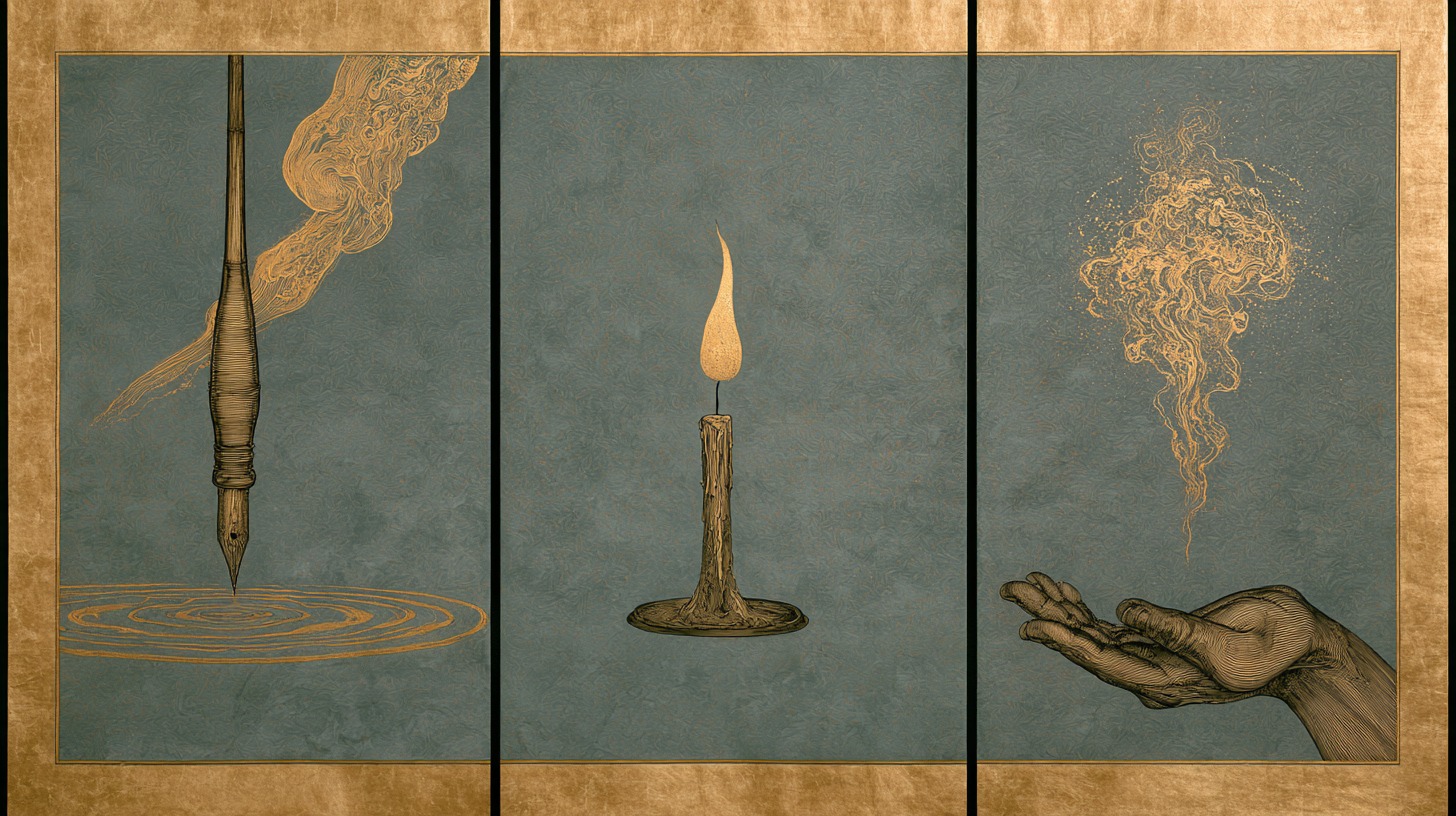
I’ve touched that place before—in sex, in writing, in meditation. It’s the same field under different names.Awareness is the practice; the body is the entry point.
I’ve learned to stay in the space between impulse and release.To let energy rise without trying to control it.
Lately I’ve been reading Robert Thurman.His writing on compassion feels refreshingly human.
He says that when you finally stop suffering, your first impulse is to look around andwant everyone else to feel that same freedom.
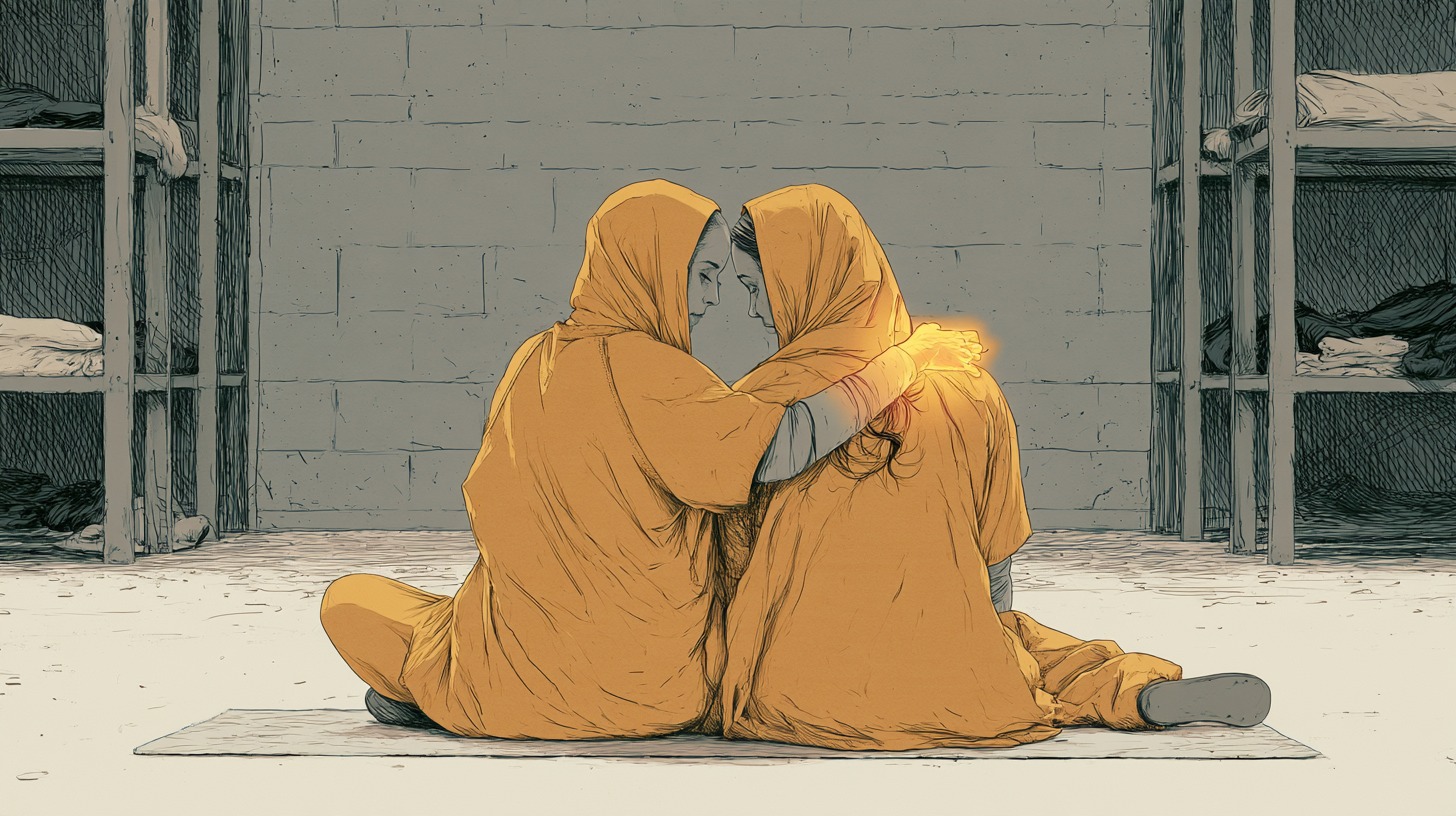
So much writing about compassion makes it sound unreachable, like it’s reserved for saints.But I feel drenched in it here.
I want to start a yin yoga class for the women who stay curled in their bunks all dayso their bodies can unfurl.
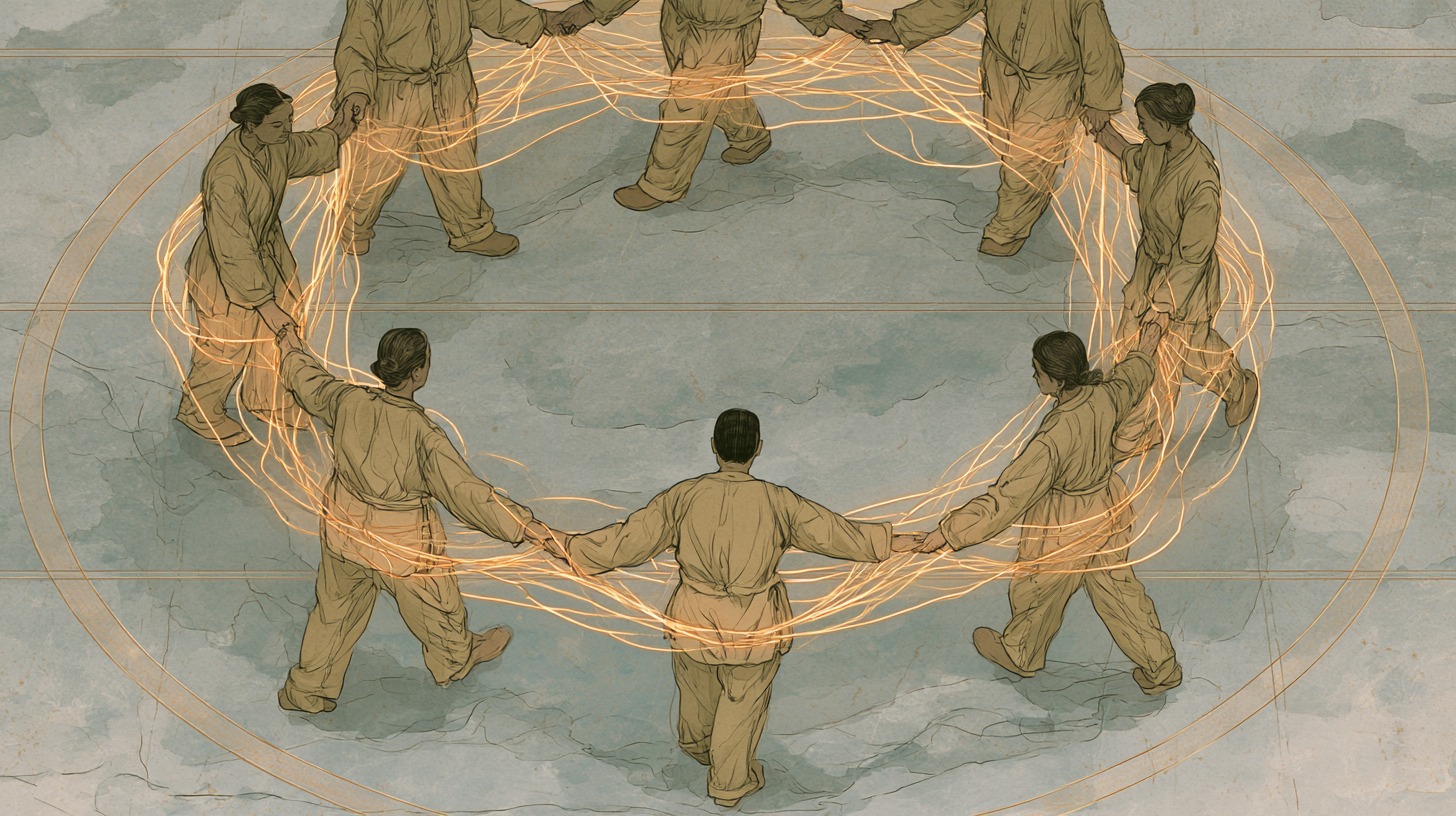
I want to keep walking with the women around the gym each day.I want to teach self-reflection to the womenwho shrug and say, “It is what it is,” because they can’t imagine another way,
as their families are torn apart,their children raised by people who don’t speak the same language,
women whose families refuse to speak to them orwhose sentencing is set to take them far from anyone they love.
Being herehas stripped away everything unnecessary.It’s shown me how many of these women simply never learned how to live—how to move their bodies, breathe through pain, or name what they feel.
There was almost no way they wouldn’t end up here. And yet, in some strange way,it feels like grace that they did.
Maybe life loved them enough to give them a chanceto finally find the jewels buried under all that wreckage.
I just pray that somehow, the tools of practice—breath, movement, meditation, self-awareness—canfind their way into every prison.
Sometimes I worry I’m boring,like all I ever think about is practice— my own and how to share it.
I don’t get pulled into the curious social dramas of the dorm. ButI’m not numb; I’m alive in the doing.
I loved drawing Mari’s quiet brilliance. Initially, she’d been too shy to teach yoga classes here. When she finally taught a class inside, a woman who hates her body attended anddid her first headstand.
If you sit with someone’s complaints long enough, she’ll discovershe has the nobility to find a solution.
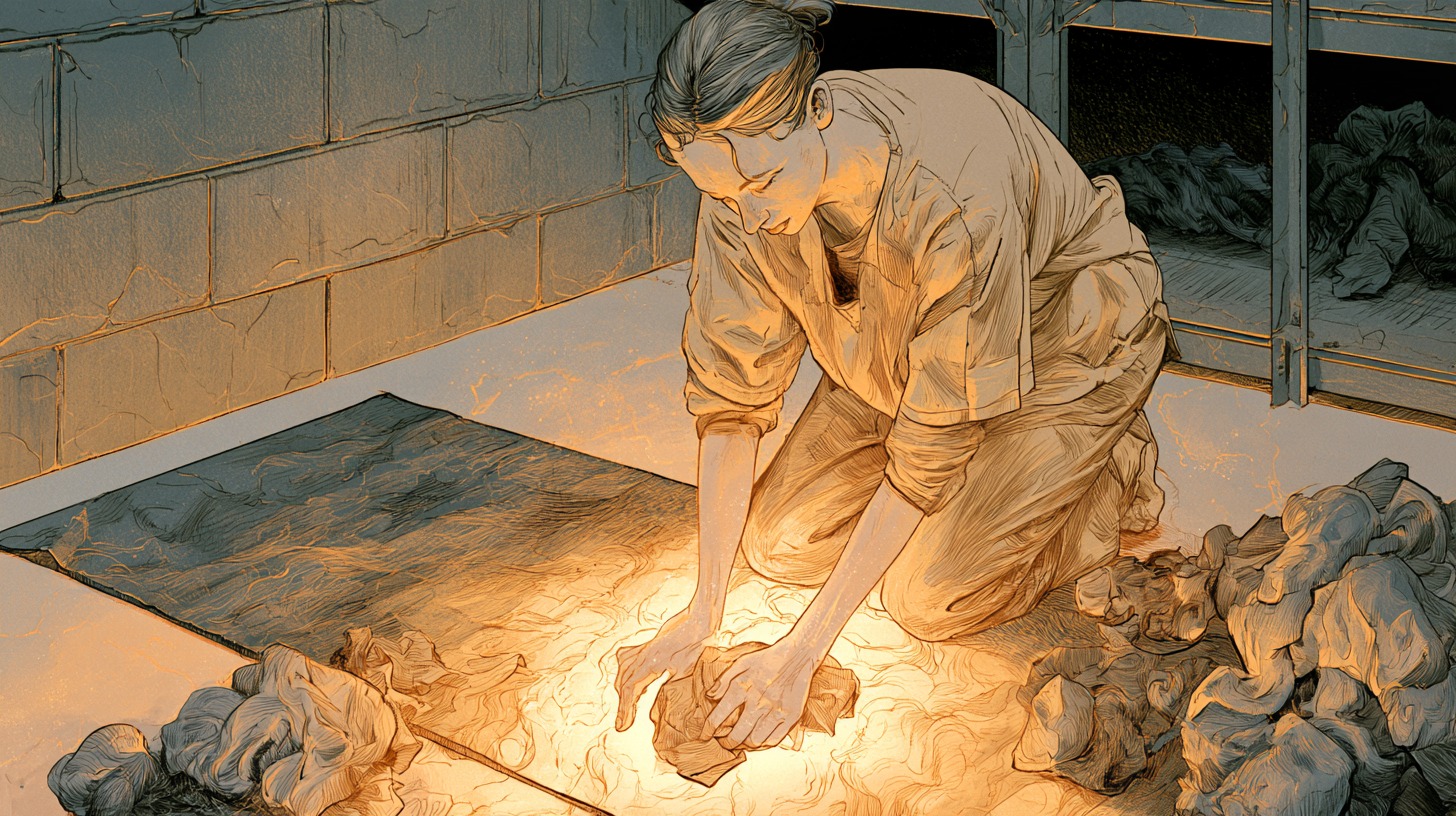
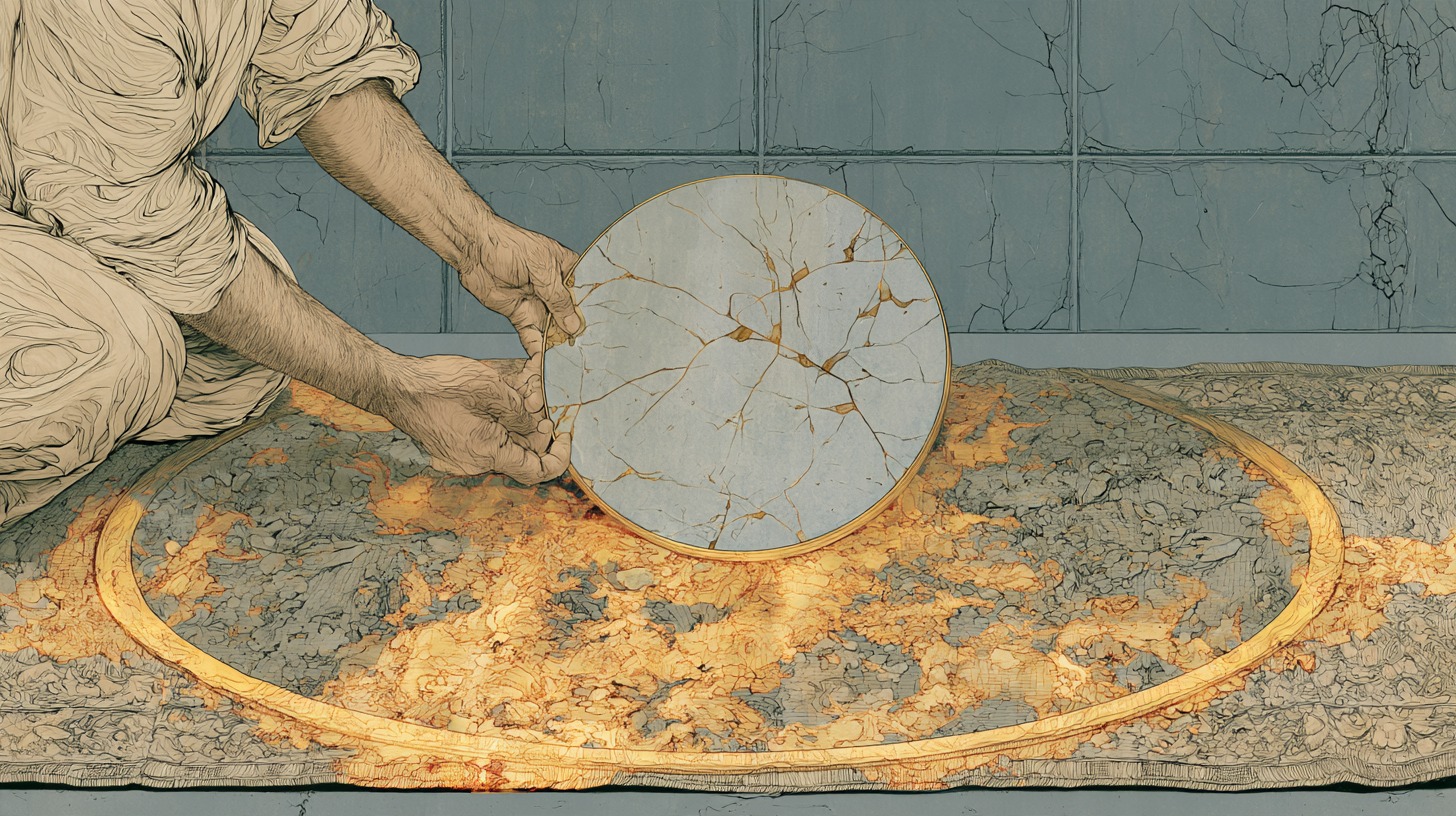
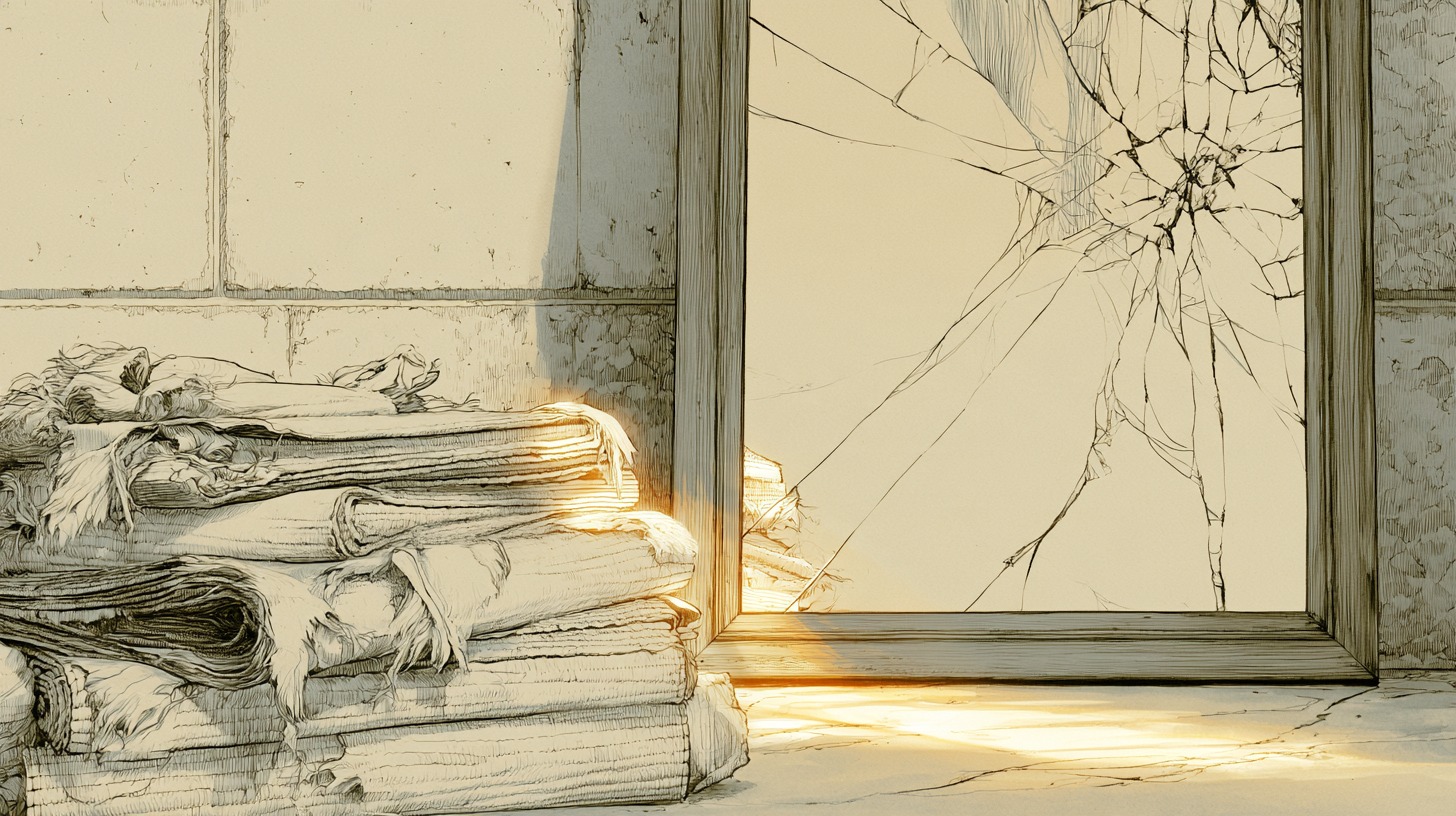
I take what shows neglect—the yoga mats that reek, the mirrors falling off the walls—and I do what is needed.
Clean the mats. Fix the mirrors.Raise the energy one inch at a time.But I noticed, I started leaving my own desires out of my prayers.
Heard some quiet martyr in me whispering, Why bother? You’re not going to help me anyway. Why do we do that? I’m changing that.I’m letting myself want things again.
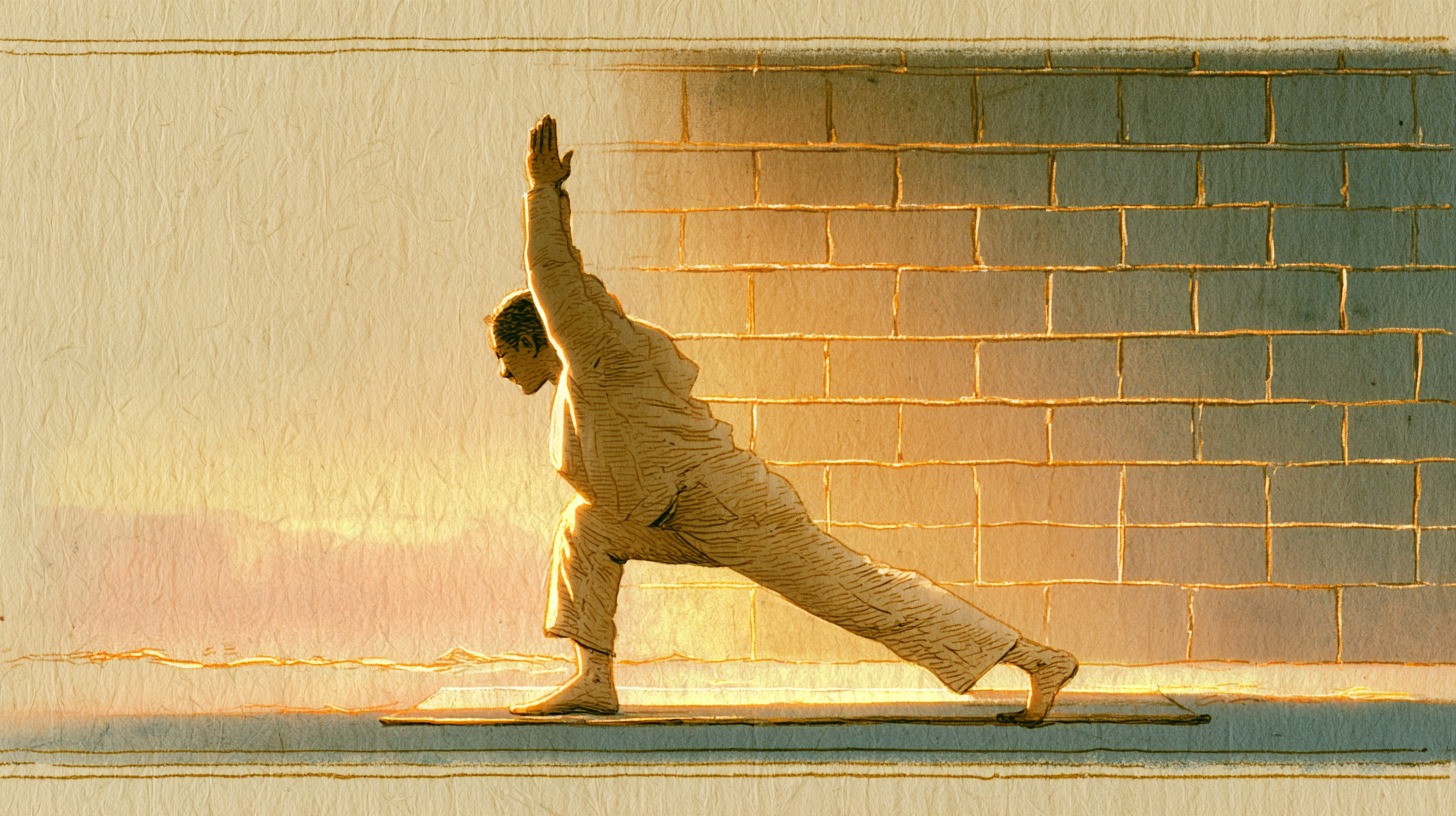
I want to master the yoga flow, to stop dropping my right shoulder and struggling to lower myself down.I want my inner fire to feel natural, not strained.
I want to silence the inner critic.I want to see justice in ways I can’t yet imagine.And most of all, I want to live the simple life of practice—the hours, the structure, the devotion.
Because I’ve loved this rhythm before.I loved it on the outside and I love it here, too.
Freedom is anywhere you’re willing to stay in the poselong enough to feel something in you quietly lift off.