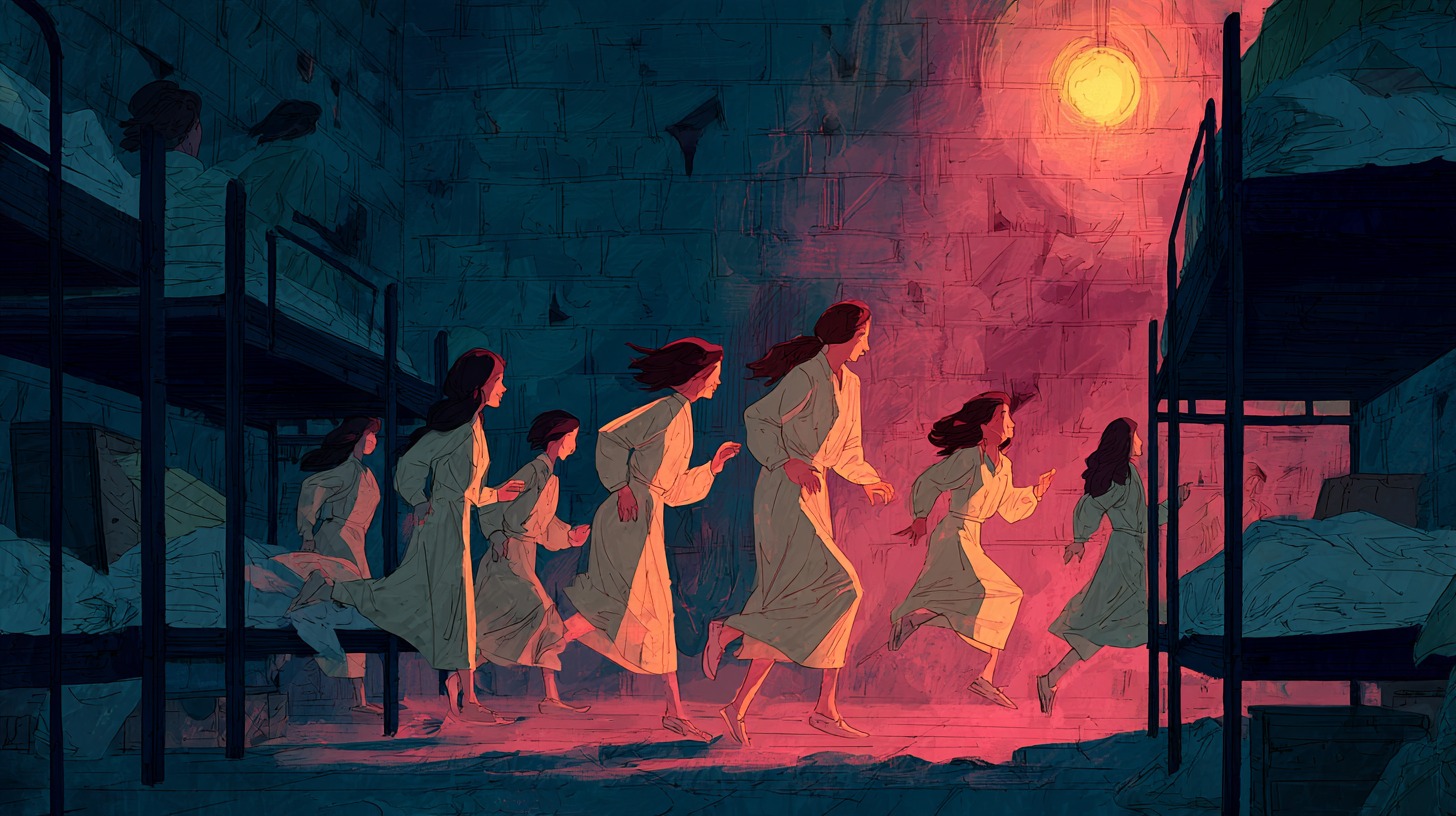
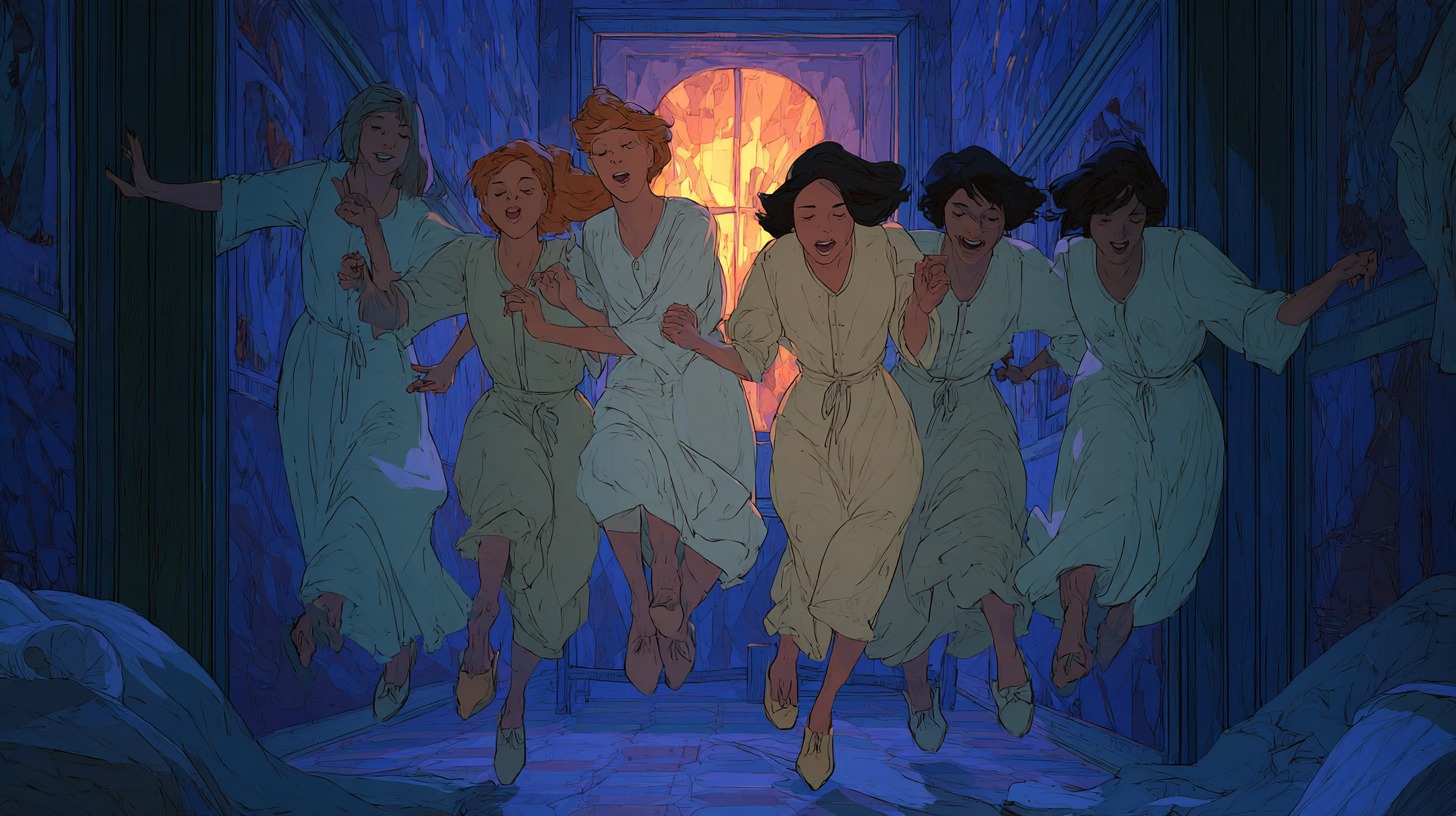
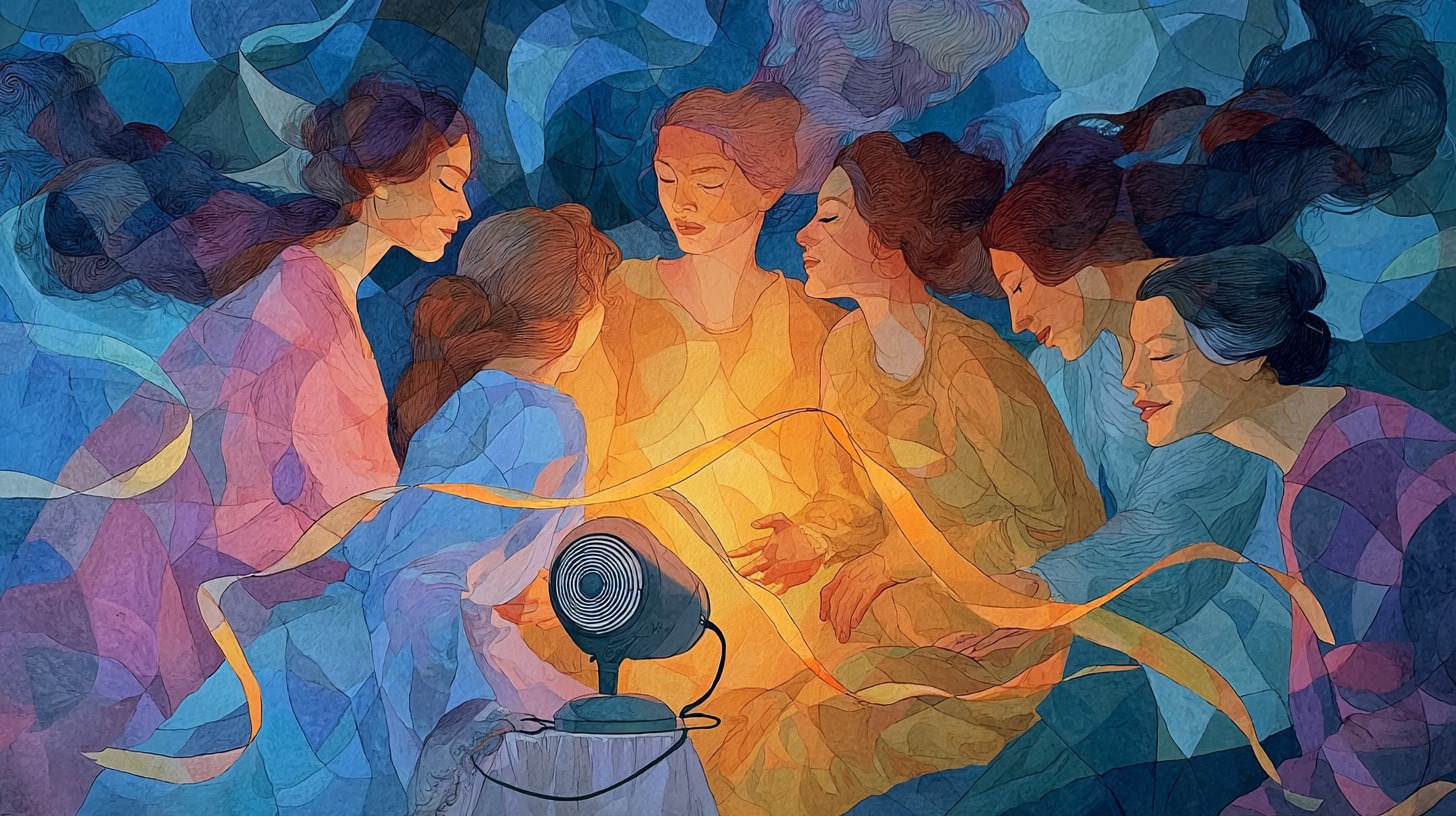
I heard a clunk in the night. Then a rush of movement—women springing from their bunks,not with fear but excitement.
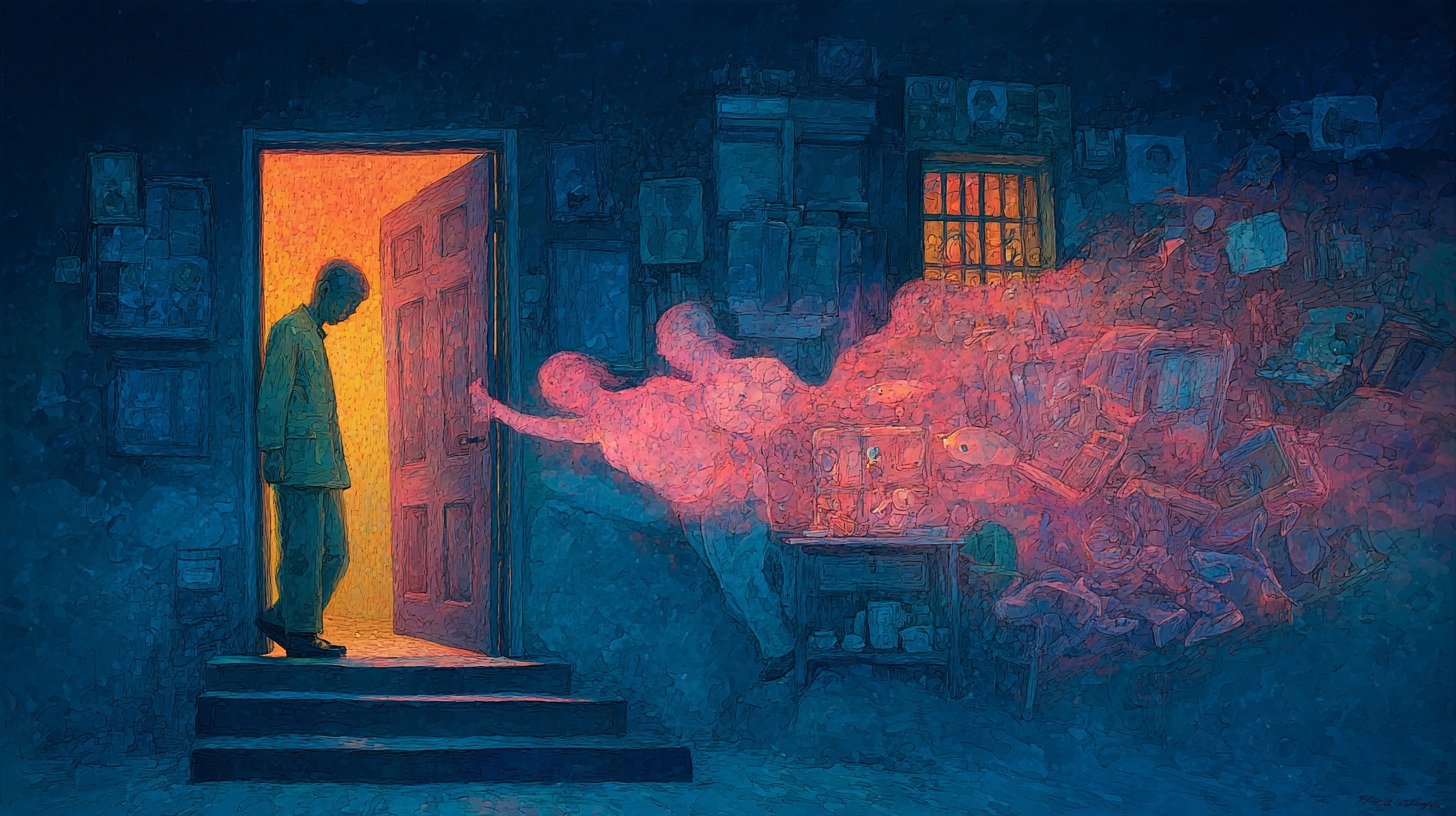
“Someone’s going home!” I slipped on my shower shoes, grabbed Rach, andfollowed the stampede toward the noise.
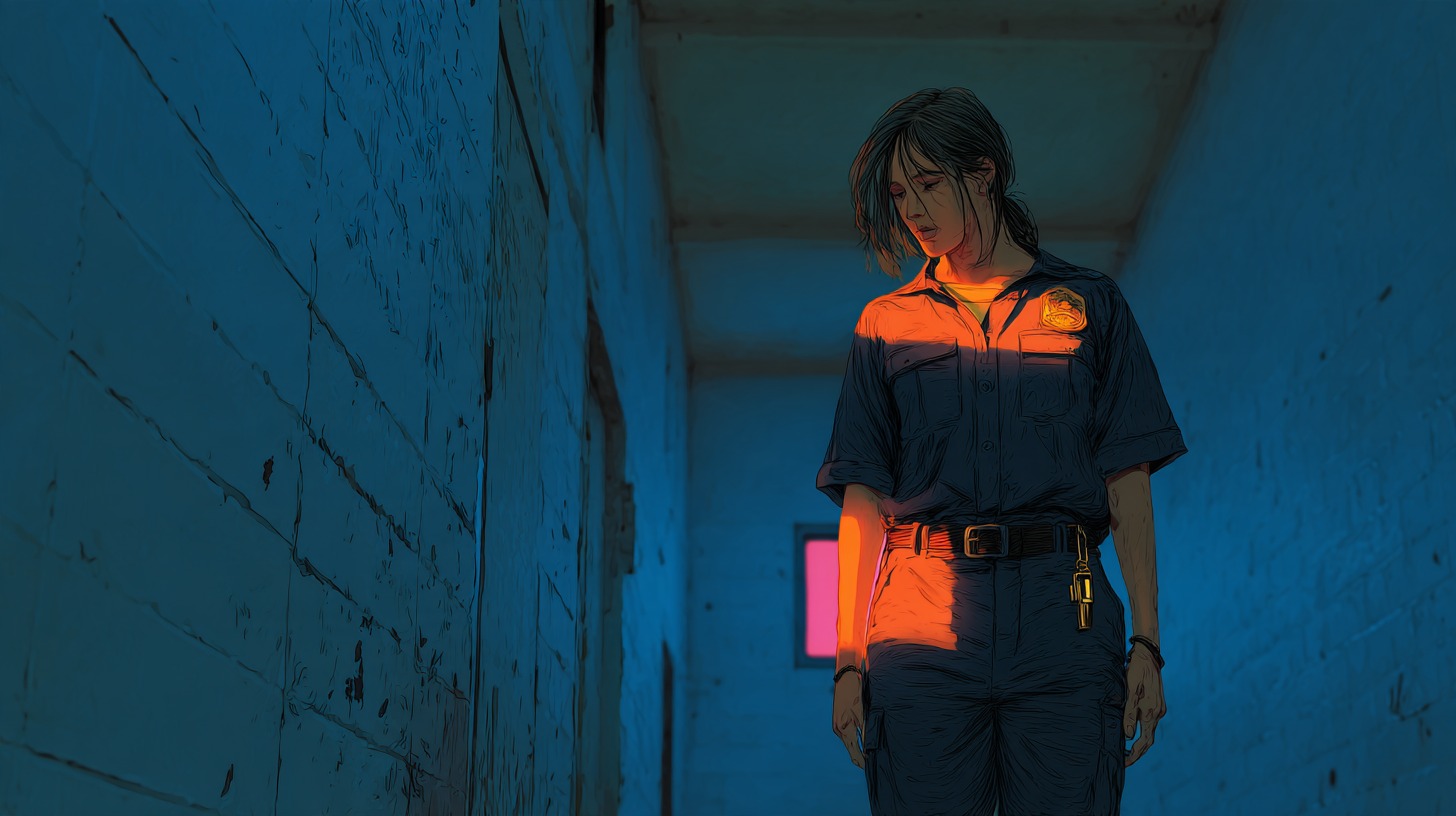
A guard stood in the middle of the dorm, surrounded by womenlike kids circling an ice cream truck.She had dropped her keys. In prison, that’s a sign.
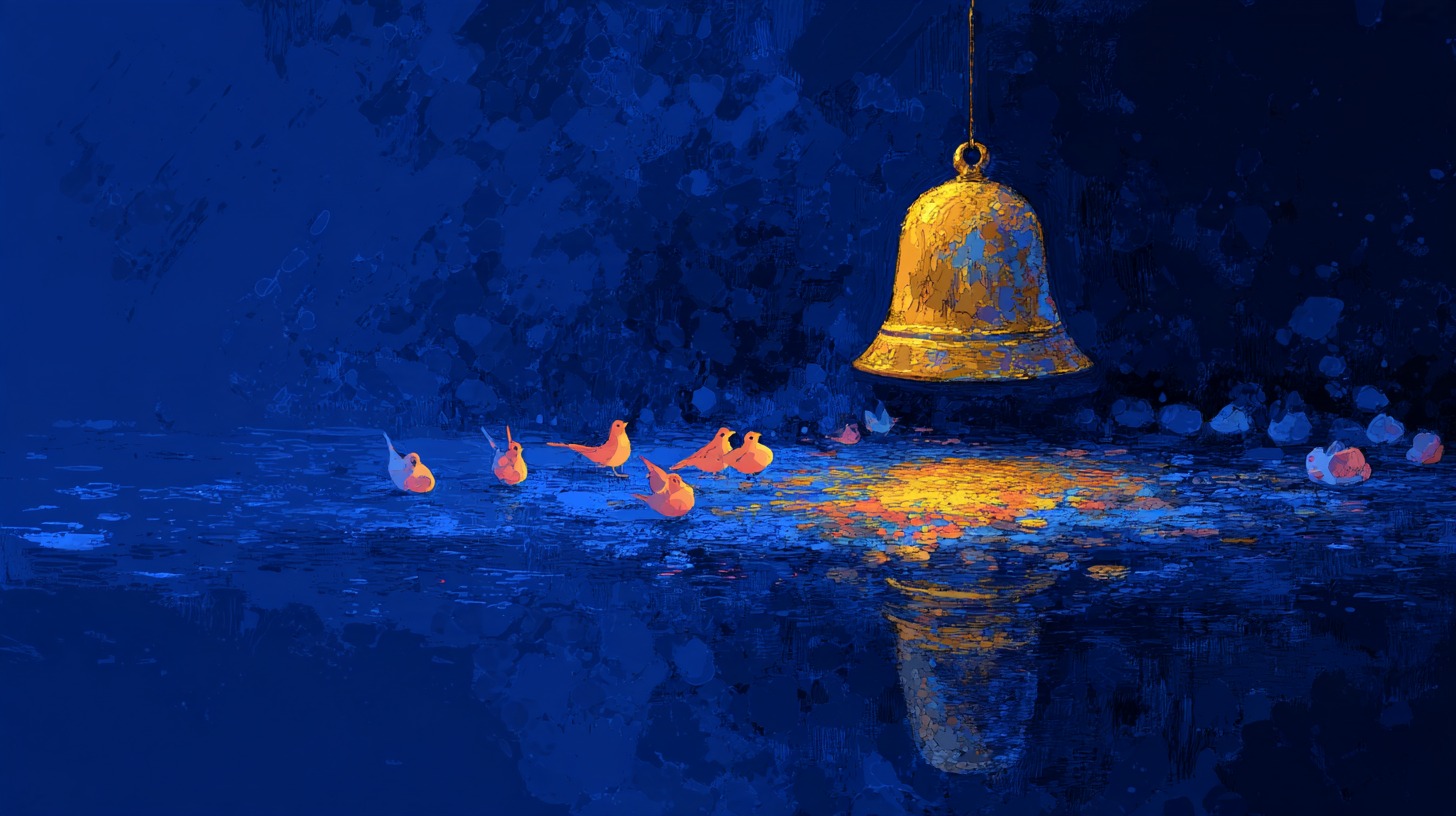
If a guard drops their keys, it’s our version of every time a bell rings, an angel gets their wings.When the keys drop, a jailbird flies.
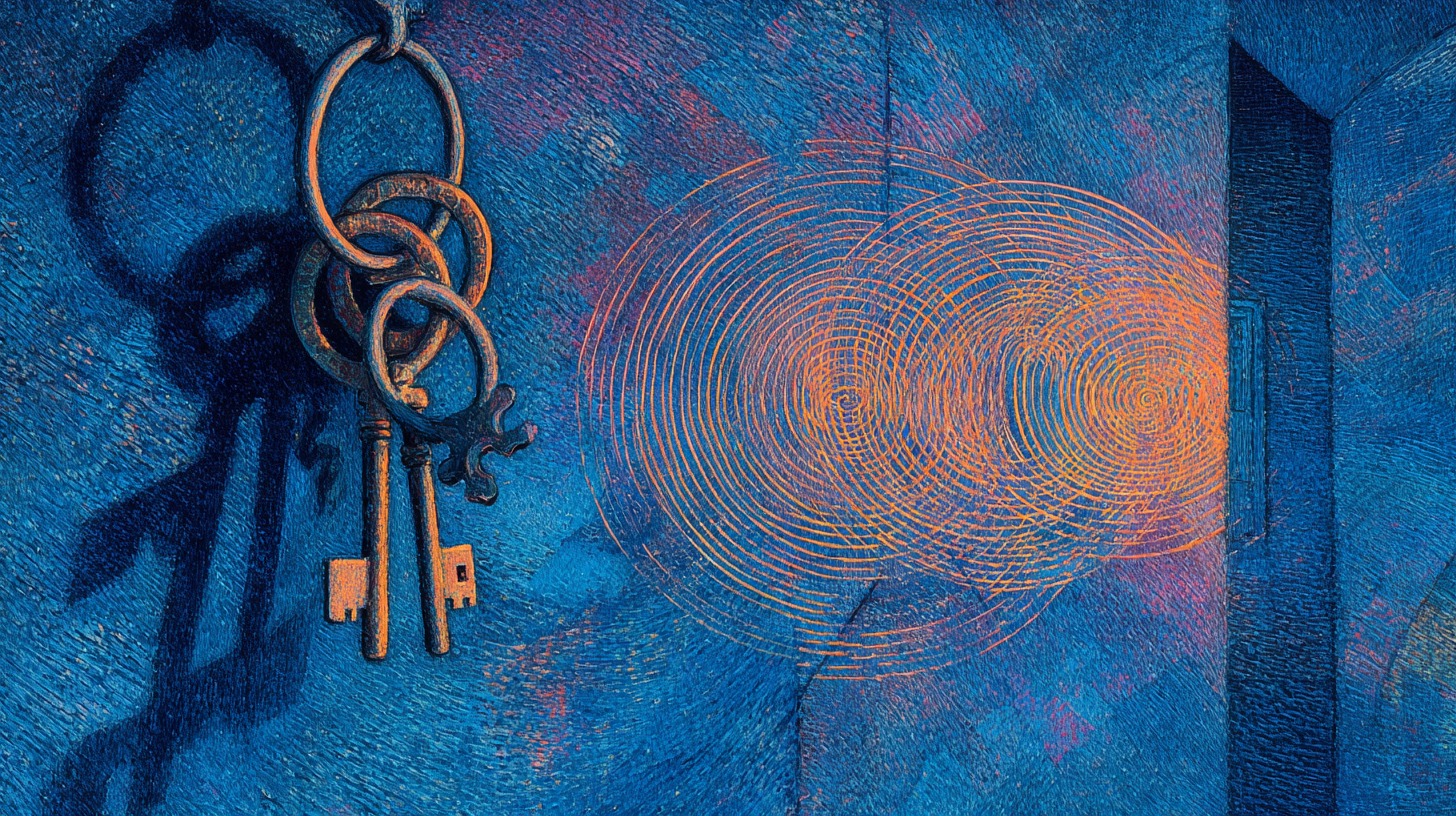
The keys they carry are a funny thing. I think of them likethe bell you put on a catso birds hear it coming—an odd mercy for everyone involved.
I’ll be in the gym and hear the clinkity-clinkity-clink of them approaching.It’s strange how sounds can flip meanings:What once symbolized dominance now feels like safety.
Somewhere along the way, I’ve started caring about these guards. The line between us and them hasblurred into something more like US.
Still, it seems like a cruel punishment to make them wear those heavy chains. If I ran this place,I’d give them fingerprint locks;they seem less burdensome and more secure.
I once read thatinsecure people jingle coins in their pocketsto signal wealth.
Maybe the guards’ keys are their version of that—a nervous rattle that says,This job is scary. I have to wear a security vest and carry pepper spray.
In some way it goes against the human grain. Anyway, someone’s going home.And that’s good news.
Karma isn’t linear.It’s not simple cause and effect—it’s a web.
Sometimes the thing that lands you in the hardest place is justthe seed of an old pattern ripening.There are also collective karmas—trends in time that sweep us along.
I was a woman teaching sexuality in a puritanical culture. Intent doesn’t shield you from consequences but itprotects your mind from being destroyedby them. This morning, I saw another layer in it.
Maybe it’s not just cultural karma.Maybe it’s also my personal karma.I came into this world reluctantly—two weeks late, forty-eight hours of labor before they finally pulled me out.
I’ve always had a streak of resistance, like Iwasn’t entirely sold on being human.There’s a kind of suffering that comes from not wanting to exist at all.
I think I’ve known that flavor since birth. So of course my fate would involveconfinement of the most extreme version.
If you spend your life wanting to escape the human experience, life eventually says,Fine, try to escape this.And strangely, that realization feels good.
Like starting a diet after years of denial. You haven’t lost the weight yet, but you’refinally doing something honest about it.
I’m still not thrilled to be here on Earth, but at least now there’sno illusion to hide behind.No more bribing myself to stay with “special” food, “beautiful” clothes, or “rich” moments of distraction.
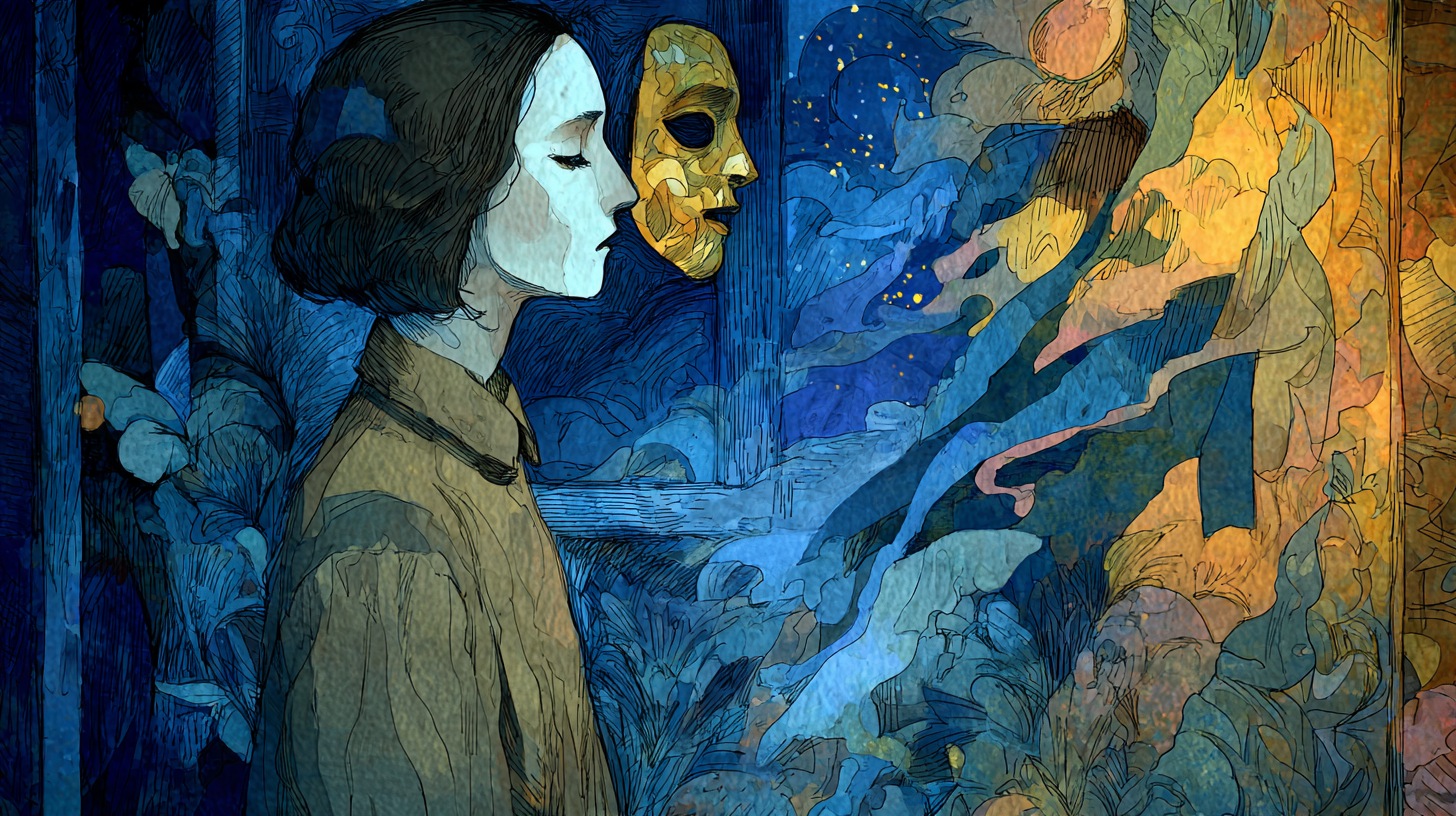
I’m here, bare and uninsulated—and it’s not bad. Rach confessed to me the other day that it’sa relief to stop pretending.
She loves not wearing makeup, not dyeing her hair, not competing.“I even like my grey,”she said.
In here,no one’s trying to out-beauty anyone else.There’s comfort in that.
Most women have gained weight; some have half-grown-out dye jobs or missing teeth. Butthe comparison game—the real prison women live in—has been suspended.
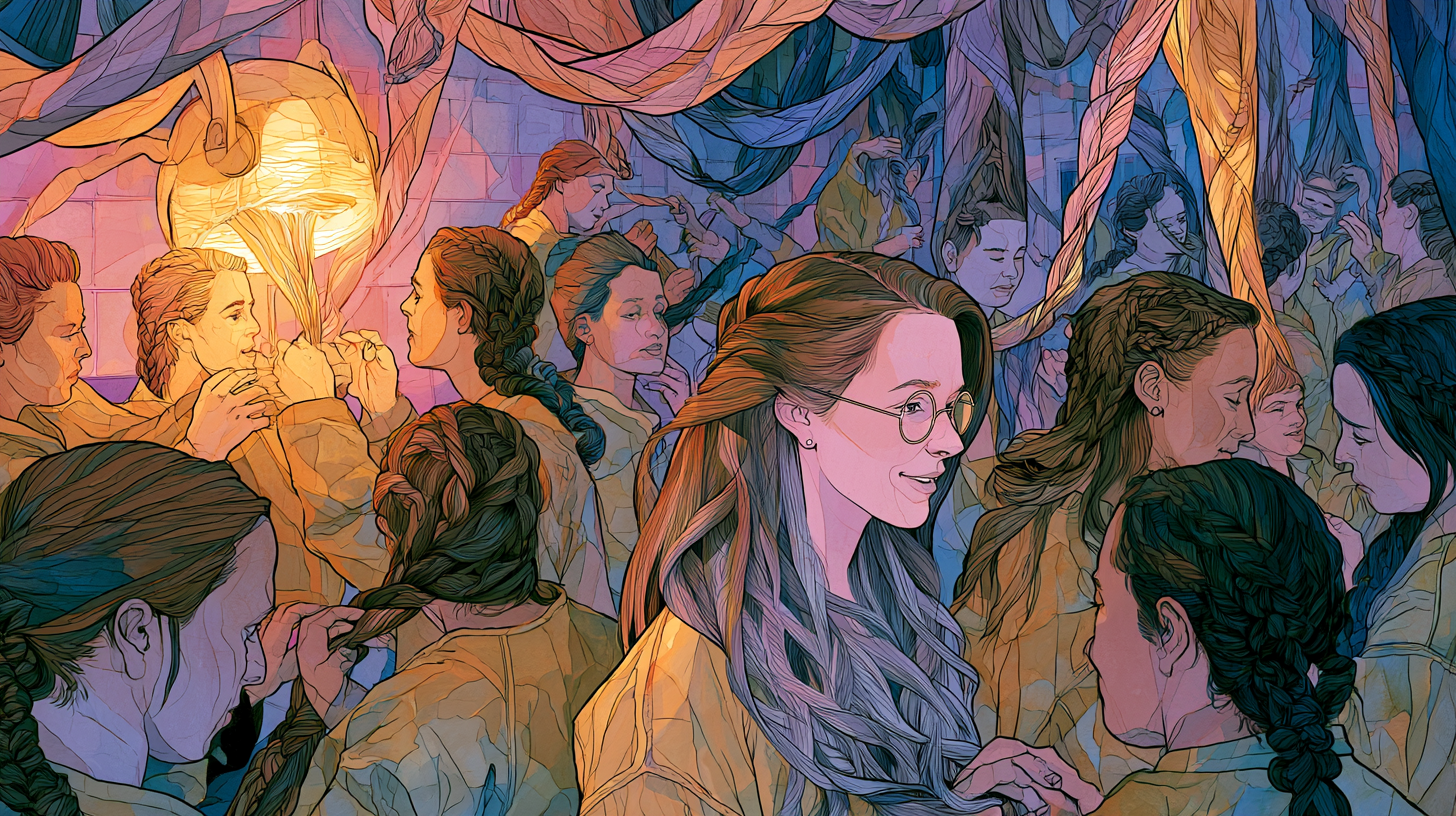
Well, except on Wednesdays. That’s whenthe beauty parlor comes alive.Everyone’s prepping for visiting hours.
The old hair dryer gets dragged out. Women braid and twist and cornrow each other’s hair. It’schaos and ritual all at once—an echo of freedom.
I tried dressing up the first few weeks, butit’s too much work.My fancy pants are tight around the ankles and take forever to peel off.
Which is fine on the outside when you’re taking them off at the end of the dayin the privacy of your own bedroom.
But, when you’re taking them off for your strip search while the rest of the women arewaiting to all go back upstairs,it’s not great.
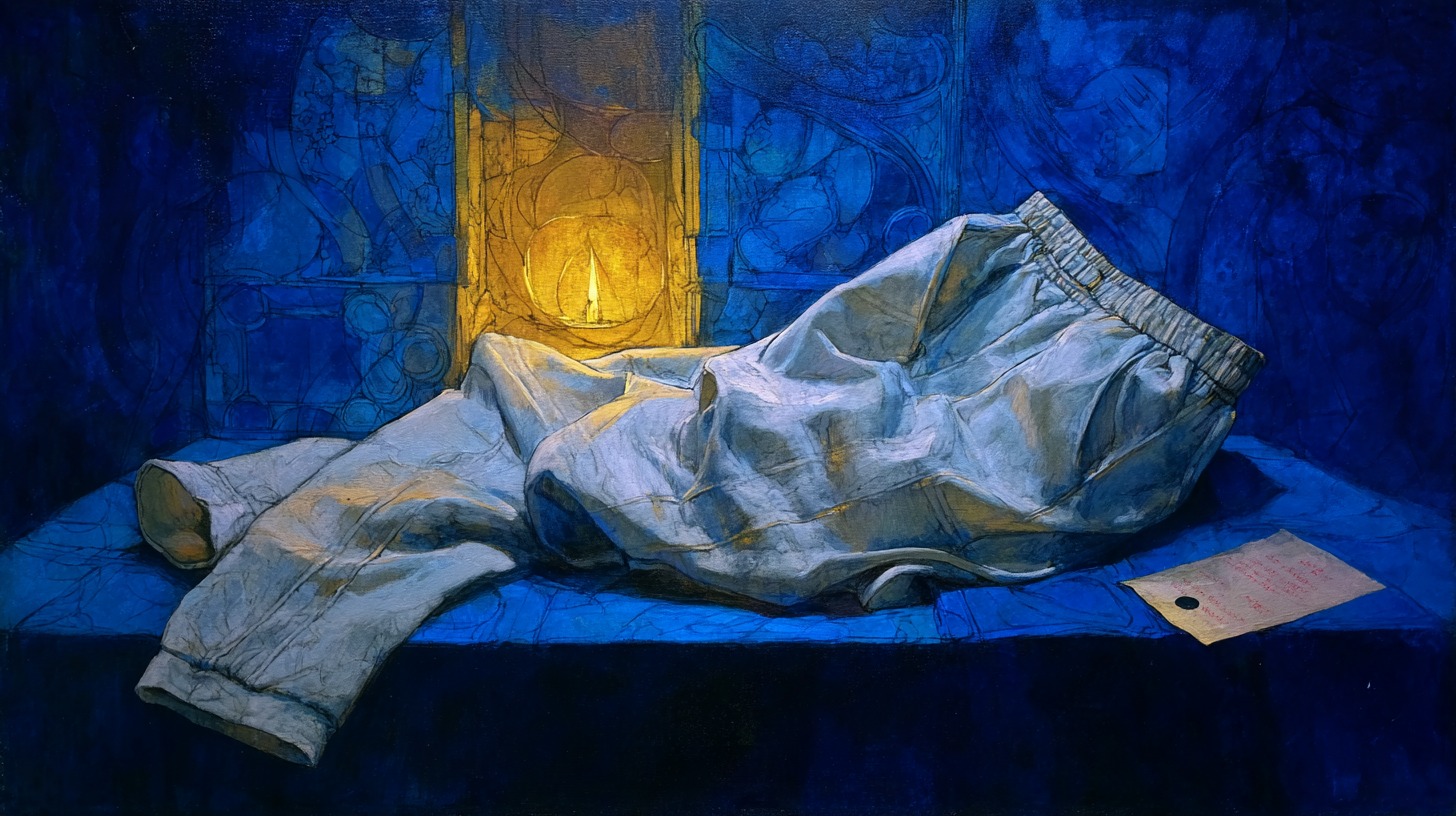
Now I wear the soft pants Luciana gave me. Nice, simple, easy on and off.Freedom, defined differently.
When I was little, I used to crawl under decks and hide in closets— dark, enclosed places.My dad said I talked to God there.
He used to joke that I wasgiving God a piece of my mind.Some things don’t change. Now I find that quiet place inside myself while someone’s yelling on the phone
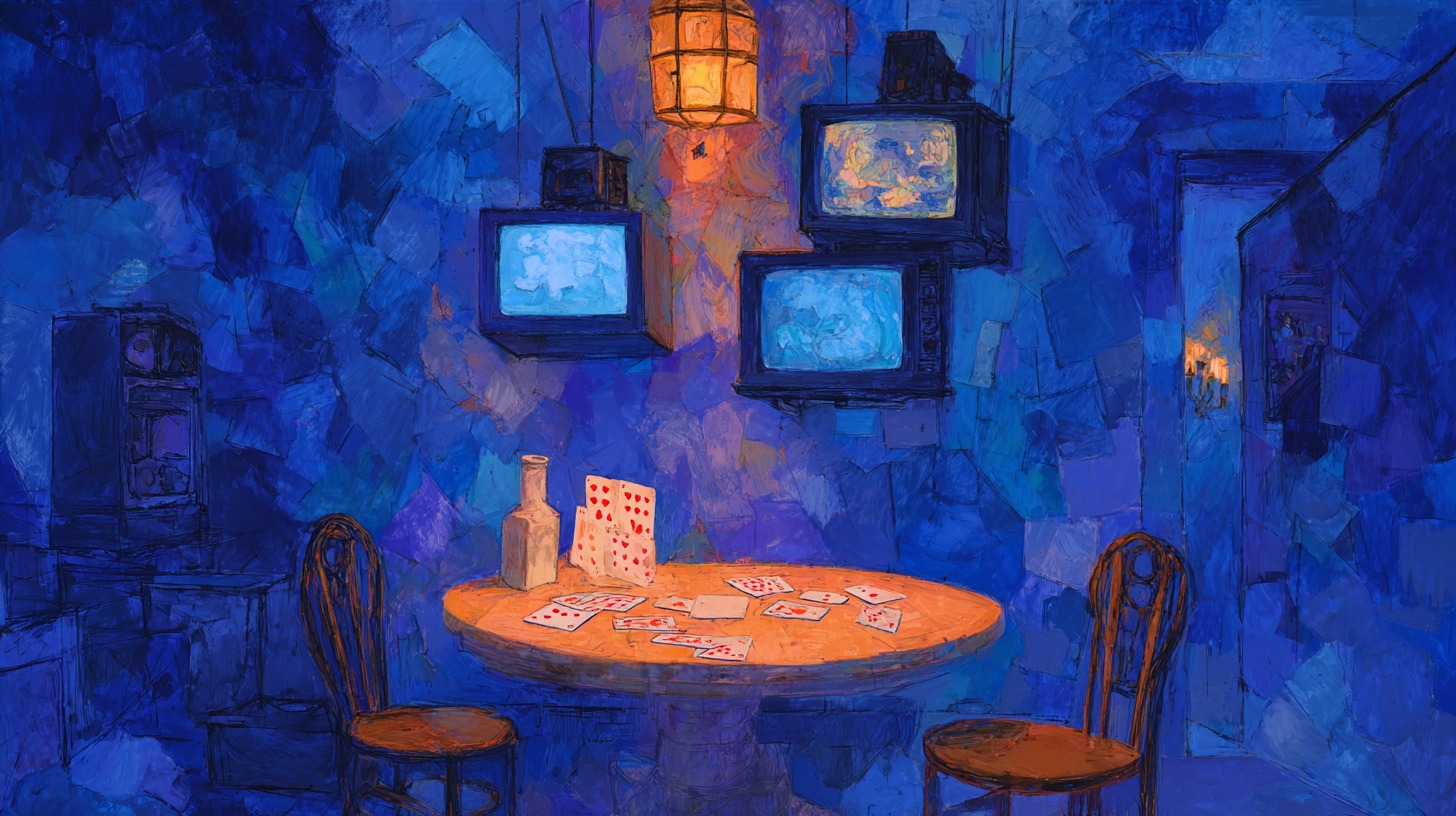
and there’s a crew playing a loud card game, andthree TVs blare true-crime showsthat everyone insists on watching.
I call itcriminal porn—people obsessed with watchingthe very thing we’re living. Behind me, women chatter half in English, half in Spanish about mandatory sentences.
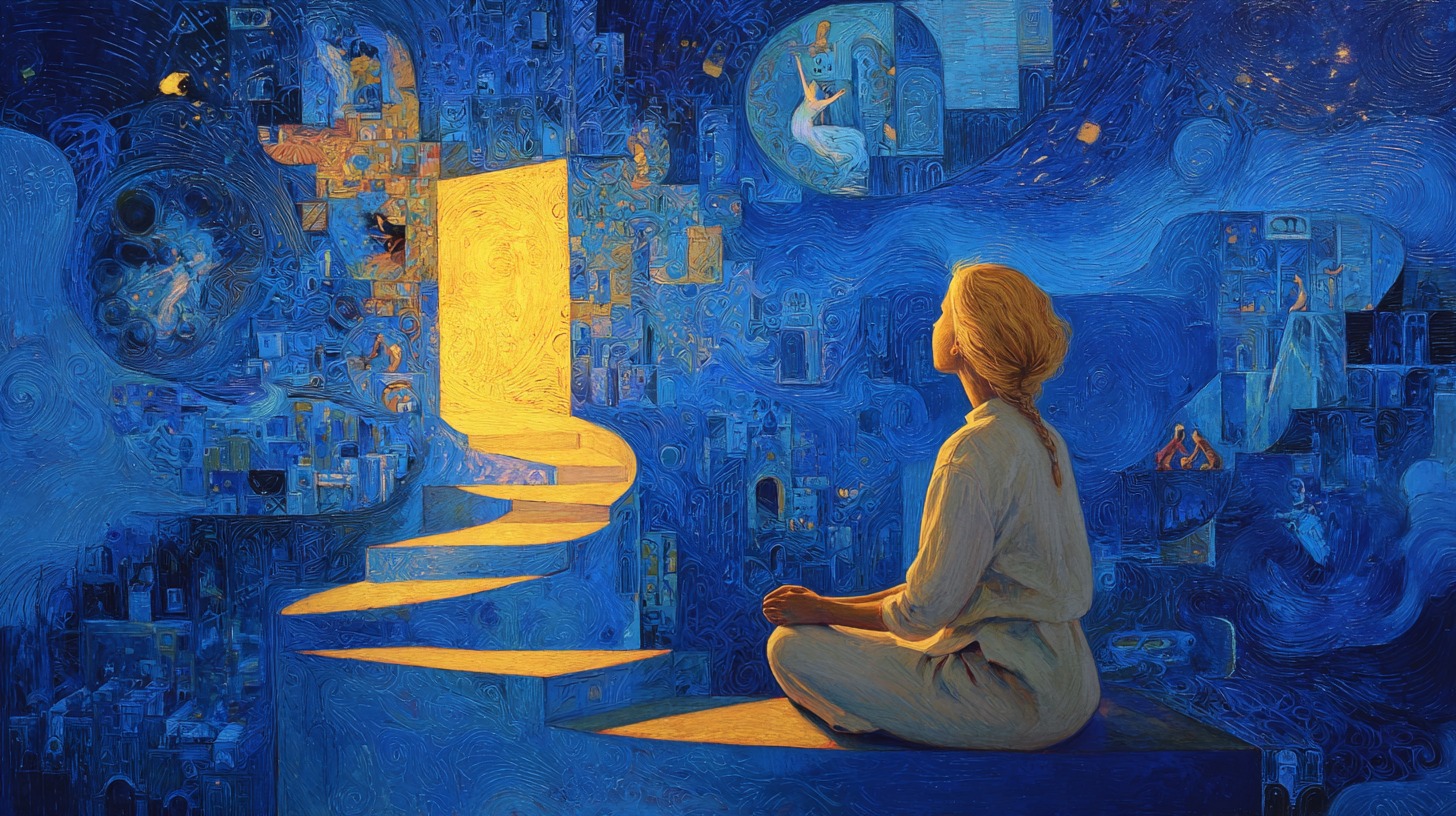
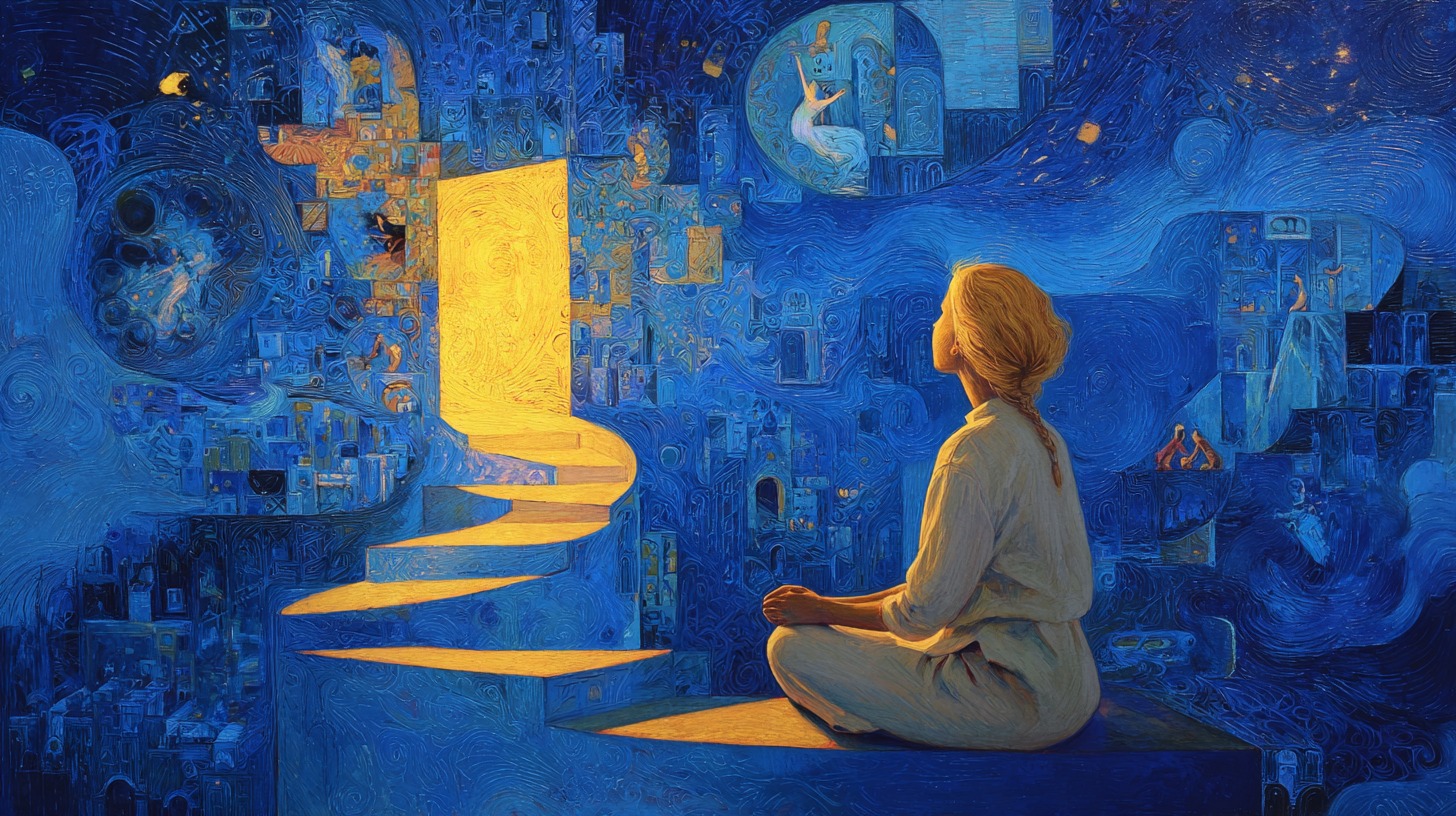
And I do what I’ve always done.I go down the trapdoor inside myself,to the only safe, silent place there is.
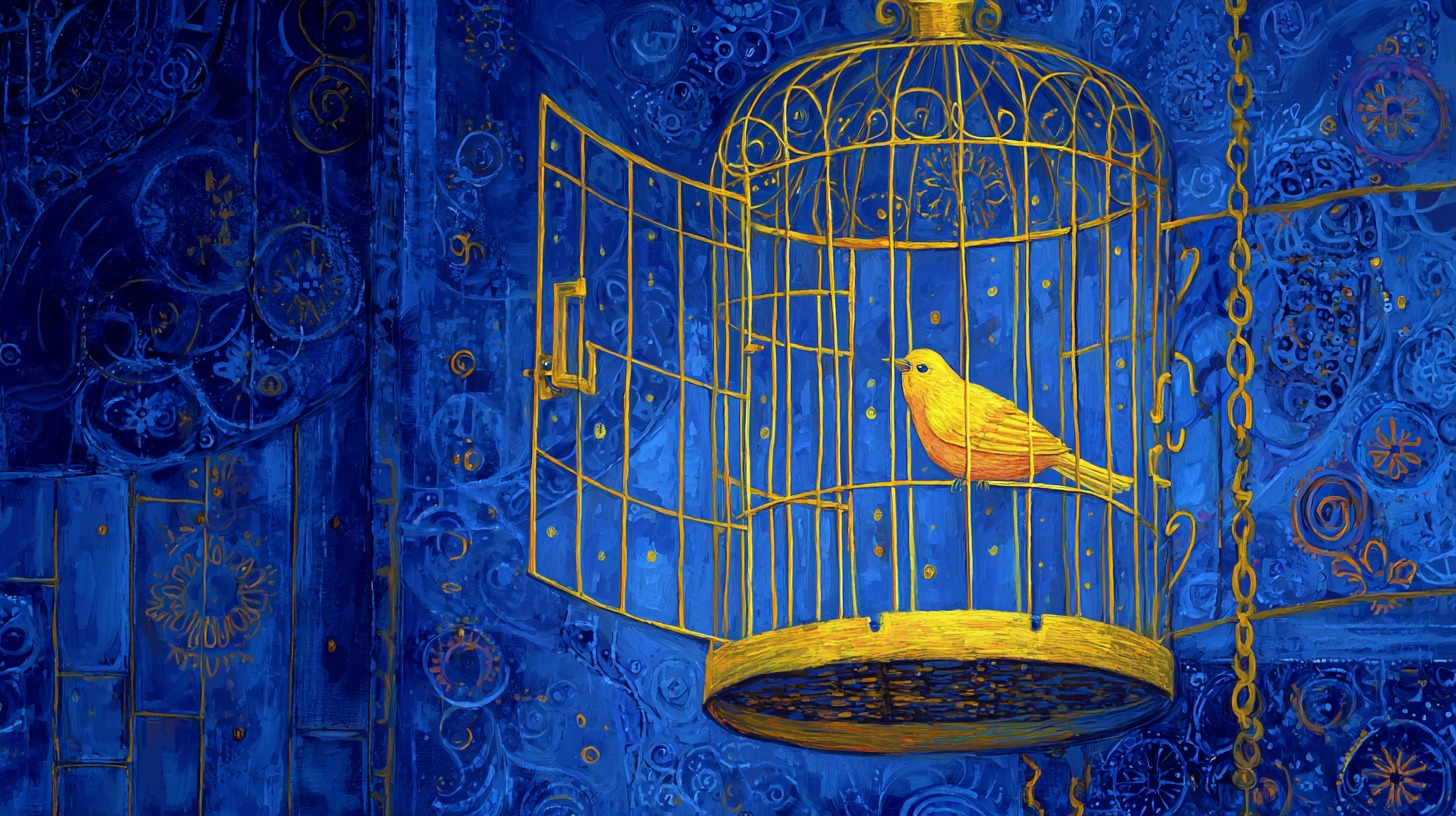
They say prison exists to protect the world from us. But for women, it feels more like the opposite—likeit’s protecting us from the world.
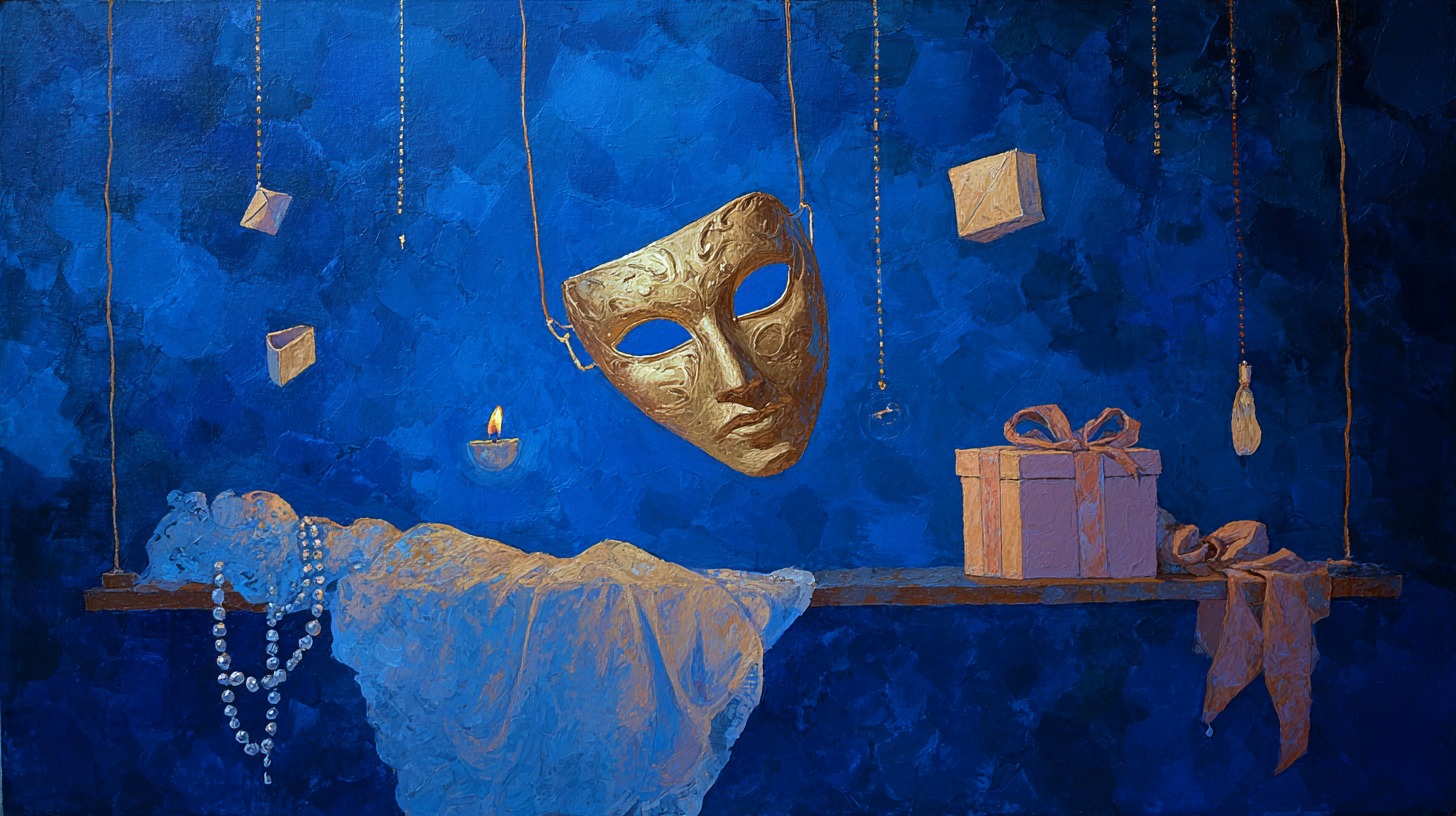
Sometimes it even feels likea strange kind of play,this life inside the cage.
Like the universe made a stage out of concrete walls, just to see if we could stillfind the joy in being alive.