I spent the morning reviewing books and notes, ideas gathering and clarifying. That afternoon would bethe first class of the meditation course I’d be teaching to the ladies of MDC.
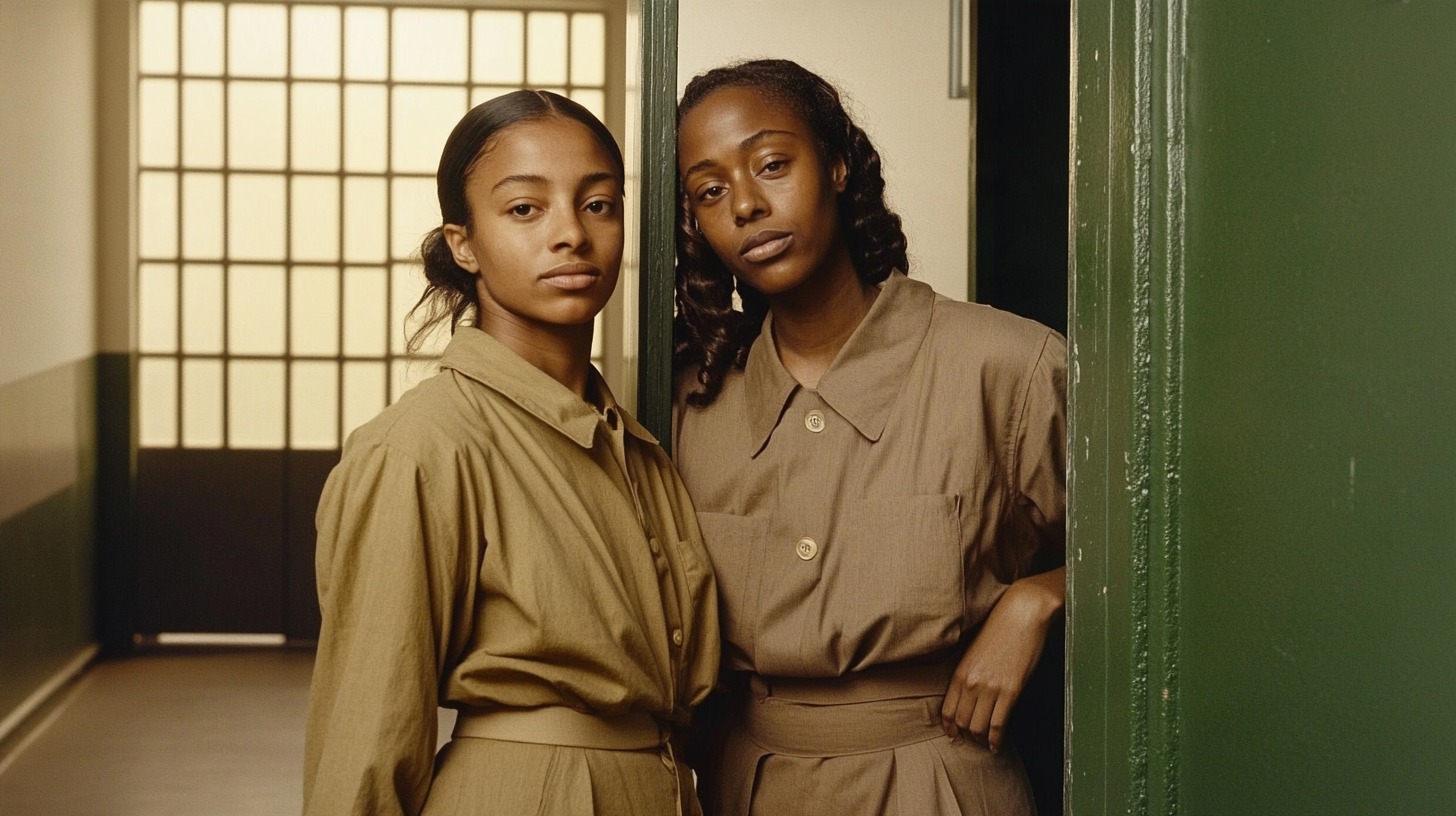
To be clear,it’s an honor to be with the women here—fast, sharp, trickster-smart.
Any “teaching” I’m able to offer in my meditation classes is both extra and essential. Extra, because their instincts are keen. Essential, becausewith even just a sip of practice, you can see them reanimate.
It’s beautiful and daunting. You can’t underestimate them for a second or step off the post of perfect equality;miss the wink and you’re out of the collective space.
The idea for a class didn’t start with me.Weeks prior, fresh out of solitary confinement in the Special Housing Unit, Yilan came to me directly.
“You meditate, yes?” “Um, yes,” I said,caught off guard.
Over time, the women’s initial incredulous reactions to Rach and I sitting in whatever quiet corner we could find hadsoftened to curiosity.
A few women sometimes pulled up chairs, imitated our posture, and tried it. But Yilan hadn’t been there for any of that, andthe rumors I’d heard about her didn’t suggest meditation was her thing.
“You teach meditation class for all of us.We get certificates. Looks good for parole.”She smiled in that matter-of-fact way that reminds everyone what’s in their best interest.
I laughed—thenrealized she wasn’t joking.“Certificates, huh?”
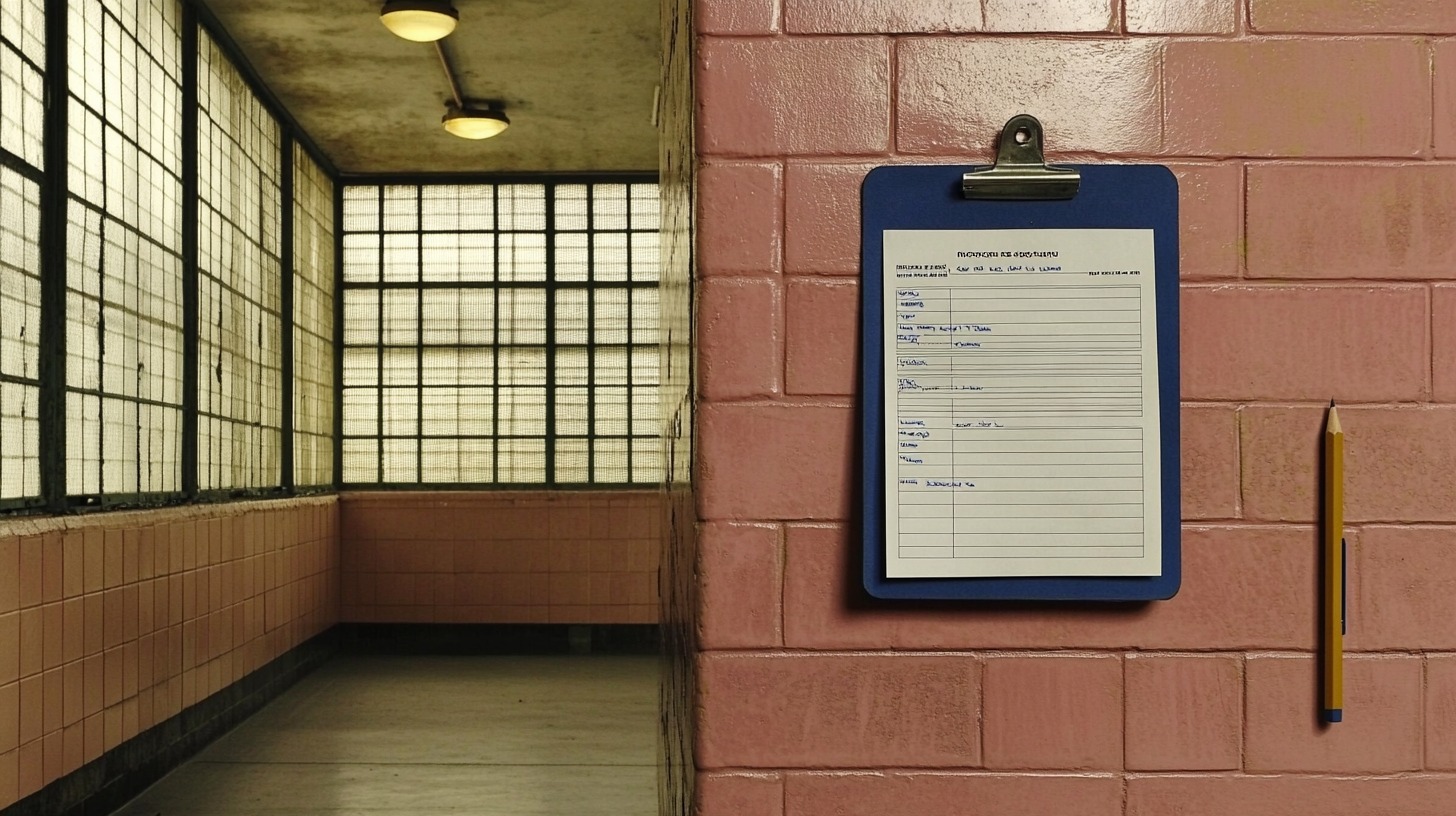
“All the ladies will go,” she said. “You tell the administration, they give us a sign-up sheet.Makes it official. We get certificates.”And so it was.
These women have all the ingredients for excellent practice.Every interaction with authority, every repetition of routine, every moment of uncertainty could become a place of practice, an invitation to master attention.
We live in extreme conditions here—questionable food, broken sleep, relentless heat and cold—and can use it all as inspiration.
They could learn to regulate temperature, appetite, clarity, and energy from within. They could tap into andunleash the wild power within:the only force strong enough to drive someone all the way to enlightenment.
I feel like a kid on the first day of school.These are the women I live with, day in and day out.
Prison walls, meant to separate “in here” from “out there,”create a kind of compression on those inside.
These women can smell performance.They really give attention, but they aren’t angling to be the teacher’s pet. They’re either with you or not.
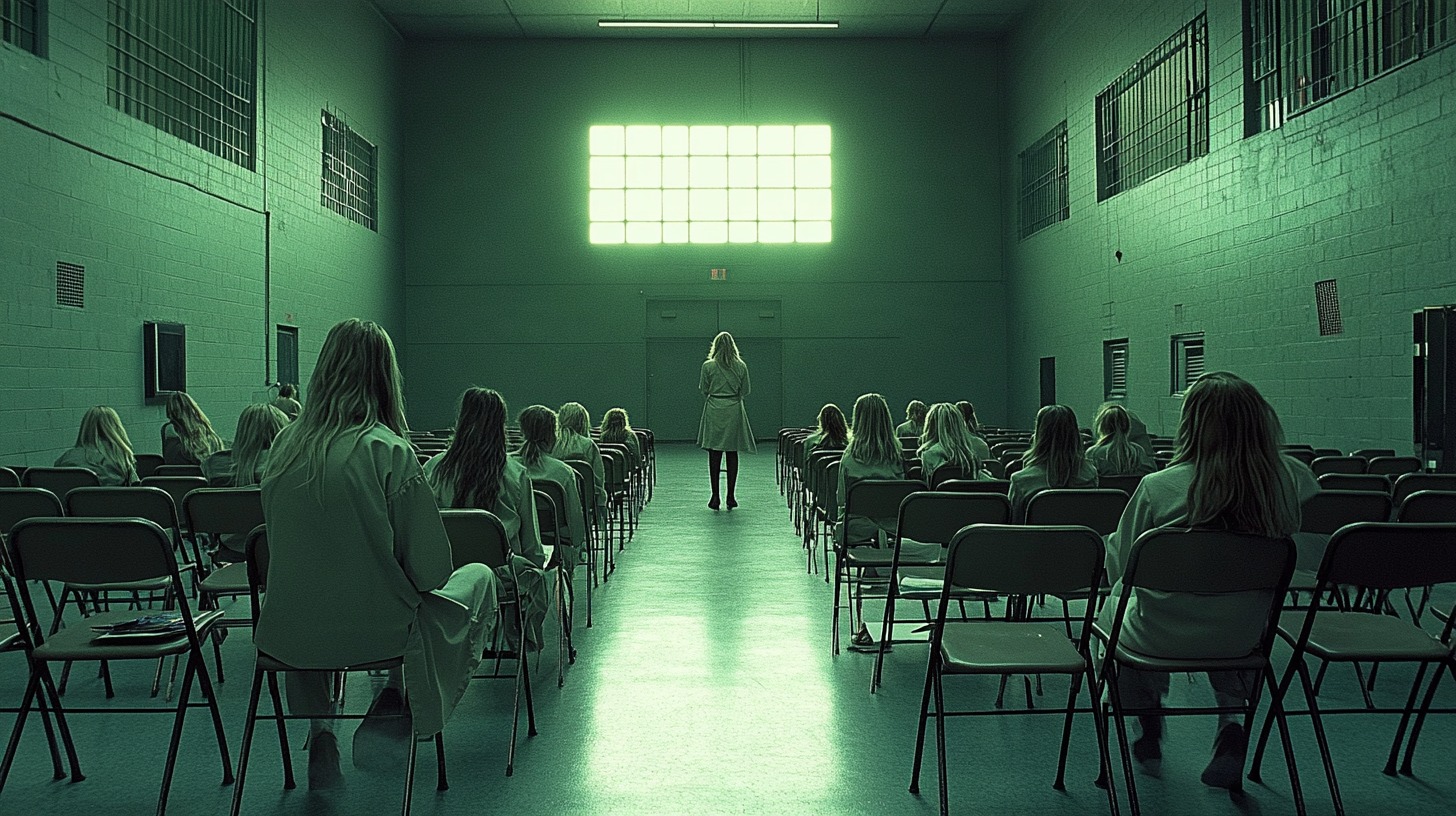
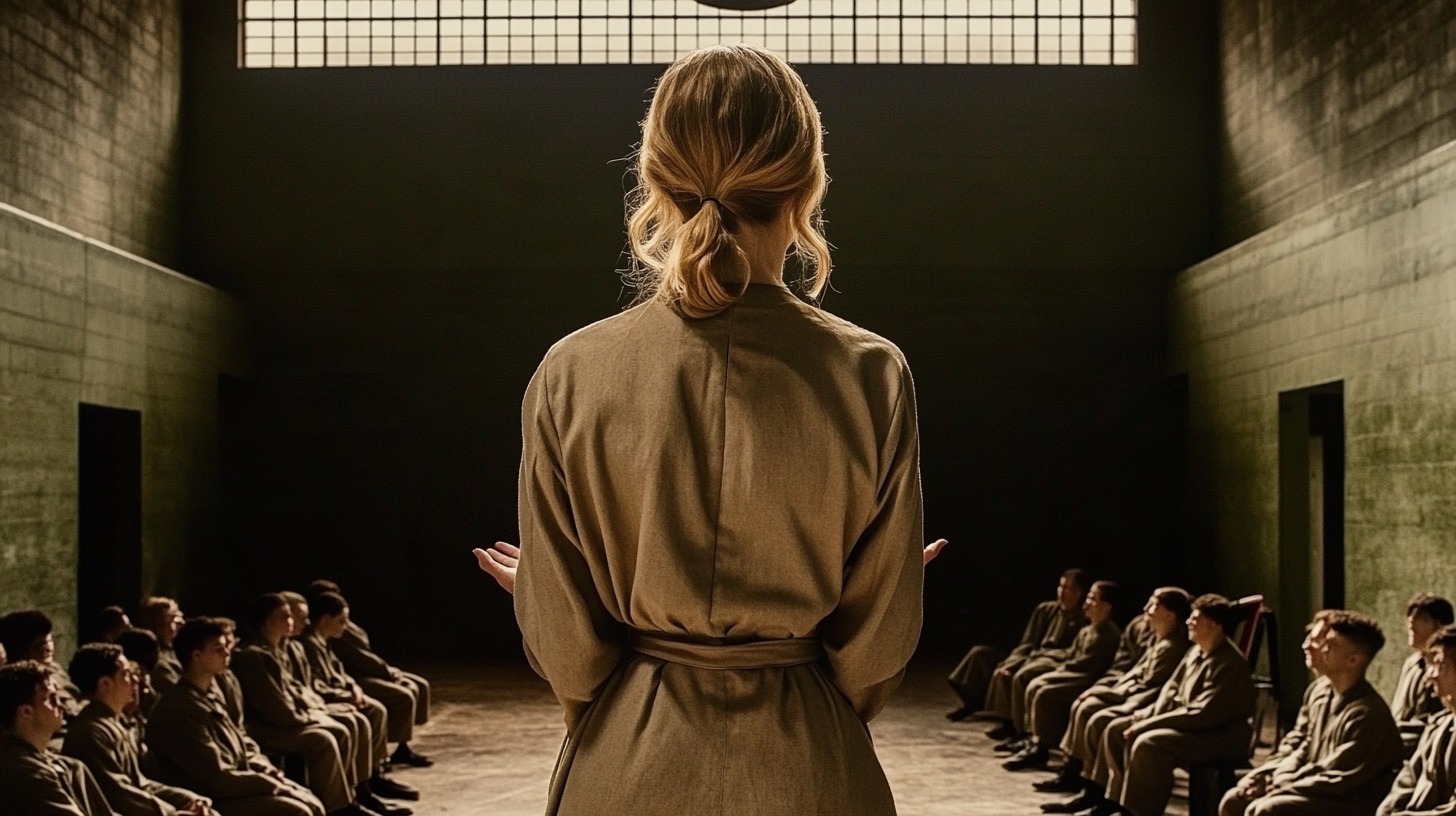
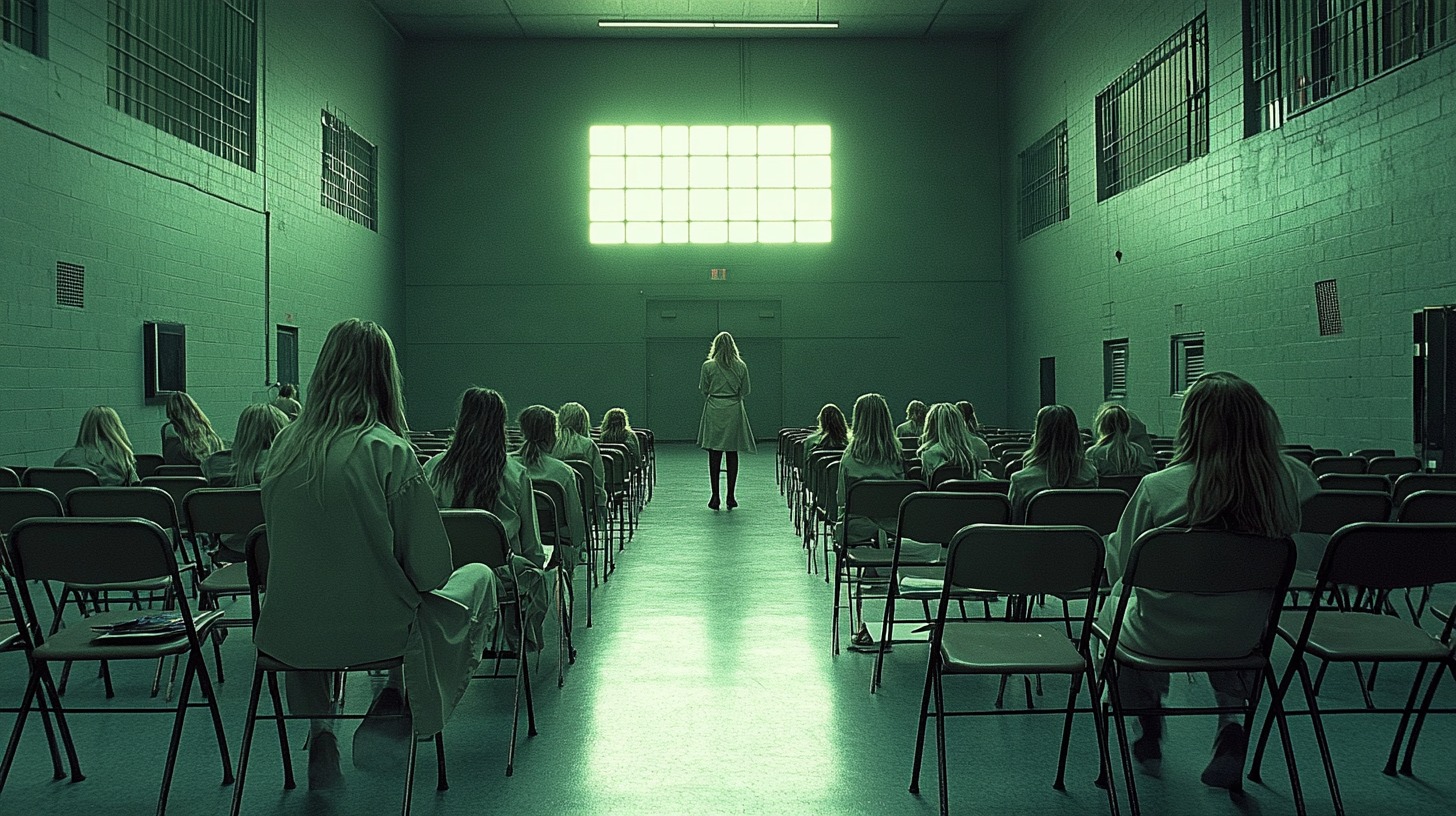
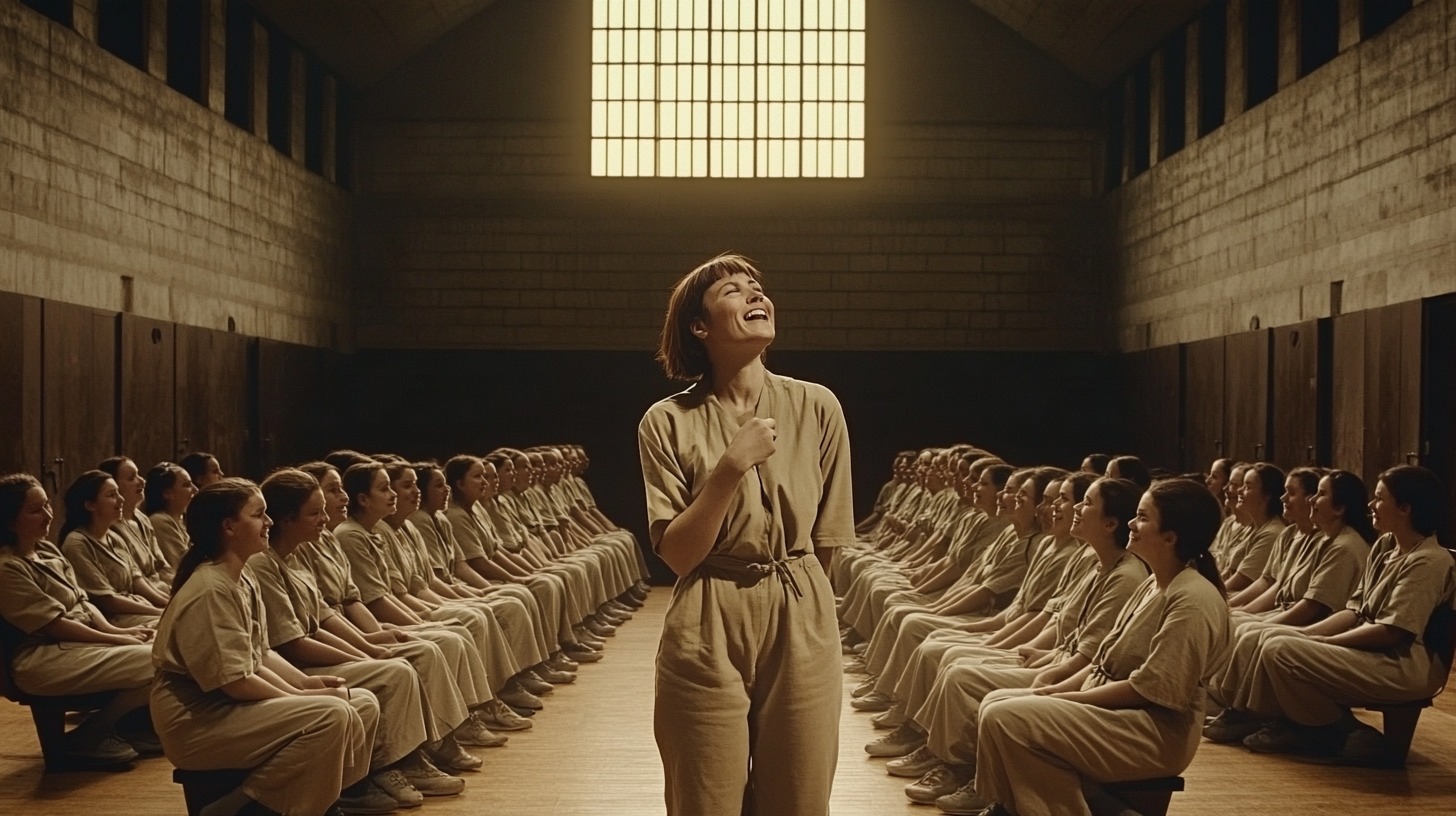
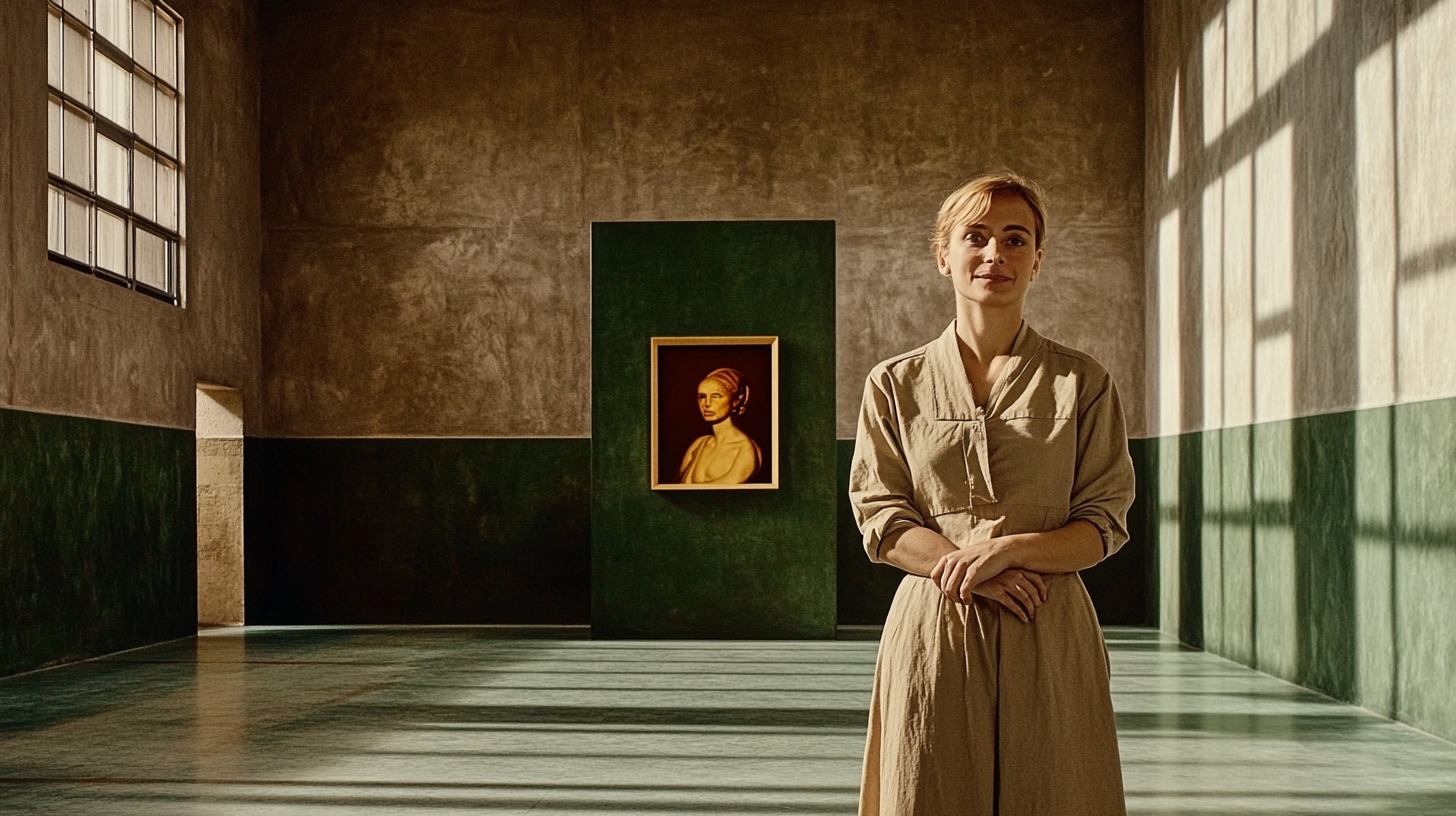
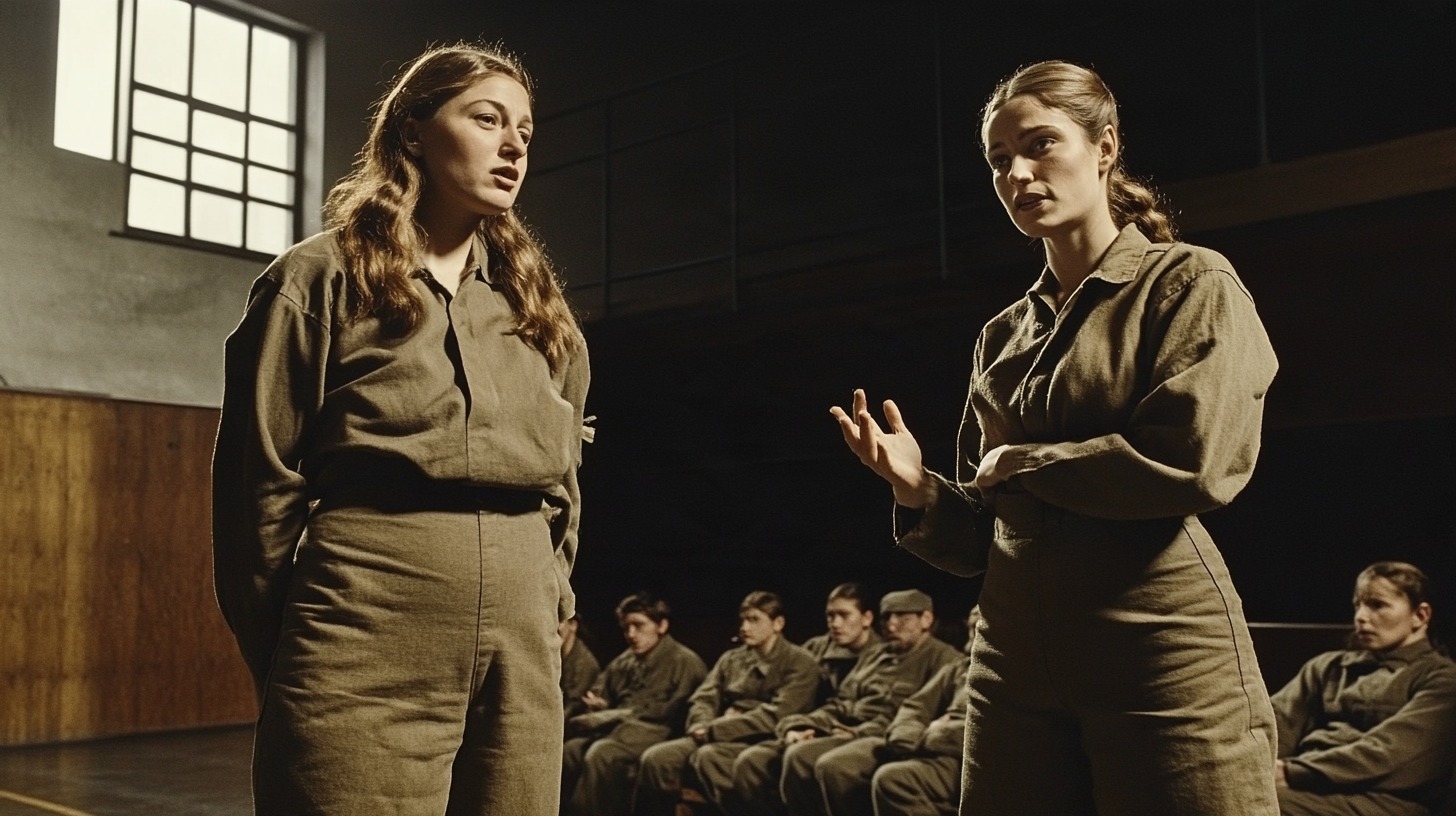
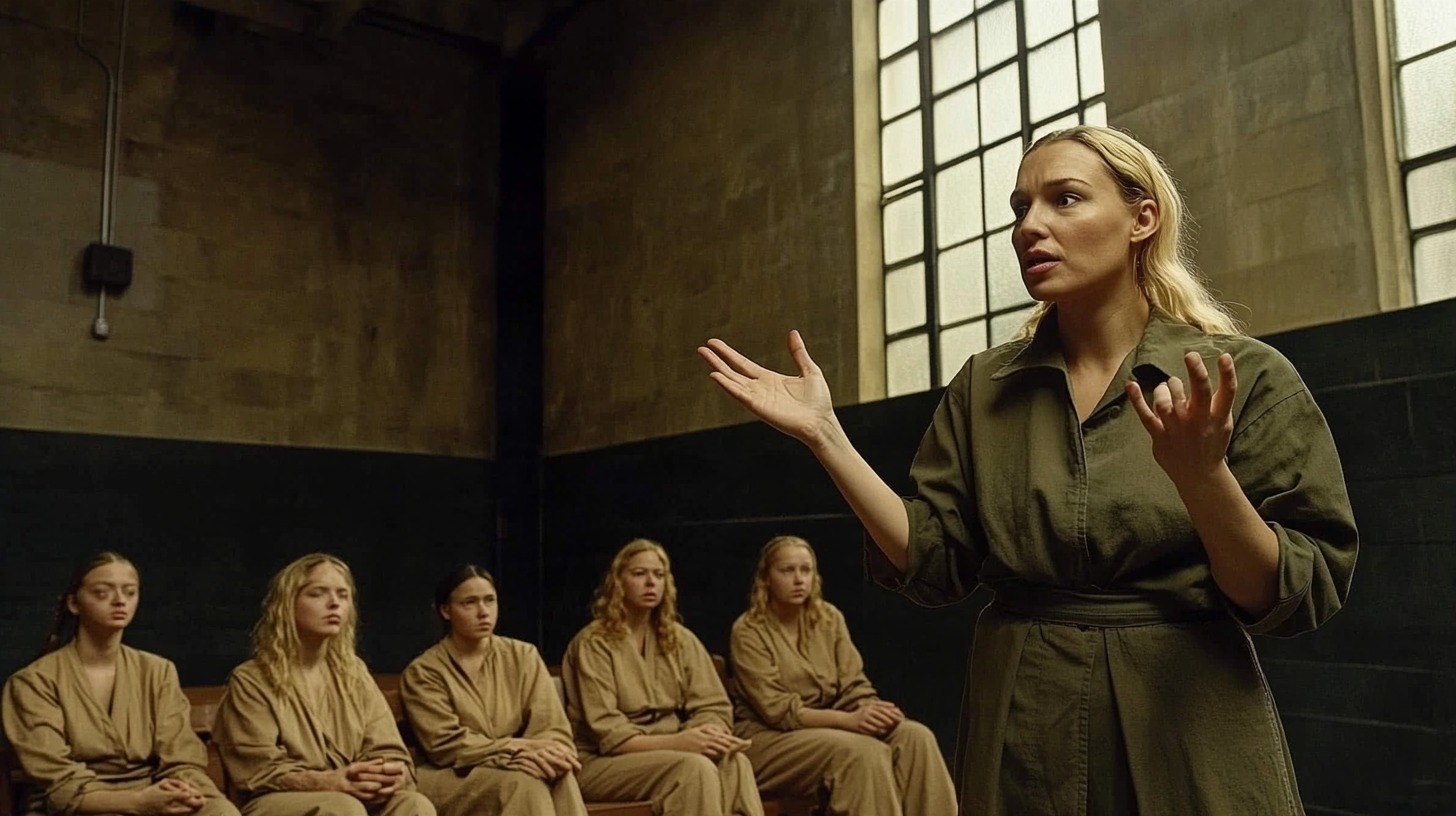
At 2:00,I walk into the gym with the women who are excited for class.
The number swells well beyond the eight lines the administration allottedon the sign-up sheet they had posted four days ago in the dorm.
“That’s twenty-two,” Rachel whispersas we take our seats in front— well over half the dorm. No pressure. She grins.
“Okay,” I say, as the room gathers itself. “So, you’re in prison. But when it comes to meditation,that’s actually a good thing.
Meditators in Tibet and Nepal go find caves in the mountains,alone, with less comfort than we have here.
They are called cave yogis.These are top meditators, and for them, the bare walls, the cold, the simplicity are all benefits, so the mind has to face itself.
You all are smart. You figured out how to geta meditation retreat without flying all the way to the Himalayas.”
The few who’d heard this from me before chuckle,endeared to this crazy white womansitting in front of twenty-two federal inmates, teaching meditation.
Some are clearly there for the certificate. ButYilan catches my eye and gives an approving nod:Keep going.
“So if they’re cave yogis,that makes us OG yOGis.‘Original gangster’—the part of you that’s tough, real, unfuckwithable. And yOGi doesn’t mean flexible; it means transformation.
How little a shift does it takefor the dorm to become an inner monastery for real change?It’s routine, practice, structure.
Shift inside, and the world shifts with you.” Luciana smirks.“OG yOGi. Okay, I like that.”
Others aren’t as sure. “You know what they can do to you here?They can lock you up in a little room all by yourself.
You don’t get any say in that.”“That’s the threat that runs your mind,”I say before I can temper it. It is true. I check Yilan’s face—expressionless, watching me.
“I’m not saying SHU isn’t real, but you can transform it.
Those cave meditators sit in the middle of nowhere, andto them it’s the greatest place in the worldbecause it helps transform their minds.
Every woman here fears going into solitary.I’m saying, whether it’s SHU or general population, it starts with a choice—choose where you are and put it to work for you.”
“We’re not saying you gotta take our word for it,” Rachel adds,bridging the divide.
“Just try it. Meditation isn’t about believing the right thing.It’s about having the experience for yourself.”She is right. It’s not a debate about beliefs or religions.
“When the Buddha taught, he used the word ehipassiko—it means ‘see for yourself.’Don’t take my word for it or anybody’s.
Try it and see.” When I was preparing for class,I’d called my Lama to ask what to teach.
“Teach them tummo.”“Really?” I was surprised. “Isn’t that a little advanced?” “They seem advanced enough.” He chuckled.
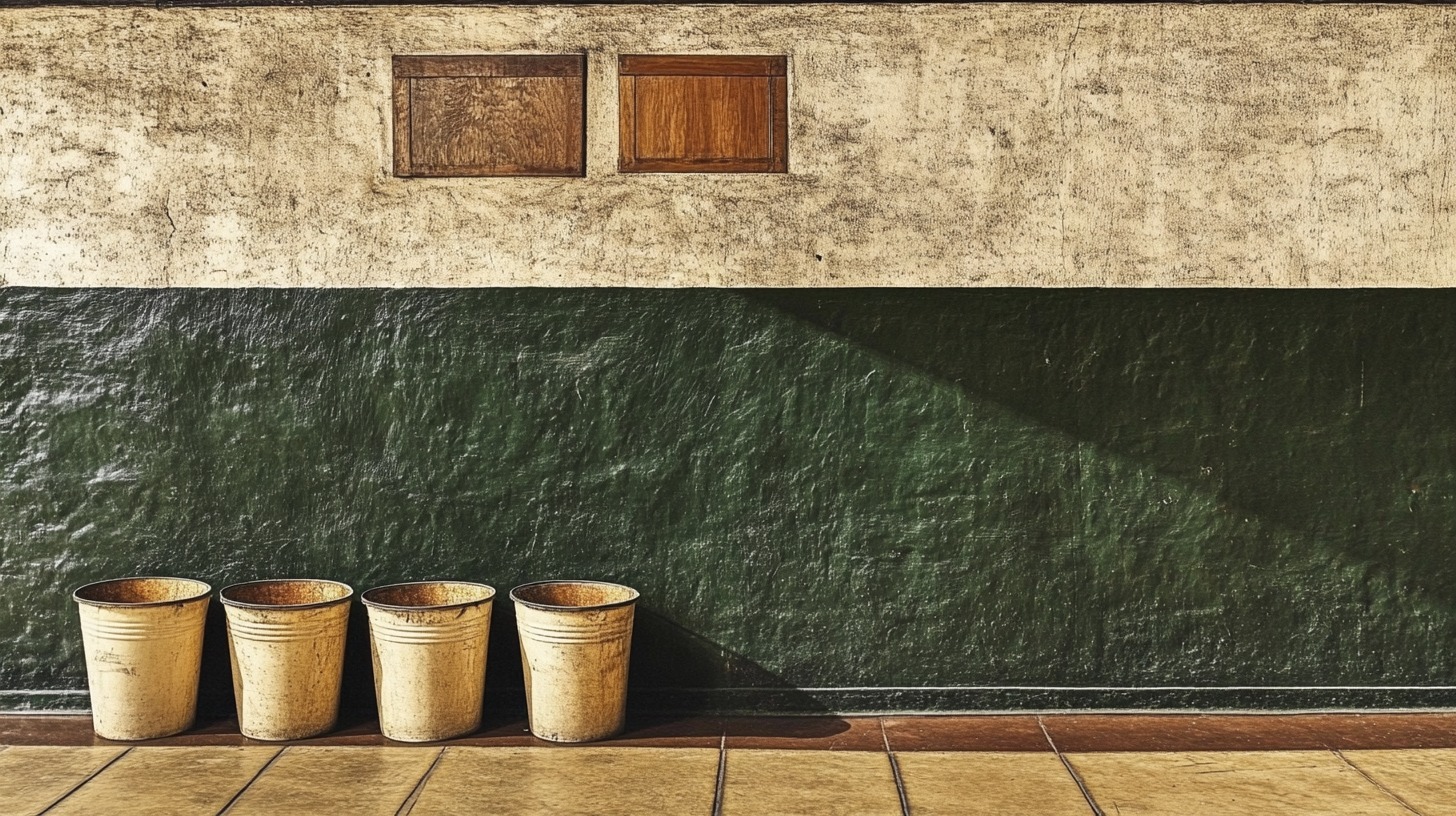
We weren’t going to need buckets to soak our clothes inlike the cave dwellers of Tibet I’ve seen—
the hyperactive prison A/C kept it cold enoughthat most women wore several layers under their uniforms in an attempt to stay warm.
“Okay,” I said to him, “let’s try it.”I explain the practice—and its benefits.
“Te pone caliente,”Mari translates for the Spanish speakers, to their delight. The women gather themselves, sitting upright in their chairs. Rach checks her watch. “We’ll start with ten minutes.”
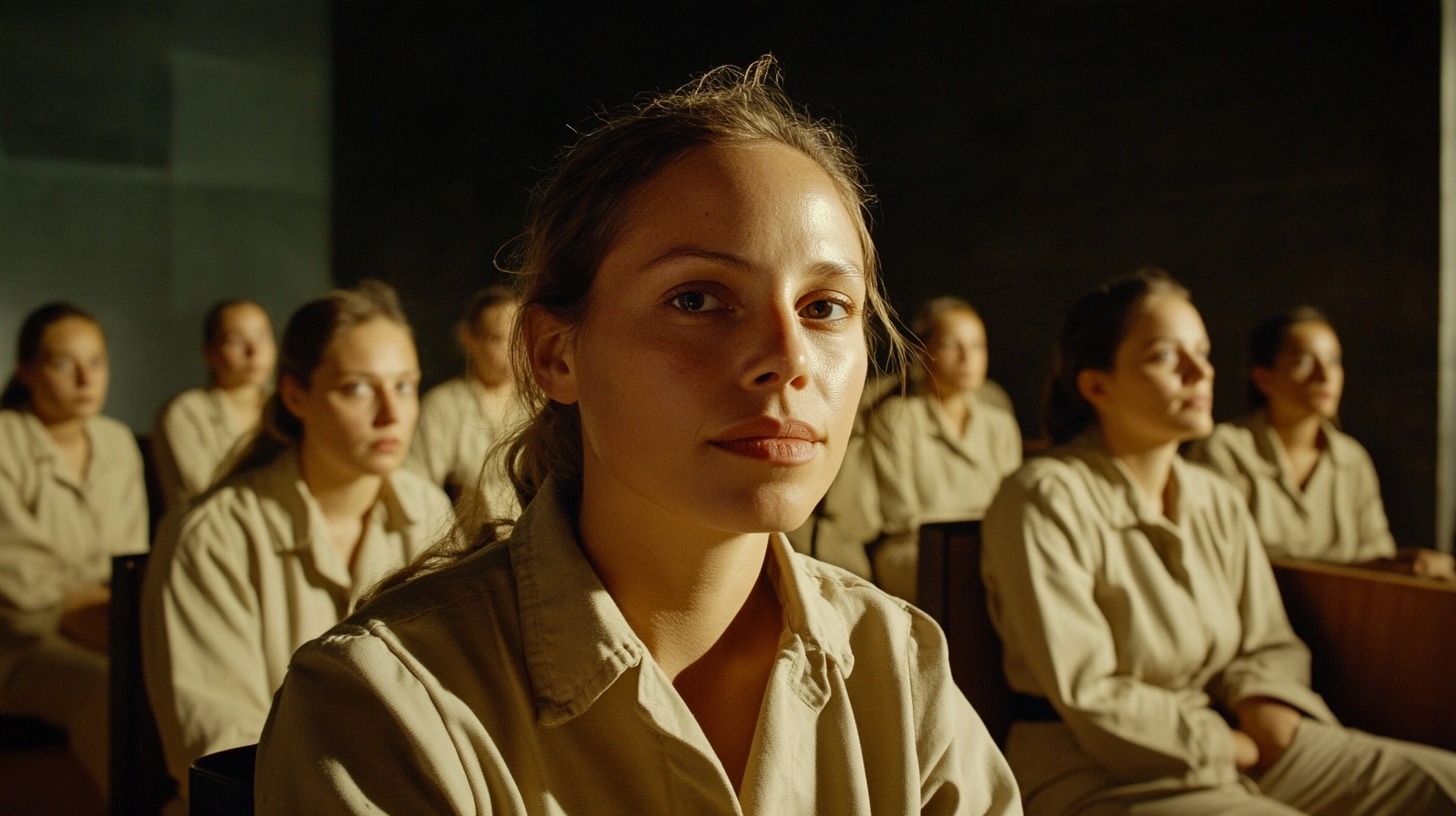
The practice works.Even the irritated women in the back uncross their arms and sit up, clocking how many around them had closed their eyes.
The breath hold has several purposes, but for first-time meditators,it sharpens the mind, gives it something to do.
The room quiets while the TVs in the other room drone on.A stillness descends.We close with a word or two from each woman to seal the practice.
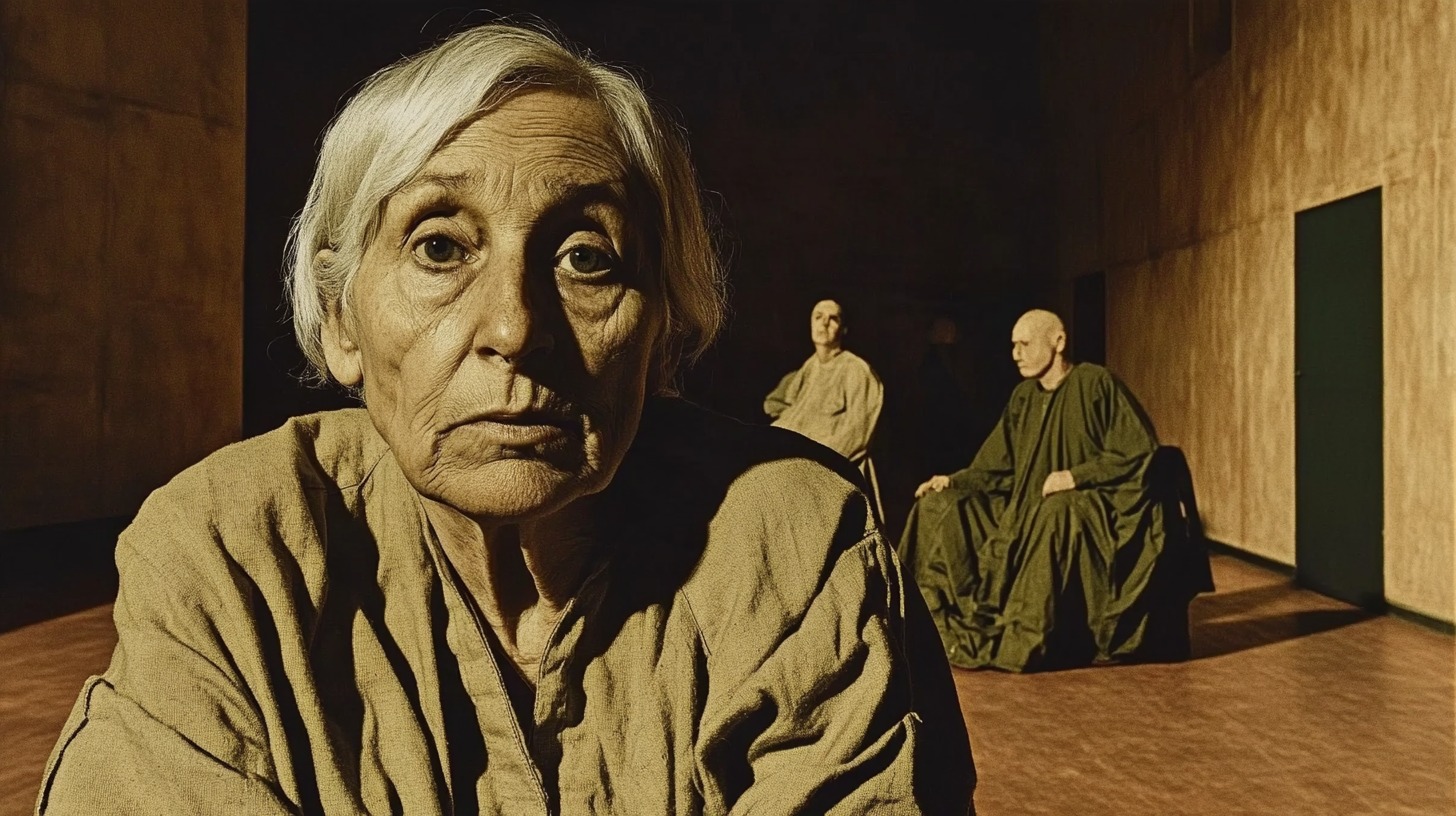
“Love.” “Peace.” “Warmer.” Royal offersgrandmotherly warmth:“I’m just glad we can be doing something all together.”
We pack up.Chairs scrape against the floor.Chatting resumes. Some talk about the class; others move on to the next thing.
But I feel a shift—in myself and in the dorm.After nearly two months of being the odd curiosity,
the two strange white women doing our own strange thing,the secret is out—and with it, an invitation.