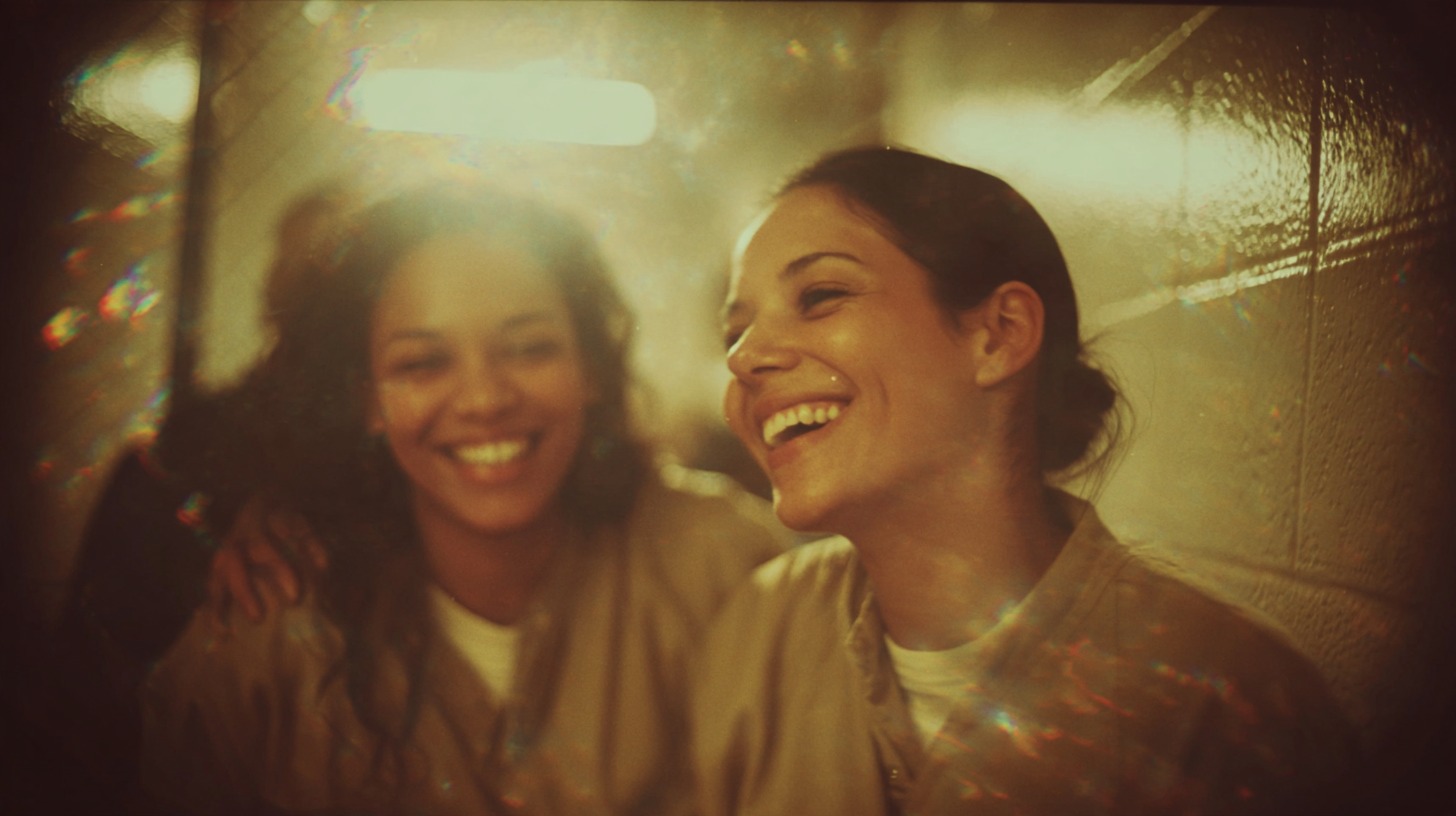
Visitations are on Wednesdays. I was learning the rhythm. The dorm takes ona clucking, bright-eyed energy.Even women without visitors move differently, a little more aware of themselves.
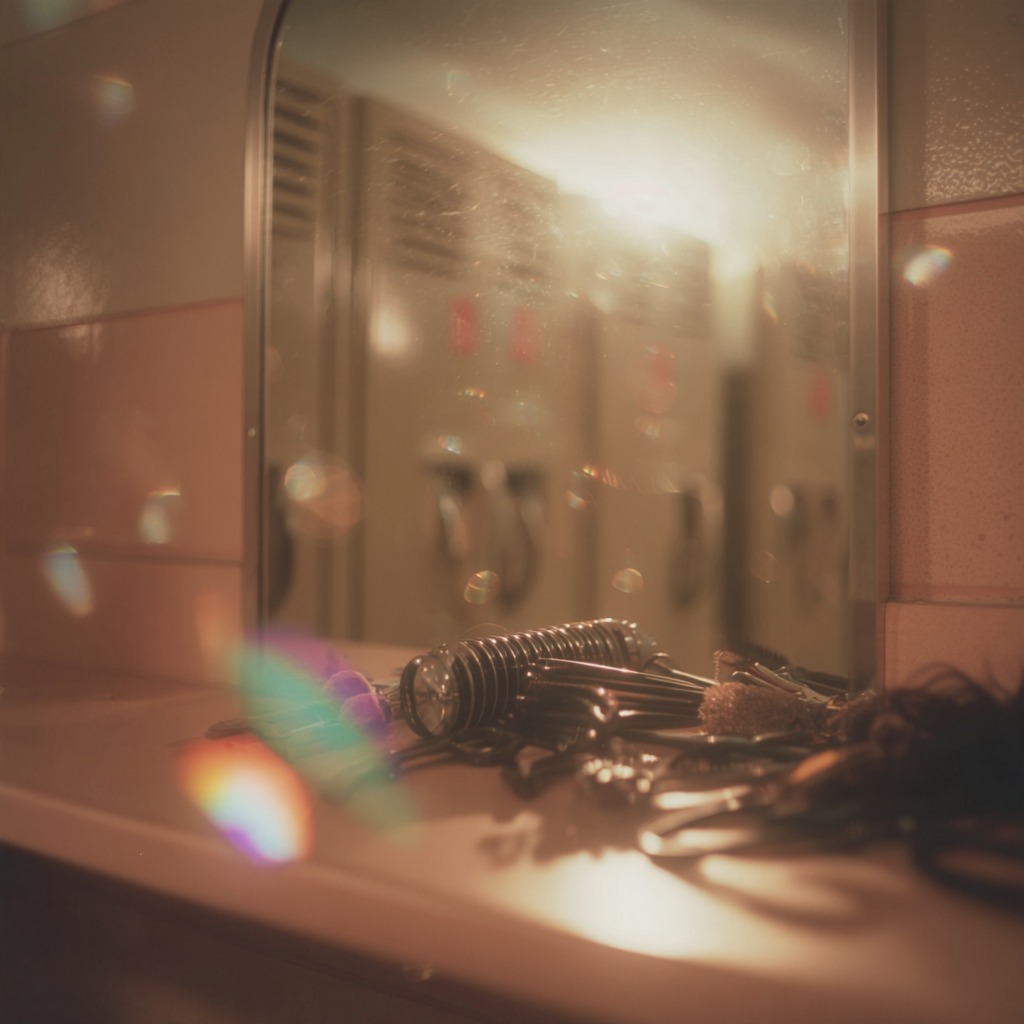
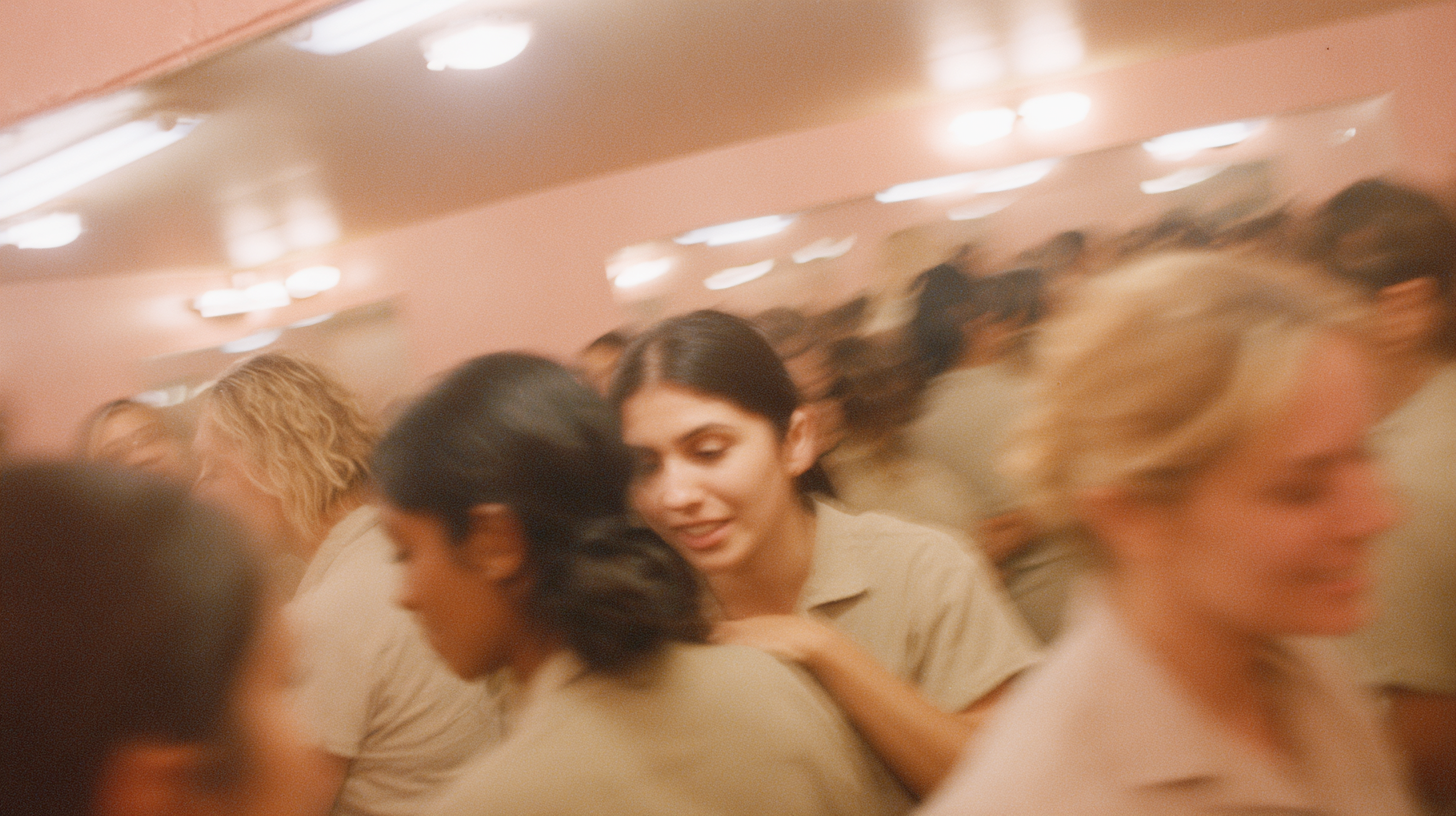
Locker doors bang open; tiny commissary mirrors flash; hot combs and curling wands appear from the office;dumpy sweats become date-night outfits.
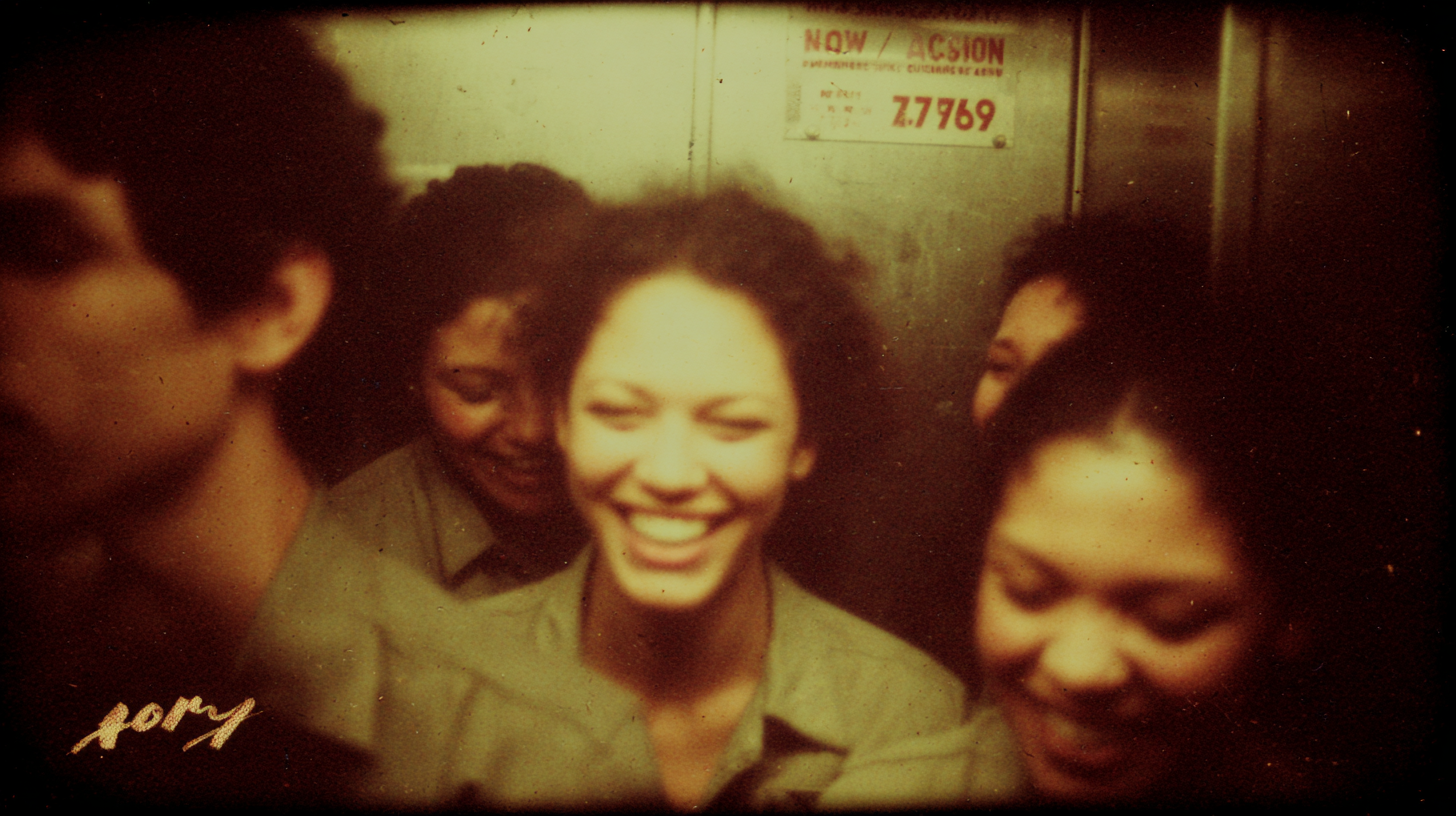
We go fromfinals-week sorority to first-date hopeful.Diamond has Lisa do her hair in a sweeping ponytail. “Lisa did it,” she says, proud. “Well, it looks like Lisa knows what she’s doing,” I say.
Diamond lives out in Row Four—the far neighborhood, so we rarely interact. But, on visitation day,all borders blur and doors open.
Every woman is for every womanbecause now there’s an “outside” that is bigger than the outside we’ve been living inside.
Luci’s been going through it. She’s the glee-club overachiever—don’t let ’em see you sweat.Her “happy” can read like a flex. I care about her, but I don’t break down anyone’s reality by force.
Still, you can hear the argument inside her;even her tennis shoes land loud.
“You okay?” I ask, just that.The dam cracks.Tears. Most people have been sold a single story about this place: wall-to-wall misery, a morality play designed to make the outside feel righteous—See?
They’re suffering like they should.
But the stranger truth is that sometimes life shows up herebright and unfiltered.
There’slaughter that knocks your shoulder,kindness that sneaks a seat beside you, a sharpness to the moment that the outside world, for all its choices, keeps dulling down.
A lot of folks picture “heaven” as nothing but love-and-light, no mess or noise. I’ve learned there’s another kind of heaven for therough-and-tumble angelswho show up in disguise.
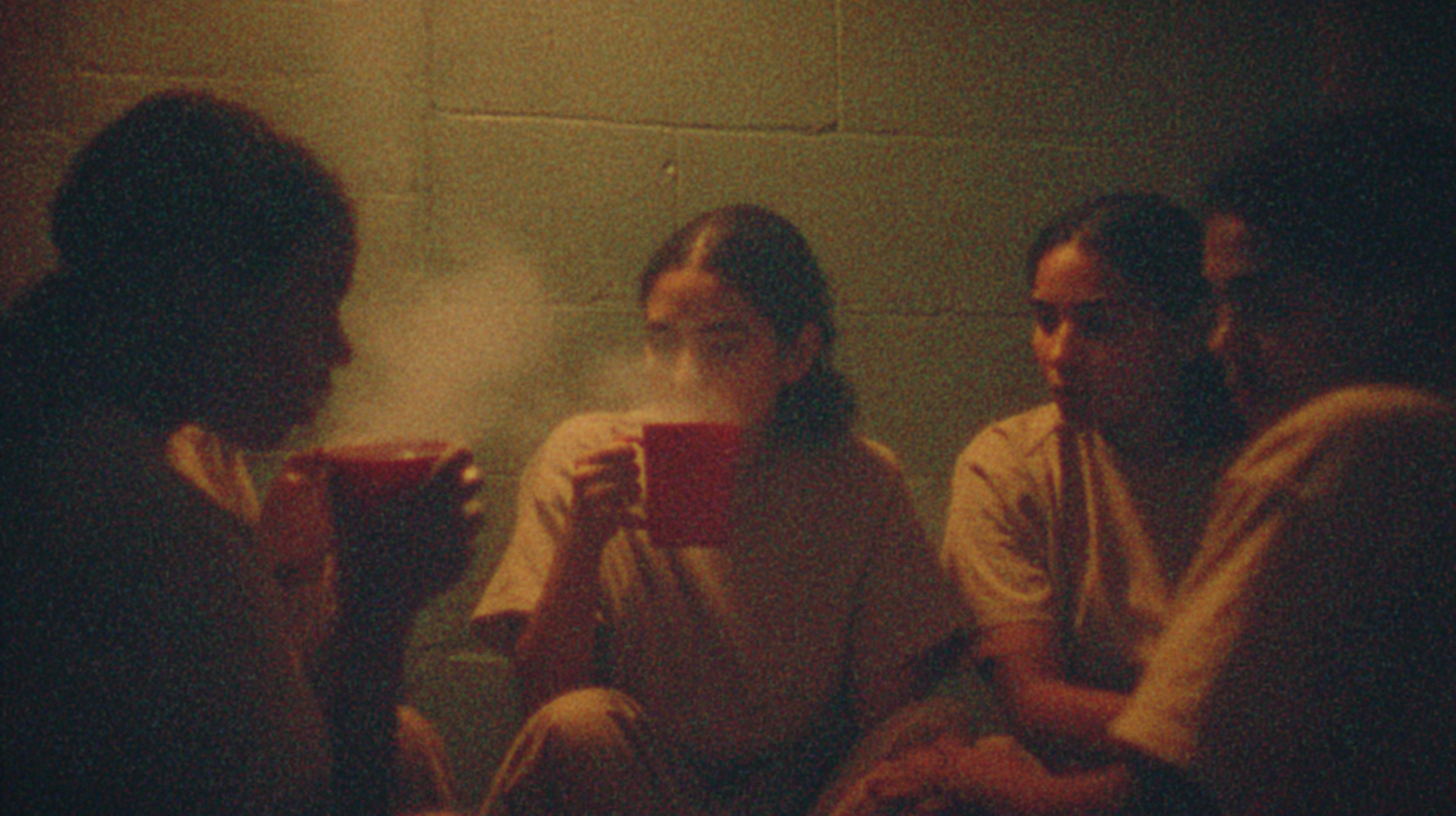
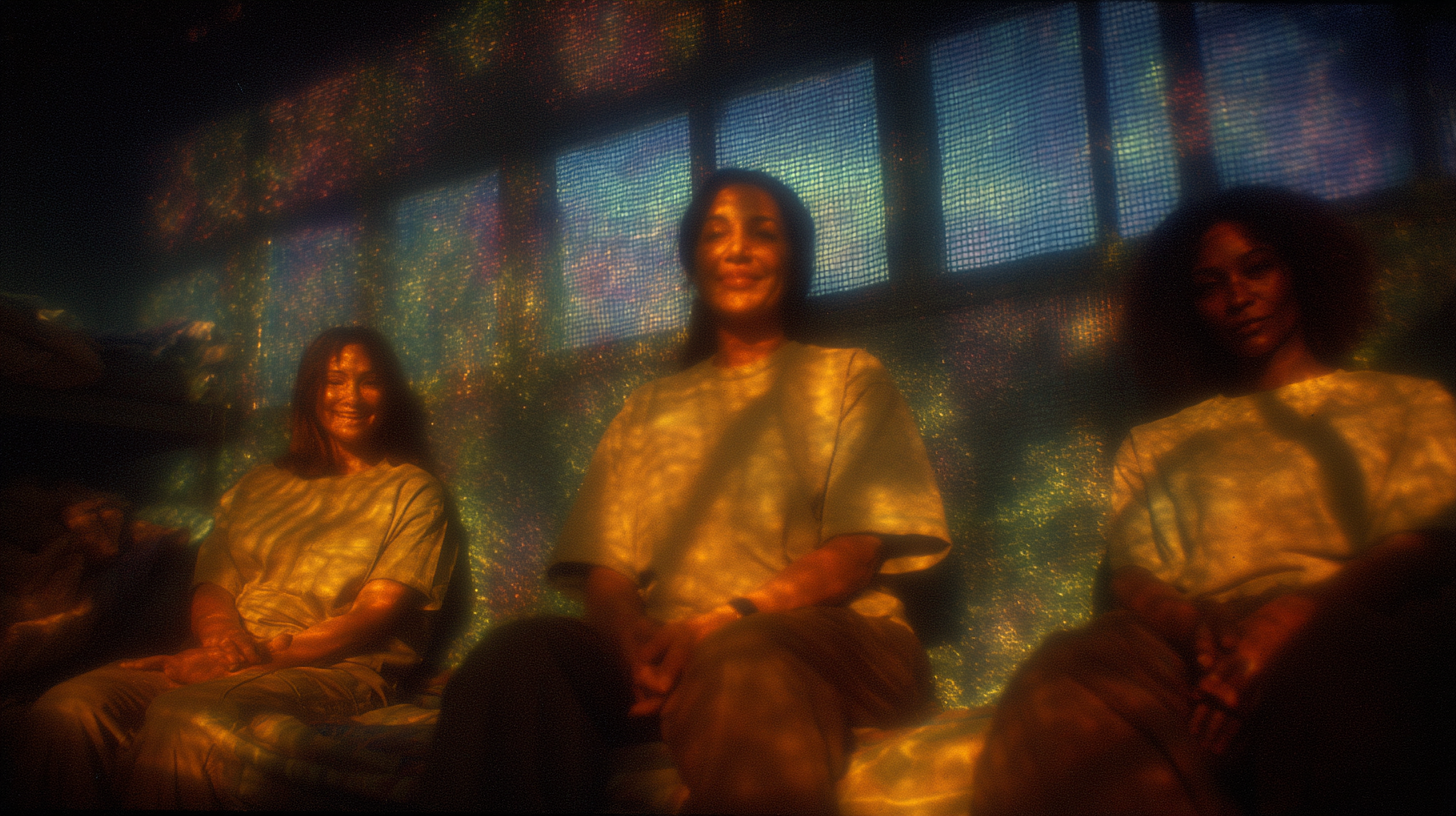
It’s not clouds and beams of light; you get harsh overhead lights and concrete floors andseven women sharing instant coffee—and somehow, there’s something more real to it.
You stand next tolegends and nobodies, saints and screwups,free for a second from who you were “supposed” to be. And for an entrance fee, all it costs is your reputation.
But now Luciana is looking atthe other part of her journey, the return.
You go out on your adventure into terror and delight and then have to squeeze back into the shape of “good civilian.” There aren’tenough shapewear brands in the world.
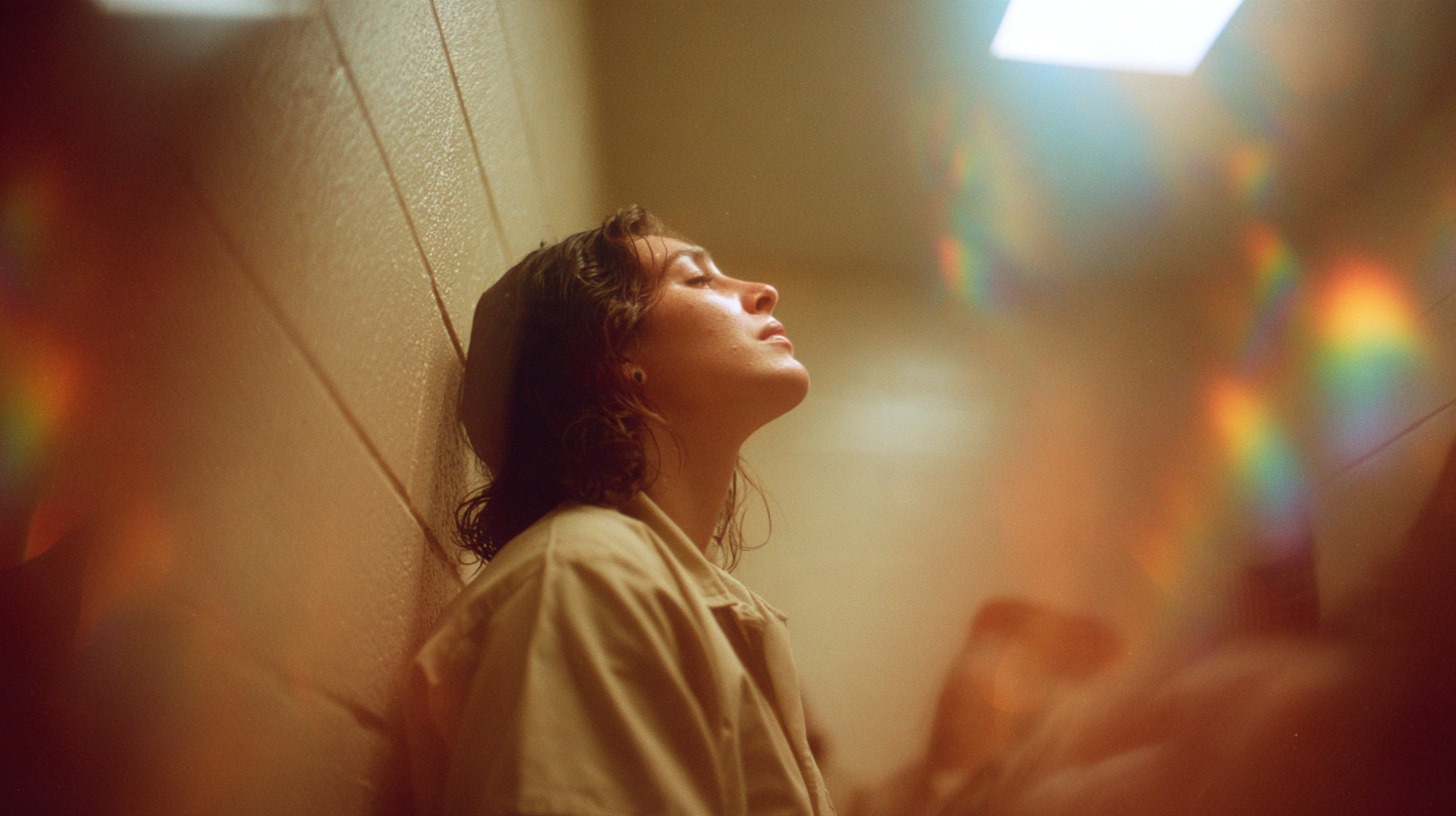
Even with the “best” of a normal life, how do you survive dullness after you’veseen the sky on fire—even if that sky sometimes casts its own strange shadows?
She started counting down her days, starting the transition from “in here” to “out there.”The past sings loud.
It wants you back. Luci asks how to walk forward.Point your body where you’re going.Drop the tab you think you’re owed and the tab you think you owe.
Those ledgers keep you shackled—the second you turn to settle them,you’re yanked off your feet.
She wrestles. I pray. I don’t want her stepping into her next life withthe old story clinging like static.She nods like she’s listening. She isn’t.
I know the drill. The lures offersomething sweeter than I can.But if she changes her mind, she knows how to find me. They call my name. Then Rachel’s. Then Janiya’s. Then Miss Wu’s.
Five o’clock.Time to go down.
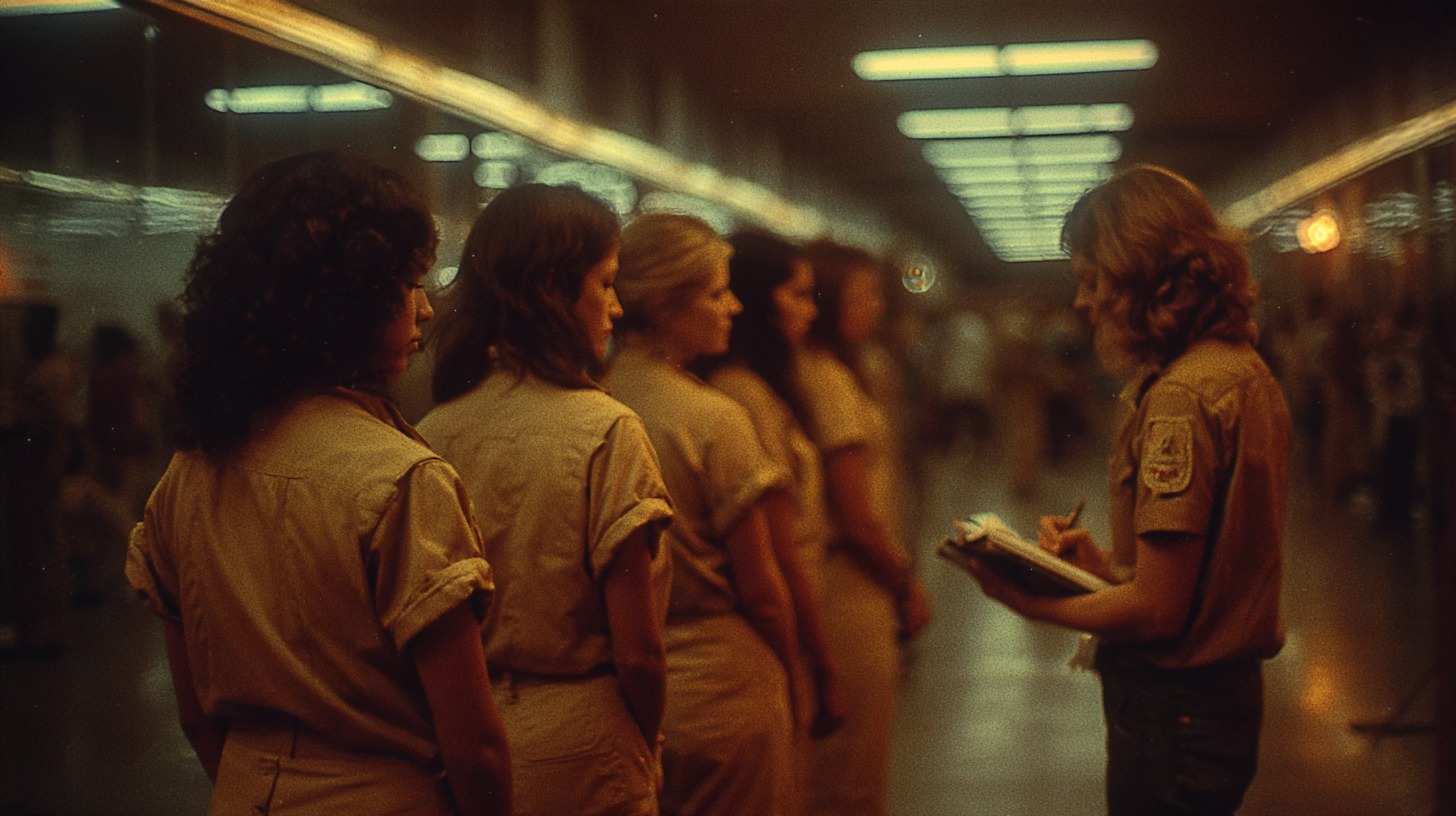
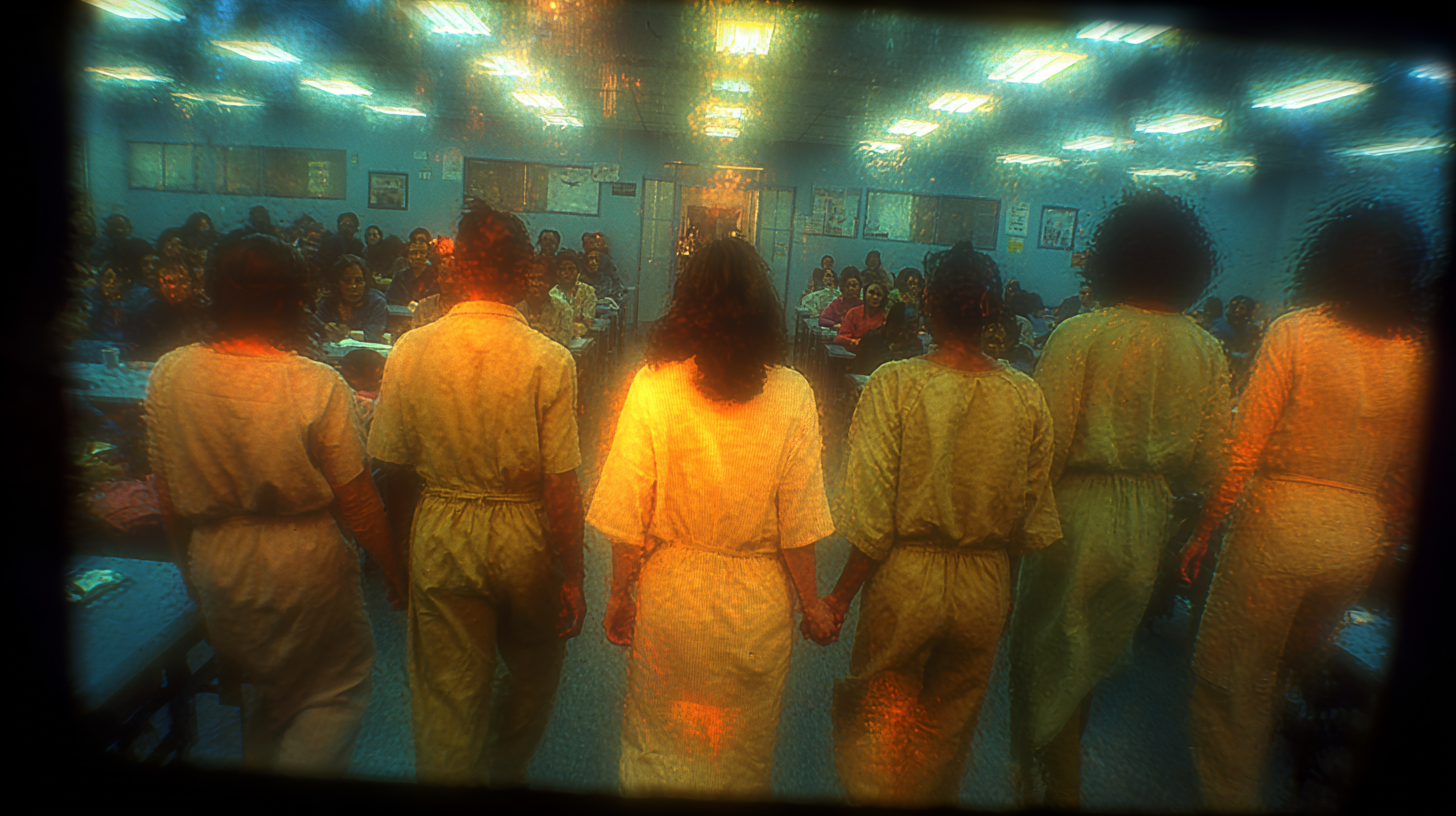
We enter together—eight womenscanning for prom dates among blue plastic tables.I spot Matt and watch Rachel swim over to him.
Emmett, my consort—less “boyfriend,” more training partner in love— stands behind,steady as a metronome.
When I reach him, the breath he’s held all week leaves. We’re allowed a hug at the beginning and at the end. Thirty seconds. I pull away—model inmate instincts.
Rach is still hugging Matt,last to let go.
Emmett and I are built for a different destination. We train tobecome the signal—to find each other anywhere, any time. The eternal hide-and-seek of love.
We willingly endure the ache, even impose it, to strengthen the signal. It’sa surgeon’s kind of love—nothing extra added or the procedure fails.
Warm, bordering on neutral. Less ownership or performance; more for the other. Emmett is more troubadour—expressive, romantic, music to the beloved. My way isthe psyche’s clean cut.
I usually allow his love butdon’t take it personally.
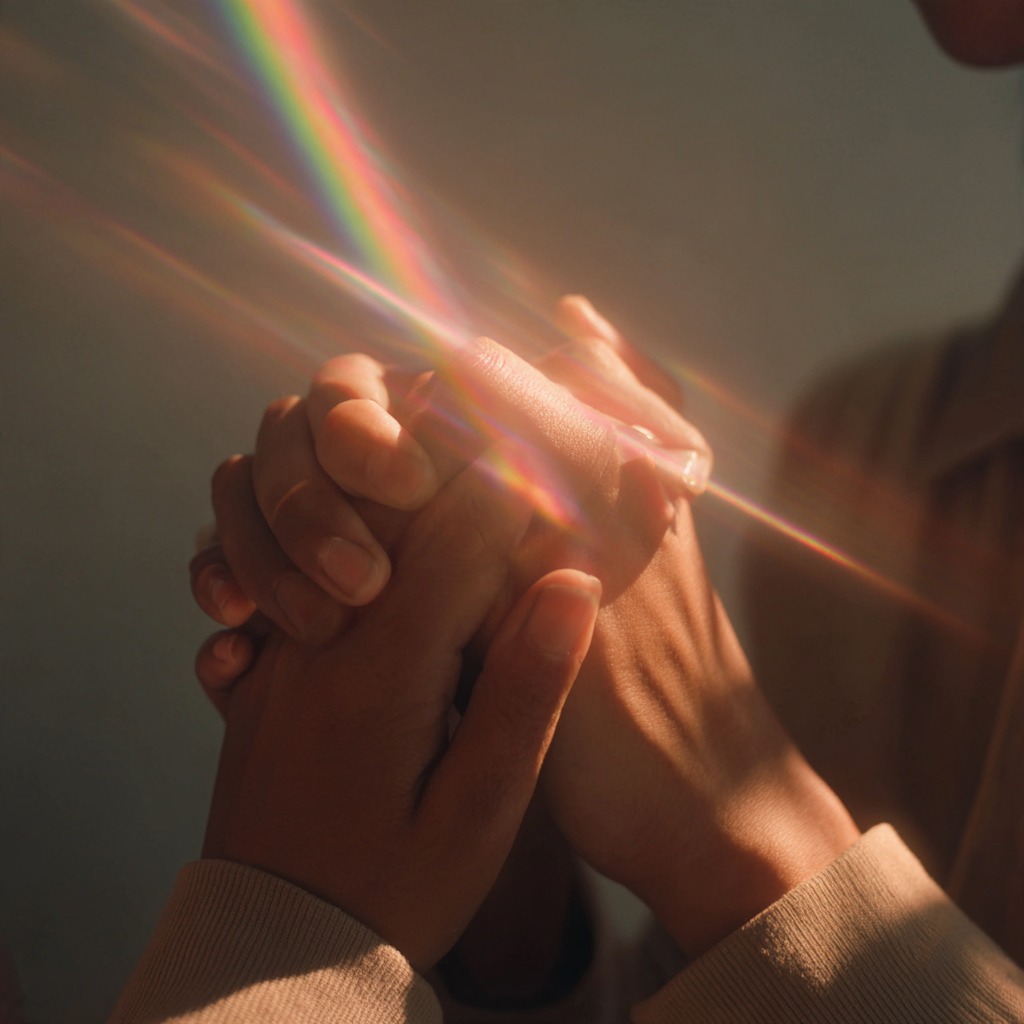
I let it wash through. This time, I let it in. He’s just a man in a visiting roomasking me to feel his love.No reassurance needed. Just receive. So I do.
His devotion iscathedral-quiet.For once, I’m simply woman, warm and present. “You do,” I say. “Love me very much.” “With everything I am,” he answers—raw, insistent that I know it’s him.
He can joke about neutrality tomorrow.For now: See me.I soften.
I don’t regret holding the line; he loves me because I don’t waver—untilthe signal is blade-sharp.Then the river reroutes. Somewhere between his voice and my breath, the dial clicks into a station.
The image he’s been holdingstops being a picture and becomes presence.
The room doesn’t change, but my skin does— gooseflesh, a tug behind the breastbone,air thickening like before a storm.It isn’t as if I’m there: I am.
Sitting across from each other,the wall between here and there thins.
We sit upright—hands visible, feet flat—andthe tuning fork hums on its own.“Cherwitz, Daedone, Wu…” The hour is up. The guard is almost gentle. The goodbye hug before they are escorted out the door.
We line up.Into the search room.
Strip. Bend. Cough.It seems a world away—and not really. This visit had been different.
In the first weeks at MDC,my trips down to the visitation room had been sporadic—meetings with lawyers making sure I was settling in,
the next steps in my case, assurances and appeals,details that overflowed from my mind.
Rachel and I had been remanded on a Tuesday so it wasn’t until our third Wednesday that Emmett and Matt wereapproved for social visits.
That first visit, we’d tried to cram a week of meaning into an hour—rations for the week.
But tonight, devotion did the work tuning the signal to a frequency that canpenetrate through these walls,connecting to something outside time and place.
By the time the guard walks us back upstairs, I’m relieved. The visiting room smells like the outside—so many choices dressed up as freedom,the insistence that consumption equals joy.
In the dorm, the dial is quieter.I know where to place my hands, my voice, my eyes.
There isn’t anything I need that I’m kept separate from. He knows my coordinates now. He can find me. I can finally say it:I love where I am right now.
There’snowhere I’d rather be.With what we found, I don’t worry he’ll feel abandoned. He can reach me.
My body can stay housed and fed,ringed by women I’ve grown to love—whether or not they know the secret.
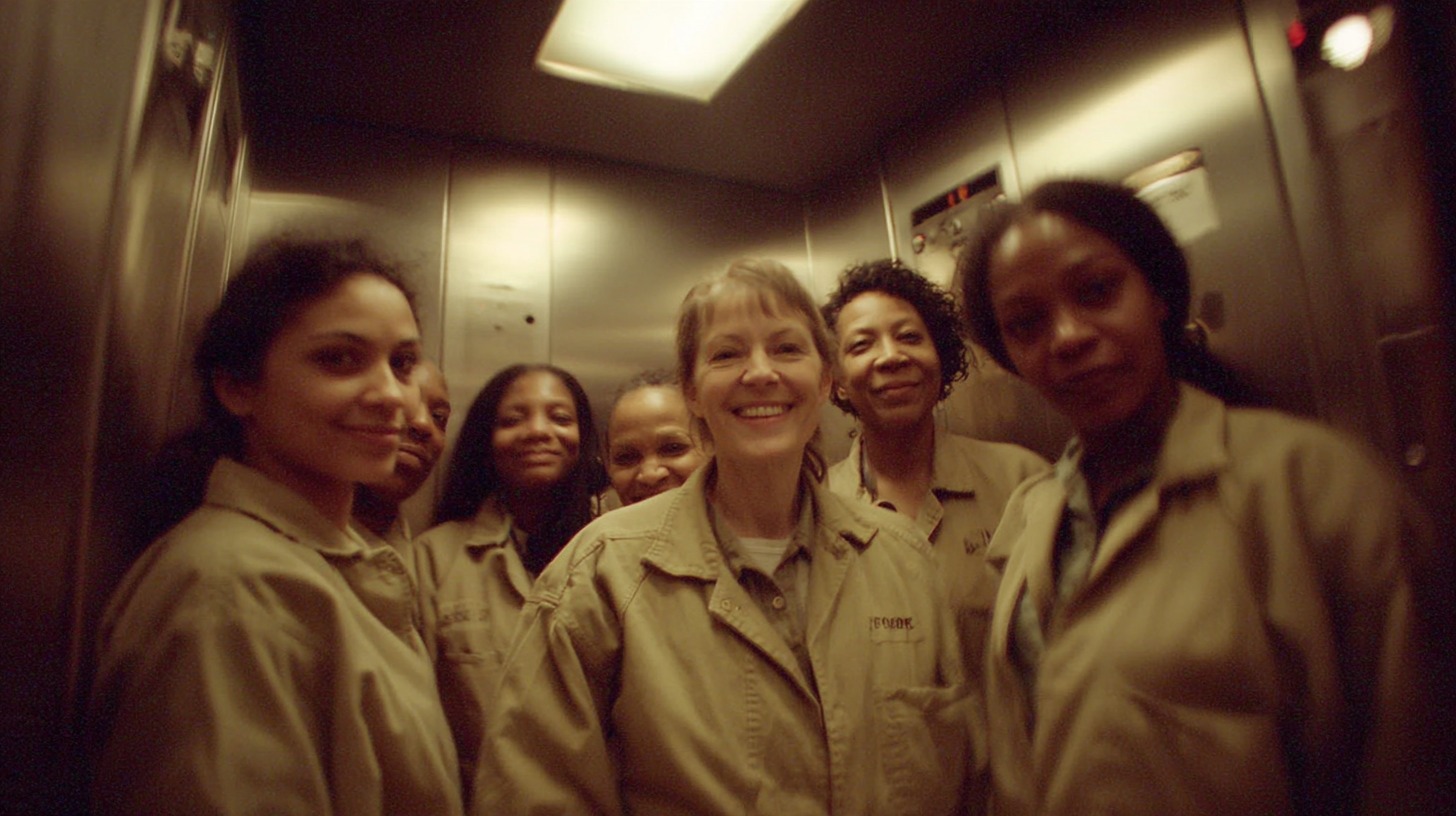
In the elevator, I usually keep quiet, but I ask the six women and the guard, “Is it strange I feel relieved going back up?” A couple laugh—the newbie gets it.
The “prize” can be an ordeal.“Yeah,” Diamond says. “A lot of anticipation—during the visit, too.” “You mean you don’t look forward to bending over and coughing after seeing your folks?” I deadpan.
A few stare—Housewife has jokes.Janiya nods: “Alright, Housewife. Not bad.” When the big metal door buzzes, I breathe.
I don’t run. It feels like taking offtoo-tight pantyhose after a long day.Home.
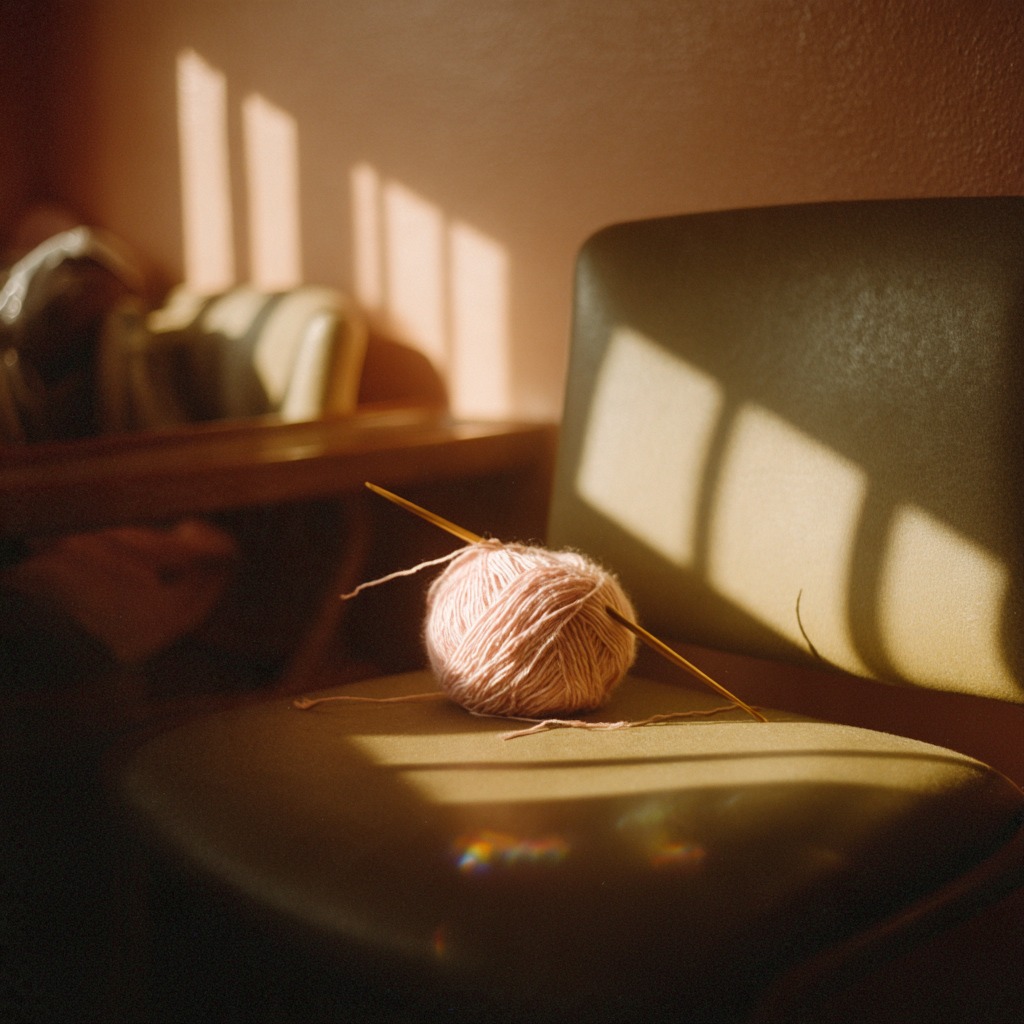
We pause by Carrie, Morgan, and Rita—Morgan crocheting while half-watching TV; Carrie sitting withthe grounded calm she radiates,the kind that steadies the air around her.
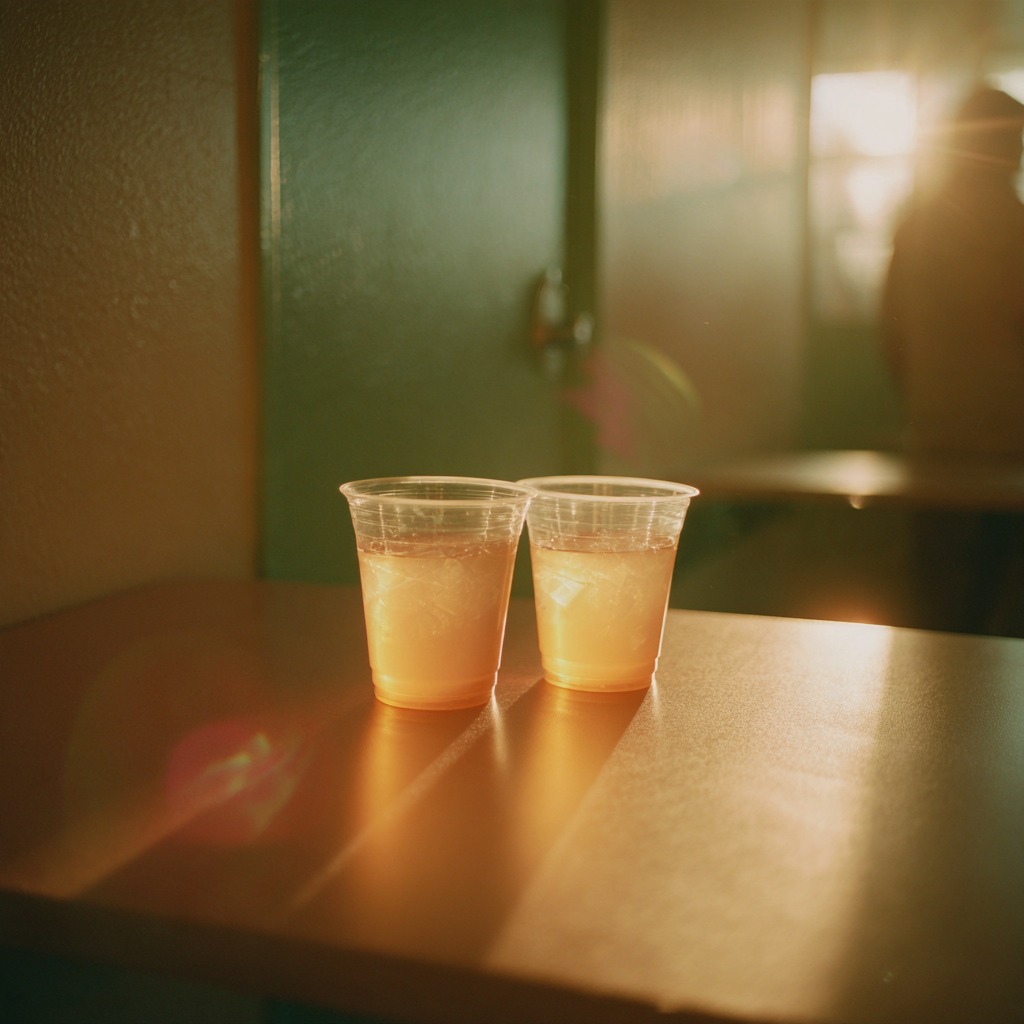
These are the women who welcome us. Carrie’s presence says,Come in from the cold, darlin’.Morgan would pour whiskey if she had it; instead she offers Wyler’s limeade for our water.
“How’d the visits go?” they ask.I need to tell someone.
They’re as good as it gets. “Do you ever feel…so glad to make it back?
Like—I love it here.” Without missing a beat, Carrie says, warm as a mother,“We love you, too.”Morgan adds, “I’m glad you feel that way.
Not everyone does.” I hear: Not everyone recognizes they’vestumbled into heaven.It’s simple. Just love everything.