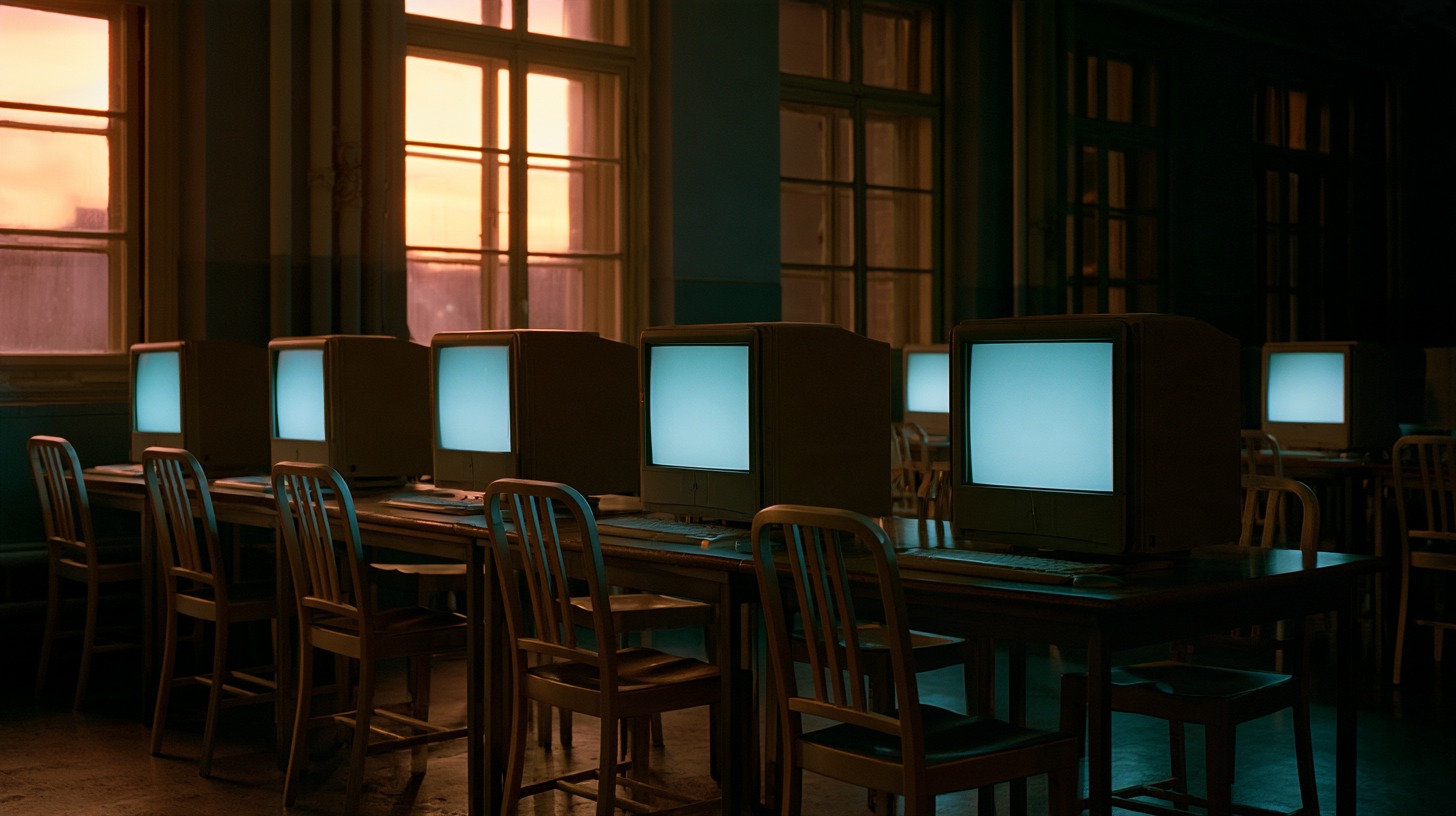
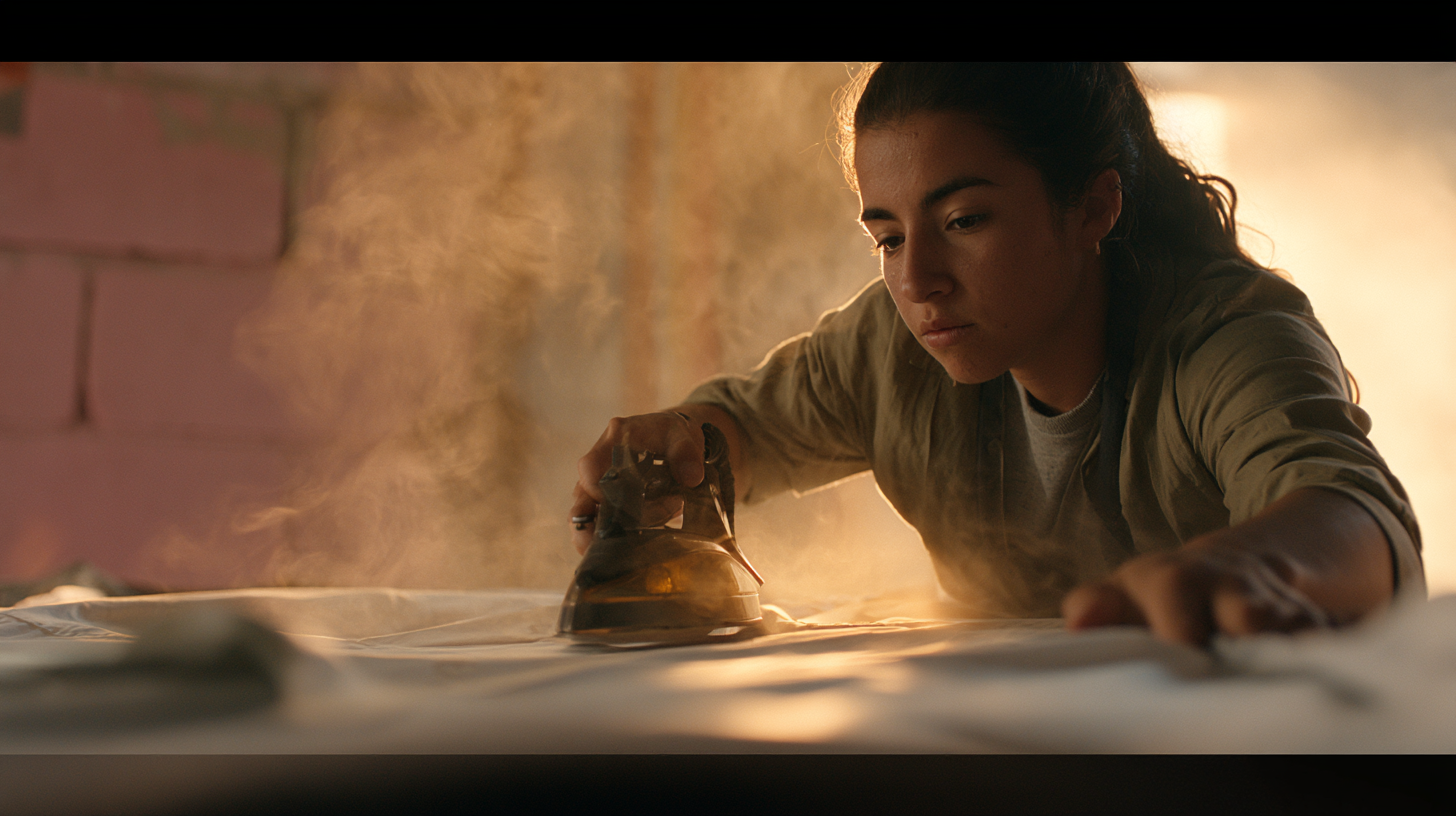
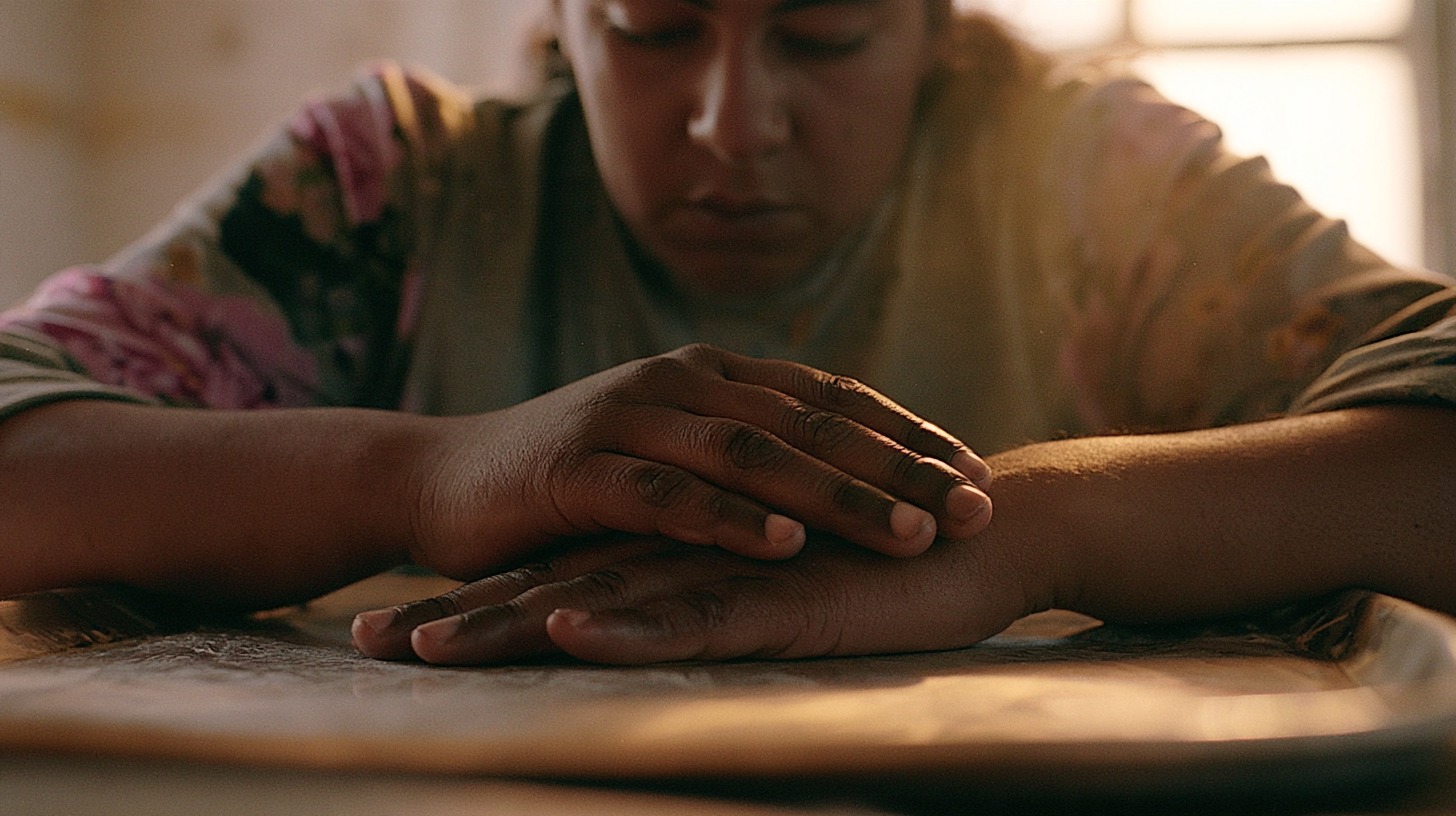
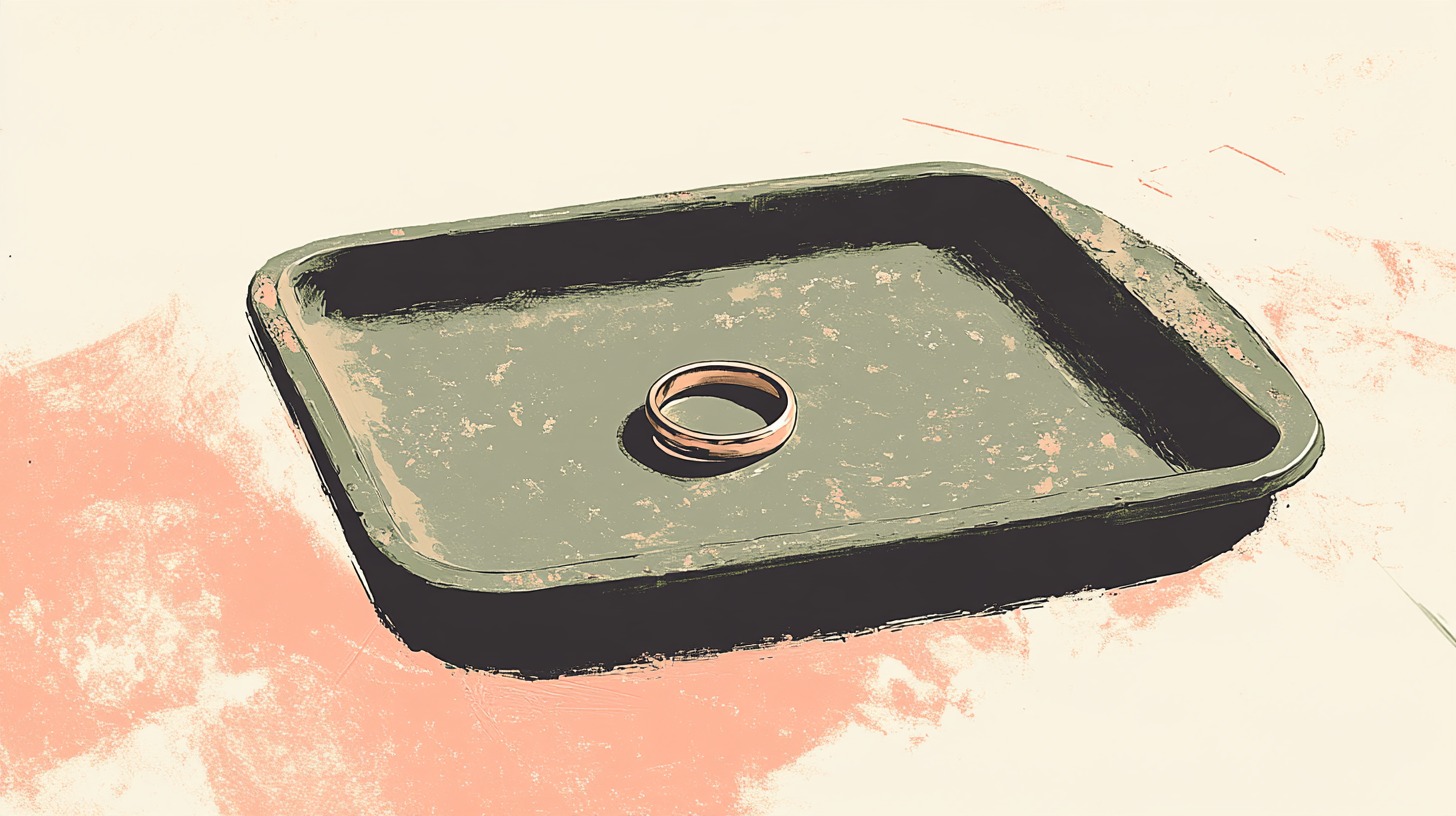
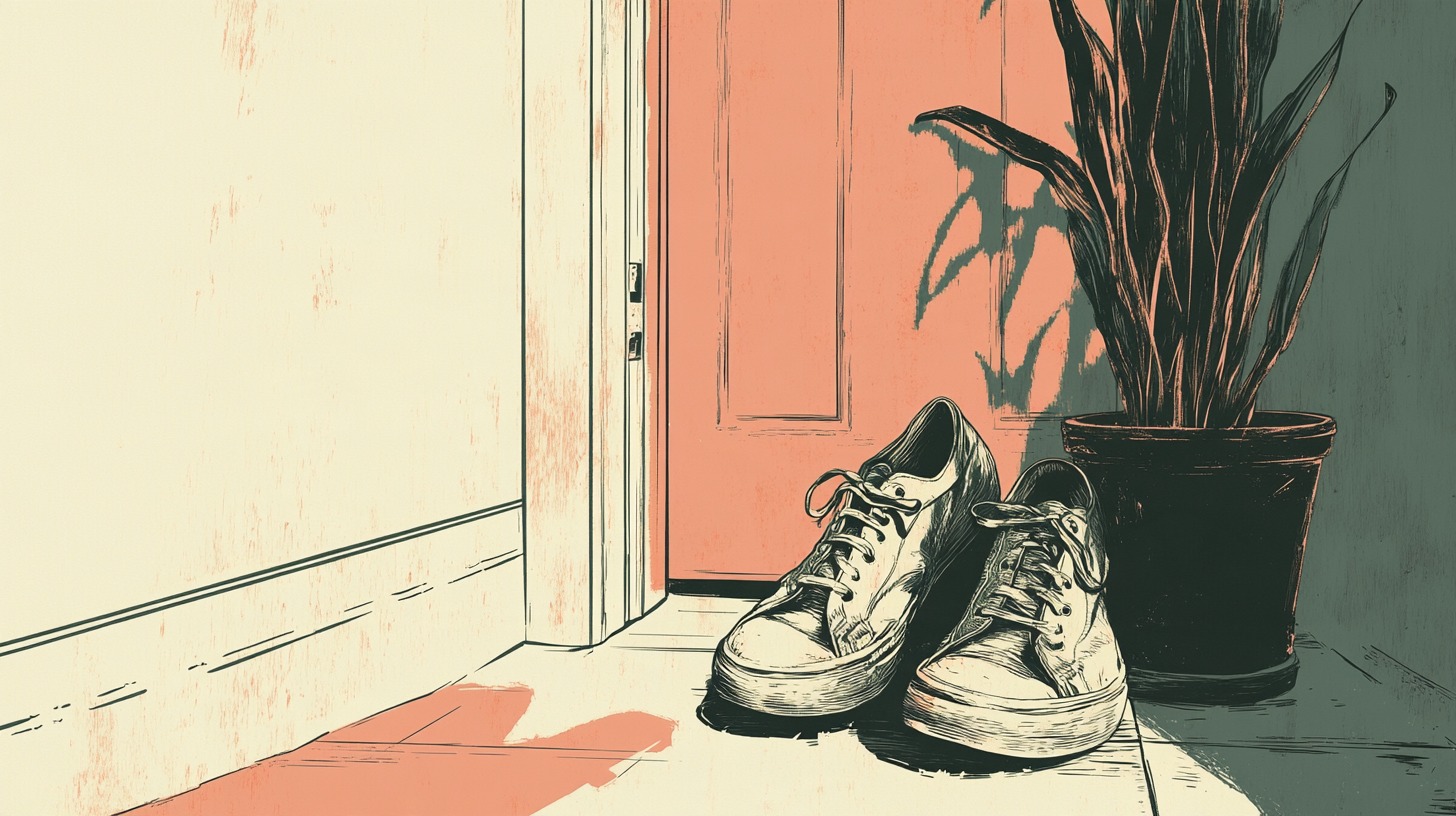
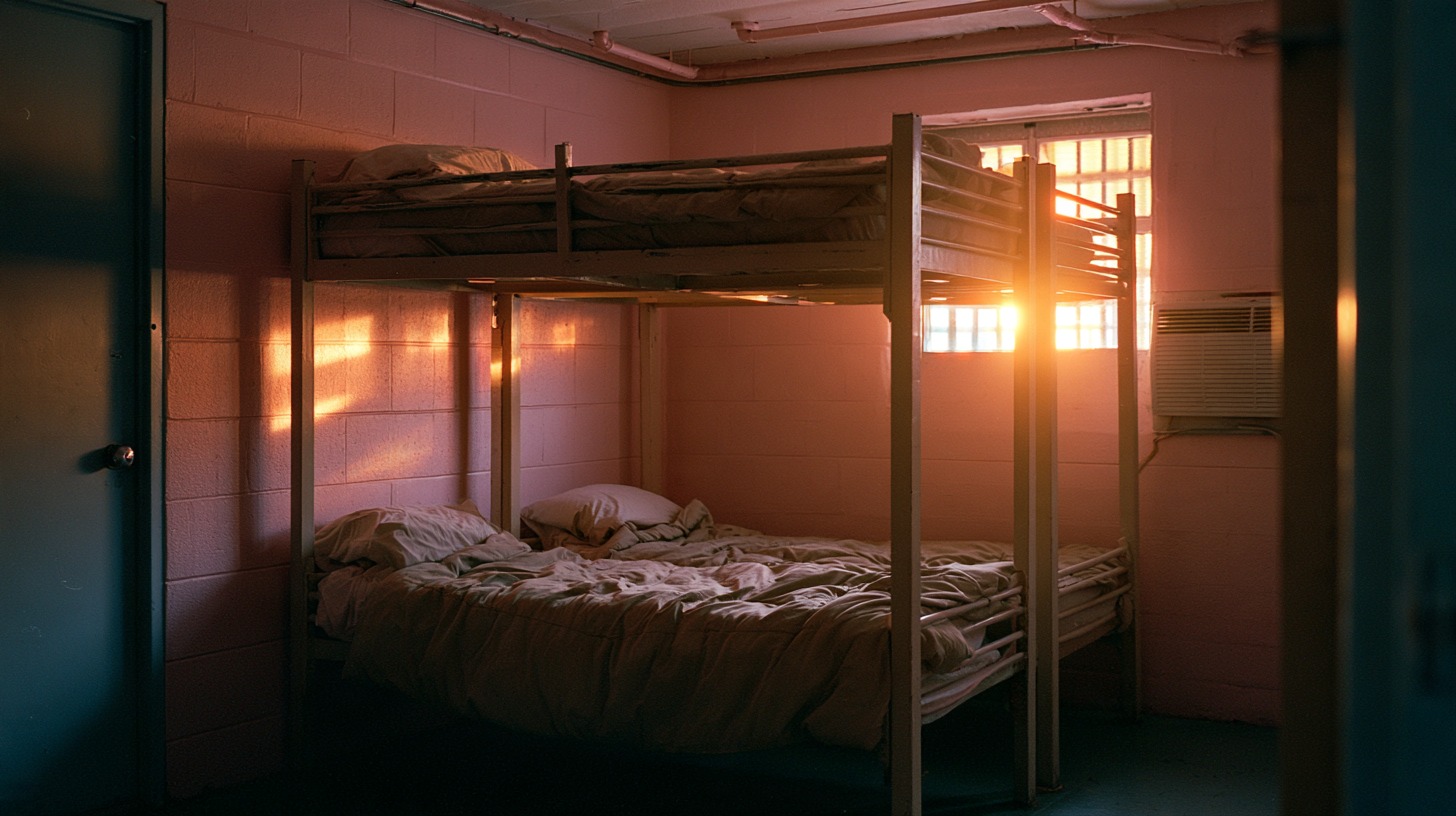
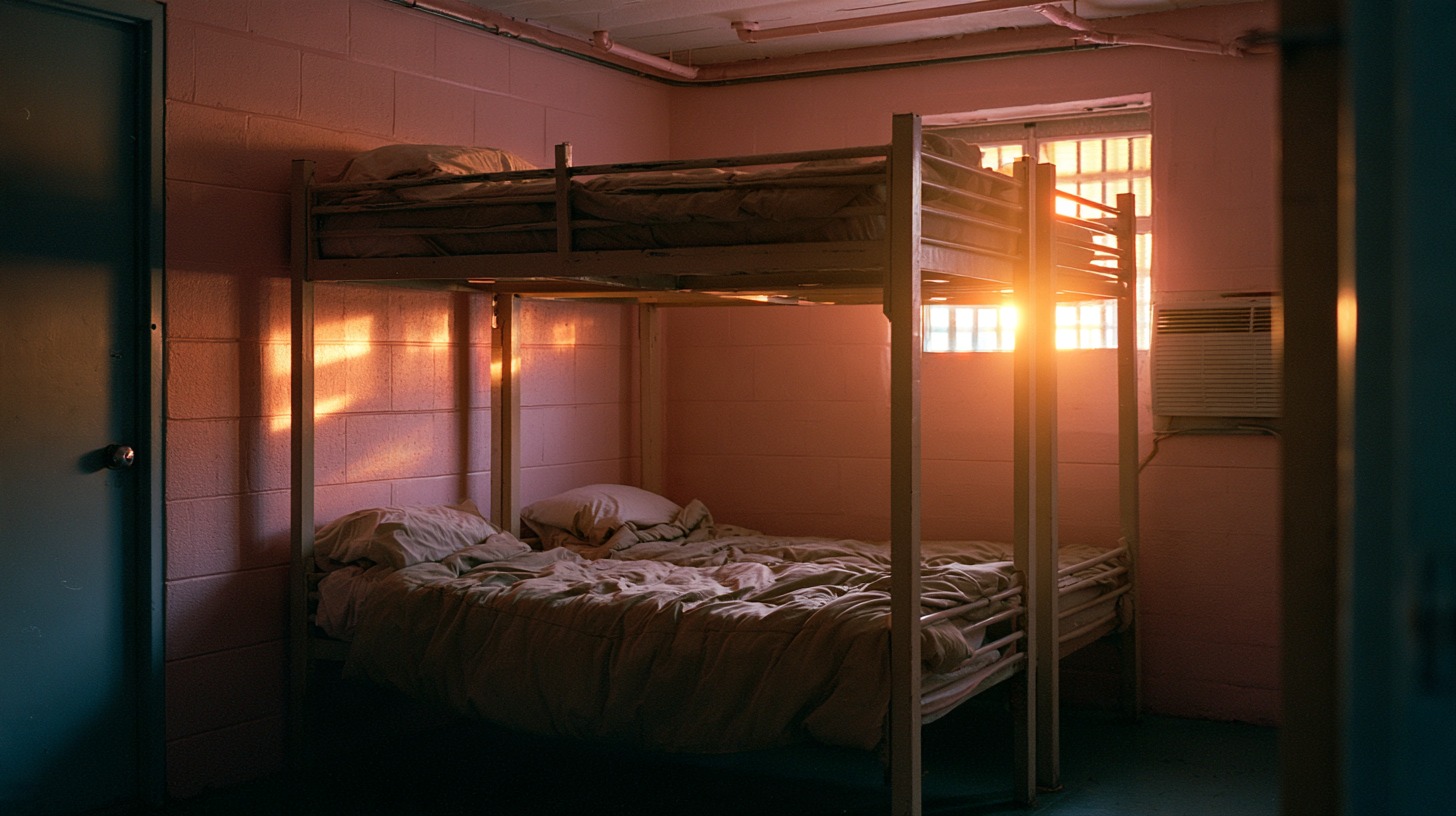
At 6 in the morning, we are allowed toventure beyond the blue linethat separates the bunk area from the rest of the dorm, including the six computers.
We can use them from 6 a.m. to 9 p.m.,one hour at a time,then return an hour later for another slot.
Dressed in my uniform, I headed over to the computers early andread through the overnight messages.
News from friends on the outside.One was from my mom.By the time I got through them all, my hour at the computer was up.
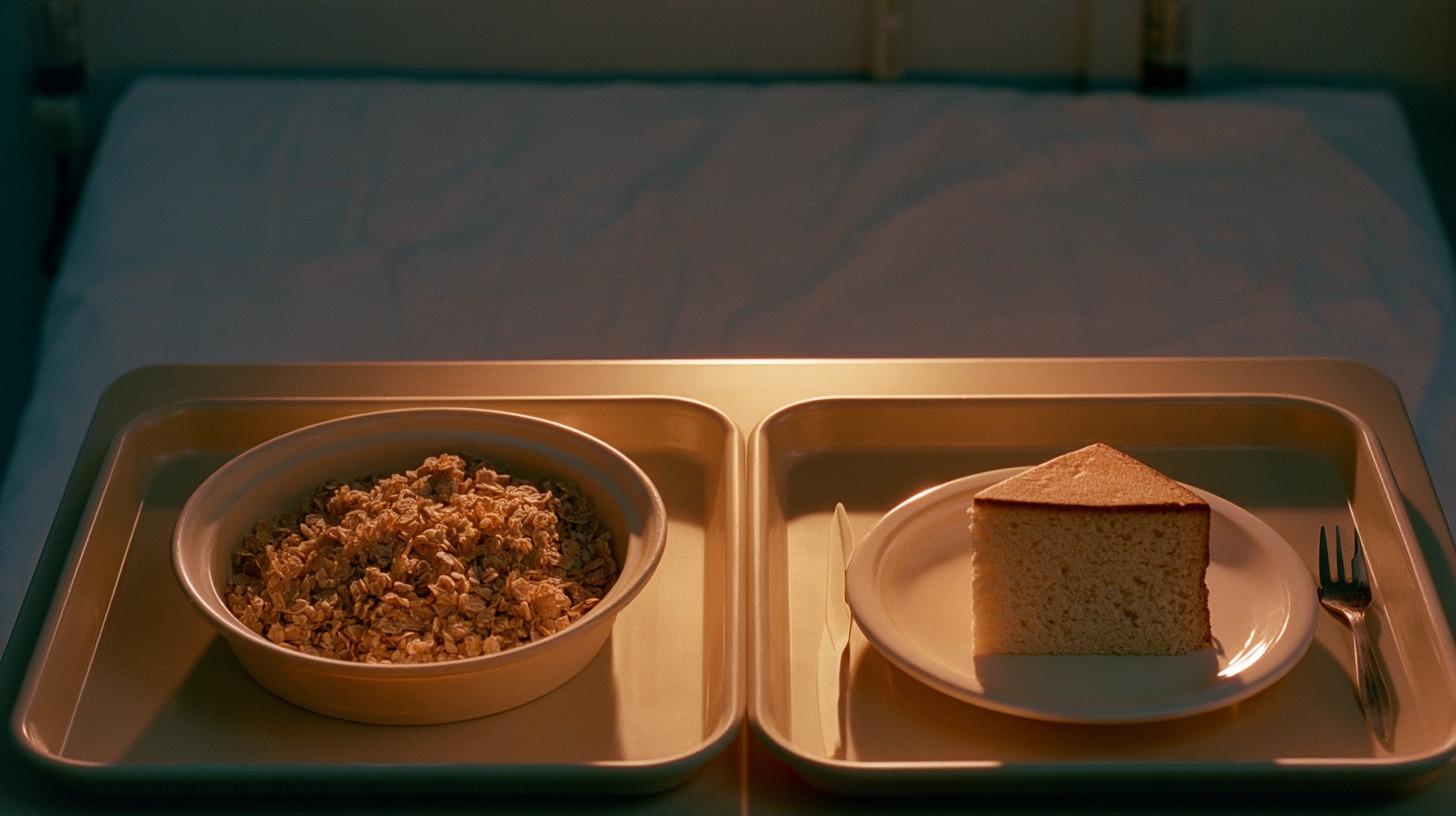
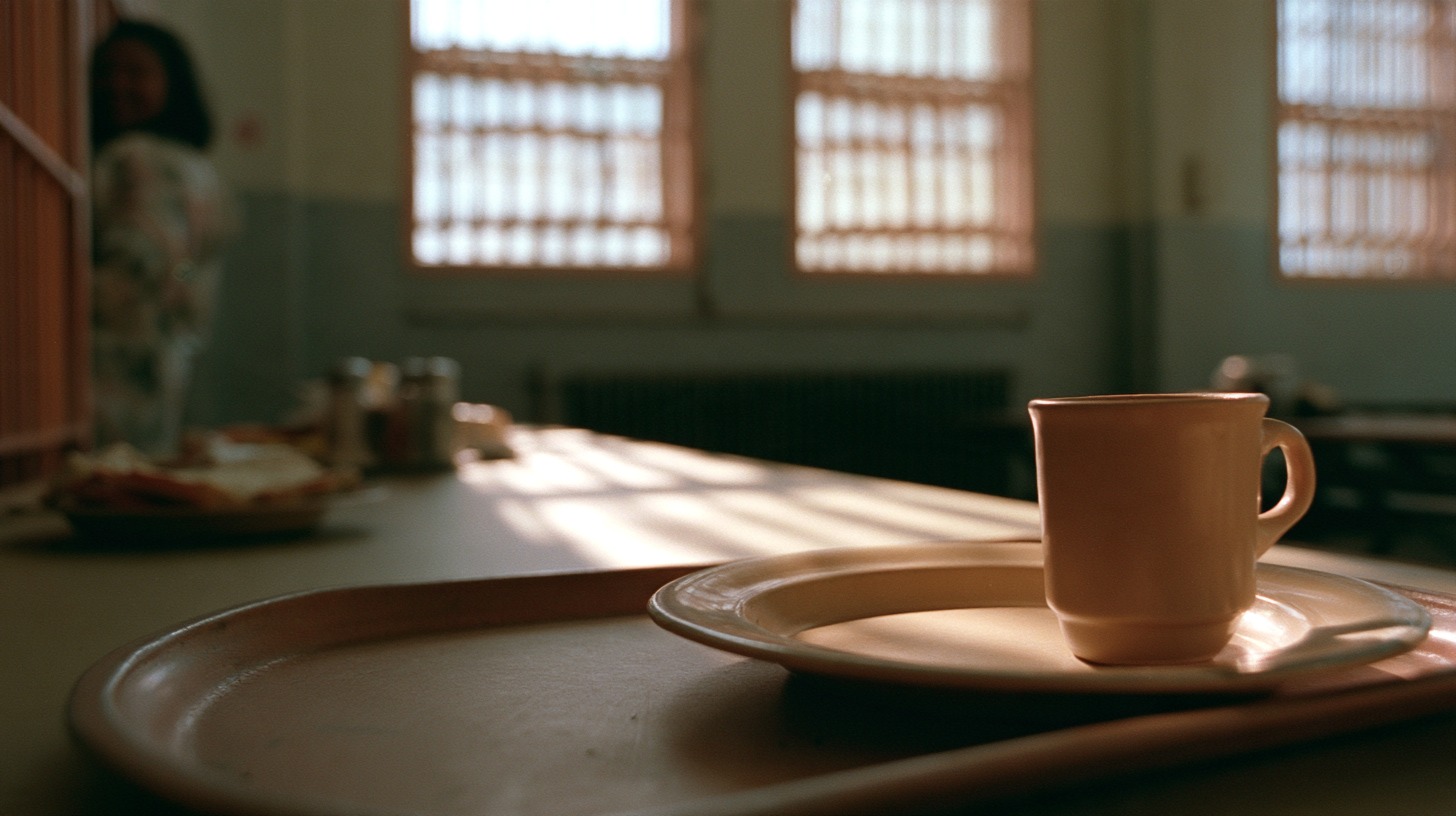
Main line was being called, time for breakfast. I walked over for bran flakes.Miriam joined with her cake.
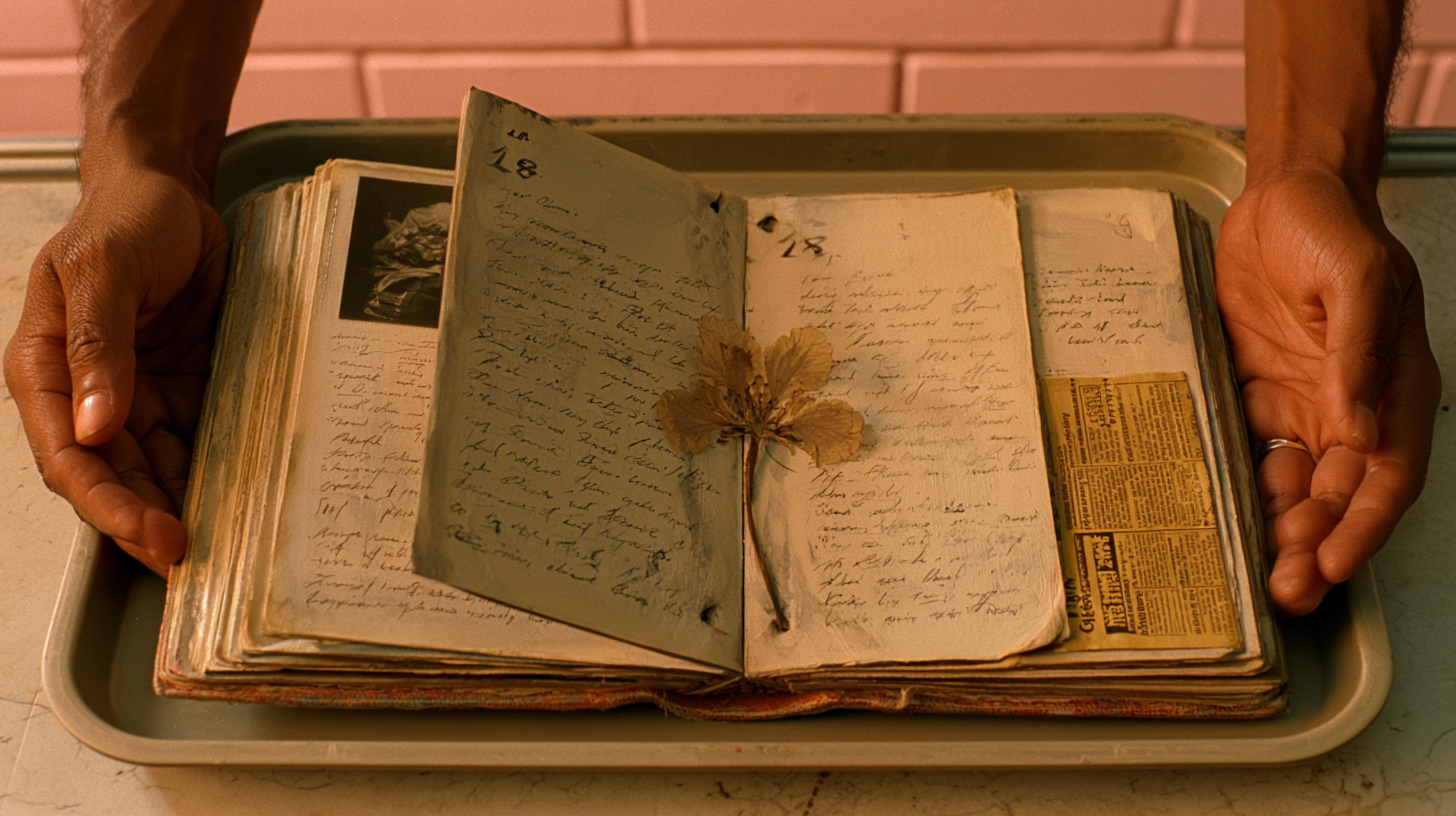
The dorm was waking up, TV volumes increasing, some women waking up while the daytime sleepers had just begun their slumber. “My mom wrote,” I said to Miriam.“She numbers all our emails.
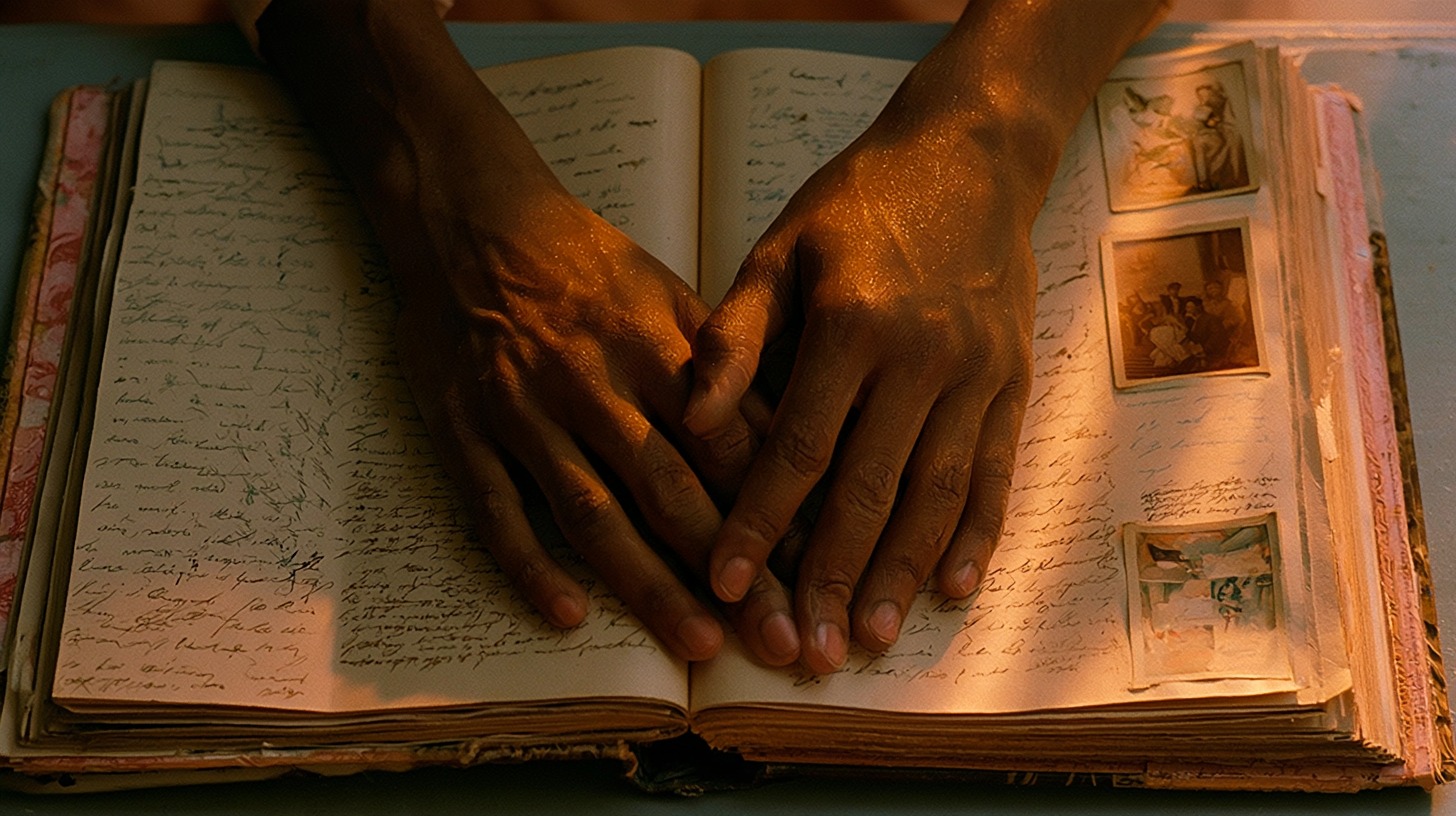
Today was number eighteen. She’s kept scrapbooks my whole life. Photos, letters, newspaper articles. While I’m in here,the scrapbooks are our correspondence.”Miriam smiled gently. “What will you write her?” “
Everything. I tell her everything.My mother and I have always been close,but this—these years of investigation, indictment, trial, landing here—
this was the kind of pressure thatshows you what a person is really made of.
I worried about her more than I worried about myself.How was I supposed to watch over her from in here?How was she supposed to carry all this?
But she has. She’s shown up in a way I didn’t even know to hope for.Whatever fear she has, it doesn’t stop her.
We talk every week, and write even more often, and somehowwe’re closer now than we were before—which says something, because we were already tight.”
“Oh yeah, like what?” Miriam asked,genuinely curious about our relationship.“
She was a single mom.I was her only child. She took care of me, my grandma, my uncle. We all lived together.
I was a writer even back in high school.I’d wake my mom up in the middle of the night to read her my poems.
She’d always listen, even though she had work in the morning. Anyway, I see nowshe’s tougher than I ever gave her credit for.”
Miriam pushed her cake around the tray for a moment, thinking. Then she nodded slowly,like she’d decided something.“I get that.
My mom—she gave me freedom.”She tapped the table with her fingertip, a tiny drumbeat of emphasis. “Structure, too— she’d pull my ear when I needed it—but mostly freedom.
I could be who I wanted. She didn’t try to make me smaller or bigger.Just…let me be.”She exhaled, settling into herself, into the story. “
I was twenty when I had my first son,” she said. “Just me and my baby.I wasn’t with his father and didn’t wanna be.
I said, ‘I’m doing what I wanna do,and if he wants to be in the boy’s life, fine.’
And you know—my mom didn’t shame me for that.She held the line but didn’t hold me down.”
She took a bite of cake, chewed, swallowed, and continued.“Then I met my first husband.
And, Nicole…” She gave a soft laugh.“I basically adopted a grown man.”I laughed along, understanding exactly what she meant.
“He couldn’t read. Couldn’t write. His mother—she loved him, butshe kept him broken.Her kids were checks. That’s all they knew.
And I came right in and said, ‘Okay, baby,I’ll teach you to walk again.’I became his provider, his mother, his everything. And I thought that was strength.” She shook her head. “
We got married in ninety-seven. There was pressure—my grandmother was sick,everyone talking about how the boys needed a father.
I thought I was doing the right thing. And for a while, maybe I was.” Miriam folded her arms, not defensively butlike she needed to hold the weight of the memory.
“But he stopped appreciating me,” she said.“Stopped seeing what I did to hold us all together.
And my middle son…he stood up for me.That boy put himself between us and said, ‘No.’And I thought—if I stay, they’re gonna hate him.
And maybe they’ll hate me too.” The tenor shifted, the way life often does along withthe story we tell to make sense of it.“
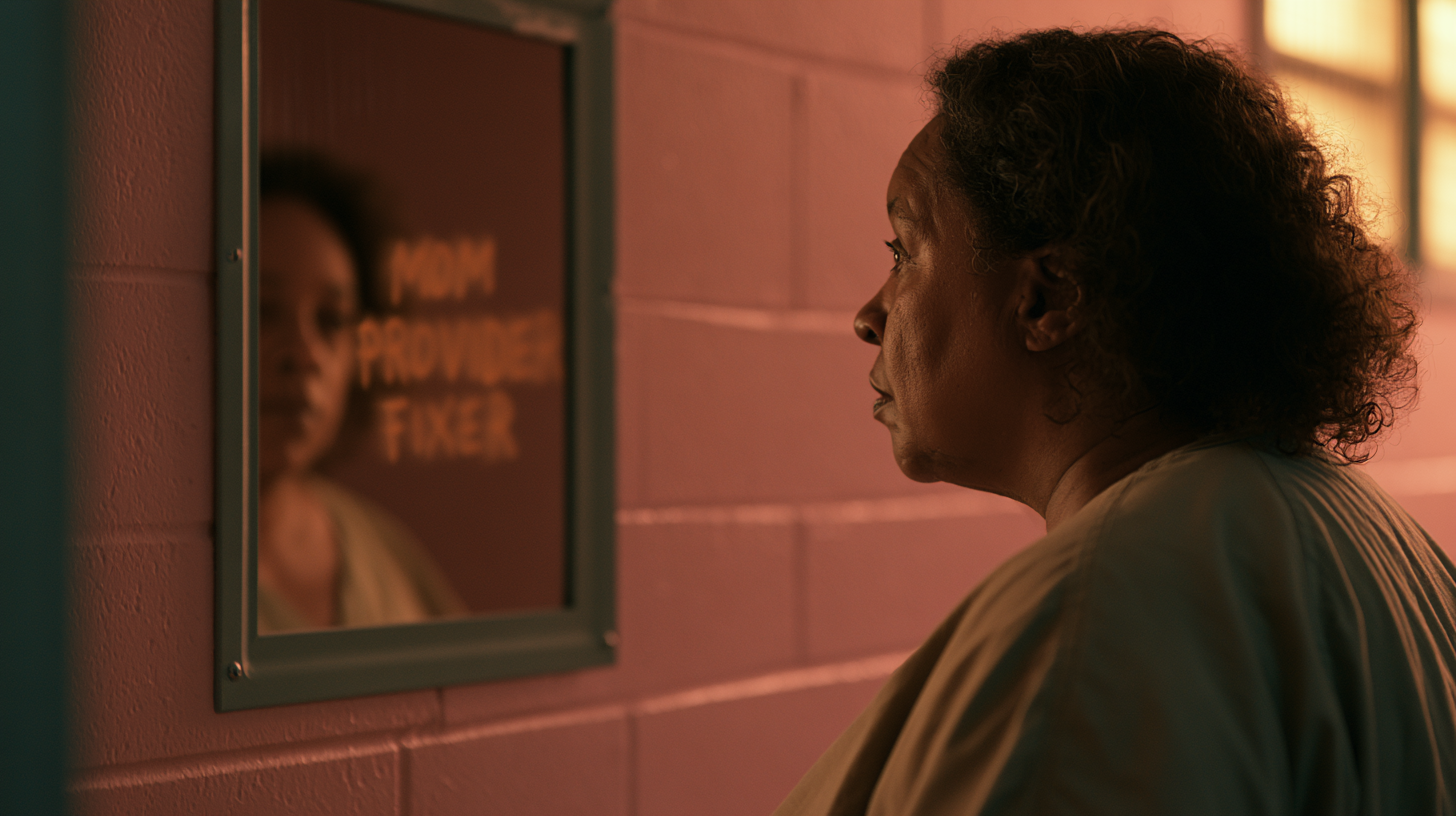
I had stopped being Miriam,”she said quietly. “I became Mom, Provider, Fixer. Everything except myself.
And I needed to show my boys what strength actually looks like. So I left. After seventeen years.Picked myself up and walked.”
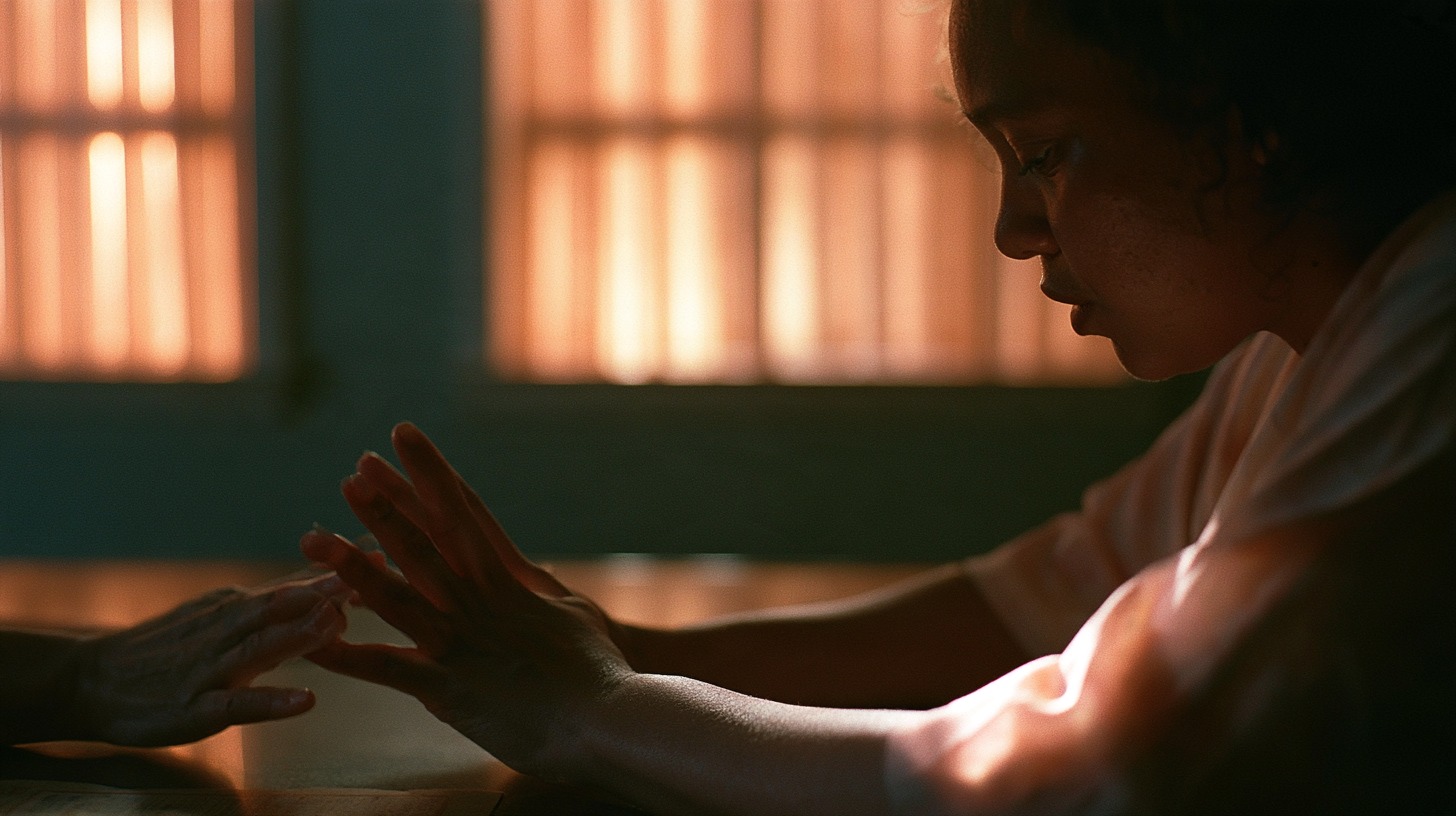
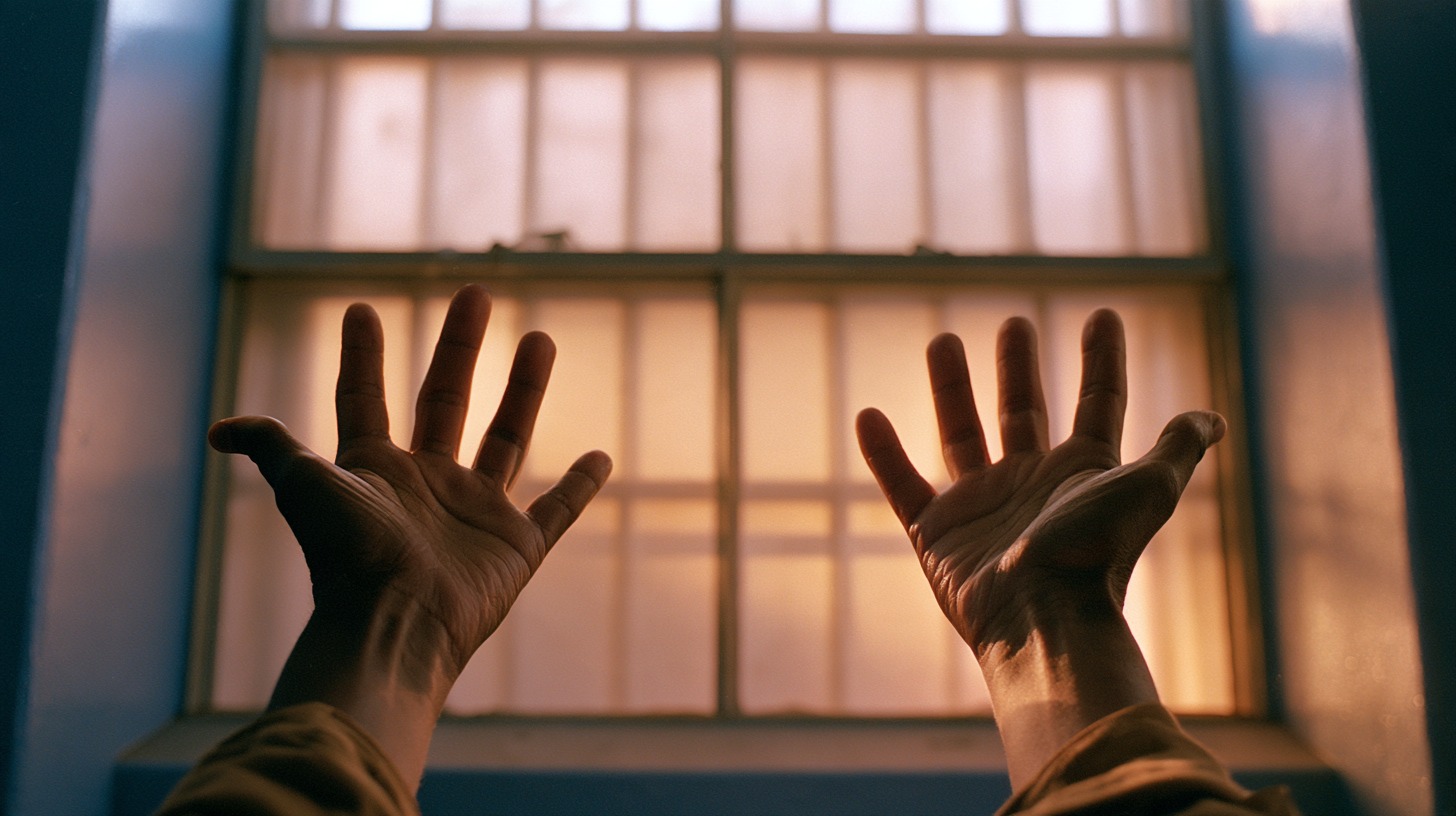
She looked at her own hands like they were something new. “And then…this man,”she said, half smiling. “My husband now.
Nicole, I swear to you, I did not want that man at first.” She shook her head,amused at her own past stubbornness.“He will proudly tell anyone who asks.” “
What made you marry him?” I asked.“He came in gentle, not weak.
He gave me space to breathe.We were both newborn in our own ways. We helped each other grow up, hide when we needed to, face the world when we could.”
Miriam looked up, softness in her face. “He loved me without needing me to be his mother. He didn’t need fixing. Didn’t need raising.He just—wanted me. As I am.”
She set down her fork, done with her cake, done holding back. “He tells me all the time, ‘There’s nothing you can’t do.’
And the thing is…he believes it. And when someone believes in you like that,you start remembering who you werebefore the world leaned on you.”
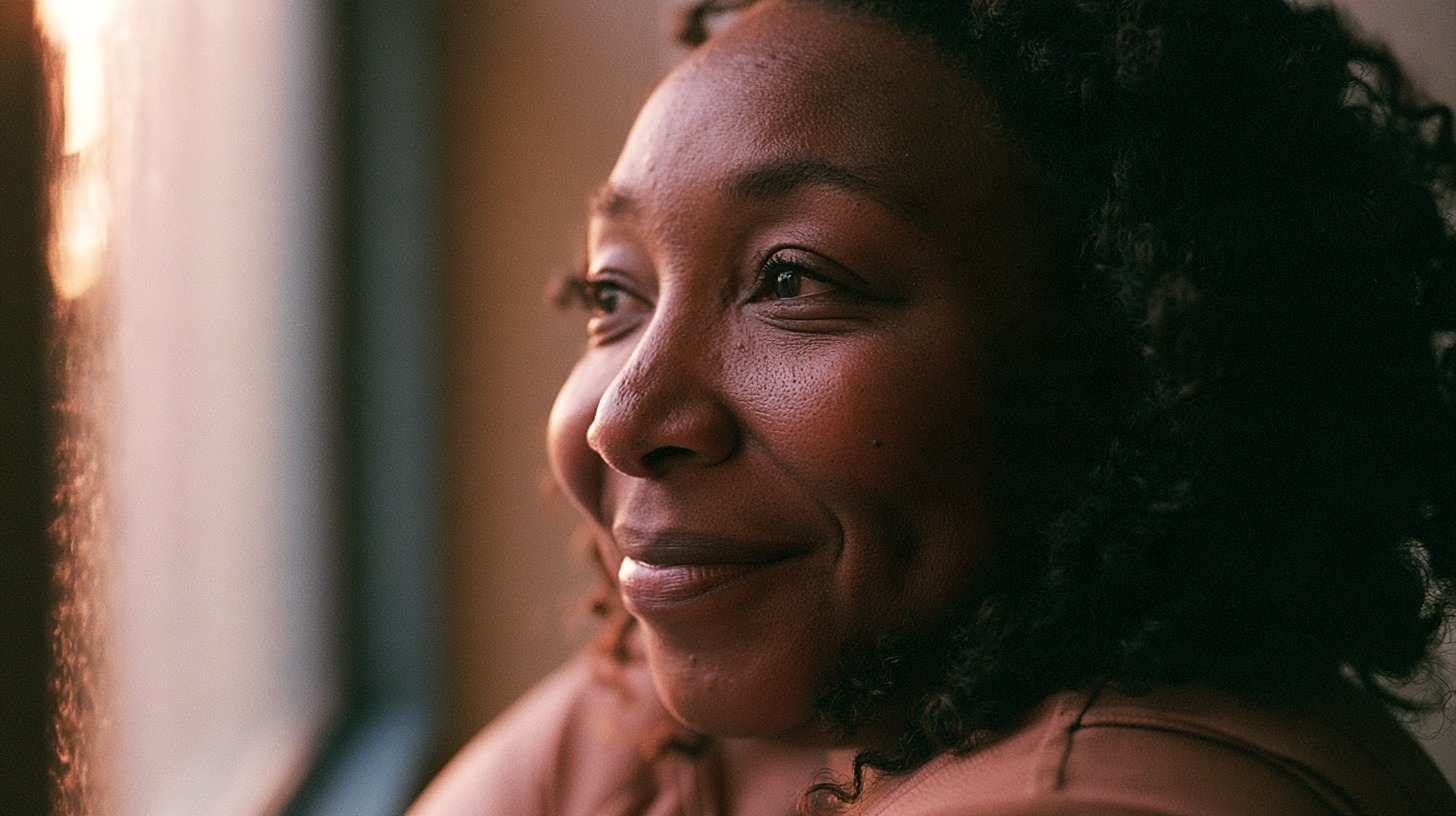
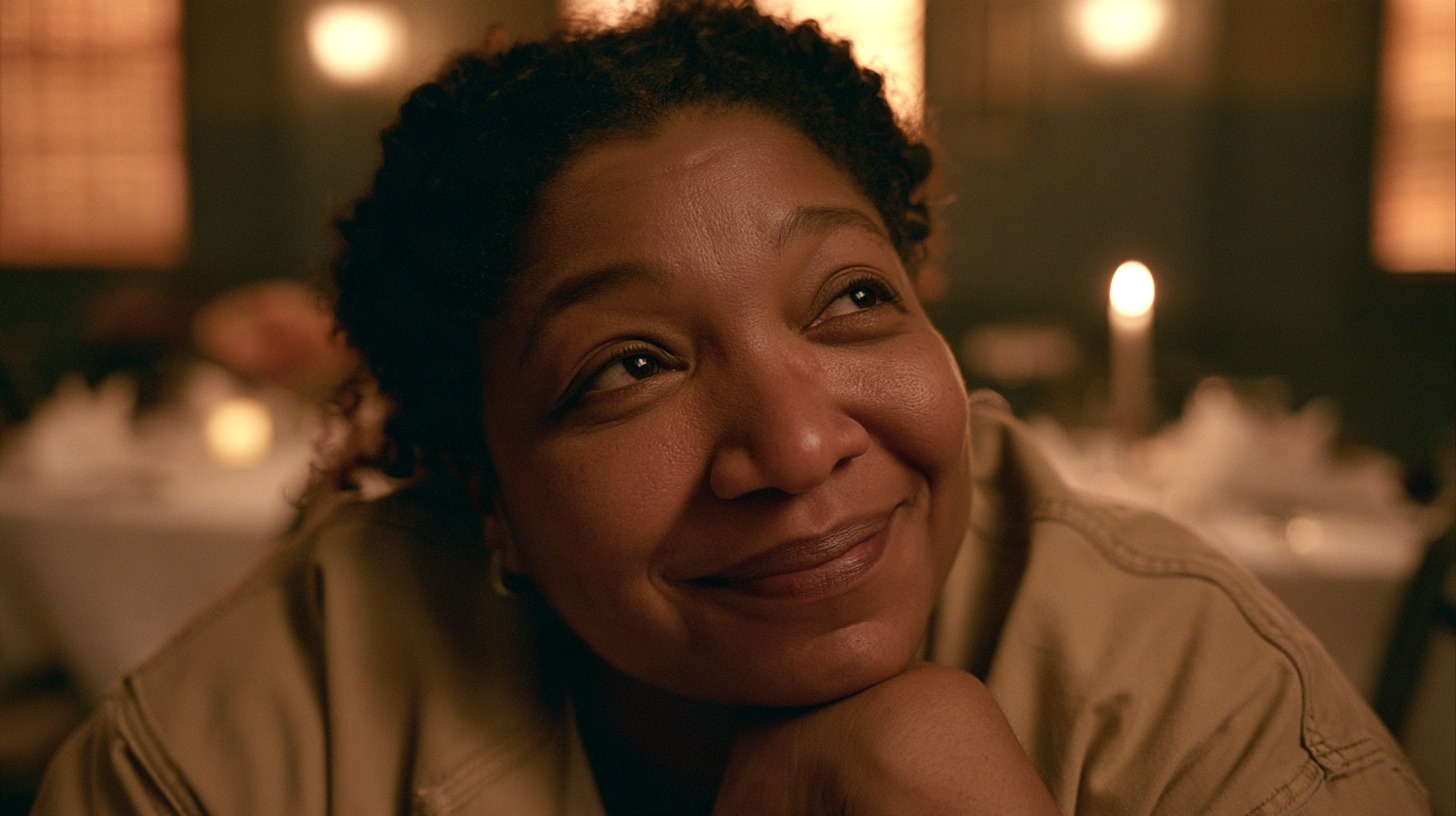
She gave a small, warm smile.“That’s what I’d write my mom,”she said. “Not all the details.
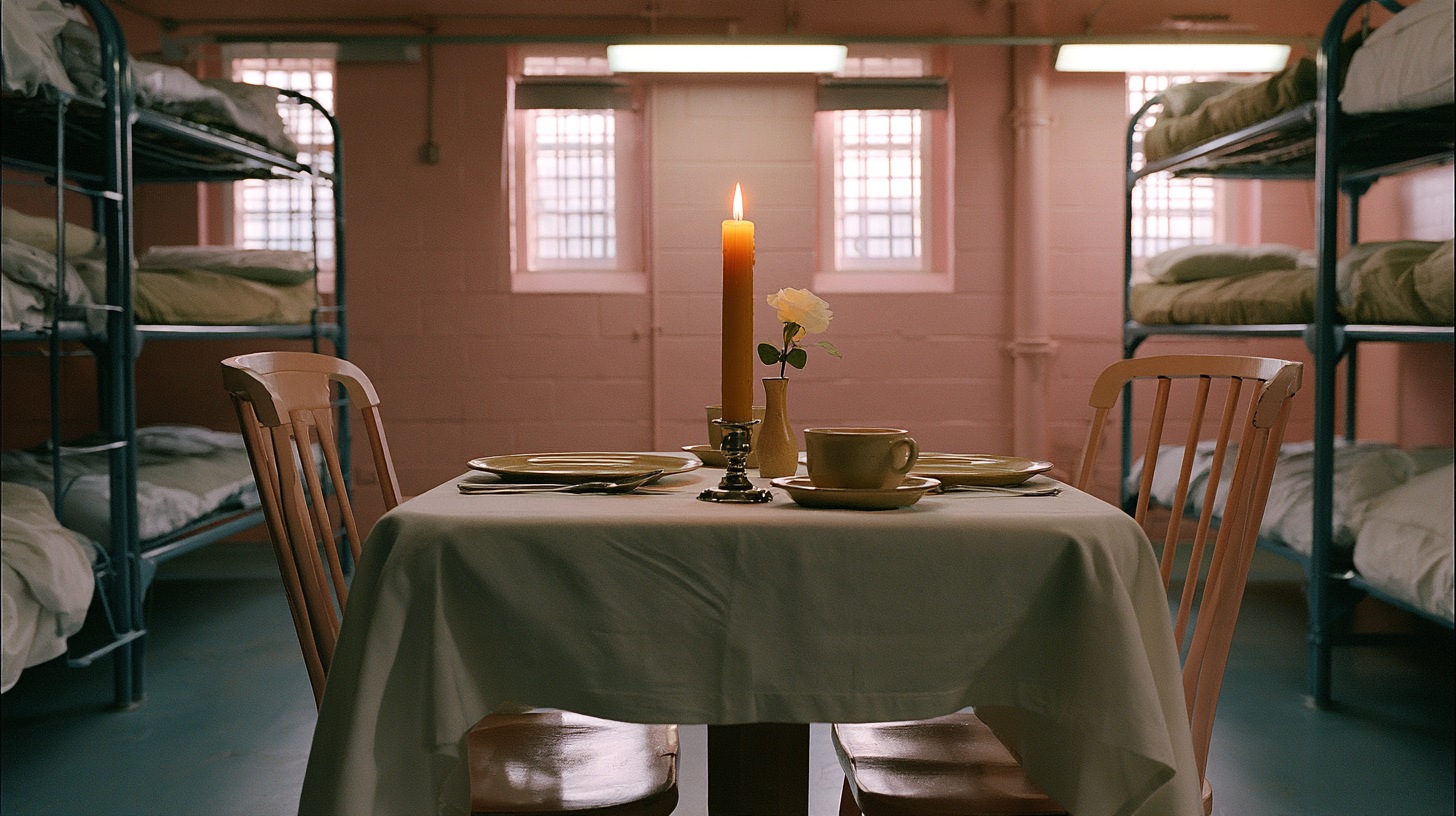
Just that I found someone who lets me be myself again. Who doesn’t shrink me or stretch me. Someone who knows I’ma fully dressed table.”I laughed softly. “A fully dressed table?”
“Yes,” she said, proud of it. “I got everything I need. Anyone walking in now better bean enhancement, not a repair job.”
Miriam stood, picked up her tray. I headed back to the computer to reply to my mom. The morning had begun, and somehow, we were botha little more ourselvesinside it.