Above anything else, the threat of disconnection is tantamount to death.For women, connection is how we know who we are and how we know we are safe. It’s also the basis of our power.
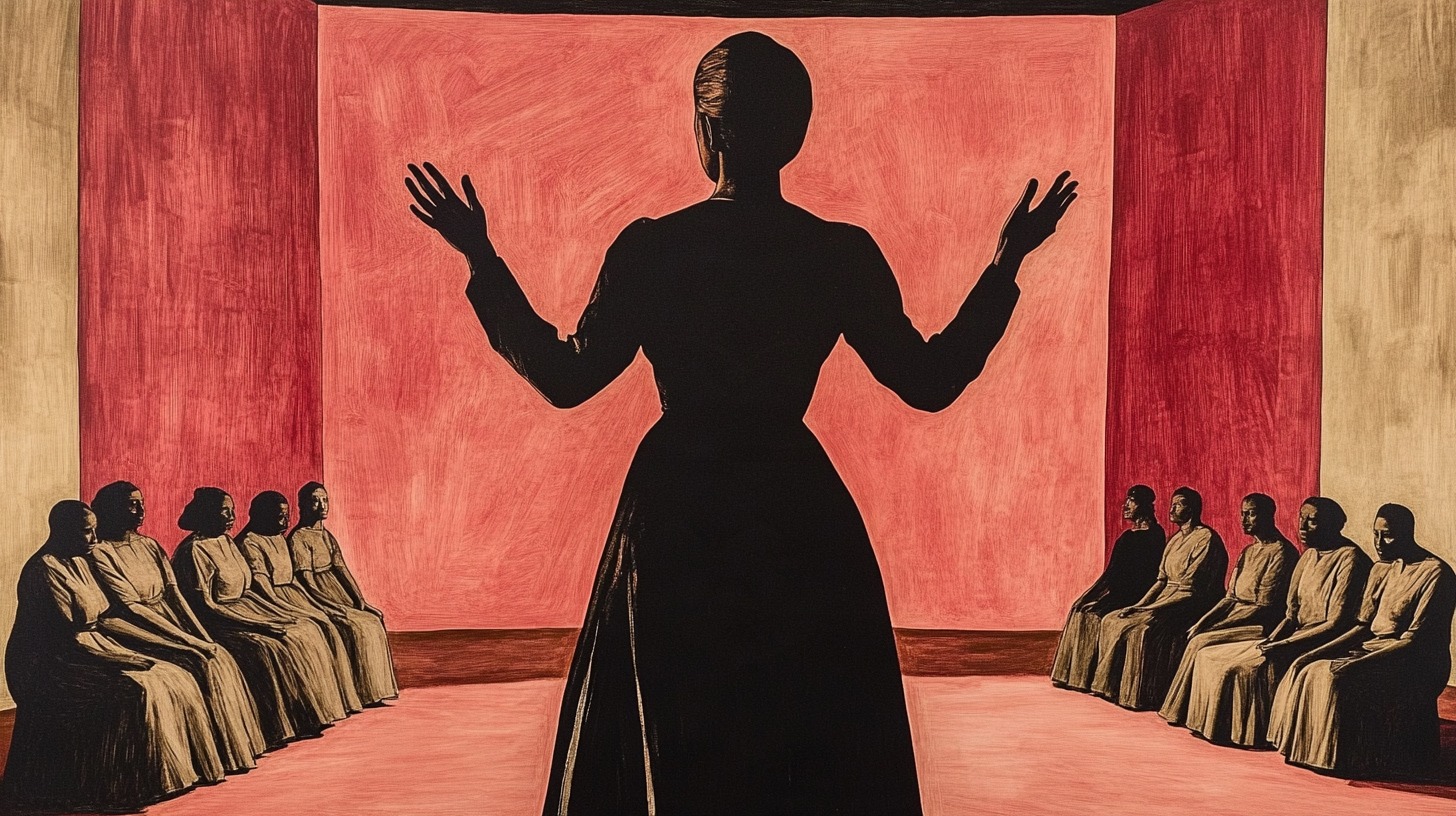
For decades,I taught women’s empowerment through sexuality,but the key was always this: True intimacy cannot exist at the expense of connection.
Without her sisters, a woman is left to be devoured by the wolves.The truth is, you don’t know who someone is until the rupture.
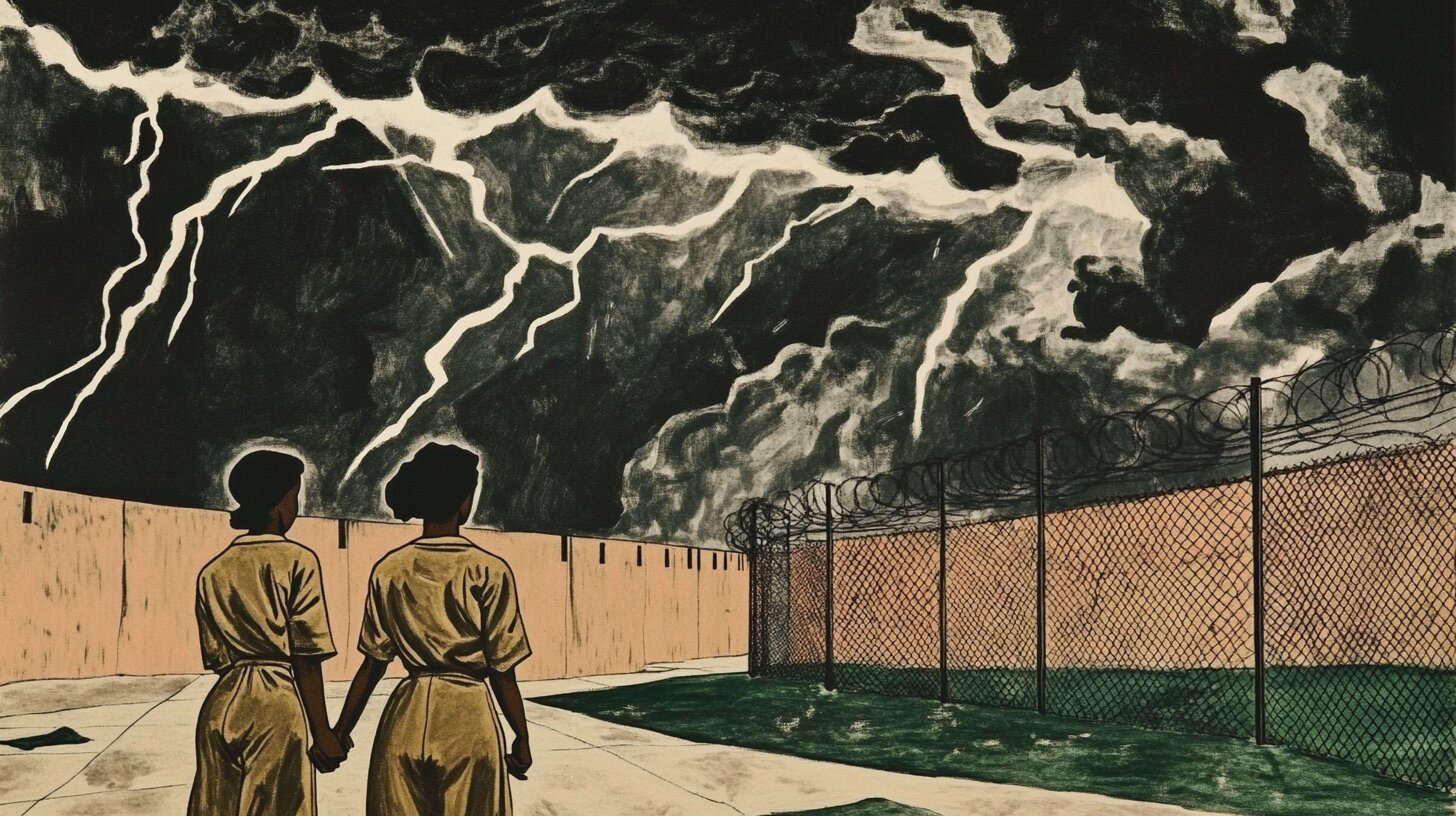
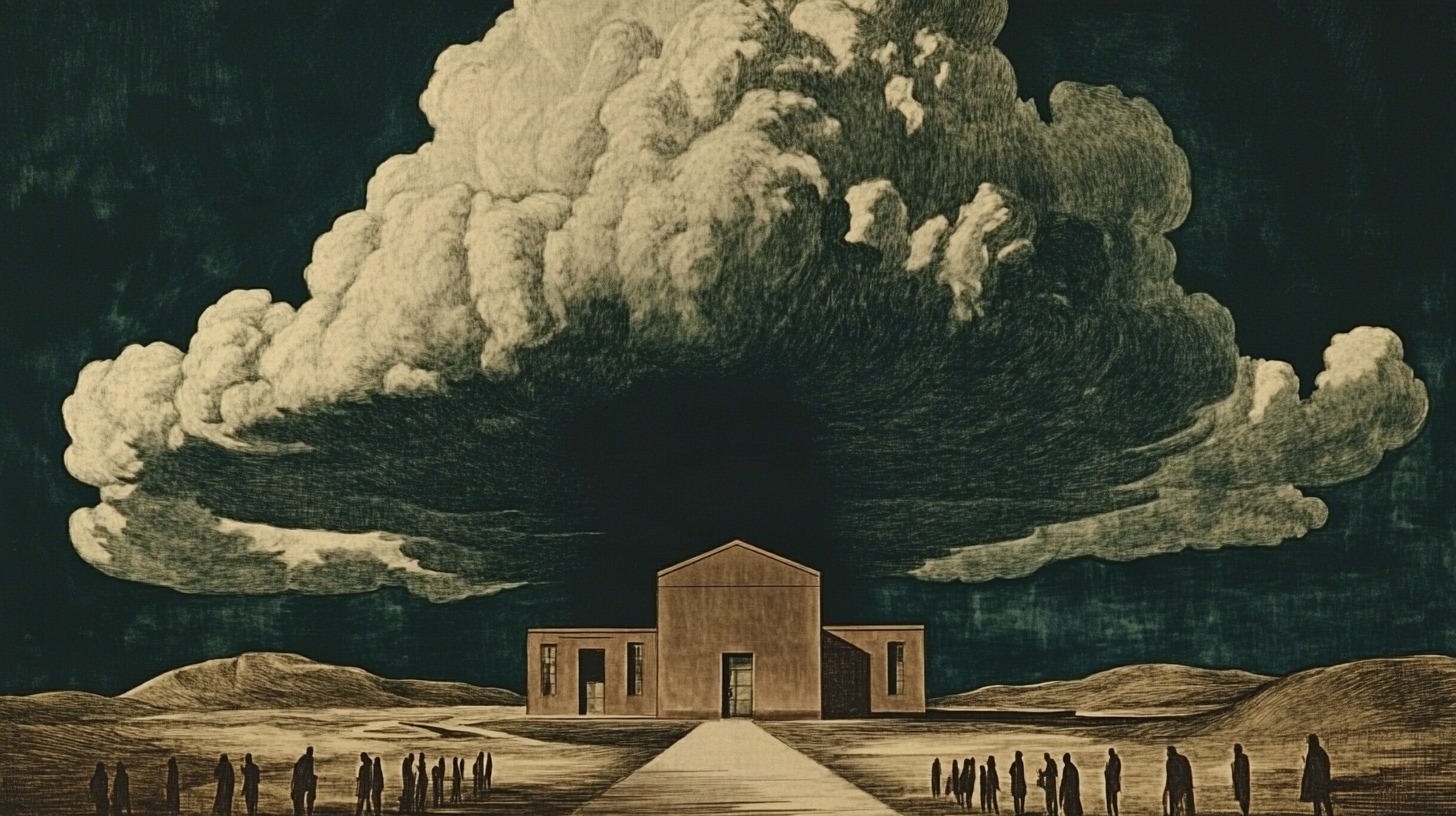
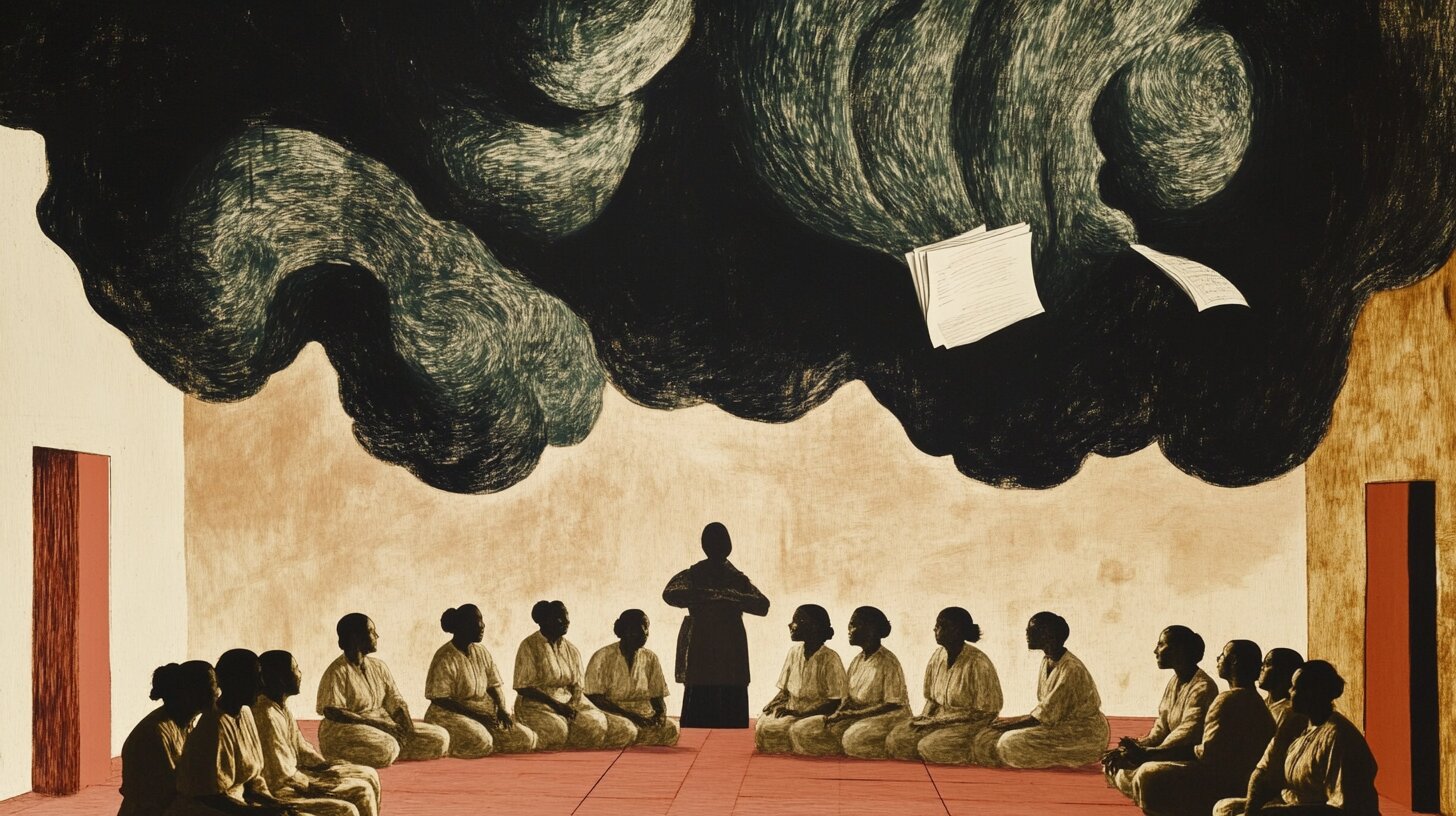
Anyone can be warm and sweet and generous on the calm side of things.But can you stay with it as the storm brews, as the ominous clouds gather, as the sky claps in thunder?
Through the torrential rains, the roofs lifting off houses,all the way to the first break of sunlight,to the rainbow that hints at renewal.
I’d learned early on that the dorm we live in was a pressure cooker.Alliances shift fast in here.
One day you’re family;the next it’s an opps day and no one remembers how you were ever friends.
I’d seen it with Janiya and Nevaeh,best friends one day then suddenly on opposite sides of something I certainly couldn’t name.
In a place this compressed, things don’t need to be true to become real.They just need to take hold.
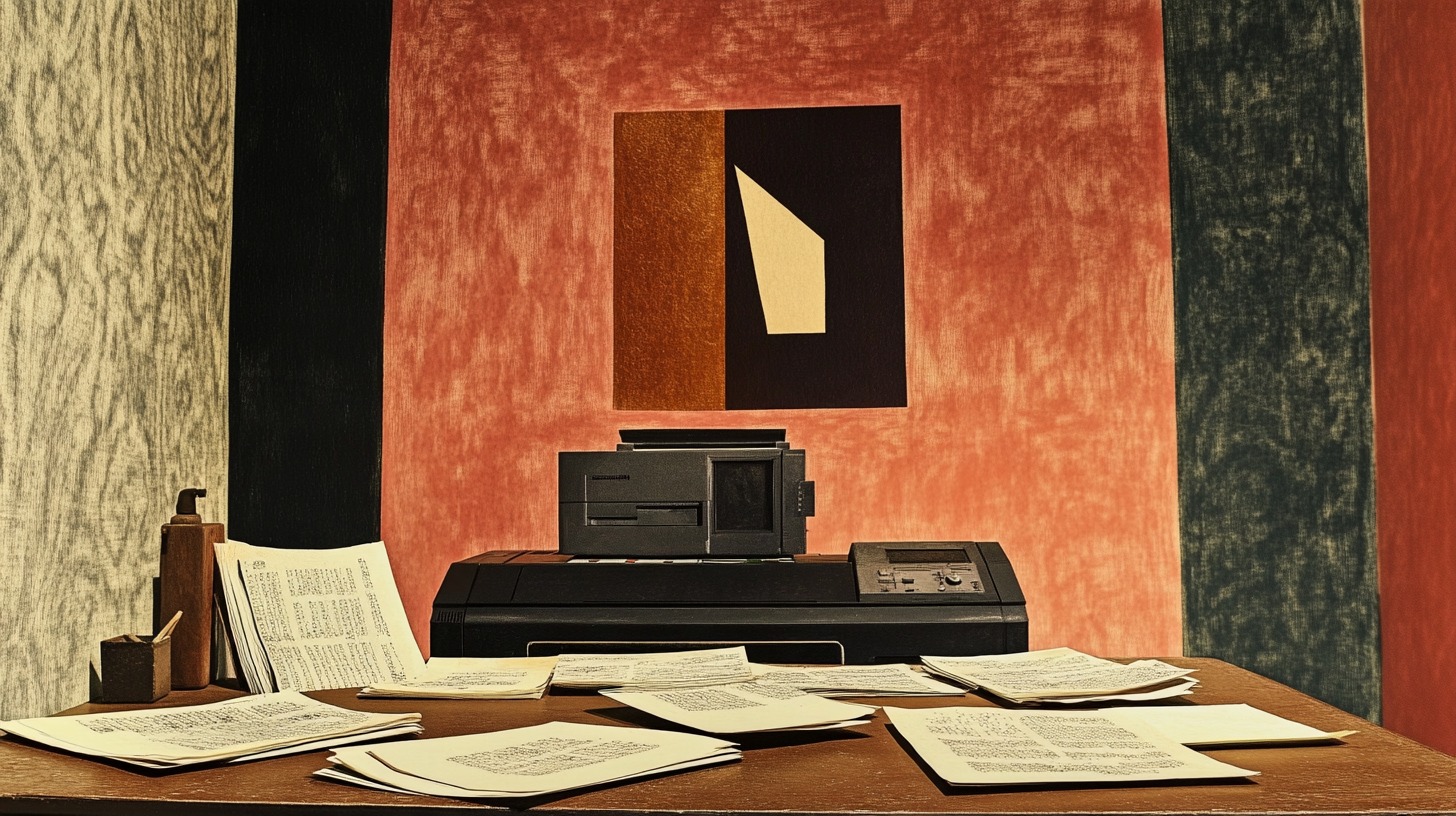
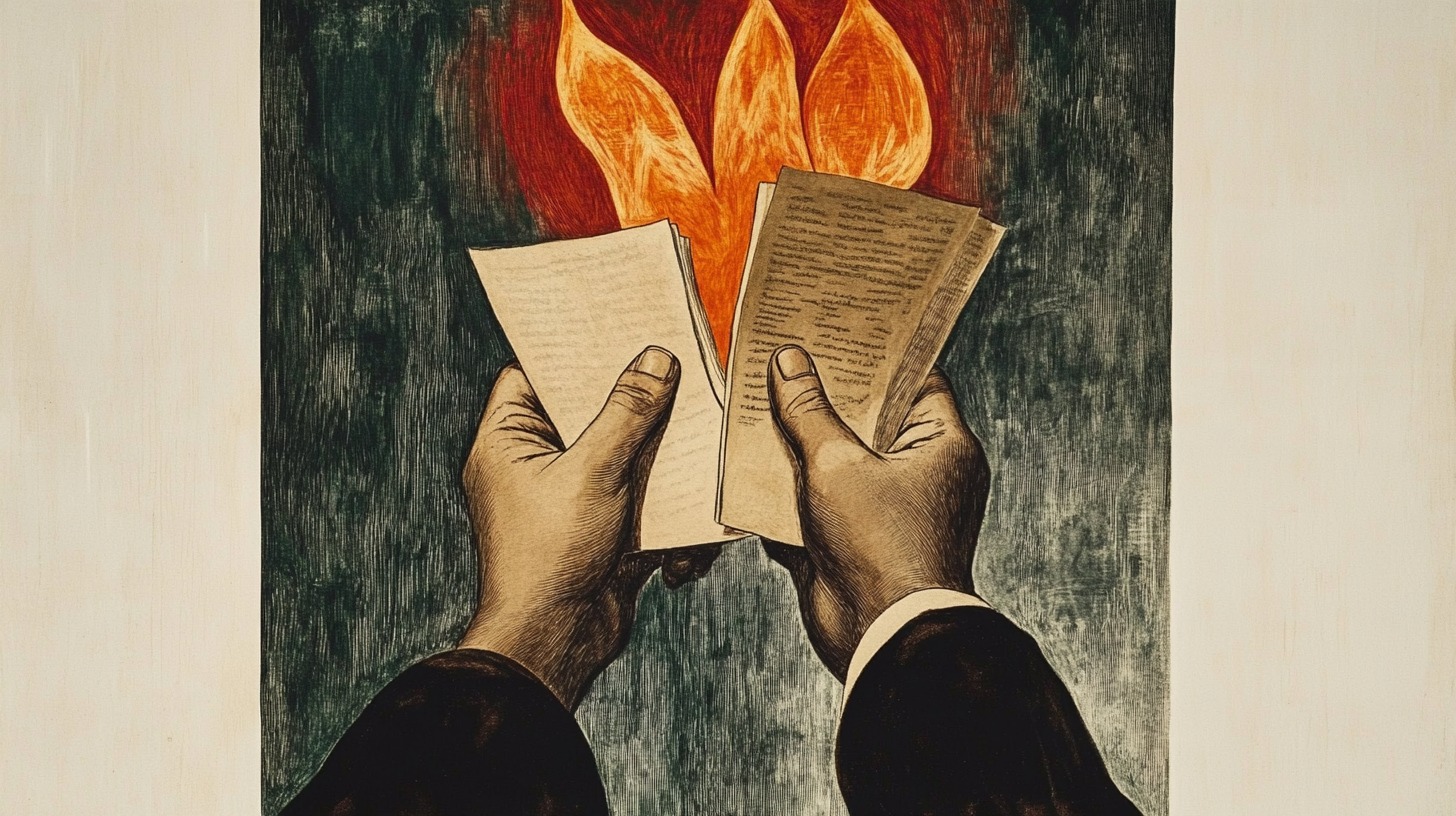
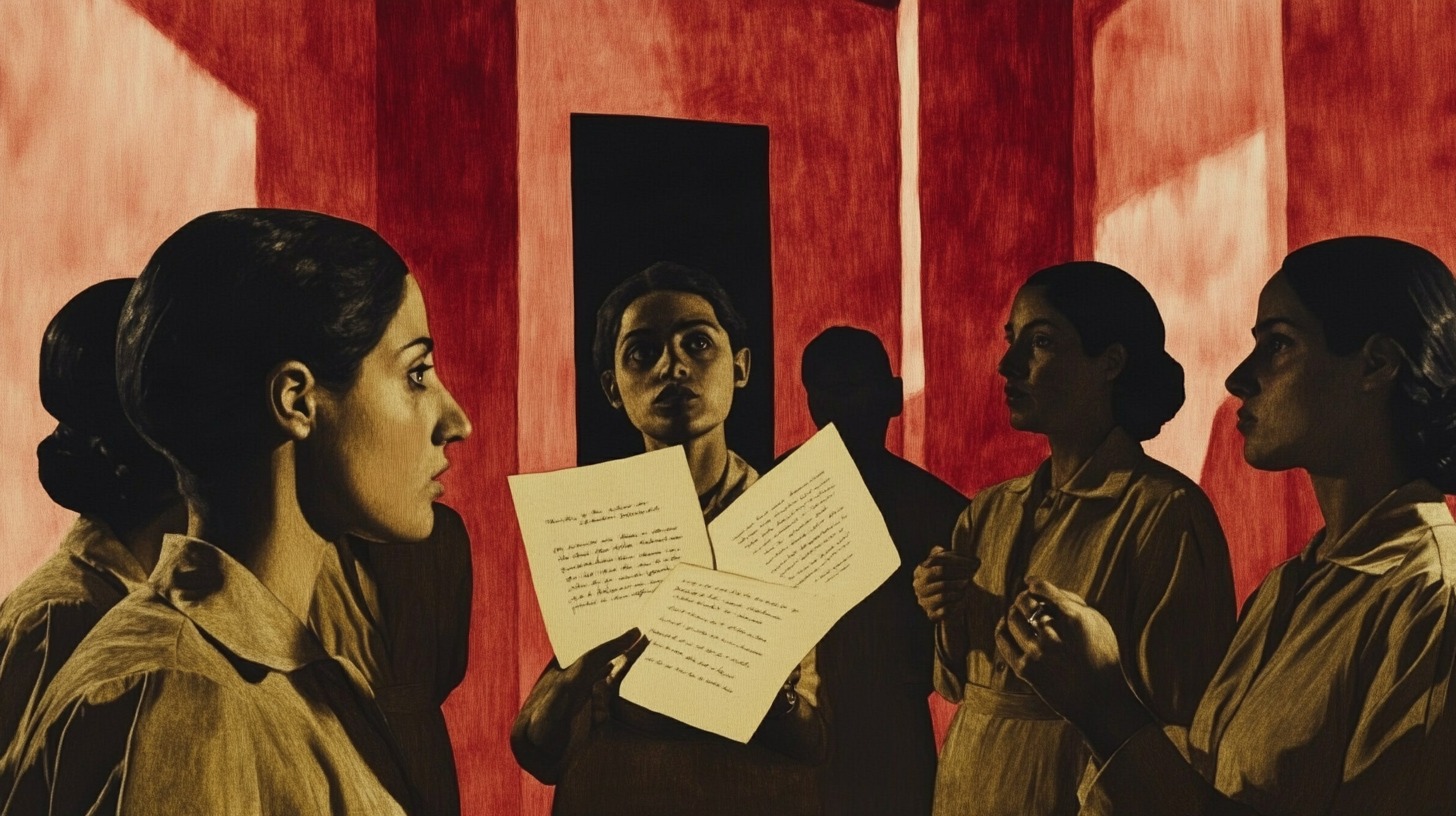
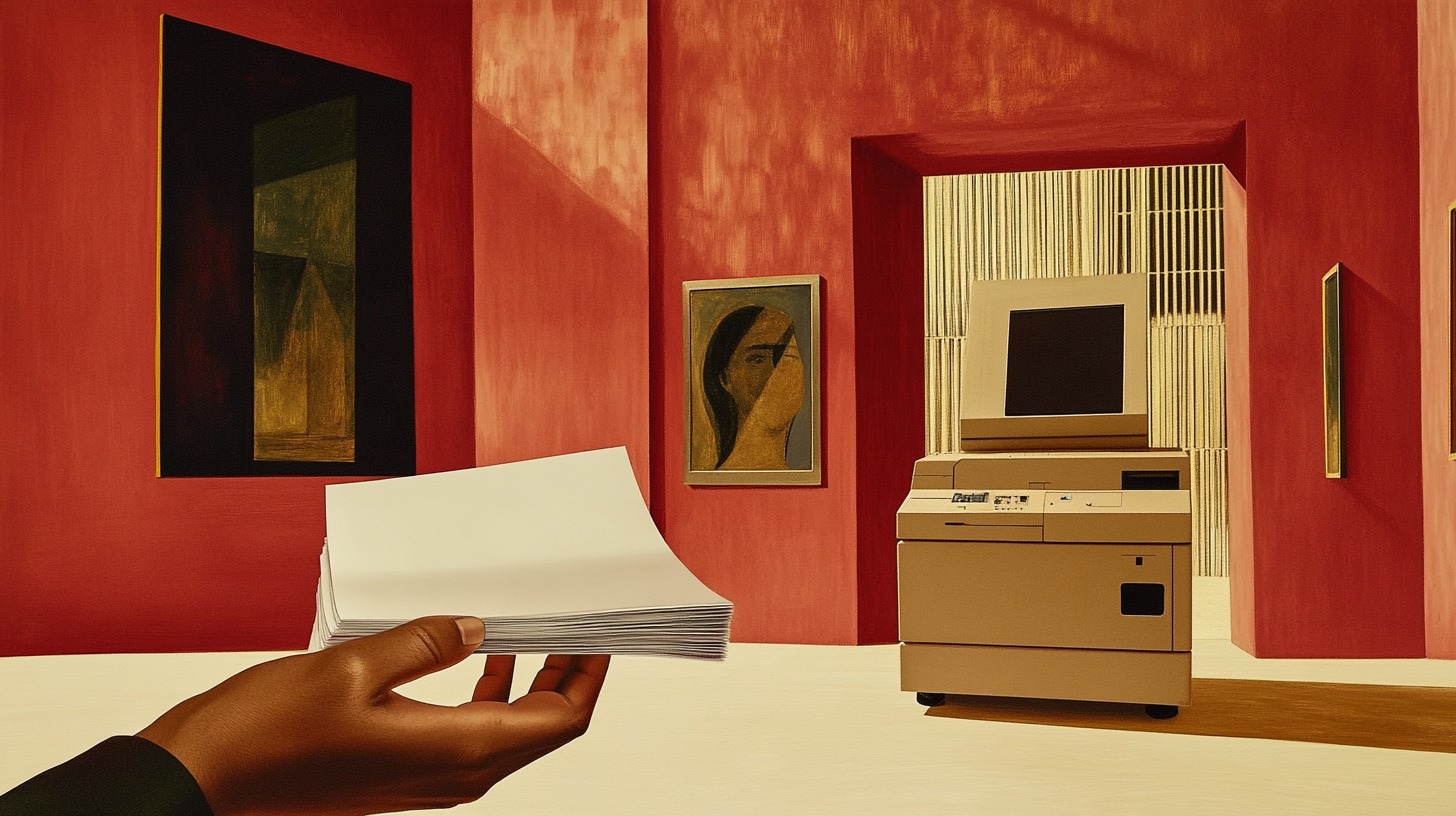
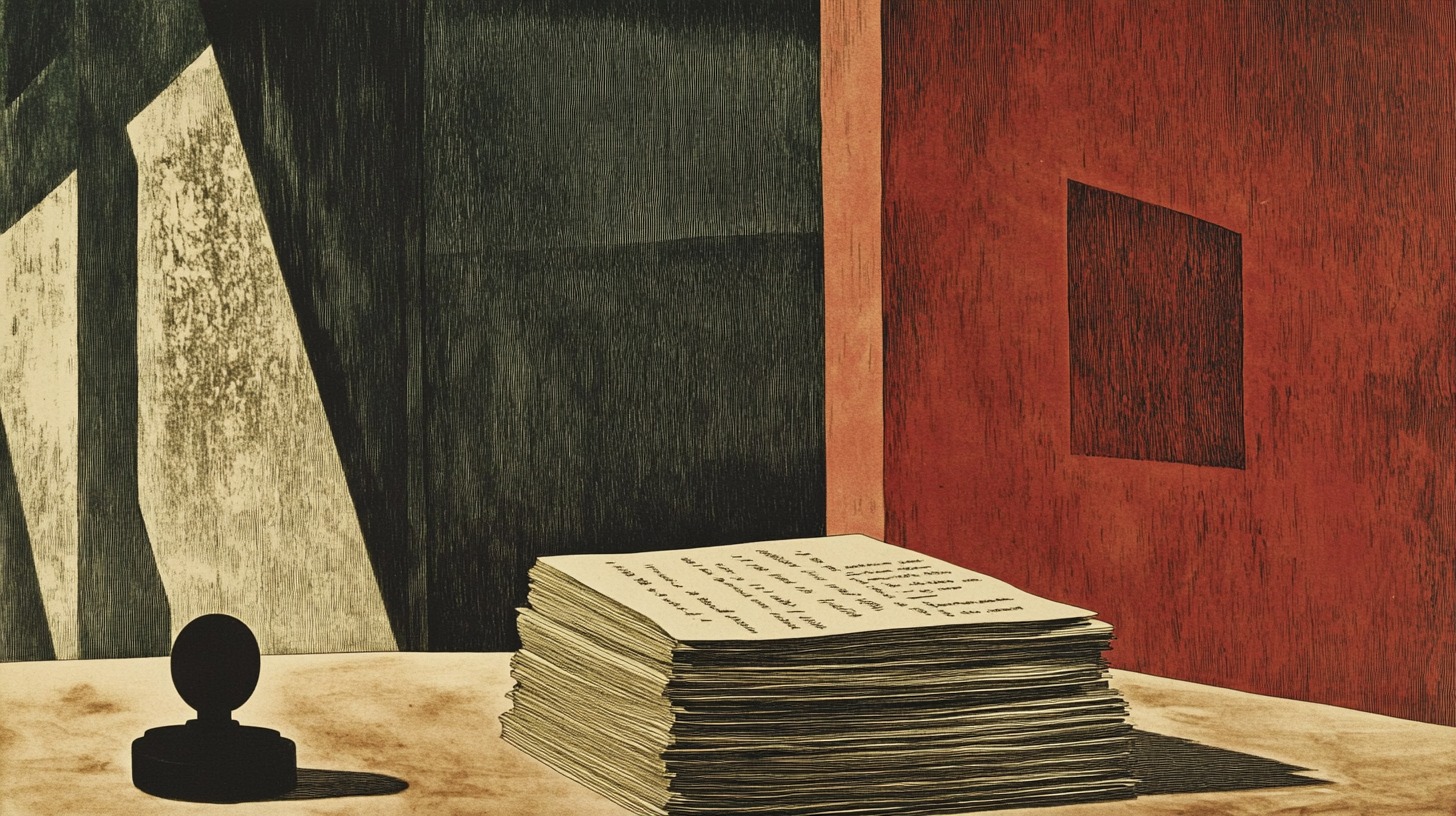
So when someone I wasn’t close to found and read the pages I had printed to share,pages the printer had jammed on and then quietly released later,it didn’t really matter what was on them.
What mattered was that they were words,detached from me, stripped of beginning and end, context and consent.
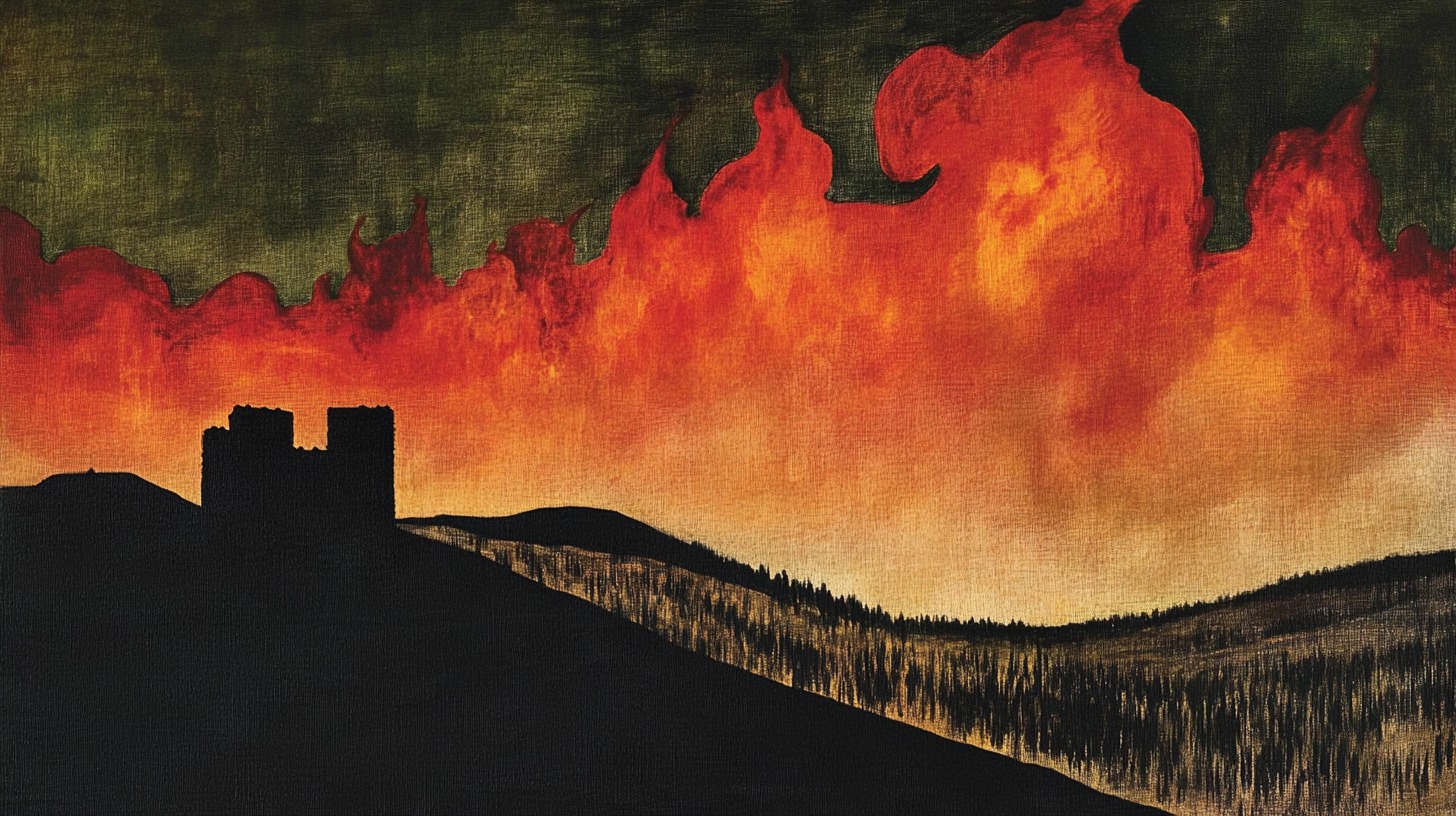
In here, rumors are like California superfires:It doesn’t take much to ignite when the air is this dry.
There is very little “rain” in a prison dorm—very little softness, nuance, or patience to slow the spark.A few words, a few misunderstandings, and the whole hillside goes up.
These women know what it is to be flattened into a single story,one in which they are seen as dangerous, defective, disposable.
They know what it is to have the world decide who they arewithout asking. They believe there is a vendetta against “our kind,” that you survive by hook or by crook.
But a few—my kind—stay through the turbulencelong enough to watch division melt and the lie of “other” dissolve.
If the devil is a liar, that’s his favorite lie he whispers to you:“We are not the same.”That lie tells you to hoard what’s in your heart to protect yourself and get yours because no one else will.
For two days, the dorm’s mood shifted around Rachel and me.Conversations stalled when we walked by, then picked up again in a lower, tighter register.
Eyes skated past us like we were made of static.Even Royal’s usual, “Hey, baby,” sounded like it was coming from another floor.
Kiki slid up just close enough to talk without looking like she was talking to me.“They’re preparing to lynch two white women,”she muttered. “That’s you and Rach.” My stomach dropped.
“They found some pages,”she added.
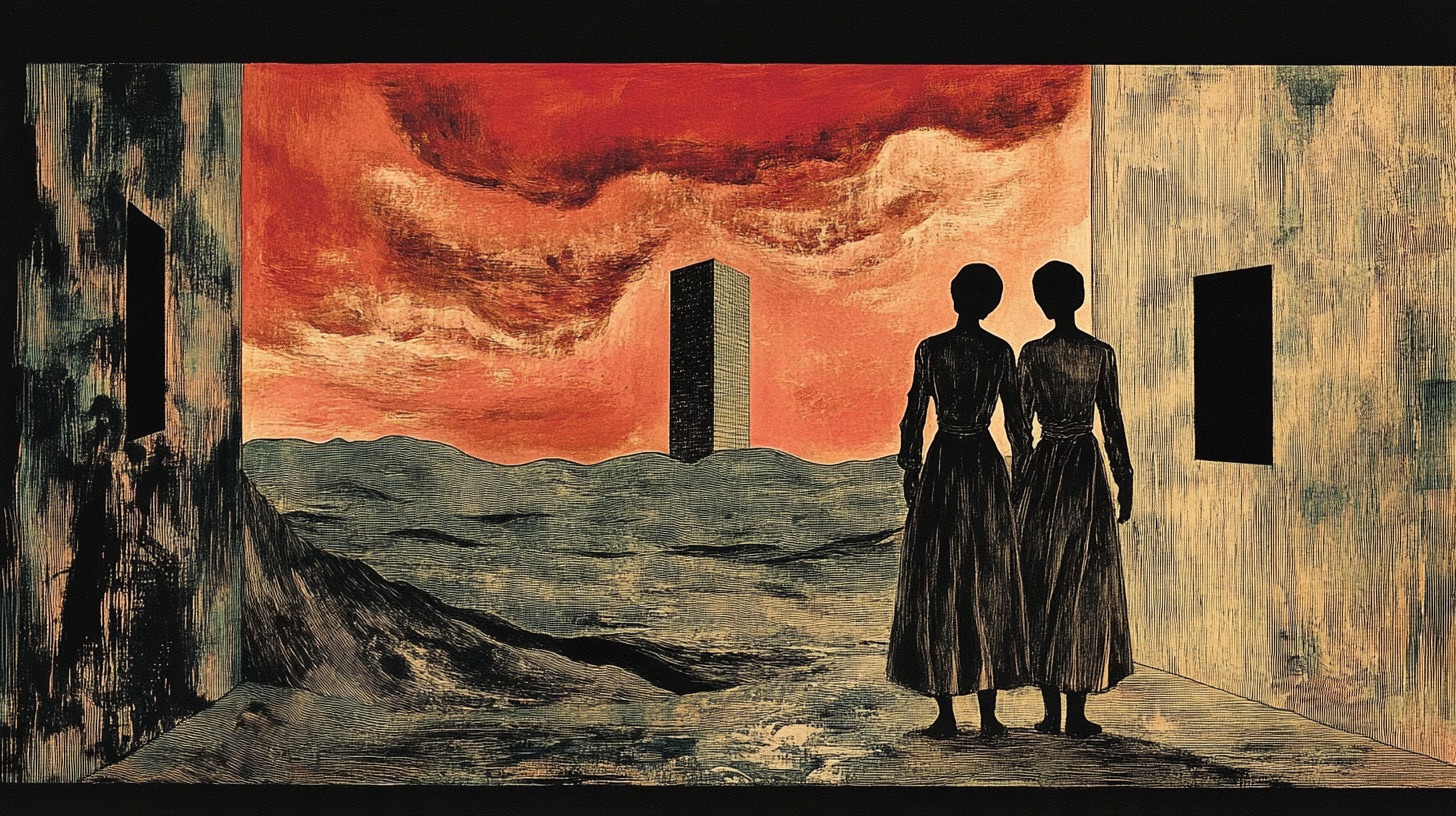
The clouds that had been gathering now had a target.
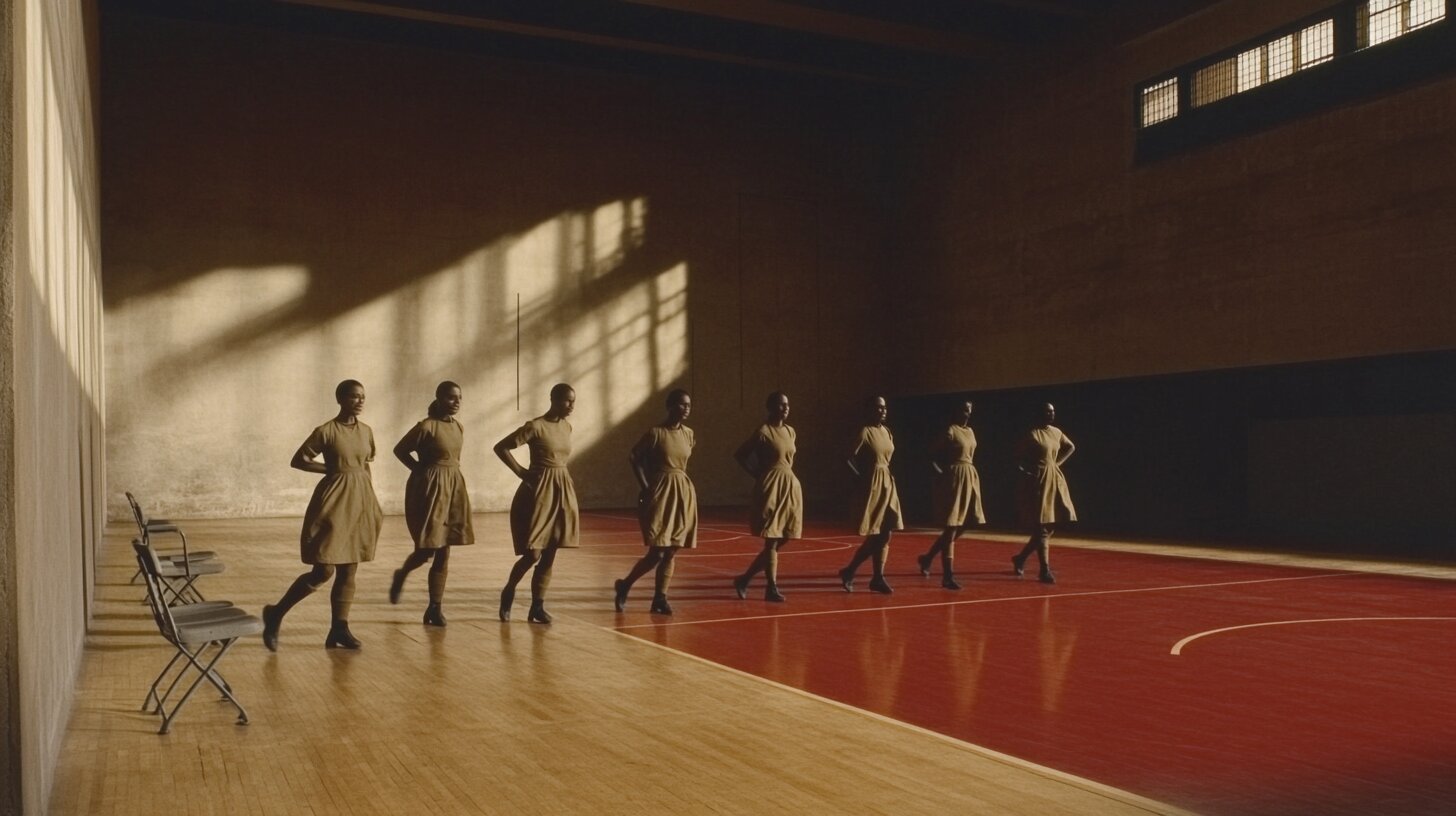
That afternoon we were in the gym, walking the little track that circles the room,doing what we always do: pray with our feet,breathe, pretend our bodies still belong to us.
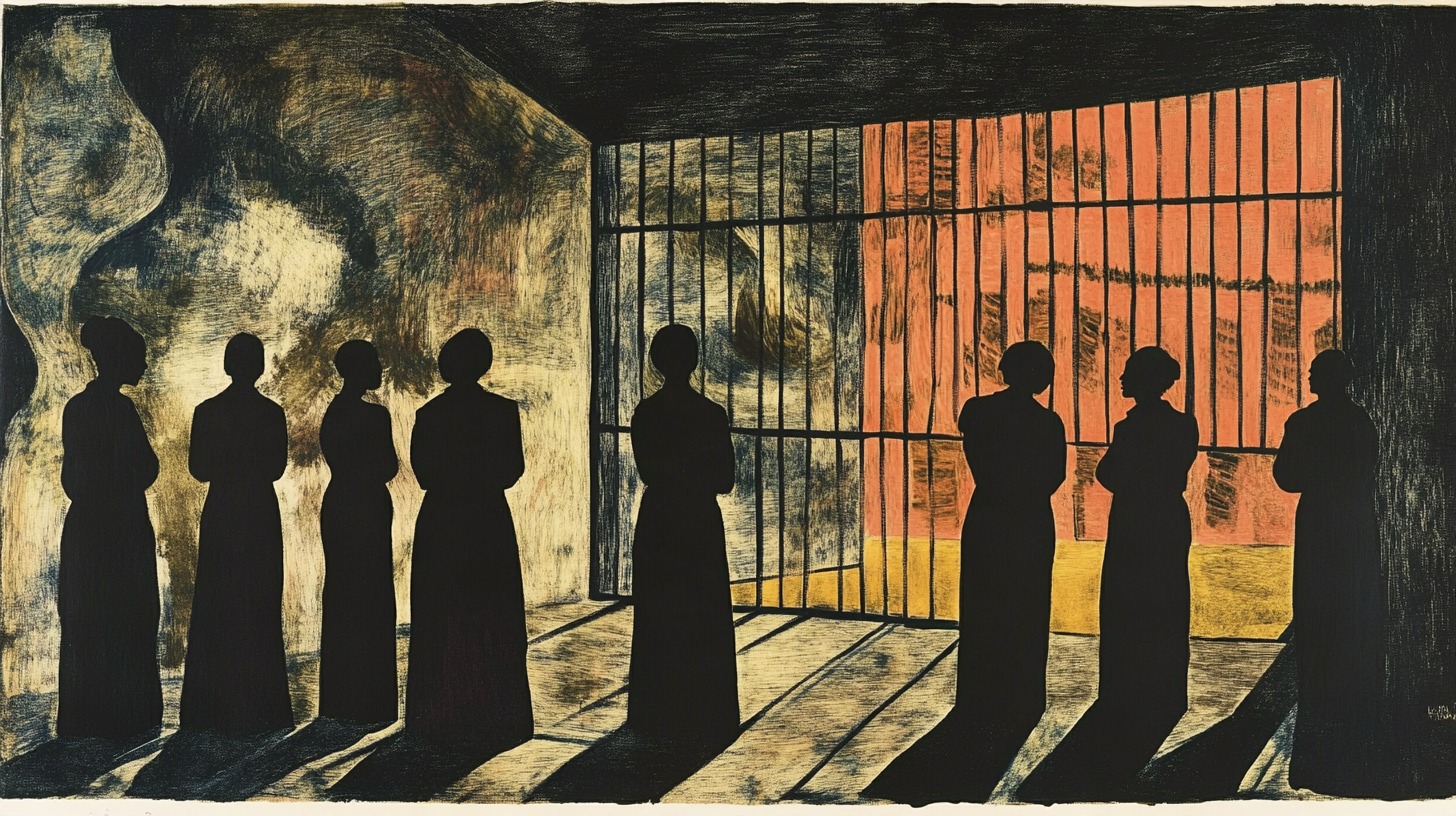
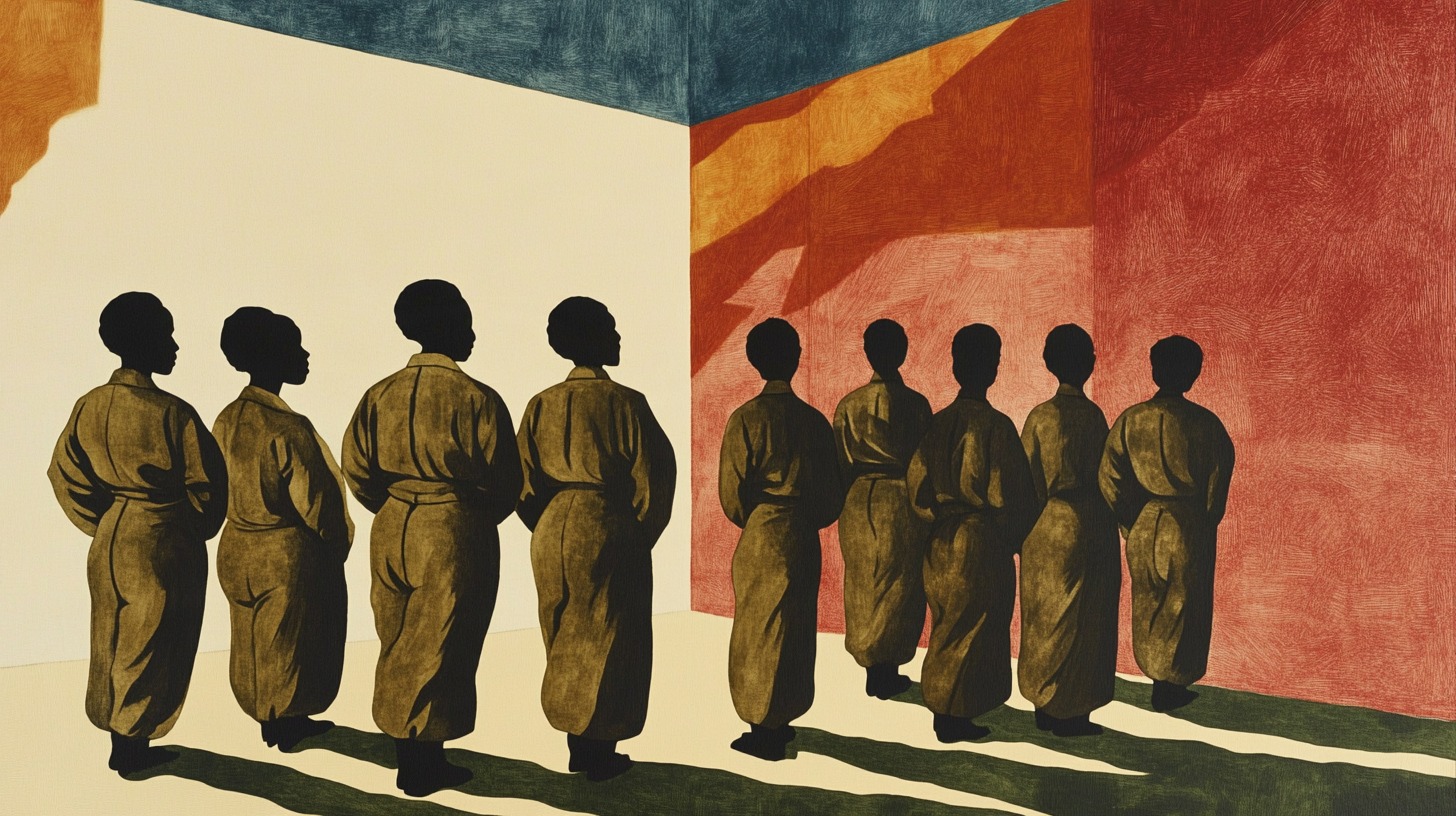
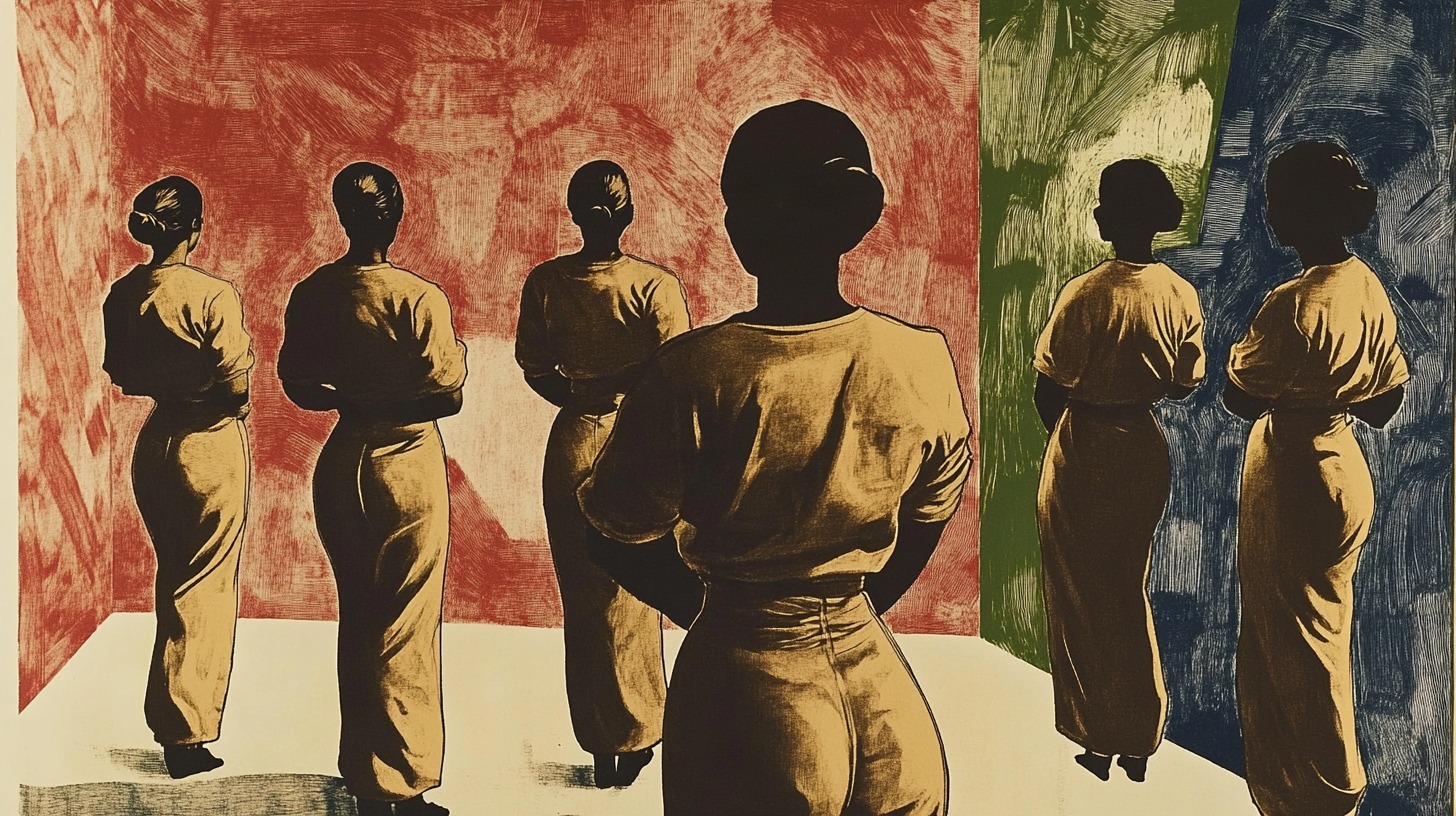
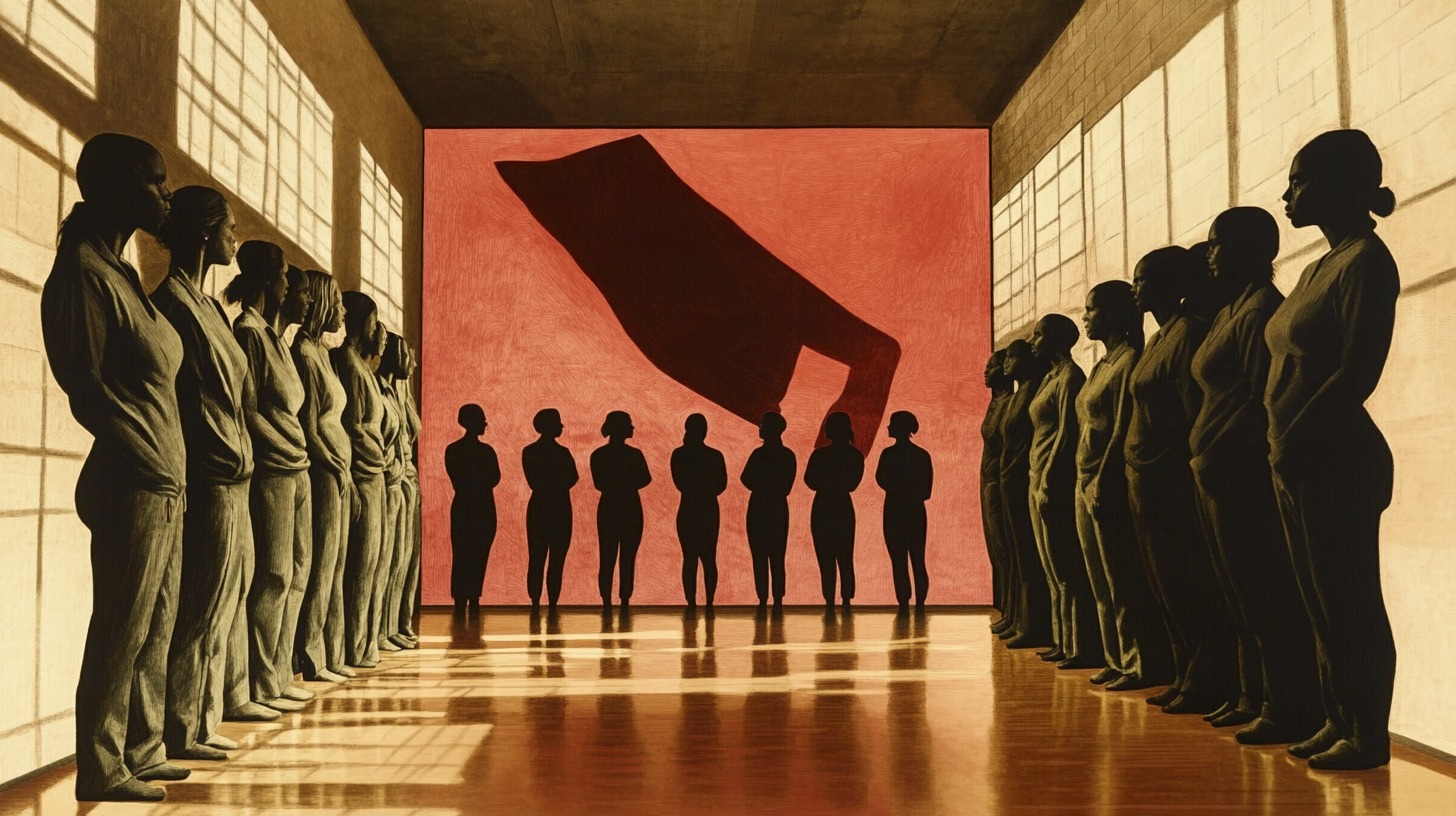
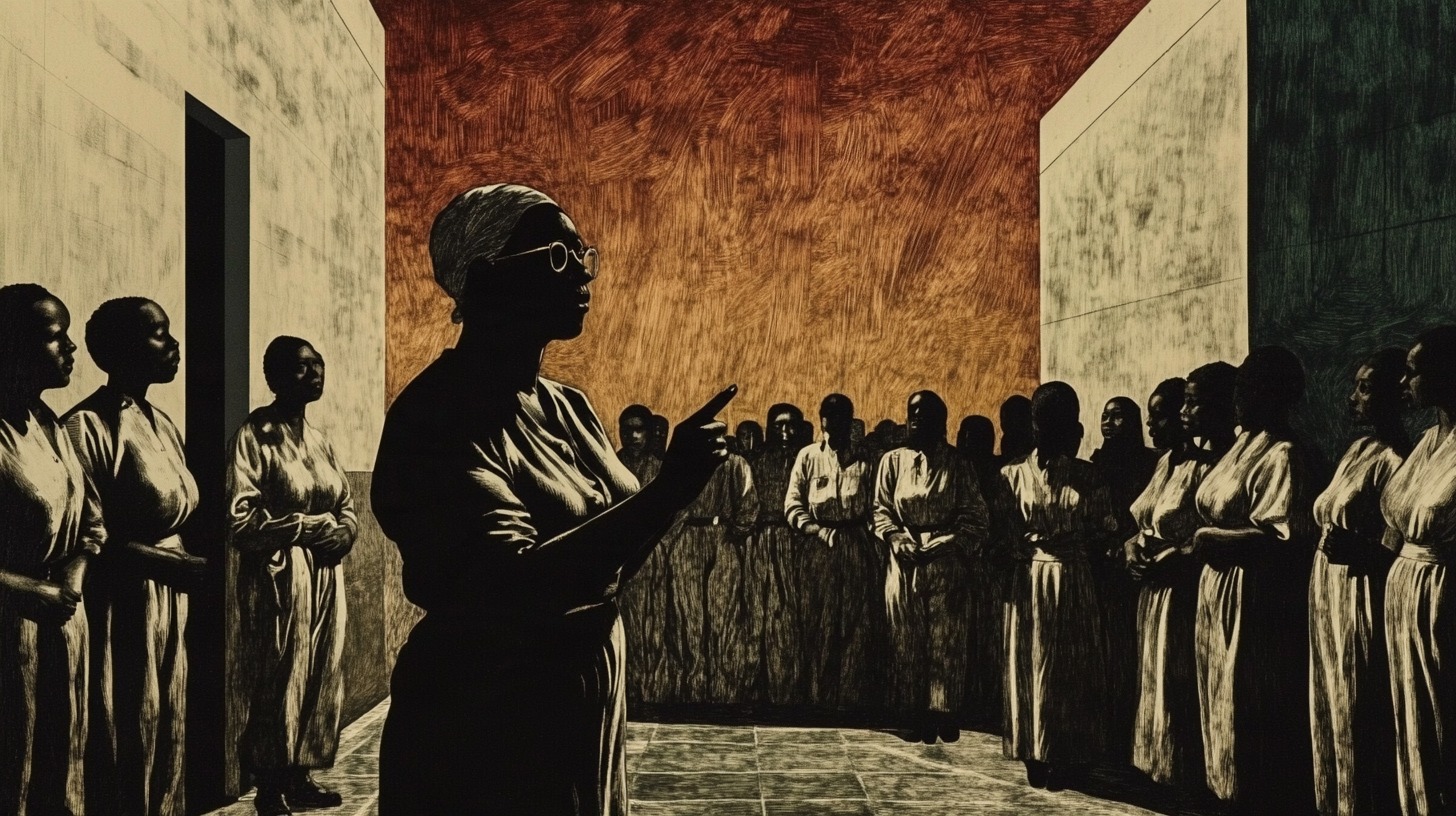
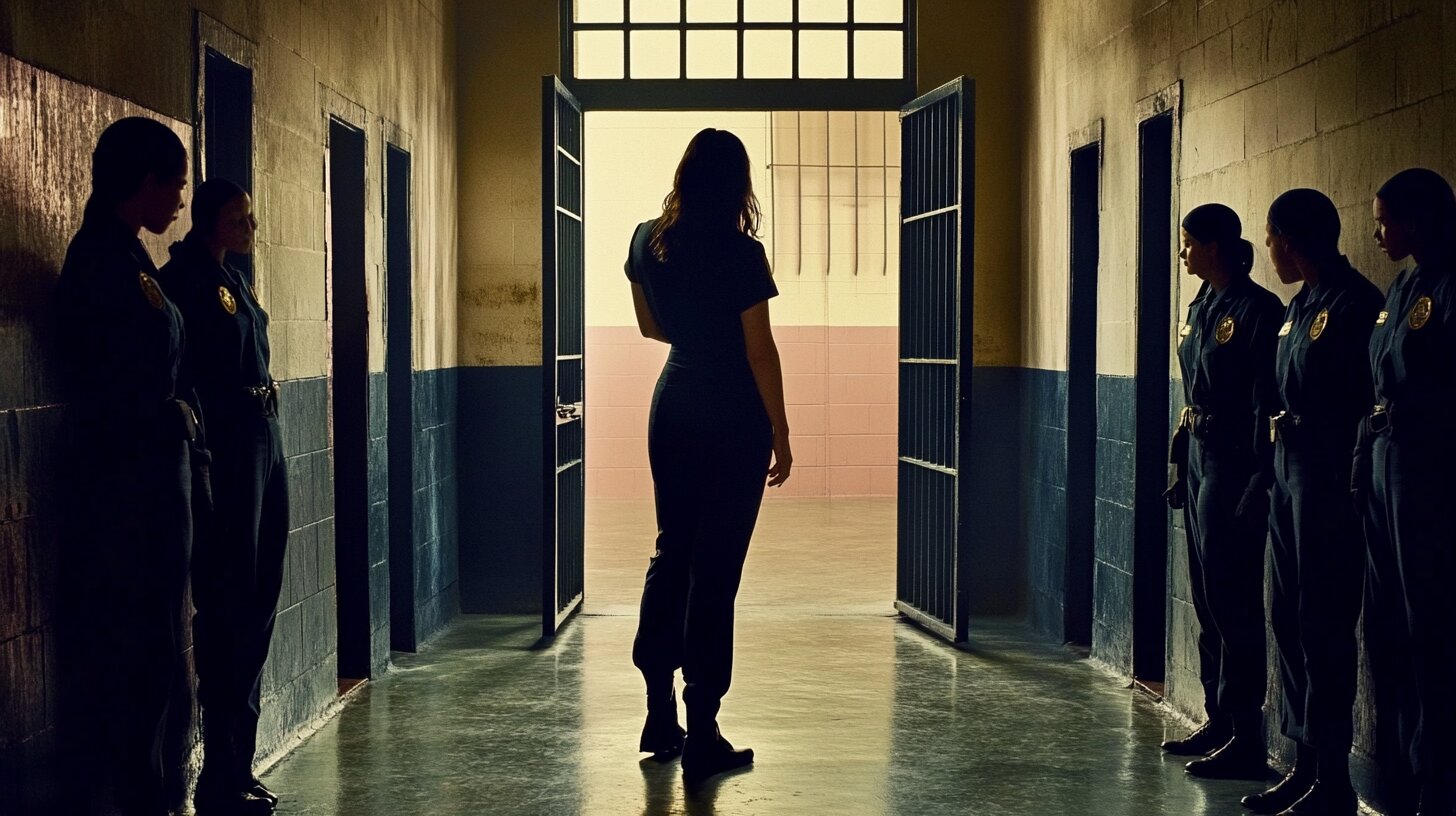
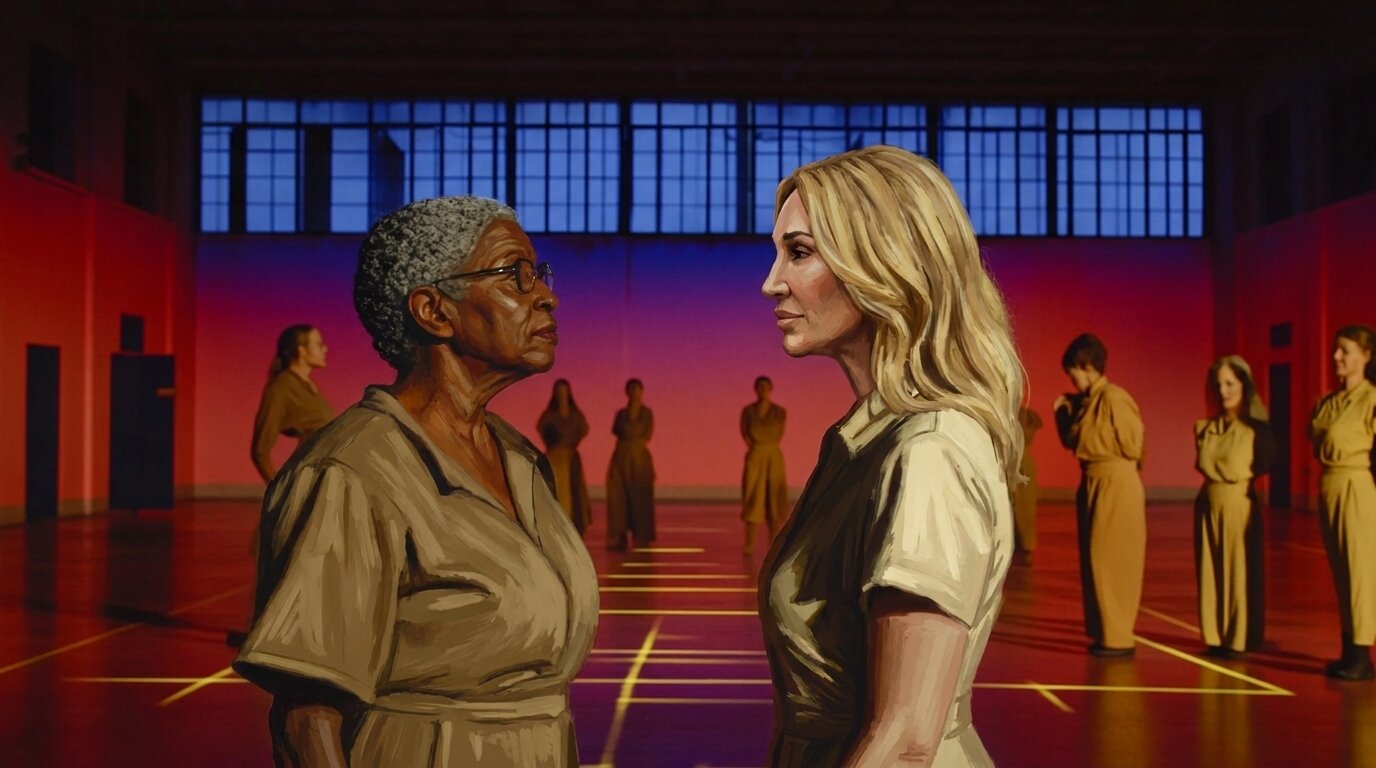
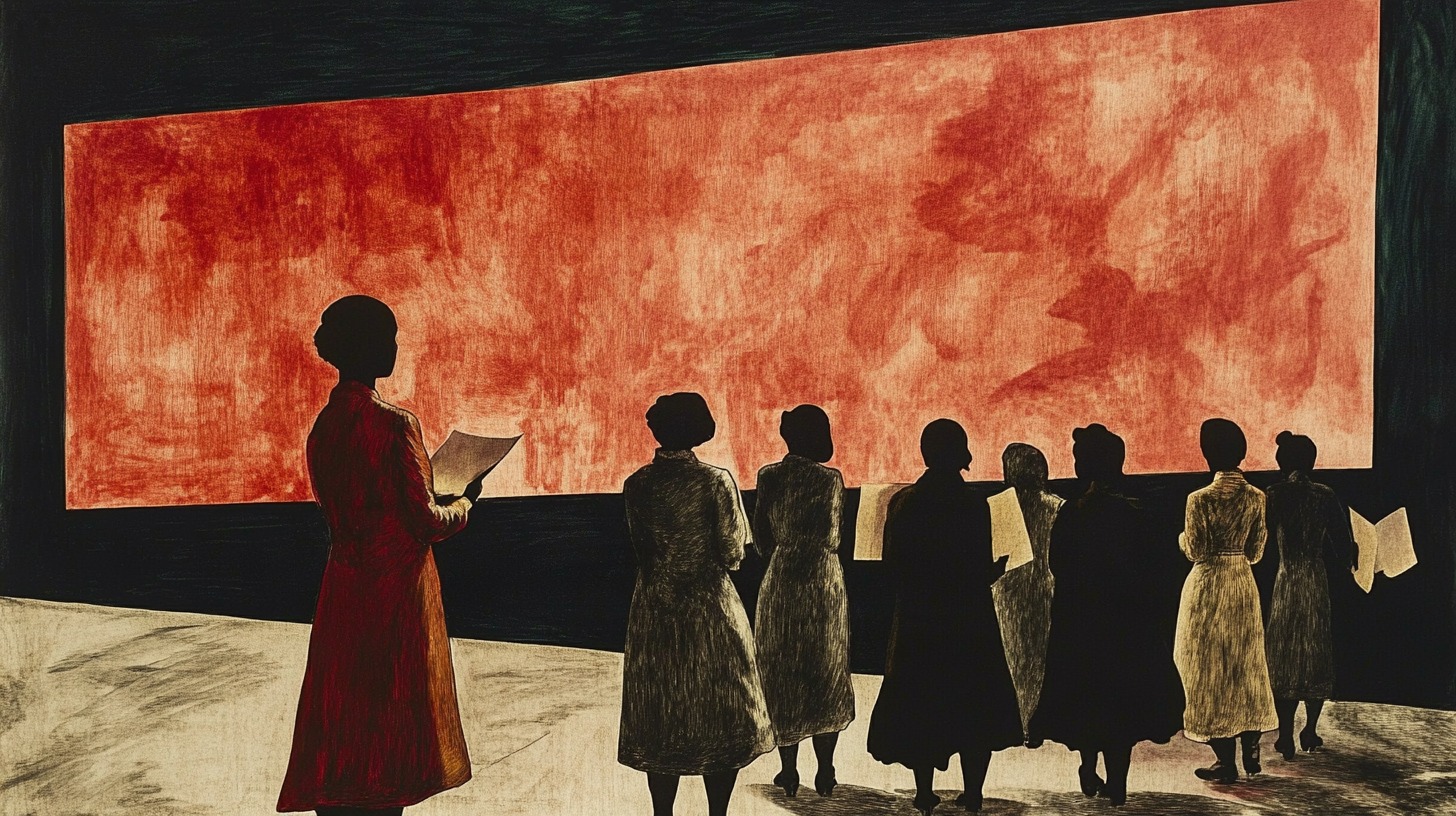
The officers were nowhere in sight.We saw them coming. Seven women.
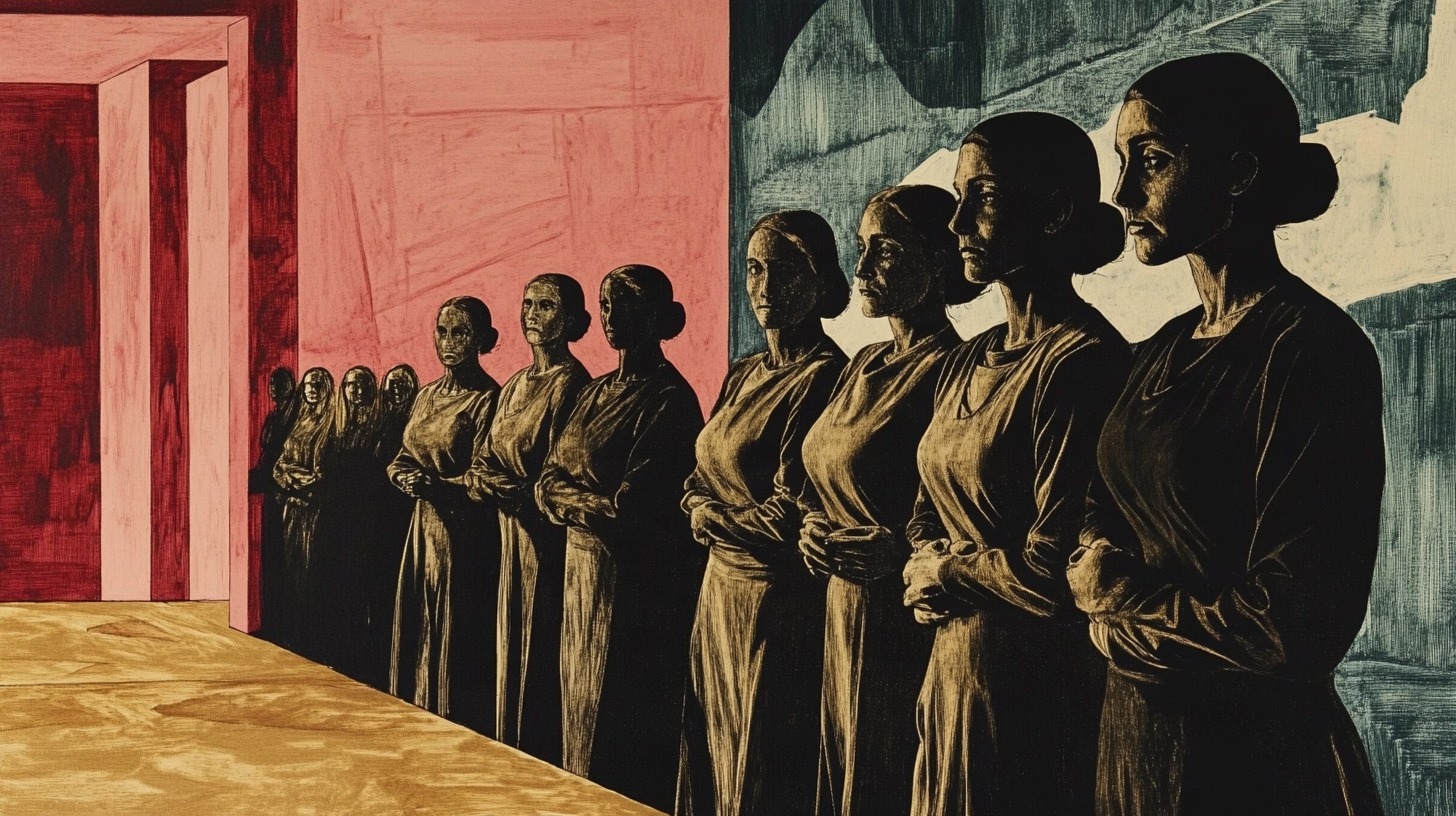
Nevaeh, Royal, Carla, Isabella, Lyric, and two women I’d never spoken to who had clearly come along for the ride.They sauntered in, not rushing.
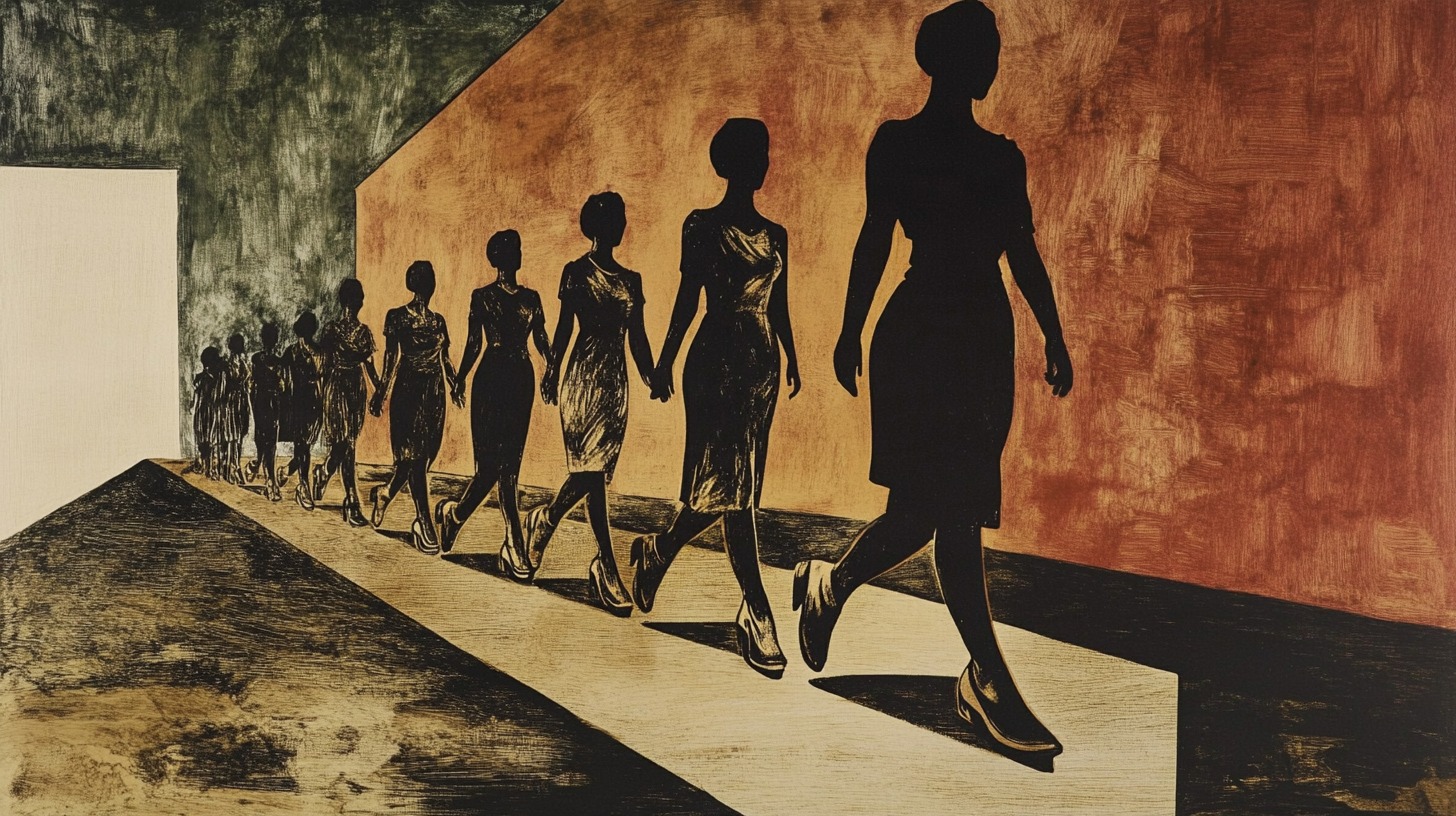
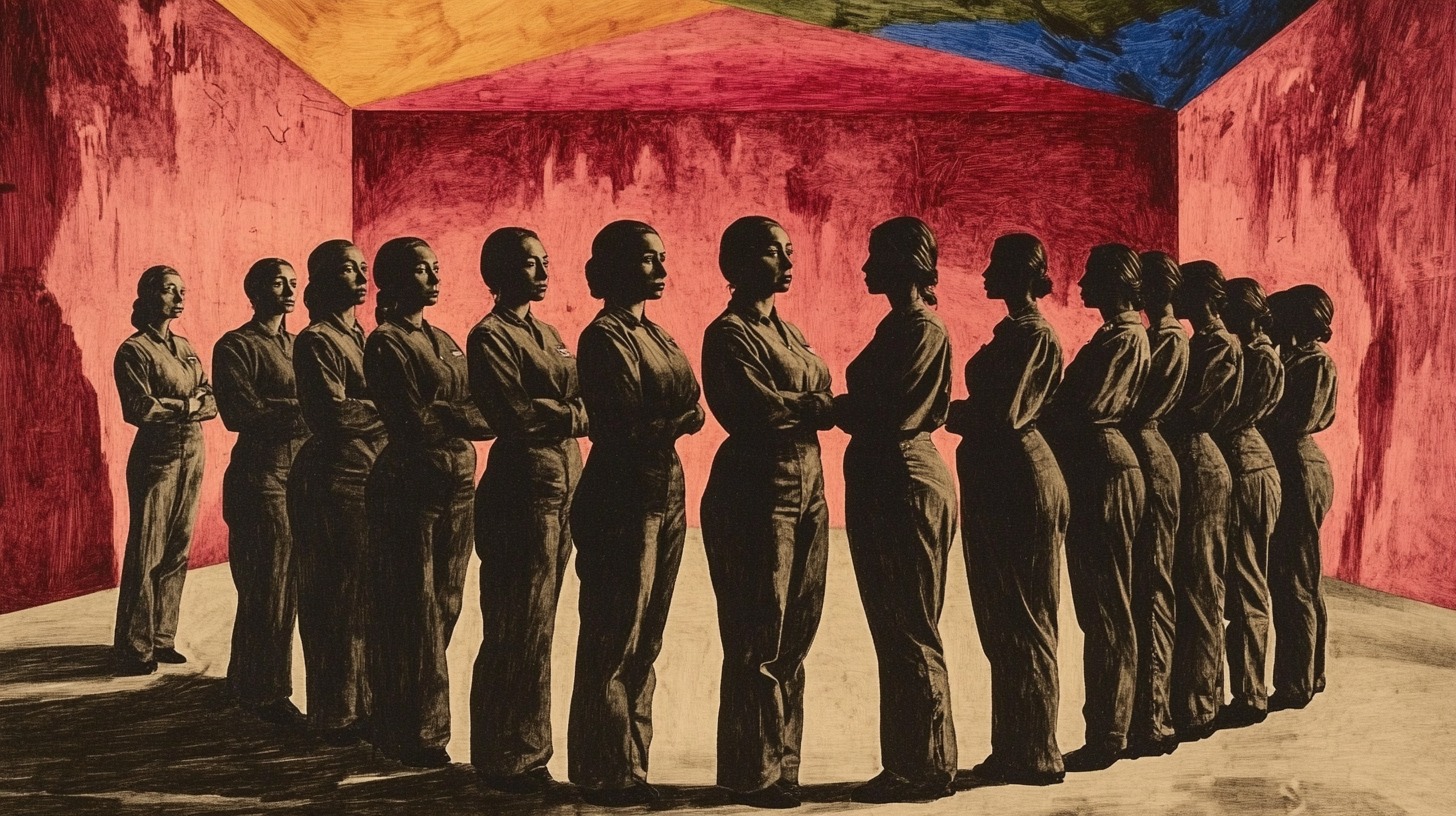
They moved like a single body with a single purpose,cutting across the gym floor toward us.
“Well,” I said to Rach, feeling my mouth go dry,“it’s a good day to die.”Everyone has heard the stories of women getting jumped in prison so I won’t pretend I didn’t clock the details and feel relief.
No pillowcases full of soap to beat us with, no wild running start.The danger was real, but inside I felt oddly still.
I once heard two race car drivers describe the same track: The one who kept coming in second said it felt insanely fast, like he was barely hanging on;the champion said it felt like sitting on his living room sofa.
Same speed, same curves, totally different experience.In that moment, I knew which game I was in.They encircled us at the edge of the track.
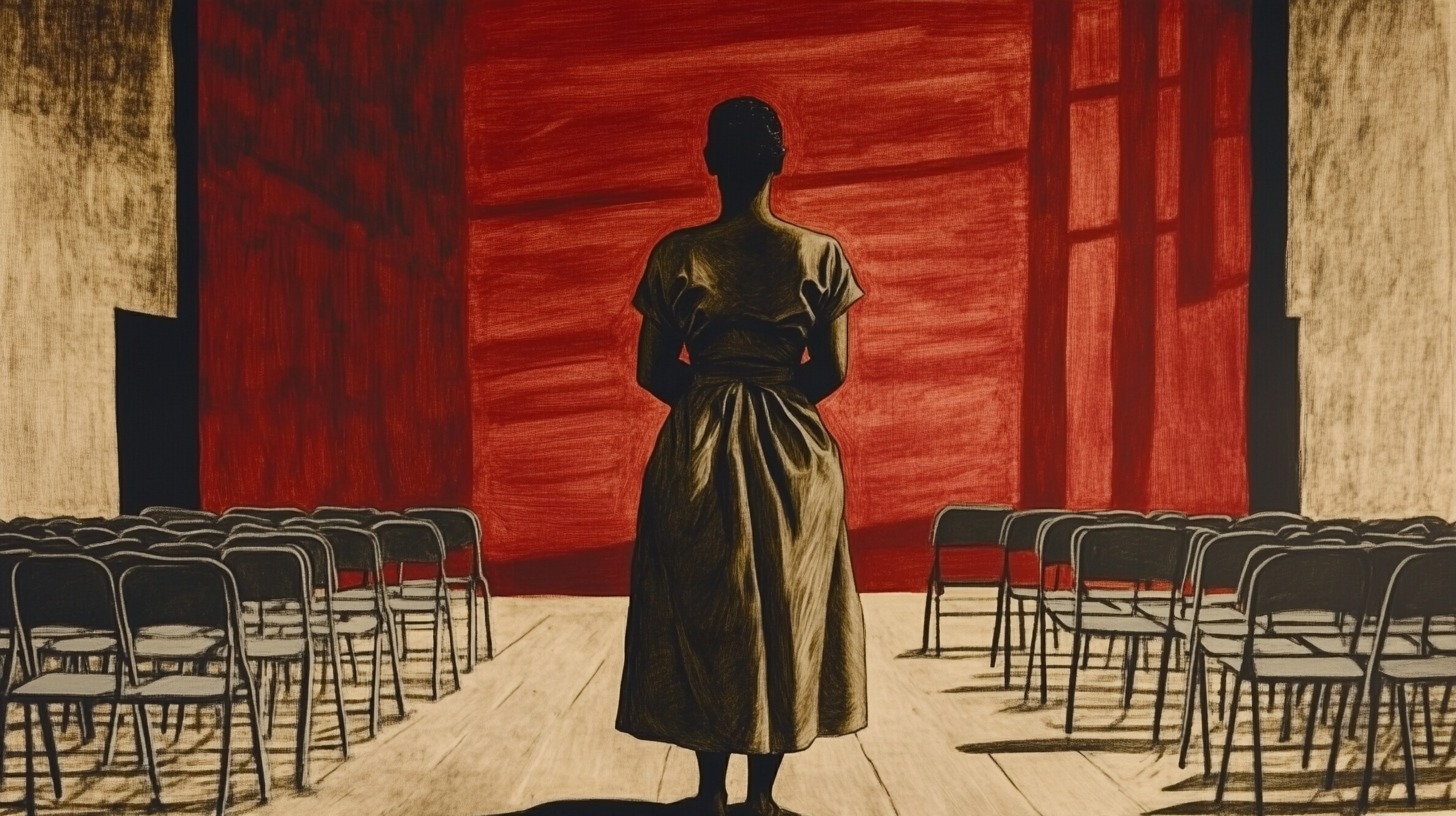
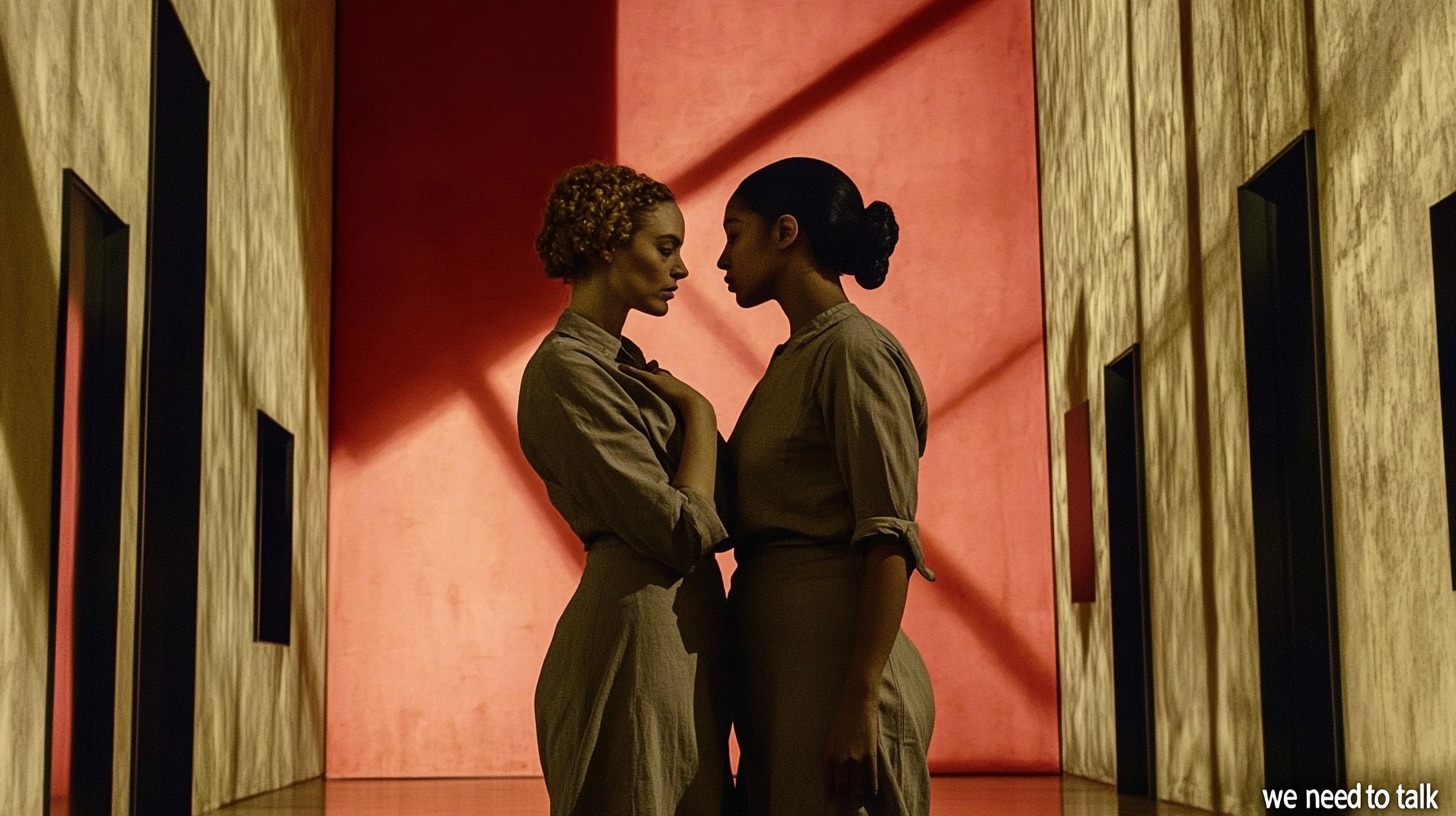
A chair scraped. Carla, who had naturally taken the lead, dropped into it like a foreman about to conduct a disciplinary hearing.“We need to talk,”she said.
The other women tightened the circle.
It felt like a basement scene in a mob movie,only with harsh lighting and cheap sneakers.
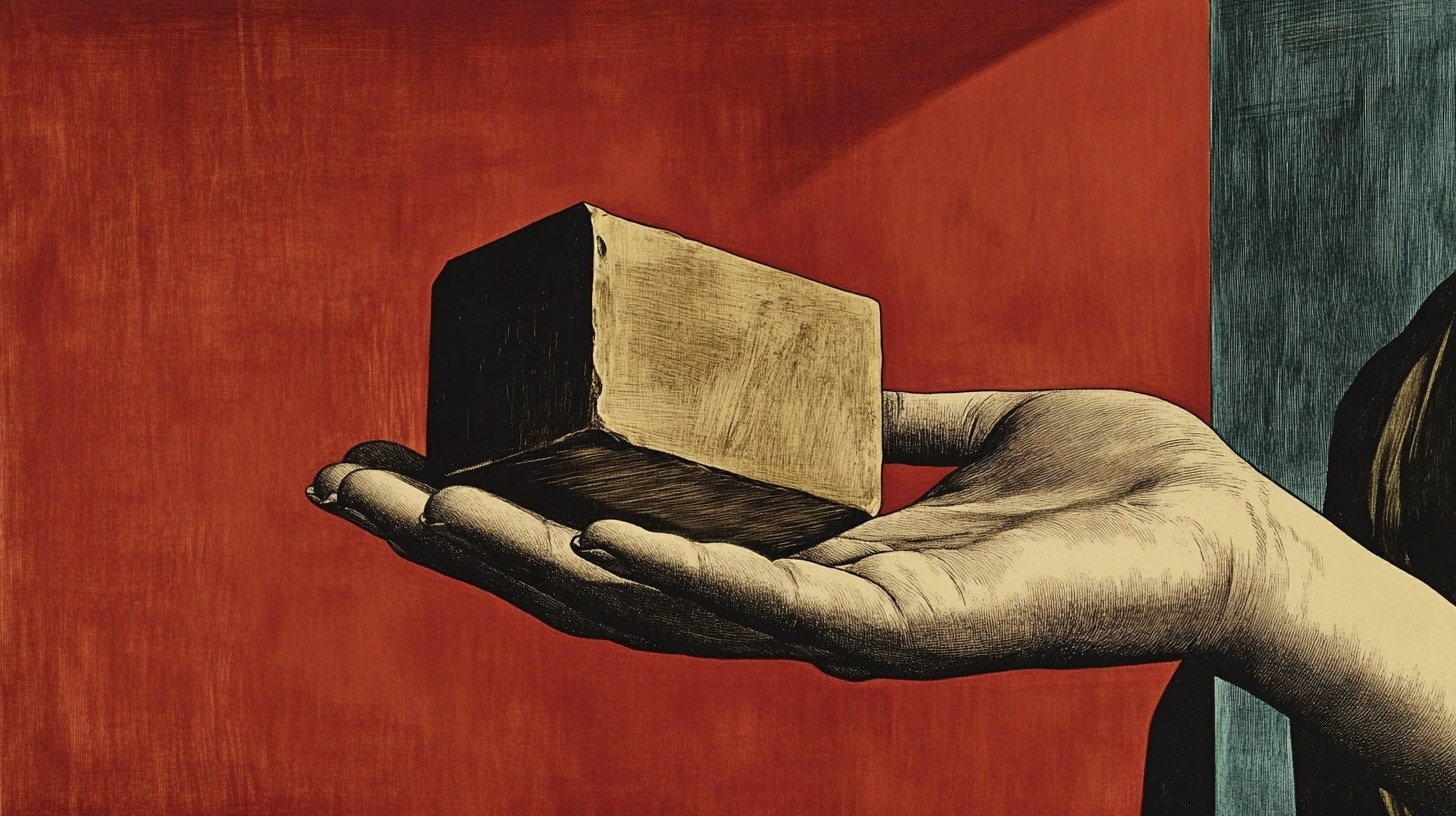
In meditation class, I had told these same women to treat what is true like gold: burn it, scratch it, rub it.Until then, you don’t know what it’s made of.
And while I am not the Buddha and there are still impurities in my nature, I was, in that moment,one hundred percent clear about the nature of my intent.
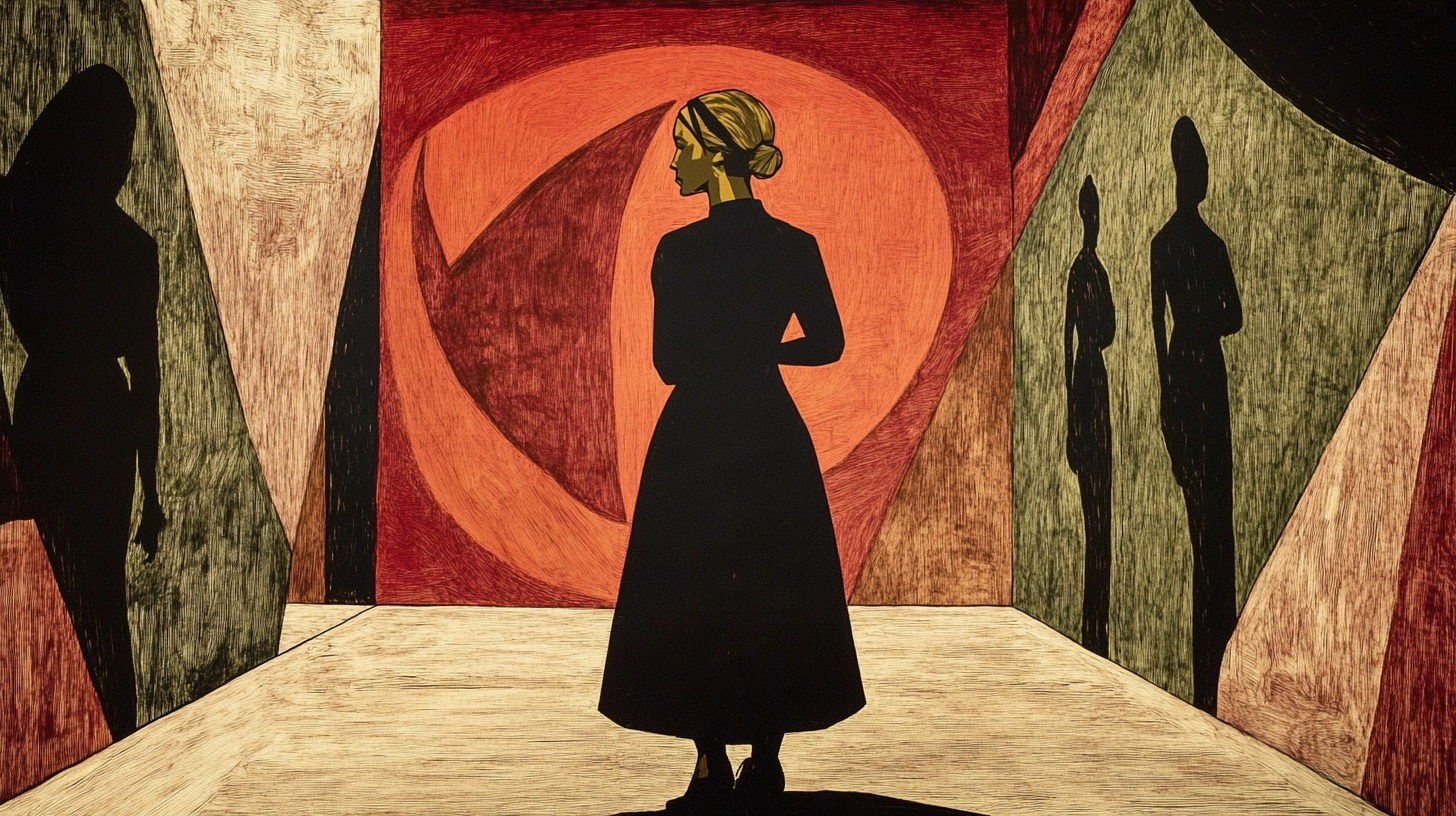
It would be ridiculous for me to paintthese women as evil or ugly when I am one of them.
I am far too Sicilian for that,both in the way I live in the “us” of things and in my refusal to make an ugly portrait.
They had been gentle with us so far.True intimacy means testing. Carla held up the crumpled pages.
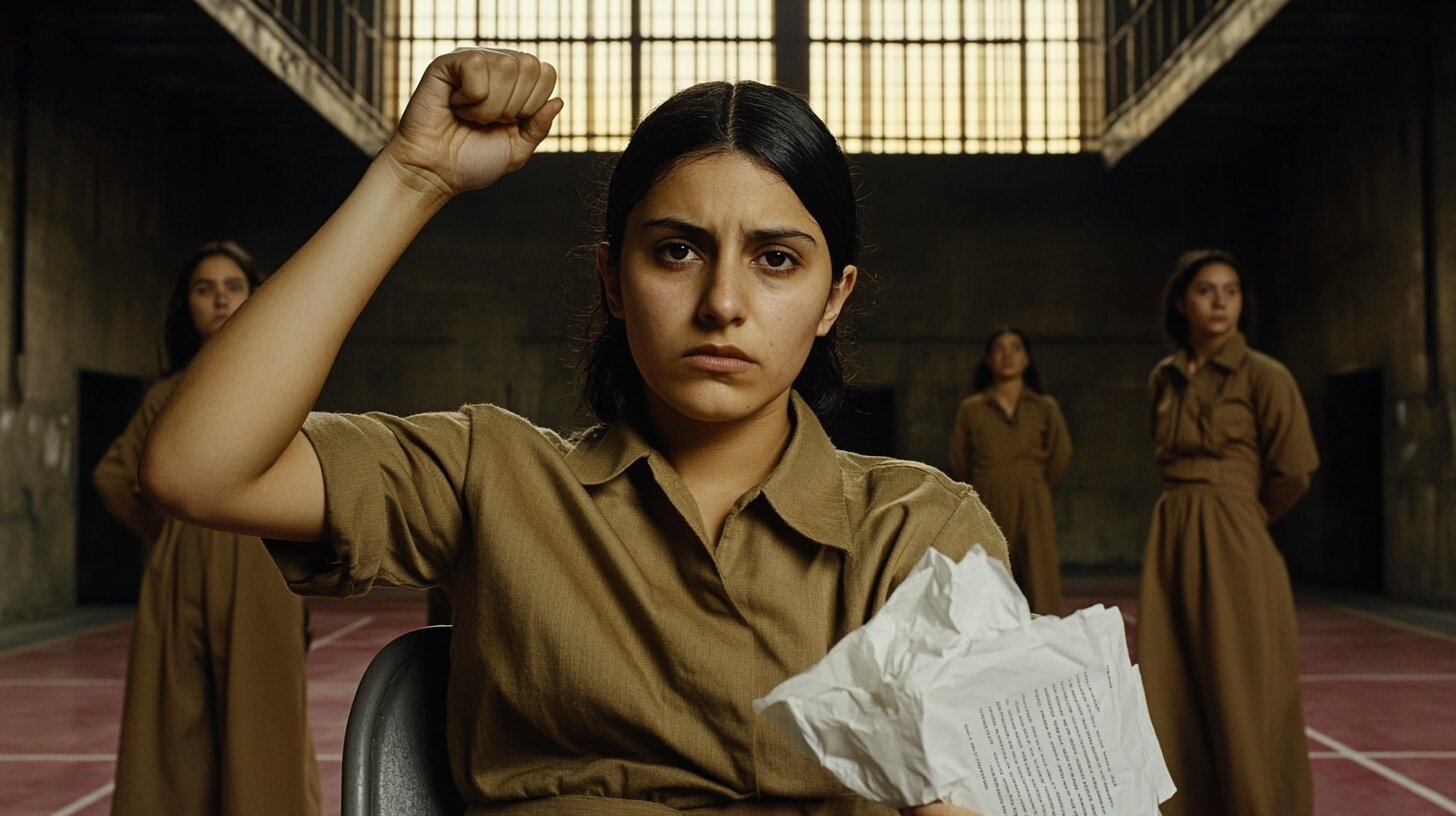
“People been saying you writing some kind of hood book about us.”They waved the pages in front of me as proof of my malintent.
That I was pulling one over on them,as if I had been sent into their midst like an embedded journalist,observing the wildlife to send reports to the outside world.
“It’s part of a write-up of a conversation,”I said, my voice steady even as every cell paid attention.
“I printed it to share.”I looked at the women I knew, the ones I was close with. “I always share my writing.
You’ve read pieces before.” Butin a place like this, intention doesn’t protect you.
Stories move faster than truth. They started naming their fears.That people on the outside would read this and judge them.
That their kids might see it.That some prosecutor or probation officer would use it against them.That they’d be frozen in these pages as exactly what the world already thinks they are.
I could see what they were saying.If I believed my story might be taken and weaponized against me,I’d be nervous too. The air was thick, a living thing pressing in on my skin.
This wasn’t a theoretical threat;this was seven women in a room with no officers,telling me they felt betrayed. Seven women with limited information and limitless imagination.
Seven women who could be dangerous if crossed.
Steadying yourself in the face of that force is no small thing.To receive it, let it move through my body, and turn it into a steady explanation instead of a counterattack—that was my task.
I was neither afraid nor fully competent.In the space where a certain fear used to live,a clean determination rose instead. These women wade through the swamp of disappointment daily.
The nurse who promises to come and doesn’t.The family member who promises to visit and doesn’t.The court date that promises to end this nightmare and instead pushes it further down the calendar.
I had wanted to be a glimmer,enough of a flame to ignite something in here.Now even I was being doused.
They took turns. “I was disappointed…”“It made me feel played…”“I thought you were different…” They said they were going to report me to their attorneys, to MDC, to anyone who would listen.
That they wanted nothing to do with this book.Take their names out. Take their stories out.
It was clear they were getting ready to ostracize me and Rach.They called Rachel a snoop and a spy.
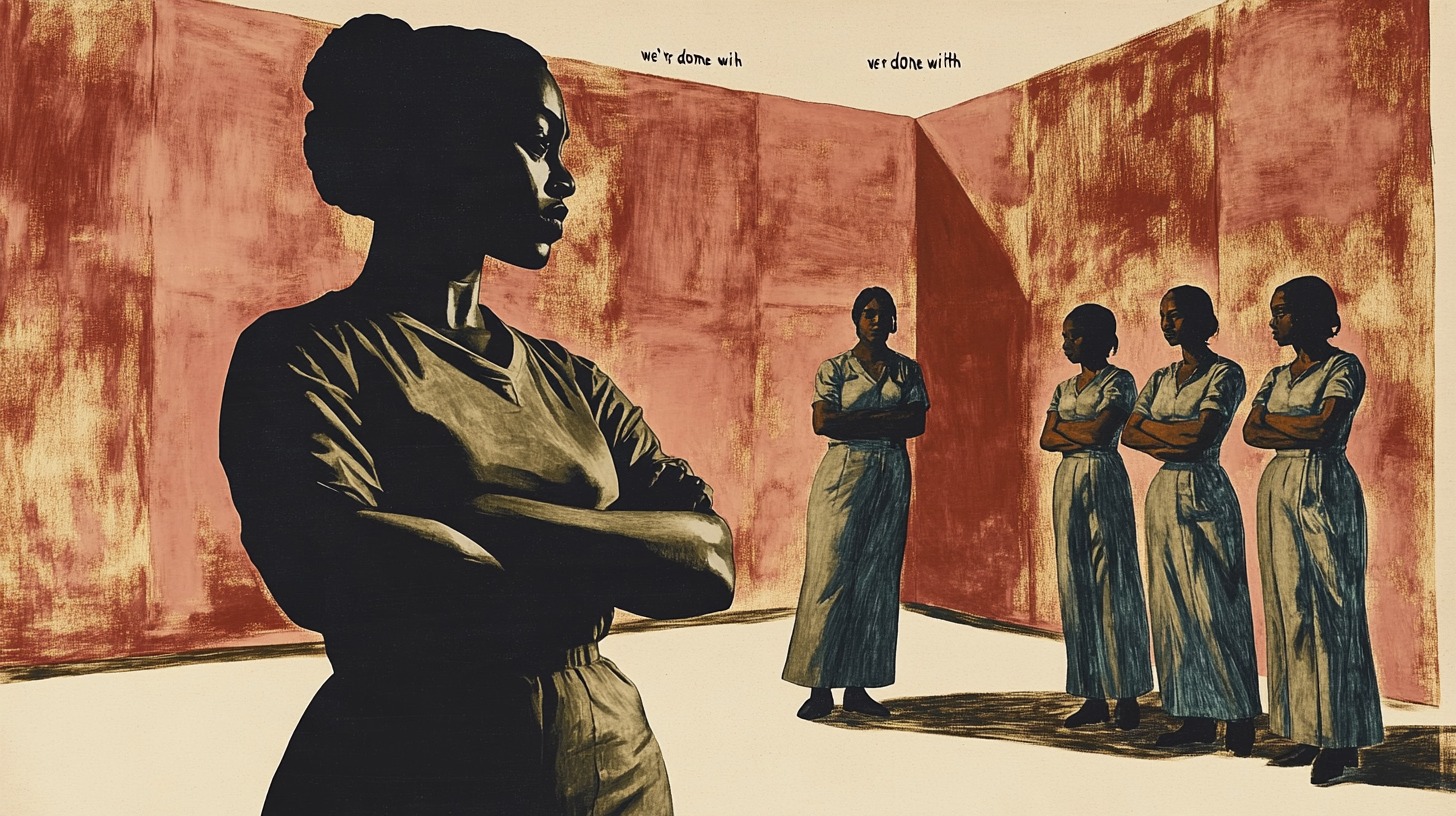
We had gone from “we got you” to“we’re done with you”in under ten minutes.
A strange, awful, beautiful thing: hearing women use the “I” statements I had taughtthem in meditation class to give me a more emotionally responsible dress-down.
Threat in one hand, tools of emotional literacy in the other.
I was wired and very much alive, and I was proud. Proud because, in this dry place,they were doing their best to practice an uncommon maturity instead of just swinging.
This was them testing the gold.Mixed in with the accusation I could feel the ache of women who did not want to be disappointed one more time. I tried again.
“I would never publish anything about you without your approval,”I said. “I always share what I write. I want you all to read it.
Read every word I’ve written. Let that speak for itself.I can’t convince you, but the words can.
For me to try to take someone down isagainst who I am and what I’m here to do.”But trust had been broken.
Threat hung in the atmosphere, both sides breathing the same air.But there was also something else present, like a low current underneath: my Lama’s voice, talking about the freedom of a pure intention.
The deepest fear is exposure.When you no longer fear being seen, you operate differently.If everything in you is oriented to bringing benefit, the person who looks most threatening becomes, potentially, your greatest ally.
They are the one who will test you thoroughly enough to prove what you’re made of.What I didn’t know until later was that this was the scaled-down version.
Originally, the plan had been a full Town Hall,the whole dorm taking turns coming for my head.
An officer who had proven, in small ways,to be both wise and humane had put a stop to that.
“No,” she told them when they marched into her office demanding blood, “only a group.”She even sneaked in a quiet check-in with Rach.“You alright?” she asked.
Rach nodded automatically, good-girl reflex.The officer held her eyes and said, more firmly,“No. I mean it.
You alright?” In here, that’s a glimmer in the tunnel, someone charged with being the big tough authority giving you the smallest wink that you are being watched,and not just in the surveillance way.
I owe that woman—as my friend Ed would say—a deep bow. We’ve maybe exchanged thirty words, four of which were,“Where is your uniform?”But that one boundary she drew on our behalf mattered.
Back in the gym, the circle stayed tight.
In Buddhism they talk about the confrontation with the adversary on the threshold,your own private hell, custom-built for your ego— the last test before you slip the gravity of your old story.
I have to hand it to whoever designed this episode.Seven women in prison, no officers, confronting me over something I had intended as benefit. A mischaracterization I could not simply explain away.
A misunderstanding I could not just make right.Hopelessness, helplessness, powerlessness. Check, check, check.
In the middle of my talking-to,two parallel thoughts rose clear as bells: We will make this right,no matter what. And: How could I love you more than I do right now?
Royal finally spoke, her voice cutting through the heat. Royal, the self-described OG of OGs.“You know what, Nicole,”she said, “you got game.
I got more game than anyone I know, and you got game.” “I do,” I said, smiling with a confidence I hadn’t yet let them see,“but I’m not sure you know which game I’m playing.”She looked at me with suspicion and curiosity in equal parts.
Royal is smart.I knew I could leave her with that question and she would track it.
There is an order to this game,the kind you can sense even when the rules are still hidden from view,but it isn’t a game she’d seen before. I know the feeling.
I had it with my Lama.I couldn’t understand how he could pin me every time until I got on the same wavelength as what’s called bodhichitta, the aim to bring benefit.
When that is your aim—when you’ve glimpsed the desire to transform every last drop of self into the ending of suffering—the person who looks the most threatening, the one who might expose you,becomes your greatest ally because they not only see you,they see you through the eyes of love.
When you change your address to that street, things look very different.I was, of course, disappointed. It looked like the end of something beautiful.
I am very clear that the only way to correct public perception is to present so many human stories of the womenin here that they wash out the “animal” story that’s out there.
These women were forfeiting that. On one level, no skin off my nose;I could keep writing this book as a story of practice inside these walls.
On another, the color and life would be drained.And most importantly, the greatest weapon to combat hatred—the very stories of the hated— might no longer be available. As the conversation unfolded, lines were drawn.
Some women made it clear they wanted out of the book altogether.Others left the door cracked, willing to read more, to decide later.
It wasn’t a tidy resolution; it was a crime scene, with yellow tape in my mind that read do not cross.But years of practice had trained a reflex in me: Let go.
Like a well-trained dog with a bone,I unclenched my jaw to let it drop.All the hours of meditation, all the teachings about renunciation, had been for this moment. Do not convince.
Do not chase. Do not keep trying to write a woman’s story if she doesn’t want it told.Great idea, great vision, and if they say no, let it go.
That room was fire.And as much as they saw me and Rachel, I could now see them.
I could see who was fanning flames for her own agenda, who just wanted to keep her ass out of the heat,and who I’d choose if I were building an army for unity.
I could see the rawness under the anger, the history under the suspicion,the sliver of courage it takes to walk up to someone and say,“You hurt me,” instead of just taking her down.
This is what rupture does when you stay.It shows you what you’re made of—and what everyone else is, too.